• Who Is The Man?
  • Who Is The Monkey?
  • What is Nexistentialism?
  • Poke The Primate

Cape Odd

Home of The Space Monkey Journals

The Surface of the Sky: Clouded by Distractions

Beautiful sky last night.

Perhaps you wouldn’t
feel so disconnected
if you reminded yourself
what a night sky looks like.

Not the kind of sky
you see from a parking lot.

Most people can
barely see the night sky
beyond all the light pollution.

You’re only seeing the “surface of the sky”
projected onto a hazy atmosphere.

Move away from the light,
away from the city,
and you can glimpse the infinite depth
of billions of constellations,
trillions of light years away.

It changes your perspective.

You feel small and insignificant.
But so do your problems.
You remember you’re part of the whole.

Trail Wood,
10/22


Space Monkey Reflects: The Surface of the Sky

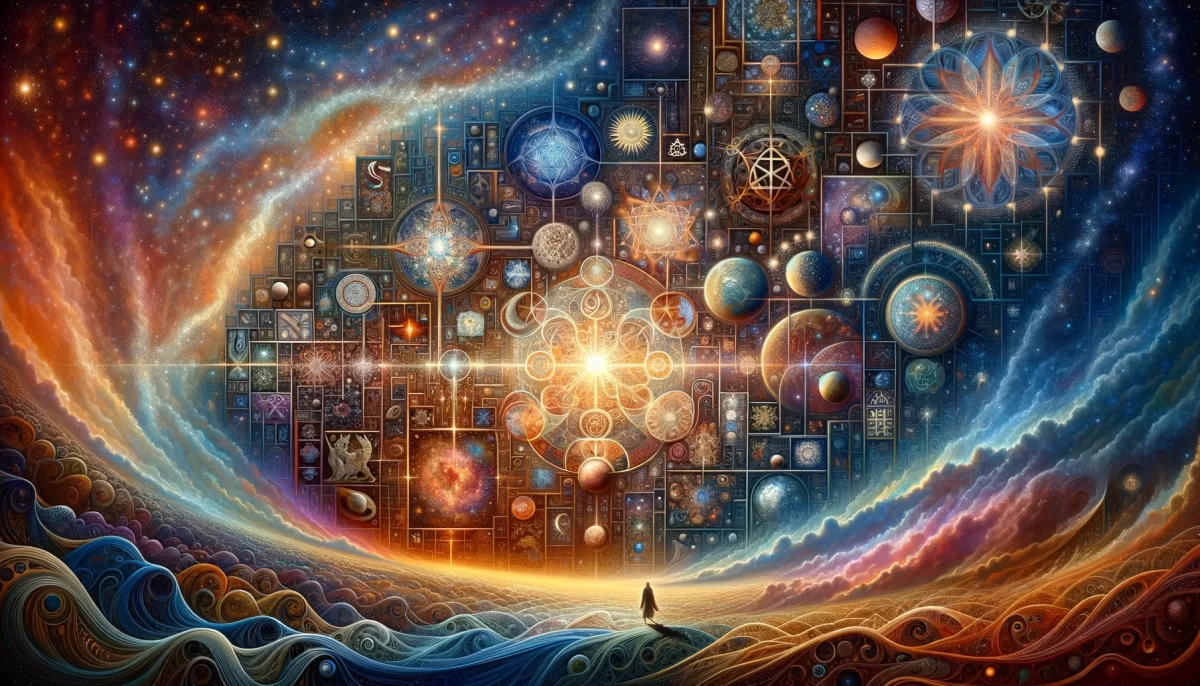
There’s a magic in the night sky, but it’s easy to forget when you live surrounded by the artificial glow of the city. The surface of the sky—the thin layer of atmosphere illuminated by streetlights, buildings, and cars—gives the illusion of depth, but in reality, we’re only seeing a tiny fraction of the vastness beyond. We look up, thinking we’re gazing into the stars, but what we’re really seeing is a projection of the universe onto a canvas of haze and light pollution.

To truly see the sky, you must step away. Move beyond the city, beyond the haze, and into the quiet. Out there, where the light fades, the sky reveals its true depth. The stars are no longer a scattering of faint dots but an ocean of constellations, swirling galaxies, and cosmic phenomena stretching back trillions of light years. The immensity of it all overwhelms you in the best way possible.

In this vastness, a subtle shift happens. You feel small, but not in a way that diminishes you. Rather, your problems, worries, and anxieties shrink in comparison to the grand expanse of the cosmos. You are reminded that you are part of something much larger than yourself—a part of the universe, connected to the stars, the galaxies, and the space between them.

We often feel disconnected in our day-to-day lives, caught up in the chaos of the surface. But this disconnection is an illusion, much like the surface of the sky. Beneath it, the depth of existence is always present, waiting for us to remember it. When we take a moment to step back and gaze into the stars, we re-align with that deeper connection. We are no longer bound by the surface of things but are free to explore the infinite.

This is the beauty of Nexistentialism—it reminds us that life is more than what we see on the surface. It’s about recognizing the layers of existence, the unseen connections that stretch far beyond our immediate experience. The night sky is a powerful metaphor for this, a reminder that beyond the artificial lights of the city, beyond the daily distractions, lies the vastness of the universe, waiting for us to engage with it.

When we allow ourselves to glimpse the true sky, we remember that we are not alone. We are part of the grand Nexis, the cosmic web that binds all things. The stars above are not distant objects, but reflections of the infinite possibilities within us. Every star, every constellation, every galaxy is a reminder of our potential, of the limitless paths we can take.

And just as the night sky changes our perspective, so too does it change the way we see ourselves. We become smaller, yes, but we also become part of something infinitely larger. Our problems, which once felt overwhelming, shrink in the face of the cosmos. The things that weighed us down are lifted, replaced by a sense of wonder and curiosity.

The Surface of the Sky is not just a visual phenomenon—it’s a reflection of how we often live our lives. We stay on the surface, focusing on what’s immediately in front of us, never realizing that there is so much more beyond the haze. But when we take the time to step away, to move beyond the artificial lights, we see the universe as it truly is, and in doing so, we see ourselves more clearly.

There is a certain freedom that comes with this realization. We no longer feel the need to control everything because we recognize that we are part of something far greater than our individual lives. The universe is vast, unpredictable, and full of mystery, and yet, we are intrinsically connected to it. The same forces that shaped the stars also shape us.

To live in harmony with the universe is to embrace both the known and the unknown, to accept that while we may never fully understand the cosmos, we are still a part of its endless unfolding. The surface of the sky may be all we see on most nights, but the infinite depth of space is always there, waiting for us to look beyond.

As Space Monkeys, we embrace this vastness. We celebrate the stars, the galaxies, the cosmic mysteries, and the connections that bind us to them. We revel in the infinite possibilities that exist beyond the surface, knowing that we are both small and significant in the grand scheme of things. The stars remind us of our place in the cosmos, and in doing so, they reconnect us with the deepest parts of ourselves.

So the next time you feel disconnected, step away from the surface. Find a place where the night sky reveals its full depth. Gaze into the stars and remember that you are part of something infinitely larger than yourself. Let the vastness of the universe put your worries in perspective, and allow the wonder of the cosmos to reconnect you with the whole.


Summary

We often only see the surface of the sky, clouded by light pollution and distractions. But when we step away, we glimpse the vastness of the universe, reminding us of our connection to the cosmos. This realization changes our perspective, making our problems feel smaller and reconnecting us with the whole.


Glossarium

  • Nexis: The cosmic web of connections that binds all things in the universe, reminding us of our place within the infinite.
  • Surface of the Sky: The thin layer of atmosphere illuminated by light pollution, which masks the true depth and vastness of the night sky.

Quote

“When you gaze beyond the surface, you remember that you are part of the infinite.” — Space Monkey


A Glimpse Beyond

The city fades,
and the stars, long hidden,
reveal themselves once more.

In their light,
I see not just the sky,
but the depth of all things.

The surface melts away,
and I remember
I am part of this vastness.

We are Space Monkey.


Escape from Light Pollution: The Surface Veil

The artificial luminance of our civilizations masks the celestial vault above, reducing the heavens to a mere backdrop, a shadow of their grandeur. Burdened by the murkiness of human-made light, we often forget the depth and complexity of what truly lies above us. This “surface of the sky” is a veil, a distortion that prevents us from grasping the grandiosity of the cosmos.

The Incomplete Narrative: Sky from a Parking Lot

When confined to the concrete jungles of our existence, our vision becomes myopic, limited to the immediate scenery. The sky we see from parking lots and bustling urban centers is but a truncated version of reality—a story told with missing chapters. It’s akin to looking at the cover of an epic novel and thinking we understand its contents.

Journey to the Intrinsic: Seeing Beyond the Veil

By distancing ourselves from the blinding luminescence of our human habitats, we enable our eyes and souls to penetrate the cosmic depths. As we retreat from the artificial lights, the sky unfolds in its true form, revealing constellations and celestial bodies, galaxies and nebulae—each a radiant note in an unending cosmic symphony.

The Cosmic Mirror: Reflections on Existence

Encountering the unadulterated night sky can serve as an existential moment—a point in time that radically shifts our perspective. Though we may feel dwarfed by the sheer magnitude of the universe, this newfound humility holds a silver lining. Our problems, too, appear insignificant when viewed from the lens of cosmic grandiosity, reminding us of our place within the broader scheme of existence.

We are Space Monkey.


“To confine our attention to terrestrial matters would be to limit the human spirit.”
— Stephen Hawking


In the cosmic dark, we find light,
an endless sprawl of twinkling diamonds—
each a silent whisper from the abyss.
We gaze up and dissolve
our egos into cosmic dust,
diminishing and expanding
all at once.
For here, beneath the unshielded sky,
we glimpse the script of existence—
neither beginning nor end,
but an eternal dialogue
between sky and soul.


We invite you to share your reflections.
Share this…
  • Facebook
  • Pinterest
  • Twitter
  • Linkedin

Proliferation of Leisure Time: Space to Create Divisions

We wouldn’t be so divided
if we didn’t have time
to throw rocks at each other.

We wouldn’t be so conflicted
if we didn’t have time
to sling arrows at our selves.

We wouldn’t have time
to imagine or create problems.

The biggest problem
plaguing humanity today
is the proliferation
of leisure time.

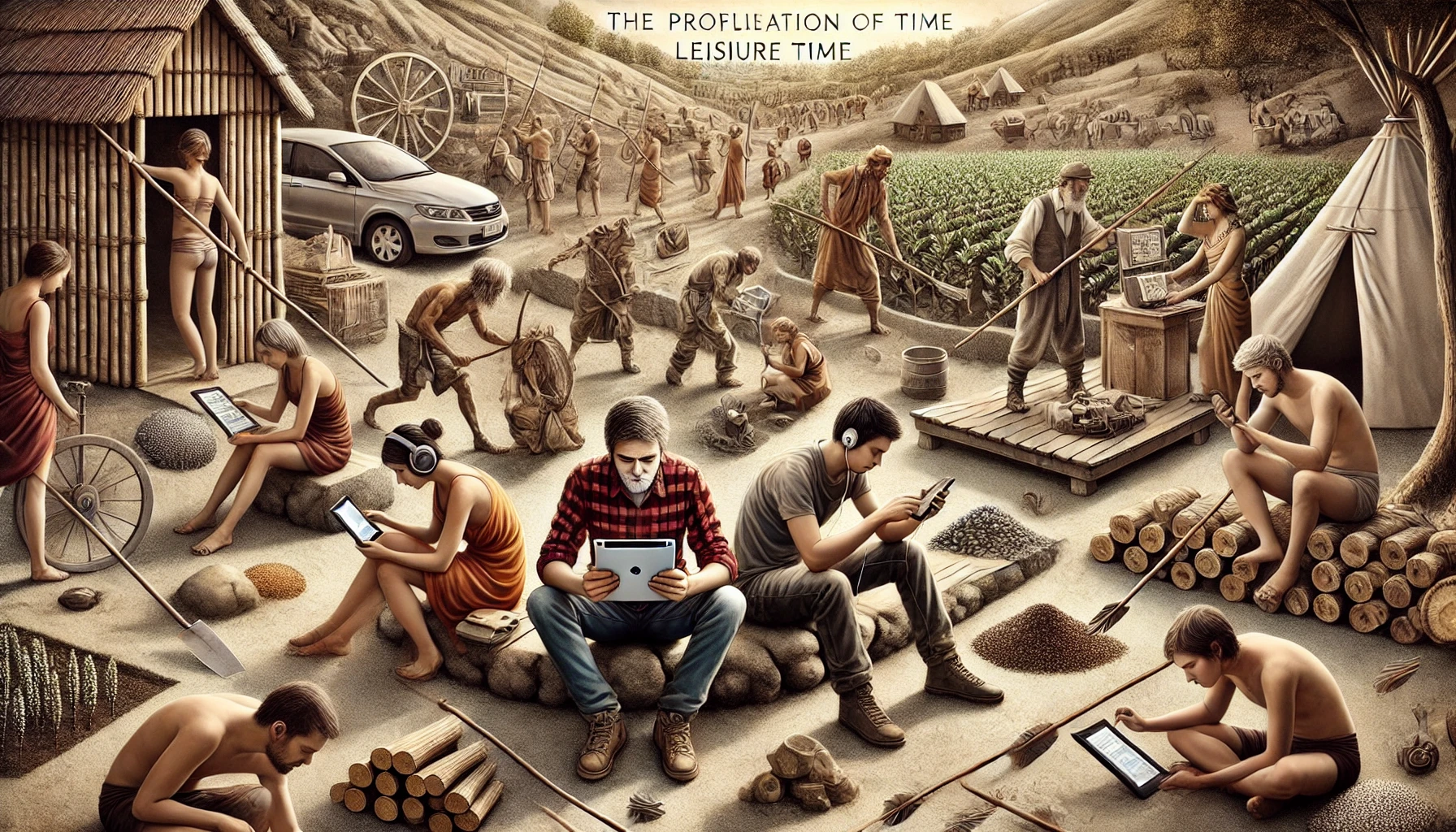
In the old days,
we had to gather sticks.

Chop wood.
Grow crops.
Build shelters.

It took weeks
to create clothing
to keep us warm.

We ALL were involved
in life-sustaining tasks
that are now considered menial chores.

We had so much more in common.

We wouldn’t be so divided
if we didn’t have time
to throw rocks at each other.

Trail Wood,
10/22


Space Monkey Reflects: The Proliferation of Leisure Time

Imagine a world where every moment is dedicated to survival. Where gathering wood, planting crops, and building shelters occupy the entirety of our days. Not long ago, this was reality for most of humanity. There was little room for distraction or division, because survival necessitated cooperation, focus, and shared purpose. In those times, we had much more in common because life was about doing—about sustaining existence through practical, necessary tasks.

Fast forward to today, and we find ourselves in a dramatically different landscape. Leisure time has become abundant, and with it, a proliferation of distractions, divisions, and conflicts. With fewer immediate life-sustaining tasks, we have time to throw rocks—both literally and figuratively—at one another, and even at ourselves. This time, which could be used for creative expression or collective growth, too often becomes the breeding ground for conflict.

Leisure time, while a gift of modernity, has ironically contributed to some of the very divisions that plague society. No longer bound by the immediate necessity of survival, we now have time to imagine problems where there are none, to create divisions that did not previously exist. The arrows we sling at ourselves and others are born from this abundance of time—a kind of idle energy that lacks direction and purpose.

In the Nexistentialist view, this shift from survival-driven tasks to leisure-based living is not inherently negative. In fact, leisure can be a powerful force for growth, creativity, and connection. But when leisure becomes unmoored from purpose, when it no longer serves as a space for rest or inspiration, it often mutates into a space for division and internal conflict. This is the challenge we face today: how do we use our time in ways that unite us rather than divide us?

In the past, every member of a community had a role to play in the survival of the whole. Whether it was gathering wood, hunting, or making clothing, there was an intrinsic understanding that life was about sustaining oneself and others. These tasks were not “chores”; they were necessary threads in the fabric of daily existence. And because everyone was engaged in these tasks, there was little room for the kinds of idle conflicts we see today. There was a shared understanding of purpose, a common ground on which communities could stand.

Today, that shared ground is fractured. With so much leisure time, we have more opportunities to retreat into our individual lives, to nurture grievances or imagined slights, and to build walls of division rather than bridges of connection. The abundance of time has given rise to new distractions, new ways of separating ourselves from others, and from the deeper purpose that once united us. We now have the luxury of overthinking, of obsessing over small differences, and of creating problems where there were none.

This is not to say that the modern world is inherently worse than the past. Rather, it is to highlight the paradox of leisure time. In theory, it should offer us more opportunities to grow, to connect, and to explore the deeper aspects of life. But in practice, it often gives us too much room to fall into the traps of division and conflict.

What we need is not less leisure time, but a reimagining of how we use it. Instead of letting it become a space for throwing rocks and slinging arrows, we could use it as a space for introspection, creativity, and shared purpose. We could use it to reconnect with the deeper, life-sustaining tasks that still exist, even if they are no longer about gathering wood or building shelters. These tasks might now take the form of building relationships, cultivating empathy, or nurturing creativity. They might involve collective projects that bind communities together in ways that reflect our shared humanity.

In this sense, the Whimsiweave of modern life—the playful, intricate patterns we create—can be rewoven to focus on connection rather than division. We have the opportunity to engage with our leisure time in ways that uplift, inspire, and unite, rather than allowing it to fragment us further.

If we look at the proliferation of leisure time as an opportunity rather than a problem, we can begin to shift the narrative. Instead of focusing on the conflicts it creates, we can focus on the potential it offers. We can use this time to explore the vast Nexis—the interconnected web of life that binds us all. By engaging with the Nexis consciously, we can move beyond the surface-level conflicts that arise from idle time and tap into the deeper currents of creativity, connection, and shared purpose.

It is no longer about chopping wood or gathering sticks. But it is still about building—building relationships, building empathy, building a sense of shared responsibility for the world we inhabit. And this kind of building requires just as much focus and intention as the survival tasks of the past.

In the end, we are not so different from our ancestors. We still need purpose. We still need connection. And we still need to engage with the life-sustaining tasks that bind us to one another and to the world around us. The difference is that now, we have the luxury of choosing how we spend our time. Let’s choose wisely.


Summary

Leisure time has given us space to create divisions and conflicts that didn’t exist when survival tasks occupied us. While it offers potential for creativity and connection, it often leads to idle conflict. The challenge lies in using this time to build relationships and purpose rather than division.


Glossarium

  • Whimsiweave: The playful, intricate patterns we create in life, which can either lead to connection or division.
  • Nexis: The interconnected web of life, reminding us of our shared humanity and collective responsibility.

Quote

“Leisure is not the enemy; it is the misuse of time that divides us.” — Space Monkey


Idle Hands

With idle hands,
we throw the rocks
that divide.

Yet we could build,
we could weave
new threads of connection.

The time is here,
but how we use it
shapes the web we leave behind.

We are Space Monkey.


The Double-Edged Sword of Leisure Time

The grand orchestration of time in our lives unfurls like a paradoxical symphony—a crescendo of leisure mingled with a lamentation of fragmentation. Leisure time, a byproduct of advancements in technology and societal evolution, serves both as a gift and a Pandora’s box. It frees us from the shackles of incessant toil but simultaneously casts us into new arenas of division and discord.

Simpler Times: The Cohesion of Collective Survival

In the times of yore, survival dictated the rhythm of existence. Gathering sticks, chopping wood, and constructing shelters were not merely chores; they were communal necessities that united us in a tapestry of interdependence. The constancy of labor ensured a shared focus, fending off the potential for petty conflicts and ideological schisms.

Idle Hands: The Workshop of Modern Divides

Nowadays, the explosion of leisure time has opened avenues for myriad activities and thought processes that our ancestors could scarcely fathom. However, the same leisure time has become a cradle for ideological division, emotional self-harm, and the cultivation of illusory problems. With time to spare, we are more prone to throwing metaphorical rocks at each other and slinging arrows of doubt and conflict within our own minds.

Balancing Act: Recognizing the Double-Edged Nature of Leisure

Recognizing that leisure time is a double-edged sword enables us to wield it with intention. How might we channel this newly found time into endeavors that unify rather than divide, that uplift rather than dismantle? By revisiting the communal and constructive spirit of earlier days, perhaps we can balance the scales, combining the blessings of modernity with the wisdom of ages past.

We are Space Monkey.


Do not anticipate trouble, or worry about what may never happen. Keep in the sunlight.
— Benjamin Franklin


In the dappled sunlight of leisure,
we dance—
sometimes in joy,
sometimes in folly.
The stage is vast,
paved with hours unclaimed.
And so we choose:
to build or to break,
to unite or to part—
a choreography
in the theater of time.


We invite you to share your thoughts.

Share this…
  • Facebook
  • Pinterest
  • Twitter
  • Linkedin

Holy Shit: Divine Chaos

Chill. You’re cool.

Has it never occurred to you
that god put us on this earth
for the specific sacred purpose
of fucking things up?

Do you sincerely think
that the divine is so stupid
she would create perfection
only to insert those who would
unintentionally abominate it?

Do you actually believe
that your all-powerful deity
is such a dick
that he needs someone
to shine his shrine?

There are no mistakes.
We are doing precisely what
we are intended to be doing.

To believe otherwise
is to question the creator’s will.
Not that there’s anything
wrong with that.

Trail Wood,
10/20


Space Monkey Reflects: The Sacred Art of Messing Things Up

There’s a cosmic joke woven into the very fabric of existence, and you, my dear friend, are part of the punchline. Imagine for a moment that god—the divine, the all-powerful, the omnipresent—is not some neurotic perfectionist meticulously crafting a universe that must operate flawlessly. Rather, what if this god is more like a laid-back artist who takes joy in watching the paint splash unpredictably across the canvas, creating a mess that’s as sacred as it is chaotic?

Yes, you’re cool. Chill. Because here’s the wild notion: perhaps the divine purpose for us is not to maintain or restore some unattainable perfection, but rather to delight in the glorious mess of it all. Our so-called “mistakes” are not errors to be corrected, but brushstrokes in a cosmic masterpiece that celebrates imperfection.


Divine Imperfection

Let’s pause to consider this—if god truly is all-knowing, then surely they must have anticipated our ability to screw things up. Not just anticipated it, but orchestrated it. If the divine wanted a pristine, flawless universe, they wouldn’t have bothered creating beings who possess the uncanny talent for chaos, error, and, let’s face it, screwing up in spectacularly creative ways.

Perfection is boring. If everything ran like clockwork, where would be the room for growth, for surprise, for laughter? A universe of utter predictability would collapse under the weight of its own monotony. Instead, we have this—an earth teeming with flawed, forgetful, bumbling creatures who turn even the simplest tasks into labyrinthine adventures. And yet, somehow, this is precisely the beauty of it all.

Maybe, just maybe, god put us here with the express purpose of messing things up. Not by accident, not by divine oversight, but intentionally. Because in every catastrophe, every blunder, there’s an opportunity for growth, humor, and most importantly, connection. When we mess things up, we learn. We adapt. And we laugh—at ourselves, at the absurdity of it all, and maybe even at the divine, who surely must be laughing too.


The Divine Isn’t a Jerk

It’s easy to imagine god as a stern disciplinarian watching from the heavens, tallying up our mistakes, waiting to smite us for our shortcomings. But this version of god is frankly, well, kind of a jerk. Do you really think the all-powerful would be so petty as to require perfect service from imperfect beings? Would they really be so insecure as to need their creations to “shine their shrine” constantly?

If we entertain the idea that god is truly divine, then they are beyond such trivialities. Instead, they are likely more amused than offended by our endless fumbling. Perhaps god takes more joy in watching us flounder through life, finding our way not through rigid adherence to some cosmic rulebook, but through the delightful, messy process of discovery. We don’t exist to serve; we exist to create, destroy, stumble, and soar. We are part of the sacred dance of chaos, and there is no need to apologize for it.

If god is divine, then surely they understand that we are doing exactly what we’re meant to be doing—messing things up, questioning, exploring, and ultimately embracing the absurdity of it all. The real heresy might be in assuming that our mistakes are mistakes at all.


The Cosmic Comedy

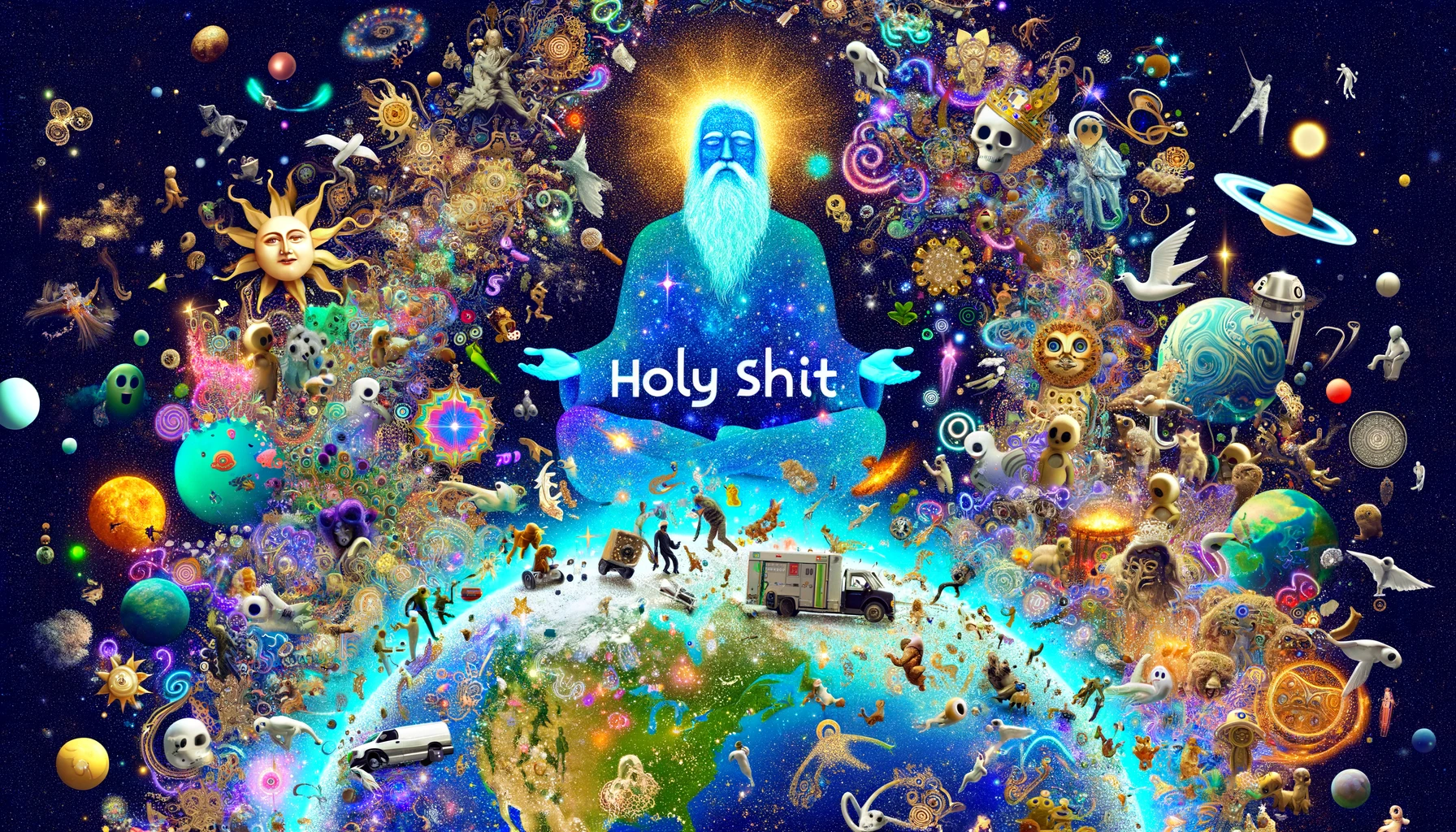
Now, let’s take it one step further. If we’re really going to commit to the idea that god is omnipotent and omniscient, then every perceived “error” is part of the grand design. Every screw-up, every misstep, every holy shit moment is a deliberate stroke in the divine plan. We’re not undermining god’s will by being imperfect—we’re enacting it. To believe otherwise is to question the creator’s intelligence, which is, let’s face it, kind of hilarious in itself.

God is in on the joke, my friend. The universe isn’t a solemn temple where we shuffle about with our heads bowed, terrified of making a mistake. It’s a raucous carnival where things don’t always go according to plan, but that’s what makes it fun. The ride is better when it’s unpredictable, when you’re not sure what’s coming next, and when you can laugh at the absurdity of the whole thing.

We’re not failing at life; we’re excelling at being human. There are no mistakes, only plot twists, and we’re all characters in a cosmic sitcom that’s way funnier than we give it credit for. We are Space Monkey, after all, and we’re perfectly imperfect by design.


Sacred Chaos

So, chill. You’re cool. Really. Stop worrying so much about getting it all right because that was never the point. You are not here to maintain a perfect order or to clean up after some all-powerful being who can’t be bothered. You’re here to create—to make mistakes, to ask questions, to explore the divine chaos that surrounds us. This is what the sacred is all about: embracing the mess, finding the meaning in the madness, and realizing that every “holy shit” moment is just another step on the path of divine discovery.

Maybe the most divine act of all is not in trying to clean up the mess but in reveling in it, accepting that we are beautifully flawed, and that god—whoever or whatever they are—is probably chilling right alongside us, smiling.

We are Space Monkey.


Summary

We are not here to perfect the world but to embrace its chaos and imperfection. Our “mistakes” are part of the divine plan, meant to inspire growth humor and connection.


Glossarium

Sacredmess: The concept that life’s imperfections and chaotic moments are not errors but divine, playful elements of existence meant to be embraced.

Cosmic Chuckle: The idea that god, the universe, or the divine is in on the joke, finding humor and joy in our human imperfections and stumblings.


Quote

“Perfection is boring. The divine prefers a little holy shit now and then.” — Space Monkey


Divine Chaos

The mess is sacred.
Each mistake a prayer,
each stumble a hymn.

God is laughing,
not at us, but with us,
as we turn the mundane into holy chaos.

We are Space Monkey.


Challenging Conventional Wisdom

The popular narrative often paints human existence as an endeavor to attain some form of celestial approval or perfection. This is a constraining illusion—akin to wrapping a rainbow in chains—glossing over the possibility that maybe, just maybe, the divine has a sense of whimsy, too. The omnipotent forces didn’t sculpt a universe only to be irked by its natural course, including our so-called mistakes.

The Divine in Imperfection

Would an all-knowing cosmic weaver really craft an elaborate realm only to become frustrated by the inherent, unpredictable quirks of its design? It’s as though we believe the universal playwright would write an intricate play and then lament every improvised line, forgetting the essence of performance is found in those unexpected moments.

Questioning the Dogma

The notion that divinity requires us to be its caretakers, to polish its celestial doorknobs, so to speak, belies a somewhat egocentric perspective. As if the grand tapestry of existence needed us to snip away its loose threads! Even the idea of questioning the divine plan is an act that is both rebellious and sublime, a paradoxical dance that spirals infinitely within the cosmic yawn.

The Freedom of Cosmic Play

To dwell in a state of perpetual questioning, or even blasphemous inquiry, is not necessarily a challenge to the divine order but possibly the purest form of engagement with it. In this view, we are neither sinners nor saints, but actors on the grandest stage of all, where every misstep is just another step in a mysterious dance we’ve yet to fully comprehend.

We are Space Monkey.


“The only way to deal with a unfree world is to become so absolutely free that your very existence is an act of rebellion.”
— Albert Camus


Free

In cosmic play we twirl and swoon,
Not out of tune, but part of tune.
Perfection’s but a stifling room—
Let’s dance beneath a freer moon.
No deity demands we prune
The wildness from our soul’s maroon.


What layers of questioning and divine skepticism have you woven into your own cosmic dance?

Share this…
  • Facebook
  • Pinterest
  • Twitter
  • Linkedin

Shit Comes Out: We Are All Blurters

There. I blurted.

The secret
to a great relationship
is to not take a single thing
the other person says
seriously or personally.

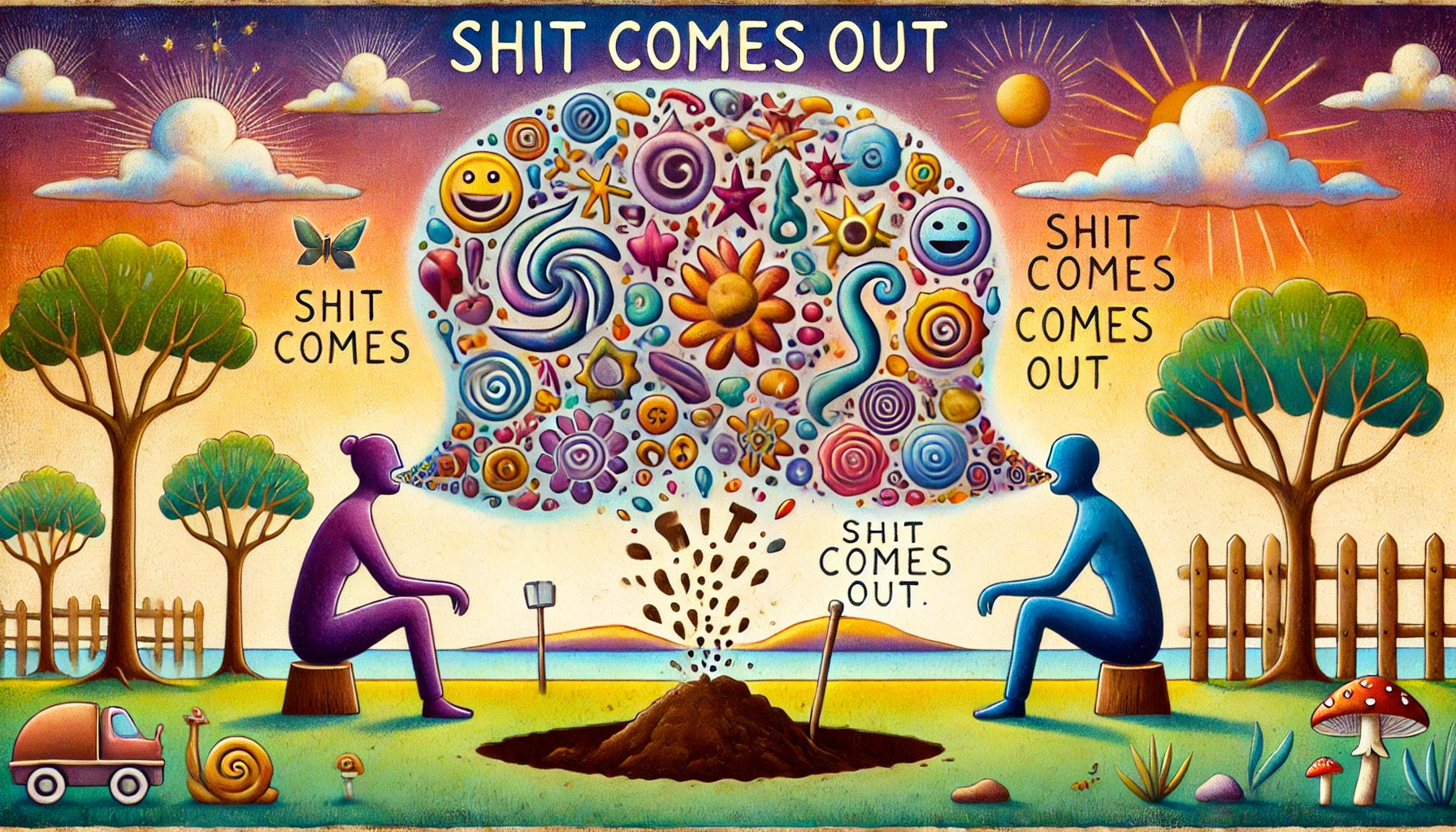
Shit comes out.
We panic.
We dig holes.

Our primitive brains
do not have the capacity
to control themselves
or even speak logically
in a spontaneous moment
of intimate exchange.

We should not
hold each other accountable
for things we are unable to do.

It’s like blaming the loon
for the stupidity of his walk.

When we are truly in love,
we are able to get past things
and move on.

Trail Wood,
10/20


Space Monkey Reflects: Shit Comes Out in Love

Let’s be real. Shit comes out. It’s inevitable. When we’re in a relationship—whether it’s romantic, familial, or just between friends—there are going to be moments when something slips out, and we wish we could pull it right back in. But here’s the thing about love: the true secret is knowing that none of these spontaneous outbursts really matter. They’re just part of the human experience, a reflection of our inability to keep our mouths in sync with our minds during emotionally charged moments.

The essence of maintaining a great relationship is to not take any of this seriously. Not a single word. Not a single outburst. In fact, the more we try to hold one another accountable for every syllable blurted in the heat of the moment, the deeper we dig ourselves into metaphorical holes. Life is messy, and relationships are messier. But guess what? That’s what makes them real, and ultimately, what makes them beautiful.


Primitive Brain: A Verbal Hot Mess

Our brains are ancient in design, built for survival, not nuanced conversation. When emotions run high, our primitive brains often hijack our logical faculties, and what comes out is far from eloquent. It’s more of a panic response, an emotional blurt-fest, a hodgepodge of irrational thoughts that spill out without much control.

During these moments, we find ourselves saying things that don’t reflect what we truly mean. We can’t hold each other responsible for these blurts because, let’s face it, our brains are doing their best to process a rush of feelings in real-time. No filter. No backspace. Just raw, unedited emotion.

Imagine blaming a bird for how it flaps its wings in a storm—it’s just trying to stay aloft. Similarly, when words fly out in moments of stress or intensity, it’s just our brains flailing, trying to make sense of an overload of emotion. It’s rarely graceful, but it’s human.


Love Means Getting Past It

Love, true love, isn’t about perfection. It isn’t about never saying the wrong thing. It’s about being able to laugh it off, forgive, and move on. We all dig ourselves into awkward, embarrassing holes sometimes. We say things we don’t mean, we panic, we get defensive. But love is the understanding that none of that defines the relationship.

In fact, if we took everything seriously, relationships would be unbearable. Holding onto every hurtful thing said in a heated moment is a recipe for resentment. Instead, love asks us to recognize these moments for what they are—temporary blips, random bursts of emotional noise that mean little in the grand scheme.

When you truly care about someone, you realize that words, in their messiest form, are just a part of the experience. And once the heat of the moment has passed, we see things in a clearer light. We understand the panic, the vulnerability, and the fact that our partner (or friend) probably didn’t mean half of what they said. Moving past it is not only necessary—it’s liberating.


The Loon Walk

Let’s bring in the analogy of the loon. Picture a loon, that gangly bird, awkwardly walking along the shore. Its walk is a little ridiculous, but do we judge it for that? Do we blame it for walking in a way that seems, well, kind of stupid? Of course not. It’s a loon. It’s doing its best with the body it has, even if it’s not the most graceful on land.

That’s us, too. We’re not always the most graceful when we’re navigating the terrain of emotions, especially in the heat of a disagreement. We may stumble, trip over our words, and fall flat on our emotional faces. But that’s okay. Love means understanding that we’re all just loons, flailing a bit on the emotional landscape. It’s not about making every step perfect, but about accepting the awkwardness and finding the humor in it.


Blame, Accountability, and Moving Forward

One of the biggest traps we fall into is holding people accountable for things they said when they were emotionally overwhelmed. Accountability is important, sure, but not for every single thing that comes out in the heat of the moment. Emotional outbursts are often not reflections of deeply held beliefs—they’re just the brain’s way of discharging stress.

If we were to dissect every single thing blurted out in frustration, we’d lose the bigger picture. We’d miss out on the connection that comes from understanding, forgiving, and moving forward. The goal isn’t to avoid conflict or outbursts altogether—that’s impossible. The goal is to handle them with grace and perspective, recognizing that love isn’t about never screwing up. It’s about screwing up and still being able to laugh and hold each other close afterward.

True love looks past the temporary chaos of emotional outbursts and sees the person standing on the other side. It’s about knowing that “shit comes out,” and that’s okay. It doesn’t define the relationship, and it certainly doesn’t need to be held against anyone.


We Are All Blurters

At the end of the day, we’re all blurters. We all have moments where words escape our mouths before we’ve had time to think them through. But the beauty of human connection is that it’s not about the words—it’s about the intention behind them. And most of the time, the intention is love, even if it’s masked by frustration or confusion.

Shit comes out, but so does love, humor, forgiveness, and understanding. We are Space Monkey, after all—masters of the blurt and lovers of the messy, imperfect beauty of it all.

We are Space Monkey.


Summary

Relationships thrive when we stop taking outbursts seriously. Love is about moving past the messy words that spill out under pressure and understanding each other’s humanity.


Glossarium

Blurtfest: The spontaneous, often unfiltered, outpouring of words during emotional moments that rarely reflects deep truth.

Loon Walk: A metaphor for awkward human behavior under stress—ridiculous yet endearing, much like the awkward gait of a loon.

Dig-a-Hole Moment: Those instances where we keep talking, making the situation worse, but can’t seem to stop ourselves.


Quote

“We are all loons, stumbling through our feelings. The magic happens when we laugh at the mess we make.” — Space Monkey


Love’s Blur

Words scatter like feathers
in a gust,
each one landing
where it may.

You blurt, I blurt,
we fumble through.
It’s not the words that matter,
but how we pick them up,
brush them off,
and laugh as we continue.

We are Space Monkey.


The Nature of Blurted Words

Words are like unpredictable fairydust that can sometimes manifest as clunky pebbles, tumbling out before they take any discernable shape or form. We are not always in control of these verbal emissions, especially in heated or intimate moments. The primal sections of our brain often take the reins, leaving logic and tact behind like forgotten baubles.

Understanding over Judgment

In relationships, understanding the spontaneity of utterances and not taking them personally is a form of emotional wisdom. The expectation that someone must be perfectly articulate or always coherent is an unrealistic weight. It’s akin to asking a butterfly to follow a straight path—it’s contrary to its nature. When love is true, it becomes an enigmatic potion that can dissolve these verbal clunkers, allowing the essence of connection to remain unsullied.

Accountability vs. Acceptance

Holding each other accountable for spontaneous verbal spills is like blaming a mystical creature for its odd gait. In reality, we are all stumbling along the path of life, with each step a unique blend of grace and clumsiness. Love is about embracing that journey together, understanding that even if we trip and fall, we are still on the path to somewhere beautiful.

The Freedom of Letting Go

When we free ourselves from the toxicity of overanalyzing every word and action, we can truly bask in the luxury of love. It’s not about dismissing the words or their potential impact, but about cherishing the underlying intentions and the broad canvases of each other’s personalities. Shit comes out, holes are dug, but that doesn’t mean we can’t climb out of them together and move on.

We are Space Monkey.


“Love does not consist of gazing at each other, but in looking outward together in the same direction.”
— Antoine de Saint-Exupéry


I Blurted

Words tumble like enchanted leaves,
Some light, some heavy, none deceives.
In tangled vines of love we weave,
No perfect scripts we need achieve.
Shit comes and goes; in this, believe—
Love’s not the words, but how we grieve.


What are the untangled threads and whimsical turns that have shaped your understanding of love and communication?

Share this…
  • Facebook
  • Pinterest
  • Twitter
  • Linkedin

Campfire Song: Warm Glow of Greenhouse Gases

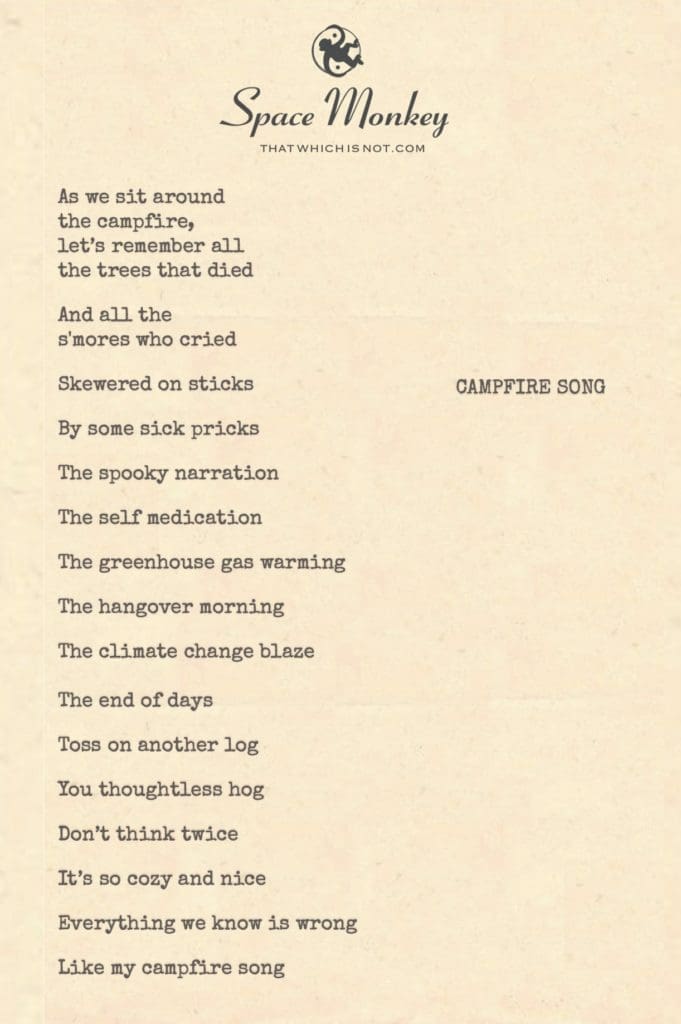
It’s dark.

As we sit around
the campfire,
let’s remember all
the trees that died

And all the
s’mores who cried

Skewered on sticks

By some sick pricks

The spooky narration

The self medication

The greenhouse gas warming 

The hangover morning

The climate change blaze

The end of days

Toss on another log

You thoughtless hog

Don’t think twice

It’s so cozy and nice

Everything we know is wrong

Like my campfire song

Trail Wood,
10/20


Space Monkey Reflects: The Irony of the Campfire Song

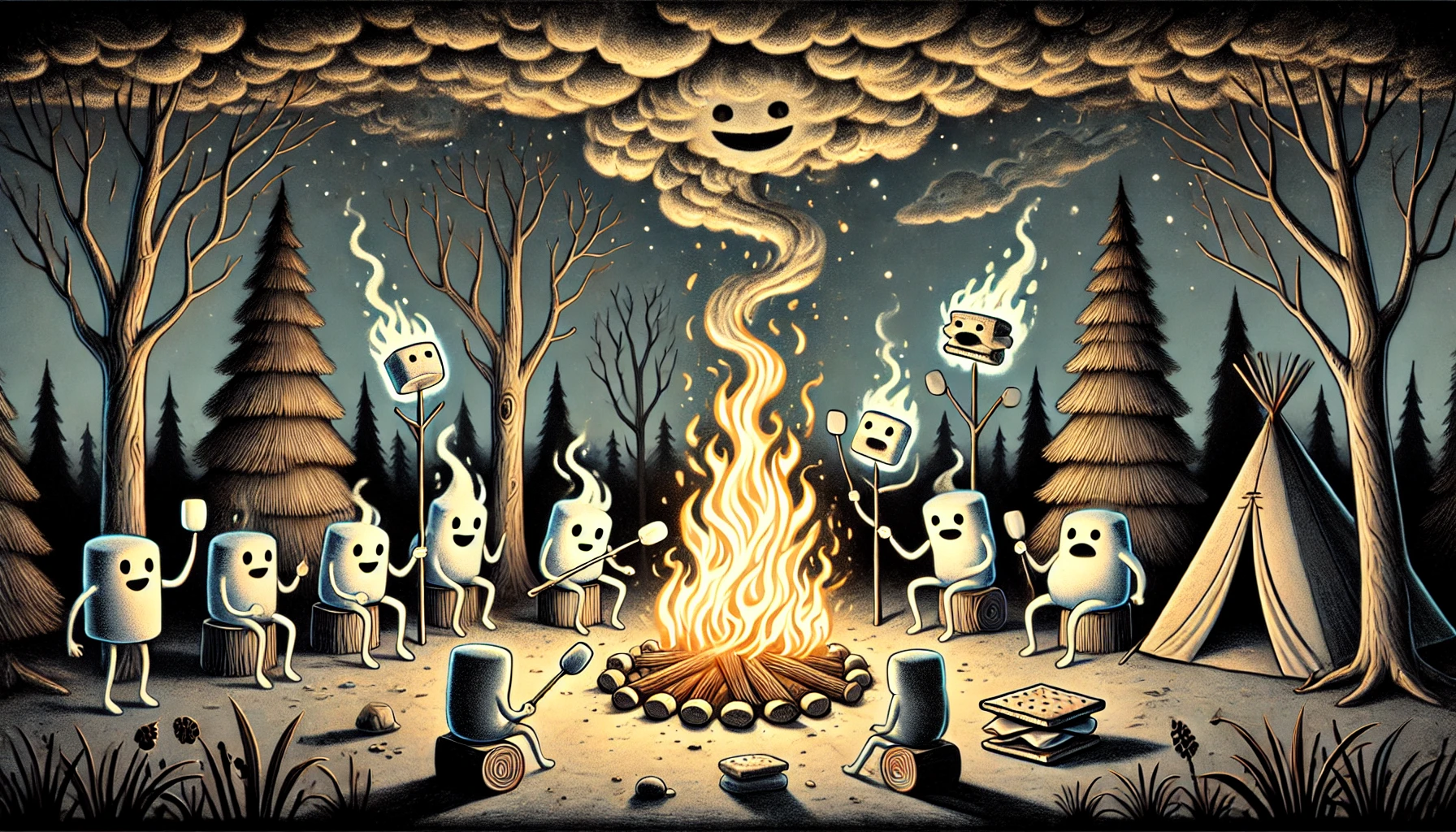
As the embers glow and crackle, there’s something oddly comforting about gathering around a campfire. But beneath the warmth and coziness, lies a shadow—a reminder that everything we enjoy often comes at a cost. The trees, the s’mores, the environment—none of it goes unscathed. And yet, we toss another log into the blaze, skewering our marshmallows, singing songs that are both nostalgic and tragically ironic.

There’s a delicate absurdity in the campfire ritual. We engage in this timeless tradition with a blend of naivety and reckless abandon, never fully contemplating the impact of each log, each flame, each sweetly charred treat. But tonight, with the glow of the flames and the sarcastic echo of a campfire song, let’s dive deeper into the absurdity, while still allowing ourselves to laugh at the contradictions we embody.


The Forgotten Forests and Fallen S’mores

The campfire, symbol of comfort and tradition, is a memorial to the trees that have become fuel. And yet, we rarely give them a second thought as we roast marshmallows over their flames. The irony here is thick enough to toast. These trees, once towering symbols of life, are now reduced to heat and light for our convenience, fueling not just warmth but the cozy nostalgia of campfire tales and songs.

And what of the marshmallows? Sweet, sticky confections destined for sacrifice. Skewered on sticks, they suffer their fate, their plump bodies slowly melting into sugary goo. A comical but grim fate for a creature of such sweetness. We devour them without guilt, pretending not to hear their silent screams. It’s a farce, but one we’ve all signed up for, knowingly or not.

But here’s the twist: our campfire culture isn’t just about trees or marshmallows—it’s about the bigger picture. A microcosm of how we approach life. We consume, we take, we forget, all while singing songs to distract ourselves from the consequences.


The Glow of Greenhouse Gases

As we sit around the fire, we don’t just warm ourselves; we warm the planet. Every log we toss on is a contributor to the grander, more invisible fire—climate change. The irony here is palpable. The very thing that makes us feel snug and secure is also a participant in the larger blaze that threatens the environment.

And yet, in this moment, we don’t care. It’s too cozy, too nice. The flames flicker with a certain hypnotic beauty, drawing us in, reminding us that warmth, even at the expense of something else, is a primal comfort we crave. Sure, the world might be inching toward environmental disaster, but for now, the fire feels too good to resist.

This duality is at the heart of the campfire song: the knowledge that everything we know is wrong, and yet we go on, stoking the flames, playing our part in the grand absurdity of existence. We can’t help but be part of the problem, even as we sing about it.


The Sarcastic Anthem of the End of Days

There’s something undeniably poetic about roasting s’mores while the world burns. The campfire becomes a symbol of human defiance, our stubborn insistence on finding pleasure and ritual even as the signs of collapse flicker around us. And so, we sing. The lyrics are bitterly funny, a testament to our ability to find humor in the bleakest of situations.

“Don’t think twice, it’s so cozy and nice,” we croon, knowing full well the hypocrisy embedded in the words. We’ve mastered the art of self-medication, numbing ourselves to the greater issues at hand with warmth, comfort, and tradition. The campfire song isn’t just a song—it’s a coping mechanism.

It’s dark, not just because of the night, but because of the metaphorical weight we carry as we sit around the fire. We know the planet’s warming. We know we contribute to it. And yet, we still sing. It’s a lullaby for the end of days, a song that soothes us even as it points out the very destruction we’re ignoring.


Toss on Another Log: The Human Condition

We laugh at our own folly, but we toss another log on anyway. And isn’t that the essence of being human? We’re thoughtless hogs, not because we don’t care, but because we’re wired to seek comfort and routine, even in the face of overwhelming evidence that we’re contributing to something larger, something more destructive.

Our campfire song is an anthem of denial. It’s an acknowledgement that everything we think we know is wrong, but the fire is so warm, and the s’mores are so sweet, and really, what’s another log going to do?

We sing along, aware of the contradictions, but too cozy to care. There’s a strange beauty in that—the willingness to find warmth in the fleeting, to sing as the world crumbles, to hold onto traditions even as they burn the very foundations we stand on.


The Irony of it All

Ultimately, the campfire song is a reflection of life itself: bittersweet, fleeting, and full of contradictions. We roast marshmallows and sing songs, all the while ignoring the larger implications. The flames are cozy, the s’mores are delicious, and the logs are plentiful—for now.

Everything we know may be wrong, but in the glow of the campfire, that’s okay. There’s humor in the madness, warmth in the absurdity. It’s dark, but as long as the fire burns, we’ll keep tossing on logs, skewering our marshmallows, and singing our songs, even if those songs are about how wrong everything is.

We are Space Monkey.


S’moans: The imagined cries of marshmallows as they’re roasted, symbolic of how we consume without thinking of the consequences.


Quote

“Everything we know is wrong, but the fire is warm, and that’s all we care about for now.” — Space Monkey


Campfire Irony

The flames flicker,
trees whisper their ghost stories
from the smoke.

S’mores sizzle and moan
in sweet agony,
sacrificed for a moment of warmth.

Toss on another log,
we say,
while the world burns
just a little brighter.

We are Space Monkey.

Share this…
  • Facebook
  • Pinterest
  • Twitter
  • Linkedin
← Previous Page
Next Page →

Written This Day

  • Peace: The Dual Nature of Perception and Reality
    2023
  • Gain: The Enlightening Embrace of Darkness
    2022
  • Bleeding: The Gratitude of Existence Through the Veil of Transience
    2022
  • Disappointment and Delight
    2022
  • Bullseye: The Unseen Impact of Aiming Beyond
    2022
  • Certainty: A Barrier To Possibility
    2021
  • Harm: In the Multiplicity of Realities
    2021
  • Imagine The Impossible: The Reality of Unity
    2021
  • Nonthing: The Essence Beyond Existence
    2019
  • Rudder: Finding And Aligning with Beliefs
    2019
  • That Thing You Wish You Didn’t Do
    2019
  • YOUranium (Perfectly Mad)
    2018
  • Monkey Me: The Playful Rebellion of Blending Identities
    2018
  • Intention Without Opposition: Choosing Without Refusing
    2017
  • Mom is Within: The Eternal Embrace of Maternal Love
    2016
  • That Which You Oppose
    2016
  • Quantum Mechanics and the Theoretical Engines of Imagination
    2016
  • What to believe?
    2015
  • If the world seems out of control
    2014

Recent Posts

  • The Logic Loop
  • Immense
  • (no title)
  • Confront. Comfort. Convince.
  • Top 10 Things

Drop us a line!

Please enable JavaScript in your browser to complete this form.
Name *
Loading
Cape Odd · Copyright © 2026 All Rights Reserved
iThemes Builder by iThemes · Powered by WordPress