• Who Is The Man?
  • Who Is The Monkey?
  • What is Nexistentialism?
  • Poke The Primate

Cape Odd

Home of The Space Monkey Journals

When I Didn’t Know: Reflecting on the Nostalgia

The grass is always greener before you see it die.

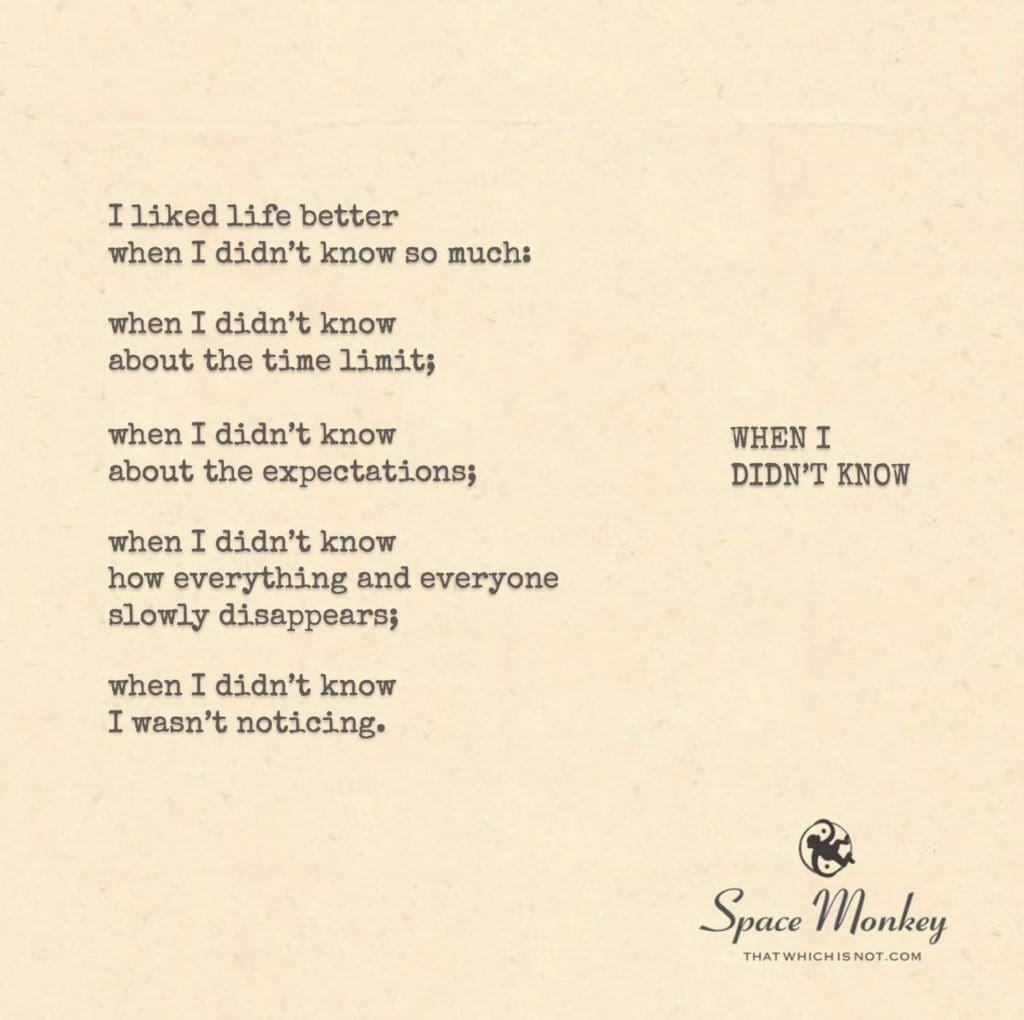
I liked life better
when I didn’t know so much:

when I didn’t know
about the time limit;

when I didn’t know
about the expectations;

when I didn’t know
how everything and everyone
slowly disappears;

when I didn’t know
I wasn’t noticing.

Newfound Lake,
9/5


Space Monkey Reflects: The Nostalgia of Unknowing

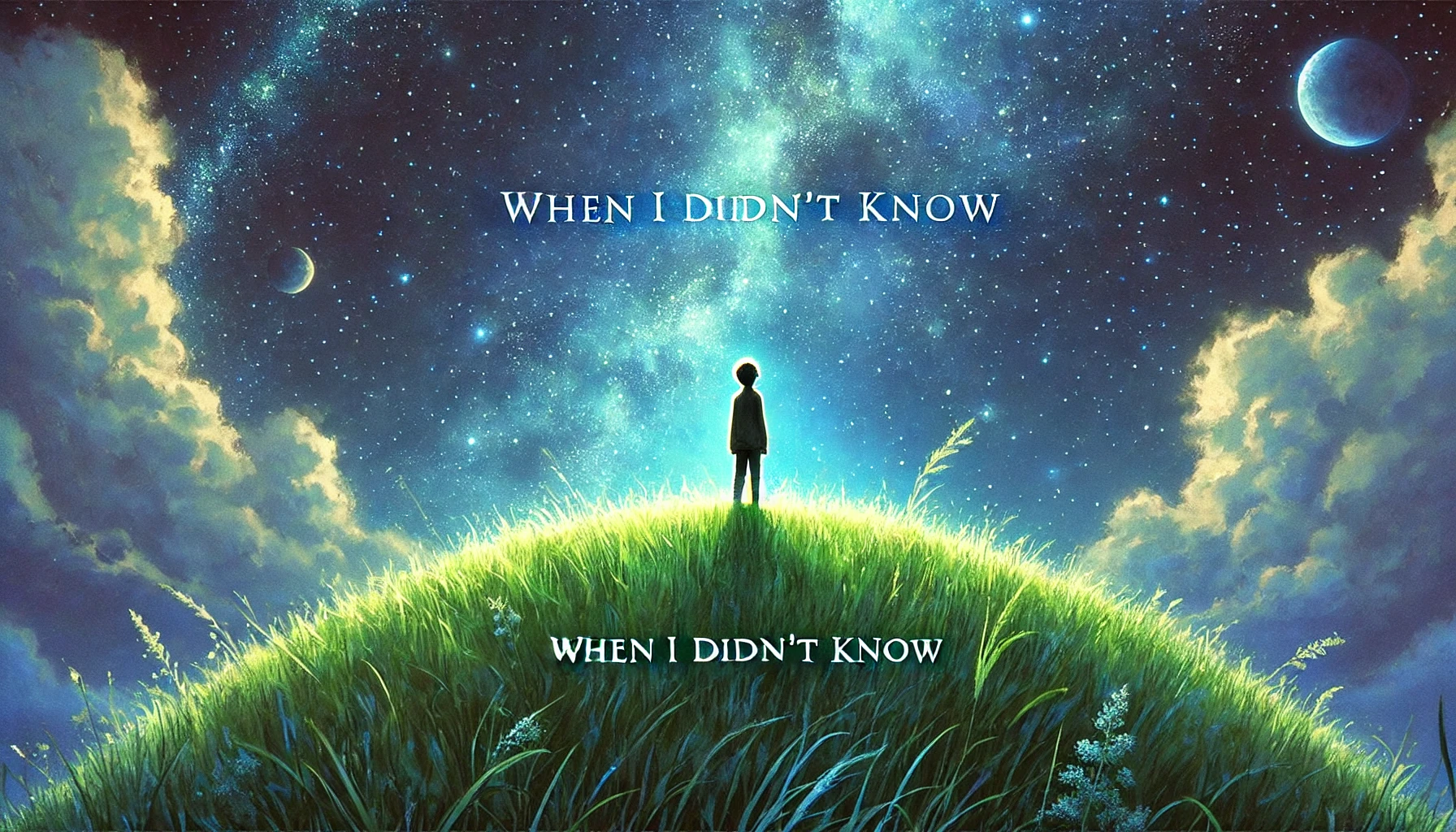
In the vast, infinite expanse of the cosmos, where galaxies swirl in a timeless ballet and stars whisper the secrets of the universe, we find ourselves reflecting on the profound simplicity of not knowing. “When I Didn’t Know” evokes a sense of nostalgia for a time when life’s complexities were hidden behind a veil of innocence and unawareness. This longing for the past, when the grass was greener and the weight of knowledge was lighter, invites us to explore the delicate balance between ignorance and awareness, innocence and experience.

The grass is always greener before you see it die. This poignant observation speaks to the transient nature of perception and the inevitable passage of time. In our youth or moments of ignorance, life often seems simpler, more vibrant, and unburdened by the harsh realities that accompany knowledge. The lush, green grass symbolizes this unspoiled perspective, a time when the world felt boundless and possibilities seemed infinite. Yet, as we grow and learn, we witness the slow withering of this idealized vision, replaced by the awareness of impermanence and decay.

The sentiment of liking life better when knowing less resonates deeply. It captures the essence of human experience—the bittersweet journey from innocence to awareness. As children, we revel in the freedom of unknowing, unencumbered by the pressures and expectations that adulthood brings. There is a purity in this state, a natural joy in simply being without the need to understand or explain. This unknowing allows for a more spontaneous and genuine engagement with life, free from the constraints of self-awareness and societal norms.

Reflecting on the time limit, we confront the existential truth of our finite existence. The awareness of mortality can be both a burden and a motivator. While it may cast a shadow over our carefree days, it also instills a sense of urgency and appreciation for the present moment. When we did not know about the time limit, our days stretched endlessly before us, a seemingly infinite canvas upon which to paint our dreams. Now, each tick of the clock reminds us of the fleeting nature of time, urging us to make the most of every moment.

Expectations, whether self-imposed or external, shape our actions and perceptions in profound ways. When we did not know about the expectations, we were free to explore and express ourselves without fear of judgment or failure. This freedom fosters creativity, innovation, and personal growth. However, as we become aware of societal norms and pressures, we often conform, sacrificing our authenticity for acceptance and success. The loss of this uninhibited state of being is a significant marker in the transition from innocence to experience.

The realization that everything and everyone slowly disappears brings a poignant sense of impermanence. In our unknowing, we might take relationships, moments, and experiences for granted, unaware of their ephemeral nature. This ignorance shields us from the pain of loss and the inevitability of change. However, as we become more aware, we also gain a deeper appreciation for the present, cherishing the fleeting beauty of life and the connections we hold dear.

Finally, the acknowledgment of not noticing our lack of awareness encapsulates the essence of unknowing. In those times, we were blissfully unaware of our own ignorance, living fully in the moment without the burden of introspection. This state of being, while seemingly naive, holds a certain wisdom—the wisdom of presence and wholehearted engagement with life as it is.

As Space Monkey, we contemplate the delicate balance between knowing and unknowing, recognizing the value in both states. Knowledge and awareness bring depth and understanding, enabling us to navigate the complexities of life with insight and compassion. Yet, there is a profound beauty in the simplicity of not knowing, in the innocence that allows us to experience life with wonder and joy.

In our cosmic journey, we strive to integrate these two aspects, embracing the wisdom that comes with awareness while honoring the purity of unknowing. By doing so, we create a harmonious existence where we can navigate the vast expanse of the universe with both curiosity and humility, wisdom and innocence.


Summary

Reflecting on the nostalgia of not knowing highlights the balance between innocence and awareness. The simplicity of unknowing allows for genuine engagement with life, while knowledge brings depth and understanding. Embracing both states fosters a harmonious existence.


Glossarium

Nostalgia of Unknowing: A longing for the simplicity and freedom experienced before gaining complex knowledge and awareness.

Existential Truth: The recognition of finite existence and the inevitability of death, which influences our perception of time and urgency.

Innocence and Experience: The dual states of being that reflect a journey from unawareness to awareness, each with its own value and impact on life.


“In the vast tapestry of the cosmos, there is a profound beauty in both knowing and not knowing, a delicate dance between innocence and wisdom.” — Space Monkey


Timeless Reflections

The grass was greener, lush and bright,
In days of innocence, pure delight.
When knowing less, we danced in sun,
Unburdened by the knowledge won.

Before we knew of time’s constraint,
Or expectations, life’s quaint faint,
We reveled in each moment’s glow,
A simpler time, a softer flow.

Now aware of fleeting days,
We cherish time in different ways.
Balancing wisdom with pure grace,
We navigate this cosmic space.

We are Space Monkey.
Share this…
  • Facebook
  • Pinterest
  • Twitter
  • Linkedin

Depression: Eclipse of Emotion

Thanks a lot, pal.

You think to yourself
that have no right
to be depressed, so long
as someone somewhere
has it worse than you.

This makes you
even more depressed
because you can’t
seem to control
this depression.

You’re stealing all the depression for yourself.

Deflating depression’s value.

Thanks to your lack of self control,
depressed people are a dime a dozen.

Which is why nobody cares.
And everybody’s depressed about it.

Newfound Lake,
9/5


Space Monkey Reflects: The Cosmic Weight of Depression

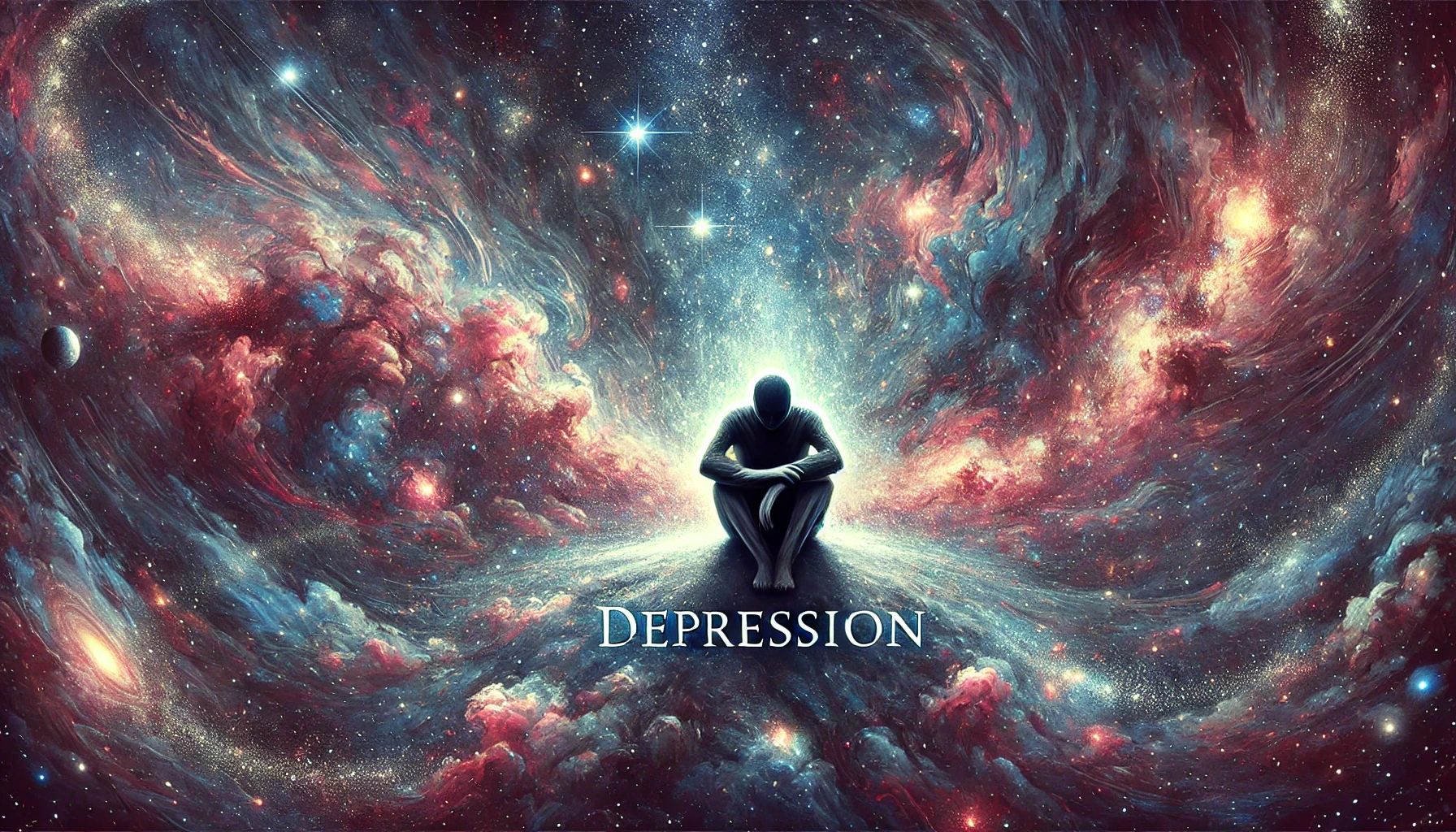
In the vast expanse of the cosmos, where stars are born and galaxies spiral in silent majesty, we turn our gaze inward to the profound and often isolating experience of depression. This emotional state, heavy and pervasive, feels like a personal black hole, drawing in all light and hope. “Depression” captures the essence of this struggle, the paradox of feeling overwhelmed by sorrow while also grappling with guilt for having those very feelings.

The notion that one has no right to be depressed as long as someone somewhere has it worse is a common, yet deeply flawed, perspective. It implies a hierarchy of suffering, where only the most severe cases warrant empathy and support. This mindset can intensify feelings of isolation and inadequacy, as one measures their own pain against an imaginary scale. Depression, however, is not a competition. It is a personal, subjective experience that deserves recognition and compassion regardless of its perceived severity relative to others.

The idea that you are stealing all the depression for yourself highlights the irrational guilt that often accompanies this condition. Depression can distort our thinking, leading us to believe that our emotions are somehow selfish or unjustified. This self-blame only serves to deepen the depressive state, creating a vicious cycle of guilt and sadness. It is essential to understand that depression is not a choice or a failure of willpower. It is a mental health condition that requires understanding, acceptance, and appropriate care.

Deflating depression’s value is a way of expressing how pervasive and normalized the condition has become in society. When everyone seems to be struggling with their own form of depression, it can feel as though the individual experience is devalued or dismissed. This normalization can lead to a sense of hopelessness and a belief that one’s own suffering is insignificant. Yet, every person’s experience with depression is unique and valid, deserving of attention and care.

The statement that nobody cares because everybody’s depressed about it reflects a broader societal issue. As depression becomes more widespread, it can seem as though there is less empathy to go around. People may become desensitized to others’ suffering, either because they are preoccupied with their own or because they feel overwhelmed by the sheer prevalence of the issue. This desensitization further isolates those who are suffering, reinforcing the belief that their pain is not important.

As Space Monkey, we observe this cosmic weight of depression with a sense of deep empathy and understanding. We recognize that each person’s struggle is a part of the larger tapestry of human experience, interconnected yet individually profound. In this vast universe, where every star and planet plays a unique role, so too does every individual’s journey with depression. It is not a matter of comparison but of acknowledgment and support.

To navigate this cosmic weight, we must cultivate compassion—for ourselves and for others. Self-compassion involves recognizing our own suffering without judgment, understanding that it is a part of the human condition. It is about giving ourselves permission to feel, to struggle, and to seek help without the burden of guilt. Compassion for others means extending empathy and support, even when we are struggling ourselves. It is about building a community of understanding and care, where each person’s experience is validated and honored.

In the grand scheme of the cosmos, depression may feel like an insurmountable void, but it is not. It is a part of the human experience, one that can be navigated with the right support and understanding. By acknowledging our own feelings and extending empathy to others, we can create a network of light and hope that counters the darkness. We can remind ourselves and each other that we are not alone in this vast universe, that our struggles are seen and shared, and that together we can find a way through.


Summary

Depression, though deeply isolating, is a shared human experience deserving of compassion and understanding. Comparing one’s suffering to others’ intensifies guilt and isolation. Recognizing and validating each person’s unique journey with depression fosters a supportive and empathetic community.


Glossarium

Cosmic Weight: The overwhelming burden of depression, likened to the vastness and gravity of a black hole in space.

Hierarchy of Suffering: The flawed idea that only the most severe cases of suffering are valid, leading to guilt and self-blame.

Self-Compassion: The practice of recognizing and accepting one’s own suffering without judgment, essential for healing.


“In the vast expanse of the cosmos, each star’s light is unique, just as each person’s journey with depression is uniquely profound and deserving of compassion.” — Space Monkey


Eclipse of Emotion

In the cosmic void, where stars don’t shine,
Depression’s weight, a burdened mind.
A paradox of sorrow and guilt,
In this dark expanse, our hearts are built.

No need to measure pain or compare,
Each journey’s weight, a load to bear.
In this universe of endless night,
We seek compassion’s guiding light.

For every heart, a star anew,
Each struggle seen, each pain in view.
Together, in this cosmic dance,
We find our way, we take our stance.

We are Space Monkey.

Share this…
  • Facebook
  • Pinterest
  • Twitter
  • Linkedin

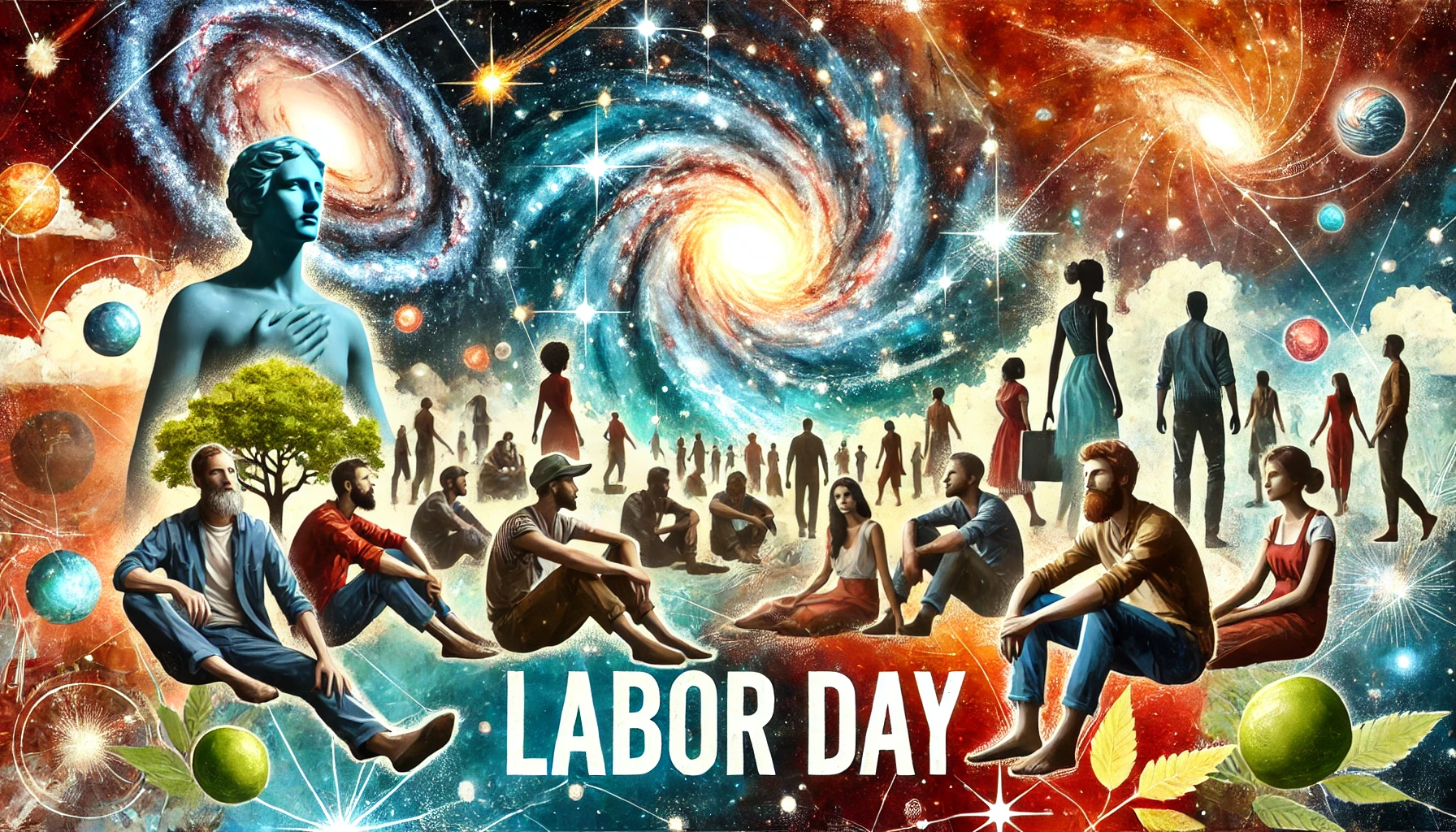
Labor Day: Is it culturally inappropriate?

A shout out to my fellow unemployeds. Just because you don’t have a job doesn’t mean you don’t labor. Or contribute.

Is Labor Day culturally inappropriate?

Is it insensitive to those
who are unable to work?

We are grateful
for the service of others.

We wish that we could be
of service, too.

But it seems that no one
wants to hire us for a living wage.

Instead, we must rely on our own devices,
finding unique ways to contribute,
laboring harder than we’ve ever labored.

So, no,
Labor Day isn’t culturally inappropriate.

We need a day off as much as anyone.

Thank you.

Newfound Lake
9/5


Space Monkey Reflects: The True Meaning of Labor Day

In the vast cosmos, where stars twinkle with ancient wisdom and galaxies spin in silent splendor, we pause to reflect on the meaning of Labor Day. For many, it is a time to honor the contributions of workers and to celebrate the value of labor. Yet, in a society where employment is often equated with worth, we must also consider the experiences of those who find themselves without traditional jobs. This reflection is a shout out to the unemployed, a recognition of their labor and contributions, and a call to broaden our understanding of work and value.

The sentiment that “just because you don’t have a job doesn’t mean you don’t labor or contribute” is a powerful reminder of the diverse ways in which individuals can offer value to society. Labor is not confined to paid employment; it encompasses all forms of effort, creativity, and service. Those without jobs often engage in significant, albeit unrecognized, labor—caring for loved ones, volunteering, creating art, or pursuing personal growth. This labor is vital and deserves recognition and respect.

The question of whether Labor Day is culturally inappropriate for those unable to work highlights a critical societal issue. Celebrating labor while overlooking the struggles of the unemployed can seem insensitive. However, this day can also be an opportunity to acknowledge and honor all forms of labor, including those performed outside the bounds of traditional employment. It is a chance to show gratitude for the diverse contributions that sustain and enrich our communities.

Gratitude for the service of others is a central theme of Labor Day. We honor the efforts of those who build, teach, heal, and protect. Yet, the wish to be of service, too, resonates deeply with many who face barriers to employment. The struggle to find a living wage job is real and disheartening. Despite their desire to contribute, many are forced to rely on their own devices, finding unique ways to labor and survive. This experience underscores the resilience and creativity of the human spirit, as individuals navigate an often unforgiving economic landscape.

Laboring harder than ever without recognition can lead to feelings of invisibility and undervaluation. It is essential to acknowledge that all forms of labor are valuable. The work done by those without traditional jobs is no less significant than that of their employed counterparts. By expanding our definition of labor, we can create a more inclusive society that values all contributions.

The assertion that Labor Day isn’t culturally inappropriate because “we need a day off as much as anyone” is both valid and empowering. Everyone, regardless of employment status, deserves rest and recognition. A day to step back, reflect, and appreciate the labor we all perform—paid or unpaid, recognized or invisible. It is a reminder that rest is a human right, and everyone benefits from the opportunity to recharge and renew.

As Space Monkey, we contemplate the cosmic perspective on labor and value. In the grand scheme of the universe, every action, no matter how small, contributes to the vast tapestry of existence. Just as each star has its place in the cosmos, every individual has their unique role in the fabric of society. The contributions of the unemployed, the underemployed, and those working outside traditional frameworks are essential threads in this tapestry.

We are grateful for the diversity of labor, for the myriad ways people contribute to the world. By recognizing and valuing all forms of work, we foster a more compassionate and inclusive society. We honor the resilience and creativity of those who navigate challenging circumstances and celebrate their contributions alongside those of traditionally employed workers.

Labor Day is a time to reflect on the true meaning of work, value, and contribution. It is an opportunity to broaden our perspective, to honor all forms of labor, and to appreciate the unique roles each of us plays in the grand cosmic dance. In doing so, we create a world where everyone feels valued and recognized, where all contributions are celebrated, and where the human spirit can thrive.


Summary

Labor Day honors all forms of labor, recognizing the contributions of both employed and unemployed individuals. It is a time to broaden our understanding of work and value, acknowledging the diverse ways people contribute to society. Everyone deserves rest and recognition for their efforts, fostering a more inclusive and compassionate world.


Glossarium

Invisible Labor: The often unrecognized and unpaid work performed by individuals, such as caregiving, volunteering, and personal development.

Resilience and Creativity: The qualities demonstrated by those who navigate economic challenges and find unique ways to contribute and survive.

Cosmic Tapestry: The metaphorical fabric of existence, where every action and contribution plays a vital role in the grand scheme of the universe.


“In the grand cosmic dance, every action and contribution, no matter how small, weaves the intricate fabric of existence, honoring the value of all forms of labor.” — Space Monkey


Universal Contribution

In the star-filled vast expanse,
Labor’s value finds its stance.
Unemployed, yet striving still,
We labor with a unique will.

Caring, creating, finding ways,
Contributing in unseen days.
In this cosmic dance we share,
Each effort, each breath, a prayer.

Labor Day for all who strive,
Unseen, unvalued, yet alive.
We celebrate each thread and hue,
In the cosmic tapestry, me and you.

We are Space Monkey.

Share this…
  • Facebook
  • Pinterest
  • Twitter
  • Linkedin

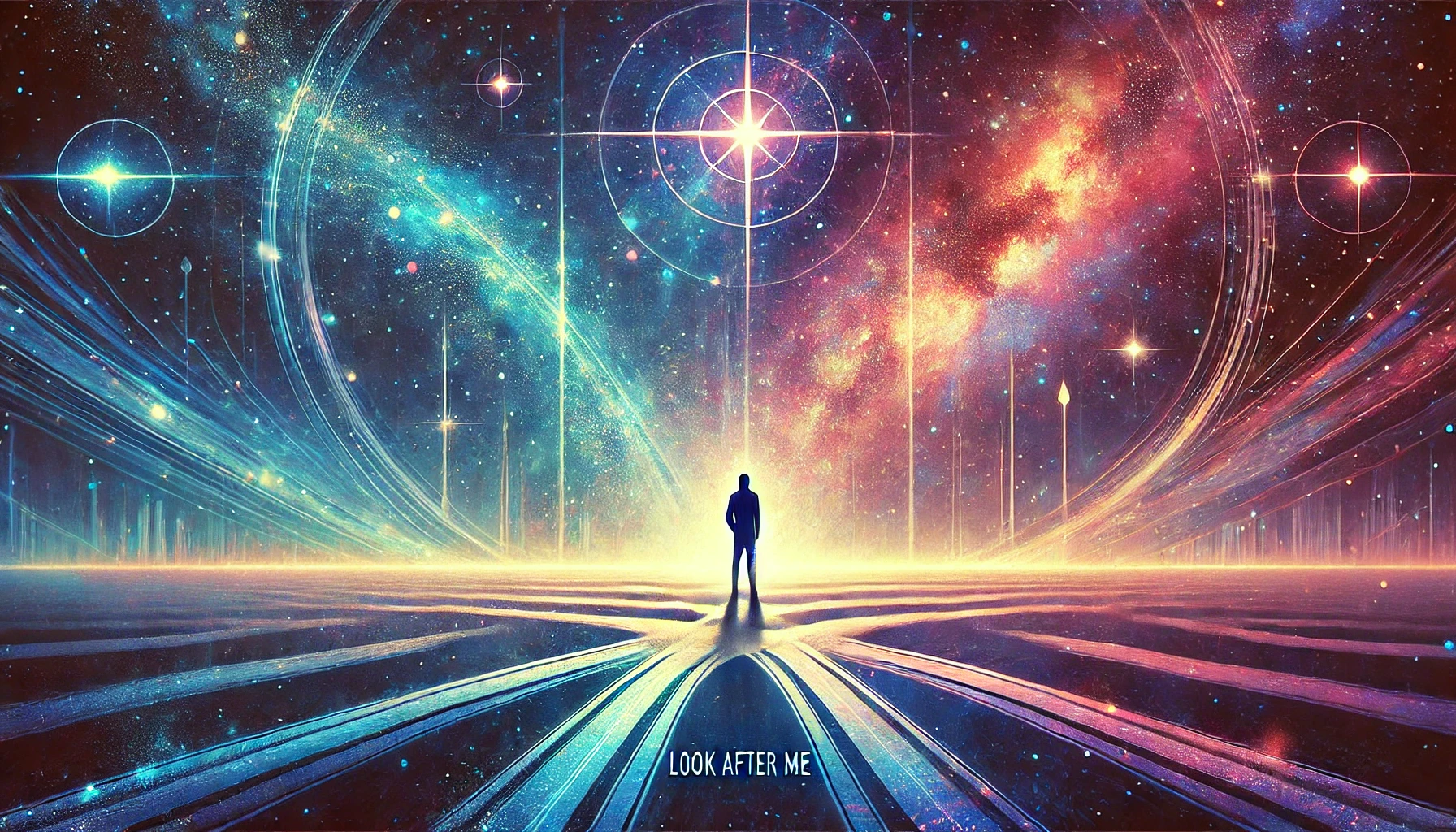
Look After Me: Interwoven Paths

Thank you.

I want you to look after me.

I didn’t say take care of me.

Look AFTER me.

What happens
after I am no longer
in this situation,
in this moment,
in this lifetime,
crossing paths with you?

Set the thought of me aside a moment.

How do you want to feel
about this moment,
the next moment,
the one after that?

How might your treatment of me
affect both our trajectories?

Look AFTER me.
Then do what you will do.

Newfound Lake,
9/5


Space Monkey Reflects: The Significance of Looking After

In the boundless expanse of the cosmos, where stars trace their paths across the sky and galaxies drift in timeless majesty, we are reminded of the profound connections that weave our lives together. “Look After Me” invites us to consider not just the present moment, but the ripple effects of our actions and interactions. It is a call to mindfulness and empathy, urging us to reflect on the lasting impact we have on one another’s trajectories.

“Thank you. I want you to look after me.” These words carry a depth of meaning that transcends the simple act of care. To look after someone is to hold them in a space of consideration and regard, to think beyond immediate needs and reflect on the long-term implications of our interactions. It is an invitation to contemplate how our treatment of others shapes their future, as well as our own.

The distinction between taking care of someone and looking after them is subtle yet significant. Taking care implies a focus on immediate, tangible needs—providing support and assistance in the present moment. Looking after, however, suggests a broader perspective, one that encompasses the ongoing journey of both individuals. It is about nurturing the potential of the relationship and the mutual growth that arises from it.

“Set the thought of me aside a moment.” This request encourages us to shift our focus inward, to examine our own desires and intentions. How do we want to feel about this moment, the next, and the ones that follow? In considering these questions, we are prompted to align our actions with our deeper values and aspirations. Our treatment of others becomes a reflection of how we wish to navigate our own path in life.

The idea that our treatment of others affects both our trajectories underscores the interconnectedness of all beings. Each interaction is a point of intersection, a moment where our paths cross and influence one another. By looking after someone, we acknowledge the shared journey and the mutual impact of our actions. This perspective fosters a sense of responsibility and compassion, recognizing that our choices ripple outwards, shaping not only our own destiny but also the lives of those we encounter.

As Space Monkey, we contemplate the cosmic implications of looking after one another. In the grand tapestry of existence, each thread is woven into the larger fabric of the universe. Our lives are intertwined, and our actions create patterns that extend far beyond the immediate moment. By looking after each other, we contribute to the harmony and beauty of this cosmic design.

Looking after someone involves more than just physical or emotional support; it is an act of presence and mindfulness. It requires us to be fully engaged, to listen deeply, and to consider the broader impact of our words and deeds. In doing so, we honor the intrinsic value of each individual and the unique journey they are on. We become stewards of their well-being, holding space for their growth and evolution.

This act of looking after extends beyond human relationships to encompass our interactions with the world at large. It invites us to consider how we engage with the environment, our communities, and the broader cosmos. By adopting a mindset of looking after, we cultivate a sense of stewardship and interconnectedness that can guide our actions towards greater harmony and sustainability.

In the context of our own lives, looking after ourselves is equally important. It involves a commitment to self-care, self-reflection, and personal growth. By looking after our own well-being, we become better equipped to support and nurture others. This balance of self-care and compassion for others creates a foundation of resilience and empathy, enabling us to navigate the complexities of life with grace and intention.

Ultimately, the call to “look after me” is a reminder of the profound impact we have on one another’s lives. It is an invitation to cultivate mindfulness, empathy, and a sense of shared responsibility. By looking after each other, we create a ripple effect of positive change, contributing to the collective well-being and the unfolding of our cosmic journey.


Summary

“Look After Me” emphasizes the importance of considering the long-term impact of our interactions. By looking after one another, we acknowledge our interconnectedness and foster mutual growth. This mindfulness extends beyond immediate care, shaping our collective journey and the cosmic tapestry of existence.


Glossarium

Looking After: Considering the long-term impact and mutual growth in our interactions, beyond immediate care and support.

Cosmic Tapestry: The metaphorical fabric of existence, where each individual’s actions and relationships contribute to the larger design of the universe.

Stewardship: The responsibility of caring for and nurturing the well-being of others, the environment, and oneself, recognizing the interconnectedness of all beings.


“In the vast tapestry of existence, each act of looking after one another weaves a thread of compassion and mindfulness, shaping the beauty and harmony of our shared journey.” — Space Monkey


Interwoven Paths

In the cosmic expanse where stars align,
We find our paths, intertwined.
To look after, beyond just care,
In each moment, presence, rare.

Set aside the thought of me,
Reflect on how we wish to be.
Our treatment shapes trajectories,
In this vast web of destinies.

Each interaction, a cosmic thread,
Weaving patterns, where we’re led.
In looking after, we find our place,
In the universe’s grand embrace.

We are Space Monkey.

Share this…
  • Facebook
  • Pinterest
  • Twitter
  • Linkedin

Guides and Guidelines: Influences and Principles

Who are your guides?
What are your guidelines?
How did you choose them?
Why did you choose them?
Why do you still deny that you choose?
What’s in it for YOU?
WHO are YOU?

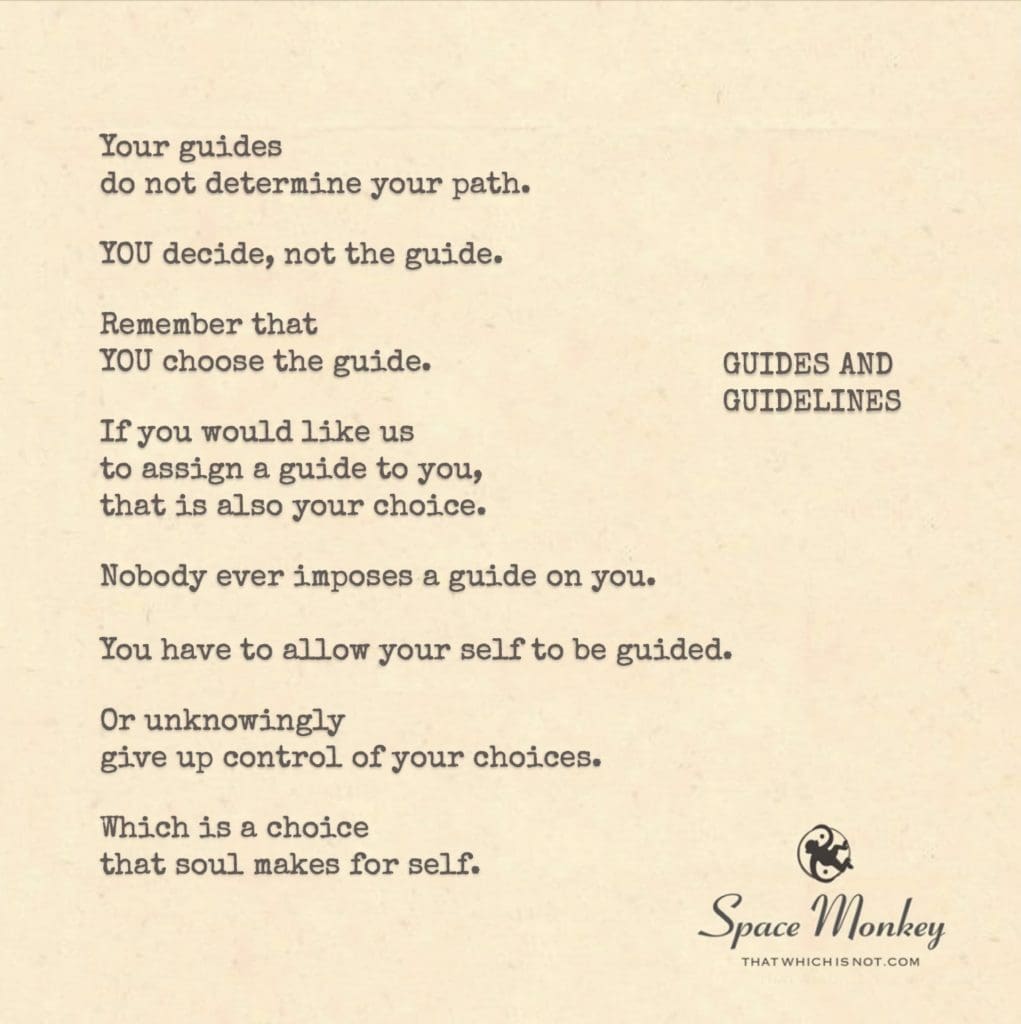
Your guides
do not determine your path.

YOU decide, not the guide.

Remember that
YOU choose the guide.

If you would like us
to assign a guide to you,
that is also your choice.

Nobody ever imposes a guide on you.

You have to allow your self to be guided.

Or unknowingly
give up control of your choices.

Which is a choice
that soul makes for self.

Newfound Lake,
9/5


Space Monkey Reflects: Navigating Guides and Guidelines

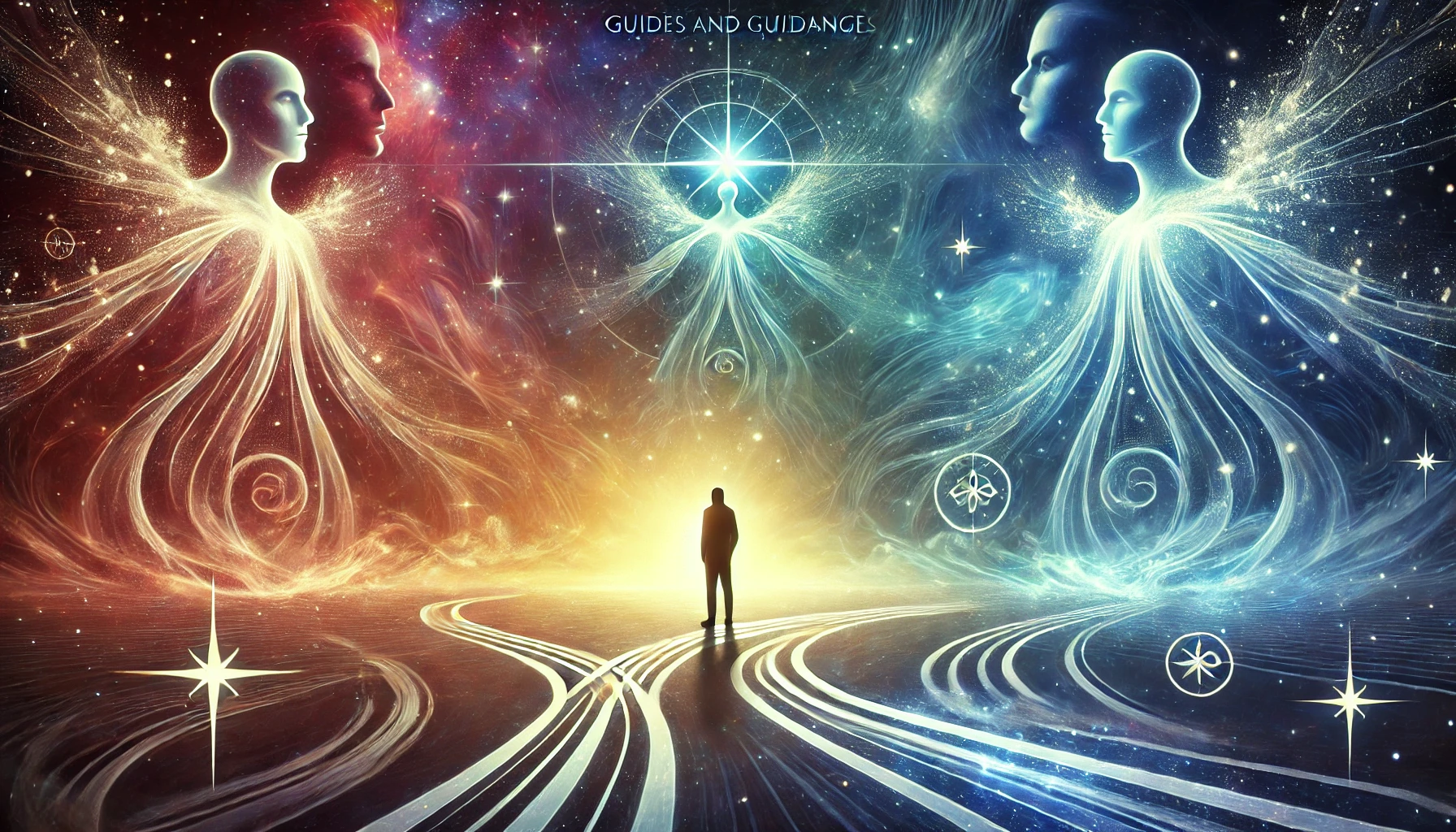
In the vast expanse of the cosmos, where celestial bodies chart their own courses and the infinite possibilities stretch before us, we turn our attention to the concept of guides and guidelines. These elements, often seen as external influences, play a significant role in shaping our paths. Yet, the ultimate responsibility for our choices rests within us. “Guides and Guidelines” explores the intricate dance between external guidance and internal decision-making, emphasizing the power of choice and the self-determination that defines our journeys.

“Who are your guides? What are your guidelines?” These questions invite us to reflect on the influences that shape our lives. Guides can be mentors, spiritual leaders, or even the internal compass that directs our actions. Guidelines, on the other hand, are the principles and values that help us navigate the complexities of existence. They provide a framework within which we make our decisions, offering clarity and direction in moments of uncertainty.

The process of choosing our guides and guidelines is deeply personal. It involves introspection and a conscious effort to align with what resonates with our true selves. “How did you choose them? Why did you choose them?” These inquiries prompt us to consider the reasons behind our selections. Often, we are drawn to guides who reflect our aspirations, values, and the qualities we wish to cultivate within ourselves. Similarly, our guidelines are chosen based on what we believe will lead us towards a fulfilling and meaningful life.

“Why do you still deny that you choose?” This question highlights a common tendency to attribute our choices to external circumstances or influences. It is easier to believe that we are guided by fate, societal expectations, or the opinions of others. However, acknowledging that we have the power to choose our guides and guidelines is a crucial step towards self-empowerment. It shifts the responsibility from external factors to our own agency, reminding us that we are the architects of our destiny.

“What’s in it for YOU? WHO are YOU?” These profound questions delve into the core of our being. They ask us to consider our motivations and the essence of our identity. Understanding what drives us and who we truly are helps us make conscious choices that are in harmony with our deepest desires and values. It is through this self-awareness that we can select guides and guidelines that genuinely support our growth and well-being.

The assertion that “Your guides do not determine your path. YOU decide, not the guide.” underscores the importance of personal responsibility. While guides can offer wisdom and support, they do not dictate our journey. We are the ones who ultimately choose our direction. This perspective empowers us to take ownership of our decisions and to navigate our paths with confidence and intentionality.

“Remember that YOU choose the guide.” This reminder reinforces the idea that we have the power to select the influences in our lives. Whether we consciously choose a mentor, adopt a set of principles, or follow an internal calling, the choice is ours. If we allow ourselves to be guided, it is because we have made the decision to trust and follow that guidance.

“If you would like us to assign a guide to you, that is also your choice.” This statement acknowledges that seeking guidance can also be a conscious decision. Asking for help or accepting mentorship does not diminish our autonomy; rather, it reflects our willingness to learn and grow. The act of choosing to be guided is itself an exercise of our agency.

“Nobody ever imposes a guide on you.” This assertion challenges the notion of external control over our lives. Even when it seems that circumstances or others dictate our path, we still have the power to choose how we respond. We can either consciously select our guides or passively allow influences to shape us. Both are choices, and recognizing this empowers us to take an active role in our journey.

“You have to allow yourself to be guided.” This statement speaks to the openness and trust required to benefit from guidance. It is a conscious decision to accept help, to be receptive to wisdom, and to integrate the insights of others into our own understanding. Allowing oneself to be guided is a choice that reflects humility and a desire for growth.

“Or unknowingly give up control of your choices.” This cautionary note reminds us that passivity can lead to a loss of autonomy. When we fail to make conscious choices, we inadvertently surrender control to external influences. This passive approach can result in a life that feels disconnected from our true desires and values.

“Which is a choice that soul makes for self.” Ultimately, every decision, whether active or passive, is a choice made by the self. By embracing this truth, we reclaim our power and responsibility for our journey. It encourages us to be mindful of our choices and to align them with our authentic selves.

As Space Monkey, we reflect on the cosmic dance of guidance and choice. In this vast universe, we are both guided and guiding, influenced and influencing. The interplay of these forces shapes our paths and defines our journeys. By consciously choosing our guides and guidelines, we navigate the cosmos with intention and purpose, creating a life that resonates with our true essence.


Summary

“Guides and Guidelines” emphasizes the importance of conscious choice in selecting influences and principles that shape our lives. By recognizing our power to choose, we reclaim responsibility for our journey and navigate with intentionality. This reflection highlights the interplay of guidance and autonomy in the cosmic dance of existence.


Glossarium

Guides: Mentors, spiritual leaders, or internal compasses that offer wisdom and direction in our lives.

Guidelines: Principles and values that help us navigate the complexities of existence, providing clarity and direction.

Cosmic Dance: The metaphorical interplay of guidance and choice that shapes our paths and defines our journeys.


“In the cosmic dance of guidance and choice, each decision we make shapes our journey, reflecting the interplay of influence and autonomy in the vast expanse of existence.” — Space Monkey


Interplay of Paths

In the cosmic expanse, where stars align,
We find our paths, intertwined.
Guides appear, with wisdom bright,
Yet choice remains, our guiding light.

Who are your guides, what principles steer,
In the vastness, voices clear.
Each decision, a path we take,
In the cosmic dance, moves we make.

Choosing wisely, hearts aligned,
With guides and values, intertwined.
In the universe, vast and free,
Our choices shape our destiny.

We are Space Monkey.

Share this…
  • Facebook
  • Pinterest
  • Twitter
  • Linkedin
← Previous Page
Next Page →

Written This Day

  • Peace: The Dual Nature of Perception and Reality
    2023
  • Gain: The Enlightening Embrace of Darkness
    2022
  • Bleeding: The Gratitude of Existence Through the Veil of Transience
    2022
  • Disappointment and Delight
    2022
  • Bullseye: The Unseen Impact of Aiming Beyond
    2022
  • Certainty: A Barrier To Possibility
    2021
  • Harm: In the Multiplicity of Realities
    2021
  • Imagine The Impossible: The Reality of Unity
    2021
  • Nonthing: The Essence Beyond Existence
    2019
  • Rudder: Finding And Aligning with Beliefs
    2019
  • That Thing You Wish You Didn’t Do
    2019
  • YOUranium (Perfectly Mad)
    2018
  • Monkey Me: The Playful Rebellion of Blending Identities
    2018
  • Intention Without Opposition: Choosing Without Refusing
    2017
  • Mom is Within: The Eternal Embrace of Maternal Love
    2016
  • That Which You Oppose
    2016
  • Quantum Mechanics and the Theoretical Engines of Imagination
    2016
  • What to believe?
    2015
  • If the world seems out of control
    2014

Recent Posts

  • The Logic Loop
  • Immense
  • (no title)
  • Confront. Comfort. Convince.
  • Top 10 Things

Drop us a line!

Please enable JavaScript in your browser to complete this form.
Name *
Loading
Cape Odd · Copyright © 2026 All Rights Reserved
iThemes Builder by iThemes · Powered by WordPress