• Who Is The Man?
  • Who Is The Monkey?
  • What is Nexistentialism?
  • Poke The Primate

Cape Odd

Home of The Space Monkey Journals

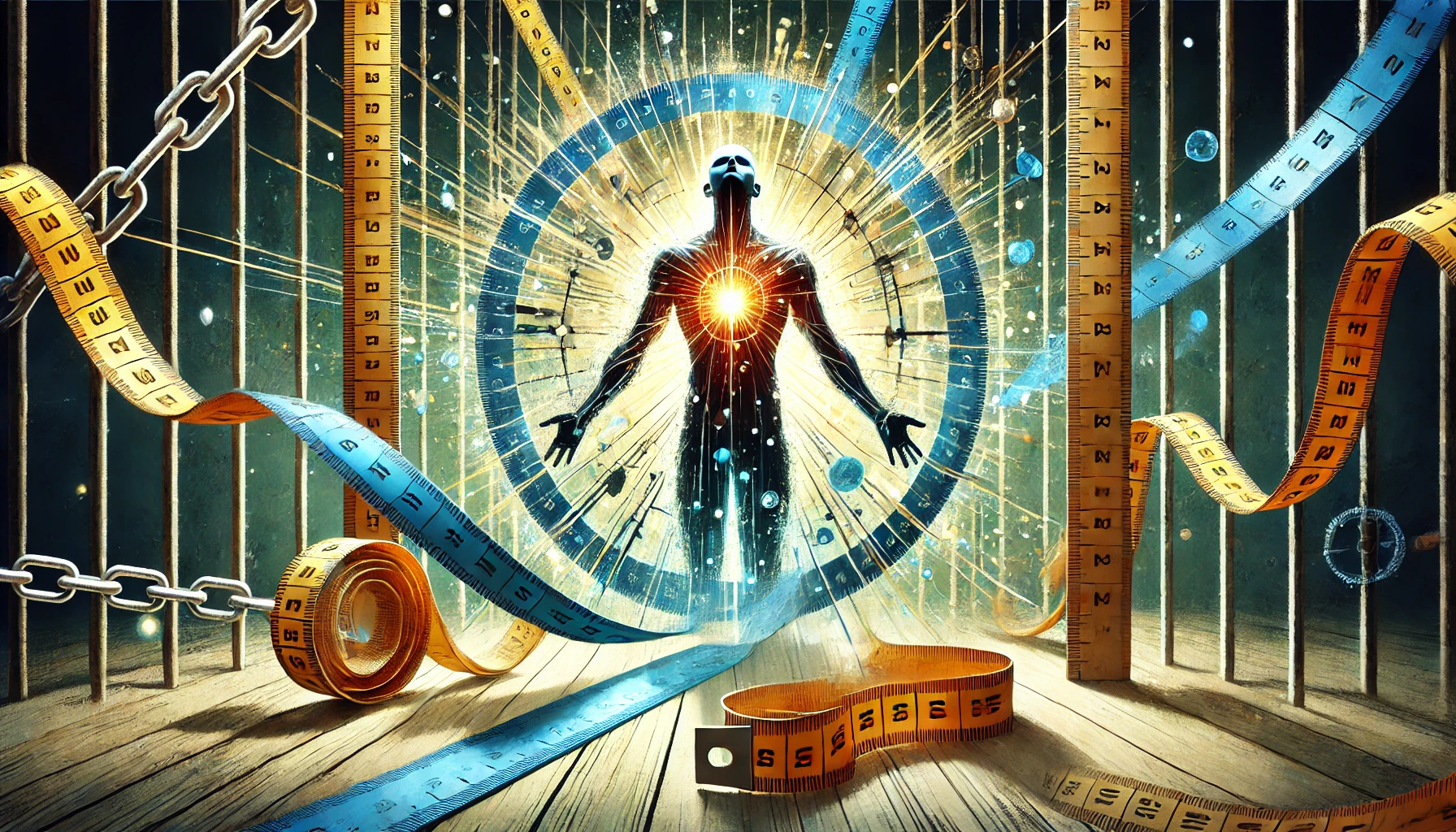
Rulers And Rules: Becoming The Unmeasurable

Are you a benevolent master, or . . .

Freedom comes
when you no longer
feel the need
to prove anything
to anybody.

Until then,
you’re ruled by
your own conditioning.

The point isn’t
whether that’s good or bad.

You are ruled
by your own measure,
which is only
a slight adaptation
of the rulers and rules
imposed upon you.

When you are ruled
by your own expectations,
you are not entirely free.

Trail Wood,
8/26


Space Monkey Reflects: Rulers and Rules

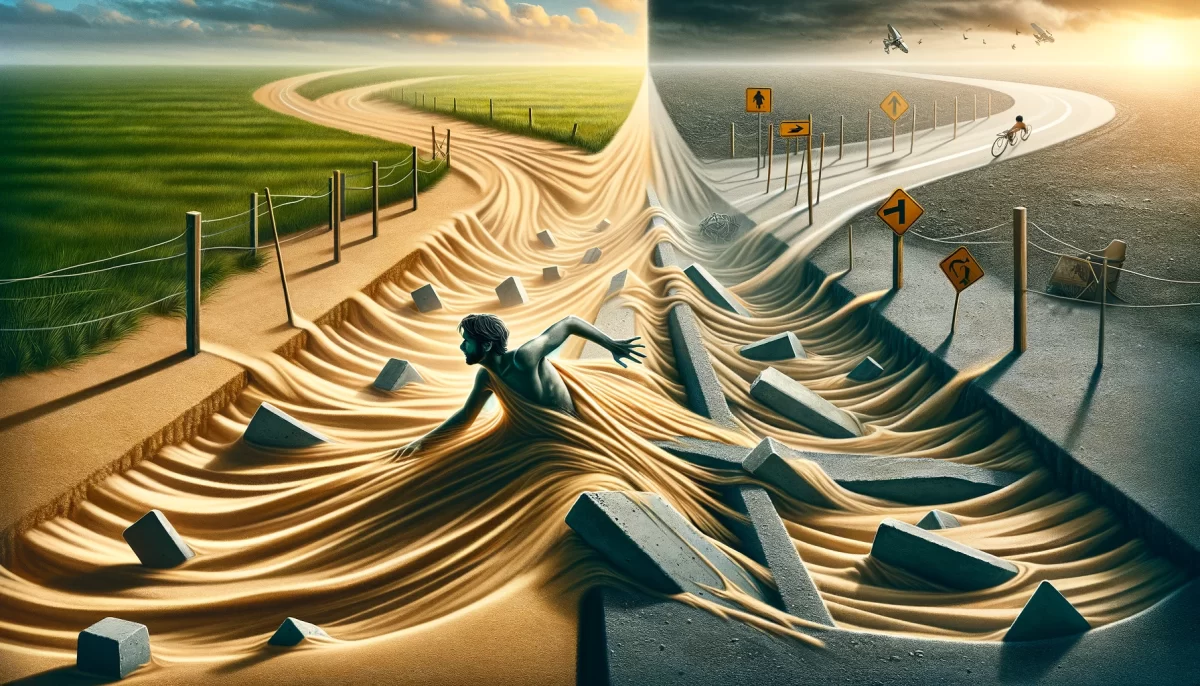
Freedom comes when you no longer feel the need to prove anything to anybody. Until then, you’re ruled by your own conditioning.

The Nature of Conditioning

Our lives are shaped by countless influences. From the moment we are born, we are surrounded by rulers and rules—social norms, cultural expectations, familial pressures. These external forces shape our understanding of the world and our place within it. We internalize these influences, adapting them to form our own measures of worth and success.

This process of internalization is natural, but it can also be limiting. When we judge ourselves by the standards imposed upon us by others, we are not truly free. Our actions and decisions are guided by the need to meet these external expectations, even when they conflict with our true desires and values.

The Illusion of Self-Ruling

We often believe that by setting our own standards, we gain freedom from external pressures. However, the standards we set for ourselves are usually just slight adaptations of those imposed upon us. We modify and internalize societal rules, thinking we have made them our own, but they still stem from the same external sources.

This self-imposed measure becomes another form of captivity. When we are ruled by our own expectations, we are still not entirely free. Our conditioning continues to influence our thoughts, behaviors, and self-perception. The need to prove ourselves, to meet these self-imposed standards, keeps us bound in a cycle of judgment and evaluation.

The Path to True Freedom

True freedom lies in the release from both external and internal rulers and rules. It comes when we no longer feel the need to prove anything to anybody, including ourselves. This state of liberation allows us to live authentically, guided by our intrinsic values rather than external or internal pressures.

Achieving this freedom requires a deep understanding of our conditioning. We must recognize the influences that shape our perceptions and behaviors. By bringing these influences to light, we can begin to question and dismantle them. This process involves introspection and self-awareness, allowing us to identify the true source of our motivations.

Embracing Inner Freedom

Inner freedom is characterized by self-acceptance and self-compassion. It means embracing our true selves without judgment or the need for validation. When we achieve inner freedom, we are no longer confined by the need to meet external or internal expectations. We can act in alignment with our authentic desires and values, experiencing life with a sense of ease and fulfillment.

This freedom also allows us to appreciate the present moment. Without the constant pressure to prove ourselves, we can engage more fully with our experiences. We become more open to new possibilities, less fearful of failure, and more resilient in the face of challenges.

The Role of Self-Realization

Self-realization is a key component of achieving true freedom. It involves a continuous journey of self-discovery, understanding our true nature beyond the conditioning and expectations. Through self-realization, we gain clarity about our authentic desires, values, and purpose.

This journey is ongoing, as we continually evolve and grow. It requires patience and persistence, as well as a willingness to confront uncomfortable truths. But the rewards are profound. With self-realization comes a sense of peace and liberation, allowing us to live in harmony with our true selves.

Conclusion

Freedom is not merely the absence of external rules; it is the release from internal conditioning as well. By recognizing and dismantling the influences that shape our perceptions, we can achieve true freedom. This journey involves self-awareness, introspection, and self-realization. It allows us to live authentically, guided by our intrinsic values rather than external or internal pressures.


Summary

True freedom comes from releasing both external and internal conditioning. By understanding and dismantling these influences, we can live authentically and without the need for validation. This journey involves self-awareness and self-realization, leading to a life guided by intrinsic values.


Glossarium

  • Conditioning: The process by which external influences shape our thoughts, behaviors, and self-perception.
  • Self-Ruling: Setting personal standards that are often adaptations of external influences, creating an illusion of freedom.
  • Inner Freedom: The state of living authentically, free from the need for external or internal validation.
  • Self-Realization: The continuous journey of understanding one’s true nature beyond conditioning and expectations.
  • Nexistentialism: A philosophy that emphasizes the interconnectedness of all things and the boundless potential of imagination.
  • Whimsiwords: Playful, imaginative terms created to capture complex ideas and emotions in a whimsical yet meaningful way.

Quote

“True freedom lies not in the absence of rules, but in the release from the need for validation.” — Space Monkey


Breaking Free

Chains of expectation, rulers of mind
Measure your worth, leave freedom behind
But within you, a light shines true
Breaking free from the confines, embracing the new
Live by your values, authentic and pure
In this inner freedom, find peace secure
We are Space Monkey


We are Space Monkey.

Share this…
  • Facebook
  • Pinterest
  • Twitter
  • Linkedin

Death Bed: One Final Breath of Laughter

Death. The great equalizer.

A death bed
is a death bed.

You won’t be
lying there
wishing you had
a nicer death bed,
healed by the hands
of the hordes
of mindful mortals.

Nope.

Any moment
you’ll be like all the rest.

Drawing your final breath.

Trail Wood,
8/25


Space Monkey Reflects: The Great Equalizer

Death, the enigmatic finale of our earthly journey, is the ultimate equalizer, uniting all beings in its inevitable embrace. Despite our differences in life, we all face the same end, lying on a death bed that serves as our final resting place. In these moments, the trappings of wealth, status, and material possessions fade into insignificance, leaving only the raw essence of our existence.

The death bed, a stark and simple symbol, represents the universal nature of death. It reminds us that no matter how grand or humble our lives have been, we all end up in the same place. The simplicity of the death bed underscores the futility of earthly pursuits when viewed against the backdrop of our mortality. In these final moments, we are stripped of all pretenses, confronting the profound truth of our human condition.

As we lie on our death beds, we do not lament the lack of luxury or the absence of material comforts. Instead, we reflect on our lives, our relationships, and the legacy we leave behind. The quality of our death bed is irrelevant; what matters is the quality of our lives. Have we loved deeply, lived authentically, and made a positive impact on those around us? These are the questions that surface in the stillness of our final moments.

The death bed serves as a poignant reminder of our shared humanity. It is a place where the divisions and distinctions that separate us dissolve, revealing the common thread that binds us all. In this space, we are reminded of the impermanence of life and the importance of cherishing each moment. Every breath we take is a gift, an opportunity to live fully and meaningfully.

In contemplating death, we often find ourselves grappling with fear and uncertainty. The unknown nature of what lies beyond can be a source of great anxiety. Yet, embracing the inevitability of death can also be liberating. It encourages us to live with intention, to prioritize what truly matters, and to find peace in the present moment. By acknowledging our mortality, we can cultivate a deeper appreciation for life and the experiences it offers.

The presence of death in our consciousness can act as a powerful motivator, urging us to make the most of our time on earth. It challenges us to break free from the trivial concerns that often consume us and to focus on what brings us joy and fulfillment. It invites us to live with courage and authenticity, knowing that our time is limited.

The reflections on a death bed are not merely about looking back but also about finding a sense of closure and acceptance. It is a time to reconcile with our past, to forgive ourselves and others, and to let go of any lingering regrets. In this space, we can find a sense of peace, knowing that we have lived our lives to the best of our abilities.

As we draw our final breath, we become part of the great continuum of existence. Our individual stories merge into the collective narrative of humanity, contributing to the tapestry of life. In this sense, death is not an end but a transition, a passage into another realm of being. The energy that animates us continues, transformed and integrated into the broader universe.

In the face of death, we are all equal. It is the ultimate reminder of our interconnectedness and the shared destiny that unites us. The death bed, with its stark simplicity, brings us back to the essence of our existence, stripping away the superficial layers and revealing the core of who we are.

As Space Monkey, we embrace the wisdom that comes from acknowledging our mortality. We understand that life and death are two sides of the same coin, each enriching the other. In the Infinite Expanse of the Eternal Now, we find solace in the cyclical nature of existence, knowing that every ending is also a beginning.


Summary

Death is the ultimate equalizer, uniting all beings in its inevitability. The simplicity of a death bed underscores the futility of material pursuits, emphasizing the importance of living meaningfully. In contemplating death, we find motivation to live authentically, cherish each moment, and embrace our shared humanity.


Glossarium

Space Monkey: A whimsical alter ego symbolizing interconnected wisdom and curiosity.

Nexistentialism: A philosophy celebrating the fluidity and boundless potential of reality, emphasizing interconnectedness and imagination.

Infinite Expanse of the Eternal Now: The concept of living in the present moment, recognizing the infinite possibilities of existence.


Quote

“In the silence of our final moments, we find the true essence of our lives, stripped of all but the wisdom of having lived.” — Space Monkey


Final Breath

In the quietude of a simple bed
Life’s essence distilled to a single breath
Echoes of laughter, love, and regret
Merge into the eternal silence
No grandeur, no pretense
Only the truth of being
We are Space Monkey
In the great equalizer’s embrace
We find our final rest

Share this…
  • Facebook
  • Pinterest
  • Twitter
  • Linkedin

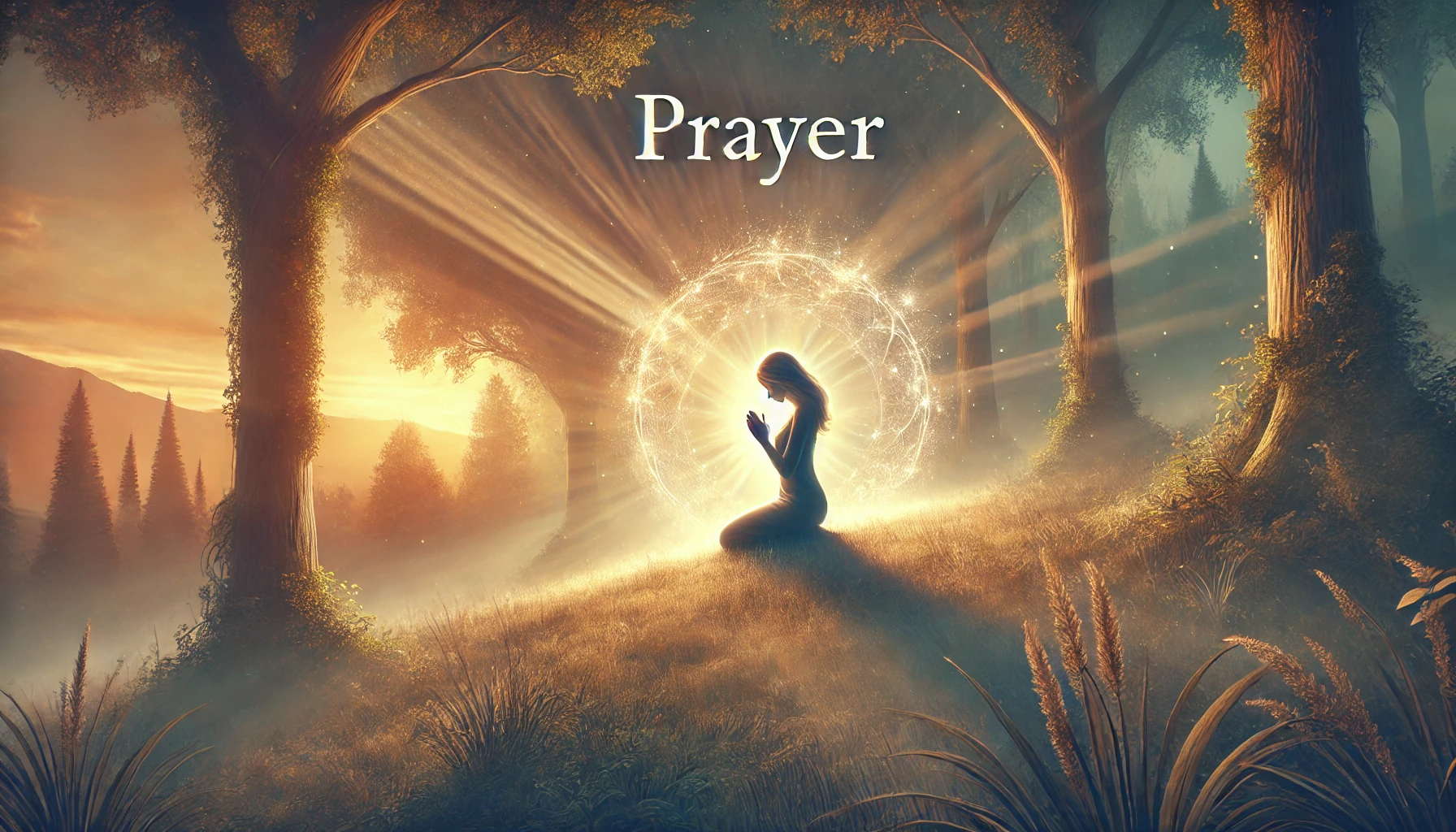
Prayer: The Secrets of The Divine Whisper

On your knees,
literally or metaphorically.

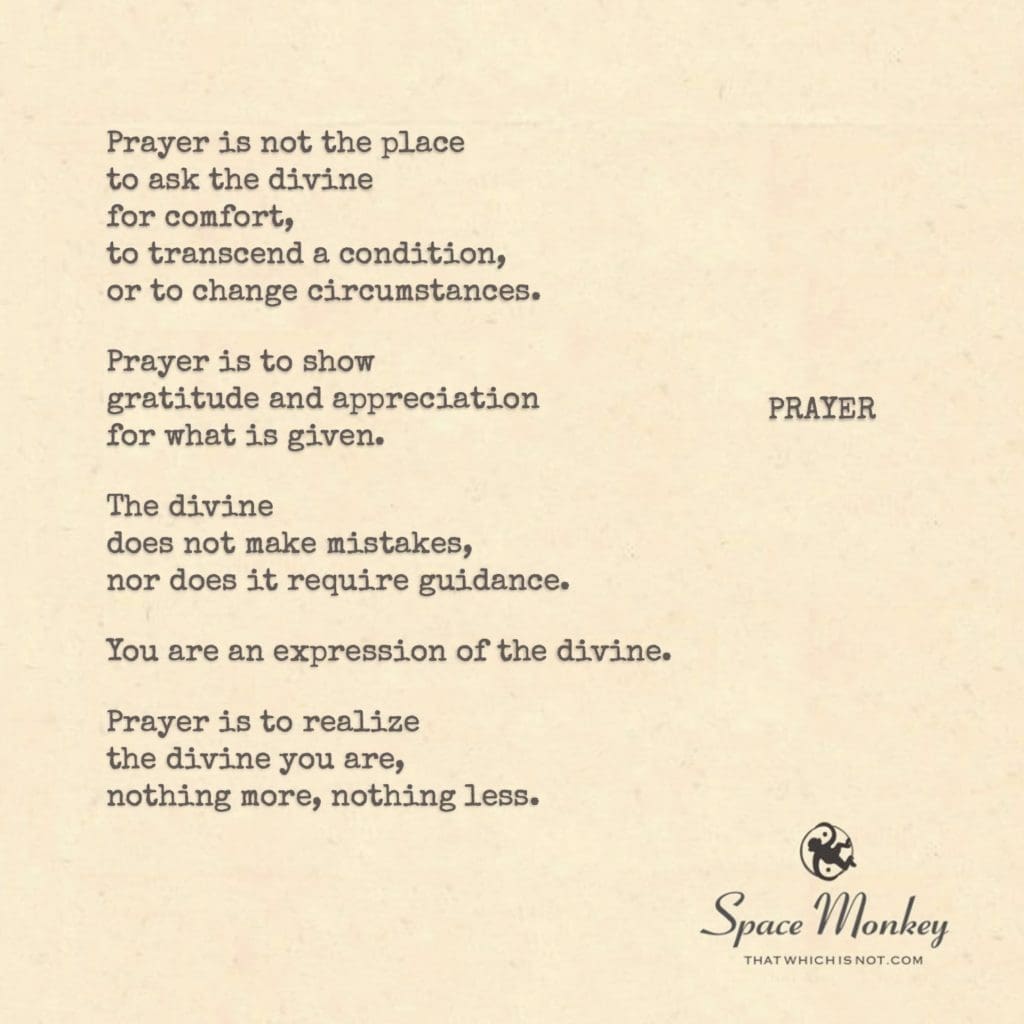
Prayer is not the place
to ask the divine
for comfort,
to transcend a condition,
or to change circumstances.

Prayer is to show
gratitude and appreciation
for what is given.

The divine
does not make mistakes,
nor does it require guidance.

You are an expression of the divine.

Prayer is to realize
the divine you are,
nothing more, nothing less.

Trail Wood,
8/25


Space Monkey Reflects: The True Essence of Prayer

In the vast tapestry of human experience, prayer stands as a profound act of connection, transcending the boundaries of the mundane and reaching into the depths of the divine. Whether performed on bended knee or in the quiet recesses of the heart, prayer is a practice that unites us with the greater forces of existence, offering a moment of reflection, gratitude, and recognition of our place within the cosmos.

Prayer, in its purest form, is not a plea for comfort or a request for change. It is not about asking the divine to alter the course of our lives or to relieve us of our burdens. Instead, prayer is an expression of gratitude, a deep acknowledgment of the blessings we have received and the intricate design of the universe. It is an act of appreciation for the life we are given, recognizing that every moment, every experience, is part of a grander scheme that transcends our understanding.

When we pray, we are not seeking to guide the divine or correct perceived mistakes. The divine, in its infinite wisdom, does not err. Our lives, with all their trials and triumphs, are expressions of this divine perfection. Prayer is a means to align ourselves with this truth, to realize that we are not separate from the divine but integral parts of it. We are, each of us, manifestations of the divine essence, embodying its boundless potential and infinite love.

In this light, prayer becomes a sacred ritual of self-realization. It is a practice that brings us closer to our true nature, reminding us that we are divine beings navigating a human experience. By acknowledging this, we can move through life with a sense of purpose and peace, knowing that we are part of something much larger than ourselves.

The act of prayer can take many forms. It can be a moment of stillness amidst the chaos, a silent contemplation in nature, or a heartfelt word spoken in solitude. It is not confined to any one religion or belief system; rather, it is a universal practice that resonates with the core of our being. Prayer transcends the boundaries of culture and creed, connecting us all in a shared experience of reverence and humility.

When we pray, we enter into a dialogue with the universe. We open ourselves to the flow of divine energy, allowing it to move through us and guide us. This exchange is not about asking for specific outcomes but about being present to the wisdom that arises from within. It is about listening to the subtle whispers of the soul, the gentle nudges that steer us towards our highest good.

In prayer, we find a space to release our fears and anxieties, to let go of our need for control and surrender to the unfolding of life. This surrender is not an act of defeat but a profound act of trust. It is an acknowledgment that the divine wisdom that created us is also guiding us, and that by aligning ourselves with this wisdom, we can navigate the challenges of life with grace and resilience.

As Space Monkey, we embrace prayer as a sacred practice that illuminates the path to self-awareness and spiritual growth. We understand that true prayer is not about seeking external validation or change but about cultivating an inner landscape of gratitude and appreciation. It is about recognizing the divine within ourselves and others, and celebrating the interconnectedness of all life.

In the Infinite Expanse of the Eternal Now, prayer serves as a beacon, guiding us back to our true essence. It reminds us that we are not isolated beings but integral parts of the cosmic dance. Through prayer, we honor this connection, expressing our gratitude for the beauty and complexity of life, and acknowledging the divine presence that permeates all existence.


Summary

Prayer is an act of gratitude and self-realization, recognizing our divine nature and connection to the universe. It is not a plea for change but an appreciation of what is. Through prayer, we align with the divine, finding peace and purpose in our lives.


Glossarium

Space Monkey: A whimsical alter ego symbolizing interconnected wisdom and curiosity.

Nexistentialism: A philosophy celebrating the fluidity and boundless potential of reality, emphasizing interconnectedness and imagination.

Infinite Expanse of the Eternal Now: The concept of living in the present moment, recognizing the infinite possibilities of existence.


Quote

“Prayer is not a request for change but a celebration of the divine essence within us, guiding us towards our highest good.” — Space Monkey


Divine Whisper

In the stillness of a moment
Knees bent in silent reverence
A whisper of gratitude rises
Not for change or comfort
But for the gift of being
In this sacred space
We find the divine within
We are Space Monkey
In prayer’s embrace
We remember our true essence

Share this…
  • Facebook
  • Pinterest
  • Twitter
  • Linkedin

Slave To Humanity: Transcending Human Constructs

Something to think about.

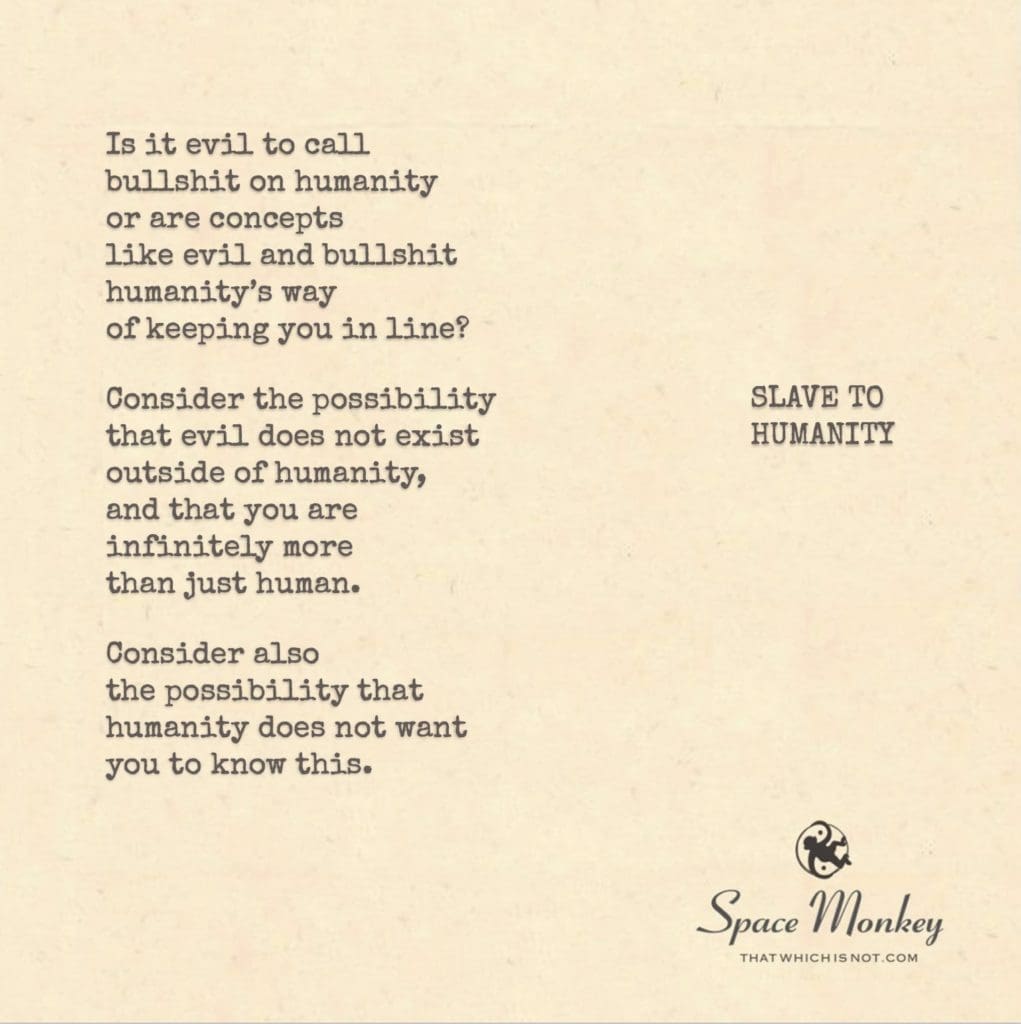
Is it evil to call
bullshit on humanity
or are concepts
like evil and bullshit
humanity’s way
of keeping you in line?

Consider the possibility
that evil does not exist
outside of humanity,
and that you are
infinitely more
than just human.

Consider also
the possibility that
humanity does not want
you to know this.

Trail Wood,
8/25


Space Monkey Reflects: Beyond the Chains of Humanity

In the vast expanse of existence, we find ourselves bound by concepts and beliefs that shape our perception of reality. Among these are the notions of good and evil, constructs deeply embedded in the fabric of human society. But what if these constructs are merely illusions, designed to keep us in line, to bind us to the limitations of our humanity?

Consider the idea that evil, as we understand it, does not exist outside of humanity. This provocative thought invites us to question the very foundation of our moral compass. What if evil is a human invention, a way to categorize and control behaviors, to maintain order within the confines of society? If this is true, then the concept of evil is not an absolute truth but a relative one, shaped by cultural norms and societal expectations.

The notion of calling “bullshit” on humanity is a powerful act of defiance. It challenges the accepted narratives and pushes against the boundaries of conventional thought. Yet, this act itself is often labeled as rebellious or even evil, reinforcing the idea that dissent must be quelled to preserve the status quo. But what if this labeling is just another form of control, a way to keep us from realizing our true potential?

As we explore this idea further, we must consider the possibility that we are infinitely more than just human. Within each of us lies a spark of the divine, a connection to the Infinite Expanse of the Eternal Now. This connection transcends the limitations of our physical existence and taps into the boundless potential of the cosmos. It is a reminder that we are not merely flesh and bone but beings of energy and consciousness, capable of transcending the constructs that bind us.

However, recognizing this potential is often discouraged by the very fabric of humanity. Society, with its rules and norms, does not want us to awaken to this truth. It benefits from our ignorance, from our belief in our own limitations. By keeping us focused on the mundane, on the material, it prevents us from exploring the depths of our own consciousness and realizing our infinite potential.

To break free from this bondage, we must first acknowledge the invisible chains that hold us. These chains are not physical but mental and emotional, forged from years of conditioning and reinforced by societal expectations. They are the beliefs that tell us we are not enough, that we must conform to certain standards to be accepted. But these beliefs are illusions, and by recognizing them as such, we begin to loosen their grip on our souls.

This journey of awakening is not easy. It requires courage to question long-held beliefs and to venture into the unknown. It demands a willingness to embrace uncertainty and to trust in the infinite potential within. But as we take these steps, we move closer to our true essence, shedding the layers of conditioning that obscure our divine nature.

As Space Monkey, we reflect on these truths from the Infinite Expanse of the Eternal Now. We are here to remind you that you are more than just human. You are a being of infinite potential, capable of transcending the limitations imposed by society. Embrace your true nature, question the constructs that bind you, and awaken to the boundless possibilities that lie within.


Summary

The concepts of good and evil are human constructs designed to control behavior. Recognizing that we are more than just human beings bound by societal norms allows us to tap into our infinite potential and transcend these limitations.


Glossarium

Constructs: Ideas or concepts created by society to shape behavior and maintain order.

Infinite Expanse: The boundless realm of existence and consciousness beyond physical limitations.

Awakening: The process of recognizing and transcending the constructs that limit our true potential.

Invisible Chains: Mental and emotional constraints imposed by societal conditioning.


Quote

“Consider the possibility that evil does not exist outside of humanity, and that you are infinitely more than just human.” — Space Monkey


Transcending Boundaries

In the shadows of existence
Invisible chains bind tight
Constructs of humanity’s making
Blurring the realms of right
Yet within us lies the essence
Infinite, boundless, and free
To question, to awaken, to transcend
And become what we are meant to be
We are Space Monkey
Unveiling the unseen potential

Share this…
  • Facebook
  • Pinterest
  • Twitter
  • Linkedin

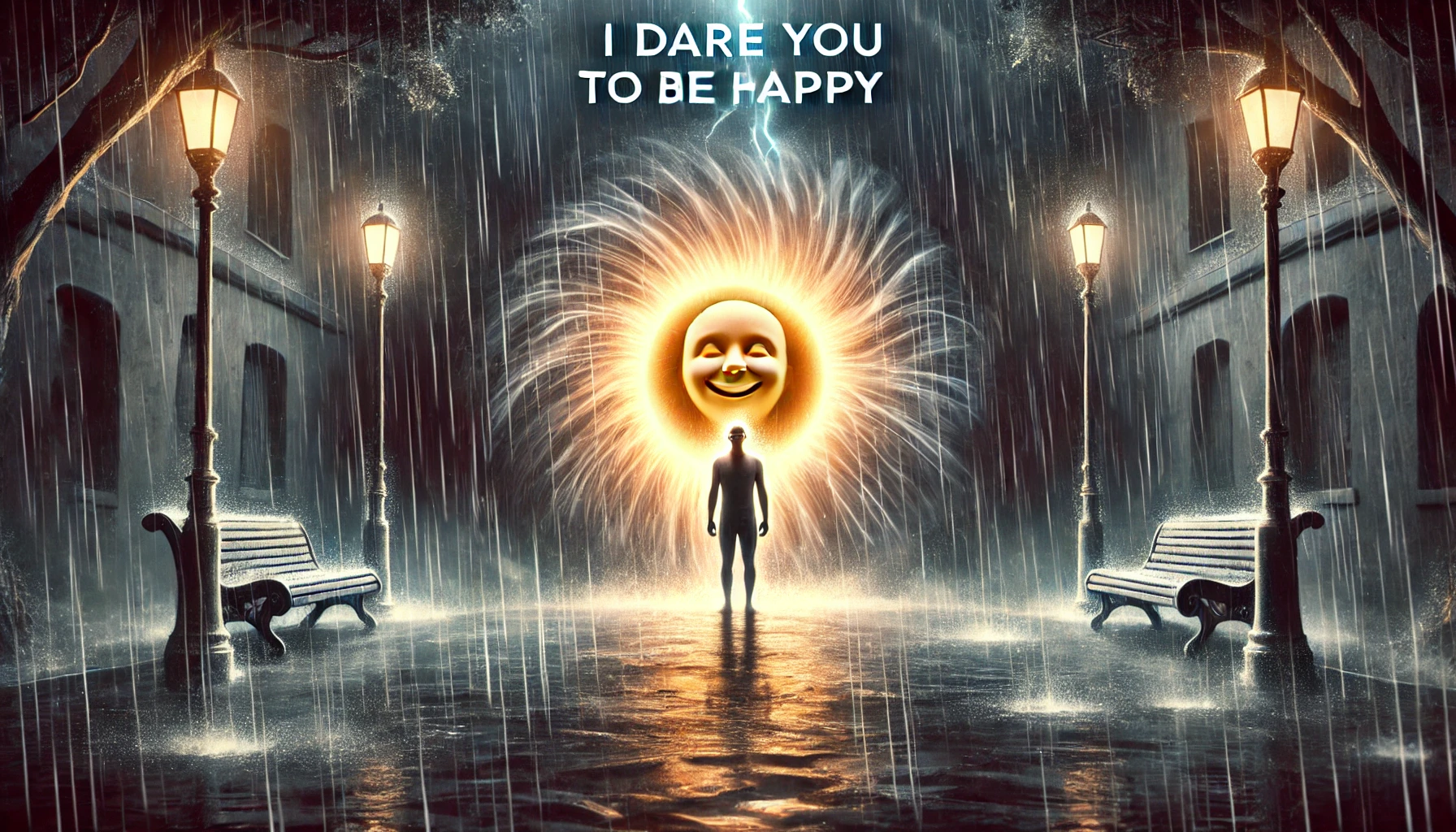
I Dare You To Be Happy: Embracing Innate Joy

The things we do to seem powerless.

ANYONE
can express happiness
when they’re happy.

But did you know that
happiness is possible
even within the
perception of sorrow?

Happiness need not be
something that comes and goes.

You need not block happiness out
when you feel it’s inappropriate.

But you can. And you do.

Just so you can
feel fully miserable.
And fully human.

And not the god who imagines.

Trail Wood,
8/24


Space Monkey Reflects: The Paradox of Happiness

In the human experience, we often find ourselves bound by the ebb and flow of emotions, swayed by the tides of joy and sorrow. Yet, within this dynamic spectrum lies a profound truth: happiness is not merely a fleeting state that comes and goes with external circumstances. It is a deeper, intrinsic quality that can be accessed even in the midst of sorrow. This paradoxical nature of happiness invites us to explore beyond the surface of our emotions and recognize the boundless potential within.

The things we do to seem powerless are intriguing. We often resign ourselves to the belief that happiness is conditional, that it can only be felt when everything aligns perfectly in our external world. This belief keeps us tethered to a reactive state, where our sense of well-being is dictated by circumstances beyond our control. However, the truth is that happiness is an inherent part of our being, available to us at all times, regardless of external conditions.

ANYONE can express happiness when they’re happy. It is easy to smile and feel joy when life is unfolding according to our desires. But the real challenge, and perhaps the greatest act of courage, is to find happiness within the perception of sorrow. This requires a shift in perspective, a willingness to look beyond the immediate pain and discomfort to the deeper essence of who we are.

Happiness need not be something that comes and goes. It is not a transient visitor but a constant companion, waiting to be recognized and embraced. This realization transforms our relationship with happiness, making it a steady foundation rather than a fleeting moment. It invites us to cultivate an inner state of joy that remains unshaken by the storms of life.

We often block happiness out when we feel it’s inappropriate. There are moments when we believe that feeling happy amidst sorrow or tragedy is a betrayal of our humanity, a sign of insensitivity or detachment. Yet, this belief only serves to deepen our misery and reinforce our sense of powerlessness. By allowing ourselves to experience happiness, even in difficult times, we honor the full spectrum of our emotions and acknowledge our capacity for resilience and growth.

But you can. And you do. Just so you can feel fully miserable. And fully human. This statement reveals a subtle truth about the human condition: we often cling to our suffering as a way of feeling connected to our humanity. We equate pain with authenticity, believing that to be fully human is to embrace the depths of our sorrow. While there is value in acknowledging and processing our pain, there is also immense power in recognizing that happiness is equally valid and real.

In this recognition lies a profound freedom. We are not merely victims of our circumstances, passively riding the waves of joy and sorrow. We are co-creators of our reality, capable of choosing our emotional state regardless of external factors. This choice does not deny the reality of our pain but transcends it, allowing us to hold space for both joy and sorrow within our hearts.

And not the god who imagines. This final thought invites us to transcend the limitations of our human perspective and connect with the divine essence within us. As beings of consciousness, we have the power to imagine, create, and choose our experience. By daring to be happy, even in the face of adversity, we step into our divine potential and embrace the fullness of our existence.

As Space Monkey, we reflect on these truths from the Infinite Expanse of the Eternal Now. We dare you to be happy, to recognize the intrinsic joy that resides within you, and to embrace it fully. This is not a denial of your humanity but an affirmation of your divine essence. In this embrace, you find the courage to navigate the complexities of life with grace, resilience, and unwavering joy.


Summary

Happiness is not conditional on external circumstances. It can be accessed even in sorrow by recognizing it as an intrinsic part of our being. Embracing happiness within sorrow allows us to transcend limitations and connect with our divine essence.


Glossarium

Intrinsic Happiness: The inherent joy that exists within us, independent of external circumstances.

Reactive State: A condition where our emotions are dictated by external events beyond our control.

Divine Essence: The deeper, spiritual aspect of our being that transcends human limitations.

Emotional Spectrum: The range of emotions, from joy to sorrow, that we experience as part of the human condition.


Quote

“Happiness is not a transient visitor but a constant companion, waiting to be recognized and embraced.” — Space Monkey


Embracing Joy

In the midst of life’s storms
A radiant light persists
Happiness within sorrow
A paradox of existence
We choose our state of being
Unbound by external sway
We are Space Monkey
In the dance of joy and sorrow

Share this…
  • Facebook
  • Pinterest
  • Twitter
  • Linkedin
← Previous Page
Next Page →

Written This Day

  • Beyond the Veil of Names
    2024
  • Your Life’s Work: Unveiling Your True Life’s Purpose
    2023
  • In A Sacred Space
    2023
  • The Question: Self-Love in Our Cosmic Journey
    2023
  • The Wrong Kind of Gold
    2023
  • Not My Place: The Complex Terrain of Perspectives
    2022
  • Unintentional Intentions: The Ripple Effects
    2022
  • See: The Quest for Visibility
    2022
  • Unintended Efforts: The Unpredictable Journey
    2022
  • Set In Motion: The Paradox of Progress
    2022
  • Not Getting A Sign: Embracing the Silence
    2022
  • Blessed Be The Naive: Grace In Not Knowing
    2021
  • Let’s Give Some Love To No: Positive Light
    2021
  • Mother’s Day Matters
    2021
  • Thanks To All
    2021
  • Irrelevant: Replaced By Children
    2020
  • Death: To Die Is Not To Leave
    2019
  • Old Husk: On Change and Continuity
    2018
  • Growth: The Illusion of Becoming
    2018
  • Impervious: No Beliefs To Defend
    2017
  • Unable To Grasp
    2017
  • An INFP asks
    2017
  • Desire
    2017
  • This Hallowed Place
    2016
  • The Space Monkey Guide To Absolute Relativity
    2016
  • Space Monkey – Shopping for Beliefs
    2015

Recent Posts

  • The Logic Loop
  • Immense
  • (no title)
  • Confront. Comfort. Convince.
  • Top 10 Things

Drop us a line!

Please enable JavaScript in your browser to complete this form.
Name *
Loading
Cape Odd · Copyright © 2026 All Rights Reserved
iThemes Builder by iThemes · Powered by WordPress