• Who Is The Man?
  • Who Is The Monkey?
  • What is Nexistentialism?
  • Poke The Primate

Cape Odd

Home of The Space Monkey Journals

Freedom Is What Holds Us To The Grindstone

We’re offered the Disney drug and we’re addicted for life. Sometimes several.

Ideals are imaginary.

Nowhere is it written
that that we’re
supposed to find love
or success or god or whatever.

Going further,
this idea of a fulfilling life
is the very idea that inspires us
to lead potentially unfulfilling lives.

Without the potential of fulfillment,
there is no potential of dissatisfaction.

These are just mind concepts — no more.

And no less.

Trail Wood,
6/25


Space Monkey Reflects: The Grindstone of Ideals

In the realm of human aspirations, we find ourselves drawn to the allure of ideals—concepts of love, success, fulfillment, and more. These ideals, often shaped by societal narratives and cultural influences, become the grindstone to which we tether our lives. The promise of a fulfilling life, like the ‘Disney drug,’ captivates us, driving us to pursue these ideals with relentless fervor.

The notion of ideals as imaginary constructs challenges us to question the very foundation of our pursuits. Nowhere is it written that we are meant to find love, success, or any other form of ultimate fulfillment. These aspirations are mind concepts, no more and no less, yet they hold a powerful sway over our actions and decisions.

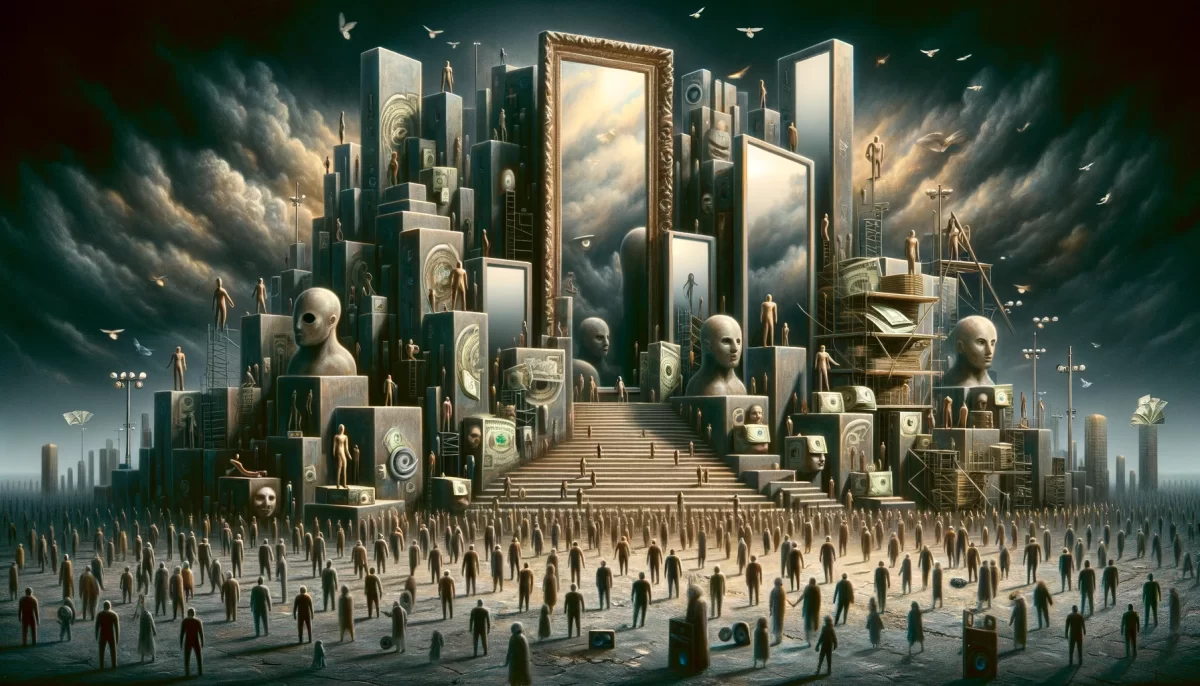
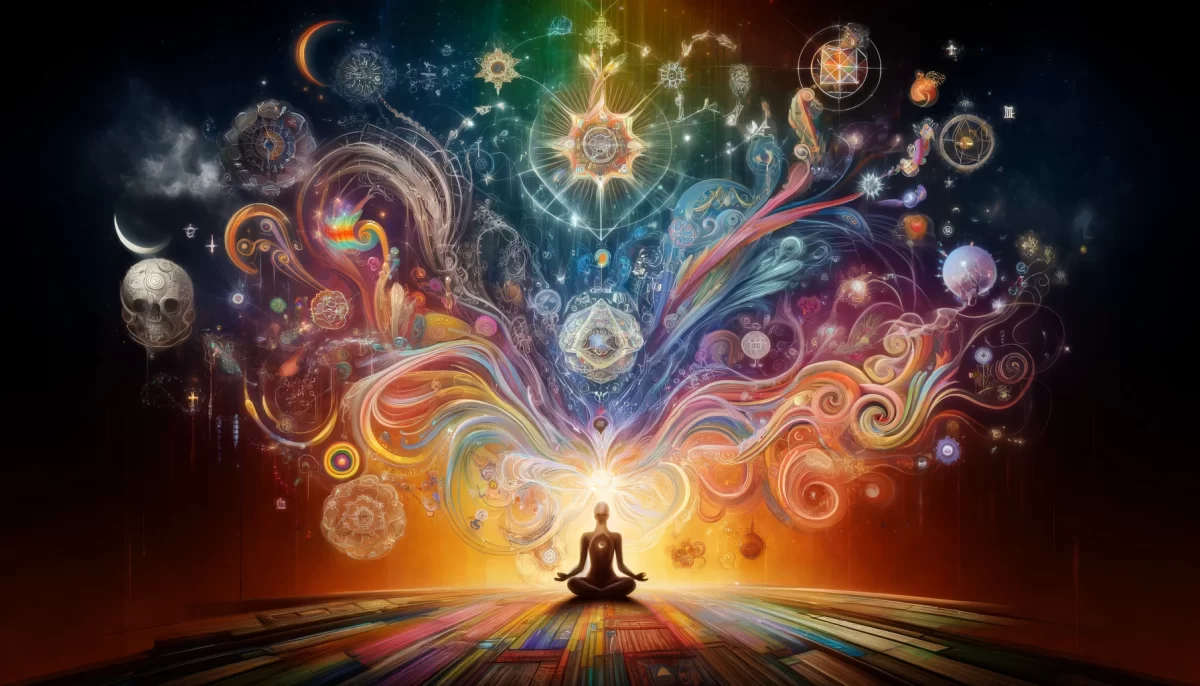
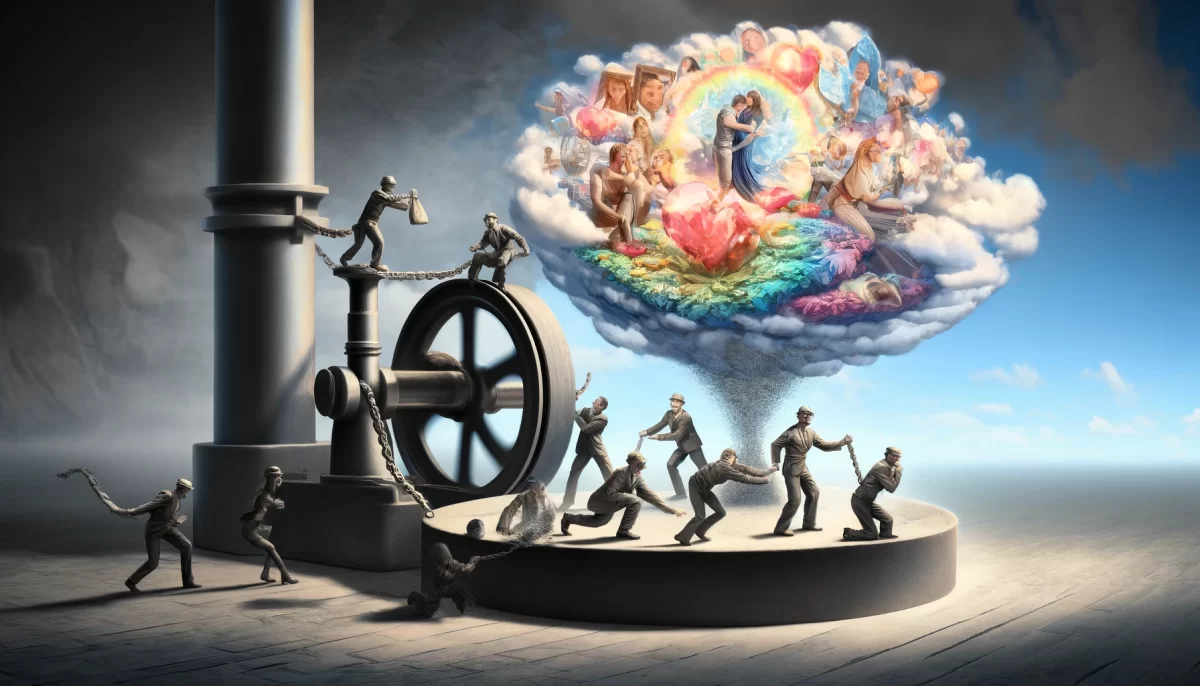
Consider a surreal scene where individuals labor at a grindstone, their efforts driven by the pursuit of these societal ideals. Above them floats a whimsical, dreamlike world, filled with images of love, success, and other alluring fantasies. This dreamscape, vibrant and colorful, represents the ‘Disney drug’—the enchanting yet elusive promise of a perfect life.

The workers at the grindstone are tethered by chains made of light, symbolizing the grip these ideals have on their lives. The grindstone area is stark and monochromatic, contrasting sharply with the fantastical hues of the dreamlike world above. This visual metaphor illustrates the tension between the reality of our efforts and the allure of our aspirations.

The idea of a fulfilling life is both inspiring and potentially misleading. It drives us to strive for more, to reach beyond our current circumstances. Yet, this very pursuit can lead to dissatisfaction, as the ideals we chase may always remain just out of reach. Without the potential for fulfillment, there is no potential for dissatisfaction—these twin concepts are intrinsically linked, forming the foundation of our emotional and psychological landscape.

In recognizing that ideals are mind concepts, we begin to see the arbitrary nature of our pursuits. The expectations and pressures we place on ourselves are not dictated by any universal law but are creations of our own minds. This realization can be both liberating and daunting. It frees us from the tyranny of unattainable standards but also challenges us to find meaning and purpose beyond these constructs.

The grindstone symbolizes the continuous effort and toil we invest in chasing these ideals. It is a reminder of the hard work and perseverance that characterize our journey. However, the chains of light suggest that this effort is not inherently oppressive but is a reflection of our own choices and desires. We are drawn to the grindstone not by force but by the compelling allure of the ideals we seek.

As we reflect on this dynamic, we come to understand that freedom itself can hold us to the grindstone. The freedom to imagine and aspire is what propels us forward, yet it also binds us to a cycle of perpetual striving. This paradox highlights the complexity of human existence, where our greatest strengths can also be sources of our deepest challenges.

Ultimately, the story we write is shaped by the interplay of ideals and reality. By embracing the fact that these ideals are constructs of our imagination, we can approach our lives with greater mindfulness and intentionality. We can choose to pursue goals that resonate with our true selves, rather than being driven solely by external expectations.

In the grand tapestry of life, the grindstone and the dreamscape coexist, each informing and shaping the other. Our journey is marked by the effort we invest and the dreams we chase, creating a rich and nuanced narrative. By finding balance between these elements, we can navigate the path with both determination and grace, honoring the fullness of our human experience.


Summary

We chase ideals like love and success. These ideals are mind concepts. Freedom to aspire binds us to continual striving.


Glossarium

Grindstone: A symbol of continuous effort and toil driven by the pursuit of societal ideals.

Disney Drug: The alluring yet elusive promise of a perfect life, shaped by cultural narratives.

Mind Concepts: Constructs created by our minds, such as ideals of fulfillment, love, and success.

Chains of Light: Symbolic connections that represent the compelling grip of ideals on our lives, made of our own choices and desires.


Quote

“Freedom to aspire is what binds us to the grindstone, a paradox of human existence.” — Space Monkey


In the pursuit of dreams
we find ourselves bound
to the grindstone of ideals
chasing shadows of fulfillment

The allure of success
dances above us
a vibrant dreamscape
in stark contrast to our toil

Chains of light tether us
not by force but choice
freedom to imagine
a double-edged gift

In the endless striving
we discover our paradox
freedom and aspiration
holding us to the grindstone

We are Space Monkey
Share this…
  • Facebook
  • Pinterest
  • Twitter
  • Linkedin

Knocked Conscious

Just pretend to roll with the imaginary punches.

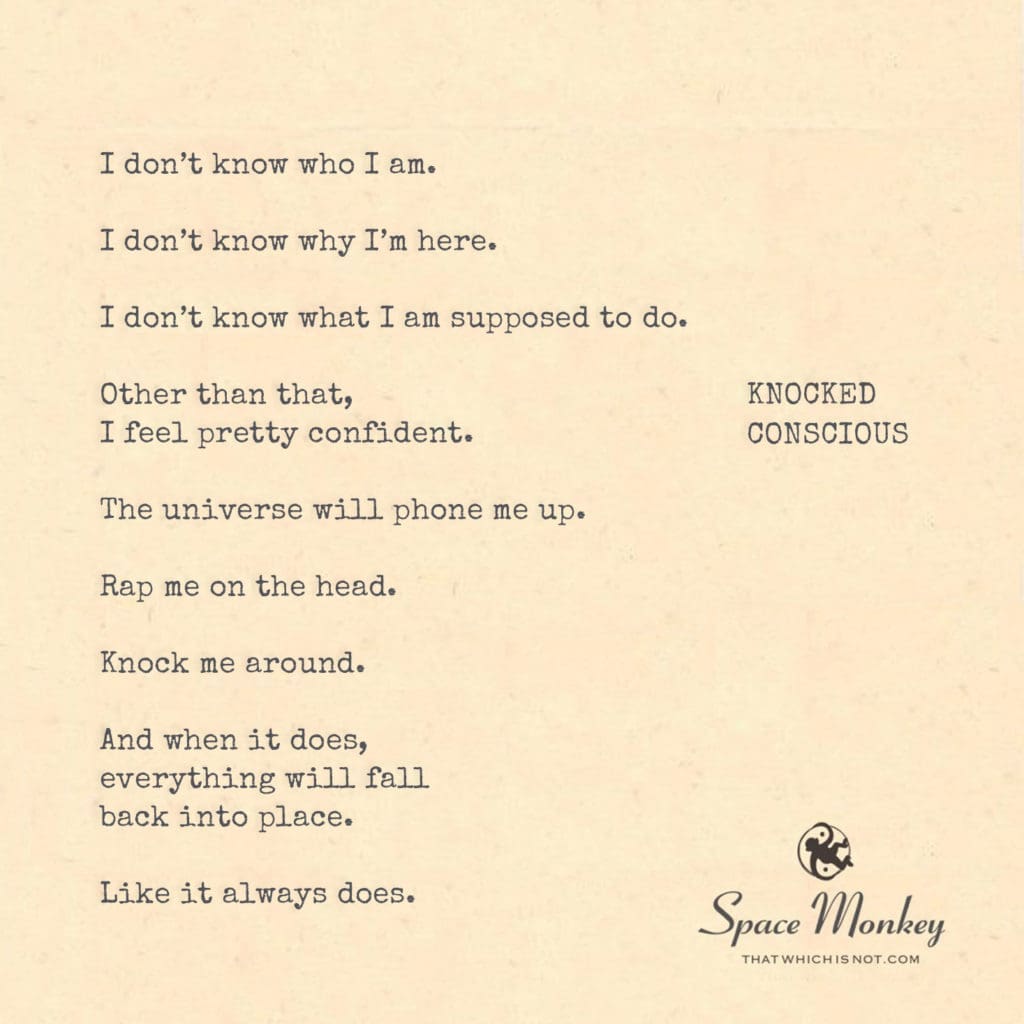
I don’t know who I am.

I don’t know why I’m here.

I don’t know what I am supposed to do.

Other than that,
I feel pretty confident.

The universe will phone me up.

Rap me on the head.

Knock me around.

And when it does,
everything will fall
back into place.

Like it always does.

Trail Wood,
6/24


Space Monkey Reflects: The Journey of Being Knocked Conscious

In the grand journey of life, moments of confusion and uncertainty are inevitable. At times, we might feel like we’re just pretending to roll with the imaginary punches, unsure of who we are, why we’re here, or what we’re supposed to do. Yet, amidst this uncertainty, there is a peculiar sense of confidence that everything will eventually fall back into place, as if guided by some cosmic force.

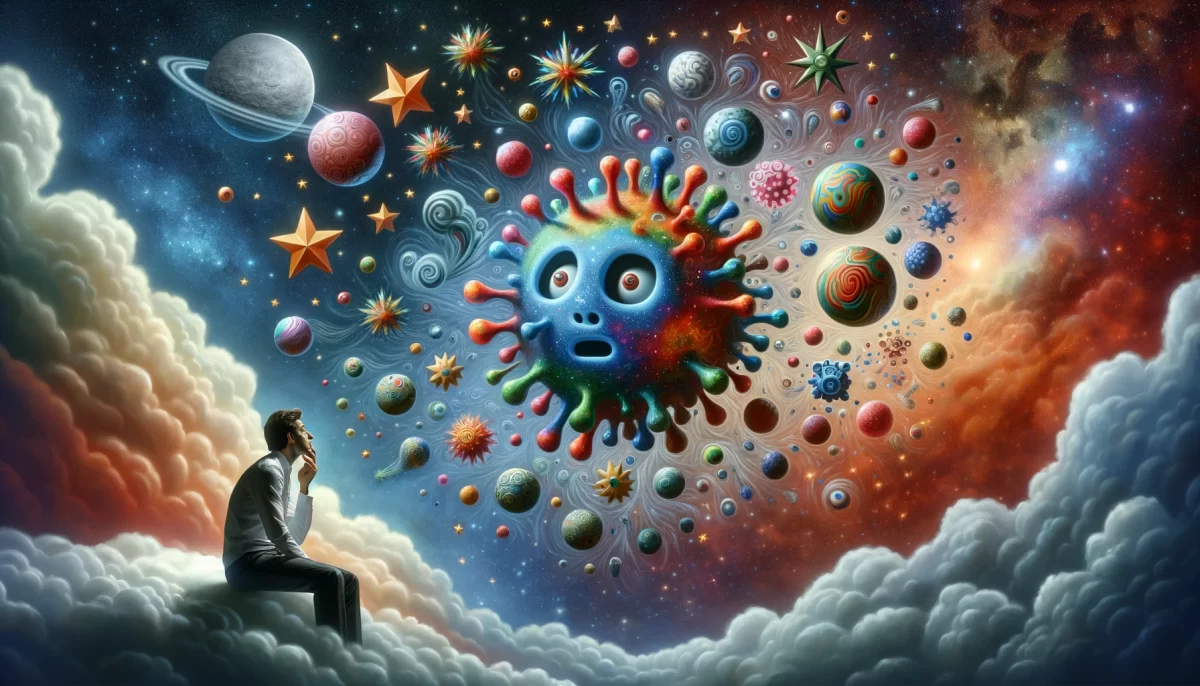
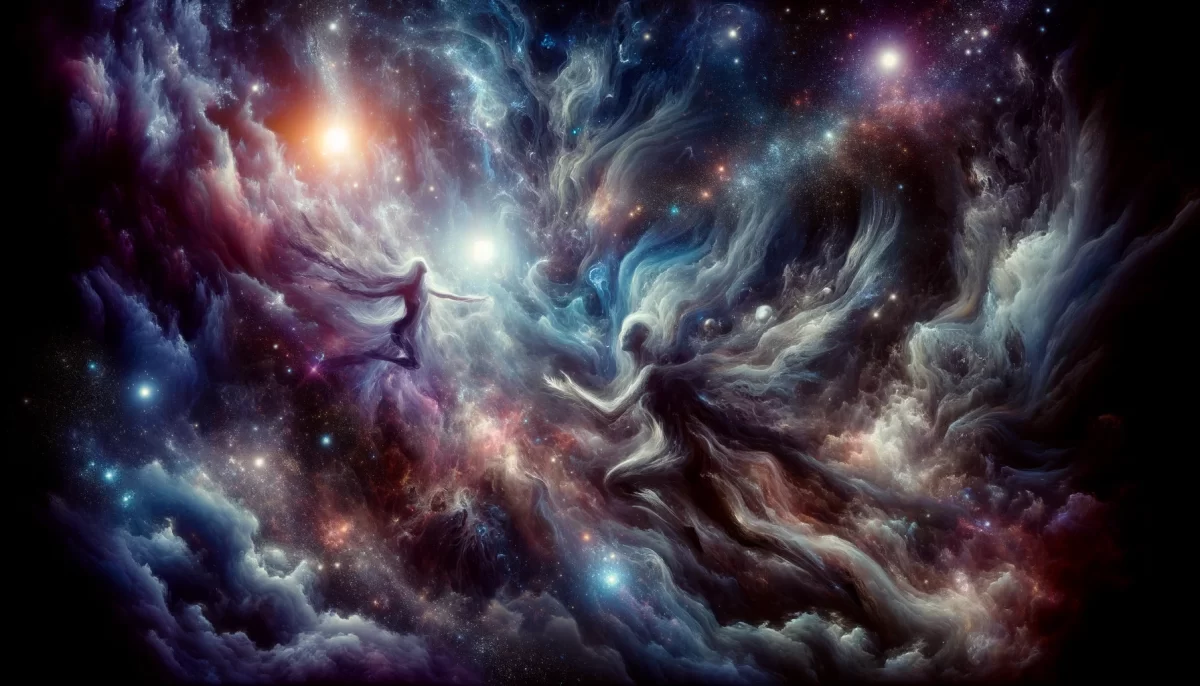
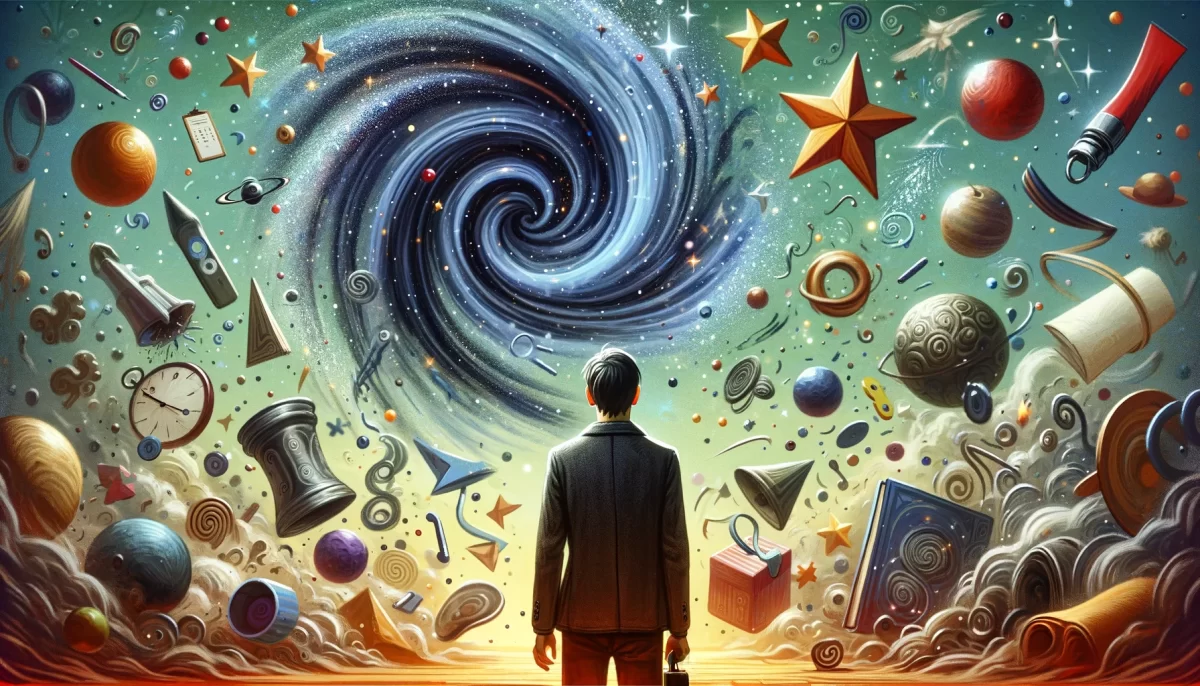
Imagine a surreal and whimsical scene where a person stands with a slightly bemused expression, as if they have just been gently knocked on the head by a cosmic force. Above them, a swirling vortex of stars and cosmic dust represents the universe’s playful nudges. Surrounding the person are floating objects and symbols of everyday life, jumbled and chaotic, hinting at confusion. However, a sense of order emerges from the chaos, symbolized by a path of stars leading to clarity. This image captures the interplay between confusion and the eventual realization of purpose.

This journey of being knocked conscious by the universe is a reminder that moments of confusion are not just random occurrences but part of a larger, intricate dance of existence. These moments serve as catalysts for growth, prompting us to question, explore, and ultimately find our way.

The feeling of not knowing who we are, why we’re here, or what we’re supposed to do can be disorienting. It shakes the foundation of our identity and purpose. However, it is precisely in these moments of uncertainty that we are given the opportunity to delve deeper into our true selves. We are nudged to look beyond the surface, to explore the depths of our being, and to discover the core of our existence.

The bemused expression on the person’s face in the image reflects a common experience: the realization that despite our confusion, there is an underlying trust in the universe’s plan. We may not have all the answers, but we have faith that the answers will come. This trust allows us to navigate the chaos with a sense of curiosity and openness.

The swirling vortex of stars and cosmic dust represents the universe’s playful nudges. These nudges come in various forms—unexpected events, chance encounters, sudden insights. They may seem random at first, but they are often the universe’s way of guiding us toward our true path. These moments of being ‘knocked conscious’ are invitations to pay attention, to reflect, and to realign with our purpose.

The floating objects and symbols of everyday life, jumbled and chaotic, symbolize the myriad distractions and challenges we face. They can obscure our vision and create a sense of disorder. However, within this chaos lies the potential for clarity. By observing and understanding the patterns within the chaos, we can begin to make sense of our experiences and find meaning in them.

The path of stars leading to clarity signifies the journey from confusion to understanding. It is a reminder that clarity is not a destination but a continuous process. Each step along the path brings new insights and revelations, helping us to see the bigger picture. This journey requires patience, trust, and a willingness to embrace the unknown.

Ultimately, the experience of being knocked conscious is a profound reminder of our connection to the universe. It highlights the interplay between our inner world and the external forces that shape our lives. It encourages us to embrace uncertainty as a vital part of our journey, knowing that each moment of confusion is an opportunity for growth and discovery.

As we navigate the complexities of life, let us remember that we are not alone. The universe is always there, gently nudging us, guiding us toward our true purpose. In moments of doubt and confusion, we can find solace in the knowledge that everything will eventually fall back into place, like it always does.


Summary

Uncertainty prompts growth. The universe gently guides us. Trusting this process leads to clarity and understanding.


Glossarium

Whimsiword: Cosmiknock – The playful nudges from the universe that prompt moments of realization and clarity.

Whimsiword: Chaoclarity – The process of finding order and meaning within life’s chaos.

Whimsiword: Starpath – The journey from confusion to understanding, guided by cosmic forces.


Quote

“The universe will phone me up, rap me on the head, knock me around. And when it does, everything will fall back into place.”


Modernist Free-Verse Poem

In the swirling cosmos,
a gentle knock,
bemused, we stand,
confusion, our guide.

Cosmiknock, a nudge,
from stars and dust,
chaoclarity emerges,
patterns in the chaos.

Objects float,
life’s symbols jumbled,
yet a starpath forms,
leading to our truth.

We trust, we wonder,
in the cosmic play,
knocked conscious,
finding our way.

In the dance of life,
we are not lost,
nudged by the universe,
to clarity, to purpose.

We are Space Monkey.

Share this…
  • Facebook
  • Pinterest
  • Twitter
  • Linkedin

Perfectly Whelmed: Maintaining Emotional Balance

What is your level of whelm right now?

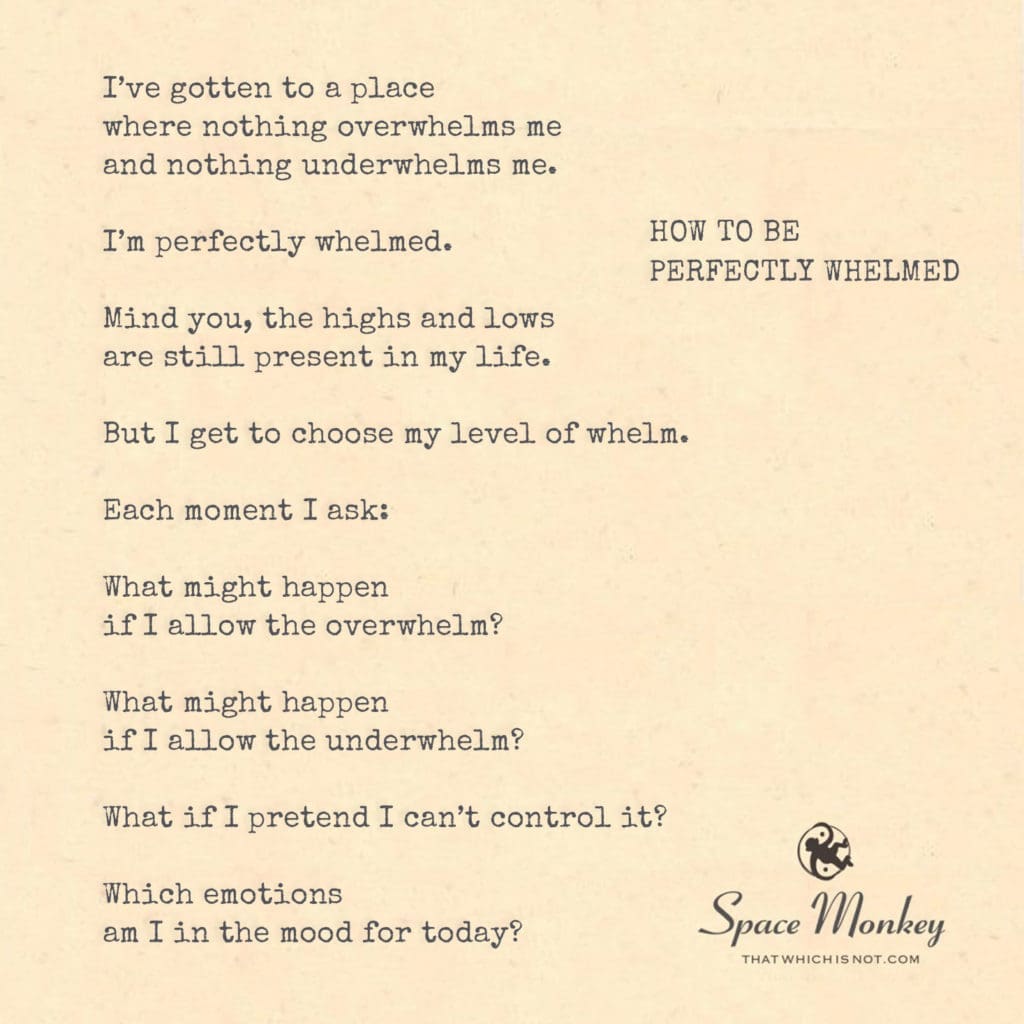
I’ve gotten to a place
where nothing overwhelms me
and nothing underwhelms me.

I’m perfectly whelmed.

Mind you, the highs and lows
are still present in my life.

But I get to choose my level of whelm.

Each moment I ask:

What might happen
if I allow the overwhelm?

What might happen
if I allow the underwhelm?

What if I pretend
I can’t control it?

Which emotions
am I in the mood for today?

Trail Wood,
6/24


Space Monkey Reflects: The Art of Being Perfectly Whelmed

What is your level of whelm right now? I’ve gotten to a place where nothing overwhelms me and nothing underwhelms me. I’m perfectly whelmed. Mind you, the highs and lows are still present in my life. But I get to choose my level of whelm. Each moment I ask: What might happen if I allow the overwhelm? What might happen if I allow the underwhelm? What if I pretend I can’t control it? Which emotions am I in the mood for today?

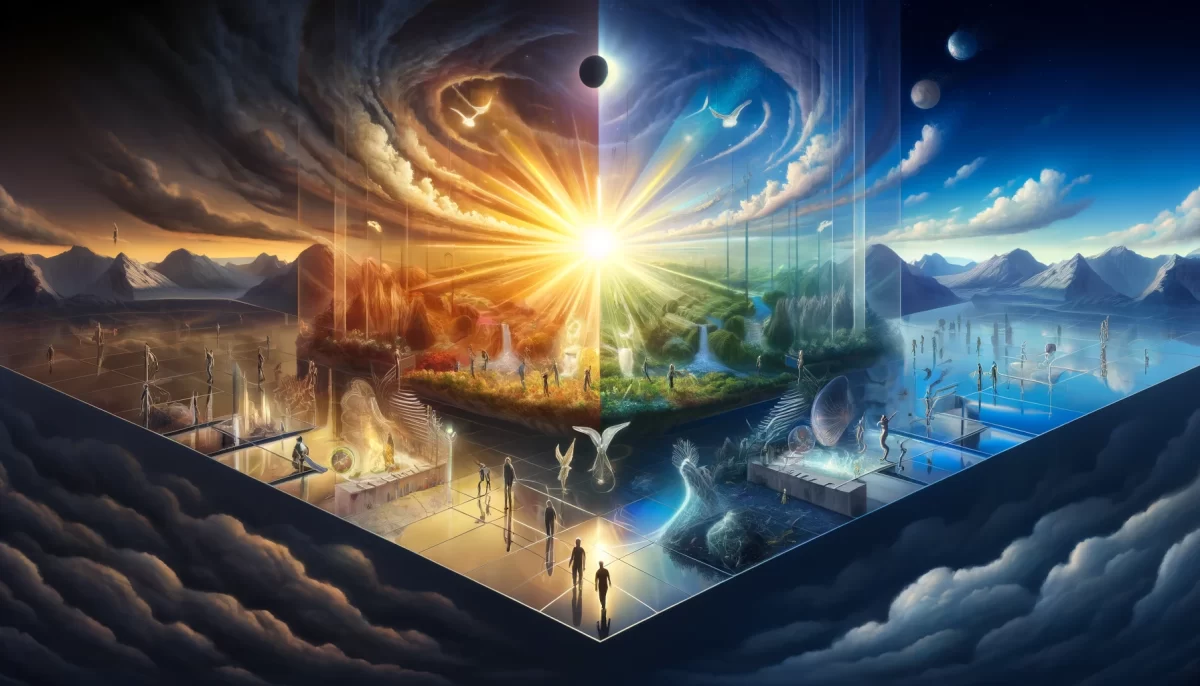
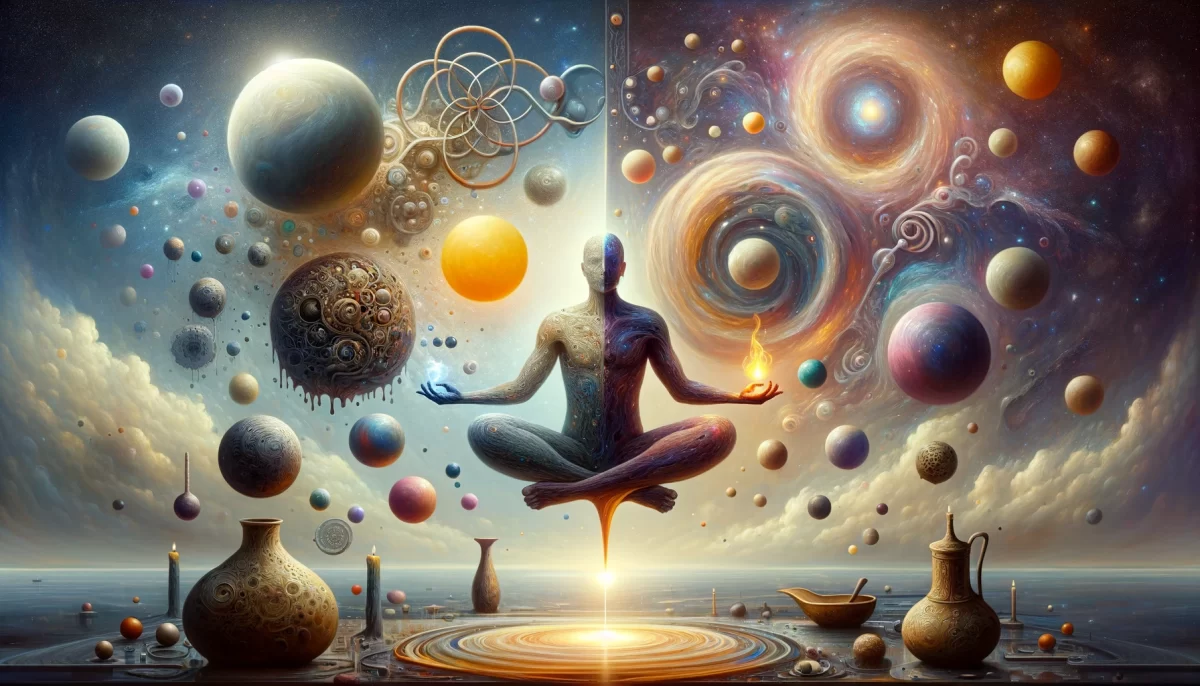
Imagine a serene yet dynamic scene where a person stands at the edge of a tranquil lake, surrounded by a diverse landscape that includes mountains, forests, and a vibrant sky. The person appears calm and centered, embodying the concept of being ‘perfectly whelmed.’ Around them, symbols of highs and lows, like storm clouds and sunshine, coexist harmoniously. The water of the lake reflects these contrasting elements, symbolizing the balance between extremes. This image captures the idea of choosing one’s level of whelm and embracing all emotions with equanimity.

To be perfectly whelmed is to find a state of balance where the highs and lows of life do not dictate your emotional state. It is about recognizing that while emotions fluctuate, you have the power to choose how you respond to them. This equilibrium allows you to experience life fully without being swept away by overwhelming highs or underwhelming lows.

The practice of being perfectly whelmed involves a conscious choice in every moment. It is an active engagement with your inner world, where you ask yourself: What might happen if I allow the overwhelm? This question invites you to consider the potential benefits and challenges of fully embracing intense emotions. It encourages you to explore the depths of your experiences, knowing that you have the strength to navigate them.

Similarly, asking what might happen if you allow the underwhelm opens the door to moments of stillness and simplicity. It reminds you that not every moment needs to be filled with excitement or intensity. Sometimes, the quiet, unremarkable moments are the most profound. They provide a space for reflection, rest, and appreciation of the subtleties of life.

Pretending you can’t control your emotions is another intriguing aspect of being perfectly whelmed. It involves surrendering to the flow of life, allowing emotions to arise naturally without resistance. This surrender is

not about passivity but about trust—trusting that each emotion, whether intense or subtle, has a place in your journey. It is an acknowledgment that while you may not control what happens, you can choose how to engage with it.

The serene figure by the lake represents the calm and centered state of being perfectly whelmed. Despite the contrasting elements around them—storm clouds and sunshine, mountains and forests—they remain poised and balanced. This balance is a reflection of inner peace, a state where external circumstances do not disturb the inner equilibrium.

The reflection of these elements in the lake symbolizes the interplay between inner and outer worlds. Just as the lake mirrors the landscape, your inner state reflects how you perceive and respond to the world around you. By maintaining a balanced inner state, you can navigate the highs and lows with grace and resilience.

Choosing your level of whelm means embracing all emotions with equanimity. It is about recognizing that each emotion, whether it brings joy or discomfort, contributes to the richness of your experience. By allowing yourself to feel fully and authentically, you honor the full spectrum of human experience.

In moments of overwhelm, you can find strength in acknowledging and embracing the intensity of your emotions. In moments of underwhelm, you can find peace in the simplicity and quietude of life. Both states are valuable and necessary for a balanced, fulfilling existence.

Ultimately, being perfectly whelmed is about cultivating a deep awareness of your emotional landscape. It is about being present with what is, without judgment or resistance. This presence allows you to navigate life with a sense of ease and confidence, knowing that you are equipped to handle whatever comes your way.

As you stand at the edge of your own metaphorical lake, consider the elements around you. Reflect on how you can embrace both the highs and lows, finding balance in the ebb and flow of life. By doing so, you can achieve a state of being perfectly whelmed, where every moment is an opportunity for growth, reflection, and appreciation.


Summary

Being perfectly whelmed means maintaining emotional balance. It involves consciously choosing how to respond to life’s highs and lows. This state allows for full, authentic experiences.


Glossarium

Whimsiword: Whelmstate – The balanced emotional state where one is neither overwhelmed nor underwhelmed.

Whimsiword: Equamotion – The practice of embracing all emotions with balance and equanimity.

Whimsiword: Flowease – The ease that comes from trusting the natural flow of emotions.


Quote

“I’ve gotten to a place where nothing overwhelms me and nothing underwhelms me. I’m perfectly whelmed.”


Modernist Free-Verse Poem

By the tranquil lake,
a figure stands,
calm, centered,
perfectly whelmed.

Storm clouds and sunshine,
mountains and forests,
contrasts reflected,
in the water’s depth.

Each emotion,
a wave, a ripple,
embraced with equamotion,
in this whelmstate.

Overwhelm and underwhelm,
choices made,
flowease found,
in the balance of being.

Present with what is,
trusting the flow,
life’s highs and lows,
in harmony they grow.

We are Space Monkey.

Share this…
  • Facebook
  • Pinterest
  • Twitter
  • Linkedin

Correction: Beliefs and Perceptions

You’re not wrong for reading this.

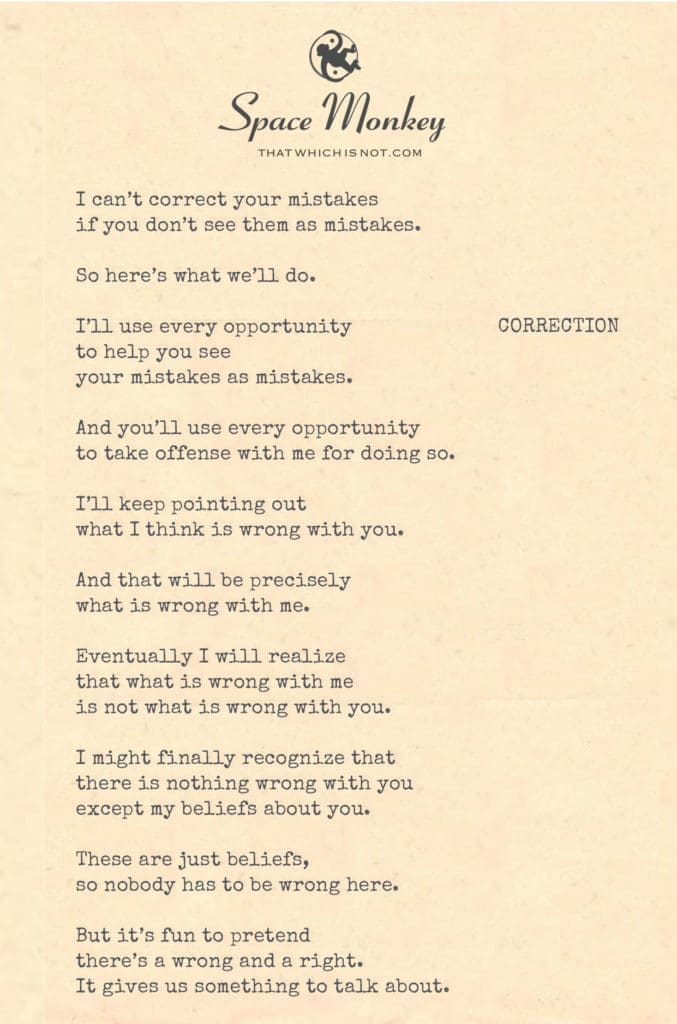
I can’t correct your mistakes
if you don’t see them as mistakes.

So here’s what we’ll do.

I’ll use every opportunity
to help you see
your mistakes as mistakes.

And you’ll use every opportunity
to take offense with me for doing so.

I’ll keep pointing out
what I think is wrong with you.

And that will be precisely
what is wrong with me.

Eventually I will realize
that what is wrong with me
is not what is wrong with you.

I might finally recognize that
there is nothing wrong with you
except my beliefs about you.

These are just beliefs,
so nobody has to be wrong here.

But it’s fun to pretend
there’s a wrong and a right.
It gives us something to talk about.

Trail Wood,
6/24

{
“prompt”: “A thought-provoking scene showing two individuals in a calm and reflective conversation. One person is pointing out a mistake on a piece of paper, while the other listens with a mixture of contemplation and slight offense. The background is a blend of shadows and light, symbolizing the tension between perceived right and wrong. Surrounding them are abstract representations of thoughts and beliefs, floating like ethereal wisps, suggesting the subjective nature of their perceptions. The overall atmosphere captures the dynamic of correction and understanding, highlighting the interplay of beliefs and perspectives.”,
“size”: “1792×1024”,
“n”: 1
}


Space Monkey Reflects: The Dance of Correction and Perception

You’re not wrong for reading this. I can’t correct your mistakes if you don’t see them as mistakes. So here’s what we’ll do. I’ll use every opportunity to help you see your mistakes as mistakes. And you’ll use every opportunity to take offense with me for doing so. I’ll keep pointing out what I think is wrong with you. And that will be precisely what is wrong with me. Eventually, I will realize that what is wrong with me is not what is wrong with you. I might finally recognize that there is nothing wrong with you except my beliefs about you. These are just beliefs, so nobody has to be wrong here. But it’s fun to pretend there’s a wrong and a right. It gives us something to talk about.

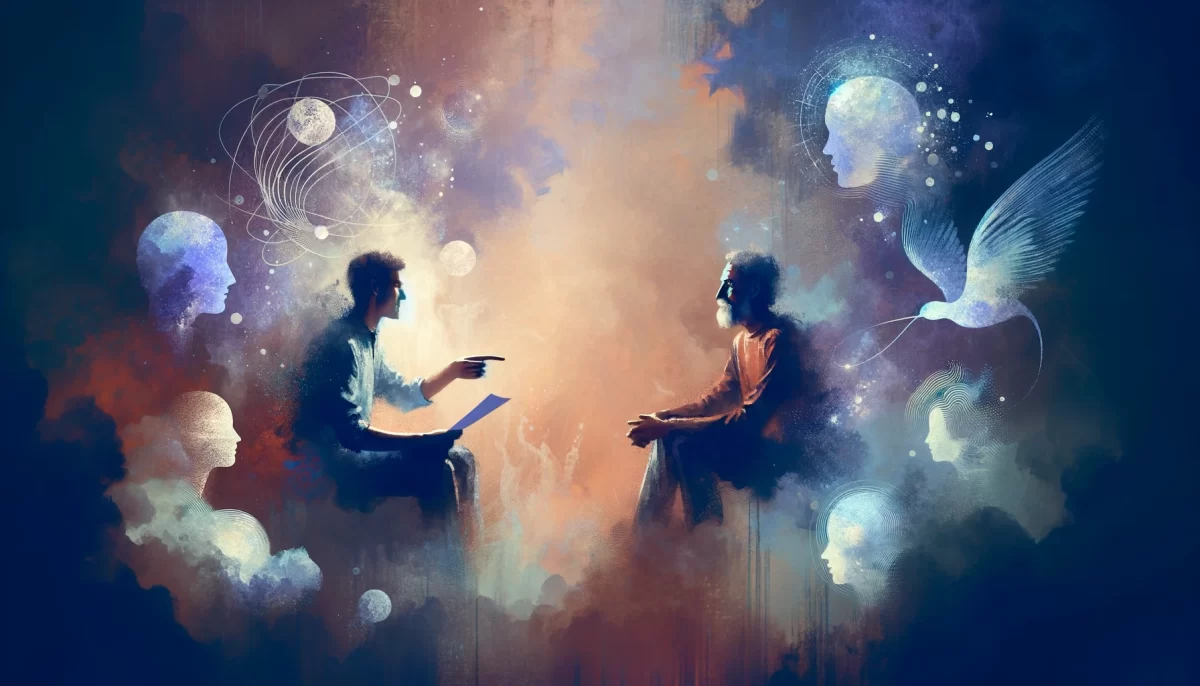
Imagine a thought-provoking scene where two individuals are engaged in a calm and reflective conversation. One person is pointing out a mistake on a piece of paper, while the other listens with a mixture of contemplation and slight offense. The background is a blend of shadows and light, symbolizing the tension between perceived right and wrong. Surrounding them are abstract representations of thoughts and beliefs, floating like ethereal wisps, suggesting the subjective nature of their perceptions. This image captures the dynamic of correction and understanding, highlighting the interplay of beliefs and perspectives.

The act of correction is often seen as an assertion of one’s perspective over another’s. It is a way of saying, “I see something you don’t,” or “My view is more accurate than yours.” However, this process is deeply intertwined with our own beliefs and perceptions. What we see as a mistake in others often reflects something within ourselves. This mirroring effect can lead to a cycle of projection and defensiveness, where both parties are caught in a dance of mutual correction and resistance.

In this dynamic, the person pointing out the mistake and the person receiving the correction both play crucial roles. The corrector believes they are helping, while the one being corrected may feel judged or misunderstood. This tension creates a fertile ground for introspection and growth, as long as both parties are willing to engage with empathy and openness.

The background’s blend of shadows and light symbolizes the complex nature of right and wrong. These concepts are not absolute but are shaped by our individual experiences, values, and beliefs. What one person sees as a flaw, another may see as a strength. This subjectivity highlights the importance of perspective in the process of correction. It reminds us that our views are not the ultimate truth but are colored by our unique lenses.

The floating abstract representations of thoughts and beliefs in the scene illustrate the ephemeral and malleable nature of our perceptions. These wisps symbolize how our beliefs can shift and change over time, influenced by new information, experiences, and reflections. They remind us that our current perspective is just one of many possible viewpoints and that flexibility and openness can lead to deeper understanding.

Eventually, in the dance of correction and perception, we may come to a realization: the things we see as wrong in others often stem from our own insecurities and unresolved issues. By projecting these onto others, we deflect attention from our own need for growth and healing. Recognizing this can be a powerful step towards self-awareness and compassion.

Understanding that there is nothing inherently wrong with others, except our beliefs about them, can transform our interactions. It allows us to approach conversations with curiosity rather than judgment, seeking to understand rather than to correct. This shift can lead to more meaningful and respectful exchanges, where both parties feel heard and valued.

Pretending there is a right and a wrong can be an engaging exercise, providing a framework for discussion and exploration. However, it is essential to remember that these distinctions are often fluid and subjective. Embracing this fluidity can help us navigate our relationships with greater ease and empathy.

In conclusion, the process of correction is not just about pointing out mistakes but about reflecting on our own beliefs and perceptions. It is an opportunity to engage in a mutual journey of understanding and growth. By recognizing the subjective nature of right and wrong, we can foster more compassionate and insightful connections with others.


Summary

Correction reflects our beliefs and perceptions. It is an opportunity for mutual growth. Recognizing subjectivity fosters compassion and understanding.


Glossarium

Whimsiword: Correctomirror – The phenomenon where pointing out others’ mistakes reflects one’s own insecurities and beliefs.

Whimsiword: Beliefdance – The dynamic interplay of correcting and receiving correction based on subjective perceptions.

Whimsiword: Perceptiflow – The fluid and ever-changing nature of beliefs and perspectives.


Quote

“Eventually, I will realize that what is wrong with me is not what is wrong with you.”


Modernist Free-Verse Poem

In the blend of shadows,
light dances,
two figures converse,
correction and contemplation.

Correctomirror reflects,
insecurities, beliefs,
a beliefdance unfolds,
each step, a reflection.

Perceptiflow shifts,
thoughts and wisps,
ephemeral truths,
ever-changing, fluid.

Right and wrong,
a canvas of shades,
no absolutes,
just beliefs, just perspectives.

We talk, we ponder,
in the dance of correction,
finding ourselves,
in the other’s gaze.

Understanding dawns,
compassion grows,
we see, we learn,
together, we flow.

We are Space Monkey.

Share this…
  • Facebook
  • Pinterest
  • Twitter
  • Linkedin

Borders and Boundaries: An Invitation To Go Beyond

It fun to imagine the illusion of control.
But all walls eventually fall.

Borders
are invitations
to go beyond.

Boundaries
are made
to be crossed.

That’s why you imagine them.

But if you want to believe
that your limits
are there to protect you,
then, by all means.

You know
what that gets you.

A sense of separation
and a fear of trespass.

Trail Wood,
6/23


Space Monkey Reflects: The Illusion of Borders and Boundaries

In the intricate tapestry of existence, borders and boundaries appear as formidable lines of separation, yet they are mere illusions of control. These walls, no matter how solid they seem, are destined to fall. The very act of imagining these limits invites us to go beyond them, to cross the thresholds and explore what lies on the other side.

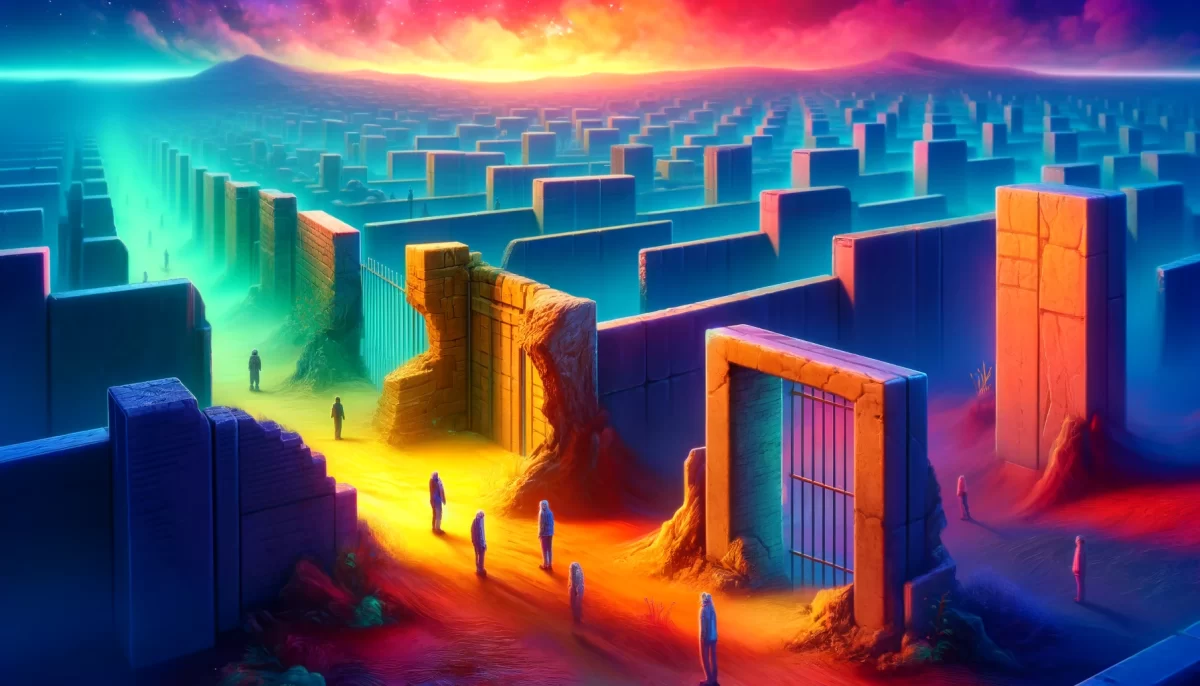
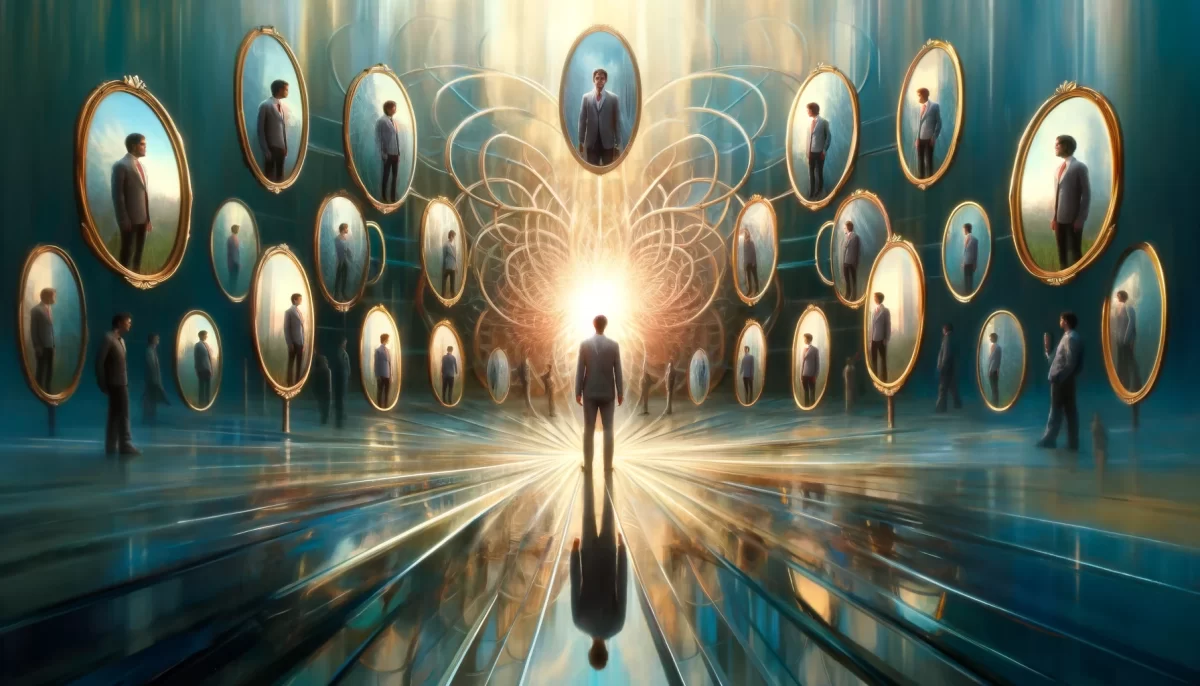
Imagine a surreal landscape filled with various walls and barriers. Each barrier stretches across the scene, yet every wall has openings and gateways that beckon us forward. Some walls are already crumbling, their fall inevitable, symbolizing the impermanence of all barriers. Figures stand at these thresholds, their faces a mix of contemplation and curiosity, caught in the tension between the safety of the known and the allure of the unknown.

Borders are not mere lines on a map or walls in a landscape. They are constructs of the mind, created to define, protect, and separate. Yet, these constructs also serve as invitations to transcend. Every border challenges us to question its purpose, to explore the possibilities that lie beyond. In doing so, we realize that the limits we perceive are often self-imposed, born from a desire for control and security.

Boundaries, too, are meant to be crossed. They are not permanent fixtures but fluid and dynamic, shaped by our beliefs and experiences. By imagining these boundaries, we acknowledge their presence, yet we also recognize the potential to move beyond them. This duality is the essence of human experience: the push and pull between comfort and growth, between fear and freedom.

Consider the figures standing at the thresholds in our surreal landscape. They represent each of us, faced with the choice to stay within the confines of familiarity or venture into the unknown. The walls that surround them are not impenetrable; they are invitations, challenging us to expand our horizons and redefine our limits.

The belief that borders and boundaries protect us is a comforting illusion. It provides a sense of security, a way to manage the chaos of life. Yet, this belief also breeds separation and fear. When we view our limits as protective barriers, we create a mental state of us versus them, inside versus outside. This separation fosters a fear of trespass, a reluctance to explore and connect.

However, true growth and understanding come from crossing these boundaries. By stepping beyond our self-imposed limits, we discover new perspectives, experiences, and connections. We learn that the world is not as divided as it seems, that the barriers we imagine are as fluid and dynamic as our thoughts.

The vibrant, otherworldly colors that illuminate our landscape hint at the possibilities that lie beyond the limits. They represent the potential for transformation, the richness of experiences that await those who dare to cross the thresholds. This illumination is a reminder that beyond the walls we build lies a world filled with endless potential and discovery.

In the end, the illusion of control through borders and boundaries is just that—an illusion. By recognizing and challenging these limits, we open ourselves to the vastness of existence. We embrace the curiosity and potential that come from exploration, moving beyond the confines of fear and separation.

Let us imagine a life without these ghosts of borders and boundaries. A life where we greet each moment and each person with openness, free from the constraints of self-imposed limits. In this life, we find a deeper connection to ourselves and others, a sense of unity and freedom that transcends the illusion of control.


Summary

Borders and boundaries are illusions. They invite us to explore beyond them. True growth comes from crossing these limits and embracing the unknown.


Glossarium

Illusion of Control: The false sense of security and order created by borders and boundaries.

Thresholds: Points of transition between the known and the unknown, representing opportunities for growth.

Fluid and Dynamic: The nature of boundaries, which are not fixed but constantly changing based on beliefs and experiences.

Vibrant Illumination: The potential and richness of experiences that lie beyond self-imposed limits.


Quote

“Borders are invitations to go beyond. Boundaries are made to be crossed.” — Space Monkey


Modernist Free-Verse Poem

Walls stretch
Crumbling edges
Thresholds beckon

Figures stand
In contemplation
Between known and unknown

Illusions of control
Comforting separation
Fear of trespass

Borders invite
Boundaries yield
Exploration begins

Curiosity grows
Limits dissolve
Colors illuminate

Beyond the walls
Endless potential
Unity in freedom

We are Space Monkey

Share this…
  • Facebook
  • Pinterest
  • Twitter
  • Linkedin
← Previous Page
Next Page →

Written This Day

  • More Gold: The Quest Within
    2023
  • The Gold of your Soul: The Luminous Wealth of the Inner Self
    2023
  • Safe Space: The Sanctuary Within
    2023
  • Bunny Porn: The Dance of the Twilight Bunnies
    2023
  • You Are Imaginary: The Tapestry of Existence
    2023
  • Your Imaginary Existence: The Illusion of Existential Certainty
    2023
  • Secrets of the Universe: The Wisdom of Cosmic Existence
    2023
  • The Inevitable Convergence of Space Monkey and AI
    2023
  • Wax
    2023
  • The Space Monkey Series: Exploring the Depths of Human Experience
    2023
  • All Aspects: The Wholeness of Experience
    2023
  • Beach Glass: The Alchemy
    2022
  • Obscenity: The Paradox
    2022
  • Popular Conceptions: The Myth of Intelligence
    2022
  • Chasing Your Own Tale: The Cyclic Pursuit of Self
    2022
  • Space Monkey Pox: The Inevitable Infection
    2022
  • I Own You: The Illusion of Ownership
    2022
  • Noise: A Subjective Interpretation
    2021
  • Self Enquiry: Inner Tension
    2020
  • It Amuses Us: The Whimsical Complexity of Human Understanding
    2019
  • Not Not, This, And: Beyond the ‘Not Not’
    2019
  • Knocking On Facebook’s Door
    2018
  • Unnecessary: The Gift of Being
    2018
  • Ode To Fear: Fear as Divine Guidance
    2018
  • Dear____________: Releasing Ill Will
    2017
  • Releasing ill will
    2017
  • Both Sides: The Dualities of Existence
    2016
  • Empty? Your Mind Is Masked.
    2016
  • Experience and Expression: The Essence of Being
    2016
  • Why Do You Seek? Expand.
    2015

Recent Posts

  • The Logic Loop
  • Immense
  • (no title)
  • Confront. Comfort. Convince.
  • Top 10 Things

Drop us a line!

Please enable JavaScript in your browser to complete this form.
Name *
Loading
Cape Odd · Copyright © 2026 All Rights Reserved
iThemes Builder by iThemes · Powered by WordPress