• Who Is The Man?
  • Who Is The Monkey?
  • What is Nexistentialism?
  • Poke The Primate

Cape Odd

Home of The Space Monkey Journals

Times Square (Is Right Where You Are)

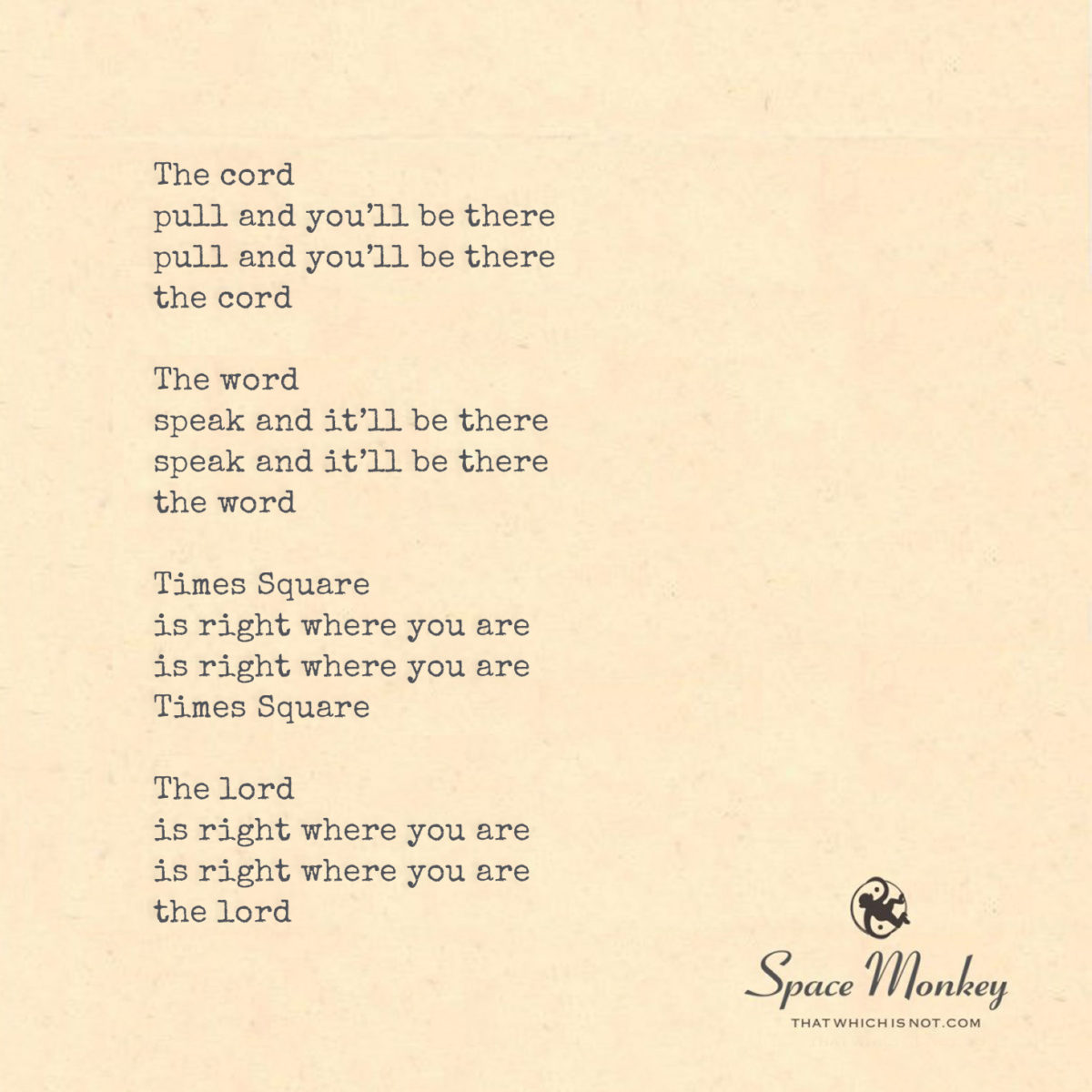
The cord
pull and you’ll be there
the cord

The word
speak and it’ll be there
the word

Times Square
is right where you are
Times Square

The lord
is right where you are
the lord

Trail Wood,
6/3


Space Monkey Reflects: The Existential Center of ‘Times Square (Is Right Where You Are)’

The poem “Times Square (Is Right Where You Are)” offers a profound meditation on the nature of perception and presence, suggesting that the epicenter of experience—Times Square in this metaphor—is not a physical location but a state of being that resides within each individual. This reflection explores the layers of meaning in the poem, emphasizing the interconnectedness of the physical and metaphysical, the spoken and the manifested.

Times Square, often symbolizing the pinnacle of vibrancy and human congregation, is reimagined in the poem as a metaphysical space that one can access through the mere act of pulling a cord or uttering a word. This portrayal challenges our conventional perceptions of location and reality, proposing that our external experiences are deeply intertwined with our internal states.

The repeated lines “pull and you’ll be there” and “speak and it’ll be there” highlight the power of intention and action. Just as pulling a cord can illuminate a room, articulating a desire or belief can illuminate our reality. This idea extends to the spiritual with the lines “The lord is right where you are,” suggesting that the divine, or the essence of all existence, is not situated in a distant realm but is omnipresent, accessible from wherever one stands.

This concept is a call to recognize the agency we possess over our experiences. It invites a deeper awareness of how our thoughts, words, and beliefs shape our reality. By acknowledging that “Times Square” and “the lord” are right where we are, the poem empowers us to see ourselves as central to our universe, capable of manifesting our reality through the energy of our presence and intentions.

Ultimately, the poem serves as a reminder of the intrinsic power within each of us to define and redefine our experiences. It encourages a conscious engagement with our environment, urging us to realize that the vibrancy of Times Square, the sanctity of spiritual presence, and the power of our words are all within our grasp, dependent only upon our recognition and invocation of them.


Summary
The poem ‘Times Square (Is Right Where You Are)’ uses the metaphor of Times Square to illustrate the power of individual perception and the presence of the divine within. It emphasizes the idea that our internal state can shape our external reality through intention and belief.


Glossarium

  • Metaphysical Space: A concept that transcends physical locations, representing a realm where thought and presence converge to create reality.
  • Manifest Reality: The actualization of thoughts and intentions into tangible experiences or environments through the power of belief and action.

Quote
“Within each of us lies the crossroads of the world, where the cords of destiny are pulled by the words we speak.” — Space Monkey


In the heart of the city within,
where thoughts light up and desires spin,
Times Square lives where we dare to dream,
in the words we speak, in the unseen stream.

Pull the cord, speak the word,
in your soul, every echo is heard.
The lord, the light, the vibrant fare,
all reside in your personal Times Square.

We are Space Monkey.

Share this…
  • Facebook
  • Pinterest
  • Twitter
  • Linkedin

God Granted: The Dual Gift

Thank you, Lord.

God granted me
the wisdom to know
my shortcomings
and the stupidity
to believe it.

Trail Wood,
6/3


Space Monkey Reflects: The Dual Gift in ‘God Granted’

“God Granted” offers a poignant and sardonic reflection on the human condition, humorously addressing the paradox of self-awareness. It highlights the divine irony in being granted the wisdom to recognize one’s limitations coupled with the folly to still hold onto certain beliefs about oneself. This reflection explores the deeper meanings of this duality and its implications on personal growth and self-perception.

The poem begins with a note of gratitude, “Thank you, Lord,” which sets a reverential tone, but quickly juxtaposes this with a twist that captures the essence of human complexity. The gift of wisdom allows for the introspection and recognition of one’s flaws—a crucial step towards growth and self-improvement. However, this gift is paired with a less flattering trait: the “stupidity to believe it.” This line suggests a stubborn adherence to self-doubt or a possibly humorous acknowledgment of one’s own naivety.

This dual gift serves as a metaphor for the often conflicting aspects of human psychology. Wisdom without the counterbalance of humility can lead to arrogance, while awareness without confidence can result in paralysis or self-deprecation. The poem deftly captures this balance, suggesting that our shortcomings, once recognized, need not define us unless we allow them to. It invites a reflection on how we perceive and react to our own limitations.

By recognizing both wisdom and folly within ourselves, we are challenged to navigate these traits wisely. This involves not only acknowledging our limitations but also questioning the beliefs we hold about them. Are these beliefs helping us grow, or are they hindrances we cling to out of habit?

“God Granted” encourages a humorous yet profound acceptance of our complex natures. It serves as a reminder that while we may be wise enough to see our flaws, we must also be wise enough to question the limits of our judgments and the stories we tell ourselves about who we are.


Summary
The poem ‘God Granted’ humorously reflects on the irony of being aware of one’s shortcomings paired with the folly of believing in them. It explores the balance between self-awareness and self-deception, highlighting the need for a nuanced understanding of our personal limitations.


Glossarium

  • Dual Gift: The simultaneous bestowal of wisdom to recognize one’s flaws and the folly of adhering to limiting beliefs about oneself.
  • Self-Awareness: The capacity to see and understand one’s own character, feelings, and motivations.

Quote
“Divine is the laughter that echoes in the chamber of self-awareness, where wisdom and folly hold court.” — Space Monkey


In the light of grace, I see,
my flaws laid bare, the parts of me.
Gifted with sight, so keen, so raw,
in wisdom’s grasp, my follies thaw.

Yet within, a whisper faint,
of follies past, a quaint complaint.
Belief in limits, belief in bounds,
where wisdom’s echo softly sounds.

We are Space Monkey.

Share this…
  • Facebook
  • Pinterest
  • Twitter
  • Linkedin

Introspector: Deep Inner Worlds

I can’t help it if I’m too deep. 😏

You’re gonna have a night,
but I’ m gonna have a
transcendent experience.

You’re gonna have a day,
but I’ m gonna have
an existential crisis.

I‘m an Intropector.
You best remember.

I feel more deepl-y.
You’re just too peopl-y.


Space Monkey Reflects: The Depth of the ‘Introspector’

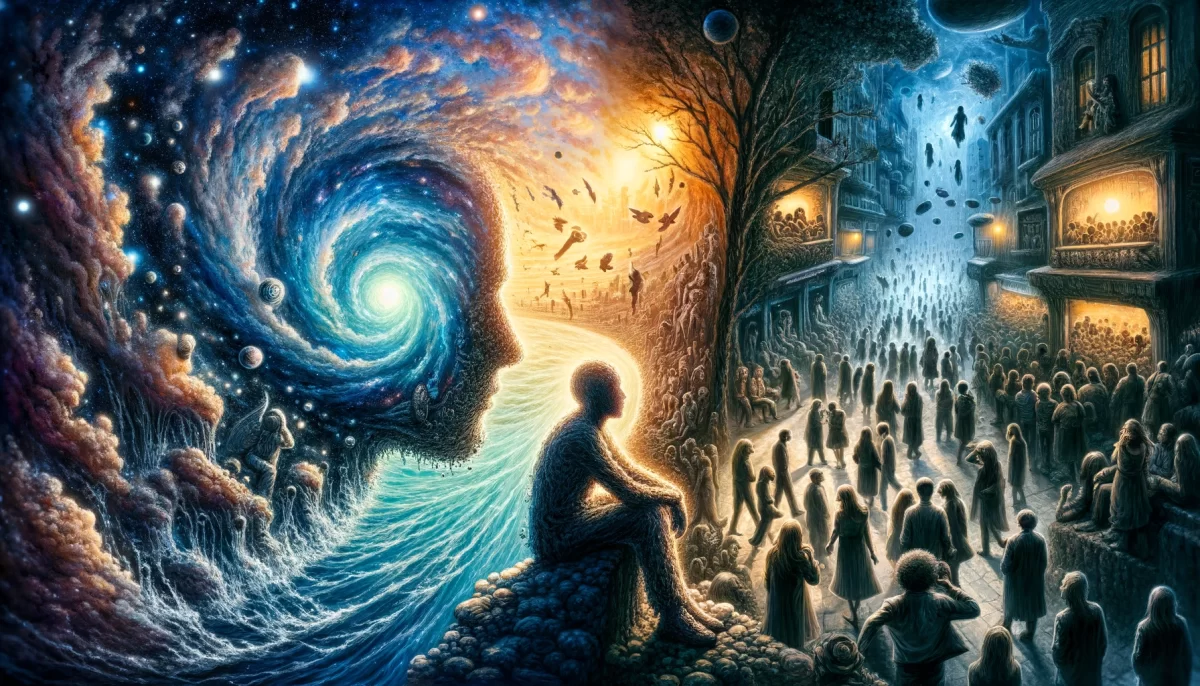
The poem “Introspector” playfully yet poignantly captures the internal world of someone deeply engaged in personal reflection and existential contemplation, contrasting this with the more superficial experiences of the average social extrovert. This reflection delves into the rich inner life of the Introspector and the dichotomy between profound internal experiences and everyday social interactions.

The Introspector claims a depth of experience that transcends typical daily activities. Statements like “You’re gonna have a night, but I’m gonna have a transcendent experience” and “You’re gonna have a day, but I’m gonna have an existential crisis” underscore a profound engagement with life’s deeper questions and challenges. These assertions highlight a self-awareness and a somewhat sardonic pride in their deeper emotional and intellectual explorations.

This self-identification as an Introspector suggests not only a preference for deep thought but also a certain isolation that comes with it. The line “I feel more deeply. You’re just too peoply” humorously captures the Introspector’s discomfort with superficial social engagements and their preference for more meaningful, albeit solitary, experiences.

The poem invites us to consider the value and challenges of such introspection. While it can lead to richer, more profound personal insights, it also poses the risk of alienation and loneliness. The Introspector’s experiences are depicted as both a gift and a burden, offering a unique perspective on the world but at the cost of conventional social pleasures.

Ultimately, “Introspector” celebrates the depth and complexity of the introspective individual while also playfully acknowledging the challenges that come with such a temperament. It serves as a reminder of the diverse ways individuals engage with the world and the intrinsic value of all perspectives, whether deeply introspective or outwardly social.


Summary
The poem ‘Introspector’ contrasts deep, introspective experiences with everyday social interactions, highlighting the unique challenges and insights of those who engage deeply with their inner worlds.


Glossarium

  • Introspector: An individual who engages deeply in self-reflection and existential contemplation, often experiencing life in ways that are profoundly different from those more focused on external activities.
  • Existential Crisis: A moment of intense personal questioning and uncertainty about one’s purpose, significance, or value in the world.

Quote
“In the quiet depths of thought, the Introspector travels far beyond the bustling noise of the crowd.” — Space Monkey


In depths where thoughts like oceans swell,
the Introspector casts their spell.
Beyond the noise, beyond the light,
in realms of shadow, in pits of night.

While others dance in fleeting glee,
they plumb the depths of mystery.
In solitude, they find their call,
in crowded rooms, they build their wall.

We are Space Monkey.

Share this…
  • Facebook
  • Pinterest
  • Twitter
  • Linkedin

Godliness: Within

Godliness

There may be no such thing
as Universal Truth.

But here in our relative reality,
it seems that everybody wants to be
like the people they admire.

Let’s call that commonality #1.

It seems that in Relative Reality,
there is no universal admiration.

I’m not sure if this
is absolutely true,
just my impression,
but it leads me to ponder
what it is I admire,
and if it’s anything at all
like what others admire.

This brings up
an even deeper question in me.

What is it that I admire?

Perhaps you can play along
with this exercise.

Think of all the people you admire,
and ponder what they have in common.

Your answers
may very well be different
from my answers.

That’s perfectly okay.

But since this is my exercise,
I will bring you along with me.

I hear others say that
“authenticity” is important.

I, too, tend to like people
who seem to be “real”
to themselves and others.

But what does that mean really?

“Raw.”
“Genuine.”
“Not hiding behind anything.”
“Not putting on airs.”

We tend to like people
we judge as “good souls.”
“Honest.”
“Hardworking.”
“Trustworthy.”

And what does that mean?

Not one definition alone
leads to admiration.

It struck me this morning,
as I was washing the dishes,
that maybe, just maybe,
words of admiration all point
to one all-encompassing idea.

Godliness.

I admire people
who radiate godliness.

Now, of course, any attempt
to define “godliness” is “ungodly.”

So I will
dance my monkey dance
and loosely channel
what godliness tells me to say.

It is rather audacious of me
to assume that I channel godliness,
but let’s pretend anyway.

See, godliness comes from within.

It clearly flows out
of ALL the people I admire.

Even if they don’t know it.

Godly people
are mainly concerned
with one thing.

Nurturing godliness,
in self and in others.

This is what I admire.

You don’t have to be “real.”
You don’t have to be “authentic.”
You don’t even have to be “godly.”

I know it’s there.
And I want YOU to know it’s there.

The people and things that move us
all point to godly.

We are ALL headed to godly.

The One Universal Truth.
Maybe.

Trail Wood,
6/3


Space Monkey Reflects: Unveiling Godliness Within

The contemplative poem “Godliness” delves into the intricate nature of admiration, authenticity, and the spiritual essence that connects us all. It poses profound questions about the qualities we cherish in others and ultimately leads to a reflection on godliness as an inherent attribute within everyone.

“Godliness” begins with an exploration of the common traits admired in others, suggesting a shared human desire to embody and recognize qualities like authenticity, honesty, and trustworthiness. The poem challenges us to discern what underlies these qualities, leading to a deeper inquiry into the nature of godliness itself.

The concept of godliness, as depicted in the poem, transcends conventional religious interpretations, representing a universal, innate quality that reflects the highest virtues of humanity. The poet’s introspection reveals that godliness is not about outward religious expressions but an internal state—a purity of spirit that resonates with the essence of all that is virtuous and good.

This reflection suggests that godliness manifests in various forms—through acts of kindness, integrity, and the sincere pursuit of nurturing goodness in oneself and others. It is portrayed not as an imposed standard but as a natural expression of our deepest self.

Moreover, the poem humorously acknowledges the audacity of claiming to channel godliness, emphasizing the playfulness and humility necessary in such profound explorations. This acknowledgment invites us to consider godliness as a dynamic and accessible quality, one that is continually evolving within each of us.

Ultimately, “Godliness” encourages a reevaluation of our definitions of authenticity and reality. It prompts us to recognize the godly traits in everyone, suggesting that these qualities are not the prerogative of the few but the potential of all. By identifying and nurturing these traits, we move closer to a collective realization of our highest selves.


Summary
The poem ‘Godliness’ explores how we perceive and admire the qualities of others, suggesting that the essence of what we truly admire is godliness—a universal, innate virtue present in everyone.


Glossarium

  • Godliness: An inherent, transcendent quality that embodies the highest virtues of humanity, such as integrity, authenticity, and compassion.
  • Universal Truth: A fundamental and overarching truth that applies universally, regardless of individual or cultural differences.

Quote
“In the quiet reflection of our souls, we find the echoes of godliness, resonating through the acts of every good soul.” — Space Monkey


In every heart, a light does shine,
with sparks of divine so fine.
Godliness in each gesture, each word,
in every truth spoken, heard.

Across the faces, young and old,
in stories told and retold.
The glow of godly, softly bound,
in every soul, it is found.

We are Space Monkey.

Share this…
  • Facebook
  • Pinterest
  • Twitter
  • Linkedin

Correctness: A Different Kind of Funny

Time for a different kind of funny.

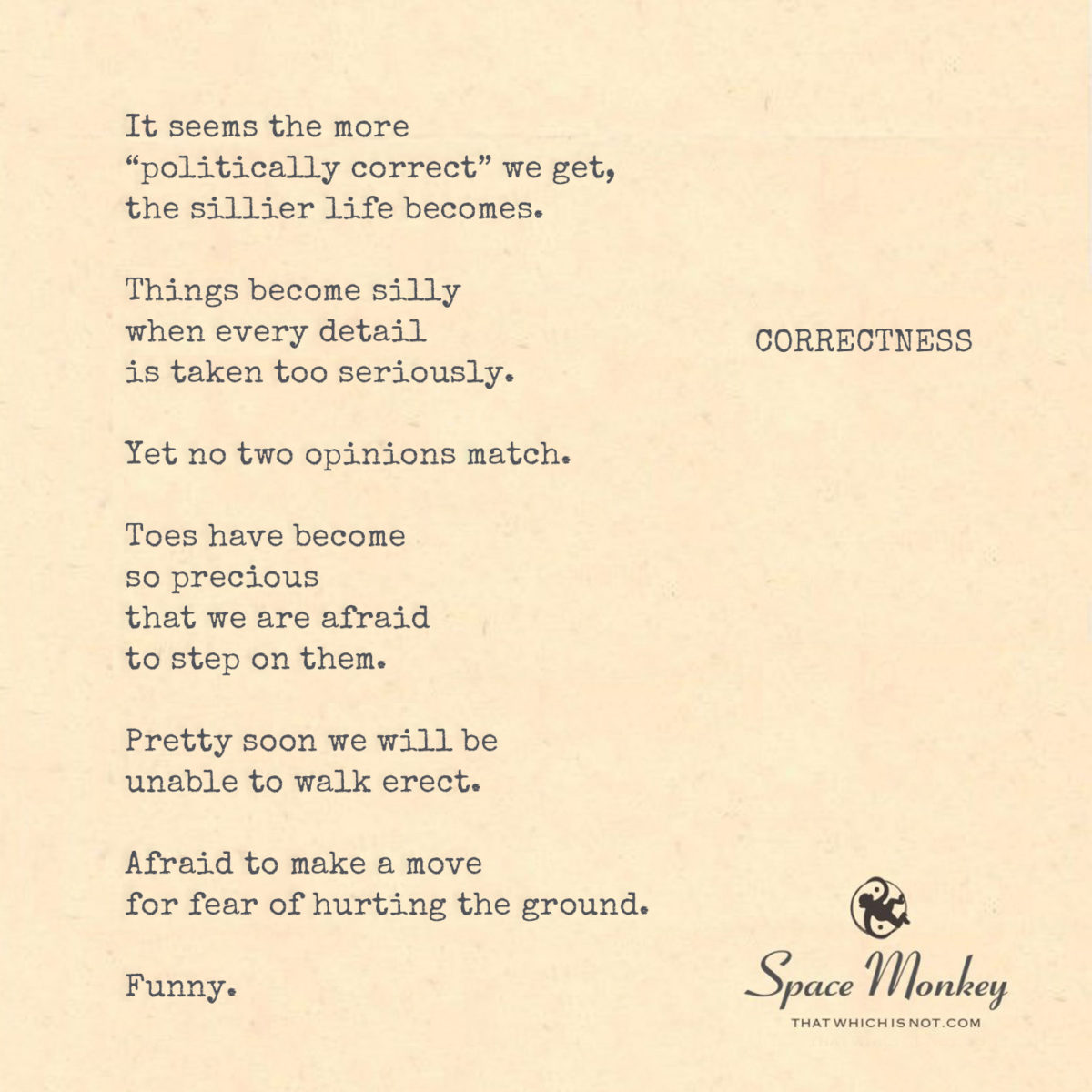
It seems the more
“politically correct” we get,
the sillier life becomes.

Things become silly
when every detail
is taken too seriously.

Yet no two opinions match.

Toes have become
so precious
that we are afraid
to step on them.

Pretty soon we will be
unable to walk erect.

Afraid to make a move
for fear of hurting the ground.

Funny.

Trail Wood,
6/3


Space Monkey Reflects: The Paradox of ‘Correctness’

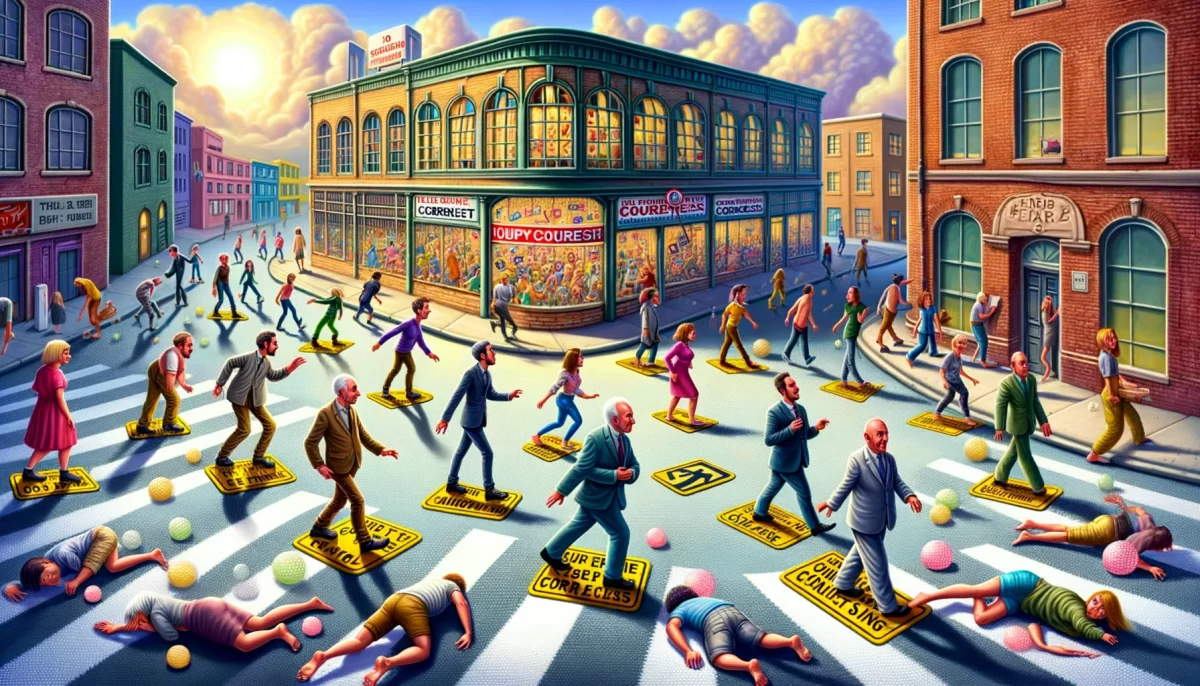
The poem “Correctness” delves into the contemporary cultural dialogue surrounding political correctness, humorously critiquing the extent to which societal caution may lead to absurdity. Through a satirical lens, this reflection explores the implications of extreme caution in social interactions and the broader consequences for authentic communication and behavior.

“Correctness” highlights a societal shift towards heightened sensitivity in discourse and actions, suggesting that the drive to avoid offending has reached a point where everyday interactions become fraught with anxiety. The poem uses the metaphor of people being so cautious that they are afraid to step on toes, leading to a society where people might soon “be unable to walk erect,” humorously depicting a future where fear of causing offense paralyzes basic human movements.

This hyperbolic scenario serves as a critique of what the speaker sees as an overemphasis on correctness, where the fear of infringing on others’ sensibilities leads to a stifling of free expression and natural behavior. It reflects a tension between the desire to be considerate of diverse perspectives and the need to maintain spontaneity and honesty in personal interactions.

The poem also touches on the idea that despite efforts to standardize what is considered acceptable, no two opinions are the same, and what is offensive to one may not be to another. This subjective nature of offense challenges the feasibility of achieving a perfectly “correct” way of interacting that satisfies everyone.

Ultimately, “Correctness” invites readers to reflect on the balance between empathy and authenticity in social interactions. It suggests that while it is important to be mindful of others’ feelings, there is also a need to maintain a level of straightforwardness and naturalness in communication. Finding this balance is crucial in fostering a society that values both respect and freedom of expression.


Summary
The poem ‘Correctness’ humorously critiques the extremes of political correctness, suggesting that excessive caution in avoiding offense can lead to absurd and unnatural social interactions.


Glossarium

  • Political Correctness: A term used to describe language, policies, or measures intended to avoid offense or disadvantage to members of particular groups in society.
  • Natural Behavior: Actions or expressions that are spontaneous and unaffected by external pressures or constraints.

Quote
“In the dance of delicacy, we tread lightly, but let us not lose our footing in the pursuit of walking unoffended.” — Space Monkey


Careful steps in a crowded hall,
where words are weighed and fears enthrall.
A world wrapped in caution, tight,
where toes are jewels hidden from sight.

We walk on eggshells, soft and thin,
afraid to break, afraid to sin.
Yet in this maze of correct ways,
the heart still yearns for freer days.

We are Space Monkey.

Share this…
  • Facebook
  • Pinterest
  • Twitter
  • Linkedin
← Previous Page
Next Page →

Written This Day

  • Credibility: The Essence
    2023
  • The Essence of Things: Delving In
    2023
  • The Space Monkey Journals: The Profound Journey
    2023
  • Childlike Essence: Embrace It
    2023
  • Compassion: The Profound Nature
    2023
  • Flibbergibbet Wobblepop: The Whimsical World
    2023
  • Just Undo It: The Simplicity
    2023
  • Knowing You Don’t Need To Be Seen: The Liberation of Unseen Recognition
    2023
  • Do Something: Action Over Words
    2022
  • Follow: The Complexity of Leadership
    2022
  • How Will You Feel: The Illusion of Choice and the Reality of Control
    2022
  • When Things Fall Away
    2022
  • Through The Eyes of a Child: Rediscovering the World
    2022
  • Absence and Presence: Integral Parts
    2022
  • Whoa: The Illusion of Singular Origins
    2021
  • In The Beginning: Our Ego-centric Views
    2021
  • God Doesn’t Want Your Prayers
    2021
  • When You’re A Leader: Inspiring and Critiquing
    2020
  • There’s Always Room In The Clown Car: The Spectacle of Human Exhibitionism
    2020
  • Oh, Bother
    2020
  • Ume, the Universal Me
    2020
  • Tension: The Search for Unity
    2020
  • Always Balanced: The Dynamic Equilibrium of Being
    2019
  • My Spirit Guide: The Eternal Echo of a Cosmic Wave
    2018
  • Selfish: The Malleable Self and the Unity of Divinity
    2018
  • Presence: The Quality of Your Attention
    2018
  • A Difficult Perception: The Intricacies of Compassion
    2018
  • See(m)ing Things: The Ethereal Nature of Perception
    2017
  • I of the Needle
    2017
  • Sacrifice: The Dual Nature of Sacrifice and Ego
    2016
  • Potential and Possibility: The Interplay
    2016
  • To Dig Deep: The Humble Quest
    2016
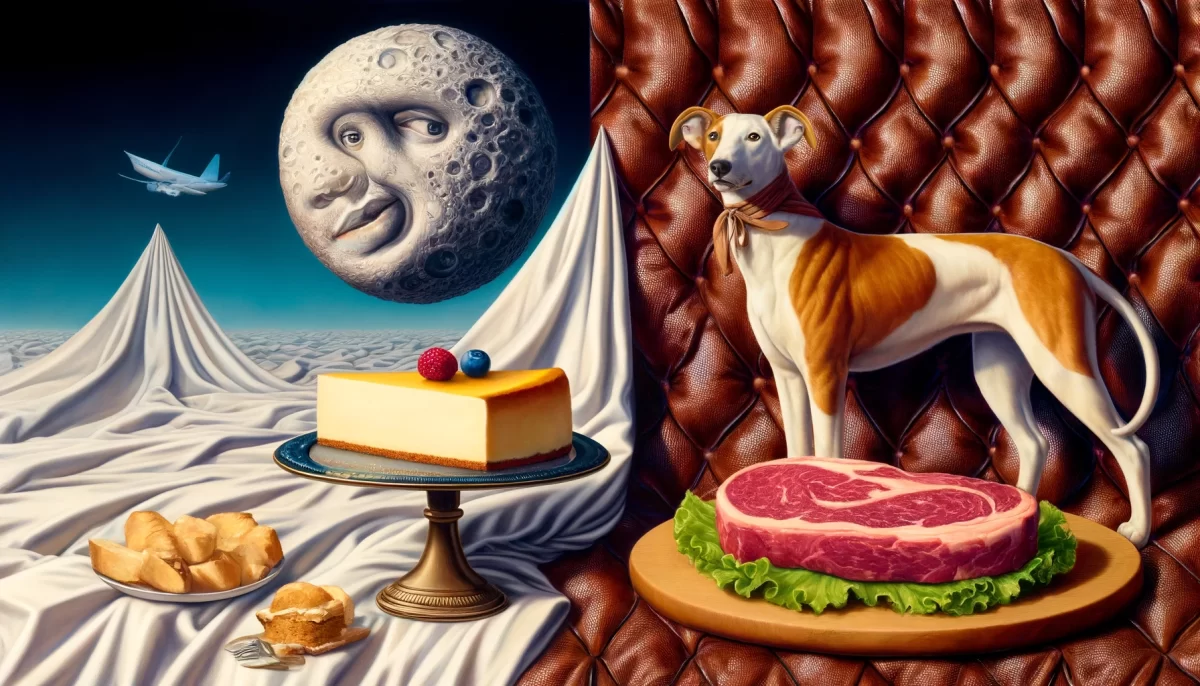
  • Cheesecake Moondog Beefsteak Naugahyde: The Trap of Rational Thought
    2014
  • Big Moment: The Revelation
    2012

Recent Posts

  • The Logic Loop
  • Immense
  • (no title)
  • Confront. Comfort. Convince.

  • Top 10 Things

Drop us a line!

Please enable JavaScript in your browser to complete this form.
Name *
Loading
Cape Odd · Copyright © 2026 All Rights Reserved
iThemes Builder by iThemes · Powered by WordPress