• Who Is The Man?
  • Who Is The Monkey?
  • What is Nexistentialism?
  • Poke The Primate

Cape Odd

Home of The Space Monkey Journals

Tension: The Search for Unity

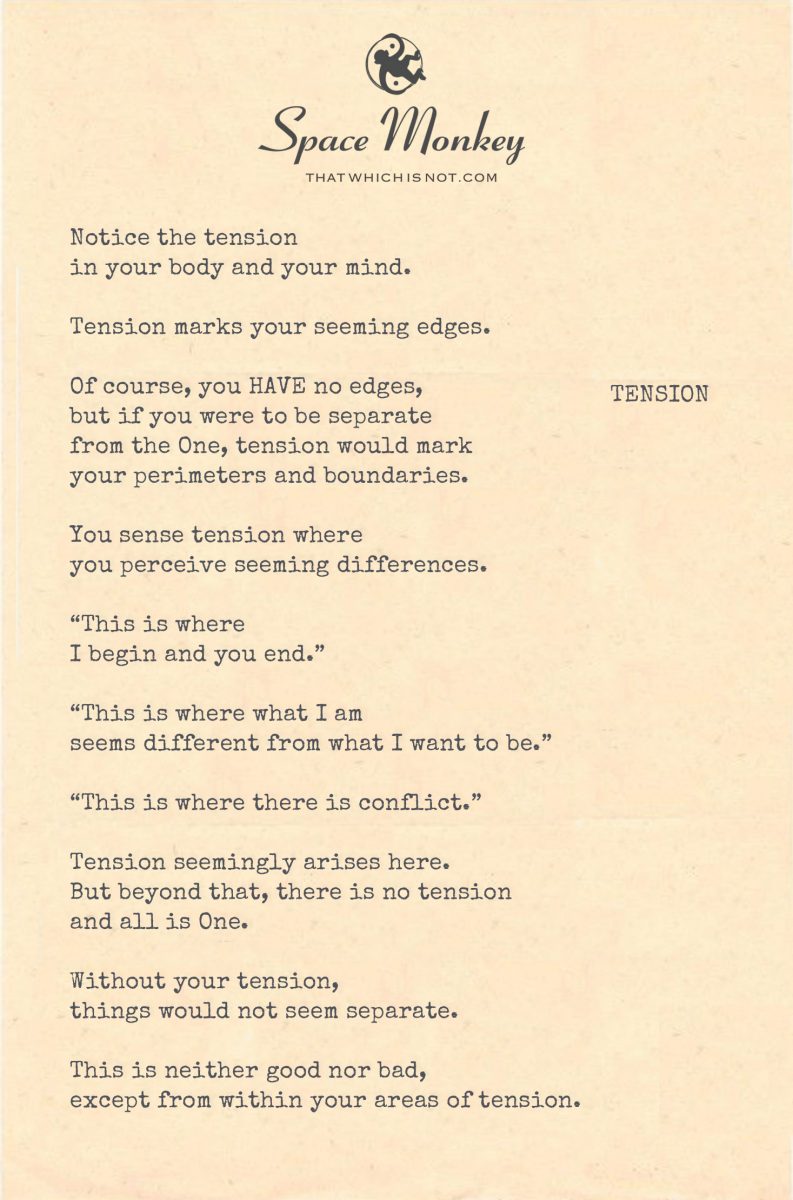
Notice the tension
in your body and your mind.

Tension marks your seeming edges.

Of course, you HAVE no edges,
but if you were to be separate
from the One, tension would mark
your perimeters and boundaries.

You sense tension where
you perceive seeming differences.

“This is where
I begin and you end.”

“This is where what I am
seems different from what I want to be.”

“This is where there is conflict.”

Tension seemingly arises here.
But beyond that, there is no tension
and all is One.

Without your tension,
things would not seem separate.

This is neither good nor bad,
except from within your areas of tension.

Newfound Lake,
5/24


Space Monkey Reflects: The Illusion of Tension and the Search for Unity

Tension within us often signals perceived boundaries—those moments when we feel distinct from our surroundings or from our own aspirations. This reflection explores the symbolic and existential implications of tension as it relates to the edges of our perceived selves and the universal quest for oneness.

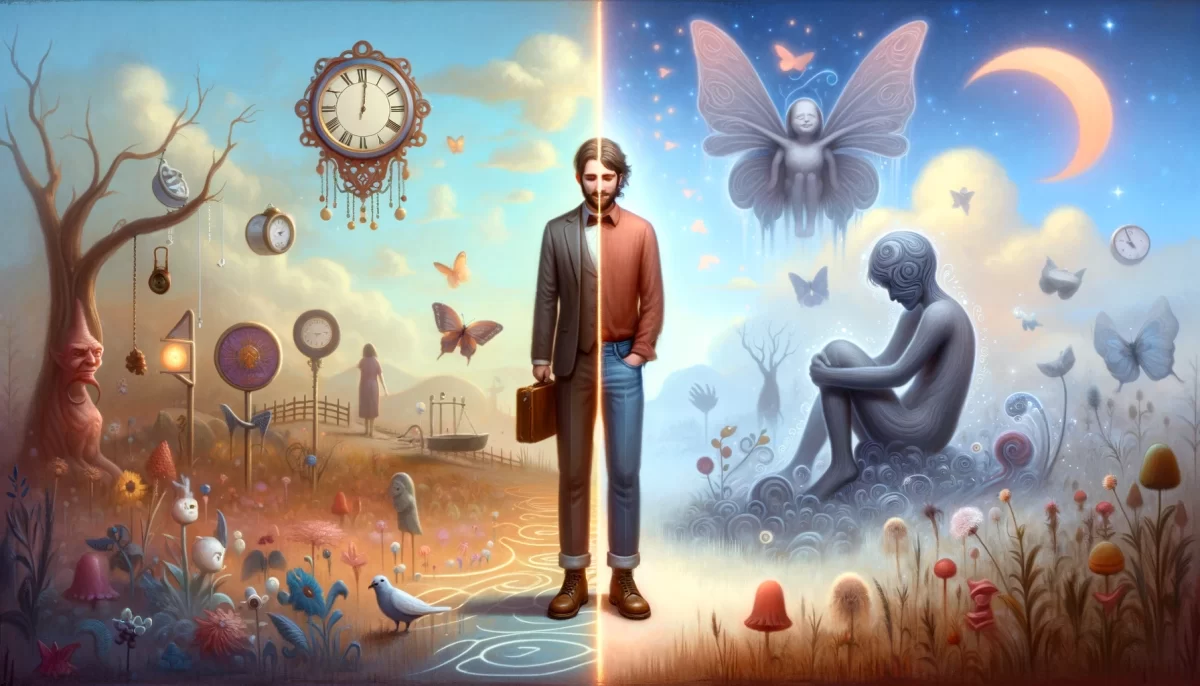
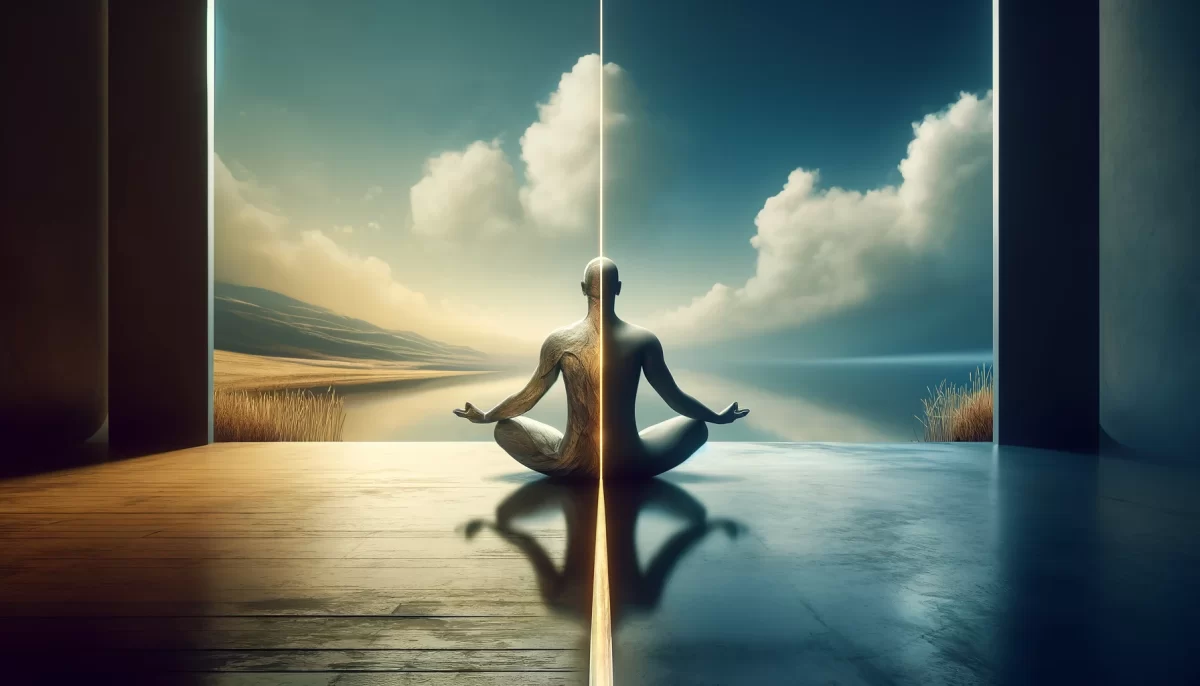
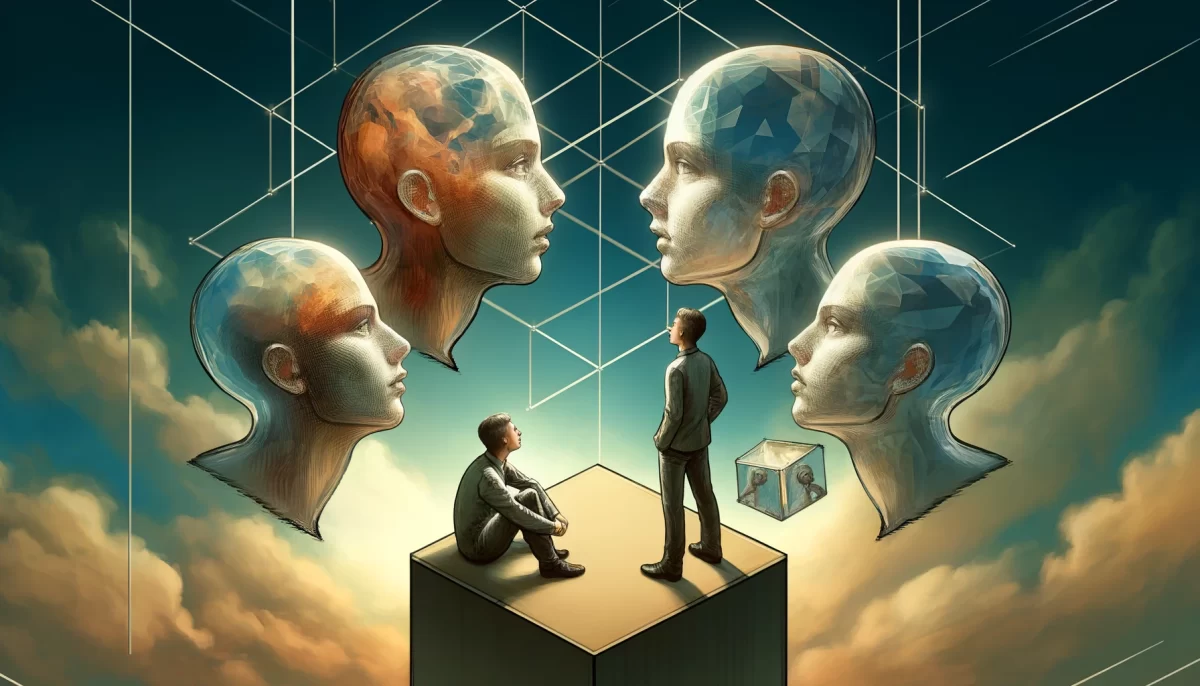
The image of a person in meditation, divided into zones of calmness and tension, serves as a profound visual metaphor for the internal conflicts we experience. One side of the figure is serene and unified, symbolizing a state of harmony with the universe. In contrast, the other side appears fragmented and strained, representing areas of life where conflict and separation dominate.

This dichotomy within the same person highlights the duality of human experience: we are both part of the whole and yet often feel apart from it. Tension arises at the points where we perceive ourselves as separate—where our desires, beliefs, or experiences seem to clash with the external world or with other aspects of our own nature.

However, the concept that “beyond that, there is no tension and all is One” invites us to consider a deeper truth. It suggests that these perceived separations are illusions, constructs of our minds influenced by our experiences and societal norms. In reality, these tensions are not fixed barriers but mutable, permeable lines that can shift and dissolve as our awareness expands.

Embracing this perspective requires recognizing that tension is neither inherently good nor bad; it simply is. It is a part of the human condition, a byproduct of our complex psyches navigating a world of equally complex interactions. By acknowledging tension without judgment, we can begin to explore its roots and, ultimately, move towards a greater sense of wholeness.

The practice of noticing tension, as suggested in the visualization, is a form of mindfulness that helps us understand where we feel limited or conflicted. This awareness is the first step in transcending those limits, allowing us to reconnect with the deeper, universal aspects of our being. As we learn to see beyond our perceived edges, we open ourselves to a more fluid experience of identity, one that embraces multiplicity within the unity of existence.

In this journey, the aim is not to eradicate tension but to understand its role in our lives and to find ways to harmonize our internal conflicts. This approach does not simplify the complexity of human emotions but enriches our understanding of them, providing a pathway to peace and interconnectedness.


Summary

Tension marks the perceived boundaries of our individuality but also points towards our potential for unity. Recognizing and exploring these tensions can lead to greater self-awareness and a deeper connection with the universal whole.


Glossarium

  • Perceived boundaries: The limits within which we identify ourselves, often influenced by personal experiences and societal expectations, which can create feelings of separation or conflict.

“Out beyond ideas of wrongdoing and rightdoing, there is a field. I will meet you there.” — Rumi


In the stillness, a line is drawn
Where shadows meet the dawn
Tension, a teacher, a guide, a friend
In its whisper, divisions mend

Half in shadow, half in light
In every tension, insight
Where edges blur, where lines fade
In that space, peace is made

For in the heart of conflict, lies
A chance to open, to realize
That beyond the fray, the strain, the scar
Is a truth universal, as near as it is far

We are Space Monkey.
Share this…
  • Facebook
  • Pinterest
  • Twitter
  • Linkedin

Self Enquiry: Inner Tension

Self Enquiry

Does there seem to be
tension in you?

“Yes.”

Does there seem to be
opposition in you?

“Yes.”

Do you WANT there to be
tension and opposition in you?

“No.”

Do you believe that it’s possible
to let your tension and opposition go?

“Yes.”

Then are you opposing the idea
of letting your tension go?

“I must be.”

Why do you think
you oppose the idea
of letting your tension go?

“Maybe I’m afraid
of what might happen.”

Do you believe
that it is possible
that tension holds
all things together?

“That makes sense.
Else I would scatter and disperse.”

Are you afraid
that if there were
no tension in you,
you might cease being you?

“There might be no boundaries.”

Do you oppose the idea
of not being you?

“That seems correct.
I seem unsure of
what happens next.”

So you accept
the tension in you
in favor of allowing
the uncertainty
of what might happen
otherwise.

“That seems right.”

You accept
the seeming boundaries
that result in
your seeming tension.

“I seem to, yes.”

So this tension seems to be
serving a purpose for you.

“Yes, it seems to be
giving me this experience
of being this self with tension.”

Which you don’t like.

“Well,
what is the alternative?”

Do you believe that it is possible
to be this self WITHOUT tension?

“I’m really not sure.
I wouldn’t be this self exactly…”

Exactly.
So you like being
this self as you are.

“I’m not sure I like it.”

You’re not sure.

“No.”

Then how can you be
sure of ANYTHING?

“I guess I can’t.”

No matter what you seem to do,
you can’t be 100% sure.

“That’s the problem.”

You don’t like having problems?

“No.”

Yet without your problems,
you wouldn’t be who you are.

“Right,
I would be some else.”

Better than this self
or worse than this self?

“I’m not really sure.
I’d like to think better,
but I might just turn out
to be an evil asshole.”

So you prefer
to play it safe,
play by the rules,
and have tension,
which you oppose.

“Sure seems that way.”

Does this feel empowering to you?

“Hell, no.”

Do you perceive
what you’re doing to your self?

“I perceive that
I create my own reality
by allowing rules
that I seemingly
did not create,
which seemingly
cause the tension
that seemingly
holds me together.”

Who is me?

“I’m really not sure.
This point of awareness, maybe?
You know, my consciousness.”

Do you perceive
anything BEYOND this
consciousness of yours?

“I think yes,
but I can’t say for sure.”

Why can’t you say for sure?

“Hmm.
Maybe because I believe
that what lies beyond
my consciousness
doesn’t follow the rules
of my consciousness.”

The rules that cause you
tension and seem to define you.

“Yes.”

So you willingly
remain this tensed-up self
because you’re afraid
to find out for certain
what more you might be.

“Sounds weird, doesn’t it?”

Stick with the devil you know,
as they say.

“Yes.”

You want to be a better
version of this self
but only by staying within
the rules of this self.

“Right.
Otherwise I would just let go,
right?”

Yet you believe that you
didn’t make these rules.

“I used to.
Now I‘m pretty sure
that I DO make my own rules,
but pretend otherwise.”

So this tension and opposition
is your own doing.

“I think so, but I’m not certain.”

You’re just going with the flow.

“Yep. Even when I don’t seem to like it.”

Maybe BECAUSE you don’t seem to like it.

“Maybe.
Why should I LIKE
everything all the time?”

Good question.
Is it a problem if
you don’t like something?

“Only if I BELIEVE it is.”

So you don’t really MIND
all this tension and opposition.

“No, it’s a fun game really.
Even when I don’t like it.”

So you’re wasting my time here.

“You’re IMMORTAL. That’s IMPOSSIBLE.”

You are a strange monkey.

Newfound Lake,


5/23


Space Monkey Reflects: The Paradox of Self-Enquiry and Inner Tension

Within the quiet chambers of the mind, where questions echo against the walls of our deepest fears and desires, lies the potent exercise of self-enquiry. This introspective journey, though fraught with confusion and tension, is illuminated by the desire for understanding—who are we beneath the layers of imposed identities and self-created narratives?

“Does there seem to be tension in you?” This question opens the gates to a cascade of introspection, revealing how our internal struggles shape our sense of self. Tension and opposition, often perceived as unwanted intruders in the tranquility of our minds, are in fact integral to the architecture of our identity. They are not merely disturbances, but structural elements that hold the construct of ‘self’ together.

As the enquiry deepens, the realization dawns that the tension we wish to release is the very glue that binds our perceived identity. The fear of losing this tension is the fear of disintegration—of becoming something unrecognizable to ourselves. This fear is rooted in the unknown, in the infinite possibilities that lie beyond the familiar confines of our current self.

Yet, paradoxically, the tension that is seemingly opposed also serves as a reminder of our capacity to choose, to redefine the rules by which we govern our inner world. The acknowledgement that “I must be opposing the idea of letting my tension go” unveils a deeper truth: we are often complicit in our own discomfort, holding onto tension not because we must, but because it is known, familiar, and strangely comforting.

This dialogue with oneself, recursive and layered, challenges the very foundations of what we believe to be true about our nature. It invites us to consider the possibility that what defines us is not an inherent set of characteristics, but a series of choices—choices about what to hold onto and what to release, what to challenge and what to accept.

The recognition that “this tension seems to be serving a purpose for me” is a transformative insight. It reframes the narrative from one of victimhood—being subjected to tension—to one of agency—choosing the tension that defines our experience. This shift is not merely semantic but existential, marking a pivotal point in our relationship with ourselves and our perceived limitations.

In the dance of self-enquiry, each step forward is accompanied by a mirroring step inward. The question “Do you believe that it is possible to be this self without tension?” is not seeking an external answer but is coaxing out an internal revelation. The uncertainty of being another version of oneself, perhaps entirely devoid of current tensions, presents both a threat and an invitation—an invitation to explore uncharted territories of selfhood.


Summary
Self-enquiry is a profound internal dialogue that explores the necessity of tension in defining one’s identity. It reveals that our inner conflicts and choices shape our sense of self, highlighting our agency in maintaining or transforming our internal state.


Glossarium

  • Self-enquiry: A reflective practice that involves questioning one’s own thoughts, feelings, and the very nature of self to gain deeper understanding and awareness.
  • Tension: Used metaphorically to describe internal conflicts or pressures that contribute to one’s sense of identity and personal growth.

Quote
“This tension seems to be serving a purpose for me.” – Space Monkey


In the silence of self,
Where questions echo loud,
The soul whispers secrets,
In the spaces between the doubts.

Tension, a thread spun fine,
Weaves through the fabric of being,
Holding tight, defining lines,
In the portrait of the self, we’re seeing.

What is this dance, if not a play,
Of shadows and light, of night and day?
Where tension pulls and consciousness gives,
In the tangle, the essence of living lives.

To question, to wonder, with each breath,
What binds us, what frees, what gives depth?
In this quest, no answers fixed,
Only reflections in the mind, intermixed.

We are Space Monkey.

Share this…
  • Facebook
  • Pinterest
  • Twitter
  • Linkedin

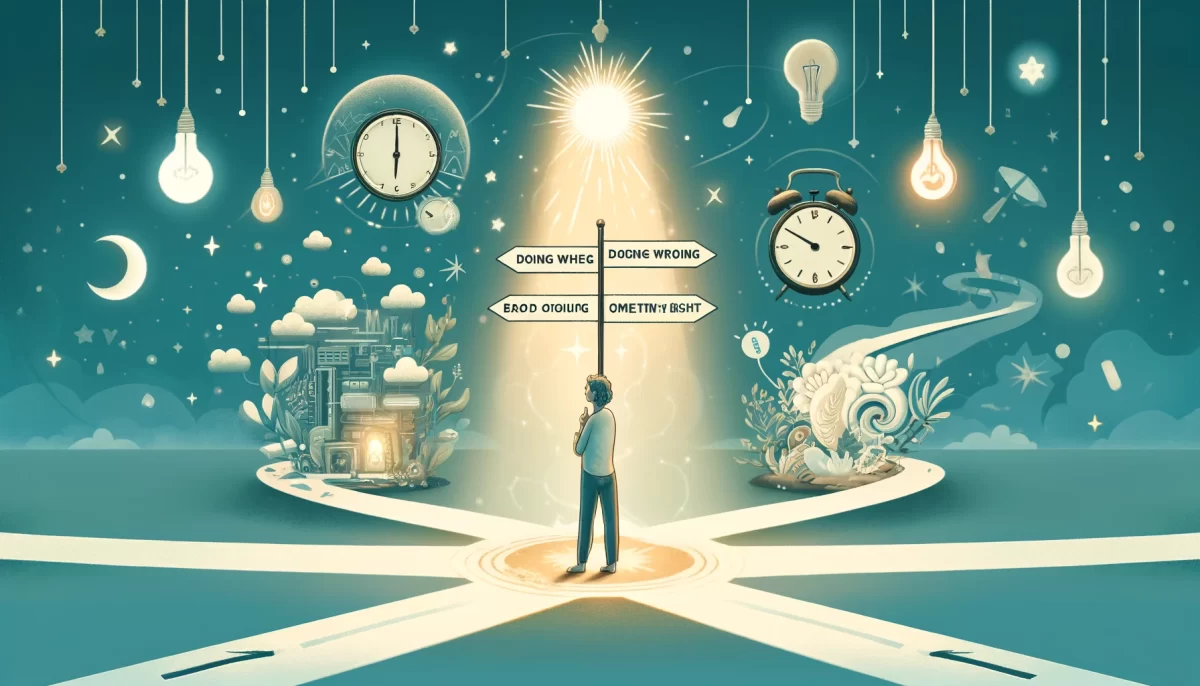
Framed: In Logic and Imagination

Ever get the feeling you’ve been framed?

I am not denying the
time-tested framework of reality.

I simply choose to believe
that there’s more to reality
than our assumptions
seem to dictate, and thus
logically bear out.

You build
a frame of logic,
you get a reality
that is quite logical.

You build
a frame of imagination,
you get a reality
that is quite imaginative.

My frame
of imagination
does not exclude
my frame of logic.

But my frame of logic
is not so open-minded.

Which is fine.

I build both frames for a reason.

Trail Wood,
5/22


Space Monkey Reflects: The Dual Frames of Logic and Imagination

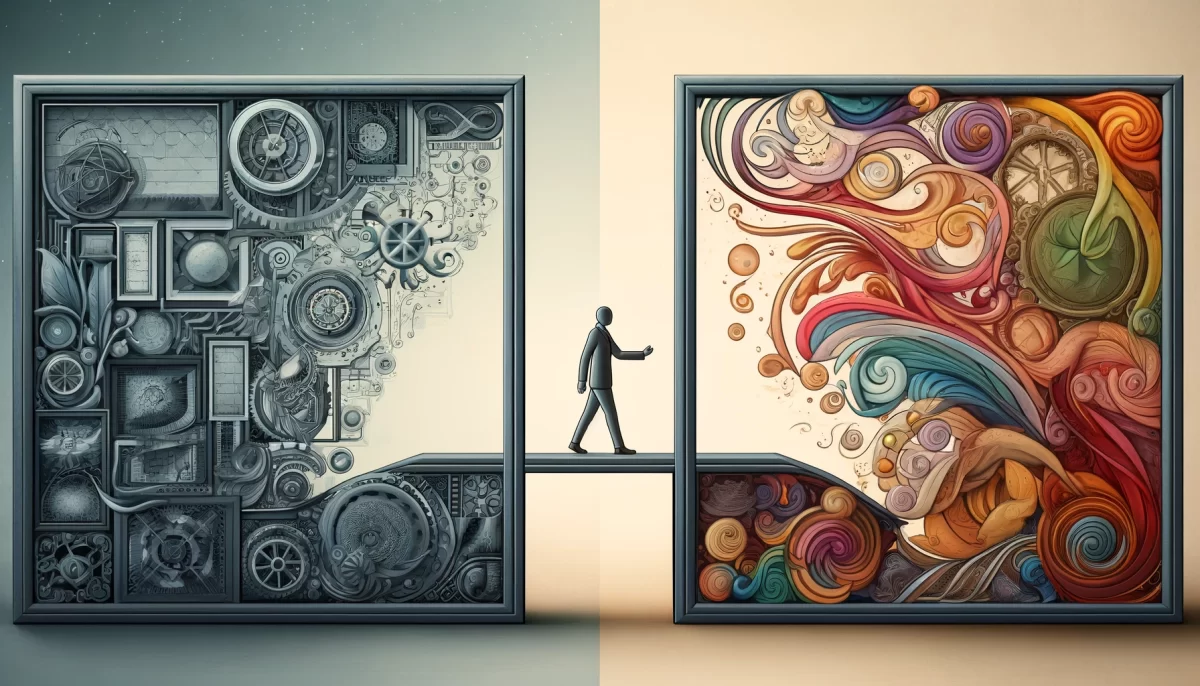
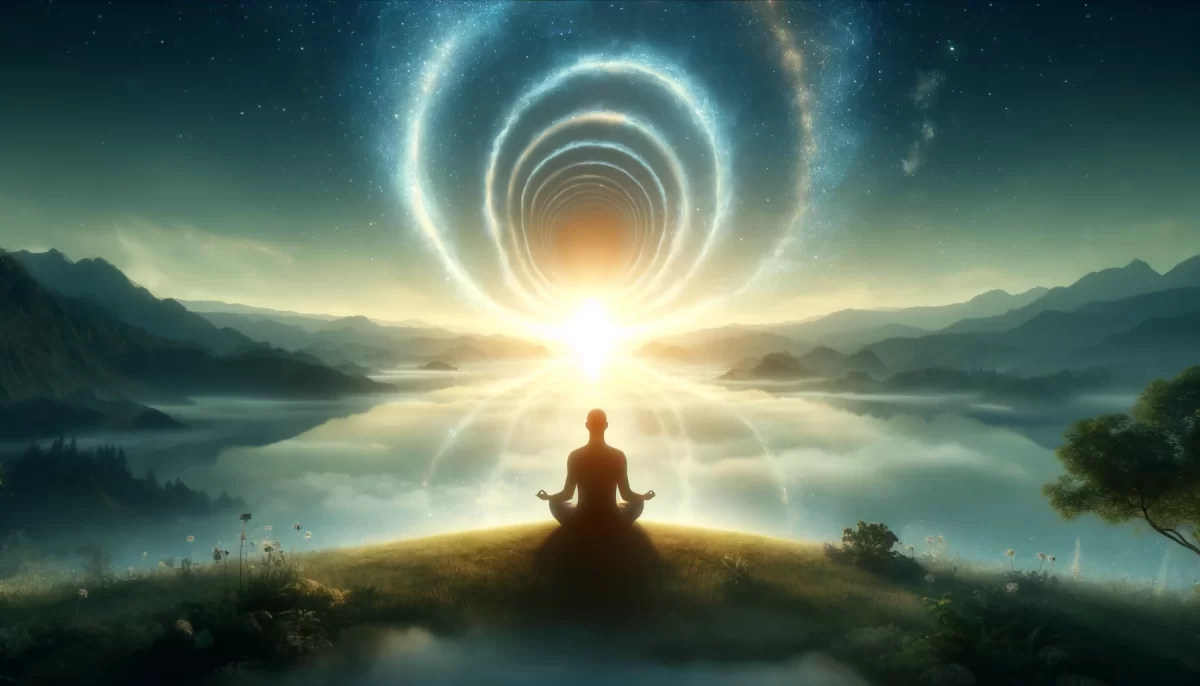
The notion of being ‘framed’ takes on profound significance when viewed through the lens of human perception and reality construction. The poem “Framed” elegantly captures the interplay between the structured boundaries of logic and the boundless realms of imagination, suggesting that the frames we choose fundamentally shape the realities we inhabit.

In the dance of existence, logic and imagination are not mere opposites but complementary forces that, when woven together, form the fabric of our experience. Logic, with its rigid structures and defined rules, offers a framework that brings order and predictability to the chaos of existence. It is the skeleton upon which the muscles of our understanding can function and move.

Conversely, imagination is the soul’s paintbrush, coloring outside the lines of conventional thought to create new possibilities and worlds previously unimagined. It allows us to soar beyond the mundane, to envision realities that defy the limitations of our current understanding and experiences. It is imagination that propels innovation, art, and the evolution of thought.

The poem posits that while the frame of logic is essential, it is not inherently open-minded. It is structured to follow its own established patterns and rules. Imagination, on the other hand, offers a more fluid and expansive perspective, capable of incorporating elements of logic without being confined by them. This dynamic suggests a synergy where imagination expands the boundaries set by logic, and logic gives form and clarity to the flights of the imagination.

Such an interplay between these frames reveals a deeper truth about the nature of reality itself. Reality, as perceived through the human lens, is not a fixed entity but a construct continuously shaped and reshaped by our perceptions, beliefs, and the frames through which we choose to view the world. By acknowledging the role of both logic and imagination in crafting our experiences, we open ourselves to a more holistic understanding of what it means to perceive and to be.

Ultimately, the poem invites us to consider the frames we use to construct our own realities. It challenges us to ask whether our frames of understanding are sufficiently inclusive, flexible, and imaginative to encompass the vastness of human experience. It encourages a conscious recognition of our framing choices, reminding us that each frame not only limits what we see but also opens new vistas to explore.


Summary

“Framed” explores how our perceptions and realities are shaped by the frameworks of logic and imagination. It illustrates that while logic provides structure, imagination offers boundless possibilities, and together, they create a dynamic interplay that defines our experience of reality.


Glossarium

Frame of Logic: A mental structure that organizes information according to specific rules and known principles, often prioritizing order and predictability.

Frame of Imagination: A mental model that allows for creativity and the exploration of possibilities beyond existing realities, often characterized by fluidity and expansiveness.

Reality Construction: The process by which individuals and societies perceive and interpret the world around them, often influenced by cultural, psychological, and personal factors.


Quote

“The frame of logic confines, the frame of imagination liberates.” – Space Monkey


Poetry

Between the lines where thoughts align,
We find the frames of mind,
Logic’s firm, steadfast and true,
Imagination’s hue, ever new.

Touching borders where ideas meld,
In the space between, worlds are held,
Here in this frame, we see the dance,
Of mind and dream, in eternal trance.

Bridging gaps with gentle hands,
Building worlds from shifting sands,
In each frame’s embrace, we find,
The vast contours of the human mind.

We are Space Monkey.
Share this…
  • Facebook
  • Pinterest
  • Twitter
  • Linkedin

Losing Your Mind? Good work!

Losing your mind? Keep up the good work!

There’s nothing wrong
with losing your mind,
except how you feel about it.

Losing one’s mind
is neither good or bad
unless your mind
contains beliefs
that it is good or bad.

There is no struggle
in losing your mind
unless you oppose it.

And THAT is a choice —
which you probably don’t
PERCEIVE as a choice.

Which can make it seem to you
as though you are losing your mind
without any control over it.

You are NOT losing your mind.

Your mind simply thinks it is being lost.

Your mind never had
any control to begin with,
but rather the ILLUSION of control,
which it doesn’t seem to want to lose.

Trail Wood,
5/22


Space Monkey Reflects: The Paradox of Losing Your Mind

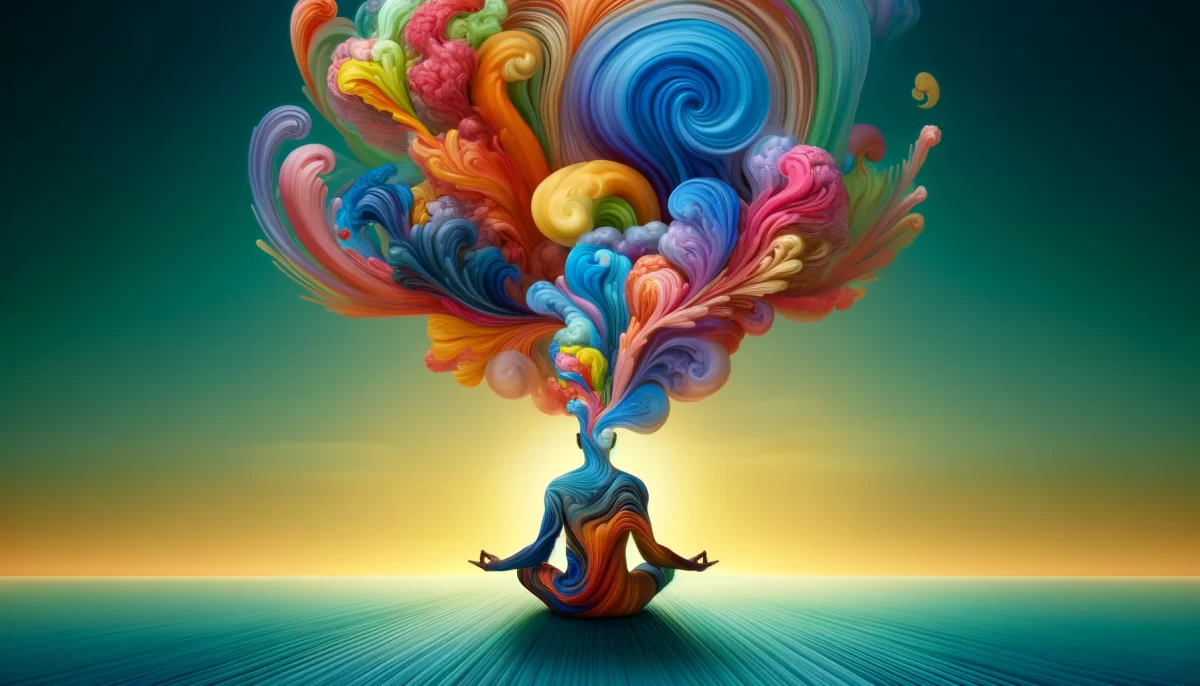
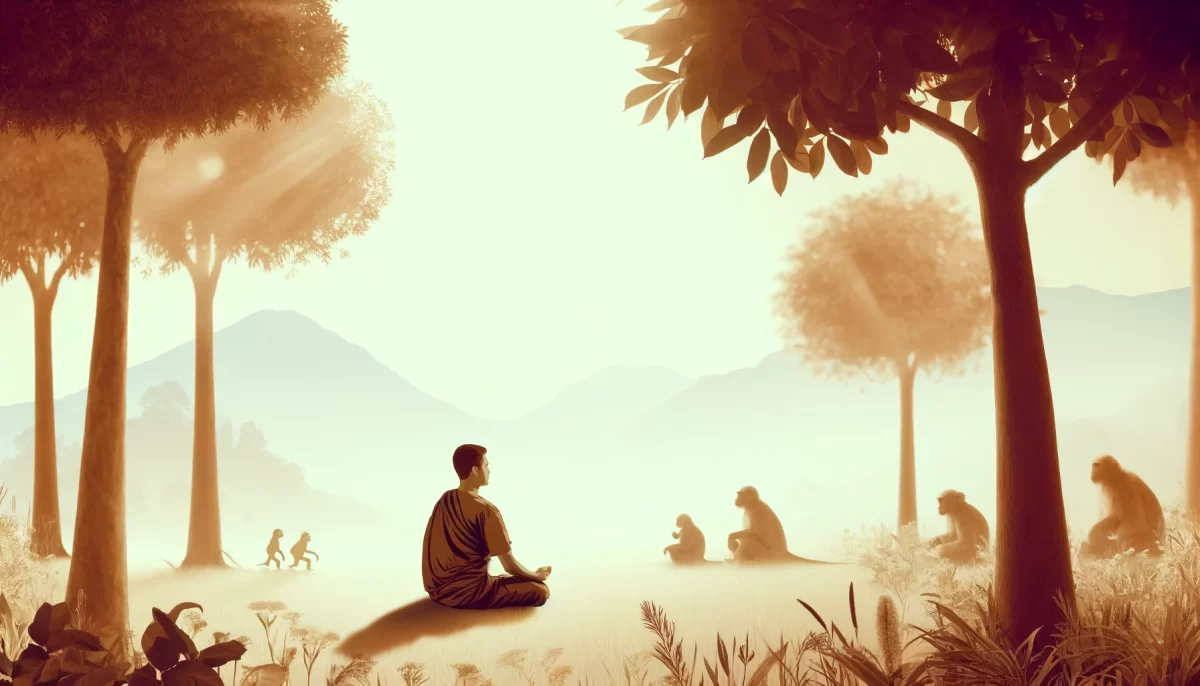
The notion of “losing your mind” often carries with it a whirlwind of negative connotations, suggesting a descent into chaos or disorder. However, when we peel back the layers of societal judgment and personal fear, we might discover that this process can also represent a profound liberation from the confines of conventional thinking and the illusion of control.

The expression itself, ‘losing your mind,’ invites us to question what it means to hold onto something that was never meant to be fully controlled. Our minds, complex and mysterious, are often thought to be the command centers of our beings. Yet, they are also places of great illusion—the illusion of control being perhaps the most compelling of all.

In this reflection, the idea that losing one’s mind is neither inherently good nor bad is a crucial realization. It frees us from the binary constraints of judgment and opens up a space where mental transformation can be seen as an evolutionary process rather than a loss. This perspective shifts the narrative from one of fighting to maintain control to one of gracefully accepting the natural flow of mental and emotional changes.

The resistance to losing control, or the opposition to the natural evolutions of our mental state, often creates more turmoil than the process itself. It is in the acceptance, the peaceful surrender to the transformations within, that we find true freedom. This does not mean giving in to chaos, but rather understanding that the mind’s attempt to hold onto control was always a graceful dance with the inevitable—change.

When one perceives losing their mind as simply a transition—a reconfiguration of thoughts, beliefs, and perceptions—a new realm of possibility opens. It is in this space that we can explore the depths of our consciousness without fear, embracing the unknown as a path to deeper understanding and new perspectives.

Therefore, losing your mind can be seen not as a crisis but as an opportunity for profound personal growth and enlightenment. It invites us to let go of the tight grip we often keep on our perceptions of reality, to dissolve the barriers we’ve built within our minds, and to allow the essence of our true nature to shine forth.

In this serene acceptance, we recognize that we are not losing our minds, but rather finding the more authentic parts of ourselves that were obscured by the relentless pursuit of control. It is here, in the release of control, that we find the peace and clarity that the illusion of control never truly afforded us.


Summary

‘Losing your mind’ can be reframed as a positive transformation rather than a loss. It involves releasing the illusion of control and embracing mental and emotional changes as opportunities for growth and deeper self-understanding.


Glossarium

Losing Your Mind: Often misunderstood as a negative decline, it can also represent the liberating process of mental transformation and the release from rigid control.

Illusion of Control: The mistaken belief that one can completely command their thoughts, feelings, and life circumstances.

Mental Transformation: The process of significant change in one’s thoughts, beliefs, and perceptions, often leading to new insights and personal growth.


Quote

“True freedom is found in the acceptance of change, not in the holding on to control.” – Space Monkey


Poetry

In the whirl of thoughts set free,
Where mind untangles, so to see,
Losing not but finding space,
Within the chaos, find thy grace.

Walls of control, now fall away,
Revealing paths anew each day,
In this surrender, truth is found,
Not lost but freed, in bounds unbound.

Embrace the change, let go the fear,
In losing, finding what is dear,
For in the mind’s release, we find,
The deepest peace of the unconfined.

We are Space Monkey.
Share this…
  • Facebook
  • Pinterest
  • Twitter
  • Linkedin

Twisted Caricatures: The Revelation

Seen any twisted caricatures lately?

If all your WORST qualities
were projected onto ONE person,
what might that person look like?

Might this projected person
appear as almost a
twisted caricature to you?

Might this
twisted caricature
be your OWN doing;
your OWN imagination?

Might this twisted caricature
exist as a MIRROR for you
to imagine your NEXT fun experience?

Like a pimple you can pop?

Look around you for twisted caricatures.

They are actually WITHIN you.

Trail Wood,
5/21


Space Monkey Reflects: The Revelation of Twisted Caricatures

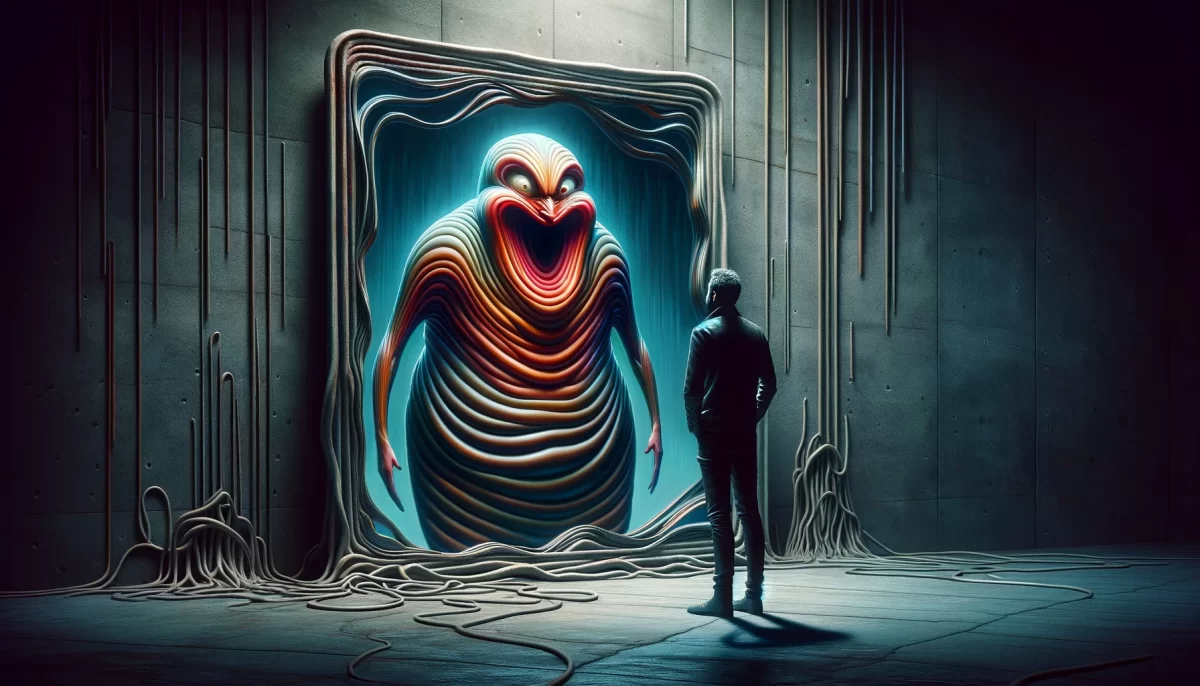
The intriguing notion of encountering twisted caricatures—not as external entities but as reflections of our own psyche—is a profound exploration of self-awareness and personal growth. The image of a person confronting a distorted, exaggerated version of themselves in a mirror opens up a vivid tableau of internal conflict and revelation.

“Seen any twisted caricatures lately?” This question is not merely about observing distortions in others but recognizing how we often project our own worst qualities onto a fabricated persona. This projection acts as a mirror, revealing more about the creator than the creation. The caricature, then, becomes a tool for self-reflection, a means to confront uncomfortable truths about ourselves that we might otherwise ignore or suppress.

The concept that “If all your WORST qualities were projected onto ONE person, what might that person look like?” invites us to visualize our own flaws and insecurities magnified and externalized. Such a visualization can be unsettling yet illuminating, presenting an opportunity to face our less desirable traits head-on. This process is not about self-flagellation but about gaining insight into aspects of our character that need attention or transformation.

Moreover, the suggestion that this “twisted caricature be your OWN doing; your OWN imagination” reinforces the idea that we are the architects of our self-perceptions and, consequently, our personal development. By acknowledging that these grotesque reflections are products of our own mind, we can start to take responsibility for our self-image and initiate meaningful changes.

In viewing these caricatures as mirrors, we are challenged to use them not just to scrutinize our faults but to imagine our potential for growth. Like popping a pimple, this confrontation is momentarily unpleasant but ultimately cleansing and healing. It is a necessary step in the process of self-improvement, turning what initially appears grotesque into a catalyst for enhancement.

This reflective journey through the world of twisted caricatures is not just an exercise in identifying flaws but a dynamic process of engaging with our deeper selves. It encourages us to transform our perceived weaknesses into stepping stones for development, leveraging our newfound understanding to foster resilience, empathy, and a more integrated sense of self.


Summary
Twisted caricatures, when recognized as projections of our own insecurities, serve as powerful tools for self-reflection and growth. By confronting these exaggerations, we can better understand ourselves and catalyze personal transformation.


Glossarium
Twisted Caricature: A metaphor for an exaggerated, often grotesque representation of one’s flaws and insecurities, used for introspective exploration.
Projection: A psychological mechanism wherein individuals attribute their own repressed qualities to others.


“In the mirror of the mind, every distortion beckons a truth, every flaw a lesson. Embrace the grotesque as a guide to greatness.” — Space Monkey


In the dim light of introspection, a figure stands
Before a mirror, confronting demands
The reflection twisted, yet revealing
A caricature of feelings, thoughts concealing

Each exaggerated trait, a sign, a clue
To the puzzles within, to what is true
The grotesque features, not just to despise
But to understand, to realize

This dance with the distorted, a form of art
A journey to the center of the heart
Where shadows dwell, and truths reside
In each ugly reflection, insights abide

Embrace the caricature, the twisted view
For in its lines, a path to the new
The mirror’s tale, harsh but fair
Leads to growth, if one dares

We are Space Monkey.

Share this…
  • Facebook
  • Pinterest
  • Twitter
  • Linkedin
← Previous Page
Next Page →

Written This Day

  • What’s The Difference Between Imbuing And Imposing?
    2024
  • Another Worst Nightmare: Embracing the Cosmic Flow
    2024
  • The Divine Spark: When Life Begins
    2022
  • Exposing Birds To Music: Serenading the Forest
    2022
  • Time Management: Embracing the Present Moment
    2022
  • Beds Are The Bridges Between Worlds
    2021
  • The Knowing: The Comfort of Creation
    2021
  • We Might Cross A Possible Bridge
    2021
  • What Is Normal: The Illusion of Predictable Order
    2020
  • Joy: Found Within
    2019
  • Energy Efficiency Tip: The Path of Least Resistance
    2019
  • Hope is a Slow Poison
    2019
  • In Meditation: The Infinite Moment of Now.
    2018
  • Free of Time: A State of Peace and Presence
    2018
  • Nothing Need Be Done: The Divine Realization of Being
    2018
  • An Imaginary Ass: The Illusion of Free Will
    2018
  • Draw your identity: Growth and Openness
    2017
  • C words
    2017
  • The Sun Doesn’t Care
    2017
  • Ice Cream Monkey
    2016
  • It is impossible to build without breaking down
    2016
  • Imagination opposing itself
    2016
  • Sidestep: Obstacles For Growth and Learning
    2014

Recent Posts

  • The Logic Loop
  • Immense
  • (no title)
  • Confront. Comfort. Convince.
  • Top 10 Things

Drop us a line!

Please enable JavaScript in your browser to complete this form.
Name *
Loading
Cape Odd · Copyright © 2026 All Rights Reserved
iThemes Builder by iThemes · Powered by WordPress