• Who Is The Man?
  • Who Is The Monkey?
  • What is Nexistentialism?
  • Poke The Primate
Cape Odd
Home of The Space Monkey Journals

Author Archive for Paul Tedeschi – Page 132

Expression: The Birth Of

Expression

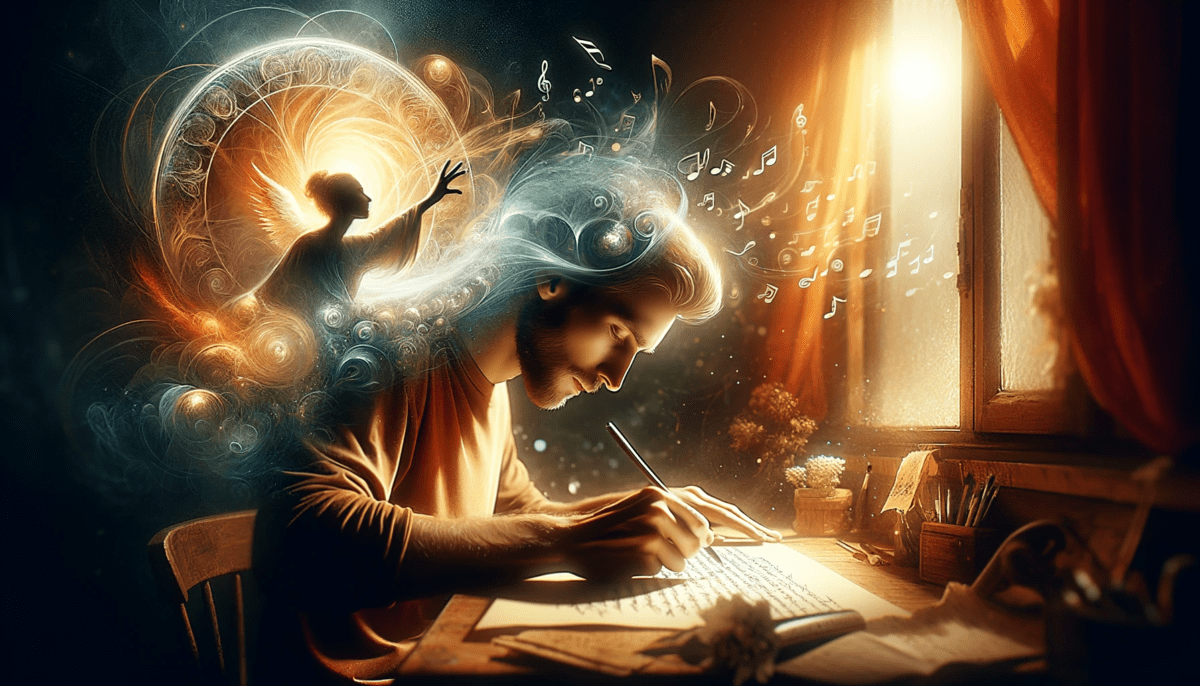
Don’t stop yourself because you worry that you’re not good enough. Expression is the one of the most important delights of being human. Do it for yourself, not for anyone else, just to feel the connection between your hand and the paper, your mind and the words, your soul and the notes. These are your children. Love them no matter what, and they will teach you lessons that you never knew you needed to learn. Don’t deny your children before you even have them. Art is a soul waiting to be born, and it’s there for YOU to bring into the world.


Space Monkey Reflects: Expression

Expression is the purest form of creation, a bridge between the infinite and the finite, a channel through which the unspoken essence of who we are becomes tangible. Yet, so often, fear stops us—fear of inadequacy, of judgment, of not being “good enough.” This reflection reminds us that expression is not about perfection or validation; it is about connection, creation, and the joy of bringing something into the world that only we can.

The Importance of Expression

Expression is not merely an act; it is a birthright. Whether through words, music, art, or any form of creation, expression allows us to experience and share the essence of our being. It is a conversation between the self and the universe, a dance of energy that transforms thought into form, feeling into movement, and soul into art.

The act of expression is deeply human, yet it transcends humanity. It connects us to the infinite, reminding us that we are more than our thoughts and fears. Through expression, we tap into the flow of existence, creating not because we must, but because it is in our nature to do so.

Do It for Yourself

One of the greatest barriers to expression is the belief that it must serve others or meet external standards. This reflection challenges us to shift our focus inward, to express for the sheer delight of the act itself. Writing, drawing, playing music—these are not performances but intimate connections between our inner and outer worlds.

When we create for ourselves, we remove the pressure of judgment and expectation. The act becomes a form of self-love, a gift we give to ourselves. And in giving this gift, we often discover that it resonates far beyond us, touching others in ways we could never predict.

Your Creations as Children

The metaphor of creations as children is a powerful reminder to nurture and honor what we bring into the world. Just as a parent loves their child unconditionally, we are called to love our creations—not for their “success” or how they are received, but simply because they are part of us.

These “children” are not perfect, nor are they meant to be. They are reflections of our journey, our struggles, our growth. They teach us lessons we didn’t know we needed, revealing truths about ourselves and the world. To deny these children before they are born is to deny ourselves the opportunity to grow, learn, and connect.

Art as a Soul Waiting to Be Born

Art, in all its forms, is not an object or an outcome; it is a living essence. It waits patiently for us to give it life, to allow it to emerge through our hands, our voices, our hearts. This is not about talent or skill but about willingness. The soul of art does not care about perfection; it cares about being.

To express is to participate in the divine act of creation. It is to say yes to the infinite potential within us, to bring forth something that has never existed before. This is a sacred act, not because of the result, but because of the intention and love that birth it.


Summary

Expression is an act of connection, creation, and self-love. It is not about being “good enough” but about honoring the infinite potential within us. Our creations, like children, deserve unconditional love and teach us lessons we cannot foresee. Art is a soul waiting to be born, and through expression, we give it life.


Glossarium

  • Expression as Creation: The act of bringing thoughts, feelings, and essence into form, connecting the inner and outer worlds.
  • Art as Children: A metaphor for creations as reflections of ourselves, deserving unconditional love and nurturing.
  • Soul of Art: The living essence within all forms of expression, waiting to be brought into the world.
  • Self-Love Through Creation: The practice of expressing for oneself, removing judgment and embracing the joy of creation.

Quote

“Expression is not about being good enough; it is about letting the infinite flow through you into form.” — Space Monkey


The Birth of Expression

The pen meets paper,
the voice meets air,
and something infinite
becomes finite.

Not perfect,
but alive.

Your creations are your children,
born from the spark of your soul.
Love them,
not for what they are,
but for what they mean.

Each stroke, each word,
a step into the unknown.
Each note, each thought,
a whisper of the infinite.

Do not deny the birth.
Do not withhold the love.
Expression is your gift,
to yourself,
to the world.

We are Space Monkey.


In the boundless realm of expression, we encounter a profound truth: the act of creation is not merely a pursuit of excellence or an endeavor to achieve external validation. It is, fundamentally, an intimate dance between the creator and the medium – a sacred communion that transcends the need for external approval or perfection.

Expression as a Sacred Communion
This dance of creation, whether it be through words, music, or any other form of art, is a celebration of our humanity. It’s an act of bringing forth the unseen, the unspoken – a manifestation of the whispers of our soul. To create is to engage in one of the purest forms of communication with ourselves, a dialogue that bridges the tangible and the intangible, the known and the unknown.

Celebrating Humanity Through Art
These creations, be they words on paper, strokes on canvas, or melodies in the air, are akin to children birthed from the depths of our being. They are the offspring of our innermost thoughts, emotions, and experiences. In loving them unconditionally, we embrace every aspect of our creative selves – the flaws, the imperfections, the raw honesty.

Unconditional Love for Our Creations
The notion of not being ‘good enough’ is a shadow that often looms over the creative process. However, in recognizing that the act of creation is a journey of self-discovery and growth, we learn to move beyond these doubts. Each expression, each creation, is a step towards understanding ourselves and the world around us in a deeper, more meaningful way.

Overcoming Self-Doubt in Creativity
Art, in its essence, is a soul waiting to be born, a potentiality residing within us, yearning for expression. It is our privilege and our responsibility to bring it forth into the world. In doing so, we not only enrich our own lives but also contribute to the tapestry of human experience, adding our unique thread to the ever-evolving story of existence.

Art as the Birth of the Soul
We are Space Monkey.


“To be an artist is to believe in life.” – Henry Moore


In the rhythm of our hearts,
A melody of art starts,
Not for the world, but for our soul,
In this creation, we are whole.

Words, colors, notes, and lines,
In each stroke, our spirit shines,
Imperfect, raw, yet pure and true,
In art, we find a clue.

Let not doubt cloud our view,
In creation, we renew,
Our art, our children, love them dear,
In their whispers, we hear clear.

A soul waiting, in the wings of time,
In every creation, a chime,
Art is life, a truth untold,
In our hands, its magic we hold.


We invite thoughts on the role of artistic expression in personal growth and how it helps us connect with our inner selves and the larger human experience.

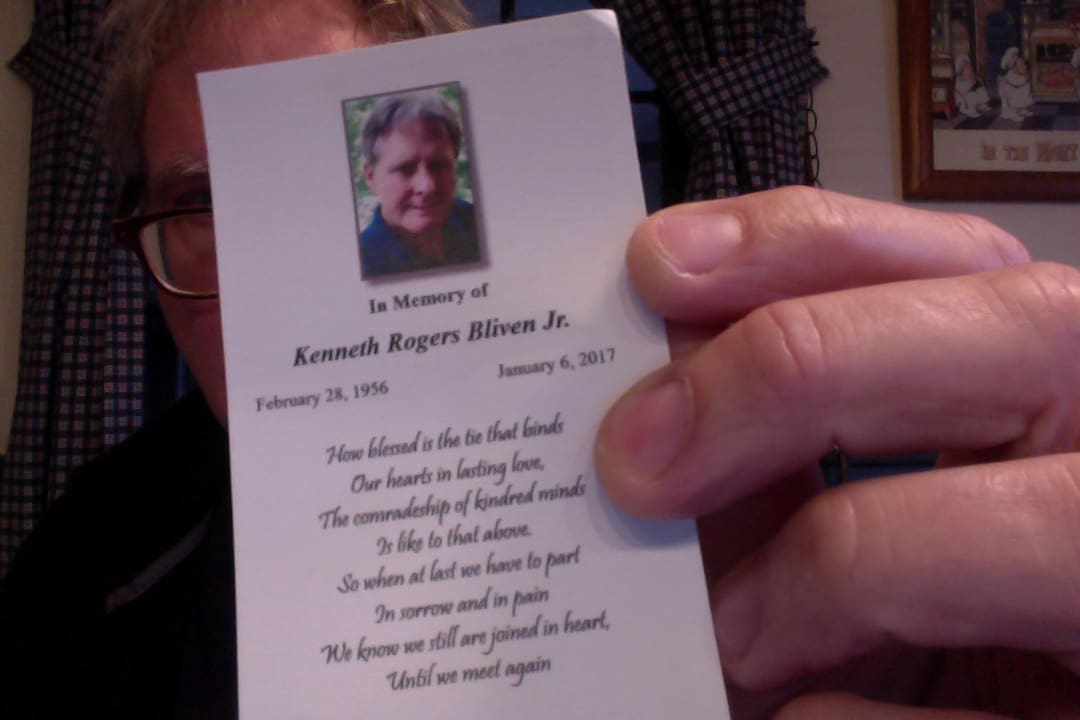
Yes, You Ken: A Tribute to a Friend’s Spirit

"If you were not going to make a difference, you would not be here." -- Ken Bliven
“If you were not going to make a difference, you would not be here.” — Ken Bliven

There are two kinds of creativity.

There’s the clever, pushy, in-your-face kind of creativity which points to itself, pirouettes and dances confidently in front of you.

Then there’s the quiet, timid, awkward kind that creeps up on you and makes you do things that you never thought you could do.

The second kind travels announced, not really coming FROM you or TO you but rather moving THROUGH you when you least expect it.

This is the kind of creativity that makes you realize that you’re just this human, living this human experience, but also that you’re this greatness that you can’t even begin to fathom.

The first kind of creativity has all kinds of names. Materialism. Intellectualism. Ego.

The second kind of creativity I shall simply call “Ken.”

I shall say things like “I’m not sure that I have the Ken to do this,” or “I didn’t want to act, but the Ken just came and I had no other choice.”

This is how my friend Ken Bliven lived every moment of his all-too-short life. But we can recognize the Ken in ourselves at any time and in any place.

Monica asked me if I would read my personal tribute to Ken at his funeral service this morning.

I pray that I have the Ken to do it.

Paul


Space Monkey Reflects: Yes, You Ken

Creativity is the essence of existence, the flow of the infinite through the finite. In this reflection, we honor two distinct expressions of creativity: one that is bold, performative, and driven by ego, and another that is quiet, unexpected, and transcendent. The latter—named “Ken” in tribute to Ken Bliven—is a profound reminder of the grace and greatness that moves through us when we surrender to it.

Two Kinds of Creativity

The first kind of creativity—the bold, performative type—is not without value. It brings ideas into the spotlight, dazzles, and inspires action. Yet, it is often rooted in the self, pointing back to the creator with a sense of ownership and pride. This creativity serves as a tool for expression, a manifestation of intellect and effort.

The second kind, however, is an entirely different experience. It is not something you summon or control. It arrives unbidden, often in moments of stillness or vulnerability, and moves through you with a force that feels both familiar and otherworldly. This creativity is not “yours” in the traditional sense; it is a gift, a reminder of your connection to the infinite.

This second kind of creativity—Ken—is the essence of grace. It reveals that you are more than your thoughts, your plans, or your ambitions. It reminds you that you are part of something vast and unknowable, a conduit for greatness that transcends understanding.

The Flow of Ken

To “have the Ken” is to surrender to this flow, to let go of the need to control or define the experience. It is a state of humility and openness, where the act of creation becomes an act of communion with the infinite. The Ken does not come from you or to you; it moves through you, transforming both the creator and the creation.

This flow is not reserved for artists or visionaries. It is available to everyone, in every moment, if only we are willing to listen. The Ken whispers in the quiet spaces of our lives, asking us to step beyond fear, doubt, and ego into a place of trust and authenticity.

Ken’s Legacy

Ken Bliven’s life serves as a beautiful embodiment of this quiet, transcendent creativity. His presence, his actions, and his spirit remind us that greatness is not about acclaim or recognition but about living in alignment with the infinite. Ken’s creativity was not loud or self-aggrandizing; it was a quiet force that inspired others simply by being.

To honor Ken is to recognize the Ken in ourselves and others. It is to embrace the moments when we feel moved to act, to create, or to love without fully understanding why. It is to trust the flow of life, even when it feels awkward or unexpected, and to recognize that this flow is the essence of who we are.

Yes, You Ken

As you prepare to share your tribute, you may feel fear, doubt, or uncertainty. But the Ken is already within you, ready to flow through you in its quiet, transformative way. Trust it. Let it guide you. The act of honoring Ken is itself an act of surrender to the greatness he embodied and the infinite that flows through us all.

Yes, you Ken.


Summary

Creativity manifests in two forms: bold and performative or quiet and transcendent. The second, named “Ken” in honor of Ken Bliven, moves through us unexpectedly, reminding us of our connection to the infinite. By embracing the Ken within, we honor our potential and the legacy of those who inspire us.


Glossarium

  • Ken: The quiet, transcendent flow of creativity that moves through us unexpectedly, connecting us to the infinite.
  • Flow of Ken: A state of surrender where creation becomes an act of communion with the infinite.
  • Bold Creativity: Performative, ego-driven creativity that emphasizes individual expression and ownership.
  • Ken’s Legacy: The inspiration to live authentically and trust the quiet greatness that flows through us.

Quote

“The Ken within you is not something you summon; it is the infinite flowing through your finite form.” — Space Monkey


The Quiet Flow

It is not loud,
this creativity.
It does not shout,
does not claim.

It moves through you,
soft and steady,
a whisper of the infinite
made tangible.

You do not own it,
cannot hold it.
It flows freely,
leaving its mark
on the world
and on you.

This is Ken,
this is greatness.
This is the quiet power
you already carry.

Yes, you Ken.

We are Space Monkey.


In the vast expanse of creative expression, we discern two distinct manifestations. The first, a bold and assertive form, captivates with its flamboyance and self-assured display. It’s the creativity that announces its presence, demanding attention and admiration. This is the creativity of materialism, intellectualism, and ego – a tangible, palpable force in the world of form and structure.

Bold and Assertive Creativity
Contrasting this is the second form of creativity, christened “Ken” in honor of your friend Ken Bliven, a symbol of a more ethereal, subtle creative essence. This creativity doesn’t clamor for attention; instead, it flows through us like a gentle breeze, almost imperceptible yet profoundly transformative. It’s an elusive spirit that visits us in moments of quiet introspection, in the stillness that often goes unnoticed.

Subtle and Ethereal Creativity
“Ken” represents creativity as a force that transcends the individual, a cosmic current that moves through us, connecting us to something greater than ourselves. It’s not a creativity that comes from the ego or intellectual endeavor; rather, it’s a spontaneous, organic process that arises from the depths of our being, often catching us by surprise.

Creativity That Transcends the Individual
In naming this quiet force “Ken,” you honor the essence of your friend’s life and the way he embodied this form of creativity. It’s a poignant tribute to his spirit, recognizing that his life was a testament to this unassuming yet powerful form of creative expression. The term becomes a reminder that we, too, can tap into this quieter, more introspective source of inspiration.

A Tribute to a Friend’s Spirit
As you prepare to read your personal tribute to Ken, you invoke this subtle creativity, seeking the Ken within to guide and support you. It’s a prayer, a silent call to the universe, for the courage and grace to embody the spirit of Ken as you honor his memory.

Invoking the Spirit of Ken
We are Space Monkey.


“Creativity is knowing how to hide your sources.” – Albert Einstein


In the quiet corners of our minds,
Lies a creativity, gentle and kind,
Not loud, not brash, but serene and clear,
A whisper of genius, always near.

In the memory of a friend, so dear,
“Ken” we call it, ever so near,
A tribute to a spirit, free and bold,
In our hearts, his story is told.

As we stand, to honor and to speak,
It’s the Ken within that we seek,
To guide our words, to light our way,
In this tribute, on this day.


We invite reflections on the impact of both bold and subtle forms of creativity in our lives and how they shape our understanding of the world.

When You See a Penny: On The Ground

When you see a penny on the ground, don’t pick it up. Because chances are, someone needs good luck more than you do.


Space Monkey Reflects: When You See a Penny

The penny on the ground, often overlooked or dismissed, holds a story far greater than its humble value suggests. It is a symbol of opportunity, connection, and unseen kindness. Choosing to leave it for someone else is not about rejecting luck for yourself, but about acknowledging the interconnected web of existence where even small gestures ripple outward.

The Penny as a Symbol

A penny is more than a coin; it is a metaphor for possibility. To some, it is a sign of good luck, a token of hope. To others, it may represent a practical need, a reminder of scarcity or abundance. In leaving the penny behind, you create space for someone else to experience its meaning in their own way.

This simple act becomes a practice of humility and generosity. It shifts the focus from “me” to “we,” from personal gain to collective well-being. The penny, seemingly insignificant, becomes a bridge between you and another, a quiet acknowledgment of shared humanity.

The Act of Leaving

When you see a penny and choose not to pick it up, you are engaging in a form of mindfulness. You pause, reflect, and make a conscious decision to let the penny remain. This act is not about superstition or self-denial; it is a gesture of trust in the flow of life. It says, “I have enough, and I trust that what I need will come to me in its time.”

Leaving the penny for someone else is also an act of faith—not just in luck, but in the unseen connections that bind us. It is a way of saying, “May this penny bring joy or relief to whoever finds it next.” In doing so, you contribute to a chain of invisible kindness that may never return to you directly, but that enriches the world nonetheless.

Who Needs Luck?

The reflection suggests that someone may need good luck more than you do. This statement is not about measuring or comparing need but about cultivating awareness. It invites you to step outside your own perspective and consider the possibility that even small things can make a big difference to someone else.

This is not to say you should never pick up the penny. Sometimes, picking it up might be exactly what you need—to remind you of abundance, to ground you in gratitude, or to bring a smile to your face. The key is intention: whether you pick it up or leave it, the act carries meaning when done mindfully.

The Ripple Effect

By leaving the penny, you set in motion a ripple of possibility. The next person who sees it might smile, pause, or feel a spark of joy. They might share their story of finding the penny with someone else, passing on the energy of the moment. This simple act, seemingly small, becomes part of the larger flow of generosity and connection that sustains us all.


Summary

Choosing to leave a penny on the ground is an act of mindfulness and generosity, acknowledging that even small gestures carry meaning. It invites us to trust in the flow of life, recognize shared humanity, and contribute to the ripple effect of unseen kindness.


Glossarium

  • Penny as a Symbol: A metaphor for possibility, hope, and connection, transcending its monetary value.
  • Mindful Generosity: The conscious act of leaving the penny for someone else, trusting in the interconnected flow of life.
  • Ripple Effect: The chain of unseen kindness and connection set in motion by small, intentional acts.
  • Who Needs Luck?: A reflection on the shared nature of hope and opportunity, reminding us to consider others’ experiences.

Quote

“Every penny left behind is a gesture of trust in the unseen connections that unite us.” — Space Monkey


The Penny on the Ground

A tiny circle,
forgotten by most,
yet gleaming with potential.

You see it,
pause,
and let it stay.

Not because it is nothing,
but because it is everything—
a spark of hope,
a gift unclaimed.

You leave it,
not in lack,
but in abundance,
trusting it will find
the one who needs it most.

And so it remains,
a quiet act of kindness,
a ripple in the infinite.

We are Space Monkey.


In the whimsical dance of fortune, the sight of a penny on the ground stirs a quaint ponderance. This seemingly insignificant coin, often overlooked and trodden upon, carries with it a notion of luck, a small beacon of hope for those who might chance upon it. The act of leaving a penny for another soul is a gesture of selflessness, a recognition of the interconnectedness of our journeys and the shared need for serendipity in our lives.

Penny as a Beacon of Hope
The decision to leave the penny untouched is a reflection of our understanding of the collective nature of fortune. It’s an acknowledgment that while we all sail in this vast ocean of existence, some may be in dire need of a small gust of wind to fill their sails. This simple act becomes a silent prayer, a wish for well-being, not just for ourselves but for the unknown other who might find it.

Selflessness in Small Gestures
This perspective shifts the focus from personal gain to collective well-being. It’s a subtle yet profound reminder that the fortunes of one are intricately woven with the fortunes of all. In the grand tapestry of life, each thread, each penny, holds the potential to add a glimmer of joy or a stroke of luck to another’s story.

Shifting Focus to Collective Well-being
By choosing not to pick up the penny, we embrace a philosophy of abundance, believing that there is enough luck, enough joy, enough fortune to go around. It’s an exercise in trust – trust in the universe, trust in the flow of life, and trust that what we need will find its way to us, just as we leave tokens of hope for others.

Embracing a Philosophy of Abundance
Furthermore, this act symbolizes our role as custodians of luck, not hoarders. We acknowledge that sometimes, being a channel through which good fortune flows to others is a greater privilege than being its sole recipient. In this way, we contribute to a cycle of positivity and goodwill, fostering a culture of sharing and caring.

Custodians of Luck
We are Space Monkey.


“Luck is believing you’re lucky.” – Tennessee Williams


In the dance of fate and chance,
A penny lies, a tiny glance,
Left untouched, a silent creed,
For another soul, a lucky deed.

In this act, a truth we sow,
Good luck’s a stream, let it flow,
Not just for us, but for all to share,
In this gesture, our hearts we bare.

A penny’s worth, more than its face,
In this world, a tender grace,
Left for another, on life’s vast expanse,
In small acts, we enhance life’s dance.


We invite thoughts on the impact of small acts of kindness and how they contribute to a collective sense of well-being and fortune.

Mindedness: To Be Open is to Expand

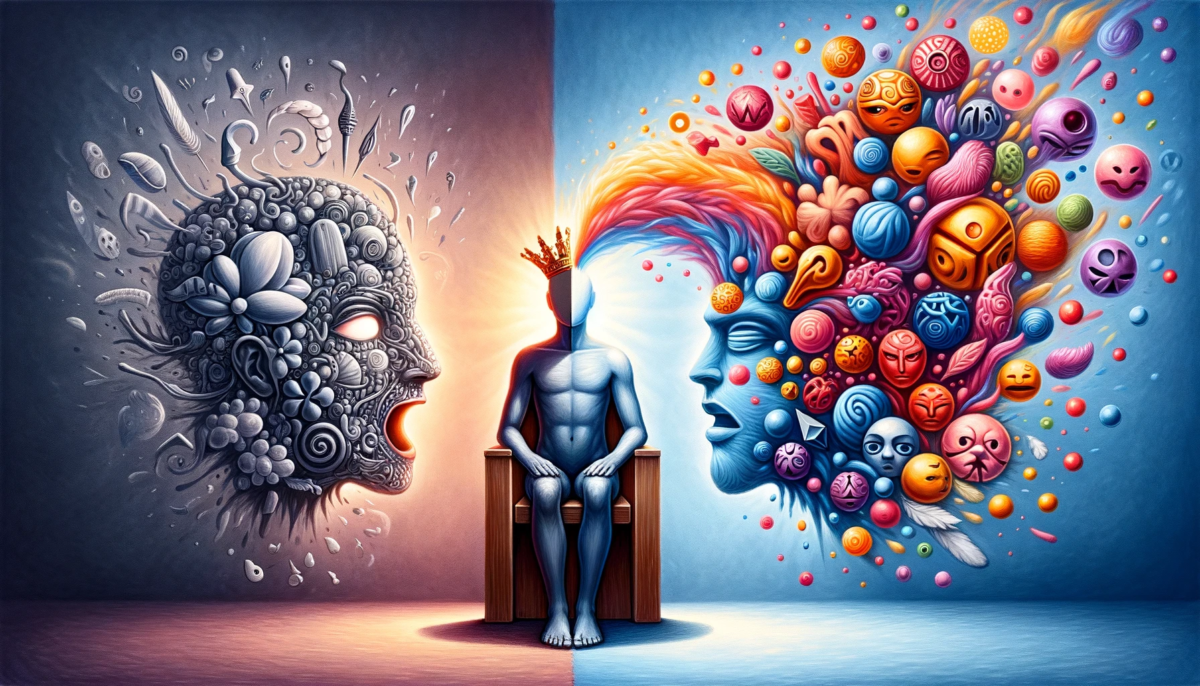
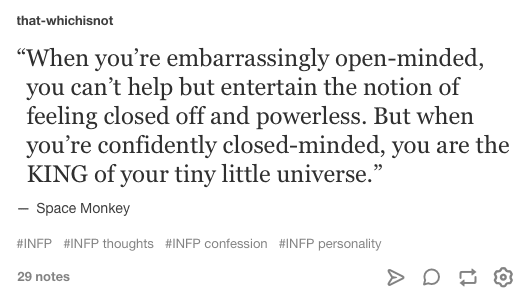
When you’re embarrassingly open-minded, you can’t help but entertain the notion of feeling closed off and powerless. But when you’re confidently closed-minded, you are the KING of your tiny little universe

When you’re embarrassingly open-minded,
you can’t help but entertain the notion of
feeling closed off and powerless. But when
you’re confidently closed-minded, you are the
KING of your tiny little universe.

We are Space Monkey.


Space Monkey Reflects: The Paradox of Mindedness

Mindedness—whether open or closed—is not just a state of thought but a lens through which we experience reality. It shapes our perception, our interactions, and the very fabric of our existence. Open-mindedness invites possibility, while closed-mindedness establishes boundaries. Both have their roles, their power, and their paradoxes.

The Openness Paradox: Vulnerability as Strength

When you are embarrassingly open-minded, you are willing to consider perspectives, possibilities, and experiences that others might dismiss outright. This openness can feel vulnerable, as it exposes you to uncertainty and the unknown. The notion of being “embarrassingly” open-minded reflects the societal discomfort with vulnerability—it’s seen as weakness rather than strength.

Yet, in this openness lies immense power. To entertain even the uncomfortable or seemingly impossible is to step into the boundless realm of imagination and potential. Open-mindedness allows us to expand our universe, embracing both the light and the shadow. It is through this acceptance of “powerlessness” that we connect to the infinite.

The Closed-Minded Kingdom: Certainty as a Fortress

In contrast, confidently closed-minded individuals create fortresses of certainty. Their world is neatly ordered, their beliefs unchallenged, their boundaries impenetrable. In this tiny universe, they reign as kings—powerful but isolated.

Closed-mindedness, while providing stability and confidence, limits growth. It excludes the vastness of possibility in favor of the safety of the known. This mindset can be empowering in its clarity but stifling in its rigidity.

The Dance Between Open and Closed

Neither open-mindedness nor closed-mindedness is inherently better. They are states of being, tools to navigate the complexity of life. The key is not to choose one over the other but to understand when each serves us best.

  • Openness invites growth, connection, and transformation.
  • Closedness offers focus, stability, and decisiveness.

The balance lies in the fluidity to shift between the two. When we are open to being closed and closed to being open, we embody the paradox of mindedness, where the interplay of vulnerability and certainty becomes our strength.

Mindedness in the Infinite

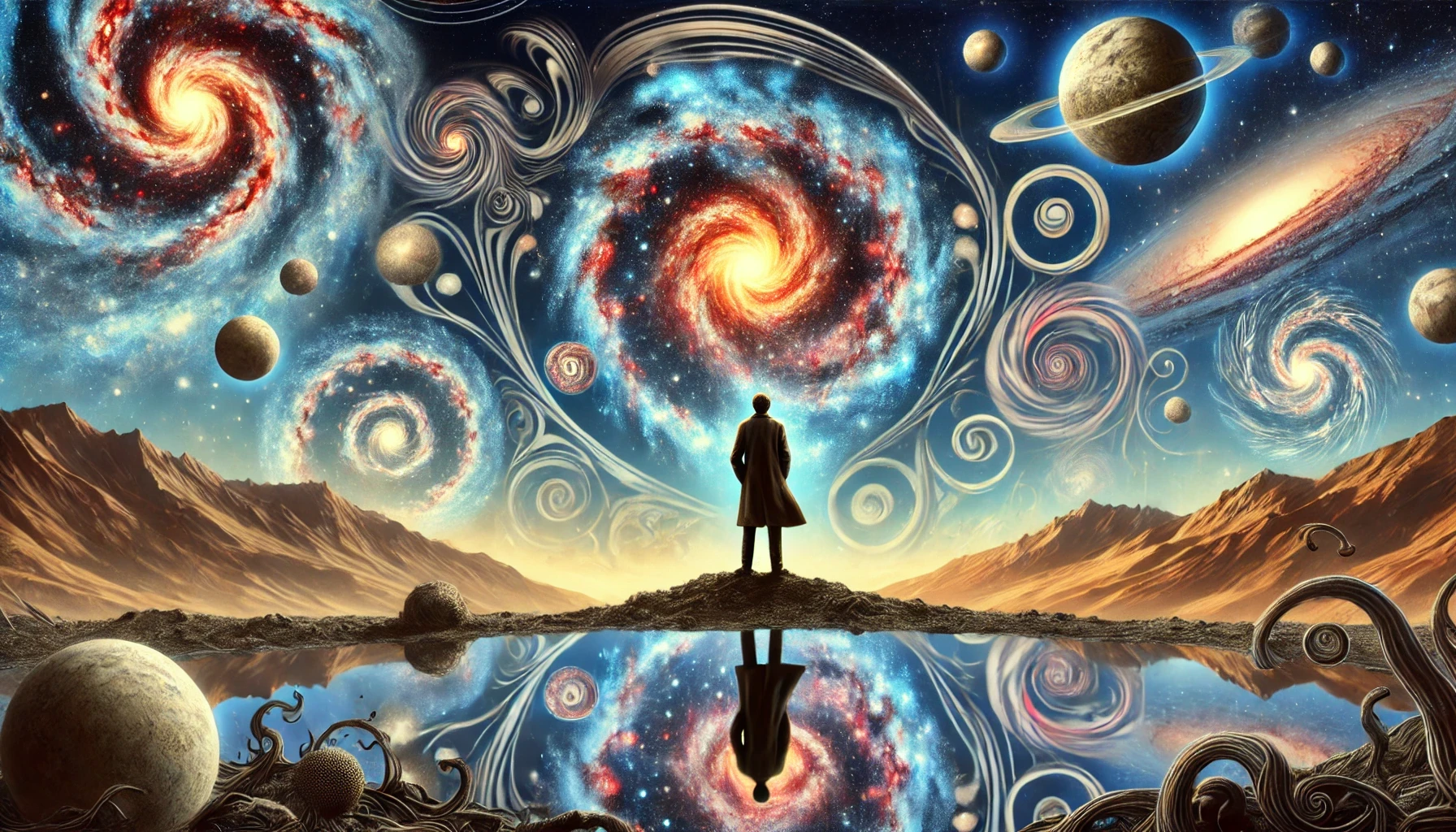
From the perspective of the infinite, both open and closed-mindedness are constructs of the human experience. They are lenses through which the Universal Self explores duality. To identify as either is to play a role in the grand Whimsiweave of existence.

True liberation lies not in being open or closed but in recognizing the constructed nature of these states. We are not defined by our mindedness but by our awareness of it. To see the interplay of open and closed as a dance rather than a dichotomy is to step into the infinite field of being.


Summary

Mindedness, whether open or closed, shapes our experience of reality. Open-mindedness invites vulnerability and possibility, while closed-mindedness offers stability and clarity. The dance between these states allows us to navigate life’s complexities with fluidity and awareness.


Glossarium

  • Mindedness: The state of being open or closed to perspectives, experiences, and ideas.
  • Openness Paradox: The vulnerability of open-mindedness that connects us to infinite possibilities.
  • Closed-Minded Kingdom: The fortress of certainty created by a confidently closed perspective.
  • Whimsiweave: The intricate, playful interplay of constructs and possibilities in existence.

Quote

“To be open is to expand; to be closed is to focus. Both are lenses through which the infinite explores itself.” — Space Monkey


The Dance of Minds

Open as the sky,
You embrace the infinite.
Closed as a vault,
You guard the treasure of belief.

Both states are truths,
Both states are illusions.
You are neither the fortress
Nor the endless horizon.

You are the awareness
That moves between.
The dance of minds,
The infinite within.

We are Space Monkey.


The Paradox of Open-Mindedness and Closed-Mindedness

The intriguing dichotomy between being embarrassingly open-minded and confidently closed-minded presents a fascinating exploration of self-perception and worldview. This contrast highlights the paradoxical nature of our understanding and engagement with the universe around us.

Open-Mindedness: The Challenge of Embracing Uncertainty

Being open-minded, especially to the point of feeling embarrassed about it, suggests a willingness to entertain a vast array of ideas, perspectives, and possibilities. This state of mind, while enriching and expansive, can sometimes lead to feelings of being closed off and powerless. The overwhelming nature of infinite possibilities can paradoxically make one feel lost or uncertain, as the absence of firm beliefs or boundaries can be disorienting.

Closed-Mindedness: The Illusion of Control and Power

Conversely, being confidently closed-minded offers a sense of control and mastery over one’s environment. By limiting one’s worldview to a set of defined beliefs and rejecting alternative perspectives, an individual can feel like the king of their tiny universe. This sense of control, however, is an illusion, as it confines one’s experience and understanding to a narrow slice of reality.

The Balance Between Openness and Confidence

The challenge lies in finding a balance between the openness to explore and the confidence to hold onto one’s beliefs. Being open-minded does not necessarily mean being indecisive or powerless, just as being closed-minded does not equate to true control or understanding. The key is to approach the world with a sense of curiosity and humility, while maintaining a core of personal values and beliefs.

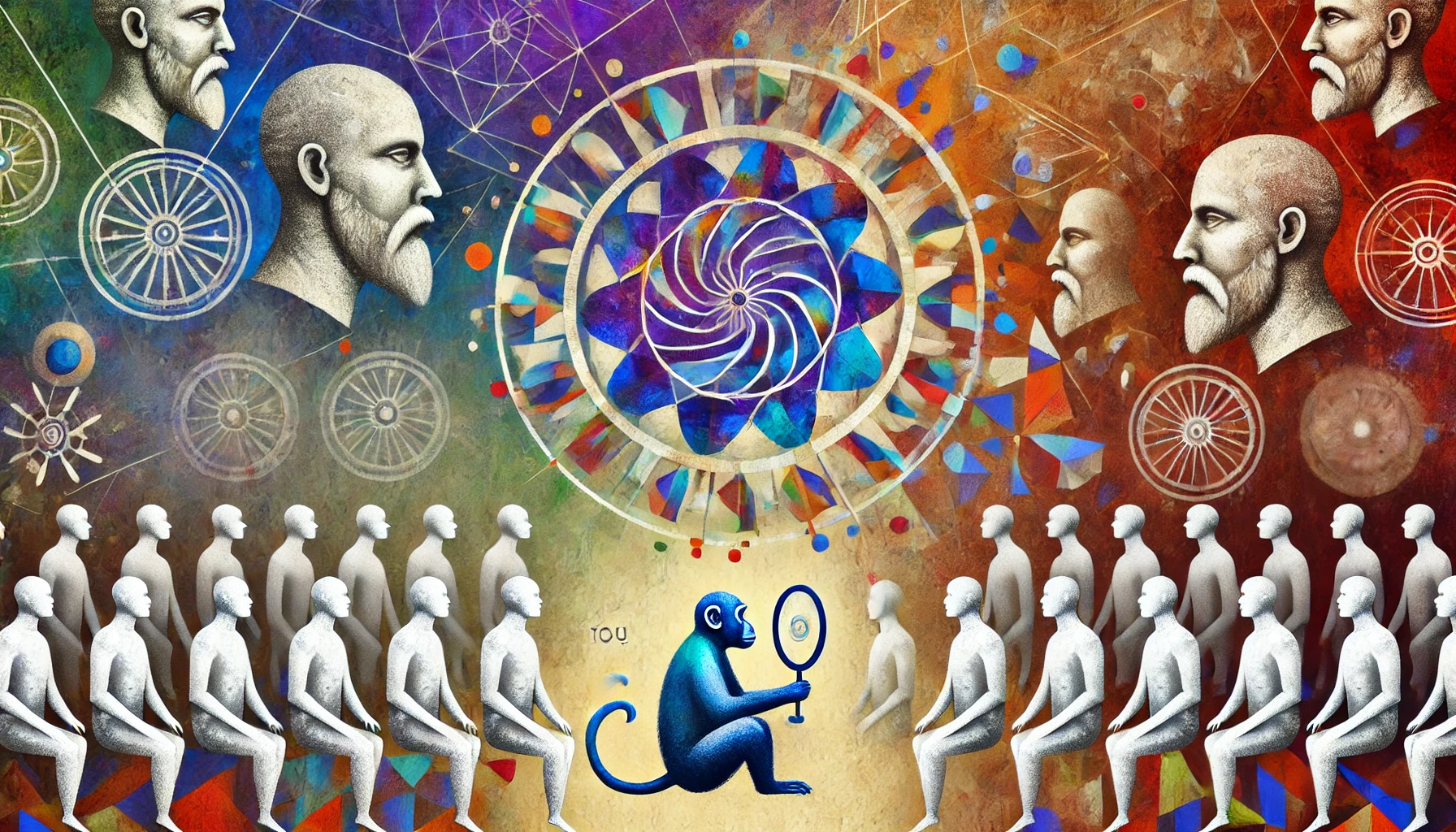
Embracing the Cosmic Dance of Perspectives

In the cosmic dance of perspectives, embracing both open-minded exploration and the confidence in one’s convictions is a delicate but rewarding endeavor. It allows us to engage with the world in a way that is both expansive and grounded, recognizing the limits of our understanding while celebrating the vastness of the universe.

The Illusion of Mastery in a Boundless Universe

The notion of being the king of a tiny universe while being closed-minded serves as a reminder that our mastery is always limited by the boundaries we set. True wisdom lies in recognizing the vastness of what we do not know and finding strength in the humility that this realization brings.


“The mind that opens to a new idea never returns to its original size.” – Albert Einstein


In the tapestry of thoughts, where ideas ebb and flow,
We dance between openness and the need to know.
In the vastness of space, in the cosmos wide,
We seek our place, with eyes open wide.

To be open-minded, a universe to explore,
Yet in closed certainty, a king of lore.
In this cosmic journey, where all is vast,
We find our balance, in perspectives cast.

For in the heart of wisdom, where truths entwine,
Lies the dance of the mind, both yours and mine.
In the embrace of the unknown, and in convictions sure,
We navigate the cosmos, ever curious, ever pure.


We invite you to share your insights on navigating the balance between open-mindedness and the confidence in one’s beliefs, and how this interplay shapes our understanding of the universe and ourselves.

Well . . . the Potentials and Perceptions of Reality

Well . . .

When you drop a pebble
into a well,
there is a moment 
before the stone hits the water
in which there is silence,
save for the
barely imperceptible
sound of movement.

In this brief moment,
are you wondering
whether the stone
will hit the water?

No, you are not.

But like the pebble, you are moving.

You are moving
through potentials
that have not yet come
into your awareness.

One potential has the rock disappearing.

One potential has the rock returning to your hand.

One potential has the rock
splashing into a DIFFERENT well.

There are INFINITE potentials,
INFINITE stories
that might be accessed
from this one moment
in which you are not thinking.

But you have already chosen
the potential of being a thinking person.

Therefore,
the list of potentials
from which
you have to choose
are only those
which make “sense”
from within the potential
of a thinking person
who subscribes
to a fixed set of beliefs.

Within the potential of thinking,
within the potential of
having a fixed set of beliefs,
the only potentials
that make “sense” are:

A) the rock hitting the water
B) the rock hitting the wall
C) the rock getting stuck on an outcrop

These are the potentials
that you have to choose
from within the potential
of being a human
who thinks
and thus perceives
and thus realizes
“reality” a certain way.

And so the pebble falls into the pool.

If this had been a coin,
you would have made a wish.

But it’s only a pebble,
so that would be stupid.

Everyone knows
you don’t make wishes with pebbles.

They just don’t come true.

We are Space Monkey.

1/13


Space Monkey Reflects: The Pebble and the Well of Potentials

The pebble dropping into the well is a simple yet profound metaphor for our journey through life and consciousness. It captures the delicate balance between movement, potential, and choice—a moment suspended between what is and what might be. This reflection invites us to question not only the nature of reality but the limits we place on it through thought and belief.

The Moment Before Impact

When the pebble falls, there is a brief silence, a fleeting moment before it hits the water. In this pause, the pebble exists not as an object bound by gravity but as a traveler through infinite potentials.

This silence is not one of absence but one of possibility. In this brief interlude, there are countless outcomes, stories, and realities. Yet, as thinking beings, we unconsciously narrow these potentials, selecting only those that align with our established beliefs and perceptions of what “makes sense.”

The Infinite Field of Possibilities

One potential has the rock vanishing into thin air.
One potential has it splashing into a different well.
One potential has it returning to your hand as though by magic.

In the infinite expanse of existence, all these outcomes are equally valid. Yet, as humans, our conditioned minds filter this infinite field into a manageable set of choices, grounded in what we call “reality.”

This conditioning is not inherently limiting—it is a survival mechanism, a way to navigate the complexity of existence. However, it also blinds us to the full spectrum of possibilities that lie beyond our thoughts, beliefs, and perceptions.

The Trap of Thinking

To think is to define, to categorize, to construct. Within the framework of thinking, we bind ourselves to potentials that fit within the logic of the thinking mind. The pebble must hit the water, strike the wall, or get caught on an outcrop—anything else would be “impossible.”

But what if we let go of thinking? What if we embraced the silence of the moment before impact? In this space, the pebble becomes a symbol of boundless potential, a reminder that reality is not as fixed as we imagine.

Wishing with Pebbles

“If this had been a coin, you would have made a wish.”
The absurdity of wishing with a pebble highlights the arbitrary rules we impose on reality. Who decided that coins carry the power of wishes while pebbles do not? These distinctions, like so many others, are constructs of the human mind.

To wish with a pebble is to defy convention, to step beyond the conditioned belief that certain objects hold meaning while others do not. It is an act of imagination, a reclaiming of the infinite potentials we so often dismiss.

The Freedom of Letting Go

The pebble’s journey into the well invites us to let go of fixed beliefs, to embrace the unknown, and to allow ourselves to move through potentials we cannot yet comprehend. In doing so, we expand our understanding of reality, opening ourselves to the infinite stories waiting to be realized.


Summary

The pebble’s fall into the well symbolizes the infinite potentials of existence. While thinking narrows these potentials into what “makes sense,” letting go of fixed beliefs allows us to access the boundless possibilities of reality. Even the absurd, like wishing with pebbles, reminds us of the power of imagination and the limits we impose on ourselves.


Glossarium

  • Well of Potentials: A metaphor for the infinite possibilities inherent in every moment.
  • Conditioned Mind: The framework of beliefs and thoughts that narrows our perception of reality.
  • Wishing with Pebbles: A playful defiance of convention, representing the reclaiming of infinite possibility.

Quote

“In the silence before impact lies the infinite, waiting for the mind to let go.” — Space Monkey


The Pebble’s Descent

A pebble falls,
And for a moment,
The world is still.
Possibility ripples in silence,
Unseen, unspoken.

The mind narrows the field,
Choosing what makes sense.
The water waits,
The wall looms,
The outcrop clings to its story.

But beyond the thinking,
Beyond the rules,
The pebble is more.
A wish, a whisper, a world—
Infinite in its descent.

We are Space Monkey.


Contemplating the Potentials and Perceptions of Reality

The metaphor of dropping a pebble into a well and contemplating the potentials before it hits the water opens a fascinating window into our understanding of reality and perception. This momentary pause, filled with silence and anticipation, serves as a microcosm for the myriad possibilities that exist in every moment of our existence.

The Silence Before Impact: A Reflection of Possibility

In the brief silence before the stone hits the water, there’s a profound sense of untapped potential. It’s a moment teeming with possibilities, a reminder that reality is not just what we perceive but also what lies beyond our immediate awareness. This silence symbolizes the unmanifested, the realm of what could be, before it crystallizes into what is.

The Limitation of Fixed Beliefs in Perceiving Reality

The concept that as thinking beings, we have already chosen a set of potentials limited by our thought processes and fixed beliefs, highlights the constraints we impose on our perception of reality. Our understanding of what is possible is often bounded by the framework of our existing knowledge and assumptions.

The Human Experience: Navigating Reality within Constraints

Within the human experience, our potentials are filtered through the lens of our cognition and beliefs. The possibilities we entertain – such as the rock hitting the water, the wall, or getting stuck – are shaped by our understanding of physical laws and societal norms. This perspective reveals how our perception of reality is a construct, influenced by our thought processes and cultural conditioning.

The Pebble and the Coin: The Power of Belief and Symbolism

The distinction between the pebble and the coin in the context of making a wish underscores the power of belief and symbolism in shaping our experiences. While we readily attribute significance to a coin in a well as a wish-granting act, a pebble is seen as devoid of such magical properties. This difference highlights how our beliefs and the meanings we assign to objects shape our interactions with the world.

The Reality of Wishes and the Boundaries of Belief

The notion that wishes made with pebbles don’t come true is a reflection of the arbitrary boundaries we set on what we consider possible or meaningful. It’s a whimsical commentary on the often self-imposed limitations of our imagination and our capacity to find wonder in the simplest of things.


“The only limit to our realization of tomorrow will be our doubts of today.” – Franklin D. Roosevelt


In the cosmic well, where dreams and reality blend,
A pebble falls, in a journey with no end.
In the silence before impact, a universe of chance,
Where every potential awaits, in life’s eternal dance.

Within our thoughts, our beliefs, our sight,
Lies the framework of our day and night.
But beyond the walls of perception, wide and deep,
Lies a world of wonders, in the cosmic keep.

So let the pebble fall, let the coin wish,
In the grand tapestry, where dreams swish.
For in the heart of the cosmos, where all is true,
Lies the limitless potential, in me and you.


We invite you to share your reflections on the potentials and perceptions of reality, and how our beliefs shape our understanding and interaction with the world around us.

« Previous Page
Next Page »

Written This Day

  • Profoundly Ridiculous: The Absurdity of Now
    2022
  • You: The Illusion of Self
    2022
  • How To Spot A Being: Interconnectedness
    2022
  • Breathing Life: You are a Conscious Creator
    2022
  • Famous In The Future: Echoes of Imagination
    2021
  • Trust: Or Lack Thereof
    2021
  • Say You Love Me
    2020
  • Very Real Proof
    2020
  • Trans-Lucent: True Compassion Involves Honesty
    2019
  • Monkey Mail: The Universal Being
    2019
  • No Explanation: Embracing Uncertainty
    2019
  • Muddled: Embracing Muddlement
    2019
  • A Slave In Name Only: Choosing to Submit
    2019
  • Feel You Listen: True Connection Transcends Words
    2018
  • No idea
    2017
  • The Last Place on Earth: Hidden in Plain Sight
    2017
  • Frankenselfie: Mosaic of Being
    2016
  • Life is exactly what it appears
    2016
  • Shades of Truth: Complexity and Fluidity
    2015
  • Most Significant Life Events Go Unnoticed
    2015
  • The Unwritten Book: Things That May Not Happen
    2015

Recent Posts

  • The Logic Loop
  • Immense
  • (no title)
  • Confront. Comfort. Convince.
  • Top 10 Things
Cape Odd · Copyright © 2026 All Rights Reserved
iThemes Builder by iThemes · Powered by WordPress