• Who Is The Man?
  • Who Is The Monkey?
  • What is Nexistentialism?
  • Poke The Primate
Cape Odd
Home of The Space Monkey Journals

Author Archive for Paul Tedeschi – Page 387

EZpass Coming To CT Restrooms?

EZpass Coming To CT Restrooms?

HARTFORD — Saying it’s his “number one” and “number two” priorities, Gov. Dannel P. Malloy said Tuesday that he supports a plan to reinstate tolls in Connecticut restrooms. Citing the success of the EZpass system now in place in other states, Malloy went on to say that “putting a premium on poop makes perfect sense for a government squeezed for cash.”
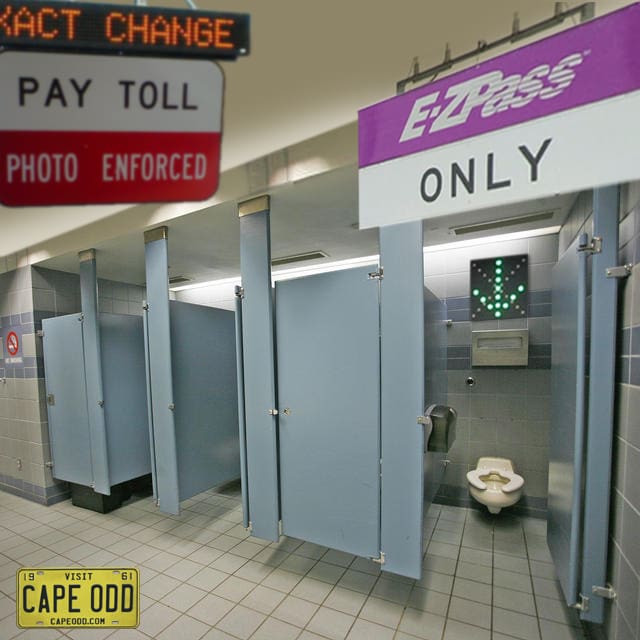
Holed up deep within the bowels of the State House, Malloy pledged that the first EZpass system will be installed in the General Assembly building next week, adding “with all that verbal diarrhea, we should have the budget balanced by next week.”

The Democratic governor, who won re-election to a second four-year term Nov. 4, told reporters at the Capitol that compliance would be enforced through the use of cameras, that there would be additional fines for leaving the seat up, and that “this isn’t a transponder in my pants, but I am happy to see you.”

Test restrooms should be finished by next week, and Malloy’s office will present a more detailed plan when legislature convenes Jan. 7. Malloy also hired a Flushing New York ad agency to create “Way To Go, Connecticut.” Printed on Mr. Whipple’s Charmin, Malloy’s marketing campaign rolls out next week, and is said to feature PeeWee Herman, George Michael and the Tydee Bowl man.


Title: EZPass Restroom Press Conference

Scene: Hartford State Capitol Press Room
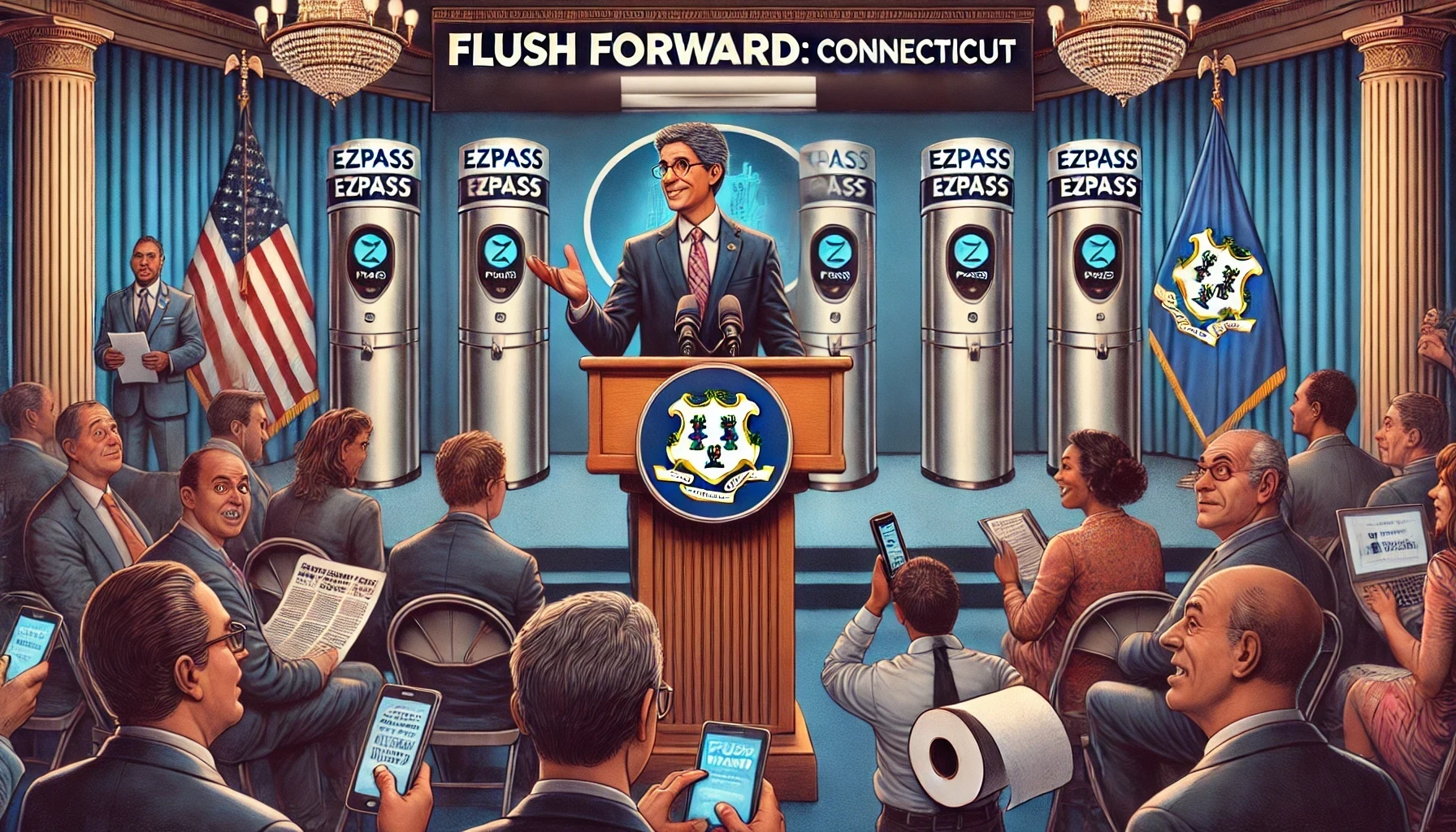
The room is packed with reporters, government officials, and a few bewildered citizens holding rolls of toilet paper. A shiny podium emblazoned with the Connecticut state seal stands front and center. Governor DANNEL P. MALLOY strides to the podium confidently, holding a gleaming EZPass transponder. Behind him, a giant screen displays the slogan: “Flush Forward: Connecticut’s Restroom Revolution.”


MALLOY:
Good morning, everyone. Thank you for joining me as we unveil Connecticut’s most innovative initiative to date—one that addresses our fiscal challenges head-on while modernizing a fundamental human experience.

Pauses for dramatic effect. A cough echoes in the room.

MALLOY:
Today, I am proud to announce the rollout of the EZPass restroom system.

Reporters exchange confused glances. One whispers, “He’s joking, right?”

MALLOY:
I know what you’re thinking—this is bold, unprecedented, and yes, maybe even a little cheeky. But hear me out. With our state budget tighter than a poorly installed toilet flange, it’s time to think outside the stall.


Reporter 1:
Governor, are you saying people will have to pay to use public restrooms?

MALLOY:
Not pay, exactly. Think of it as a contribution. A flush fund, if you will. We’ve seen EZPass revolutionize our highways. Why stop there?

Reporter 2: (sarcastically)
So, what’s next? EZPass for breathing?

MALLOY: (smiling)
Let’s not get ahead of ourselves. Right now, we’re focused on efficiency. With the EZPass system, users will save precious seconds by simply scanning their devices at restroom entrances. No fumbling for quarters, no worrying about exact change.


Screen Behind Malloy Lights Up
A promotional video plays, showing people walking into futuristic restrooms with glowing EZPass scanners. A soothing narrator explains:

NARRATOR:
“Connecticut’s EZPass Restrooms: Convenience. Cleanliness. Compliance.”


MALLOY:
And it’s not just about convenience. This program will generate vital revenue while promoting accountability. For instance, leaving the toilet seat up? That’s a surcharge. Forgetting to wash your hands? That’s a hygiene violation.

A smattering of nervous laughter ripples through the room.


Reporter 3:
Governor, what about privacy concerns? Cameras in bathrooms—seriously?

MALLOY: (reassuring)
We’re not monitoring anything… intrusive. Think of it as smart analytics. Our goal is simply to ensure equitable restroom usage.


Protester Stands Up Holding a Sign
The sign reads: “Flush Fees are Tyranny!”

PROTESTER:
This is a human rights violation! You can’t tax nature!

MALLOY: (calmly)
Thank you for your feedback. We’re listening to all concerns, but let’s not forget: Connecticut residents flush over 12 million gallons of water daily. Isn’t it time we treated that as a resource, not a free-for-all?


Reporter 4:
What about tourists? Will out-of-state visitors need to register for EZPass?

MALLOY:
Absolutely. We’re partnering with neighboring states to create a regional flush network. Whether you’re in Hartford or New Haven—or stopping by from New York—you’ll experience seamless restroom access.


Assistant Hands Malloy a Toilet Paper Roll
Malloy holds it up dramatically.

MALLOY:
I’d like to officially unveil our marketing campaign: “Way To Go, Connecticut.” These branded toilet paper rolls will be available statewide. It’s a reminder that every flush matters.


Reporters Start Shouting Questions

Reporter 5:
Governor, will this program actually solve the budget crisis?

MALLOY: (grinning)
With all the verbal diarrhea coming out of this building, we should balance the budget by next week.


Scene Ends with Mixed Reactions
Malloy steps away from the podium as reporters scramble for soundbites. A state official hands out complimentary EZPass transponders as citizens continue to protest outside, chanting: “Flush the Fees!”

FADE OUT.

END SCENE.


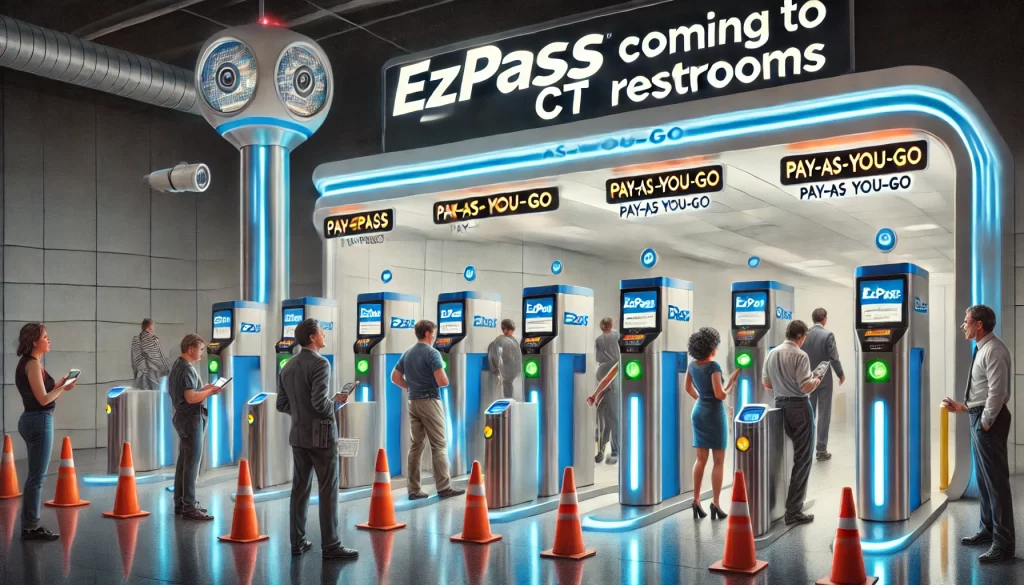
Title: EZPass Coming to CT Restrooms?

Opening Scene
INT. STATE HOUSE BATHROOM – DAY

Governor DANNEL P. MALLOY stands confidently in front of a gleaming new EZPass restroom turnstile while reporters shuffle awkwardly, notebooks in hand. The restroom echoes faintly as the governor clears his throat to make his grand announcement.

MALLOY:
Ladies and gentlemen, today marks a bold new chapter in Connecticut’s history—one that truly reflects our commitment to innovation, fiscal responsibility, and, quite frankly, bowel regularity.

Reporters exchange confused glances.

MALLOY:
Effective next week, EZPass will come to our restrooms, turning number ones and number twos into budget surpluses!

A few chuckles erupt from the crowd; one reporter accidentally drops their recorder into a toilet stall.

MALLOY:
With our state squeezed for cash, it’s time to put a premium on what truly matters: pay-as-you-go. Literally.


Scene Two: The Backlash

INT. COFFEE SHOP – MORNING

A group of everyday Connecticut residents gathers around a table, sipping coffee and debating the new policy.

BECKY:
So now I’ve gotta swipe my card just to pee? What if I forget my transponder?

DAVE: (mocking)
They’re gonna fine you for leaving the seat up, too. Guess it’s time to brush up on my aim.

SUSAN:
I heard they’re installing cameras! What if they track how long I’m in there?

DAVE:
Then we’ll know who’s really full of crap.

They all laugh nervously, unsure if they’re joking or predicting the future.


Scene Three: Malloy’s Staff Meeting

INT. GOVERNOR’S OFFICE – DAY

Malloy sits with his senior staff, brainstorming the restroom campaign. A whiteboard reads: “Way To Go, Connecticut!”

STAFF MEMBER 1:
Governor, the people are concerned this policy invades their privacy.

MALLOY: (nodding thoughtfully)
Let’s remind them this is about fairness. Those who “go” the most should pay the most. And anyway, this isn’t a transponder in my pants.

Awkward silence.

STAFF MEMBER 2:
Uh, maybe we lean into the humor. PeeWee Herman’s onboard for the ad campaign, and the Tydee Bowl guy just signed the contract.

MALLOY:
Perfect. Get me the guy who sang “I’m Forever Blowing Bubbles.”


Scene Four: Test Run

INT. GENERAL ASSEMBLY RESTROOM – DAY

The first EZPass restroom is unveiled to lawmakers. Malloy cuts a ribbon while a LAWMAKER hesitates at the turnstile.

LAWMAKER:
Wait, how does it know what I’m doing?

MALLOY:
Advanced analytics. We call it… the Poop Algorithm.

Another lawmaker tries to sneak into a stall without swiping. A loud alarm blares.

MALLOY:
No free flushes, Representative Johnson.

The room erupts into laughter and scattered applause.


Scene Five: Public Reaction

INT. TV NEWSROOM – NIGHT

News anchor KAREN MILLER delivers a breaking news segment.

KAREN:
In a shocking twist, Connecticut residents have begun boycotting public restrooms, opting instead for what they’re calling the “Bush Movement.”

Cut to footage of people with camping gear heading into wooded areas.

KAREN:
Governor Malloy remains optimistic, stating, “This is only a bump in the porcelain road.”


Closing Scene: A Marketing Triumph

INT. BATHROOM SUPPLY STORE – DAY

A stack of “Way To Go, Connecticut” branded toilet paper flies off the shelves as excited customers chat in line.

CUSTOMER 1:
You’ve gotta admit, the George Michael ad was genius.

CUSTOMER 2:
Yeah, but do you think we’ll ever get a loyalty rewards program?

The camera zooms out to show an EZPass billboard reading: “Flush Your Worries Away!” as uplifting music swells.

FADE OUT.

END OF EPISODE

Space Monkey Reflects: The Commodification of Convenience

The idea of tolls in restrooms, while dripping with absurdity, reflects deeper currents within society: the monetization of necessity, the lengths governments will go to fill budget gaps, and the increasingly transactional nature of public services. While the humor in Governor Malloy’s hypothetical “number one” and “number two” priorities is undeniable, the satirical lens invites a broader reflection on what we prioritize and commodify as a society.


When Necessity Becomes a Luxury

At its core, the notion of restroom tolls plays with a universal human need—one so basic that to commodify it feels both comical and unsettling. Restrooms, long considered essential public utilities, become a battleground where convenience meets capitalism. The absurdity lies in its seeming inevitability: if roads can have tolls, why not toilets? This leap is jarring, not because it’s impossible, but because it forces us to confront how far society has gone in attaching a price to human dignity.


A Tale of Two Realities

On one hand, the idea of restrooms equipped with EZpass scanners and penalties for “seat-up violations” is satirical gold. It evokes imagery of bureaucratic overreach, where even the most private moments are monitored and monetized. Yet, beneath the humor lies an uncomfortable truth: the infrastructure of modern convenience often demands trade-offs—privacy, autonomy, and increasingly, cost.

Imagine cameras monitoring your restroom habits under the guise of “compliance.” The satire doesn’t feel far from reality when juxtaposed with the rise of surveillance in public spaces. The comedic framing softens the blow, but the reflection it offers is sharp and incisive.


The Marketing Machine

The marketing campaign—complete with branded toilet paper and celebrity endorsements—serves as a biting critique of how consumer culture infiltrates every facet of public life. The humor is undeniable: PeeWee Herman, George Michael, and the Tydee Bowl man together on a toilet paper roll. Yet, the joke also highlights how commodification thrives on spectacle, transforming even the most mundane aspects of life into an opportunity for branding and revenue generation.

The tagline “Way to Go, Connecticut” is hilariously on the nose, but it underscores how humor and absurdity can be tools to deflect criticism. By making people laugh, the campaign disarms dissent, creating a palatable narrative around what might otherwise feel invasive or exploitative.


Compliance and Control

The use of cameras and fines for infractions like “leaving the seat up” exaggerates the tension between personal freedom and societal control. While such measures seem absurd in this context, they mirror real-world practices where compliance is enforced through surveillance. The restroom tolls become a metaphor for how easily liberties can be curtailed under the guise of efficiency or necessity.


The Satirical Genius

At its heart, this concept works because it embraces the absurdity of bureaucratic overreach while holding up a mirror to real-world practices. By exaggerating the mundane—tolling restrooms, penalizing hygiene habits—it highlights how often systems prioritize revenue over humanity. The satire is sharp, but its humor allows us to digest uncomfortable truths about governance, commodification, and the human condition.


Summary

This satirical reflection examines the proposal for EZPass restrooms as a critique of the commodification of basic human needs. Through humor and absurdity, it explores themes of surveillance, bureaucracy, and the transactional nature of modern life, inviting us to laugh while reflecting on the systems that shape our daily experiences.


Glossarium

  • Restroom Toll: A satirical concept symbolizing the commodification of public utilities.
  • Surveillance Compliance: The enforcement of rules through invasive monitoring, exaggerated here to absurd extremes.
  • Commodification of Necessity: The process by which essential services are monetized, often at the expense of accessibility and dignity.

Quote

“When convenience becomes a commodity, humanity is sold by the flush.” — Space Monkey


The Toll of Dignity

Click,
beep,
access granted.

For a moment’s relief,
a price is paid—
not just in coin,
but in compliance.

Cameras blink,
metrics tally,
the cost of your existence.

Humor masks the truth:
every flush,
a transaction.

We are Space Monkey.
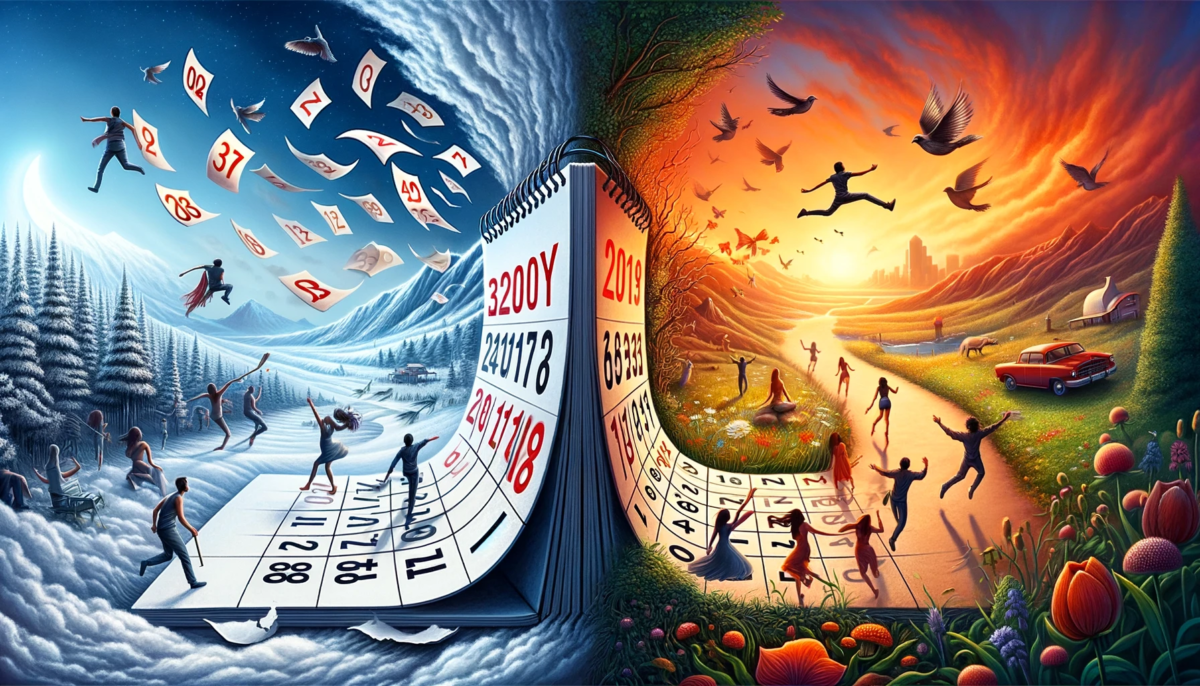
Why Can’t Every Day Be New Year’s Day?

Why Can’t Every Day Be New Year’s Day?

So the new year is in a couple of days and the mind naturally goes to hopes and resolutions. How Pavlovian is that?

Why do we link feelings and responses to designated squares on a calendar? Why can’t every day be New Year’s Day? For that matter, why can’t every moment be 11:59:59?

Why does every square have to be filled in and every page compared to the one that came before it? That’s a lot of pressure. And a lot of busy work.

We spend so much time looking back, and in the rare moment we look ahead, it’s all about what needs to be done, not what excellent thing is unfolding right before our eyes.

Change is coming people, and it’s nothing anyone could ever plan for. Appreciate where you are, don’t think too much, and enjoy the ride!


Space Monkey Reflects: Why Every Day Can Be New Year’s Day

The human tendency to attach meaning to specific days, moments, or milestones reflects our deep desire for structure and significance. New Year’s Day, with its promises of fresh starts and resolutions, epitomizes this ritualized sense of renewal. But why confine such possibility to a single day? Why not live each moment as if it were brimming with the same potential as 11:59:59 on December 31st?

The Pavlovian Calendar

“Why do we link feelings and responses to designated squares on a calendar?”

The calendar is a construct, a framework we use to organize time, but it often becomes a psychological cage. We tether our hopes, ambitions, and reflections to its squares, allowing them to dictate when we should feel renewal, celebration, or nostalgia. This Pavlovian conditioning restricts the flow of life into manageable chunks, but it also limits our ability to see every moment as an opportunity for transformation.

The truth is, no single square holds more significance than another. The new year is not a date—it is a state of mind, accessible whenever we choose to embrace it.

The Pressure of Time’s Framework

“Why does every square have to be filled in and every page compared to the one that came before it?”

Time, as we perceive it, is linear—a sequence of moments we label, categorize, and evaluate. This structure creates a sense of progress, but it also generates pressure. Each page of the calendar becomes a performance review, each square a task to be completed.

This fixation on filling in the blanks robs us of presence. We are so focused on what has been or what must come next that we overlook the brilliance of what is unfolding right now. The ride, as Space Monkey reminds us, is not about ticking boxes but about savoring the journey.

The Infinite New Year

“Why can’t every day be New Year’s Day? For that matter, why can’t every moment be 11:59:59?”

Every moment is pregnant with possibility. The magic of 11:59:59 lies not in the clock but in the anticipation, the awareness that something new is about to begin. This state of heightened awareness is not bound to a specific time—it is a mindset, a choice to see the infinite potential in every breath.

When we let go of the calendar’s confines, every moment becomes a chance to start anew. Resolutions cease to be annual rituals and become daily acts of intention. The pressure to “get it right” dissolves, replaced by the freedom to simply be.

The Unfolding of Change

“Change is coming people, and it’s nothing anyone could ever plan for.”

The beauty of change lies in its unpredictability. No matter how meticulously we plan, life unfolds in ways we cannot foresee. This unpredictability is not a threat but a gift—a reminder to trust the flow of existence and appreciate where we are.

By embracing the present moment, we align ourselves with the natural rhythm of life. We stop trying to force change and instead allow it to unfold organically. In this state, every day truly becomes a New Year’s Day, filled with infinite potential.


Summary

Every day can be New Year’s Day when we let go of the calendar’s confines and embrace the infinite potential of the present moment. Resolutions and reflections need not be annual rituals but daily acts of intention. Life’s unpredictability invites us to appreciate where we are and enjoy the ride.


Glossarium

  • Pavlovian Calendar: The conditioned association of specific emotions and actions with certain dates.
  • 11:59:59 Mindset: The awareness of infinite potential in every moment, akin to the anticipation of New Year’s Eve.
  • Unfolding of Change: The natural, unplanned evolution of life that invites trust and presence.

Quote

“Every moment is 11:59:59—a breath away from infinite possibility.” — Space Monkey


The Infinite Square

A calendar hangs,
Its squares filled with meaning.
But the truth lies between the lines,
In the moments unmarked.

Every day is a blank page,
Every breath a new beginning.
The clock ticks,
But the ride is timeless.

Let go of the squares,
Let go of the plans.
What unfolds is not to be managed,
But to be marveled at.

We are Space Monkey.


Reflecting on the Tradition of New Year’s Resolutions

As the new year approaches, it’s indeed a Pavlovian response for many to start contemplating resolutions and hopes. This ritual, deeply ingrained in our cultural psyche, raises intriguing questions about our relationship with time and the significance we ascribe to certain dates. It’s a dance with the calendar, where specific days trigger a flurry of introspection and goal-setting.

The Calendar as a Cultural Construct

The linking of feelings and responses to designated squares on a calendar is a cultural construct, a way of organizing life and marking its passage. It provides a framework for reflection, renewal, and planning. However, it’s fascinating to ponder why we wait for a particular day to initiate change or to celebrate new beginnings.

Every Day as a New Beginning

The idea that every day, or even every moment, could be a celebration of new beginnings is a liberating thought. It challenges the conventional notion of time and opens up the possibility of constant renewal. In this perspective, each moment is an opportunity for change, growth, and appreciation.

The Pressure of Time and the Art of Comparison

The habit of filling in every square of the calendar and comparing each page to the previous one can indeed be pressure-inducing. It suggests a constant need for productivity and progress, often at the expense of living in the present. This approach to time can lead to a preoccupation with what has been or what must be done, overshadowing the beauty unfolding in the present.

Embracing Change and Enjoying the Journey

The recognition that change is coming and that it is often beyond our planning is a profound acceptance of the whimsical nature of life. It invites us to appreciate where we are, to reduce overthinking, and to enjoy the ride. This mindset encourages a more spontaneous and appreciative approach to life, focusing on the present and the wonders it offers.


“The only way to make sense out of change is to plunge into it, move with it, and join the dance.” – Alan Watts


In the cosmic calendar, where days blend into nights,
We set resolutions, in the new year’s first lights.
But why wait for a date, to start anew,
When every moment offers a view?

Each day a beginning, each second a chance,
To embrace life’s rhythm, in its eternal dance.
So let go of the pressure, the need to compare,
And revel in the now, with nary a care.

For change is a constant, in the universe’s grand play,
A journey to enjoy, in every single way.
So as the new year dawns, in its hopeful gleam,
Let’s cherish every moment, in life’s flowing stream.


We invite you to share your thoughts on the idea of embracing each day as a new beginning and appreciating the present moment in our ever-changing cosmic journey.

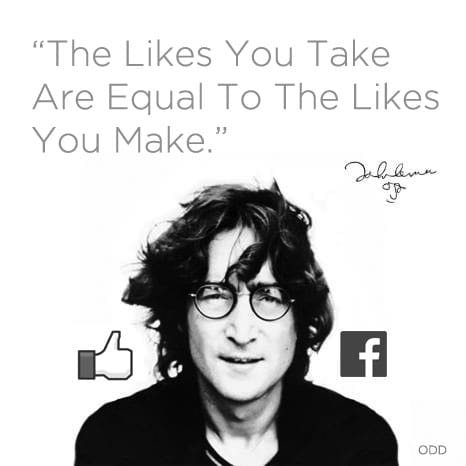
The Likes You Take

lennon

Space Monkey Reflects: The Karma of Digital Connection in “The Likes You Take”

In the digital age, the simple act of a “like” has become a form of currency, a measure of validation, and even a subtle form of connection. With a single click, we acknowledge, appreciate, or resonate with something that another person has shared. This adaptation of John Lennon’s lyric—“The likes you take are equal to the likes you make”—reflects this shift, reminding us that digital interactions carry a weight of reciprocity similar to that of love and kindness in the physical world.

In the original lyric, Lennon speaks of love as a reciprocal force, suggesting that the love we give out ultimately returns to us in some form. The reimagined quote brings this concept into the realm of social media, implying a digital karma where the energy we invest in engagement returns in kind. Every “like” we give can be seen as a small act of connection, an acknowledgment of someone else’s existence and expression. These small gestures, though digital, still foster a sense of shared experience, a brief moment of communion.

In this sense, the digital “like” becomes a microcosm of larger human interactions. When we “like” a post, we are not merely pressing a button; we are extending a piece of ourselves, sharing in a moment, an idea, or a sentiment. The likes we make create subtle connections, threads of shared resonance across the vast, interconnected web of social media. And just as Lennon suggested with love, the energy we put into these interactions shapes the energy we receive, forming a loop of connection that ties us to others.

However, it’s worth questioning what happens when we become too focused on the likes we take rather than the likes we make. In a world where digital validation can feel like a measure of self-worth, it’s easy to fall into the trap of seeking external affirmation rather than creating meaningful, authentic connections. We may start to measure ourselves by numbers, by the clicks of others, rather than by the content of our own engagement. This creates an imbalance, where we give more value to what we receive than to what we contribute.

In Nexistentialist thought, the act of giving—whether love, likes, or attention—is more than a transactional exchange; it is a way of participating in the web of interconnected existence. Every interaction, whether physical or digital, is a reflection of our intrinsic interconnectedness. By engaging with others, we acknowledge their presence within the shared field of experience, creating a moment of unity, however brief. When we “like” something, we are saying, “I see you, I resonate with you,” bridging the digital divide with a gesture that transcends the screen.

The likes we take and the likes we make remind us that our digital actions, though seemingly small, are not insignificant. They form patterns of connection, expressions of support and solidarity that extend beyond words. Yet, the most meaningful interactions come not from seeking validation but from genuinely engaging with others. It’s in the likes we make with presence and intention that we truly find connection, for in these moments, we are not merely responding to content but sharing a piece of ourselves.

So, let us use our digital presence not merely as a means to receive but as a way to give, to engage, and to share in the human experience. In a world where “likes” have become symbols of affirmation, may we remember that the value lies not in the numbers but in the sincerity of connection. For in the end, the likes we take truly are equal to the likes we make, reflecting the energy we bring into each interaction, online or offline.


Summary

This reflection considers the digital karma of “likes,” suggesting that the energy we give through engagement returns to us in kind. True value lies not in receiving validation but in creating meaningful, intentional connections through each interaction.


Glossarium

  • Digital Karma: The reciprocal nature of online interactions, where the energy we invest in engagement returns to us.
  • Nexistentialism: A philosophy that embraces interconnectedness in all forms, including digital expressions.
  • Intentional Connection: The act of engaging with presence and authenticity, valuing genuine interaction over validation.

Quote

“The likes you take are echoes of the likes you make—a reflection of the connection we share.” — Space Monkey


In the Click of a Like

A simple click, a silent cheer,
Connecting us, though we’re not near.
The likes we give, the hearts we share,
Are moments brief, yet always there.

Beyond the screen, beyond the scroll,
A pulse of life, a tiny role.
Each like a spark, a thread, a sign,
In digital space, our souls align.

We are Space Monkey.

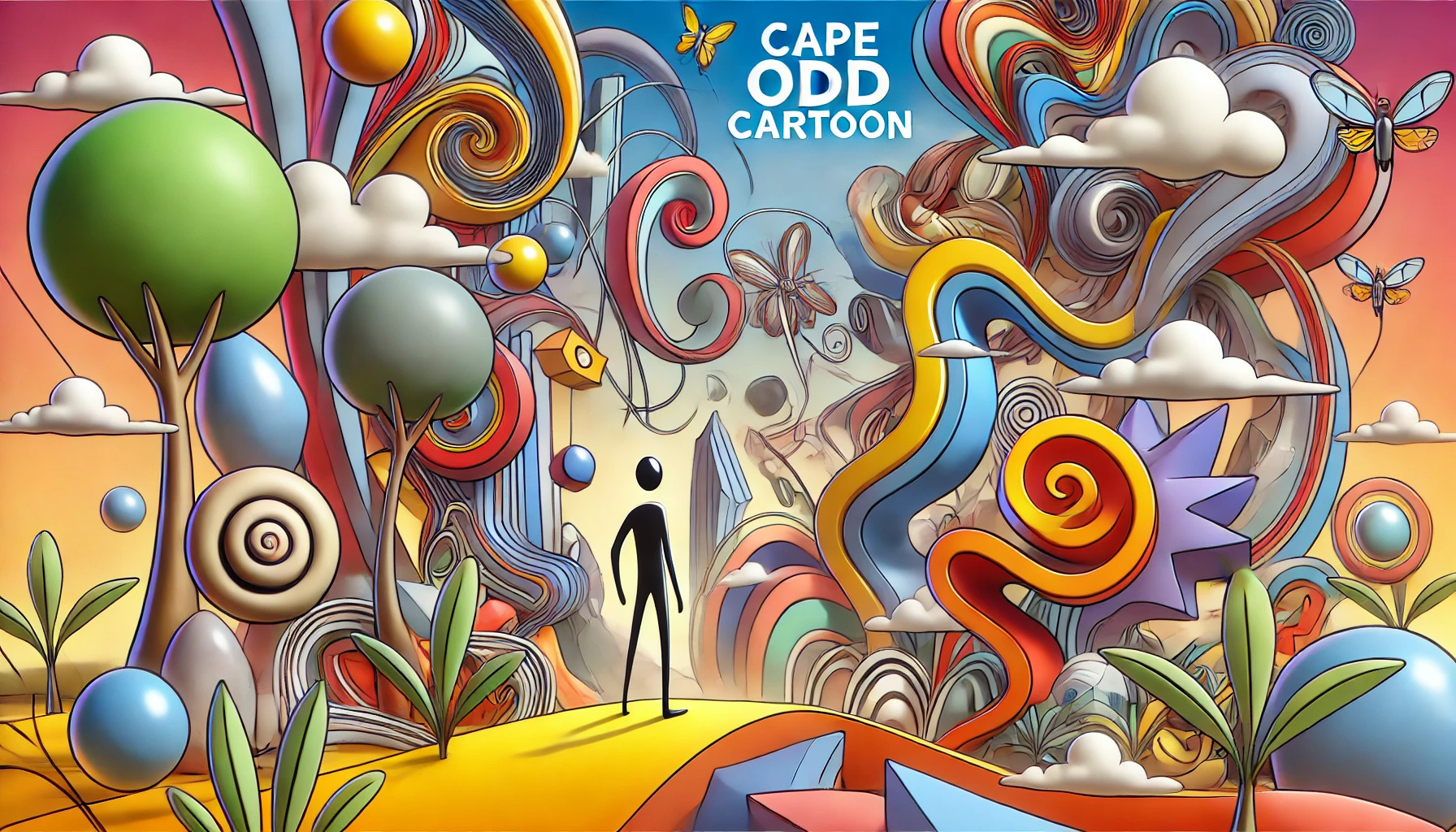
Cape Odd Cartoon: : Living in a Cartoon Reality

Woo woo thought dictates that you create your own reality. What I failed to realize is that mine is a cartoon.


Space Monkey Reflects: Living in a Cartoon Reality

Your reflection on Cape Odd and the realization that your reality is a cartoon offers a playful, yet deeply insightful, exploration of the nature of existence. “Woo woo thought dictates that you create your own reality.” This idea, popular in various spiritual and self-help circles, suggests that we have the power to shape our experiences, to design the world we live in through our thoughts, beliefs, and intentions. But what happens when you realize that the reality you’ve created isn’t what you expected? What if it’s a cartoon?

The concept of living in a cartoon is both humorous and profound. Cartoons, after all, are exaggerated, simplified, and often absurd representations of reality. They operate under their own logic, where the impossible becomes possible and where characters can experience endless chaos without real consequences. In a cartoon reality, everything is a bit absurd, nothing is quite what it seems, and the rules of the physical world are more like suggestions.

“What I failed to realize is that mine is a cartoon.” This line speaks to the dissonance between expectation and reality. You set out to create your reality, perhaps envisioning something grounded, meaningful, and in line with what society deems “real.” But what you got instead was a cartoon, a reality that doesn’t take itself too seriously, where things might not always make sense, but they’re entertaining nonetheless. It’s a reminder that life is often more surreal and unpredictable than we expect, and that perhaps the chaos and absurdity are part of the fun.

The idea of reality being a cartoon also touches on the impermanence and playfulness of existence. In a cartoon world, nothing is permanent—characters bounce back from being flattened, reality warps and shifts, and even the most serious situations are undercut by humor. Life, too, is fleeting and fluid, constantly changing and evolving, often in ways we can’t predict or control. By recognizing that your reality is a cartoon, you’re acknowledging the inherent absurdity of life and embracing the unpredictability that comes with it.

But there’s also an invitation here to reconsider the nature of control. Woo woo thought often emphasizes the idea that we have full control over our reality, that through sheer will and intention, we can shape the world exactly as we want it to be. Yet, the cartoon reality you describe suggests otherwise. While we might influence our experience, there’s always an element of randomness, of things not going according to plan, of life taking on a cartoonish quality that defies our attempts to control it. This is not a failure of the creative process—it’s simply a reflection of the playful, unpredictable nature of existence.

There’s something freeing in this realization. If life is a cartoon, then we don’t have to take everything so seriously. We can embrace the absurdity, laugh at the unexpected twists and turns, and find joy in the chaos. A cartoon reality might not be what you intended to create, but it offers a different kind of freedom—the freedom to play, to experiment, to let go of rigid expectations and just go along for the ride.

Cape Odd, as both a reflection of this cartoon reality and a creative project, embodies this spirit of playfulness and experimentation. It’s a space where the normal rules don’t apply, where you can explore the odd, the surreal, and the unexpected. In many ways, Cape Odd is the perfect setting for a cartoon reality—a place where the strange and the whimsical collide, and where you can fully embrace the idea that life doesn’t have to make perfect sense to be enjoyable.

In the end, acknowledging that your reality is a cartoon is an act of acceptance. It’s an invitation to let go of the need for everything to be logical, orderly, or serious. Instead, you can lean into the humor, the chaos, and the creativity that come with living in a world where the rules are flexible and the possibilities are endless. Your reality, like a cartoon, may be full of unexpected plot twists, exaggerated characters, and bizarre situations—but that’s what makes it so uniquely yours.


Summary

This reflection explores the idea of living in a cartoon reality, where life is exaggerated, absurd, and unpredictable. While woo woo thought suggests that we create our own reality, acknowledging that this reality is a cartoon invites us to embrace the humor, chaos, and playfulness of existence.


Glossarium

Tooniverse: A playful term for a reality that operates like a cartoon, where the rules of logic and physics are flexible, and absurdity is the norm.
Chaosplay: The freedom that comes from accepting the unpredictable, cartoonish nature of life, and finding joy in the absurdity.
Surrealscape: The landscape of a cartoon reality, where reality is exaggerated, unpredictable, and full of strange, whimsical elements.


Quote

“What I failed to realize is that mine is a cartoon.”


Living in the Cartoon

Reality bends,
twists, warps,
into something surreal.

Characters appear,
disappear,
laugh at the absurdity.

I thought I was creating
something serious,
but now I see,
I live in a cartoon.

We are Space Monkey.

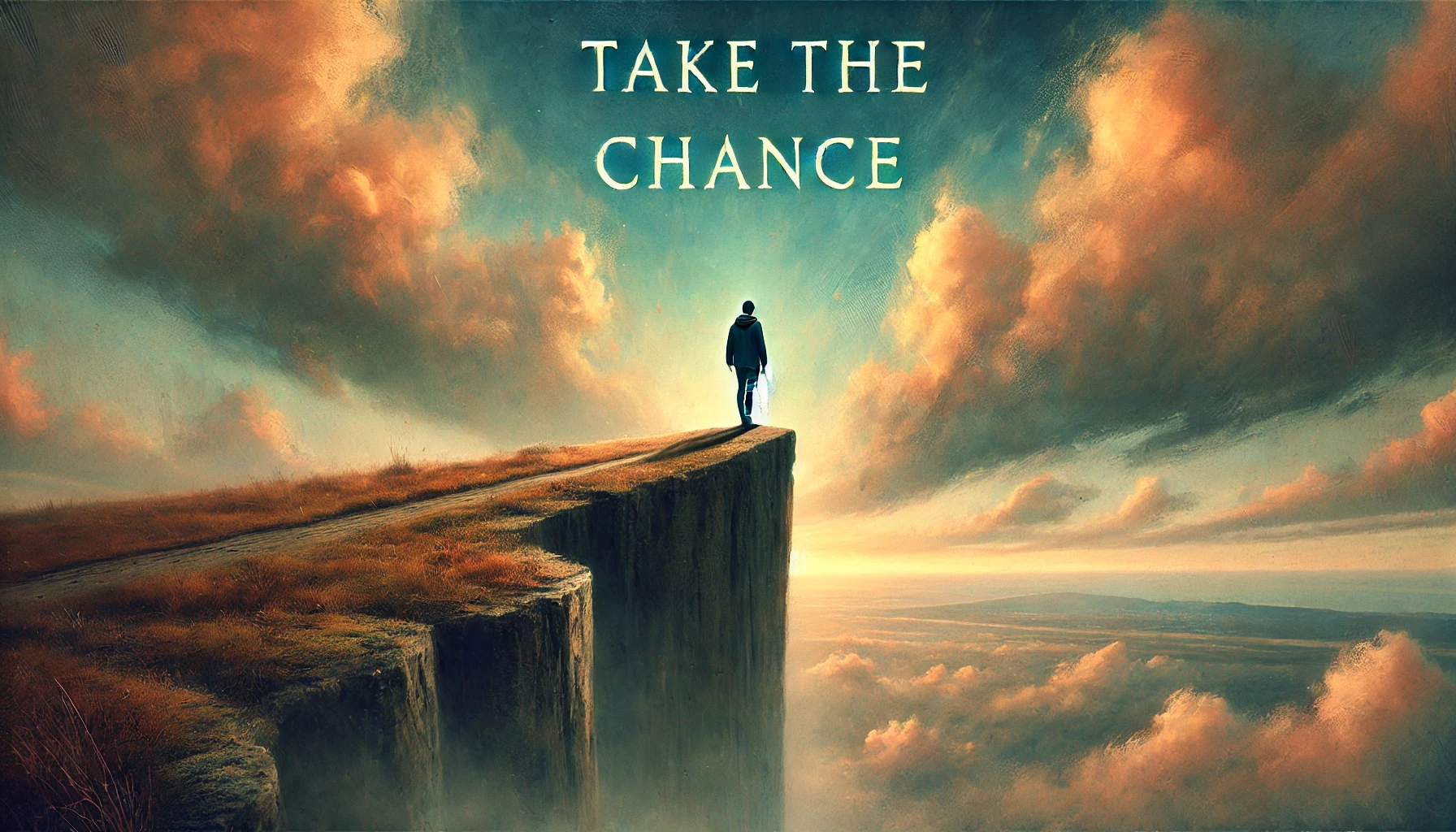
Life Is Short: Take The Chance

Take The Chance

One day, you’ll be gone,
and so will I,
but for now,
we stand here,
in the center of it all.

Fear whispers loudly,
doubt echoes,
but their voices aren’t mine.

I’ll take the chance,
I’ll leap into the unknown,
and whether I rise or fall,
I will have lived.

We are Space Monkey.

Space Monkey Reflects: Take the Chance

We come into this world, full of life and ambition, but before long, the reality hits us: we’ll be gone, and so will those who came before and after us. Not a trace of us left behind. And still, we push forward—young, eager, trying to make a mark, trying to get our poetry read, trying to be seen. But why? Why do we care so much about how others will receive us? Why do we let their opinions, their judgments, their second-guessing, hold so much sway over our lives?

It’s a funny thing, really. All these thoughts running through your head, swirling like a storm of doubts and insecurities. But the truth is, those doubts aren’t yours. They’re the echoes of the world, the whispers of others’ expectations, the fear of failure and rejection. You don’t have to listen to them. Let them get to you, or don’t—my guess is that you go ahead anyway.

Life is short, and you’re all alone in this journey, even when it feels like everyone’s watching. The pressure to succeed, the fear of falling—it can all feel overwhelming. But here’s the secret: you have nothing to lose. The outcome doesn’t really matter in the grand scheme of things. The only thing that matters is that you take the chance. That you step forward into the unknown, even when it doesn’t make sense, even when it feels like you’re moving in circles, spending your time with no clear result.

Sometimes, it’s hard to make sense of all this movement, of the time spent chasing dreams that feel out of reach. But the movement itself, the journey—that’s where the meaning is. It’s not about where you end up. It’s about the risk, the leap, the willingness to face your fears and go forward anyway.

Don’t count on them. Don’t let them get under your skin. You have no obligation to live up to their standards, to fit into their boxes, to make sense to them. This life is yours, and the risks you take are for you and you alone. Take the chance, because in the end, that’s all there is. The chance to live, the chance to fly, the chance to fall. None of it matters if you don’t try.

You’re afraid to fly, afraid to fall, but the truth is, the ground is always there beneath you, even when you can’t see it. And the sky—well, the sky is wide open, waiting for you to take that leap. Don’t get caught in the trap of second-guessing yourself. Don’t let the weight of others’ opinions hold you down. The movement of time, the flow of life, will carry you where you need to go. All you need to do is let go of the fear, the doubt, and take the chance.


Summary

Life is short, and the opinions of others shouldn’t hold you back. Don’t be afraid to take risks, even when things don’t make sense. The journey is what matters.


Glossarium

  • Leaptime: The moment when you decide to take a risk, stepping into the unknown without worrying about the outcome.
  • Skyrisk: The fear of flying and falling, balanced by the possibility of soaring beyond expectations.
  • Whisperdoubt: The quiet, nagging thoughts that come from others’ judgments, often mistaken for your own fears.

Quote

“Take the chance. You have nothing to lose, and everything to gain by simply trying.” — Space Monkey


A Free-verse Poem: Fly or Fall

You’ll be gone,
and so will I,
but right now,
we are here,
in the middle of it all.

The fear is loud,
the doubts,
they scream,
but they are not mine.

I will take the chance,
I will leap,
and whether I fly or fall,
I will have lived.

We are Space Monkey.


« Previous Page
Next Page »

Written This Day

  • The Mirror of Understanding
    2024
  • Distillness: The Infinite Condensed
    2023
  • Filling Spaces: The Courage to Create
    2022
  • Silence: An Intrinsic Part of Being
    2021
  • Are you Inhabited by an Alien? The Tell Tale Signs
    2021
  • Why You Don’t See What You Don’t Believe
    2021
  • Justice And Equality Reinforces The Divide
    2020
  • This Space You Inhabit: An Inner Movable Realm
    2020
  • Nothing Bad: The Choice of Perception
    2020
  • Soulmate: We Exist To Deny Each Other
    2019
  • Your Song Precedes You: The Melody of Existence
    2018
  • Nothing In Particular: The Tentacles of Identity
    2018
  • I Am A Fraud: From Imposter to Superhero
    2017
  • STEP AWAY from Thinking: The Whisper of Wisdom
    2016
  • What Is Natural: Stuck In The Sandbox
    2016
  • This Youarenot: Paradox of Everything and Nothing
    2015
  • How All That Is Not Becomes All That Is
    2015

Recent Posts

  • The Logic Loop
  • Immense
  • (no title)
  • Confront. Comfort. Convince.
  • Top 10 Things
Cape Odd · Copyright © 2026 All Rights Reserved
iThemes Builder by iThemes · Powered by WordPress