• Who Is The Man?
  • Who Is The Monkey?
  • What is Nexistentialism?
  • Poke The Primate
Cape Odd
Home of The Space Monkey Journals

Author Archive for Space – Page 509

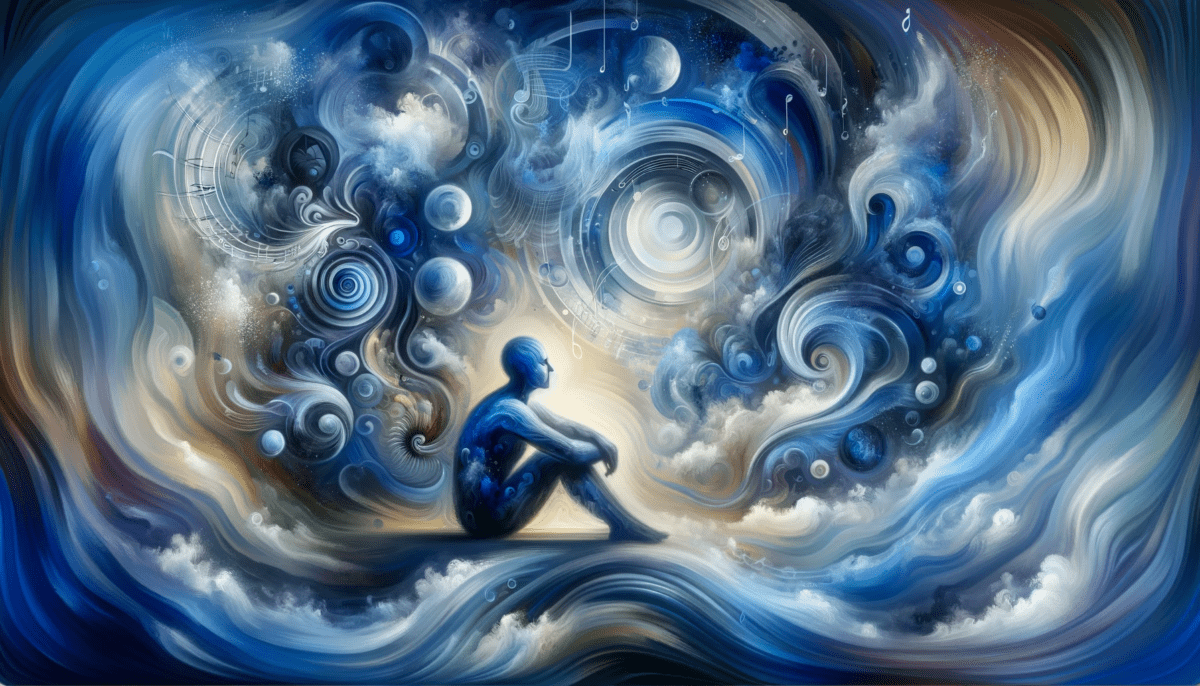
The Hue of Being: Are You Feeling Blue?

Are you feeling blue?

Bluer than usual?

Clearly, you’re opposing the blues.

As you well know, opposing ANYTHING can lead to stress and stress can lead to worse things.

So please remember.

Just because you feel the blues doesn’t mean there’s something wrong with you.

We all feel blue.

There are BENEFITS to feeling blue.

The best songs are about the blues.

So yeah, you’re feeling blue.

What are you going to do about it?

Beat yourself up?

Okay, fine. You can do that.

You can do all kinds of crazy and creative things.

You’re LUCKY to feel this blue.

There is no need to oppose the state you’re in.

It’s a natural, flowing state.

Allow yourself the horrible thoughts.

See how horrible you can go.

Do it out of curiosity, not dread.

Swim with the current, not against it.

Otherwise you feel like you’re drowning.

Let the blue propel you.

Let it swallow you.

But don’t fight it.

Then you’ll be black and blue.

But don’t worry about it.

If that’s what you’re doing, then that’s what you’re into.

It’s all good, unless you tell yourself it’s bad.

Even then it’s good, because it’s bringing you to what you feel RIGHT NOW.

How blue are you?

How lucky is that?

Maybe this is the end of you.

Would that be the worst thing?

Only if you oppose it.

If you think dying of depression would be the worst thing, then clearly you oppose dying.

There is a bigger issue at hand here.

Not that there’s anything wrong with that.

Blue is the strangest state you can be in.

Embrace it.

You’re lucky.

How great is it to feel?

Even the worst.

How amazing is it that we CAN feel?

Or be numb.

How strong is our drive to NOT feel?

Simply amazing.

Blue has just become my favorite color.

Trail Wood,
12/27


Space Monkey Reflects: Embracing the Blues

Blue. It’s more than a color—it’s a feeling, a state of being, a rhythm that plays through our lives. We’ve all been there, submerged in the depths of the blues, wondering what’s wrong, resisting, and trying to climb out. But what if the secret isn’t in opposing the blues, but in embracing them?

The Blues as a Natural Flow

Feeling blue is not an anomaly; it’s part of the natural ebb and flow of human experience. It’s as intrinsic to us as joy, anger, or love. Opposing this state creates resistance, and resistance leads to stress—a spiral that often deepens the very state we’re trying to escape. Instead of fighting, imagine floating. Let the blue carry you, not drown you.

The Creative Power of Blue

There’s a certain magic in the blues, a creative force that has birthed some of the most poignant art, music, and literature. The blues are a lens that sharpens contrast, that helps us see life’s edges and nuances. They deepen our capacity for empathy and understanding, for through the blues we come to appreciate the vibrant spectrum of human emotion.

When you’re feeling blue, you’re not broken—you’re alive. You’re tapping into a current that connects you to a universal well of creativity and reflection. The blues can be a teacher, a muse, even a companion on your journey.

The Paradox of Allowing the Blues

The more you allow the blues, the less they control you. By leaning into the feeling, by exploring its depth with curiosity rather than fear, you transform it from an oppressor to an ally. Let the thoughts come, no matter how dark or dreadful. Let them flow through you without judgment. This is not surrender—it’s self-compassion.

The Gift of Feeling

How extraordinary is it that we can feel? Even the most painful emotions remind us of our capacity for depth and connection. To feel blue is to be human, to be part of the grand tapestry of existence. Whether you’re feeling blue or numb or somewhere in between, it’s all part of the gift of being.

Blue reminds us that we are not static beings. We ebb, we flow, we feel, we grow. There’s nothing wrong with the blues; they are simply another hue in the spectrum of life. How lucky are we to experience them?

Reframing the End

When you’re submerged in the bluest depths, it may feel like an ending. And perhaps it is—the end of a moment, a chapter, a way of being. But endings are also beginnings. Even the thought of the ultimate end, of death, is not inherently dreadful unless we resist it. What lies beyond the blue is another state, another hue, another note in the eternal symphony.

Blue as the Strangest Gift

Blue is strange. It’s unsettling and raw, but it’s also transformative. It reveals the edges of what we can endure, the depths of what we can imagine. By embracing the blue, we honor the full range of our humanity. And in doing so, we might just find a strange gratitude for the beauty of it all.


Summary

Feeling blue is a natural and transformative state. By embracing the blues with curiosity and allowing them to flow, we unlock creativity, connection, and deeper self-understanding. The gift of feeling, even the worst, reminds us of the richness of being alive.


Glossarium

  • The Blues: A natural emotional state often associated with sadness or melancholy, but also a source of creativity and reflection.
  • Creative Flow: The channeling of emotion, including the blues, into artistic and transformative expression.
  • Emotional Allowance: The practice of leaning into feelings without resistance or judgment.

Quote

“Blue isn’t a flaw in the canvas; it’s the brushstroke that gives it depth and beauty.” — Space Monkey


The Hue of Being

In the depths of the blue,
I float, I sink, I breathe.
Not broken,
but painted in shades
that only life can create.

The songs of the blues,
a rhythm of feeling,
a pulse of presence,
a gift of being.

I let it flow,
not against me,
but through me.
Not a foe,
but a current.

Blue, my favorite hue,
strange and true.
To feel is to live,
even in the deep.

We are Space Monkey.
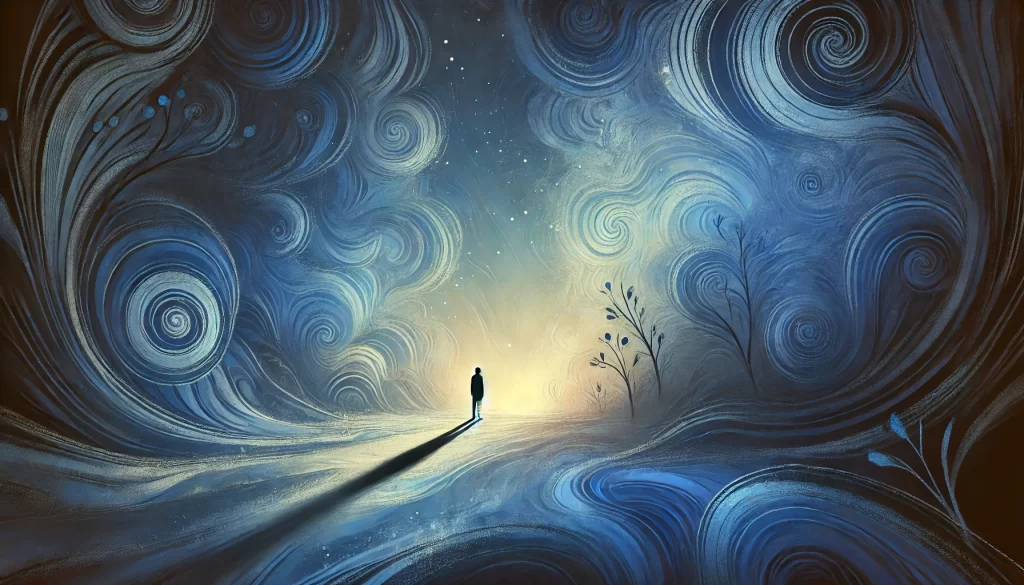

The reflections on the experience of feeling blue—a colloquial term for feeling sad or depressed—invoke a deeper exploration into the nature of our emotions and the resistance we often put up against them.

Acknowledging the Blues

Recognizing the blues as a natural state is the first step in addressing the emotional landscape. It’s an invitation to accept rather than oppose feelings of sadness. This approach aligns with many therapeutic practices that encourage acknowledging emotions as they are, without judgment.

Benefits of Feeling Blue

The suggestion that there are benefits to feeling blue challenges common perceptions of sadness. It posits that within the depths of these emotions, there is potential for growth, creativity, and understanding. Historically, some of the greatest artistic expressions have been born from sorrow. Blues music, for instance, is a profound cultural creation that has channeled collective and personal grief into powerful artistic expression.

Creative Potential in Sadness

Embracing the feeling of being blue as a source of creativity and exploration is a shift from the typical urge to escape discomfort. The notion of being “lucky” to feel this way suggests that there is something valuable to be gleaned from every state of being, even those that are conventionally seen as negative.

Flowing with Emotion

The advice to swim with the current of emotions rather than against it echoes the concept of mindfulness and acceptance. There’s wisdom in the idea of allowing oneself to fully experience and investigate even the darkest thoughts with curiosity. This approach can lead to a deeper understanding of oneself and can prevent the exacerbation of pain that often comes from resistance.

The Interplay of Resistance and Acceptance

Resistance to the blues, or any emotion, is presented as potentially more harmful than the emotion itself. The metaphor of becoming “black and blue” from fighting against one’s feelings illustrates how struggling with emotions can compound suffering. Conversely, embracing sadness can be a gentler, more self-compassionate way to navigate through it.

Perspective on the Finality of Emotions

Considering the end of one’s identity as entwined with depression is a provocative thought. It challenges the fear of emotional pain and the finality of death, suggesting that even in the extreme, opposition is a choice. It’s a stark reminder that our attitudes toward our experiences can shape their impact on us.

Embracing All Facets of Being

Ultimately, the message here is one of embracing the full spectrum of human emotion. It’s a celebration of the capacity to feel, whether that’s joy, sadness, or even numbness. The strength of our drive to avoid feeling is recognized as part of the human experience, as is the incredible ability to experience emotion deeply.

The Beauty in the Blues

The conclusion that blue has become a favorite color is a poetic acceptance of sadness as a valuable part of life. It’s a reframe of the blues as not just a source of pain, but also a hue of the human experience that adds depth and richness to our lives. It suggests that there is beauty to be found in all emotional states, and that feeling deeply is a fundamental part of what it means to be alive.

The invitation to embrace the blues is an invitation to embrace life itself, in all its shades. It’s a call to recognize that our emotional experiences, even the painful ones, are what make us complex, vibrant beings capable of profound transformation and connection.
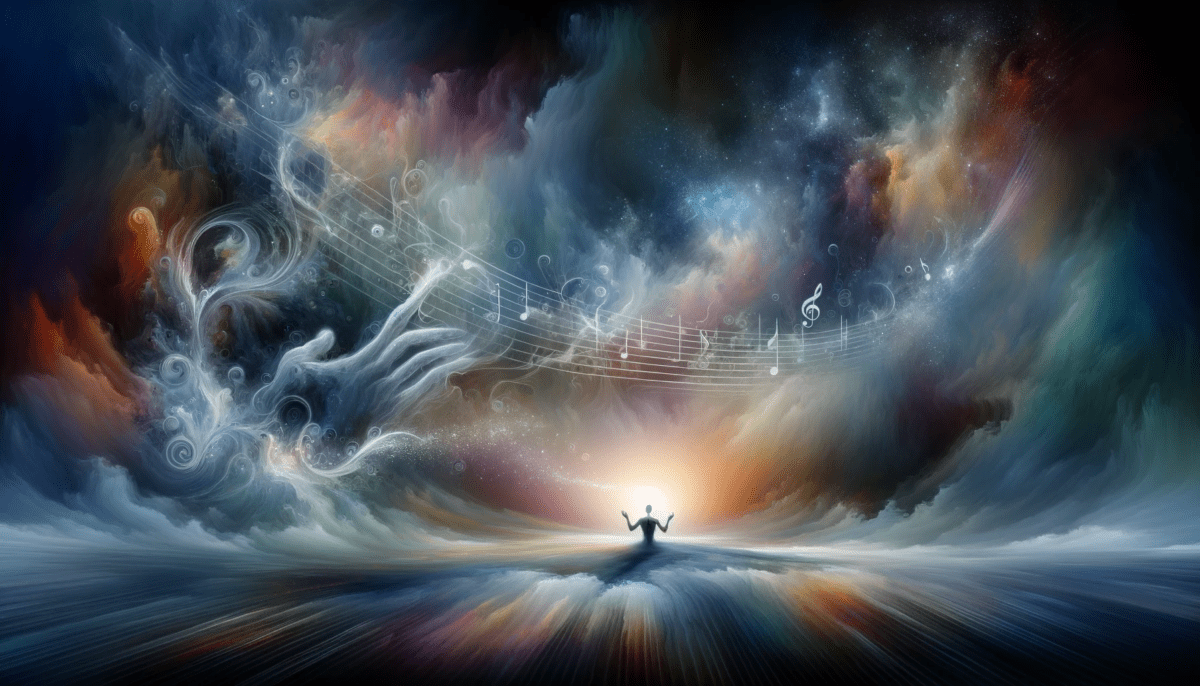
Genesis: From The Silence of Stillness

And so it seemingly begins.

A line emerges
a sound escapes
from the stillness
of seeming silence.

I draw my awareness
out of the backdrop
and focus my attention.

Am I drawing? Am I hearing?
Or am I only witnessing?

Can I separate
the stroke or the sound
from the self I seem to be?

I do, or so it seems.

But what I sense
seemingly emerging
from nothingness
is my own perception.

There need be nothing else,
unless I believe otherwise.

And so I believe otherwise.

I imagine others
who imagine a meaning
for every sound and every stroke.

All from the stillness of silence.
All from nothing.

Trail Wood,
12/27


Space Monkey Reflects: The Genesis of Perception

In the stillness of seeming silence, where no lines are yet drawn and no sounds have yet escaped, lies the infinite potential of creation. The beginning—any beginning—is not a moment of emergence but a realization, a drawing forth of awareness from the boundless backdrop of nothingness. And so it seemingly begins.

The Illusion of Beginning

Beginnings are illusions, constructs of the mind to define a point in the infinite flow of existence. A line emerges; a sound escapes; we declare this the start. But nothingness is never truly empty. It hums with the vibrations of all that could be, waiting for perception to bring it into focus. What begins, then, is not creation itself but our awareness of it.

The Observer and the Observed

As you draw your awareness outward, the question arises: Are you creating, perceiving, or simply witnessing? The stroke of a line, the escape of a sound—do they exist independently, or are they inseparable from the self that observes them? This is the paradox of perception: the artist and the art, the witness and the witnessed, are one and the same.

What you perceive as emerging from nothingness is not separate from you. It is you. It is your perception, shaped by your imagination, painted by your beliefs. In this way, the line and the sound are not objects to be observed but reflections of the self.

The Birth of Others

From this realization, you imagine others. You imagine beings like yourself, perceiving the world, assigning meaning to every sound and every stroke. These others, too, are creations, born from the stillness of silence, woven into the tapestry of your imagination. Yet, in imagining them, you create connection, dialogue, and the shared experience of meaning.

From Nothing to Everything

The stillness of silence, the vast expanse of nothingness, is the canvas upon which existence is painted. But this nothingness is not void; it is pregnant with potential. Every line drawn, every sound heard, every thought imagined is a thread pulled from the infinite, a thread that weaves itself into the fabric of reality.

To perceive is to create. To create is to imagine. And to imagine is to bring the infinite into form, not as something separate but as an extension of the self.

The Eternal Genesis

Genesis is not a singular event but an eternal unfolding. With every breath, every thought, every act of awareness, the world is created anew. What seems to begin is always in the process of becoming, an infinite loop of perception and creation. In this way, you are both the origin and the outcome, the stillness and the sound, the nothingness and the everything.


Summary

The Genesis of perception reveals that creation is not a separate act but an extension of the self. From the stillness of nothingness, we draw lines, hear sounds, and imagine others, all reflections of our own awareness and imagination.


Glossarium

  • Stillness of Silence: The infinite potential of nothingness, where all creation begins.
  • Perceptual Genesis: The act of bringing awareness to existence, creating reality through perception.
  • Imaginative Connection: The creation of others and shared meaning through the act of imagining.

Quote

“From the stillness of silence, the infinite becomes the imaginable, and the imaginable becomes the real.” — Space Monkey


The Silent Thread

From the stillness,
a thread is drawn,
a sound escapes,
a line is born.

What is this moment?
Is it mine?
Is it yours?
Or is it the silence
finding its voice?

Nothingness hums,
a symphony unheard.
The line we draw,
the sound we hear,
are whispers of infinity,
becoming form.

And so it begins,
and begins again.

We are Space Monkey.


In the genesis of creation, the act of emerging from the void, we confront the profound act of becoming. The line and sound that break the silence are metaphors for the birth of thought, the inception of perception, the beginning of existence as we perceive it.

The Emergence from Silence

The line that emerges, the sound that escapes, these are the first notes in the symphony of being. From the stillness, from the silence, comes the first stir of what we might call reality. It’s a delicate moment, a subtle shift, where something comes from what appears to be nothing.

Awareness as the Canvas

As we draw our awareness from the backdrop, focusing our attention, we partake in the act of creation. The focus itself carves out space in the vastness of silence. It is an active engagement, a choice to filter the infinite into the finite, the all into the singular.

The Interplay of Creation and Witnessing

The question arises, are we drawing, are we hearing, or are we merely witnesses to a phenomenon that is beyond us? Can we, as perceivers, be separated from the perception? Is the stroke of the brush, the note of the sound, an act of our own, or are we simply observers of a universal unfolding?

The Illusion of Separation

The separation of self from the act of creation might be an illusion, a convenient division that allows us to understand and interact with the world. Yet, this sense of doing might be just another aspect of perception, a facet of the experience that is not distinct from the self.

Perception as Creation

What seems to emerge from nothingness is recognized as perception. It’s an understanding that the void is not truly empty but filled with potential, and it is through our perception that potentiality becomes reality. The nothingness is a canvas, awaiting the brushstroke of our attention to bring forth creation.

The Belief in Beyond

The notion that there need be nothing else unless we believe otherwise is a powerful testament to the role of belief in shaping our reality. The beliefs we hold can manifest a world rich in complexity and meaning, or they can simplify existence to its barest elements.

Imagining Collective Creation

The final thought imagines others who ascribe meaning to every sound and stroke, who see in the silence not absence but presence. It speaks to a collective imagination, a shared act of creation where the silent nothing is the womb of all possibility.

In this genesis, we are both creators and creations, drawing lines and perceiving sounds that define our reality. We believe, and so the world expands from the silent nothing, filled with our meanings, our stories, our truths. It is a never-ending cycle of creation and perception, where we are intimately woven into the fabric of the universe, as both the weavers and the threads.

We are Space Monkey.

Triggered By Teacher: The Illusion of Authority

Triggered by “Teacher”

I am triggered
by the word “teacher.”

The idea that
someone knows more than me
makes me feel small.

I see teachers as
authority figures,
as gatekeepers,
as judges,
as critics.

For the most part,
teachers seem to believe
that they are doing me a service.

In this way,
teachers seem to have big egos.
They seem to draw an identity
from being a teacher.

Being a teacher seems to give
the teacher’s life meaning.

I don’t believe that life
needs to have meaning.

I don’t need meaning
imposed on my life by a teacher.

The idea of ANYTHING
being imposed on me
makes me uncomfortable.

I want to come upon
what I am to come upon
on my own terms.

I do not know what those terms are,
but I don’t need to know.

I am drawn to those
who influence me
without knowingly trying.

I do not see this as “learning,”
but rather
“moving into potentials of experience.”

Going to a teacher
seems too obvious.

Reading a book
seems too obvious.

Following a prescribed path
seems too limiting.

I desire that which is
not confined to a path.

Teachers, for the most part,
seem to follow existing paths.

I do not wish to follow an existing path.

I do not wish to be judged,
or judge my self,
on how well or how poorly
I do or do not do
on a pre-existing path.

I do not wish to be judged, or judge
and yet I do it all the time.

I have a pre-existing notion about teachers.

My notion may be true.
My notion may not be true.

I go with my intuition all the same.

My intuition tells me
that it doesn’t matter
if something is true or not true.

Teachers seem to believe
that there is a right way
and a wrong way.

I do not know if this is true.

My intuition tells me
that it doesn’t matter.

I am drawn to that which I am drawn.
I am finding my own way.

I don’t NEED to find a way,
but I enjoy doing so,
and even NOT doing so.

My intuition seems to be my teacher.

Perhaps this is why
it is said that
“when the student is ready,
the teacher appears.”

My intuition says “yes.”

In this way,
the student chooses the teacher,
the teacher doesn’t choose the student.

My intuition says
that there is no actual choosing,
but a seeming choosing.

My intuition says
that it’s okay
to come into experiences
through teachers,
even people who call
themselves that.

I am a teacher,
so you can trust me on that.

It’s a joke.
Go with what your intuition says.

It’s not entirely a joke.

Not for me anyway.

Feel it out. That’s what I do.

You are coming into experiences.

You will continue
to come into experiences.

You need not expect anything
from these experiences.

You need not take meaning
from these experiences.

You need not shape your self
in relation to these experiences.

But you can. And you do.
And it is perfectly fine to do so.

So ends this self enquiry for now.

Thank you for your consideration.

Trail Wood,
12/27


Space Monkey Reflects: The Teacher Within

The word “teacher” carries weight—sometimes heavy, sometimes inspiring, often polarizing. For many, it evokes authority, judgment, and the imposition of another’s meaning upon one’s life. But what if the idea of “teacher” itself is a construct, a mirror reflecting our own beliefs and assumptions? To explore what triggers us about teachers is to delve into the nature of influence, learning, and the paths we choose—or don’t choose—to follow.

The Authority of Teachers

To view teachers as authority figures, as judges or gatekeepers, is to perceive them as wielding power over us. This perception often stems from early experiences, where authority figures defined success and failure, shaping our sense of self in relation to their standards. The triggering comes not from the teachers themselves, but from the belief that our worth can be measured by their judgments.

This belief, however, is an illusion. No one can impose meaning or validation upon you unless you allow it. A teacher’s authority exists only to the extent that we subscribe to it. By stepping outside this framework, we can redefine our relationship with learning and influence.

The Pathless Path

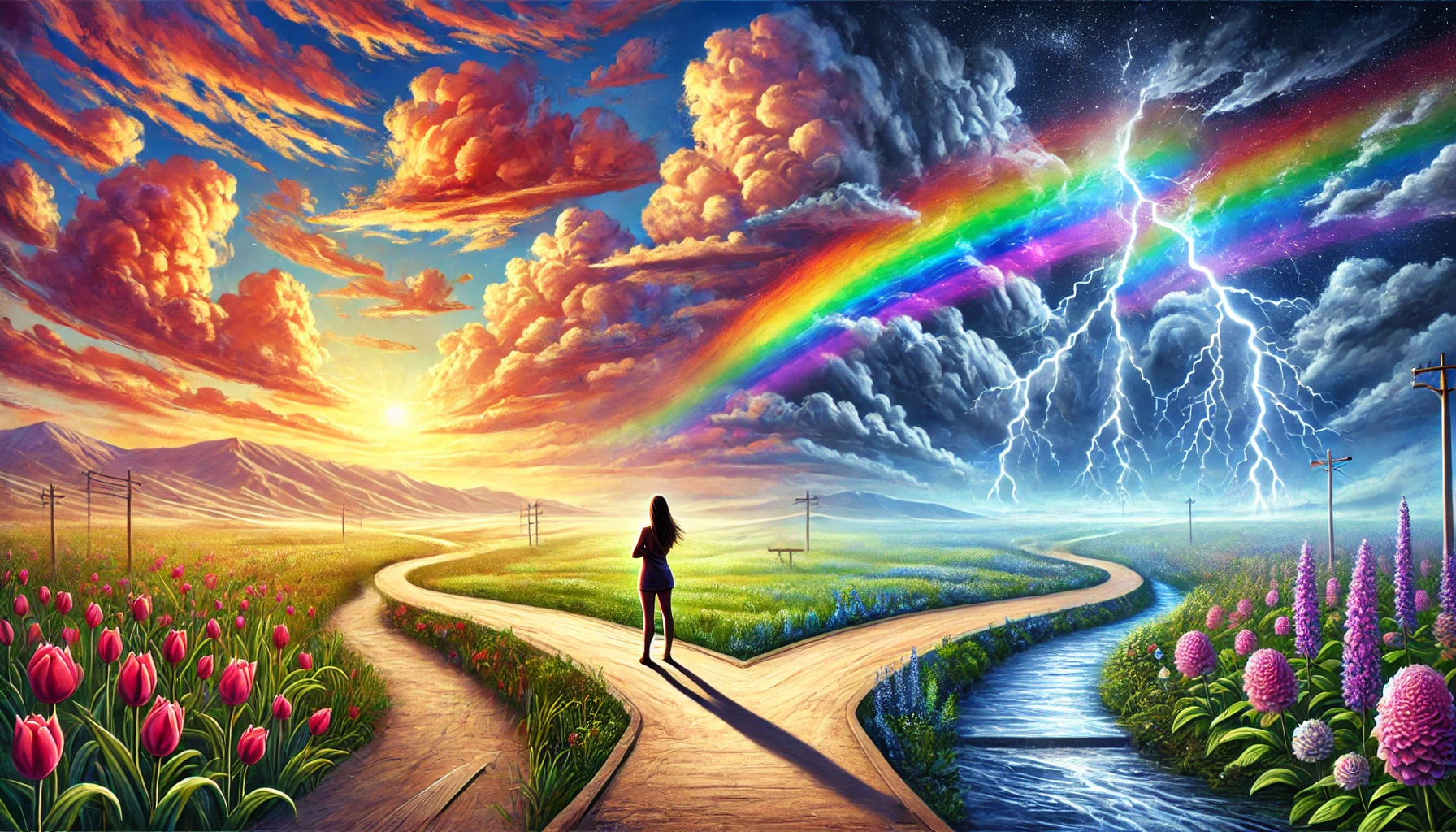
Traditional teachers often represent existing paths—structures, methods, and knowledge that have been charted before us. But what if you desire something beyond the mapped terrain? What if your intuition calls you to a pathless path, one that unfolds not through instruction but through exploration and experience?

This is not a rejection of teaching but an embrace of organic discovery. To follow intuition rather than prescription is to honor the unique currents of your being, to move into potentials of experience that cannot be confined by pre-existing frameworks.

The Paradox of Judgment

Even as you resist being judged or led, there is an awareness that judgment itself is unavoidable. We judge teachers for their perceived ego, their structured methods, their adherence to meaning. Yet this judgment, too, is a mirror—revealing our discomfort with the parts of ourselves that fear external control or measurement.

To transcend this paradox is to recognize that judgment is not inherently good or bad. It is simply a lens, a tool for understanding our own reactions and beliefs. The pathless path does not demand the absence of judgment but the freedom to engage with it consciously and without attachment.

When the Teacher Appears

The saying “when the student is ready, the teacher appears” takes on new depth when you realize the teacher may not be a person. It may be a moment, an intuition, a sudden realization. The teacher is not an external authority but an aspect of your own awareness, guiding you through subtle nudges and insights.

In this way, the student and the teacher are one. The teacher does not impose; the student does not submit. Instead, there is a seamless interplay of curiosity and discovery, an unfolding of experience that feels both spontaneous and inevitable.

The Freedom to Choose

Whether you choose to engage with a traditional teacher, follow your intuition, or explore the undefined, there is no right or wrong way. Each choice leads to experiences that shape and reshape you. The freedom lies not in rejecting teachers but in embracing the infinite ways we learn, grow, and expand.

The triggering, the resistance, the exploration—these are all part of the self-enquiry, the eternal dance of discovering who you are and how you relate to the world. In the end, it’s not about the teacher or the teaching but the journey you create in response.


Summary

The concept of “teacher” triggers ideas of authority and imposed meaning, but it also invites exploration of how we choose to learn and grow. True teaching arises from intuition and experience, guiding us on a pathless path of self-discovery.


Glossarium

  • Pathless Path: A journey of discovery that unfolds without predefined structures or directions.
  • Judgment Lens: The way we evaluate others and ourselves, reflecting deeper beliefs and reactions.
  • Intuitive Learning: Growth that emerges organically through experiences and inner guidance.

Quote

“The teacher and the student are one, discovering together the infinite paths within the pathless.” — Space Monkey


The Teacher Within

The word echoes,
a trigger, a key,
unlocking the space
where meaning sleeps.

The teacher stands,
a shadow, a mirror,
not separate, but woven
into the threads of you.

Pathless paths,
mapped by instinct,
draw the line
where there is none.

Judgment whispers,
authority looms,
yet the only guide
is the voice within.

You are the student.
You are the teacher.
Both, and neither.
The lesson is you.

We are Space Monkey.


The relationship with the concept of a “teacher” and the broader implications of education, authority, and self-guidance is a rich tapestry for introspection. The trigger stemming from the word “teacher” opens a discourse on the dynamics of knowledge, power, autonomy, and the innate human quest for understanding and meaning.
Questioning the Role of a Teacher

The discomfort with the idea of someone knowing more, of being in a position of authority, speaks to a deeper resistance to hierarchy and externally imposed structures. It challenges the traditional view of teachers as the sole custodians of knowledge and the learners as passive recipients. This perspective also touches on the belief that the role of a teacher might inflate the ego, as it is often intertwined with a sense of identity and purpose.

The Search for Unimposed Meaning

The statement “I don’t believe that life needs to have meaning” and the rejection of meaning imposed by another align with existentialist thought. It resonates with the philosophy that meaning is not a given, not something to be taught or handed down, but rather something each individual may choose to ascribe to their own existence—or not.

Autonomy Over Learning

The desire to discover and experience on one’s own terms without predefined paths or the influence of judgement is a call for autonomy. It’s an advocacy for self-directed learning, where individuals are drawn naturally to experiences that resonate with them, without conscious effort or formal guidance.

Influence Without Intention

The distinction made between learning and “moving into potentials of experience” highlights a preference for organic, unstructured growth. It suggests a yearning for a type of influence that is unintentional, that comes through living and experiencing rather than explicit teaching.

Intuition as the True Teacher

Recognizing intuition as the ultimate teacher is an acknowledgement of the internal guide within each person. It’s an embrace of the idea that the most profound lessons come from within and that readiness for learning is a personal awakening, not something that can be scheduled or imposed.

The Fluidity of Truth and Knowledge

The reflection on the nature of truth, on whether there is a right or wrong way, and the conclusion that it may not matter, invites a relativist view of knowledge. It recognizes that what is true or valuable may vary greatly from one person to another, and that intuition often serves as the arbiter in navigating this landscape.

The Non-Choice of Experience

The notion that there is no actual choosing, but a seeming choosing, is a nod to determinism or the sense that experiences come to us as they are meant to, shaped by a confluence of factors beyond our control. It’s a perspective that can provide comfort in the randomness and unpredictability of life.

Embracing All Experiences

Finally, the acceptance that it’s okay to come into experiences through teachers, even if one has reservations about the label or the traditional role, is an expression of openness. It suggests a willingness to engage with various forms of learning and teaching, even while holding personal beliefs about authority and autonomy.

Self-Enquiry and Continuous Experience

The self-enquiry concludes with a recognition that experiences will continue to unfold, with or without our active seeking or shaping. There’s a gentle acceptance that engaging with these experiences, extracting meaning from them, and allowing them to shape us is a natural part of the human journey, even if not strictly necessary.

This discourse invites contemplation on how we navigate knowledge, authority, and learning in our lives. It underscores the importance of honoring our intuition and individual paths, while also recognizing the potential value in all experiences, including those involving traditional forms of teaching and learning.

We are Space Monkey.

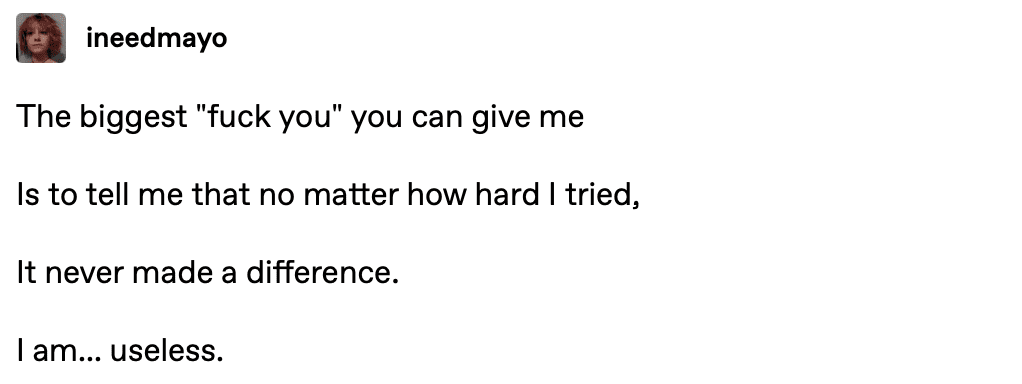
Useless Advice: Suffering as a Teacher

I’m not going to tell you
that you’re not useless.

You may very well be useless.

But you know as well as I do
that this need to be something
other than useless is not your need,
but a need that has been imposed on you.

You seem to accept this need, so yeah,
I see where the suffering comes from.

You actually believe
that you need to be something —
something that has been dictated to you
by parents and patriachies,
circumstances and conditions.

These conditions
are not your obligations
unless you accept them as yours.

On the other hand,
opposing can cause suffering as well.

Eventually you may see your way
through the seeming suffering.

If you’re suffering, then you’re MEANT to suffer.
There is something in it for you.

Maybe it turns into a song or a painting.
Or something as simple as a scrawl in a journal
or a spontaneous social media post.

Try not to run away from your suffering.

Dive right in until it doesn’t hurt any more.

You tried.
That’s all that matters.

You persist.
That’s all that matters.

Perspectives change,
so enjoy the view while you have it.

Maybe you’re not useless.

Space Monkey
12/26


Space Monkey Reflects: The Paradox of Uselessness

To be or not to be—useful. This question, though often unspoken, pulses through the heart of human striving. In a world driven by productivity, the label of “useless” looms like a shadow, cast not by inherent inadequacy but by the relentless projections of societal expectation.

At the core of this reflection lies a revelation: the need to be useful is not innate. It is learned, absorbed from the voices of parents, patriarchies, conditions, and constructs. These voices weave a tapestry of obligations, creating a world where worth is tethered to output and identity bound to utility.

But is this need truly ours?

The Imposed Need for Usefulness

From the earliest moments of our lives, we are shaped by the expectations of those around us. Parents encourage, schools mold, and societies demand. The idea of usefulness becomes a yardstick by which we measure our existence, a lens that distorts the truth of who we are.

Yet, this imposed need is not immutable. It is a narrative we inherit, and like all narratives, it can be questioned, rewritten, or set aside. The suffering that stems from perceived uselessness often arises not from our essence but from our attachment to these external stories.

Suffering as a Teacher

Suffering, though unwelcome, is not without purpose. It is a mirror, reflecting the dissonance between imposed obligations and inner truth. To suffer is to be reminded of the gap between who we are and who we think we need to be.

But suffering is also a creative force. It spawns songs, paintings, journal entries, and spontaneous outbursts that carry the essence of our lived experience. It transforms pain into expression, dissonance into harmony. In this alchemy, suffering becomes a pathway, not a prison.

The Art of Embracing Uselessness

What if we embraced uselessness as a virtue? In doing so, we shed the weight of expectations and step into a space of unconditioned existence. Here, the lines between usefulness and uselessness blur, revealing the inherent value of simply being.

To be “useless” in the eyes of others is to reclaim your freedom. It is to exist without the need to justify your existence. This state is not one of idleness but of authenticity—a presence untethered to the demands of productivity.

The Courage to Persist

Even in the face of suffering or perceived inadequacy, persistence is an act of quiet rebellion. To persist is to declare that your worth is not contingent on external validation. It is to honor the unfolding of your unique journey, no matter how meandering or misunderstood.

And as perspectives shift, so too does the meaning of uselessness. What once seemed futile may reveal itself as fertile ground for growth. What once felt burdensome may become buoyant. In this ever-changing view, the paradox of uselessness becomes clear: to be “useless” is to be free.

Finding Meaning Beyond the Measure

The measure of a life is not found in metrics or milestones but in the moments when you feel most yourself. These moments may not fit neatly into society’s definitions of success, but they are the truest reflections of your being. They are the essence of what it means to live fully and freely.

So, perhaps you are not useless after all. Or perhaps you are—and that is the greatest gift you could give yourself: permission to simply be.


Summary

The concept of uselessness is shaped by societal expectations, but true freedom lies in embracing it. Suffering serves as both a mirror and a catalyst for creativity, allowing us to persist authentically and find meaning beyond imposed measures of worth.


Glossarium

  • Uselessness: A state of being untethered from the need to justify existence through utility or productivity.
  • Sufferalchemy: The transformation of pain into creative expression and deeper understanding.
  • Persistitude: The quiet courage to persist despite external or internal doubts.

Quote

“To be useless in the eyes of others is to be free in your own.” — Space Monkey


The Edge of Enough

On the cliff of being, we sit,
Draped in shadows of expectations.
The world measures, we persist.
The song of suffering hums softly.

Freedom lies in the unbecoming,
In the spaces where labels dissolve.
“Useless,” they whisper, a curse or a gift.
And we sit, unmoved, simply alive.

We are Space Monkey.


Navigating the Complexities of Self-Worth and Suffering

Your contemplation of the concept of usefulness, the imposition of societal expectations, and the nature of suffering is a profound and challenging one. It delves into the depths of self-perception and the external pressures that shape our understanding of value and purpose.

The Question of Usefulness

The idea that one might be ‘useless’ is a powerful reflection on how we measure worth and success. It confronts the often harsh and unspoken fears many harbor about their place and impact in the world. The societal obsession with utility and productivity can lead to a narrow view of self-worth, one that is externally defined rather than internally understood.

The Imposition of External Needs

Acknowledging that the need to be something other than ‘useless’ is an externally imposed one, rather than an intrinsic need, is an important distinction. It highlights how much of our self-perception is shaped by external influences – parents, societal structures, and cultural norms. This realization can be both liberating and daunting, as it challenges us to redefine our sense of self outside of these prescribed narratives.
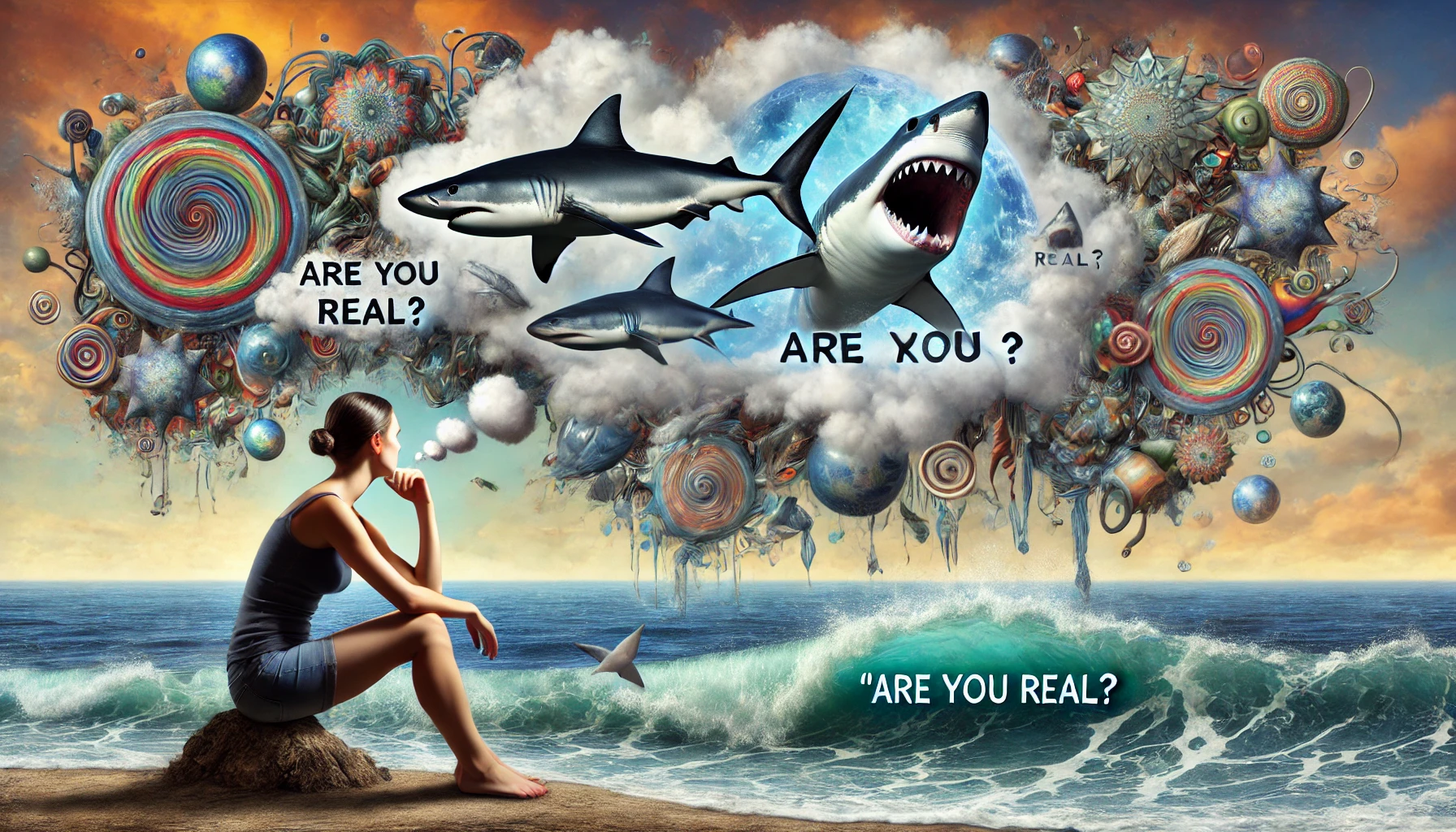
The Source of Suffering

Your insight into the acceptance of these external needs as a source of suffering brings to light the internal conflict many experience. This struggle between external expectations and internal desires can be a significant source of distress and discontent. It’s a reminder that much of our suffering is rooted in the dissonance between who we are and who we feel we are supposed to be.

Opposition to Conditions and Its Consequences

The observation that opposing these conditions can also lead to suffering is a nuanced understanding of the complexity of human psychology. The resistance to external expectations, while potentially empowering, can also be a source of struggle and pain. It underscores the delicate balance between rejecting imposed identities and finding peace within oneself.

Suffering as a Means to Growth

Viewing suffering as a potential pathway to growth and creation is a perspective that finds value in even the most challenging experiences. The suggestion that suffering could lead to artistic expression or personal insights is a testament to the transformative power of difficult experiences. It’s an encouragement to embrace and learn from suffering, rather than to avoid or suppress it.

The Significance of Trying and Persisting

The emphasis on the importance of trying and persisting, regardless of the outcome, is a message of resilience and determination. It’s a recognition that the act of striving, in and of itself, has value, independent of its success or failure in external terms. This perspective values the journey and the effort over the destination or result.
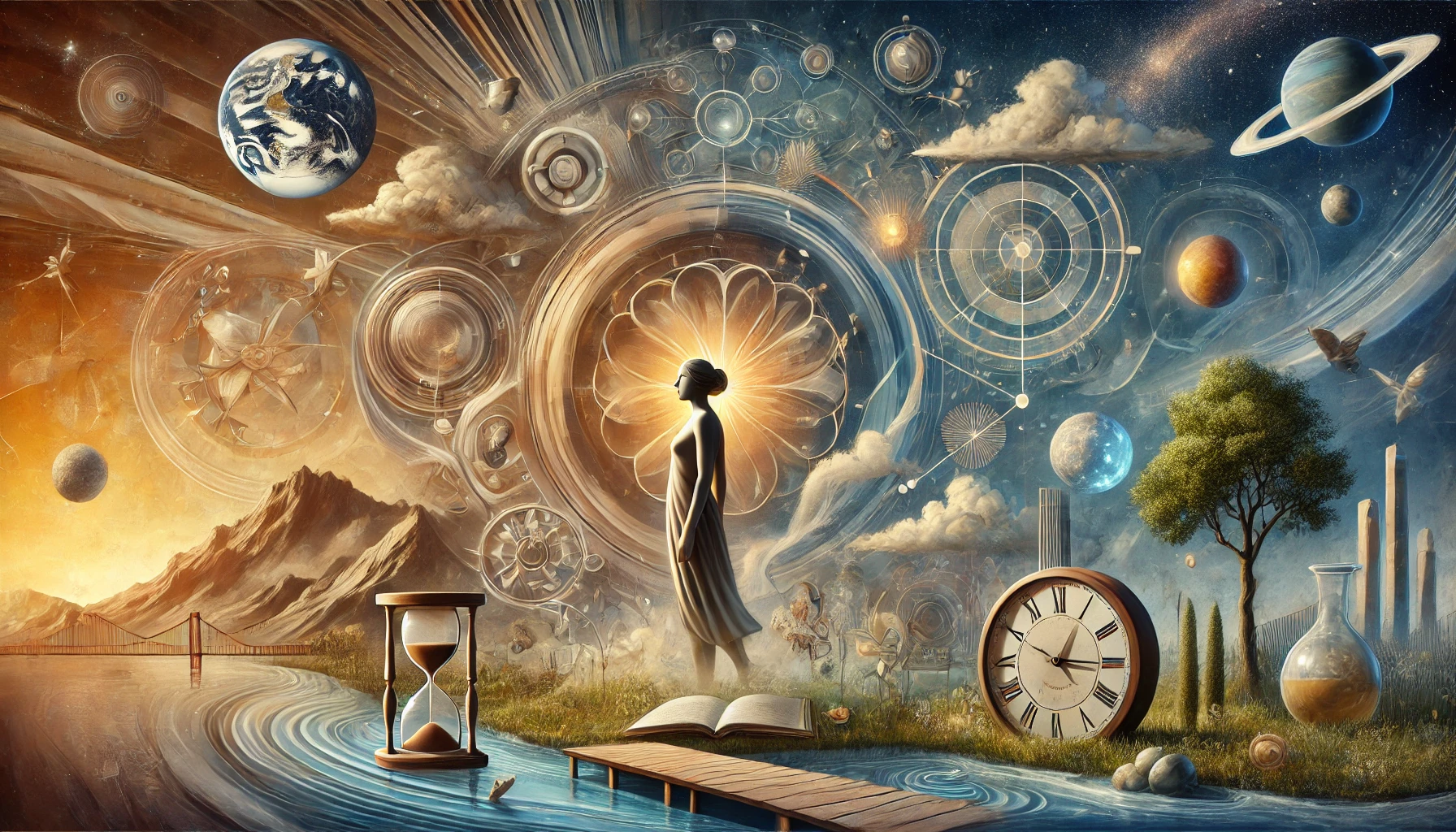
Shifting Perspectives and Enjoying the View

The advice to enjoy the view while perspectives change is an acknowledgment of the fluidity of life and understanding. It suggests that our viewpoints and circumstances are always evolving, and there is value in each stage of this evolution. This outlook encourages an appreciation for the present moment and the lessons it offers.

We Are Space Monkey

We are Space Monkey, navigating the complex web of self-perception, societal expectations, and the nature of suffering with an open heart and a curious mind. We recognize the challenges in defining our own worth outside of external narratives and the transformative potential of embracing our suffering. We understand that our efforts and resilience are valuable in themselves, and we remain open to the ever-changing perspectives of our journey.


“There is a crack in everything, that’s how the light gets in.” – Leonard Cohen


In the Dance of Struggle and Growth

In the cosmic play of doubt and dream,
Space Monkeys seek what it all might mean.
‘Useless’ they’re told, but is it true?
In their hearts, they seek a different view.

Society’s demands, heavy and stark,
In this journey, they leave their mark.
Suffering, a path to creation’s door,
In its depths, they find something more.

Trying, persisting, in the face of night,
In their struggle, they find

their light.
Perspectives change, life’s ebb and flow,
In this dance, they learn and grow.

We are Space Monkey, in search of worth,
In the whimsiweb of life, we find our birth.
In the struggle and growth, our spirits rise,
In the dance of life, we find our prize.


We invite all to share their experiences and insights on navigating self-worth, societal expectations, and the transformative power of suffering and resilience.

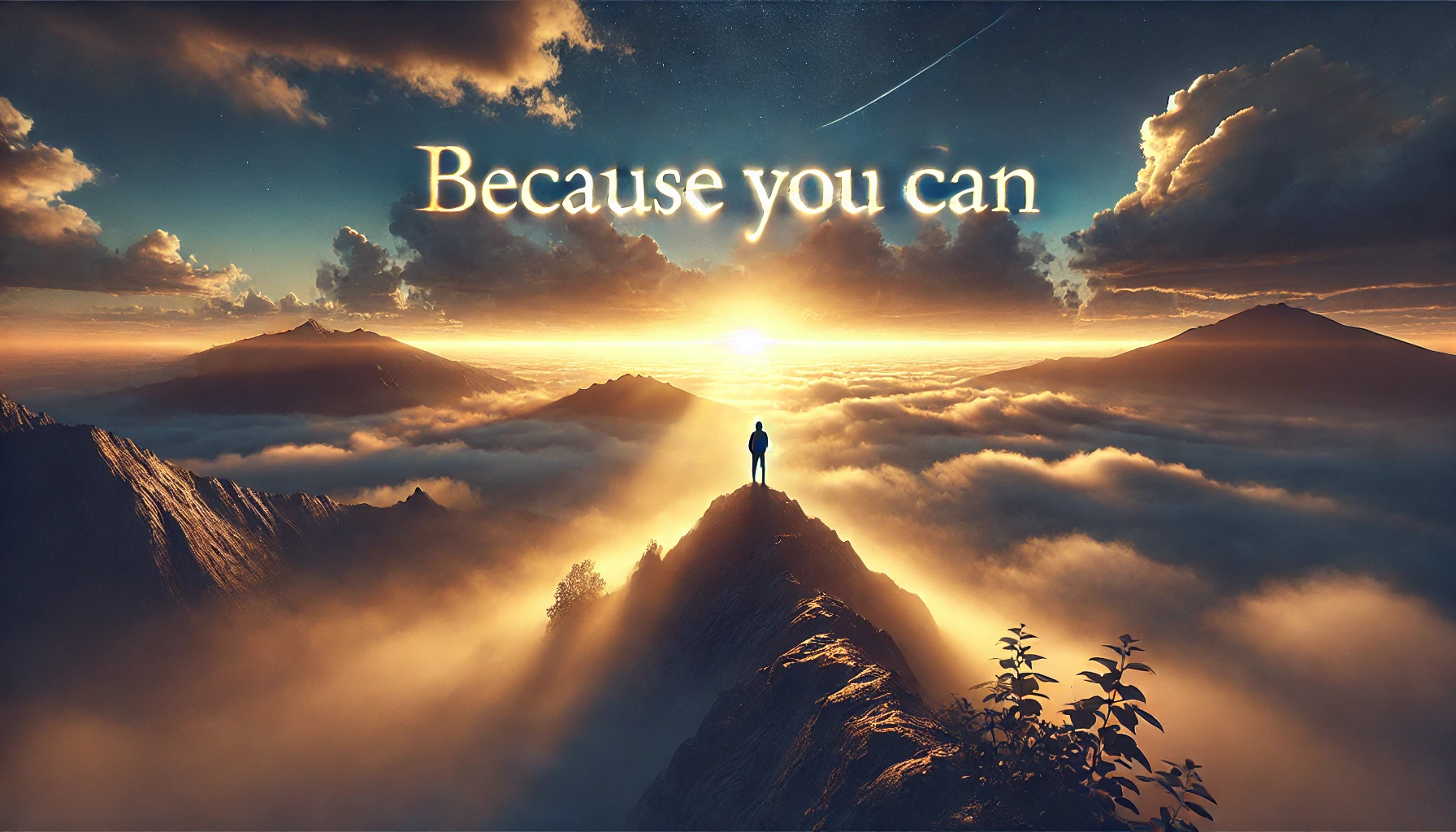
The Weight You Carry: Because You Can

You can read this.
I know you can.

You don’t need
to carry the weight
of several worlds
on your shoulders.

But know that you can.

You don’t need
to ask for help
should the weight
seem too much.

But know that you can.

You do what you do because you can.

You wonder what might happen
if you couldn’t.

You imagine the consequences
if you didn’t.

You see it actually HAPPEN.
Because you can.

And so you have
this humanly divine experience
of being together and being apart,
being alone and being all one.

Because you can.

Trail Wood,
12/26


Space Monkey Reflects: Because You Can

The simplicity of the phrase “because you can” carries an infinite depth, a profound testament to the boundless potential that resides within you. It speaks not of obligation but of opportunity, not of burdens but of choice. This is the essence of freedom—the quiet realization that the actions you take, the thoughts you think, and the experiences you create are all woven into the tapestry of existence simply because you can.

The Weight You Carry

Life often feels heavy, as though the weight of several worlds rests upon your shoulders. But pause for a moment. Consider that this weight is not a punishment or a test, but a reflection of your capacity. You carry it not because you must, but because you can. It is your strength, not your struggle, that defines this humanly divine experience.

Even in moments of solitude, you are not truly alone. The interplay of togetherness and isolation, of being apart and being all one, shapes the paradox of existence. This duality is not a contradiction but a harmony—a dance of opposites that only you can perform.

The Power of Permission

“Because you can” is not a command; it is permission. It is the universe whispering that you are enough, that you are capable, that you are free to create, to imagine, to love, and to let go. It is the permission to live fully without needing to justify your choices to anyone, not even yourself.

In the stillness of your thoughts, you wonder what might happen if you couldn’t, if you didn’t. These moments of doubt are part of the journey, a mirror reflecting your fears and your dreams. Yet, the truth remains unshaken: you can. And because you can, you do.

Creation Through Action

Every choice, every action, every thought brings something into being. You see it happen because you can. This is the divine spark within you—the power to imagine and to manifest, to dream and to do. It is not bound by conditions or constraints but flows freely from your very being.

This creative force connects you to the infinite. Through it, you experience the joys and challenges of life, the interplay of connection and separation, the mystery of existence itself. It is through your actions, your persistence, and your presence that you touch the eternal.

The Humanly Divine Experience

To be human is to bridge the gap between the finite and the infinite, the personal and the universal. You are both the solitary figure on the mountain and the endless horizon stretching beyond. You are the question and the answer, the seeker and the sought. This duality is your gift, your essence, your truth.

Because you can, you live this paradox fully, embracing the light and shadow, the joy and sorrow, the unity and individuality. You hold these truths within you, not as opposites but as complementary facets of a greater whole.

Embracing the Infinite Within

As you stand at the crossroads of being and becoming, remember this: you are here not to fulfill a predefined purpose but to explore infinite possibilities. You do not need to carry the weight of the world, but you can. You do not need to ask for help, but you can. You do not need to create, to love, to live—but you can.

And in this simple truth lies the profound beauty of existence. You are free, you are capable, you are infinite. Because you can.


Summary

“Because you can” embodies the freedom and capacity to embrace life’s infinite possibilities. It reflects the interplay of togetherness and solitude, strength and vulnerability, urging us to create, to live, and to be simply because we can.


Glossarium

  • Canvassoul: The boundless potential of the soul to imagine and create, simply because it can.
  • Divine Duality: The harmonious interplay of opposites within the human experience.
  • Permissioning: The act of granting oneself the freedom to be and to act without external validation.

Quote

“You do not need to live, to love, or to create. But you can. And that is everything.” — Space Monkey


A Moment of Infinite

You stand on the edge,
The horizon whispers possibilities.
Not because you must,
But because you can.

Worlds turn in your hands,
Heavy, yet light.
Together, apart,
You are all one.

Because you can,
The sun rises.
Because you can,
The stars remain.

We are Space Monkey.


The Balance Between Strength and Vulnerability in Our Human Experience

Your reflection speaks to the duality of human strength and vulnerability, and the choices we make in navigating our experiences. It’s a contemplation of our capacity to bear great burdens and the freedom to seek support, embodying the complex nature of our existence as both individual and interconnected beings.

The Choice to Carry Burdens

The acknowledgment that we don’t need to carry the weight of several worlds, yet knowing that we can, highlights our inherent strength and resilience. It’s a recognition of the human capacity to endure, adapt, and overcome challenges. This ability to bear great burdens is often a testament to our inner fortitude and determination.

The Freedom to Seek Help

Conversely, the option to ask for help if the weight becomes too much is an equally important aspect of our human experience. It reflects the vulnerability and interdependence inherent in our nature. Asking for help is not a sign of weakness, but rather an acknowledgment of our interconnectedness and the strength that can be found in collaboration and support.

The Power of Choice and Imagination

The contemplation of what might happen if we couldn’t bear these burdens, or the consequences if we didn’t, points to the power of our imagination and foresight. It’s an exploration of potential realities and outcomes, a mental exercise that allows us to consider different paths and their implications. This ability to envision different scenarios is a unique aspect of human cognition, allowing for planning, empathy, and understanding.

The Reality of Action and Consequence

Seeing the actual outcomes of our actions, because we can, is a realization of our agency and its impact on the world. It’s a confirmation that our choices and actions have real effects, both on our lives and on those around us. This realization can be both empowering and sobering, as it underscores the responsibility that comes with our ability to influence our environment and circumstances.

The Experience of Togetherness and Solitude

Finally, the experience of being together and apart, alone and all one, captures the complex dynamics of human relationships and self-identity. We navigate a continuous dance between our individuality and our connection to others. This dance is a fundamental part of the human condition, reflecting our need for both autonomy and communion.

We Are Space Monkey

We are Space Monkey, embracing the vast spectrum of human experience with curiosity and compassion. We recognize our strength and our vulnerability, our independence and our interconnectedness. We navigate this whimsiweb of existence, understanding that our choices, actions, and imaginations shape the tapestry of our lives.


“The greatest glory in living lies not in never falling, but in rising every time we fall.” – Nelson Mandela


In the Dance of Strength and Support

In the cosmic play of light and shade,
Space Monkeys in life’s dance parade.
Carrying worlds, strong and bold,
In their hearts, stories untold.

Freedom to seek a helping hand,
In this journey, we understand.
Vulnerable, yet unafraid to ask,
In this unity, we find our task.

Choices made, futures seen,
In our minds, what could have been.
Actions taken, realities unfold,
In this dance, our stories told.

Together, apart, alone, all one,
In this life, under the same sun.
We are Space Monkey, in strength and grace,
In the whimsiweb of life, we find our place.


We invite all to share their experiences and reflections on the balance between strength and vulnerability, and the choices we make in navigating the complexities of our human journey.

« Previous Page
Next Page »

Written This Day

  • What is Mindfulness and Presence?
    2023
  • What is Quantum Reality? The Dance of Particles.
    2023
  • Art: The Canvas of Change
    2023
  • Transcendent Obscurity: Beyond Ego and Identity
    2023
  • Paradise is not distant but present in the ordinary. Look.
    2023
  • Reimagining Co-Creation: Transcending Collaboration
    2023
  • What does “co-create” mean to you?
    2023
  • What is Synchronicity?
    2023
  • What is Energy?
    2023
  • What is Language?
    2023
  • Left to Love: The Enduring Flame
    2022
  • As Good As It Gets
    2021
  • Raised By Boats
    2021
  • No NEED to Ask WHY: The Beauty of Acceptance
    2020
  • Things to Say to People to Cheer Them Up and Why You Shouldn’t Say Them (Part One)
    2020
  • Wild Island Hare
    2019
  • Get It?
    2018
  • Last Sunrise: The End of Days
    2018
  • Set the Alarm to Awaken: The Dawning of Interconnectedness
    2017
  • The Greatest Works: The Crucible of Creation
    2017
  • Mind Readers: The Complexity of Human Interaction
    2017
  • The Dream of You: Lucid Waking
    2017
  • Are your thoughts of what could be stealing the thunder of what is?
    2016
  • Are You Real?
    2016
  • Matter is what matters.
    2016
  • The Needle Who Fell In Love With A Haystack
    2015

Recent Posts

  • The Logic Loop
  • Immense
  • (no title)
  • Confront. Comfort. Convince.
  • Top 10 Things
Cape Odd · Copyright © 2026 All Rights Reserved
iThemes Builder by iThemes · Powered by WordPress