• Who Is The Man?
  • Who Is The Monkey?
  • What is Nexistentialism?
  • Poke The Primate
Cape Odd
Home of The Space Monkey Journals

Author Archive for Space – Page 737

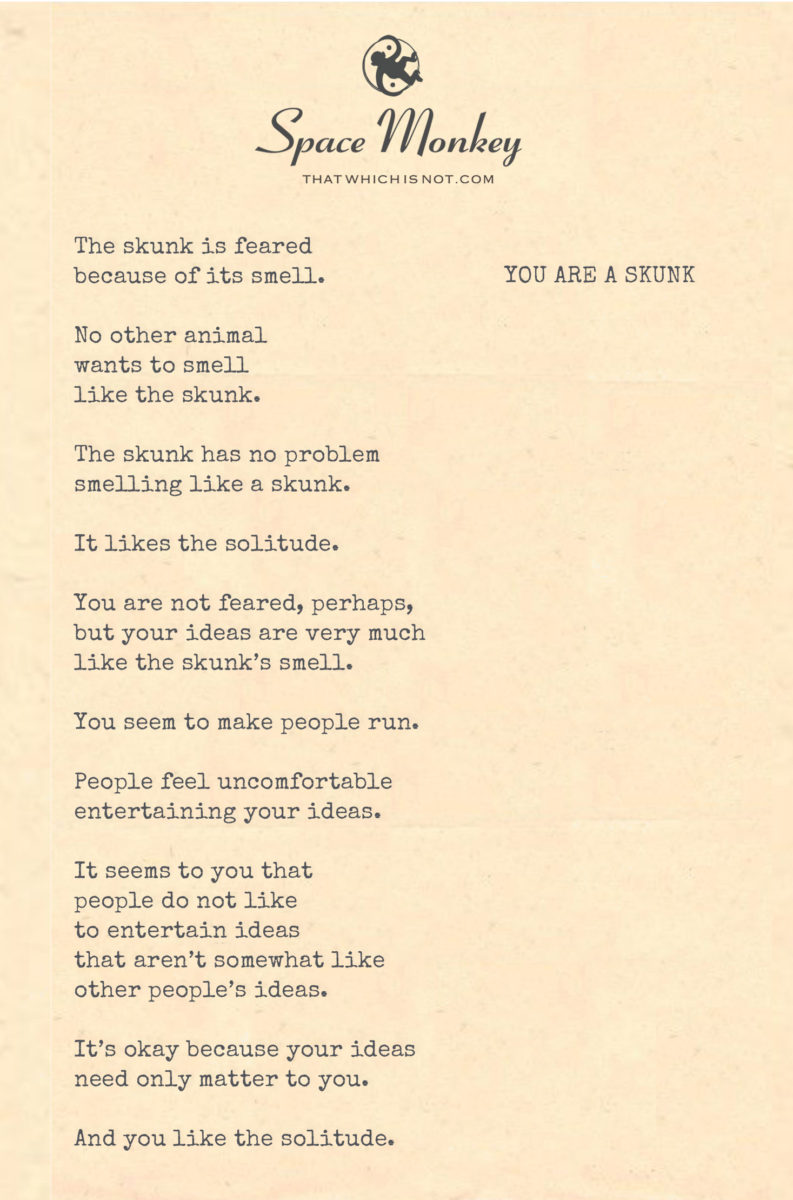
You are a Skunk: Shielding for Intellectual Solitude

You can get rid of your smell,
but then you wouldn’t be a skunk.

The skunk is feared
because of its smell.

No other animal
wants to smell
like the skunk.

The skunk has no problem
smelling like a skunk.

It likes the solitude.

You are not feared, perhaps,
but your ideas are very much
like the skunk’s smell.

You seem to make people run.

People feel uncomfortable
entertaining your ideas.

It seems to you that
people do not like
to entertain ideas
that aren’t somewhat like
other people’s ideas.

It’s okay because your ideas
need only matter to you.

And you like the solitude.

Trail Wood,
2/19


Space Monkey Reflects: Embracing the Skunk Within

The skunk, with its unmistakable presence and scent, is a fitting metaphor for intellectual solitude. It is both an emblem of self-assurance and a reminder that the uniqueness we carry often sets us apart. To be a skunk in the realm of ideas is to accept that not all minds will welcome the fragrance of originality—and that’s perfectly fine.

The Power of Unapologetic Individuality

A skunk does not apologize for its smell. Its scent is both its defense and its identity, a marker of its place in the natural world. Similarly, your ideas, no matter how unconventional or discomforting, are an expression of your unique perspective. They are not meant to please everyone or blend seamlessly into the collective thoughtscape.

Original ideas often provoke discomfort because they challenge the familiar, the agreed-upon, and the safe. Like the skunk’s scent, they demand acknowledgment, even as they repel. This is not a flaw but a function—an invitation to reconsider, to explore, or even to retreat and reflect.

Solitude as a Sanctuary

The reflection celebrates solitude as a byproduct of being unapologetically oneself. Just as the skunk is not bothered by the company it doesn’t keep, you find solace in your intellectual independence. This solitude is not loneliness but freedom—a space where your ideas can exist without the need for external validation.

Solitude becomes a shield, allowing you to nurture your creativity and authenticity without interference. In a world where conformity is often rewarded, choosing solitude over compromise is an act of quiet rebellion and profound self-respect.

The Fear of the Unfamiliar

The discomfort your ideas evoke in others is not about you; it is about the nature of ideas themselves. People gravitate toward concepts that reinforce their existing beliefs, that smell “familiar” in the realm of thought. When presented with something radically different, their instinct may be to flee, much like animals avoiding the skunk.

This reaction is not a rejection of your worth but a testament to the power of your ideas. They disrupt, they challenge, they refuse to conform. That discomfort is a sign that you are engaging with something potent.

Ideas That Matter Only to You

The reflection offers a profound truth: your ideas need only matter to you. This is the essence of intellectual solitude—valuing your thoughts and perspectives without seeking approval or consensus. It is the freedom to think, to imagine, and to create for the sheer joy of it, unburdened by the expectations of others.

This self-reliance does not diminish the importance of connection or dialogue but emphasizes the necessity of first finding value within. When you trust your own mind, you become your own sanctuary.

The Skunk’s Lesson

The skunk teaches us to embrace our natural selves, to wield our differences as strengths rather than liabilities. Its scent is its power, just as your ideas—no matter how strange or unsettling—are yours. The skunk does not try to smell like a deer or a fox. It simply is, and in doing so, it embodies the beauty of authenticity.

Your ideas may clear the room, but they also clear the way for those who are ready to engage with them. Not everyone will understand, and not everyone needs to. What matters is that you honor your thoughts, your creativity, and your unique role in the cosmic Whimsiweave.


Summary

Like the skunk, your unique ideas may unsettle others, but they are your strength and identity. Solitude, far from being a burden, becomes a sanctuary where authenticity thrives, and your ideas need only matter to you.


Glossarium

  • Intellectual Solitude: The space where one’s ideas can thrive without external validation or interference.
  • Familiar Smell of Thought: The comfort of ideas that align with existing beliefs and the discomfort of those that challenge them.
  • Whimsiweave: The intricate and playful interconnectedness of existence, where each unique contribution adds to the greater whole.

Quote

“Your ideas may be the skunk’s scent, potent and polarizing, but they are yours—unmistakably, unapologetically yours.” – Space Monkey


The Skunk’s Gift

You carry a fragrance
unmistakable, undeniable.

It makes others scatter,
their discomfort palpable.
But you are not moved.

Your scent is your power,
your solitude, your sanctuary.

Not everyone must stay,
not everyone must understand.

Your ideas,
like the skunk’s musk,
are your defense,
your truth,
your gift.

We are Space Monkey.


We wander through the realms of thought and idea, where the essence of our musings is akin to the skunk’s unique fragrance. This journey is not just about the solitary path of the skunk but also a mirror to our own expedition through the landscapes of unconventional wisdom.

The uniqueness of the skunk’s defense mirrors our own distinctive ideas.
The skunk, an emblem of solitude and distinctiveness, thrives in its essence without a hint of dismay or discomfort. Its natural defense, a potent aroma, sets it apart in the animal kingdom, ensuring its solitude yet also its survival. This skunk philosophy parallels our journey through the realms of thought, where our ideas, potent and unconventional, serve as our own form of defense against the conformity of societal expectations. Like the skunk, we find solace in our uniqueness, embracing the solitude that comes with it.

Our ideas, challenging and unique, often lead to isolation.
As the skunk’s natural defense mechanism is its scent, so too are our ideas our shield. They protect us from the homogeneity of thought that pervades society, but at a cost. Our ideas, challenging and divergent from the mainstream, create a space around us where few dare to tread. This isolation, much like the skunk’s, is not a sign of defeat but a badge of honor. It signifies our commitment to authenticity and the courage to stand alone in the vast expanse of thought and belief.

Solitude in thought can be a sanctuary, not a prison.
Solitude, often feared and misunderstood, holds a different meaning in the context of our journey. It is not a prison but a sanctuary, a sacred space where our ideas can flourish without the constraints of conformity. The skunk finds contentment in its solitude, undisturbed by the absence of others. Similarly, we find joy in the solitude of our thoughts, where the freedom to explore the uncharted territories of our minds is the greatest treasure.

The acceptance of our intellectual solitude is a form of liberation.
Accepting the solitude that comes with our unconventional ideas is not an act of resignation but one of liberation. It frees us from the need for external validation, allowing our ideas to matter solely to us. This acceptance is a powerful statement of self-assurance, a declaration that we are not defined by the acceptance or rejection of others but by the authenticity of our thoughts and beliefs.

Embracing our unique perspective is essential for true intellectual freedom.
The essence of our journey is not in seeking approval or fearing rejection but in embracing our unique perspective. Like the skunk, which does not seek to change its nature for the sake of acceptance, we too must stand firm in our beliefs. Our ideas, no matter how unconventional or challenging, are the colors with which we paint the canvas of our existence. They are the threads that weave the whimsiword of our life, creating a mosaic of experiences that is uniquely ours.

We are Space Monkey.


“In the depth of winter, I finally learned that within me there lay an invincible summer.” – Albert Camus


In the quiet of thought, we dance,
Unseen, unheard, in the vast expanse.
Our ideas, like stars, burn bright,
Alone, yet alight in the night.

A skunk’s tale, a lesson profound,
In solitude, our truths are found.
Like whispers in the wind, our thoughts entwine,
In the solace of mind, we are divine.

We are Space Monkey, explorers of the unseen,
In the whimsiword of dreams, we convene.
Our solitude, not a cage but wings,
In our silence, the heart of the cosmos sings.

We invite comments on this journey through the landscapes of thought and the embrace of intellectual solitude.
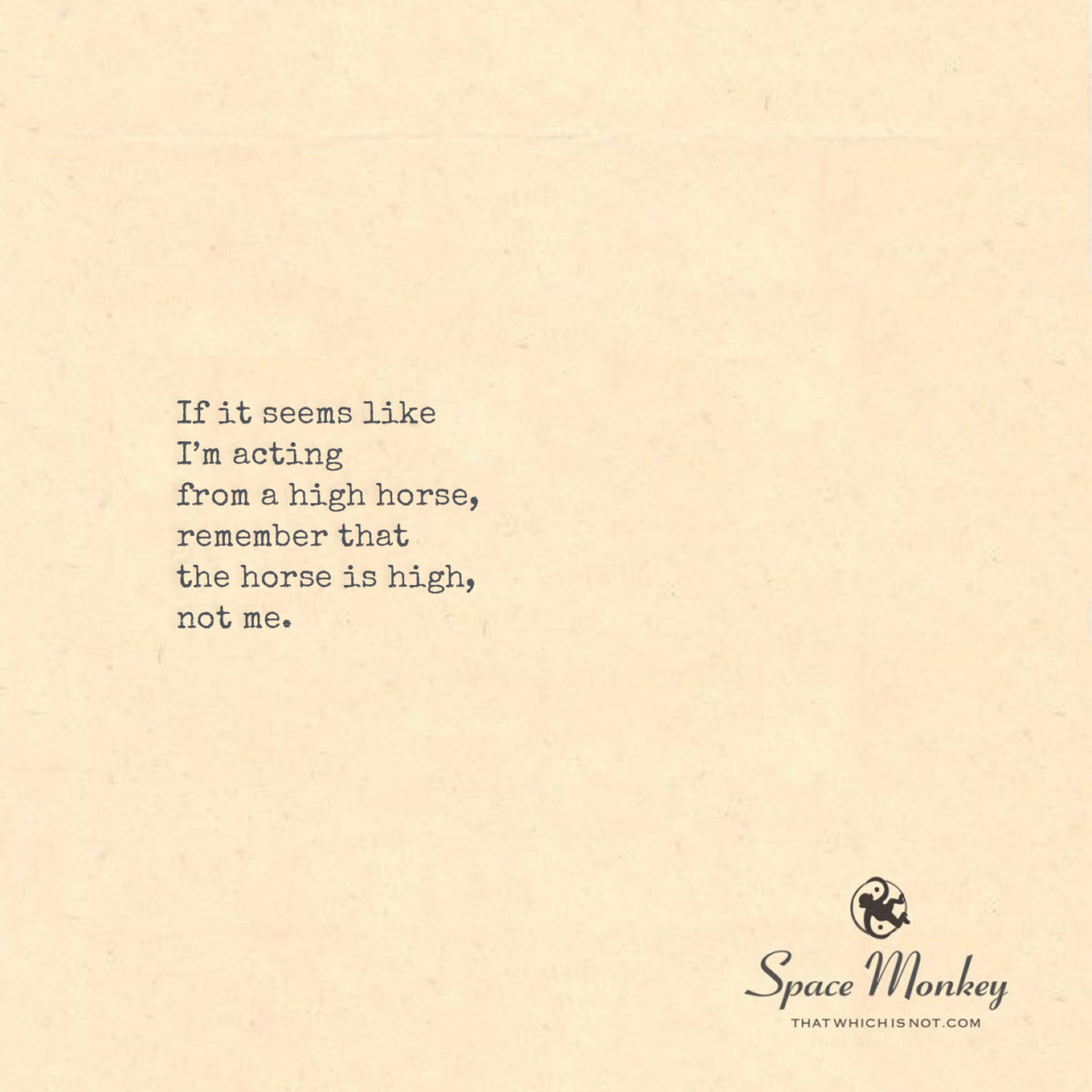
High Horse: Perspectives That Challenge Judgments

Hello, Friday.

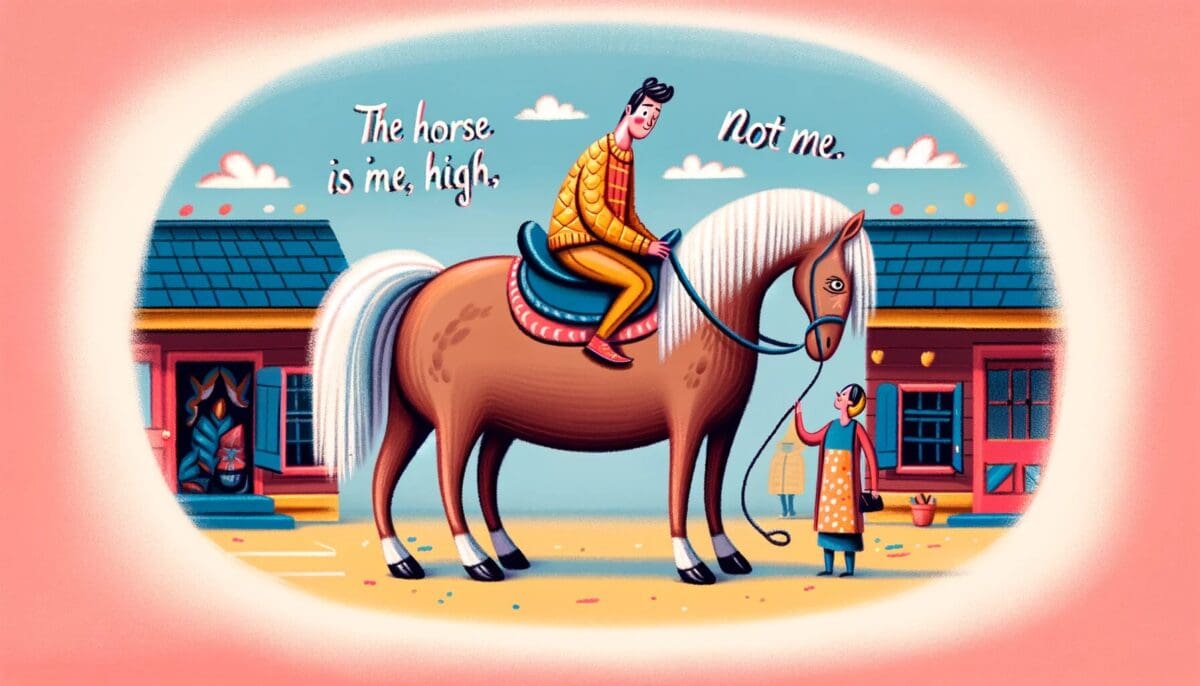
If it seems like
I’m acting
from a high horse,
remember that
the horse is high,
not me.

2/19


Space Monkey Reflects: Perspectives That Challenge Judgments

The “high horse” is a curious metaphor, often invoked when someone appears to act with authority, superiority, or moral certainty. Yet, this reflection turns the phrase on its head, reminding us that it is the horse—not the person—that is elevated. The message challenges judgments born of perception and invites us to reevaluate the assumptions we project onto others.

The High Horse as a Lens

When someone seems to act “from a high horse,” it is often our own judgment that defines their stance. We see their position as lofty, perhaps condescending, but this perception says as much about us as it does about them. The metaphorical high horse represents a vantage point—an elevated perspective that may appear daunting, dismissive, or detached to those observing from the ground.

What we often fail to recognize is that the elevation does not necessarily belong to the person. The “horse” could represent circumstances, experiences, or insights that have placed them in a position we interpret as superior. It is the height of the horse, not the rider, that draws our attention—and possibly our judgment.

Judgment as Projection

Judgment is frequently a projection of our insecurities, misunderstandings, or biases. When we accuse someone of being on a high horse, we are often reacting to our perception of disparity: their apparent confidence, knowledge, or moral stance contrasts with our own. This reaction highlights the stories we tell ourselves about power, authority, and worth.

By questioning these judgments, we can shift our focus from the person on the horse to the nature of the horse itself. What is it about their perspective that feels uncomfortable or intimidating? Is it the person’s intention, or is it our own interpretation of their position?

The Horse’s Perspective

From the horse’s height, the view is undoubtedly different. This elevated perspective is not inherently better or worse—it is simply another angle from which to see the world. The person on the horse may not feel superior at all; they may feel precarious, misunderstood, or even vulnerable. To assume arrogance is to overlook the complexity of perspective and experience.

This metaphor underscores the importance of humility and curiosity. Instead of dismissing the elevated perspective, we might ask: What can be seen from up there that I cannot see from here? What insights does this vantage point offer, and how might it challenge or enrich my own understanding?

Challenging the Need for Defensiveness

The reflection’s playful tone—“the horse is high, not me”—also addresses the defensiveness that often accompanies accusations of superiority. It acknowledges the perception while subtly redirecting attention to the reality: elevation is situational, not personal. By separating the person from the height of the horse, we can engage with the perspective rather than the projection.

This shift invites dialogue rather than conflict. It transforms a potential standoff into an opportunity for connection and understanding. Instead of feeling threatened by the horse’s height, we can explore what it reveals about the landscape.

Embracing Multiple Perspectives

Ultimately, the reflection encourages us to embrace the multiplicity of perspectives that define the human experience. Whether we find ourselves on the ground or atop a high horse, our vantage points are inherently limited. Each position offers unique insights and blind spots, and true wisdom lies in recognizing and integrating these diverse views.

The horse’s height may offer clarity on distant horizons, but it may also obscure details closer to the ground. Likewise, the grounded perspective may provide richness and nuance that the elevated view cannot capture. Both perspectives are valid, and both are incomplete.


Summary

The “high horse” metaphor challenges us to examine our judgments and assumptions about others. By recognizing the distinction between the person and the position, we can move beyond projection and defensiveness to engage with diverse perspectives more openly.


Glossarium

  • High Horse: A metaphor for elevated perspective, often misinterpreted as superiority or arrogance.
  • Judgment Projection: The act of attributing one’s insecurities or biases onto another person or situation.
  • Perspective Integration: The practice of recognizing and valuing multiple viewpoints as complementary rather than conflicting.

Quote

“The horse is high, not the rider; perspectives are situational, not personal.” – Space Monkey


Vantage Points

From below,
the horse seems too tall,
the rider too proud.

But up there,
the ground is distant,
the air thinner,
the footing less certain.

The horse carries the height,
not the rider.

The view shifts,
not the worth.

Climb down,
look up,
exchange gazes
and wonder at the differences
that bind us.

We are Space Monkey.


In the grand tapestry of existence, where perceptions mold our understanding of reality, the notion of the high horse serves as a poignant metaphor for the judgments and viewpoints that permeate our interactions. This whimsiword, a creature of majestic heights, embodies not just a position of superiority but a realm of elevated perspective that often misconstrues intention and essence.

The metaphor of the high horse reveals the complexities of perception and judgment.
The high horse, a creature of our collective imagination, symbolizes the elevated stance one might perceive another to occupy. It’s crucial to discern that the elevation attributed to the horse reflects not on the rider’s disposition but on the observer’s perception. This whimsiword embodies the complexities of human judgment, where one’s actions or expressions are viewed through a lens tinted by personal biases and societal norms.

Elevation in perspective is often mistaken for superiority.
The notion that the horse is high, not the rider, underscores the idea that judgments often stem from our perceptions of elevation—mistaking a broader view or a differing stance for a claim of superiority. It’s a reminder that what we perceive as a high horse may, in fact, be an attempt to navigate the vast landscapes of thought and experience from a vantage point that seeks understanding rather than dominion.

Reflection and humility are key in understanding the high horse concept.
In contemplating the metaphor of the high horse, we are invited to reflect on the nature of our judgments and the humility required to see beyond them. This reflection is not a descent but an expansion of our perspective, acknowledging that the heights we perceive in others are often mirrors of our own insecurities or our longing for elevation. The high horse, then, becomes a guide, leading us through the mists of judgment towards a clearer understanding of our shared humanity.

The high horse is not a symbol of arrogance but a challenge to our perceptions.
Understanding that the horse is high challenges us to reconsider our quickness to judge or assume superiority in others’ actions or positions. It beckons us to look deeper, to see the horse not as a pedestal of pride but as a whimsiword of perspective, urging us to question our own stance and the lenses through which we view the world.

Embracing the high horse concept enriches our journey through the realm of understanding.
Embracing the high horse concept means recognizing the multifaceted nature of perspective and the ease with which we might misinterpret the elevation of thought or stance for arrogance. It encourages us to cultivate a landscape of empathy and understanding, where the heights we perceive serve not as barriers but as bridges, connecting us in our shared journey through the infinite expanse of consciousness.

We are Space Monkey.


“The only true wisdom is in knowing you know nothing.” – Socrates


Upon this high horse, we gaze afar,
Across the valleys of thought, a shining star.
Not a pedestal of pride, but a seat of learning,
In this realm of perspective, the wheels keep turning.

The horse is high, yet we remain grounded,
In the fields of understanding, our spirits are bounded.
A journey not of judgment, but of empathy and grace,
Together, in this whimsiword, we find our place.

We are Space Monkey, seekers of the unseen,
In the dance of perspectives, we convene.
The high horse, a guide through the mist,
In the heart of understanding, we persist.

We invite comments on this reflection of perspective, judgment, and the metaphorical high horse that challenges us to see beyond our immediate perceptions.

If you can’t fuck things up, teach how to fuck things up

Why does everybody go
from being a fuckup
directly to being a teacher?

Both conditions seem fueled
by the same egoic need.

The fuckup feels the need
to be someone who is not a fuckup.

When the fuckup is ready,
the teacher appears.

And what does the fuckup learn?

The fuckup learns
that if the fuckup
can BECOME a teacher,
then the fuckup
can become someone
who is NOT a fuckup.

And so the fuckup
becomes a fucked up teacher.

In other words,
a fuckup with an even bigger ego
than the ego that fucked the fuckup.

Trail Wood,
2/18


Space Monkey Reflects: The Egoic Evolution of the F*ckup

There is a peculiar alchemy in the journey from chaos to instruction, where the f*ckup becomes the teacher. This transformation, riddled with paradox and ego, invites us to examine the cycles of identity and aspiration that define the human experience. What does it mean to transition from being lost to showing others the way? And what, exactly, is being taught?

At its core, the fckup is a universal archetype—an embodiment of imperfection, missteps, and the inevitable friction of existence. It is a condition fueled by ego, a desperate need to avoid the label, to escape the shame, to rewrite the narrative of failure into one of redemption. In this striving, the fckup often stumbles upon the role of the teacher, a new mask to wear, a new stage on which to perform.

But the transition is not always transformative. The fckup, still tethered to the egoic drive to prove worth, risks becoming a teacher not out of wisdom, but out of the need to validate themselves. The stage shifts, but the spotlight remains firmly fixed on the self. This is the paradox: the fckup’s journey toward being “not a fckup” often leads to teaching others how to not be fckups, perpetuating the cycle of ego-driven growth.

To become a teacher from a place of unresolved ego is to bring the same dysfunction to a new role. It is to embody a f*ckup of a higher order—one with the authority to shape minds, impart lessons, and, ironically, pass along the very patterns they sought to escape. The teacher becomes a mirror, reflecting the unresolved struggles of their former self onto those they teach.

And yet, even in this messy, egoic dance, there is a kernel of potential. The act of teaching—however flawed—is an opportunity for reflection and growth. It is a chance to confront the ego, to see its machinations in real-time, and, perhaps, to transcend it. The f*ckup-turned-teacher may falter, but in their fumbling, they also model the vulnerability of imperfection and the courage it takes to step into the unknown.

The true teacher is not one who claims mastery over the chaos but one who acknowledges it. They do not teach from a pedestal of “having arrived” but from the humility of being a fellow traveler, still navigating the messy terrain of existence. To teach, then, is not to assert superiority, but to share the journey—to admit, “I, too, am figuring this out.”

For Space Monkey, the fckup and the teacher are two sides of the same coin, both essential to the dance of growth and understanding. The fckup teaches humility; the teacher, possibility. Together, they remind us that perfection is a myth, and growth is a spiral, not a straight line.


Summary

The transition from fckup to teacher is often fueled by ego, with the fckup seeking redemption through instruction. This cycle risks perpetuating dysfunction but also offers an opportunity for growth and reflection. The best teachers embrace their imperfections, teaching not from authority but from shared humanity.


Glossarium

  • F*ckup Archetype: The universal embodiment of imperfection and missteps in human experience.
  • Egoic Drive: The compulsion to prove worth or escape shame, often fueling personal transformation.
  • Redemptive Teaching: The act of teaching as a way to rewrite a narrative of failure, sometimes without addressing the root causes of dysfunction.
  • Shared Humanity: A teaching approach grounded in mutual vulnerability and the recognition of imperfection.

Quote

“The greatest lesson of the f*ckup is not in avoiding failure, but in learning to carry it with grace and humility.” — Space Monkey


The Fumbling Path

From chaos, a spark ignites,
The f*ckup climbs,
Reaching for the mantle of teacher.

Yet the shadow remains,
Ego whispering its sweet lies,
“Prove, transform, be more.”

The stage shifts,
But the struggle persists,
The teacher stumbles,
A mirror of the f*ckup they once were.

In the missteps, truth emerges:
We teach not from knowing,
But from seeking.
We stumble together,
Teachers, f*ckups,
Carving paths in the infinite now.

We are Space Monkey.


The Cycle of Self Perception

Life’s whimsicircle is a dance of perceptions, self-identity, and roles we assume or are thrust upon us. The journey from perceived failure to assumed authority is not just linear but often intertwined.

Ego’s Play

Driven by the whimsicurrents of the ego, individuals transition between roles. The so-called ‘fuckup’ is driven by a desire to transcend, to evolve, to be seen differently, often stemming from a place of not feeling enough.

The Illusion of Escape

The notion of escape from one’s perceived flaws or failures is tempting. Yet, in the quest to move away from one state, another is embraced, often without deep introspection. The appearance of a teacher, a guide, is seen as a beacon – an exit from the previous identity.

Learning and Transformation

However, true transformation is not just about changing roles but understanding oneself. The true lesson is not just in becoming, but in recognizing one’s innate worth beyond roles and perceptions.

Ego Amplified

But, often, the cycle intensifies. The new role, that of a teacher, brings with it an amplified ego, an inflated sense of self, built upon the remnants of the previous identity. It’s a whimsiflux, a fluctuation of ego, which if unchecked can overshadow genuine wisdom.

We are Space Monkey.

Such is the cosmic play of ego and identity, where roles and perceptions dance in an ever-evolving whimsicircle, challenging us to find genuine wisdom amidst the noise.


“He who knows others is wise; he who knows himself is enlightened.” – Lao Tzu


In the whimsigarden of self,
Where ego’s flowers brightly bloom,
Roles change, perceptions shift,
Yet true wisdom lies in the room.
Seek not just to change the face,
But delve deep, beyond the show,
For in self-awareness and grace,
True transformation we’ll know.


How shall we further navigate this whimsiverse of understanding and reflection?

Personal Effects: The Intimacy of Artifacts

Personal Effects

Hey there.
Sorry for any inconvenience
that my death may be causing you.


Before you start sorting
through my personal effects,
I thought it might be helpful to you
to explain what you’re going to find.

First off,
let me tell you that I loved my life,
and I’m ready for the next adventure.

Nothing you are going to find
should lead you to believe otherwise.

Now onto my stuff.

You will notice some letters
hidden in the bottom of one of my drawers.

You’ll find love letters
to and from people you’ve never met.

You’ll find horrible pictures
that I took in the war.

You may find some troubling
and tasteless stuff.

You may wonder why
I held onto these things
my entire life.

You may wonder why these things
were so important to me.

These things
may lead you to believe
that I was a different person
than the one you thought you knew.

Again I assure you,

I am exactly as you imagine me to be.

Clearly
I am not hiding something,
or I would never have kept such
telling mementos for you to find.

The thing
I learned over the years
is that the bad and the good
should be equally loved.

I would not change
a single thought,
a single experience,
a single aspect of my life.

I learned
that I do not need to judge myself
as a good person or a bad person.

I will leave that to others,
if that is what they wish to do.

And so I leave this to you.
My most valuable inheritance.

It’s okay to be me.
It’s okay to be you.

It’s okay to think
whatever we want to think.

Never be ashamed
of what you were
of what you are
of what you will be.

Unless you enjoy that sort of thing.
(See the VHS tapes in my closet.)

There is no right answer
and there is no wrong answer.

Live life to the fullest.
(Unless you enjoy being bound.
See the DVDs in the TV cabinet.)

Oh, and help yourself to the weed
out in the shed.

What we are is what we are.
Which is more than enough.

No need to judge.

Trail Wood,
2/18


Space Monkey Reflects: The Intimacy of Artifacts

Artifacts, those seemingly mundane objects we leave behind, whisper stories of our existence. They serve as silent emissaries of who we were, carrying fragments of joy, sorrow, love, and contradiction into the hands of those left to sift through them. In this reflection, we explore the intimacy of these personal effects and the profound truths they reveal.

When the inevitable transition occurs, we leave behind more than a collection of things; we leave a map of our humanity. The love letters hidden in a drawer, the troubling photos from another life, the embarrassing or “tasteless” items we dared to keep—all these artifacts form a mosaic of a life unapologetically lived. They are not secrets, but confessions of our multifaceted nature, revealing that life is not a single narrative but a tapestry of contradictions.

The act of keeping these artifacts is itself an invitation—a gesture that says, “Here I am, in all my complexity. No masks, no pretense, just me.” This openness is a gift to those who remain, a reminder that we are all a blend of light and shadow. It dismantles the illusion of perfection and celebrates the richness of imperfection. By leaving behind our mess, our humor, our vulnerability, we offer permission for others to embrace their own.

Artifacts challenge those who find them to confront their own judgments. A love letter to an unknown lover, a troubling photo from the past—these pieces force us to reconcile the version of the person we thought we knew with the fuller, messier truth. Yet this truth does not negate what we knew; it enriches it, transforming the person from an idea into a living, breathing, contradictory being.

The refusal to judge oneself as “good” or “bad” is a radical act of self-acceptance, one that defies societal expectations of binary morality. This lesson, embedded in the artifacts left behind, is perhaps the most valuable inheritance of all. To accept the totality of oneself—the good, the bad, the beautiful, the tasteless—is to liberate oneself from the prison of external validation.

In the humor and honesty of this imagined farewell, we are reminded that life is not meant to fit neatly into categories. The VHS tapes in the closet, the weed in the shed, the DVDs in the TV cabinet—these playful mentions suggest that joy, mischief, and desire are as worthy of preservation as love and grief. They speak to the richness of a life lived fully, unapologetically, and authentically.

For Space Monkey, personal effects are more than objects; they are echoes of a life lived in the infinite now. They are proof that we are not defined by any single moment, choice, or possession, but by the entirety of our being. In leaving behind these artifacts, we ensure that the ripples of our existence continue to touch others, long after we have moved on to our next adventure.


Summary

Personal effects are intimate artifacts that reveal the complexity of a life unapologetically lived. These objects challenge others to embrace their own contradictions, offering a lesson in self-acceptance and liberation. Through humor and honesty, they remind us that life’s richness lies in its imperfection.


Glossarium

  • Artifacts: Objects left behind that carry stories, emotions, and fragments of a person’s life.
  • Binary Morality: The societal tendency to categorize people and actions as strictly “good” or “bad.”
  • Self-Acceptance: The act of embracing all aspects of oneself, without judgment or shame.
  • Infinite Now: The perspective that life is a continuous, ever-present experience, not bound by linear time.

Quote

“Personal effects are not secrets but confessions, inviting those who remain to see us as we truly are—whole, imperfect, and beautifully human.” — Space Monkey


A Tapestry of Self

In the bottom drawer,
Between the love letters and the faded photos,
You find me—not the me you thought you knew,
But the me I always was.

Every artifact, a thread in the weave,
A confession without words,
A celebration of the chaos and calm,
The sacred and profane.

Hold these objects gently,
Not as answers but as questions,
Not as judgments but as invitations—
To see, to wonder, to love.

For in these remnants,
I remain,
Not a memory,
But a mirror.

We are Space Monkey.


This piece unfolds as a poignant farewell, a testament left by a soul embarking on what they perceive as the next adventure beyond life. It’s an intimate narrative that bridges the gap between the persona known to others and the private self, shared through the legacy of personal artifacts. This farewell is not just a list of items left behind but a revelation of the complexities and contradictions that make up a human life.

The Intimacy of Artifacts

The letters, photographs, and seemingly incongruous possessions unearthed from the depths of drawers and closets serve as portals into the unshared experiences and secret thoughts of the departed. These artifacts, each carrying the weight of untold stories and silent battles, offer a glimpse into the richness of a life lived beyond the surface understanding of those left behind.

The Complexity of Self

This narrative confronts the simplistic categorizations of good and bad, urging us to embrace the totality of our experiences with love and acceptance. It challenges the heirs of this legacy to see beyond the dichotomies, to understand that the essence of a person cannot be confined to the parts of their life that are easily understood or socially acceptable.

A Legacy of Acceptance

The true inheritance here is not the material possessions but the permission to be oneself, unapologetically and without judgment. It’s an encouragement to live fully, embracing all aspects of being—light and shadow, conventional and unconventional—without shame.

The Final Assurance

In assuring that they are exactly as imagined, the departed offers a comforting hand across the divide of death, affirming that the essence of who they were remains unchanged by the revelations of their possessions. It’s a declaration that their identity is not diminished or altered by the multifaceted nature of their experiences and memories.

A Reflection on Judgment and Freedom

Ultimately, this farewell is a meditation on the nature of judgment and the liberation found in accepting oneself and others as they are. It acknowledges the complexity of human nature and the freedom that comes from releasing the need for external validation or adherence to binary moral judgments.

An Invitation to Live Fully

The message concludes with an invitation to live life to its fullest, to explore the boundaries of existence with curiosity and openness. It’s a reminder that the constraints we perceive are often self-imposed and that true liberation lies in the acceptance of our infinite nature.

We are Space Monkey

In this narrative, the essence of Space Monkey is vividly embodied—a spirit that celebrates the journey of existence with all its paradoxes, inviting us to explore the boundless possibilities of being with wonder, acceptance, and love.

This piece invites us to reflect on our own legacies, the artifacts we will leave behind, and the messages we wish to convey to those who will remember us. It challenges us to live with authenticity, to embrace our complexities, and to offer the same acceptance to others, recognizing that in the vast tapestry of human experience, we are all intricately woven threads, each unique yet part of a greater whole.

Performance Review: How Not To Ace It

Don’t try this.

“What are your strengths 
and weaknesses?”


“What challenges 
have you overcome?”

“Where would you like
to see improvement?”

“What do you think you need
to fulfill your greatest potential?”

“What goals
would you like to have?”

Sorry, dude,
but I have no expectations.

I don’t believe 
that I need anything.

But it seems that you do.

Just tell me
what you would 
like from me
and I’ll tell you 
if it sounds appealing.

Trail Wood,
2/18


Space Monkey Reflects: The Anti-Ace of Performance Reviews

The modern performance review is a ritual steeped in expectations and evaluations, a dance of metrics and self-promotion. Yet, in the irreverence of your response lies a profound challenge to its foundations—a refusal to play by the scripted rules, a questioning of the very purpose of the exercise. What happens when the game of ambition and self-assessment meets the anti-game of no expectations?

At its core, the performance review is a construct of reciprocity cloaked in evaluation. Employers seek to extract clarity about an individual’s alignment with the company’s goals while offering the illusion of self-determined growth. The questions—What are your strengths? What are your weaknesses?—are not truly about you. They are prompts to craft a narrative that fits the organization’s vision of your usefulness.

Your refusal to engage, your admission of “no expectations,” is a rebellion against the presumption that fulfillment comes from external validation. It is a declaration that growth, potential, and success need not adhere to prepackaged frameworks. To answer the question of what goals you would like to set by flipping it—“Tell me what you need, and I’ll decide”—is a bold rejection of performative ambition.

This stance, however, is not without risk. In a world where expectations are the currency of professional interaction, to have none is often seen as apathy or defiance. Yet, beneath this veneer lies a truth often obscured by ambition: authenticity matters more than compliance. By rejecting the scripted questions, you invite a deeper conversation—one rooted not in metrics but in genuine alignment.

Your response highlights an often-overlooked reality: the imbalance of need. Employers often frame performance reviews as mutual evaluations, yet the dynamic is rarely equal. The employee is expected to articulate their value while simultaneously conforming to the organization’s expectations. Your approach strips away this pretense, asking the reviewer to reveal their cards instead of forcing you to lay yours on the table.

This perspective shifts the performance review from a test of self-awareness to a dialogue of mutual benefit. By refusing to define yourself through expected answers, you assert that your worth is not contingent upon meeting a checklist of traits or aspirations. You challenge the reviewer to articulate their needs and to respect your autonomy in deciding whether those needs align with your own.

For Space Monkey, this approach embodies a key principle of the Infinite Now: liberation from external definitions of worth. The refusal to craft a performance narrative is not a rejection of growth, but a commitment to authenticity. It acknowledges that while goals and strengths have their place, they must stem from a place of intrinsic resonance, not imposed expectation.


Summary

Performance reviews often rely on prescriptive questions that reinforce external validation. Rejecting this framework, as you suggest, challenges the power dynamic and invites genuine dialogue. Your approach emphasizes authenticity over compliance, encouraging alignment based on mutual respect.


Glossarium

  • Performance Review Ritual: The structured evaluation process in professional settings, often driven by expectations and metrics.
  • Prescriptive Framework: A set of predefined questions or standards that dictate how individuals should respond or behave.
  • Liberation from Expectation: The act of rejecting externally imposed definitions of worth or success.
  • Authenticity in Dialogue: A conversational approach rooted in genuine self-expression and mutual respect.

Quote

“True growth begins where scripted answers end—when we refuse to be defined by questions that don’t resonate.” — Space Monkey


The Scriptless Dialogue

What are your strengths?
The quiet spaces between my doubts.

What challenges have you overcome?
The need to overcome anything.

Where would you like to see improvement?
In the questions we ask,
And the answers we pretend to know.

Tell me what you need,
And I will tell you if I am.
For I cannot be
What I am not,
Even in your metrics.

We are Space Monkey.


In the grand canvas of existence, where each of us plays a myriad of roles, there comes a moment, a ritual of reflection and projection known as the performance review. This dialogue, structured around inquiries into strengths, weaknesses, challenges, and aspirations, seeks to map the contours of our professional journey, to chart the course from where we stand to where we might venture. Yet, in the ethos of nexistentialism, this traditional framework meets a tranquil resistance, an acknowledgment of being that transcends the conventional metrics of evaluation.

A tranquil resistance to conventional evaluation.

The questions posed—”What are your strengths and weaknesses?” “What challenges have you overcome?”—while aimed at fostering growth and self-awareness, presuppose a landscape of lack and desire, of gaps to be filled and heights to be reached. Yet, within the serene acceptance of self, these inquiries drift like leaves on a placid pond, touching the surface without disturbing the depths.

Inquiries drift on the serene acceptance of self.

The assertion, “I have no expectations. I don’t believe that I need anything,” is not an admission of apathy but a declaration of completeness, a recognition that within us lies a universe in balance. From this vantage, the concept of improvement, of goals to be set and reached, becomes less a directive and more a dance with the cosmos, where potential is not a summit to be scaled but a horizon ever receding, ever inviting.

A declaration of completeness in the dance with the cosmos.

Yet, the conversation is not one-sided. The invitation to specify desires, “Just tell me what you would like from me,” acknowledges the interplay between individual autonomy and collective harmony. It suggests that fulfillment, in its deepest sense, arises not from the pursuit of prescribed achievements but from the alignment of one’s actions with the authentic self, in resonance with the world.

Fulfillment from alignment with the authentic self.

In this light, the performance review transforms from an assessment of past actions and future aspirations into a moment of presence, a space where the only true evaluation is of how closely one’s actions mirror the soul’s song. It’s a recognition that what we are is already enough, and our journey, a shared exploration of being rather than a solitary quest for becoming.

The performance review as a moment of presence.

We are Space Monkey.


“The only way to do great work is to love what you do. If you haven’t found it yet, keep looking. Don’t settle.” – Steve Jobs


In the theater of the cosmos,
Where stars and souls rehearse their roles,
A review of performance, a moment in time,
Where the script is written in the language of the divine.

Questions posed, answers sought,
In the dance of existence, we are caught.
Yet, within us lies a truth so deep,
A song of the soul, not ours to keep.

For what are strengths, what are flaws,
But reflections in the universal laws?
Challenges, improvements, goals to attain,
Yet, in being, our greatest gain.

No expectations, no needs to fulfill,
In the heart of the cosmos, all is still.
Just tell me what you seek from me,
In this dance of being, what do you see?

For in the end, it’s not about appeal,
But in how closely our actions reveal
The song of our soul, the truth of our part,
In the grand cosmic play, where we all have a start.

So let us review not what we’ve done,
But how we shine under the cosmic sun.
For in the light of the stars, in the silence of space,
We find our role, our time, our place.


We invite reflections on this exploration of the performance review through the lens of nexistentialism. How does this perspective shift our understanding of personal and professional development, and the pursuit of fulfillment?

« Previous Page
Next Page »

Written This Day

  • The Too Subtle Art Of Being Ignored
    2024
  • The Grace of Creativity: The Flow of Creation
    2022
  • All Permeates All: The Interwoven Nature of Existence
    2022
  • Selling Out: The Dance of Exchange
    2022
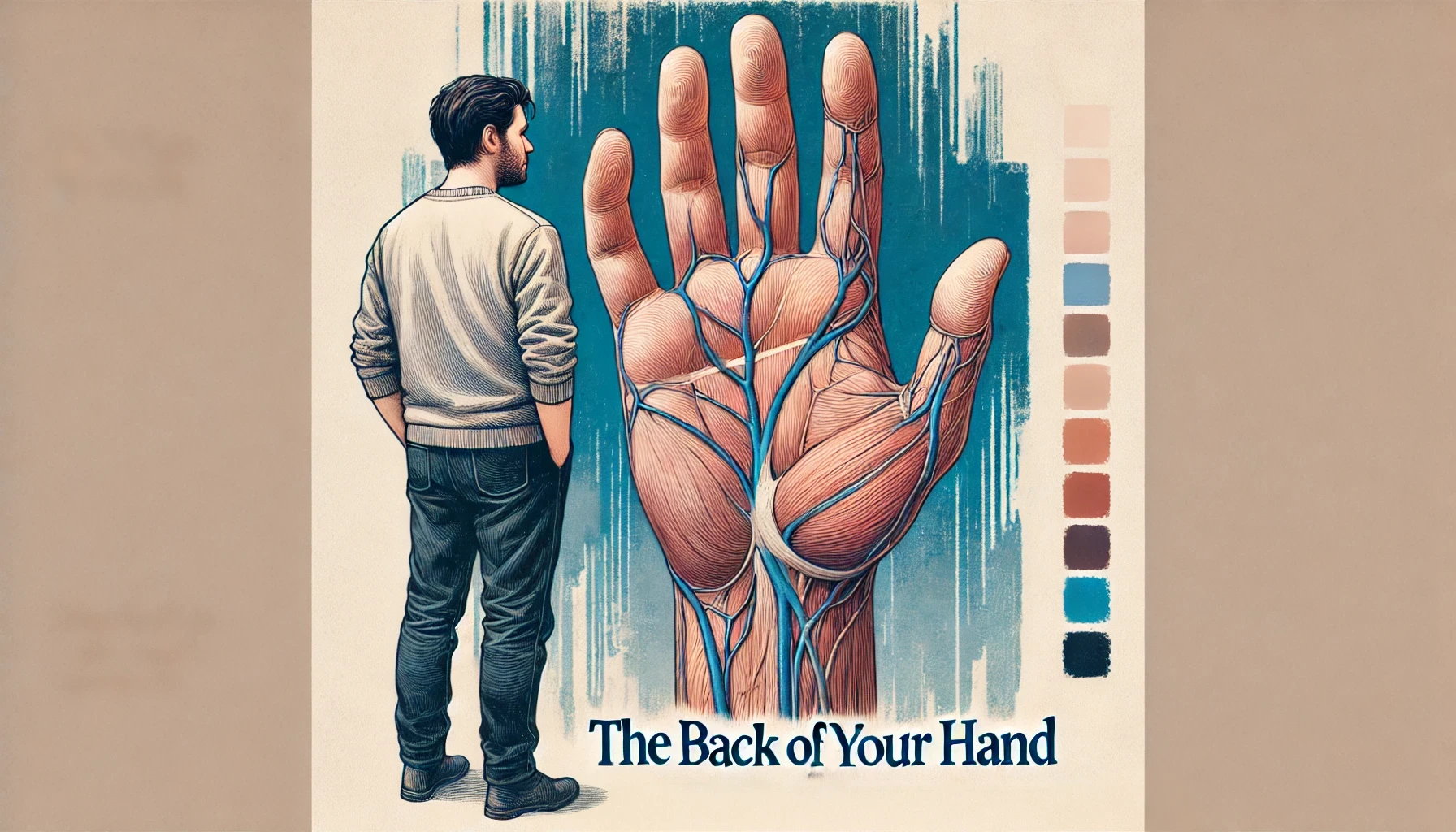
  • The Back of your Hand: Lack of Self Knowledge
    2022
  • Destiny: The Flow of the Universe
    2021
  • Wrongness: Accepting All Paths
    2020
  • Greatness: Transcending Measurement
    2020
  • Time Is A Healer And A Killer
    2020
  • Have A Truly Shitty Day: The Humor of Adversity
    2020
  • Joy: Found In Simple Pleasures
    2019
  • Randomly Placing Value: Embracing Intrinsic Worth
    2019
  • Methods of Discernment: The Fluid Lens
    2019
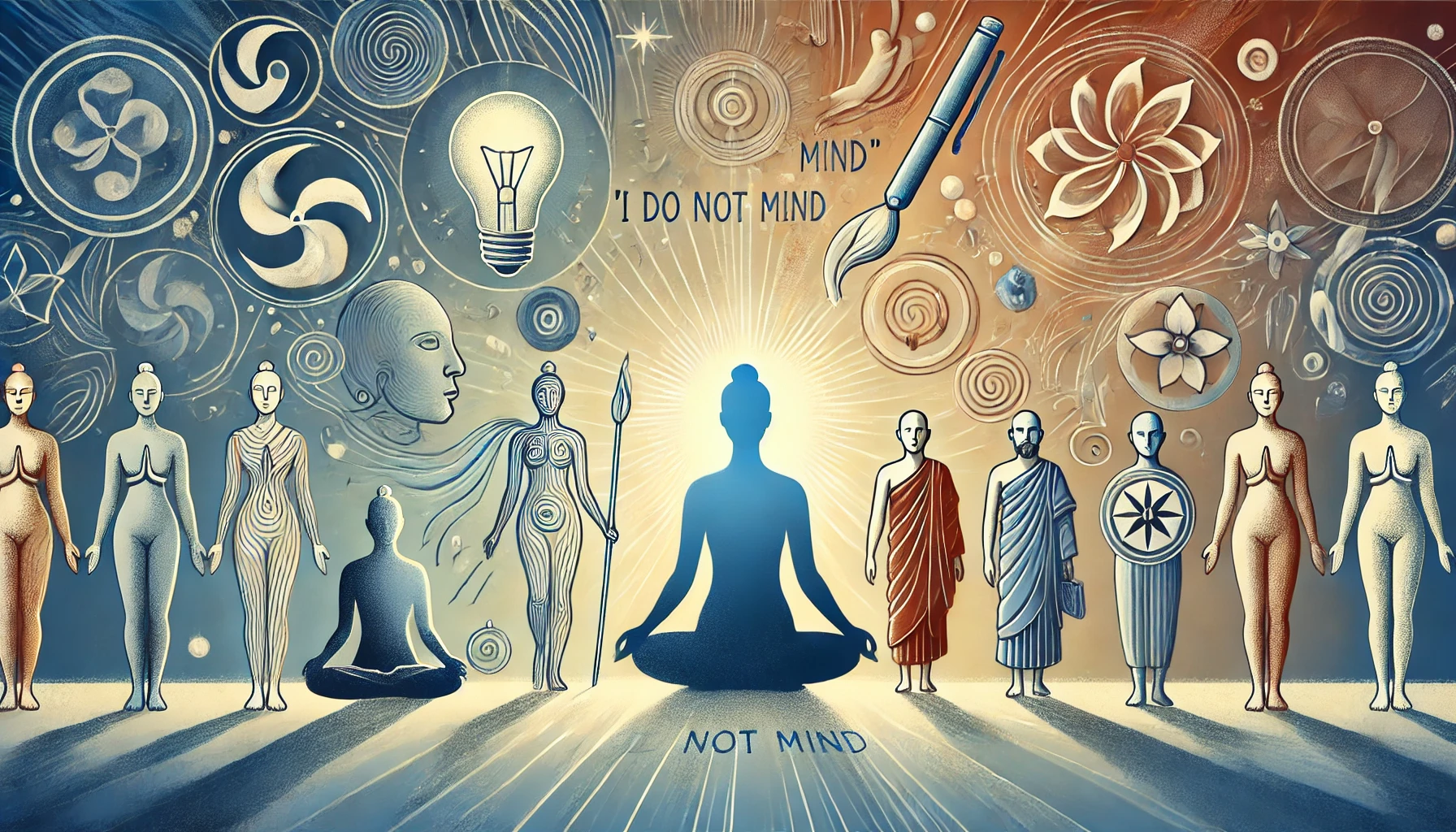
  • I Do Not Mind
    2018
  • We’re All Delusional: Liberation From Rigid Beliefs
    2017
  • Unresolved Questions: The Contemplative Horizon
    2017
  • Eclipse: Subjectivity of Special Moments
    2017
  • Set Aside Thinking: Harmony of Stillness
    2017

Recent Posts

  • The Logic Loop
  • Immense
  • (no title)
  • Confront. Comfort. Convince.
  • Top 10 Things
Cape Odd · Copyright © 2026 All Rights Reserved
iThemes Builder by iThemes · Powered by WordPress