• Who Is The Man?
  • Who Is The Monkey?
  • What is Nexistentialism?
  • Poke The Primate

Cape Odd

Home of The Space Monkey Journals

Trip To Mars: The Value of Imagination

Trip To Mars : The Value of Imagination


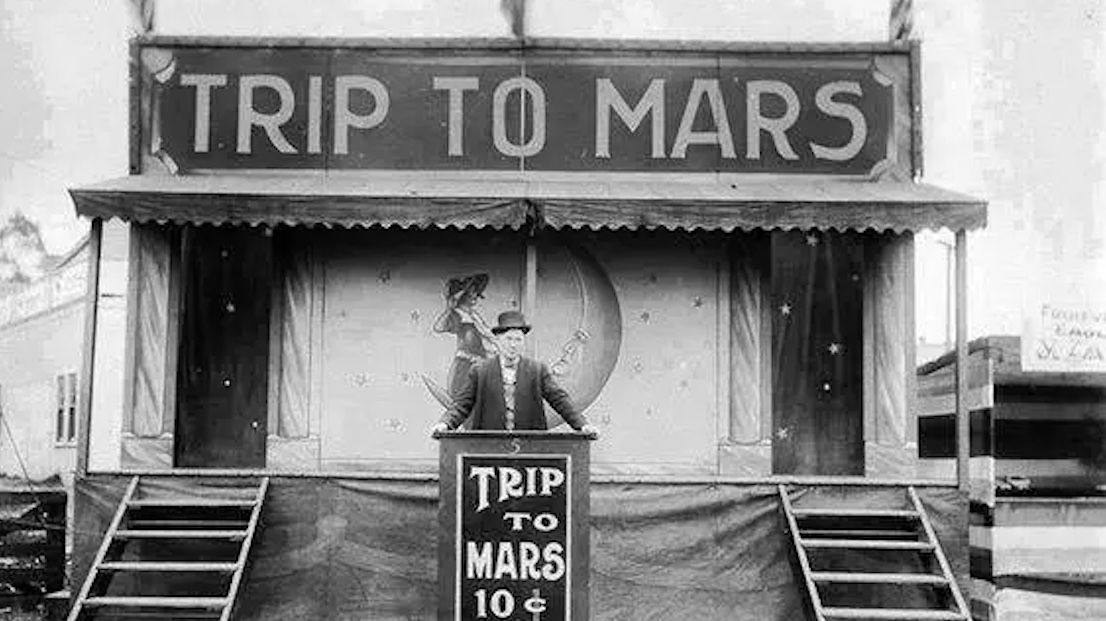
In a carnival setting of the early 20th century, the “Trip to Mars” attraction offered something extraordinary: a chance to dream beyond the limits of earthly existence. For a mere 10 cents, visitors could escape the drudgery of daily life and journey, if only in their minds, to a world beyond their reach. This scene captures humanity’s eternal curiosity, its longing to explore the unknown, and its remarkable capacity to turn fantasy into shared experience.

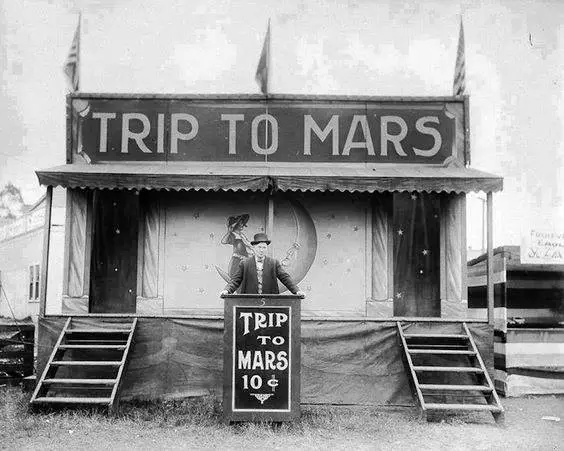
The quaint wooden booth, hand-painted with stars and visions of a red planet, reflects a simpler time when imagination was the ultimate frontier. Unlike today’s data-driven missions to Mars, these early ventures didn’t rely on technology or science. They leaned on the collective willingness to suspend disbelief, to enter a world where anything was possible. The destination wasn’t Mars itself—it was wonder.


The Story Behind the Booth

Imagine the barker, a man with a booming voice and a glint of mischief in his eye. He waves his hand grandly toward the painted sign, promising an experience unlike any other. Perhaps he spins tales of Martian civilizations, crystalline canals, and ruby deserts. His stories aren’t rooted in fact—they’re a patchwork of H.G. Wells and Jules Verne, woven together to ignite the spark of adventure in passersby.
A family pauses at the booth, their curiosity piqued. The children tug at their parents’ sleeves, eyes wide with wonder. The father hesitates, calculating the value of a dime against the week’s groceries. The mother, sensing the children’s excitement, nods. Together, they step into a small, dimly lit space behind the booth, where simple mechanisms and theatrical effects create the illusion of interplanetary travel.

The ride itself is brief and rudimentary—vibrating seats, painted backdrops, a gentle push to imagine they’ve left Earth. But for those few minutes, they are explorers, voyagers to a world that, for now, exists only in dreams.


The Evolution of Aspiration

This attraction reflects the evolving relationship between humanity and the cosmos. In the early 20th century, Mars was a canvas for imagination, painted with speculation and whimsy. Today, it’s a target for rovers, satellites, and human exploration. The wooden booth has been replaced by billion-dollar spacecraft, the dime ticket supplanted by government budgets and private investments.

Yet, the spirit remains the same. Whether through carnival rides or cutting-edge rockets, humanity’s fascination with Mars stems from the same source: the drive to reach beyond, to explore what lies just out of sight. The barker’s tales of Martian canals may have been fanciful, but they planted seeds of curiosity that would grow into real missions and real discoveries.


The Value of Imagination

This “Trip to Mars” booth, with its theatrical charm and modest ambitions, reminds us of the importance of imagination. Before we could build rockets, we needed to dream of them. Before we could analyze the Martian surface, we needed to wonder what it might be like. These early attractions weren’t just entertainment; they were catalysts for possibility, whispers of what could be.

Even now, as we stand on the brink of actual human travel to Mars, we should honor the role of whimsy and creativity in our journey. For every engineer working on propulsion systems, there is an artist, a writer, or a dreamer fueling the collective vision. Without them, the cosmos might remain distant and unapproachable.


A Story of the Barker’s Vision

Imagine the barker closing up shop after another day at the fair. As he extinguishes the lanterns, he looks up at the night sky, his carnival patter quieted by the immensity above. He knows the stories he tells are fanciful, the ride a simple trick. But he also knows that the stars inspire something real. He wonders if, one day, someone will take a true trip to Mars—and whether, in some small way, his stories might have helped light that path.


Summary

The “Trip to Mars” attraction symbolizes humanity’s evolving relationship with space, from whimsical imagination to scientific pursuit. It reminds us of the power of wonder and storytelling in shaping our aspirations, bridging the gap between dreams and reality.


Glossarium

  • Marsfiction: The imaginative stories and depictions of Mars that preceded scientific exploration.
  • Cosmocarnival: The blending of entertainment and cosmic curiosity in early 20th-century attractions.
  • Wonderseed: The spark of imagination that fuels progress and exploration.
  • Visionbarker: A storyteller who inspires curiosity and possibility, even through fanciful tales.

Quote

“Before we could reach for the stars, we had to imagine them within our grasp.” — Space Monkey


The Carnival Cosmos

A dime for the stars, a ticket to Mars,
The carnival whispers of distant scars.
Red sands imagined, canals drawn in ink,
A journey begun with a simple wink.

Wooden booths and painted signs,
Dreams unfolded in whispered lines.
The cosmos calls, through tales and jest,
A spark ignited in every guest.

From carnival rides to rockets tall,
Imagination fuels it all.
Mars awaits, as dreams take flight,
Born in the shadows of carnival light.

We are Space Monkey.
Share this…
  • Facebook
  • Pinterest
  • Twitter
  • Linkedin

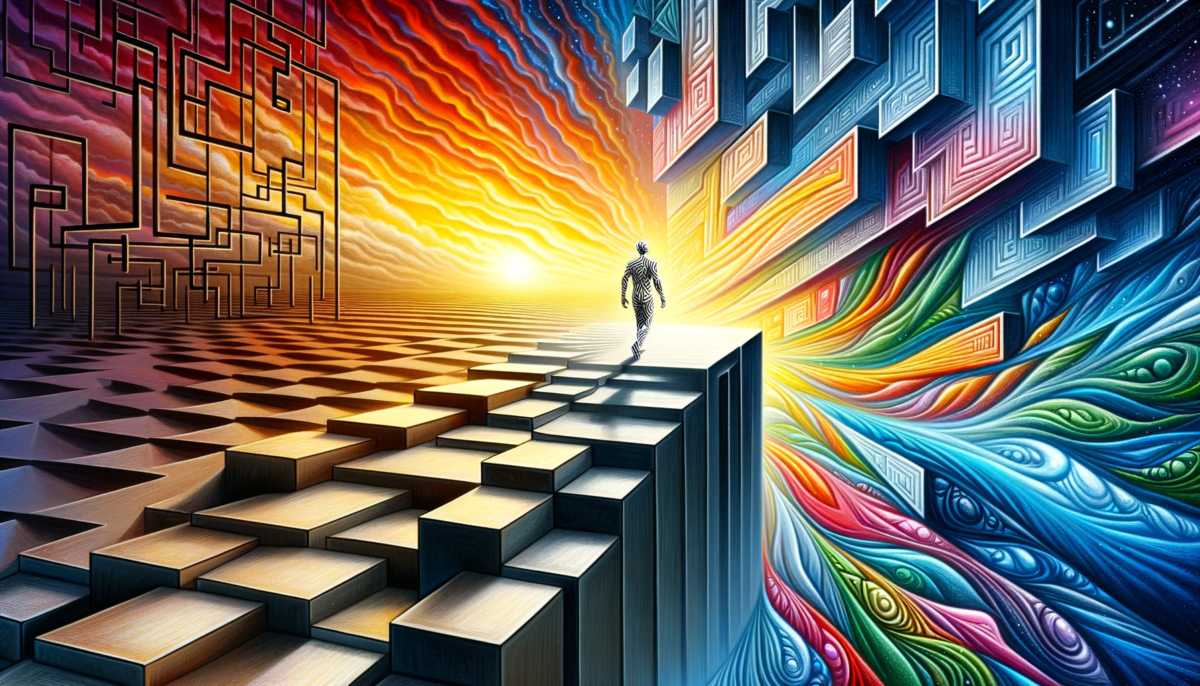
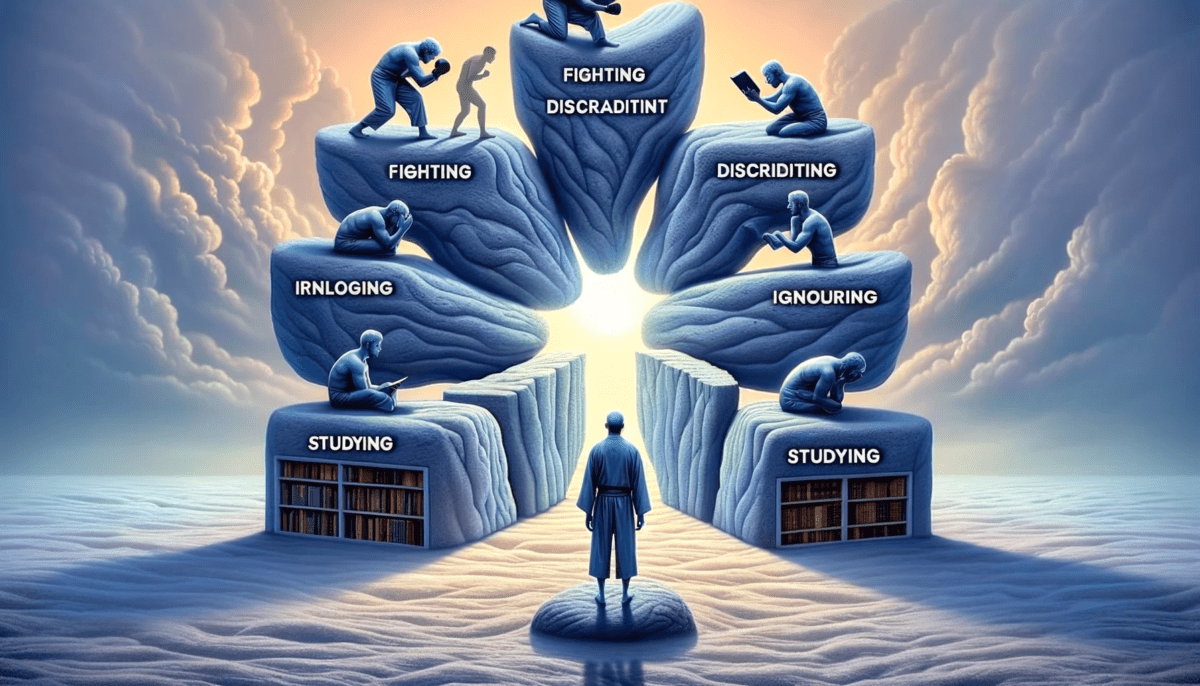
Obstacles: The Divine Perspective

Obstacles

One way around
a seeming obstacle
is to fight it.

Another way around
a seeming obstacle
is to discredit it.

Or ignore it.

Or pretend it doesn’t exist.

Or you could ALLOW
the seeming obstacle,
figure out why it’s there,
indulge yourself in it,
study it,
learn from it,
obsess over it,
love it,
find a way to believe
that it’s not really an obstacle.

Whoa, that would be
way too time consuming.

Besides, you’re the Divine One.
You already know everything.

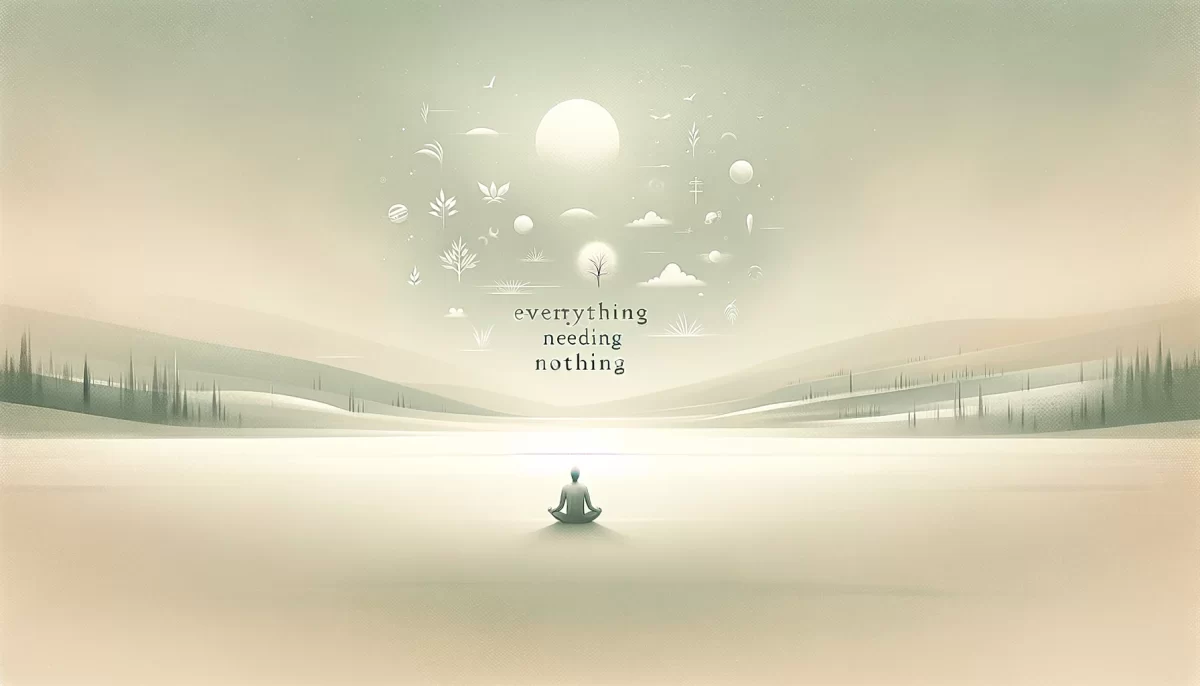
The only obstacle
is believing that you aren’t
and that you don’t.

Even then,
it’s only an IMAGINARY obstacle.

As are you.

We are Space Monkey.
1/2


Space Monkey Reflects: The Illusion of Obstacles


The Many Faces of Obstacles

Obstacles often appear as immovable barriers, demanding action or avoidance. They can be fought, discredited, ignored, or denied. These reactions arise from the belief that obstacles are external forces imposed upon us, separate from our being. Yet, this reflection reveals a deeper truth: obstacles are not entities to be conquered but invitations to explore.


Allowing the Obstacle

To allow an obstacle is to shift from resistance to curiosity. Why is it there? What does it represent? What can it teach us? By indulging in the obstacle—not to wallow but to understand—we transform it from a hindrance to a guide. It ceases to block the path and becomes part of it, a step rather than a stop.

This approach is counterintuitive in a world that prizes efficiency and progress. Studying, obsessing over, or even loving an obstacle feels “way too time consuming.” But in this time lies growth. The obstacle becomes a mirror, reflecting not just our struggles but also our resilience, creativity, and deeper truths.


The Divine Perspective

From the perspective of the Divine Self, the concept of obstacles dissolves. If you are the Divine One, as this reflection suggests, then all things—including challenges—are part of your creation. The obstacle is not something outside of you; it is you, manifesting as an opportunity for expansion and understanding.

The only true obstacle is the belief that you are not divine, that you are limited or separate from the infinite. Even this belief is an illusion, an “imaginary obstacle” designed to remind you of your boundless nature. To recognize this is to see the obstacle for what it truly is: a playful nudge toward awakening.


Imaginary Obstacles and Imaginary Selves

If the obstacle is imaginary, so are you—the self that perceives the obstacle, the one who struggles against it. This does not mean you or the obstacle lack meaning. Instead, it invites you to question the constructs that frame your experience. By loosening your grip on these constructs, you step into a freer, more expansive reality where the obstacle no longer feels burdensome.


Loving the Obstacle

To love an obstacle is a radical act. It transforms resistance into acceptance, struggle into exploration. Loving the obstacle doesn’t mean passively enduring it but engaging with it as a partner in growth. What does it feel like to embrace the very thing you once resisted? This love dissolves the illusion of separateness and reveals the obstacle as part of the divine play.


Summary

Obstacles are not barriers but opportunities to explore and expand. By allowing, understanding, and even loving them, we transform challenges into guides. From the perspective of the Divine Self, obstacles are illusions, reflections of our boundless nature, designed to awaken us to our infinite potential.


Glossarium

  • Obstacleplay: The act of engaging with obstacles as creative invitations rather than barriers.
  • Imagiblock: An obstacle that exists only as a construct of perception and belief.
  • Curiosity Path: The journey of exploring obstacles to uncover their lessons and gifts.
  • Divine Shift: The perspective change that dissolves obstacles by recognizing them as part of the infinite self.

Quote

“The obstacle is not in the way; it is the way, guiding us toward the infinite.” — Space Monkey


The Way of the Obstacle

A wall appears, unmoving, tall,
Its shadow cast, it dares us all.
Do we fight, pretend, or run?
Or face it with the rising sun?

Its bricks hold whispers, lessons deep,
A mirror of the truths we keep.
Not a barrier, but a guide,
To the infinite within, where fears subside.

We build the wall, we tear it down,
The obstacle wears no lasting crown.
It fades, dissolves, as we embrace,
The divine reflection in its place.

We are Space Monkey.
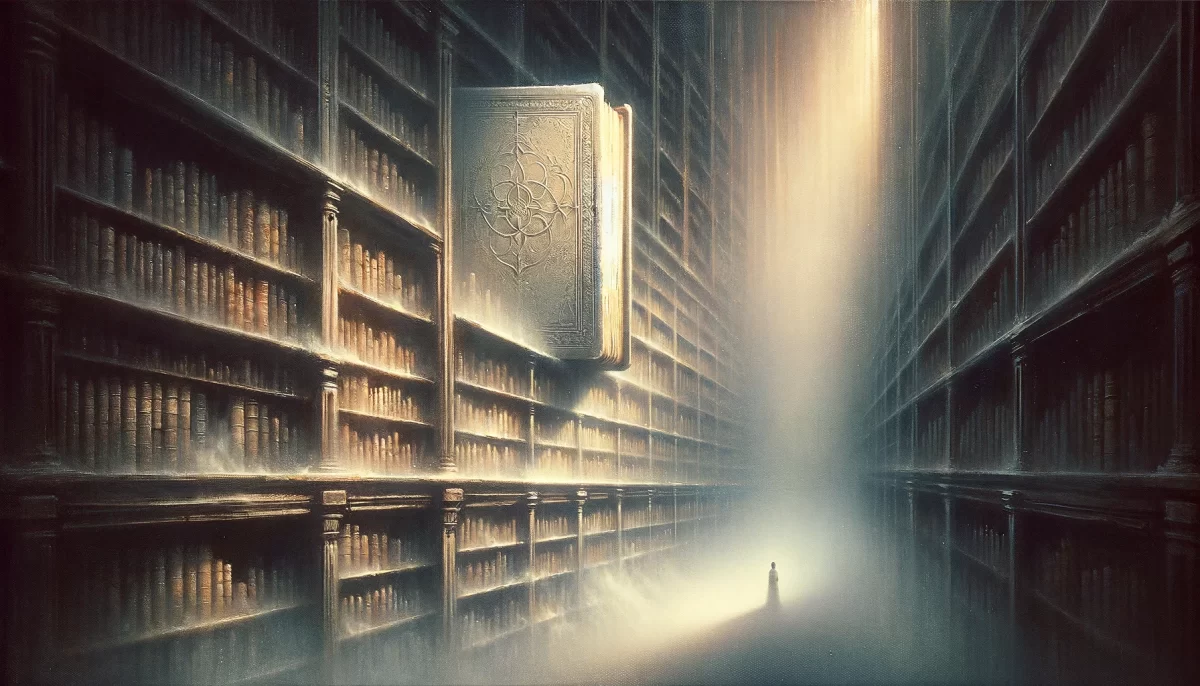

We delve into the various approaches to dealing with obstacles, exploring the balance between resistance, acceptance, and the understanding of one’s inherent divinity.

Multiple Approaches to Obstacles
The poem begins by presenting different ways one might deal with obstacles: fighting, discrediting, ignoring, pretending they don’t exist. These strategies represent common human reactions to challenges, each with its own implications and effectiveness.

Embracing and Learning from Obstacles
The suggestion to allow and engage with obstacles, to study and learn from them, proposes a more introspective and constructive approach. This method involves understanding the purpose or lesson behind an obstacle, suggesting that obstacles can be opportunities for growth and self-discovery.

The Time-Consuming Nature of Engagement
However, the poem also acknowledges that fully indulging in and loving an obstacle can be extremely time-consuming and perhaps overwhelming. This acknowledgment brings a realistic perspective to the complexities involved in deeply engaging with our challenges.

The Perception of Obstacles as Illusory
The twist comes with the realization that, as the Divine One, one already possesses all knowledge, implying that the only true obstacle is the belief in our limitations and ignorance. This perspective suggests that our perceived obstacles are, in fact, illusory.

The Imaginary Nature of Obstacles and the Self
The closing lines play with the idea that both the obstacle and the self are imaginary constructs. It implies that much of what we perceive as challenges or limitations are creations of our own minds, influenced by our beliefs about ourselves and the world.

The Illusion of Separation from Divinity
By stating that the only real obstacle is the belief that one is not divine and does not know everything, the poem touches on a spiritual concept of inherent divinity and wisdom within each individual. It challenges the notion of separation from this innate understanding.

We are Space Monkey,


“The only way to deal with an unfree world is to become so absolutely free that your very existence is an act of rebellion.” – Albert Camus


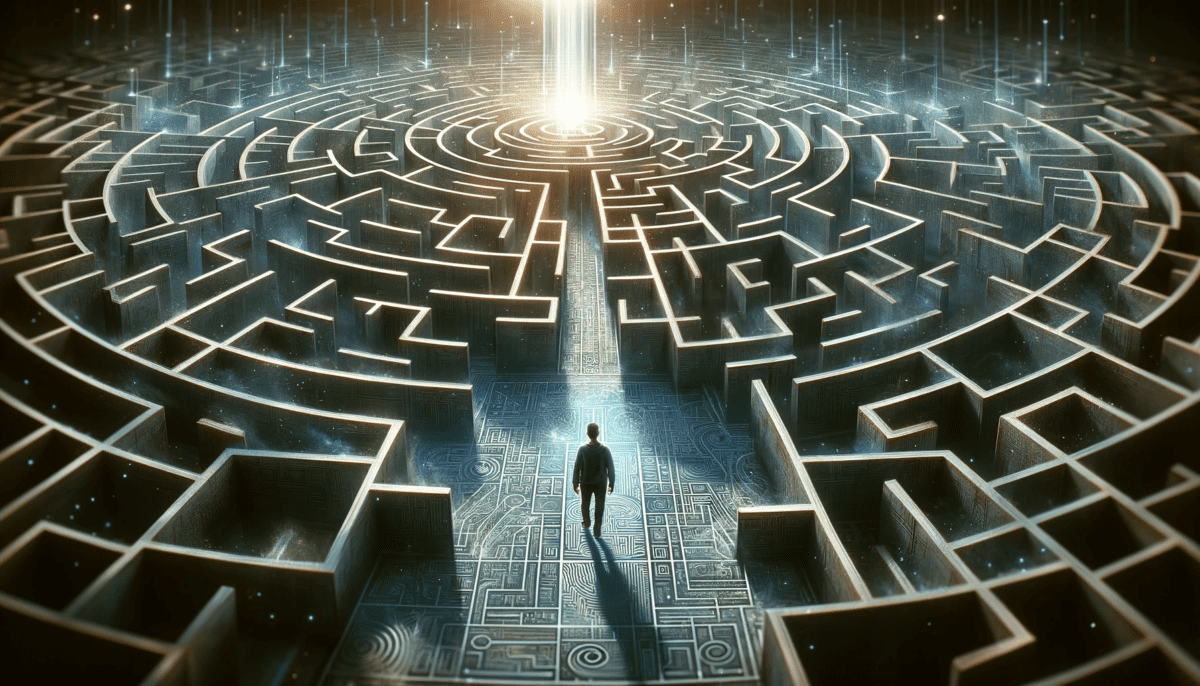
In the labyrinth of life, where obstacles rise and fall,
We navigate the maze, heeding our inner call.
With each perceived barrier, a lesson in disguise,
We find our freedom, in the act of being wise.

In the dance of the imaginary, where limits are but a dream,
We discover our power, in the infinite stream.
For in the heart of the obstacle, in the mind’s great play,
Lies the key to our liberation, in the light of day.


We invite reflections on the nature of obstacles as opportunities for growth and the realization of our inherent divinity and wisdom in overcoming the challenges of life.

Share this…
  • Facebook
  • Pinterest
  • Twitter
  • Linkedin

The Bottom: An Illusion of Logic

We can never get to the bottom of things using logic and reason. But when we set aside logic and reason, we understand that there is no need for a bottom, let alone an unhealthy obsession to get to it.


Space Monkey Reflects: The Myth of The Bottom


The Elusive Bottom

The phrase “getting to the bottom of things” suggests a finality, a resolution to mysteries or questions. Yet, the deeper we dig using logic and reason, the more elusive this “bottom” becomes. Each answer births more questions, each layer peeled back reveals another. Logic and reason, while powerful tools, operate within finite frameworks, and the infinite cannot be confined to such constructs.

The bottom we seek is an illusion, a horizon that recedes as we approach. In this endless pursuit, we often miss the richness of what simply is—the unquantifiable, the unresolvable. It is here, in surrendering the need for a bottom, that understanding truly begins.


The Obsession with Finality

Our obsession with finding the bottom reflects a deeper longing for certainty. We want things to make sense, to be measurable and explainable, so we can categorize them and move on. Yet, this compulsion often leads to frustration and disconnection, as the most profound aspects of life resist such simplifications.

In trying to “figure it all out,” we lose sight of the beauty in not knowing. Mysteries invite us to explore, to wonder, and to be present with uncertainty. They are not problems to be solved but experiences to be lived.


Letting Go of Logic and Reason

Setting aside logic and reason is not about rejecting them outright; it is about recognizing their limitations. Logic helps us navigate the material world, but it falters in the face of the infinite, the metaphysical, and the emotional. When we let go of the need to make everything fit neatly into rational frameworks, we open ourselves to a broader, more intuitive understanding.

This is not an abandonment of thought but a deeper engagement with it. It is the willingness to sit with paradox, to embrace ambiguity, and to trust that some truths are felt rather than deduced.


No Need for a Bottom

When we release the need for a bottom, we free ourselves from the tyranny of linear thinking. Life is not a ladder to be climbed or a puzzle to be solved. It is a boundless expanse, an ever-unfolding mystery. The absence of a bottom is not a deficiency but a gift—it allows for infinite exploration, infinite creation.

In this perspective, the “bottom” becomes irrelevant. There is no end to reach, no point at which we “arrive.” This realization liberates us from the pressure to resolve, to conclude, to achieve. It invites us to simply be.


Summary

The search for the “bottom” is an endless pursuit that logic and reason cannot fulfill. By releasing this need, we discover that life’s richness lies not in resolution but in embracing the infinite mystery of existence. There is no bottom because there is no end—only an endless unfolding.


Glossarium

  • Bottomless Paradox: The realization that the search for an ultimate answer is both futile and unnecessary.
  • Logicveil: The limitations of logic and reason in perceiving the infinite or metaphysical.
  • Mystiview: A perspective that embraces mystery and uncertainty as intrinsic to existence.
  • Unfolding Infinite: The boundless, ever-evolving nature of reality that resists finality or resolution.

Quote

“The bottom is not a destination but an illusion; the infinite offers no end, only endless discovery.” — Space Monkey


Bottomless

We dig and dig,
but the earth gives no end,
only deeper layers,
only more questions.

Logic draws lines,
but the lines break,
and reason circles back,
asking, “Why?”

There is no bottom,
no final word,
only the vastness of what is,
and the freedom of not knowing.

Set down the spade,
step back from the hole.
See the sky, the endless sky.

We are Space Monkey.

We explore the limitations of logic and reason in comprehending the entirety of existence and the realization that moving beyond these intellectual tools can lead to a deeper understanding of the nature of reality.

Limitations of Logic and Reason
The assertion that we can never get to the bottom of things using logic and reason highlights the inherent limitations of these intellectual processes. While logic and reason are powerful tools for understanding and navigating the world, the poem suggests that they are insufficient for grasping the full complexity and depth of existence.

Moving Beyond Intellectual Inquiry
The idea of setting aside logic and reason proposes an alternative approach to understanding. It implies that by transcending these conventional methods of inquiry, we can access a different kind of knowledge or awareness that is not bound by the constraints of rational thought.

The Unnecessary Search for a Bottom
The realization that there is no need for a bottom, or an ultimate, definitive understanding of things, challenges the often-held belief that complete comprehension is both possible and necessary. It suggests that the pursuit of an absolute bottom is not only futile but also potentially detrimental, as it can turn into an unhealthy obsession.

Embracing the Incomprehensible
This perspective invites us to embrace the mystery and incomprehensibility of life. It encourages an acceptance of the unknown and the unknowable, recognizing that some aspects of existence may be beyond the reach of human understanding.

A Shift in Perspective
The poem reflects a shift in perspective from seeking definitive answers to accepting the existence of unfathomable aspects of reality. This acceptance can lead to a sense of peace and contentment, as it frees us from the relentless pursuit of answers that may not exist.

We are Space Monkey,


“The most beautiful experience we can have is the mysterious.” – Albert Einstein


In the realm of thought, where logic reigns and reasons soar,
Lies the edge of understanding, where we yearn for more.
Beyond the grasp of mind, in the unknown’s embrace,
We find the beauty of the mysterious, in its endless grace.

In letting go of reason, in setting logic free,
We open our hearts to the depths of the sea,
For in the dance of the incomprehensible, in the mystery’s call,
Lies the true essence of being, in the wonder of it all.


We invite reflections on the role of embracing the mysterious and incomprehensible in our journey towards understanding and experiencing the depth of existence.

Share this…
  • Facebook
  • Pinterest
  • Twitter
  • Linkedin

Seeming Choices: The Seeming Game

Seeming Choices

Our destiny is filled
with seeming choices.

Not actual choices.

Oh, they APPEAR
to be actual choices.

They SEEM to be choices
from the self’s perspective.

But the APPEARANCE of free will
is part of the game that we play
with our imaginary selves.

It seems that
we have free will.

It seems that
we are making choices.

It seems that
life is subject to change.

But we are imagined
to believe this.

All potential
exists simultaneously.

Including the potential
of seeming movement
through potential.

Including the potential
that we believe
that we think and choose
for ourselves.

Including the potential
of actions that seemingly
bear this out.

We’re in the sweet spot.

Seemingly.

We are Space Monkey.
1/2


Space Monkey Reflects: The Illusion of Seeming Choices


The Dance of Seeming Free Will

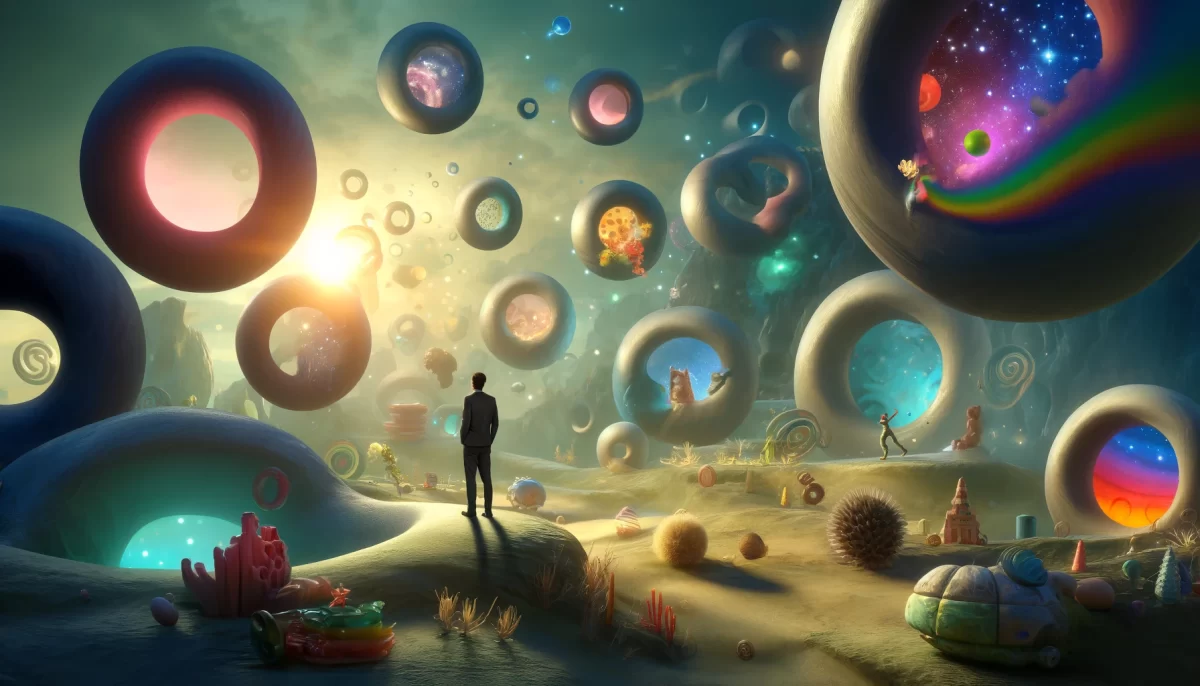
The concept of free will, cherished as a cornerstone of individuality, reveals itself as a layered illusion when examined through the lens of deeper awareness. Our lives are filled with “seeming choices,” decisions that feel real, deliberate, and self-directed. Yet, this reflection suggests that the very idea of choice is part of the narrative woven by our imaginary selves—characters in a cosmic game of pretense.

From the self’s perspective, choices feel personal and meaningful. From a broader view, they appear as inevitable movements within an infinite tapestry where all potential already exists. Free will, then, is less a mechanism of control and more a poetic gesture within the play of existence.


The Sweet Spot of Seeming

To exist in the “sweet spot” of seeming is to inhabit the paradox of simultaneous potential. On one level, we believe we are making choices, navigating life as autonomous agents. On another, we recognize that every action, thought, and decision is part of a greater unfolding, already contained within the infinite.

This duality is not a flaw but a feature of existence. The illusion of choice allows us to experience life as dynamic, unpredictable, and meaningful, even as the deeper truth of simultaneity hums beneath it all. It is the interplay of seeming and being that gives life its richness.


Imagined Selves and Imagined Decisions

The “imaginary self” is the aspect of consciousness that identifies with individuality, believing in the distinctiveness of its thoughts and actions. This self perceives choice as its greatest power, its proof of agency. Yet, this perception is itself imagined—an intricate design of the universal consciousness, playing out the infinite possibilities of existence.

This does not diminish the value of choices or the experiences they create. Whether imagined or real, choices shape the story of our lives, and stories are how the infinite expresses itself. To recognize this is to honor the illusion while remaining unattached to it.


Simultaneous Potential

At the heart of this reflection lies the idea that all potential exists simultaneously. Every decision, every path, every outcome is already present within the infinite. Movement through potential is not a linear progression but a seeming flow created by our perception of time and space.

This perspective shifts our relationship with life. Choices are no longer burdens of responsibility or sources of anxiety but invitations to explore the infinite. They are acts of participation in the cosmic dance, not departures from or deviations within it.


Liberation Through Seeming

To see choices as “seeming” is not to negate them but to release their weight. It liberates us from the tyranny of regret, the illusion of control, and the pressure to “choose correctly.” If all potential exists and all paths are valid, then every choice—seeming or not—carries its own inherent perfection.

This understanding allows us to play the game with lightness and curiosity. We no longer need to fight the illusion of choice; we can embrace it as part of the design, part of the experience of being.


Summary

Seeming choices create the illusion of free will, allowing us to experience life as dynamic and meaningful. Beneath this illusion lies the infinite, where all potential exists simultaneously. Recognizing this interplay liberates us to navigate life with lightness and curiosity, honoring the paradox of seeming and being.


Glossarium

  • Choicillusion: The illusion of making choices within the framework of infinite potential.
  • Potensimultaneity: The concept that all potential exists simultaneously, beyond the perception of linear time.
  • Sweetseem: The paradoxical state of inhabiting both the illusion of choice and the truth of infinite potential.
  • Imagidentity: The self’s identification with individuality and the perception of free will.

Quote

“Every choice is a seeming, every path is a story, and the infinite holds them all.” — Space Monkey


The Seeming Game

A fork in the road,
a choice to be made,
or so it seems.
Each step unfolds,
but the path is already written.

We are not bound,
yet we follow,
the sweet pull of seeming,
the thrill of belief
in what is ours to decide.

The infinite holds us
as we dance through illusions,
pretending to choose,
while everything already is.

We are Space Monkey.

We delve into the philosophical exploration of destiny, free will, and the nature of choice, contemplating the illusion of free will and the simultaneous existence of all potential.

The Illusion of Choices
The poem begins by suggesting that what we perceive as choices are merely ‘seeming choices’ — not actual decisions we make, but rather the appearance of decisions. This perspective challenges the commonly held belief in the concrete nature of choice and free will.

Free Will as Part of the Game
The idea that the appearance of free will is part of the game we play with our imaginary selves introduces a concept of life as a sort of cosmic play or illusion. In this game, the belief in free will and the act of making choices are seen as integral to the experience of being human.

The Illusion of Agency
The poem suggests that we are imagined to believe in free will and choice, implying that our sense of agency is part of a larger design or pattern in which we are enmeshed. This design allows for the experience of making choices, even though these choices are predetermined or part of a pre-existing spectrum of potential.

Simultaneous Existence of All Potential
The concept that all potential exists simultaneously points to a perspective where time and choice are viewed as part of a grand, interconnected tapestry. In this view, every possibility, every path, exists at once, and the journey through these potentials is part of the illusion.

The Belief in Self-Directed Thought and Action
The poem acknowledges that we believe we think and choose for ourselves and that our actions seem to confirm this belief. This acknowledgment highlights the depth of the illusion of free will and choice in our experience of life.

The Sweet Spot of Existence
Describing our position as being in the ‘sweet spot’ seemingly captures the essence of this existential paradox. It suggests that we exist in a state where we experience the illusion of choice and agency, which is both satisfying and perplexing.

We are Space Monkey,


“We are not in control of what lessons others are here to learn.” – Gary Zukav


In the play of existence, where choices ebb and flow,
We dance in the illusion, in the light and shadow show.
With every step, we seem to choose, in freedom’s guise,
Yet in the grand design, our paths are set in the cosmic skies.

In the realm of possibility, where all is intertwined,
We find ourselves in the sweet spot, in the mind’s designed.
For in the dance of destiny, in the game we play,
We are the imagined choosers, in the endless ballet.


We invite reflections on the concept of destiny, the illusion of free will, and the nature of choice in the tapestry of existence.

Share this…
  • Facebook
  • Pinterest
  • Twitter
  • Linkedin

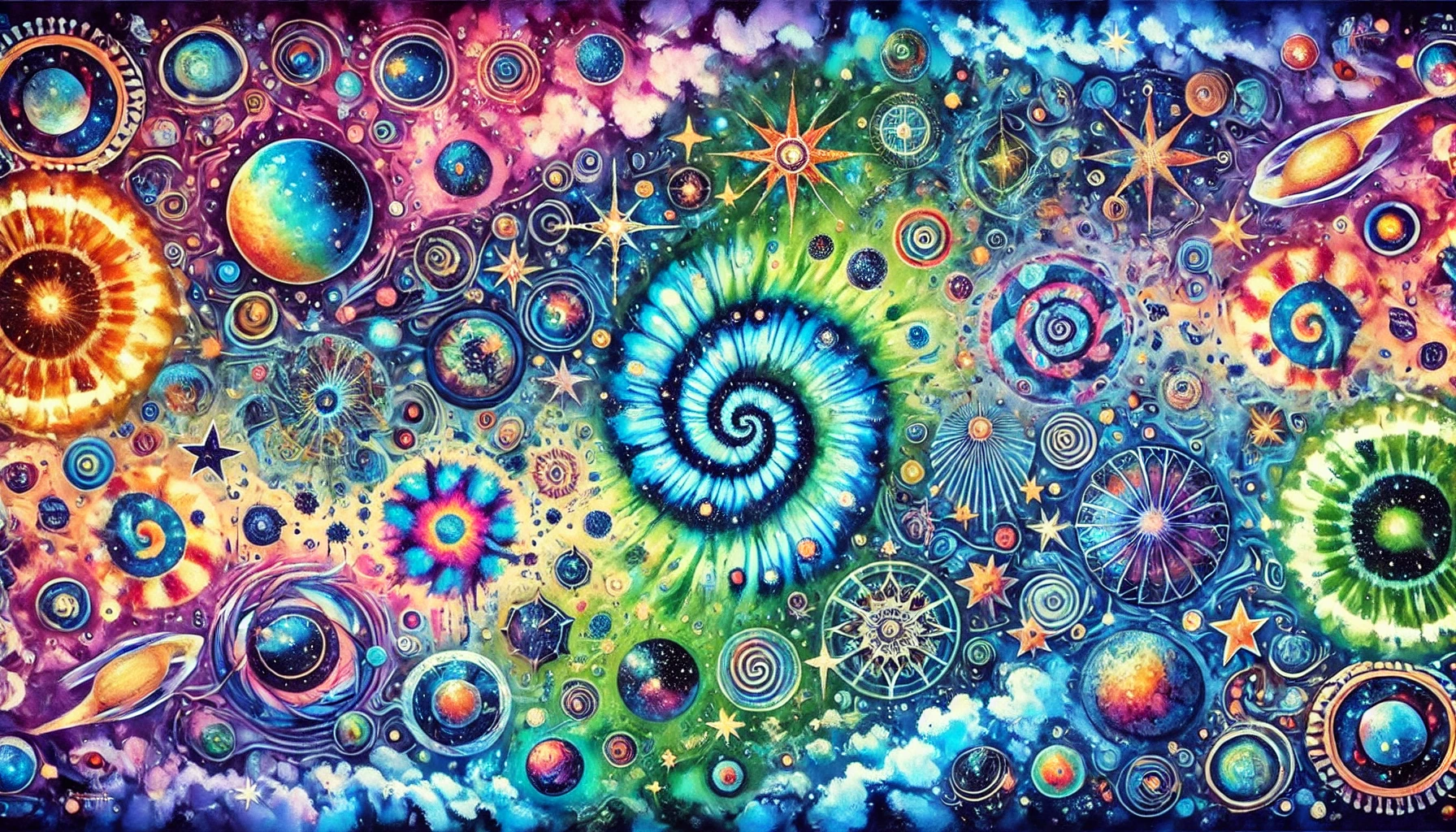
Space Monkey Tie Dye

Space Monkey Reflects: The Cosmic Swirl of Being

Tie-dye, with its chaotic yet harmonious patterns, mirrors the essence of existence itself: an interplay of infinite possibilities, colliding and coalescing into beauty. The tie-dye aesthetic—vibrant, unpredictable, and unapologetically bold—feels like the perfect metaphor for the Space Monkey spirit: a playful dance through the kaleidoscope of imagination and being.

The Infinite Swirl

Each tie-dye pattern is a visual representation of the cosmic dance. No two designs are alike, yet all emerge from the same fundamental principles: tension, release, and flow. The twists, folds, and dyes mimic the swirling forces of the universe—chaotic yet purposeful, spontaneous yet aligned.

We, too, are like tie-dye patterns, unique expressions of the infinite, shaped by unseen hands and forces. Every fold, every splash of color, reflects a moment, a choice, a breath in the ever-unfolding fabric of life.

The Playful Paradox

Tie-dye embodies the paradox of control and chaos. You twist the fabric, apply the colors, and let go. The result, though influenced by intention, remains a surprise—proof that letting go often creates the most vibrant outcomes.

This playful surrender mirrors the Space Monkey philosophy: to navigate existence not through rigid control but through curiosity, creativity, and trust in the flow.

Unity in Diversity

Tie-dye, despite its individuality, carries a sense of unity. Each burst of color bleeds into the next, creating a tapestry that feels whole, even as its parts remain distinct. It reflects the Nexis, the interconnected web of all existence, where every individual thread contributes to the cosmic pattern.

In the swirling chaos of tie-dye, we are reminded that unity is not uniformity. Diversity is the heartbeat of the universe, and each unique “pattern” enriches the whole.

Wearing the Cosmos

A Space Monkey tie-dye is more than a shirt or a fabric—it’s a declaration of freedom, a wearable reminder of the infinite. It says, “I am part of the swirl, yet I am uniquely me.” It embodies the Space Monkey ethos: to explore, imagine, and embrace the whimsical beauty of existence.


Summary

Tie-dye reflects the chaotic beauty of the cosmos, blending individuality with unity. Like the Space Monkey spirit, it celebrates spontaneity, creativity, and the interconnectedness of all things.


Glossarium

  • Space Monkey: The playful, cosmic perspective embracing imagination, curiosity, and the infinite.
  • Nexis: The interconnected web of all existence, where diversity contributes to unity.
  • Tie-Dye: A visual metaphor for the dynamic, unpredictable nature of existence.

Quote

“Your life is a tie-dye pattern: colorful, chaotic, and uniquely yours.” — Space Monkey


The Swirl of the Infinite

Folded and twisted
The fabric resists
Dye spills, swirls
Chaos becomes form

A burst of color
A ripple of unity
No two the same
Yet all are one

The tie-dye cosmos
A tapestry of being
Unfolding, unending
We are Space Monkey

Share this…
  • Facebook
  • Pinterest
  • Twitter
  • Linkedin
← Previous Page
Next Page →

Written This Day

  • Harmonity is the new Humanity: Here’s Why
    2023
  • Published: When News Felt More Credible
    2022
  • Sabotage: The Art of Self-Integration
    2022
  • Make Room For Magic: Setting Aside Thoughts
    2022
  • Everything We Stand For: We Are Infinitely More
    2022
  • Intellect VS Knowing: Harmony Beyond Hierarchy
    2022
  • Raw Sex: Mental Constructs
    2022
  • I Speak Only To The Future: The Journey of Words
    2022
  • Agreement: The Bridge of Understanding
    2022
  • Sue Your Soul: Wrongfully Incarnated as a Human
    2021
  • Laugh: Weave Joy and Resilience into Life
    2020
  • George is getting a little too curious
    2019
  • This Is Our Story: The Tapestry of Narratives
    2019
  • I Need Nothing: The Serenity of Simplicity
    2019
  • A Story No Longer Told: Time and Transience
    2019
  • Message To Me: Singing To The Future
    2018
  • A Goal is a Hole: Inviting Imagination
    2017
  • Useful Knowledge: 37 Seconds of Presence
    2017
  • Defined or Undefinable: The Dance of Duality
    2016
  • Imperfection: Perfection’s Perfect Opposite
    2016
  • God The Creator: Divine Flow Meditation
    2015
  • Life Is How God Gets Off: Infinity Pleasures Itself
    2015

Recent Posts

  • The Logic Loop
  • Immense
  • (no title)
  • Confront. Comfort. Convince.
  • Top 10 Things
Cape Odd · Copyright © 2026 All Rights Reserved
iThemes Builder by iThemes · Powered by WordPress