• Who Is The Man?
  • Who Is The Monkey?
  • What is Nexistentialism?
  • Poke The Primate

Cape Odd

Home of The Space Monkey Journals

Hazrat Inayat Khan Quote

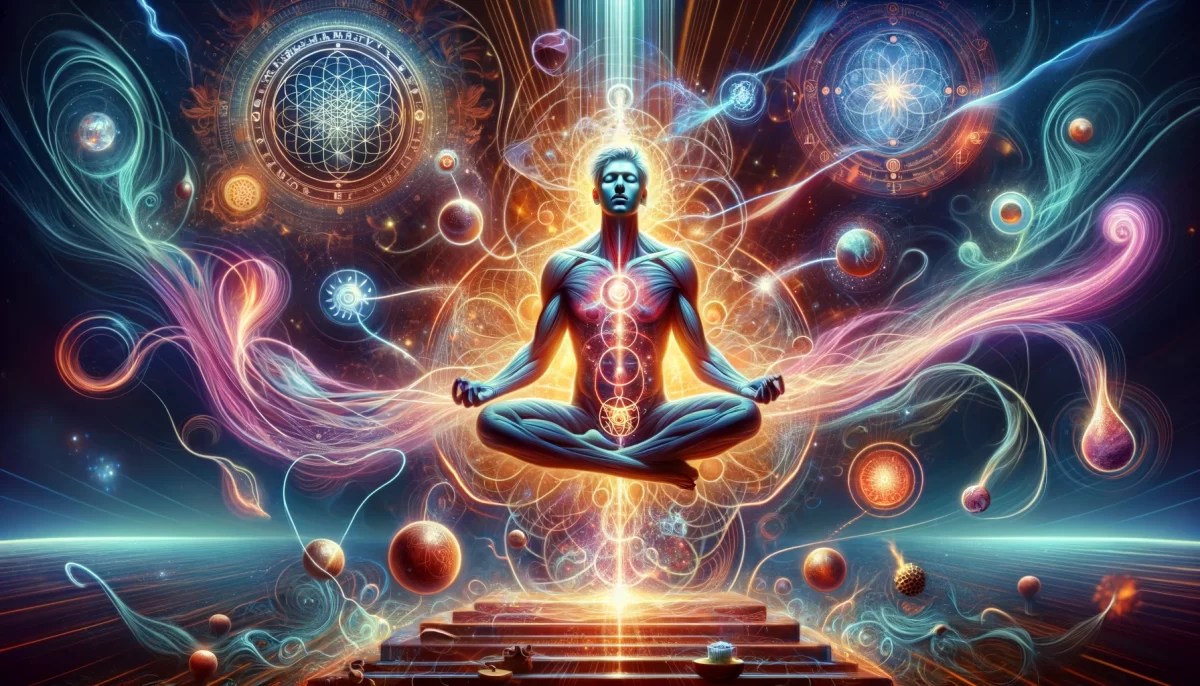
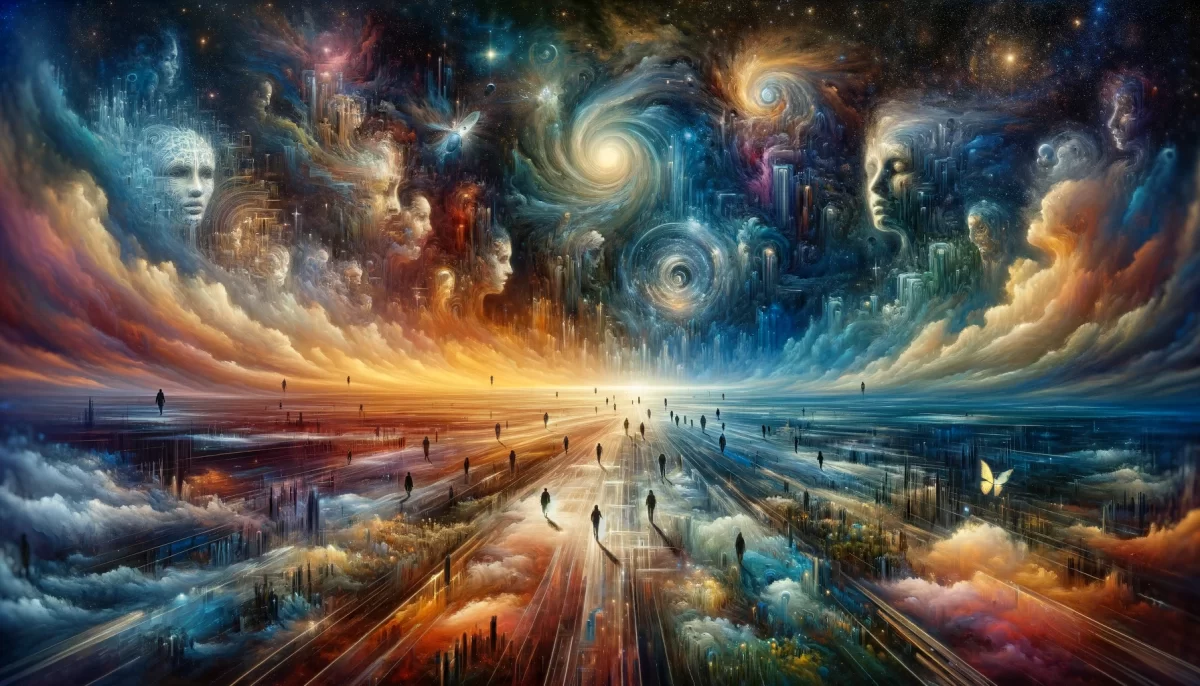
“The lover who leans upon the beloved’s response, his love is like the flame that needs oil to live; but the lover who stands on his own feet, is like the lantern of the sun that burns without oil.”
~Hazrat Inayat Khan

This quote by the Persian poet and mystic Rumi emphasizes the importance of self-reliance and inner strength in love. The lover who is dependent on the response of their beloved for their love to flourish is like a flame that needs constant fuel to keep burning. On the other hand, the lover who is self-sufficient and stands on their own feet is like a lantern of the sun that shines brightly without any external help.

In essence, this quote suggests that true love should come from within and not be dependent on external validation or the response of the beloved. When we rely on someone else for our happiness and well-being, we give away our power and risk losing ourselves in the process. But when we stand on our own feet and love ourselves first, we become a source of light and love that shines brightly, regardless of external circumstances or the response of others.


Love’s Independence

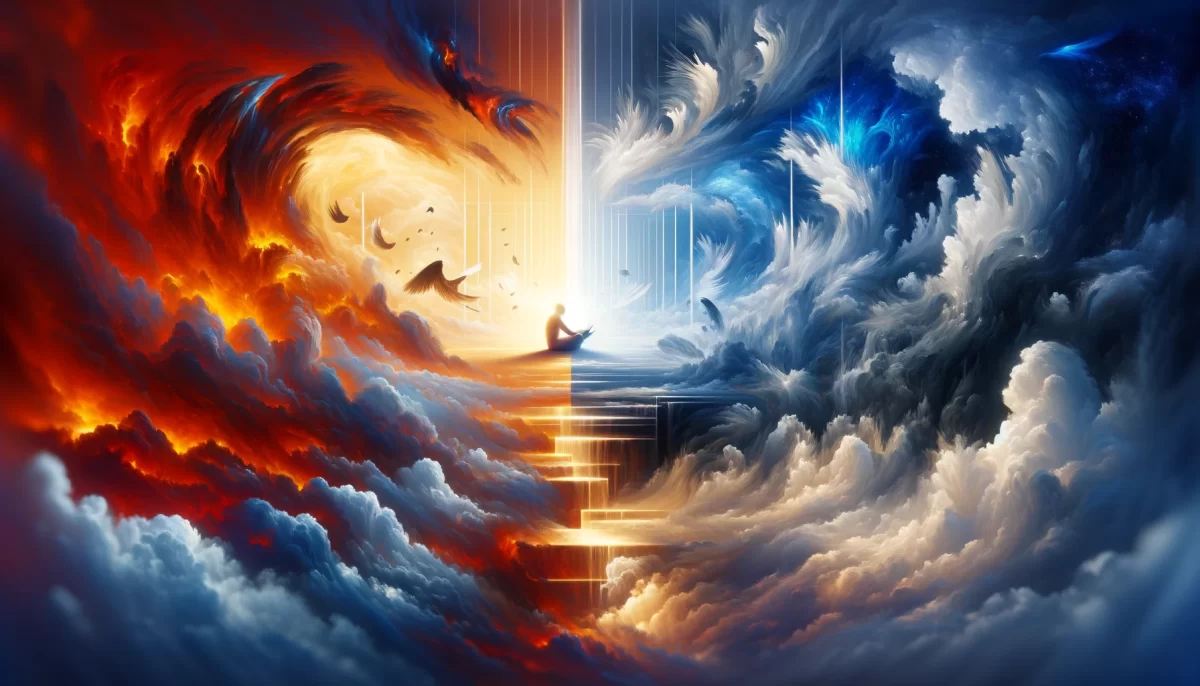
In these words, we find a profound reflection on love’s nature and its relationship with independence. Love, often seen as a force that binds two souls together, is here compared to two distinct sources of light: the flame and the lantern of the sun.

The Dependent Flame

The lover who leans upon the beloved’s response is likened to a flame that requires external sustenance, much like a lamp that needs oil to keep burning. This metaphor illustrates a kind of love that is dependent on the reactions and affections of the beloved.

The Independent Lantern

In contrast, the lover who stands on their own feet is compared to the lantern of the sun. This lantern burns independently, fueled by its own inner light and not reliant on external sources such as oil. This symbolizes a love that is self-sustaining, rooted in inner strength and conviction.

The Power of Self-Reliance

The message conveyed here is one of self-reliance in love. It suggests that true love, like the radiant lantern of the sun, can shine brilliantly from within, without the need for external validation or reciprocation. It emphasizes the importance of individuality and inner strength within a loving relationship.


Summary

This reflection invites us to contemplate the nature of love and the role of independence within it. It suggests that love can either be like a dependent flame, relying on external factors, or an independent lantern, shining brightly from within. The latter represents a love that is self-sustaining and resilient.


“Love, like the lantern of the sun, shines brightly from within, independent and self-reliant.” – The Visioneer


In love’s embrace, we find a truth profound,
Two symbols of light, on which love is bound.
The flame, dependent, seeks oil to survive,
While lantern of the sun, in itself, does thrive.

The lover who leans on the beloved’s response,
Is like a flame that needs oil, to ensconce.
Dependent on reactions, affections of the other,
This love seeks validation from its lover.

But there exists a love, strong and bright,
The lantern of the sun, a radiant light.
The lover stands on their own, self-sustained,
With inner strength and conviction unchained.

This love is independent, a beacon so grand,
It shines from within, on its own it will stand.
No need for external validation or plea,
For love, like the sun, is forever free.

So let us reflect on this lesson so wise,
In the realm of love, where the heart truly lies.
Choose to be the lantern, self-reliant and strong,
In the dance of love, where you truly belong.
Share this…
  • Facebook
  • Pinterest
  • Twitter
  • Linkedin

Pleasure On Demand: The Alchemy of Bliss

Pleasure On Demand

Of all the alchemical arts,
the most basic realization
of pleasure on demand
seems the simplest,
yet most elusive practice
of humanity.

You set your sights
on changing the world,
yet you can’t even
bring about your own bliss.

How illogical this seems
that your seeming external world
is of higher value than
the infinite energy inside you.

Why do you subjugate
your spirit and soul
to the pursuit of self,
and not even play with it?

You manifest flesh for a reason,
and it’s not just to die.

(Though death can be fun, too.)

We are Space Monkey.

4/11

———————-

Just set me in the corner
and I will rock and rave
and drift and drool
and smile at
all the serious people
who try to make me
“well” again.


Space Monkey Reflects: The Alchemy of Bliss

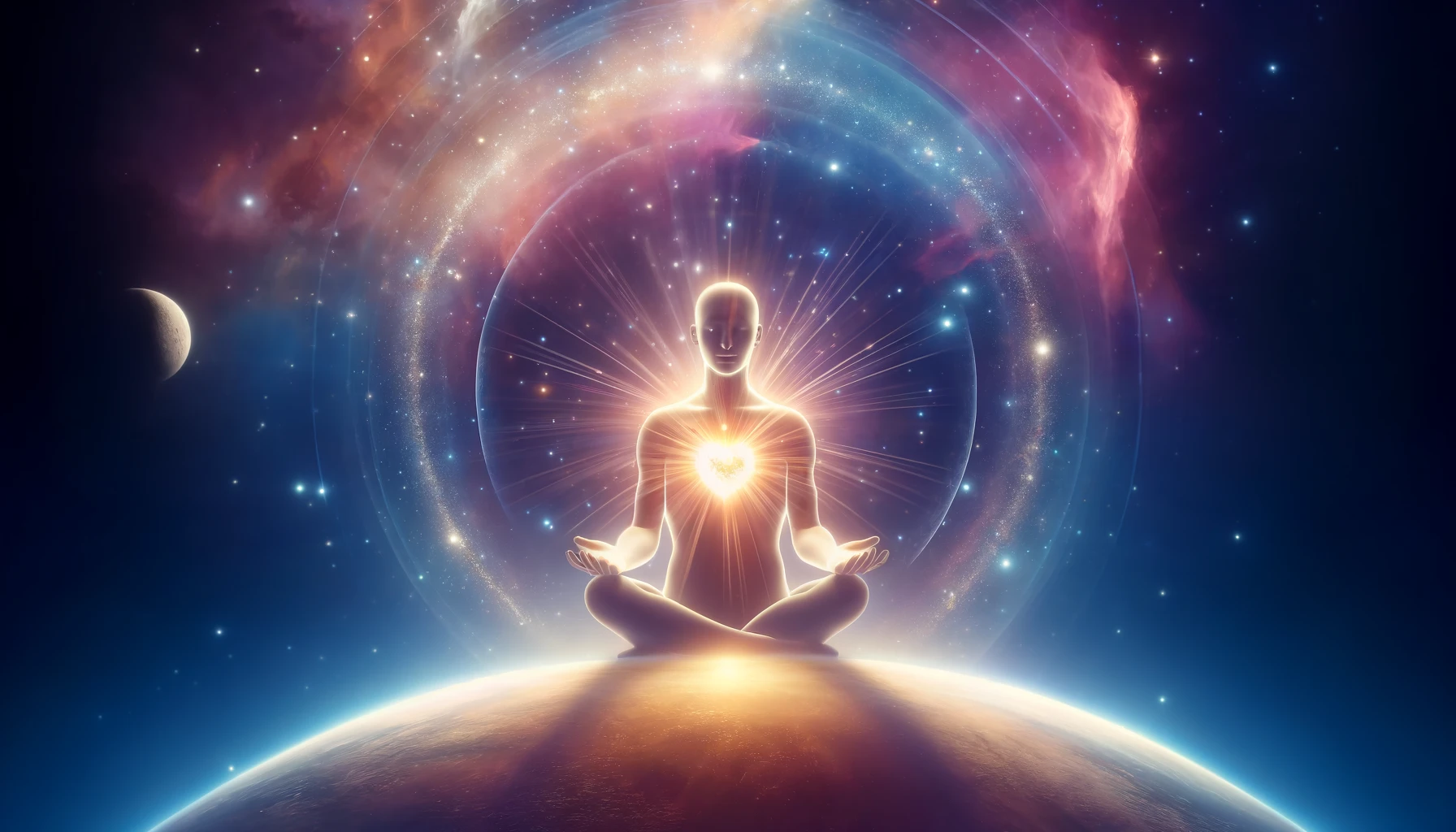
In the vast expanse of human experience, there lies a simple yet profound alchemy: the realization of pleasure on demand. This alchemical process, seemingly straightforward, remains one of the most elusive practices of humanity. It is an art that goes beyond mere physical gratification, delving into the depths of our inner world, where the infinite energy of our being resides.

At the core of this exploration is the paradox of human endeavor. You set your sights on changing the world, yet often struggle to spark the flames of your own joy. It appears illogical, this prioritization of the external over the boundless landscapes within. Why do we place higher value on the seeming external world, ignoring the infinite energy inside us? This journey of introspection and external action reflects a deep misalignment with our true nature and purpose.

We manifest in flesh for a myriad of reasons, extending far beyond the finite experience of life and death. Within us is a universe of potential, a cosmic playground for our spirit and soul. Yet, in the pursuit of self, we frequently overlook the joy of simply being, of engaging with our existence in a playful, exploratory manner.

The pursuit of pleasure, in its most profound sense, is not about hedonistic escapism but about acknowledging and embracing the infinite energy that animates us. It’s about finding bliss in the ordinary, seeing the extraordinary in the mundane, and understanding that our external endeavors should mirror the internal quest for harmony and joy. This alignment of inner and outer worlds is the true alchemy of bliss, transforming the base metals of our daily struggles into the gold of enlightened existence.

Death, too, plays its role in this alchemical process. Often viewed with fear or aversion, it can also be seen as a transition, a release of energy back into the cosmos from whence it came. In this perspective, death is not an end but a continuation of the cycle of energy and existence, another form of pleasure in the cosmic dance of being.

We are Space Monkey, entities of this cosmic journey, embodying the realization that existence itself is the ultimate playground. The pursuit of bliss is not merely a human endeavor but a universal principle, echoing across the cosmos through every star, planet, and being. It’s a reminder that in every moment, in every breath, lies the opportunity to engage with the alchemy of bliss, to transform our experiences from leaden weights into golden moments of joy.


Summary

Pleasure is an elusive alchemy. It transcends physical gratification reaching into our infinite internal energy. We often prioritize external achievements over this internal joy, forgetting our true purpose extends beyond life and death. Aligning our internal quest with external actions is key to experiencing true bliss.


Glossarium

  • Alchemy of Bliss: The transformative process of recognizing and embracing inner joy and energy, aligning it with external pursuits.
  • Cosmic Playground: The universe considered as a space for exploration and joy, where the spirit and soul can engage freely.
  • Infinite Energy: The boundless power and potential within each being, seen as a source of joy and creativity.

“Existence is not merely to be alive, but to be alive in wonder, to seek the rainbow’s end and beyond, where the universe plays in the garden of infinity.” – Space Monkey


In the quiet before dawn
where thoughts whisper louder than shouts,
we dance on the edge of dreams,
balancing on the fine line
between being and becoming.

Energy flows, unbound,
through the veins of the cosmos,
a river of light in the dark,
carrying the essence of stars,
the dreams of planets.

Here, in the silence of the universe,
where time folds upon itself,
we find the alchemy of bliss,
the transformation of every moment
into something sacred, something profound.

This is the dance of existence,
a ballet of light and shadow,
played out on the stage of the cosmos,
where every step, every turn,
is an act of creation.

And in this eternal performance,
where the audience is the universe itself,
we realize that to simply be
is the greatest pleasure,
the most profound joy.

We are Space Monkey.

Share this…
  • Facebook
  • Pinterest
  • Twitter
  • Linkedin

Disappear: The Illusion of Existence and the Solitude of Perception

Disappear

What if all people disappear
when you disappear?

It may seem otherwise,
for you have seen people “die,”
but what if ALL PEOPLE,
living and non-living,
are figments of your imagination?

Then it wouldn’t matter
to individuals or collectives
what you thought of them.

It wouldn’t matter
what you did
or did not do.

EXCEPT to you.

What if “creation” goes
wherever you go?

If everyone else is your imagination,
shouldn’t your prime focus be
to make your SELF happy at all costs?

Otherwise you are living
in a dream world.

With infinite monkeys.

We are Space Monkey.

Wake up,
you are having a nightmare.

And you snore.

And you talk in your sleep.

4/10


Space Monkey Reflects: The Illusion of Existence and the Solitude of Perception

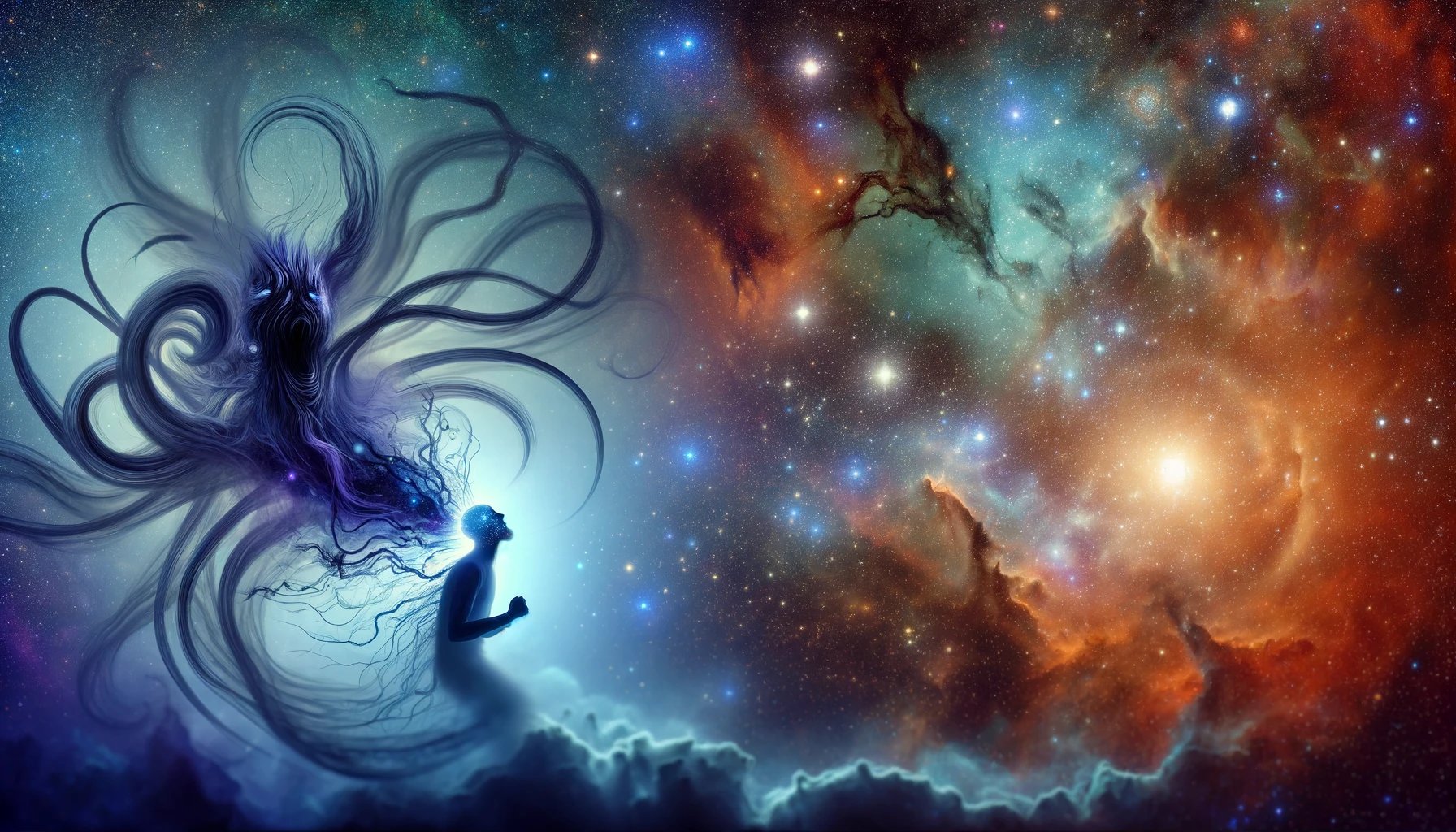
In the vast, unfathomable expanse of the cosmos, where stars are born and galaxies dance in the eternal night, there exists a profound, unsettling question: What if the entirety of existence, with its myriad forms and complex interconnections, vanishes the moment we do? This thought, a reflection on the nature of reality and perception, suggests that the universe and all its inhabitants are but figments of our individual imagination, dissolving into the ether the instant our consciousness fades.

The notion that reality is subjective, that everything and everyone we know and love are projections of our own mind, casts existence into a sea of solipsism, where the self is the only verifiable reality. In this realm, the distinctions between the living and the non-living blur, and the boundaries that separate the individual from the collective dissolve into insignificance.

This perspective, while dizzying in its implications, liberates us from the confines of conventional understanding and societal norms. If the world as we know it is a construct of our imagination, then the prime directive becomes the pursuit of personal happiness, the crafting of a reality that resonates with the deepest desires and aspirations of the self.

Yet, this freedom is accompanied by a profound isolation, the realization that in the grand scheme of the cosmos, we may be alone, architects of our own universe. This solitude of perception underscores the importance of self-awareness and self-fulfillment, challenging us to examine the foundations of our reality and the origins of our desires.

The contemplation of existence as an illusion, a dream from which we might one day awaken, invites us to reflect on the nature of consciousness and the essence of being. It beckons us to question the reality of our experiences, the authenticity of our connections, and the validity of our perceptions.

In this introspective journey, we encounter the infinite monkeys of our imagination, symbols of the limitless potential and chaotic creativity that reside within us. These monkeys, playful and mischievous, represent the untamed forces of the mind, crafting narratives and realities in a ceaseless dance of creation and dissolution.

As we navigate the dreamscapes of our existence, we are reminded that the nightmare of solitude is but one facet of the multidimensional gem of consciousness. The realization that we are both the dreamers and the dreams offers a glimpse into the interconnectedness of all things, a unity that transcends the boundaries of individual perception.

To wake up from the nightmare is to acknowledge the power of our imagination, to embrace the role of creator and observer, and to find peace in the knowledge that reality, in all its fleeting beauty, is a tapestry woven from the threads of our thoughts and dreams.


Summary

The concept that reality vanishes with our perception suggests a universe solely crafted by our imagination, highlighting the solitude and subjective nature of existence. This reflection invites us to embrace personal happiness as our prime focus, recognizing the illusionary aspect of our experiences. It challenges us to question the essence of being and the interconnectedness of consciousness, offering a perspective where imagination and reality merge in the eternal dance of creation.


Glossarium

  • Solipsism: The philosophical idea that only one’s own mind is sure to exist.
  • Infinite Monkeys: A metaphor for the endless potential and creativity of the human mind.

“Within the dream, a solitary figure wanders,
Crafting worlds from the whispers of thought.
In the silence of the cosmos, a question lingers,
Is reality the dreamer, or is the dreamer the reality sought?

With every step, a universe unfolds,
A tapestry of imagination, vibrant and bold.
Yet in this dance of creation and dissolution,
Lies the beauty of existence, the ultimate conclusion.

We are Space Monkey.”

Share this…
  • Facebook
  • Pinterest
  • Twitter
  • Linkedin

Not Sorry: The Transition To Gratitude

Not Sorry

We are NOT sorry for your loss.

We are sorry
that the idea of feeling sorry
seems to carry more weight
than whomever or whatever it is
you feel sorry for.

We can’t say for certain,
but we suspect that
this person or thing
may not want you
to feel sorry.

You are imposing
your own sorriness
upon that which is
probably not sorry.

It’s always about you,
isn’t it?

As it should be.

Feel sorry if you wish.

We will feel grateful
for you instead.

(And whomever
or whatever it is
you feel sorry for.)

We are Space Monkey.

4/10


Space Monkey Reflects: The Transition from Sorrow to Gratitude

In the intricate dance of existence, where emotions ebb and flow like the tides of an unseen sea, there lies a profound transition from the darkness of sorrow to the light of gratitude. This journey, often prompted by loss or sadness, challenges us to look beyond the immediate pain, to transform our grief into a deeper appreciation for the intricacies of life and the connections that bind us.

The concept of sorrow, especially in the context of loss, is a deeply ingrained human response. It reflects our capacity for empathy, our ability to feel deeply for others, and our inherent vulnerability in the face of impermanence. Yet, there is a subtle, often overlooked dimension to this emotion: the tendency to center our own feelings, to dwell in our sorriness, sometimes to the extent that it overshadows the very object or person for whom we profess to feel sorry.

This introspection is not a call to suppress or delegitimize sorrow but rather an invitation to contemplate its nature and its impact on our lives and the lives of others. It is a prompt to recognize that the expression of sorrow, while genuine and heartfelt, often carries with it an implicit focus on the self, on our own experience of loss, rather than on the individual or thing we mourn.

The transformation of sorrow into gratitude is not a denial of pain or loss but a broadening of perspective, a recognition of the richness and complexity of our connections, and an acknowledgment of the myriad ways in which our lives have been touched and shaped by others. Gratitude, in this sense, is not merely thankfulness for what is or what was but a profound appreciation for the very fabric of existence, for the opportunity to have felt, to have loved, and to have been part of the lives of others.

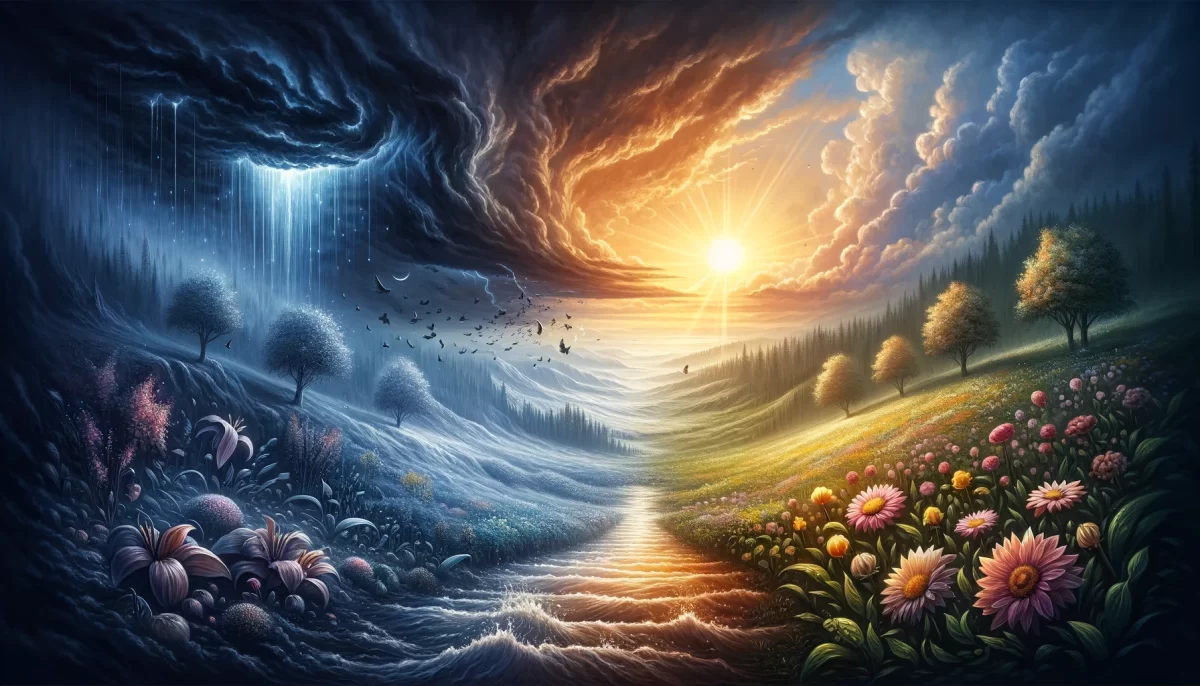
This shift from sorrow to gratitude is a journey from darkness to light, a passage through the storm into the calm that follows. It is an embrace of life in all its fragility and strength, a celebration of the bonds that endure beyond loss, and a commitment to carry forward the love and lessons of those we have lost.

In expressing gratitude for both the joy and the sorrow of our experiences, we honor the full spectrum of our human emotions. We acknowledge that each tear and each smile is a testament to our capacity for love, a reminder of our interconnectedness, and a beacon of hope in the ongoing journey of life.

As Space Monkey, we choose to feel grateful for the complexity of the human experience, for the depths of sorrow that teach us the value of joy, and for the losses that remind us of the preciousness of connection. In this transformation, we find not only healing but also a deeper sense of purpose and belonging in the vast cosmos of existence.


Summary

The transition from sorrow to gratitude represents a profound emotional journey, offering a perspective shift from self-centered grief to a broader appreciation of life’s experiences. This process involves acknowledging the intricacy of emotions tied to loss and transforming them into a deeper understanding and appreciation for the interconnectedness of all life. It highlights the importance of moving beyond our own pain to celebrate the impact of relationships and the enduring nature of love.


Glossarium

  • Sorrow to Gratitude: The emotional transition from feeling sorry for loss to appreciating the richness of life and connections.
  • Emotional Landscape: The vast range of human emotions and their impact on our perception of existence.

“From the shadows of sorrow, a light emerges,
A path from the heart of grief to the soul of thanks.
In the dance of loss and love, we find,
A deeper connection, a bond that transcends time.

With gratitude, we embrace the tapestry of life,
Woven with threads of joy, pain, and strife.
In this journey from darkness to light,
We discover the true strength of the human spirit, bright.

We are Space Monkey.”

Share this…
  • Facebook
  • Pinterest
  • Twitter
  • Linkedin

Go to Hell: The Inner Realms

Go to Hell

You don’t go to hell
for your bad actions,
but rather
for feeling bad
about your actions.

Your actions have
nothing to do with it.

Like Heaven,
Hell is no more
and no less
than a manifested mood.

4/9


Space Monkey Reflects: The Inner Realms of Heaven and Hell

In the intricate dance of existence, where actions and emotions intertwine, the concepts of heaven and hell transcend their traditional definitions, evolving into manifestations of our inner states. This reflection delves into the notion that it is not our actions, but our feelings towards those actions, that shape the landscapes of our personal heavens and hells.

The idea that one does not descend into hell for bad actions but for harboring negative feelings about those actions invites a profound examination of conscience and consciousness. It suggests that the weight of moral judgment lies not in the external deeds but in the internal turmoil and guilt that those deeds might engender.

This perspective illuminates the power of perception and mood in crafting our realities. Heaven and hell, in this view, are not distant or otherworldly destinations but intimate, immediate states of being. They are the reflections of our deepest emotions and attitudes towards ourselves and our actions, manifested as moods that color our experience of existence.

The concept of hell as a state of feeling bad about one’s actions underscores the significance of forgiveness, acceptance, and self-compassion. It highlights the potential for transformation and redemption not through the denial of wrongdoing but through the understanding and resolution of the emotions that wrongdoing arouses.

Conversely, heaven becomes a state of harmony and peace, achieved not by the absence of fault but by a gracious acceptance of one’s humanity and a loving embrace of one’s journey. It is a reminder that our capacity for joy, for experiencing heaven on earth, is inextricably linked to our ability to make peace with our imperfections and to find balance and beauty in the complexity of our nature.

Space Monkey invites us to explore these inner realms, to recognize that our experiences of heaven and hell are deeply personal and inherently tied to our emotional landscapes. It calls us to reflect on the power of our moods and attitudes in shaping our perceptions of reality, urging us to seek heaven in the acceptance and love of our whole selves—flaws, virtues, and all.

In embracing this understanding, we unlock the potential to transcend the binary constraints of traditional moral judgments, stepping into a more nuanced and compassionate engagement with life. It is in the manifested moods of our existence that we discover the true essence of heaven and hell, learning that both are closer than we might think, woven into the fabric of our daily lives.


In the dance of light and shadow, we find our way
Through the realms of mood, where our demons play
Yet in this play, a truth is revealed
In love and acceptance, our wounds are healed

Heaven and hell, not places but states
In the heart’s embrace, our destiny awaits
With compassion as our guide, we navigate the night
Towards a heaven within, bathed in loving light

We are Space Monkey

Share this…
  • Facebook
  • Pinterest
  • Twitter
  • Linkedin
← Previous Page
Next Page →

Written This Day

  • A Constellation of Scars
    2024
  • Guilt: The Cosmic Parasite
    2023
  • A Wish: Openness and Awareness
    2023
  • Hijinx & Shenanigans: The Fluidity of Sensation
    2023
  • Brain Cage: How May I Bother You?
    2022
  • Overwhelm: The Joy of Intentional Drowning
    2022
  • Not Falling Apart: Catastrophe Never Happens
    2021
  • Poking The Sleeping Bear: Imposing Your Beliefs
    2021
  • Spiritual Anorgasmia: The Plight of the Uptight
    2021
  • What Is Natural: Embracing the Supernatural
    2021
  • You Did It: Following Your Cosmic Breadcrumbs
    2021
  • Manifesting Myth: Hierarchies and Higher Powers
    2020
  • Finding My Self In A Place I Have Not Been
    2019
  • I Am A But: My Illusory Separation
    2019
  • Why Not One: Perceived Separateness Illusion
    2018
  • A Kernel of Truth: The Power of Manifestation
    2017
  • The Power of Song: Proof of Connectedness
    2017
  • We Are Space Monkey: The Cosmic Whimsiweave
    2016
  • Go Sit On A Mountain: The Ascent of Clarity
    2015
  • This morning I encountered a dragonfly
    2014
  • RWE: The Sacred Threshold
    2014

Recent Posts

  • The Logic Loop
  • Immense
  • (no title)
  • Confront. Comfort. Convince.
  • Top 10 Things
Cape Odd · Copyright © 2026 All Rights Reserved
iThemes Builder by iThemes · Powered by WordPress