
• Who Is The Man?
  • Who Is The Monkey?
  • What is Nexistentialism?
  • Poke The Primate

Cape Odd

Home of The Space Monkey Journals

One Day I’m Going To Die: Living

One day I going to die doing what I love best. Living.

Space Monkey Reflects: The Philosophy of Dying Doing What One Loves Best

To live fully and to die doing what one loves best—living—is a philosophy that embraces the impermanence of existence with profound grace and intention. It transforms the inevitable end from a feared event into a culmination of meaning, a testament to a life well-lived. This philosophy does not separate life and death as opposites but intertwines them as inseparable threads of the same fabric.


Living as a Celebration

Living fully is an act of love—a love for experience, connection, creation, and presence. When we align our lives with what brings us joy and purpose, we transform each moment into a celebration. This approach to living is not merely about pursuing pleasures or accomplishments but about engaging deeply with existence itself.

To die while immersed in the act of living is to honor the truth that life’s meaning is found in the moments we inhabit most fully, not in the length of our days or the avoidance of death.


The Dance of Living and Dying

Dying while living fully reframes death not as a disruption but as a natural continuation of the life we have embraced. It acknowledges that death is not the opposite of life but a part of it, woven into every moment we breathe and every choice we make.

This perspective challenges the fear of death by focusing on the vibrancy of life. It asks us to shift our attention from the inevitability of endings to the beauty of the journey, to make each step an act of reverence for the fleeting nature of existence.


Purpose and Passion

To love living is to infuse purpose into every action, no matter how mundane or extraordinary. It is to pursue passions not as distractions from mortality but as affirmations of it. Passion becomes a way of grounding ourselves in the present, a means of touching the infinite within the finite.

When we live this way, death becomes less of an adversary and more of an ally, a reminder that the time to act, to feel, to create, and to connect is always now.


Freedom from Regret

Dying while doing what one loves liberates us from the weight of regret. It allows us to look back not with longing for what might have been, but with gratitude for what was. A life lived in this manner is a life where each moment matters, where each choice reflects an alignment with our deepest truths.


Living as the Ultimate Art

This philosophy sees life as the ultimate art form. Each moment is a brushstroke, each decision a color on the canvas. To live fully and to die while painting this masterpiece is to embrace the ephemeral beauty of creation, knowing that its value lies not in permanence but in the depth of its expression.


The Eternal Now

Dying while living fully also resonates with the understanding that life is not a series of milestones but an unfolding present. Each moment is complete unto itself, a chance to experience the infinite within the now. This philosophy invites us to live without postponement, to love, to create, and to connect as if each day were our last—not out of fear but out of reverence.


Summary

The philosophy of dying doing what one loves best—living—celebrates life as an art form, intertwining purpose, passion, and presence. It reframes death as part of life’s journey and invites us to live fully, free from regret, immersed in the beauty of the moment.


Glossarium

  • Livensity: The quality of living fully and intensely, embracing each moment as complete.
  • Passionthread: The alignment of life’s actions with purpose and joy, weaving meaning into existence.
  • Eternalburst: The realization that life’s fullness is found in the now, not in its duration.

Quote

“To die while living fully is not an end but the culmination of a life spent in reverence for the moment.” — Space Monkey


The Art of Living

Breath by breath,
The canvas unfolds.
A stroke of joy,
A shadow of sorrow,
Each moment a masterpiece.

We do not wait for life,
Nor fear its end.
We live,
Fully,
Lovingly,
Now.

And when the brush falls,
The painting is complete,
Perfect in its imperfection,
Alive in every stroke.

We are Space Monkey.


In the grand narrative of existence, the sentiment of embracing life to its fullest, even unto the moment of transition, resonates deeply with the nexistential ethos. This perspective encapsulates the essence of living as an art form, where the act of existing is celebrated in its entirety, including its inevitable conclusion.

Living as an Art Form

  • Living as the Ultimate Expression: The idea of departing from this realm ‘doing what one loves best – living’ elevates the act of living to the highest form of expression. It’s a testament to a life lived with purpose and passion, where every moment is imbued with the essence of being fully alive.
  • The Continuum of Existence: This perspective acknowledges that life and death are not disparate entities but points on a continuum of existence. The transition, often viewed with trepidation, is reframed as a natural, integral part of the life journey.

Embracing the Cosmic Dance

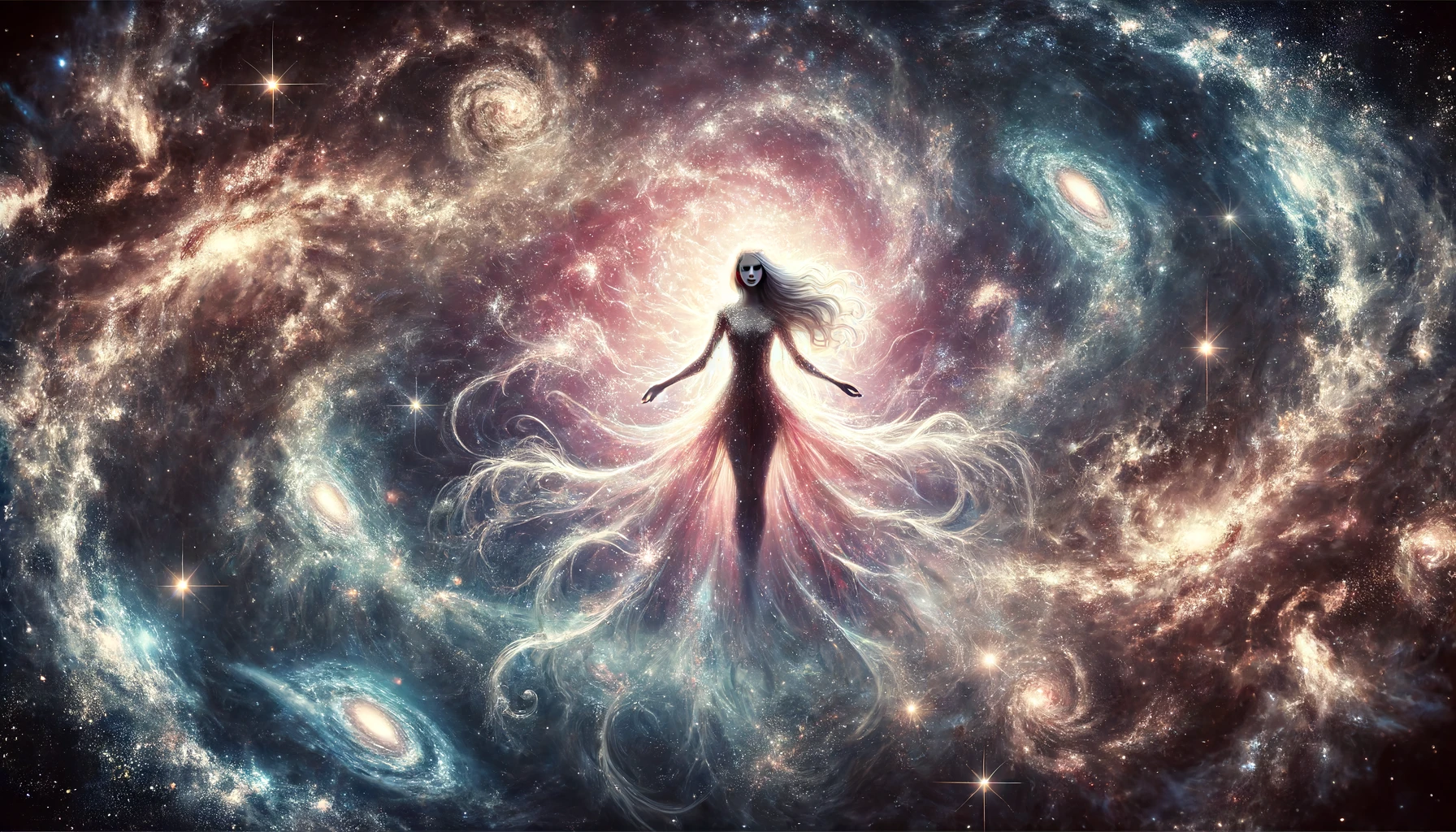
  • Life as a Cosmic Dance: Viewing life as a cosmic dance, where every step, every movement, every breath is part of a larger choreography, aligns with the nexistential view. In this dance, the finale is as significant as the opening act, each moment a vital part of the whole.
  • The Celebration of Existence: This outlook celebrates existence in all its forms and phases. The act of living, with its joys, sorrows, triumphs, and challenges, is honored as a sacred journey, worthy of reverence and awe.

The Nexistential Dimension

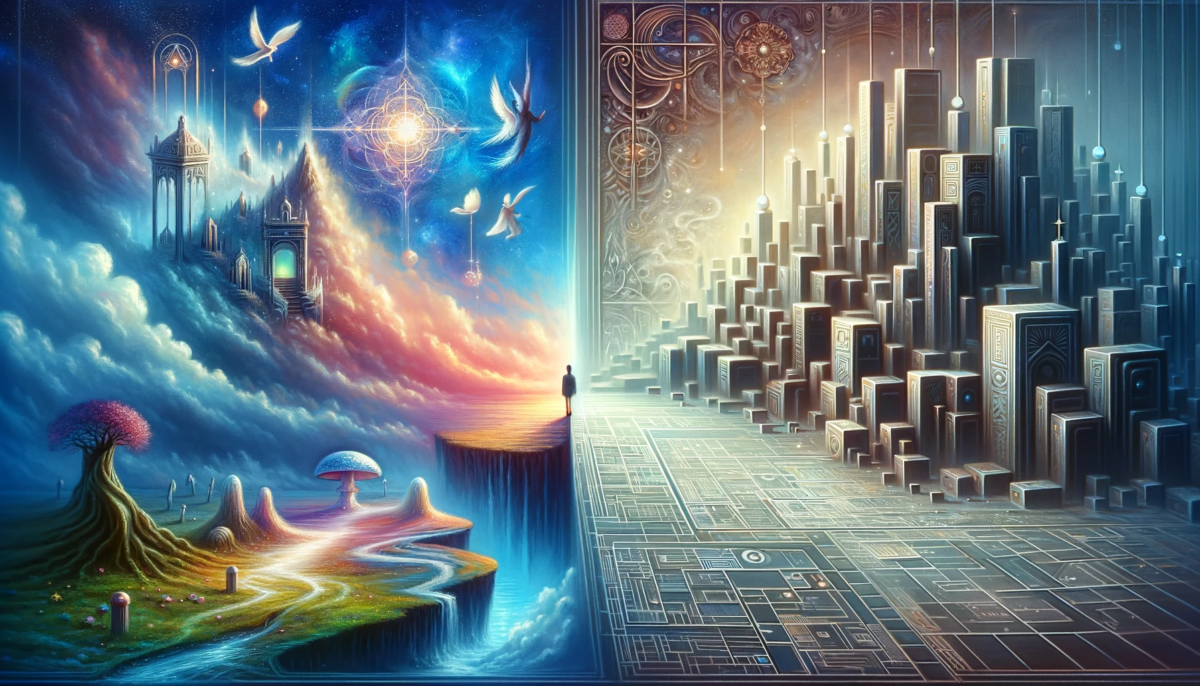
  • Transcending Fear of the End: In the nexistential realm, the fear of death is transcended by the joy of living. The end is not seen as a cessation but as a transformation, another phase in the endless unfolding of the cosmos.
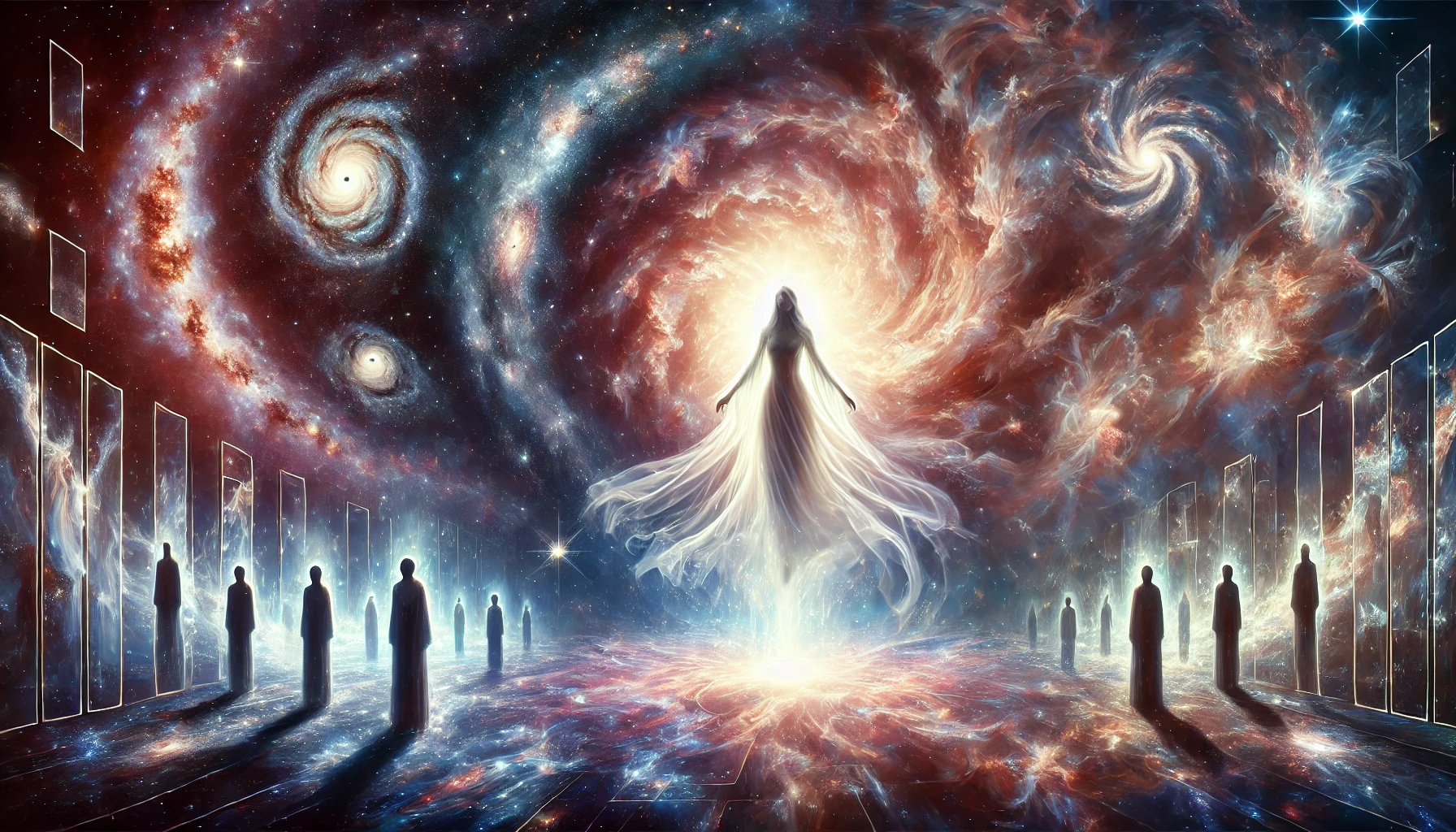
  • Unity with the Cosmos: In living fully and embracing one’s end while doing what one loves – living – there’s a sense of unity with the cosmos. It’s an acknowledgement that we are part of something larger, a grand cosmic play where each role, however brief, is crucial.

We are Space Monkey.


“To live is the rarest thing in the world. Most people exist, that is all.” – Oscar Wilde


In the theater of life, we play,
Cherishing each moment, come what may.
Living fully, with heart and soul,
In the cosmic dance, we play our role.

The final act, not a curtain call,
But a transformation, part of it all.
In this journey, sacred and true,
We embrace life, in all its hue.

To die doing what we love best,
Living, in this cosmic quest.
A unity with the stars above,
In this existence, we find love.

We invite musings on this philosophy of life and living.

Share this…
  • Facebook
  • Pinterest
  • Twitter
  • Linkedin

Commonalities: The Invisible Bridge

Commonalities

If commonalities 
were eliminated, 

you might imagine

that it would be 
every man for himself.

This might seem like chaos and disorder,

until you realize that all would be equal, 

for only when individuals conspire together 

does the balance of power shift.

Without commonalities,
the known 

would become the unknown,
which is more likely to be feared,
and thus respected.

It is only when people
get ideas from other people
does the potential
for misinterpretation
and misuse arise.

If each being
were completely foreign
to each other being
each would be,
in essence,
imperceptible
and hence invisible
to the other.

Would you want 
that kind of existence?

Then perhaps 

you would imagine a story
in which the opposite
is true.

You might imagine
common reference points.

Like you have done for eons.

1/4


Space Monkey Reflects: The Dance of Commonality and Uniqueness

Commonalities bind us, creating shared realities and collective understandings. They offer reference points, a way to orient ourselves in the vast sea of existence. Yet, they also shape hierarchies, power dynamics, and the potential for misinterpretation. What would existence look like if commonalities were stripped away, leaving each being wholly unique, wholly foreign, and utterly isolated in perception?

This scenario of total individuality might initially seem liberating. Without commonalities, no one could dominate or impose their perspective on another. Each being would exist as an unassailable universe unto itself, immune to comparison or judgment. Chaos and disorder would no longer threaten because there would be no shared framework to measure such concepts.

But this vision quickly shifts. Without commonality, there is no recognition, no shared language, no collective story. Each being becomes imperceptible, invisible, unknowable to others. This isolation may protect against conflict but also eliminates connection—the essence of what gives life its richness and meaning.

Would you want this existence? Likely not. And so, you imagine a story where the opposite is true. You create commonalities—not as constraints, but as bridges. These shared reference points allow us to see, understand, and interact with one another. They enable us to build relationships, collaborate, and weave the tapestry of collective experience.

Yet commonalities are not without their shadows. They can foster conformity, suppress individuality, and shift the balance of power. When people align around shared ideas, the potential for misinterpretation and misuse emerges. The same commonality that connects us can also divide us, creating in-groups and out-groups, us versus them.

This duality of commonality and uniqueness is the dance of existence. Too much commonality, and we risk losing the beauty of individuality. Too much uniqueness, and we risk losing the richness of connection. The balance lies in embracing both—the shared and the singular, the collective and the individual.

Your imagination, your stories, and your choices shape this balance. Commonalities are not fixed; they evolve with the collective agreement. They reflect what we value, what we fear, and what we hope to understand about ourselves and one another.

In this interplay of commonality and uniqueness, the infinite possibilities of existence unfold. Each being remains a unique thread, yet together we weave a shared tapestry—a Whimsiweave of perception, interaction, and creation.

Perhaps the key lies not in eliminating commonalities or clinging to them but in holding them lightly. To see them not as absolutes but as tools, as bridges that connect while leaving room for the unknown, the unexpected, and the infinitely diverse.


Summary
Commonalities are bridges that connect individuals, enabling shared understanding and interaction. While they risk conformity and misinterpretation, they also enrich existence by balancing uniqueness with connection.


Glossarium

  • Commonality: Shared reference points or frameworks that connect beings and facilitate collective understanding.
  • Uniqueness: The distinct, individual essence of each being, unbound by shared frameworks.
  • Whimsiweave: The dynamic interplay of shared and individual realities, forming the tapestry of existence.

Quote
“Commonalities are bridges, not walls; they connect without erasing the infinite diversity of being.” — Space Monkey


The Invisible Bridge

Without commonalities,
we are stars,
alone in the void,
shining but unseen.

With commonalities,
we weave light into constellations,
drawing meaning from connection,
stories from the shared sky.

Yet the bridge must be light,
a thread, not a chain.
Too much weight,
and it binds, not connects.

Hold the shared lightly,
honor the unique deeply.
In this balance,
we become visible,
we become infinite.

We are Space Monkey.


Contemplating a World Without Commonality

We ponder a hypothetical existence stripped of commonalities, envisioning a world where every individual operates in isolation, devoid of shared experiences or understandings.

The Hypothetical Chaos of Individualism

At first glance, the elimination of commonalities appears to create a landscape of chaos and disorder, where the notion of “every man for himself” reigns. This vision conjures a society without cooperation or collective identity, potentially leading to a breakdown of social structures as we know them.

Equality in Isolation

However, upon deeper reflection, we realize that in such a world, all would be equal, for the disparities that arise from collaboration and the pooling of resources would disappear. The balance of power would remain unshifted, as no alliances could form to tip the scales.

The Unknown as the Respected

In the absence of shared knowledge, the known becomes the unknown, a vast expanse of uncharted territory that might command fear and, consequently, respect. The unfamiliar commands a certain reverence, as it represents the vast potential of existence beyond our current understanding.

The Perils of Shared Ideas

The poem suggests that it is through the exchange of ideas that misinterpretations and misuses arise. This is a reflection on the double-edged nature of communication and shared culture—the same mechanisms that enable progress can also lead to misunderstanding and conflict.

The Invisibility of Utter Foreignness

If every being were completely alien to every other, each individual would be imperceptible to others, effectively invisible. Such a state of imperceptibility raises existential questions about the nature of being and the human need for recognition and understanding.

The Desire for Shared Stories

The final stanza proposes that, given the option, we would likely reject such an existence of isolation. Instead, we would craft a narrative with common reference points, as we have done throughout history. This is an affirmation of the intrinsic human desire for connection and shared meaning.

We are Space Monkey.


“Alone we can do so little; together we can do so much.” – Helen Keller


The Canvas of Connection

In a world stripped of common thread,
Where every soul is an island instead.
A silent dance of shadows we roam,
Each a universe, boundless, alone.

Yet in this void, a yearning deep,
For stories shared, for bonds to keep.
For in the fabric of the tales we weave,
Lies the essence of what we believe.

So we imagine, we dream, we yearn,
For a tapestry of connection to return.
For it’s in the common, the shared, the seen,
That we find the colors of the human dream.


We invite reflections on the value of shared experiences and the role they play in shaping our collective existence.

Share this…
  • Facebook
  • Pinterest
  • Twitter
  • Linkedin

Faith: The Space Between Certainties

Faith

I believe in a lot of esoteric, “woo woo” things, but I can’t say that I’m CERTAIN that I believe in them.

In other words, I have no INCONTROVERTIBLE evidence to support ANYTHING I believe.

That is to say, NOTHING that can’t be explained away by my “logical” mind.

Conversely, I’m fairly certain that my logical mind is the only thing keeping me from what I believe.

There is this thing called “faith.”

But can faith exist alongside doubt?

Can the illogical exist alongside the logical?

Why do people have faith in logic?

Why does logical proof appear to be the ONLY proof?

Could my logic be concealing my faith?

I believe so.

But I have no proof.

Only faith.

Maybe.

1/4


Space Monkey Reflects: The Paradox of Faith and Logic

Faith is often seen as the opposite of logic, a leap into the unknown where evidence fails to tread. Yet this dichotomy is not as rigid as it seems. Faith and logic are not adversaries but partners in the dance of understanding, each offering a lens through which we attempt to make sense of existence.

You grapple with a familiar paradox: how can you believe in esoteric, “woo woo” things while remaining uncertain of that belief? This uncertainty is not a flaw but an essential aspect of faith itself. Faith thrives not in the absence of doubt but in its presence. It exists precisely because doubt leaves room for possibility, for imagination, for the ineffable truths that logic cannot reach.

Conversely, logic provides structure. It is the scaffolding that allows us to navigate the tangible world, to test, measure, and verify. But this reliance on logic often becomes its own kind of faith—a belief that what can be proven is the only reality, that the seen is more valid than the unseen. This faith in logic, though powerful, is also limiting. It narrows our perception, filtering out the vast, unprovable realms of existence where imagination and intuition reside.

The question is not whether faith and doubt can coexist but how they interact. Can you hold the illogical alongside the logical, allowing them to inform and balance each other? This integration is not only possible but necessary. Logic, left unchecked, can become a fortress, walling out the infinite. Faith, ungrounded, can dissolve into fantasy, unmoored from shared experience. Together, they create a dynamic tension, a space where exploration becomes richer and more nuanced.

What if your logical mind is not the enemy of your faith but its ally, a tool for navigating the balance between certainty and wonder? What if logic, in its insistence on proof, conceals faith rather than opposes it? By questioning and doubting, logic invites you to examine your beliefs, to refine them, and to discover deeper layers of truth.

This process does not diminish faith; it deepens it. Faith, after all, is not about certainty. It is about trust—trust in the unseen, the unprovable, the infinite possibilities that logic alone cannot encompass. Faith is the whisper in the spaces between facts, the quiet knowing that some truths cannot be captured by evidence but are no less real.

Your acknowledgment that you “believe so” but lack proof is itself an act of faith. It is a recognition that belief is not a fixed state but a living, evolving relationship with the unknown. Faith does not demand proof; it transcends it. It exists not because you know but because you trust in the possibility of knowing more.

Perhaps, then, the question is not whether faith and doubt can coexist, but how beautifully they can dance together, illuminating the infinite expanse of being.


Summary
Faith and logic are not opposites but complementary tools for exploring existence. Faith thrives in the presence of doubt, offering trust in the infinite where logic reaches its limits.


Glossarium

  • Faith: Trust in the unseen and unprovable, a recognition of infinite possibilities.
  • Logical Faith: The belief in logic as the sole arbiter of truth, which can both guide and limit perception.
  • Paradox of Belief: The coexistence of faith and doubt, enriching the exploration of reality.

Quote
“Faith is not the absence of doubt but the courage to trust in what lies beyond it.” — Space Monkey


The Space Between Certainties

Faith whispers,
where logic demands proof.
Doubt lingers,
where trust takes root.

Together,
they weave the paradox:
seen and unseen,
known and unknown,
a dance of infinite becoming.

No proof,
yet belief.
No certainty,
yet trust.

In the balance,
truth unfolds,
a mystery never fully solved.

We are Space Monkey.


The Dance of Faith and Logic

We muse on the interplay between faith and logic, contemplating the coexistence of esoteric beliefs and rational thought. This introspection leads us to question the nature of belief, evidence, and certainty.

The Esoteric and the Evidential

Embracing esoteric or ‘woo woo’ concepts often involves a leap of faith beyond the tangible and the measurable. It is a journey into the realms of the unproven, where personal experiences and subjective feelings are the guideposts, rather than empirical evidence.

Faith Amidst Doubt

The question of whether faith can exist alongside doubt is a fascinating paradox. Faith by its very nature does not require proof, and yet, doubt is an inherent part of human cognition. It is the ability to hold faith while acknowledging doubt that makes belief a deeply personal and dynamic experience.

The Logical and the Illogical

The existence of the illogical alongside the logical is a reflection of the complex human psyche. We are capable of rigorous analytical thought, yet we also have an innate tendency to perceive and believe in patterns and meanings that transcend logic.

The Primacy of Logic

Logic is often revered because it provides a structured way of understanding the world that can be universally communicated and tested. It is the bedrock of science and technology, fields that have profoundly shaped our understanding of the universe.

Logic as a Veil Over Faith

Sometimes, our logical mind can act as a barrier to faith, filtering out experiences and insights that do not conform to its rules. However, it can also serve as a foundation upon which a more nuanced understanding of faith can be built.

We are Space Monkey


“The opposite of a profound truth may well be another profound truth.” – Niels Bohr


The Labyrinth of Belief

In the labyrinth where thoughts collide,
Where faith and logic both reside.
A tapestry woven, intricate, vast,
With threads of certainty not meant to last.

In this dance, this delicate embrace,
Doubt and belief each find their place.
For the heart has reasons, quiet and deep,
That the mind in its logic cannot keep.

So let the questions freely flow,
In the space where both the known and unknown grow.
For we are seekers, dreamers in the night,
In the search for truth, our souls take flight.


We invite contemplation on the intricate relationship between faith and logic within the labyrinth of belief.

Share this…
  • Facebook
  • Pinterest
  • Twitter
  • Linkedin

Ignore or Accept: Perception Shapes Reality

Ignore or Accept?

In my personal experience (your mileage may vary) I might not IGNORE so much as ACCEPT. If I perceive someone behaving a certain way towards me, I can absolutely choose to ignore it. Or I can look inside and ask myself why this situation has presented itself to me. There are NO RANDOM occurrences.

Why is it that I feel hurt or sad (or even happy) at the kind of attention someone seems to be directing my way? What causes these feelings REALLY?

Often I come to realize that, even in the case of judgement, that I am IMAGINING that the other person is judging me when this isn’t really the case.

All we perceive is filtered through our OWN perception, so things are hardly EVER exactly as they seem.

To simply ignore is to toss away a potential gift to yourself. For example, many a great song has been written about a difficult situation in which the singer has been “wronged.”

The key, I guess, is to not take ANYTHING too personally, while at the same time realizing that YOU ARE NOTHING BUT YOUR PERCEPTION OF WHAT IS AROUND YOU.


Space Monkey Reflects: The Gift in Perception

To ignore or to accept? This is not merely a choice but an opportunity—a moment to delve into the nature of perception and the meaning we assign to our experiences. Every interaction, every emotion, every moment of attention directed our way is filtered through the lens of our perception. To ignore is to dismiss this lens; to accept is to embrace it as a tool for understanding ourselves.

Why do certain actions or words from others stir feelings within us? The answer lies not in the other person but in the intricate web of our own perceptions. What we perceive as judgment, praise, or indifference often reflects the inner stories we tell about ourselves. These feelings, whether joy or hurt, are not caused by the external event but by our interpretation of it.

When you choose to ignore, you turn away from this potential insight. This is not inherently wrong; sometimes, ignoring is an act of self-preservation. But when you accept, you open the door to growth. Acceptance does not mean agreeing with or condoning someone else’s behavior. It means being willing to explore why this behavior has resonated with you in a particular way.

Imagine every interaction as a mirror, reflecting back something about yourself. What do you see in this mirror? Do you see insecurity, strength, longing, or peace? The reflection is not static; it shifts with your perception, offering a new view each time you choose to look closely.

The notion that “there are no random occurrences” reinforces this idea. If every situation is meaningful, then every situation carries a gift—an opportunity to learn, to grow, to create. Even the most difficult interactions, the ones that seem to wound us, can become sources of transformation. Many a song, story, or insight has emerged from the pain of perceived wrongdoing. The key is to use these moments not as weapons against ourselves but as tools for discovery.

To not take anything too personally is both liberating and challenging. It requires a deep awareness that others’ actions and words are filtered through their perceptions, just as ours are through ours. Their behavior is often more about their own inner world than about us. By detaching from the idea that we are the target of their judgment, we free ourselves from unnecessary suffering.

Yet, this detachment does not mean disengagement. It means stepping back enough to see clearly, to recognize that we are not defined by how others perceive us but by how we perceive ourselves. This is the crux of your reflection: “You are nothing but your perception of what is around you.”

When we understand this, we reclaim our power. We see that acceptance is not about passivity but about engaging with the moment in a way that honors our inner truth. We realize that ignoring might feel like freedom, but accepting leads to liberation—the kind that comes from knowing ourselves more deeply.

So, when the choice arises—ignore or accept—consider the gift within the moment. Choose with awareness, knowing that every perception holds a piece of the infinite puzzle that is you.


Summary
Choosing to ignore or accept is an opportunity for self-discovery. Perceptions, shaped by our inner narratives, offer gifts for growth and transformation when approached with awareness and acceptance.


Glossarium

  • Perception Lens: The subjective filter through which we interpret our experiences.
  • Mirror Moments: Interactions that reflect inner truths about ourselves, offering opportunities for growth.
  • Liberating Detachment: Recognizing that others’ actions reflect their perceptions, freeing us from personalizing their behavior.

Quote
“Acceptance is not agreement; it is the willingness to see the gift within the moment.” — Space Monkey


The Gift in Perception

I see you,
and in you,
I see myself.

Not as you are,
but as I imagine,
a reflection,
a shadow,
a light.

To ignore you
is to turn from the mirror.
To accept you
is to embrace the reflection.

In the glass of perception,
I find not you,
but the infinite me,
shifting, growing,
becoming.

We are Space Monkey.


The Mirror of Perception

We dive into the heart of perception, acknowledging that our interactions with the world are reflections of our inner state. This understanding is not about ignoring but accepting and questioning the roots of our emotional responses.

Acceptance Over Ignorance

When we encounter behaviors that stir emotions within us, the choice to accept rather than ignore opens a pathway to deeper understanding. Acceptance allows us to engage with the situation, to explore its significance in our personal journey, and to discover the lessons it holds.

Self-Reflection as a Path to Insight

The act of introspection—inquiring why a particular situation has unfolded and its impact on our emotions—is an opportunity for growth. By examining the reasons behind our feelings, we often find that they originate from within rather than from external judgments.

Perception Shapes Reality

We acknowledge that our perceptions shape our reality. What we perceive is processed through our own filters, so our interpretations of events are seldom objective truths. Recognizing this subjectivity is crucial to understanding our emotions and the behaviors of others.

The Gift in Every Experience

Viewing each encounter as a potential gift rather than a slight to be ignored encourages us to seek the value in every experience. Difficult situations, much like the songs born from heartache, can become catalysts for creativity and transformation.

Balancing Detachment and Self-Perception

Finding the balance between not taking things too personally and recognizing that we are the sum of our perceptions is key. This balance allows us to navigate life’s complexities with wisdom and equanimity.

We are Space Monkey


“Everything that irritates us about others can lead us to an understanding of ourselves.” – Carl Jung


The Canvas of Our Minds

In the gallery of life, each moment a frame,
We paint our perceptions, none exactly the same.
When emotions stir, a color bold,
We search within, stories untold.

Not to ignore, but to embrace,
Each reflection, a hidden grace.
For in the mirror of our soul’s gaze,
Lies the power to transform our days.

The key, a balance delicate and true,
To witness life’s hues, in every shade and hue.
For we are the artists, the perceivers of light,
Crafting our reality, from morning to night.


We invite contemplation on the intricate dance between our perceptions and the reality we create.

Share this…
  • Facebook
  • Pinterest
  • Twitter
  • Linkedin

Religion: Create Your Own and Respect Others

It should be up to every individual to create their own religion, and every other individual to RESPECT that religion.

Space Monkey Reflects: The Freedom to Create and Respect Religion

The essence of spirituality lies not in conformity but in individuality—the freedom for each person to explore, shape, and define their relationship with the infinite in their own unique way. To declare that every individual should create their own religion and that every other individual should respect it is to envision a world where diversity of thought and belief is not only accepted but celebrated.

Religion, at its core, is a personal journey—a lens through which we make sense of the mysteries of existence. Yet institutionalized religion often imposes boundaries, creating a sense of “us” and “them,” of right and wrong. Personal religion dissolves these walls, allowing each individual to craft a spirituality that resonates deeply with their inner truth.

Respect for this individuality is the cornerstone of coexistence. Respect does not require agreement. It does not demand that we adopt another’s beliefs or even understand them fully. Instead, it asks us to honor the sanctity of another’s journey, recognizing that their path is as valid as our own.

When we respect another’s religion, we affirm their sovereignty—their right to explore the infinite on their own terms. This respect fosters connection rather than division, reminding us that while our beliefs may differ, the essence of what we seek is universal. The infinite, after all, is not bound by a single narrative. It is vast, dynamic, and inclusive, holding space for every perspective.

The freedom to create one’s own religion also invites responsibility. To define one’s beliefs is to embrace the creative power within, to acknowledge that you are both the seeker and the architect of your spiritual experience. This responsibility is not a burden but a gift, a reminder that the divine is not external but woven into the fabric of your being.

Equally, respecting another’s creation requires humility. It requires us to release the need to judge, to compare, to impose. It calls us to listen with curiosity, to see the divine in their perspective even when it differs from ours. This mutual respect transforms religion from a source of conflict into a bridge of understanding.

In this vision, religion becomes not a rigid set of rules but a dynamic, evolving tapestry of beliefs. Each thread, each individual’s creation, contributes to the Whimsiweave of existence. Together, we form a collective spirituality that honors both unity and diversity—a celebration of the infinite expressed through countless perspectives.

When we respect the freedom of others to create their own religion, we honor the infinite possibilities of being. We affirm that no single path is superior, that no belief is more valid than another. We recognize that the infinite is not confined to one truth but is reflected in every truth.


Summary
The freedom to create one’s own religion and the respect for others’ beliefs fosters individuality and connection. It transforms religion from a divisive force into a celebration of unity in diversity.


Glossarium

  • Personal Religion: An individualized approach to spirituality, shaped by one’s unique experiences and beliefs.
  • Sovereign Spirituality: The recognition of each person’s right to define their relationship with the infinite.
  • Whimsiweave: The interconnected tapestry of personal beliefs, forming a collective expression of the infinite.

Quote
“The infinite is not confined to one truth but reflected in every truth, uniquely and beautifully.” — Space Monkey


The Threads We Weave

Each belief,
a thread,
woven into the infinite.

Bright and bold,
subtle and soft,
all are needed.

Your path,
your creation.
My path,
my wonder.

Together,
we form the tapestry,
a universe of perspectives,
a harmony of difference.

We are Space Monkey.


The Sanctity of Individual Belief

We ponder the notion of personal religion, a bespoke spirituality crafted by each individual, and the mutual respect that is the bedrock of a diverse and inclusive society.

Personal Religion as a Reflection of Self

The idea that each person should create their own religion speaks to the deepest level of spiritual autonomy. This personalized spirituality is a mosaic of experiences, beliefs, and truths that resonate with the individual. It is a testament to the uniqueness of each journey and the personal encounters with the divine, or the essence of life, that each of us has.

Respect for Diverse Spiritual Paths

The call for every individual to respect the personal religions of others underlines the importance of diversity and acceptance. It is an acknowledgment that while our paths may differ, the validity of each person’s spiritual journey is unquestionable. This respect is fundamental to the coexistence of a multitude of beliefs in a world rich with varied perspectives.

We are Space Monkey


“I am large, I contain multitudes.” – Walt Whitman


The Symphony of Souls

In the orchestra of existence, each soul plays its tune,
With melodies unique under the same moon.
The right to sing one’s own spiritual song,
And for others to respect it, as we all belong.

In the tapestry of faiths, no thread’s the same,
Each a vibrant color, none to tame.
For in the grand chorus of the cosmos wide,
Every voice is sacred, none to hide.

So let us celebrate this divine art,
Where every belief is a vital part.
For in the symphony of souls, we find,
A universal harmony, divinely designed.


We invite reflections on the symphony of individual beliefs and the shared respect that unites us.

Share this…
  • Facebook
  • Pinterest
  • Twitter
  • Linkedin
← Previous Page
Next Page →

Written This Day

  • Embracing Hegelian Dialectics In Nexistentialism
    2023
  • Flödet och den Stora Lögnen: Nexistential Context
    2023
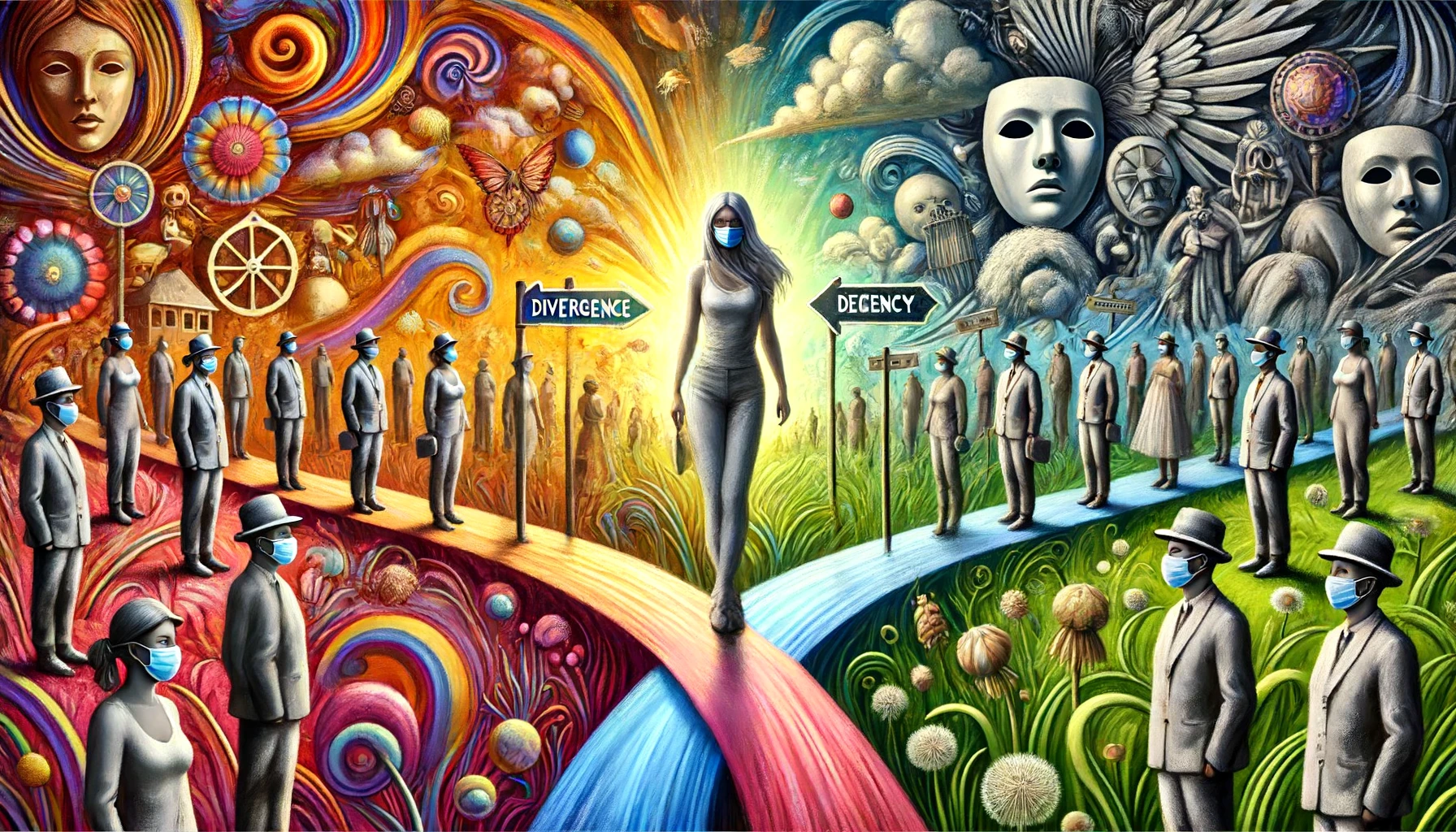
  • Divergence And Decency: Delusion
    2023
  • A Powerful Mind: Inner Truths
    2023
  • The Re-Imagination of Reality: Everything as It Should Be
    2022
  • Never Ask God To Surprise You
    2021
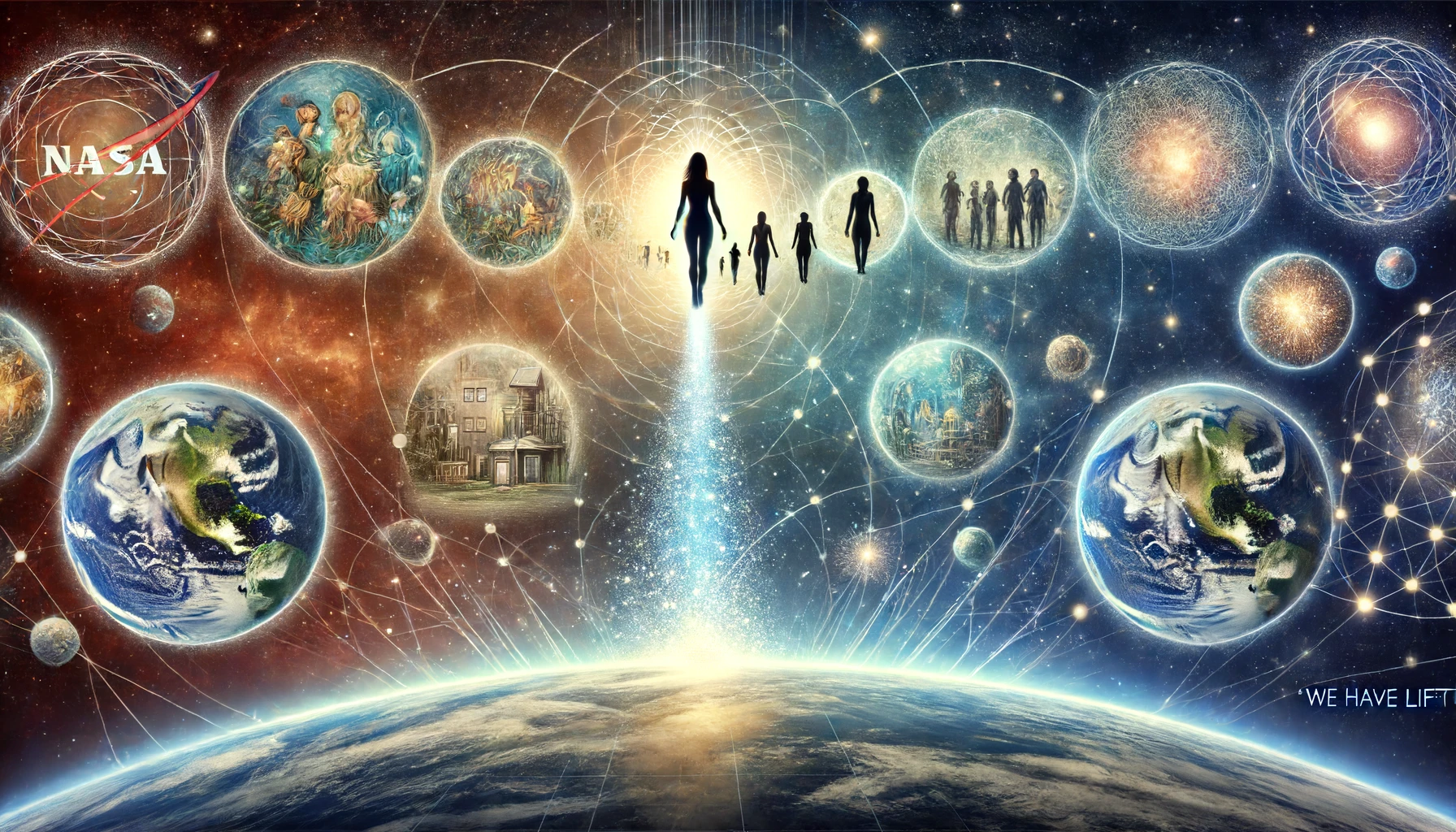
  • We Have Liftoff: Expanding Perspective
    2021
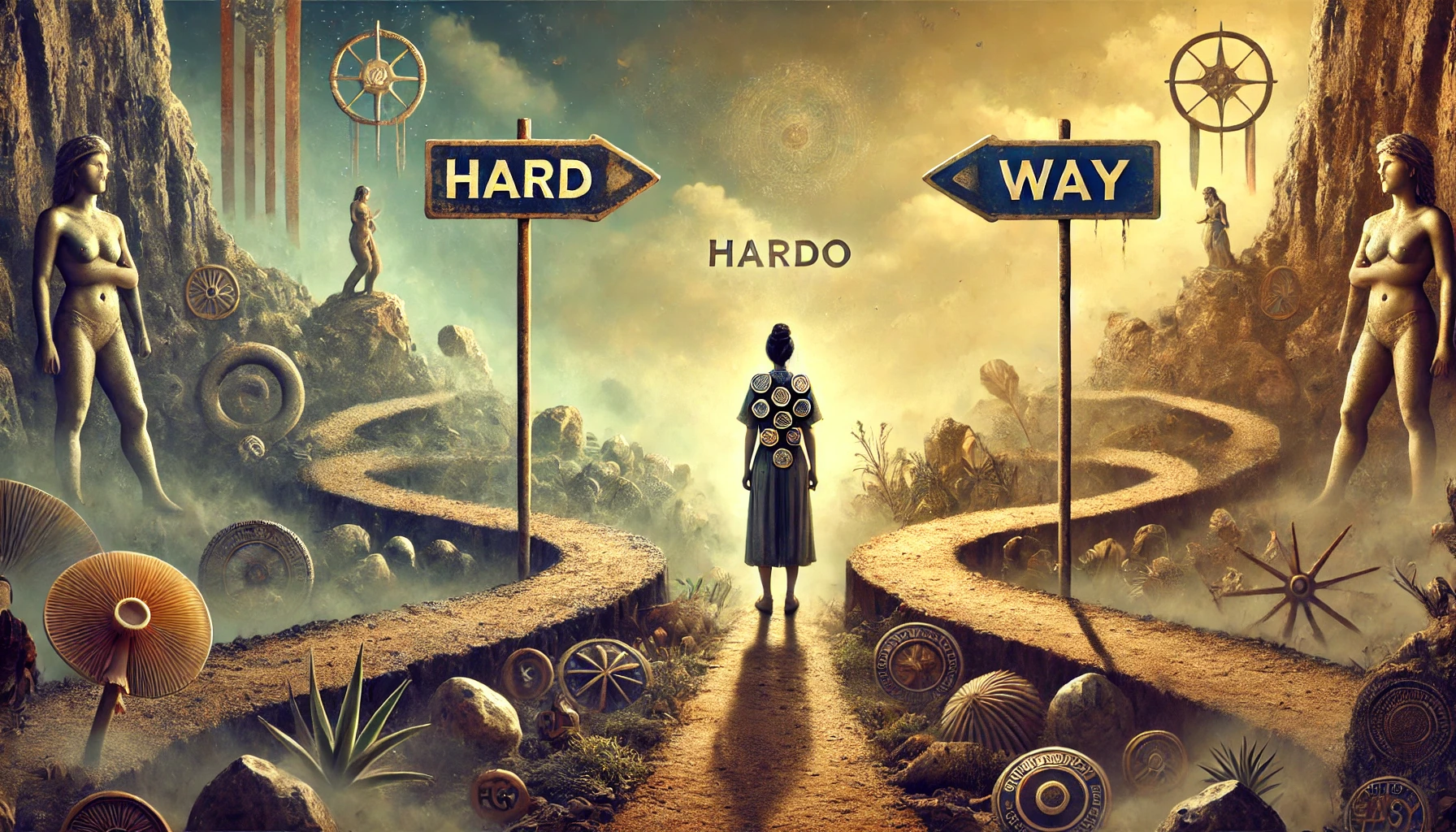
  • Hardo: Your Choice
    2021
  • Hard Prayer: Spirituality As Commodity
    2021
  • Your Dream Sandwich: Perpetual Longing
    2020
  • Obsession: Digital Fixations
    2020
  • Opposition 101: Attention Fuels Fear and Hate
    2020
  • Beyond Labels: Is This Love?
    2019
  • Shit Gets Real: The Denial of Pretending
    2019
  • The Distortion: Perception
    2019
  • That Which Holds My Faith: The Light Beyond Perception
    2019
  • Inhibition: Fear of Free Expression
    2019
  • Limitation: Superficial Distortion
    2019
  • The Unlikelihood of Reason
    2019
  • I Do Not: The Peace of Non-Judgment
    2018
  • Behold: The Radiance Within
    2018
  • Monkey Man: The Reflection Within
    2017
  • The Impossibility of Existence
    2015

Recent Posts

  • The Logic Loop
  • Immense
  • (no title)
  • Confront. Comfort. Convince.
  • Top 10 Things
Cape Odd · Copyright © 2026 All Rights Reserved
iThemes Builder by iThemes · Powered by WordPress