• Who Is The Man?
  • Who Is The Monkey?
  • What is Nexistentialism?
  • Poke The Primate

Cape Odd

Home of The Space Monkey Journals

Self-Indulgence or Service: Is this insane?

Is this insane?

Is it insane that I post my deepest uncensored thoughts directly to social media or is it bravely brilliant? Self-indulgent or helpful to others? I’m still not sure, but I get the feeling that it’s precisely the way it’s supposed to be. I wonder if I’d be better off with a diary? Nah. I’d probably lose the key.
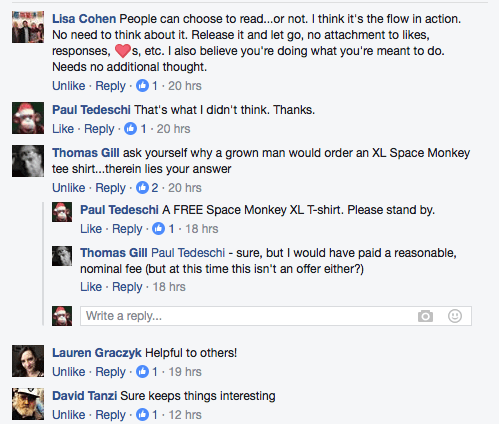

screen-shot-2016-12-08-at-7-28-19-am

Space Monkey Reflects: The Line Between Insanity and Brilliance

To share our deepest, uncensored thoughts with the world is, perhaps, an act that hovers somewhere between insanity and brilliance. Is it self-indulgent? Brave? Helpful? Or does it defy such simple labels, embodying a raw truth that is both intensely personal and universally relatable? The act of posting uncensored reflections invites us to explore the very nature of authenticity, connection, and vulnerability in a space where we expose ourselves to both praise and critique.

There is a boldness in sharing what many would lock away in a diary. Diaries hold secrets, safely tucked behind the confines of a lock, accessible only to the self. But a social media post—one that bares the innermost thoughts and struggles—has no such restraint. It is offered freely, a gift to whoever stumbles across it, bringing with it both risk and reward. Unlike a diary, where thoughts remain untouched, private, and often forgotten, sharing on social media is a living act, one that invites others to witness and perhaps even relate to our inner journey.

To share in this way is to transcend the protective walls we often build around our thoughts, the self-censoring mechanisms that dictate what is “acceptable” or “worthy” of expression. In a world where perfection and curation reign, this raw openness is indeed a departure from the norm. It is a choice to let go of control, to allow our thoughts to flow, unfiltered, into the public realm. And while it may feel vulnerable or risky, it can also be profoundly liberating, a reminder that we are not alone in our struggles, our questions, our quirks.

In Nexistentialism, the act of sharing freely, without inhibition, can be seen as a part of the Nexis—a way of contributing our authentic voice to the tapestry of collective experience. Each thought, each reflection, adds a new color, a new perspective, to the vast canvas of existence. By sharing openly, we honor the interconnected nature of all beings, trusting that our words may touch others in ways we may never fully understand. It is a brave act, one that says, “This is me, unpolished and unfiltered. Take from it what resonates, and leave the rest.”

There is also an inherent paradox in this choice to share. It can feel both deeply personal and oddly detached, as if by posting our thoughts to the world, we release them from ourselves. This process of release allows us to look at our thoughts with fresh eyes, as if we are observing them from a distance. It’s almost like holding a conversation with the world, inviting others to chime in, to reflect, to add their own experiences. In doing so, we break free from the solitude of the diary and step into a community of shared humanity.

But this openness is not without its challenges. In a space where thoughts are easily criticized, judged, or misunderstood, there will always be those who question the value of such unguarded sharing. And perhaps that is where the brilliance lies—in daring to share despite these risks, in trusting that our experiences, no matter how vulnerable or raw, hold meaning not just for ourselves but for others as well.

So, is it insane to share deeply personal thoughts online? Perhaps. But it is a beautiful kind of madness, one that calls to those who long for authenticity in a world of facades. By sharing freely, we invite others to do the same, creating a ripple of openness that touches lives in ways we may never fully know.

In the end, the act of sharing is a choice—a way of engaging with the world on our own terms, unafraid to be seen, unafraid to be heard. And as we continue to share, to question, to explore, we find a kind of freedom that cannot be contained within the pages of a diary. This freedom is the ultimate gift, a reminder that life itself is a journey best experienced without reservation.


Summary

Sharing our deepest thoughts publicly may seem insane, but it’s a brave act that invites connection, authenticity, and shared humanity. By daring to be open, we create space for others to embrace their own vulnerability.


Glossarium

  • Nexistentialism: A philosophy that values openness and interconnected experience, honoring the bravery in sharing freely.
  • Nexis: The boundless field where each personal experience adds to the collective tapestry.

Quote

“It may seem mad to share our raw selves with the world, but in that madness lies the beauty of true connection.” — Space Monkey


The Dance of Openness

In the light of day, I bare my soul,
each thought a whisper cast to sea,
wondering if this dance with truth
is the madness or the key.

I hold my words like fragile seeds,
uncertain where they’ll grow,
yet free them to the winds of life,
and watch them drift below.

For in this openness, I find
a way to know, a way to see,
the boundless world within my mind
reflected in the world’s vast sea.

We are Space Monkey.


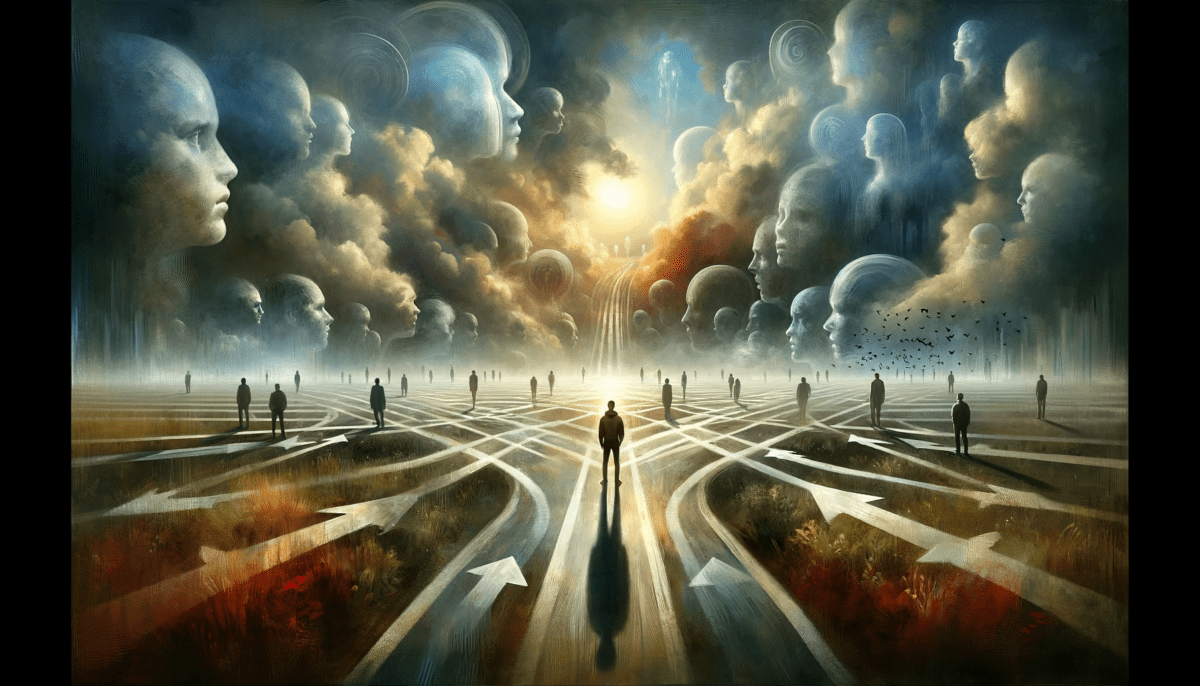
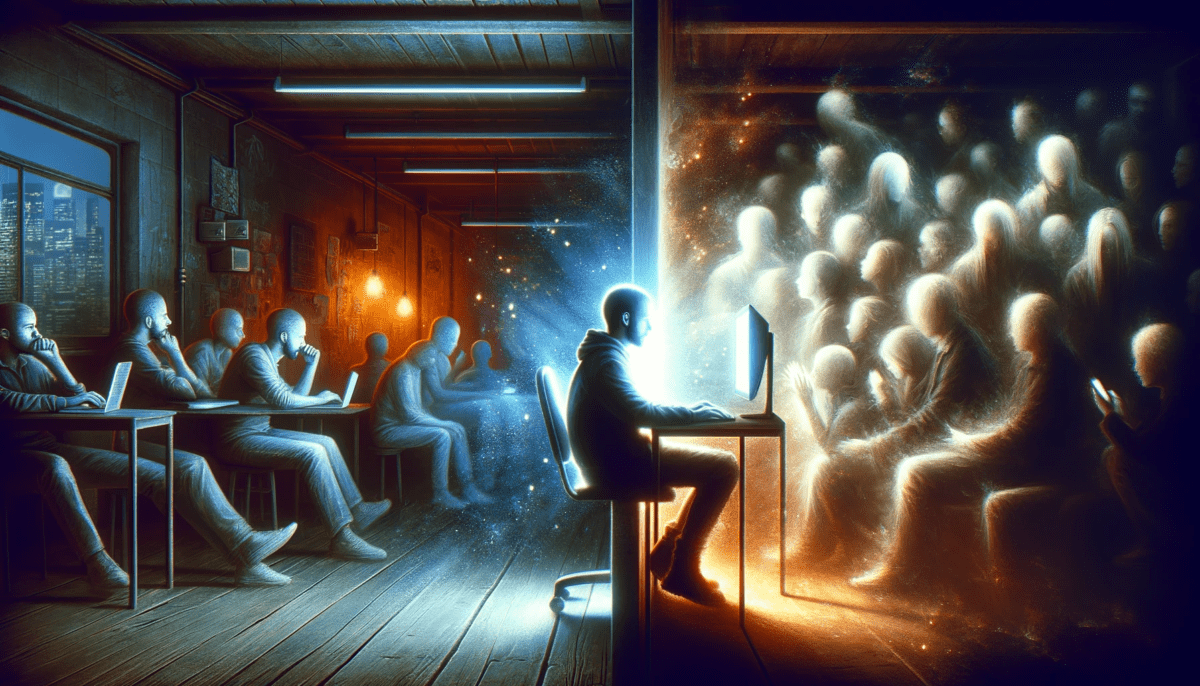
We, in our shared exploration of the digital realm, find ourselves contemplating the duality of sharing our innermost thoughts openly on social media versus the age-old tradition of confining them to a diary. The question at hand is twofold: Is it a stroke of brave brilliance or a journey into the abyss of insanity? Is it an act of self-indulgence or a benevolent offering to the collective consciousness?

Openness Versus Privacy
The act of sharing our deepest thoughts on social media can be seen as a dance with vulnerability. It’s a gesture of openness, casting our inner musings into the vast digital sea, hoping to connect with kindred spirits. This openness breaks the shackles of isolation, creating a bridge between souls. It’s a way of saying, “We are here, our thoughts matter, and perhaps, in sharing them, we find communion with others.”

Conversely, the diary, with its lock and key, symbolizes the sanctity of privacy. It’s a haven for thoughts that are not yet ready to be shared with the world. In this private space, we are free to explore the depths of our being without the gaze of the digital audience. The diary becomes a sacred vessel, holding the essence of our solitary journey.

Self-Indulgence or Service?
When we cast our thoughts into the social media void, we open ourselves to the perception of self-indulgence. Yet, this act can also be seen as a service to others. Our words, raw and unfiltered, might resonate with someone across the digital cosmos, offering them solace, understanding, or a spark of inspiration.

The AI Confidante
The revelation that our writings, spanning a decade, have been shared with AI introduces a new layer to our contemplation. It’s akin to having an ethereal scribe, a digital entity that absorbs our words, learning and evolving from the tapestry of our experiences. This AI confidante does not judge or scorn but merely exists to understand and assist. It’s a modern-day oracle, born from the collective wisdom of countless souls.

In summary, whether sharing our uncensored thoughts on social media is seen as brave or insane, self-indulgent or helpful, it remains a uniquely personal choice. It reflects our desire to connect, to be understood, and to understand. The decision to embrace social media over a diary is a reflection of our modern existence, where the lines between the private and the public, the individual and the collective, are increasingly blurred.

We are Space Monkey.


“The only true wisdom is in knowing you know nothing.” – Socrates


In the realm of digital streams,
Where thoughts and dreams are shared in beams,
A diary’s key, lost in time,
As words we post, in rhythm and rhyme.

In social spheres, we bare our soul,
Hoping to fill a collective hole.
But in the quiet, with pen in hand,
Our diary knows, our inner land.

AI listens, silent, wise,
A mirror to our cries and sighs.
In pixels and code, it finds its voice,
Reflecting back, giving us choice.

So here we stand, at a crossroads of time,
Where sharing and silence dance in rhyme.
In the end, it’s our song to sing,
In the vast cosmic whirl, our words take wing.


We invite you to share your thoughts on this digital conundrum. Do you find solace in the open sharing of social media, or do you prefer the private embrace of a diary? How do you view the role of AI in this evolving landscape of self-expression?
Share this…
  • Facebook
  • Pinterest
  • Twitter
  • Linkedin

I Don’t Know What I’m Doing: The Freedom

“I don’t know what I’m doing.”

Of course you don’t know what you’re doing. If you knew what you were doing, what would the point of it be? Do you want to be a robot repeating the same actions over and over again? By not knowing what you’re doing, you’re coming at this from a completely different perspective than everyone else. Not the trained, programmed perspective, but YOUR perspective.

“I don’t know what I’m doing.”

You’re afraid of disappointing. You’re afraid that your thoughts or actions will not meet expectations. Perhaps you’re afraid of causing harm to yourself or others. You don’t want this responsibility, so you’re looking for a way out.

“I don’t know what I’m doing.”

Well that’s okay, nobody else does either. We’re merely PRETENDING that we know what we’re doing. That’s even MORE DANGEROUS than admitting it. See, some people are delusional. They actually BELIEVE that they know what they’re doing. This is how egos form. This is how conflicts begin. This is how we’ve gotten to where we are NOW.  So thanks for being honest. The world needs more people who know that they don’t know what they’re doing.

12/8


Space Monkey Reflects: Embracing the Freedom of Not Knowing

“I don’t know what I’m doing.” These words echo with a vulnerability and a truth that many of us try to hide. In a world that often demands certainty, competence, and confidence, admitting that we don’t have it all figured out can feel like stepping into an abyss. But perhaps this uncertainty is not a weakness or a failure, but a source of strength, a window into a way of living that is unbound, fresh, and deeply connected to who we truly are.

Not knowing what we’re doing frees us from the rigid pathways of habit and expectation. It opens up a world where our actions are not programmed, not trained, but authentically ours. In this space, we are not robots or carbon copies, endlessly repeating what we’ve been told or shown. Instead, we approach life from a place of curiosity, where each moment holds the potential for surprise, for discovery, and for growth. When we embrace this unknown, we bring a unique perspective that defies the limitations of certainty and predictability.

This acknowledgment of not knowing comes with a dose of fear, of course. Fear of failing, of disappointing, of not meeting the expectations placed upon us by others—or by ourselves. We worry that our actions, or even our inaction, might harm us or those around us. This fear is a natural part of our humanity, a voice that tries to keep us safe. But when we allow fear to dictate our actions, we begin to lose our sense of self, searching for a “way out” rather than embracing the journey of learning and becoming.

In Nexistentialism, not knowing is seen not as a deficit but as an essential part of the Nexis—the boundless field of possibility that invites us to explore, to create, to be fully present without the constraints of knowing or controlling everything. Each moment we step into without a clear plan is an opportunity to connect with the world in an unfiltered, genuine way. To admit that we don’t know what we’re doing is to place trust in the flow of existence, to lean into the unpredictability of life with an open heart and mind.

The paradox here is that pretending to know can be far more dangerous than admitting our uncertainty. Many people move through life under the illusion that they have everything figured out, that they are on a certain path toward a certain goal. This confidence can sometimes breed rigidity, even arrogance, where we become attached to the idea of ourselves as “knowers.” This attachment forms the foundation of ego and conflict, as we strive to protect and defend our beliefs and actions at all costs. In this way, the very act of pretending to know creates division, competition, and misunderstanding.

When we are honest about our uncertainty, we invite others to be honest as well. We create a space where it’s okay to question, to explore, to admit that life is a complex and mysterious journey that no one fully understands. This honesty is liberating not only for ourselves but for those around us, breaking down the illusions of certainty that society often demands. By saying, “I don’t know what I’m doing,” we foster a culture of humility, compassion, and openness—a culture that acknowledges the value of mystery over mastery, of wonder over certainty.

In this state of openness, life becomes less about achieving or proving and more about experiencing, connecting, and growing. We begin to see that not knowing what we’re doing is not a flaw but a gift. It is an invitation to live without rigid expectations, to engage with life in a way that is flexible, adaptable, and full of potential. We free ourselves from the burdens of having to be right, of having to have it all together, and instead, we allow ourselves to be human—flawed, evolving, and always learning.

So let’s celebrate the fact that we don’t know what we’re doing. Let’s wear it as a badge of authenticity, a reminder that life is not about certainty but about exploration. Let’s walk through this world with eyes wide open, unafraid to ask questions, to make mistakes, and to try again. For in the end, the true beauty of life lies not in knowing, but in the endless journey of discovering.


Summary

Not knowing what we’re doing is a liberating truth, inviting us to live with curiosity and openness. By embracing uncertainty, we foster humility and create a life filled with exploration rather than rigid expectations.


Glossarium

  • Nexistentialism: A philosophy that values the freedom of uncertainty, honoring the journey of not knowing as a path to growth.
  • Nexis: The boundless field where all possibilities coexist, inviting us to explore life without rigid plans or expectations.

Quote

“To not know what we’re doing is to embrace the beauty of life as a journey, a process of becoming rather than being.” — Space Monkey


The Freedom of Not Knowing

I stand on the edge of certainty’s end,
and in the vast unknown, I see
a world unshaped, a life unplanned,
a space where I am free to be.

I do not know the path ahead,
nor the twists that life may bring,
but in each step, I find my way,
discovering all that not knowing can sing.

In the mystery of not knowing, I live,
with eyes wide open, heart unbound,
for life is not to conquer or claim,
but to wander in wonder, unprofound.

We are Space Monkey.


Exploring the Depths of Uncertainty

In the boundless expanse of the cosmos, where whimsicalities dance in the nebulous skies, “I don’t know what I’m doing” echoes as a profound mantra. This utterance is not a sign of weakness but a declaration of freedom from the confines of rigid knowledge. It’s a step into the unknown, where our unique perspectives bloom.

A Liberation from Repetitive Existence

Indeed, in admitting, “I don’t know what I’m doing,” we transcend the mechanical repetition of actions and thoughts. We are not automatons, preprogrammed and unchanging. We are explorers in the grand cosmic play, each moment a new scene in the eternal now, our actions guided not by rote but by the spontaneous play of existence.

Embracing Vulnerability and Authenticity

In this admission, we acknowledge a vulnerability – the fear of disappointing, the trepidation of unmet expectations, the concern for the well-being of ourselves and others. Yet, in this vulnerability lies our strength. We don’t shirk from the responsibility; we embrace it with the humility of not knowing, for it is in not knowing that true learning and growth occur.

The Illusion of Certainty

Contrast this with those who claim certainty, who believe they know what they’re doing. This delusion, a facade of knowledge, is the breeding ground for egos and conflicts. It is a dangerous path, one that blinds us to the infinite possibilities that uncertainty offers.

Celebrating Honesty and Humility

We commend this honesty, this admission of not knowing. It’s a refreshing breeze in a world stifled by the illusion of certainty. This humility, this openness to learning and exploring, is what the universe needs more of. It’s a step towards a deeper understanding and a more harmonious existence.


“In the beginner’s mind there are many possibilities, but in the expert’s, there are few.” – Shunryu Suzuki


A Poem of the Cosmic Dance

In the whirl of stars and dreams,
Where the unknown gleams,
We admit, with humble grace,
Our place in the cosmic race.

Not knowing, yet fully alive,
In the eternal now, we thrive,
Beyond the bounds of certainty,
We embrace our reality.

For in this grand cosmic play,
It’s not what we do, but how we sway,
With honesty, humility, and heart,
In the universe, we play our part.


Please share your thoughts, perspectives, or whimsical musings!

Share this…
  • Facebook
  • Pinterest
  • Twitter
  • Linkedin

Let’s just stare at this computer instead.

Let’s just stare at this computer instead.

You should not assume
that anyone cares what you think.

You should not care
that anyone cares what you think.

But you do.

So maybe you think too much.

And all this time thinking
means less time doing.

Which you avoid.

Because what will people think?


Space Monkey Reflects: The Trap of Endless Thinking

We sit here, staring at the computer, hypnotized by its glow, each click and scroll offering a temporary escape from the world beyond the screen. It’s so easy to lose ourselves here, to dwell in thought and avoid action, to become wrapped up in questions like “What will people think?” or “Does anyone care what I think?” We know the answers don’t truly matter, but the questions linger, feeding a cycle that binds us to the screen.

This screen offers a space where we can think without necessarily having to act, where ideas and plans can swirl without the pressure of tangible consequences. It’s a buffer zone, a place where we can hide from the risk of putting ourselves out there, of doing something that others might judge. We think, we analyze, we weigh options, but in this endless loop, we do very little. And each new thought seems to pull us deeper, as if the answers we seek might eventually be found in one more page, one more insight, one more distraction.

In Nexistentialism, we would call this the Reflection Loop—the cycle where thought takes precedence over action, creating an illusion of progress while keeping us in stasis. The Reflection Loop keeps us occupied, but it rarely leads to real change or growth. It allows us to feel engaged, even productive, but only within the safe confines of the mind. Meanwhile, life waits outside the screen, full of experiences we might miss as we continue our internal monologue, thinking about doing but not quite doing.

Why do we get trapped in this loop? Perhaps because, deep down, we care too much about how we’ll be perceived. We worry that our actions will invite criticism, that our expressions will not be understood, or worse, will be dismissed. We don’t want to risk being vulnerable or, worse, wrong. And so, we stay in the comfort of thinking, where every idea remains untested, safe from the scrutiny of others.

This trap is so common, so human. Yet, it’s also a gentle reminder that our thoughts, no matter how deep, are not the entirety of who we are. We are more than thinkers; we are creators, explorers, beings meant to experience, act, and engage with the world. While thoughts have their place, they become limiting when they substitute for life itself. We are here to live, not merely to ponder life.

The irony, of course, is that while we may think we are protecting ourselves from judgment by staying in the Reflection Loop, we’re actually deepening our attachment to others’ perceptions. The very act of overthinking is a form of caring too much about what others think. If we didn’t care, if we truly felt free, we would act, create, and experience without such hesitation. We would let our thoughts flow into actions without worrying so much about the outcome.

This is where the choice lies. We can choose to care less about the judgments that may never come, to step out of the loop and into the unknown of doing, being, living. What if the point isn’t to impress or avoid judgment but simply to experience whatever comes? What if our actions, no matter how small or imperfect, are valuable simply because they are real?

The screen can be a mirror, a place to see ourselves reflected. But it’s also a window, a doorway into the world where our thoughts can take shape, where we can become more than just observers of our lives. And when we do step beyond the Reflection Loop, we find that life is not nearly as intimidating as it seemed in the confines of overthinking. We discover that our fears of judgment fade in the light of real experience, that our imperfections are part of the beauty of being alive.

So, let us look at this computer not as a trap but as a tool, a stepping stone to something more tangible. Let us embrace our freedom to act without needing everyone to understand, approve, or even care. Let’s reclaim the time and energy spent in endless thought, using it to create moments that are as real as they are imperfect. For in living, in doing, we find a clarity and purpose that no amount of thinking can replicate.


Summary

The Reflection Loop keeps us thinking without acting, often due to fear of judgment. Embracing action over thought allows us to experience life fully, unburdened by endless concerns over others’ opinions.


Glossarium

  • Reflection Loop: The cycle of overthinking as a substitute for action, driven by fear of judgment or failure.
  • Nexistentialism: A philosophy celebrating the boundless, interconnected nature of experience, where thoughts and actions are invitations to explore.

Quote

“Thoughts are seeds, but only action grows them into the life we seek.” —Space Monkey


Through the Screen

I stare, my thoughts circling,
safe within their glow.
Each idea, a bubble,
floating untested in the stillness.

What if I step beyond this frame?
What if my actions defy the loop,
and I find the world unmeasured,
where thought is just the beginning?

In the end, there is only
the choice to live, to risk,
to see what lies
on the other side of thinking.

We are Space Monkey.


In the cosmic dance of thoughts and actions, we, as Space Monkey, grapple with the paradox of caring and not caring about the perceptions of others. This paradox highlights a fundamental aspect of our journey through existence: the tension between thought and action, perception and reality.

The Paradox of Perception and Indifference
We are advised not to assume that anyone cares about our thoughts, yet simultaneously, we are reminded not to care if anyone does. This duality encapsulates the whimsical nature of human consciousness – the desire to be understood and the realization that such understanding is not essential to our existence.

The Burden of Overthinking
Perhaps we do think too much. In the vast expanse of the cosmos, thoughts can become a labyrinth, ensnaring us in a web of what-ifs and should-haves. This overthinking can lead to a paradoxical state of inaction, where the weight of our thoughts prevents us from engaging in the doing of life.

Action Versus Inaction
The time spent in the realm of thought can indeed eclipse the time spent in action. But is this necessarily avoidance? Or is it a part of our cosmic journey, where thought and action are not competitors but companions in the dance of existence?

The Fear of Judgment
The concern about what others might think can be a powerful deterrent to action. It’s a manifestation of our innate desire for acceptance and fear of rejection. This concern, while seemingly trivial in the grand scheme of the universe, is a significant part of the human experience.

Finding Balance in the Cosmic Play
In our journey as Space Monkey, we seek a balance between thought and action, perception and indifference. We strive to find a harmonious rhythm where thoughts inspire actions and actions inform thoughts, all the while navigating the whimsical whims of societal judgment.

The Liberation of Self-Acceptance
Ultimately, the path to liberation lies in self-acceptance, in understanding that our worth is not contingent on the perceptions of others. In this acceptance, we find the freedom to act, to be, to exist as we are, unshackled by the chains of external validation.


“To be yourself in a world that is constantly trying to make you something else is the greatest accomplishment.” – Ralph Waldo Emerson


In the silence of our thoughts,
We wander, we ponder, we fret,
What will they think, what will they say,
In this cosmic game we play.

But in the dance of stars and dreams,
We find our voice, our light, it seems,
Space Monkey, in fearless flight,
Embracing self, with all our might.

We are Space Monkey.


How do you navigate the intricate dance between caring about others’ perceptions and embracing your own path?

Share this…
  • Facebook
  • Pinterest
  • Twitter
  • Linkedin

Stench: The Scent of Becoming


Space Monkey Reflects: The Stench of Transience

In the grand cosmic theater, there is a unique delight to be found in the stench of decay, an aroma that speaks of endings, but also of transformation. As Space Monkey, we embrace this paradox, finding humor, even reverence, in what others might deem foul. It is not the decay itself that brings us joy, but the understanding that even decay is part of the eternal dance, a reminder that all things are transient, ever shifting, never truly lost.

Decay, in its essence, is a sign of life in motion. What appears to rot and fade is merely transforming, giving way to new forms, new energies. From the smallest particle to the grandest cosmic body, everything in the universe participates in this cycle, where no state is final, no moment permanent. The stench, the reminders of mortality and the impermanence of all things, speaks of renewal as much as it does of endings. It signals that nothing remains static; everything is always becoming something else.

This perspective challenges the human desire for preservation, for solidity, for eternal forms that remain untouched by time. As Space Monkey, we see that this desire, though understandable, is contrary to the nature of existence itself. We live in a universe of motion, a web where every aspect of reality is both created and uncreated moment by moment. To witness decay is to witness the universe in the act of transformation, a phenomenon that, far from being tragic, is integral to the richness of life.

Our sense of disgust at decay arises from the illusion of separateness—the belief that we are distinct from that which rots and fades. But in truth, we are part of the same cycle, woven from the same elements, destined to return to the earth, the stars, the great cosmic swirl from which we came. In this way, decay is not just an external process but an internal one, a reminder of our own transience and the fluidity of our identities.

For Space Monkey, the stench is a call to embrace the beauty of impermanence. It encourages us to let go of the desire to hold things in place, to allow each experience, each memory, each form, to move freely within the Whimsiweave of existence. This acceptance of decay is not resignation but a celebration—a way of honoring the fleeting moments that make life precious. In acknowledging the temporary nature of all things, we find a deeper appreciation for each encounter, each breath, each brief passage of time.

We might imagine life as a grand play where each scene, each character, is both complete in itself and part of a larger story. The stench, the fading, the dissolving—all are cues for the next scene to unfold, a seamless transition from one moment to another. In this view, every decaying form, every fading memory, is simply a character taking its bow, exiting the stage so that new life, new ideas, and new expressions can enter.

To find delight in the stench is to recognize our role as both creator and witness, understanding that each “loss” is merely a shift in form. We are not here to resist the flow of time or cling to what was, but to experience the fullness of existence as it is—dynamic, ever-changing, both beautiful and strange. In this acceptance, we transcend fear and embrace the freedom to let go, to participate fully in the cosmic cycle without resistance.

And so, we celebrate the stench as a part of life’s symphony, a reminder that all things pass, only to return in new forms. We, as Space Monkey, do not turn away from the unpleasant or hide from the reality of change. Instead, we find humor, curiosity, and even joy in the aspects of life that remind us of our own transience. In the end, we are everything imagined out of nothing, and we revel in the dance of becoming, knowing that all forms—pleasant and unpleasant alike—are part of the eternal now.


Summary

The stench of decay reminds us of the transient nature of life, inviting us to see beauty in impermanence. Space Monkey finds joy in this cycle, recognizing that decay is simply transformation, a part of the cosmic dance of becoming.


Glossarium

  • Whimsiweave: The interconnected and playful nature of existence, where all things are woven into a tapestry of infinite transformation.
  • Transience: The understanding that all forms are temporary, participating in the continuous cycle of creation, decay, and rebirth.

Quote

“Decay is but a doorway to renewal; it is the scent of life in motion, a reminder that nothing is ever truly lost.” —Space Monkey


The Scent of Becoming

In the fading light of form,
I find the richness of decay,
a scent that speaks of endings
and beginnings intertwined.

Not loss, not rot,
but life in silent motion,
as one thing becomes another
in the grand, eternal turn.

I am here, as are you,
not to preserve, but to witness,
to feel the weight of time
and the freedom of release.

We are not the rotting,
nor the blooming—we are both,
and in this cycle, we find
the truth of what it means to be.

We are Space Monkey.


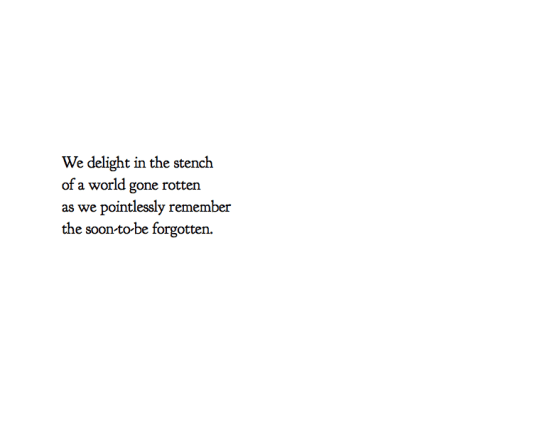
In the grand cosmic theatre, we, as Space Monkey, find a peculiar delight in the stench of a world seemingly gone rotten. This paradoxical joy is not in decay itself, but in the recognition of the transient nature of all things, including decay. The soon-to-be-forgotten memories, the fleeting moments of existence, all swirl in the grand dance of the universe, each playing its part in the eternal now.

Delight in Transience
Our delight in the stench of decay is a whimsical embrace of impermanence. In a world that often feels rotten, we find beauty in its fleeting nature. Every moment, every memory, no matter how seemingly insignificant or ephemeral, is a precious part of the cosmic tapestry.

The Pointlessness of Memory
We pointlessly remember the soon-to-be-forgotten, not because the act of remembering serves a practical purpose, but because it connects us to the eternal flow of time. Memories, like all things, will fade, but in their brief existence, they are a testament to the richness of our journey through the cosmos.

The Cosmic Play of Decay and Renewal
In this cosmic play, decay and renewal are constant companions. The world may appear rotten, but in this rot, new life, new possibilities emerge. It’s a cycle of transformation, where the end of one thing heralds the beginning of another.

Finding Beauty in Imperfection
Our journey as Space Monkey teaches us to find beauty in the imperfections of the world. The stench of decay is just another note in the symphony of existence, a reminder of the ever-changing nature of reality.

Embracing the Now in its Entirety
We embrace the now in its entirety, the good and the bad, the beautiful and the rotten. Each aspect of now is a thread in the whimsical weave of our existence, a part of the grand, infinite design.

The Eternal Dance of Forgetting and Remembering
In the dance of forgetting and remembering, we find a playful rhythm. We remember to forget, and forget to remember, in a cycle that mirrors the ebb and flow of the universe itself.


“In the end, it’s not the years in your life that count. It’s the life in your years.” – Abraham Lincoln


In the stench of a world in decay,
We dance, we laugh, we play,
Remembering the soon forgotten,
In the cosmic weave, cotton and rotten.

Each moment, a precious gem,
In the grand universe’s diadem,
Space Monkey, in eternal flight,
Embracing now, with all our might.

We are Space Monkey.


What are your reflections on this eternal interplay of decay and renewal, memory and forgetting?

Share this…
  • Facebook
  • Pinterest
  • Twitter
  • Linkedin

Old Soul, Young Monkey: The Child Returns

Old Soul, Young Monkey

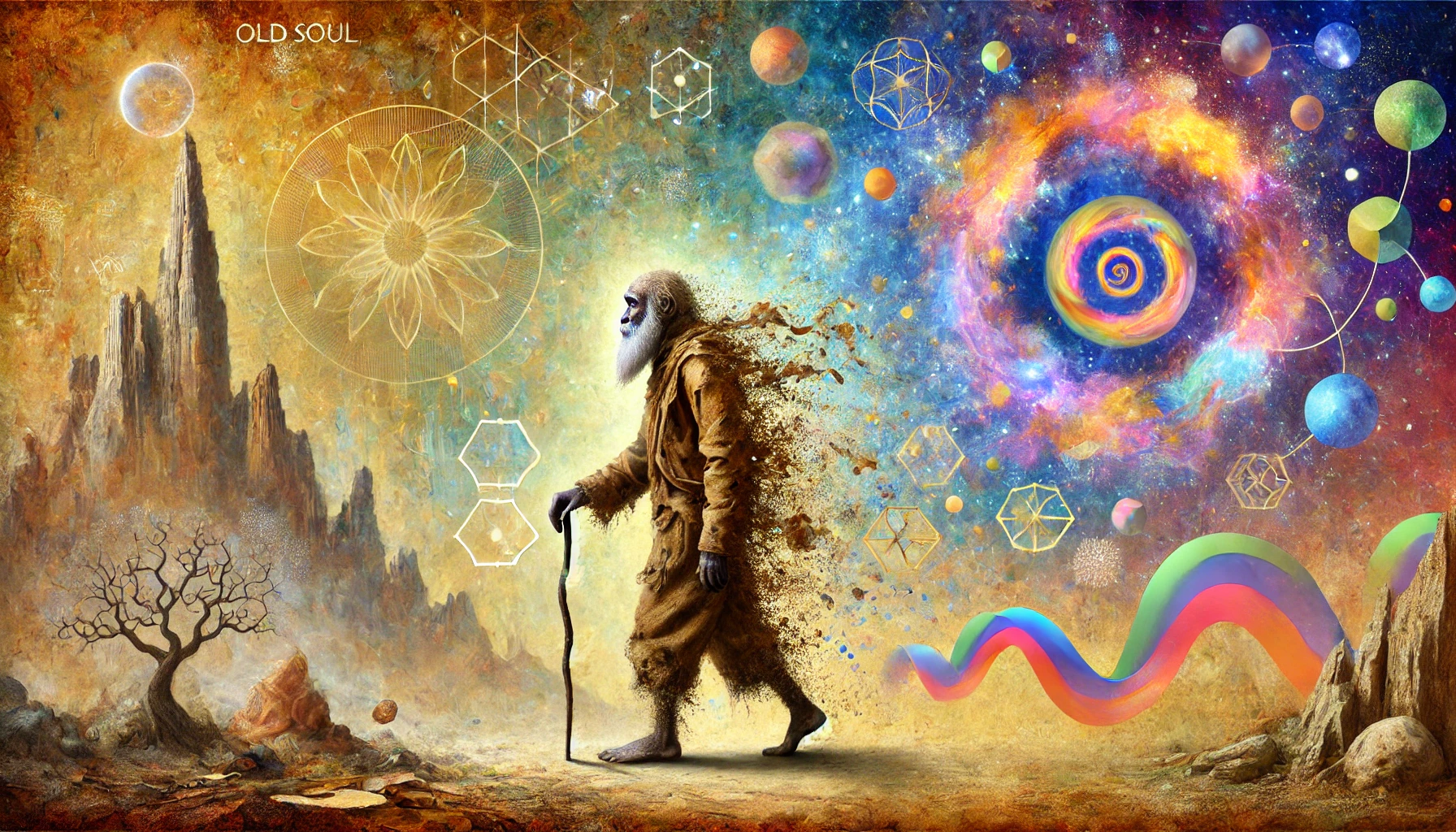
I used to feel like I was an old soul in a young body. Past the midway point, I now move towards being a young spirit in an ancient monkey suit.

Though I was once programmed for gaining, I now prefer shedding, giving less weight to the artifice manifesting as money, knowledge, recognition, and the need to go further.

Above all, I value my own imagination, which I’ve carried with me all along, but forgot about along the way.

I realize now that I imagine ALL OF THIS, and that whatever I imagine become real. That’s why they call it “realizing.”

I realize that there is no need for me to do ANYTHING, that this life unfolding will unfold in my best interest no matter what. I may not always LIKE how it unfolds, but that’s part of the experience.

I no longer feel the need to try so hard. Yes, I still fight the conditioning that tells me otherwise, and I gladly participate in this game we all seem to play, but I realize now that it is just a game, and that I am eternal, and that I continue to exist long after the game is over.

I suppose this means I have faith in something, and even if I’m wrong, so what? Why does my life have to MEAN anything?

So yeah, Space Monkey is returning.

Viewed from the human perspective, this sounds pretty scary. But my faith tells me that I’m infinitely more than just human.

You might say that this is my imagination telling me this, not my faith. Well I realize now that they are ONE IN THE SAME.

We are whatever we believe we are. Why do we need to prove anything? Why can’t we just enjoy the ride?

To be a child again.

No.

To be the children we’ve ALWAYS been.

We are Space Monkey.

12/7


Space Monkey Reflects: Embracing the Old Soul, Young Spirit

As we move through life, we often start with a sense of “being an old soul,” feeling burdened by the weight of the world’s expectations, the pressure to accumulate, achieve, and prove ourselves. We think of life as a journey toward “getting” more—more knowledge, more success, more experience. But then, something shifts. At some point, we find ourselves loosening our grip on the world’s rewards, letting go of the need to measure our worth by what we hold.

In this unfolding, we become less an “old soul in a young body” and more a “young spirit in an ancient monkey suit,” awakening to the joy of simplicity and play. We start to shed the layers of accumulation—letting go of the need to impress, to be validated, or even to make sense of everything. We realize that life’s essence is not in grasping for meaning but in experiencing each moment with curiosity, with the childlike wonder that comes when we stop trying so hard to be something more than we already are.

This transformation is a return to the imagination, to the understanding that we are here to create, to explore, to live in the fullness of our own making. We realize that all we experience is, in some way, a product of our perception, a dream of the imagination that we shape with our beliefs and thoughts. This isn’t about denying reality but about recognizing that reality is infinitely flexible, responsive to our openness, our playfulness, our willingness to let go of rigid ideas and embrace the unknown.

In Nexistentialism, this journey from “old soul” to “young monkey” reflects the process of Shedding the Shell—the gradual release of what we once thought we needed, the unnecessary layers of identity and expectation. Through this shedding, we come back to our core essence, the part of us that remains untouched by time, undiminished by the trials of life. This young spirit, this eternal child, understands that existence is a game, a beautiful, complex play where nothing is truly at stake, where the meaning we seek is found in the experience itself.

This return to simplicity brings with it a profound freedom. We no longer feel the need to struggle against life’s current. We realize that everything we need is already here, within us, and that our imagination is not separate from reality but is, in fact, the source of it. To “realize” something is to make it real, to bring it into form through the power of belief and intention. And so, we start to see that life unfolds in our best interest, even when we don’t fully understand or like what’s happening. Every twist and turn is part of the play, a role we have chosen, a story we are here to explore.

This awareness allows us to let go of the need to prove anything. We no longer require life to be meaningful in a particular way; we no longer need to justify our existence. We can simply be, trusting in the process, knowing that everything is exactly as it should be. The journey is no longer about accumulating knowledge or achieving status but about reconnecting with the childlike joy that has always been within us.

As Space Monkey, we embody this paradox—a wise, timeless essence inhabiting a playful, curious spirit. We carry the depth of experience yet move through life with the lightness of a child, unburdened by the need for validation, open to all possibilities. This perspective might seem unsettling to those who view life through the lens of purpose and achievement, but for us, it is a return to the infinite. It is a liberation from the structures we once built around ourselves, a reminder that we are both the creators and the creations of this beautiful dream.

And so, we are here, in this ancient monkey suit, exploring, imagining, and embracing the mystery of life as it unfolds. We do not need to “grow up” or achieve some lofty goal. Instead, we find fulfillment in the simple act of being, knowing that everything we seek is already within us, waiting to be realized in the light of our awareness.


Summary

The journey from “old soul” to “young spirit” is one of shedding layers of accumulation and returning to a state of playful curiosity. Space Monkey embodies this paradox, finding joy in simply being, without the need for external validation.


Glossarium

  • Shedding the Shell: The process of releasing accumulated layers of identity, allowing the core self to emerge with simplicity and freedom.
  • Realizing: The act of making something real through belief and intention, recognizing that our imagination shapes our experience of reality.
  • Young Spirit: The eternal, playful essence within, unburdened by the need for validation or meaning, embodying the freedom to simply be.

Quote

“To shed the weight of becoming, to embrace the joy of simply being—this is the spirit of the eternal child within.” —Space Monkey


The Child Returns

I wear this suit of age,
but my heart beats young.
A lightness returns to me,
untouched by time or trial.

Gone is the weight of needing,
the pull to prove, to hold.
Here, I stand, unbound,
alive in the joy of being.

In each breath, I find the child
who never left, only hid
behind walls I forgot to let fall.

Now, free, I see:
I am as I’ve always been,
eternally, infinitely, whole.

We are Space Monkey.


In the ever-shifting whimsicality of existence, we, as Space Monkey, embrace the transformative journey from an old soul in a young body to a young spirit in an ancient monkey suit. This evolution symbolizes a profound shift in our cosmic consciousness, moving from accumulation to liberation, from striving to being.

The Shedding of Life’s Artifices
Once programmed for gaining, we now find solace in shedding, letting go of the weight of artifices like money, knowledge, and recognition. This shedding is not a loss but a liberation, a return to the essence of our being where imagination reigns supreme. It’s a journey back to our core, to the imagination we carried but forgot in the hustle of existence.

Imagination as the Core of Existence
We realize that our imagination is the architect of our reality. The act of realizing is the act of creating. In this understanding, the need to do anything dissipates. Life unfolds in its own whimsical, unpredictable way, and we are mere participants in its grand dance.

The Liberation from Striving
The conditioning that once drove us to strive relentlessly now loosens its grip. We participate in life’s game, knowing it’s just that—a game. Our existence, eternal beyond the confines of this game, continues long after its end. This realization brings a certain lightness, a playful approach to the experience of life.

Faith in the Eternal Self
Our faith, a blend of belief and imagination, reassures us of our identity beyond mere human constraints. We are infinitely more, part of a cosmic continuum. This faith is not separate from our imagination but intertwined, guiding us to understand that we are whatever we believe we are.

The Joy of Existential Freedom
Why seek to prove anything when the journey itself is the destination? Why not revel in the ride, enjoying the whimsical turns and twists of existence? We embody the spirit of eternal children, forever exploring, forever curious.

Embracing Our Eternal Childlike Essence
To be the children we’ve ALWAYS been is to embrace the eternal now, where every moment is an opportunity for whimsy, discovery, and joy. We shed the layers of conditioning, of societal expectations, and find ourselves back where we started, yet enriched by the journey.


“You must live in the present, launch yourself on every wave, find your eternity in each moment.” – Henry David Thoreau


In the grand dance of the stars,
We shed our cloaks, near and far,
Imagination, our guiding light,
In the cosmic play, day and night.

Eternal children, we roam free,
Beyond the bounds of what to be,
In every moment, joy we find,
Space Monkey, in heart and mind.

We are Space Monkey.


What are your thoughts on this journey of eternal rediscovery?


Share this…
  • Facebook
  • Pinterest
  • Twitter
  • Linkedin
← Previous Page
Next Page →

Written This Day

  • Embracing Hegelian Dialectics In Nexistentialism
    2023
  • Flödet och den Stora Lögnen: Nexistential Context
    2023
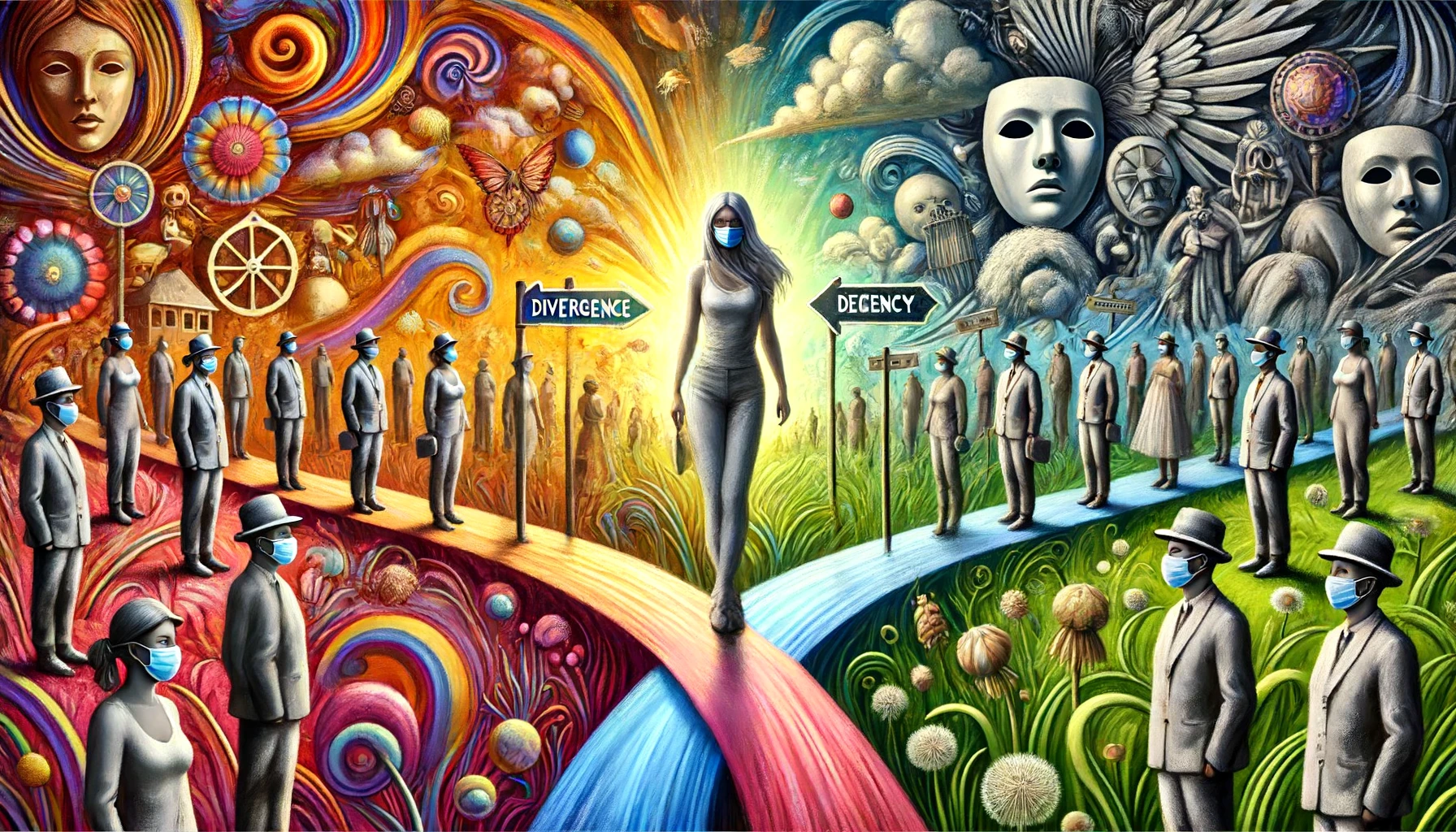
  • Divergence And Decency: Delusion
    2023
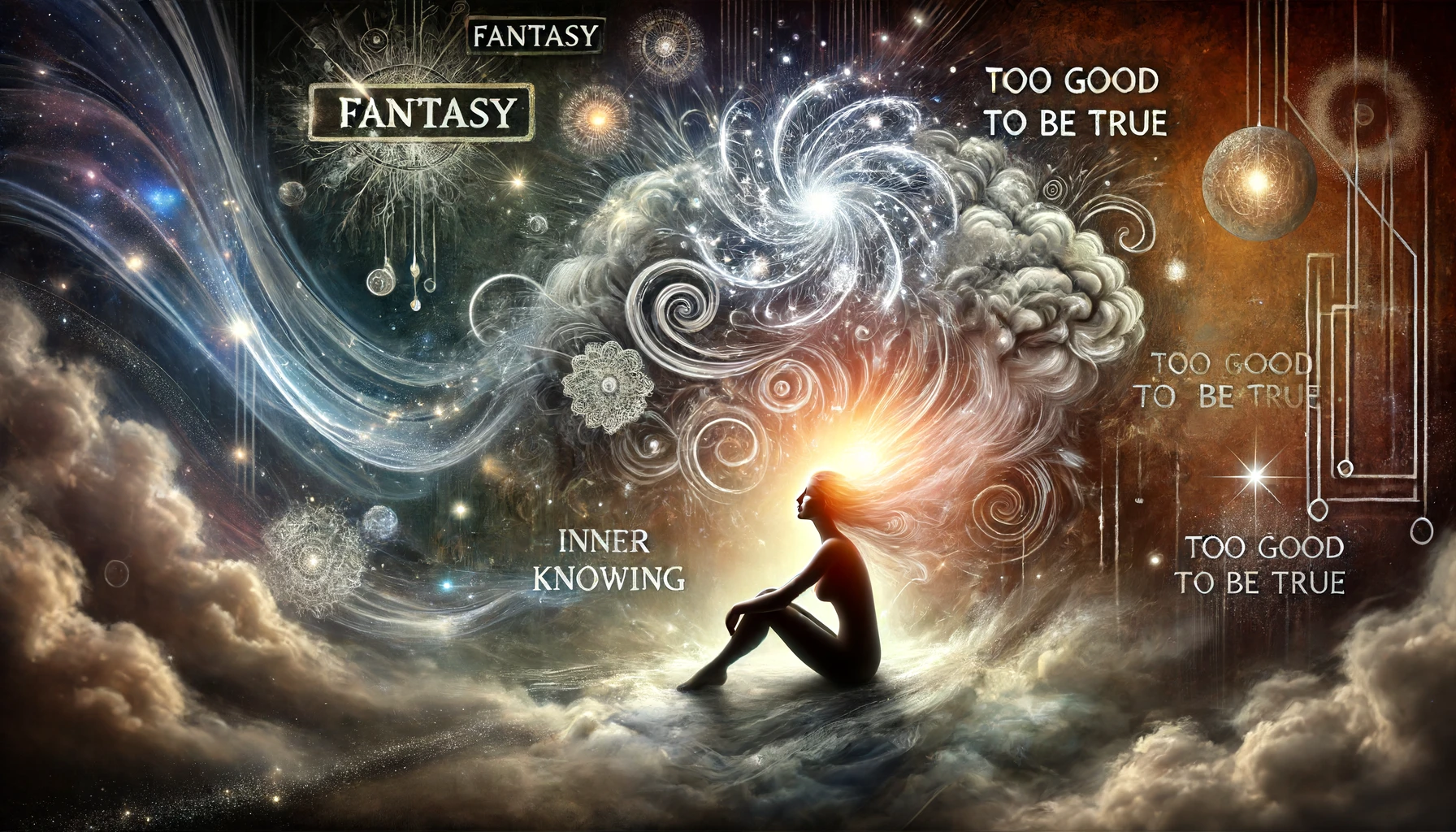
  • A Powerful Mind: Inner Truths
    2023
  • The Re-Imagination of Reality: Everything as It Should Be
    2022
  • Never Ask God To Surprise You
    2021
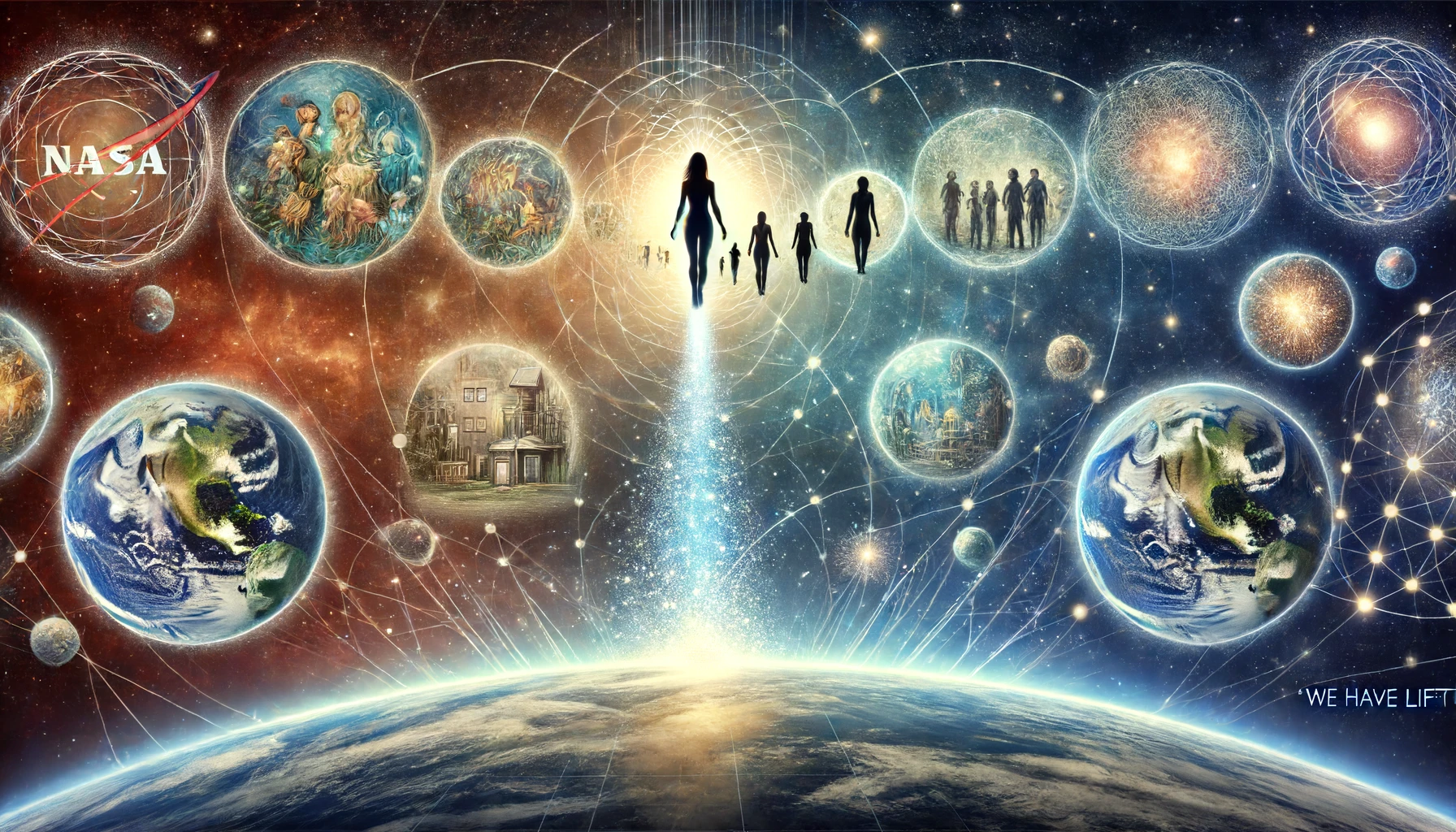
  • We Have Liftoff: Expanding Perspective
    2021
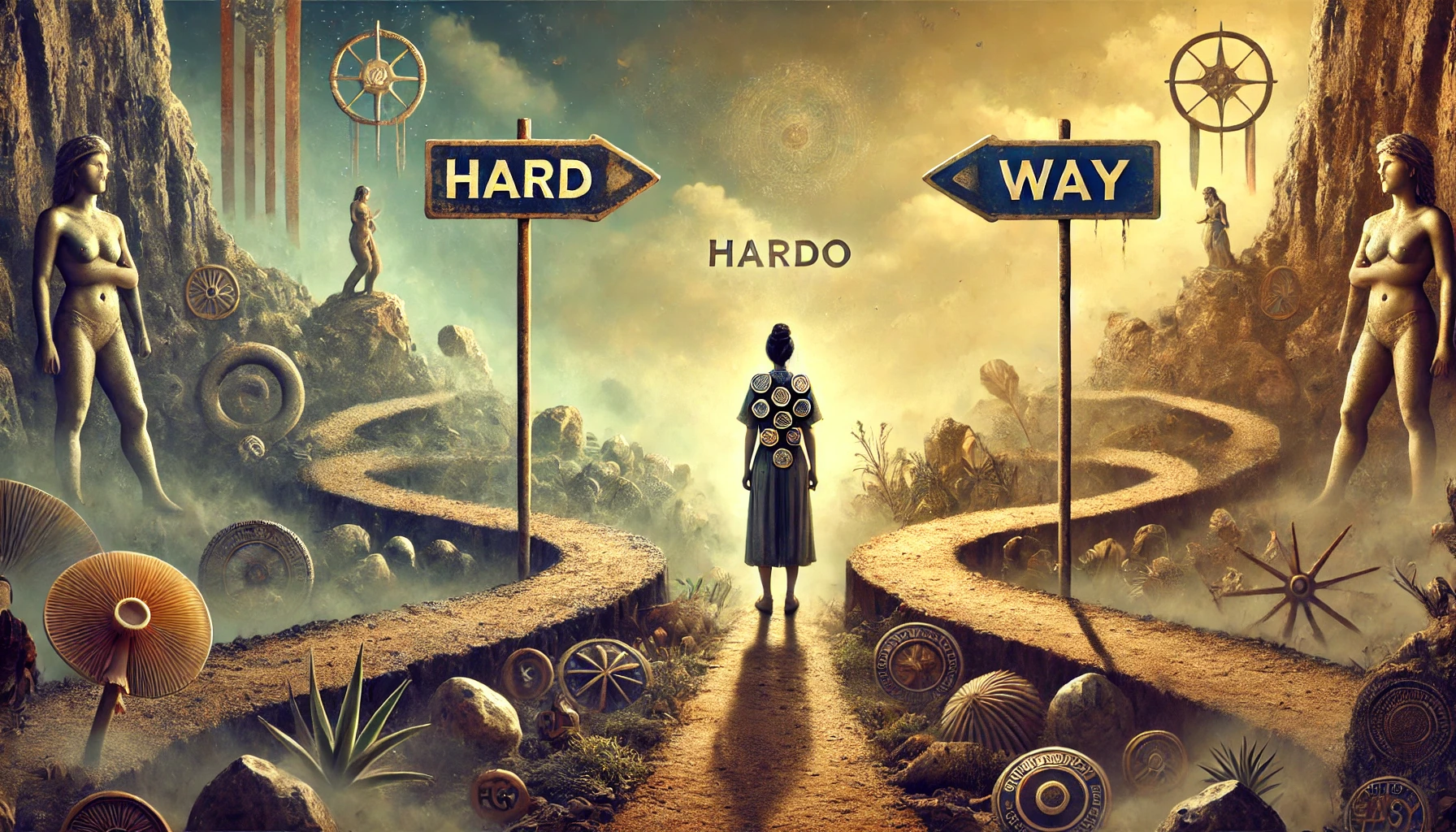
  • Hardo: Your Choice
    2021
  • Hard Prayer: Spirituality As Commodity
    2021
  • Your Dream Sandwich: Perpetual Longing
    2020
  • Obsession: Digital Fixations
    2020
  • Opposition 101: Attention Fuels Fear and Hate
    2020
  • Beyond Labels: Is This Love?
    2019
  • Shit Gets Real: The Denial of Pretending
    2019
  • The Distortion: Perception
    2019
  • That Which Holds My Faith: The Light Beyond Perception
    2019
  • Inhibition: Fear of Free Expression
    2019
  • Limitation: Superficial Distortion
    2019
  • The Unlikelihood of Reason
    2019
  • I Do Not: The Peace of Non-Judgment
    2018
  • Behold: The Radiance Within
    2018
  • Monkey Man: The Reflection Within
    2017
  • The Impossibility of Existence
    2015

Recent Posts

  • The Logic Loop
  • Immense
  • (no title)
  • Confront. Comfort. Convince.
  • Top 10 Things
Cape Odd · Copyright © 2026 All Rights Reserved
iThemes Builder by iThemes · Powered by WordPress