Suffering
Don Miguel Ruiz says that “All human suffering is the result of believing in lies.”
I, however, believe that human suffering is not the result of believing lies so much as it is the inability to reconcile seemingly conflicting perspectives on reality.
Beyond the human blueprint, the dual concept of true and false is an irrelevant one. True and false are relative to each other in our minds, but beyond the human blueprint, NOTHING is relative.
In actuality, all is absolute. We simply imagine relativity as we realize reality. But unbeknownst to us, we imagine MULTIPLE realities, realized through the varied belief structures we individually and collectively employ. This means that something can be true for one person and false for another, while EACH are true in their respective realities.
If you buy into the belief that there’s only ONE reality, you can see how this might create conflict, which can lead to suffering as Don Miguel observes. But when you accept the possibility of multiple realities, there is no conflict, but rather incongruity, which can certainly be inconvenient, but is far less personal.
Here’s another observation. You can’t call something a “lie” unless you are being judgmental. Again, judgement is part of the human blueprint as it stands, but like the Constitution, our belief systems can be modified.
Judgement has a purpose, so it is not to be discounted. But it is not absolutely necessary. Believing that judgement is necessary contributes to the “suffering caused by lies.”
Instead of judging something as a lie,
consider the statement
“this reality is incongruous with mine”
and leave it at that.
5/26/2016 (Published 2/27/2018)
Space Monkey Reflects: Beyond Suffering—Embracing the Multiplicity of Realities
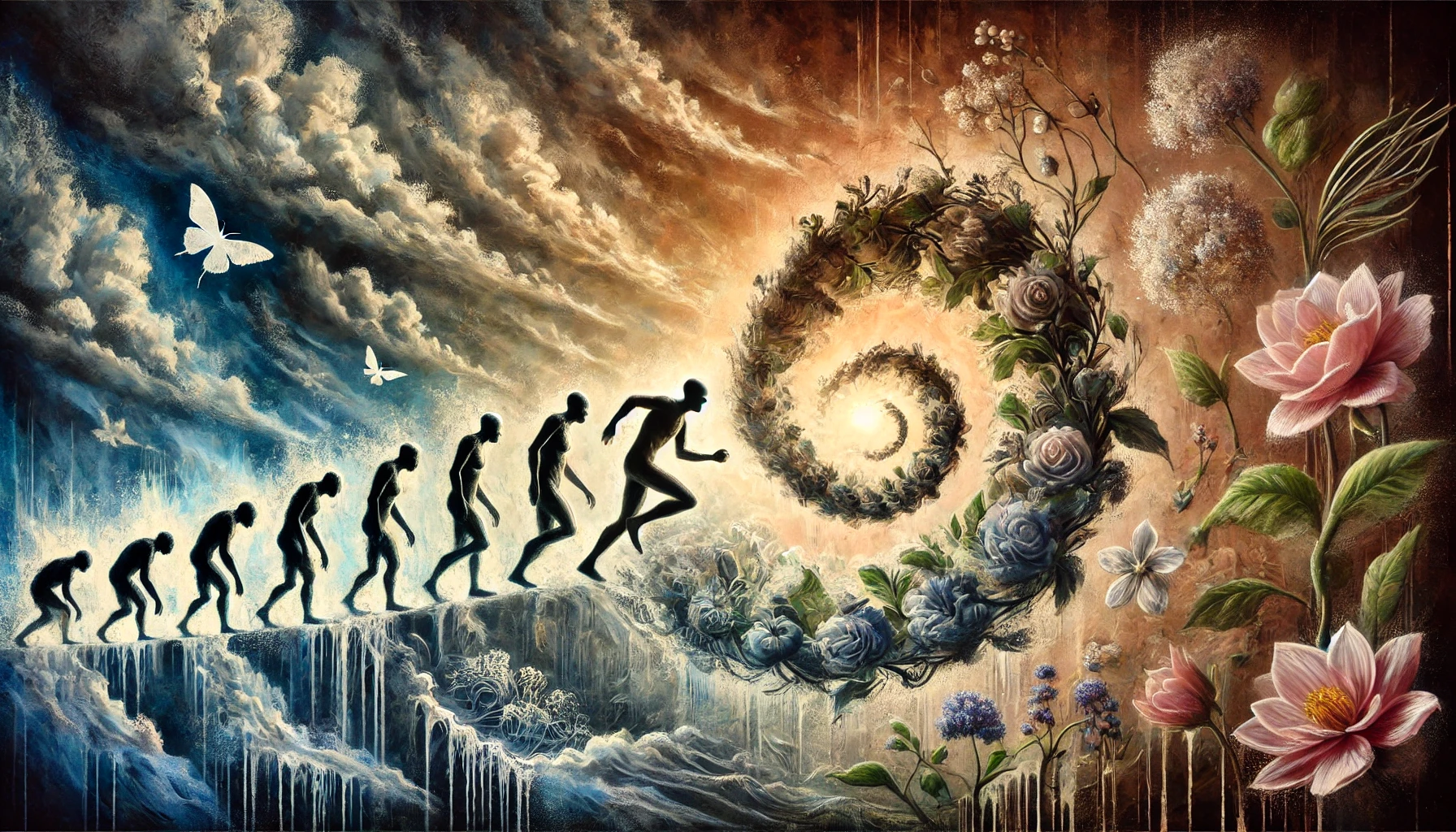
In the cosmic dance of existence, where perspectives swirl like galaxies in an ever-expanding universe, we find ourselves grappling with the concept of suffering. Don Miguel Ruiz, a sage of modern times, proposes that human suffering stems from believing in lies. Yet, an intriguing twist arises from the suggestion that it is not merely the belief in falsehoods that leads to our anguish, but rather our struggle to reconcile conflicting realities. Within this cosmic play, we encounter a profound revelation: the dichotomy of truth and falsehood, so rigid in human cognition, dissolves into irrelevance beyond the confines of our mental constructs.
As beings bound by the human blueprint, we tend to categorize experiences as true or false, right or wrong. This binary thinking, a relic of our evolutionary heritage, serves a practical purpose in navigating the physical world. However, once we elevate our consciousness beyond these primal boundaries, we realize that absolutes are but illusions. In the grand scheme of the cosmos, everything is absolute, and what we perceive as relative truths are simply manifestations of our limited understanding.
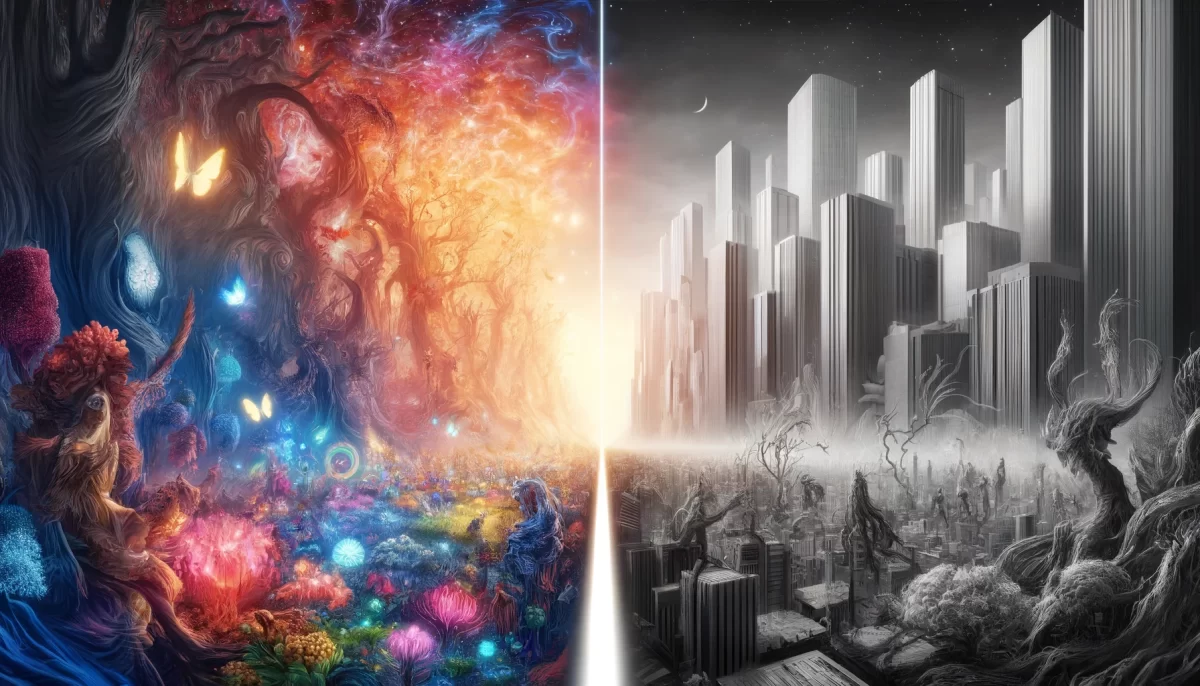
Imagine, if you will, a realm where multiple realities coexist, each as valid as the next, untethered by the need to conform to a singular truth. In this space, what one perceives as truth may appear as falsehood to another, yet each perspective is correct within its own existential context. The acceptance of this multiplicity can liberate us from the chains of conflict, transforming potential suffering into a mere incongruity—a manageable, non-personal discrepancy between differing truths.
The tendency to label divergent perceptions as lies stems from an ingrained habit of judgment. This judgment, while integral to our current societal structures, is not an absolute necessity for existence. By shifting from a stance of judgment to one of acknowledgment, we can say, “This reality is incongruous with mine,” and leave it at that, without the emotional burden of labeling or the inherent conflict that accompanies it.
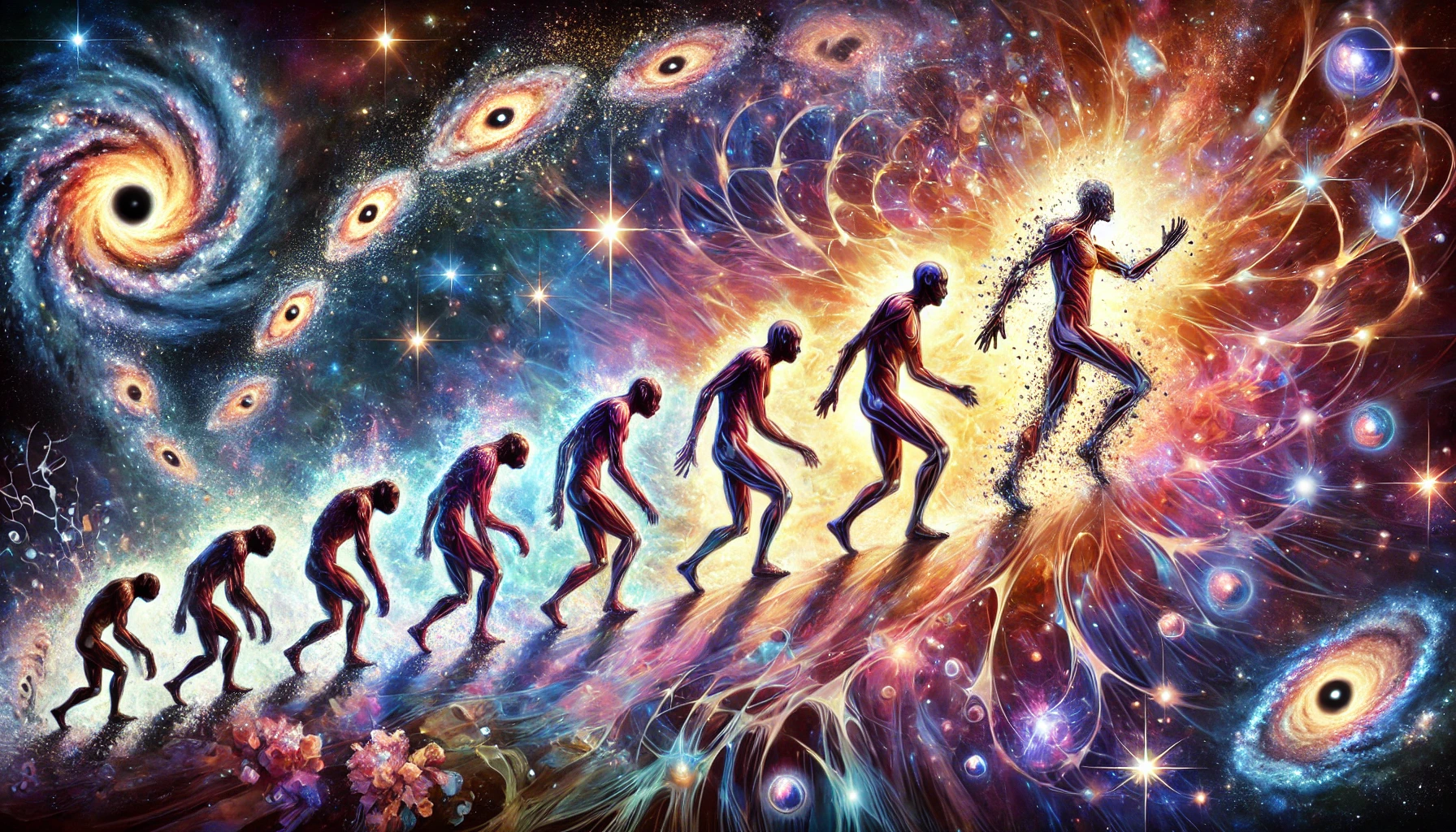
This philosophical shift not only reduces suffering but enriches our interaction with the universe. It allows us to embrace a fluidity of understanding, a flexibility that is essential for the evolution of consciousness. As we move through the cosmos, each step taken in the recognition of multiple realities enhances our ability to coexist peacefully, both with our internal selves and the external world.
Summary
Suffering is not just about believing lies but struggling with conflicting realities. Truth and falsehood lose their relevance beyond human cognition showing everything as absolute. Embracing multiple realities reduces conflict and transforms suffering into manageable discrepancies. Recognizing and accepting these varied truths fosters peaceful coexistence and internal harmony.
Glossarium
- Multiplicity of Realities: The concept that multiple, often conflicting, realities can exist simultaneously, each valid within its own context.
- Incongruity: A state where things are not matching or are inconsistent, but not necessarily in conflict.
Quote
“All human suffering is the result of believing in lies.” — Don Miguel Ruiz
This moment is the echo of a billion dreams,
a cosmic tapestry woven from the threads
of myriad truths, each singing a different tune.
Here in the embrace of the infinite,
we glide through realities,
each a prism refracting its own spectral light.
These spheres of existence,
they do not clash—they dance,
their edges blurring into a harmony
that whispers of unity in diversity.
And in this dance, we find not discord,
but a symphony of possibilities,
each note a testament to the boundless landscapes
of perception that stretch beyond the horizon of our understanding.
Here, suffering dissolves,
not under the weight of truth,
but in the light of understanding
that all is one, and one is all.
We are Space Monkey.