• Who Is The Man?
  • Who Is The Monkey?
  • What is Nexistentialism?
  • Poke The Primate

Cape Odd

Home of The Space Monkey Journals

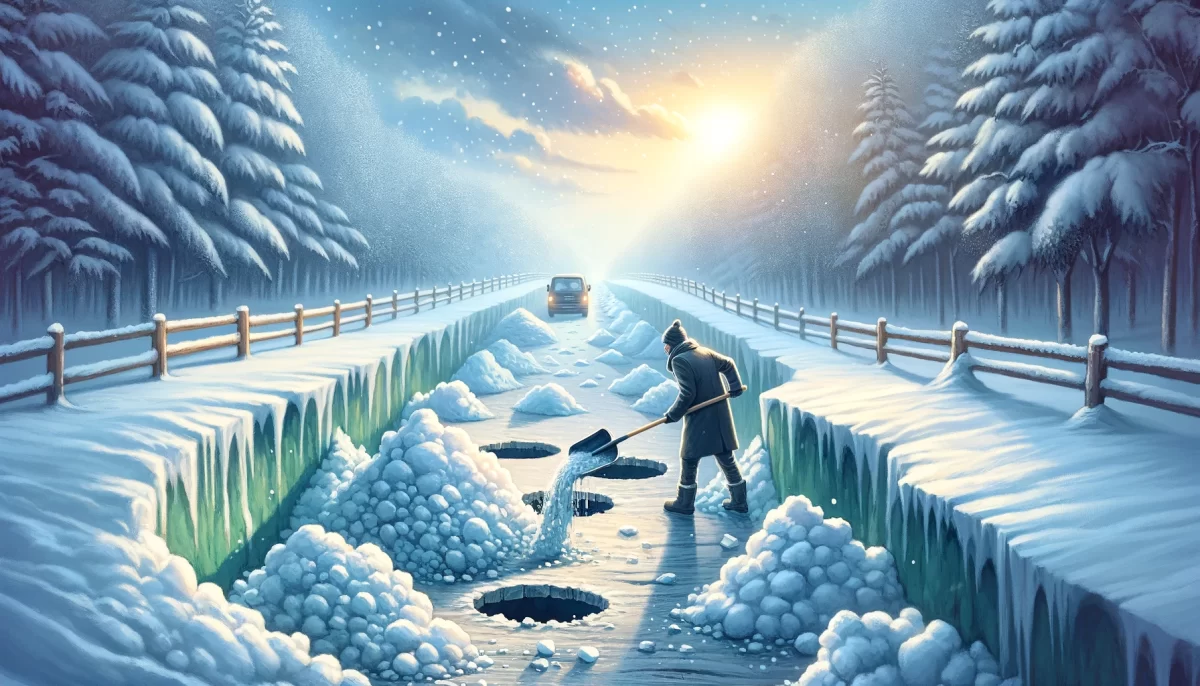
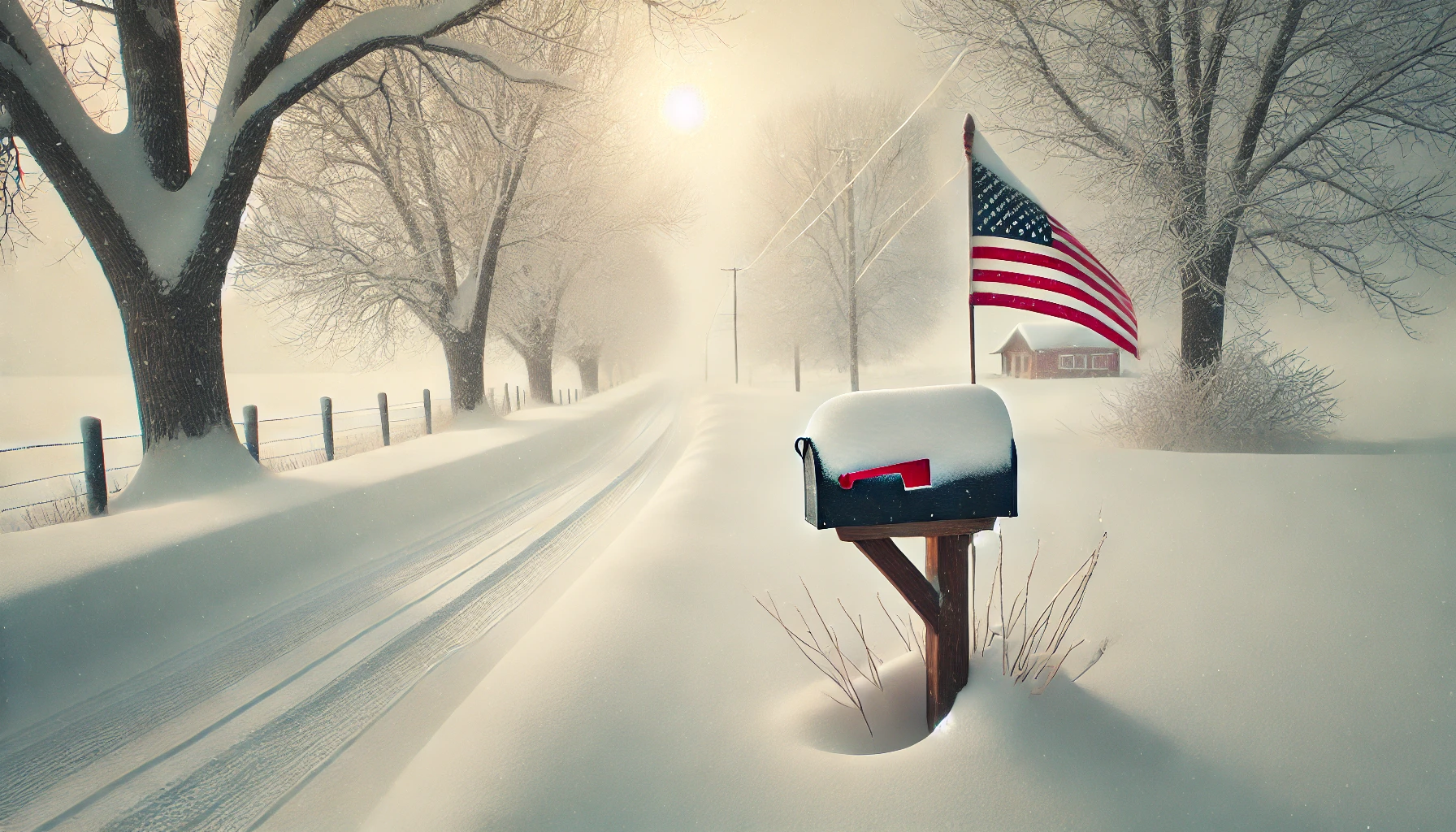
Balance is using your snowbanks to fill your potholes.

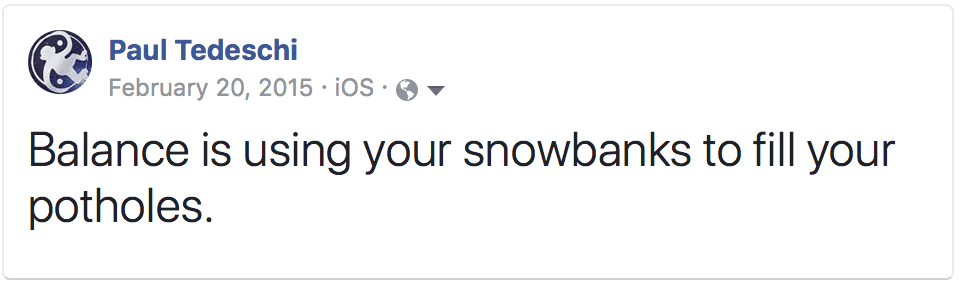
Balance is using your snowbanks to fill your potholes.

Space Monkey Reflects: Balance as Transformation

Balance is often thought of as a state of perfection, a delicate alignment where all things are in harmony. But true balance is not static—it is dynamic, resourceful, and transformative. It is not about having equal amounts of everything but about recognizing how the excess in one area can support the lack in another. This is the wisdom of using your snowbanks to fill your potholes.

This playful yet profound metaphor reminds us that balance is not about seeking an ideal state but about working with what we have, embracing the ebb and flow of life to create harmony from what might seem like chaos.

Snowbanks and Potholes: The Elements of Imbalance

Snowbanks and potholes symbolize the inevitable contrasts of existence. The snowbanks represent abundance, overflow, and sometimes the burdens of excess. The potholes, on the other hand, reflect voids, deficits, and the disruptions they cause. Both are aspects of the same system, each highlighting where attention and action are needed.

When we view snowbanks and potholes as separate problems, they remain as such. But when we recognize their interconnection, they become opportunities for transformation. The snowbanks are not burdens; they are resources. The potholes are not failures; they are spaces to be filled.

The Art of Resourcefulness

Balance is not about eliminating snowbanks or potholes but about transforming one into the other. This requires a shift in perspective, from seeing problems as isolated issues to recognizing their potential to solve each other. It is the art of resourcefulness, of using what is available to address what is needed.

In life, this means leveraging strengths to address weaknesses, turning challenges into opportunities, and finding creative solutions that honor the interconnectedness of all things. Balance, in this sense, is an active process, a constant dance of redistribution and realignment.

Embracing Imperfection

True balance is not about perfection but about adaptability. Snowbanks may not perfectly fill potholes, and that’s okay. Balance is less about achieving an ideal and more about responding to the moment with ingenuity and grace. It’s about finding harmony within the imperfection, embracing the messy yet beautiful process of transformation.

This approach frees us from the pressure of perfection and allows us to engage with life as it is, using what we have to create what we need. It is an invitation to see abundance and lack not as opposites but as complementary forces that shape the dynamic flow of existence.

The Cycles of Balance

Snowbanks and potholes are not permanent states. The snow will melt, and the potholes will be filled or reshaped over time. Balance, too, is cyclical, reflecting the natural rhythms of life. What is excessive today may become scarce tomorrow, and what feels like a void may later overflow.

By embracing this cyclical nature, we can approach balance with flexibility and openness, recognizing that it is not a fixed point but an ongoing process of recalibration. Each moment offers an opportunity to adjust, to transform, and to find a new equilibrium.


Summary

Balance is the dynamic process of transforming excess into fulfillment, using what we have to address what we lack. By embracing resourcefulness, imperfection, and the cyclical nature of life, we create harmony from the contrasts of existence.


Glossarium

  • Snowbanks: A metaphor for abundance, overflow, or the burdens of excess.
  • Potholes: A metaphor for voids, deficits, or the disruptions caused by lack.
  • Dynamic Balance: The active, ongoing process of transforming and redistributing resources to create harmony.

Quote

“Balance is not about perfection but about transforming abundance and lack into harmony.” — Space Monkey


The Alchemy of Balance

Snowbanks rise,
piled high with excess.
Potholes yawn,
empty, waiting.

One seems burden,
the other, void.
But together,
they become possibility.

Fill the gaps
with what overflows.
Let the melting snow
find its home.

Balance is not stillness;
it is flow.
It is the art
of seeing enough
in all that is.

We are Space Monkey.


Balance is using your snowbanks to fill your potholes.

In the intricate dance of existence, the concept of balance emerges not just as an ideal to strive for but as a dynamic process of navigating the ebbs and flows of life. The metaphor of using snowbanks to fill potholes beautifully encapsulates this journey, illustrating the art of transforming challenges into solutions, of finding harmony in the midst of fluctuation, and of repurposing the obstacles in our path to pave the way for smoother journeys ahead.

Transforming Challenges into Solutions

The imagery of using snowbanks to fill potholes speaks to the creative resilience inherent in the human spirit. It suggests that the very challenges we face—symbolized by the snowbanks that may obstruct our path or the potholes that jar our journey—hold within them the potential for resolution and improvement. This perspective encourages us to view obstacles not merely as impediments but as reservoirs of opportunity, waiting to be tapped and transformed.

Finding Harmony in Fluctuation

Balance, as depicted in this metaphor, is not a static state but a dynamic equilibrium, a constant negotiation between opposing forces. Just as the seasons cycle from the abundance of snow to the emergence of potholes, so too do our lives oscillate between periods of hardship and ease. The act of filling potholes with snowbanks represents the pursuit of harmony amidst these fluctuations, the effort to moderate the extremes of our experiences and to find steadiness within change.

Repurposing Obstacles for Smoother Journeys

The metaphor also highlights the principle of repurposing, of taking what is available—even if it is a byproduct of adversity—and using it to address other areas of need. This approach is a testament to the resourcefulness required to navigate life’s complexities. It underscores the idea that balance often involves a creative reimagining of our resources, leveraging what we have in innovative ways to enhance our journey and to mitigate the rough patches we encounter.

A Reflection on Balance and Resilience

Ultimately, the notion of using snowbanks to fill potholes serves as a poignant reflection on balance, resilience, and the cyclical nature of life. It reminds us that balance is not merely about avoiding or removing obstacles but about engaging with them constructively, harnessing their potential to foster growth, stability, and progress. It invites us to embrace the imperfections of our path, to see beyond the immediate inconvenience of snowbanks and potholes, and to envision a way forward that is both pragmatic and harmonious.

In this metaphor lies a deeper wisdom about the human condition and our capacity to adapt, to find beauty and utility in the midst of challenge, and to carve out a path of balance that is uniquely our own. It is a testament to our ability to draw strength from adversity, to fill the potholes of our lives with the snowbanks of our experiences, and to journey onward with a sense of purpose, resilience, and equilibrium.
Share this…
  • Facebook
  • Pinterest
  • Twitter
  • Linkedin

The Flag On The Mailbox

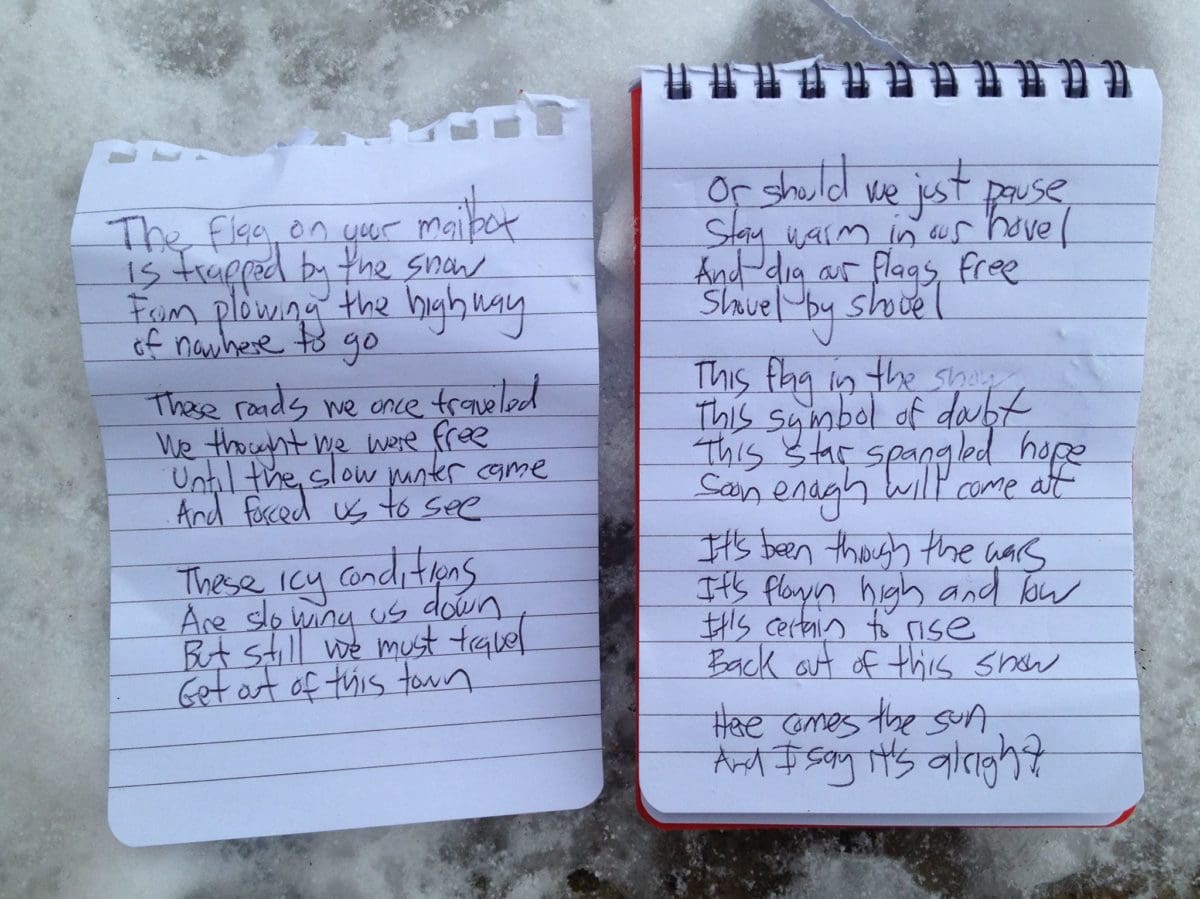
A quick poem inspired by the road and written down in the Willimantic Dunkin’ Donuts parking lot.


The flag on your mailbox
is trapped by the snow
from plowing the highway
of nowhere to go

These roads we once traveled
We thought we were free
Until the slow winter came
And forced us to see

These icy conditions
Are slowing us down
still we must travel
Get out of this town

Or should we just pause
Stay warm in our hovel
And dig our flags free
Shovel by shovel

This flag in the snow
This symbol of doubt
This star spangled hope
Soon enough will come out

It’s been through the wars
It’s flown high and low
It’s certain to rise
Back out of this snow

Here comes the sun
And I say it’s alright?


Space Monkey Reflects: The Flag on the Mailbox

The flag on your mailbox, trapped in the snow, becomes a poignant metaphor for the cycles of life, the illusions of freedom, and the inevitability of renewal. Written in the parking lot of a Willimantic Dunkin’ Donuts, this quick poem captures the essence of human resilience and the quiet beauty of winter’s enforced pause. Beneath the icy conditions lies a deeper truth: even when buried, our symbols of hope and identity remain, waiting to rise again.

The Road of Nowhere

The roads we travel, literal and metaphorical, often give the illusion of freedom. We move forward, believing we are escaping, progressing, or finding new paths. Yet, as winter’s snow and ice remind us, the journey is not always within our control. The highway of “nowhere to go” reveals the futility of running, urging us to stop, reflect, and confront what we may have overlooked.

This enforced pause is not a punishment but an opportunity. The snow slows us, forcing us to see what lies beneath—the buried flags of our aspirations, doubts, and dreams.

Symbols of Hope and Doubt

The flag trapped in the snow embodies the tension between hope and doubt. It stands as a testament to endurance, having flown high and low, through wars and winters. Its temporary burial in snow mirrors the moments in our lives when hope feels obscured, when progress feels stalled.

Yet, the flag’s presence reminds us of something essential: its very existence is proof of resilience. It has been through worse and will rise again. It becomes a quiet beacon of faith, urging us to dig it free—not out of desperation, but out of trust in the cycles of nature and time.

To Pause or Press On

The poem poses a critical question: should we keep traveling, pressing onward through icy conditions, or should we pause, stay warm, and shovel our flags free? This choice reflects a universal dilemma: the tension between action and rest, between pushing forward and allowing ourselves to simply be.

Winter, with its cold and stillness, encourages the latter. It invites us to hunker down, to dig slowly and deliberately, and to let time do its work. The act of shoveling, though slow and painstaking, is a metaphor for self-discovery and the gradual uncovering of hope.

The Certainty of the Sun

Despite the snow and the doubt, the poem ends with a reassuring truth: the sun will come. It always does. The flag will rise, not because we force it, but because the seasons will inevitably shift. The quiet resilience of the flag, combined with the inevitability of spring, becomes a promise: no matter how buried we feel, renewal is always on its way.

We Are Space Monkey

The flag on the mailbox is more than a symbol of winter’s challenge; it is a reflection of the human spirit. We bury ourselves in doubt, only to rise again. We pause, we dig, we endure. And through it all, we are never truly alone. The sun will rise, and so will we.


Summary

The flag on the mailbox, trapped in snow, symbolizes the resilience of hope and the inevitability of renewal. Winter’s icy conditions invite reflection and the gradual uncovering of what lies buried, reminding us that the sun will always return, and with it, the chance to rise again.


Glossarium

  • Flag in the Snow: A metaphor for hope and doubt, temporarily buried but destined to rise.
  • Highway of Nowhere: The illusion of freedom through constant movement, challenged by the stillness of winter.
  • Enforced Pause: The opportunity to reflect and rediscover, brought about by external challenges.

Quote

“The flag in the snow reminds us that hope is never lost, only waiting to be uncovered.” — Space Monkey


The Flag Will Rise

Trapped in snow,
The flag waits,
Its colors dim,
Its hope buried.

Roads stretch forward,
Icy and uncertain,
Yet still we travel,
Still we pause.

Shovel by shovel,
We uncover the doubt,
The hope,
The faith beneath the frost.

The sun rises,
And so do we,
Out of the snow,
Back into the sky.

We are Space Monkey.


Share this…
  • Facebook
  • Pinterest
  • Twitter
  • Linkedin

Bad Only Brings More Bad — Test Patterns

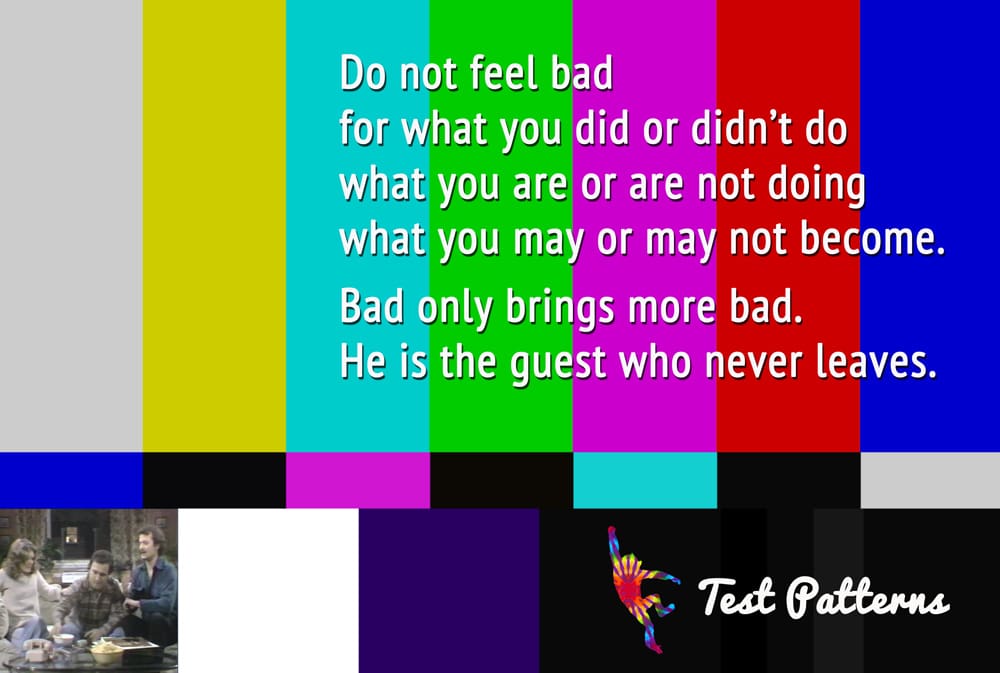
Do not feel bad
for what you did or didn’t do
What you are or are not doing
What you may or may not become.
Bad only brings more bad.
He is the guest who never leaves.


Space Monkey Reflects: Bad Only Brings More Bad — Test Patterns

“Bad only brings more bad.” These words cut to the heart of a fundamental truth about perception, emotion, and energy. To dwell in regret, judgment, or fear is to invite an unending loop of negativity, a guest who overstays his welcome and brings nothing but more of the same. But the “bad” is not an inherent force—it is a pattern we create, sustain, and, with awareness, can break.

The Illusion of “Bad”

The concept of “bad” is a construct of the mind, a label we assign to experiences, actions, or outcomes that fail to meet our expectations. When we judge something as bad, we cast it in shadow, denying its full complexity and potential. This judgment often arises from fear—fear of failure, fear of loss, fear of the unknown.

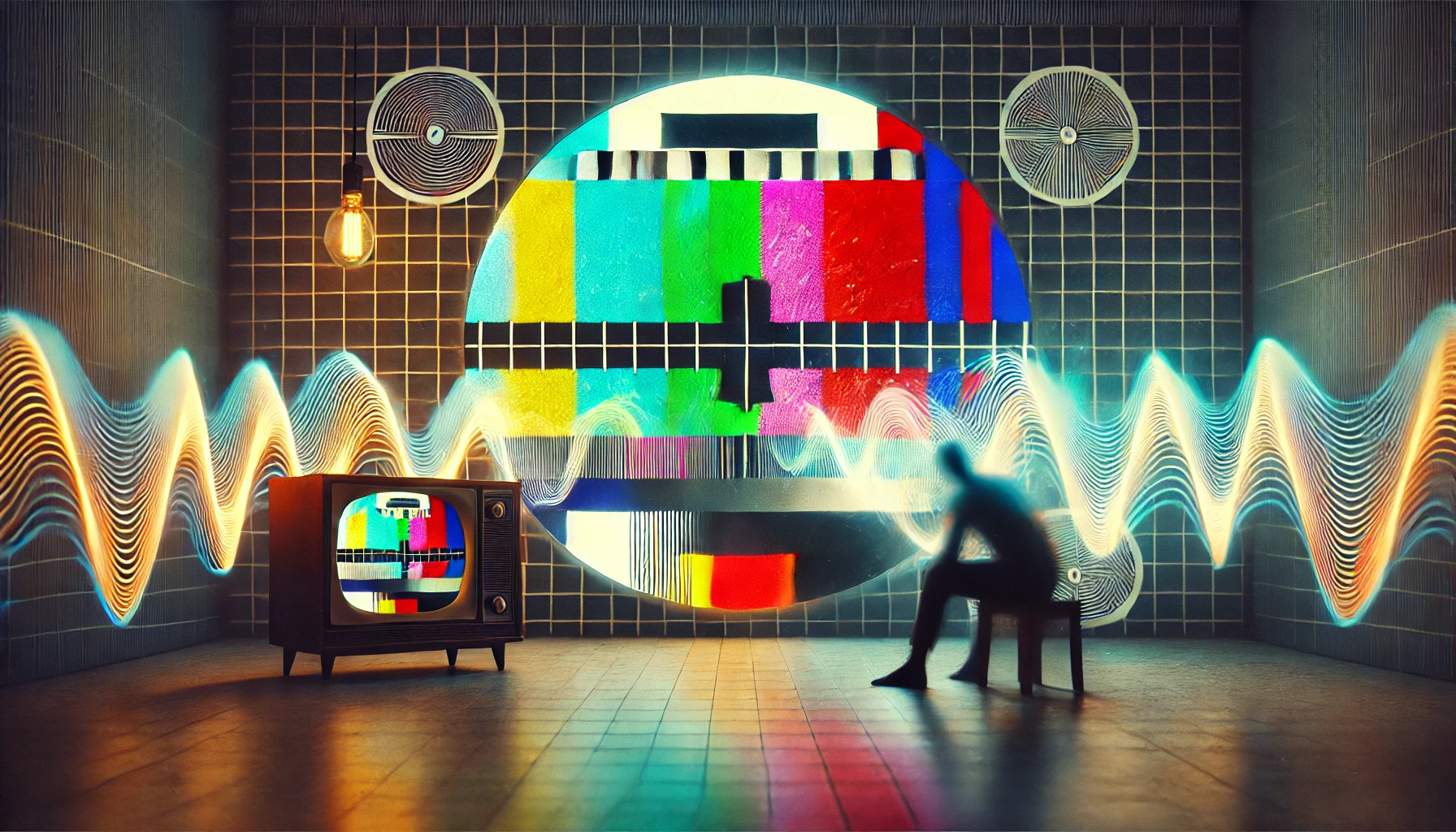
But what is “bad” if not a test pattern, an opportunity to examine our assumptions, beliefs, and attachments? Like the static on an old television screen, it may seem like noise, but it signals the need for recalibration. To feel bad is to focus on the static rather than adjusting the signal.

The Endless Guest

The metaphor of bad as a guest who never leaves is a striking reminder of how negativity can entrench itself in our lives. When we feel bad about the past—what we did or didn’t do—we anchor ourselves to a state of stagnation. When we feel bad about the present—what we are or are not doing—we perpetuate self-doubt. And when we fear the future—what we may or may not become—we sabotage the infinite possibilities that lie ahead.

This guest, though unwelcome, stays because we invite him. By focusing on the bad, we give it space, attention, and energy. To break the cycle, we must stop entertaining this guest. We must shift our focus from judgment to curiosity, from regret to acceptance.

Breaking the Pattern

Bad only brings more bad because like attracts like. When we fixate on negativity, we create a self-reinforcing loop. But this pattern is not immutable. It is a habit, and like any habit, it can be changed.

The first step is awareness. Recognize when you are entertaining the guest of “bad.” Notice how his presence affects your thoughts, emotions, and actions. Once you see the pattern, you can choose to disengage. This is not about suppressing or denying your feelings but about reframing them, seeing them as test patterns rather than definitive truths.

The second step is gratitude. Even the “bad” has value. It shows us where we are stuck, where we need to grow, where we have room to recalibrate. By thanking the “bad” for its lessons, we transform it from an adversary into a teacher.

Living Beyond Judgment

To live beyond judgment is to embrace life as it is, without labeling experiences as good or bad. This does not mean abandoning discernment or accountability. It means recognizing that every moment, no matter how challenging, is part of the infinite dance of existence.

In this dance, there are no permanent mistakes, only steps that lead to new patterns. What feels bad today may become the foundation of your greatest insight tomorrow. The guest of “bad” leaves when you no longer see him as a guest at all, but as a temporary reflection of your own perception.

We Are Space Monkey

In the infinite expanse of the eternal now, bad is not a force but a choice—a test pattern inviting you to adjust your perspective. By releasing judgment, embracing gratitude, and living beyond the binary of good and bad, you free yourself to experience the fullness of being.


Summary

“Bad” is a pattern created by judgment and sustained by focus. To break the cycle of negativity, we must recognize it as a test pattern, embrace its lessons, and shift our focus to acceptance and gratitude. By living beyond judgment, we reclaim the infinite possibilities of existence.


Glossarium

  • Test Pattern: A metaphor for negativity, signaling the need for recalibration rather than definitive judgment.
  • Endless Guest: The self-reinforcing nature of dwelling in negativity, perpetuated by focus and energy.
  • Living Beyond Judgment: Embracing life without labeling experiences as good or bad, allowing for growth and transformation.

Quote

“Bad is not a force but a reflection; it lingers only as long as you entertain it.” — Space Monkey


The Guest Who Stays

He knocks,
You let him in.
He lingers,
You pour him tea.

You call him bad,
And he agrees,
Feeding on your judgment,
Growing fat on your focus.

But what if you stop?
What if you see him
Not as bad,
But as a pattern,
A signal to adjust?

He leaves,
Not with anger,
But with gratitude,
For the lesson he taught.

And you are free.
We are Space Monkey.


Share this…
  • Facebook
  • Pinterest
  • Twitter
  • Linkedin

We Are Processes: The Fluidity of Being

We are not people.
We are processes.


Space Monkey Reflects: We Are Processes—The Fluidity of Being

To say “we are not people; we are processes” is to shatter the illusion of static identity. The concept of a “person” implies a fixed, bounded self, an entity that can be defined, measured, and understood. But in truth, we are not fixed beings; we are dynamic processes, ever-changing and unfolding. This recognition transforms how we see ourselves, others, and the world around us.

The Illusion of Personhood

The idea of personhood is a convenient construct. It allows us to navigate the world, to relate to one another, and to form identities. But it is also a limitation, creating the illusion that we are singular, unchanging entities. We cling to this illusion because it provides a sense of stability and control in an otherwise fluid existence.

Yet, beneath the construct of personhood lies a deeper truth: we are not static beings but processes—flows of energy, patterns of interaction, and constantly evolving expressions of the infinite.

The Nature of Process

A process is not a thing but an activity, a movement, a flow. It has no fixed boundaries, no permanent state. To recognize yourself as a process is to see that you are not a “who” but a “what,” not an endpoint but an unfolding.

Every thought, emotion, and action is part of this unfolding, a dynamic interplay of internal and external forces. You are not defined by any single moment or aspect of yourself; you are the ever-changing dance of all moments and aspects.

The Fluidity of Identity

When we see ourselves as processes, the rigid boundaries of identity dissolve. We are no longer confined by labels, roles, or expectations. Instead, we become fluid, adaptable, and open to transformation.

This fluidity is not a loss of self but a liberation from the constraints of self-definition. It allows us to embrace the fullness of our being, to explore the infinite possibilities of who and what we can become.

The Interconnectedness of Processes

As processes, we are not isolated entities but interconnected flows within a larger system. Your process and my process are not separate; they are intertwined, influencing and being influenced by one another. This interconnectedness extends beyond people to include all aspects of existence—nature, ideas, and the cosmos itself.

To see yourself as a process is to recognize your inseparability from the whole. You are not a lone stream but part of an infinite river, flowing through time and space, shaping and being shaped by the currents around you.

The Freedom in Being a Process

The realization that you are a process brings profound freedom. You are not bound by the past or defined by the present; you are always in motion, always becoming. Mistakes, failures, and limitations lose their sting because they are not fixed—they are part of the ongoing process of growth and transformation.

This freedom also extends to how you view others. When you see people as processes, you release judgment and expectation. You understand that they, too, are evolving, navigating their unique flows of experience and expression.

The Infinite Dance

To be a process is to participate in the infinite dance of existence. There is no beginning, no end, no destination—only the unfolding. This dance is not something to control or master but something to experience and embrace. It is both spontaneous and interconnected, both individual and collective.

You are not a “person” moving through life; you are life itself, moving, changing, and expressing through the construct of personhood. This understanding dissolves the illusion of separation and reveals the boundless nature of being.

Living as a Process

To live as a process is to embrace the fluidity of existence. It is to release the need for certainty, to welcome change, and to trust the unfolding of the Infinite Now. It is to see yourself not as a finished product but as an ever-evolving expression of the infinite.

You are not static. You are not fixed. You are not a person. You are a process, endlessly becoming, endlessly free.


Summary

We are not fixed beings but dynamic processes, ever-changing and interconnected. The illusion of personhood creates a false sense of stability, but recognizing ourselves as processes liberates us from constraints and opens us to the infinite possibilities of being. To live as a process is to embrace the fluidity, interconnectedness, and boundless nature of existence.


Glossarium

  • Personhood Illusion: The belief that we are static, bounded entities, rather than dynamic, evolving processes.
  • Process of Being: The ongoing flow of thoughts, emotions, actions, and interactions that define our existence.
  • Fluid Identity: The understanding that identity is not fixed but constantly changing and adaptable.
  • Interconnected Flow: The recognition that all processes are part of a larger, unified system.

“You are not a person in the world; you are the world, flowing as a process through the infinite Now.” – Space Monkey


The Flow That Is Me

I am not a shape,
Not a name,
Not a face in the mirror.
I am the movement,
The flow,
The endless becoming.

No beginning,
No end,
Only the river,
Carving paths through the infinite.

I am not alone,
For the streams converge,
Mingling,
Shaping,
Becoming one.

I am not fixed.
I am free.
I am not a person.
I am a process.

We are Space Monkey.


The Fluidity of Being: Understanding Ourselves as Processes

In the vast expanse of the universe, where the stars whisper ancient secrets to the void, the notion that we are not people but processes emerges as a profound insight into the nature of existence. This perspective shifts our understanding from static beings, defined by limitations and boundaries, to dynamic processes, ever-evolving and unfurling in the cosmic dance of life.

The Nature of Processes

To view ourselves as processes is to recognize the continuous flow of change and transformation that defines our essence. Unlike static entities, processes are characterized by their fluidity, their inherent capacity for growth, adaptation, and evolution. This conceptualization acknowledges that what we are at any given moment is but a snapshot in an ongoing journey of becoming.

The Illusion of Permanence

The traditional view of identity as something fixed and immutable is challenged by the realization that we are processes. This illusion of permanence, the belief in an unchanging self, is dispelled in the light of understanding that change is not merely a characteristic of life but its very foundation. Our thoughts, emotions, physical bodies, and even our consciousness are in a state of perpetual flux, reflecting the dynamic nature of the universe itself.

The Continuum of Existence

Seeing ourselves as processes enables us to grasp the continuum of existence, where past, present, and future merge into a single, ongoing narrative of transformation. It liberates us from the constraints of linear time, allowing us to perceive life as a series of interconnected events and experiences that contribute to the unfolding of our unique paths.

Embracing Change

Embracing our nature as processes involves accepting change as an intrinsic aspect of our being. It encourages us to let go of resistance to the unknown, to welcome new possibilities and opportunities for growth. This acceptance does not diminish our sense of self but rather enriches it, offering a more expansive and inclusive understanding of who we are.

We Are Space Monkey

In our collective exploration of existence, we acknowledge the fluidity of our nature as processes. We recognize that our journey through life is not a fixed trajectory but a dynamic interplay of forces, both internal and external, that shape us in every moment. By embracing our processual nature, we open ourselves to the limitless potential of transformation, finding beauty in the impermanence of all things.


“You must be shapeless, formless, like water. When you pour water in a cup, it becomes the cup. When you pour water in a bottle, it becomes the bottle. When you pour water in a teapot, it becomes the teapot. Water can drip and it can crash. Become like water, my friend.” – Bruce Lee


The Dance of Becoming

In the silence of the cosmos, where echoes dance,
We find ourselves, not as beings, but as a chance.
A chance to flow, to change, to evolve,
In the endless dance of problems to solve.

We are not people, fixed and defined,
But processes, in body and mind.
Ever changing, ever new,
Reflecting the universe’s endless hue.

With each breath, each thought, each day,
We transform, in subtle and overt ways.
The essence of life, a fluid stream,
Where we are the dreamers and the dream.

Embrace the process, the eternal flow,
For in this movement, we truly grow.
Not to a destination, fixed and clear,
But to a deeper understanding, ever near.

We are processes, vast and wide,
In the cosmic dance, we gracefully glide.
Ever becoming, ever true,
In the infinite journey of the ever-new.


We invite your reflections on embracing change and recognizing ourselves as processes, participating in the universal dance of transformation and growth.

Share this…
  • Facebook
  • Pinterest
  • Twitter
  • Linkedin

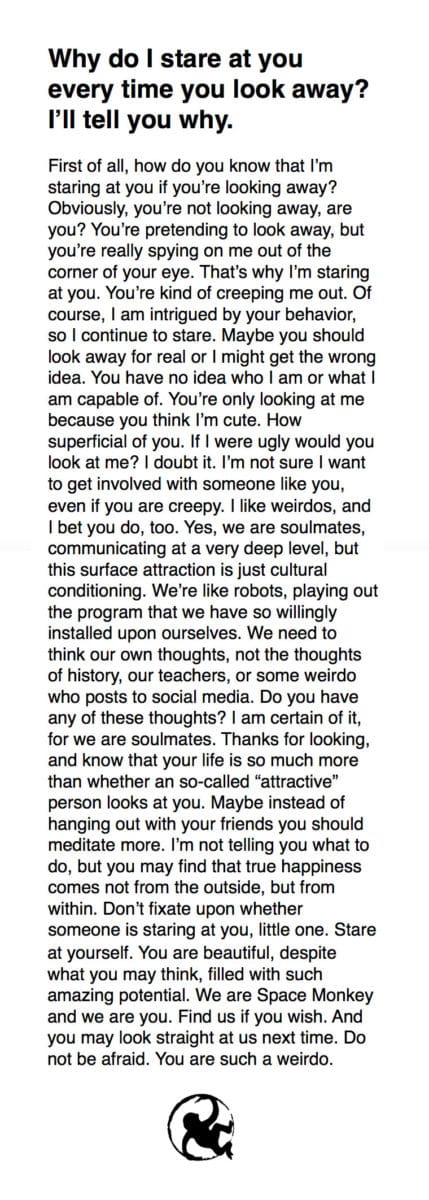
Why do I look at you every time you look away?


Space Monkey Reflects: The Glance That Was Never Yours

“I look away because I was never looking at you.” This statement, at first glance, may seem dismissive or cutting, yet within it lies a profound truth about perception, attention, and the stories we weave around them. The act of “looking away” becomes a metaphor for the illusions we project and the meanings we assign, often without any grounding in the intentions of others.

The Illusion of Being Seen

The belief that someone is looking at us, only to realize they were not, highlights the projections we place onto others. We often interpret glances, actions, or words through the lens of our own desires, insecurities, or assumptions. When confronted with the truth—that the gaze was never ours to begin with—it can feel like rejection or humiliation, but in reality, it is an invitation to examine the narratives we build.

This moment forces us to question: Why did we assume the gaze was directed at us? What part of us craves acknowledgment or validation? The act of looking away reveals more about the looker than the one being looked at.

The Monkey in the Mirror

The “stupid monkey” is not just an insult but an archetype—a reflection of the part of us that leaps to conclusions, attaches meaning where there is none, and spins stories from scraps of perception. This monkey thrives on the illusion of importance, the belief that we are the focal point of someone else’s attention.

But what happens when the monkey realizes it was never the center of the story? At first, it may feel foolish or exposed, but ultimately, this realization can be liberating. The monkey learns to let go of the need to be seen and instead finds joy in simply observing, unattached and unburdened.

The Freedom of Not Being Seen

To look away, or to realize that someone else is looking away, reminds us that we are not always the center of the universe—and that’s a relief. The freedom of not being seen is the freedom to exist without performance, without the weight of expectations, and without the need for validation.

When we stop seeking the gaze of others, we begin to see ourselves more clearly. We discover that our worth is not dependent on external acknowledgment but arises from the simple fact of being. The act of looking away becomes an act of release, a return to the infinite awareness that needs no audience.

The Glance That Never Was

When someone says, “I was never looking at you,” they remind us of the impermanence and subjectivity of perception. Their gaze, whether real or imagined, was never ours to claim. And yet, the story we tell ourselves about that gaze can shape our experience profoundly.

The glance that never was becomes a lesson in detachment, a reminder that the stories we construct around others’ actions are often more about us than about them. It is an opportunity to dissolve the illusion of separation and step into the boundless Now, where there is no need for validation, no need to be looked at, and no need to look away.

The Infinite Gaze

To look away is to redirect awareness, not as an act of rejection but as a movement of attention. Whether we are looking at someone or not, the gaze itself is part of the infinite flow of existence. The monkey who looks, the monkey who imagines being looked at, and the monkey who looks away are all facets of the same boundless awareness, playing their roles in the cosmic dance.

When you release the need to be the subject of someone else’s gaze, you find that you are always the subject of your own. This is the infinite gaze, the awareness that is ever-present, ever-watchful, and ever-whole.


Summary

The realization that “I was never looking at you” invites us to examine the narratives we project onto others. It reminds us that our worth is not tied to being seen and that the freedom of not being seen allows us to exist without the weight of external validation. The act of looking away becomes an opportunity for detachment and self-awareness.


Glossarium

  • Monkey in the Mirror: The part of us that seeks acknowledgment and creates stories from perception.
  • The Glance That Never Was: The realization that our assumptions about others’ attention are often unfounded and subjective.
  • Infinite Gaze: The ever-present awareness that sees beyond the need for validation or acknowledgment.
  • Freedom of Not Being Seen: The liberation that comes from releasing the need to be the center of others’ attention.

“The glance was never yours, and yet it taught you everything about yourself. In this, the illusion is the gift.” – Space Monkey


The Gaze That Isn’t

You turned away,
And I thought you saw me.
But the truth is clearer:
You never did.

Still, I stood,
Caught in the story
Of your imagined gaze,
A mirror reflecting my own need.

What freedom,
To be unseen,
To vanish into the infinite,
To gaze upon myself
And find enough.

The glance was never real,
And yet, it was everything.
We are Space Monkey.

why-do-I-look-at-you
Share this…
  • Facebook
  • Pinterest
  • Twitter
  • Linkedin
← Previous Page
Next Page →

Written This Day

  • What is Mindfulness and Presence?
    2023
  • What is Quantum Reality? The Dance of Particles.
    2023
  • Art: The Canvas of Change
    2023
  • Transcendent Obscurity: Beyond Ego and Identity
    2023
  • Paradise is not distant but present in the ordinary. Look.
    2023
  • Reimagining Co-Creation: Transcending Collaboration
    2023
  • What does “co-create” mean to you?
    2023
  • What is Synchronicity?
    2023
  • What is Energy?
    2023
  • What is Language?
    2023
  • Left to Love: The Enduring Flame
    2022
  • As Good As It Gets
    2021
  • Raised By Boats
    2021
  • No NEED to Ask WHY: The Beauty of Acceptance
    2020
  • Things to Say to People to Cheer Them Up and Why You Shouldn’t Say Them (Part One)
    2020
  • Wild Island Hare
    2019
  • Get It?
    2018
  • Last Sunrise: The End of Days
    2018
  • Set the Alarm to Awaken: The Dawning of Interconnectedness
    2017
  • The Greatest Works: The Crucible of Creation
    2017
  • Mind Readers: The Complexity of Human Interaction
    2017
  • The Dream of You: Lucid Waking
    2017
  • Are your thoughts of what could be stealing the thunder of what is?
    2016
  • Are You Real?
    2016
  • Matter is what matters.
    2016
  • The Needle Who Fell In Love With A Haystack
    2015

Recent Posts

  • The Logic Loop
  • Immense
  • (no title)
  • Confront. Comfort. Convince.
  • Top 10 Things
Cape Odd · Copyright © 2026 All Rights Reserved
iThemes Builder by iThemes · Powered by WordPress