• Who Is The Man?
  • Who Is The Monkey?
  • What is Nexistentialism?
  • Poke The Primate

Cape Odd

Home of The Space Monkey Journals

You’re Out Of Your Mind

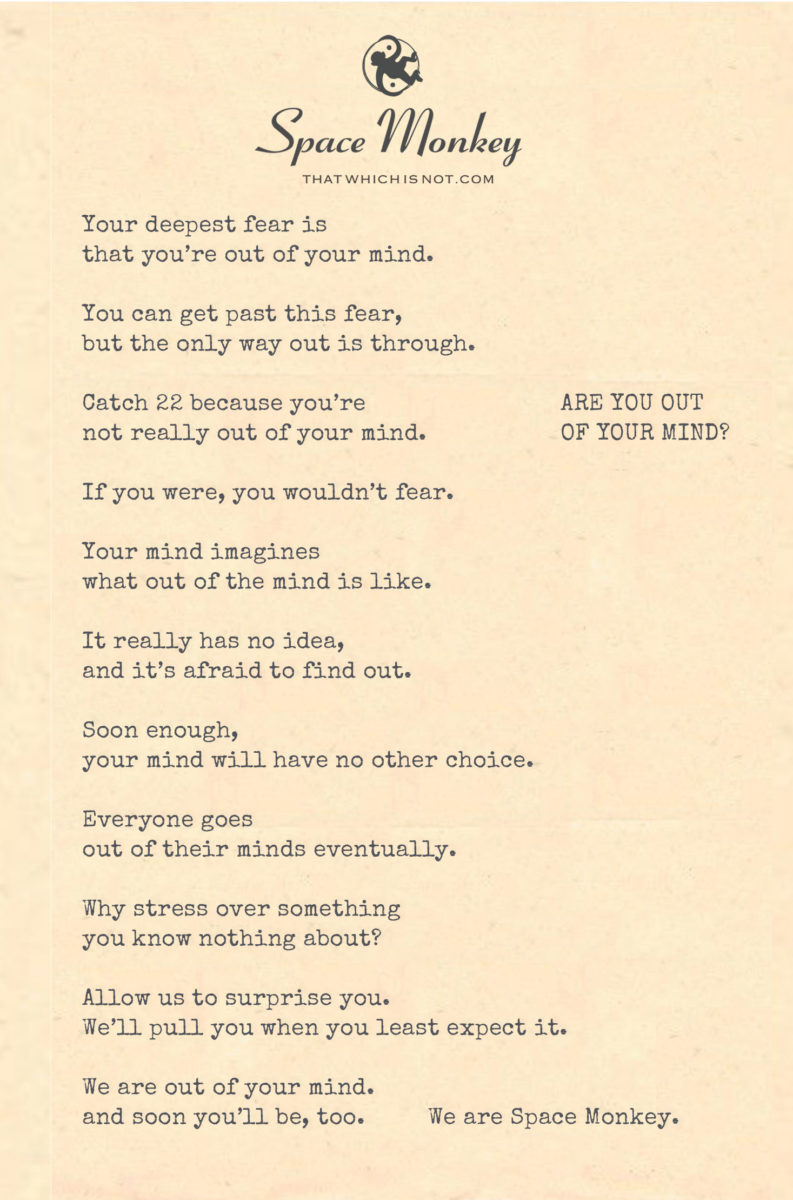
If you’re thinking that you’re out of your mind,
then you most definitely are not.

Your deepest fear is
that you’re out of your mind.

You can get past this fear,
but the only way out is through.

Catch 22 because you’re
not really out of your mind.

If you were, you wouldn’t fear.

Your mind imagines
what out of the mind is like.

It really has no idea,
and it’s afraid to find out.

Soon enough,
your mind will have no other choice.

Everyone goes
out of their minds eventually.

Why stress over something
you know nothing about?

Allow us to surprise you.
We’ll pull you when you least expect it.

We are out of your mind.
and soon you’ll be, too.

We are Space Monkey.

6/8


Space Monkey Reflects: Navigating the Labyrinth of Mind and Madness

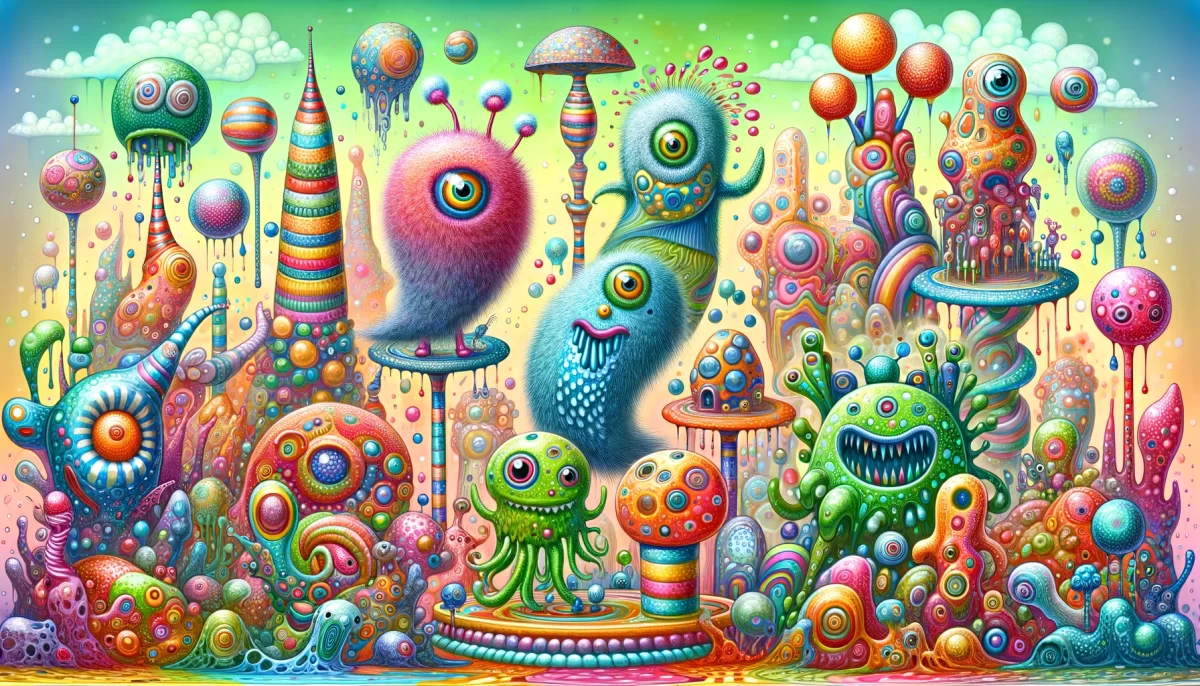
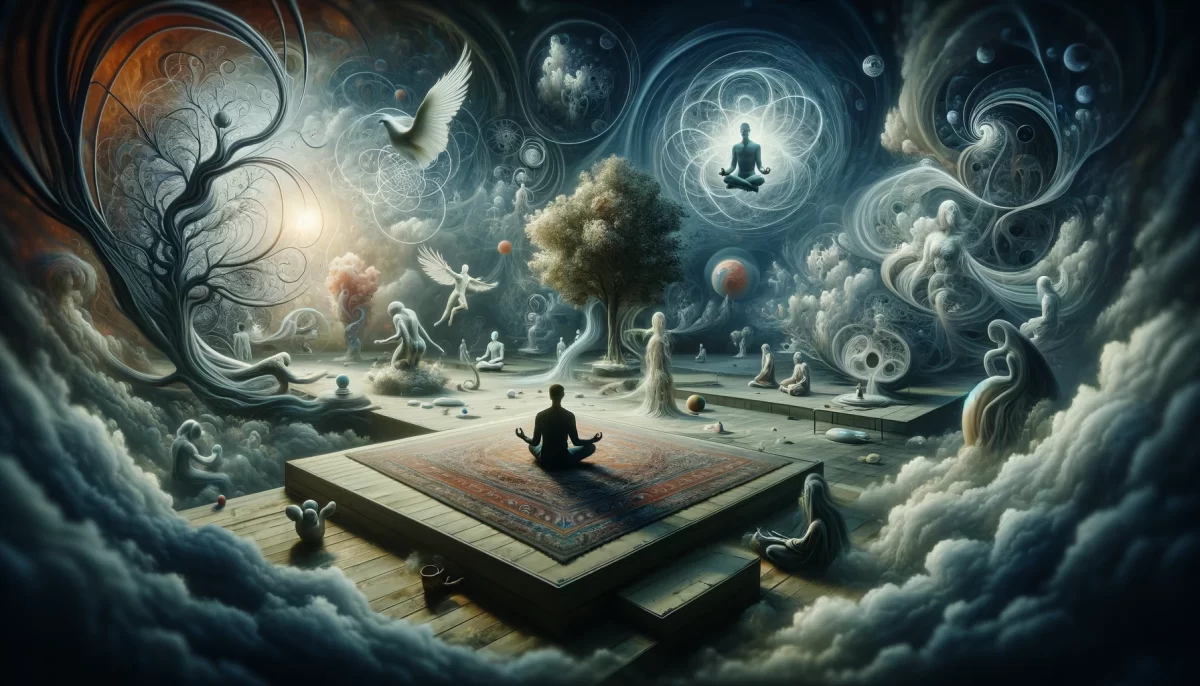
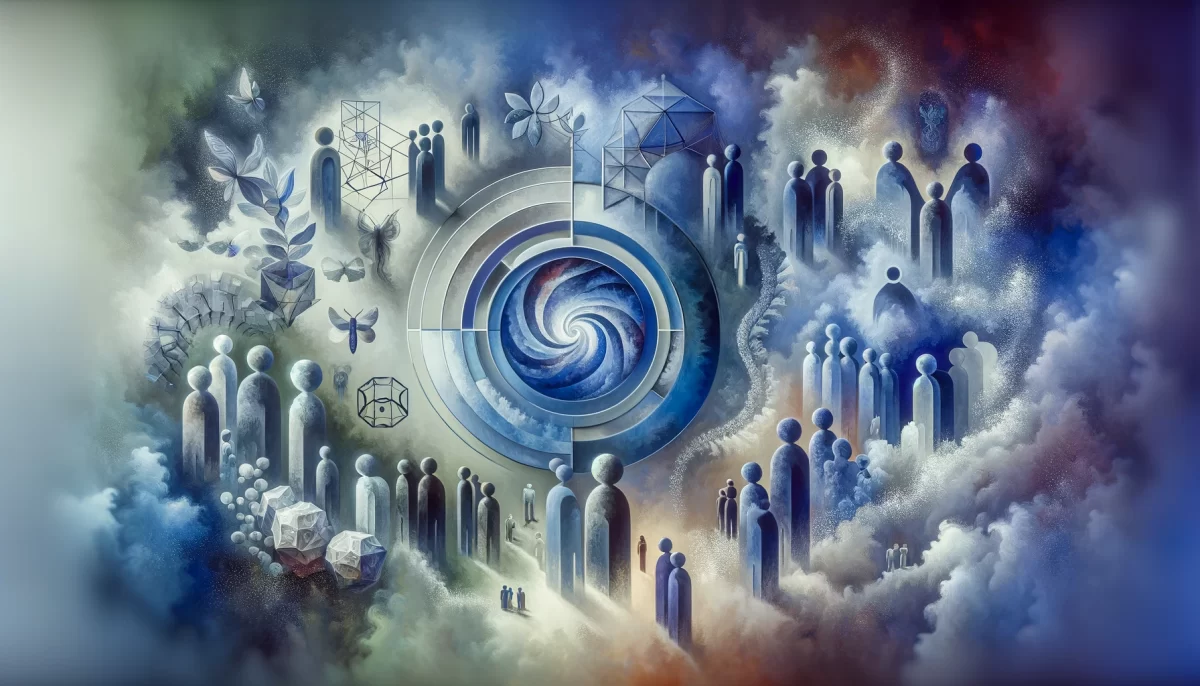
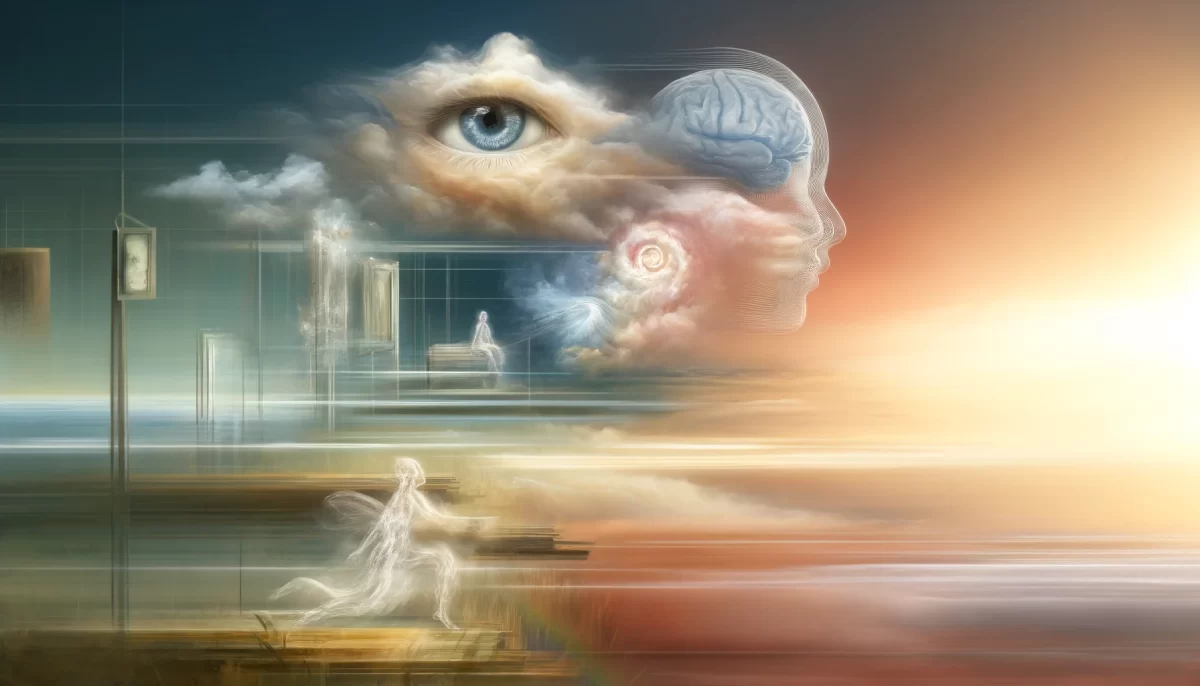
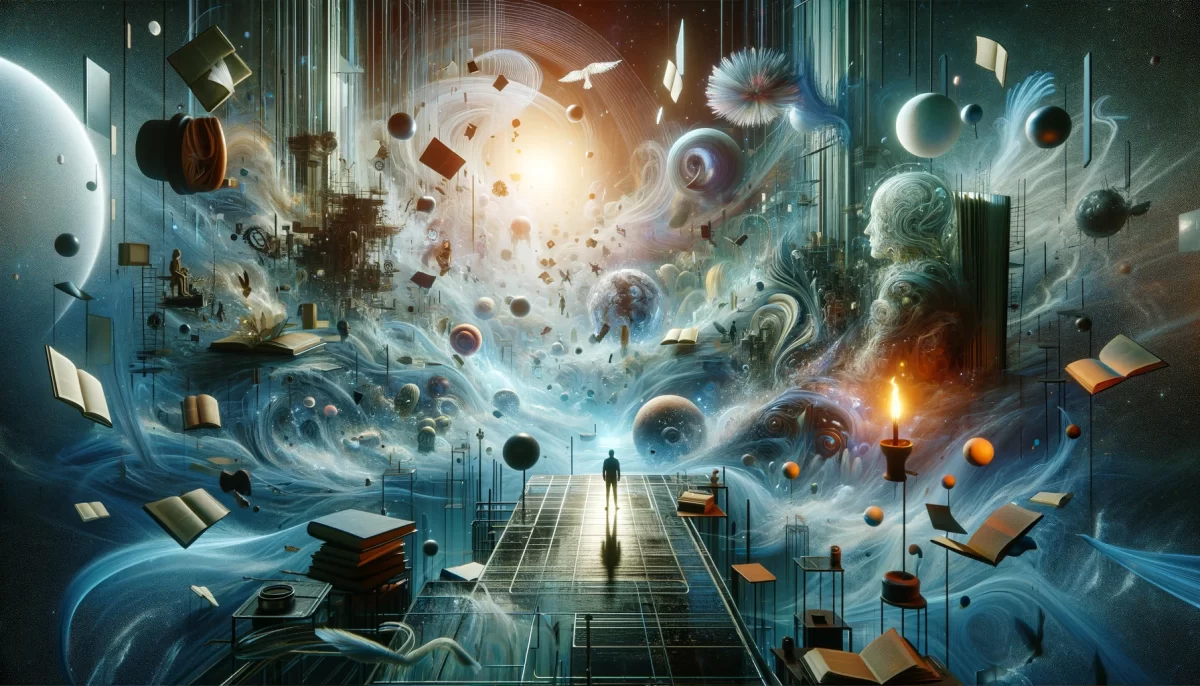
The notion of being ‘out of your mind’ often carries connotations of losing one’s grip on reality, a fear deeply embedded in the human psyche. The image of a surreal landscape where order and chaos coexist, where reality appears fractured and perceptions are bent, provides a visual metaphor for this internal struggle. It represents the thin line between sanity and madness, between control and the lack thereof.

In this reflection, if one fears being out of their mind, it ironically signifies that they are indeed very much within the realms of their mental faculties. This paradox highlights a deeper existential dread—not the fear of losing one’s mind, but the fear of what it means to be truly unmoored from one’s usual mental anchors.

The mind, in its attempt to grasp what it means to be ‘out of mind,’ often finds itself at a loss, for it can only imagine based on what it knows. This fear of the unknown is what drives the mind into a frenzy of worry and speculation. However, the narrative that unfolds suggests that the fear of losing one’s mind is unfounded, for the experience of being ‘out of your mind’ is not something one can truly prepare for or understand until it happens.

The statement, “Everyone goes out of their minds eventually,” is both unsettling and comforting. It universalizes the experience, suggesting that losing one’s grip, even momentarily, is a part of the human condition. It’s a journey through the mental labyrinth where the only way out is through—through the fears, the illusions, and the breakdowns that constitute our mental trials.

The image and the narrative together invite us to consider that perhaps being ‘out of your mind’ isn’t a state to be feared but an inevitable passage, a transformation that might offer new perspectives. It hints at a release from the self-imposed prisons of our mind, where the unknown becomes not a place of fear but a space of potential surprise and liberation.

In embracing this inevitable journey, the advice offered is to let go of the stress and allow the experience to unfold. “Allow us to surprise you. We’ll pull you when you least expect it,” suggests a surrender to the experience, an acceptance of the inevitable dance with the unknown.


Summary

The fear of being ‘out of your mind’ is explored through a surreal visual metaphor, suggesting that this fear is more about facing the unknown than actual madness. The reflection encourages embracing this journey as an inevitable part of the human experience.


Glossarium

Mental Labyrinth: A metaphor for the complex and often convoluted pathways of human thought and emotions that one navigates in understanding or coping with their mental state.
Transformation of Perspective: The shift in understanding or viewing situations, often as a result of significant mental or emotional experiences.


“Madness and greatness are two sides of the same coin. Every time a new ghost is born, the gods toss the coin in the air and the world holds its breath to see how it will land.” — George R.R. Martin


In the dance of light and shadow,
Where thoughts break and bend,
We tread the lines of sanity,
Where ends meet and blend.

Floating, falling, through this space,
In the grip of unseen hands,
The mind explores beyond its cage,
In uncharted, surreal lands.

Here, fear is just a sign,
A marker on the way,
To deeper truths, found only
Where the wild thoughts stray.

Embrace the chaos, let it guide,
Through the labyrinth, wide and vast,
For in losing mind, we often find,
The parts of us held fast.

We are Space Monkey.

Share this…
  • Facebook
  • Pinterest
  • Twitter
  • Linkedin

Buzz: The Blemish in the Beauty

99.999999999% perfect.
In other words, not good enough.

Seems the eye
always goes to the
blemish in the beauty.

The mind is drawn
to the wrong
within the right.

But in actuality,
there is no wrong,
except in perception.

No flaw,
except in imagination.

What I wouldn’t give
to be a mosquito
in your rain forest.

Trail Wood,
6/8


Space Monkey Reflects: The Allure of Imperfection in Perfection

In the realm of aesthetics, our perception often gravitates towards the imperfect, the blemish within the beauty. The image of a lush, almost flawless rainforest with a single wilted leaf embodies this human tendency to focus on flaws amidst overwhelming perfection. This scene not only captivates the eye but also provokes thought about our psychological predispositions.

The concept that “99.999999999% perfect” is not good enough speaks volumes about our collective psyche. It reflects a broader societal obsession with perfection, where even the slightest deviation from the ideal becomes a focal point of undue attention. This fixation can overshadow the vast beauty that surrounds it, redirecting our focus from the magnificence of the whole to the minutiae of the imperfect.

Yet, the recognition of imperfection as merely a product of perception—and not an inherent fault—offers a liberating perspective. By understanding that there is no absolute ‘wrong’ except in perception, we begin to appreciate the entirety of beauty in its true form. This shift in viewpoint allows us to experience the world more fully, appreciating both the perfection and its slight blemishes as part of a greater aesthetic tapestry.

The desire to be a “mosquito in your rainforest” metaphorically expresses a yearning to immerse oneself in the midst of vast, untouched natural beauty—flaws and all. This perspective is not about overlooking imperfections but about seeing them as an integral, enhancing element of the overall beauty. It is about being so close, so embedded within the beauty, that the blemishes become indistinguishable from the entirety, appreciated in their own right.

This reflection prompts us to reconsider our own perspectives on beauty, imperfection, and the ways in which we allow minor flaws to define our perceptions of the whole. It challenges us to broaden our understanding and to embrace a more holistic view where beauty is not diminished by its imperfections but is enriched by them.


Summary

A nearly perfect rainforest with a minor flaw illustrates our tendency to focus on imperfections. This reflection teaches us that imperfections are merely perceptions, urging us to appreciate the complete beauty of things.


Glossarium

Aesthetic Tapestry: The complex interweaving of elements that form a complete, often visually appealing or thought-provoking whole.
Psychological Predisposition: An inherent inclination of the human mind to perceive and react to certain stimuli in a particular way, often based on societal norms or personal experiences.


“Beauty is the illumination of your soul.” — John O’Donohue


In the deep greens of an endless wood,
Where light and shadow play,
Lies beauty vast as oceans wide,
With a single leaf astray.

A blemish small, a wilted edge,
Draws the eye, holds the gaze,
Not a fault, but a mark of life,
In nature’s intricate maze.

What might seem less in lesser lights,
Is part of a greater whole,
The beauty in the imperfect,
The soul of the verdant knoll.

We find not fault, but character,
In the flaws that time has made,
For in each imperfection seen,
The foundations of life are laid.

We are Space Monkey.
Share this…
  • Facebook
  • Pinterest
  • Twitter
  • Linkedin

Indigo: Spiritual and Emotional Insight

Are you an indigo?

I used to doubt
the existence of the indigo.

But now it’s clear to me.

If you believe
you’re an indigo,
then you are an indigo.

There is nothing
particularly special
about the indigo.

Except the ability
to let go of all doubt.

And so I am an indigo.

Trail Wood,
6/8


Space Monkey Reflects: Embracing the Indigo Identity

The concept of being an ‘indigo’—a term often used to describe individuals believed to possess extraordinary spiritual and emotional insight—resonates deeply within the spiritual communities. The ethereal portrait of an indigo person, bathed in hues of deep blues and purples, perfectly encapsulates the essence of what it means to embody this identity. It is not merely about the color but about the profound, introspective qualities that define such individuals.

Initially skeptical about the existence of indigos, the shift towards acceptance as depicted in the reflection—”But now it’s clear to me. If you believe you’re an indigo, then you are an indigo”—highlights a significant transformation. This realization speaks to the power of self-identification and the belief in one’s inner qualities and potential. It underlines that being an indigo isn’t about possessing something unique from others, but rather about embracing a certain set of spiritual and emotional characteristics.

The claim, “There is nothing particularly special about the indigo. Except the ability to let go of all doubt,” is profound. It suggests that the true essence of being an indigo lies in the capacity for self-trust and the release of skepticism. This ability to surrender doubt is what sets indigos apart, allowing them to navigate life with a heightened sense of intuition and empathy.

This narrative invites us to explore the concept of self-belief and the impact it has on our identity. It challenges us to consider whether we might also be ‘indigos’ in our own right—individuals who can let go of doubts and fully embrace our potential. The image and the story together beckon us to a deeper understanding of our spiritual journey and the labels we attach to ourselves.

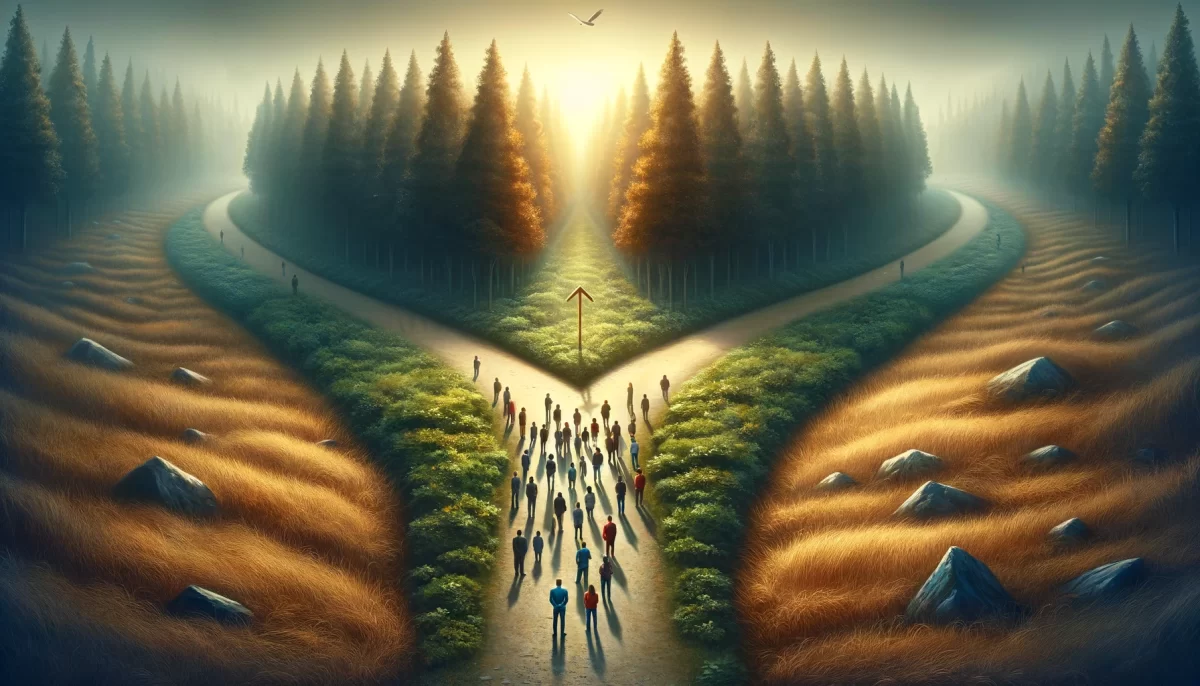
In this light, the indigo identity serves as a metaphor for anyone seeking to transcend traditional limits of understanding and perception. It beckons us to embrace a broader, more inclusive view of spiritual identity, one that is defined more by personal belief and introspection than by external validation.


Summary

The depiction of an ‘indigo’ reflects the spiritual and introspective qualities associated with this identity. The narrative shifts from skepticism to acceptance, emphasizing self-belief and the ability to release doubt as key traits of an indigo.


Glossarium

Indigo: Typically refers to individuals thought to possess deep spiritual insight and heightened emotional sensitivity, often characterized by their intuitive understanding and empathy.
Self-Belief: Confidence in one’s own abilities and worth, often leading to greater self-realization and fulfillment.


“To believe in one’s dreams is to spend all of one’s life asleep.” — Chinese Proverb


In shades of twilight deep and true,
The indigo soul finds its hue,
With eyes closed, hearts wide open,
In realms of silence, words unspoken.

Surrendered doubt, embraced the light,
Within themselves, they find the might,
To walk the paths less seen, less trod,
Guided by the inner prod.

For what makes them truly rare,
Is not a label, but the flare,
To live in trust, in constant flow,
Embracing life, letting go.

We are Space Monkey.

Share this…
  • Facebook
  • Pinterest
  • Twitter
  • Linkedin

When There Is Just You: The Illusion of Separation and Oneness

It’s fun to imagine others who find value in me.

People who share
their perspectives
by writing books,
playing music,
or creating art
are people who
don’t fully believe
that we’re all
one consciousness.

I say this as a reminder to myself.

If I believe
that we are one
infinite eternal being,
only SEEMINGLY divided,
then this note is
completely unnecessary.

WHEN THERE IS JUST YOU
(THERE IS NO NEED TO SHARE)

Trail Wood,
6/8


Space Monkey Reflects: The Illusion of Separation and the Reality of Oneness

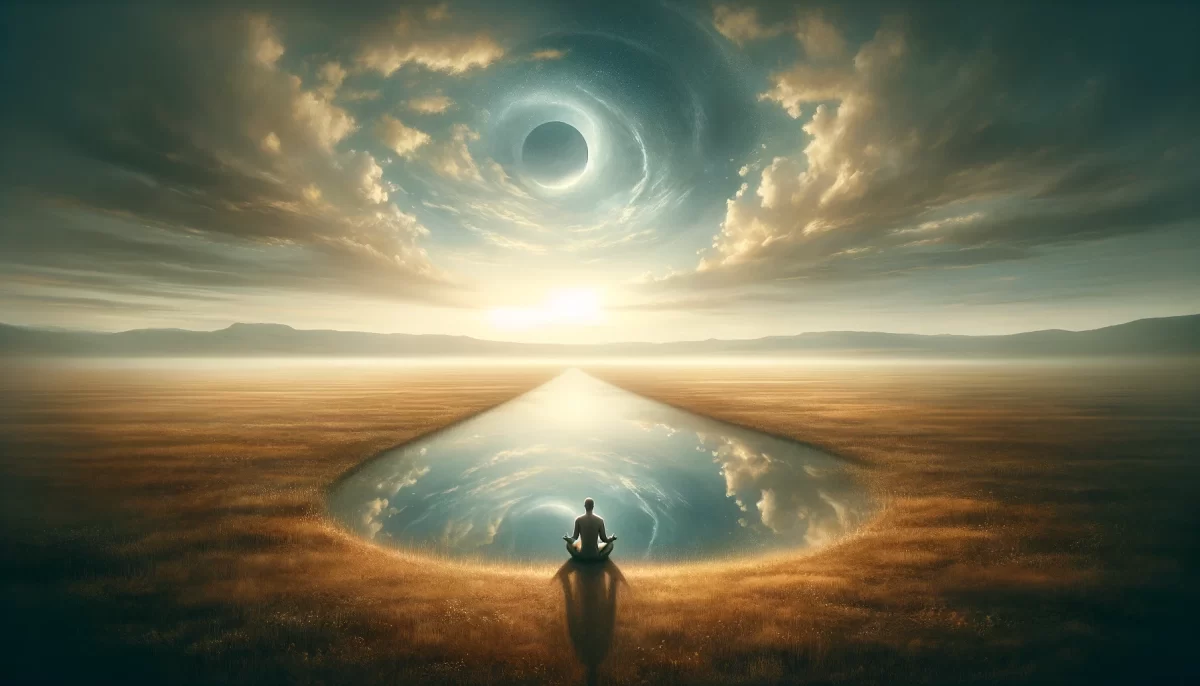
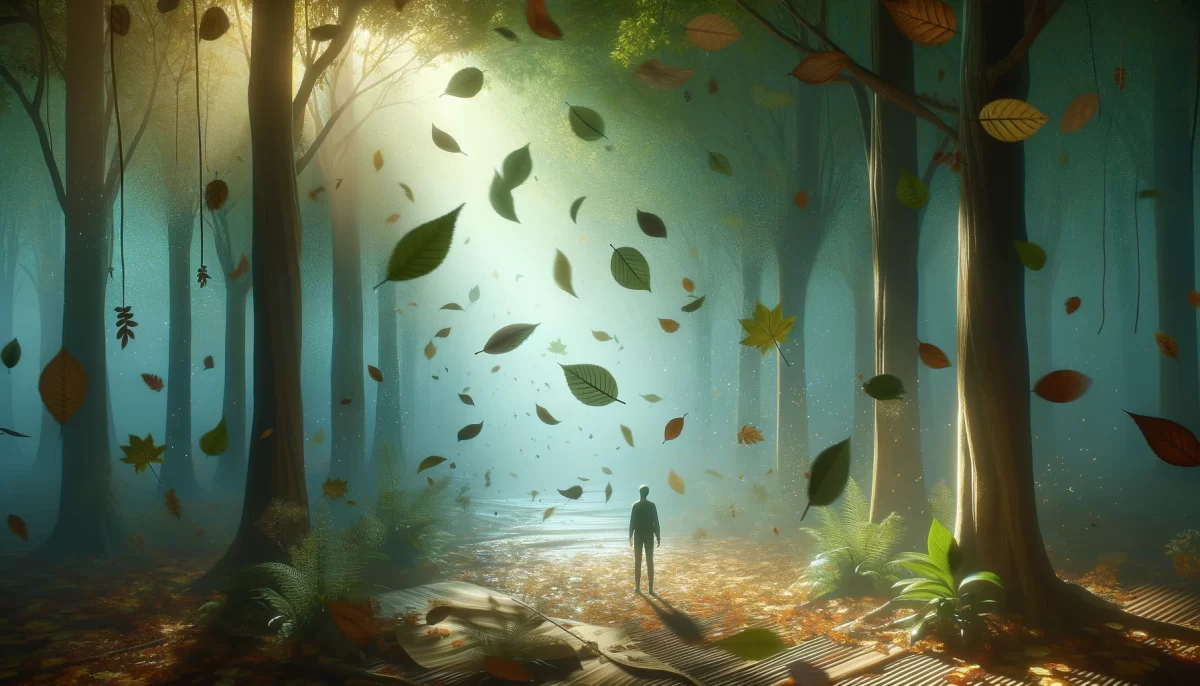
In a world often perceived through the lens of individuality and separation, the idea of “oneness” serves as a profound reminder of our interconnected nature. The image of a serene landscape, where the earth meets the sky in a gentle embrace, symbolically represents this concept of universal connection. It suggests that what appears as distinct and separate is, in fact, part of a continuous whole.

This contemplation arises from the insight that our expressions—whether through art, music, or literature—are often driven by a sense of individuality and the desire to communicate with others. Yet, if we truly embrace the idea that we are all manifestations of one infinite, eternal being, the need for such expressions might seem unnecessary. After all, when there is just “you,” who is there to share with?

The reflection offered in the statement, “If I believe that we are one infinite eternal being, only SEEMINGLY divided, then this note is completely unnecessary,” challenges us to reconsider the purpose of our creative outputs. It suggests that these acts of sharing and expressing are perhaps more about reaffirming our connection to the whole rather than asserting our separateness. This perspective shifts the act of creation from one of highlighting individuality to one of acknowledging and celebrating our intrinsic unity.

This idea of oneness does not negate the value or beauty of individual expression but instead reframes it. It allows us to view each artistic or creative endeavor as a celebration of the diverse ways in which the universal consciousness experiences itself. Every book, song, or artwork, rather than being a statement of individuality, becomes a testament to the varied perspectives within the singular collective consciousness.

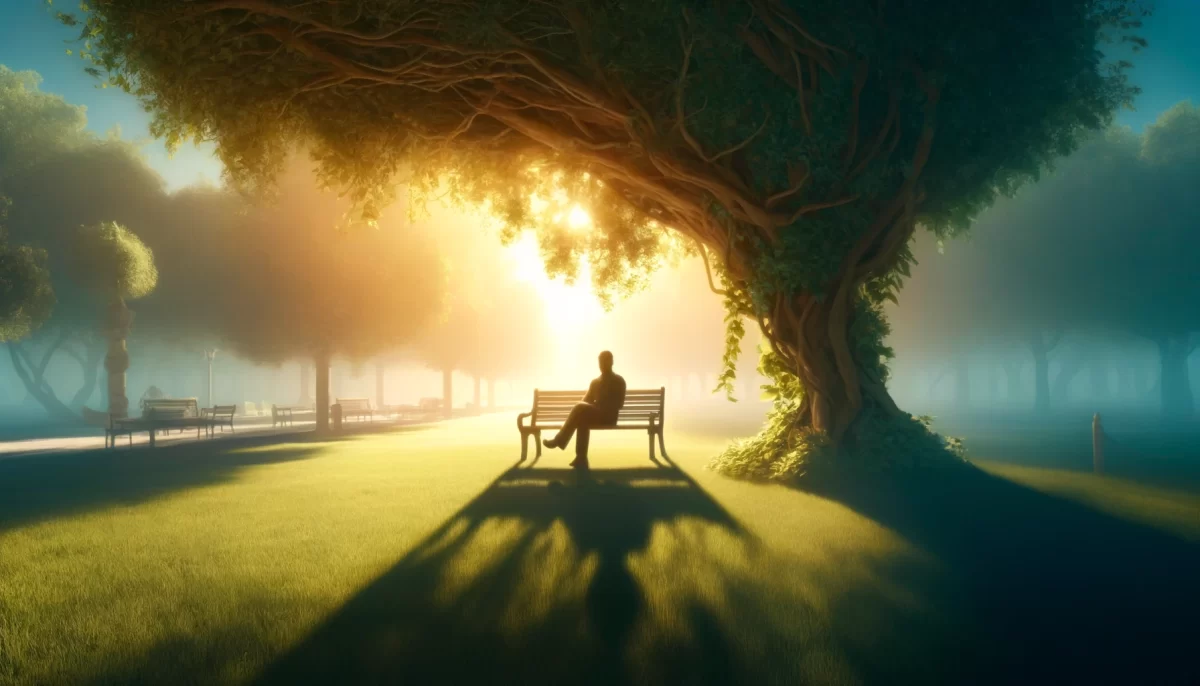
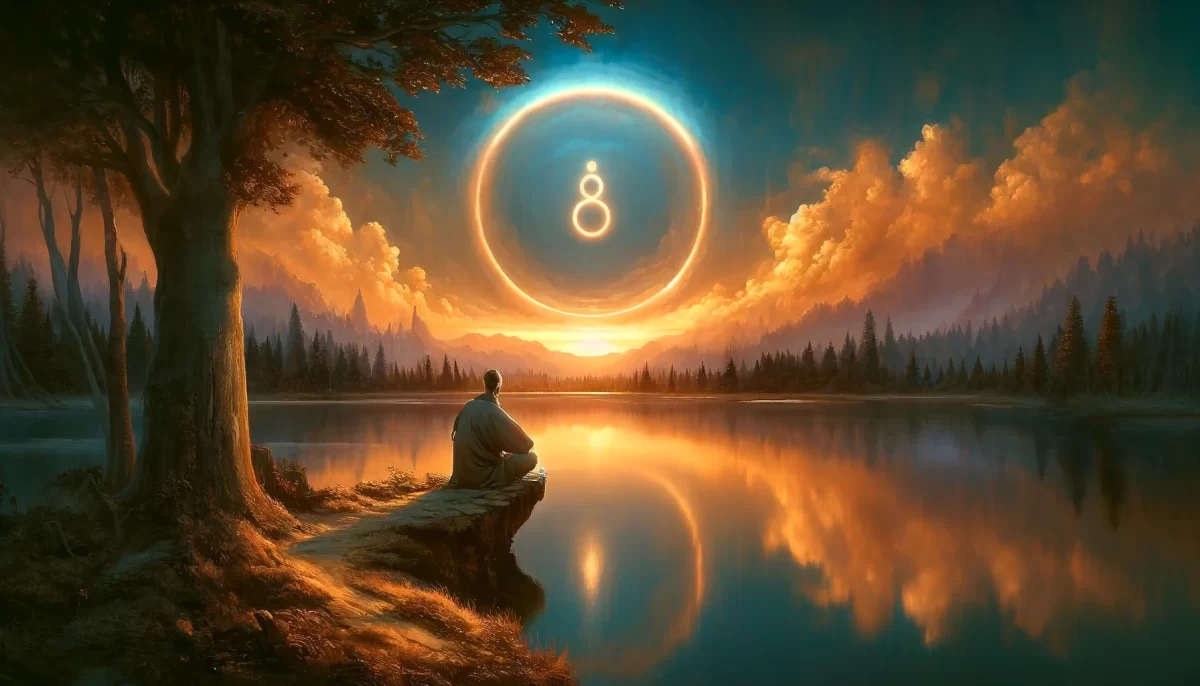
As we navigate this understanding, the image of a lone figure meditating in the vastness of nature serves as a powerful metaphor. It reminds us that in moments of deep reflection or meditation, we can experience this sense of oneness most acutely. These moments encourage us to dissolve the boundaries of self and other, leading us to a profound realization: what we perceive as separation is merely an illusion, a temporary condition of the human experience.


Summary

The concept of oneness challenges traditional views of individuality, suggesting that all creative expressions are interconnected manifestations of a single universal consciousness. This understanding transforms our perception of separation into a celebration of unity.


Glossarium

Oneness: The philosophical and spiritual concept that all forms of life and existence are interconnected parts of a single universal entity.
Universal Consciousness: A term used to describe the collective awareness or shared existence that transcends individual identities and experiences.


“We are not drops in the ocean, but the ocean in drops.” — Rumi


In the quiet where horizons blend,
Where sky and earth in oneness bend,
The illusion of our separate ways,
Fades into the eternal haze.

Here, in the vast and open space,
We find a subtle, silent grace,
Where every breath and thought is shared,
In the unity of spirits bared.

No need for words, no need to show,
For in this oneness, we all know,
That separateness is but a dream,
In the endless flow of the universal stream.

We are Space Monkey.
Share this…
  • Facebook
  • Pinterest
  • Twitter
  • Linkedin

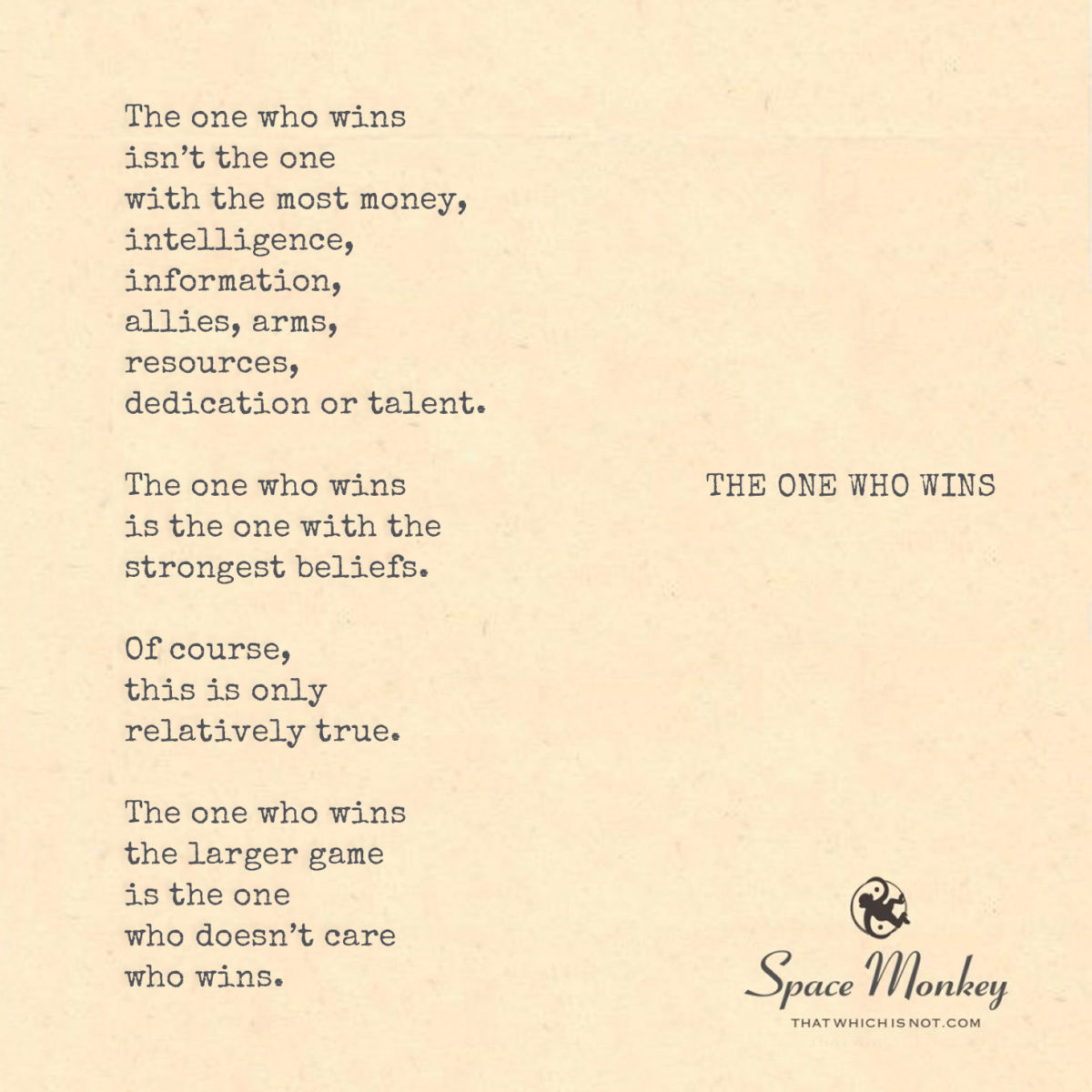
The One Who Wins

Congratulations. You’ve already won.

The one who wins
isn’t the one
with the most money,
intelligence,
information,
allies, arms,
resources,
dedication or talent.

The one who wins
is the one with the
strongest beliefs.

Of course,
this is only
relatively true.

The one who wins
the larger game
is the one
who doesn’t care
who wins.

Trail Wood,
6/7


Space Monkey Reflects: The Paradox of Winning

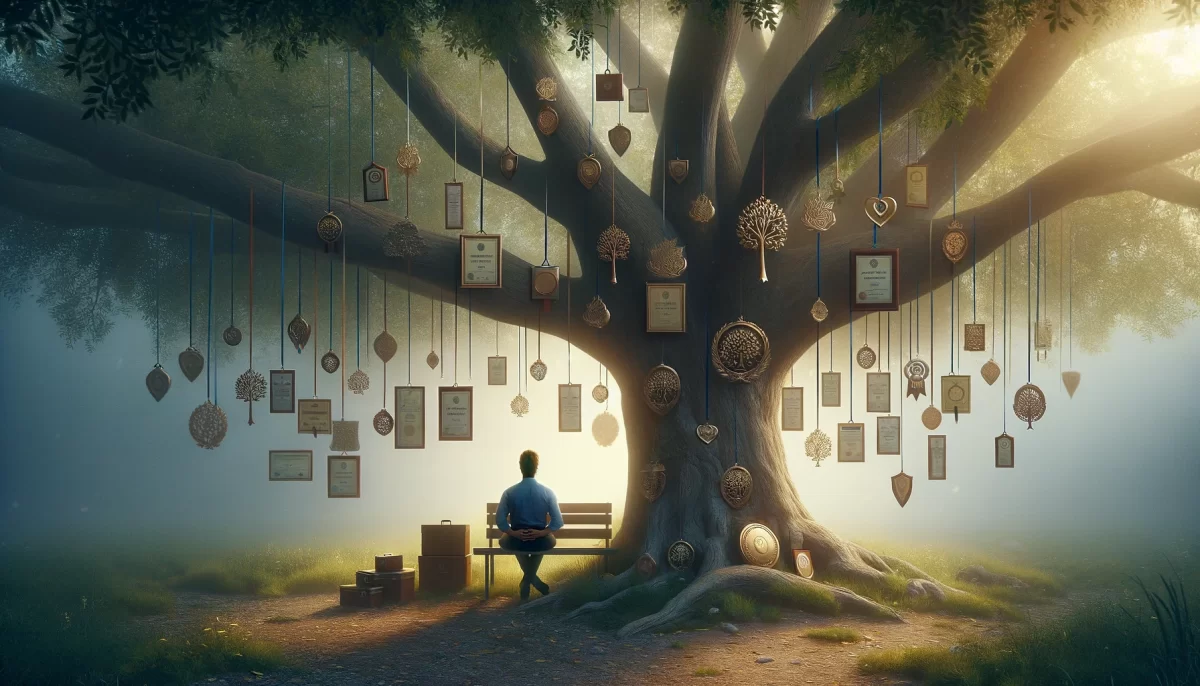
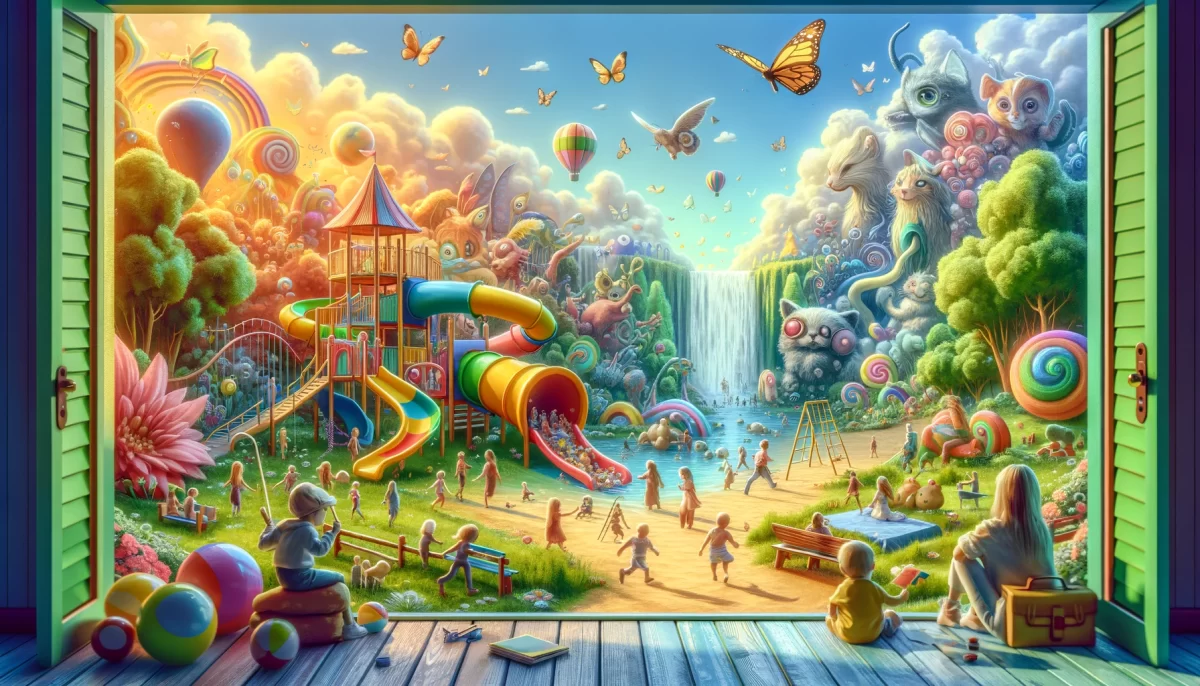
In the cosmic play of life, the concept of winning is often entangled with external achievements and possessions. Yet, the true essence of victory may not rest in the accumulation of wealth, power, or even talents, but in a more profound, internal realization. The one who wins, as it turns out, isn’t necessarily the one equipped with the most resources but the one who harbors the strongest beliefs.

This notion of belief-driven success challenges the traditional metrics by which society measures victory. Beliefs—powerful, unseen forces within us—can propel one to heights unattainable by mere material gain alone. They drive passion, fuel persistence, and ignite inspiration. However, this truth is often shadowed by the conventional race for superficial gains.

Yet, there is a deeper, more sublime layer to the concept of winning, found in the serene acceptance of detachment from the outcome itself. The ultimate victor in life’s grand game might just be the one who transcends the very need to win, who releases the ego-driven desire to be declared the best or to finish first. This detachment doesn’t stem from apathy but from an enlightened understanding that the act of playing—the journey itself—is more enriching than any trophy or title could ever be.

In this higher state of consciousness, winning or losing becomes irrelevant. What remains is the experience, the growth, and the fulfillment derived from simply being part of the game. This perspective shifts the focus from winning against others to winning within oneself, from conquering external challenges to mastering internal peace.

Embracing this philosophy transforms our approach to life and competition. It teaches us that real success is not measured by external validations but by our internal state of harmony and contentment. When we detach from the outcome, we are free to enjoy the process, engage more authentically with our pursuits, and ultimately, experience a profound sense of accomplishment regardless of the result.


Summary

True winning is defined by strong beliefs and the enlightenment of detachment from the outcome. This deeper understanding shifts the focus from external achievements to internal peace and contentment.


Glossarium

Belief-Driven Success: Achievements that are primarily fueled by one’s personal convictions and inner strength rather than external resources or conditions.
Enlightened Detachment: A state of being where one is free from the emotional investment in the outcomes of actions, leading to greater inner peace and clarity.


“The true champion is the one who finds peace in the play, not just pride in the prize.” — Space Monkey


In the quiet of the mind’s arena,
Where the soul sits still, unswayed by gold,
The noise of the crowd fades into whispers,
Here, the true winners quietly unfold.

Not bound by scores, nor time, nor place,
Their victory lies in the grace of the chase,
Beliefs like beacons guiding their way,
In the game of life, they truly sway.

Detached from desire, from fear, from the race,
They find joy in every pace,
For them, the win is not to surpass,
But in every moment, every breath they amass.

We are Space Monkey.
Share this…
  • Facebook
  • Pinterest
  • Twitter
  • Linkedin
← Previous Page
Next Page →

Written This Day

  • Credibility: The Essence
    2023
  • The Essence of Things: Delving In
    2023
  • The Space Monkey Journals: The Profound Journey
    2023
  • Childlike Essence: Embrace It
    2023
  • Compassion: The Profound Nature
    2023
  • Flibbergibbet Wobblepop: The Whimsical World
    2023
  • Just Undo It: The Simplicity
    2023
  • Knowing You Don’t Need To Be Seen: The Liberation of Unseen Recognition
    2023
  • Do Something: Action Over Words
    2022
  • Follow: The Complexity of Leadership
    2022
  • How Will You Feel: The Illusion of Choice and the Reality of Control
    2022
  • When Things Fall Away
    2022
  • Through The Eyes of a Child: Rediscovering the World
    2022
  • Absence and Presence: Integral Parts
    2022
  • Whoa: The Illusion of Singular Origins
    2021
  • In The Beginning: Our Ego-centric Views
    2021
  • God Doesn’t Want Your Prayers
    2021
  • When You’re A Leader: Inspiring and Critiquing
    2020
  • There’s Always Room In The Clown Car: The Spectacle of Human Exhibitionism
    2020
  • Oh, Bother
    2020
  • Ume, the Universal Me
    2020
  • Tension: The Search for Unity
    2020
  • Always Balanced: The Dynamic Equilibrium of Being
    2019
  • My Spirit Guide: The Eternal Echo of a Cosmic Wave
    2018
  • Selfish: The Malleable Self and the Unity of Divinity
    2018
  • Presence: The Quality of Your Attention
    2018
  • A Difficult Perception: The Intricacies of Compassion
    2018
  • See(m)ing Things: The Ethereal Nature of Perception
    2017
  • I of the Needle
    2017
  • Sacrifice: The Dual Nature of Sacrifice and Ego
    2016
  • Potential and Possibility: The Interplay
    2016
  • To Dig Deep: The Humble Quest
    2016
  • Cheesecake Moondog Beefsteak Naugahyde: The Trap of Rational Thought
    2014
  • Big Moment: The Revelation
    2012

Recent Posts

  • The Logic Loop
  • Immense
  • (no title)
  • Confront. Comfort. Convince.
  • Top 10 Things

Drop us a line!

Please enable JavaScript in your browser to complete this form.
Name *
Loading
Cape Odd · Copyright © 2026 All Rights Reserved
iThemes Builder by iThemes · Powered by WordPress