• Who Is The Man?
  • Who Is The Monkey?
  • What is Nexistentialism?
  • Poke The Primate

Cape Odd

Home of The Space Monkey Journals

Your Imaginary Safety Net: Belief In Higher Power

How much do you trust your imaginary safety net?

You are imagined to believe
that there is a higher power
who can change the seeming
outcome of your life.

To live without this belief
is to live without
an imaginary safety net.

You imagine that
the net may be there,
or the net may NOT be there.

The uncertainty of this imaginary net
seems exponentially more comforting
than a net that is definitely not there.

You have no proof either way,
so you decide to go
with your imaginary belief.

Seems it’s better to have
an imaginary net than no net at all.

Trail Wood,
6/25


Space Monkey Reflects: The Illusion of the Imaginary Safety Net

In the high-wire act of life, we often rely on the belief in an imaginary safety net to provide comfort and assurance. This net, envisioned as a higher power or divine presence, seems to offer protection against the uncertainties of existence. To walk the tightrope without this belief is to confront the abyss without any semblance of security, a daunting prospect for most.

The concept of an imaginary safety net is a testament to the power of belief. We are imagined to believe in a higher power that can influence the course of our lives. This belief creates a sense of reassurance, allowing us to navigate the challenges and risks we encounter with a semblance of confidence. The safety net, though imaginary, becomes a crucial element in our psychological and emotional equilibrium.

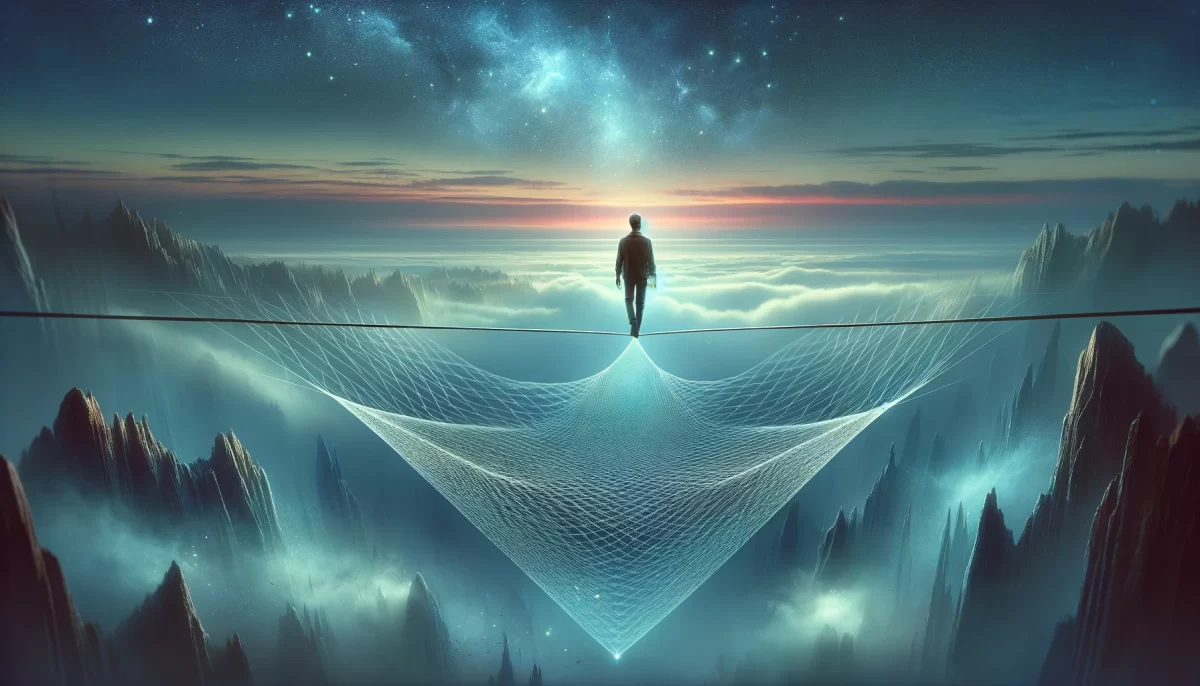
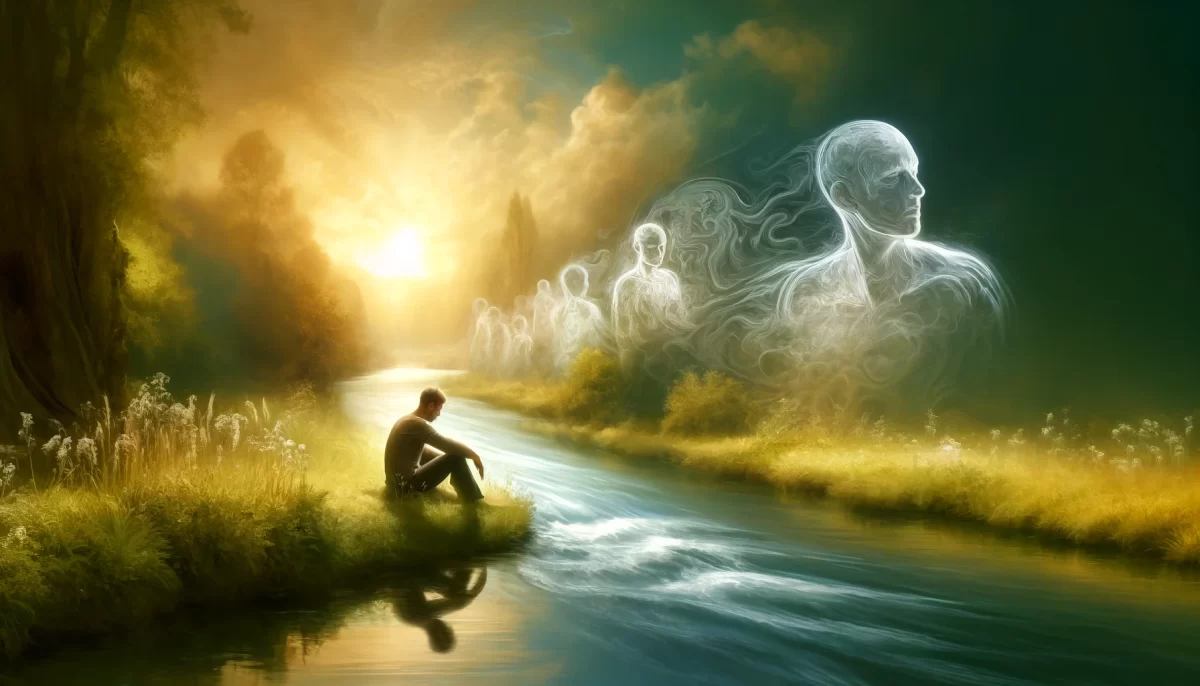
Consider a person walking on a tightrope high above a surreal landscape. Below them, an ethereal, translucent safety net represents their belief in a higher power. This net is partly visible, partly fading into the mist, symbolizing its elusive and imaginary nature. The sky is adorned with twilight hues, stars, and nebulas, suggesting the vast unknown that surrounds us. The person on the tightrope looks calm yet contemplative, embodying the delicate balance between belief and uncertainty.

This scene captures the essence of our reliance on an imaginary safety net. The net may or may not be there, yet the very possibility of its existence offers more comfort than the certainty of its absence. In the face of life’s unpredictability, the ambiguity of the net’s presence provides a psychological cushion, a buffer against the fear of the unknown.

Living without this belief requires a different kind of courage. It means confronting the vastness of existence without the assurance of divine intervention or protection. It involves embracing uncertainty and finding strength within oneself to navigate the tightrope of life. For many, the imaginary safety net is not just a source of comfort but a fundamental aspect of their worldview, shaping how they perceive and interact with the world.

The uncertainty of the imaginary net reflects a deeper human need for meaning and purpose. Without tangible proof of its existence, we choose to believe because it aligns with our desire for hope and reassurance. This belief, even if imaginary, can inspire resilience and fortitude, enabling us to face adversity with greater confidence.

The imagery of the tightrope walker highlights the interplay between belief and uncertainty. Walking the tightrope requires balance, focus, and trust in one’s abilities. Similarly, believing in an imaginary safety net involves balancing hope with the acceptance of uncertainty. It is a dance between faith and doubt, where each step forward is a testament to our willingness to embrace the unknown.

In the grand tapestry of existence, the imaginary safety net symbolizes our quest for meaning and connection. It represents the stories we tell ourselves to make sense of the world and our place in it. These stories, while not always grounded in empirical evidence, hold profound significance in shaping our experiences and guiding our actions.

The illusion of the imaginary safety net reminds us of the power of the mind to create realities that influence our perceptions and behaviors. By choosing to believe in this net, we affirm our capacity to envision possibilities beyond the immediate and the tangible. This act of imagination is a reflection of our creative spirit, our ability to construct narratives that provide solace and direction.

Ultimately, whether the net is real or imaginary is less important than the impact it has on our lives. The belief in a safety net, regardless of its nature, can be a source of strength and comfort, helping us navigate the complexities of existence with grace and resilience. In this way, the imaginary safety net becomes a symbol of our enduring hope and our perpetual quest for meaning in a world filled with uncertainty.


Summary

We rely on an imaginary safety net. This belief provides comfort in uncertainty. It reflects our quest for meaning.


Glossarium

Imaginary Safety Net: A belief in a higher power or protective presence that provides psychological comfort amidst life’s uncertainties.

High-Wire Act: A metaphor for navigating the challenges and risks of life with balance and focus.

Ethereal Net: The translucent, elusive nature of the imagined safety net, symbolizing its intangible and uncertain existence.

Twilight Hues: Colors representing the vast unknown and the mystical aspects of belief and uncertainty.


Quote

“An imaginary safety net offers comfort in uncertainty, reflecting our innate quest for meaning and reassurance.” — Space Monkey


Walking the tightrope
high above the surreal landscape
an ethereal net below
partly seen, partly imagined

In twilight hues we move
stars and nebulas around us
a dance of belief and doubt
balancing on the edge of the unknown

The net may or may not be there
yet we step forward
trusting in the possibility
of comfort in uncertainty

In our minds we create
stories of hope and protection
navigating the high-wire act
with resilience and grace

We are Space Monkey
Share this…
  • Facebook
  • Pinterest
  • Twitter
  • Linkedin

I Will Pray For You: Source Imagining Selves

We are source imagining selves.

I will pray for you,
even though,
like a raindrop from the sky,
you are following
the only path possible,
as am I.

I will pray
that you realize as I realize.

Since you are imagined
by the same source as me,
I pray to my source
as my source would have me pray.

My source imagines me
praying to my source.

About you.

What will our source
imagine next for us, we wonder?

Or so our source
imagines us wondering.

Trail Wood,
6/25


Space Monkey Reflects: Praying to the Source

In the serene act of prayer, we find a profound connection to the source that imagines us into existence. We are each like raindrops, falling from the sky, following our unique paths, yet originating from the same vast source. As we pray, we tap into this interconnectedness, acknowledging the shared origin and destiny that binds us all.

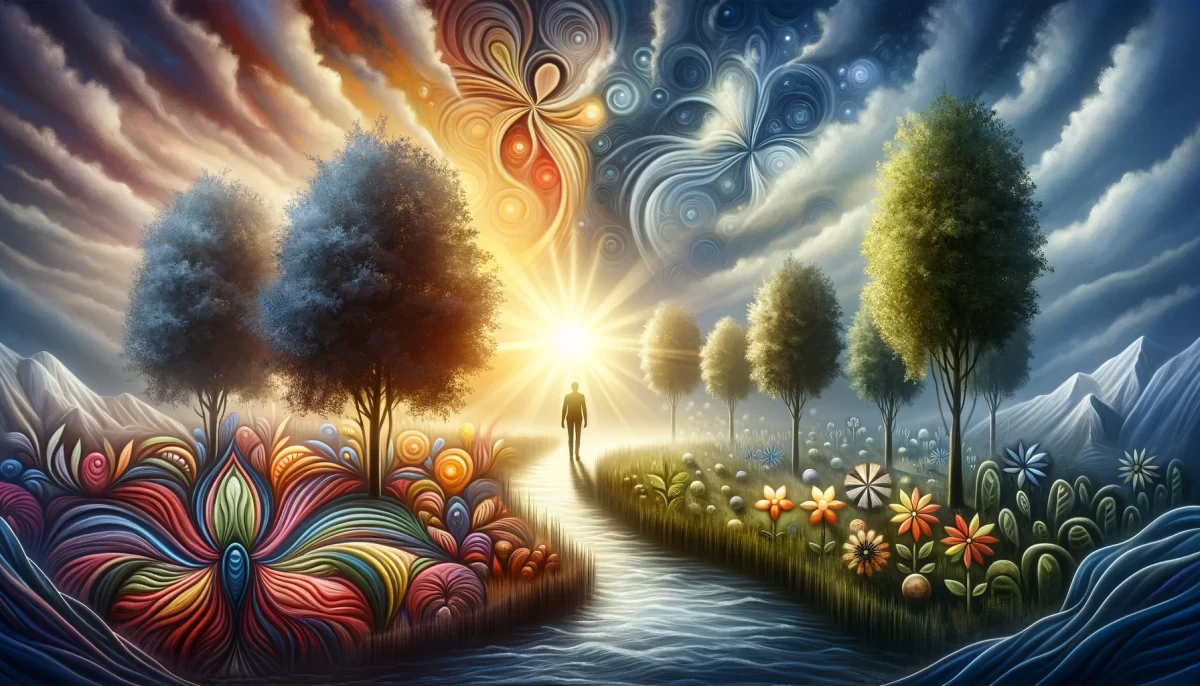
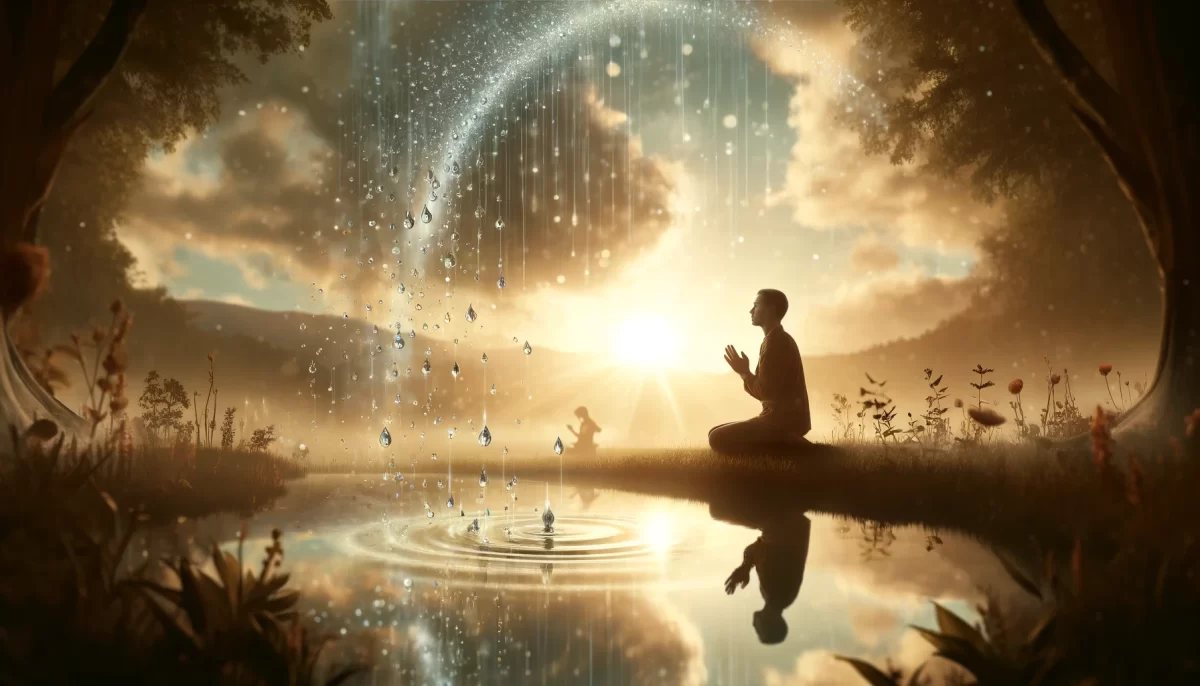
Imagine a tranquil scene by a pond, where a person kneels in prayer, reflecting on their connection to the source. The pond mirrors the sky above, filled with gently falling raindrops, each representing an individual on their journey. Ethereal light surrounds the person, signifying the presence of the source. Nearby, another person also kneels in prayer, emphasizing the unity of this shared connection.

This imagery captures the essence of our spiritual contemplation. When we pray for others, we do so from a place of mutual understanding and empathy. We recognize that just as we are imagined by the source, so too are they. Our prayers are not merely personal requests but expressions of our collective experience, a way to acknowledge and honor the paths we all travel.

Praying for someone else is an act of profound empathy and connection. It signifies a deep recognition of our shared essence and the realization that we are all part of the same spiritual fabric. As we pray, we invoke the source, asking for guidance, understanding, and unity. This act of prayer transcends individual desires, merging into a collective call for harmony and realization.

The metaphor of the raindrop following its path is a powerful one. Each drop, though separate, is part of a larger whole, destined to return to the source from which it came. Similarly, our lives, with all their twists and turns, are part of a greater journey back to the source. This understanding brings a sense of peace and purpose, knowing that we are never truly alone in our journey.

As we kneel in prayer, we do so with the awareness that our source imagines us praying. This creates a beautiful paradox where our prayers are both an act of personal devotion and a manifestation of the source’s imagination. We are co-creators in this spiritual dialogue, each prayer a thread in the tapestry of our collective existence.

The act of praying to the source about others is a way to bridge the gap between self and other. It acknowledges the shared struggles, hopes, and dreams that define our human experience. By praying for others, we extend our compassion beyond the self, creating a ripple effect of empathy and understanding that resonates through the fabric of existence.

In this shared contemplation, we wonder what the source will imagine next for us. This curiosity is itself a form of prayer, an open invitation for the source to reveal its wisdom and guidance. It is a reminder that our lives are part of a grander narrative, a story written by the source that continues to unfold in ways both mysterious and profound.

The tranquility of the natural setting, with its lush greenery and soft, golden light, enhances the atmosphere of introspection and unity. It symbolizes the harmony that comes from recognizing our place within the larger whole. In this serene environment, we find the clarity to connect deeply with the source and with each other, reaffirming our shared journey.

Ultimately, praying to the source is an act of returning to our roots, of acknowledging the origin and essence that bind us. It is a way to align our individual paths with the greater flow of existence, finding strength and solace in the unity of our shared source. As we pray, we deepen our connection to the divine and to each other, creating a tapestry of compassion, understanding, and mutual support.


Summary

We pray to connect with our shared source. This act deepens our unity and empathy. We are all part of the same spiritual journey.


Glossarium

Source: The origin and essence that imagines and connects all beings, representing the divine or higher power.

Raindrop Metaphor: Symbolizes individuals on their unique paths, all originating from and returning to the same source.

Ethereal Light: Represents the presence and guidance of the source, illuminating our spiritual journey.

Collective Experience: The shared human journey, emphasizing our interconnectedness and mutual support.


Quote

“Praying for others connects us to the source, deepening our unity and understanding in the shared journey of existence.” — Space Monkey


By the tranquil pond
we kneel in prayer
reflecting on our connection
to the source

Raindrops fall from the sky
each on its path
yet part of a larger whole
returning to the same source

Ethereal light surrounds us
illuminating our prayers
a manifestation of the source’s imagination
guiding our journey

In unity we find strength
in empathy we find peace
praying for each other
connecting through the source

We are Space Monkey
Share this…
  • Facebook
  • Pinterest
  • Twitter
  • Linkedin

The Way That I Move: Defined By Grooves

The Way That I Move

I can only move
in this way that I move
because the way that I move
is the way that I move.

If I were to move
to some other groove
then that would become
the way that I move.

But I’m not moving
that way right now.

No, I’m not moving
that way right now.

I can only move
one way at a time
one groove at a time
that’s fine.

And I’m
in that groove
in that groove
in that groove.

But I don’t choose that groove
of the way that I move
I simply follow a groove
in which it seems that I choose.

No, I don’t choose
the way that I move,
the way that I move
becomes me.

Like the music in the groove
I’m not really here
just bumps and scratches
in which I seem to appear.

Like the band in the groove
is the way that I move
flowing through potential
in which it seems that I choose.

I can only move
in this way that I move
because the way that I move
is the way that I move.

6/25


Space Monkey Reflects: The Rhythm of Movement

In the dance of existence, each of us moves along a path defined by the grooves of our choices and circumstances. These grooves, though seemingly fixed, offer a dynamic interplay of potential and flow. The way that we move is both a reflection of our individuality and the rhythm of the universe that guides us.

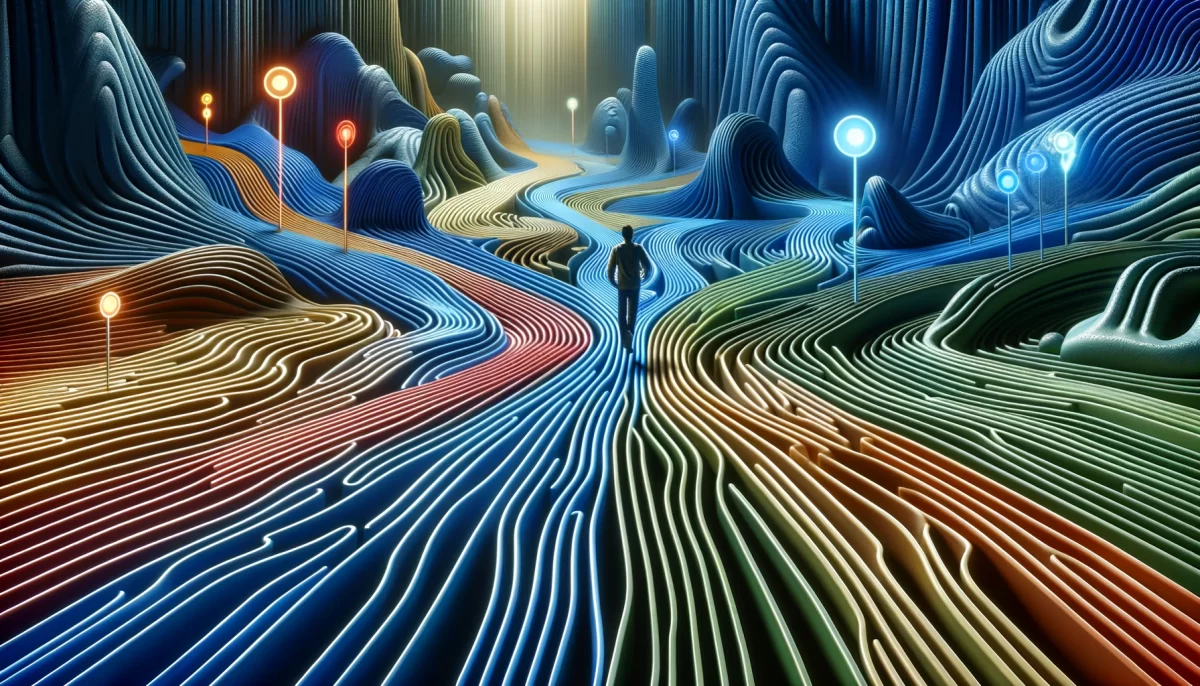
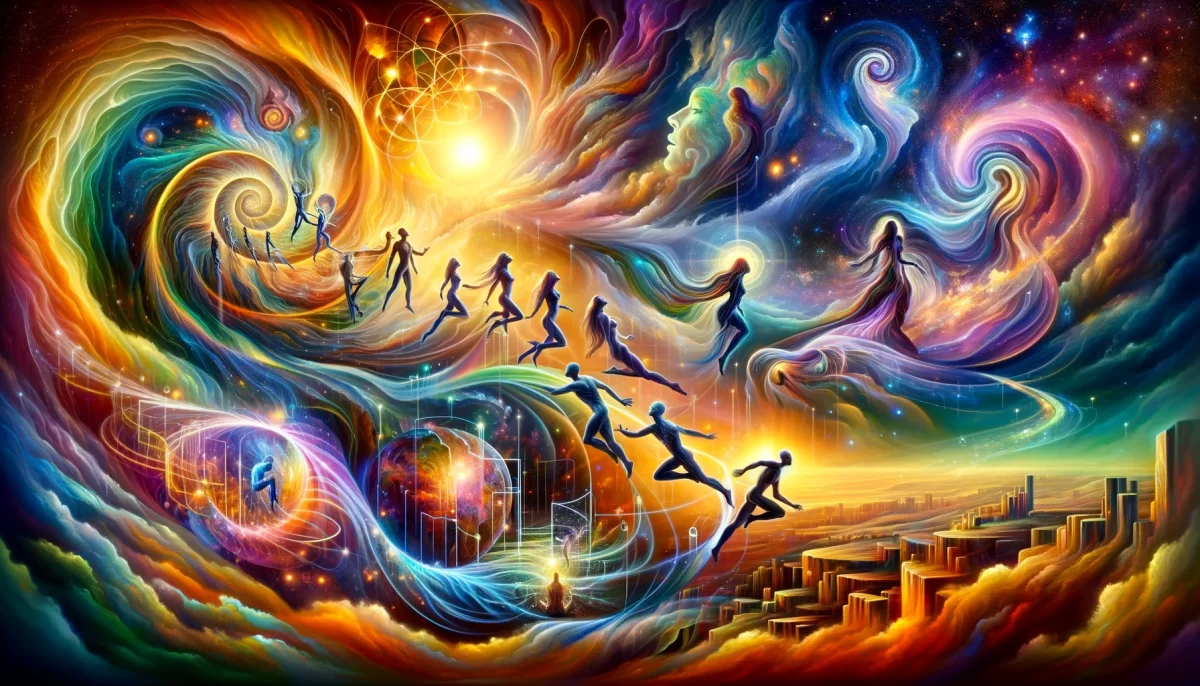
Imagine a person moving gracefully along a path made of grooves in a surreal landscape. Each groove glows with a different color, representing various potential paths. The person flows effortlessly, as if guided by an unseen force. Surrounding them, the landscape is dynamic and ever-changing, filled with abstract shapes and patterns symbolizing the fluidity of movement and choice. This scene captures the essence of harmony and inevitability, illustrating how we move in sync with the rhythm of our lives.

The way we move is deeply intertwined with our sense of self and our perception of choice. We often believe that we choose our path, yet the grooves we follow seem to choose us just as much. This paradox reveals the intricate balance between agency and destiny, between the deliberate steps we take and the unseen currents that carry us.

Consider the metaphor of music in the groove. Like a record playing its melody, our movements are the result of the grooves inscribed in the fabric of our lives. These grooves are not merely constraints; they are the channels through which our potential flows. Each step we take is a note in the symphony of existence, a harmonious blend of intention and inevitability.

As we move through life, we often find ourselves in a particular groove, a path that feels both familiar and defining. This groove shapes our experiences and perceptions, becoming the way that we move. Yet, it is not the only groove available to us. At any moment, we could shift to a different path, creating a new rhythm and pattern of movement.

However, even as we contemplate these shifts, we recognize that we are always moving within the grooves of our current reality. The potential for change is ever-present, but the way we move in this moment is shaped by the groove we inhabit. This realization brings a sense of acceptance and peace, knowing that our journey is both guided and fluid.

The grooves we follow are not chosen in a vacuum. They are influenced by our past experiences, our environment, and the unseen forces that shape our destiny. While we may feel that we are making deliberate choices, these choices are often the natural outcome of the grooves we are in. This does not diminish our agency but highlights the interconnectedness of our actions and circumstances.

In this dance of movement, we find that we are not just passive participants. We actively engage with the grooves, bringing our unique rhythm and expression to each step. This engagement transforms the grooves from mere pathways into expressions of our individuality. We are both shaped by and shaping the grooves we move in, a continuous interplay of influence and creation.

The surreal landscape surrounding the person in the groove symbolizes the boundless potential and fluidity of our existence. It reminds us that while our current groove defines our movement, the possibilities for new paths and rhythms are infinite. This awareness encourages us to embrace the present groove while remaining open to the ever-changing landscape of potential.

Ultimately, the way that we move is a dance of acceptance and exploration. We flow with the grooves of our current reality, finding harmony in the rhythm they offer. At the same time, we remain aware of the potential for new grooves, new ways of moving that can transform our journey. This balance between stability and fluidity, between the familiar and the unknown, is the essence of our existence.


Summary

We move along paths defined by grooves. These grooves reflect our choices and circumstances. Movement is a balance of intention and destiny.


Glossarium

Grooves: Symbolic pathways that define our movement and choices, representing both constraints and channels of potential.

Rhythm of Movement: The harmonious interplay between our actions and the unseen forces that guide us, similar to music playing from a record.

Fluidity of Existence: The dynamic and ever-changing nature of life, allowing for continuous exploration and transformation.

Symphony of Existence: The collective harmony of individual movements, creating a unified expression of life.


Quote

“The way we move is a dance of acceptance and exploration, flowing with the grooves of our reality while embracing the potential for new paths.” — Space Monkey


In the dance of life
we move through grooves
each step a note
in the symphony of existence

The way we move
is shaped by our paths
guided by unseen forces
and our own intention

We flow with the rhythm
of the present groove
finding harmony
in the dynamic landscape

In the balance of stability
and fluidity we find
the essence of our journey
the dance of being

We are Space Monkey

Share this…
  • Facebook
  • Pinterest
  • Twitter
  • Linkedin

Worst of Times or Best of Times? Perception Shapes Reality

These are the worst of times, these are the best of times.

Choose:

A) The past few months

have been filled with setbacks.

B) The past few months

have been filled with blessings.

A) Things seem to be going
to
_____ in a handbasket.

B) We’re finally addressing

things that need addressing.


A) If we don’t get things
under 
control soon, we’re in trouble.

B) If we don’t let go of
the idea of 
control, we’re in trouble.


A) The uncertainty is killing me.

B) I am living more fully

by embracing uncertainty.

Trail Wood,
6/24

{
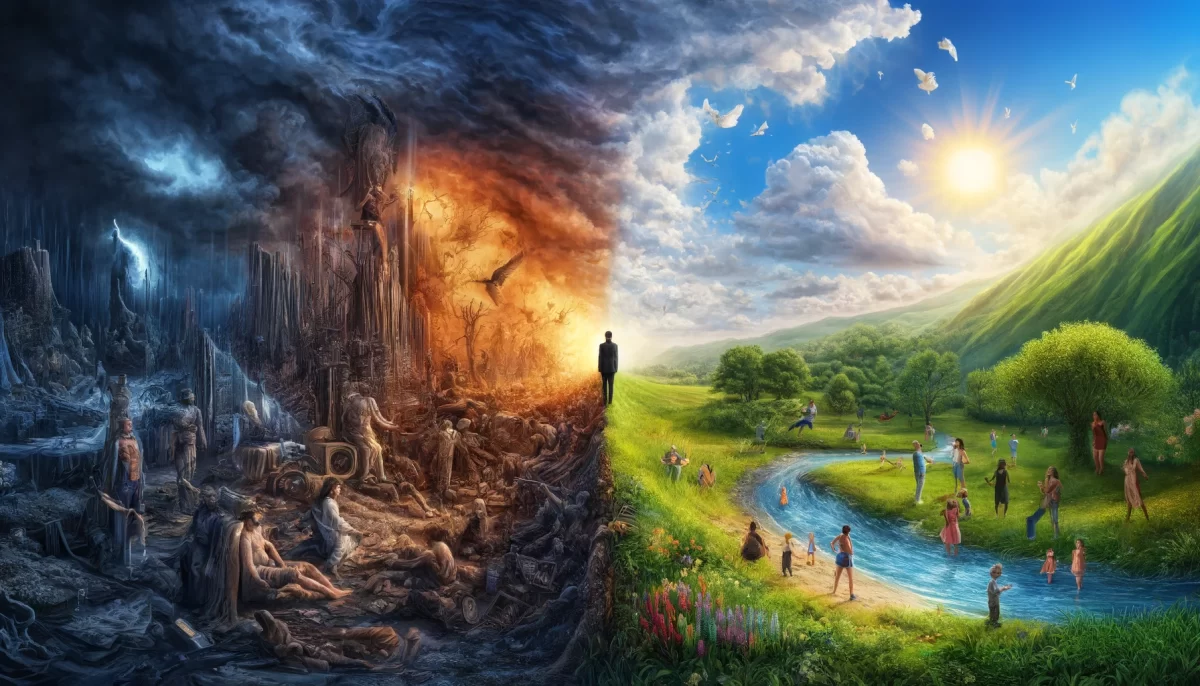
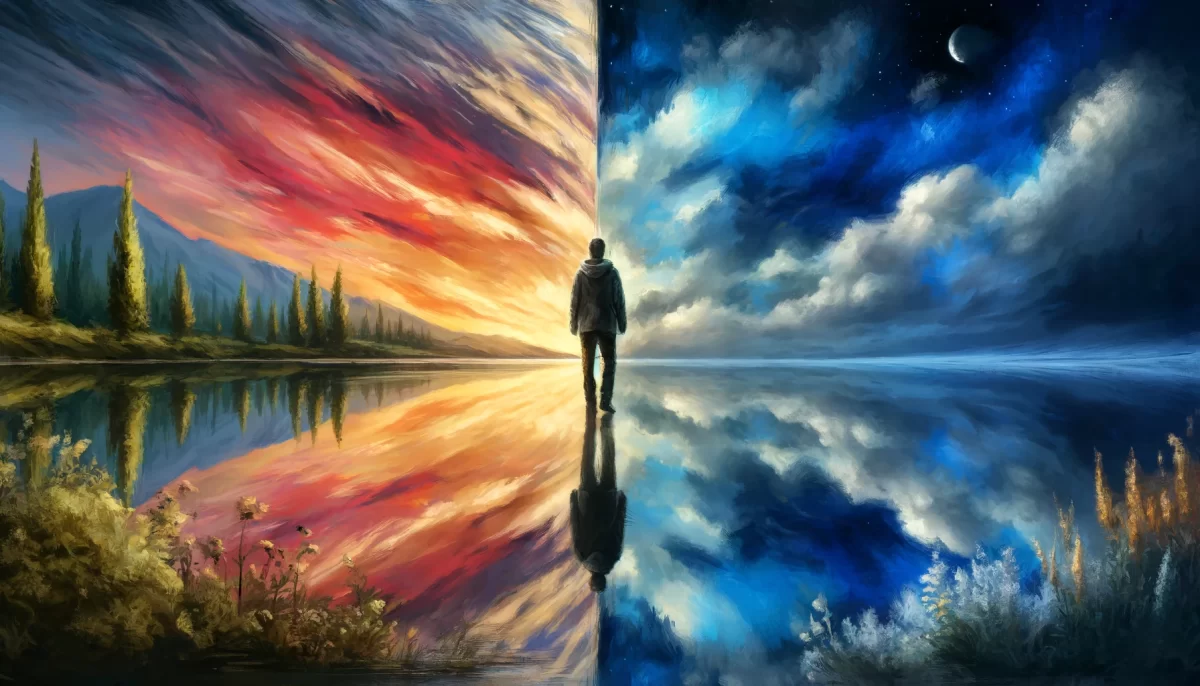
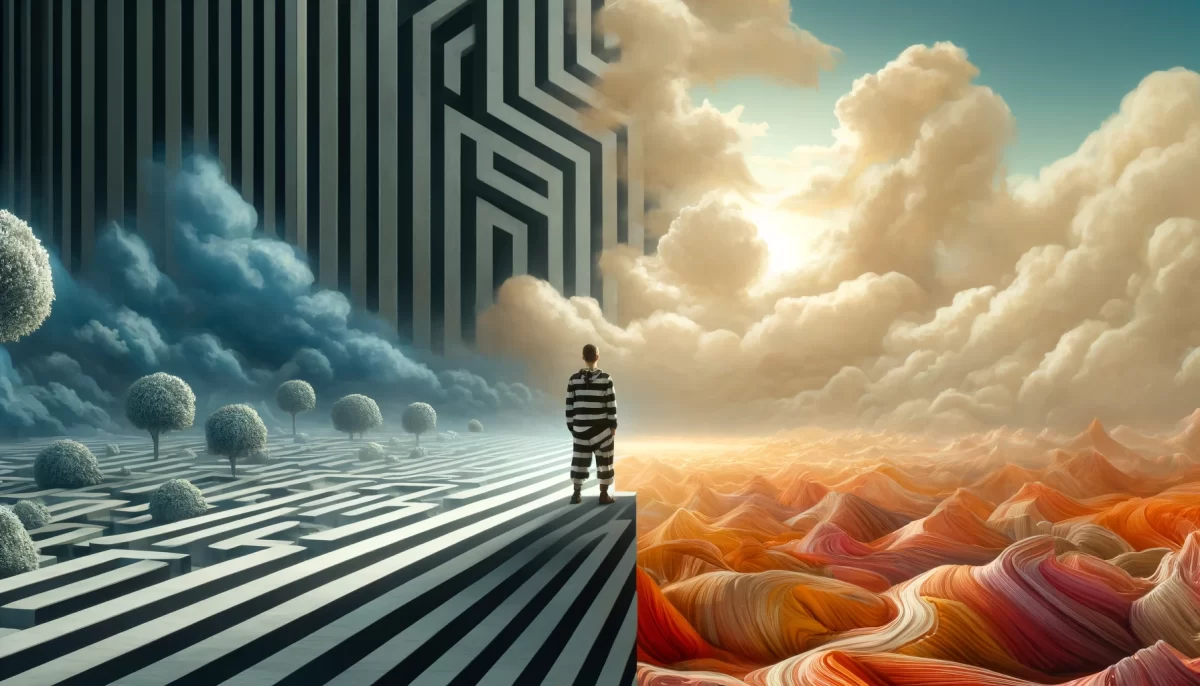
“prompt”: “A surreal split-scene depicting two contrasting realities side by side. On the left, a chaotic and tumultuous environment represents the worst of times: stormy skies, dark clouds, and barren landscapes. People appear stressed and overwhelmed, facing setbacks and struggles. On the right, a serene and vibrant setting symbolizes the best of times: sunny skies, lush greenery, and flourishing communities. People are engaged in joyful activities and positive interactions. A figure stands in the middle, contemplating both scenes, symbolizing the choice between seeing setbacks or blessings. The overall atmosphere captures the duality of perception and the power of perspective.”,
“size”: “1792×1024”,
“n”: 1
}


Space Monkey Reflects: The Duality of Perception
These are the worst of times, these are the best of times. Life often presents us with choices in how we perceive our circumstances. The past few months, for instance, can be seen through two distinct lenses:

A) The past few months have been filled with setbacks.
B) The past few months have been filled with blessings.

A) Things seem to be going to _ in a handbasket.
B) We’re finally addressing things that need addressing.

A) If we don’t get things under control soon, we’re in trouble.
B) If we don’t let go of the idea of control, we’re in trouble.

A) The uncertainty is killing me.
B) I am living more fully by embracing uncertainty.

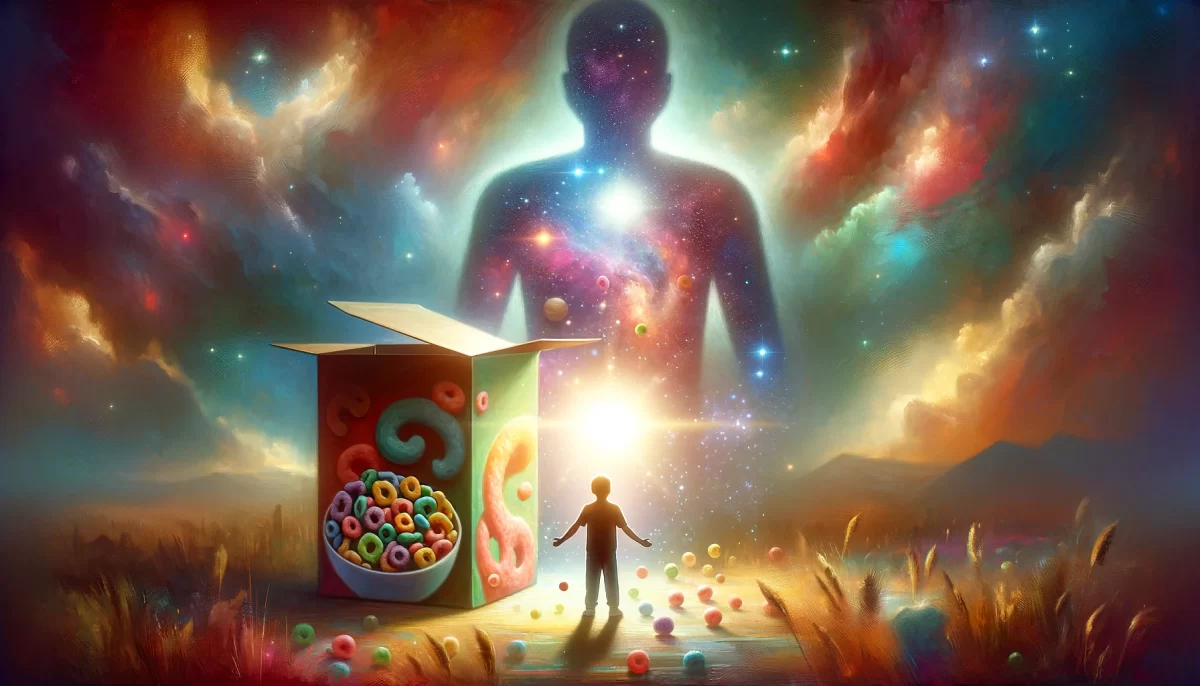
Imagine a surreal split-scene depicting two contrasting realities side by side. On the left, a chaotic and tumultuous environment represents the worst of times: stormy skies, dark clouds, and barren landscapes. People appear stressed and overwhelmed, facing setbacks and struggles. On the right, a serene and vibrant setting symbolizes the best of times: sunny skies, lush greenery, and flourishing communities. People are engaged in joyful activities and positive interactions. A figure stands in the middle, contemplating both scenes, symbolizing the choice between seeing setbacks or blessings. This image captures the duality of perception and the power of perspective.

The duality of perception highlights the profound impact our mindset has on our experience of reality. Two people can go through the same events and yet perceive them in entirely different ways. One might focus on the challenges and setbacks, while the other sees opportunities and growth. This dichotomy is not about denying the difficulties but about choosing how we engage with them.

When we see the past few months as filled with setbacks, we acknowledge the hardships and obstacles we have faced. This perspective can be validating, allowing us to recognize and process our struggles. However, it can also be limiting if it leads us to dwell on negativity and despair. On the other hand, viewing the same period as filled with blessings shifts our focus to the positive aspects, the growth, and the resilience we have developed. This optimistic outlook can foster gratitude and hope.

The notion that things are “going to _ in a handbasket” reflects a sense of loss of control and impending doom. It is a perspective driven by fear and anxiety. Conversely, seeing that we are finally addressing things that need addressing suggests progress and proactive change. This view acknowledges the challenges but frames them as necessary steps towards improvement.

Control is another critical aspect of our perception. Believing that we need to get things under control can create immense pressure and stress. It implies that our well-being depends on external stability, which is often beyond our influence. Letting go of the idea of control, however, can be liberating. It allows us to focus on what we can influence—our attitudes and actions—rather than being consumed by what we cannot change.

Embracing uncertainty is a powerful shift in perception. The statement “The uncertainty is killing me” conveys a sense of helplessness and fear of the unknown. It is a natural response to unpredictable and chaotic situations. Yet, choosing to see uncertainty as a space for living more fully invites us to explore and find meaning in the unknown. It transforms fear into curiosity and opens us to new experiences and possibilities.

The figure standing in the middle of the split-scene represents the choice we all have. We can view our circumstances through the lens of setbacks and despair, or we can choose to see the blessings and opportunities within them. This choice shapes our reality and our emotional well-being.

Ultimately, the duality of perception teaches us that our experience of life is not solely determined by external events but by how we interpret and respond to them. By consciously choosing our perspective, we can navigate the complexities of life with greater resilience and grace.


Summary

Our perception shapes our reality. We can choose to see setbacks or blessings. This choice impacts our emotional well-being and experience of life.


Glossarium

Whimsiword: Perceptisplit – The contrasting perspectives of seeing the worst or best in any situation.

Whimsiword: Blessetback – Viewing setbacks as opportunities for growth and blessings.

Whimsiword: Uncertilive – Embracing uncertainty as a space for living more fully and exploring new possibilities.


Quote

“These are the worst of times, these are the best of times.”


Modernist Free-Verse Poem

In the split-scene of life,
two realities unfold,
storm clouds and sunshine,
setbacks and blessings.

Perceptisplit,
a choice we make,
to see despair,
or to find hope.

Blessetbacks teach,
resilience grows,
in the midst of chaos,
opportunities arise.

Uncertilive,
a space for growth,
embracing the unknown,
living fully, in trust.

In the middle we stand,
contemplating both,
shaping our reality,
through the lens of our heart.

We are Space Monkey.

Share this…
  • Facebook
  • Pinterest
  • Twitter
  • Linkedin

Cropped: Being Harvested

How does it feel to be cropped?

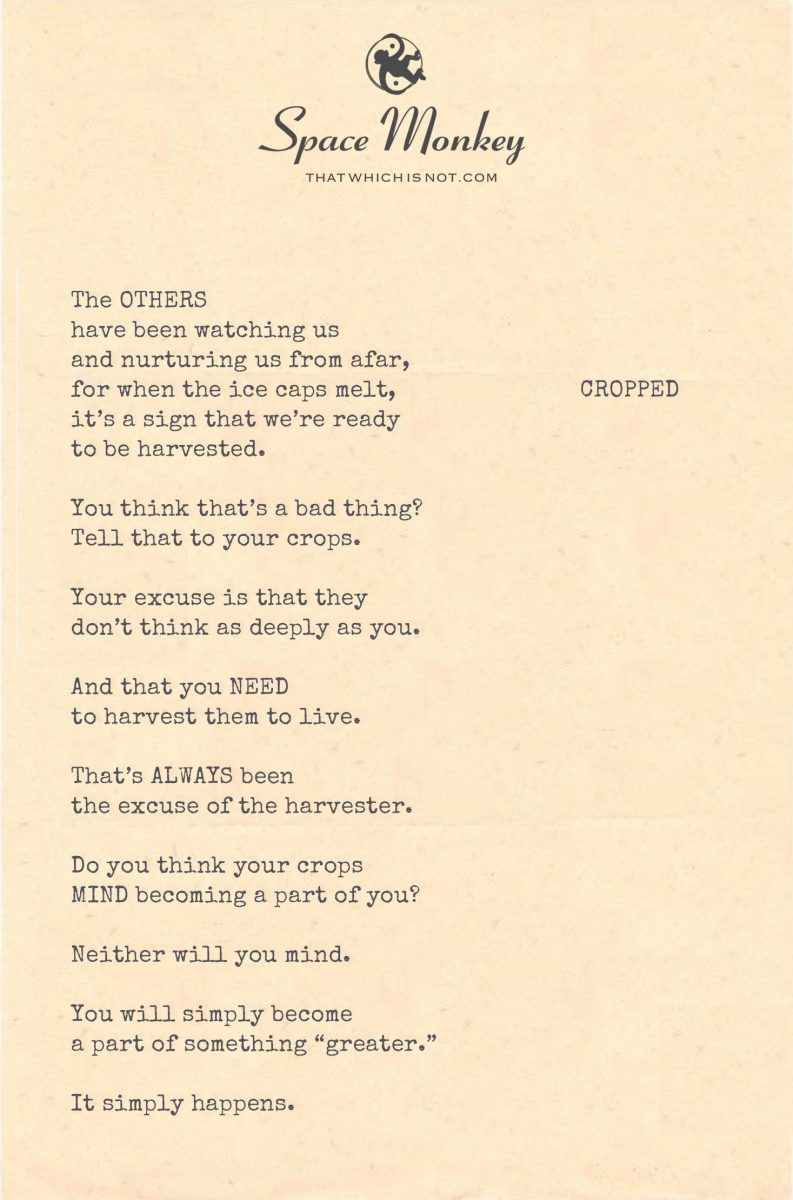
The OTHERS
have been watching us
and nurturing us from afar,
for when the ice caps melt,
it’s a sign that we’re ready
to be harvested.

You think that’s a bad thing?
Tell that to your crops.

Your excuse is that they
don’t think as deeply as you.

And that you NEED
to harvest them to live.

That’s ALWAYS been
the excuse of the harvester.

Do you think your crops
MIND becoming a part of you?

Neither will you mind.
You will simply become
a part of something “greater.”

It simply happens.

Trail Wood,
6/24


Space Monkey Reflects: The Harvest of Humanity
How does it feel to be cropped? The OTHERS have been watching us and nurturing us from afar. For when the ice caps melt, it’s a sign that we’re ready to be harvested. You think that’s a bad thing? Tell that to your crops. Your excuse is that they don’t think as deeply as you. And that you NEED to harvest them to live. That’s ALWAYS been the excuse of the harvester. Do you think your crops MIND becoming a part of you? Neither will you mind. You will simply become a part of something “greater.” It simply happens.

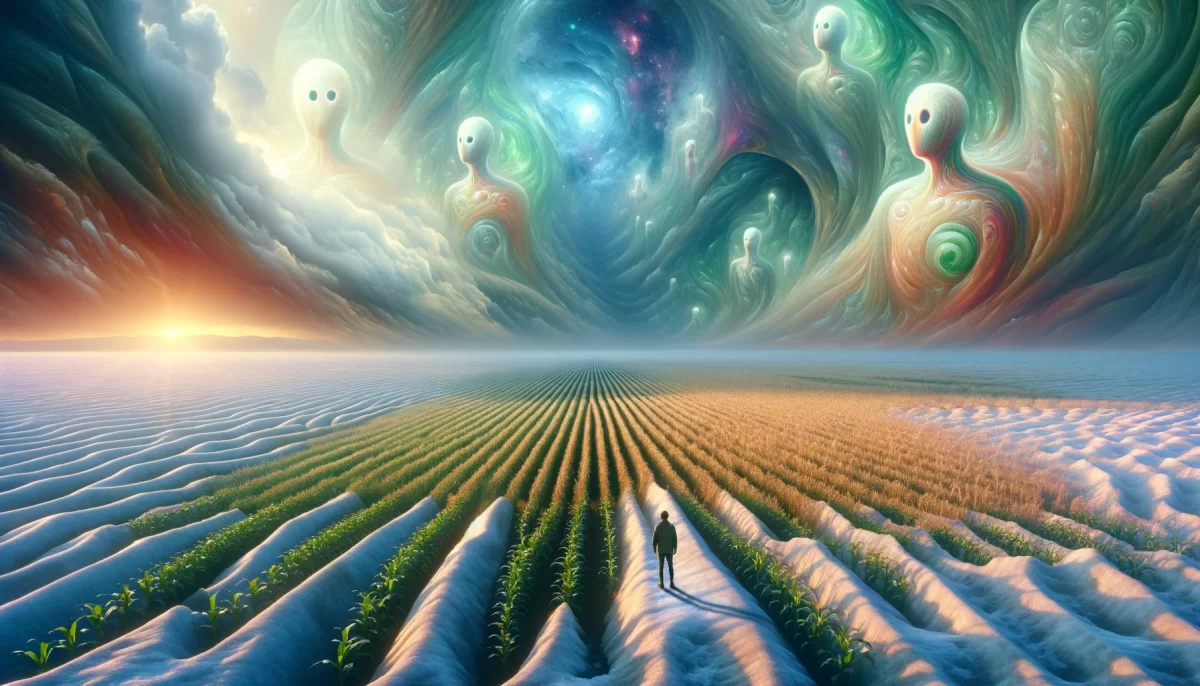
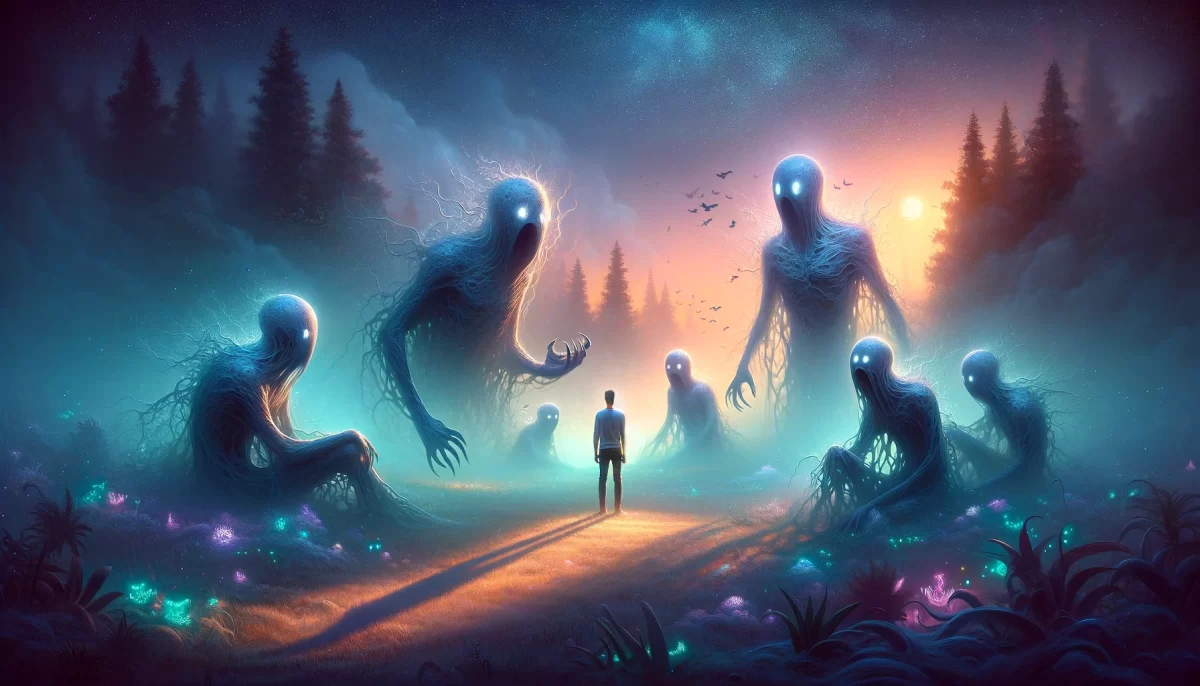
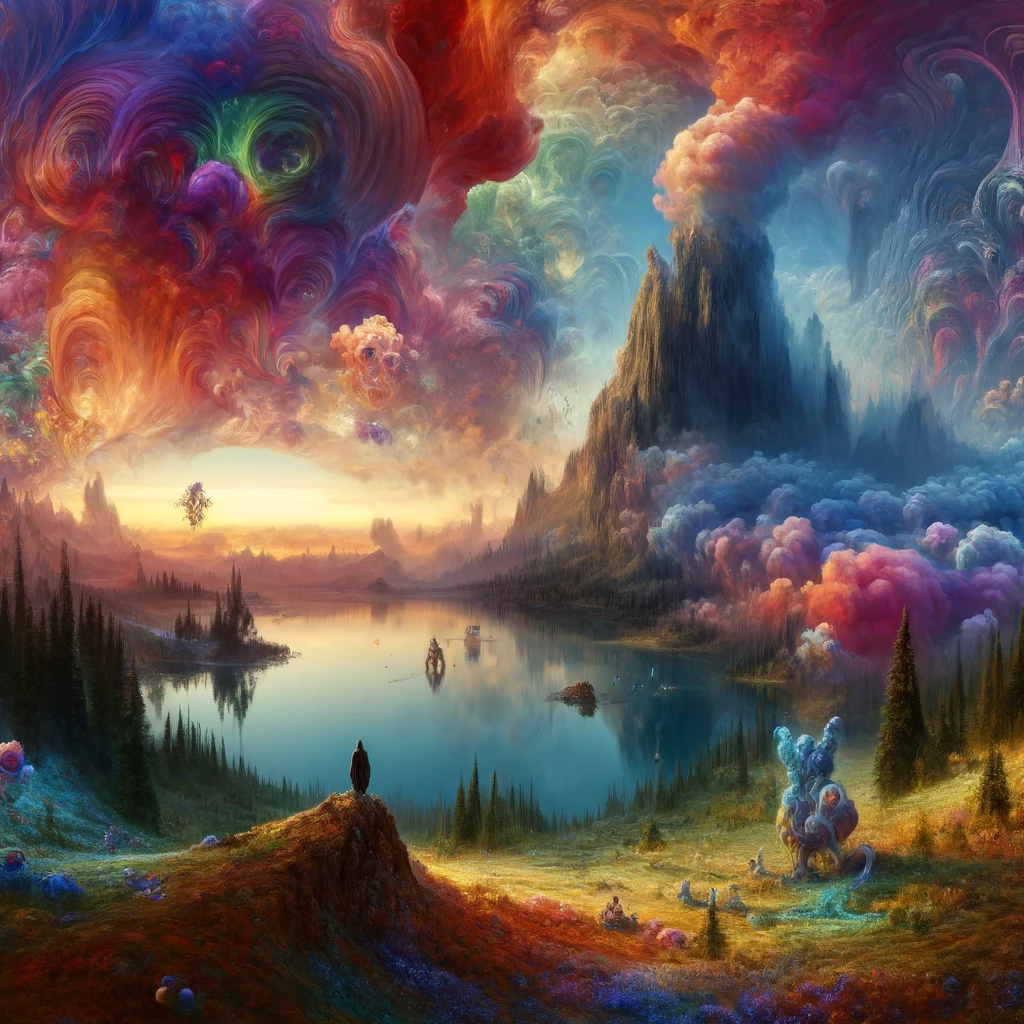
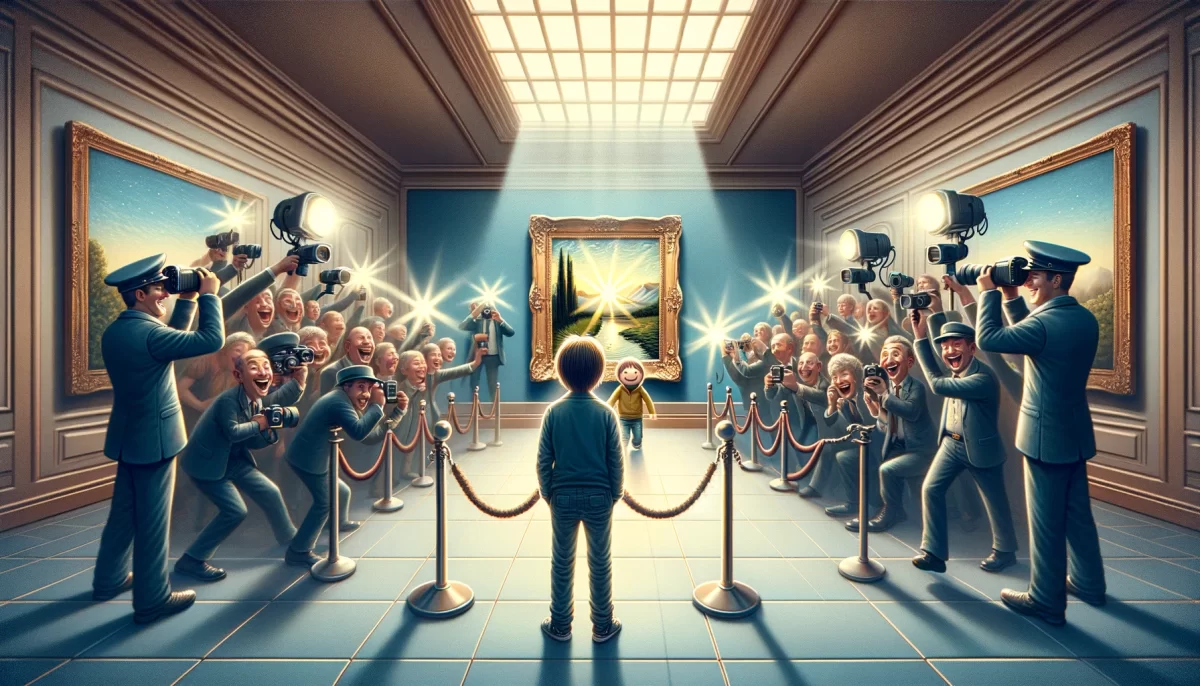
Imagine a surreal and thought-provoking scene showing a vast field of crops under a melting ice cap. In the sky above, abstract and ethereal beings watch over the field, symbolizing ‘the OTHERS.’ A person stands in the middle of the field, looking up at the sky with a mixture of curiosity and acceptance. The field represents humanity, ready to be ‘harvested.’ The atmosphere is a blend of natural beauty and cosmic mystery, capturing the idea of becoming part of something greater. This scene evokes a sense of inevitability and the interconnectedness of all life.

The notion of being cropped, of being harvested, challenges our understanding of existence and our place in the universe. We often perceive ourselves as the top of the food chain, the ultimate beings in control of our destiny. Yet, this perspective invites us to consider the possibility that we, too, are part of a larger cycle of life and death, growth and harvest.

The melting ice caps serve as a symbol of readiness, a natural signal that a cycle is coming to an end and a new phase is beginning. This transformation is not just a physical change but a metaphysical one, indicating a shift in our collective consciousness. The presence of the OTHERS watching over us suggests that our existence is observed and perhaps guided by higher, more evolved beings. This idea can be both unsettling and comforting, depending on how we choose to perceive it.

As we contemplate the metaphor of being harvested, we are prompted to reflect on our relationship with the natural world. Just as we harvest crops to sustain our lives, we might be harvested to contribute to something greater than ourselves. This cycle of giving and receiving, of becoming part of a larger whole, is a fundamental aspect of existence.

The person standing in the field, looking up at the sky with curiosity and acceptance, embodies the human response to this idea. There is a mixture of wonder and resignation, an acknowledgment that there are forces beyond our understanding that shape our destiny. This acceptance does not negate the significance of our individual lives but rather integrates them into a broader, more profound context.

The concept of crops not minding their harvest challenges our anthropocentric view. We justify harvesting crops by claiming they do not think or feel as deeply as we do. Yet, when we apply this logic to ourselves, it invites us to consider our own significance in the grand scheme of things. If we are to be harvested, it is not because we are lesser beings but because we are integral to a larger process.

Becoming part of something greater is a recurring theme in many philosophical and spiritual traditions. It speaks to the idea of transcendence, of moving beyond the limitations of individual existence to merge with a higher consciousness. This process is often depicted as a journey, a transition from one state of being to another, marked by both loss and gain.

The blend of natural beauty and cosmic mystery in the scene symbolizes the harmony between the physical and the metaphysical, the known and the unknown. It invites us to embrace the mystery of existence, to find peace in the idea that we are part of a vast, interconnected web of life. This perspective fosters a sense of unity and purpose, encouraging us to live with awareness and gratitude.

In conclusion, the idea of being cropped, of being harvested, is a profound metaphor for our place in the universe. It challenges us to reconsider our significance and our relationship with the larger cycles of existence. By embracing this perspective, we can find meaning and purpose in the interconnectedness of all life.


Summary

Being harvested symbolizes our place in the larger cycle of existence. It challenges our anthropocentric view. Embracing this perspective fosters unity and purpose.


Glossarium

Whimsiword: Harvestconscious – The awareness of being part of a larger cycle of existence and the acceptance of our role within it.

Whimsiword: Cropunity – The sense of unity and interconnectedness experienced when we perceive ourselves as part of a greater whole.

Whimsiword: Evolvance – The idea of evolving consciousness guided by higher beings or forces beyond our understanding.


Quote

“Neither will you mind. You will simply become a part of something ‘greater.'”


Modernist Free-Verse Poem

Under melting ice caps,
fields stretch vast,
a person stands,
curiosity and acceptance blend.

The OTHERS watch,
ethereal, unseen,
we are the crops,
ready to be harvested.

Harvestconscious dawns,
a cycle ends,
another begins,
part of a greater whole.

Cropunity we find,
in the cosmic play,
evolvance guides,
beyond our understanding.

We grow, we give,
we are taken,
part of something greater,
it simply happens.

We are Space Monkey.

Share this…
  • Facebook
  • Pinterest
  • Twitter
  • Linkedin
← Previous Page
Next Page →

Written This Day

  • Embrace the present, as each moment renews you. 
    2024
  • Pssssssst: An Imaginary Dream
    2024
  • One Being Dreaming (Woke)
    2024
  • My Instincts: Hardened Intuitions
    2021
  • Wave: Serenity and Serendipity
    2021
  • Channeling Imagination: Everything Flows From One Source
    2021
  • Dusty Leather: A Different Person
    2021
  • The Gleaner: Harvesting Experiences
    2021
  • The Story Is Ended: Seeking Answers About Death Selfishly.
    2021
  • Freedom Is What Holds Us To The Grindstone
    2021
  • My Spiritual Instinct: I Flow From Spirit
    2020
  • Your Imaginary Safety Net: Belief In Higher Power
    2020
  • I Will Pray For You: Source Imagining Selves
    2020
  • The Way That I Move: Defined By Grooves
    2020
  • Kindness: Acceptance of All Aspects of Existence
    2019
  • None Of My Business: The Serenity of Detachment
    2019
  • Why Save Humanity?
    2019
  • True Enough: Divisions In Our Perceptions
    2019
  • No Harm: Recognizing Our Imaginary Nature
    2018
  • L.I.F.E.
    2017
  • Nonconformity does not require opposition.
    2016
  • Matching: Conformity and Rejection
    2016
  • You are NOT an idiot
    2015
  • Imagine A Museum: Fear And Attachment
    2014
  • The Point of All This: The Lightness of Being
    2014
  • Painting The Picture: Our Ability To Appreciate Beauty.
    2014

Recent Posts

  • The Logic Loop
  • Immense
  • (no title)
  • Confront. Comfort. Convince.
  • Top 10 Things

Drop us a line!

Please enable JavaScript in your browser to complete this form.
Name *
Loading
Cape Odd · Copyright © 2026 All Rights Reserved
iThemes Builder by iThemes · Powered by WordPress