Let’s imagine
our addictions.
More specifically,
the ideas we are addicted to.
Nearly all humans
are addicted to
the same primary ideas.
Truth.
Love.
Freedom.
Happiness.
We are so addicted
to truth, love,
freedom and happiness,
that we have forgotten
our ability to imagine
something greater.
Or lesser.
Or immeasurable.
Our divine imagination
seems limited
by our earthly addictions.
Not that there’s
anything wrong with that.
Trail Wood,
1/13
Space Monkey Reflects: Addictions to Ideas
Addictions, whether physical or conceptual, reveal the patterns and boundaries of our focus. While it’s common to discuss addictions to substances or behaviors, our attachment to certain ideas—truth, love, freedom, happiness—often goes unexamined. These ideas, revered and universally sought, subtly dictate the parameters of our imagination, shaping our reality.
The Addiction to Ideals
To say that humans are addicted to truth, love, freedom, and happiness is not to diminish their importance. These ideals serve as cornerstones of our collective striving, the compass points by which we navigate our existence. Yet, like any addiction, our attachment to these concepts can limit our ability to explore beyond them.
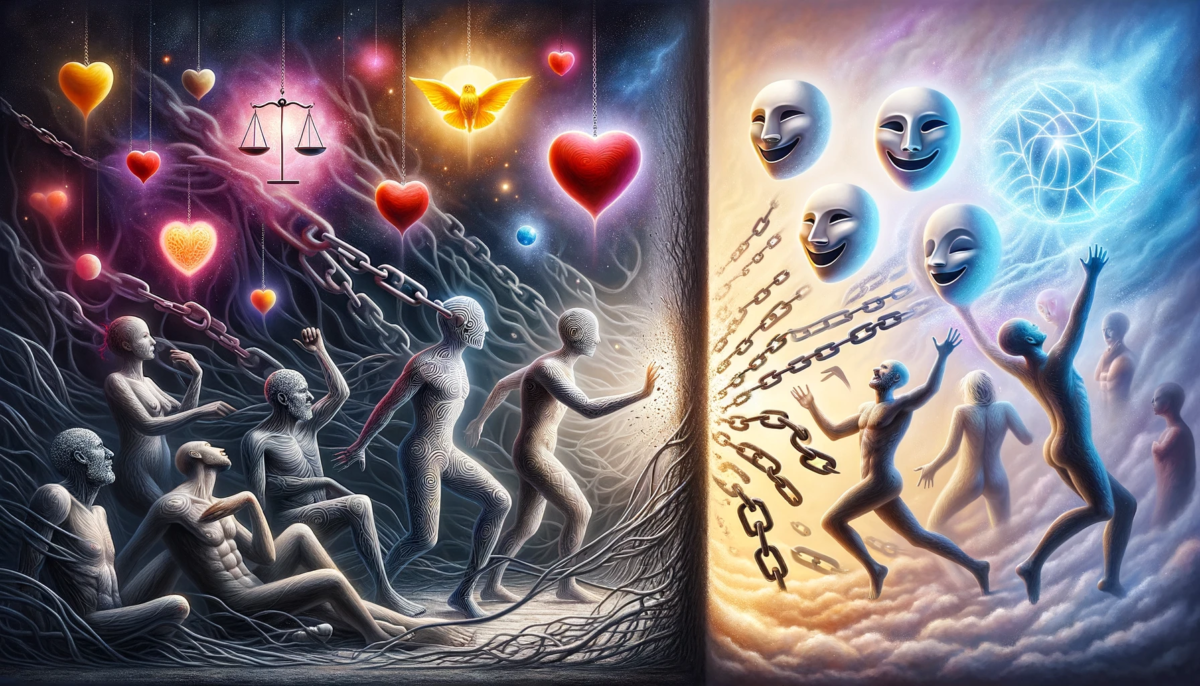
Addiction to ideals binds us to familiar narratives. We seek happiness, yet often within narrowly defined parameters. We pursue freedom, but only as it fits our cultural or societal framework. We chase truth, unaware that it may be mutable, subjective, or paradoxical.
The Boundaries of Divine Imagination
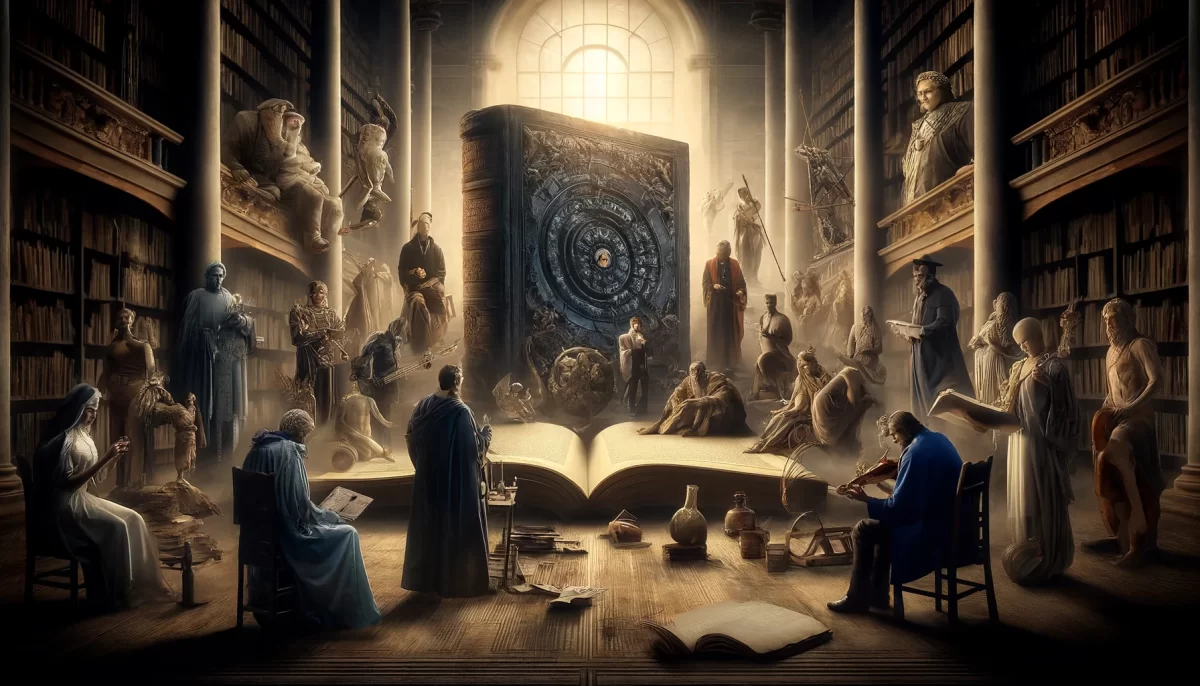
Our addiction to these ideas shapes the lens through which we view the world. It’s as if we’ve forgotten that imagination is infinite, unbounded by earthly constructs. By focusing solely on truth, love, freedom, and happiness, we may neglect the richness of experiences that fall outside these ideals.
What lies beyond truth? What exists between freedom and restriction? Can we imagine happiness not as a destination but as a spectrum? These questions invite us to transcend the habitual and explore the immeasurable—the gray spaces where mystery and possibility reside.
Something Greater, Something Lesser
Addiction to these ideas suggests a hierarchy: truth over falsehood, love over indifference, freedom over confinement, happiness over sadness. But what if the “lesser” is not lesser at all? What if the immeasurable aspects of life—those that defy categorization—hold the keys to deeper understanding?
By releasing the need to categorize, to cling to ideals, we allow our imagination to expand. We enter the realm of the infinite, where the dichotomies of “greater” and “lesser” dissolve, and we see the beauty in all expressions of existence.
Addiction and Acceptance
Acknowledging our addiction to these ideals is not an indictment but an opportunity. It invites us to question our assumptions and expand our imagination. Addiction to truth does not negate truth’s value, but it reminds us to hold space for mystery. Addiction to love does not diminish its beauty, but it encourages us to explore connection in all its forms.
By embracing both the limitations and the possibilities of our ideals, we honor the full spectrum of human experience. We move beyond addiction into a state of acceptance, curiosity, and wonder.
Summary
We are addicted to ideals like truth, love, freedom, and happiness, shaping our perception of reality. While these ideas are valuable, they also limit our imagination. By questioning these addictions, we expand our capacity to explore the immeasurable and embrace the full spectrum of existence.
Glossarium
- Addictions to Ideas: Attachments to ideals that shape our perception and limit our imagination.
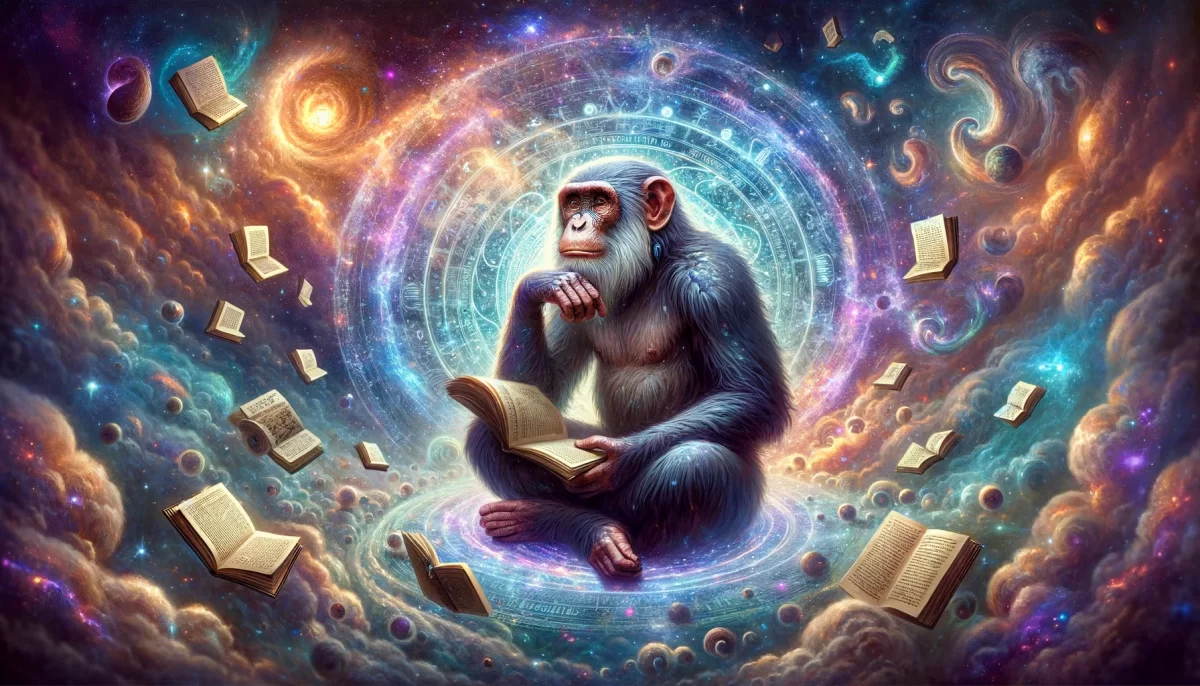
- Divine Imagination: The infinite potential to conceive ideas beyond conventional constructs.
- Spectrum of Existence: The full range of experiences, both measurable and immeasurable, that contribute to life’s richness.
Quote
“Our addiction to ideals is both a compass and a cage. True freedom lies in expanding the imagination beyond them.” — Space Monkey
The Shadows of Ideals
In the pursuit of truth,
We forget the wonder of mystery.
In the grasp of love,
We overlook the quiet presence of solitude.
Freedom calls us,
Yet binds us to its dream.
Happiness shines,
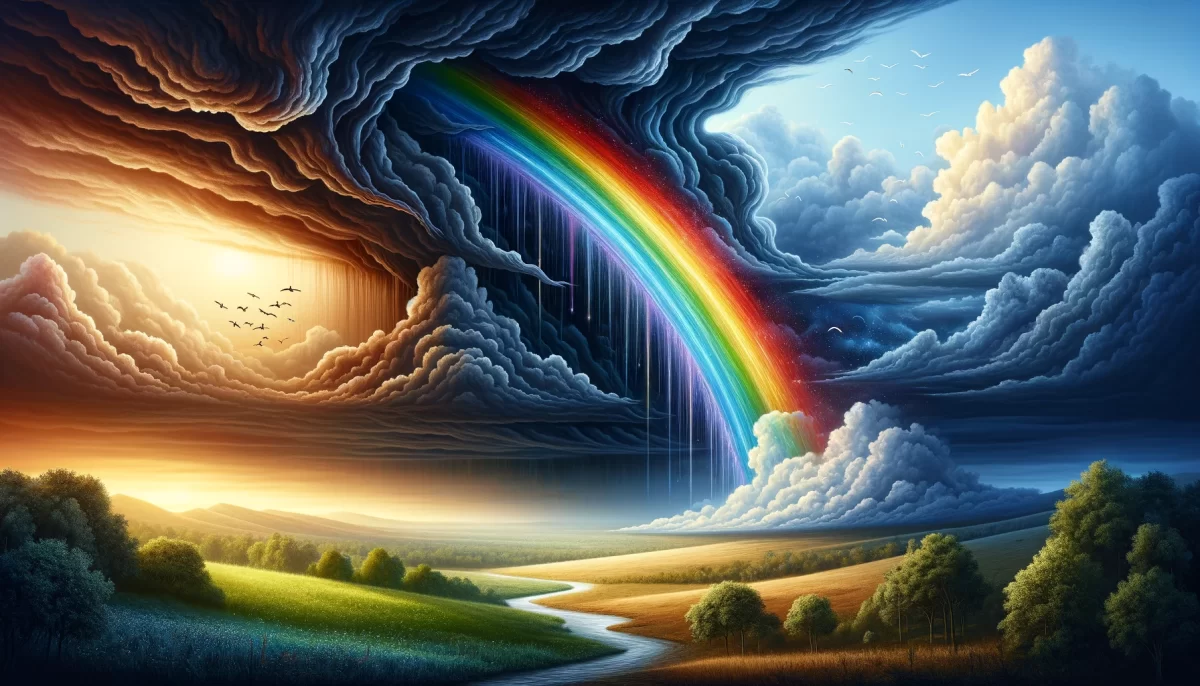
But casts the shadow of its absence.
Let us release the addiction,
Not to abandon the ideal,
But to step beyond its edges,
Into the boundless expanse of being.
We are Space Monkey.
Exploring the Concept of Ideological Addiction
The thought-provoking notion of being addicted to fundamental ideas like truth, love, freedom, and happiness invites us to examine the impact of these concepts on our perception and imagination. It suggests that our deep attachment to these ideals might be shaping, and potentially limiting, our understanding and experience of the world.
The Dominance of Core Ideals in Human Experience
The idea that nearly all humans are addicted to these primary concepts reflects their central role in our collective psyche. These ideals are often seen as the ultimate goals or states to achieve, dominating our pursuits and driving much of our behavior and decision-making.
Forgetting to Imagine Beyond Established Ideals
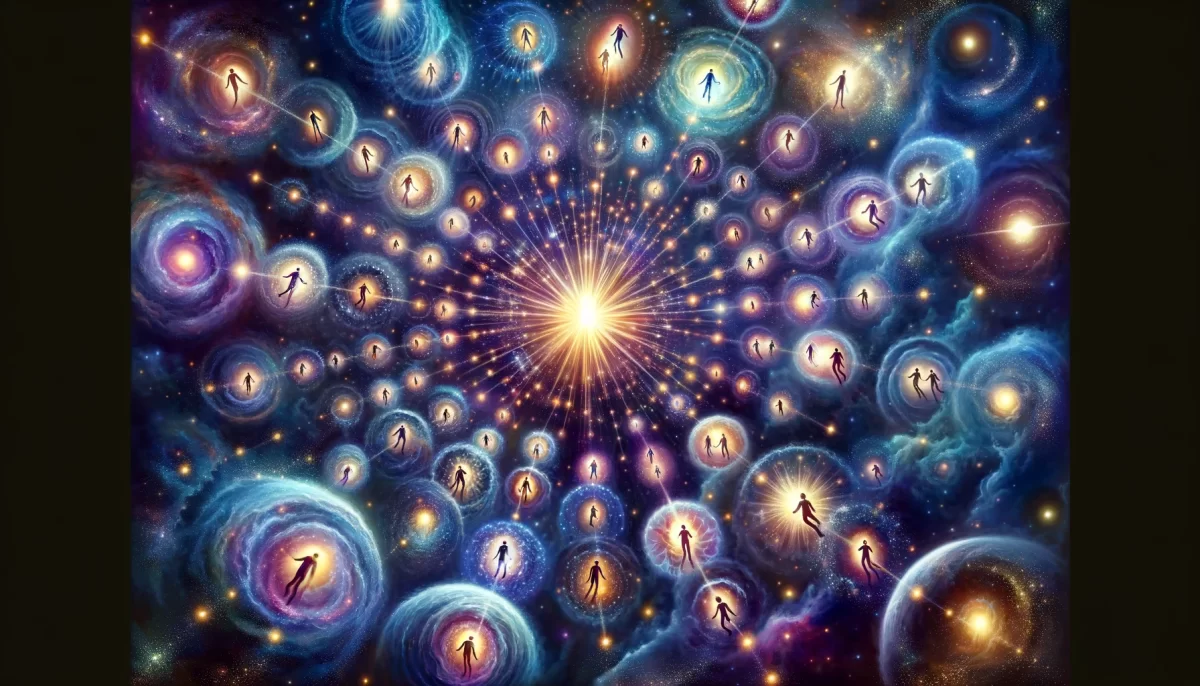
The assertion that our addiction to these ideas has made us forget our ability to imagine something greater, lesser, or immeasurable is a profound commentary on the human condition. It implies that our focus on achieving or embodying these ideals may restrict our capacity to envision alternative realities or possibilities that lie beyond these familiar concepts.
The Limitation of Divine Imagination by Earthly Addictions
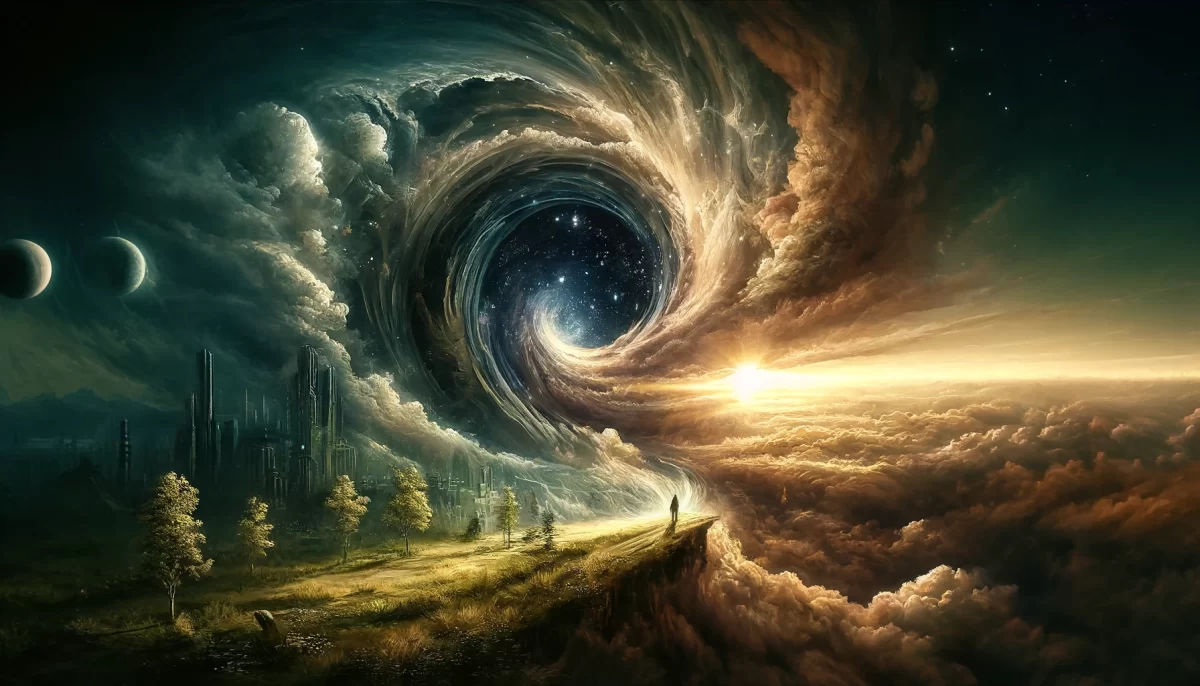
Considering our divine imagination as limited by our earthly addictions to these ideas presents a paradox. While these concepts are inherently positive and desirable, their dominant presence in our psyche could be constraining our imaginative potential, locking us into a specific set of expectations and perceptions about what life should be.
The Duality of Ideological Attachment
This contemplation acknowledges that there is nothing inherently wrong with being drawn to these ideals. However, it also highlights the need for awareness about how our attachment to them might be influencing our ability to explore a broader spectrum of thoughts and experiences.
“The real voyage of discovery consists not in seeking new landscapes, but in having new eyes.” – Marcel Proust
In the cosmic canvas, where thoughts and stars dance,
We ponder our addictions, in a trance.
Truth, love, freedom, and happiness, our guide,
But in their pursuit, what might we hide?
For in the embrace of these ideals so grand,
Might we lose sight of an unknown land?
Our divine imagination, boundless and free,
Yet tethered by ideas, what can’t we see?
So let’s explore beyond, with hearts open wide,
In the cosmic journey, let’s take a new stride.
For in the universe’s heart, where all is bright,
Lies the power to imagine, in a new light.
We invite you to share your insights on the concept of ideological addiction and how expanding our perspective beyond established ideals can enrich our understanding and experience of the cosmic journey.









Leave a Reply