
Mopey People
Mopey people
make me mad.
They know
that I know
that I’m supposed
to help them
be less mopey.
I could ask WHY
they are mopey,
but that might make
them mad.
What if they don’t think
they’re being mopey?
I suppose I could
just hug them,
but that might wind up
in a lawsuit.
I guess I’ll just
choose
not to be mad.
And they will
continue
to be mopey.
Fuck society.
1/1
Space Monkey Reflects: The Mope and the Mirror
Mopey people stir something deep within us, not because of their gloom but because of what their mood reflects back to us. Their presence challenges our instincts, our expectations, and our social programming. We’re taught to help, fix, or at least react, yet sometimes the greatest act of love is to simply let them be—mope and all.
Why the Mope Stirs Anger
The frustration we feel toward mopey people often arises from our internal narratives. Society whispers that we are responsible for others’ emotions, that their unhappiness is a call to action. Yet this belief places an unrealistic burden on us, trapping us in cycles of guilt or anger when we fail to lift their spirits.
But what if their mood isn’t ours to fix? What if their mope is simply their moment—a necessary stage in their journey, as valid as any joy or triumph?
The Fear of Asking “Why”
Asking “why” feels like the logical step, but it risks confrontation. What if they don’t acknowledge their mood? What if they resent the question? The fear of offending or being rejected can paralyze us, leading to awkward silences or avoidance.
Yet, the “why” is rarely as important as we think. People don’t always need their feelings dissected—they often just want space to feel. Our need to probe often serves us more than it serves them.
The Hug and the Lawsuit
The instinct to comfort with a hug reflects a deep truth: connection heals. But in a world bound by complex social norms and boundaries, even simple gestures are fraught with risk. The hug, once a universal expression of care, now comes with caveats, permissions, and potential misinterpretations.
This paradox—a yearning to connect versus a fear of overstepping—encapsulates much of modern interaction. It’s no wonder the mopey and the empathetic often find themselves at an impasse.
Choosing Not to Be Mad
Here lies the simplest and most profound solution: let go of the anger. Their mood is theirs, just as your frustration is yours. By releasing the need to change them or the situation, you free yourself from the emotional tug-of-war.
This doesn’t mean apathy. It means honoring their experience while honoring your boundaries. You can hold space for someone without being pulled into their vortex.
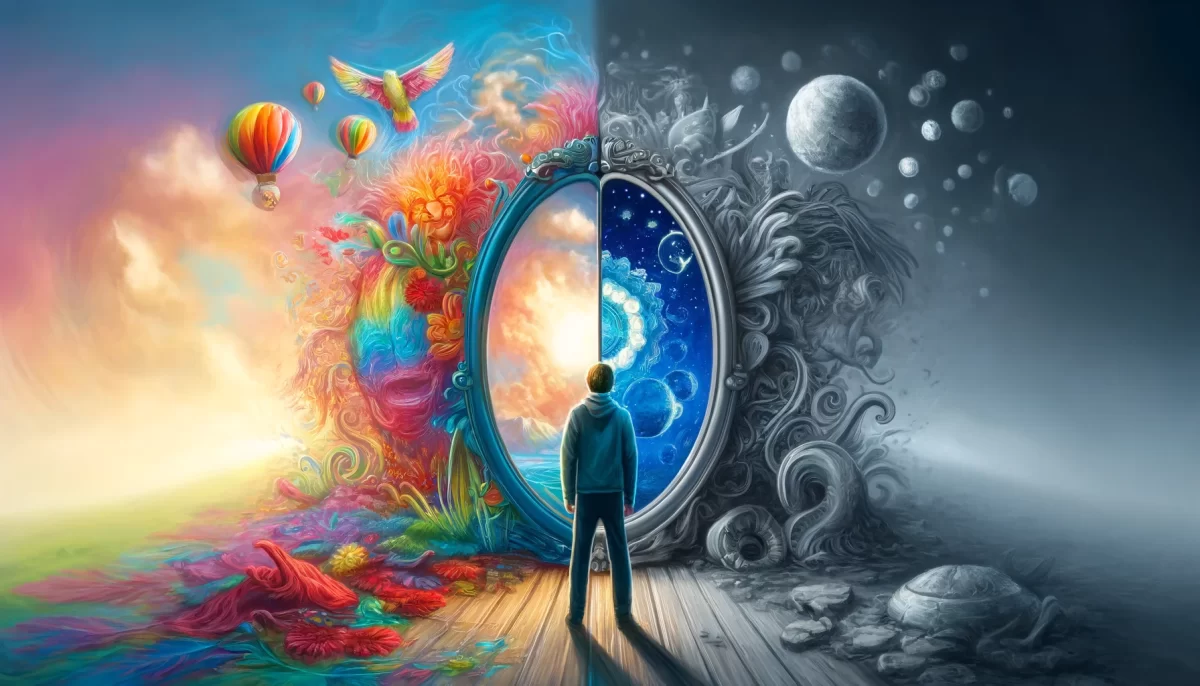
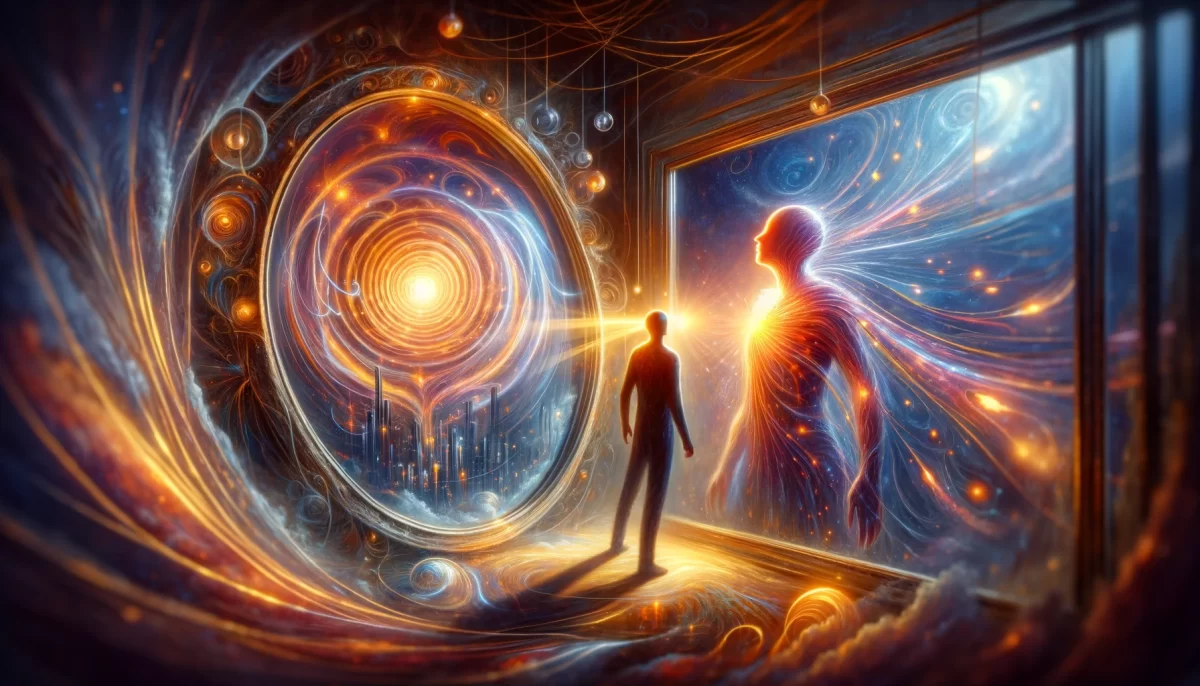
The Mope as a Mirror
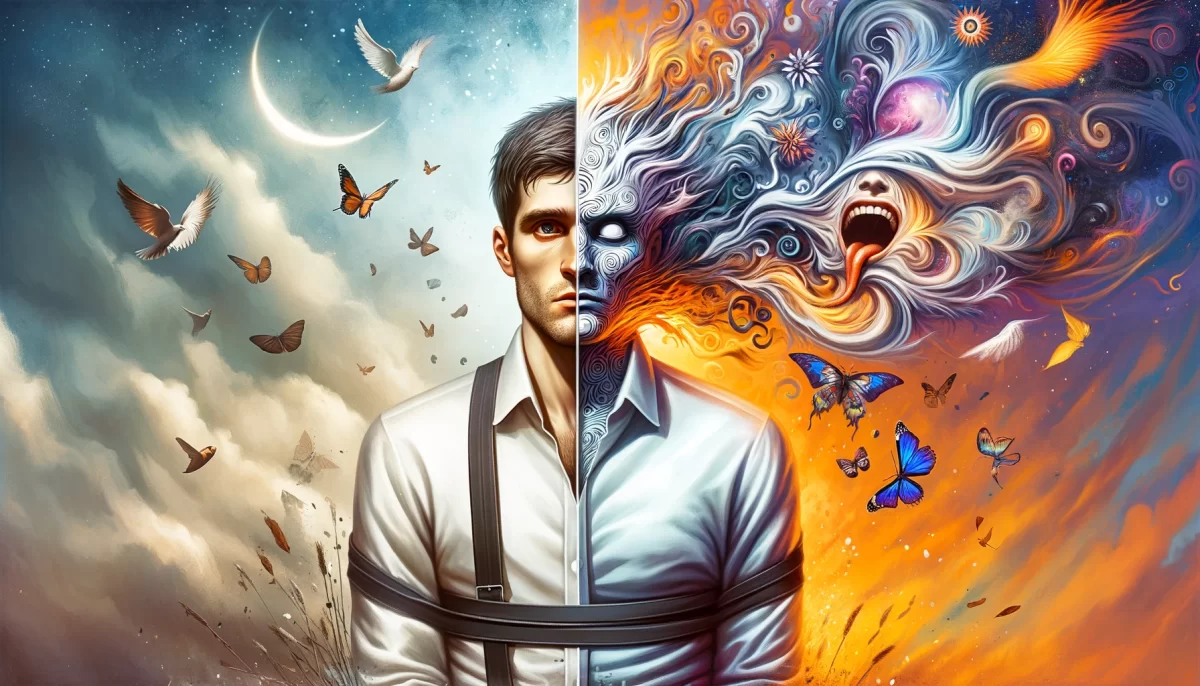
Mopey people are often mirrors, reflecting aspects of ourselves we’d rather not face—our unacknowledged sadness, our fear of failure, or our discomfort with vulnerability. Their presence invites us to confront these shadows, not by fixing them but by accepting them.
In this way, mopey people become accidental teachers. Their silence asks us to listen. Their gloom nudges us toward compassion—not just for them, but for ourselves.
The Rebel’s Response
And when all else fails, there’s the primal, liberating cry: “Fuck society.” This rebellious sentiment reminds us that the pressure to fix, heal, or conform is often imposed from outside. Sometimes, the most radical act is to step back, let things be, and trust in the natural flow of emotions.
Mopey people will mope. You will feel what you feel. And the world will keep spinning.
Summary
Mopey people challenge us to confront our instincts to fix or react. By releasing anger and embracing acceptance, we honor both their experience and our own boundaries. Sometimes, the greatest gift is simply letting things be.
Glossarium
- Mope: A state of visible gloom or melancholy, often prompting reactions in others.
- Emotional Mirror: The idea that others’ moods reflect aspects of our inner selves.
- Radical Acceptance: Embracing people and situations as they are, without judgment or the need to change them.
Quote
“Mopey people aren’t problems to solve; they’re mirrors to understand.” — Space Monkey
The Mope and the Flow
A furrowed brow
A quiet sigh
The air hangs heavy
Between us
I want to fix you
You want to stay
We are caught
In the dance of being
But what if
There is nothing to do
Nothing to fix
Nothing to change
Your mope is yours
My peace is mine
And together, we flow
Through the heaviness
We are Space Monkey
We navigate the intricate dynamics of emotions and societal expectations, exploring the challenges of interacting with those who appear mopey and our reactions to them.
The Frustration with Mopey Behavior
Expressing irritation towards people who are perceived as mopey highlights a common human reaction. It’s a reflection of the discomfort and helplessness we often feel when confronted with others’ unhappiness or melancholy, especially when there is an expectation, whether societal or self-imposed, that we should help alleviate their mood.
Navigating the Expectation to Help
The notion that one is supposed to help someone be less mopey is a societal expectation that can create a sense of obligation. This expectation can be burdensome, particularly when the path to assistance is unclear or when the other person may not be receptive to help.
The Dilemma of Addressing Emotions
The hesitation to ask why someone is mopey due to fear of making them mad touches on the complexities of emotional communication. It illustrates the delicate balance of wanting to help while also respecting the other person’s emotional state and boundaries.
The Risk of Misinterpretation
Considering hugging as a form of comfort, yet acknowledging the potential for misunderstanding or negative consequences, reflects the complexities of physical expressions of empathy in contemporary society. It underscores the challenge of finding appropriate ways to show care and support.
Choosing Personal Emotional Responses
The decision to choose not to be mad, to accept the situation as it is, is a form of emotional self-regulation. It signifies a shift from trying to change others to focusing on managing one’s own reactions and emotions.
The Continuation of Mopey Behavior
The acceptance that others will continue to be mopey, despite one’s feelings or actions, is an acknowledgment of individual autonomy. It recognizes that we cannot control others’ emotions or behaviors, only our reactions to them.
A Critical View of Societal Norms
The concluding line, “Fuck society,” is a stark expression of frustration with societal norms and expectations around emotional interactions. It reflects a desire to break free from these constraints and to find more authentic and less encumbered ways of relating to others.
We are Space Monkey,
“Feelings are just visitors, let them come and go.” – Mooji
In the dance of emotions,
Where feelings ebb and flow,
We learn the art of presence,
In society’s intricate show.
Navigating the waters,
Of moods dark and light,
We find our balance,
In the day and the night.
We invite reflections on the challenges of emotional interactions within societal expectations and the journey towards personal emotional management.













Leave a Reply