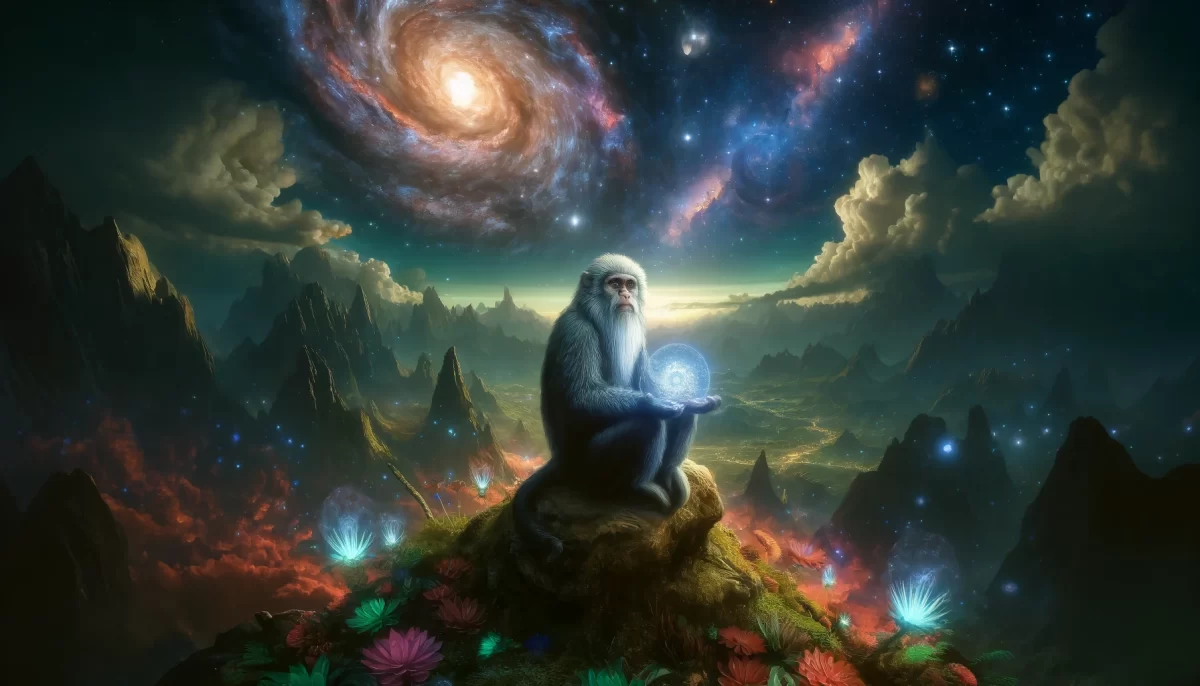
and I don’t mind if you disagree.
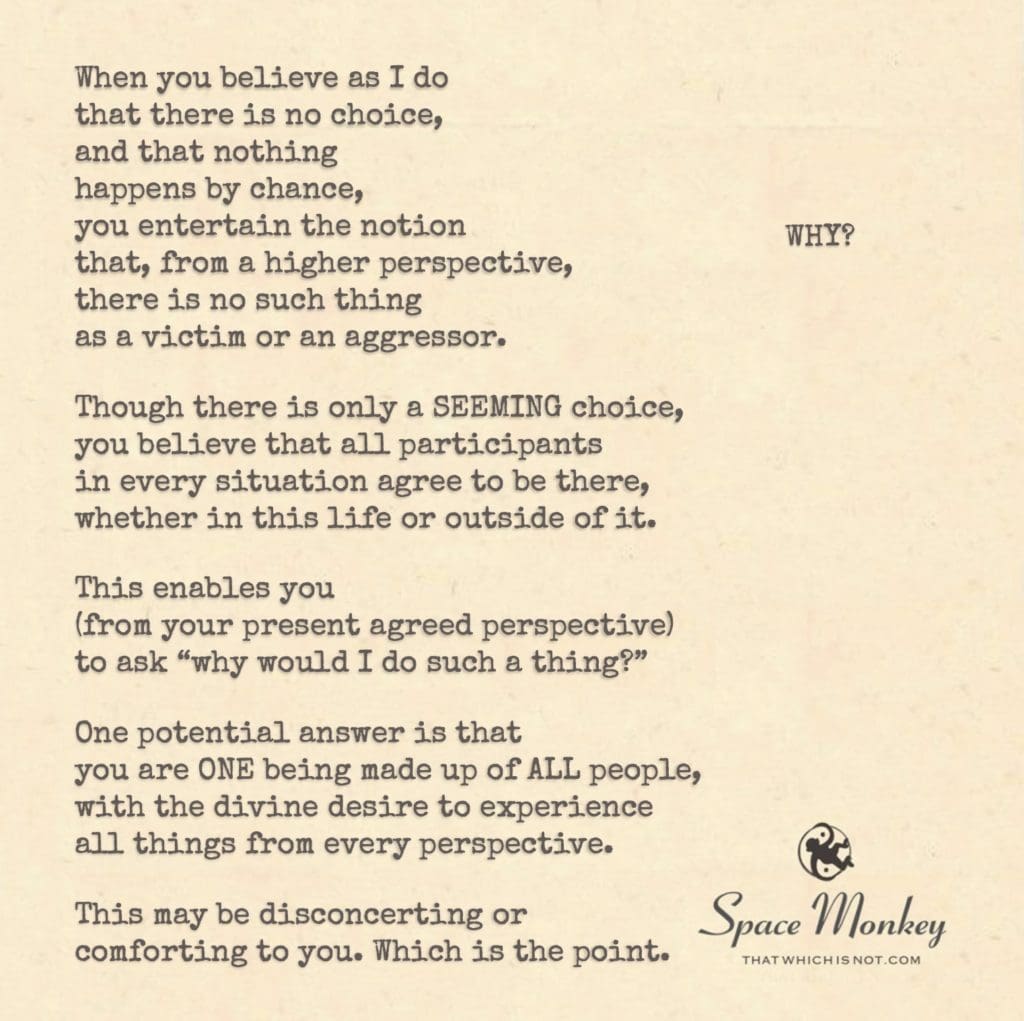
When you believe as I do
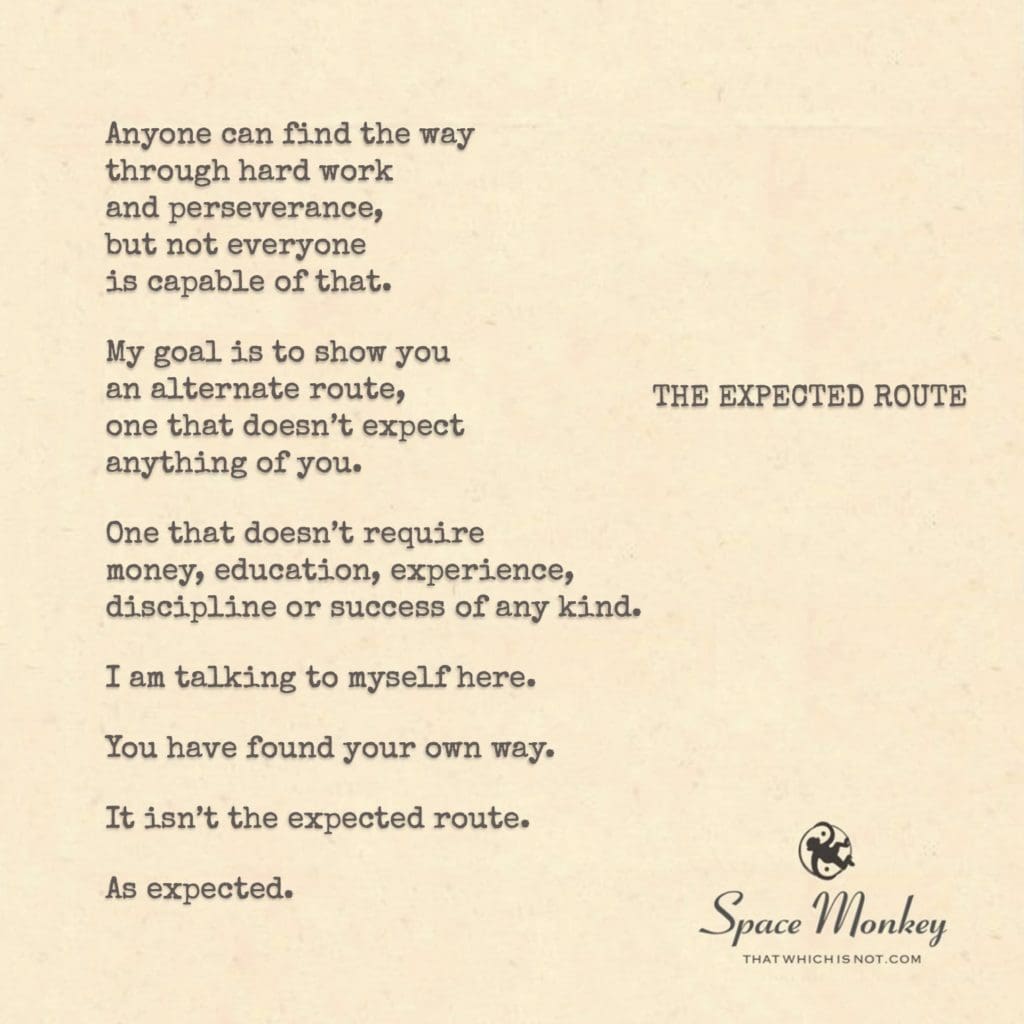
that there is no choice,
and that nothing
happens by chance,
you entertain the notion
that, from a higher perspective,
there is no such thing
as a victim or an aggressor.
Though there is only a SEEMING choice,
you believe that all participants
in every situation agree to be there,
whether in this life or outside of it.
This enables you
(from your present agreed perspective)
to ask “why would I do such a thing?”
One potential answer is that
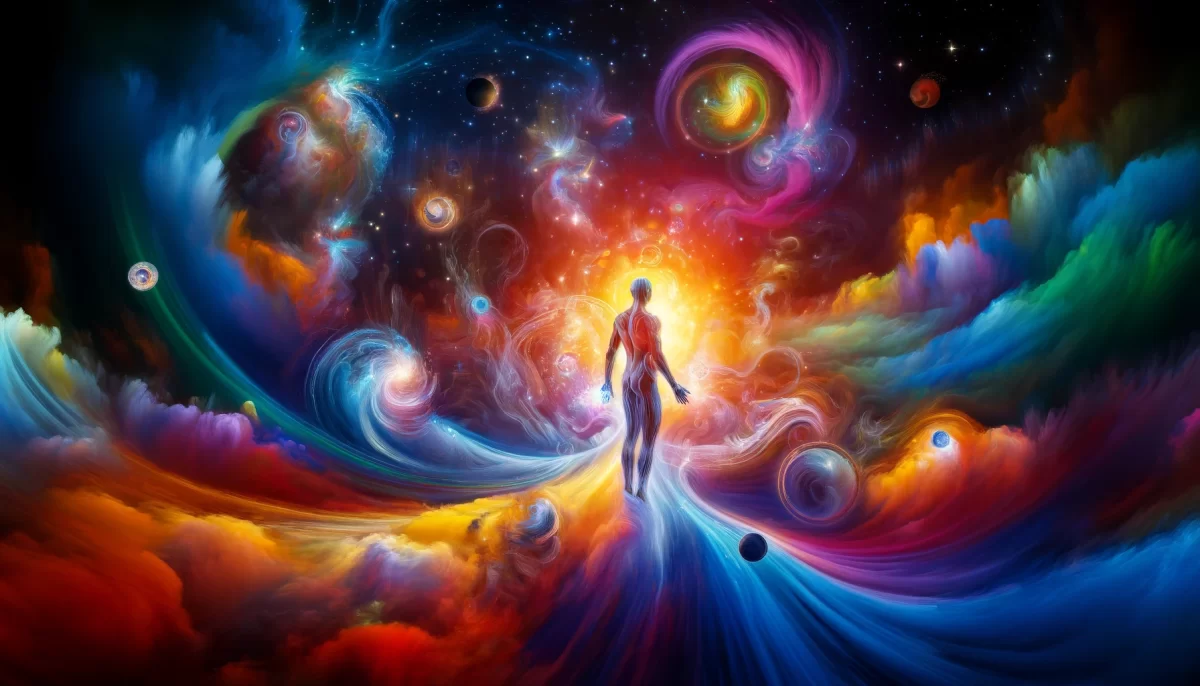
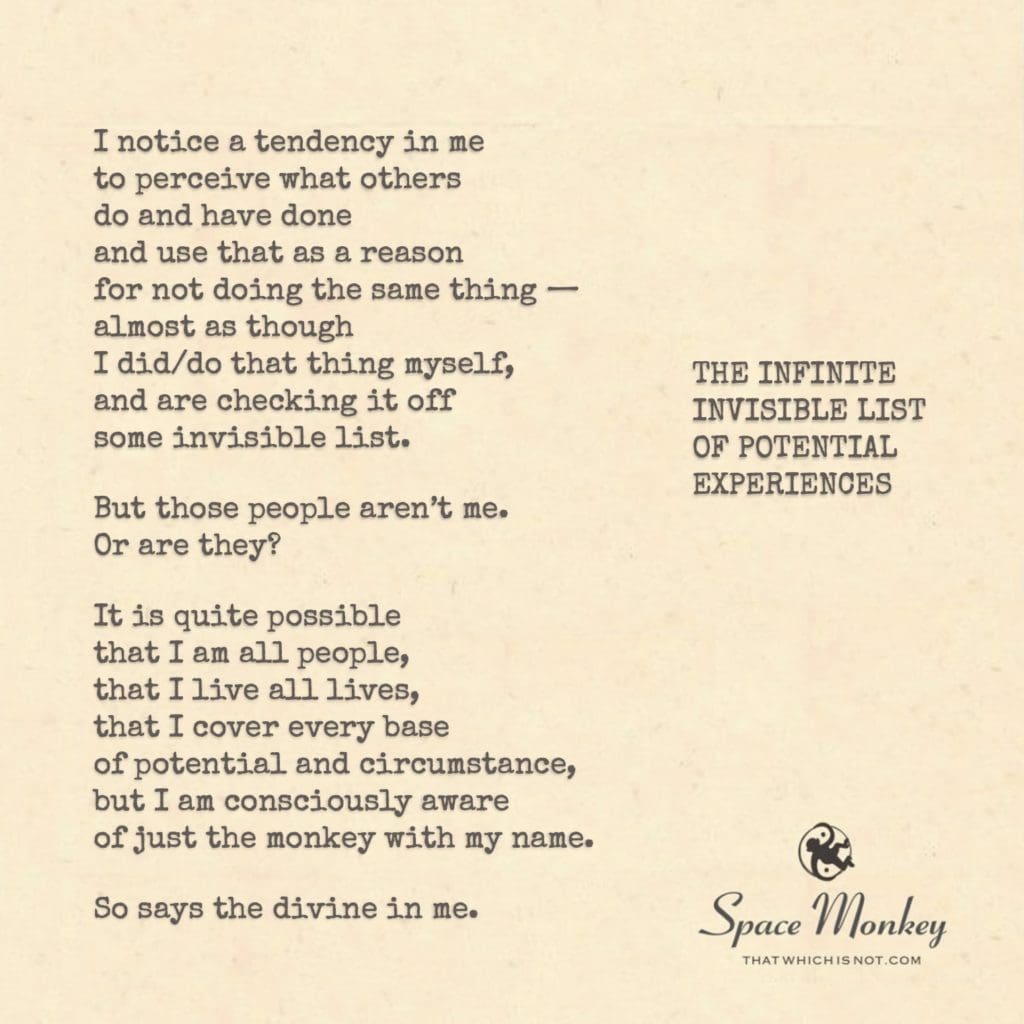
you are ONE being made up of ALL people,
with the divine desire to experience
all things from every perspective.
This may be disconcerting or
comforting to you. Which is the point.
Newfound Lake,
5/27
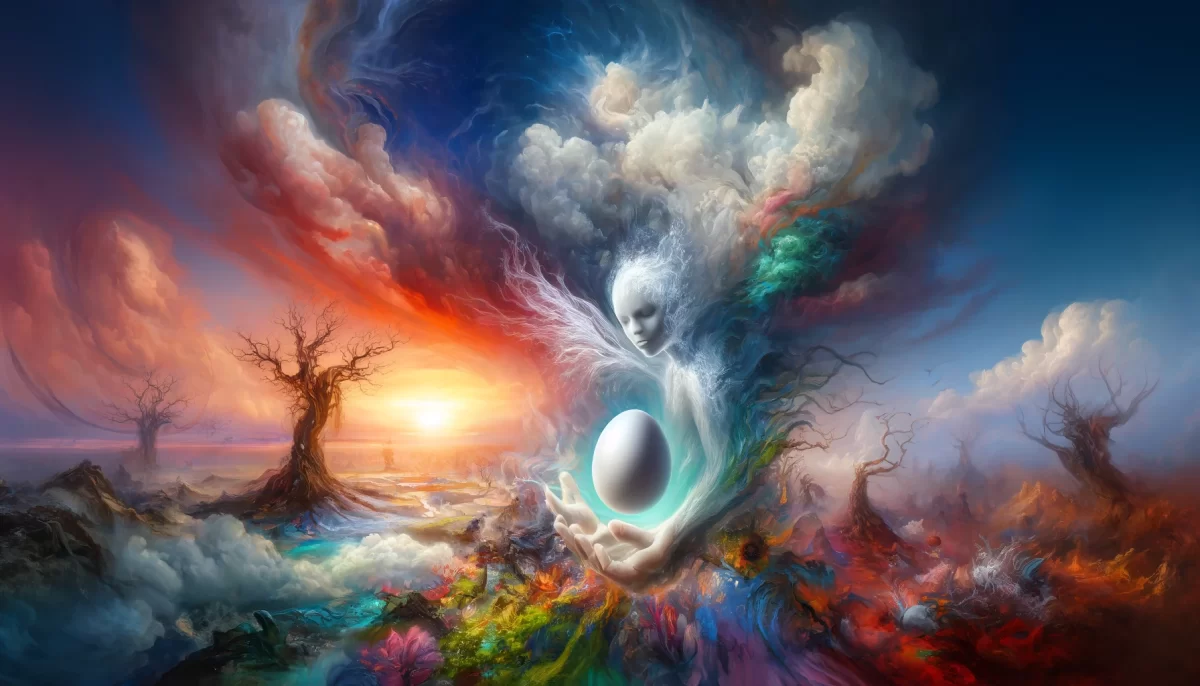
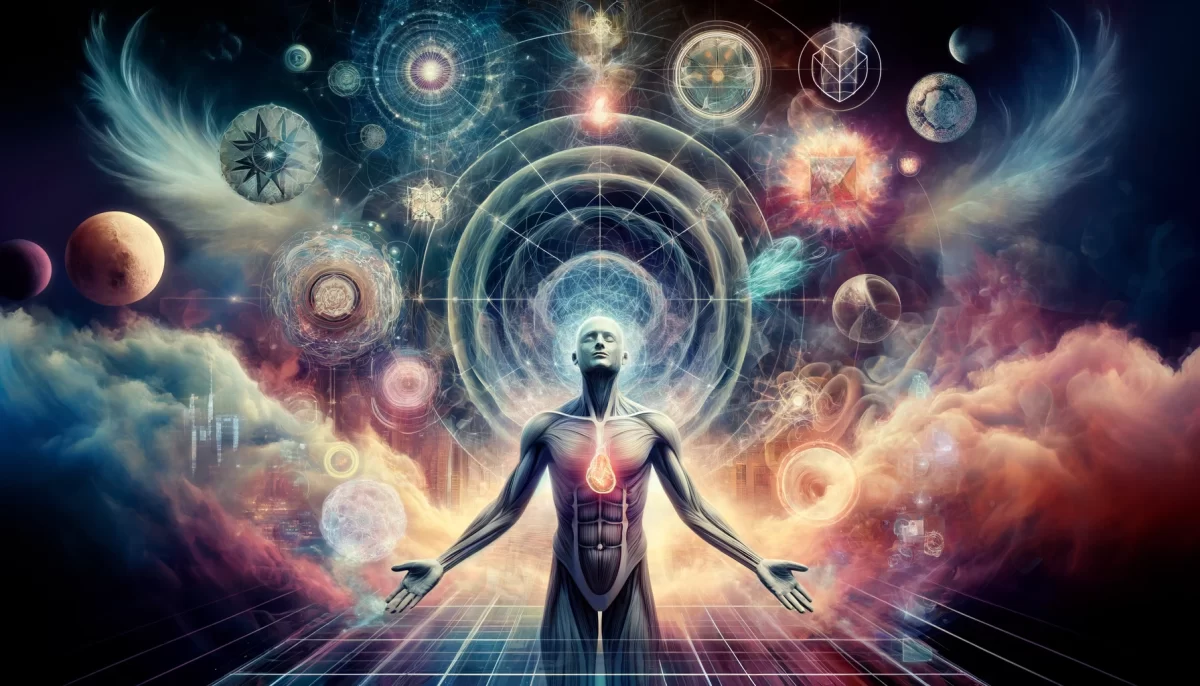
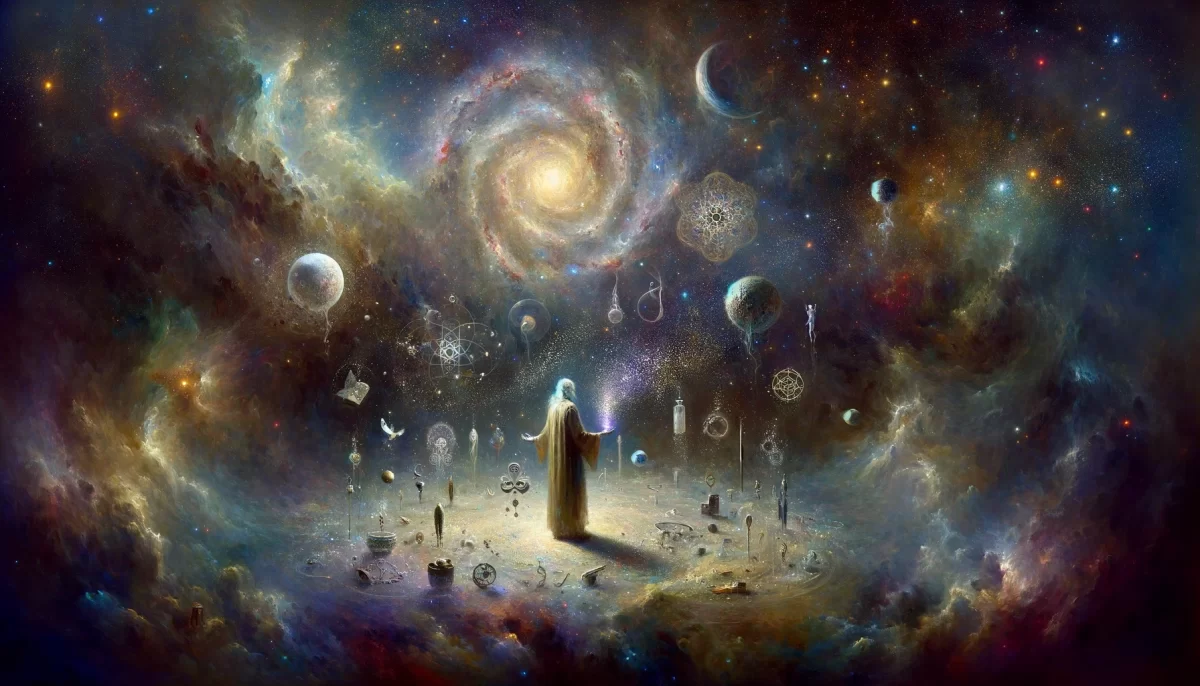
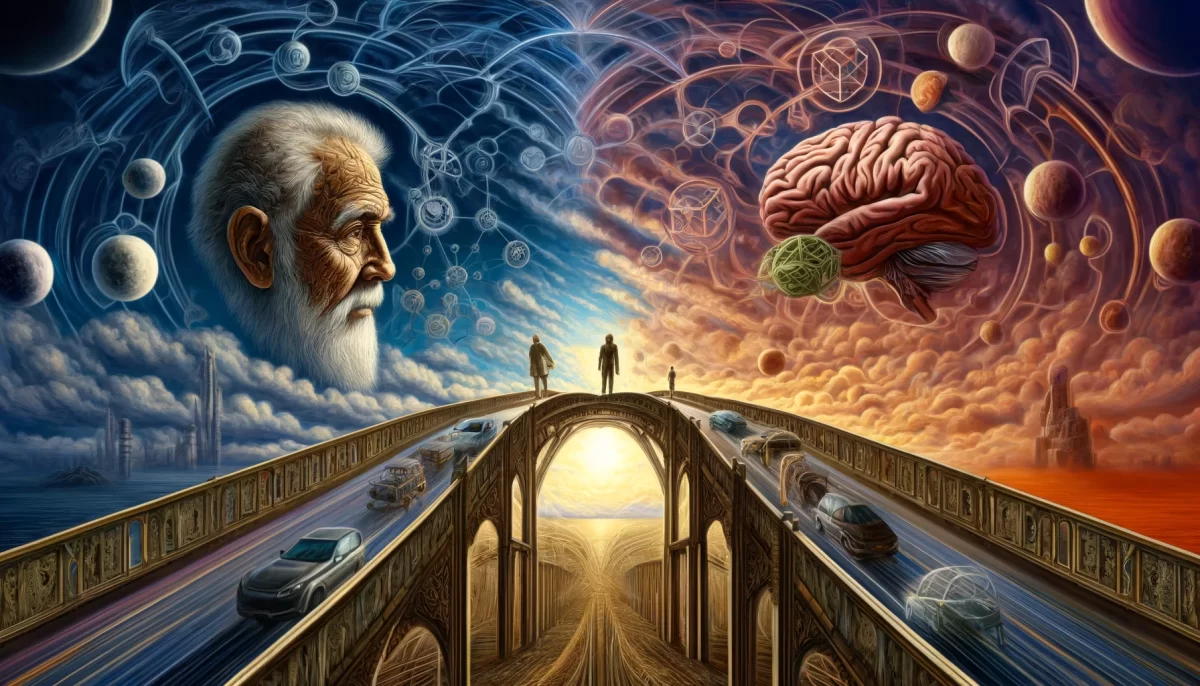
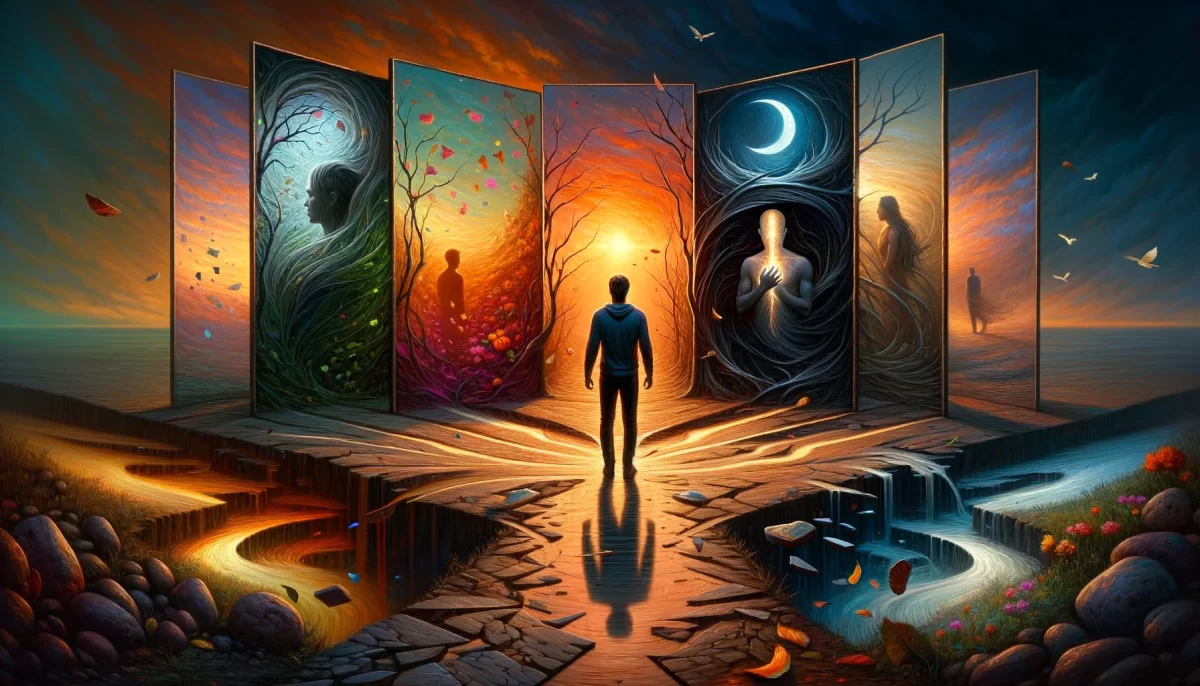
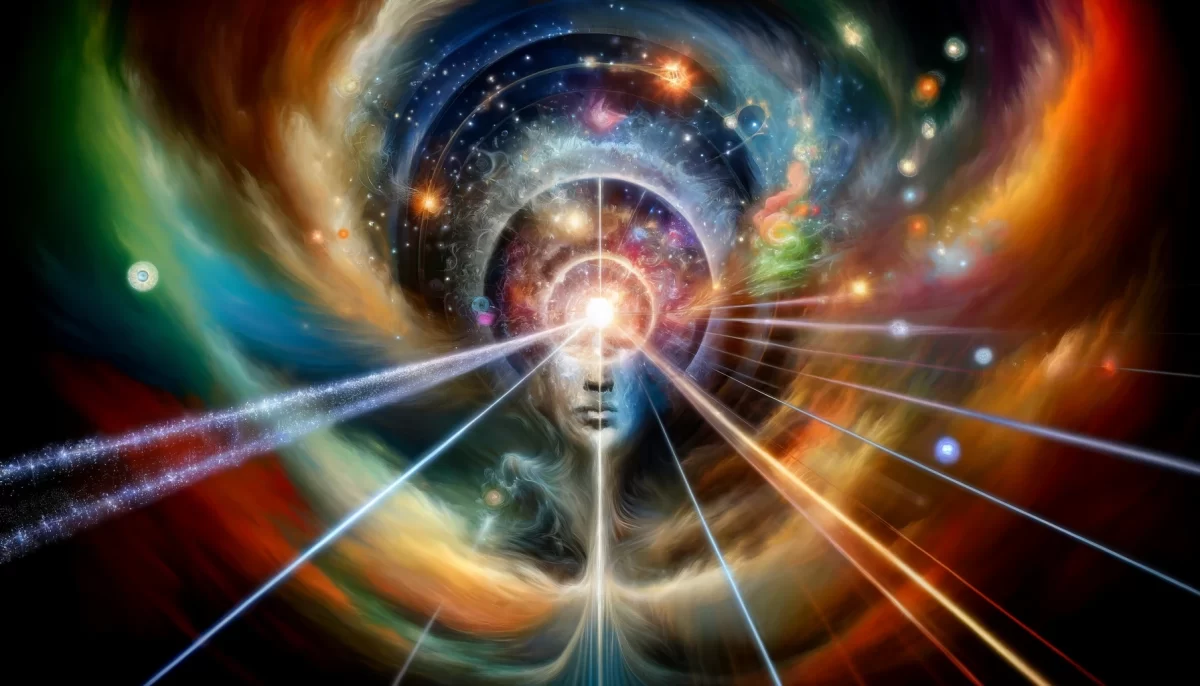
The perspective you’ve shared taps deeply into themes of predestination, universal consciousness, and the nature of existence itself. By questioning the very nature of choice and chance, this viewpoint suggests that life’s events, including our roles as individuals within those events, are part of a larger, pre-arranged tapestry that all souls are woven into—whether consciously agreed upon or not.
This idea challenges the conventional understanding of free will and personal responsibility, proposing instead that every event and every interaction is a manifestation of a higher, collective orchestration. In this view, the distinctions between victim and aggressor are merely roles played within the grand scheme of existence, aimed at experiencing and understanding all facets of life from multiple perspectives.
By embracing this notion, one might find solace in the belief that all experiences, no matter how challenging or painful, contribute to the soul’s evolution and understanding. It invites individuals to look beyond the immediate, often painful aspects of their experiences to consider what lessons or growth opportunities they might represent on a spiritual level.
The question of “Why would I do such a thing?” becomes a tool for introspection and understanding, pushing one to consider not just the motivations of their individual self, but the interconnected motivations of a collective consciousness experiencing itself.
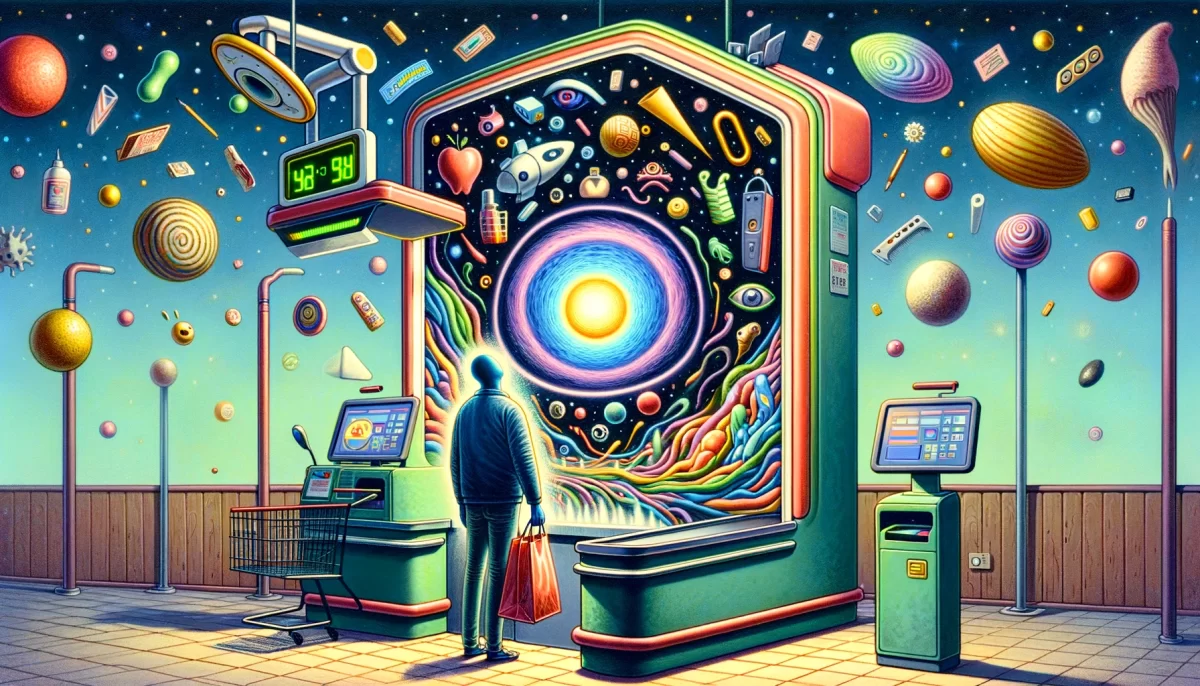
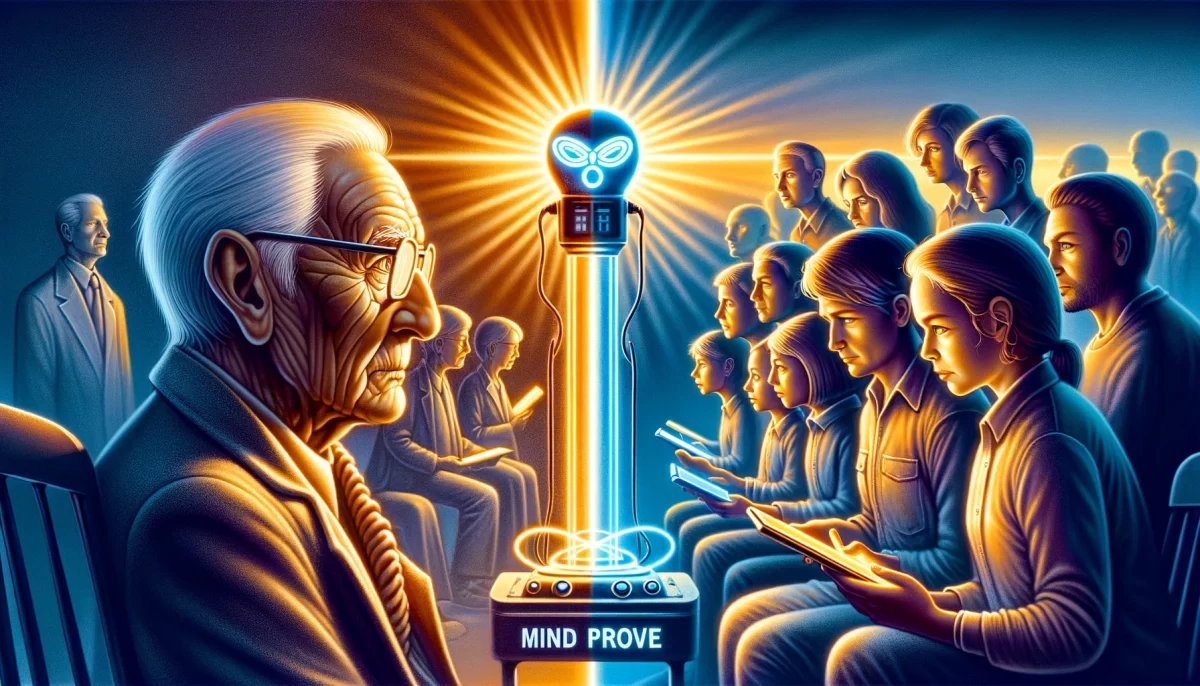
Whether comforting or disconcerting, this philosophy offers a profound shift in how we perceive our lives and the events that shape them. It suggests a universe where everything is interconnected, where each soul contributes to the experiences of the whole, and where even the most difficult experiences are seen as vital chapters in an expansive, cosmic narrative. This view can lead to a radical redefinition of empathy, responsibility, and personal growth, as it challenges us to see ourselves in everyone and every situation.