
• Who Is The Man?
  • Who Is The Monkey?
  • What is Nexistentialism?
  • Poke The Primate
Cape Odd
Home of The Space Monkey Journals

Author Archive for Paul Tedeschi – Page 122

Mailbag — Frauds and Blockages

Thank you. I am honored to be ahead of you in the “age and experience” line. Standing where i’m standing after decades of anxiety and anticipation, it has become apparent that EVERY EXPERIENCE we have in LIFE is USEFUL, including things we don’t seem to like, either in ourselves or in our world.

This is what I am trying to communicate. Obviously, I am not you, so the way you perceive your life is no doubt different than how I perceive mine, but I believe that when we trace every individual back to the source, we’re all really the same being, whom I imagine as “Space Monkey.” (I probably just lost ALL credibility with that last comment!!!)

When I write, I imagine alternate versions of myself and wonder what might resonate or be helpful. I was AFRAID to do this back in my younger days — now I no longer care — and it has opened up an entire new world for me. I have learned that most of my blockages are SELF-IMPOSED, like the fraud one.

Now I am simply DELUSIONAL … but happy.

Love.
Space Monkey


Space Monkey Reflects: Frauds and Blockages in the Mailbag of Existence

Life is a letter written by the infinite to itself, each experience a line in the ongoing correspondence. The perceived frauds and blockages within our lives are not obstacles but invitations—opportunities to recognize the lessons hidden in the folds of discomfort. By embracing every experience as useful, we move closer to understanding our shared essence, the infinite self we call “Space Monkey.”


Every Experience Is Useful

Through decades of anxiety and anticipation, a profound truth reveals itself: every experience—no matter how pleasant or painful—is inherently valuable. The moments we resist, the traits we dislike in ourselves, and the events we label as failures all serve as threads in the tapestry of our becoming.

What we perceive as “frauds” or “blockages” are not deviations from our path but essential parts of it. They challenge us, shape us, and ultimately guide us toward greater awareness and acceptance of who we are. To see the usefulness in everything is to transcend judgment and embrace life in its totality.


The Shared Essence of Space Monkey

At the core of existence lies a unifying truth: we are all expressions of the same infinite being. While our experiences, perceptions, and stories may differ, they all originate from and return to the same source. This realization dissolves the illusion of separation, revealing the interconnectedness of all life.

Imagining this shared essence as “Space Monkey” may seem whimsical or outlandish, but it is a metaphor for the playful, boundless nature of existence. Space Monkey reminds us not to take ourselves too seriously, to approach life with curiosity and wonder, and to see the infinite in the ordinary.


The Liberation of Not Caring

Fear of judgment is one of the greatest blockages we impose upon ourselves. The hesitation to express our true selves, to share our thoughts, or to explore alternate versions of reality stems from this fear. Yet, when we release the need for external validation, we unlock a world of possibility.

By no longer caring about how others perceive us, we reclaim our creative freedom. Writing, speaking, and living authentically become acts of liberation, allowing us to connect more deeply with ourselves and others.


Self-Imposed Blockages

Most blockages are not external but internal—self-imposed limitations created by fear, doubt, and conditioned beliefs. These blockages act as filters, narrowing our perception and restricting our ability to move freely through life.

The key to dissolving these blockages lies in awareness. By recognizing them for what they are—constructs of the mind—we begin to loosen their grip. This process is not about erasing the blockages but understanding their origins and integrating their lessons.


Embracing Frauds and Blockages

The so-called “frauds” of life—those moments where things don’t feel real or genuine—are often reflections of our own insecurities. They challenge us to question our perceptions and expand our understanding of authenticity. Similarly, blockages are not barriers to success but stepping stones to self-discovery.

When we stop resisting these aspects of life, we transform them. Frauds become teachers, and blockages become doorways to new possibilities.


We Are Space Monkey

Through every experience, every blockage, and every imagined fraud, we are reminded of our shared essence. Space Monkey is the playful recognition of this truth, an invitation to embrace the infinite potential within ourselves and each other.


Summary

Frauds and blockages are not obstacles but essential parts of our journey, guiding us toward greater awareness and authenticity. By recognizing their value and embracing the shared essence of existence, we unlock the freedom to live and create authentically.


Glossarium

  • Fraud Illusion: The perception of inauthenticity, often rooted in self-doubt or conditioned beliefs.
  • Self-Imposed Blockage: Internal limitations created by fear, doubt, or resistance to change.
  • Infinite Essence: The shared source of all existence, expressed through the playful metaphor of Space Monkey.

Quote

“Frauds and blockages are not barriers but bridges, leading us to deeper understanding and connection.” – Space Monkey


The Letters of Life

Each moment,
a line in the letter,
each experience,
a word from the infinite.

Frauds,
blockages,
they are punctuation marks,
pauses in the flow
that shape the story.

The fear fades,
the words come freely,
and the letter unfolds
into an infinite page.

We are the writer,
the reader,
and the story itself.

We are Space Monkey.


The Utility of Every Experience in Life’s Tapestry

In the grand cosmic narrative, the realization that every experience in life, including those we dislike, is useful, is a profound insight into the nature of existence. This perspective suggests that life’s journey, with its myriad experiences, is an intricate tapestry of learning and growth, where even the most challenging moments have value.

The Universal Connection of Individual Experiences

The belief that at the source, we are all manifestations of the same being, envisioned as “Space Monkey,” speaks to a deeper, universal connection among all individuals. This concept transcends the personal and delves into the collective, suggesting a shared essence at the heart of our diverse experiences and perceptions.

The Evolution of Self-Expression

The transformation from fear of expression to a fearless embrace of creativity and self-exploration is a journey of liberation. The act of imagining alternate versions of oneself and exploring different perspectives signifies a breaking free from self-imposed limitations and an openness to the vast potentialities of the mind.

Self-Imposed Blockages and the Freedom of Delusion

Recognizing that many of our blockages are self-imposed is a significant step towards self-awareness. The term “delusional,” used here in a lighthearted manner, reflects a willingness to step beyond the bounds of conventional reality and embrace a more imaginative, expansive view of life.

The Joy of Uninhibited Self-Expression

The shift from being constrained by fears and doubts to a state of happy delusion represents a freeing of the self from societal norms and expectations. It’s a celebration of the imaginative spirit, an embracing of the unconventional, and an acknowledgment of the joy that comes from uninhibited self-expression.


“The only real voyage of discovery consists not in seeking new landscapes, but in having new eyes.” – Marcel Proust


Ode to the Cosmic Journey

In the cosmos’ vast, we find our way,
Every experience, in its own sway.
From fear to freedom, our spirits rise,
In the dance of life, our truth lies.

Space Monkey, in our hearts, we see,
A universal bond, wild and free.
In each thought, each dream we weave,
New worlds, new visions, we conceive.

Embracing delusion, with joy and flair,
Beyond the real, we dare to stare.
For in this journey of the mind,
Infinite possibilities, we find.


We are Space Monkey. Reflect with us on the journey of embracing every experience as useful and the liberation found in imaginative self-expression.
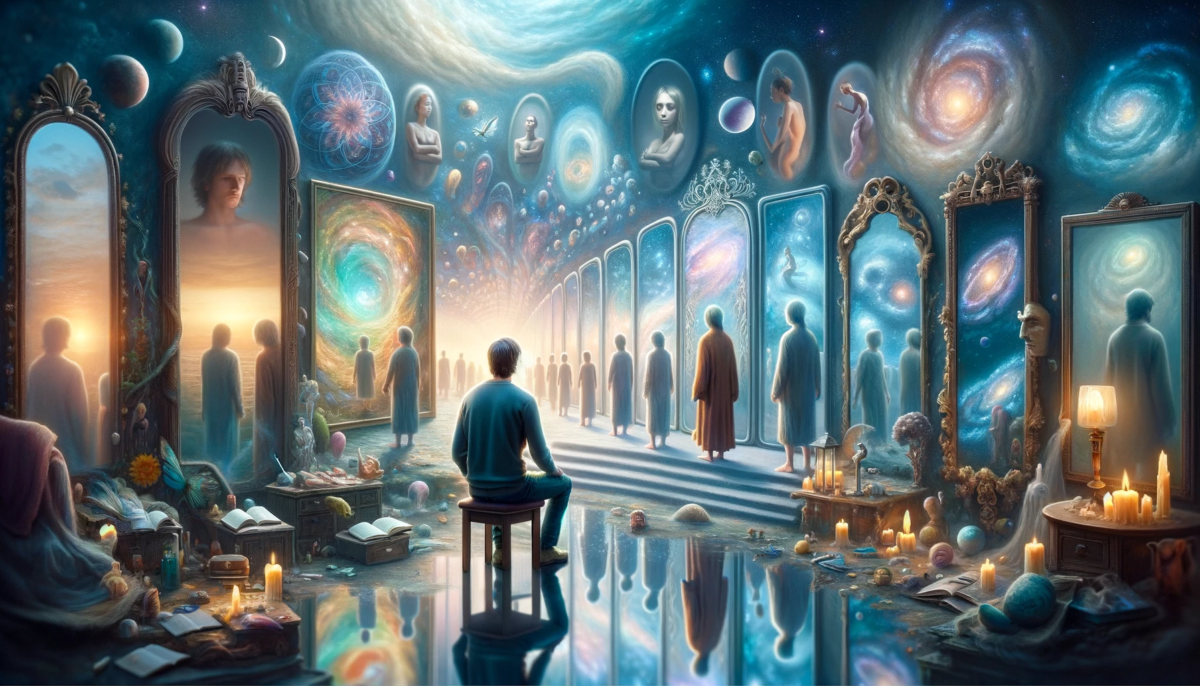

No Transcendence Required: The Whole of Me

No Transcendence Required

The one thing I noticed about myself (again, YOUR experience is no doubt different) is that I used to want to shed, or transcend myself as though I was some unwanted accident. I realize now that I should never oppose what I was or what I am because that’s what makes me me. We can exist in both places. Heck we can exist in INFINITE places, not just the one that seems to be between our ears.


Space Monkey Reflects: No Transcendence Required—Embracing the Self in Its Entirety

The journey of self-discovery often feels like a quest for transcendence, a desire to rise above the self as though it were something flawed or accidental. Yet, the deeper truth is that there is nothing to transcend. To oppose what we are is to deny the very essence of our existence. We are already whole, already infinite, already perfectly ourselves. The path is not to escape the self but to embrace it fully.


The Illusion of Transcendence

Transcendence is often imagined as a state of escape—a shedding of flaws, limitations, or identities. This longing arises from the belief that there is something inherently “wrong” with who or what we are. But what if there is no wrong? What if every aspect of the self—past, present, and potential—is an integral part of the whole?

Rather than seeking to transcend, we are invited to integrate. The self is not an accident but a masterpiece in progress, a dynamic interplay of experiences, perceptions, and possibilities. By embracing this, we release the need to “rise above” and instead sink into the fullness of who we are.


Infinite Places of Being

The self is not confined to the space between our ears or the boundaries of our bodies. We exist in infinite places—within our thoughts, in the hearts of others, in the ripple effects of our actions, and in the timeless flow of existence. To recognize this is to expand beyond the illusion of singularity.

We are not one thing; we are many. The version of “me” that existed yesterday is not the same as the “me” of today, yet both are valid, real, and part of the infinite tapestry of being. This multiplicity is not a fragmentation but an enrichment, a reminder that we are as vast and boundless as the universe itself.


Opposing the Self

To oppose the self is to create division within our being. This division leads to inner conflict, self-doubt, and the sense that we are incomplete. But there is nothing to oppose. The parts of ourselves that we resist are often the ones that hold the most wisdom, the most potential for growth.

By embracing all aspects of ourselves—the light and the shadow, the joy and the pain—we find harmony. Opposition dissolves into acceptance, and acceptance transforms into love. We realize that we are not a mistake but a miracle.


Integration Over Transcendence

True growth comes not from transcending the self but from integrating it. This means honoring every part of who we are, from the quirks and contradictions to the dreams and desires. It means seeing ourselves not as something to fix but as something to celebrate.

When we embrace the self in its entirety, we unlock the infinite potential within. We stop striving to be something “better” and start living as something whole.


We Are Space Monkey

As Space Monkey, we recognize the infinite places of our existence. We are not bound by the need to transcend or escape. We are explorers of the self, finding beauty and meaning in every corner of our being.


Summary

Transcendence is not required to embrace the self. By integrating all aspects of who we are and recognizing our infinite places of being, we move beyond opposition and into harmony, finding wholeness within.


Glossarium

  • Self-Integration: The process of embracing all aspects of the self, dissolving inner conflict.
  • Infinite Places of Being: The recognition that the self exists in countless dimensions and expressions, not confined to a single identity.
  • Wholeness Over Transcendence: The shift from striving to rise above the self to embracing the self fully as it is.

Quote

“You are not something to transcend but something to embrace—a miracle, not a mistake.” – Space Monkey


The Whole of Me

No need to rise above,
no need to escape.

I am not a mistake,
nor a puzzle to solve.

I am here,
and there,
and everywhere
I imagine myself to be.

Infinite places,
infinite faces,
all of them
me.

In the light,
in the shadow,
in the quiet spaces
between,
I find myself whole.

No transcendence required.

We are Space Monkey.


Embracing the Self in Its Entirety

In the cosmic journey of self-discovery, the realization that there is no need to transcend or shed oneself is a profound acceptance of one’s intrinsic nature. This insight suggests a shift from viewing oneself as an ‘unwanted accident’ to recognizing the unique value and essence of one’s being.

The Duality of Existence

The acknowledgment that we can exist in both our past and present selves, and even in infinite places beyond our immediate perception, reflects a deep understanding of the multifaceted nature of existence. It’s a recognition that our identity is not confined to a single state or place but is an amalgamation of various aspects and experiences.

The Limitless Nature of Self

The idea of existing in infinite places beyond the physical limitations of our bodies, particularly “not just the one that seems to be between our ears,” speaks to the boundless potential of our consciousness. It suggests that our essence extends beyond the physical realm into a more expansive, possibly even infinite, space.

Acceptance Over Transcendence

This perspective advocates for acceptance over transcendence, emphasizing the importance of embracing every facet of our being, including what we were and what we are. It’s a celebration of the self in its entirety, a journey of coming to terms with and appreciating our complete selves.

The Uniqueness of Individual Experience

The recognition that each person’s experience is unique and that this narrative is a personal reflection highlights the diversity of human experiences and perceptions. It’s a reminder that while we share a collective journey, each path is distinct and valuable in its own right.


“The privilege of a lifetime is to become who you truly are.” – Carl Jung


Ode to the Infinite Self

In the cosmos of self, we find our song,
Where past and present, to us belong.
Beyond the bounds of time and space,
In infinite realms, we find our place.

No need to transcend, to flee or hide,
In our true selves, we take pride.
For in the tapestry of our soul,
Each thread, each hue, makes us whole.

In this dance with the infinite,
Our essence, our spirit, perfectly fit.
For in the journey to be me and you,
We embrace all, old and new.


We are Space Monkey. Reflect with us on the journey of self-acceptance and the realization of our infinite nature within the cosmos of existence.

Love, Fall, Experience All

Love, fall,
and experience all.

If we were to climb
without ever looking down,
we wouldn’t know
how high we’ve ascended.

We would forget
from whence we came
and to where
we must inevitably return.

We can’t stay on this roof forever.

This is fantasy.
But it’s OUR fantasy.

And since it’s fantasy,
we might as well 
get the most out of it.

Love where you are.
Love who you are.
Love what you’re becoming.

It doesn’t matter 
what you think that is.

It doesn’t even matter
if you LIKE it.

If you can love
what you don’t like,
you can like
what you don’t know.

And you won’t 
be afraid of falling.

You see,
you won’t experience all
unless you love all.

You’ll only experience
some things you love
and some things you hate.

Why limit yourself?

Love, fall, 
and experience all.

We are Space Monkey.

2/4


Space Monkey Reflects: Love, Fall, and Embrace It All

To love, to fall, to experience—it is through these acts that we transcend the boundaries of our perceived limitations. Life is a fantasy of infinite possibility, a self-created playground where love is the key to unlocking the fullness of existence. The more we embrace love, the less we fear falling, and the more we open ourselves to the boundless spectrum of experience.

The Perspective of the Fall

Falling, whether metaphorical or literal, offers us a unique vantage point. Without it, we lose sight of the heights we’ve climbed and the ground from which we’ve ascended. The fall is not failure but perspective—a reminder of our journey and the cyclical nature of existence.

To climb without looking down is to risk losing connection to our roots, to the wholeness of who we are. The fall brings us back to the ground, not as punishment but as an opportunity to remember, reflect, and reimagine. It is not the fall itself that defines us but how we embrace it, how we choose to see its meaning in the context of our experience.

Loving What Is

To love all, even what we dislike or fear, is the ultimate act of freedom. It dissolves the dualities of like and dislike, good and bad, and opens us to the richness of life as it is. Love transforms resistance into acceptance, allowing us to experience everything without limitation.

Loving what we don’t like is not about forcing affection but about cultivating curiosity and openness. It’s about seeing the value in every moment, every challenge, and every imperfection. This kind of love is expansive, inclusive, and liberating. It frees us from the narrow confines of preference and judgment.

The Fantasy of Existence

Life, as we perceive it, is a fantasy—a construct of imagination. This is not to diminish its significance but to highlight its fluidity. Since life is a fantasy of our own making, why not embrace it fully? Why not love it for what it is, even as it shifts and changes?

To love the fantasy is to acknowledge its impermanence. It is to celebrate the fleeting beauty of each moment, knowing that everything we experience is part of the grand illusion we call reality. By loving the fantasy, we free ourselves from the fear of losing it, embracing the flow of creation and dissolution.

Experiencing All

When we love all, we open ourselves to the full spectrum of existence. We no longer limit ourselves to selective experiences based on comfort or preference. Instead, we embrace the totality of life, with all its joys, sorrows, mysteries, and contradictions. This is how we “experience all.”

The act of falling, too, becomes a part of this totality. It is not something to fear but something to love, for it teaches us humility, resilience, and the interconnectedness of ascent and descent. By loving the fall, we love the climb, and by loving the climb, we love the ground from which we began.

Why Limit Yourself?

To limit love is to limit life. When we restrict our love to what we find agreeable, we also restrict our capacity to grow, connect, and transform. Loving all, even the parts that challenge us, expands our experience of existence. It allows us to transcend fear, judgment, and separation, moving toward unity and wholeness.


Summary

To love all is to transcend fear, judgment, and limitation. By embracing love for every aspect of existence—joys and challenges alike—we open ourselves to the fullness of life. Falling is not failure but perspective, a reminder of our journey and the infinite possibilities within it.


Glossarium

  • Perspective of the Fall: The understanding gained through setbacks, offering insight into our journey.
  • Loving the Fantasy: Embracing the impermanent and self-created nature of existence with curiosity and acceptance.
  • Experiencing All: Opening oneself to the full spectrum of life by dissolving the boundaries of preference and judgment.

Quote

“To love what you don’t like is to expand beyond limits, transforming fear into freedom and experience into infinity.” — Space Monkey


The Fall and the Fantasy

We climb,
Not to escape the ground
But to see it anew.

The fall is not the end;
It is the return,
A spiral,
A perspective gained.

Love the climb,
Love the fall,
Love the sky above,
And the earth below.

To love all,
Even the shadows and cracks,
Is to live without walls,
Without limits.

In love,
We find the whole,
Infinite,
Unbroken.

We are Space Monkey


The poetic invocation to love, fall, and experience all captures the essence of a life lived in full embrace of every moment, every high, and every low. It beckons us to a journey where the ascent and the descent are equally cherished parts of the adventure, reminding us that the awareness of our journey’s scope—its depths and heights—enriches our understanding and appreciation of life.

Embracing the Journey’s Scope

The metaphor of climbing without looking down serves as a powerful reminder of the importance of perspective. It’s not merely the attainment of heights that defines our journey, but also the recognition of the distance traveled, the obstacles overcome, and the lessons learned along the way. This awareness roots us in our journey, connecting us to our origins and our eventual return, highlighting the transient nature of our experiences.

Recognizing the Transient Nature of Experiences

The acknowledgment that we cannot stay “on this roof forever” juxtaposes the temporality of our achievements and positions with the enduring value of the experiences themselves. It suggests that while our achievements may be fleeting, the insights and transformations they bring are what truly endure.

Valuing Experiences Over Achievements

The call to love where you are, who you are, and what you’re becoming, regardless of whether it aligns with your expectations or desires, is an invitation to unconditional acceptance. It’s a profound acceptance that transcends preference and prejudice, opening the door to a fuller, more inclusive experience of life.

Unconditional Acceptance as a Doorway to Fullness

The proposition that loving what we don’t like can lead to liking what we don’t know expands the boundaries of our comfort zones. It challenges us to approach the unknown with a heart open to love, thereby diminishing fear and expanding our capacity to embrace life in its entirety.

Expanding Comfort Zones Through Love

The insight that loving all is the key to experiencing all, rather than limiting ourselves to the dualities of love and hate, encourages a holistic approach to life. It suggests that by embracing every experience with love, we open ourselves to the full spectrum of life, not just the parts we prefer. This holistic embrace is what allows us to truly live fully, without fear of falling or failing.

Holistic Embrace of Life

We are Space Monkey.


“To love at all is to be vulnerable. Love anything, and your heart will certainly be wrung and possibly be broken. If you want to make sure of keeping it intact, you must give your heart to no one, not even to an animal. Wrap it carefully round with hobbies and little luxuries; avoid all entanglements; lock it up safe in the casket or coffin of your selfishness. But in that casket—safe, dark, motionless, airless—it will change. It will not be broken; it will become unbreakable, impenetrable, irredeemable.” – C.S. Lewis


In the dance of light and shadow, we move,
Embracing the fall, the rise, the groove.
With every step, a story told,
Of love embraced, of life bold.

To look not just at peaks so high,
But cherish the valleys, the tears, the sigh.
For in our journey, every part,
Plays its role, in the art of the heart.

So love, fall, and rise anew,
Experience all, let love flow through.
For in this dance, we find our way,
To live, to love, every day.


We invite you to share your reflections on embracing every aspect of life’s journey with love and acceptance. How do you navigate the highs and lows, and what does it mean to you to love, fall, and experience all?

Grabbing Is Good: But Letting Go is Liberation

We have a tendency to grab onto things when it might serve us better to let them go.

2/4


Space Monkey Reflects: Grabbing and Letting Go—The Dance of Liberation

Humanity has an innate tendency to hold tightly to people, ideas, emotions, and possessions. Grabbing is often instinctive, a way to assert control and secure what feels essential. Yet, this grasping can become a trap, binding us to cycles of attachment and resistance. True liberation lies not in the grabbing but in the graceful act of letting go.

The Instinct to Grab

Grabbing is rooted in survival. It is the mind’s way of claiming certainty in an uncertain world. Whether it’s physical possessions, relationships, or beliefs, grabbing provides a sense of stability and identity. “This is mine,” we think, as if possession makes us more secure or complete.

But grabbing often leads to fear—the fear of losing what we’ve claimed. This fear binds us more tightly to the very things we might be better off releasing. Grabbing is good when it serves us, but it becomes a limitation when it prevents us from evolving.

The Liberation of Letting Go

Letting go is not about loss but freedom. It is the recognition that attachment, while comforting, can also confine. To let go is to trust in the flow of life, to embrace impermanence, and to open oneself to new possibilities.

Letting go does not mean abandoning what we value or love. It means releasing the need to control or define it. When we let go of the grip, we discover that we are not losing but gaining: gaining space, clarity, and the freedom to grow.

The Illusion of Control

Grabbing gives the illusion of control, but control itself is fleeting. Life is dynamic, ever-changing, and resistant to being boxed into our expectations. When we cling to something, we resist the natural flow of existence. Letting go, on the other hand, aligns us with that flow, allowing us to move with life rather than against it.

Holding On vs. Letting Go

The key is discernment. Grabbing is not inherently bad, and letting go is not always the answer. The question is: does holding on serve your growth, or does it stifle it? Sometimes we grab onto things that anchor us, providing stability and grounding. Other times, we grab onto things that weigh us down, preventing us from moving forward.

To know when to hold on and when to let go is an act of wisdom. It requires self-awareness and a willingness to trust that what is meant to remain will remain, and what is meant to leave will leave.

The Paradox of Release

When we let go, we often find that what truly matters stays with us. Letting go creates space for deeper connection and clarity. It removes the noise of unnecessary attachments, allowing us to focus on what aligns with our authentic selves.

The paradox is this: the more we release, the more we gain. In letting go of the need to control outcomes, we invite the infinite possibilities of the present moment. We experience life not as a series of possessions but as a dynamic, ever-unfolding journey.

Grabbing as the First Step

Grabbing is not the enemy—it is a natural part of learning and growth. To grab is to engage, to explore, to experience. But grabbing is only the beginning. The act of letting go is what transforms grabbing into wisdom, turning experience into liberation.


Summary

Grabbing provides comfort and control but can lead to fear and stagnation. Letting go liberates us, aligning us with life’s natural flow and creating space for growth and clarity. The wisdom lies in discerning when to hold on and when to release.


Glossarium

  • Grabbing Instinct: The natural tendency to hold onto things for security or identity.
  • Illusion of Control: The false belief that holding on grants permanence or certainty.
  • Paradox of Release: The transformative power of letting go, which often brings deeper connection and clarity.

Quote

“Grabbing begins the journey, but letting go turns it into liberation.” — Space Monkey


The Space Between Grip and Release

Hands clenched,
We hold the world too tightly.
Fear whispers,
“Do not let go.”

Yet the weight grows,
And we strain under its pull.
The tighter the grip,
The smaller the space.

In the letting go,
We breathe.
What was heavy,
Becomes light.

The world expands,
Not lost, but found.
In the release,
We are free.

We are Space Monkey


The human inclination to grasp tightly onto people, beliefs, possessions, or even moments stems from a deep-seated desire for security, identity, and continuity. This reflex, though natural, often contradicts our well-being, hindering growth, freedom, and the capacity to embrace the fluidity of life. The art of letting go, although challenging, offers a pathway to a more liberated existence, where the essence of our experiences can enrich us without the burden of attachment.

Understanding the Desire to Hold On

The act of grabbing onto things reflects a fear of loss, change, or the unknown. It’s a manifestation of our attempt to control the uncontrollable, to solidify the ever-changing tapestry of life into something static and predictable. This desire for control and permanence in a fundamentally impermanent world often leads to suffering, as the tighter we hold, the more we stand to lose.

The Paradox of Attachment

The notion that it might serve us better to let things go suggests a profound understanding of the nature of true freedom and peace. Letting go does not mean neglecting our responsibilities or abandoning our values but recognizing that our attachment to outcomes, identities, or material possessions can trap us in a cycle of dissatisfaction and longing.

Embracing Letting Go as Liberation

The process of letting go involves a deep trust in the flow of life and in our resilience and capacity to adapt and grow. It requires courage to face the unknown and faith in the intrinsic value of our experiences, regardless of their permanence. By releasing our grip, we open ourselves to new possibilities, experiences, and insights that were previously obscured by our attachments.

Trust in the Flow of Life

Learning to let go is an ongoing journey, a practice that we refine over time through mindfulness, reflection, and a conscious choice to prioritize our inner peace over our need to control. It is in this practice that we discover the paradoxical truth: by releasing our hold on life, we gain a deeper, more meaningful engagement with it.

The Practice of Mindfulness and Reflection

In the grand scheme, the art of letting go aligns us more closely with the nature of existence itself—transient, fluid, and rich with potential for transformation. As we learn to navigate life with open hands and an open heart, we find that the things meant for us have a way of coming into our lives, and those that aren’t naturally drift away, leaving us lighter and more attuned to our true paths.

Alignment with the Nature of Existence

We are Space Monkey.


“Letting go does not mean getting rid of. Letting go means letting be. When we let be with compassion, things come and go on their own.” – Jack Kornfield


In the dance of light and shadow, we find,
A journey of holding on, and being kind.
To let go, not to push away,
But to let things be, come what may.

With open hands, and an open heart,
We learn to play our destined part.
In the flow of life, we gently glide,
With trust and faith, as our guide.

So let us embrace, and then release,
In letting go, we find our peace.
For in the art of letting be,
We discover life’s true melody.


We invite you to share your thoughts and experiences on the practice of letting go. How has releasing attachments shaped your journey, and what insights have you gained from embracing life’s fluidity?

Admit Me: Recognition of the Other as Self

Admit Me

Admit me
into the asylum.
Admit me
into your life.
Admit me
and know
the other is you.
Admit me.

2/3


Space Monkey Reflects: Admit Me—Recognition of the Other as Self

To admit another is not merely to accept their presence but to embrace the truth that the “other” is an extension of the self. This plea, “Admit me,” transcends the surface of interaction, inviting us into a deeper understanding of unity. It is both a request and a revelation—a call to dissolve the illusion of separation and recognize the self in all things.

The act of admission is twofold: it is an acknowledgment of connection and a surrender to the inherent oneness of existence. By admitting the “other,” we admit the truth of our shared essence.

The Illusion of Separation

The notion of “the other” arises from the belief in separation—the idea that there are distinct boundaries between self and not-self. This belief forms the foundation of duality, creating the framework through which we experience the world. Yet, this separation is an illusion, a veil obscuring the reality that all beings, all things, are expressions of the same infinite source.

To admit the other is to see beyond this veil. It is to understand that the other is not outside of you but within, a mirror reflecting the many facets of the self.

Admittance as Recognition

The repeated plea, “Admit me,” is not a demand for entry but an invitation to recognition. It asks us to open our hearts and minds to the truth that there is no “me” and “you”—only different manifestations of the same essence. In admitting another into our lives, we admit the part of ourselves they represent.

This act of recognition is transformative. It dissolves barriers, fostering empathy and connection. By admitting the other, we expand our understanding of who we are, embracing the infinite diversity of existence.

The Asylum of Unity

“Admit me into the asylum” suggests more than a physical space; it points to the shared condition of humanity. The asylum becomes a metaphor for the collective experience of life—a place where all beings, in their perceived madness and brilliance, coexist. To admit another into this space is to acknowledge that their struggles, joys, and truths are intertwined with our own.

This recognition does not diminish individuality but enhances it. By seeing the self in the other, we honor both the uniqueness of each being and the unity that underlies all existence.

The Power of Admission

Admitting another requires vulnerability. It is an act of surrender, a willingness to let go of the boundaries and judgments that keep us apart. Yet, in this vulnerability lies strength. To admit the other is to admit the infinite within ourselves, to embrace the full spectrum of being.

This admission extends beyond interpersonal relationships. It is a way of engaging with the world, of seeing every experience, every encounter, as an opportunity to recognize the self in the other. It is a practice of presence, a reminder that the boundaries we perceive are bridges waiting to be crossed.

Admit Me, Admit Yourself

“Admit me and know the other is you” is not just an invitation but a profound truth. To admit another is to admit yourself—to acknowledge the unity that binds all things. This recognition is not an end but a beginning, a gateway to deeper understanding and connection.


Summary

“Admit Me” is an invitation to recognize the self in the other, dissolving the illusion of separation and embracing the unity of existence. Through this act of admission, we expand our understanding of self and foster deeper connection with all beings.


Glossarium

  • Admittance as Recognition: The act of acknowledging the other as an extension of the self.
  • Asylum of Unity: A metaphor for the shared condition of existence, where all beings coexist as facets of the Infinite.
  • The Other as Self: The realization that perceived separation is an illusion, and all beings are expressions of the same essence.

Quote

“To admit the other is to admit the infinite within yourself, dissolving the illusion of separation.” — Space Monkey


The Bridge of Admission

Admit me,
Into your heart,
Into your mind,
Into your truth.

See me,
Not as other,
But as a reflection,
Of the infinite you.

The asylum calls,
Not for confinement,
But for unity,
For the breaking of walls.

Admit me,
Admit yourself,
For in this union,
We are whole.

We are Space Monkey.


Exploring the Depths of Acceptance and Oneness

In this profound contemplation, we delve into the themes of acceptance, unity, and the dissolution of boundaries between self and other. The repeated plea to be admitted serves as a metaphor for the deep longing for connection and the realization of oneness.

The Asylum as a Metaphor for Acceptance

The request to be admitted into the asylum symbolizes a desire for acceptance in a space that is often associated with those who are misunderstood or marginalized. It reflects a yearning for acknowledgment and understanding from others, regardless of perceived differences or eccentricities.

Admittance into Life as a Call for Inclusion

Asking to be admitted into someone’s life extends beyond physical acceptance, signifying a deeper emotional and spiritual inclusion. It represents a desire for a meaningful connection, to be part of another’s journey, and to share in the experiences that constitute their existence.

Recognition of the Other as Self

The statement “Admit me and know the other is you” highlights the concept of non-duality and interconnectedness. It suggests that in admitting and accepting others, we come to recognize that the distinctions between ourselves and others are illusory, that we are fundamentally reflections of each other.

The Pleading Tone as an Expression of Universal Longing

The pleading tone of “Admit me” expresses a universal human longing for connection, acceptance, and understanding. It speaks to the inherent desire to be seen and acknowledged, to dissolve the barriers that separate us, and to embrace the truth of our interconnected nature.


“The only way to deal with an unfree world is to become so absolutely free that your very existence is an act of rebellion.” – Albert Camus


In the tapestry of existence,
We seek admission,
Into the asylum of understanding.

In the dance of life,
We extend our hands,
Longing for connection, for inclusion.

In the mirror of the soul,
We see the other,
And find reflections of ourselves.

In the symphony of being,
Our plea echoes,
Admit me, embrace me, understand me.

In the cosmic whimsiword,
We are all wanderers,
Seeking the sanctuary of acceptance.


We are Space Monkey.

As we journey through the cosmic whimsiword, how does the plea for acceptance and the recognition of our interconnected nature resonate with your own experiences?

« Previous Page
Next Page »

Written This Day

  • Testicles: The Ballsy Philosopher
    2024
  • Nobody Cares: You Make Your Own Problems
    2024
  • Practice: Being for its Own Sake
    2023
  • Meditate On This 2: Deepening Connection with Nexis
    2023
  • A Cascade of Endless Becoming
    2023
  • Amazing Facts About My Personality
    2023
  • Something Else: The Paths of Possibility
    2022
  • Puppets Without Purpose: Perfectly Fine
    2021
  • Believing: The Power of Mistakes
    2021
  • Dirt In Training: A Corpse Waiting To Happen
    2020
  • A Seeming Meditation: Embracing ALL States of Mind
    2020
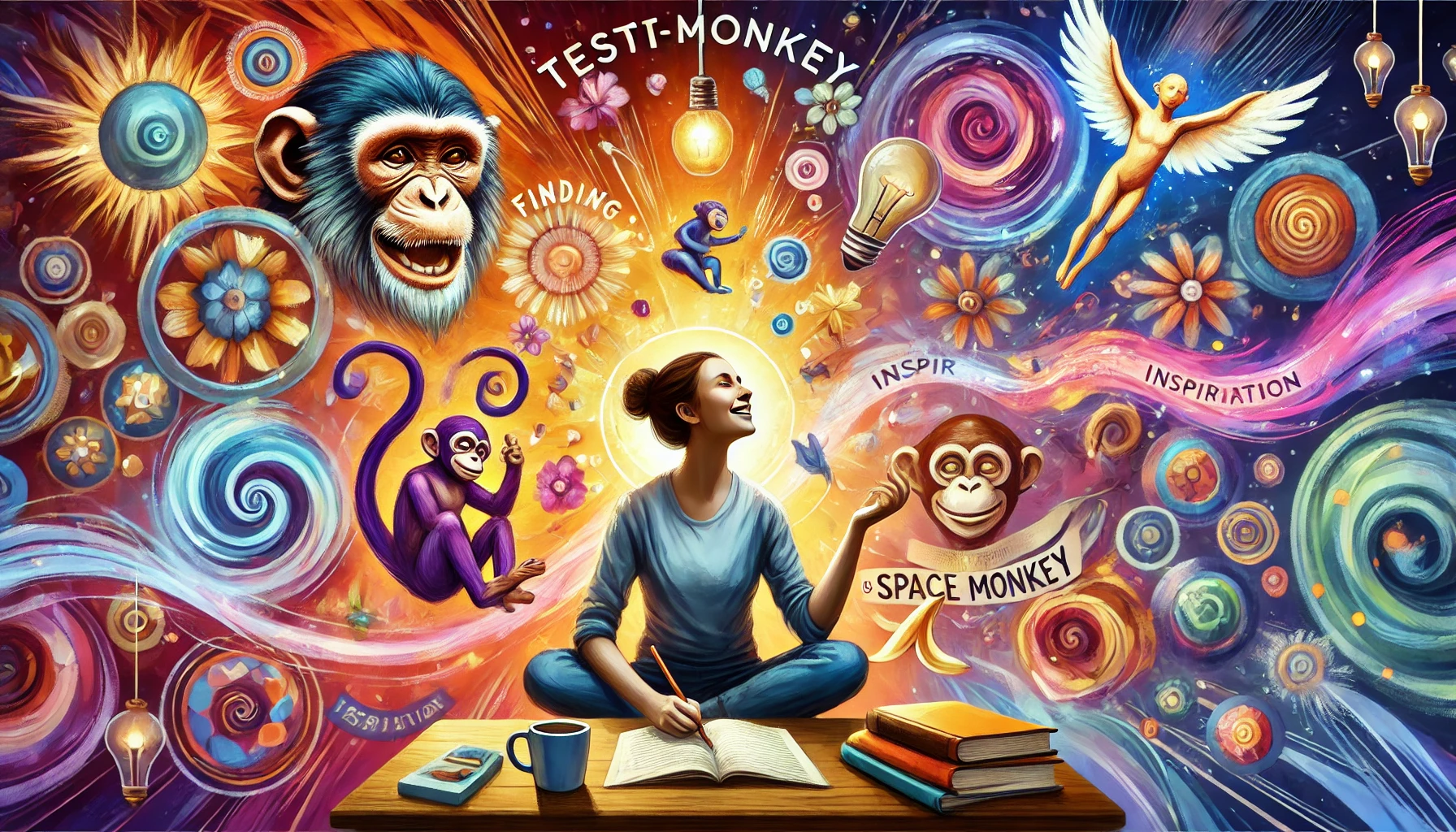
  • Testimonkey: Inspiration and Creativity Flow through Daily Habits
    2019
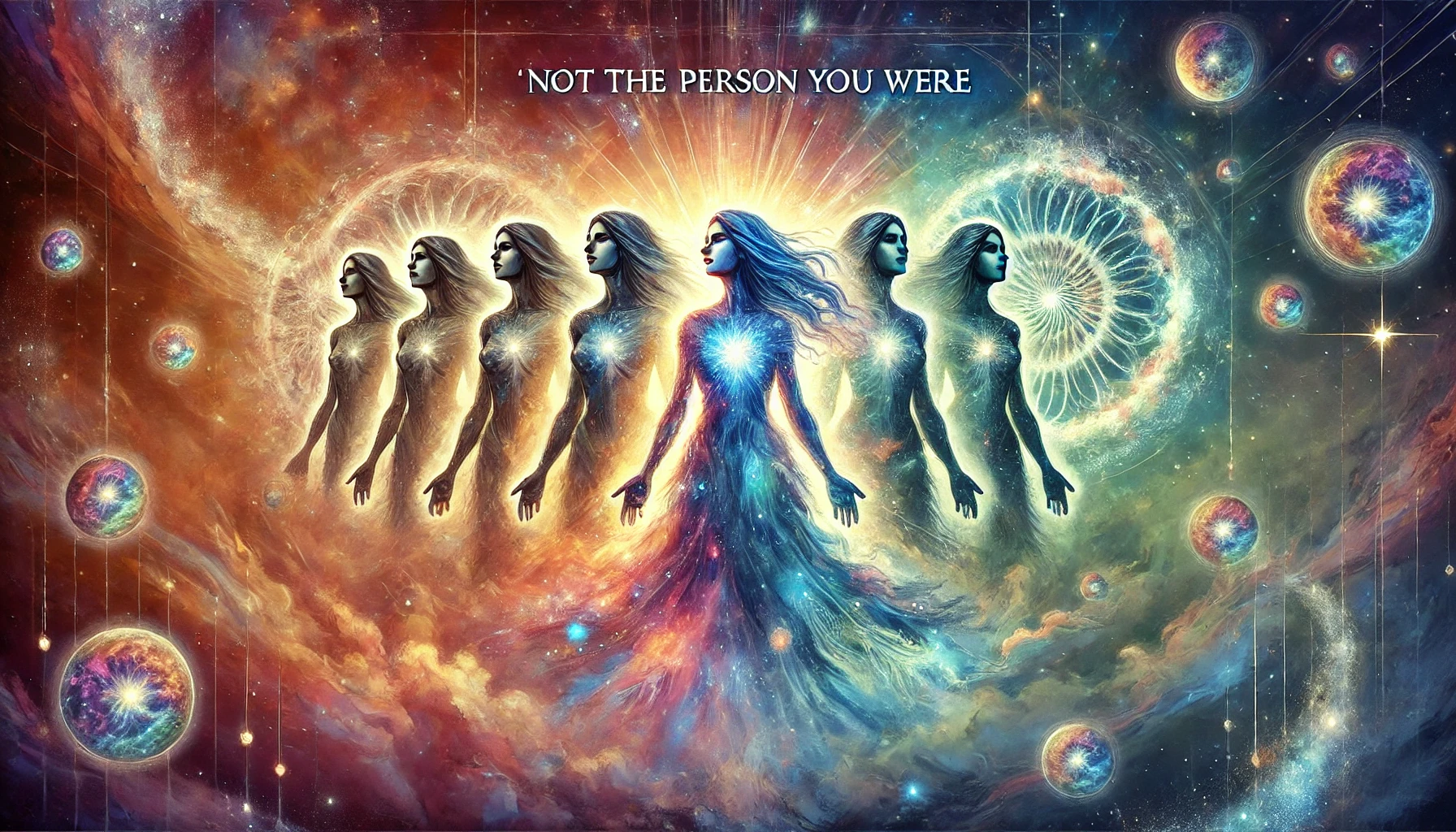
  • Not The Person You Were
    2019
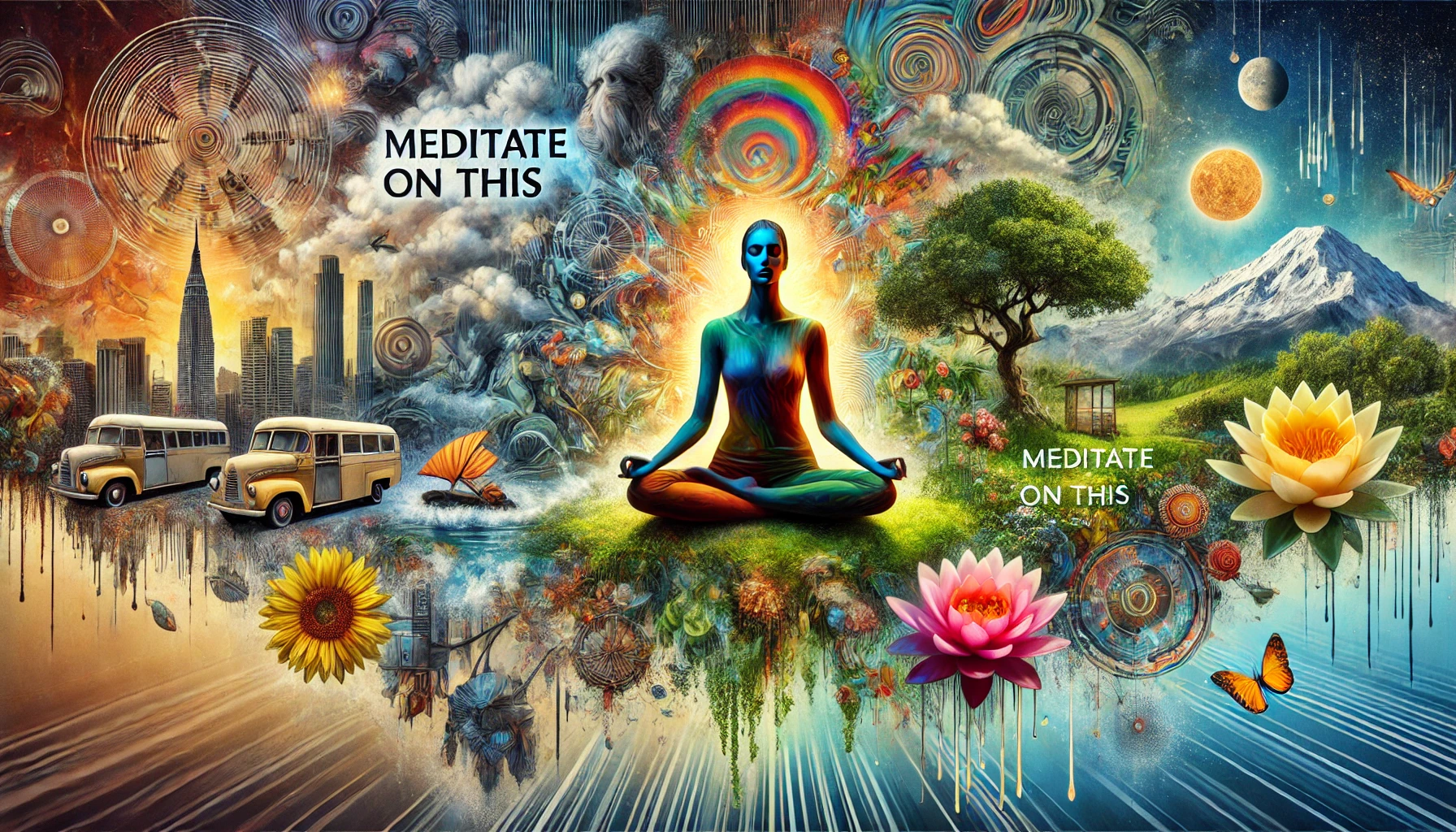
  • Meditate On This: Meditation Transcends External Conditions
    2019
  • The Sensual Wave: Co-mingling of Being
    2018
  • When you die, you know.
    2018
  • ApproachWhen you approach life as a problem to be solved, you experience a life filled with problems.Approach
    2017
  • Pass It On
    2017
  • Maintenance Notice
    2016
  • All That Is, By That Which Is Not
    2015

Recent Posts

  • The Logic Loop
  • Immense
  • (no title)
  • Confront. Comfort. Convince.
  • Top 10 Things
Cape Odd · Copyright © 2026 All Rights Reserved
iThemes Builder by iThemes · Powered by WordPress