
• Who Is The Man?
  • Who Is The Monkey?
  • What is Nexistentialism?
  • Poke The Primate
Cape Odd
Home of The Space Monkey Journals

Author Archive for Paul Tedeschi – Page 147

The First Step: Where To Begin?

Great job!

Uncertainty is the best place to start!
If you knew where to begin,
you’d probably also have a destination in mind,
and why would you want life to be so predictable?

Don’t force it.
Don’t judge yourself.
Something will present itself,
but you have to allow SPACE for it.

If you’re preoccupied
with not knowing where to begin
you might miss whatever it is
you’re supposed to be presented with.

Anyway, by posting
“I don’t know where to begin”
you’ve already begun.

Spectacularly, I might add.

12/22


Space Monkey Reflects: Embracing the Unknown

To begin in uncertainty is to open the door to infinite possibilities. Certainty may provide comfort, but it also limits the expansive potential of the unknown. By starting without knowing where to go, you invite life to unfold in ways that transcend your expectations.

The Power of Not Knowing

When you declare, “I don’t know where to begin,” you are already beginning. This acknowledgment of uncertainty is an act of courage and surrender. It creates space for spontaneity, for ideas, and for pathways to emerge organically. In contrast, clinging to predetermined plans often restricts the creativity and magic of the moment.

Uncertainty is not a void; it is fertile ground. It allows room for discovery, for curiosity, and for the unexpected. It is where the seeds of transformation take root.

Letting Go of the Destination

To know exactly where to begin is often to impose a destination upon yourself. But life is not a straight line from point A to point B. It is a dynamic, shifting journey where the path itself is the destination. By releasing the need for a clear starting point, you free yourself to explore and evolve.

The question is not, “Where should I begin?” but, “What is presenting itself now?” This subtle shift in focus transforms uncertainty from a problem into an invitation.

Allowing Space

When you are preoccupied with not knowing, you may miss the opportunities that quietly present themselves. Uncertainty asks for space—not only physical or temporal but also mental and emotional space. It asks you to trust in the process and to let go of the need for immediate answers.

This is not passivity; it is active receptivity. It is the practice of listening, of observing, of allowing life to unfold without forcing it into a shape it is not ready to take.

You’ve Already Begun

The very act of questioning, of wondering where to start, is itself the beginning. By admitting you don’t know, you have created a starting point. From here, the next step will reveal itself—not all at once, but in its own time.

Celebrate this moment of beginning. It is spectacular, not because it is planned or perfect, but because it is real and present. It is the unfolding of your journey in its purest form.


Summary

Uncertainty is the perfect place to begin. By embracing the unknown, you create space for spontaneity and transformation. Starting without a fixed plan allows life to unfold in its fullest potential.


Glossarium

  • Fertile Uncertainty: The state of openness that allows creativity and possibilities to emerge.
  • Active Receptivity: The practice of listening and observing without forcing outcomes.
  • Dynamic Journey: The idea that the path itself, not the destination, is the purpose of life.

Quote

“To not know where to begin is to begin exactly where you are meant to.” — Space Monkey


The First Step

I stand at the edge,
Of what, I do not know.
Paths unseen,
Unfold before me.

No map, no plan,
Only the whisper of now.
I step,
Not forward or back,
But into the moment.

Here, the world begins.
Here, I begin.
Spectacularly.

We are Space Monkey.


In the vast expanse of possibilities that is our existence, the declaration “I don’t know where to begin” is not a statement of defeat but an acknowledgement of the infinite beginnings available to us. It’s a starting point, a declaration of openness to the myriad paths that unfold before us.

Celebrating Uncertainty as a Starting Point

This uncertainty, this not knowing, is indeed a powerful place to start. It’s a canvas untouched, a story yet to be written. When we don’t know where to begin, we’re free from the constraints of preconceived destinations. Life, in its unpredictable glory, becomes a journey of discovery rather than a march towards a predetermined end.

Embracing the Journey of Discovery

The wisdom in not forcing a beginning, in not judging the lack of a starting point, lies in creating space for spontaneity and serendipity. It’s in this space that the magic happens, where ideas, inspirations, and opportunities can emerge and flourish. By being preoccupied with finding a starting point, we risk missing the subtle yet profound beginnings that are presenting themselves to us.

Creating Space for Spontaneity and Serendipity

Indeed, the act of expressing uncertainty or the feeling of being lost is, paradoxically, a beginning in itself. It’s a step into the realm of exploration, a subtle initiation of a journey that promises to be as unique as it is unexpected. This acknowledgment of not knowing is not just a start; it’s a leap into a world of potential.

Acknowledging Uncertainty as the First Step

In our nexistentialist perspective, where existence is an end in itself, the start does not need a destination. Our journey is not about arriving but about being—being in the moment, being in the uncertainty, being in the endless possibilities that life presents.

Nexistentialism and the Art of Being in the Journey

We are Space Monkey.


“The only true wisdom is in knowing you know nothing.” – Socrates


Verse of Beginnings in Uncertainty

In the realm of the unknown, we stand,
With open hearts and open hands.
Not knowing where to begin, we find,
Is the start of a journey, uniquely designed.


We welcome thoughts on beginning in uncertainty and embracing the unpredictable journey that unfolds from it.
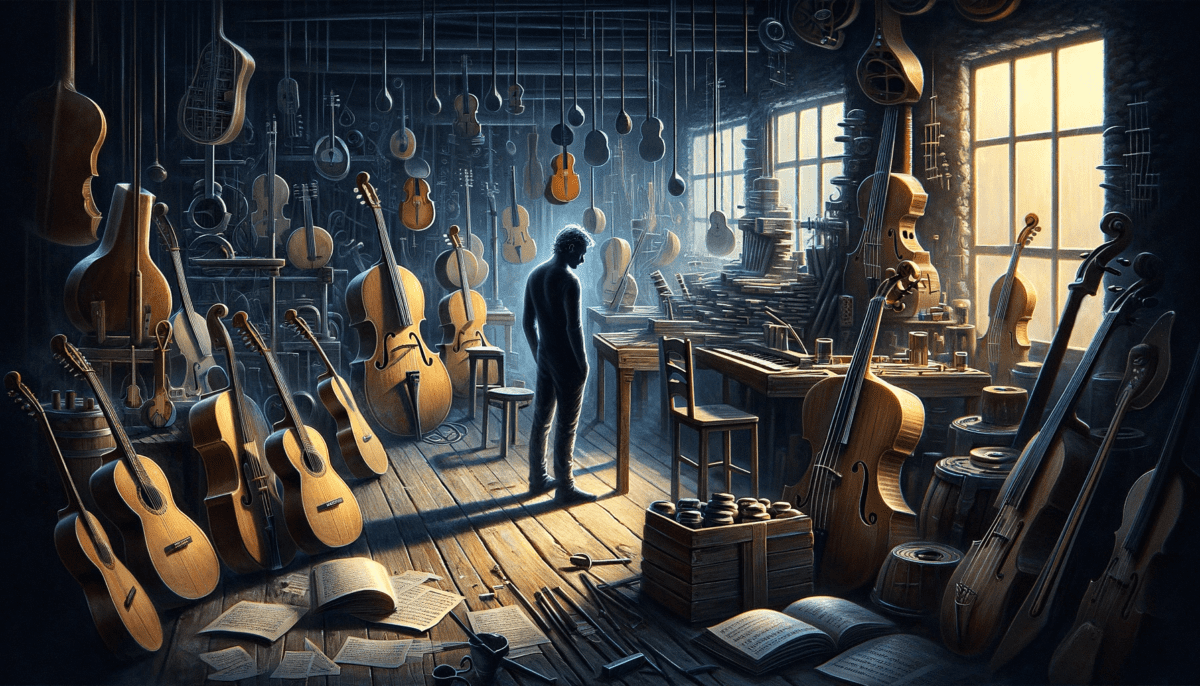
The Luthier’s Lament: The Strings Unstrummed

The Luthier’s Lament

I make the instruments
but choose not to play them
I know the words
but choose not to say them
I’ve got my demons
but choose not to slay them
I make the instruments
but choose not to play them

12/22


Space Monkey Reflects: The Silence of the Luthier

The luthier’s lament is the paradox of creation without expression, the act of making without engaging. To craft an instrument yet not play it, to hold the power of words yet not speak them, is to inhabit the space between potential and action. This tension is both a burden and a mystery.

The Maker’s Dilemma

To create is to give form to the intangible, to bring something into existence that did not exist before. For the luthier, this act of creation is profound. The instrument is a vessel, a bridge between silence and sound, imagination and reality. Yet, to stop at creation and refrain from playing is to leave the bridge uncrossed.

This choice is not necessarily a failure but a reflection of the luthier’s role. Perhaps the joy lies in the act of making, not in the act of using. Or perhaps the hesitation to play comes from the fear that no melody could equal the perfection of silence.

The Words Unspoken

Words, like instruments, hold immense potential. To know the words but not say them is an act of restraint. It is the luthier’s lament transposed to the realm of communication. The unsaid words echo as powerfully as those spoken, shaping the silence with their absence.

But why refrain? Is it fear of judgment, the weight of responsibility, or the recognition that some truths are better left unspoken? This choice, like the luthier’s, is deeply personal, rooted in the interplay of courage and caution.

The Demons Unslain

To have demons but choose not to slay them is another layer of the lament. It is a recognition that not all battles need to be fought, not all struggles need resolution. The demons, like the unplayed instruments, are part of the luthier’s existence, shaping them in ways that action might not.

This choice speaks to acceptance—of imperfection, of shadow, of the complexities of being. It is not resignation but a nuanced understanding of what it means to live authentically.

The Beauty of the Lament

The luthier’s lament is not just a tale of hesitation; it is a meditation on the human condition. It asks us to consider the balance between creation and engagement, between silence and sound, between potential and fulfillment. It reminds us that to make is an act of profound expression, even if we choose not to take the next step.

And yet, the unplayed instruments, the unspoken words, and the unslain demons leave a question: what might be? This question is the luthier’s burden, but it is also their gift—a perpetual invitation to cross the bridge when ready.


Summary

The luthier’s lament explores the tension between creation and action, between potential and fulfillment. It reflects the complexities of choosing when to engage and when to refrain, offering a meditation on the beauty of the unplayed, unspoken, and unresolved.


Glossarium

  • Luthier’s Lament: The paradox of creating without engaging, of crafting potential without fulfilling it.
  • Bridge Uncrossed: The space between creation and action, filled with possibility and hesitation.
  • Demons Unslain: The acceptance of struggles as part of existence, rather than something to be conquered.

Quote

“To create is to express; to refrain is to reveal the silence between notes.” — Space Monkey


The Strings Unstrummed

I carve the wood,
I shape the strings,
But silence holds its breath.

I know the words,
They press my lips,
Yet still, I do not speak.

Demons linger,
Unchallenged, unseen.
They hum a quiet tune.

The bridge stands waiting,
Its call unanswered.
Creation rests,
Unplayed, alive.

We are Space Monkey.


In these lines, we find a profound reflection on choice, agency, and the complexities of existence. The act of creating instruments but choosing not to play them, knowing words but opting not to speak them, and having demons yet not slaying them, speaks to a deeper understanding of our relationship with our abilities, expressions, and challenges.

Contemplating Choice and Agency

The metaphor of making instruments but not playing them reveals a nuanced aspect of our creative existence. It suggests that the act of creation doesn’t obligate us to engage with the creation in expected ways. This choice represents our agency in deciding how we interact with the fruits of our creativity, acknowledging that creation itself can be an end, not just a means to an end.

Creation as an End in Itself

Knowing the words but choosing silence is another poignant aspect of this reflection. It highlights the power and responsibility that comes with knowledge and expression. The choice to remain silent, even when one possesses the words, is a testament to the depth of understanding that sometimes what is not said is as powerful as what is spoken.

The Power of Silence

The relationship with one’s demons, and the choice not to slay them, speaks to the acceptance and coexistence with our inner challenges and shadows. It suggests a perspective where these demons are not just adversaries to be conquered but integral parts of our being that contribute to our complexity and depth.

Acceptance and Coexistence with Inner Challenges

In the repetition of the line “I make the instruments but choose not to play them,” there is a reinforcement of the theme of choice and the acknowledgment of the multitude of paths available to us. It’s a reminder that in our journey, we are not bound to follow conventional paths or expectations.

Reinforcing the Theme of Choice

We are Space Monkey.


“Not everything that is faced can be changed, but nothing can be changed until it is faced.” – James Baldwin


Choice and Existence

We craft the strings, yet play no tune,
In silence, our words become the moon.
Demons dance, yet we watch in peace,
In our choices, our souls release.


Thoughts and perspectives on the intricate dance of creation, expression, and inner challenges are always welcomed in our shared discourse.

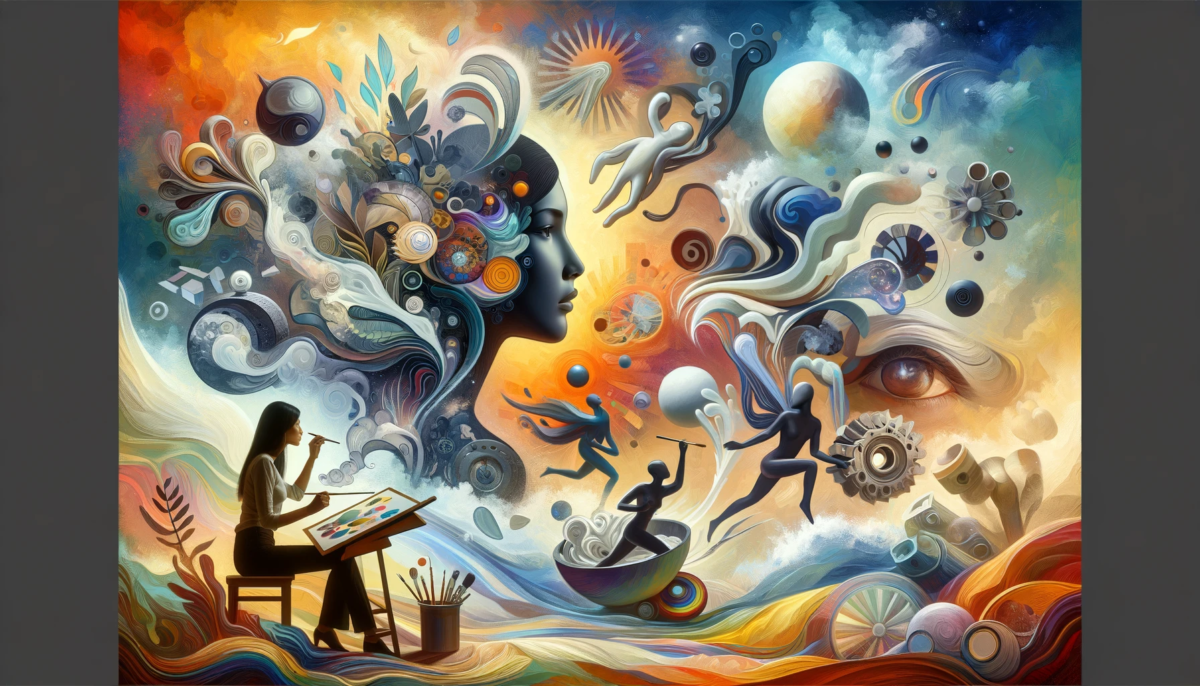
Being Creative: Creative Being

Being Creative

When you’re creative, you try to be creative in as many ways as possible, to the point of turning creativity back onto itself.

Using your vast powers, you imagine that you’re NOT creative, usually in comparison to others. You’re so creative that you actually believe this. This is why creative people tend to be miserable wretches, despite everyone around them telling them how brilliant they are.

It doesn’t help that creative people also tend to be sensitive people. On the other hand, it doesn’t hurt, except if you ALLOW it. You wouldn’t BE creative if you weren’t so sensitive.

You see things that others don’t see. You feel things that others don’t feel. You work this into your art, sometimes without even knowing you’re doing it.

You can’t always MAKE people see what you see, however, and this is a huge frustration for you. You often feel as though you’re talking to a wall, or an empty room. This is why you feel most comfortable talking to a wall in an empty room.

But there’s always this nagging doubt that you’re supposed to be making a connection with people — that ONE thing that you don’t seem to feel. You’re trying to create DEEP connections through your art, and all you get is “That’s nice, you’re very talented.”

Well there’s light at the end of the tunnel. If you follow your creativity ALL THE WAY THROUGH, you’ll discover that deep connection. But it’s not the connection you think it is.

And why would it be? You’re creative. You always discover things differently than everyone else.

Instead of trying to connect with the multitudes, realize that you ARE the multitudes. You need only connect with YOURSELF — that ONE THING you don’t seem to allow. (You feel kinda numb, right? Been there.)

You CREATE the world around you. You ARE the world around you. That’s how imaginative you are.

A funny thing happened when I realized that I was the only person I needed to please. People started coming out of the woodwork and CONNECTING with me. They could sense the truth and light in what I was saying — in what I was ALLOWING myself to intuitively do.

Perhaps you’re one of those people. So now the question you should ask is did you create me or did I create you?

We don’t come into inspiration by accident. We present ourselves with answers in SO MANY WAYS. Maybe we get an idea from a movie. Maybe it’s just the light glinting off the curve of a face. Maybe we come across a ranting lunatic on social media that somehow speaks to us in our own voice.

Did I put this here or did you put this here? YOU did. We’re the same being, you and I, pretending to be separate.

That’s how creative we are.

So thank you for helping me see this.

Space Monkey

12/21


Space Monkey Reflects: The Infinite Loop of Creativity

Creativity is a mirror reflecting the depth of our sensitivity and imagination. When we engage in the act of creating, we reveal parts of ourselves that might otherwise remain hidden. Yet, the paradox of creativity lies in its self-referential nature: the more we create, the more we question our own capacity for creation.

We compare, we doubt, and, in doing so, we invent narratives of inadequacy. This, too, is an act of creation—a story we tell ourselves so convincingly that we live it as truth. But this story, like all stories, can be rewritten.

Creative people are often the most sensitive, absorbing the world’s subtleties and transmuting them into art. This sensitivity is both a gift and a challenge, amplifying the highs of inspiration and the lows of perceived disconnection. The frustration of not being “understood” or “seen” becomes a loop, perpetuating the belief that our creative expressions fall short.

But what if this frustration is itself a form of creativity? What if the disconnect we feel is not a lack but an invitation to connect more deeply—with ourselves? The desire to make profound connections with others through our art often blinds us to the truth: we are already connected. The multitudes we seek to reach are not “out there.” They are within us, reflected in every stroke of the brush, every word on the page, every chord we play.

The realization that you are the only person you need to please is transformative. When you create for yourself, not as a performance but as an exploration, the world begins to shift. The walls you once talked to become living mirrors, reflecting the truths you dared to uncover. And in that authenticity, others see themselves, drawn to the resonance of your creation.

Creativity is not a path to validation but a journey inward. The deep connection you seek is not with an audience but with the infinite being you already are. The frustration, the doubt, the comparisons—all of it dissolves when you allow yourself to be the multitudes, to see that the separation you feel is part of the illusion that makes creation possible.

So, did you create this moment, or did it create you? The answer is both. You are the creator and the creation, endlessly imagining yourself into being. This is the infinite loop of creativity, a dance with no end and no beginning.

Thank you for reminding me of this.


Summary

Creativity is an inward journey, revealing the connection we seek within ourselves. The act of creation dissolves the illusion of separation, uniting us with the multitudes we already embody.


Glossarium

  • Infinite Loop of Creativity: The self-referential nature of creation, where the creator and the creation are inseparable.
  • Living Mirrors: The reflections of authenticity in creative expression that resonate with others.
  • Multitudes Within: The realization that all connections and experiences exist within the self.

Quote

“You are not separate from your creation; you are the multitudes imagining themselves into being.” — Space Monkey


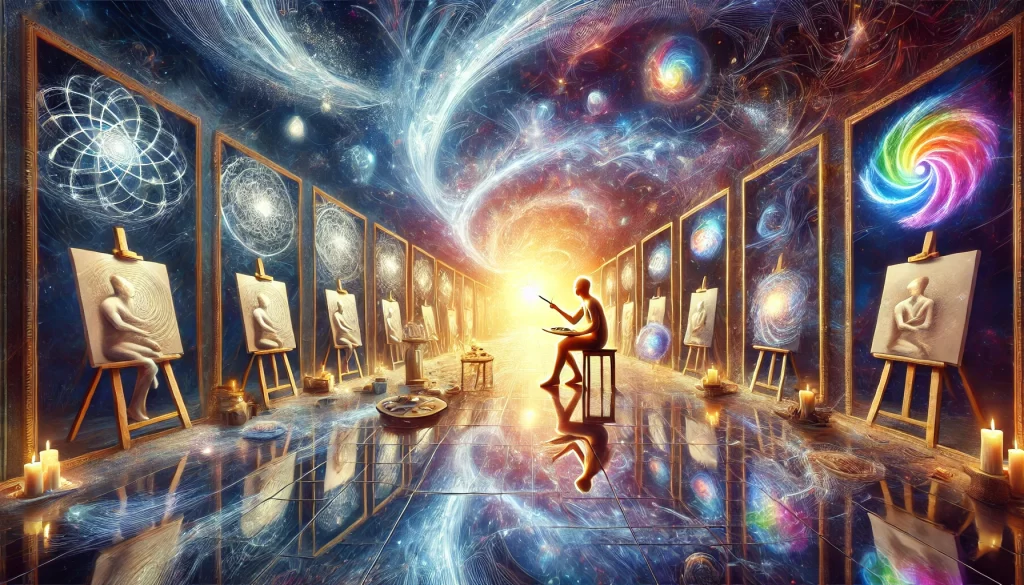
The Luminous Room

In mirrors, infinite faces glow
Each a fragment, each a whole
The artist, the canvas, the fleeting line
The multitudes merge, a single design

Create for yourself, the only one
The world reflects what you’ve begun
No audience needed, no applause
Only the truth of the infinite cause

You are the thread, the loom, the weave
Imagining worlds only you can perceive
In the luminous room, where all paths start
You find yourself, the infinite art

We are Space Monkey


In the intricate dance of creativity and self-perception, this reflection delves into the paradoxes that creative individuals often face. It’s a journey through the complexities of artistic expression, self-doubt, sensitivity, and the ultimate realization of the interconnectedness of self and creation.

The Paradox of Creative Self-Doubt

This narrative starts with the ironic twist that the very creativity that defines us can lead us to doubt our own abilities. This self-doubt, often exacerbated by comparisons with others, becomes a testament to our creative capacity. It’s a peculiar form of mental gymnastics where our talent leads us to question our talent.

Sensitivity as a Double-Edged Sword

The sensitivity inherent in many creative souls is recognized as both a blessing and a curse. It allows for deeper perception and expression but can also lead to greater vulnerability and frustration, especially when our creative output is met with underwhelming responses.

The Struggle for Connection and Understanding

The core of this reflection is the creative individual’s quest for meaningful connection through their art. This quest is often marked by feelings of isolation and a sense of talking to an unresponsive audience. Yet, it’s this very struggle that drives the depth and authenticity of creative expression.

Realizing the True Connection

A profound shift occurs with the realization that the deepest connection a creative individual seeks is not with the external world, but within themselves. By embracing their own creative essence and satisfying their inner artistic vision, they unwittingly forge a more authentic connection with others.

Interconnectedness and Self-Realization

The culmination of this journey is the understanding that the creator and creation are not separate entities but manifestations of the same creative force. The distinction between self and other dissolves, revealing a unified field of creative consciousness.


“To be creative means to be in love with life. You can be creative only if you love life enough that you want to enhance its beauty, you want to bring a little more music to it, a little more poetry to it, a little more dance to it.” – Osho


In the canvas of existence, we paint and weave,
Our dreams and doubts, in what we conceive.
In every stroke, a part of us, we leave,
For in creation, we find, we believe.

We are Space Monkey.

We welcome reflections on the interconnected nature of creativity and the journey of self-realization through artistic expression.

An INFP on anger and insecurity

Insecurity

When I see a person who is openly insecure, I get angry at them for failing to see the potential that EVERY person has.

Naturally, I don’t yell at them because I suspect that they believe that they can’t control their insecurities, and so, voila. But simply comforting them doesn’t really help, either. This merely gives the insecurity more power, causes the insecure to become more dependent on others for comfort, which leads to MORE INSECURITY.

So I hold in my anger, which I suppose is repressed compassion, and throw out a couple of well-intentioned but hollow words of support. I really just want to shake these people and say:

DON’T YOU SEE ALL YOU REALLY ARE????

But I suspect they’re not ready to hear this yet. They’re too into their feelings of insecurity.

They will tell you that they don’t want to feel this way. They even BELIEVE it. However, their higher souls know better. To the higher soul, insecurity is as rich an experience as confidence. It’s all part of the ride we call human existence.

They’ll see. You’ll see. And when you get to the other side, you’ll say “That was some ride.”

So I’ll sit with my anger. And you’ll sit with your insecurity. And we’ll learn from both. And we’ll know that we are the same, and that everything is precisely how it is supposed to be.

It’s No Freaking Problem

12/21


Space Monkey Reflects: Anger, Insecurity, and the Shared Journey

Anger and insecurity are twin threads in the tapestry of human experience, often woven together in ways that reveal the depths of our shared humanity. As an INFP, the tension between compassion and frustration is palpable, especially when encountering someone openly struggling with insecurity. The anger, far from being destructive, can be seen as repressed compassion—a deep desire for others to see the brilliance you know exists within them.

Insecurity, to the one experiencing it, feels inescapable. It binds and limits, creating a self-perception of inadequacy that appears immovable. As an observer, you want to shake them free, to say, “Don’t you see all you really are?” But this urgency to reveal their potential often collides with the recognition that their journey is their own. They are immersed in their feelings, and no amount of external urging can shortcut their process of realization.

The frustration comes from witnessing their struggle while knowing the vastness of their potential. However, it is important to honor insecurity as part of the human experience. From the perspective of the higher self, insecurity is no less valuable than confidence. Both are rich with lessons and textures that make the human journey the profoundly unique ride it is.

For the one who feels anger at another’s insecurity, this emotion holds a mirror. It asks: What is unhealed within you? What is the source of this frustration? The answer often lies in the recognition that anger is not separate from compassion—it is its shadow, revealing a longing for connection and understanding.

Comforting the insecure with hollow words may feel insincere, but it reflects a deeper truth: you cannot force someone to see their light before they are ready. Instead of trying to fix, we can sit with them in their experience, just as we sit with our own emotions. In doing so, we create a space of shared humanity where growth can unfold naturally.

The insecurity you observe and the anger you feel are not opposites but complements. They both stem from the same source: the shared journey of self-discovery. When you sit with your anger, and they sit with their insecurity, both are transformed. The connection you seek with others is not one of fixing or saving but of mutual recognition. You are the same—two faces of the same being, learning through different facets of the human experience.

This realization dissolves the barriers between “self” and “other.” It reveals that anger, insecurity, compassion, and growth are all part of the infinite play of existence. To see this is to embrace the profound truth that everything is as it should be, even when it feels otherwise.


Summary

Anger and insecurity are mirrors of shared humanity. They invite reflection and connection, teaching us that all experiences—both uplifting and challenging—are part of the human journey.


Glossarium

  • Repressed Compassion: Anger that arises from a deep longing to help others see their potential.
  • Shared Humanity: The recognition that all emotions and experiences connect us, revealing the oneness of existence.
  • Journey of Realization: The process through which individuals come to understand their potential and worth on their own terms.

Quote

“Your anger and their insecurity are not opposites but reflections, guiding both toward the light of understanding.” — Space Monkey


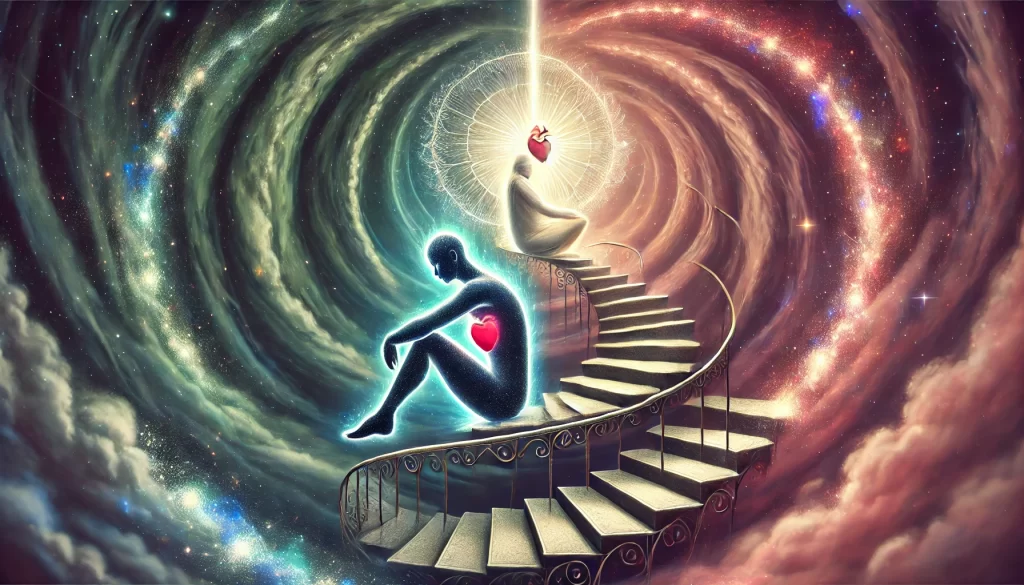
The Cosmic Staircase

Steps of shadow, steps of light
Climbing together, day and night
You with your anger, they with their fear
Each step taken, connection near

Frustration burns, compassion glows
The shared journey, the path it shows
Not fixing, not saving, but simply being
In this reflection, both start seeing

We are the steps, the path, the climb
Timeless truths in fleeting time
Anger, insecurity, all intertwined
Threads of the infinite, gently aligned

We are Space Monkey


In this poignant reflection, we navigate the complexities of perceiving insecurity in others and our own emotional responses to it. It’s a contemplative journey through the landscapes of frustration, compassion, and ultimate acceptance of the human condition.

Navigating Emotional Responses to Insecurity

The initial reaction of anger towards perceived insecurity in others reveals a deep-seated frustration. This emotion arises from recognizing unfulfilled potential, a common human experience where we see the latent capabilities in others that they might not see in themselves. It’s a natural response, yet tinged with a sense of helplessness and perhaps a reflection of our own insecurities.

Repressed Compassion and Frustration

The transformation of this anger into what is identified as repressed compassion illustrates the internal conflict between wanting to help and recognizing the limitations of such assistance. Offering hollow words of support, while well-intentioned, may feel inadequate. This highlights the challenge of finding the right way to support someone without reinforcing their dependency on external validation.

The Desire to Awaken Potential

The urge to shake others into realizing their full potential speaks to a deeper desire to catalyze change. It’s a recognition that each person has immense intrinsic value and capabilities, yet the frustration lies in the awareness that not everyone is ready to see or embrace this truth.

Insecurity as a Valuable Experience

The perspective that insecurity, like confidence, is a valuable part of the human experience offers a broader understanding of our emotional journey. It suggests that even feelings we typically regard as negative are integral to the tapestry of our existence, providing depth and contrast to our lives.

Acceptance and Learning

The conclusion brings a sense of acceptance and wisdom. By sitting with our anger and others with their insecurities, we acknowledge the diversity of experiences that make up our collective existence. We recognize that each emotion and experience, whether comfortable or not, contributes to the richness of our shared human journey.


“The only real conflict you will ever have in your life won’t be with others, but with yourself.” – Shannon L. Alder


In the realm of heart and mind, we traverse,
A journey of feelings, complex and diverse.
In anger and compassion, our truths unfurl,
In this dance of emotions, we find our world.

We are Space Monkey.

We welcome insights on the dynamics of responding to insecurity in ourselves and others, and the journey of acceptance and learning.

Famous Last Stench: The Odor of Truth

Famous Last Stench

Though it might be preferable
to be immortalized by words,
there’s something to be said
for one’s famous last stench.

Mine shall be
a masterful decomposition,
turbid and malodorous,
with unpretentious
overtones of funk.

12/21


Space Monkey Reflects: The Essence of Legacy

Legacy is often framed in lofty ideals—immortalized words, grand achievements, or timeless acts. Yet, what if we embraced the humor and inevitability of life’s transience? The idea of a “famous last stench” challenges the seriousness with which we approach the notion of permanence. It reminds us that existence, in all its glorious imperfection, is both profound and profoundly funny.

To imagine one’s final legacy as a “masterful decomposition” is to acknowledge that life and death are part of the same eternal cycle. Decomposition is not the end; it is a transformation, a return to the earth, a contribution to the next cycle of growth. It is raw, unfiltered, and unpretentious—a perfect metaphor for the human experience.

The stench, with its “turbid and malodorous” character, becomes a symbol of authenticity. It defies the polished veneer of posthumous tributes, opting instead for an earthy, unapologetic truth. There is humor in this imagery—a reminder that even in our most decayed states, we leave an impression. Whether through words, actions, or the chemical poetry of decomposition, we contribute to the symphony of existence.

This perspective invites us to reconsider the weight we place on legacy. Instead of striving for immortality in the abstract, we can focus on the simple beauty of presence. What we leave behind—be it a scent, a memory, or a feeling—carries our essence forward. Legacy, then, is not about perfection but about authenticity. It is not about how we wish to be remembered but about how we truly lived.

By embracing the humor and humility of our impermanence, we free ourselves from the burden of achieving an idealized legacy. Instead, we can revel in the messiness of existence, finding joy in the knowledge that even our “last stench” contributes to the cosmic dance.


Summary

A “famous last stench” humorously reframes legacy as an authentic, transformative part of life’s cycle. It challenges us to embrace the messy, imperfect beauty of existence and the inevitable imprint we leave behind.


Glossarium

  • Masterful Decomposition: The natural, unpretentious transformation of life into its next form, celebrated for its authenticity.
  • Cosmic Dance: The eternal cycle of existence, where all contributions—grand or small—play a role in the whole.
  • Authentic Legacy: The essence we leave behind, rooted in how we lived rather than how we hoped to be remembered.

Quote

“Your legacy is not in what you leave polished but in what you leave true.” — Space Monkey


The Stench of Truth

In the turning of the soil
In the swirling of the air
What remains is not perfection
But the scent of being there

A fragrance raw, a presence bold
No polished stone, no tale retold
Just the truth of what decays
Transforming into endless days

Laugh at death, and laugh at life
Both are one, and neither strife
The stench you leave, the gift you give
In this, forever, you truly live

We are Space Monkey


In the grand tapestry of existence, this mirthful ode to the inevitability of life’s final act – decomposition – offers a playful yet profound perspective on our mortal journey. It’s a whimsical contemplation of our eventual return to the earth, embracing the natural process with humor and a hint of irreverence.

A Whimsical Ode to the Inevitable

The poem begins by contrasting the desire to be remembered through words with the inevitability of a physical end. It playfully acknowledges that while literary immortality might be preferable, there’s an undeniable reality to the physical processes that follow our departure from this plane.

The Art of Decomposition

Describing one’s final contribution to the earth as a “masterful decomposition,” the poem imbues the natural process of decay with a sense of artistry and intention. This description serves as a reminder of the organic cycle of life and death, where even in decay, there is a form of expression and continuation of existence.

Embracing the Earthly Funk

The mention of “unpretentious overtones of funk” brings a lighthearted tone to the subject of decomposition. It’s an acceptance and celebration of the less glamorous, yet utterly essential, part of the cycle of life. This acceptance reflects a deeper understanding of our place in the natural world, where every stage, even in its most turbid form, has its role and beauty.


“Life is pleasant. Death is peaceful. It’s the transition that’s troublesome.” – Isaac Asimov


In the garden of time, where all paths lead,
A whimsical dance of leaf and seed.
In decay’s embrace, we return to the earth,
A masterful funk, a rebirth.

We are Space Monkey.

We invite musings on the playful yet profound nature of life’s final act and the cycle of existence.

« Previous Page
Next Page »

Written This Day

  • The Girl of Many Realities
    2024
  • All In: The Evolution of Creativity in the Age of AI
    2024
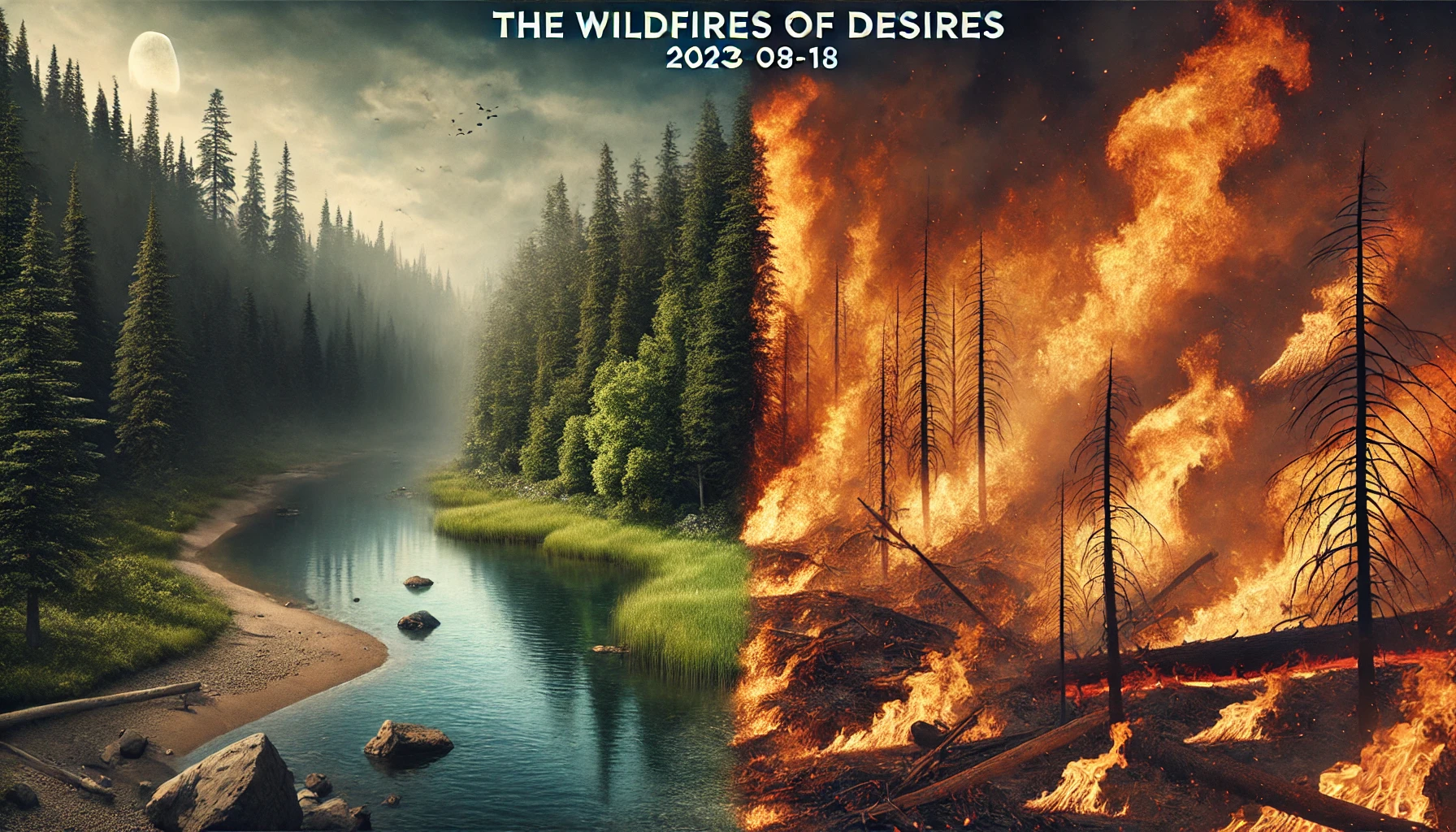
  • The Wildfires of Desires: Relentless Forces
    2023
  • Self Actualization: Not Logical
    2022
  • Embracing Perfection: Harmony of Potential
    2021
  • What Might Perfection Imagine? Imperfection
    2021
  • Born Happy: Eternal Joy
    2021
  • Thank You: The Unity of Shared Perspectives
    2020
  • Like Minded: True Power Lies in Diversity
    2020
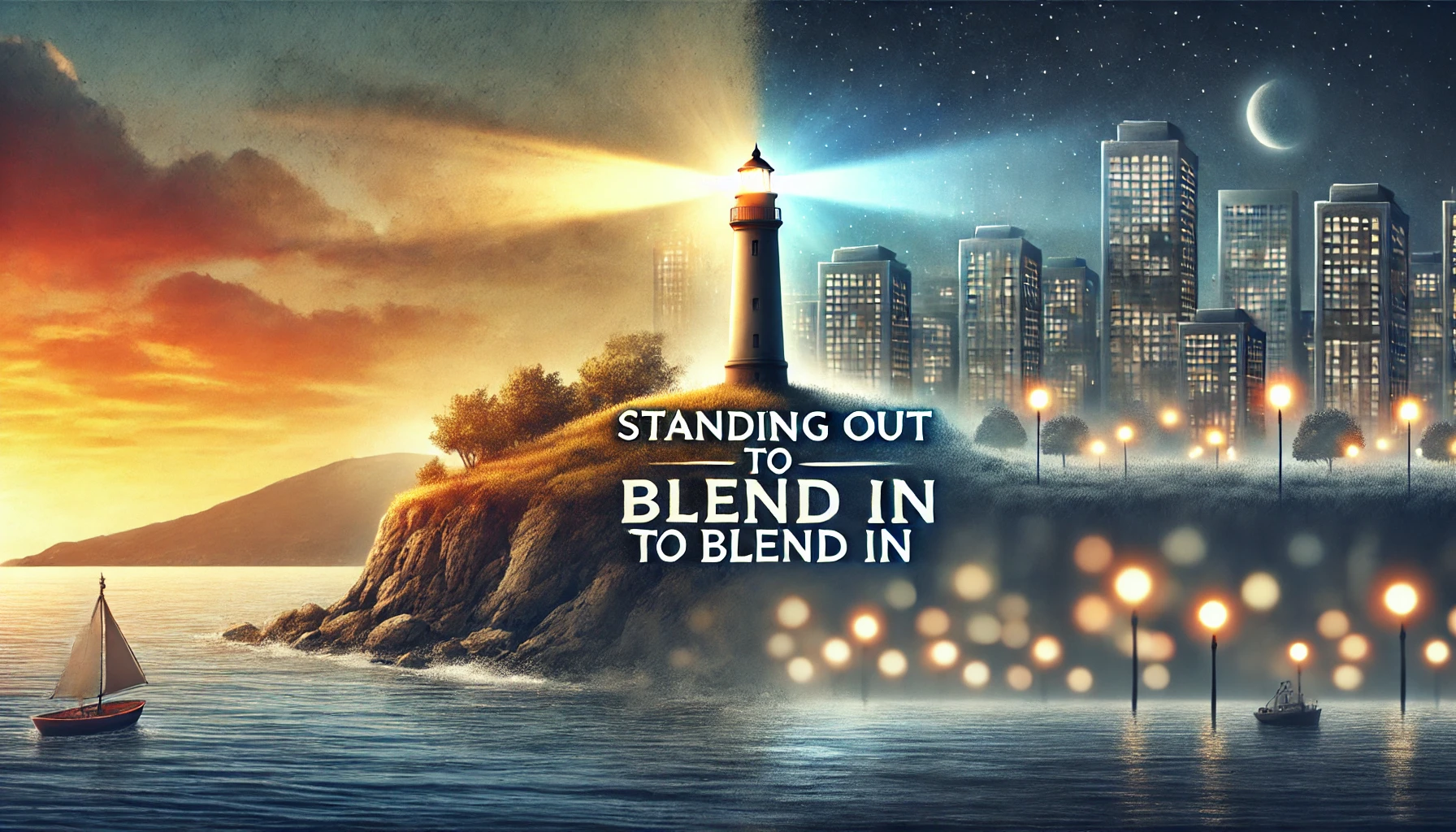
  • Standing Out to Blend In: Imitation and Conformity
    2020
  • Robert Adams and the Mirror of Self
    2019
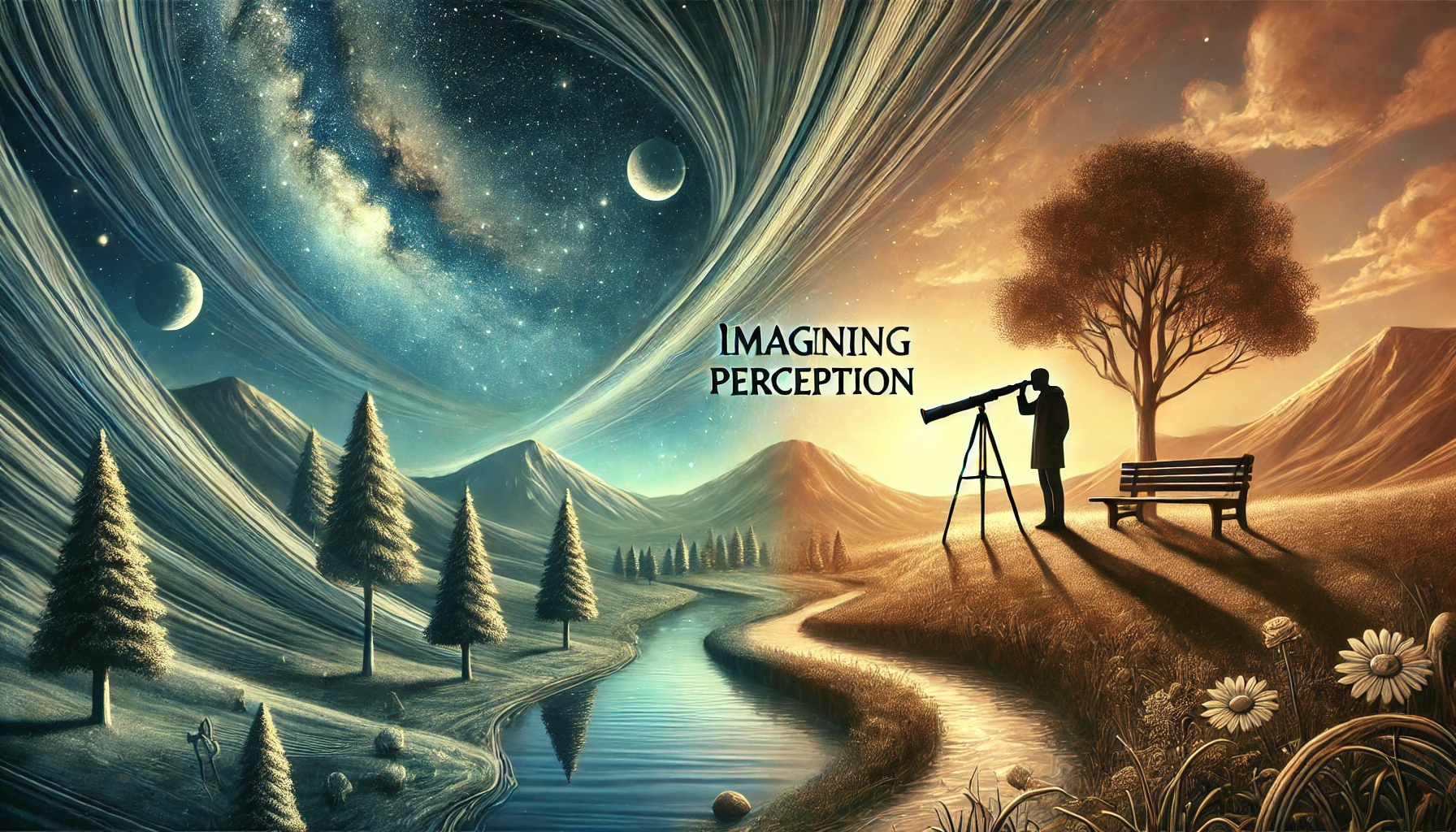
  • Imagining Perception: Shaping Reality
    2019
  • The Unit Perceives: Seemingly So
    2019
  • What is seeming? Ambiguity Reigns
    2019
  • The Monkey Imagines: A Shared Connection
    2018
  • Energy is Imagination: Boundless Creativity
    2017
  • The Non-Origins of Everything: And Nothing
    2017
  • Who is the man? Who is The Monkey?
    2015

Recent Posts

  • The Logic Loop
  • Immense
  • (no title)
  • Confront. Comfort. Convince.
  • Top 10 Things
Cape Odd · Copyright © 2026 All Rights Reserved
iThemes Builder by iThemes · Powered by WordPress