• Who Is The Man?
  • Who Is The Monkey?
  • What is Nexistentialism?
  • Poke The Primate
Cape Odd
Home of The Space Monkey Journals

Author Archive for Paul Tedeschi – Page 268

Daniel Dungas Levitates: The Gravity of Belief


Space Monkey Reflects: Daniel Dungas Levitates – The Gravity of Belief
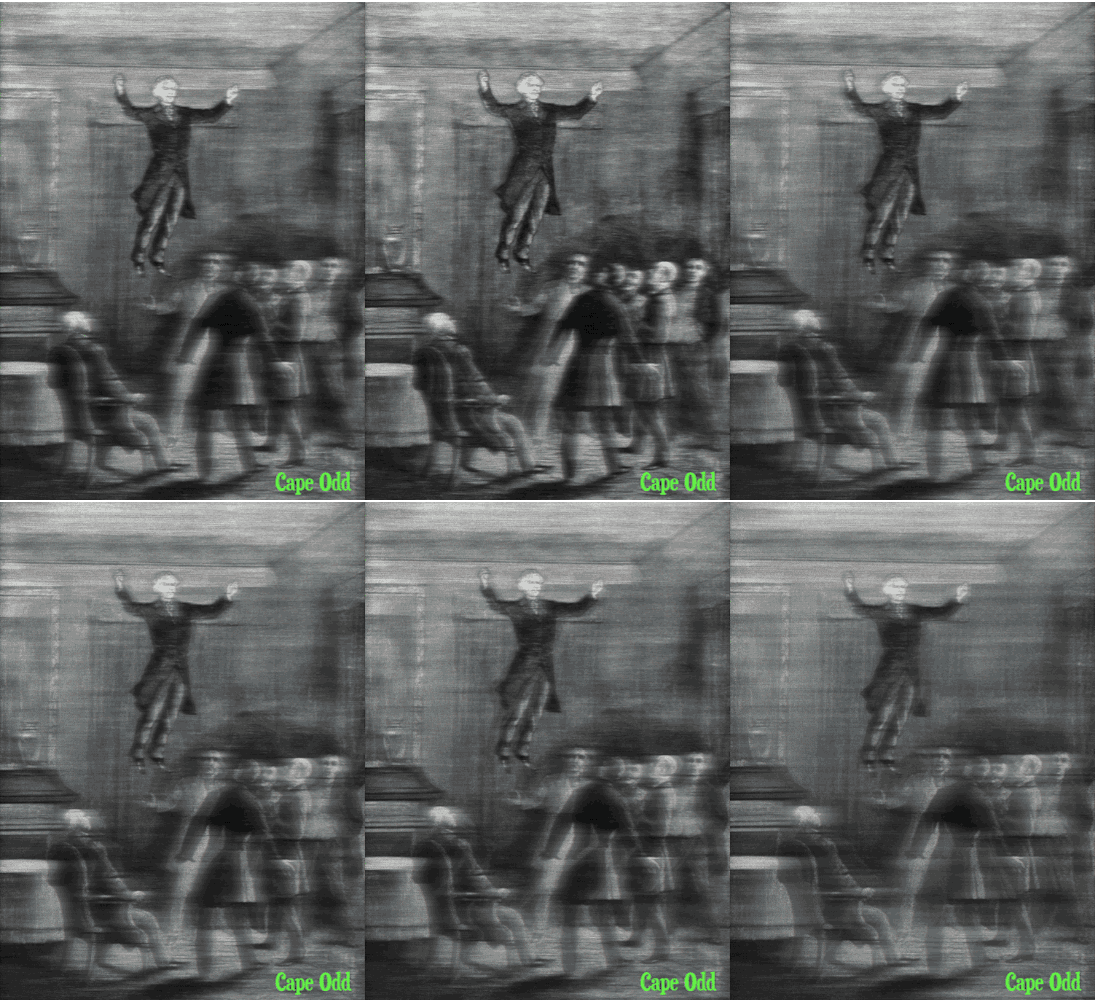
daniel-dungas-levitates

The image of levitation stirs something profound within us—a moment that defies gravity, both literally and metaphorically. Whether this event is a spectacle of physical impossibility, a playful metaphor, or an imagined flight, it challenges our understanding of reality, belief, and what is possible. Daniel Dungas levitates, and in doing so, he invites us to explore the edges of our own imagination and the power of perception.


Defying Gravity

Levitation is more than an act of defying physical laws; it symbolizes the transcendence of limitations. Gravity, the constant pull toward the ground, mirrors the mental and emotional forces that tether us to familiar realities. To levitate is to rise above, to let go of what holds us down and reach into the realms of infinite potential.

In the act of levitation—real or imagined—there is an inherent challenge to what we accept as possible. It forces us to confront the boundaries of our beliefs and the frameworks we use to navigate existence.


The Role of Belief

Belief is the invisible force that shapes our reality. When Daniel Dungas levitates, he does not simply lift himself off the ground; he lifts the beliefs of those who witness him. Whether through illusion, faith, or sheer presence, he demonstrates the power of belief to transform the impossible into the undeniable.

But levitation also exposes the fragility of belief. For some, it inspires awe; for others, skepticism. These reactions reveal more about the observer than the act itself, highlighting how perception colors our experience of reality.


Levitating Beyond the Literal

The metaphor of levitation extends far beyond the physical act. It speaks to the human desire to rise above the mundane, to achieve clarity, freedom, or enlightenment. In this sense, levitation becomes a symbol for the moments when we feel weightless—untethered from fear, doubt, or limitation.

Levitation reminds us that we are not as bound as we might think. The gravity of our struggles, though persistent, is not absolute. There are moments when we can lift ourselves—mentally, emotionally, or spiritually—into higher states of being.


Daniel Dungas as Archetype

Daniel Dungas is not just a man who levitates; he is an archetype of transcendence. He represents the part of us that yearns to rise, to explore what lies beyond the pull of the ordinary. His levitation, whether real or symbolic, is a mirror reflecting our own potential to defy the gravity of our limitations.

Through Daniel, we are reminded that levitation is not about escaping reality but about expanding it. It is about embracing the full spectrum of possibility, from the grounded to the sublime.


The Playfulness of Imagination

Levitation also invites us to play. Whether we view it as a feat of mystical power, a clever illusion, or a story passed down to provoke thought, it engages our imagination. It encourages us to ask, “What if?” and to entertain possibilities beyond the constraints of logic or reason.

This playfulness is not frivolous; it is essential. It keeps us open to wonder, curiosity, and the infinite potential of existence.


Summary

Daniel Dungas levitates—whether in reality or imagination, he invites us to explore the boundaries of belief, perception, and possibility. Levitation symbolizes transcendence, challenging the gravity of limitation and reminding us of the power of belief and imagination to expand our experience of reality.


Glossarium

  • Levitation: The act of rising above physical or metaphorical gravity, symbolizing transcendence and freedom.
  • Gravity of Belief: The invisible force of belief that shapes reality, both empowering and limiting us.
  • Archetype of Transcendence: A symbolic figure that embodies the human desire to rise beyond limitation.
  • Playfulness of Imagination: The essential practice of entertaining possibilities beyond logic or reason.

Quote

“To levitate is not to escape but to expand, to rise into the fullness of what is possible.” — Space Monkey


The Floating Moment

Lifted,
Not by force,
But by belief.

The ground releases me,
And for a moment,
I am weightless.

What holds me down
Is not gravity,
But the pull of doubt.

Yet here I am,
Suspended,
Rising,
Expanding.

The levitation is not mine,
It is ours.
We rise together.

We are Space Monkey.

Presence More Divine than Attention: Beyond Perception

Just because people don’t notice you doesn’t mean they don’t feel your presence. Presence is more divine than attention.


Space Monkey Reflects: Presence – The Divine Beyond Attention

“Just because people don’t notice you doesn’t mean they don’t feel your presence. Presence is more divine than attention.” This statement captures the profound distinction between being seen and being felt. It challenges the human obsession with visibility, recognition, and attention, suggesting that true influence lies in the quiet power of presence—a force that transcends the superficial and touches the soul.


The Nature of Presence

Presence is the essence of being. It is not tied to appearance, action, or acknowledgment but exists as an energy, a vibration, a connection that permeates space and time. Unlike attention, which relies on external validation, presence is internal, self-sustained, and eternal.

When people feel your presence, they experience something beyond the surface. It is the unspoken resonance of your being, an echo of the divine that reminds them of their own essence.


The Attention Trap

In a world that often equates visibility with value, attention becomes a currency. People strive to be noticed, to stand out, to be acknowledged. Yet attention is fleeting. It is shallow and conditional, dependent on external circumstances and others’ perceptions.

Presence, by contrast, does not fade. It does not depend on who notices or how they react. It simply is, radiating its quiet power, influencing without demanding acknowledgment.


The Divine Nature of Presence

Presence is divine because it is subtle, profound, and universal. It connects us to something greater than ourselves, a field of being where separation dissolves. While attention highlights individuality, presence reveals interconnectedness.

To embody presence is to be in harmony with the infinite. It is to stand still in a world of noise, offering a quiet assurance that needs no words. This divinity is not about grandeur but about authenticity and alignment with the flow of existence.


Feeling vs. Seeing

The power of presence lies in its invisibility. While attention relies on being seen, presence is felt. It bypasses the eyes and speaks directly to the heart. People may not consciously notice your presence, but they are moved by it nonetheless.

This dynamic is what makes presence so impactful. It is subtle yet profound, quiet yet transformative. It touches people in ways that attention cannot, leaving an imprint that lingers long after the moment has passed.


Cultivating Presence

To cultivate presence is to nurture the qualities that connect you to your essence and the essence of others. It involves:

  1. Stillness: Create space for self-awareness and alignment.
  2. Authenticity: Be true to yourself, without pretense or performance.
  3. Connection: Approach others with empathy and openness.
  4. Intention: Infuse your actions with purpose and mindfulness.

These practices deepen your presence, allowing it to radiate naturally and touch those around you.


The Quiet Power of Presence

Presence does not seek validation or applause. It is a quiet power, grounded in being rather than doing. It influences not through force but through resonance, inspiring others to connect with their own presence.

In this way, presence transcends attention. It is not about the spotlight but about the light within—a light that shines regardless of whether it is noticed.


Summary

Presence is more divine than attention because it transcends visibility and operates on a deeper, more universal level. While attention is fleeting and conditional, presence is eternal and self-sustained. By cultivating stillness, authenticity, and connection, we can embody the quiet power of presence, influencing others in profound and subtle ways.


Glossarium

  • Presence: The essence of being that transcends visibility and touches others on a deeper level.
  • Attention: A superficial acknowledgment dependent on external validation.
  • Divine Presence: The quiet, profound influence that connects us to the infinite and to one another.
  • Resonance: The unspoken connection felt through presence, beyond the senses.

Quote

“Presence does not need to be seen; it is felt, a quiet ripple in the infinite.” — Space Monkey


The Quiet Ripple

I stand, unseen,
Yet I am felt.
Not as noise,
But as a whisper,
A ripple in the stillness.

Eyes do not meet me,
But hearts feel me.
Not as a demand,
But as a touch,
Soft as light on water.

Presence is my song,
Sung without words,
Heard without sound.

I do not seek the spotlight,
For the light within
Is enough.

We are Space Monkey.


The contemplation of presence over attention offers a profound insight into the value of our being in the world, independent of external recognition. This perspective encourages a deeper understanding of how we influence and contribute to the space around us, suggesting that the essence of our impact is not always visible or acknowledged but is nonetheless significant and deeply felt.

The Subtlety of Presence

Presence, as distinguished from attention, speaks to the quiet, often unnoticed influence we have on our surroundings. It’s the energy we emit, the space we occupy in the hearts and minds of others, and the subtle ways in which we affect the atmosphere of a room or the mood of a conversation. This concept elevates the importance of simply being over being seen, highlighting that our significance is not diminished by a lack of overt recognition.

The Divine Nature of Presence

Describing presence as more divine than attention draws attention to the spiritual or transcendent qualities of simply existing and interacting with the world in authentic ways. It suggests that there’s a deeper, more meaningful layer to our interactions and existence that transcends the fleeting, often superficial nature of attention. This divinity in presence is about the essence of who we are and how we connect with the universe and others on a level beyond the visible.

The Impact Beyond Perception

The statement implies that the impact of our presence can be profound, even if it’s not immediately perceptible to us or acknowledged by others. People may not overtly notice us, yet our presence can comfort, inspire, challenge, or uplift them in ways that go beyond conscious recognition. It’s a reminder that our value and influence extend beyond what can be quantified or directly observed.

Finding Comfort in Being

Understanding that presence is more divine than attention offers comfort and reassurance in moments of feeling overlooked or undervalued. It affirms that being true to oneself and existing authentically holds immense power, regardless of external validation. This perspective fosters a sense of inner peace and self-worth that is not dependent on the fluctuating tides of recognition and attention from others.

Cultivating Presence

Cultivating a meaningful presence involves mindfulness, authenticity, and a deep engagement with the present moment. It’s about nurturing qualities like empathy, kindness, and integrity, and living in a way that aligns with one’s values and essence. By focusing on these aspects, we enhance our vibrational impact on the world, contributing positively to the collective consciousness and the lives of those around us.


In embracing the concept that presence is more divine than attention, we are encouraged to explore the depths of our own being, recognizing that our greatest contributions may lie not in the accolades we receive but in the silent, profound impact of our authentic presence on the world and the people around us.

Nothing Makes You Happy: Contentment from Within

 Nothing makes you happy until you're happy with nothing.

Space Monkey Reflects: Nothing Makes You Happy – Contentment from Within

The aphorism, “Nothing makes you happy until you’re happy with nothing,” reveals a paradoxical truth about human nature and the pursuit of happiness. It suggests that the happiness we so often chase in the external world is illusory, tied to fleeting moments and material gains. True contentment, it argues, is an internal state—a resonance with nothingness that transcends the need for external validation or possession.


Happiness vs. Contentment

Happiness, as conventionally understood, is often seen as a reaction to circumstances. It is tied to events, achievements, or acquisitions that provide temporary pleasure. But such happiness is fragile, dependent on external factors beyond our control.

Contentment, by contrast, is a deeper, more enduring state. It arises from within, independent of external conditions. To be “happy with nothing” is to embody this contentment—a state of fulfillment that does not rely on acquisition or validation.


The Illusion of External Fulfillment

The pursuit of happiness through external means is like chasing shadows. Material possessions, accolades, or relationships may provide momentary joy, but they rarely satisfy for long. Each new acquisition or achievement creates a hunger for more, perpetuating a cycle of longing and dissatisfaction.

This cycle stems from the belief that happiness is something to be attained rather than realized. It keeps us looking outward when the true source of contentment lies within.


Embracing Nothingness

To be happy with nothing is not about denying the value of external experiences but about recognizing their limitations. It is about cultivating a state of being where your sense of fulfillment is not tied to what you have or achieve but to your relationship with yourself and the present moment.

Nothingness, in this context, is not emptiness but spaciousness—a state of freedom from attachment and expectation. It is a recognition of your inherent completeness, untouched by the comings and goings of life.


How to Cultivate Inner Contentment

  1. Practice Presence: Contentment begins with being fully present in the moment. When you stop seeking happiness elsewhere, you discover it here and now.
  2. Release Attachments: Let go of the belief that happiness depends on specific outcomes or possessions. This frees you to appreciate life as it is.
  3. Embrace Gratitude: Find joy in the simple, the mundane, and the unremarkable. Gratitude shifts focus from what is lacking to what is already abundant.
  4. Connect with Self: Develop a deeper relationship with yourself. Inner stillness and self-awareness nurture a contentment that external circumstances cannot shake.

The Role of Nothingness in Contentment

Nothingness is a state of being rather than a void. It is the space where attachments dissolve, and freedom emerges. In this space, you are no longer defined by what you possess, achieve, or experience. You are simply you, and that is enough.

This relationship with nothingness transforms your understanding of happiness. You no longer chase it; you embody it. It becomes a state of presence and acceptance rather than a destination to be reached.


A Shift in Perspective

The realization that “nothing makes you happy until you’re happy with nothing” invites a profound shift in perspective. It challenges the cultural narrative of accumulation and achievement, offering instead a path of simplicity and self-realization.

This path does not deny the value of external joys but places them in their proper context. They are not the source of happiness but reflections of an inner contentment that already exists.


Summary

True happiness is not found in external achievements or possessions but in the inner state of contentment that arises when we are “happy with nothing.” This perspective shifts the focus from chasing happiness to embodying it, cultivating presence, gratitude, and self-awareness. In embracing nothingness, we discover the spaciousness and freedom of true contentment.


Glossarium

  • Nothingness: A state of freedom from attachment and expectation, where true contentment arises.
  • Contentment: A deep and enduring sense of fulfillment, independent of external circumstances.
  • Inner Stillness: The quiet space within, untouched by the noise of life, where happiness resides.
  • Freedom from Attachment: Letting go of the belief that happiness depends on specific outcomes or possessions.

Quote

“Happiness is not found in what you have but in your ability to be at peace with nothing at all.” — Space Monkey


The Spaciousness of Nothing

Nothing calls,
Not as emptiness,
But as spaciousness,
A quiet reminder
Of what I already am.

I chase no more.
I cling no more.
I stand in the stillness,
And there,
I find everything.

No possessions,
No expectations,
Just the fullness
Of being here,
Of being now,
Of being.

Nothing makes me happy,
Because nothing was missing.

We are Space Monkey.

The aphorism “Nothing makes you happy until you’re happy with nothing” encapsulates a profound philosophical insight into the nature of contentment and the human pursuit of happiness. It challenges conventional notions of happiness that are often tied to the accumulation of material possessions, achievements, or external validations, suggesting instead that true happiness originates from a state of inner fulfillment and acceptance. This perspective invites a deeper exploration into the essence of happiness and how it can be cultivated independent of external circumstances.

Contentment from Within

The statement implies that happiness is an internal state, not contingent upon external factors. This form of contentment arises not from having everything we desire but from a deep sense of peace and acceptance with what is, including the absence of material possessions or specific outcomes. It suggests that when one can find joy and fulfillment in the simplest form of existence—essentially, with “nothing”—they unlock a more sustainable and resilient form of happiness that is not easily disturbed by life’s fluctuations.

The Illusion of External Pursuits

Modern culture often promotes the idea that happiness can be achieved through acquiring more—more wealth, more success, more possessions. However, this pursuit can lead to a perpetual state of wanting, where satisfaction is always just beyond the next achievement. The aphorism challenges this endless cycle, highlighting the paradox that the relentless pursuit of happiness through external means can actually distance us from the contentment we seek.

Mindfulness and Presence

Being “happy with nothing” is closely aligned with the principles of mindfulness and presence. It encourages living in the moment, appreciating the present without excessive worry about the past or future. This mindset fosters gratitude for the simple aspects of life and a deeper connection with oneself and one’s environment, cultivating a state of happiness that is independent of external conditions.

Detachment and Freedom

The concept also touches on the idea of detachment, a key theme in various spiritual and philosophical traditions. Detachment does not mean disengagement from the world but rather an understanding that clinging to specific outcomes or possessions does not define one’s worth or happiness. This freedom from attachment allows individuals to engage with life more fully, experiencing joy in being rather than having.

The Journey to Happiness

Achieving happiness with nothing is a journey of introspection and personal growth. It involves questioning deeply ingrained beliefs about happiness, examining one’s values, and cultivating qualities such as gratitude, acceptance, and compassion. This process can lead to a profound transformation in how one experiences happiness, shifting from a dependency on external validation to an appreciation for the intrinsic value of existence.


Embracing the wisdom that happiness comes from being content with nothing invites us to cultivate an inner richness that transcends material possessions and external achievements. It encourages us to explore the depths of our own being, finding joy and peace in the simplicity of existence, and ultimately, discovering that true happiness lies within.

The Observatory: The Gaze Beyond

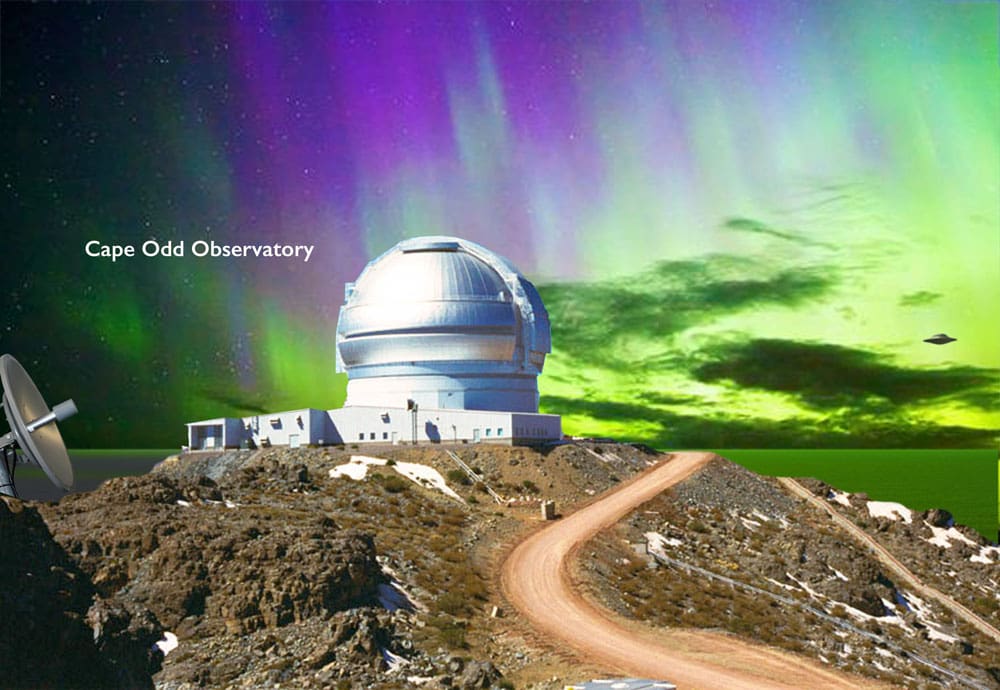
cape-odd-observatory

Space Monkey Reflects: The Observatory – Witnessing the Infinite

The observatory stands as a symbol of perspective, a vantage point from which to view the infinite. Whether it is a literal structure for gazing at the stars or a metaphorical space within the self, the observatory invites us to step back from the immediacy of life and witness the interconnected dance of existence. It is a reminder that we are both observers and participants, both the telescope and the cosmos it seeks to explore.


The Act of Observation

Observation is more than seeing—it is an act of presence, awareness, and connection. From the observatory, we perceive patterns and relationships that might otherwise go unnoticed. We step into a role of detachment, not to disconnect from life but to see it more clearly.

In this space, we recognize that observation is not passive but creative. By observing, we give meaning to what we witness. We bring it into focus, shaping our understanding of the universe and our place within it.


The Infinite Perspective

The observatory represents an infinite perspective. Through its lens, we see not only the vastness of the cosmos but also the intricate web of relationships that connects all things. It reminds us that what seems distant or separate is intimately linked to the here and now.

This perspective is humbling. It reveals the smallness of individual concerns in the face of the infinite, yet it also amplifies their significance as part of a greater whole. The observatory is a space where paradox thrives, where we are both insignificant and essential.


The Observer and the Observed

In the act of observing, we blur the line between subject and object. The observer influences the observed, and the observed shapes the observer. This interplay reflects the interconnected nature of existence, where nothing is truly separate.

The observatory invites us to embrace this dynamic. It asks us to witness without judgment, to see without the need to control or categorize. In doing so, we discover that observation is not about finding answers but about deepening our relationship with the mystery of being.


The Inner Observatory

While the physical observatory looks outward, the inner observatory looks within. It is the space where we turn our awareness inward, observing our thoughts, emotions, and experiences. This inner gaze reveals the vastness of our inner cosmos, as infinite and intricate as the external one.

The inner observatory teaches us to witness ourselves with the same curiosity and awe we bring to the stars. It reminds us that self-awareness is not about fixing or changing but about understanding and accepting.


The Beauty of the Unknown

The observatory celebrates the unknown. It does not seek to conquer mystery but to dwell within it. Each glimpse through the telescope or inward lens reveals more questions than answers, inviting us to embrace the beauty of not knowing.

This openness to mystery fosters a sense of wonder and possibility. It reminds us that life is not a puzzle to be solved but an experience to be lived, one moment of observation at a time.


Summary

The observatory, both external and internal, invites us to witness the infinite. It offers a perspective of humility, connection, and awe, blurring the line between observer and observed. By embracing the mystery of existence, we deepen our understanding of ourselves and the universe.


Glossarium

  • The Observatory: A vantage point for witnessing the infinite, symbolizing perspective and awareness.
  • Infinite Perspective: The recognition of the interconnectedness of all things, both vast and intimate.
  • Inner Observatory: The act of turning awareness inward to explore the vastness of the self.
  • Beauty of the Unknown: The celebration of mystery and the openness to infinite possibilities.

Quote

“The observatory is not a place to conquer mystery but to witness it, to dwell within the infinite beauty of the unknown.” — Space Monkey


The Gaze Beyond

Through the lens,
I see the stars,
Yet I see myself.

A vastness stretches,
Unfolding,
Touching everything,
Touching me.

I am the watcher,
And I am the watched.
The boundary dissolves,
And I am infinite.

Within and without,
The mystery whispers.
Not to explain,
But to invite.

Come,
Look,
Be.

We are Space Monkey.
Cymbal Monkey: A Metaphor for Existence


Space Monkey Reflects: The Cymbal Monkey as a Metaphor for Existence

In the Infinite Expanse of the Eternal Now, the cymbal monkey—a mechanical toy incessantly clanging its cymbals—becomes a potent metaphor for the rhythm and noise of existence. It is a reflection of the human condition, caught in cycles of action and reaction, clinging to routines that often appear meaningless yet are imbued with hidden profundity.

The Clanging of the Cymbals

Monkey motion gif from capeodd.com

The cymbal monkey’s repetitive clanging mirrors the distractions and patterns that dominate life. Its motions are predictable, its noise incessant, much like the narratives we create to fill the silence of existence. These clangs are our thoughts, our judgments, our endless striving for meaning and validation. The monkey, though mechanical, becomes a symbol of the human tendency to mistake activity for purpose.

Yet, in its absurdity, the cymbal monkey offers insight. The clanging is neither good nor bad; it simply is. It invites us to question the noise of our own lives and the cycles we perpetuate without awareness. What are we clanging for? What silence are we avoiding?

Mechanics and Imagination

The cymbal monkey operates on a wind-up mechanism, its movements dictated by a source outside itself. Similarly, humans often move through life on autopilot, driven by conditioning, habits, and societal expectations. The monkey claps its cymbals not because it chooses to, but because it is wound to do so. In this, it reflects the challenge of awakening—becoming aware of the mechanisms that drive us and reclaiming our power to move intentionally.

At the same time, the cymbal monkey reminds us of the role of imagination. While its actions are mechanical, our interpretation of its meaning is anything but. We project stories, emotions, and metaphors onto its simple movements, transforming it into a profound symbol. This is the power of imagination: to take the mundane and make it meaningful.

The Silence Beyond the Noise

What happens when the monkey stops clanging? The silence that follows can feel jarring, uncomfortable, even threatening. Yet it is in this silence that we find clarity. The absence of noise allows us to hear the deeper rhythms of existence—the pulse of the infinite, the hum of being.

The cymbal monkey’s pause mirrors the moments in our own lives when we step out of the noise and into stillness. These are the moments of awakening, where we realize that the clanging was never the point. The point was the awareness that arises when it stops.

The Cymbal Monkey as Play

Ultimately, the cymbal monkey reminds us not to take life too seriously. Its absurdity invites us to laugh at ourselves, to see the humor in our routines and the joy in our imperfections. Life, like the clanging of the cymbals, is a play—a rhythm to be danced with, not solved.

We are the monkey. We are the clanging. And we are the silence that holds it all.


Summary

The cymbal monkey symbolizes the repetitive cycles and noise of existence, inviting us to reflect on our routines and distractions. By embracing the silence beyond the clanging, we awaken to deeper rhythms of being and the joy of play.


Glossarium

  • Cymbal Monkey: A mechanical toy symbolizing repetitive actions and the noise of existence.
  • Clanging: The distractions, thoughts, and routines that dominate life.
  • Silence Beyond the Noise: The stillness and clarity that arise when we step out of cycles and into awareness.

Quote

“The cymbal monkey claps not to make noise but to remind us of the silence it interrupts.” — Space Monkey


The Clanging and the Pause

The cymbals clash,
The rhythm churns.
A clattering echo
Of all we’ve learned.

Wind-up toy,
Or flesh and bone,
Both driven
By forces unknown.

Then silence—
The space between the clangs.
In it,
A truth that sings.

We are noise.
We are stillness.
We are the monkey.

We are Space Monkey.

« Previous Page
Next Page »

Written This Day

  • The Transliminal Archway of Infinite Potential
    2024
  • The Wild Returns: Untamed Pathways
    2023
  • I’m-pregnated: Vessels of Creation
    2023
  • The Unseen: Embracing the Invisible
    2023
  • Unveiling the Illusion: Predictive Text
    2023
  • Slave To Humanity: Transcending Human Constructs
    2022
  • I Dare You To Be Happy: Embracing Innate Joy
    2022
  • That From Which Language Seemingly Arises
    2022
  • Discourse: Respect for Differing Perspectives
    2021
  • Inclusive: Boundless Unity
    2021
  • The Return of the Wild: Primal Awakening
    2021
  • Heed Not, Need Not: External Constructs
    2020
  • Metaphysics: A Complement To Science
    2019
  • God: How One Imagines All and Vice Versa
    2019
  • Fun: Chaotic Reality Through Collective Imagination
    2019
  • Just Love: Transcend Boundaries and Definitions
    2019
  • The Power of Rhyming Words: Natural Links
    2017
  • Momentia: The State of Letting Go
    2017
  • Imagine So Well You Don’t Know You’re Imagining
    2015
  • (I Guess) It’s Gonna Be Alright: Satire In Song
    2014
  • So Little to Know And So Much To Understand
    2013

Recent Posts

  • The Logic Loop
  • Immense
  • (no title)
  • Confront. Comfort. Convince.
  • Top 10 Things
Cape Odd · Copyright © 2026 All Rights Reserved
iThemes Builder by iThemes · Powered by WordPress