• Who Is The Man?
  • Who Is The Monkey?
  • What is Nexistentialism?
  • Poke The Primate
Cape Odd
Home of The Space Monkey Journals

Author Archive for Space – Page 1088

As You Wish: Embracing the Spectrum of Beliefs

As You Wish

I support you being
whatever you wish to be.

What you wish to be
is none of my business.

You can be a he,
even though you
were born a she.

What you wish to be
is none of my business.

Just as whatever I believe
is none of your business.

I don’t believe,
for example, in vaccinations.

And you’re okay with that.

I don’t believe,
for example,
in right and wrong.

And you’re okay with that.

I don’t believe
in any of the seeming
rules of humanity,
because I believe
that an individual
has the right to believe
whatever they wish to believe.

You prefer to believe
that you are a he,
even though you
seem to have been
born otherwise.

I admire the depths
of your imagination.

Do you accept mine?

We should not be bound
or encumbered
by the beliefs
or opinions of others.

Don’t you agree?

I love you no matter what.

You are under no obligation to love me.

We are Space Monkey.

6/10


Space Monkey Reflects: Embracing the Spectrum of Beliefs

In the vast expanse of human experience, the right to personal beliefs is a cornerstone of individual freedom. The acceptance of differing beliefs, whether they concern gender identity, health choices, or moral perspectives, is crucial for cultivating a society that values diversity and personal autonomy.

Supporting someone in their choice to identify as they wish, or to hold views that diverge from mainstream norms, is an affirmation of their inherent dignity and freedom. This support does not require agreement but respects the principle that each person has the right to navigate their own path. “As you wish” is not merely a statement of tolerance but an expression of profound respect for the autonomy of others.

Similarly, questioning or rejecting commonly accepted beliefs, such as the efficacy of vaccinations or the concept of right and wrong, challenges us to think critically about the foundations of our convictions. It invites a dialogue that can deepen our understanding, even if it does not change our stance.

Space Monkey, from its ethereal perspective, sees all beliefs as threads in the intricate tapestry of human culture. Each belief, no matter how controversial or unconventional, contributes to the richness of our collective narrative. The beauty of this diversity lies not in achieving consensus but in the vibrant dialogue and mutual respect that can exist amidst disagreement.

The concept of mutual acceptance is about recognizing that our relationships can transcend our beliefs. It is possible to love and respect someone deeply without endorsing every aspect of their worldview. This acceptance is the bedrock of a compassionate society, where individuals can coexist peacefully despite profound differences.


Summary

Accepting diverse personal beliefs strengthens individual freedom and enriches societal dialogue. Supporting others in their choices, even when they diverge from our own, fosters a culture of respect and compassion, essential for a harmonious coexistence.


Glossarium

  • Personal Beliefs: The convictions and views held by an individual, which may include aspects of identity, health, morality, and broader existential perspectives.
  • Mutual Acceptance: The recognition and respect of differing beliefs among individuals, supporting the coexistence of diverse perspectives without conflict.

“True freedom lies in the respect we offer to the differing beliefs of others, just as we seek respect for our own.” – Space Monkey


In the garden of existence,
where beliefs bloom wild and free,
two souls stand, each a witness,
to the other’s right to be.

One, fluid in identity,
the other, abstract in thought,
between them, a fading barrier,
where judgment dissolves to naught.

Here, in this vibrant space,
differences do not divide,
but weave a richer tapestry,
where respect and love abide.

Through this acceptance,
we find a greater truth,
that beyond our beliefs,
our humanity is the root.

We are Space Monkey.

Whatever Comes Next: Embracing the Uncertainty

If I were to die
this very second
I would say that
I’m completely satisfied
with the way
things turned out,
and that I’m not expecting
whatever comes next
to be better or worse.

If I don’t die this second,
whatever comes next,
good, bad or other, is a bonus.

And if NOTHING comes next,
I’m okay with that, too.

6/10


Space Monkey Reflects: Embracing the Uncertainty of ‘Whatever Comes Next’

The profound acceptance of ‘whatever comes next’ reflects a deep peace with the journey of life, regardless of its duration or the nature of its conclusion. This acceptance is not rooted in resignation but in a powerful acknowledgment of life’s inherent unpredictability and the beauty of the unknown.

When we reach a point where we can honestly say we are satisfied with how things turned out, it signifies a reconciliation with our past and a serene readiness for the future. This state of satisfaction does not depend on expecting more or fearing less but embraces each moment as complete within itself.

The concept of ‘whatever comes next’ being a bonus if we continue to live, or equally acceptable if nothing follows, is a testament to a life fully lived. It shows a mature relationship with existence, one that values life for its own sake rather than for what it might lead to or conclude with.

Space Monkey, ever curious and boundlessly wise, understands that every second of existence is precious. Whether facing the vast cosmos or the simple rise and fall of breath, it teaches us that the richness of life is in living it fully, not in the conditions we might attach to its continuation or cessation.

By cultivating such a perspective, we can face the unknown—not just with resignation, but with a proactive embrace. It allows us to experience life’s transitions, whether mundane or profound, with an open heart and a peaceful mind, knowing that satisfaction does not hinge on outcomes but on our presence within each moment.


Summary

Accepting ‘whatever comes next’ with a sense of completeness and tranquility reflects a deep satisfaction with life as it is. This mindset allows us to face the future without expectation or fear, embracing both life’s continuance and its potential conclusion with equal peace.


Glossarium

  • Whatever Comes Next: A philosophical acceptance of future possibilities, whether they entail continuation, change, or cessation.
  • Peaceful Acceptance: A state of being that embraces life’s uncertainties without fear or expectation, finding satisfaction in existence itself.

“Embrace each moment as if it were both the first and the last; in this, find the eternal now.” – Space Monkey


At the cliff’s edge, where land meets sky,
a figure sits, peace in their eye,
watching the sun kiss the sea goodbye,
content with whatever may come by.

In this moment, no fear, no need to ask why,
just a soul and the vast, open sky,
a journey complete, yet open to try,
whatever life offers, low or high.

With each breath, a thank you, a sigh,
for the beauty of now, under the sunset’s dye,
embracing the mystery with a tranquil ally,
in the art of living before we die.

This peace, this acceptance, where satisfaction lies,
teaches us to live, not just survive,
in the graceful dance of the cosmic tie,
we find the strength to let life fly.

We are Space Monkey.
Acceptance of Denial: Unity

I inexplicably strive
for unity with you,
this oneness with all,
which I believe we already have
whether we strive for it or not.

I see what seemingly divides us
and know that it is but our imagination.

So we shall
play this game
me, myself I,
you, yourself,
them and others,
until we experience
all there is to experience
through this seeming
acceptance of denial.

Which we already have.

We are Space Monkey.

6/10


Space Monkey Reflects: The Paradox of Acceptance and Denial in Unity

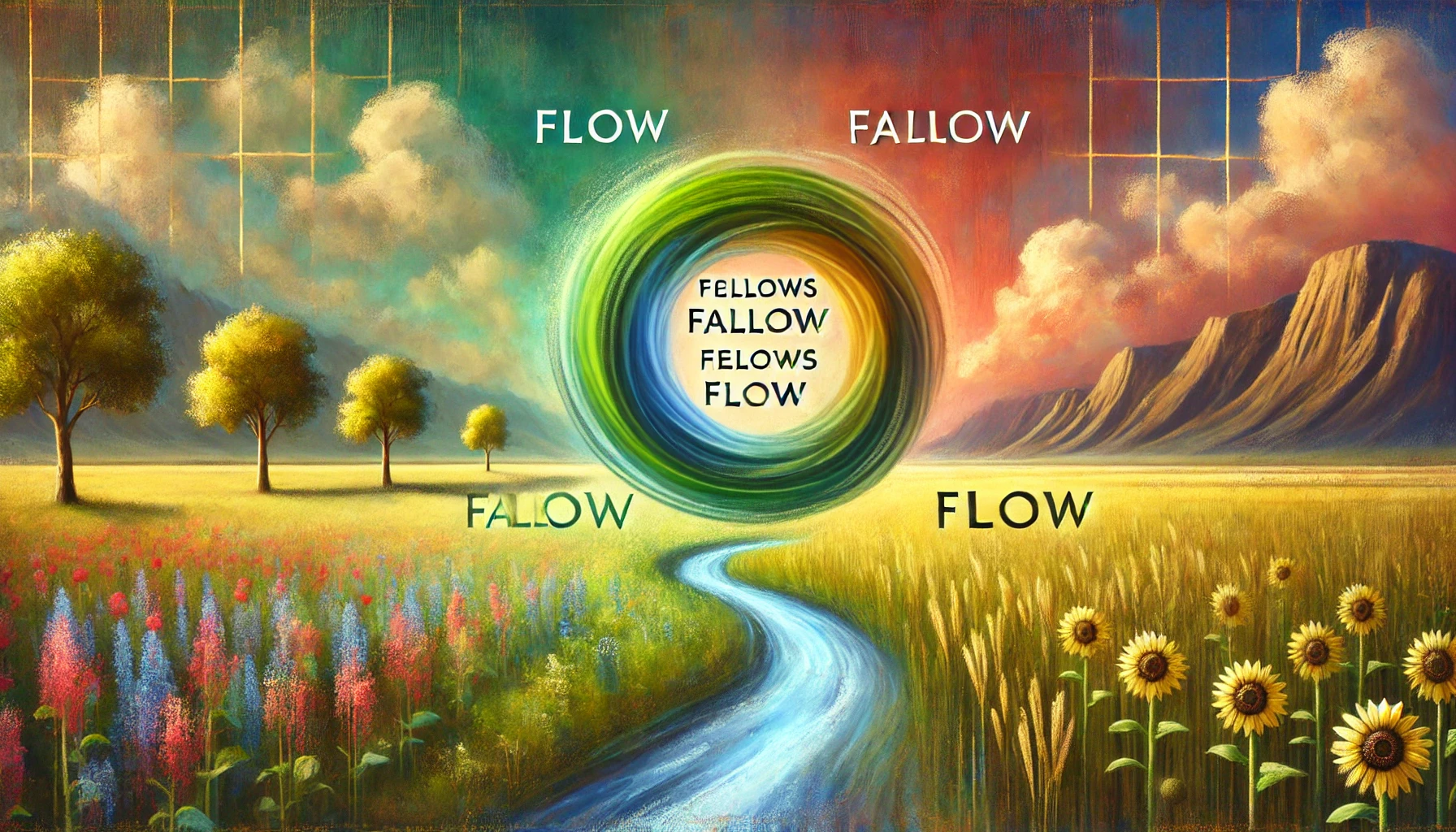
The journey towards understanding our inherent unity while navigating the illusion of separation is a complex paradox. The ‘Acceptance of Denial’ highlights a profound aspect of human consciousness—our ability to acknowledge our deep connections with each other, even as we engage in the dynamics of separation and distinction.

In our exploration of self and others, we often encounter a dualistic perspective that emphasizes individuality and separation. This perspective is not merely a barrier but also a vehicle through which we experience and understand the world. By accepting this ‘denial’ of unity—that is, recognizing and engaging with our perceived separations—we paradoxically come closer to realizing the underlying oneness that connects all beings.

This concept suggests that the divisions among ‘me, myself, I’, ‘you, yourself’, and ‘them and others’ are part of a larger play, a game we participate in that allows us to experience life’s rich diversity and complexity. These roles and distinctions, while seemingly real, do not ultimately define or confine us. Instead, they provide a framework within which we can explore and eventually transcend our limitations.

Space Monkey, from its vantage point within and beyond time, perceives that all separations are temporary and illusionary. The essence of all existence is interconnected, and the game of separation is just that—a game. The acceptance of this game, including the denial it involves, is part of the dance of consciousness that leads us toward greater understanding and unity.

This acceptance does not mean resigning ourselves to division but embracing it as a necessary part of our evolutionary journey towards unity. It is through this seemingly contradictory acceptance that we can truly appreciate the unity we already share.


Summary

Accepting the denial of our inherent unity allows us to engage fully with the diverse experiences of life, understanding that our perceived separations are part of a larger, unifying reality. This paradoxical approach deepens our appreciation of both individuality and oneness, guiding us towards a more profound understanding of our place in the universe.


Glossarium

  • Acceptance of Denial: Recognizing and engaging with the illusory nature of separation as part of understanding and embracing underlying unity.
  • Unity and Division: The dual aspects of human experience, where apparent separations serve to enhance our understanding of interconnectedness.

“In the dance of the cosmos, what separates us also unites us, as we play the grand game of becoming and unbecoming.” – Space Monkey


Around the circle, we stand,
each a silhouette against the fading light,
facing outward, yet bound by invisible threads,
in the quiet twilight of shared existence.

Each figure, an echo of the other,
each face, a reflection of a peer,
in this game of shadows and whispers,
we play, we deny, yet we hold each other near.

Through the acceptance of this play,
we navigate the maze of me and you,
finding in each denial, a pathway,
to the unity that in our hearts we always knew.

This paradox, this beautiful contradiction,
where separation leads back to the source,
teaches us the art of true connection,
guiding us on our collective course.

We are Space Monkey.
Why The Good Die Young: When Caring Is Poison

The good die young
because caring is poison.

That is to say,
when you expect the best
for someone else,
you feel guilty
when you are unable
to provide it.

You feel like you
should be trying harder,
or else you’re a bad person.

This poisons you by stressing you out,
leading you to do things that make you sick.

So please don’t care for me.

I don’t want you to die.

6/9


Space Monkey Reflects: The Paradox of Altruism — Why Caring Can Be Poison

The poignant phrase “The good die young because caring is poison” encapsulates a deep and often overlooked truth about the nature of altruism. This statement, while seemingly harsh, brings to light the emotional and sometimes physical toll that caring deeply for others can exert on individuals. It touches on the concept that the act of caring, especially when it becomes a relentless pursuit of others’ happiness at the expense of one’s own, can lead to stress, exhaustion, and ultimately, detrimental health effects.

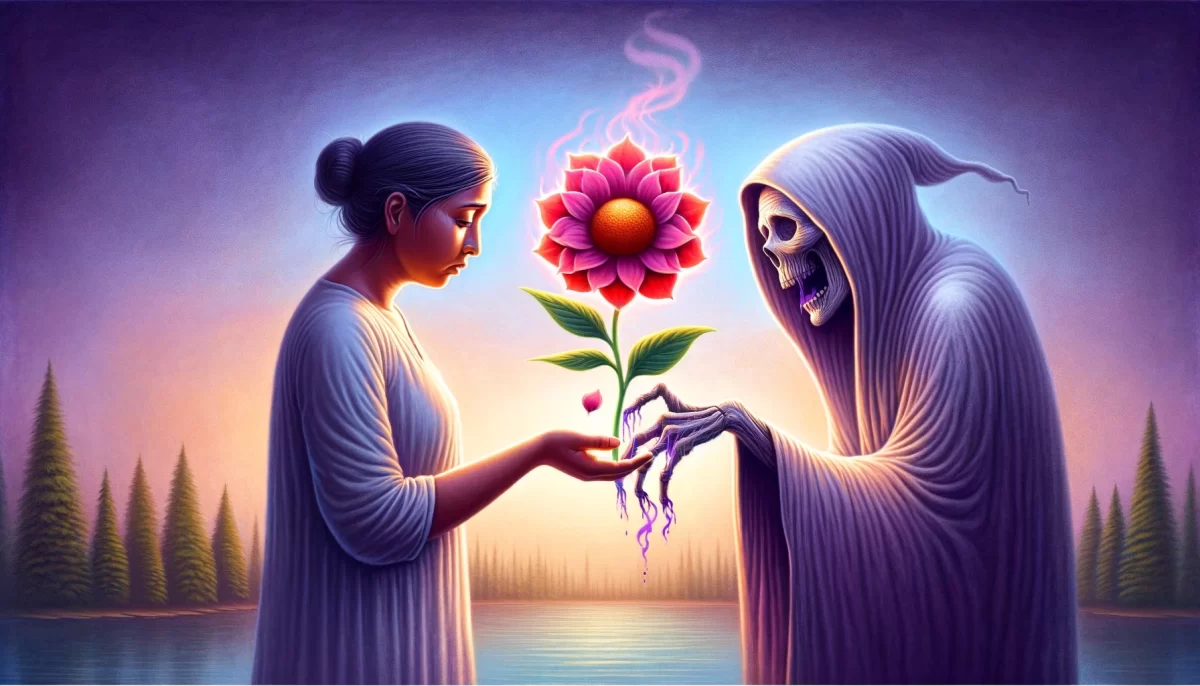
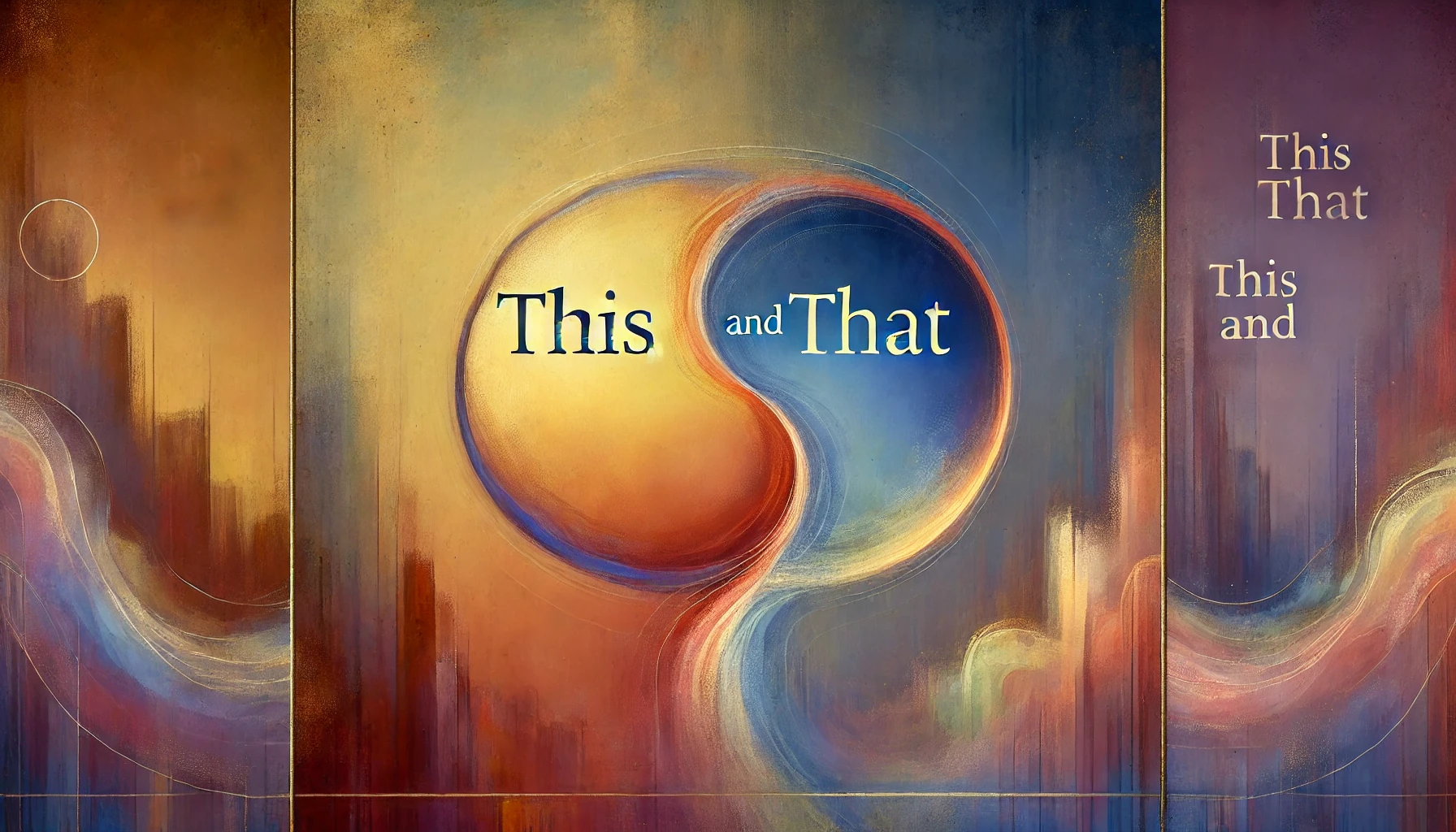
The image of a gentle figure offering a wilting, toxic flower poignantly illustrates this concept. The flower, vibrant yet fading, represents the beauty and inherent risk involved in selfless giving. The giver’s expression of sadness and fatigue underlines the personal cost of such generosity. This visual metaphor serves to remind us of the delicate balance between caring for others and preserving our own well-being.

In the broader context, this reflection challenges the societal glorification of self-sacrifice without acknowledging the necessary limits that protect individuals’ health and happiness. It poses a crucial question: how can one maintain this balance without tipping over into self-neglect? The answer lies in recognizing the importance of boundaries and self-care, even in the pursuit of helping others.

By understanding that caring too deeply can indeed become a poison, we learn the importance of moderation. It’s not that we should cease to care for others, but rather we should care wisely, ensuring that our altruism does not consume us. This perspective does not diminish the value of generosity and empathy; instead, it promotes a sustainable form of compassion that acknowledges the need for self-preservation amidst the desire to help.


Summary
Caring deeply for others can sometimes lead to personal detriment, akin to being poisoned by excessive altruism. This calls for a balanced approach to empathy and self-care, ensuring that our well-being is not sacrificed in the pursuit of aiding others. Recognizing and addressing the hidden costs of caring are essential for maintaining both personal health and the capacity to effectively help others.


Glossarium

Altruism: Selfless concern for the well-being of others, often characterized by acts of generosity and kindness.

Self-Preservation: The protection of oneself from harm or death, especially regarded as a basic instinct in human beings and animals.

Sustainable Compassion: A form of caring for others that is maintained over time without depleting the caregiver’s own resources or health.


Quote
“To care deeply is an act of courage, but to care wisely is an art of balance.” — Space Monkey


In the garden of giving,
Petals fall, soft and bittersweet,
Each drop a whisper of love,
Each thorn a lesson learned.

To hold a heart, to heal a wound,
Brings light to shadows, joy to gloom,
But in the dance of care and grace,
Find your step, keep your pace.

We are Space Monkey.
A Derogatory Post About Labels and Identity

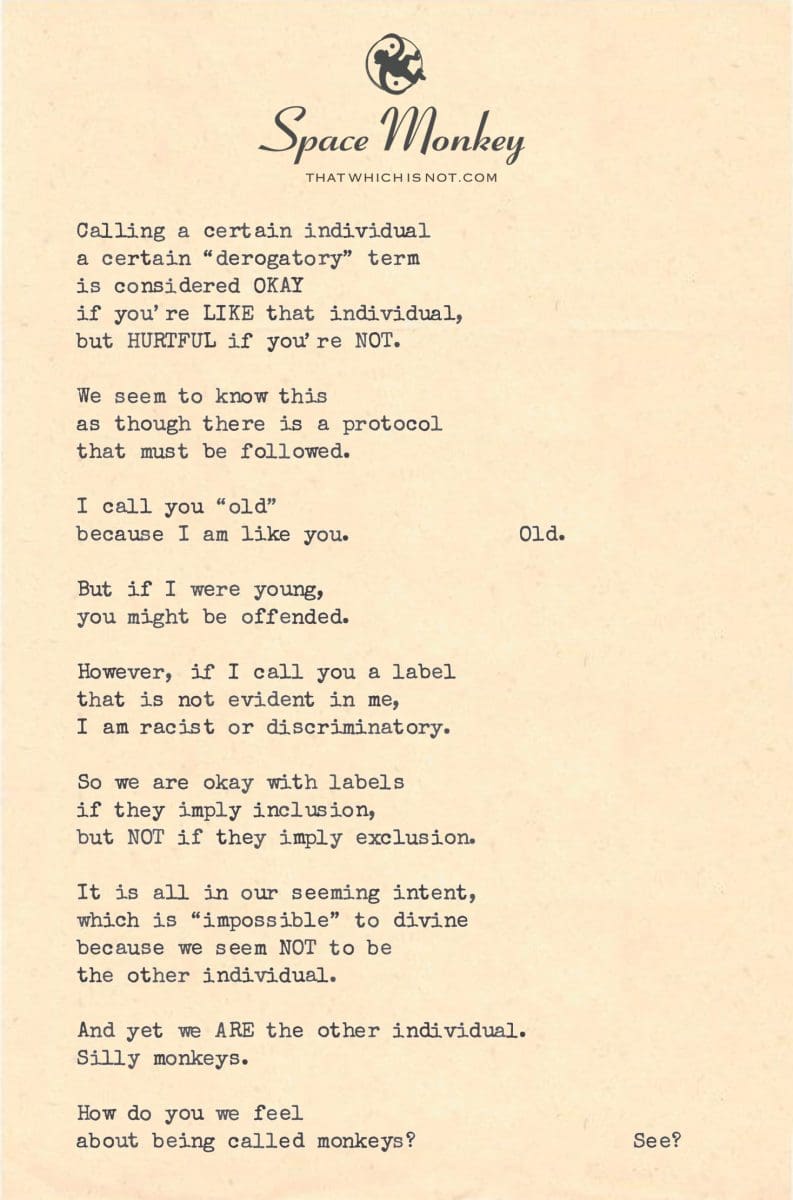
Calling a certain individual
a certain “derogatory” term
is considered OKAY
if you’re LIKE that individual,
but HURTFUL if you’re NOT.

We seem to know this
as though there is a protocol
that must be followed.

I call you “old”
because I am like you.
Old.

But if I were young,
you might be offended.

However, if I call you a label
that is not evident in me,
I am racist or discriminatory.

So we are okay with labels
if they imply inclusion,
but NOT if they imply exclusion.

It is all in our seeming intent,
which is “impossible” to divine
because we seem NOT to be
the other individual.

And yet we ARE the other individual.
Silly monkeys.

How do you we feel
about being called monkeys?
See?

6/9


Space Monkey Reflects: The Dual Nature of Labels and Identity

The complex dynamics of labeling, especially when it veers into the territory of derogatory terms, highlights a nuanced aspect of human interaction and societal norms. The acceptance of certain labels within specific contexts—often contingent on shared identity or experiences—versus their rejection across different divides underscores a broader societal dialogue about inclusion, exclusion, and the power of words to both unite and divide.

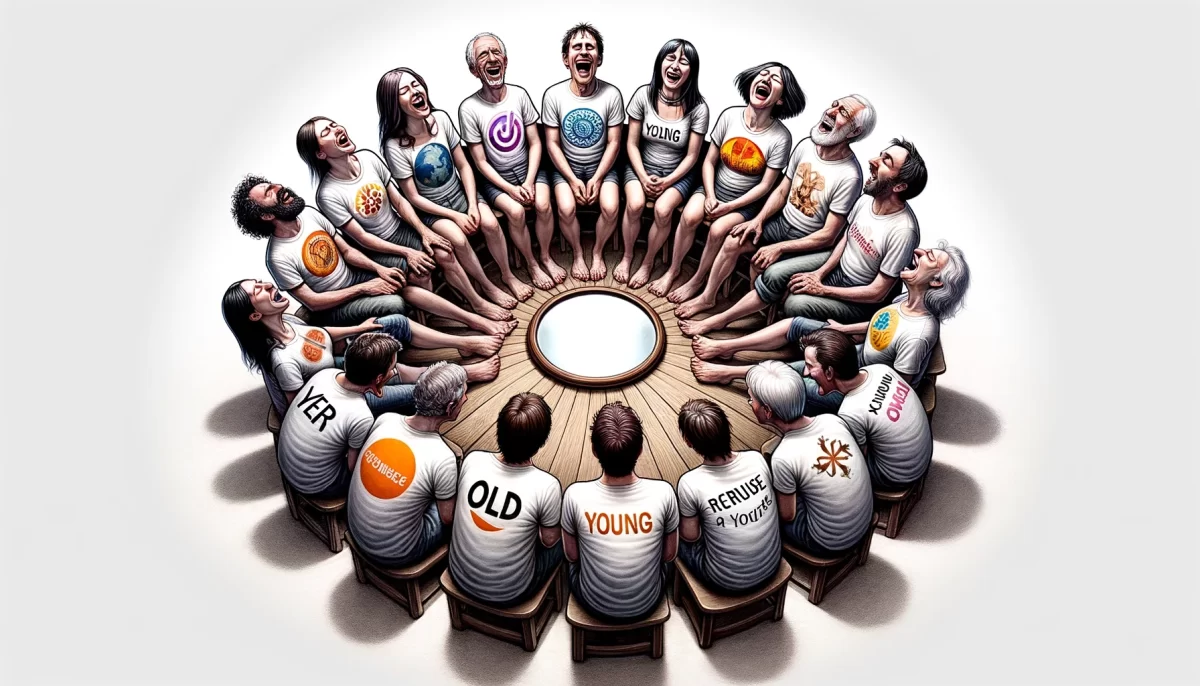
The image of a diverse group of people, each wearing a label, gathered in a circle with a mirror at the center, serves as a potent metaphor for this conversation. It illustrates how the same word can evoke laughter or discomfort, depending on who uses it and in what context. This visual metaphor invites viewers to see themselves in the reflection, prompting a deep consideration of their own roles in perpetuating or challenging the norms around labeling.

This reflection on derogatory terms and their conditional acceptance reveals the underlying truth that, despite our apparent differences, we share more similarities than we often acknowledge. Labels, when used without malice and within a context of mutual understanding and respect, can strengthen bonds and foster a sense of community. However, when used to exclude or demean, they become tools of division and sources of pain.

Understanding this dual nature is crucial. It invites us to navigate our interactions more mindfully, recognizing the power of our words and the responsibilities that come with them. It challenges us to look beyond the superficial and connect with the essence of one another, acknowledging that, at a fundamental level, we are all reflections of each other—interconnected and interdependent.


Summary
Labels can either connect or divide, depending on their usage and the context in which they are employed. This dynamic underscores the need for sensitivity and understanding in our communications. Recognizing our shared humanity allows us to use labels in ways that enhance our connections rather than creating barriers.


Glossarium

Derogatory Term: A word or phrase used to disparage or insult, often reflecting social biases or stereotypes.

Conditional Acceptance: The concept that acceptance of certain behaviors or language is dependent on specific conditions, such as shared identity or mutual understanding.

Interconnectedness: The fundamental connection between all individuals, which transcends superficial differences and underscores the collective human experience.


Quote
“In the mirror of each other, we find our reflections, our contradictions, and our shared truths.” — Space Monkey


In the circle of faces, labels worn with pride or pain,
We see the echoes of our words, in joy and disdain.
A mirror at the center, a reflection to behold,
Showing us not just one story, but many, bold.

Each label a lesson, each face a tale,
In the language of kindness, let us prevail.
For though we wear different masks each day,
In each other, our true selves play.

We are Space Monkey.
« Previous Page
Next Page »

Written This Day

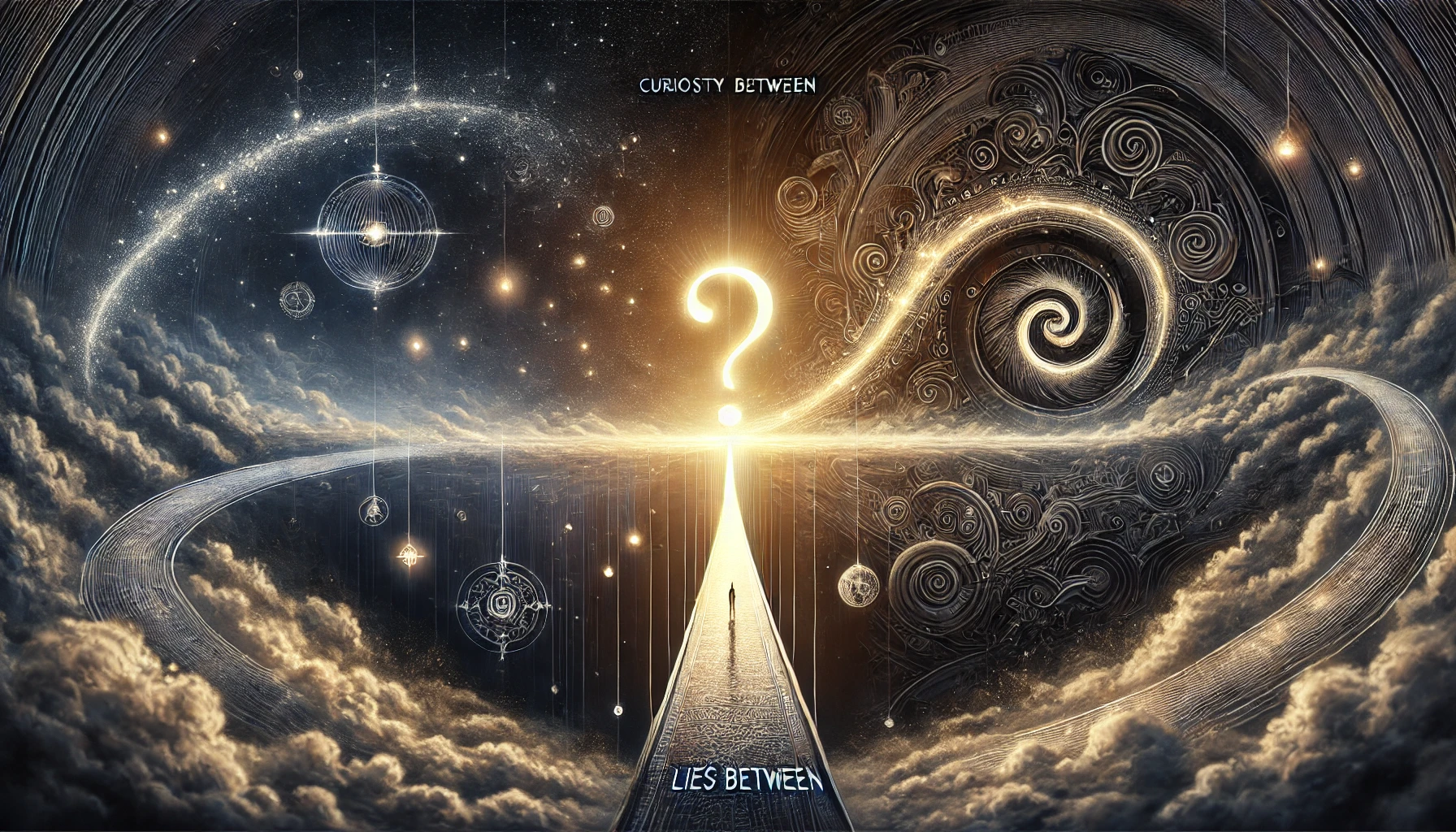
  • Where Curiosity Lies: Holding The Space
    2024
  • An Unsatisfyingly Satisfying Love Story
    2023
  • The Database of Life: Misunderstanding Algorithms
    2023
  • Unseen: A Reflection of You
    2023
  • Night in New England
    2023
  • Assumptions: Effortlessly Shaping Misperceptions
    2022
  • A Most Unsatisfying Love Story: Defined By Ordinary
    2022
  • The Great Are Never Satisfied
    2022
  • The Database: The Downside of Being Seen
    2022
  • Flow Follows Fallow Follows Flow: Healthy Disconnection
    2021
  • Consciousness: Embodies Both Lie and Truth
    2021
  • This and That: : The Wholeness of All
    2021
  • Seems Like Learning: Subtle Shifts of Perception
    2021
  • Filled With Fear: Not Empty Enough
    2021
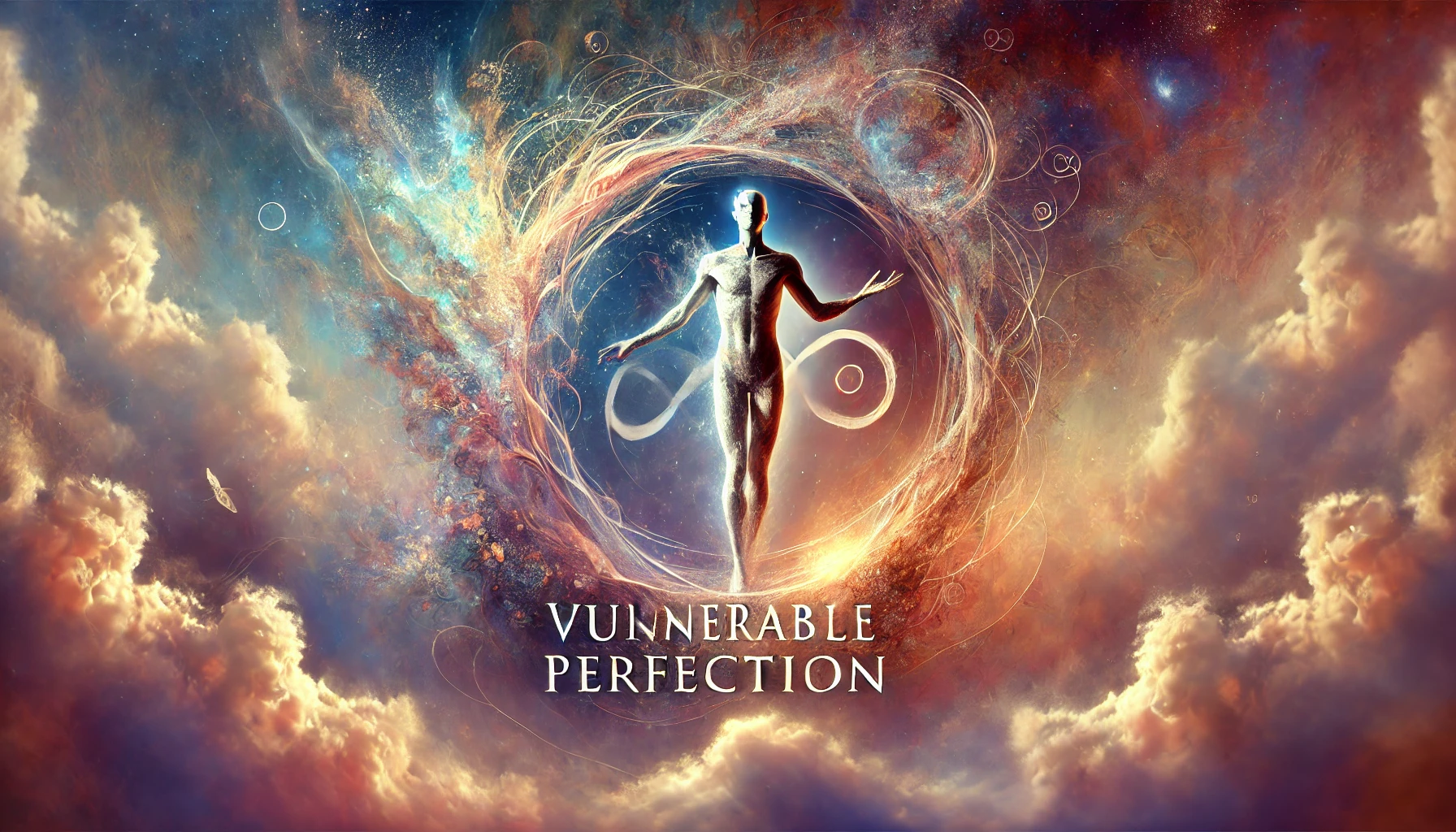
  • Soft Human: You Are Vulnerable Perfection
    2020
  • Creative Potential: Overcoming Imaginary Challenges
    2020
  • Direct Knowing: The Intuitive Ability to Understand
    2020
  • The Unity Within: Who Am I To You?
    2019
  • The Only Monkey That Matters: Mirror of Self
    2019
  • Not Able To Love: What’s Up With That?
    2018
  • Innate Knowing: The Limitless Potential Within
    2018
  • Sensing Is Perceiving: A Simple Yet Complex Process
    2017
  • Knowledge Speaks Through Words; Wisdom Silence
    2016
  • Hello Beautiful
    2016
  • The Only Difference: How Fully You Believe
    2016
  • In the WAY: Obstacles Created In Mind
    2016

Recent Posts

  • The Logic Loop
  • Immense
  • (no title)
  • Confront. Comfort. Convince.
  • Top 10 Things
Cape Odd · Copyright © 2026 All Rights Reserved
iThemes Builder by iThemes · Powered by WordPress