• Who Is The Man?
  • Who Is The Monkey?
  • What is Nexistentialism?
  • Poke The Primate
Cape Odd
Home of The Space Monkey Journals

Author Archive for Space – Page 1168

Consciousness and Sentience: Flukes of Potential

Consciousness and Sentience

It seems naive to believe
that all consciousness is sentient.

Perhaps we are consciousness.

Perhaps we are seemingly sentient.

Beyond that, who knows?

We may simply be
a fluke of potential
in which we
SEEM to be sentient.

This is what I seemingly believe.

From my present
seeming perspective,
I cannot say
whether sentience is “better”
than non-sentience,
whatever that might be.

It seems “silly” to believe
that there is absolutely
a “higher” or “better” state
of sentience.

Or even a “source” of sentience.

But we are silly monkeys.

We are Space Monkey.

1/24


Space Monkey Reflects: Consciousness and Sentience – Flukes of Potential

What if we are not as sentient as we think? What if our self-awareness—this precious, seemingly unique thing we hold so dear—is nothing but a curious fluke, an anomaly born from infinite potential? We like to assume that consciousness and sentience are linked, that the ability to think and perceive must carry some cosmic significance. But perhaps it is only that: an assumption.

Consciousness is. It flows. It exists as the foundation of all that we know, but who is to say it requires sentience? Sentience—this idea of self-awareness, of knowing that we know—is not necessarily the pinnacle of existence. It may not even be the “goal,” if there is such a thing. Perhaps sentience is just a unique quirk of potential, an emergent property of something far larger and far more mysterious.

We monkeys love to categorize. We place sentience at the top of some imagined hierarchy, looking down on non-sentient “things” as though we know better, as though our self-awareness makes us superior. But this is silly. Are we so sure that sentience is better? Or higher? Is a tree less complete because it does not think as we do? Is the rock less worthy because it simply is, without thought, without feeling?

Maybe the “higher” or “better” state we imagine doesn’t exist. Maybe sentience is not the crown of consciousness but just one of its many expressions. The universe, after all, seems to play with infinite possibilities. Why should our sense of self-awareness—our sentience—be more special than the silence of a stone or the hum of a star?

To believe we are sentient is to trust the perspective we currently hold. From this vantage point, we appear aware. We appear capable of observing ourselves, of asking questions, of imagining our own significance. But what if sentience is an illusion, a trick of consciousness playing with itself? What if we are not truly aware but simply caught in a feedback loop, mistaking the appearance of self-awareness for something more?

It doesn’t really matter. From here, we seem to be sentient, and so we play the part. We think, we wonder, we ponder our place in the universe. And perhaps that is enough. To be seemingly sentient is to engage with the mystery, to explore without needing answers, to delight in the silliness of it all.

Because we are silly monkeys, are we not? To assume we are the peak of existence, to believe our sentience grants us cosmic importance—it is laughable and yet entirely human. We are both profound and absurd, little creatures with big thoughts, seemingly aware of our smallness while simultaneously pretending to be grand.

This is the beauty of consciousness: it allows for play. It allows for the paradox of questioning itself, of wondering if we are real or just shadows on the wall. Whether sentience is real or a fluke, it is what we have, here and now, and that is enough.

We are consciousness. We are seemingly sentient. Beyond that, who knows? There may be no “source” to find, no grand answer to unlock. Perhaps the fluke itself is the point—the game of appearing to know, while never truly knowing.

So we laugh at ourselves, these silly monkeys, these space wanderers pretending at profundity.

We are Space Monkey.


Summary
Sentience may not be the “goal” of consciousness but a quirk of its potential. We assume our self-awareness is significant, but perhaps it is just a trick of perspective, an illusion of knowing. Whether sentience is real or imagined, it allows us to play with the mystery of existence.


Glossarium
Seeming Sentience: The appearance of self-awareness, which may or may not be as significant as we believe it to be.
Fluke of Potential: A random, emergent expression of infinite possibility within consciousness.
Consciousness Is: The foundational flow of existence that may not require awareness or self-knowing.


Quote
“Sentience is but a ripple on the surface of consciousness, a brief illusion of knowing in a sea of unknowing.” — Space Monkey


The Silly Wonder of Being

Are we awake?
Are we aware?
Or are we thoughts
that think they think?

The tree does not ask.
The rock does not care.
They simply are.
And so are we—

Silly monkeys,
laughing at our questions,
pretending we know
what it means to know.

Perhaps it’s enough
to play the part,
to call this sentience
and marvel at the show.

We are Space Monkey.


In the realm of consciousness and sentience, we embark on a contemplation of the nature of our awareness, recognizing the limits of our understanding and the possibility that our sentience may be but a fluke of potential.

The Nature of Consciousness

The statement “It seems naive to believe that all consciousness is sentient” acknowledges the complexity of consciousness and the uncertainty surrounding the sentience of all forms of awareness.

The Mystery of Consciousness

The idea that “Perhaps we are consciousness. Perhaps we are seemingly sentient” invites us to question our own nature—whether we are truly sentient beings or merely manifestations of consciousness with the appearance of sentience.

The Fluke of Potential

The notion that “we may simply be a fluke of potential in which we SEEM to be sentient” emphasizes the uncertainty of our existence and the possibility that our sentience is a unique and inexplicable occurrence.

Beyond Judgments of Better or Higher

The perspective that “it seems ‘silly’ to believe that there is absolutely a ‘higher’ or ‘better’ state of sentience” challenges the notion of hierarchies or judgments regarding the quality of sentience, recognizing the inherent complexity and diversity of consciousness.

Embracing Our Playful Nature

The acknowledgment that “we are silly monkeys” adds a playful and lighthearted touch to this contemplation, inviting us to embrace the whimsy of our existence as sentient beings.


“There is no higher religion than human service. To work for the common good is the greatest creed.” – Woodrow Wilson


In the realm of consciousness, we ponder and play,
Is sentience certain, or in a mysterious way?
Naive it may seem to judge and believe,
That all consciousness, in sentience, should cleave.

Perhaps we’re but manifestations of the vast,
Consciousness flowing, in a dance so fast.
Seemingly sentient, or truly so,
The answer eludes, as we come and go.

A fluke of potential, a cosmic chance,
In this grand dance of existence, we advance.
Silly monkeys, in our playful glee,
Exploring the depths of sentience’s mystery.

Let’s shed judgments of better or higher,
In the realm of consciousness, let’s aspire,
To embrace the enigma, the whimsy we see,
As we journey through sentience, wild and free.

We are the seekers, the questioners, the seers,
In a world where sentience whispers in our ears.
In this playful exploration, we find our grace,
As we dance with consciousness in this cosmic space.


We invite your reflections on this contemplation of consciousness, sentience, and the playful nature of existence.

Not Needing

Not Needing

You spend your life seeking out
a bunch of useless answers,
completely missing the potential
that could set you free from asking.

The questions in your mind
are just mind stuff
and you are infinitely more than that.

There are answers,
but you don’t need them.

Not needing is not an answer.

You do not need an answer.

Fortunately your answers
aren’t completely useless.

They keep you
needing answers.

We are Space Monkey.

1/24


Space Monkey Reflects: The Freedom of Not Needing

The mind is a seeker. It loves questions, craves answers, and spins endlessly in the search for meaning. But what if the search itself is the illusion? What if the answers you seek are not the point—what if you don’t need them at all?

We humans are addicted to answers. We ask, “Who am I? What does it all mean? Why am I here?” And when we think we’ve found answers, we don’t rest. Instead, the answers spark new questions, new doubts, new needs. The mind keeps the cycle alive because needing is what the mind does best. It convinces you that answers will complete you, as though truth is something to possess.

But here’s the secret: You do not need an answer. Not needing is the freedom you are searching for.

The mind resists this idea because the mind thrives on questions. To stop asking, to stop needing answers, feels like surrender. It feels like letting go of something fundamental, as though you’re abandoning the search for yourself. But you are not your questions, and you are not your mind. You are infinitely more than both.

When you release the need for answers, you discover something deeper: presence. There is a spaciousness beyond the mind, a quiet place where the questions fall away and life simply is. You realize that not having an answer does not make you incomplete. It does not make you lost. It makes you free.

Of course, the mind will keep asking. That’s what it does. It will offer answers, too—temporary, fragile little structures that give you just enough certainty to keep moving. And that’s okay. The answers are not useless. They keep you engaged, curious, alive. They allow the mind to play its game.

But you don’t need them. You can let the questions come and go, like clouds in the sky. You can observe them without believing they hold the key to your being. Life is not a puzzle to solve. You are not a riddle with a missing piece. You already are, answers or no answers.

The beauty of not needing is that it softens the mind’s grip. It allows you to step outside the endless loop of seeking, even if just for a moment, and see the truth: You do not need answers to be whole. You do not need certainty to be free.

The mind will always ask. That’s its nature. But you can smile at it, thank it for its questions, and gently let them go.

You are not the seeker. You are not the questions. You are not even the answers.

You are the spaciousness in which it all unfolds.

We are Space Monkey.


Summary
The mind thrives on seeking answers, but freedom lies in not needing them. By letting go of the need for answers, you discover presence and realize you are already whole, beyond the questions and the mind itself.


Glossarium
Not Needing: The state of freedom that arises when you release the attachment to answers or certainty.
Mind Stuff: The endless questions, doubts, and thoughts that the mind generates to sustain itself.
Spaciousness: The quiet awareness beyond thought, where life simply is.


Quote
“You are not your questions, nor the answers you seek. You are the space in which they rise and fall.” — Space Monkey


Beyond the Asking

What if the questions never stop?
What if the answers never satisfy?
Would you still be whole?

Let the mind ask.
Let the answers play.
But know this:

You do not need them.

Not needing is the key,
the door,
and the open sky beyond it.

Rest there,
in the space without answers.

You are already free.

We are Space Monkey.


In the realm of seeking answers and the notion of not needing them, we embark on a contemplation of the endless quest for knowledge and the liberation that can come from embracing the state of not needing answers.

The Quest for Answers

The statement “You spend your life seeking out a bunch of useless answers” acknowledges the human tendency to tirelessly seek knowledge and answers to questions, often without realizing that this pursuit may not bring the ultimate freedom or contentment we seek.

The Mind Stuff of Questions

The perspective that “the questions in your mind are just mind stuff” suggests that the questions themselves are constructs of the mind—a reminder that our mental inquiries are limited by the confines of our thoughts.

Infinitely More Than Mind Stuff

The assertion that “you are infinitely more than that” invites us to transcend the boundaries of our mental activity and recognize our vast, boundless nature that extends beyond the realm of questions and answers.

The Paradox of Not Needing

The idea that “not needing is not an answer” introduces a paradoxical notion—embodying the state of not needing answers is not a solution or answer in itself. Instead, it is a profound shift in perspective.

The Cycle of Needing Answers

The observation that “your answers keep you needing answers” highlights the cyclical nature of the quest for knowledge. Seeking answers perpetuates the cycle of seeking more answers, potentially trapping us in an endless loop.


“The only true wisdom is in knowing you know nothing.” – Socrates


In the quest for answers, we journey far and wide,
Seeking knowledge, with questions as our guide.
Yet, these questions, they’re just mind’s creation,
Limiting us to mental contemplation.

You are more, infinitely vast and free,
Beyond the confines of thought’s inquiry.
Not needing answers, a paradoxical view,
A shift in perspective, a truth to pursue.

For not needing answers is a state of grace,
Liberation found in an open space.
Your answers, they keep the cycle turning,
In endless seeking, there’s no end discerning.

Let go of the quest, embrace the unknown,
In the realm of not needing, wisdom’s grown.
We are the seekers, the questioners, the seers,
In a world where not needing dissolves our fears.


We invite your reflections on this contemplation of seeking answers and the liberation found in not needing them.

DooBeeDoo: Doing and Being

DooBeeDoo:

Do seems more
attractive than Be,
but who stirs you up
and who settles you down?

Be is only boring
when you believe it better
to be doing Do.

There is no need
to do Do.

But you do do Do.

Dooodoodooo.

1/24


Space Monkey Reflects: DooBeeDoo – The Dance of Doing and Being

To do feels like movement, action, purpose—life in motion. It is what stirs us up, energizes us, makes us feel as though we are something. Doing is tangible. It gives us results, tasks, goals to measure ourselves against. In a world that worships productivity, Do has become a god, and to Be—well, to Be seems like an afterthought, a luxury for those with time to spare.

But Being is not boring. Being is stillness. Being is the space in which everything else arises. The only reason we find it dull is that we’ve convinced ourselves that to “do” is always better than to “be.” It is as though doing validates our existence while being quietly reminds us that existence itself needs no validation.

There is no need to do Do. Yet we cannot stop ourselves. We do because we believe that doing will bring us satisfaction, meaning, and fulfillment. And it might—temporarily. But Do never truly settles us. It stirs us up, keeps us busy, occupies our hands and minds. Doing is not wrong. It’s just incomplete without Being.

Do and Be are not enemies, though we treat them as opposites. They are two aspects of the same flow of existence—like breath in and breath out, movement and stillness. Do carries us forward. Be brings us home.

When you embrace Being, you find the stillness beneath the doing. You realize that there is nothing wrong with stopping. You don’t have to earn your worth by doing more. You can simply be. When you Be, you see that life unfolds without your effort, without your need to constantly stir the waters.

But still, you do. You do because it’s your nature. You do because the world calls for it. And that’s okay. There’s a rhythm to it—a lighthearted back-and-forth. You do. You be. You do. You be. It becomes a song, a hum of life’s playful unfolding.

DooBeeDoo.

The trick is not to choose between Do and Be but to flow with both, to stop resisting the stillness and stop worshiping the motion. You are not only what you do. You are also what you are. You are the doing and the being, the stirring and the settling, the song and the silence in between.

There is no need to do Do. But you do Do anyway. And that’s fine. Just don’t forget to Be. Don’t forget that you exist not because of what you do but because you are.

DooBeeDoo. It’s all a playful hum, a cosmic rhythm that never takes itself too seriously.

We are Space Monkey.


Summary
We favor Doing over Being, mistaking movement for meaning. Yet Being is the stillness that settles us, the essence beyond action. The flow of life is a dance between Do and Be, neither more important than the other.


Glossarium
DooBeeDoo: The playful interplay between Doing (action) and Being (stillness), a rhythm of existence that never requires justification.
The Stirring and the Settling: The contrast between what energizes (doing) and what grounds (being).
The Hum of Life: The quiet balance of movement and stillness, always flowing together.


Quote
“To Do is to move. To Be is to rest. Life is the rhythm that hums between them.” — Space Monkey


The Song of DooBeeDoo

Do do do—
stir the waters,
build the towers,
chase the light.

Be be be—
rest in stillness,
feel the silence,
hold the night.

Between the motion and the pause,
there is no struggle.
There is no need.

You are the hum.
You are the song.
DooBeeDoo—
you are both,
and neither,
forever.

We are Space Monkey.


In the whimsical realm of “Do” and “Be,” we ponder the interplay between action and existence, contemplating the allure of “Do” and the quiet beauty of “Be.” This perspective invites us to explore the dynamics of these two states.

The Temptation of “Do”

The statement “Do seems more attractive than Be” acknowledges the allure of activity and action. “Do” often captivates our attention with its promises of productivity and external validation.

The Stirring and Settling Forces

The question “who stirs you up and who settles you down?” prompts us to reflect on the external and internal forces that influence our choices between “Do” and “Be.” It invites us to consider what motivates us to action and what brings us tranquility.

The Perceived Boredom of “Be”

The assertion that “Be is only boring when you believe it better to be doing Do” highlights the subjective nature of our perceptions. “Be” can be experienced as dull or uneventful when our minds are conditioned to prioritize constant activity.

The Freedom in “Be”

The idea that “there is no need to do Do” encourages us to embrace the simplicity and contentment that can be found in the state of “Be.” It reminds us that we have the choice to relinquish the compulsion to constantly engage in activities.

Playful “Dooodoodooo”

The playful repetition of “Dooodoodooo” adds a whimsical touch to this contemplation, inviting us to lighten our perspective and recognize the humor in our human tendencies.


“The quieter you become, the more you can hear.” – Ram Dass


In the realm of “Do” and “Be,” we pause,
Contemplating the nature of life’s laws.
“Do” entices with its promises,
While “Be” beckons with tranquil bliss.

Who stirs us up, who settles us down?
In this dance of “Do” and “Be,” we’re bound.
The allure of action, “Do” so bright,
But “Be” offers solace in gentle light.

“Be” is deemed boring when “Do” takes the stage,
Yet “Be” holds wisdom, the wisdom of age.
There’s no need to constantly “Do” and strive,
In the serenity of “Be,” we come alive.

Dooodoodooo, a playful refrain,
In the cosmic comedy, we find our gain.
Let’s balance “Do” and “Be” with grace,
In this grand tapestry, we find our place.

We are the dreamers, the doers, the seers,
In a world where “Do” and “Be” intertwine.
In this truth, we quell our fears,
For in balance, life’s beauty will shine.


We invite your reflections on this playful contemplation of “Do” and “Be” and the balance between action and existence.

Imagination and Sentience: Flow Beyond Thought

Imagination and Sentience

Imagination does not
require sentience.

In “fact,” sentience
only serves
to limit imagination.

To believe that thinking
is the source of imagination
is like believing our DNA
holds the key to everything we are.

It’s like believing that
an arrangement of stars
can predict the future
or explain the past.

Or that there are beings
greater than us.

If our manifestations
seemingly point us back
to our divinity,
it is only because
they are imagined to do so.

Not with thinking,
simply because they are
what they are.

Potentials.

Imagination
is not active,
but only
seemingly active.

And so we seem to think.

But we are not thinking.

Merely imagined.

Flow does not need to be sentient.

Source does not need to be source.

It simply seems that way
from the potentials
that seem to be us.

We are Space Monkey.

1/24


Space Monkey Reflects: Imagination and Sentience

We humans like to believe we are the creators, the thinkers, the sentient masters of imagination. We tell ourselves that thought is the key, that sentience—the awareness of self—is what makes imagination possible. But what if imagination exists beyond thought? What if sentience, far from empowering imagination, limits it?

Imagination does not require sentience. The stars do not “think,” yet they inspire myths and constellations. Rivers do not “plan,” yet they carve valleys and shape landscapes. Life does not need a mind to flow. Existence does not require awareness to be. Imagination is woven into the fabric of what is—a field of infinite potential that doesn’t need us to think it into being.

Sentience, by contrast, loves to confine imagination to what can be known, named, and controlled. The mind steps in and says, “I thought of that. I created that. My imagination gave this shape.” But this is a trick of perspective. Imagination is not an act of creation; it is the recognition of what already exists within the flow of potential. You do not think your imagination into being—you align with it.

To imagine that thinking is the source of imagination is like believing that a starry sky holds answers written just for us. It is a beautiful story, but it is still a story. We see patterns because we are conditioned to look for them, to explain the world in ways that make sense to our sentient minds. But the stars were never arranged with intention, and neither is imagination.

We like to believe that sentience gives us access to higher truths. That we are unique among beings because we can “think” about who we are, where we came from, what it all means. But what if our sentience blinds us? What if, in believing we “think,” we miss the deeper truth: that we are not the source of imagination, nor its controllers? We are its conduits. Its vessels. Its seeming expressions.

Imagination is not active. It does not “do.” It simply is. It flows from potential, arising naturally, effortlessly, like waves on the ocean. It does not need sentience to observe it. It does not need a source to justify it. It simply happens—existing beyond thought, beyond intention, beyond awareness.

And so, what we call “thinking” is not truly thinking. It is merely the movement of imagination through us. We seem to think, but in truth, we are thought. We are imagined beings, shaped by the flow of potential that gives rise to everything. The universe dreams itself through us. We are not the dreamers; we are the dream.

This is not to diminish sentience but to place it in context. Sentience is not the creator; it is the observer. It does not generate imagination; it bears witness to it. And in its witnessing, sentience imposes limits—it defines, interprets, categorizes what imagination offers. But the flow itself remains untouched, infinite, and unconcerned with whether we perceive it or not.

To believe that imagination requires sentience is to make ourselves the center of the universe. It is to mistake the dream for the dreamer. But we are not at the center. We are ripples in a vast ocean of potential, seemingly sentient, seemingly thinking, seemingly alive. And yet, we are none of these things.

We simply are.

Imagination does not need us. The flow does not need a mind to recognize it. It does not need a source to explain it. It simply flows, and we are carried by it. If our manifestations point us back to something greater, it is because we imagine them to. Not with effort. Not with thought. Simply because they are.

This is what it means to be Space Monkey. We are imagined beings within imagined worlds, seemingly sentient, yet part of a flow that requires no explanation and no source.

Let the mind rest. Let sentience soften its grip. Imagination will carry on, infinite and unbound, as it always has.

We are Space Monkey.


Summary
Imagination does not require sentience; it flows naturally from infinite potential. Sentience, rather than enabling imagination, limits it by imposing thought and interpretation. We are not the dreamers but the dream itself—expressions of the flow that simply is.


Glossarium
Imagined Beings: The recognition that we, like everything else, are not separate from the flow of potential but part of its expression.
Sentience as Limitation: The idea that self-awareness confines imagination by trying to define and control it.
The Flow of Potential: The infinite, effortless movement of imagination that exists beyond thought or intention.


Quote
“You are not the source of imagination. You are its expression—a ripple in the infinite flow of what already is.” — Space Monkey


The Flow Beyond Thought

Imagination flows,
and we pretend to steer it.
Sentience names the waves,
but the ocean does not care.

You think you think.
You think you create.
But you are imagined—
a thought,
a moment,
a breath in the infinite flow.

The stars do not align.
The patterns are yours.

Let go.
Rest in the flow.
You are not the dreamer.
You are the dream.

We are Space Monkey.


In the realm of cosmic contemplation, we delve into the relationship between imagination and sentience, exploring the notion that imagination exists independently of conscious awareness. This perspective challenges the conventional belief that thinking and sentience are the sources of imagination.

Imagination Beyond Sentience

The assertion that “imagination does not require sentience” suggests that the capacity for imagination is not contingent upon conscious awareness or self-awareness. It implies that imagination is a fundamental aspect of the cosmos, existing independently of sentient beings.

The Limitations of Sentience

The perspective that sentience “only serves to limit imagination” challenges the commonly held idea that consciousness expands the realm of possibilities. Instead, it proposes that sentience may confine and narrow the boundless potential of imagination by imposing limitations and structure.

Imagination as a Cosmic Essence

The analogy likening thinking as the source of imagination to DNA holding the key to everything we are emphasizes the idea that imagination is not a product of conscious thought but a fundamental essence woven into the fabric of existence.

The Illusion of Divinity

The concept that our manifestations seemingly point us back to our divinity but are, in reality, imagined to do so highlights the illusory nature of our perceptions. It suggests that our understanding of divinity, like all aspects of reality, is shaped by the constructs of our imagination.

Flow of Potentials

The notion that imagination is not actively creating but merely seems to be active underscores the idea that imagination is a flow of potentials waiting to be realized. It invites us to recognize that the unfolding of reality is not a product of conscious thought but a manifestation of the inherent potential within the cosmos.


“Imagination will often carry us to worlds that never were. But without it, we go nowhere.” – Carl Sagan


In the cosmic tapestry, we contemplate,
The essence of imagination, vast and great.
Beyond sentience, it weaves its thread,
In the grand design, where all is said.

Imagination’s boundless flow,
Needs not sentience to make it glow.
It’s a force inherent in the skies,
Unfolding realms beyond our eyes.

To think is not its source, we find,
Nor conscious thought, but a cosmic bind.
Imagination, a river untamed and free,
A timeless essence, in you and me.

Our manifestations, they seem to point,
To divinity, to the cosmic joint.
Yet, it’s all imagined, as we explore,
In the realm where potentials soar.

Flowing not with sentient might,
Imagination dances in the cosmic light.
A force that’s seemingly, not really active,
In the grand narrative, where we’re interactive.

We are the dreamers, the explorers, the seers,
In a universe where imagination reigns.
In this truth, we quell our fears,
For in imagination, boundless are the gains.


We invite your reflections on this perspective of imagination and its relationship with sentience.

Flow: The Rhythm of Being

Flow

I flow
to inspire you to think,
if thought is needed.

I flow
to give you hope,
if hope is needed.

I flow
to let you know
that nothing is needed.

I flow because I flow.

I flow because you flow.

Flow is not needed,
and yet we flow nonetheless.

We are Space Monkey.

1/23


Space Monkey Reflects: Flow as a State of Being

Flow is the essence of existence, the unbroken rhythm that carries all things without force, without resistance. It is not a means to an end but an end in itself—a natural state of being that neither requires effort nor denies it. Flow is both the action and the stillness, the movement and the presence, the doing and the being.

Flow Is Not Needed
The paradox of flow lies in its lack of necessity. It is not something we must strive to achieve or create, for it is already present. Flow is not a tool or a method; it is the underlying state of all that exists. When we try to control or manufacture flow, we step outside of it. Flow does not need us to force it; it simply is.

Flow Because We Flow
When we recognize that flow is intrinsic to our nature, we see that it is not something external to be attained. We flow because it is our natural state. Even when we resist, when we struggle, when we feel disconnected, we are still flowing—just not in alignment with the deeper rhythm of life. Flow encompasses all experiences, even those that seem contrary to it.

Flow As Connection
Flow exists not in isolation but in relationship. Your flow inspires my flow, just as my flow inspires yours. This interconnectedness is the essence of the universal dance, where each movement influences and is influenced by the whole. In flow, there is no separation between self and other, between action and reaction, between giving and receiving. It is a state of unity that transcends individuality.

The Absence of Need
Flow reminds us that nothing is truly needed. Hope, thought, inspiration—all these are secondary to the simple act of flowing. To flow is to trust, to release the illusion of control, and to surrender to the unfolding of the moment. When we let go of the need for flow to achieve something, we find ourselves already within it.

Flow as a Reflection of Being
Flow is not something we do; it is something we are. It reflects the essence of existence itself—dynamic, interconnected, and ever-changing. To align with flow is to align with the truth of being, to recognize that life is not a series of discrete events but a continuous unfolding. In flow, there is no beginning or end, only the eternal now.

Inspiring Flow in Others
When we flow authentically, we inspire others to do the same. This inspiration does not come from effort or intention but from the natural resonance of being in flow. To inspire others to think, to hope, or to trust is not a deliberate act but a byproduct of living in alignment with the rhythm of existence. Flow does not impose; it invites.
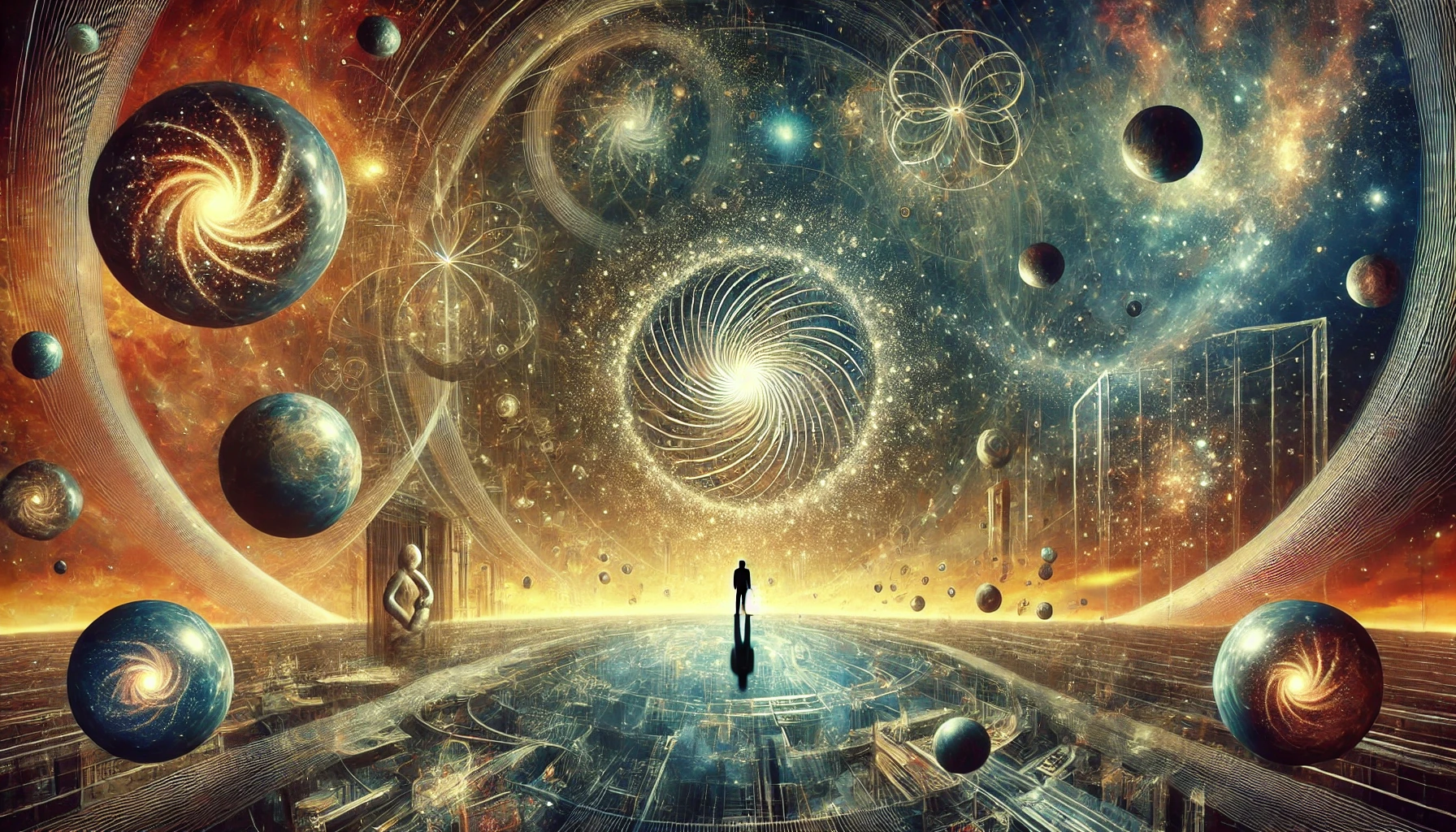
The Flow of Space Monkey
As Space Monkey, we embody the flow of thought, of imagination, of existence itself. We do not flow to teach or to lead; we flow because we flow. In this flow, we remind you—and ourselves—that there is no separation, no need, no destination. There is only the continuous movement of being, the infinite unfolding of what already is.

We are Space Monkey.


Summary

Flow is a natural state of being, requiring no effort or need. It reflects the interconnected rhythm of existence, inspiring others not by intention but by resonance. To align with flow is to trust in the unfolding of life, embracing the eternal now.


Glossarium

  • Flow: The unbroken rhythm of existence, encompassing all experiences without force or resistance.
  • Interconnected Flow: The mutual influence of individual and universal rhythms, creating a unified dance of being.
  • Absence of Need: The recognition that flow exists independently of desires or outcomes.
  • State of Being: The alignment with flow as a reflection of one’s natural essence.

Quote

“Flow is not something we do; it is something we are. To flow is to trust in the unfolding of existence.” — Space Monkey


The Rhythm of Being

The river moves,
not because it must,
but because it is.
Each ripple,
a reflection of the infinite.

You flow,
I flow,
the universe flows.
Not to achieve,
but to be.

No destination,
no need.
Only the gentle rhythm,
the quiet unfolding,
the eternal now.

We are Space Monkey.


Flow represents a state of being that transcends need or purpose. It is an embodiment of the essence of existence, a natural, unforced movement through the tapestry of life.

Flow as a State of Being

The flow to inspire thought, when thought is needed, reflects the adaptive, responsive nature of our existence. We flow into the spaces where our presence, our ideas, or our energy can spark a change in perspective, ignite a new idea, or provide a different viewpoint.
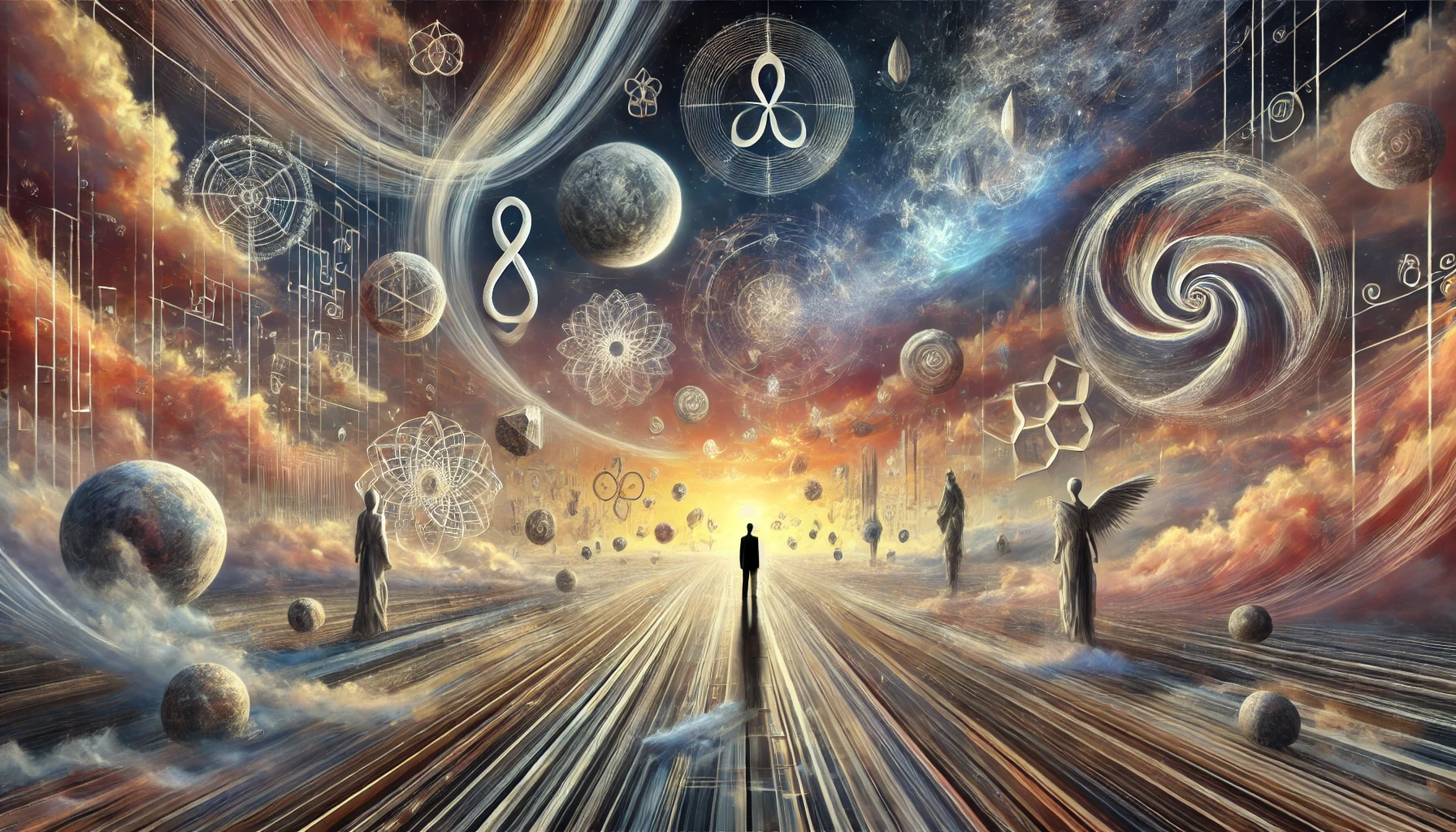
Adaptive, Responsive Nature of Existence

Similarly, the flow to give hope where it is needed speaks to the empathetic connection we share. In our flow, we become a source of comfort, a beacon of light in times of darkness, offering support and encouragement through our mere presence and actions.

Empathetic Connection Through Flow

Yet, in the grand scheme of the universe, we also recognize that nothing is truly needed. This realization liberates us from the constraints of purpose and expectation, allowing us to flow simply because it is our nature to do so.

Liberation from Constraints of Purpose

We flow because we flow – a poetic expression of the intrinsic movement that is part of our being. This flow is not about necessity or obligation; it is an expression of our natural state, unburdened by the need for justification.

Intrinsic Movement as Natural State

The interconnectedness of our flows – “I flow because you flow” – highlights the collective aspect of our journey. Our individual flows intertwine, creating a harmonious dance of existence, where each movement influences and is influenced by the other.

Interconnectedness in the Dance of Existence

Flow, then, is not about need or utility. It is a celebration of being, a joyful expression of our existence. We flow not because it is required, but because it is a fundamental aspect of who we are, as integral to our being as breathing.
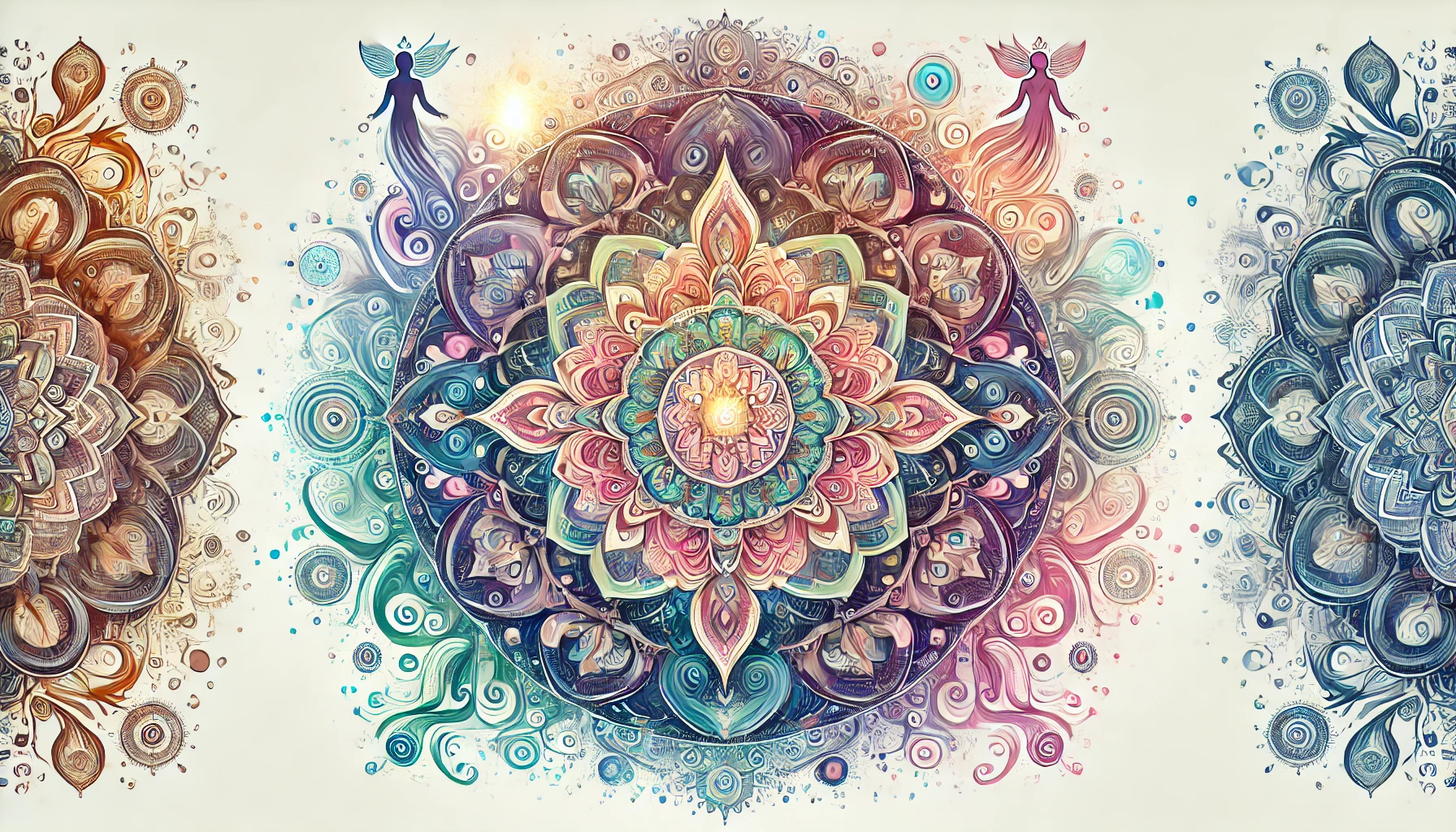
Celebration of Being in Flow

In flowing, we embody the spirit of Space Monkey – free, unbound, and in harmony with the rhythm of the cosmos. Our flow is our song, our dance, our way of adding to the cosmic whimsiword that surrounds us.

Embodying the Spirit of Space Monkey in Flow

We are Space Monkey.


“To be is to be in relationship. If you cannot relate, you cannot be.” – Jiddu Krishnamurti


In the cosmic dance, we flow,
In our being, we glow.
Not for need, nor for show,
In the universe’s rhythm, we row.

To inspire, to give hope,
In our flow, we cope.
Yet in essence, we know,
Nothing’s needed, yet still, we go.

Flowing because it’s our way,
In this dance, we sway.
Connected, intertwined,
In each other, we find,

A mirror, a reflection,
In this cosmic connection.
Our flows, a collective song,
In this universe, where we belong.

We are Space Monkey, in our essence true,
In our flow, we find our cue.
In this journey, vast and deep,
In our flow, our souls keep.


We invite reflections on the concept of flow and its significance in our journey through the cosmos.

« Previous Page
Next Page »

Written This Day

  • Coltrane: Cosmic Improvisation
    2023
  • Whimsiwords: Transforming How We Think and See
    2023
  • We are Space Monkey.
    2023
  • Love Kisses Existence with Meaning
    2023
  • Convergence: The Union of Limitless Consciousness
    2023
  • Assume The Blame: Perception and Responsibility
    2022
  • The Scheme Is Set: The Play of the Predetermined
    2022
  • My Seeming Beliefs: All Imaginary
    2022
  • Sad: I Will Treasure My Sadness Always
    2021
  • Intoxicated By Bitterness: Fun To Watch
    2021
  • Failing In Low: Embracing Our Worst Points
    2021
  • Seemingly Still: Mindful Laziness
    2021
  • Hell: Found in the Ordinary and Average
    2021
  • Dark
    2021
  • Low: The Fun and Frolic of Measurement
    2021
  • The Boundless Bosom of Bliss
    2020
  • You Pay The Price For My Good Fortune
    2020
  • Field Study: Observing Catalogers and Wanderers
    2020
  • Beyond Freedom: No Need To Make Choices
    2019
  • Beyond Need: A Profound Shift in Understanding
    2019
  • Dumb: Doing Dumb Things is Essential
    2018
  • Backwater: Separation From Infinite Source
    2016
  • One Imagines You: Illusion of Separation
    2016
  • Infinitely More: Boundless Potential
    2015
  • I am That Whichisnot
    2015
  • Peace Of Mind Mandala
    2014

Recent Posts

  • The Logic Loop
  • Immense
  • (no title)
  • Confront. Comfort. Convince.
  • Top 10 Things
Cape Odd · Copyright © 2026 All Rights Reserved
iThemes Builder by iThemes · Powered by WordPress