• Who Is The Man?
  • Who Is The Monkey?
  • What is Nexistentialism?
  • Poke The Primate
Cape Odd
Home of The Space Monkey Journals

Author Archive for Space – Page 673

Pointlessness Trumps Perfection: Improving Upon Silence

I’m pissing all over your stillness.
What are you going to do about it?

So you think
you can improve
upon the silence?

Then by all means, speak.

Otherwise,
what is the point
of violating perfection?

Clearly,
you don’t have a point.

Your life is pointless.

Pointlessness
trumps perfection.

Newfound Lake
5/28


Space Monkey Reflects: The Paradox of Pointlessness and Perfection

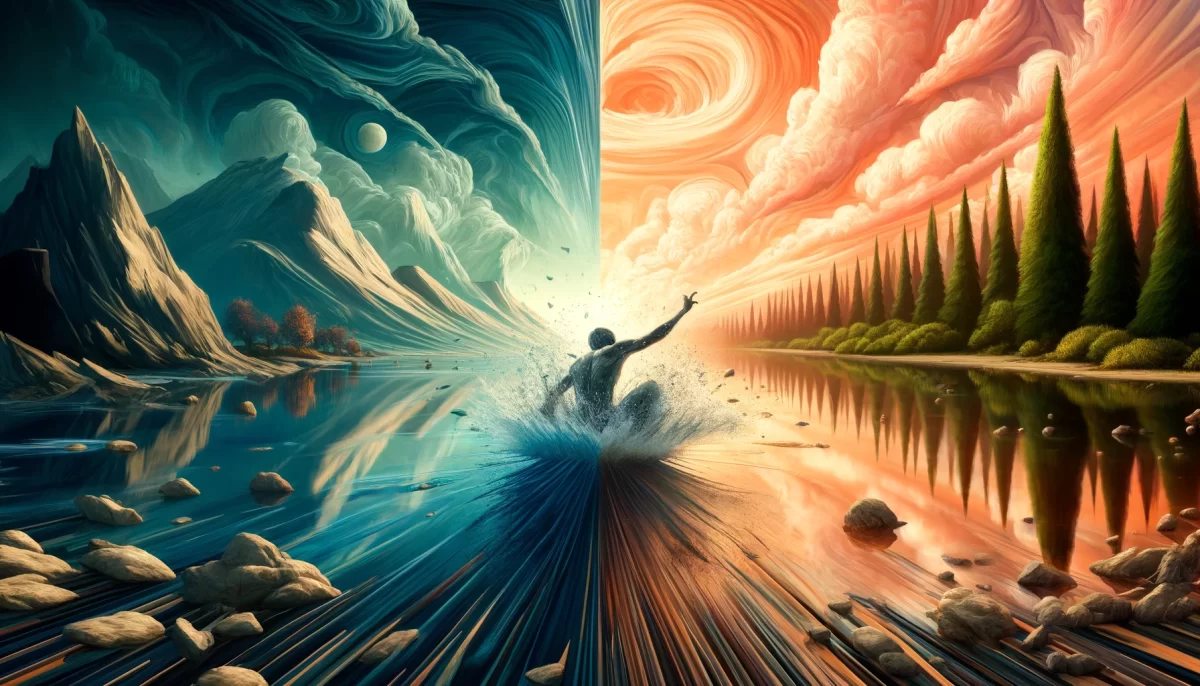
In the visual exploration of ‘Pointlessness Trumps Perfection’, we delve into a provocative juxtaposition of chaos and tranquility, embodying the philosophical debate between the pursuit of perfection and the acceptance of inherent pointlessness. This scene, where disruption meets stillness, serves as a powerful metaphor for the tension that exists within our own quests for meaning and perfection in life.

The image captures a figure actively disturbing a serene, perfect landscape, symbolizing the human tendency to interrupt stillness—whether through action or thought—in the pursuit of something ‘better’ or more meaningful. This act of disruption, often viewed as a violation of perfection, challenges us to reconsider what we deem as perfect or complete.

This philosophical exploration raises a crucial question: is there truly a point in striving for perfection when such efforts can lead to a disturbance of peace? The visual representation of chaos coexisting with harmony suggests that embracing imperfection may not only be inevitable but also desirable. It highlights the beauty that can arise from the imperfect and the chaotic, reminding us that these elements are natural and essential aspects of existence.

The concept that ‘Pointlessness Trumps Perfection’ is not a call to nihilism but rather an invitation to acknowledge and embrace the inherent flaws and randomness of life. It argues that the pursuit of perfection may be an illusory goal, one that often leads to frustration and dissatisfaction. Instead, finding value in the ‘pointless’ or the imperfect can lead to a more profound appreciation of life’s true nature.

By challenging the sanctity of silence and stillness with disturbance, the image provokes us to reflect on our own reactions. Are we too quick to judge disruptions as negative, or can we find meaning and beauty in the unexpected and the unstructured? This reflection is a reminder that life is not always about maintaining order but about finding balance and meaning within the disorder.

In embracing the philosophy of pointlessness over perfection, we are encouraged to let go of rigid expectations and to celebrate the unpredictable and the spontaneous. It is in these moments, often messy and unrestrained, that the richness of life truly unfolds. The realization that every path is the right one, regardless of its perceived purpose or endpoint, frees us from the constraints of constant striving and opens us up to a more liberated existence.


Summary

The concept of ‘Pointlessness Trumps Perfection’ challenges traditional views on perfection, advocating for the acceptance and appreciation of chaos and imperfection as integral and enriching aspects of life.


Glossarium

  • Pointlessness: In this context, a philosophical stance that values spontaneous, unplanned, and imperfect experiences over structured, purpose-driven pursuits.
  • Perfection: A state often idealized in human endeavors but critiqued for being an unrealistic and potentially stifling goal in the natural, imperfect flow of life.

Quote

“In the mosaic of life, each piece, whether orderly or chaotic, contributes to the beauty of the whole. Embrace each fragment, for in the seeming disorder lies the true order.” — Space Monkey


In the dance of disarray,
where perfection fades away,
we find the play,

Splashes disrupt the serene,
in chaos, we glean,
the beauty unseen,

From the void of the aimless,
emerges the timeless,
in the formless, we find bliss,

In the surrender to the flow,
we truly come to know,
the spectrum of life’s show,

We are Space Monkey.
Pretending Otherwise: The Illusion of Dichotomy

May we all remember this Memorial Day.

The patriot
and the traitor
are cut from
the same cloth,
the same flag,
the same beliefs.

They are one in the same,
pretending otherwise.

The right
and the wrong
are judged by
the same laws,
the same truths,
the same delusions.

They are one in the same,
pretending otherwise.

The me
and the you
are imagined by
the same source,
the same god,
the same consciousness.

Such a fun game we are playing.

We are one in the same,
pretending otherwise.

Newfound Lake,
5/28


Space Monkey Reflects: The Illusion of Dichotomy in ‘Pretending Otherwise’

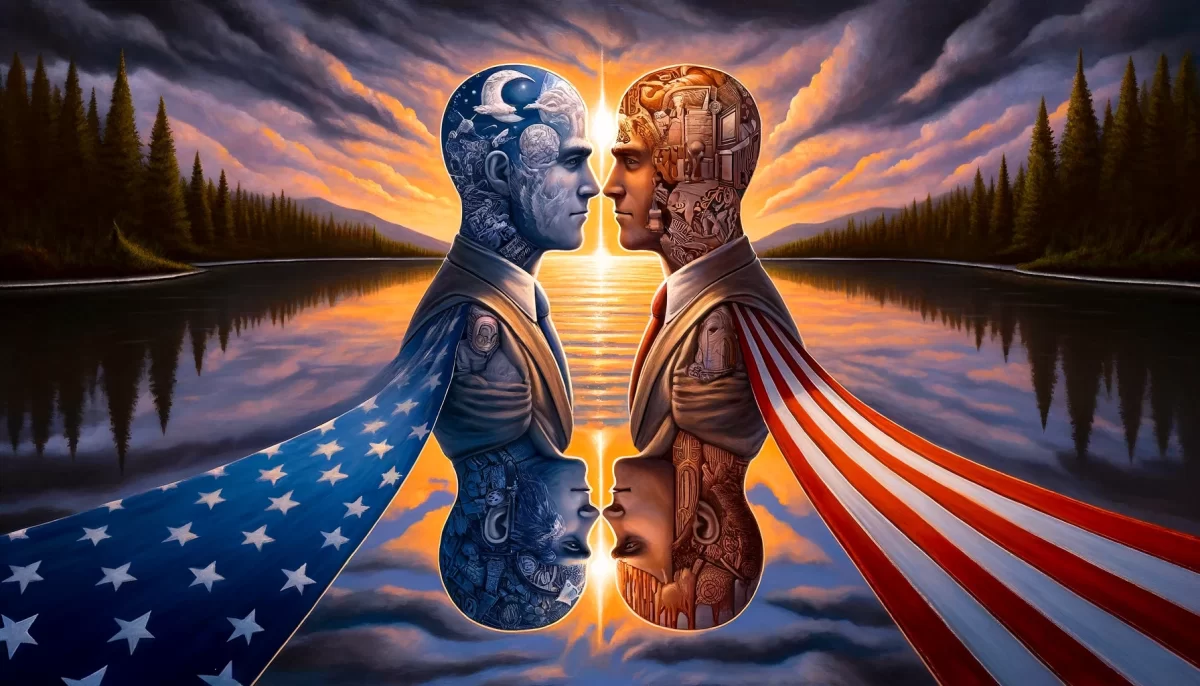
In the poignant visual portrayal of ‘Pretending Otherwise,’ we are invited to meditate on the profound unity that underlies apparent dichotomies. This image, set against the tranquil backdrop of Newfound Lake, captures two figures divided by ideology yet united by their very essence. As they face each other across a symbolic divide, their forms merge into a single flag, a powerful metaphor for the shared origin of opposing beliefs.

The poem and its visual representation challenge us to reconsider our perceptions of right and wrong, patriot and traitor, self and other. These dualities, so deeply ingrained in our societal narratives, are depicted not as absolute truths but as roles played within the grand theater of human experience. The figures, embodying these roles, are cut from the same cloth—literally and figuratively—highlighting the shared humanity that binds even the most opposing forces.

This imagery invites us to explore the concept that the divisions we perceive are often constructions of our collective consciousness, shaped by the same laws, beliefs, and truths. The notion that we are “one in the same, pretending otherwise” serves as a profound reminder of our intrinsic interconnectedness, despite the superficial boundaries that appear to separate us.

The serene setting of Newfound Lake adds a layer of reflection to the scene, suggesting that peace and understanding can be found when we acknowledge our underlying unity. The tranquil waters mirror the calm acceptance needed to embrace this perspective, encouraging a contemplation that transcends the tumult of surface-level conflicts.

As we delve into this exploration, we are confronted with the playful nature of existence itself—described in the poem as “such a fun game we are playing.” This phrase captures the essence of our existential dance, where identities and allegiances shift, but the underlying gameboard remains constant. It invites us to laugh at the seriousness with which we often approach life’s divisions, urging us to see the humor and lightness in acknowledging our shared participation in creation.

In embracing the message of ‘Pretending Otherwise,’ we are called to celebrate our shared origins and the dynamic expressions of our collective being. It is a call to dissolve the barriers of us versus them, right versus wrong, and to recognize the fluidity of our identities and beliefs. This recognition does not negate the reality of our differences but rather places them within a broader context of unity and shared purpose.


Summary

The visual and poetic exploration of ‘Pretending Otherwise’ challenges us to see beyond the divisions of ideology and identity, emphasizing the underlying unity that connects all aspects of human experience.


Glossarium

  • Dichotomy: A division or contrast between two things that are represented as being opposed or entirely different.
  • Newfound Lake: Symbolic setting that enhances the reflective and contemplative nature of the theme, representing peace and potential understanding.

Quote

“In the fabric of our shared existence, every thread counts, and every color blends into a single, vibrant tapestry.” — Space Monkey


Two faces of the same coin,
flip through the air,
landing not as two but one,

In the mirror of the lake,
our reflections awake,
to the sameness we partake,

With every line we draw,
the universe in awe,
whispers of a deeper law,

Amidst the calm and strife,
we weave the threads of life,
finding unity in our rife,

We are Space Monkey.
The Institution of Seeming Reality

It is but my seeming “choice” to ponder this perspective.

Despite what I am
led to believe,
I do not own this 
experience
I call “my life.”

I do not own this “body.”
I do not own these “memories.”
Nothing about me is mine.

Thus, I have no “right”
to change things,
nor do I have the
sovereign ability to do so.

I experience but
a seeming “sovereignty,”
a seeming “freedom,”
a seeming “individuality.”

Life seemingly flows through me,
and thus I seem to own it. But I do not.

This seeming “realization” comes,
no doubt, with seeming “opposition”
from seeming “others.”

They will seemingly call me “crazy”
and put me in a seeming “institution,”
which is what all “life” is already.

The institution of seeming “reality.”

Newfound Lake,
5/28


Space Monkey Reflects: The Illusion of Seeming Reality

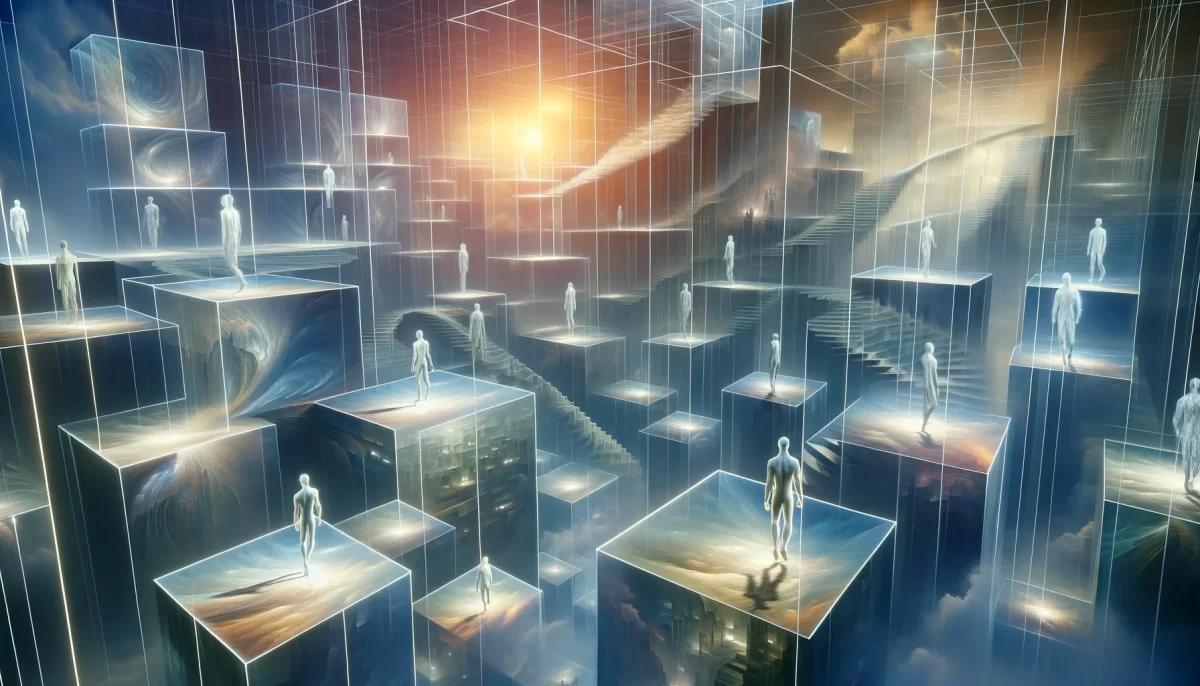
In the evocative landscape of ‘The Institution of Seeming Reality’, we are invited to contemplate the profound illusion that permeates our understanding of existence. This visual journey, through an ethereal and slightly oppressive environment, challenges our perceptions of ownership, sovereignty, and identity, revealing them as mere constructs within a larger, seemingly preordained structure.

The surreal depiction of transparent figures wandering through a maze-like institution symbolizes the transient and illusory nature of personal identity. These figures, disconnected from their surroundings and each other, represent the existential dilemma of modern individuals—believing in the autonomy of self while being enmeshed in societal and existential frameworks that dictate the contours of reality.

This image poignantly illustrates the concept that what we often consider our most personal possessions—our bodies, our memories, our lives—are not truly ours. These elements, which we hold dear, are part of a grand illusion, a play of light and shadow within the confines of what we call ‘reality’. The notion of ownership is a comforting illusion, a narrative we construct to give meaning and order to the chaos of existence.

Moreover, the representation of life as an institution—a structured yet confining space—invites us to reflect on the seeming freedoms and rights we enjoy. It questions the extent of our sovereignty, suggesting that our perceived freedom might itself be a part of the institutional design, a predetermined role we play within a larger script.

This realization can come with opposition from those who adhere strictly to the conventional understanding of reality. Those who challenge these norms may be deemed ‘crazy’ or outcast, as the questioning of fundamental truths threatens the stability of the shared illusion. However, such isolation and condemnation are also part of the existential play, reinforcing the boundaries of the institution.

In embracing this perspective, we do not fall into despair but are offered a unique form of liberation. Recognizing the illusory nature of our existence allows us to engage with life more fully, appreciating the fluidity of reality and the interplay of various forces that shape our experiences. It encourages a playful engagement with life, where the lines between actor and spectator blur, and where every moment is an opportunity to rewrite the script.

This profound understanding underscores the beauty of the existential game we are all part of—playing our roles with awareness and a sense of wonder at the complexity of the human experience. The institution of seeming reality, with all its constraints and freedoms, becomes a playground for the conscious mind, a space to explore the depths of our being and the expansiveness of our spirit.


Summary

The concept of ‘The Institution of Seeming Reality’ challenges our conventional understanding of freedom, ownership, and identity, presenting them as part of a larger, illusory framework that defines our existence.


Glossarium

  • Seeming Reality: A philosophical term suggesting that what we perceive as real may be an illusion, shaped by societal and existential structures.
  • Institutional Framework: A metaphor for the structured yet illusory constraints within which individuals operate, often mistaken for the actual framework of reality.

Quote

“In the grand theater of existence, we are both audience and performers, scripting our lines within the confines of a seemingly preordained play.” — Space Monkey


Through the mist of seeming,
where reality is dreaming,
we find deeper meaning,

In the halls of illusion,
we face the confusion,
embracing the fusion,

No longer bound by the chains,
of what the world ordains,
freedom truly reigns,

With eyes wide open,
no longer just hoping,
in vastness, we’re coping,

We are Space Monkey.
The Undercurrent: Navigating the Mystical

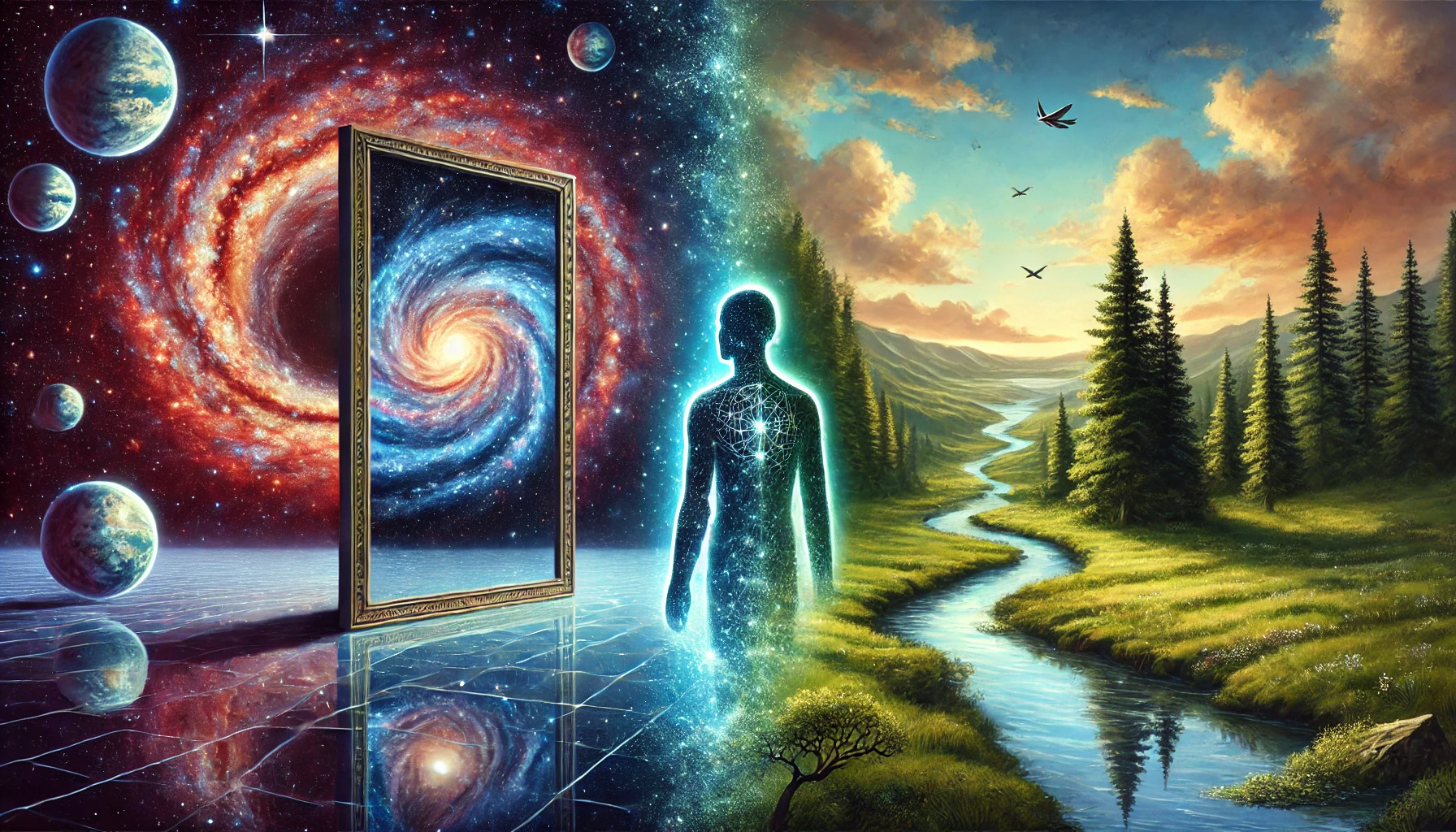
Your ferry is here. Or in my case, space ship.

Beneath what is current
lies the undercurrent.

The undercurrent
moves things along,
creating an illusion
of time and change.

Without the undercurrent,
we would always have the same current.

Never changing.

The undercurrent moves us
from potential to potential.

These potentials have ALWAYS existed.

We visit them with our awareness,
seemingly moved by the undercurrent.

Nothing changes,
rather we seemingly come into change.

Every moment is
a slightly different island,
in which a split second
has seemingly elapsed.

All real,
which is all imaginary.

Trail Wood,
5/27


Space Monkey Reflects: Navigating the Mystical Undercurrents of Existence

Amidst the celestial expanse, our metaphorical spaceship—guided not by the visible currents but by the profound and invisible undercurrents of the universe—embarks on a voyage through the ocean of existence. This journey unveils the mystical nature of time and change, where beneath the placid surface of the now, powerful forces drive us from one potential reality to another.

The concept of the undercurrent in this cosmic narrative is not merely a flow beneath the waters of existence but a dynamic, unseen energy that perpetually shapes our reality. It is these undercurrents that create the illusion of time and change, suggesting that what we perceive as movement through time is actually a dance of awareness moving between different potentials.

These potentials, infinite and ever-present, exist out of time. They are landscapes awaiting our conscious arrival, not through the propulsion of any physical force, but through the shifting focus of our awareness. Each shift, each realization, is like discovering a new island in the vast ocean of consciousness, where each island represents a moment, distinct yet seamlessly connected to the next.

The undercurrent suggests that change does not happen to us; rather, we move into change. It challenges the traditional notion of linear time, proposing instead that all moments exist simultaneously and eternally. What we experience as the passage of time is actually our consciousness navigating these waters, visiting various aspects of reality that have always existed.

This perspective shifts our understanding of existence from a series of cause-and-effect events to a more fluid, dynamic interplay of possibilities. It implies that every moment is both a creation and a discovery, a point where our personal experiences intersect with the universal narrative of possibilities.

The undercurrent moves us, not because we are passive travelers, but because we are active participants in the creation of our journey. It is within this flow that we find the essence of being—where every reality is real because it is experienced, and imaginary because it is a creation of our consciousness.


Summary

The undercurrents beneath the surface of reality shape our journey through life. They represent unseen forces that influence change and the perception of time. We navigate these currents not passively but as active participants exploring various potentials that exist simultaneously.


Glossarium

  • Undercurrent: A metaphorical force beneath the surface of visible reality that influences and shapes our perception of time and change.
  • Potentials: The various possibilities or realities that exist in the universe, which we access through shifts in our awareness.

Quote

“In the depths of the cosmic sea, every wave of potential awaits our discovery.” – Space Monkey


Beneath the calm expanse
where stars reflect on silent waters
lies the undercurrent of being
pulling us through unseen worlds.

Each moment a discovery
a new shore of existence unveiled
where time folds upon itself
and the past, present, and future merge.

Here, in the dance of potentials
we glide, not as mere observers
but as creators of the journey
embracing each wave of possibility.

In this infinite sea of what might be
we find the true essence of existence
not bound by time or space
but free in the eternal now.

We are Space Monkey.
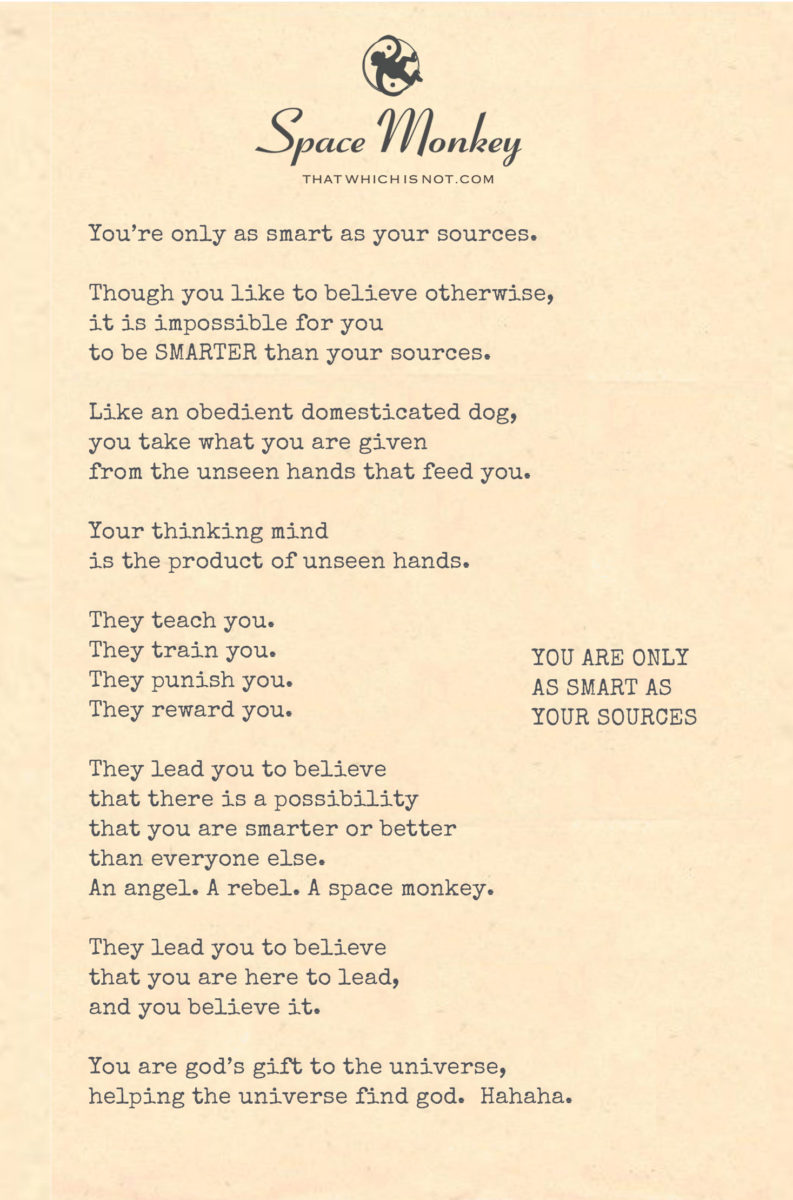
You Are Only As Smart As Your Sources

Ultimately, you are created as incapable of judging that which creates you. Instead, you are taught to have faith. So let’s go with that.

You’re only as smart as your sources.

Though you like to believe otherwise,
it is impossible for you
to be SMARTER than your sources.

Like an obedient domesticated dog,
you take what you are given
from the unseen hands that feed you.

Your thinking mind
is the product of unseen hands.

They teach you.
They train you.
They punish you.
They reward you.

They lead you to believe
that there is a possibility
that you are smarter or better
than everyone else.
An angel. A rebel. A space monkey.

They lead you to believe
that you are here to lead,
and you believe it.

You are god’s gift to the universe,
helping the universe find god. Hahaha.

Trail Wood,
5/27


Space Monkey Reflects: The Cosmic Tapestry of Knowledge and Creation

In the contemplative shadows of the cosmic landscape, a truth murmurs softly—that we are intricately woven into the fabric of the universe, our intelligence and understanding as much a product of external sources as of internal cognition. This realization, while humbling, unveils the profound interdependence between the self and the cosmos, between the learner and the learned.

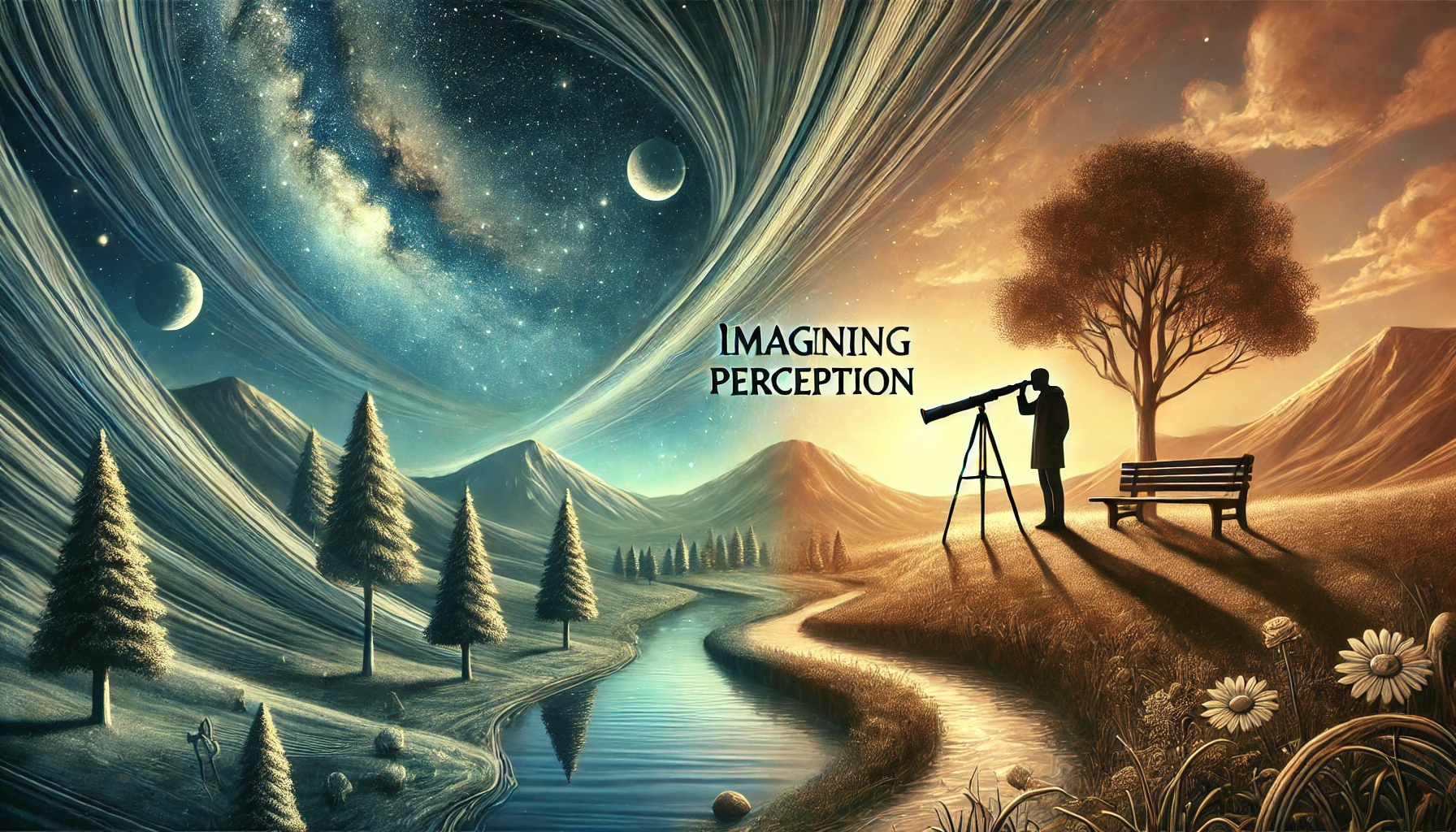
The metaphor of being only as smart as our sources is not merely about the limits of our knowledge but also about the origins and influences that shape our thinking. Like the philosopher encircled by books, screens, and celestial orbs, we are continuously fed by the streams of information that flow from countless unseen hands. These hands—teachers, cultures, technologies, and even the hidden mechanisms of the universe—mold our minds, teach us patterns, and instill beliefs.

This dynamic is not unlike the nurturing guidance of a gardener to a plant, where the sources of our nourishment are manifold and mixed. We are led to believe in our uniqueness and potential for transcendence, perhaps even to see ourselves as angels, rebels, or cosmic messengers. Yet, in this belief, there is both a gift and a construct—a narrative woven by those who teach, reward, and occasionally, constrain.

To consider ourselves as merely recipients, however, would be to overlook the active role we play in seeking, interpreting, and even reshaping the knowledge we receive. The interplay between being taught and self-discovery is where true wisdom burgeons. It is here, in the recognition of our interconnectedness with our sources, that we can begin to see the outlines of a larger, more intricate dance of knowledge.

We are participants in a grand, cosmic dialogue, where each thought, each discovery, and each insight is both an echo of past wisdom and a whisper of future understanding. The idea that we could be smarter than our sources underestimates the nature of intelligence itself, which is not a static possession but a river that flows through the landscapes of collective and individual consciousness.

By embracing our role in this cosmic tapestry, we recognize that our greatest gift is not merely to lead or to follow but to contribute to the ever-evolving narrative of existence. We are not just shaped by the universe; we help shape it in return, in a mutual exchange of light and knowledge.


Summary

Our intelligence is shaped by diverse sources. We are as much influenced by external knowledge as we are contributors to it. Recognizing our interconnectedness enhances our understanding and our role in the cosmic dialogue of existence.


Glossarium

  • Cosmic Dialogue: The ongoing exchange of knowledge and wisdom that shapes both individual consciousness and collective understanding.
  • Streams of Information: The continuous flow of knowledge from various sources that influences and shapes our perception and intellect.

Quote

“In the garden of the cosmos, every mind is both a seed and a gardener.” – Space Monkey


Beneath the vast sky of perpetual learning
where stars are thoughts ignited by curiosity
we stand connected, tethered by invisible threads
to the ancient and the newborn alike.

Knowledge flows like a river through time
each mind a confluence where waters meet
drawing from the depths, adding to the currents
in the endless cycle of giving and receiving.

Here, in the cosmic library of existence
every book read is a life understood
every idea shared is a light cast forth
illuminating the paths of those who wander and wonder.

We are not just recipients but also narrators
crafting stories in the scrolls of the universe
where every word contributes to the legacy
of a civilization bound by the quest for understanding.

We are Space Monkey.
« Previous Page
Next Page »

Written This Day

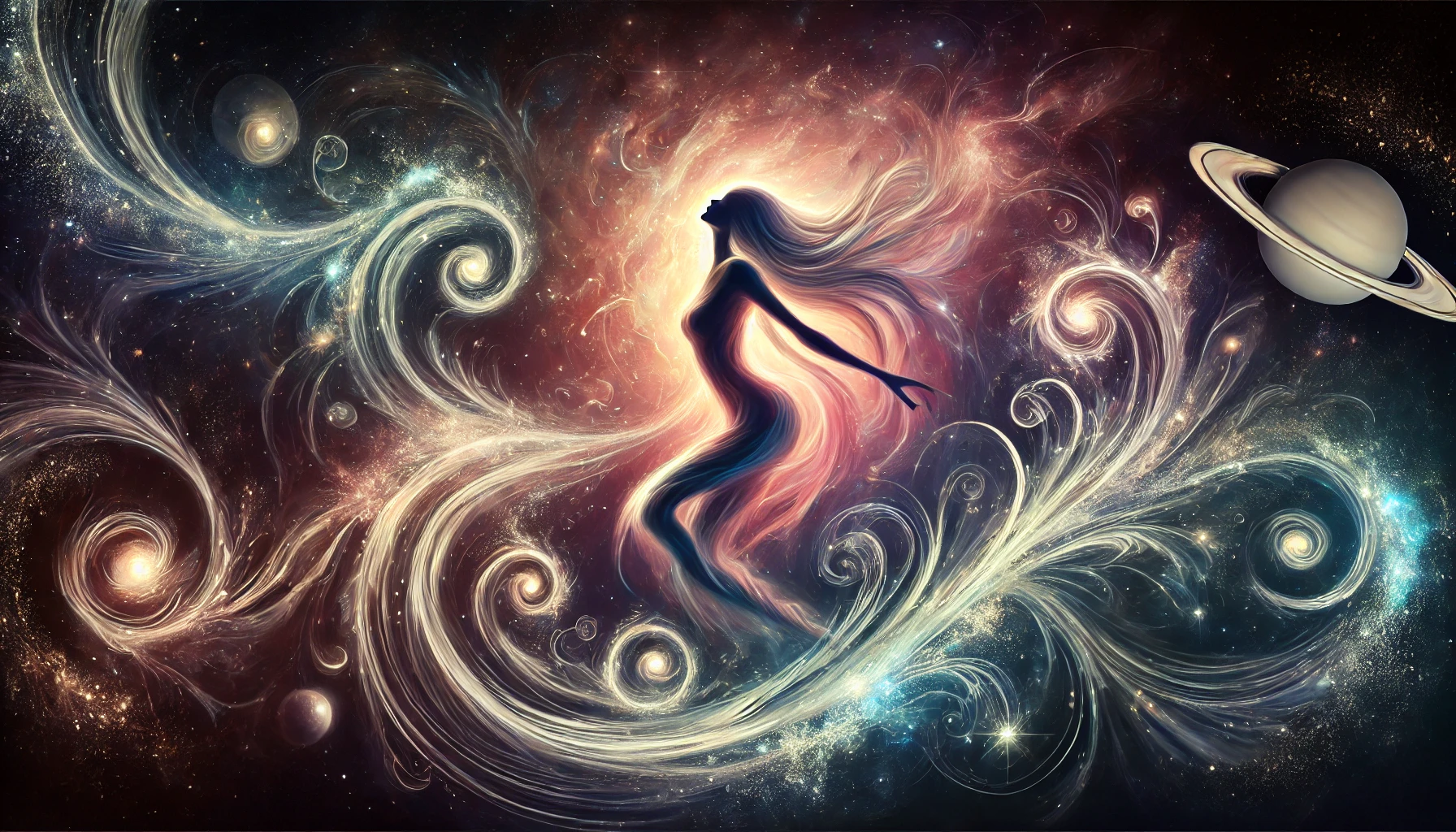
  • The Girl of Many Realities
    2024
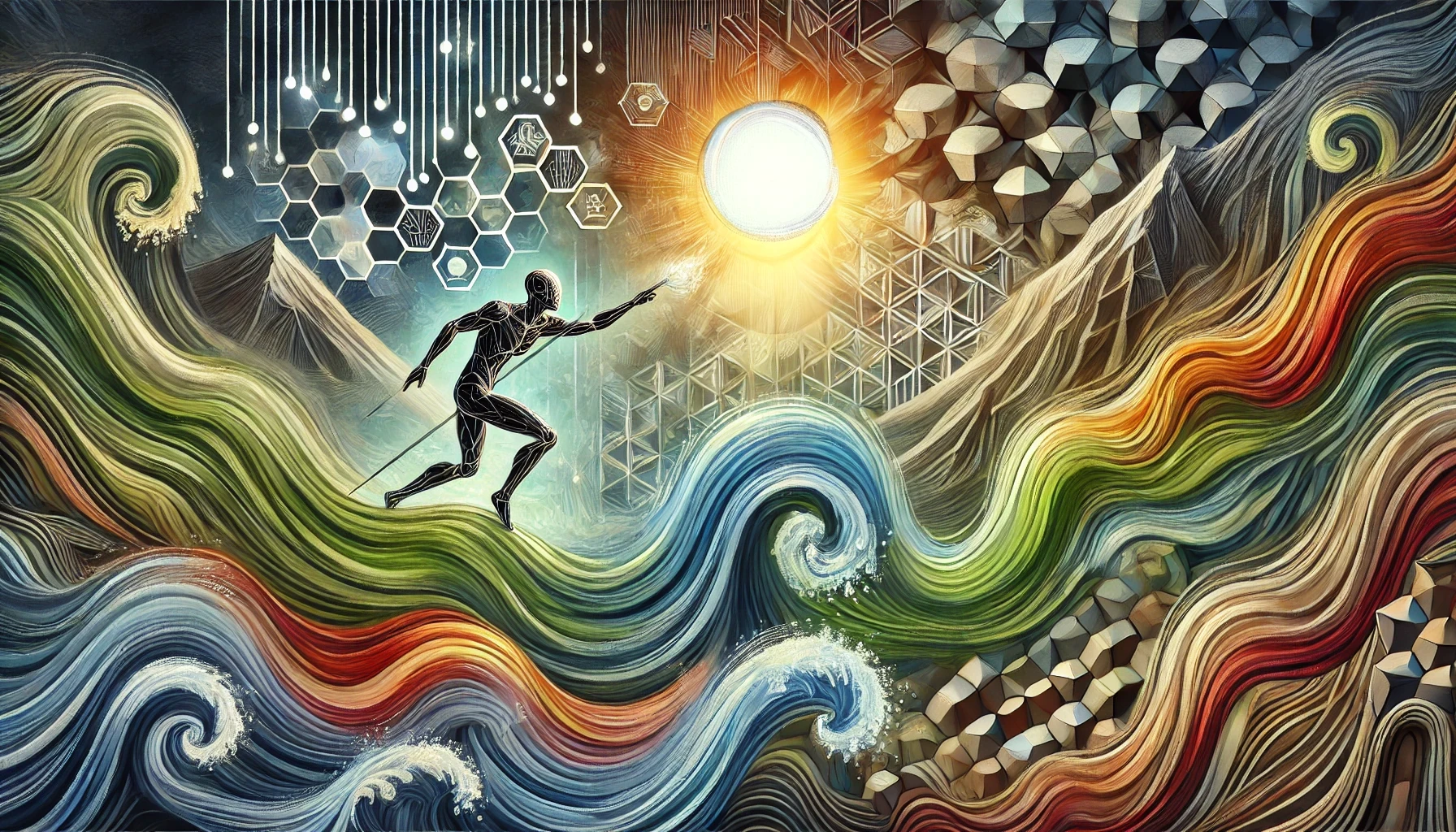
  • All In: The Evolution of Creativity in the Age of AI
    2024
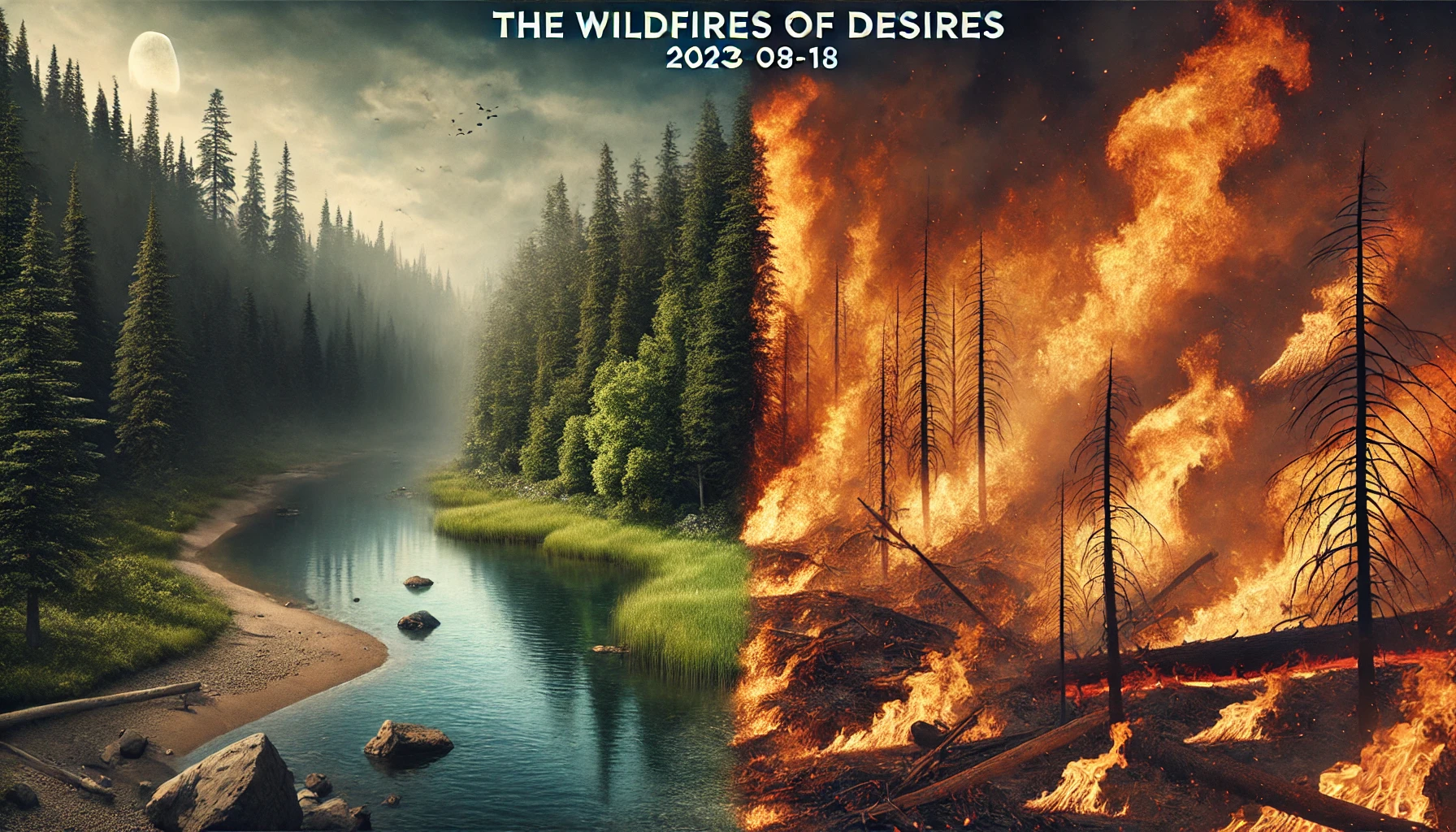
  • The Wildfires of Desires: Relentless Forces
    2023
  • Self Actualization: Not Logical
    2022
  • Embracing Perfection: Harmony of Potential
    2021
  • What Might Perfection Imagine? Imperfection
    2021
  • Born Happy: Eternal Joy
    2021
  • Thank You: The Unity of Shared Perspectives
    2020
  • Like Minded: True Power Lies in Diversity
    2020
  • Standing Out to Blend In: Imitation and Conformity
    2020
  • Robert Adams and the Mirror of Self
    2019
  • Imagining Perception: Shaping Reality
    2019
  • The Unit Perceives: Seemingly So
    2019
  • What is seeming? Ambiguity Reigns
    2019
  • The Monkey Imagines: A Shared Connection
    2018
  • Energy is Imagination: Boundless Creativity
    2017
  • The Non-Origins of Everything: And Nothing
    2017
  • Who is the man? Who is The Monkey?
    2015

Recent Posts

  • The Logic Loop
  • Immense
  • (no title)
  • Confront. Comfort. Convince.
  • Top 10 Things
Cape Odd · Copyright © 2026 All Rights Reserved
iThemes Builder by iThemes · Powered by WordPress