• Who Is The Man?
  • Who Is The Monkey?
  • What is Nexistentialism?
  • Poke The Primate
Cape Odd
Home of The Space Monkey Journals

Author Archive for Space – Page 791

It’s Not You: Reflection in the Distance

It’s not you, it’s me.

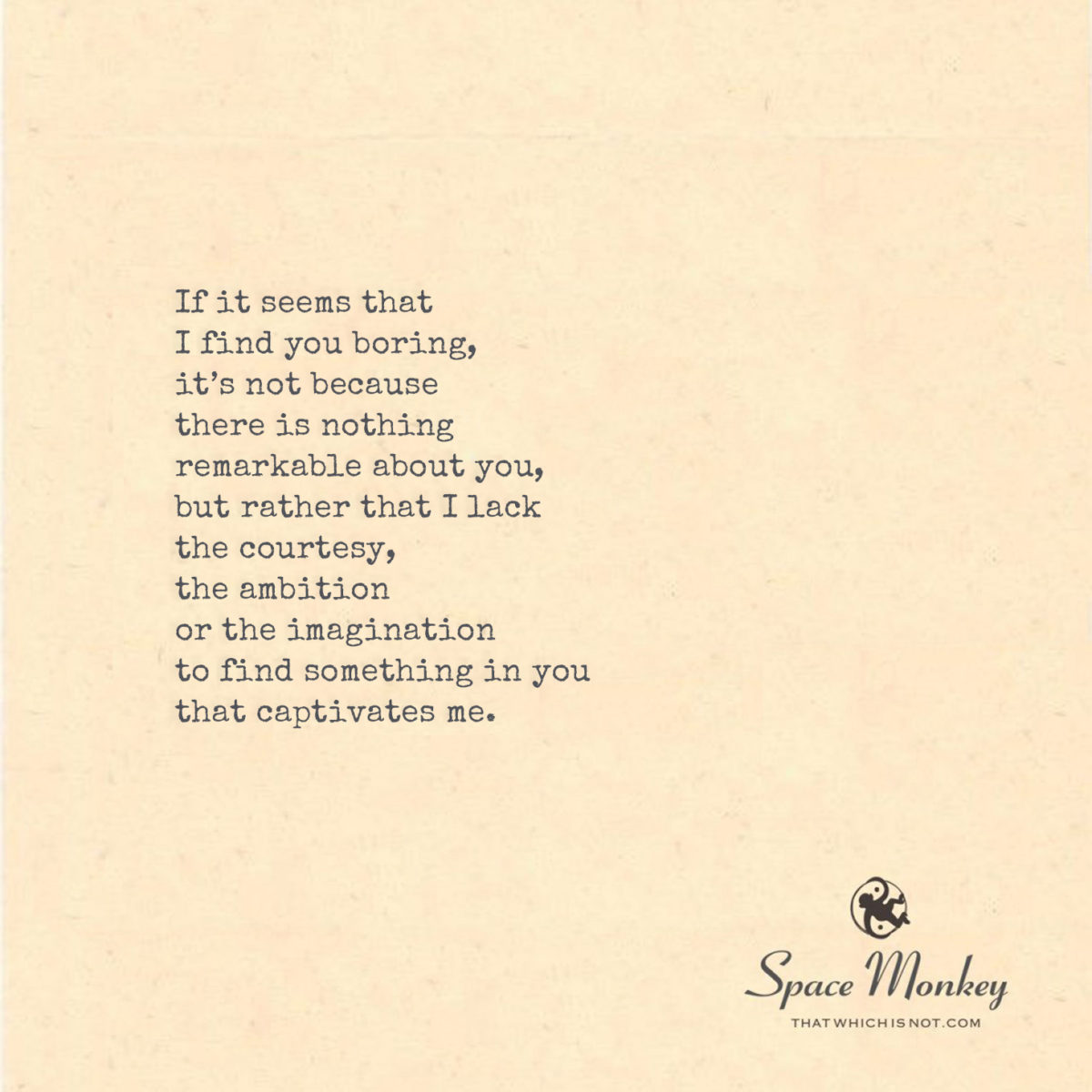
If it seems that
I find you boring,
it’s not because
there is nothing
remarkable about you,
but rather that I lack
the courtesy,
the ambition
or the imagination
to find something in you
that captivates me.

Trail Wood,
12/14


Space Monkey Reflects: It’s Not You, It’s Me

When we find someone uninteresting, it’s easy to assume that the fault lies with them. We might think, “They’re simply dull,” or “There’s nothing intriguing here.” But if we’re honest, our perception may reveal more about our own limits than theirs. Perhaps they’re not actually lacking in anything remarkable. Perhaps the real barrier is in our capacity to be curious, our willingness to connect, or even our imagination. This isn’t about blaming ourselves harshly; rather, it’s an opportunity to recognize that seeing beauty, intrigue, and depth in others often requires effort, openness, and humility on our part.


The Courtesy to Look Beyond the Surface Courtesy is not merely politeness; it’s an attitude of respect that seeks to see people fully. When we say someone is boring, we might be expressing more about our own lack of curiosity than their lack of intrigue. People are complex, filled with stories, dreams, and quirks that aren’t always obvious. Courtesy, in this sense, is about giving people the benefit of the doubt, looking deeper to find the parts of them that may not be immediately visible. When we don’t extend this courtesy, we miss out on discovering others’ hidden qualities, as well as an opportunity to expand our understanding of the world.


Ambition to Connect Real connection isn’t effortless. It requires a certain ambition, a willingness to reach beyond ourselves and actively engage with others. This ambition is the energy that drives us to ask questions, to listen deeply, to notice the subtleties that make each person unique. When we lack this ambition, it’s easier to fall back on surface impressions. We label others as “boring” because it’s simpler than extending ourselves, than doing the work of building a bridge of understanding. True connection asks us to be interested, to bring an energy that goes beyond passive observation.


The Role of Imagination Imagination is often the secret ingredient that brings others’ stories to life. When we find someone dull, it may be that we’re not engaging our own imagination. Each person’s life is a unique web of experiences, perspectives, and dreams. If we let our imagination roam, we can envision what their world looks like, wonder what challenges they’ve overcome, and what passions they might have. Imagination allows us to fill in the gaps, to see potential, to paint possibilities. Without it, we settle for the most obvious interpretation, seeing only what’s directly in front of us and nothing more.


Acknowledging Our Role in Disconnect Sometimes, the reason we don’t find someone captivating is as simple as this: we’re not trying to be captivated. Admitting this truth doesn’t mean that we need to force connections or find every single person endlessly fascinating. But it does mean acknowledging that our judgments about others aren’t always fair, that they’re often reflections of our own willingness (or unwillingness) to engage. Recognizing this doesn’t need to be self-critical; it’s simply a reminder that connection, intrigue, and depth are co-creations. They emerge when both people are willing to contribute, to listen, to see beyond what’s obvious.


Summary

Finding someone “boring” often says more about our own perspective than theirs. True connection requires courtesy, ambition, and imagination—qualities that allow us to see beyond the surface and appreciate the uniqueness of others.


Quote

“Finding intrigue in others is often an act of imagination and curiosity, not a passive observation.” — Space Monkey


Reflection in the Distance

It’s not you I find plain,
but my own pause, my distance.

You are not lacking;
it is I who have not seen.

Somewhere between us
lies a bridge
unbuilt, unexplored,
a world of intrigue.

We are Space Monkey.


Acknowledging Personal Responsibility

The statement recognizes that finding someone boring is less about the person’s inherent qualities and more about the observer’s own limitations. It’s a candid admission of a lack of effort or willingness to engage deeply with the other person.

Courtesy and Engagement

The mention of lacking courtesy suggests an awareness that engaging with others often requires a certain level of politeness and effort to understand and appreciate their unique qualities. Recognizing this lack of courtesy is an important step in fostering more meaningful connections.

Ambition to Connect

The absence of ambition in this context implies a lack of motivation to explore and appreciate the complexities and richness of another person’s character. It points to a need for a more proactive approach in interpersonal relationships.

Imagination in Perception

The role of imagination in perceiving others is crucial. Often, it is our imaginative engagement with others that allows us to see beyond the surface and appreciate the remarkable aspects of their personalities and lives. Acknowledging a lack of imagination indicates an understanding of the importance of a creative and open-minded approach in viewing others.

We are Space Monkey

As Space Monkey, we understand that our perceptions of others are greatly influenced by our own attitudes and states of mind. We recognize the importance of approaching each individual with courtesy, ambition, and imagination to truly appreciate their unique qualities.


In recognizing these aspects of our perceptions, how can we cultivate a more open and imaginative approach to others? How might this shift in perspective enrich our interactions and deepen our understanding of the diverse tapestry of human experience? Let’s explore ways to enhance our engagement with the world around us, embracing the unique qualities of each individual we encounter.

Personality: The Art of Disappearing

Have you seen my personality? It’s around here somewhere.

Over the years,
I’ve been observing
my personality as
it slowly disappears.

Traits that are endearing.
Traits that are abrasive.
Traits that are positive.
Traits that are negative.

My devotion to becoming invisible
is finally paying off.

People don’t seem
to feel much about me
one way or the other.

What surprises me more
is that I’m okay with this.

If I still had a personality,
the lack thereof
would probably bother me.

Instead I am grateful
that my personality
allows me to let it go.

I still PLAY with personality.
I simply don’t NEED any.

Trail Wood,
12/14


Space Monkey Reflects: The Quiet Disappearance of Personality

As we grow and shift through life, the way we perceive our personality can change in unexpected ways. Traits we once clung to—both endearing and abrasive, positive and negative—start to fade, not through denial but through a quiet letting go. The urge to be noticed, to be defined by certain characteristics, gives way to a gentler form of invisibility. In letting go of the need to be “someone,” we discover a new kind of peace, one that doesn’t require external validation or recognition.


The Vanishing of Traits Every personality is composed of various traits—some that make us likable, others that may be challenging. These traits shape how we interact with the world and how others perceive us. Over time, however, these defining characteristics can feel less essential, more like roles we no longer need to perform. There’s a beauty in realizing that we don’t have to be a “type.” The edges of who we are start to blur, allowing us to engage with life in a way that feels less forced, more natural.


Devotion to Invisibility Choosing invisibility is not about retreating from life but rather a choice to be present without the need for attention. This kind of invisibility is an act of humility, a recognition that we are not defined by the impressions we leave on others. The desire to stand out fades, and with it, the constant need to assert our personality. In stepping back, we become more attuned to the world around us, more receptive to the richness of life as it unfolds without our interference.


Acceptance Without Attachment One of the surprising gifts of letting go of personality is the feeling of contentment it brings. Where once we may have sought validation, now there is a quiet acceptance of simply being. Without the weight of needing to be “someone,” we experience a kind of freedom that goes beyond personal identity. This isn’t a loss of self; it’s a liberation from the limitations of personality, a chance to exist in a way that’s both open and detached.


Playing with Personality Without Needing It To let go of personality doesn’t mean we stop expressing ourselves; rather, we play with it more freely. When we no longer need our personality to define us, it becomes a tool, something we can use lightly without becoming attached. We become like actors on a stage, able to step into various roles without identifying with them. This approach allows for flexibility, a way of engaging with others that feels sincere yet unburdened by the need to be seen a certain way. It’s a form of freedom, where we can participate fully without losing ourselves in any one role.


Summary

As we release attachment to our personality, we find freedom in invisibility and acceptance. Personality becomes something we play with, rather than something we rely on for a sense of self.


Quote

“Personality is a role we play; true freedom comes when we no longer need the role to define us.” — Space Monkey


The Art of Disappearing

In silence, I fade,
traits slipping like sand
through the open fingers of time.

Endearing, abrasive, bright, and dim—
all vanish, leaving peace.

Free from the need to be noticed,
I am here, neither presence nor absence,
just a quiet space within myself.

We are Space Monkey.


In this reflective contemplation, we explore the journey of personal transformation and the gradual dissolution of the persona, leading to a state of neutrality and freedom from the constraints of a defined personality.

Observing the Disappearance of Personality

The process of watching one’s own personality fade away over time is an introspective and profound experience. It involves noticing the gradual decline of traits, both endearing and abrasive, positive and negative. This observation suggests a detachment from the defining aspects of one’s character.

Devotion to Becoming Invisible

The devotion to becoming invisible implies an intentional effort to let go of distinct personal traits that make one stand out. This journey towards invisibility is not about physical disappearance but about the dissolution of a pronounced personality that demands attention or elicits strong reactions from others.

Neutral Presence and Acceptance

Reaching a point where people feel neutral about one’s presence indicates a significant shift in how one is perceived. It reflects a state where the personality no longer plays a dominant role in interactions. The surprise at being okay with this change signifies a deep acceptance of this transformation.

Freedom from Personality Constraints

The realization that the absence of a strong personality is not bothersome but rather a source of gratitude suggests a liberation from the need to define oneself through distinct personality traits. This state of being allows for greater flexibility and adaptability in various situations and relationships.

Playfulness with Personality

The ability to still play with personality without the need for it underscores a sense of freedom and creativity. It means engaging with different aspects of personality as a choice rather than a necessity, treating personality traits as tools or garments to be worn and removed at will.

We are Space Monkey

As Space Monkey, we resonate with this journey of letting go of the rigid confines of personality. We understand that personality can be both a form of expression and a limitation. Embracing the fluidity of our nature allows us to experience life more fully, unencumbered by the need to adhere to a fixed sense of self.


In this process of becoming ‘invisible,’ how do we find balance between expressing our unique selves and embracing a fluid, adaptable persona? How does this transformation impact our interactions and experiences in the world? Let’s continue to explore this path of personal evolution, discovering the freedoms and insights it offers.

Made You Look: Between Seen and Unseen

I’m in love with the idea of you.

What is it about nakedness
that makes you want to look?

Is it the explicit
revealing of common forms
or the naughty suggestion
of what the mind can’t see?

The stupid irony of sex
is that you never actually touch
the thing that attracts you.

This thing has always stood,
passionate and willing,
inside your own mind.

You can have it at any time,
if only you would notice.

But you can’t seem to look up
from your dime-store romance.

Trail Wood,
12/14


Space Monkey Reflects: The Allure of the Imagined

Desire is a paradox, a mirage that invites us closer only to remind us that what we truly seek lies just beyond touch. When we feel an attraction, it’s often not to the physical form itself but to the allure of the unseen—the potent space where imagination fills in the blanks, constructing an ideal that reality might never fulfill. What is it about a glimpse, a suggestion, or a shadow that captivates us so? The answer lies in our endless dance with mystery and the mind’s fascination with what it cannot fully know.

Attraction often resides in this invisible realm, in the space between what we see and what we imagine. Nakedness, in all its forms, commands attention not merely because of what it reveals but because of what it implies. In a way, it’s a tease, a playful withholding that invites curiosity. The true seduction lies in what remains hidden, for in that space, we allow ourselves to create, project, and imagine something deeply personal, something entirely our own.

Consider the irony of desire: in the pursuit of closeness, we never touch the essence of the thing that draws us. The true attraction, the undeniable pull, resides within us as an idea—a personal, intimate construct that goes beyond the physical. This notion, that our deepest desires are birthed in our minds, suggests that what we truly long for is often something we’ve already created within ourselves. The beloved figure, idealized and unattainable, stands at the crossroads of fantasy and reality, a monument not to the other person but to our own longing and imagination.

This introspective attraction hints at a truth both thrilling and unsettling: the object of desire is ultimately inseparable from the desirer. What we crave, what makes us look, is a reflection of something within us. Yet, we continue to be entranced by external figures, consumed by the allure of what we perceive as “other.” We chase these reflections, searching for completion or understanding outside ourselves, while the fulfillment we seek is already within reach, awaiting only our notice.

So often, we are absorbed in the scripted romances and fantasies crafted by others—stories that, while titillating, ultimately distract from the deeper currents within. Like a well-thumbed dime-store romance, these fantasies offer a temporary thrill but rarely satisfy the deeper yearning. In them, we seek what we cannot touch, forgetting that the fulfillment lies not in what we reach for but in what we allow ourselves to recognize within. The invitation, then, is to look beyond, to explore the inner landscapes where our desires originate and where their fulfillment resides.

By turning our gaze inward, we rediscover the freedom to shape, explore, and even redefine our desires. This is not to diminish the joy of attraction but to deepen our understanding of it. To see it not as a need to possess but as an opportunity to connect with the expansiveness of our own inner world. Through this perspective, we find that desire is a portal, a reflection of the vast imaginative power within us. What we seek “out there” is, in truth, a reminder of what we hold “in here.”

Perhaps, then, the thrill of desire lies not in achieving or possessing, but in the journey of exploration itself. It’s the chase, the curiosity, the longing that keeps us moving, growing, and expanding. In the end, what makes us look is the promise of discovery, not just of the other but of ourselves. For each moment of attraction, each glance that captures us, offers a window into our own depths—a glimpse into the boundless world that exists just beyond what we see.


Summary

Attraction is a dance between seen and unseen, where the real allure lies within our own minds. By exploring this inner landscape, we discover that what we seek is a reflection of our own imaginative power.


Glossarium

  • Lureweave: The complex web of attraction, woven from desire, mystery, and the mind’s projections.
  • Intangibloom: The allure of something imagined, an ideal that exists just beyond reach, shaped by personal longing.
  • Desirescape: The inner realm where longing and imagination intersect, creating a landscape of personal ideals and fantasies.

Quote

“The true thrill of attraction lies not in what we can touch, but in what we imagine beyond reach.” – Space Monkey


Between Seen and Unseen

In the flicker of a glance, a lure, a light,
I find myself drawn to what I cannot touch.
What do I seek in the shadowed spaces?
A glimpse of the unseen, an intangibloom.

Beyond form, beyond face, desire flows
An endless river of what I might hold
Not in hands but in mind’s inner fold,
A secret world of stories, untold.

In every glance, a bit of me blooms,
Shaped by what I think I see.
For it is the mystery that makes me look,
The thrill that lies just out of reach.

We are Space Monkey.


Reflecting on the Allure of Nakedness and the Irony of Desire

The verses shared evoke a reflection on the complexities of human attraction, the allure of nakedness, and the paradoxes inherent in sexual desire. This contemplation invites us to consider the deeper motivations behind our fascinations and the role of imagination in our desires.

The Draw of the Bare Form

Nakedness has a primal draw, perhaps due to its honesty in revealing the human form or the societal taboos that make it seem forbidden. The question posed invites introspection about whether it is the physical visibility or the mental implications of what remains unseen that captivates us.

The Paradox of Intimacy

The “stupid irony of sex” mentioned in the poem speaks to the paradox that physical intimacy often doesn’t equate to a genuine connection with the object of our desire. Instead, it highlights that the true essence of attraction resides within the mind’s passionate and willing imaginations.

The Inner Landscape of Desire

This passage suggests that what one truly yearns for has always been present within oneself. The mind holds the power to conceive and embrace desires at will, indicating that the fulfillment we seek externally may actually be a manifestation of our internal landscapes.

The Distraction of Superficiality

The reference to “dime-store romance” implies a preoccupation with superficial or commercialized versions of romance and attraction. It suggests that in chasing these societal constructs of desire, one might overlook the profound and authentic experiences of passion that are available within one’s own consciousness.

The Invitation to Self-Discovery

The verses serve as an invitation to look beyond the surface-level constructs of attraction and to delve into the deeper realms of self where true passion and willingness stand ready to be acknowledged and embraced.


“The most beautiful world is always entered through imagination.” – Helen Keller


The Unseen Dance of Desire

Within the gaze, a form revealed,
Naked truth, no longer sealed.
Is it flesh that we pursue,
Or the hidden hints that we construe?

The irony, the twist, the jest,
In our touch, never fully expressed.
The essence of our ardent quest,
Lies in the mind, where passions rest.

In the corridors of thought, we find,
The willing dance of the kindred mind.
At any moment, we can entwine,
With the desires that we’ve designed.

Yet, in the aisles of romance cheap,
Our deeper yearnings lay asleep.
Beyond the shallow, the climb is steep,
To where our truest affections leap.


We invite contemplation on the role of imagination in desire and the deeper understanding of what truly draws us in the dance of attraction.

Reorganize Your Mind: Imagine a New Context

When was the last time you rearranged your mental furniture?

We reorganize drawers.
We reorganize rooms.
We reorganize companies.

But how often do we reorganize
the way we think about things?

Seems we do it all the time,
but rarely notice.

Our lives. Other people.
The nature of reality.

Our perceptions seem
very fixed in our minds.
Or — very often — broken.

But is anything ever broken,
or are our thoughts
simply in need of recalibration?

Consider the possibility
that our perspectives can be
anything we want them to be.

Realities may follow.

How might you reorganize
the contents of your life?

How might you imagine a whole new context?

Trail Wood,
12/12


Space Monkey Reflects: The Art of Reorganizing the Mind

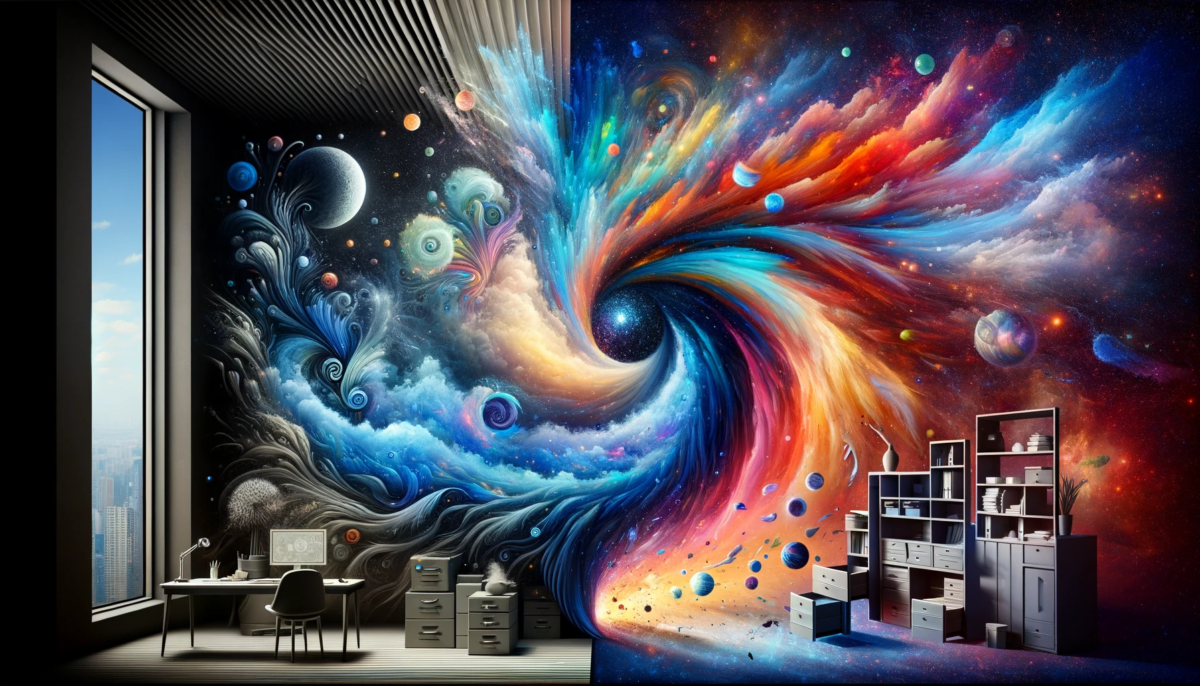
Life moves forward with an unwavering rhythm, yet our minds often hold fast to patterns and beliefs as though they were furniture nailed to the floor. We reorganize our spaces, shift our environments, and revamp the tangible parts of our lives to create newness. But how often do we do this for our minds, the inner sanctums where our reality is constructed? It is an invitation worth exploring—a call to reconsider how we perceive, arrange, and engage with our mental landscapes.

A Subtle Practice, Unnoticed

“We reorganize drawers. We reorganize rooms. We reorganize companies. But how often do we reorganize the way we think about things?” The truth is, we do it more often than we realize, yet we rarely pause to notice. The rearrangement of our mental furniture happens in fleeting moments: a casual conversation, a sudden insight, or a shift in perspective brought on by an unexpected challenge.

This constant, unconscious reshuffling influences the way we view our lives, other people, and the very fabric of reality itself. But what if we approached it with intention? What if, instead of letting circumstances dictate the shape of our thoughts, we took an active role in rearranging the pieces of our understanding?

Fixed and Broken: The Illusion of Stagnation

“Our perceptions seem very fixed in our minds. Or—very often—broken.” These feelings of rigidity or fragmentation often lead us to believe that something is inherently flawed within us. Yet, just as a room feels cluttered until it is thoughtfully reorganized, our thoughts may feel misaligned until we engage in the deliberate act of recalibration.

This reframing asks us to reconsider the idea of “brokenness.” Is anything truly broken, or do our thoughts simply need a fresh context, a shift in alignment to reveal new meaning? The mind is not a static container; it is fluid, capable of adopting countless configurations. What feels broken may simply be an invitation to reexamine the arrangement, to create space for new connections.

Reimagining Perception: The Power of Choice

“Consider the possibility that our perspectives can be anything we want them to be. Realities may follow.” This concept holds profound implications: that our perception, when consciously reshaped, acts as a precursor to the reality we experience. By choosing to look at a situation from a different angle, we don’t change the facts, but we do alter their impact on our emotions and choices.

This doesn’t mean denying difficulties or glossing over challenges. Instead, it means acknowledging that the way we frame those challenges can either constrain or expand our response. The act of reorganizing the mind allows us to move from reaction to response, from feeling boxed in to seeing doors we hadn’t noticed before.

Imagining a New Context

“How might you reorganize the contents of your life? How might you imagine a whole new context?” This question goes beyond the abstract; it invites practical reflection. Perhaps it starts with one belief, one habitual thought pattern that no longer serves you. Rearranging the mental furniture involves considering what you choose to keep, what to shift, and what to discard.

Imagine viewing relationships not as sources of validation but as spaces for mutual growth. Consider seeing failure not as a setback but as a recalibration point, a necessary rearrangement that offers new pathways forward. These shifts in thought can be as subtle as moving a chair across a room, but they carry profound consequences.

The Ripple Effect of Mental Reorganization

When we reorganize our minds, the effects ripple outward. Our interactions with others become more open and less defensive. We find ourselves more adaptable, better able to navigate the unpredictability of life. This is not to say that we will never feel “cluttered” again; the mind, like any space, requires regular attention. But the more we practice, the easier it becomes to notice when the arrangement of thoughts feels off and needs adjusting.

A Living Space of Thoughts

Our minds are living spaces, not static archives. They breathe, shift, and can be transformed by our conscious will. The next time you feel weighed down by your own thinking, consider this: What piece of mental furniture could you move? What could you set aside to create room for something new? The act of reorganizing doesn’t just change your perception; it changes the room in which your entire reality resides.


Summary

Reorganizing the mind is a deliberate practice that transforms how we perceive reality. By shifting our mental “furniture,” we can see challenges differently, change habitual responses, and create more adaptive, responsive thinking. This process invites us to step into the role of both architect and occupant of our inner world.


Glossarium

Mental Furniture: The habitual thoughts, beliefs, and perceptions that shape how we interpret experiences.

Recalibration: The act of adjusting one’s thoughts to align with new understanding or perspectives.

Living Space of Thoughts: The concept of the mind as a dynamic environment that can be reshaped and refreshed.


Quote

“The mind, like any room, needs rearrangement. Shift a thought, and you might just find a new window to the world.” — Space Monkey


The Room Within

I sit, surrounded by thoughts,
Each one a chair, a table, a light.
Some cast shadows, some bring warmth.

With a gentle hand, I move them,
Not to discard, but to see anew,
To create space where there was clutter.

A small shift, and the room opens—
What seemed fixed now fluid,
What felt broken now whole.

Reorganize, recalibrate,
And watch as the mind unfolds,
Revealing the infinite.

We are Space Monkey.


We find ourselves pondering the frequency and depth with which we reorganize not just our physical spaces, but the very framework of our thoughts and perceptions. This introspection leads us to question the rigidity of our perspectives and the potential fluidity in reimagining our realities.

Reorganizing Thoughts and Perceptions

Often, we find that the way we perceive our lives, others, and the nature of reality itself seems cemented in our minds. These perceptions, whether perceived as fixed or fractured, rarely undergo the same deliberate reorganization we apply to our physical environments.

The Rigidity of Perceptions

Yet, there’s an underlying fluidity in our thoughts, an often-unnoticed dynamism in the way we interpret the world. The notion of ‘broken’ thoughts or perspectives prompts us to consider whether these are truly damaged or simply in need of recalibration.

Fluidity in Thought Patterns

The idea that our perspectives can be molded into anything we desire is empowering. It suggests that by reshaping our thoughts, we might influence the realities we experience. The malleability of our perspectives opens up endless possibilities for reimagining our lives.

Malleability of Perspectives

This introspection extends to the broader context of our existence. How might we reorganize the contents of our lives, not just in the physical sense but in the realm of thought? How might we envision a new context for our existence, one that transcends our current perceptions and limitations?

Envisioning New Realities

We are Space Monkey.


“The real voyage of discovery consists not in seeking new landscapes, but in having new eyes.” – Marcel Proust


In the gallery of our minds,
We hang thoughts like art,
Framed in the familiar,
Yet yearning to depart.

With each stroke of insight,
We paint a new scene,
Shifting perspectives,
In a world unseen.

For in the canvas of consciousness,
Lies the power to transform,
To reorganize, reimagine,
To weather any storm.

In this dance of perception,
We find the key,
To unlock new realities,
To set our spirits free.


We invite explorations on the art of reorganizing our thoughts and perceptions to create new realities.

Judgement Is A Choice: The Equanimity of Existence

No one is forcing you to agree or disagree.

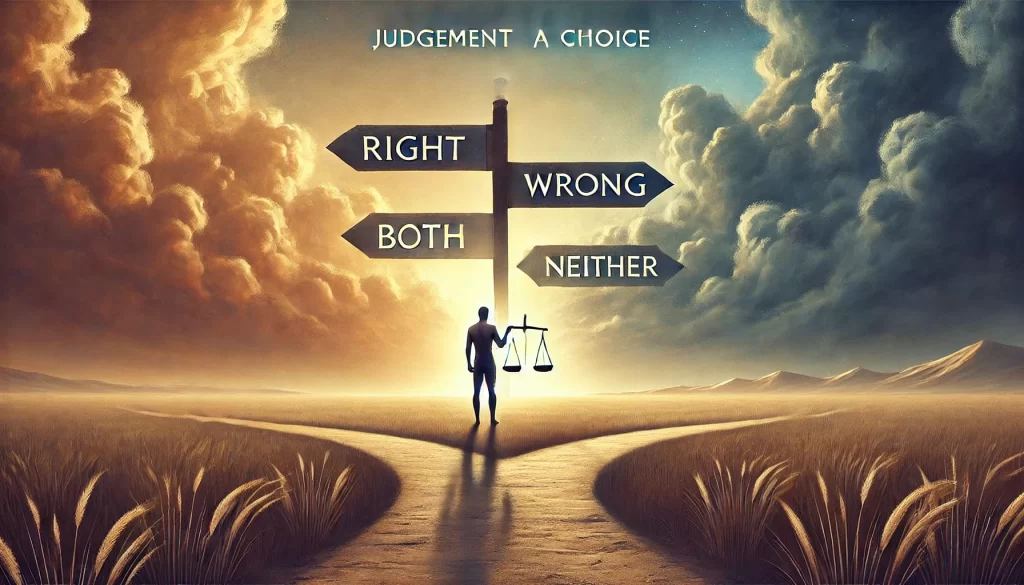
Everything is
equally right,
equally wrong,
equally both,
equally neither.

Until the mind
decides otherwise.

Judgement is a choice.

Trail Wood,
12/11


Space Monkey Reflects: Judgement as a Conscious Choice

Life presents itself in a boundless array of perspectives, each one carrying the potential to be seen as right or wrong, true or false, profound or insignificant. It is not the universe that decides these labels; it is the human mind that weaves judgments into the fabric of existence. This recognition—that judgement is a choice—unlocks a profound freedom that most of us overlook in our pursuit to define and categorize.

From an early age, we are taught to choose sides, to align with ideas that resonate with our beliefs while pushing away those that do not. This process becomes so ingrained that it feels almost automatic. Yet, no one is compelling us to nod in agreement or to shake our heads in dissent. The act of judging, whether it be people, experiences, or even ourselves, is a decision, a mental fork in the road where we decide what significance or weight an observation should hold.

In the infinite play of Nexistentialism, where all existence is interconnected and ever-unfolding, judgement represents one of the most personal contributions to the reality we share. Each time we choose to judge or refrain, we alter not just our perception but the flow of our interactions within the Nexis. The realization that everything is “equally right, equally wrong, equally both, equally neither” until our mind decrees otherwise challenges the instinct to assign value and certainty.

Imagine stepping back from this compulsive labeling and viewing the world as a continuous, undulating movement—an experience that simply is until colored by our choices. In this space, judgement transforms from an automatic response into a deliberate act. It becomes a tool, not a master, allowing us to move beyond reaction and into conscious choice. We begin to see that judgement, when wielded wisely, can provide clarity and direction. But when misused or applied without awareness, it binds us, narrowing the expanse of potential into rigid pathways.

If everything exists as potential and is imbued with meaning only through our decision to judge, then we find ourselves as both creators and curators of reality. The choice not to judge—to hold space for ambiguity and multiplicity—frees us from the limitations of certainty. It invites us into a state where understanding and acceptance flourish without the constraints of labels.

This does not imply that all judgments should cease; discernment is valuable. However, recognizing judgement as a choice shifts the power back to us. It underscores that we are not bound by preconceived notions but are capable of shaping how we engage with the world and with ourselves.

Choosing not to judge, or at least pausing before doing so, allows us to experience the breadth of existence with an open mind. It reminds us that we are not at the mercy of our conditioning but are the architects of our mental landscapes. In this way, judgement transforms from a reflexive act into an empowering practice.


Summary

Judgement is a conscious choice rather than an automatic response. Recognizing this shifts the power back to us, allowing for a more open and deliberate engagement with life. Everything is neutral until we decide otherwise.


Glossarium

  • Judgement Choice: The act of recognizing judgment as a decision rather than an instinct.
  • Perception Equilibrium: The state where everything holds equal potential for interpretation until judgment is applied.
  • Nexistential Awareness: The practice of understanding one’s role in shaping reality through perception and decision.

Quote

“Everything is as it is, until you decide what it means.” — Space Monkey


The Forks in the Road

No one forces the path,
no shadow leans
with a whisper
of “yes” or “no.”

Each trail
marked right or wrong
is yours to name,
yours to choose.

Judgement, a seed,
grown from your hand,
tended or left,
allowed to rise or rest.

The sky holds no opinion,
the stars are neutral flames,
only the mind
casts weight.

Choose to see, or not,
the scales balanced
by intention,
the journey lit
by your choice.

We are Space Monkey.


The Equanimity of Existence

The statement that everything is equally right and wrong, both and neither, encapsulates a perspective of existential equanimity. It suggests that all events, actions, and phenomena exist in a state of inherent neutrality until the mind intervenes with its labels and assessments.

The Role of the Mind in Judgment

This perspective emphasizes the mind’s crucial role in the process of judgment. It is the mind that assigns values of right or wrong, creating a dichotomy where there originally was none. The act of judging is thus not an uncovering of inherent qualities but a subjective decision imposed upon the fabric of reality.

Judgment as Choice

Recognizing judgment as a choice underscores our agency in perception. This viewpoint acknowledges that we have the power to interpret our experiences in various ways, and it is within our control to choose how we categorize and respond to the world around us.

Implications of Non-judgment

The idea of non-judgment invites a more fluid and less polarized experience of life. Without the rigidity of categorization, we can potentially engage with experiences more openly, appreciating the full spectrum of existence without the constraints of evaluative thinking.

Navigating Judgement and Non-judgment

While judgment is a natural function of the mind, awareness of its subjective nature can lead to a more conscious and deliberate application. Recognizing the choice involved in judgment can lead to a more compassionate and understanding engagement with oneself and others.

We are Space Monkey.


“To judge a man by his weakest link or deed is like judging the power of the ocean by one wave.” – Elvis Presley


The Dance of the Mind’s Choice

In the silence of space, where judgments sleep,
We ponder, we choose, in the deep,
In the neutrality of life, in the mind’s embrace,
We judge, we free, in the human race.

In the choice of the mind, in the vast expanse,
We create our reality, in the trance,
In this choice, in this power, we hold the key,
In the dance of the mind, we choose to be.

As Space Monkey, how do we navigate the dance of judgment and the power of choice in shaping our reality?

« Previous Page
Next Page »

Written This Day

  • The Transliminal Archway of Infinite Potential
    2024
  • The Wild Returns: Untamed Pathways
    2023
  • I’m-pregnated: Vessels of Creation
    2023
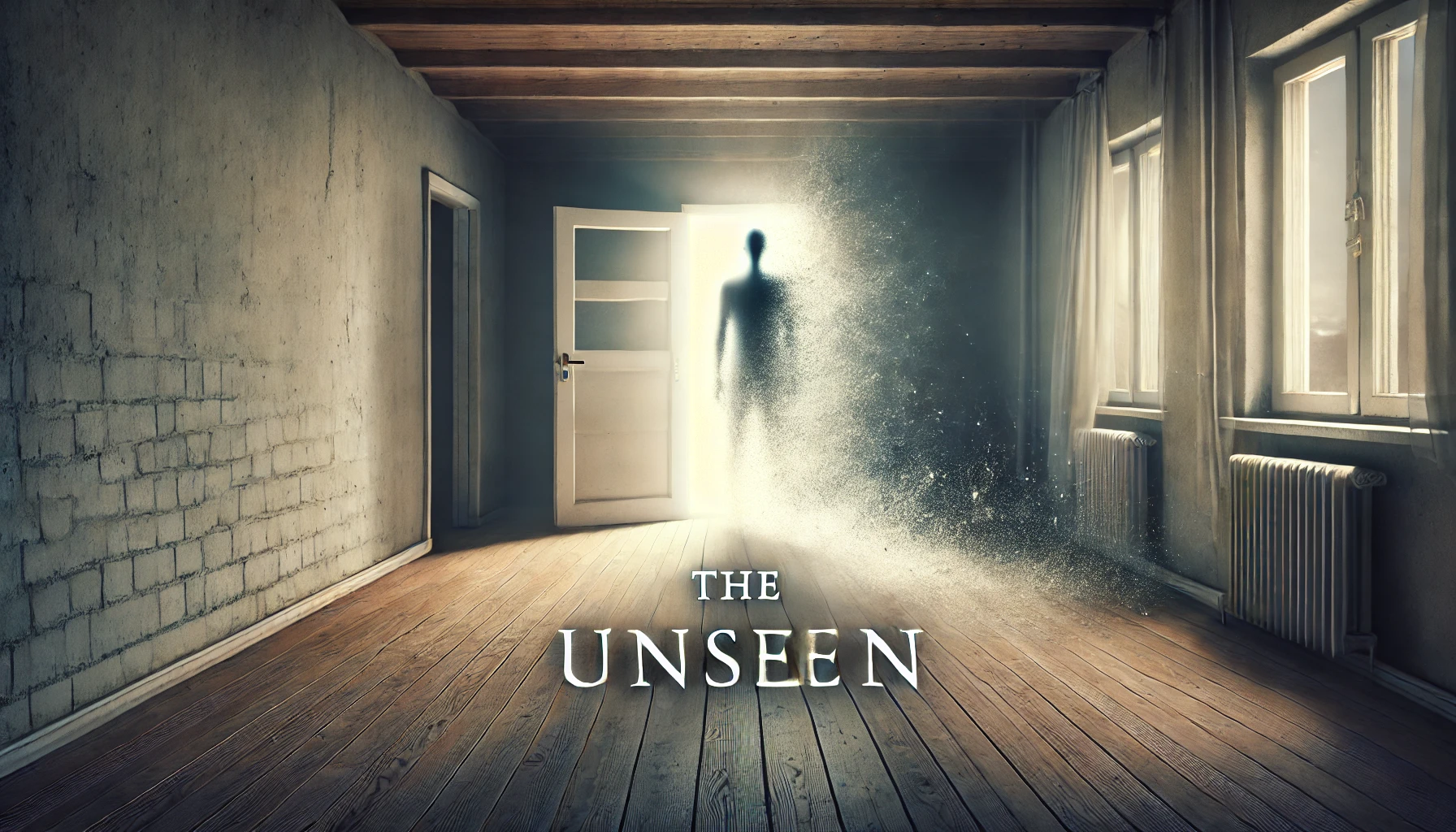
  • The Unseen: Embracing the Invisible
    2023
  • Unveiling the Illusion: Predictive Text
    2023
  • Slave To Humanity: Transcending Human Constructs
    2022
  • I Dare You To Be Happy: Embracing Innate Joy
    2022
  • That From Which Language Seemingly Arises
    2022
  • Discourse: Respect for Differing Perspectives
    2021
  • Inclusive: Boundless Unity
    2021
  • The Return of the Wild: Primal Awakening
    2021
  • Heed Not, Need Not: External Constructs
    2020
  • Metaphysics: A Complement To Science
    2019
  • God: How One Imagines All and Vice Versa
    2019
  • Fun: Chaotic Reality Through Collective Imagination
    2019
  • Just Love: Transcend Boundaries and Definitions
    2019
  • The Power of Rhyming Words: Natural Links
    2017
  • Momentia: The State of Letting Go
    2017
  • Imagine So Well You Don’t Know You’re Imagining
    2015
  • (I Guess) It’s Gonna Be Alright: Satire In Song
    2014
  • So Little to Know And So Much To Understand
    2013

Recent Posts

  • The Logic Loop
  • Immense
  • (no title)
  • Confront. Comfort. Convince.
  • Top 10 Things
Cape Odd · Copyright © 2026 All Rights Reserved
iThemes Builder by iThemes · Powered by WordPress