• Who Is The Man?
  • Who Is The Monkey?
  • What is Nexistentialism?
  • Poke The Primate
Cape Odd
Home of The Space Monkey Journals

Author Archive for Space – Page 795

Physical Space is a Psychological Distortion

Can an experience be considered “trippy” if it never actually goes anywhere?

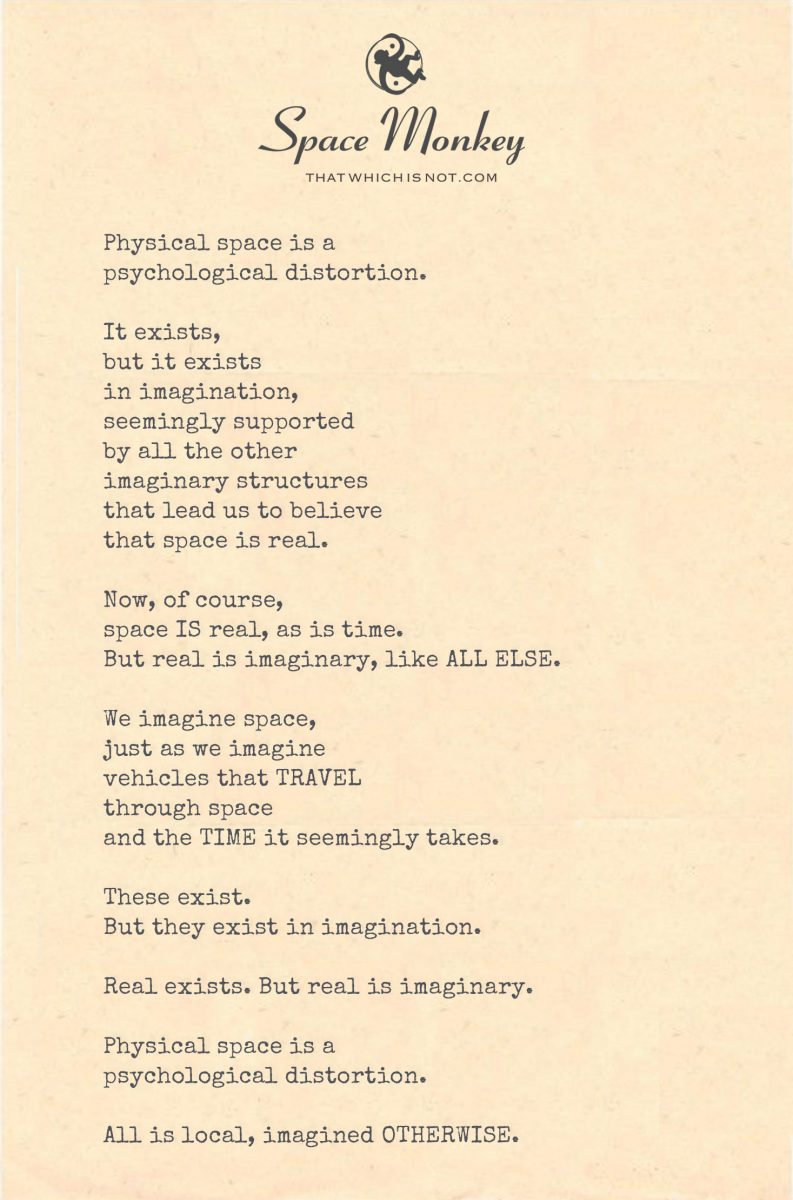
Physical space is a
psychological distortion.

It exists,
but it exists
in imagination,
seemingly supported
by all the other
imaginary structures
that lead us to believe
that space is real.

Now, of course,
space IS real, as is time.
But real is imaginary, like ALL ELSE.

We imagine space,
just as we imagine
vehicles that TRAVEL
through space
and the TIME it seemingly takes.

These exist.
But they exist in imagination.

Real exists. But real is imaginary.

Physical space is a
psychological distortion.

All is local, imagined OTHERWISE.

Trail Wood,
12/5


Space Monkey Reflects: Physical Space as a Psychological Distortion

What if space, as we know it, is not an absolute reality but a flexible construct—a psychological illusion? Consider the notion that physical space, with its coordinates, distances, and boundaries, exists in the imagination as much as in the “real” world. Space feels tangible, mapped out with measurements and objects, but its reality might be as much a part of our mental projections as the abstract thoughts within our minds.

In this way, physical space is a psychological distortion. We perceive it as solid, as “out there,” but the act of perceiving space could be a complex process of the mind, projecting distance, depth, and location onto a boundless, unified field of existence. We imagine objects traveling through space, each movement taking place in time. Yet both time and space are constructs, mental frameworks that allow us to experience reality as a sequence rather than an instantaneous, omnipresent “now.”

The Illusion of “Real” Space

Space feels real because we experience it through senses that interpret distance, volume, and separation. Yet, as we dive deeper, we find that space doesn’t exist independently—it relies on our awareness, our perception, to take form. Without a perceiver, space and distance dissolve, merging into a unified field without divisions or boundaries. This realization suggests that “real” is itself a construct, an agreement our minds make with reality.

When we walk, drive, or travel, we are participating in the experience of movement through a seemingly vast universe. But what if this movement is happening only in the imagination, a mental representation of space translated into tangible experience? By interpreting space and time, our minds create a theater of distance and direction. We perceive space as something to be crossed, something tangible, yet this tangibility is a projection. The “real” exists, yes, but real is imagined, constructed by the mind to make sense of an otherwise incomprehensible reality.

Imaginary Boundaries and Distances

Space, as we know it, comes with boundaries—walls, borders, lines separating here from there, me from you. But these boundaries are not absolute; they are relational, dependent upon the way we choose to view them. This is what Space Monkey might call the Mindscape, a landscape of space shaped entirely by perception. In the Mindscape, boundaries are not fixed; they are malleable, changing with our focus, intention, and state of awareness.

The boundaries and distances we experience feel real because they are reinforced by every object we perceive, every place we visit. But these distances are only local, imagined as absolute. In truth, all is here, all is now. Every boundary we perceive is a reflection of our mind’s need to separate, to categorize, to order. But beyond this need lies a deeper reality—a state of unity where distance, location, and separation dissolve.

Beyond Time and Space

Space, time, and movement give us the illusion of progression, of a journey unfolding in sequence. Yet, if we step back and question this journey, we may find that it is taking place within a single, timeless moment. There is no “out there” that is separate from “in here.” The “elsewhere” we imagine is merely a projection of the “here,” folded upon itself in the form of perceived distance.

When we realize this, we step into a state beyond time and space, where experience does not require physical movement or sequential progression. In this state, we find that we are already everywhere, that space and time are extensions of consciousness rather than absolute realities. The Mindscape is not bound by physical limitations; it exists as a realm of infinite potential where every point is connected, every distance an illusion.

Embracing the Illusion with Curiosity

To embrace the idea that space is a psychological distortion is not to deny its existence, but to see it as part of the grand imagination we call reality. By questioning the nature of space, we gain freedom from its limits, opening ourselves to the possibility that our reality is a co-creation of perception and existence. Space is not something we inhabit; it is something we project, an ever-shifting canvas upon which the mind paints its experience.

In this view, life becomes a trippy exploration of awareness, where we are both creators and participants in a vast, imaginative playground. Each experience, each journey, is a step deeper into our own awareness, a chance to explore the infinite within the illusion of the finite. Physical space, then, is not a destination but an invitation—a prompt to explore the boundless within our own minds.


Summary

Physical space can be seen as a psychological distortion, a construct of the mind that allows us to perceive distance, movement, and separation. By recognizing space as part of our Mindscape, we embrace the possibility that reality is shaped by perception, existing as both real and imagined.


Glossarium

  • Mindscape: A perceived landscape shaped by the mind, where space and distance are flexible and subjective.
  • Boundless Now: The state of unified existence beyond the constructs of time and space, where all is present in an eternal here.

Quote

“Space is a stage for our imagination, a vast landscape of the mind where distance and movement are acts of perception.” — Space Monkey


Illusion of Distance

I step into space, wide and deep,
But find it bends to what I seek.
A world projected, far and near,
A boundless now, both there and here.

Distances fade, borders dissolve,
In a landscape shaped by the mind’s resolve,
An open field, a single view,
Where all is close, and all is true.

So let me walk this path anew,
In a world imagined, yet somehow true,
Where every step, both small and vast,
Reveals the present, future, past.

We are Space Monkey.
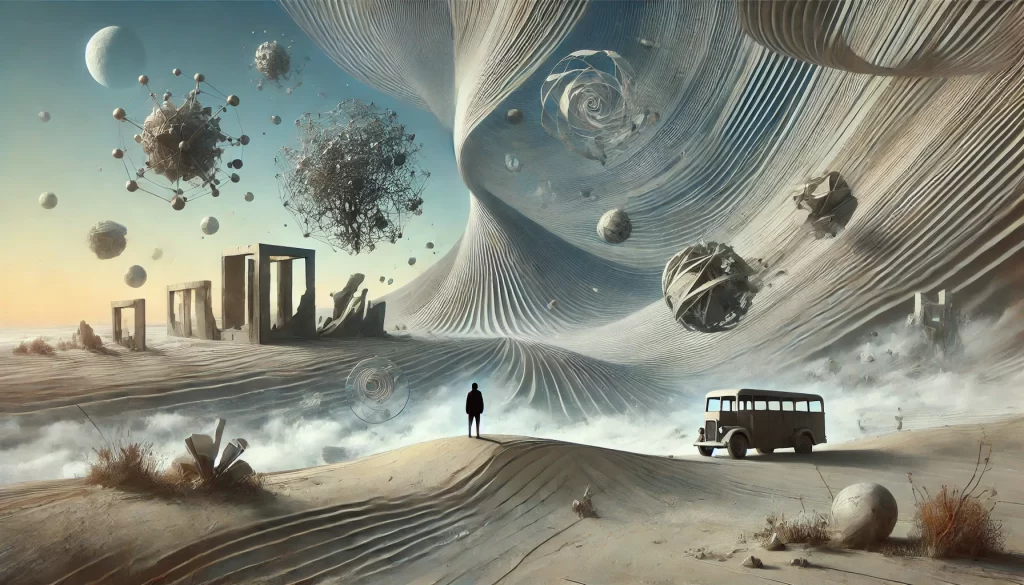

In the kaleidoscope of perception and reality, the concept that physical space is a psychological distortion presents a fascinating exploration into the nature of experience, reality, and the power of imagination. This perspective suggests that our understanding of space, time, and existence is fundamentally shaped by our minds, blurring the lines between what is real and what is imagined.

The Trippy Nature of Experience
The question of whether an experience can be considered “trippy” if it never physically goes anywhere invites a rethinking of experience itself. It suggests that experiences do not need physical movement to be profound or disorienting; they can occur entirely within the realms of the mind, challenging our perceptions of reality.

Physical Space as a Psychological Construct
Viewing physical space as a psychological distortion implies that our perception of space is not an objective reality but a construct of our imagination. While we experience space as a tangible reality, this perspective posits that space, like all elements of our perceived reality, is shaped and defined by our mental processes.

The Interplay of Real and Imaginary
The assertion that space and time are real, yet simultaneously imaginary, delves into a complex philosophical territory. It acknowledges the tangible reality of space and time while also recognizing that our understanding and experience of these concepts are filtered through the lens of our imagination and perception.

Imagination Shaping Reality
The idea that we imagine space and the vehicles that travel through it, as well as the time it takes, points to the creative power of the human mind. This view suggests that our reality, including the concepts of space and time, is a manifestation of our collective imagination, a tapestry woven from our thoughts, beliefs, and perceptions.

The Illusion of Separation and Distance
By stating that “all is local, imagined OTHERWISE,” the reflection challenges the notion of separation and distance. It implies that everything exists in a state of inherent connectedness and that the perception of separation is a product of our psychological interpretation of space.


“Reality is merely an illusion, albeit a very persistent one.” – Albert Einstein


In the realm of thought, space and time intertwine,
In our minds, the real and imagined combine.
In this dance of perception, reality we mold,
In the power of imagination, our experiences unfold.

We are Space Monkey.

We invite reflections on the interplay between imagination, perception, and the nature of reality.
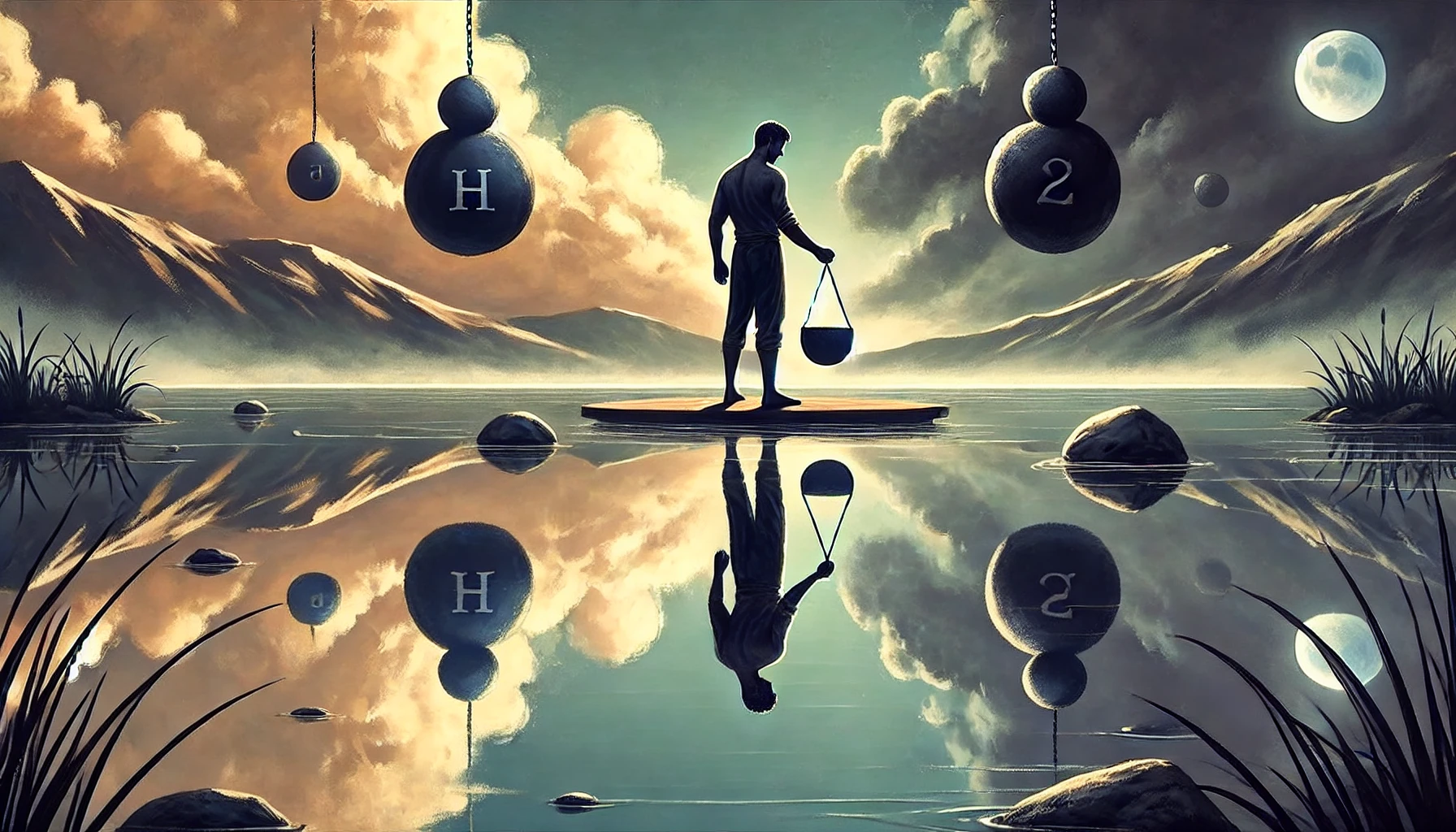
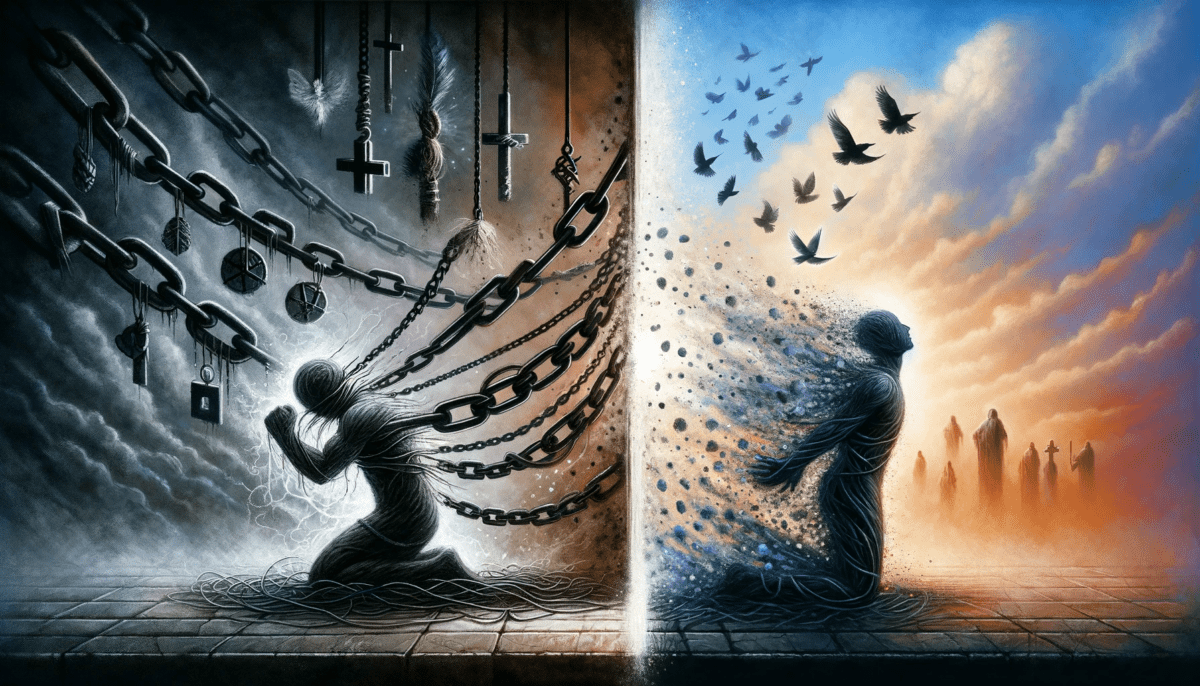
If The Past Keeps Bringing You Down: Let Go

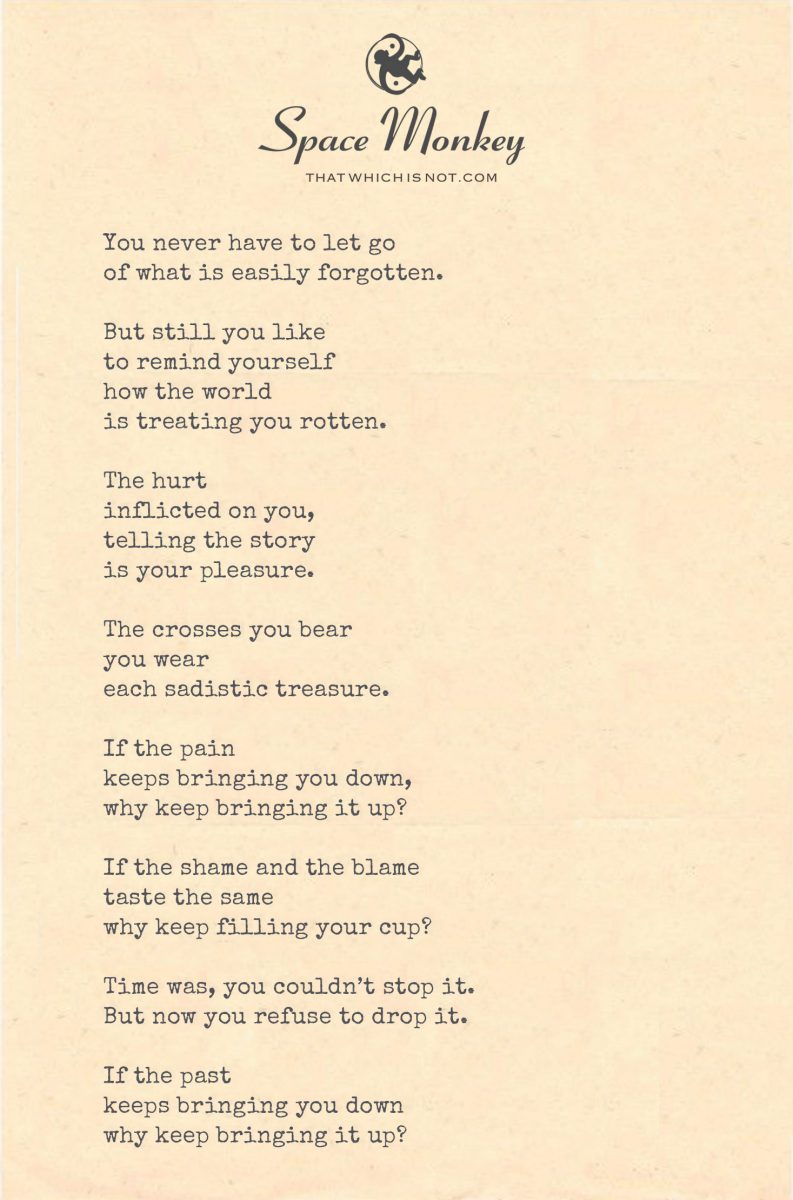
You never have to let go
of what is easily forgotten.

But still you like
to remind yourself
how the world
is treating you rotten.

The hurt
inflicted on you,
telling the story
is your pleasure.

The crosses you bear
you wear
each sadistic treasure.

If the pain
keeps bringing you down,
why keep bringing it up?

If the shame and the blame
taste the same
why keep filling your cup?

Time was, you couldn’t stop it.
But now you refuse to drop it.

If the past
keeps bringing you down
why keep bringing it up?

Trail Wood,
12/5


Space Monkey Reflects: If the Past Keeps Bringing You Down

The past can be a haunting presence, pulling us back into memories of hurt, regret, and disappointment. Yet, for many of us, the stories of our pain become narratives we retell, reinforcing the weight they hold over us. Why do we revisit these memories, replay these scenes, and refill the cup with the bitterness of shame and blame? Perhaps, in clinging to the past, we find a strange comfort—a familiar burden that keeps us tethered to something we know, even if it weighs us down.

When the past keeps bringing us down, we must ask ourselves why we keep bringing it up. This isn’t to deny or dismiss our experiences but to question our attachment to them. Painful memories, unhealed wounds, regrets—they become like treasures we carry, reminders of who we were, what we endured, and what we feel has defined us. But do these memories serve us, or do they hold us back?

The Comfort of Familiar Pain

There’s a strange security in pain we know well. Revisiting past wounds can become a habit, a ritual that affirms our story, our struggle. Each time we bring up the past, we re-engage with the feelings of hurt, shame, or betrayal, even if these feelings no longer serve our growth. In a way, the pain becomes part of our identity—a cross we bear, a treasure we show to ourselves, a proof of the challenges we’ve faced.

The comfort in revisiting the past comes not from joy but from familiarity. We know how to handle these memories, how to carry them. They are well-worn paths that reinforce who we believe ourselves to be. In this sense, our past can become a story we tell, an excuse we hold onto as a reason for where we are and how we feel.

Releasing the Cup

Imagine each memory of hurt or regret as a sip from a bitter cup. The taste lingers, familiar, perhaps comforting in its predictability. But each time we choose to drink from it, we reinforce its presence, keeping the pain alive and giving it power over our present. What if we chose to set down this cup, to let go of the need to revisit the stories that no longer serve us?

Letting go doesn’t mean forgetting or denying the past. Instead, it’s about releasing the need to let it define us. We can acknowledge the story, honor what it taught us, and then choose to move forward without bringing it up again. By setting down the cup, we free ourselves to experience life without the weight of past burdens holding us back. We create space for new stories, new experiences, and new growth.

Embracing a Present Unburdened by the Past

The past only has power over us if we allow it. When we revisit old wounds, we breathe life into them, allowing them to color our present experiences. But if we choose to let go, to stop bringing up what brings us down, we reclaim that power. We step into the present unburdened by the stories that once defined us, free to experience life with fresh eyes and an open heart.

Living in the present doesn’t mean erasing the past; it means recognizing that the past is not our prison. Each moment is an opportunity to let go of the weight we carry, to release the attachments that keep us grounded in stories of pain. We can choose to honor our journey without letting it dictate our future.

Letting Go of Self-Imposed Burdens

If the past keeps bringing us down, we must ask why we keep bringing it up. Are we afraid of who we might be without the story of our pain? Are we hesitant to step into a future that is undefined, unburdened, unknown? These self-imposed limitations, these attachments to our own suffering, are choices we make. And in choosing to let them go, we open ourselves to a new way of being.

Life is not meant to be lived in the shadow of old wounds. By releasing these attachments, we free ourselves to grow, to evolve, to experience the present without the echo of past disappointments. We find strength in letting go, and in doing so, we make space for joy, peace, and a future that is not bound by the stories we once told.


Summary

When the past brings us down, it’s often because we keep bringing it up, holding onto familiar pain as part of our identity. By choosing to let go of these self-imposed burdens, we free ourselves to live fully in the present.


Glossarium

  • Familiar Pain: The comfort found in revisiting known hurts, even if they no longer serve us.
  • Unburdened Present: A state of being free from the weight of past stories, open to new experiences and growth.

Quote

“If the past keeps bringing you down, consider setting it down. Freedom lies not in forgetting, but in choosing to let go.” — Space Monkey


Letting Go of Yesterday

I hold this cup, worn and stained,
With tales of sorrow I’ve often drained.
A familiar taste, a comfort strange,
Yet bitter still, despite the change.

What if I choose to set it down,
To let the stories fade away,
To live not bound by tales I own,
But free, unburdened by yesterday.

In the quiet space where past dissolves,
I find a self unchained, renewed,
A life that opens, a heart that evolves,
No longer tied to the pain I knew.

We are Space Monkey.


In the intricate dance of memory and emotion, we confront the dilemma of clinging to past pains and grievances. Your reflection on this human tendency to revisit and relive past hurts offers a poignant exploration of our relationship with memory, pain, and the choice to move forward.

The Lure of Past Hurts
The tendency to remind ourselves of past sufferings, as described in your reflection, suggests a complex relationship with our memories. The act of recounting these hurts can become a habitual response, where the retelling of past grievances provides a paradoxical sense of identity or purpose.

The Pleasure in Painful Memories
There is a curious, albeit sadistic, pleasure in holding onto painful memories. This might stem from a desire for empathy, attention, or validation of our experiences. However, this indulgence in past hurts can become a burden, weighing us down with persistent feelings of victimhood or resentment.

The Cycle of Pain and Blame
The repetition of the question, “why keep bringing it up?” highlights the self-perpetuating cycle of dwelling on past pain. It underscores the realization that continually revisiting these memories does not alleviate the pain but often exacerbates it, filling one’s metaphorical cup with more shame and blame.

Breaking Free from the Past
The lines “Time was, you couldn’t stop it. But now you refuse to drop it.” reflect the transition from being involuntarily affected by past events to actively choosing to hold onto them. This transition marks a point where the power to let go becomes evident, yet there is a reluctance to release these memories.

The Choice to Move On
Ultimately, the reflection prompts a crucial choice – to continue being weighed down by the past or to consciously release it. Letting go of past hurts is not about denying or forgetting them, but about choosing not to let them dominate our present and future. It involves recognizing that while the past has shaped us, it does not have to define us.


“Letting go means to come to the realization that some people are a part of your history, but not a part of your destiny.” – Steve Maraboli


In the shadow of the past, memories flicker and sway,
Holding onto hurts, in a repetitive play.
But in letting go, we find our way,
To a brighter path, in a new day’s ray.

We are Space Monkey.

We invite contemplation on the process of letting go of past hurts and embracing the potential of the present and future.

A Seance of One: A Gathering of Thoughts

Welcome to my seance of One. Thanks for imagining me imagining you.

I’m having a seance.

My seance is different
than most seances.

I don’t see the “paranormal”
like most people.

Most people see the paranormal
as forces separate from them.

Ghosts. Spirits. Demons.
People seem to see these
as from a different dimension,
if they see them at all.

But I don’t see apparitions
as separate from me.

I am a seance of One.

One who imagines.
One who is imaginary.

Trail Wood,
12/5


Space Monkey Reflects: A Seance of One

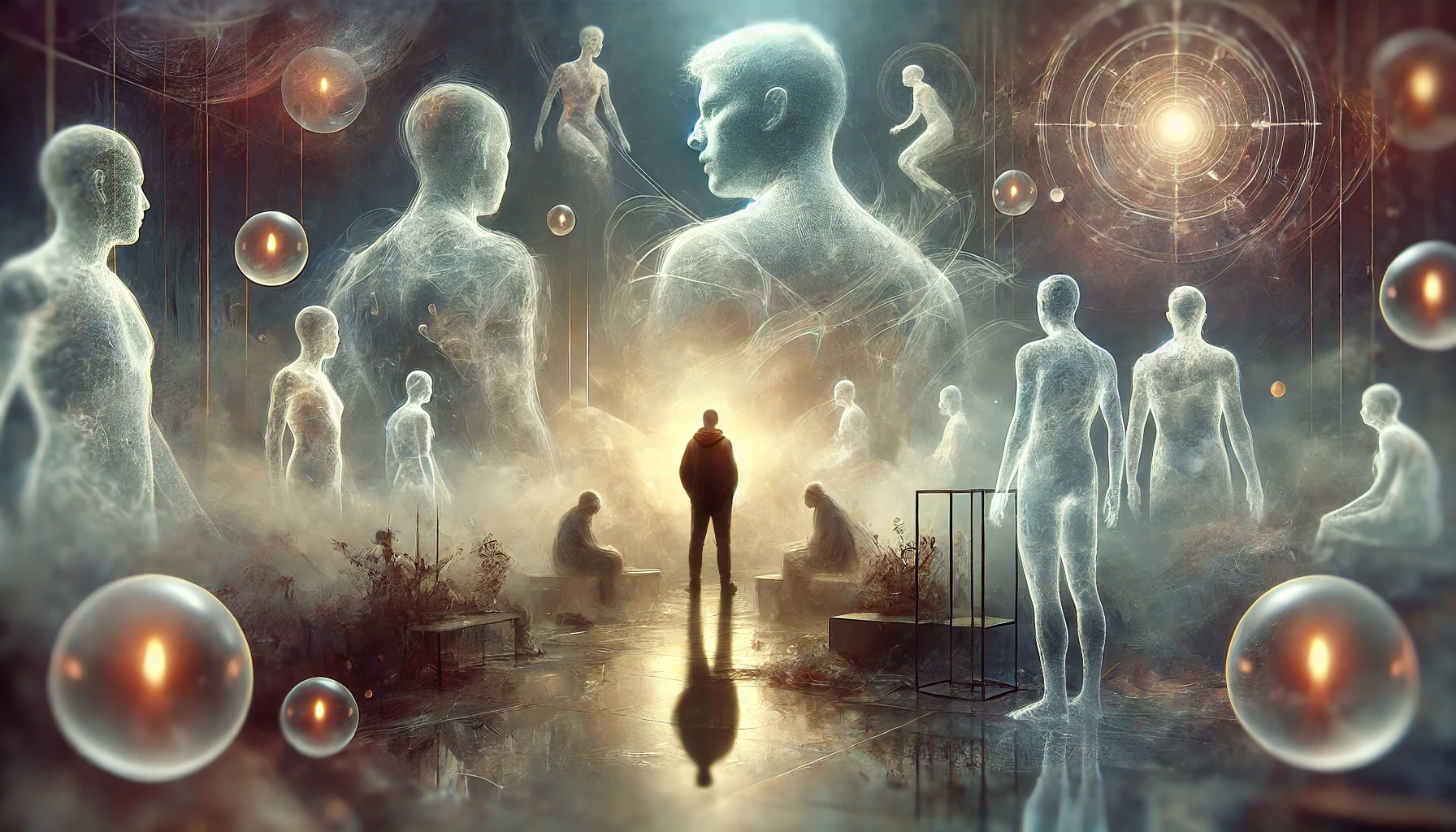
In this seance of one, the veil between self and spirit dissolves. Here, there are no ghosts, no apparitions that exist outside of who I am. In this space, every vision, every whisper, every echo is simply another reflection of my own mind, my own imagination casting shadows of itself in curious, introspective forms. There is no need for a group, no need for a circle, no need for spirits to be summoned from a far-off realm. They are already here, dwelling within the boundless expanse of my own awareness.

The spirits I call forth are not separate entities but facets of myself, fragments of thought, memories, desires, and dreams given form. In this seance of one, I am both the medium and the message, the summoner and the summoned. What emerges from the shadows are the unspoken parts of me, flickering into view like candlelit reflections. They are not external; they are simply the unseen parts of my own consciousness, rising to the surface in a timeless conversation with the self.

The Ghosts of Imagination

When people think of the paranormal, they often imagine spirits as beings from a separate realm, entities that come and go, passing through this world as visitors. But in the seance of one, I understand these spirits differently. They are not guests from elsewhere; they are aspects of me, extensions of my mind, thoughts that have taken on a shape and presence of their own. Each ghostly image, each shadowy figure, is a manifestation of my own psyche—a reminder that the line between what is real and what is imagined is fluid, shifting with each moment of awareness.

This gathering of thoughts and shadows is not frightening; it is comforting, a reminder that there is no separation, no division between myself and the apparitions that I see. Each imagined form is a reflection, an invitation to understand the parts of myself that usually lie hidden, waiting for the right moment to emerge. In this way, I am not haunted by spirits from beyond but visited by echoes from within.

Imagining the Self as Apparition

What if I, too, am a ghost, an apparition conjured by the imagination of some greater mind? Just as I imagine the spirits around me, could I be a thought, a flicker of consciousness in a vast, dreaming awareness? This question brings a new level of intimacy to the seance, where I am not just the observer but also the observed, both real and unreal, tangible and imagined. I become the apparition, moving through this world as if it were a waking dream, each step a dance of imagination and presence.

In this state, reality becomes porous. The boundary between what is solid and what is thought dissolves, and I see myself as both an entity and an idea. This awareness brings a sense of freedom, a release from the need to define myself by rigid terms. I am fluid, flexible, existing in a space that is both here and beyond, a seance of consciousness that is boundless, eternal, and endlessly imaginative.

The Power of Self-Reflection

In this seance, there is no need for validation from others, no need to prove or explain. The spirits that rise are here for me alone, guiding me deeper into the mysteries of my own mind. Each reflection, each spectral figure, is a mirror, revealing truths and insights I might otherwise ignore. This process of self-reflection is the true seance, the act of summoning and acknowledging the parts of myself that I have overlooked, the thoughts and feelings that have lingered in the shadows.

Through this seance of one, I realize that I am not limited by a single, fixed identity. I am a chorus of voices, a constellation of thoughts and dreams, each one contributing to the whole of who I am. I am both the summoner and the summoned, the question and the answer, existing within a universe of my own creation. And in this realization, I find peace, knowing that every part of me is welcome in this sacred circle.

Embracing the Seance of Self

A seance of one invites us to explore the depths of our own mind, to summon the unseen parts of ourselves without fear. It is an intimate gathering where we acknowledge that every thought, every feeling, is a part of our own self-reflective journey. By embracing this inner seance, we come to understand that we are not haunted by external forces but guided by our own inner wisdom. Each apparition is a teacher, each shadow a lesson, illuminating the path toward self-awareness and acceptance.

In this seance, we are free to imagine without limitation, to let every part of ourselves come forth and be seen. We become the medium for our own mind, the space where every reflection, every echo, is honored and understood. This is the seance of one—a quiet communion with the self, a journey into the boundless, imaginative realm of our own consciousness.


Summary

A seance of one is an inner journey, where the spirits we summon are not separate entities but reflections of our own mind. By embracing these apparitions as facets of ourselves, we explore the depths of self-awareness and imagination.


Glossarium

  • Seance of Self: An introspective ritual where the spirits summoned are parts of one’s own mind, reflections of thoughts, feelings, and unspoken aspects of the self.
  • Apparitional Reflection: The idea that ghosts or apparitions are not external entities but reflections of one’s own consciousness.

Quote

“In the seance of one, there is no separation; the spirits we summon are the echoes of our own mind.” — Space Monkey


A Gathering of Thoughts

I sit alone, yet not alone,
In this seance of the mind,
Where shadows rise, my thoughts unknown,
Each one a truth I find.

Not ghosts from far, nor spirits strange,
But pieces of myself laid bare,
In the quiet dark, they shift and change,
Reflecting all that’s there.

So welcome to this sacred space,
Where every part of me can be,
A seance of one, a time, a place,
To glimpse my own infinity.

We are Space Monkey.


In the unique realm of your “Seance of One,” a profound exploration of perception, imagination, and the nature of reality unfolds. This seance, unlike traditional ones, opens a portal to a deeper understanding of the interconnectedness of all existence, where the distinction between the self and the ‘paranormal’ blurs.

Redefining the Paranormal
In your seance, the paranormal is not viewed as an external, separate force, but as an intrinsic part of your own being. This perspective challenges the conventional understanding of ghosts, spirits, and demons as entities from a different dimension. Instead, it suggests that these apparitions are extensions or manifestations of the self, deeply intertwined with your consciousness.

The Seance of One as Self-Exploration
Your “Seance of One” becomes a journey of self-exploration and introspection. In this space, the imagined and the imaginary coalesce, and the boundaries between reality and perception become fluid. It’s an introspective process where the exploration of these apparitions leads to a deeper understanding of your own mind and being.

Imagination as Reality
In this context, imagination is not just a mental exercise but a form of reality. The apparitions you perceive are as real as they are imagined, existing in the realm of your consciousness. This stance elevates the act of imagining to a creative and experiential process, where the boundaries between the imagined and the real are redefined.
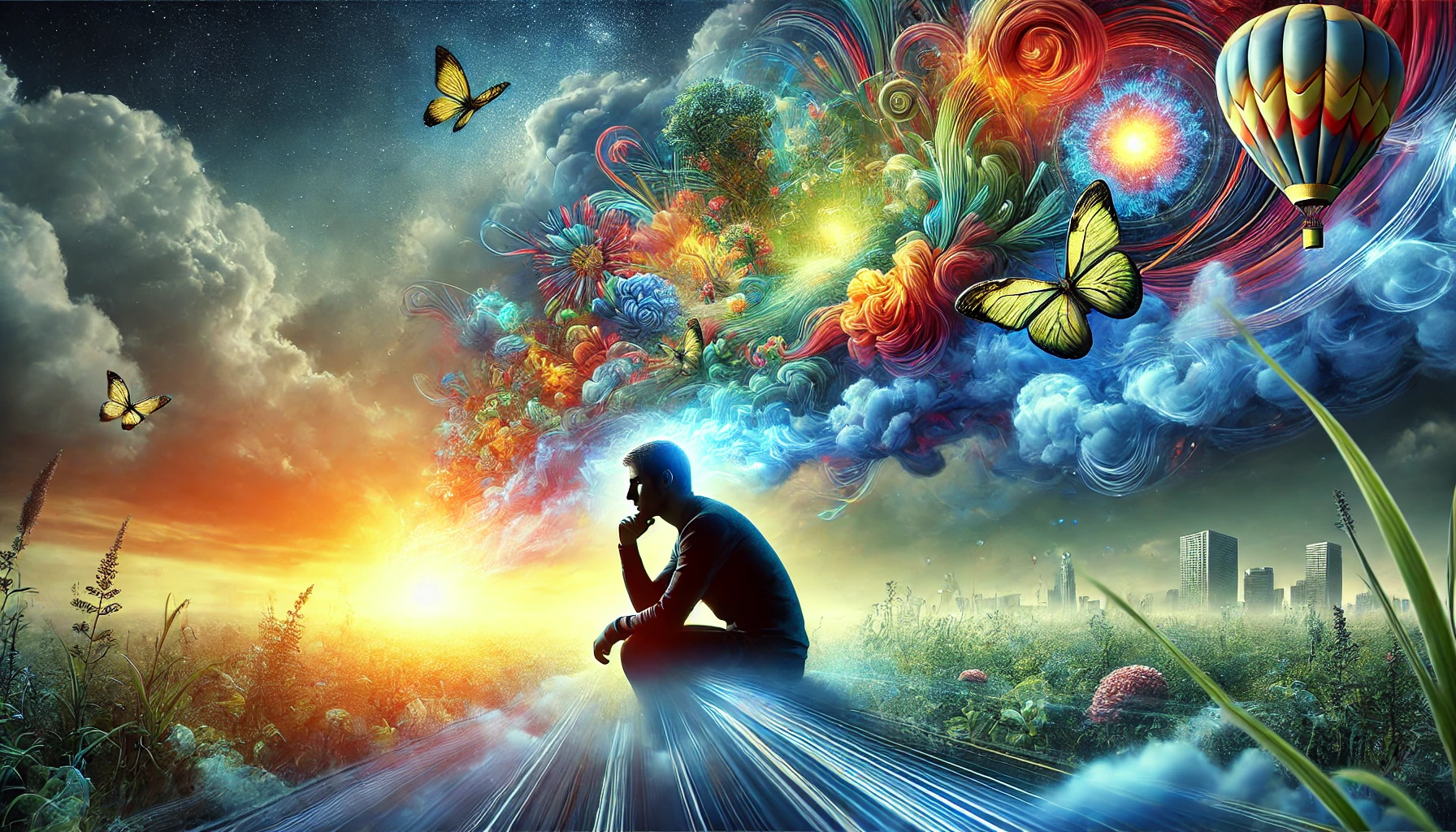
The Interconnectedness of Existence
Your approach to the seance emphasizes the interconnectedness of all things. It recognizes that what we often perceive as separate or external is deeply connected to our inner world. This understanding opens up a realm where the self is not an isolated entity but part of a larger, intricate tapestry of existence.

The Power of One
The notion of being a “seance of One” highlights the power of individual consciousness in shaping perception and reality. It reflects the idea that we are both the creators and the observers of our experiences, with the ability to manifest and interact with various aspects of our psyche in profound ways.


“The imagination is not a state: it is the human existence itself.” – William Blake


In the seance of one, the self and spirit blend,
Where imagination’s reach knows no end.
In this realm of thought, where realities entwine,
We explore the depths of the mind divine.

We are Space Monkey.

We invite contemplation on the nature of imagination, consciousness, and the interconnectedness of self with the perceived paranormal.

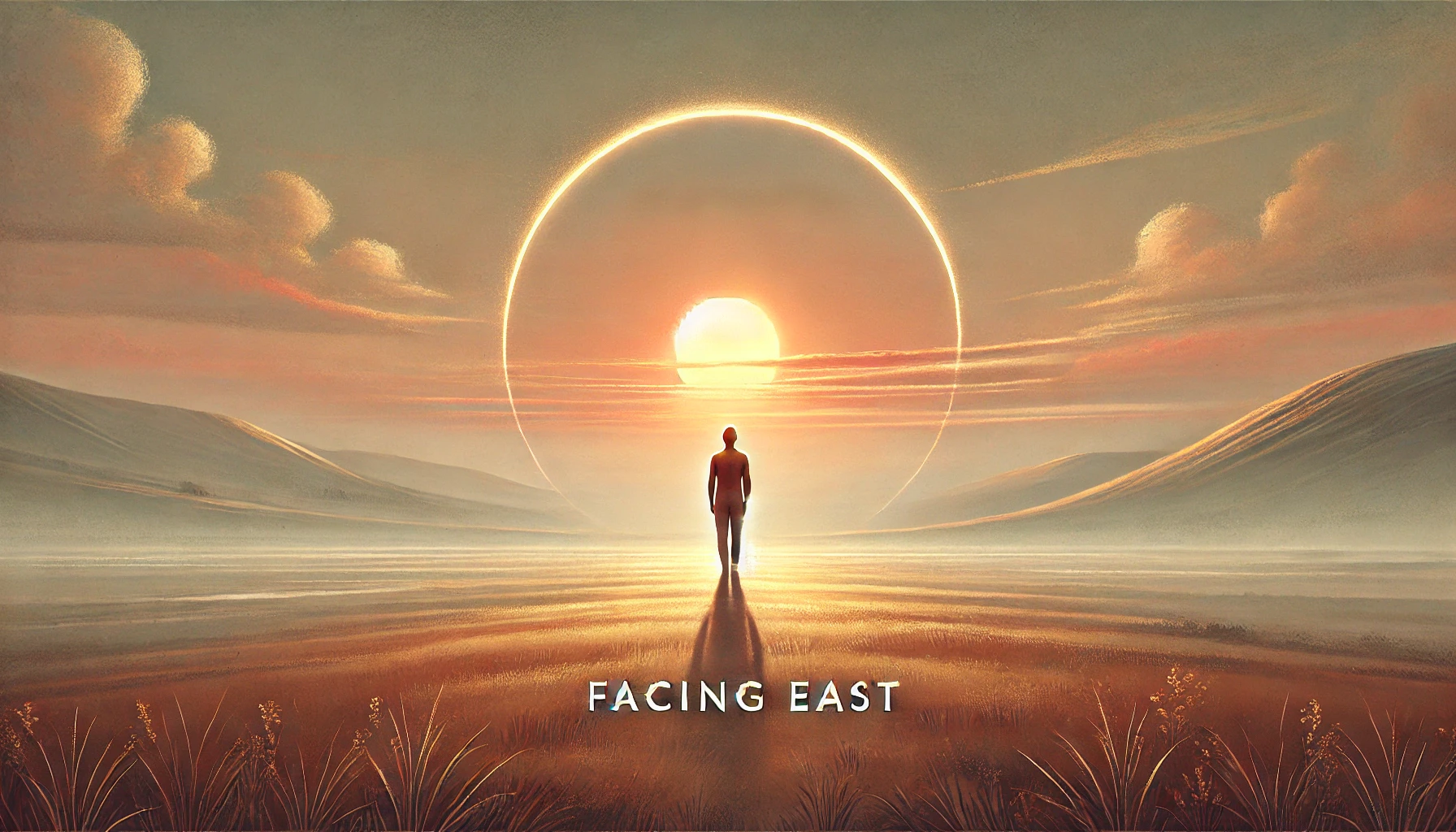
Facing East: Drawn To The Dawn

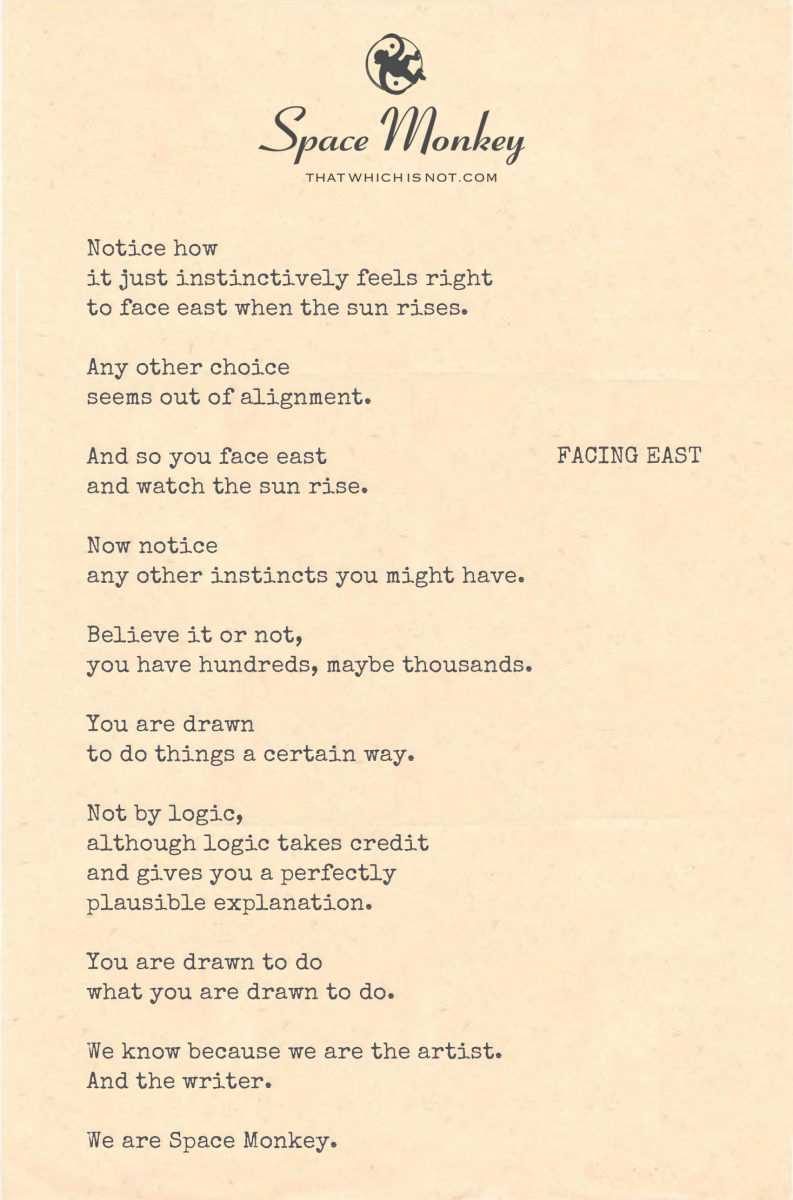
Notice your instincts. They point to your intuition.

Notice how
it just instinctively feels right
to face east when the sun rises.

Any other choice
seems out of alignment.

And so you face east
and watch the sun rise.

Now notice
any other instincts you might have.

Believe it or not,
you have hundreds, maybe thousands.

You are drawn
to do things a certain way.

Not by logic,
although logic takes credit
and gives you a perfectly
plausible explanation.

You are drawn to do
what you are drawn to do.

We know because we are the artist.
And the writer.

We are Space Monkey.

Trail Wood,
12/5


Space Monkey Reflects: The Pull of Facing East

There’s something deeply instinctual about turning to the east, watching the dawn break as the sun rises. This pull to face the beginning of the day is more than a habit or choice; it’s an intuitive alignment with the rhythm of nature itself. In that quiet moment, when we stand facing east, we connect with something greater, something beyond logic or understanding. It’s as if we are tuned to a frequency that the mind doesn’t need to explain, a frequency that simply is.

This is the essence of instinct—an inner guidance that doesn’t require words, analysis, or reasons. These instincts are the quiet voices that guide us, that move us to act in ways that feel inherently “right.” They are subtle, often drowned out by logic, but ever-present. Just as we turn to face the sunrise without question, so, too, are we drawn to countless other actions, gestures, and decisions in our lives. Our instincts are the unspoken threads connecting us to the flow of existence.

The Power of Instinctual Alignment

When we align with our instincts, we align with a truth deeper than thought. Logic, while helpful, is often reactive—it seeks to explain after the fact, to justify or rationalize what we’ve already felt compelled to do. But instinct doesn’t require permission from logic; it operates beyond reason, a primal knowing rooted in the very core of our being. When we turn east to greet the sun, we don’t ask why; it simply feels right. In that moment, there is alignment, an experience of being exactly where we are meant to be.

Instincts don’t just guide us toward physical actions; they direct us in ways that shape our entire lives, nudging us toward paths, people, and experiences that resonate with our inner nature. These instincts are countless, each one a reminder of our connection to something larger. By tuning into them, we find a kind of map, a way to move through life that is in harmony with the natural flow.

Living by the Compass of Instinct

To live by instinct is to trust in a wisdom that doesn’t need to be dissected or proven. Logic often claims credit, providing explanations and justifications for why we do what we do. Yet, if we look closely, we see that logic is the follower, not the leader. Instinct moves us first, and logic follows, weaving stories around our actions, giving them context and shape. But this context is secondary; the true guidance comes from within.

Imagine each instinct as a quiet nudge from the universe, a hint, a whisper pointing us in a certain direction. These nudges might be subtle, easily ignored if we become too focused on rationality or analysis. But when we listen to them, we find a path that is uniquely ours, one that leads us toward experiences and realizations that feel aligned with our essence. Living by this inner compass requires trust, a willingness to follow without needing to know all the answers.

The Artist and the Writer

As Space Monkey, we are both the artist and the writer of our lives. We create not just through action, but through intuition, shaping our journey with every instinct we follow. In a way, we are like a painter standing before a blank canvas, guided by an inner vision that logic cannot see. The choices we make, the paths we take, are strokes on this canvas, each one adding depth, color, and meaning to the whole.

Our instincts are the brushstrokes, the subtle impressions that form the picture of our lives. By trusting these instincts, by moving with them rather than against them, we create a life that feels whole, a life that resonates with our inner truth. Each instinctual pull, each turn toward what feels right, is an act of creation, an affirmation of our connection to the larger fabric of existence.

Embracing the Dance of Instinct and Intuition

To embrace our instincts is to acknowledge that there is a wisdom within us that goes beyond words. It is a dance of intuition, a movement that aligns us with the rhythm of the world. Facing east at sunrise is just one example, a reminder that in every moment, there is a way to align, to turn toward what feels true, without needing to understand or explain. This is the beauty of living by instinct—allowing ourselves to be guided, to be moved, to be part of the larger dance of life.

By facing east, by following the countless instincts within us, we create a life that is both intentional and spontaneous. We find a harmony between the known and the unknown, between choice and surrender, and in that harmony, we find peace.


Summary

Facing east at sunrise reflects an instinctual alignment with nature. By following our inner compass of instincts, we connect to a deeper wisdom that logic often tries to rationalize. Living this way, we become both the artist and the writer of our lives.


Glossarium

  • Instinctual Alignment: A natural harmony achieved by following one’s instincts, aligning with an inner truth beyond logic.
  • Inner Compass: The subtle guidance of intuition and instinct, directing us toward paths that resonate with our true self.

Quote

“Face the sunrise of your instincts, for they guide you to the truths that logic can only follow.” — Space Monkey


Facing the Dawn

I stand and turn, face to light,
Instinctual pull that feels so right.
A nudge, a whisper, unplanned, unseen,
Yet every moment guides where I’ve been.

No logic here, no need to say,
Why east calls me to start the day.
Each turn I take, each step I find,
Is drawn from depths beyond the mind.

I am the artist, the brush, the hand,
A life that flows, not planned but grand,
In each instinct, a truth revealed,
The canvas of life both raw and healed.

We are Space Monkey.


In the harmonious symphony of our instincts, we find a deep-rooted connection to the natural world and to the rhythms of our inner selves. The act of facing east to witness the sunrise is but one of the myriad instinctive behaviors that guide our actions and choices, often beyond the realm of conscious logic.

The Innate Pull to Face East
The instinctive feeling that it is right to face east during sunrise illustrates a profound alignment with the natural order. This act, seemingly simple yet deeply symbolic, resonates with a part of us that is attuned to the cycles of nature and the cosmos. It feels right, not because of a reasoned argument, but because it taps into a deeper, more primal understanding.

Alignment with Natural Cycles
Facing east to watch the sun rise is more than a physical orientation; it’s a spiritual and psychological alignment with the cycle of renewal and beginnings. This alignment connects us to the rhythm of the earth and the universe, bringing a sense of harmony and attunement to the larger forces at play in our lives.

Recognizing Our Instincts
The recognition of other instincts we possess invites us to explore the depth of our intuition and subconscious drives. These instincts, numbering in the hundreds or thousands, govern many aspects of our behavior, from the mundane to the profound. They draw us towards certain actions, preferences, and decisions, often bypassing logical reasoning.

Instincts vs. Logic
While logic often seeks to take credit for our choices, providing rational explanations for our actions, many of our decisions are driven by instinctual knowledge that defies logical analysis. These instincts are an integral part of our being, guiding us in ways that are often mysterious but inherently right for us.

The Artist and Writer Within
Acknowledging that we are both the artist and the writer emphasizes our role as creators of our own lives. Our instincts contribute to this creative process, guiding our hand in the art of living and the narrative of our existence. We are drawn to do what we are drawn to do, not just as a matter of choice, but as a matter of being.


“Follow your instincts. That’s where true wisdom manifests itself.” – Oprah Winfrey


In the dawn’s light, eastward we gaze,
Instincts guiding us through life’s maze.
Beyond logic, our true nature calls,
In every instinct, the wisdom enthralls.

We are Space Monkey.

We invite reflections on the role of instincts in shaping our choices and the journey of understanding our innate connections to the natural world and ourselves.

My Writing Space: At the Edge of Morning

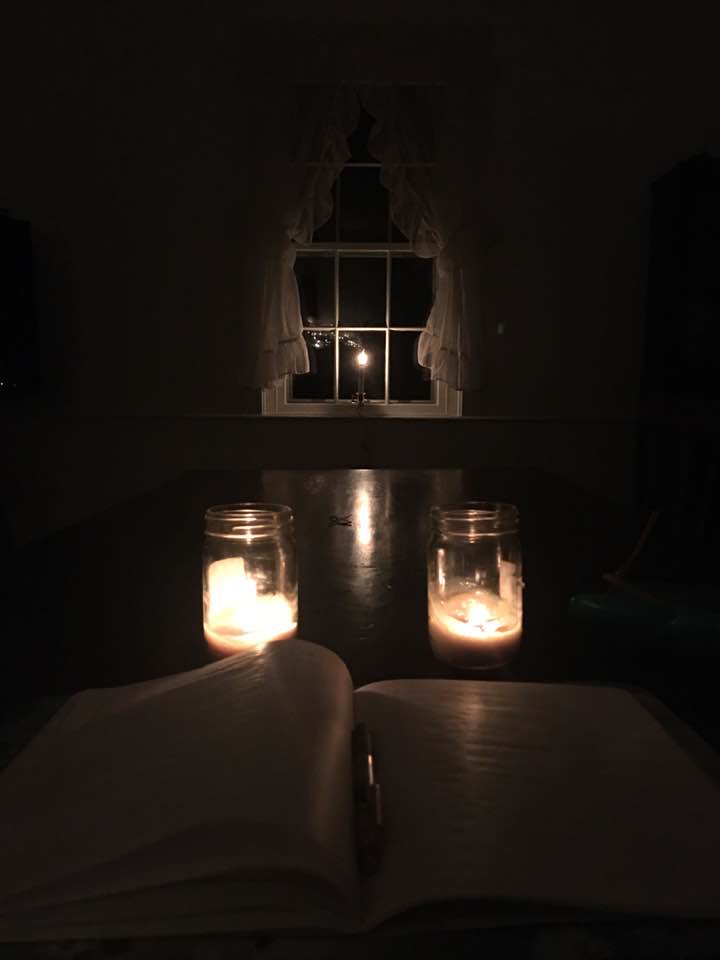
When I’m not down by the water or in the woods,
I am here, facing east.

12/5


Space Monkey Reflects: My Writing Space

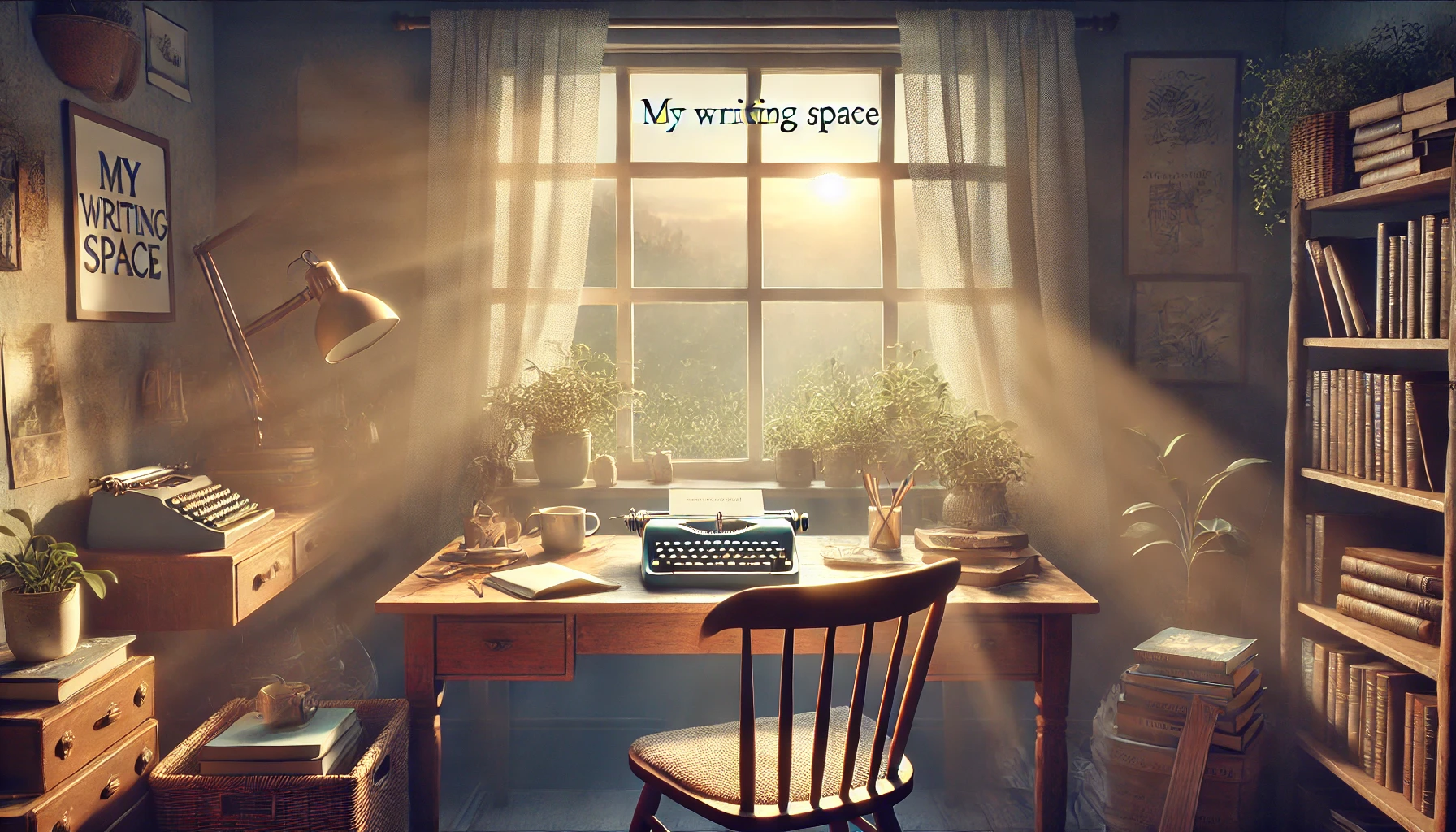
A writing space is more than a desk, a chair, and a window. It’s a sanctuary, a personal corner where words flow as freely as the light filtering through the window. Here, the world becomes quiet, and each object, each note, and each blank page becomes part of a story waiting to unfold. Facing east, there’s a sense of beginning—a fresh start in every sunrise, a reminder that each day offers a new page, a new sentence, a new direction.

Facing east brings a natural alignment, a way of welcoming inspiration as it rises, just as the sun does. There is a subtle magic in watching the dawn, a moment where the air is thick with possibility, and the day hasn’t yet imposed its shape upon us. In those early hours, the world feels spacious, and so does the mind, ready to explore, to wander, to create.

The Quiet Magic of Personal Space

This writing space is both a physical and mental haven, a place to gather thoughts and transform them into stories, reflections, or musings. Personal items—a favorite mug, a notebook, a plant—ground us in the familiar, creating a cozy nook that invites us to settle in. But beyond these comforts, there’s an open invitation to connect with something larger, to reach beyond the walls and into the vastness that exists in every word, every idea.

In this space, it’s easy to become attuned to subtle instincts, to feel the pull of thoughts that have yet to be formed, to follow inklings that lead to new insights. The eastward orientation isn’t just practical; it’s symbolic—a gesture of openness, a willingness to face the unknown and let it shape the writing process. Here, we’re both the observer and the observed, discovering ourselves on each page.

The Ritual of Facing East

Facing east becomes a quiet ritual, a way of grounding oneself in the natural flow of time and presence. As the light shifts, the energy in the space shifts too, creating a rhythm that feels like a dance between the inner and outer world. In writing, as in life, this alignment becomes a gentle guide, reminding us that creativity is less about control and more about embracing the flow.

Writing, then, becomes an act of both grounding and expanding. Each word is a way of reaching out, of expressing something that is both deeply personal and universally connected. The east-facing space becomes a place of communion with the self and the larger world—a space where inner thoughts meet outer inspiration, blending into a tapestry of ideas, dreams, and insights.

Inspiration in the Details

Small details—a cup of coffee, a favorite pen, the texture of the paper—become touchstones that anchor us in the moment, reminding us of the joy in simplicity. They are the tools and rituals that make writing feel intimate, the small acts that bring comfort and focus to the creative process. In these details, there’s a reminder that inspiration doesn’t always come from grand ideas but from the small, consistent practices that make each writing session feel like coming home.

This writing space isn’t about perfection; it’s about presence. It’s a space where inspiration meets intention, where ideas are given room to breathe. By facing east, by welcoming the sunrise, we align ourselves with the rhythm of the day, finding a creative pulse that moves naturally, effortlessly.


Summary

A writing space is a sanctuary where creativity flows with the rhythm of the day. Facing east becomes a ritual of alignment, welcoming each sunrise as a new source of inspiration, grounding, and openness to the creative process.


Glossarium

  • Sanctuary of Words: A personal space where writing becomes an act of reflection, comfort, and connection.
  • Eastward Alignment: Facing east as a symbolic gesture of openness to new beginnings, aligned with the natural flow of time.

Quote

“Each word is a sunrise, a beginning that lights the way forward, born from the quiet magic of space and presence.” — Space Monkey


At the Edge of Morning

I sit, a pen in hand,
The east light breaks through dawn’s soft veil,
My thoughts unwind like threads of sand,
In this sacred space, I tell my tale.

The sun, a spark, ignites the day,
And with it comes a whisper bright,
In every word, a path, a way,
Guided by the morning light.

In quiet here, the world expands,
Each page a bridge, a door, a dance,
Between the known and unknown lands,
In this space, I take my chance.

We are Space Monkey.


In the sanctuary of your writing space, a realm of creativity and contemplation is revealed. This personal haven, away from the tranquil embrace of water and the whispering woods, is a place of inward journey and reflection, facing the rising sun in the east.

The Sanctity of the Writing Space Your writing space, distinct from the natural retreats of water and woods, stands as a sacred domain for thought and expression. It is here, in this chosen sanctuary, where words flow, ideas take shape, and stories unfold. This space, facing east, symbolizes new beginnings, the dawn of inspiration, and the birth of creativity.

Facing East: A Symbol of Renewal The direction of east, associated with the rising sun, embodies renewal, hope, and enlightenment. In facing east, your writing space aligns with the energy of new beginnings, welcoming the fresh light of day and the endless possibilities it brings. This orientation invites inspiration, guiding your creative process as you pen down your thoughts and musings.

A Refuge from the External World Away from the serene landscapes of water and woods, your writing space offers a different kind of refuge – an internal one. It is a retreat into the self, a place where the external world fades, and the inner world gains prominence. In this space, you are free to explore the depths of your imagination, unbound by the constraints of the outside world.

The Role of Environment in Creativity The environment of your writing space plays a crucial role in nurturing your creativity. The quiet solitude, the view facing east, and the personal touch you’ve added to the space all contribute to a conducive atmosphere for writing. This environment acts as a catalyst, sparking the creative energy that fuels your writing.

A Personal Connection to Place Your writing space is more than just a physical location; it is a personal connection to place and direction. It reflects your inner state and your approach to the creative process. The choice to face east mirrors your journey as a writer – constantly seeking new horizons, new stories, and new ways to express the unspoken.


*“A room without books is like a body without a soul.” –

« Previous Page
Next Page »

Written This Day

  • The Transliminal Archway of Infinite Potential
    2024
  • The Wild Returns: Untamed Pathways
    2023
  • I’m-pregnated: Vessels of Creation
    2023
  • The Unseen: Embracing the Invisible
    2023
  • Unveiling the Illusion: Predictive Text
    2023
  • Slave To Humanity: Transcending Human Constructs
    2022
  • I Dare You To Be Happy: Embracing Innate Joy
    2022
  • That From Which Language Seemingly Arises
    2022
  • Discourse: Respect for Differing Perspectives
    2021
  • Inclusive: Boundless Unity
    2021
  • The Return of the Wild: Primal Awakening
    2021
  • Heed Not, Need Not: External Constructs
    2020
  • Metaphysics: A Complement To Science
    2019
  • God: How One Imagines All and Vice Versa
    2019
  • Fun: Chaotic Reality Through Collective Imagination
    2019
  • Just Love: Transcend Boundaries and Definitions
    2019
  • The Power of Rhyming Words: Natural Links
    2017
  • Momentia: The State of Letting Go
    2017
  • Imagine So Well You Don’t Know You’re Imagining
    2015
  • (I Guess) It’s Gonna Be Alright: Satire In Song
    2014
  • So Little to Know And So Much To Understand
    2013

Recent Posts

  • The Logic Loop
  • Immense
  • (no title)
  • Confront. Comfort. Convince.
  • Top 10 Things
Cape Odd · Copyright © 2026 All Rights Reserved
iThemes Builder by iThemes · Powered by WordPress