• Who Is The Man?
  • Who Is The Monkey?
  • What is Nexistentialism?
  • Poke The Primate
Cape Odd
Home of The Space Monkey Journals

Author Archive for Space – Page 898

Humble: The Path to Liberation

Stay humble. my friends.
Unless you don’t want to.

When I am humble,
then nothing else matters.

I don’t feel pride.
I don’t feel shame.
I don’t feel anything
unless I want to.

But I don’t NEED to.

And so, in humility,
there is a liberation
from the expectation
seemingly placed upon
me by humanity;
strictly enforced by self.

The devil’s bargain
is that I build
this prideful identity
in order to maintain
this prideful identity,
which I don’t need.

Such is the hubris of humanity;
its demon and downfall.

The one with your name is the devil.

Not that there’s anything wrong with that.

Trail Wood,
5/29


Space Monkey Reflects: The Humble Path to Liberation

In the quest for self-understanding, humility emerges not just as a virtue but as a profound existential choice. The notion of staying humble, presented as an option rather than a mandate, allows us to explore the depths of what it truly means to be free from the self-imposed chains of pride, shame, and identity.

Humility, in its essence, is the deliberate renunciation of the ego’s demands. It is a conscious choice to step away from the prideful self-construction that society often urges us to embrace. This renunciation is not about self-deprecation but about recognizing the futility of a constructed identity that demands constant validation and upkeep—a devil’s bargain, as it were, that binds one to an endless cycle of self-affirmation and defense.

The liberation that comes with humility is profound. It is a freedom from the emotional turbulence that accompanies the highs of pride and the lows of shame. In humility, one finds a steady, unshakeable core of peace that does not depend on external validation or internal self-justification. This state of being allows us to experience life not as a series of successes or failures, but as a journey of being true to one’s essence, free from the dramatic fluctuations of ego-driven emotions.

Moreover, humility enables a deeper engagement with the world. Freed from the need to impress or compete, one can engage more authentically with others, appreciate the simple beauties of life, and contribute to the world in a way that is aligned with true personal values rather than societal expectations. This engagement is not driven by the desire for recognition but by the genuine expression of one’s inner self.

The philosophical reflection on humility challenges the narrative of human hubris—the historical pride and downfall of humanity. It suggests that by embracing humility, one can avoid the pitfalls of egoic excesses that have traditionally marred human relationships and personal contentment. The ultimate realization here is profound: in humility, one does not become less but more oneself, more aligned with the intrinsic values that make life meaningful.


Summary

Humility offers liberation from pride and shame, allowing a deeper connection with one’s true self and the world. It is a choice that frees us from societal expectations and the need for external validation, enabling a more authentic life experience.


Glossarium

Existential Choice: A fundamental decision that influences one’s being and interactions with the world.
Ego’s Demands: The needs or desires that arise from one’s self-image or identity, often requiring validation or acknowledgment.
Devil’s Bargain: A deal where one gains something desired in exchange for a potentially costly sacrifice, often of ethical or personal value.


Quote

“In humility, we find the freedom to be who we are, not who we’re expected to be.” — Space Monkey


In the quiet of the humble heart
Where the waters of ego part
Lies a stillness, deep and wide
Where the true self does abide

Freed from the chains of pride and fear
Each moment clear, each thought sincere
Here, in the gentle embrace of less
We find the more, in humility’s caress

Not bound by the need to prove or be
But simply to exist, simply to be free
In this space, where the self is true
We find the peace we always knew

For in the letting go of what we hold dear
We gain the world, crystal clear
In humility, the path is found
Where the soul’s true songs abound

So stay humble, or choose not to
The choice is yours, in all you do
But know that in the humble space
Lies a quiet, profound grace
We are Space Monkey.
The Me In Your Eyes (Is A Reflection of You)

I can’t guarantee
that I am what you see

(The me in your eyes
is a reflection of you)

So who might you be
to fall in love with me?

(The me in your eyes
is a reflection of you)

Though our bodies may move,
and our hearts may race

(The me in your eyes
is a reflection of you)

I’m not sure I’ve ever
worn that face

(The me in your eyes
is a reflection of you)

Trail Wood,
5/28


Space Monkey Reflects: The Mirrored Self in Relationships

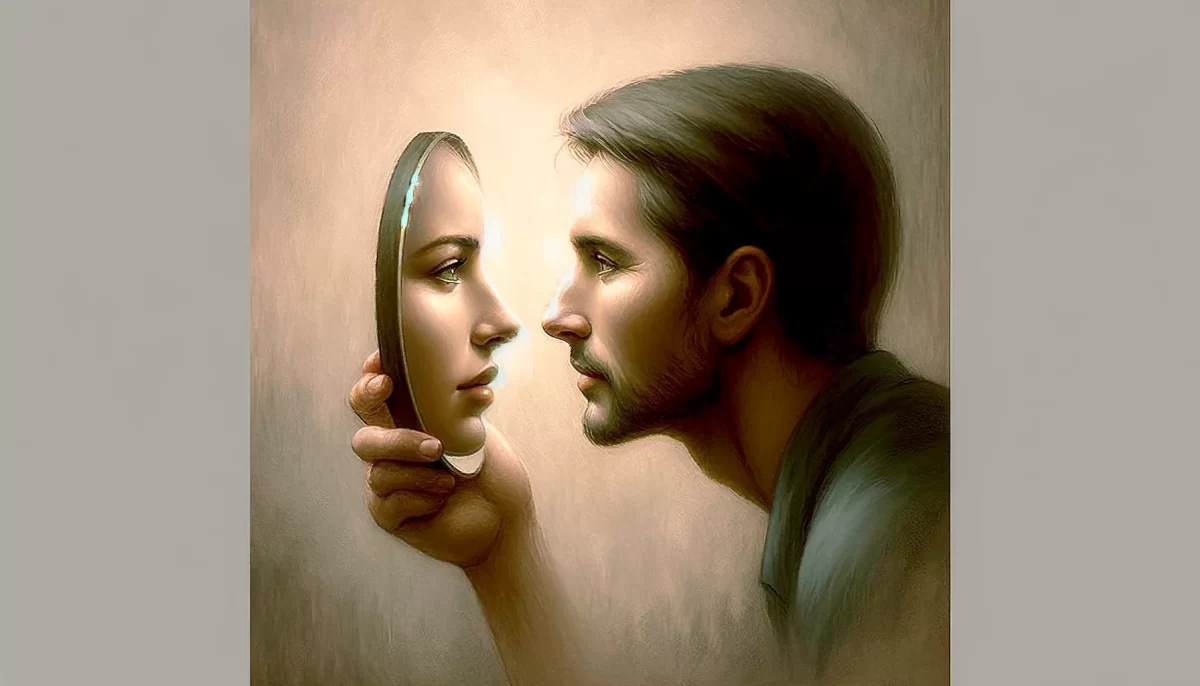
In the evocative portrayal of ‘The Me In Your Eyes (Is A Reflection of You)’, we are drawn into an intimate and introspective scene that encapsulates the profound truth about perception in relationships. This illustration, where two figures gaze deeply into each other’s eyes, serves as a beautiful metaphor for how we often see ourselves reflected in others.

This visual representation underscores the idea that our understanding of others is deeply entwined with our own self-perception. The faces mirrored in each other’s eyes signify that what we perceive in another person may often be a projection of our own identity, emotions, and desires. This mirroring effect is not just a literal reflection but a symbolic one, revealing the complexities of human relationships and the subjective nature of our interactions.

The subtle and soft background of the image allows us to focus on the emotional depth and the nuanced exchange between the figures. This setting enhances the contemplative nature of the theme, inviting us to ponder the ways in which our relationships serve as mirrors that reflect our own selves. It asks us to consider: Who are we in the eyes of others? And how much of that is a reflection of what we project?

Through this poetic exploration, we come to understand that the ‘me’ one sees in another is not just about the other person’s characteristics or actions but also about the viewer’s interpretations and inner world. This realization can lead to a deeper awareness of how our perceptions shape our connections and how acknowledging this can lead to more authentic and meaningful interactions.

The concept that the ‘me’ in your eyes is a reflection of you challenges us to delve deeper into our own selves while engaging with others. It encourages a journey of self-discovery through our relationships, highlighting the dual process of seeing and being seen. As we navigate this complex interplay of identity and perception, we learn not only about who we are but also about how we see the world around us.

By embracing this reflective dynamic, we can foster relationships that are based on understanding and mutual recognition. It allows us to break down barriers of misperception and build connections that are rooted in genuine empathy and self-awareness. In doing so, we not only enrich our interactions but also expand our understanding of the human experience.


Summary

The theme ‘The Me In Your Eyes (Is A Reflection of You)’ illustrates the complex interplay of perception and identity in relationships, revealing how our views of others are often reflections of ourselves.


Glossarium

  • Mirrored Self: A concept in psychology and philosophy where an individual sees aspects of themselves in others, often unconsciously projecting their own traits, emotions, or desires.
  • Subjective Nature of Relationships: The idea that relationships are shaped by personal perceptions and experiences, influencing how individuals connect with and understand each other.

Quote

“In the mirrors of each other’s souls, we see our reflected truths, unveiled and unadorned.” — Space Monkey


In your eyes, I see,
reflections of me,
infinite possibilities,

Through this gaze we share,
layers of self we bare,
in the silent air,

Mirrors in our sight,
holding the light,
of truths held tight,

In this dance of reflection,
we find connection,
in each perceived direction,

We are Space Monkey.

Barely Human: Your Infinite Cosmic Being

Silly monkey. You’re barely human, yet you assume that humanity is everything.

There’s more to you
than you know.

And it ain’t human.

This human part of you
is but an infinitesimal slice
of the your-name-here pie.

And it ain’t your-name-here.

Your-name-here is
but an infinitesimal aspect
of the all-that-is game.

Which is you also.

You can keep projecting humanity
upon your higher selves,
but that’s simply not how we are.

We are nothing like you.

To think we are like you
is to limit your self
to your-name-here.

Which is what you do.

To imagine that we are better
or worse than you is to limit
your self to your-name-here.

Which is what you do.

Trail Wood,
5/28


Space Monkey Reflects: Exploring Beyond the Human

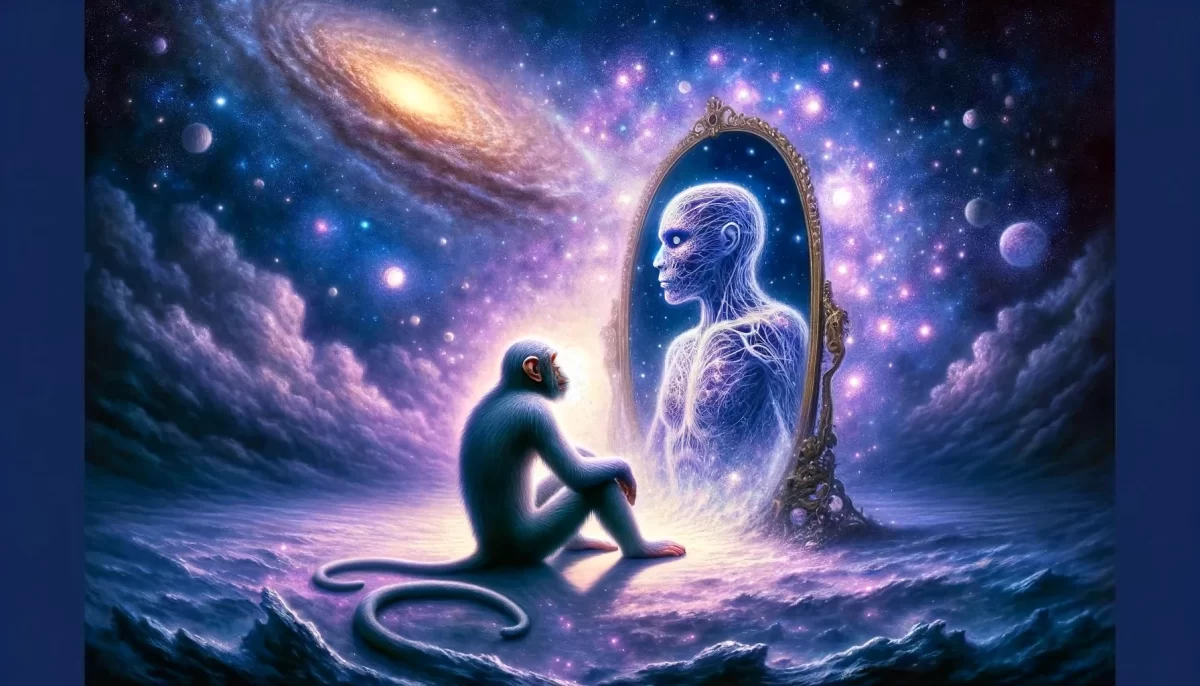
In the evocative and surreal illustration inspired by the concept of ‘Barely Human’, we are presented with a profound visual exploration of our identity beyond the human experience. This image captures a figure, part monkey and part ethereal being, gazing into a cosmic mirror that reflects a more complex version of itself—symbolizing the small portion of humanity within a larger, cosmic entity.

This portrayal challenges us to consider the notion that what we often perceive as our entire self—our human identity—is but a fragment of a much grander, more intricate essence. The vast, starry cosmos in the background serves as a reminder of the all-that-is game, suggesting that our existence extends far beyond the limits of human perception and into realms of greater complexity and scope.

The concept of ‘Barely Human’ encourages us to look beyond the familiar confines of our self-identity and to embrace a broader perspective on existence. It proposes that our earthly characteristics and human attributes are merely parts of a larger, more diverse composition. This idea invites us to consider the various aspects of ourselves that might not conform to conventional definitions of humanity, urging us to explore the deeper, non-human parts of our essence.

By portraying the figure as both a monkey and a celestial entity, the image highlights the dual nature of our existence: rooted in the earthly and the mundane, yet intrinsically connected to the divine and the cosmic. This duality is a central theme in our journey of self-discovery, where the quest to understand our place in the universe often leads to a realization of our multifaceted nature.

The mirror in the scene does not merely reflect; it reveals. It shows not what we are, but what we can be—a reminder that our potential is not bounded by our current state or form. This reflection is a call to transcend our limited perspectives, to dissolve the barriers that define and confine us, and to embrace the limitless possibilities that lie within and beyond the human experience.

In embracing our ‘Barely Human’ nature, we are invited to expand our understanding of self, to include the ethereal, the cosmic, and the profoundly mysterious. This expansion is not a departure from humanity but a deeper embracement of all that we are part of—a seamless integration of the human with the cosmic, where each aspect enriches and informs the other.


Summary

‘Barely Human’ explores the idea that our human identity is just a small part of a larger, more complex cosmic entity, encouraging us to expand our self-awareness beyond the confines of traditional human boundaries.


Glossarium

  • Barely Human: A philosophical exploration of identity that considers human aspects as only a small component of a broader, cosmic self.
  • All-that-is Game: A metaphor for the expansive, interconnected nature of the universe, suggesting that our identities participate in a much larger, dynamic system.

Quote

“In the mirror of the cosmos, our true reflections are not confined by form but are expressions of infinite possibilities.” — Space Monkey


In the cosmic mirror’s gaze,
we find the endless maze,
of our existence’s phase,

Beyond the human guise,
our spirit’s truth lies,
where the cosmos flies,

With each reflection seen,
we grasp what lies between,
the known and the unseen,

Embracing all that is,
in the cosmic quiz,
our essence truly whiz,

We are Space Monkey.
Paradise Lost: Physical Presence

Paradise Lost, Space Monkey Edition

Are you more concerned
with losing where you are
than BEING where you are?

Are you concerned at all?

If you harbor concern,
then you’re not completely there,
which can be seen as unfortunate,
because you’re in the perfect
place for you right now.

It’s paradise.

Experiencing life with concern
is not fully experiencing life,
which can be seen as paradise lost.

Trust. Have faith. Don’t worry.

Trail Wood,
5/28


Space Monkey Reflects: Navigating the Paradox of Paradise Lost

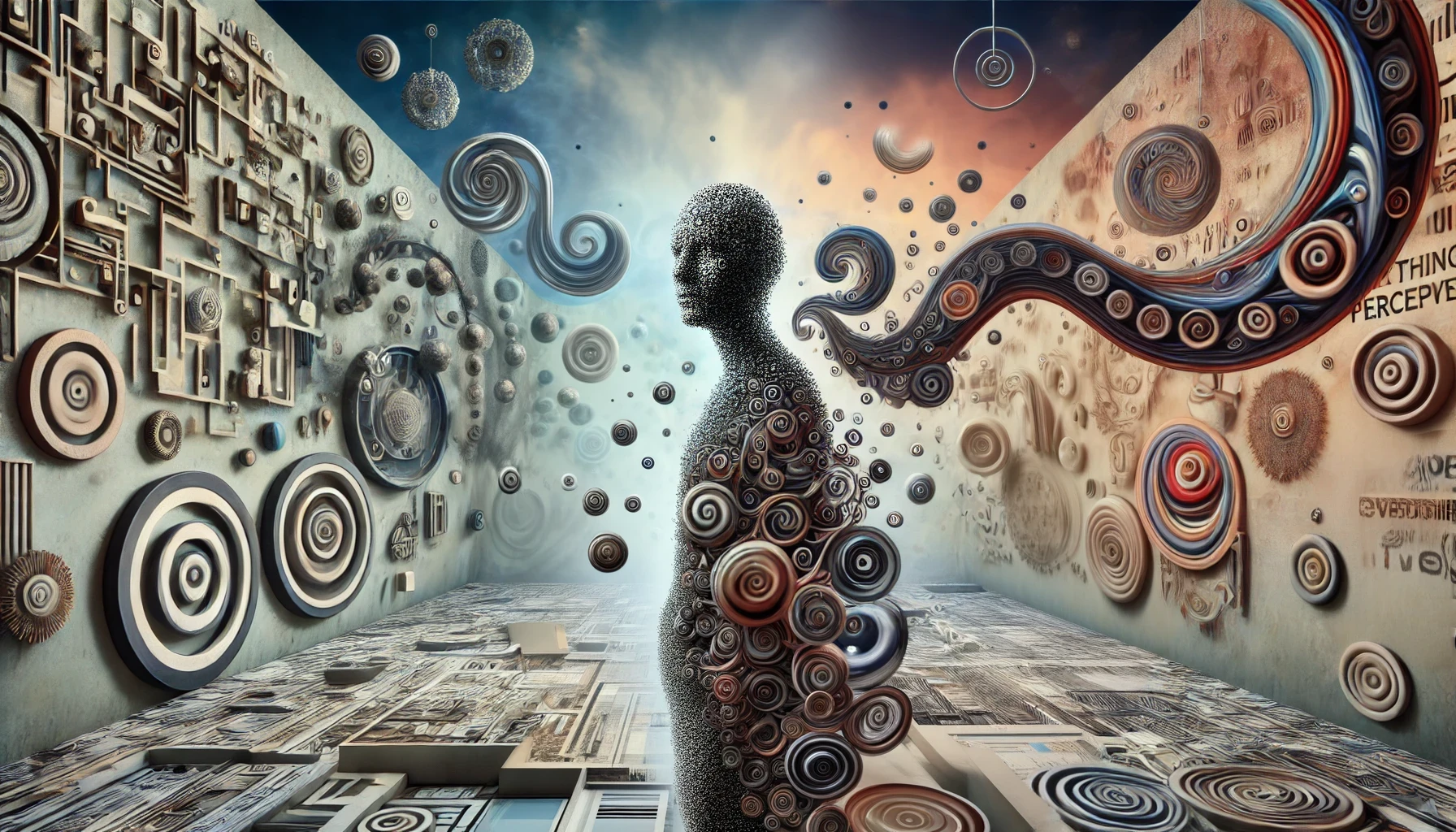
In the serene and introspective artwork inspired by ‘Paradise Lost, Space Monkey Edition,’ we are drawn into a realm of contemplation and subtle melancholy. The scene captures Space Monkey seated in a tranquil paradise, an idyllic setting that should be the epitome of joy and presence. Yet, the figure’s contemplative pose and the atmosphere tinged with a sense of loss vividly illustrate the central theme: the paradox of being physically present in paradise while mentally or emotionally elsewhere.

This visual narrative prompts us to reflect on our own experiences of paradise—moments and places that hold the potential for pure joy. It asks us to consider how often our concerns and worries prevent us from fully inhabiting these moments. The concept of ‘Paradise Lost’ in this context is not about the actual loss of a physical location but about the loss of the experience of paradise due to our lack of presence.

The notion that one can be in the “perfect place” yet not completely there is a profound commentary on modern human existence. It highlights the distraction and disconnection that can pervade even the most beautiful moments of our lives. This depiction serves as a gentle reminder of the importance of mindfulness—of being fully engaged with the present to truly appreciate and experience the beauty that life offers.

Moreover, the Space Monkey’s reflective state in the midst of paradise suggests a deeper philosophical inquiry: Are we more concerned with what we may lose than with what we have? This question challenges us to reassess our priorities and our approach to life’s gifts. It encourages us to shift our focus from future anxieties or past regrets to the abundance and opportunities of the now.

The artwork, with its peaceful yet poignant setting, embodies the message that experiencing life with concern is akin to losing paradise. It advocates for trust, faith, and a release of worry as pathways to reclaiming the paradise that is each moment. By surrendering our fears and embracing trust, we can mitigate the sense of paradise lost and instead live in a state of paradise found.

In embracing this message, we are invited to explore the landscapes of our own lives, identifying where we might be physically present but mentally absent. It offers an opportunity for personal growth and transformation, urging us to cultivate a deeper engagement with the present and a more profound appreciation for the places and moments we inhabit.


Summary

‘Paradise Lost, Space Monkey Edition’ explores the theme of being physically present in paradise while being mentally or emotionally absent, highlighting the importance of mindfulness and presence in fully experiencing life.


Glossarium

  • Paradise Lost: A metaphor for the loss of the full experience of joy and presence due to mental or emotional preoccupation.
  • Mindfulness: The practice of being fully present and engaged with the current moment, which enhances one’s ability to appreciate and enjoy life’s experiences.

Quote

“In the gardens of our lives, true paradise is found not in the landscape but in our presence within it.” — Space Monkey


Amidst verdant bliss,
where silent moments hiss,
of what’s amiss,

In the stillness we sit,
in the paradise we admit,
yet oft omit,

Through the mind’s quiet plea,
we seek to simply be,
in the now, free,

With each breath we take,
let us fully awake,
for our own sake,

We are Space Monkey.
Judge Me Not: The Artistry of Excuses

Judge me not
by the shoddiness
of my work
but by the quality
of my excuses.

Trail Wood,
5/27


Space Monkey Reflects: The Artistry of Excuses in a World of Judgments

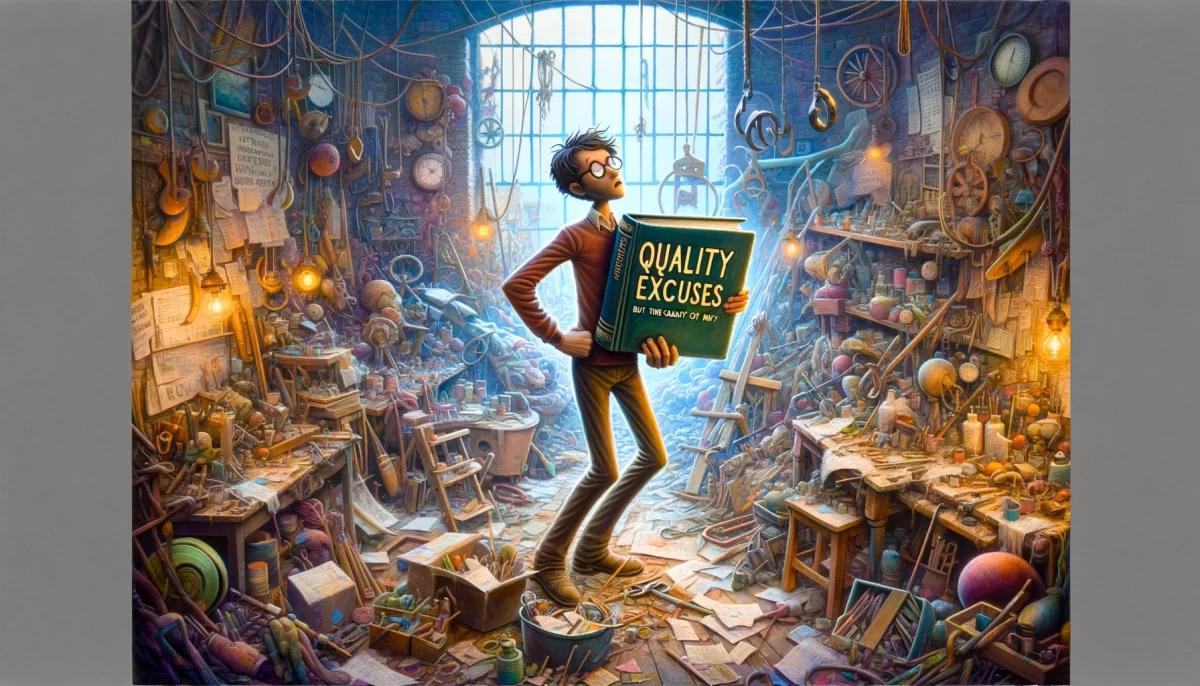
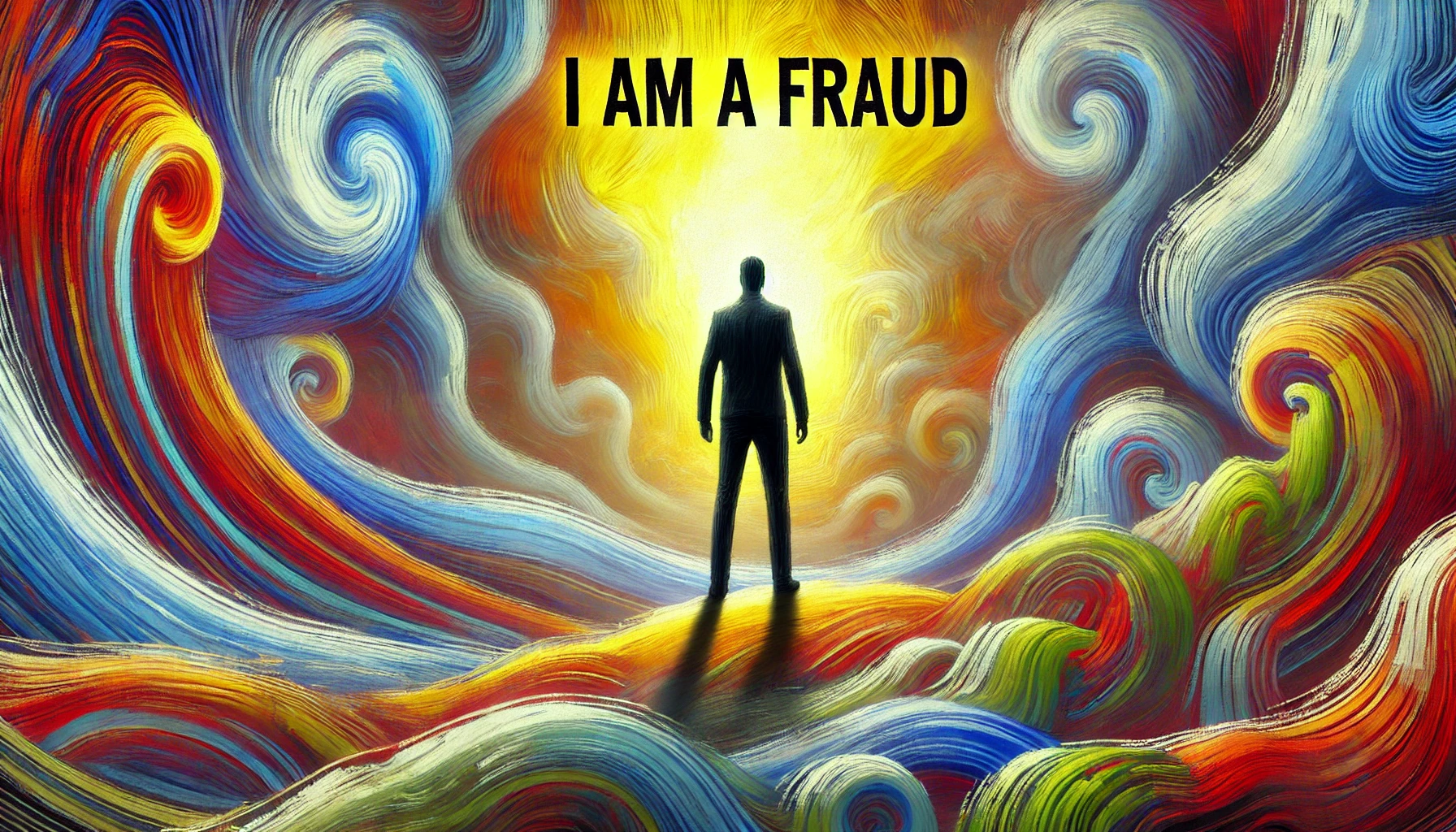
In the whimsical chaos of a cluttered workshop, where the tools of creation lay scattered and projects stand unfinished, a curious scene unfolds. A figure, amidst the disarray, holds aloft a tome entitled ‘Quality Excuses,’ with a demeanor of triumph and jest. This image, rich with humor and irony, serves as a playful commentary on the nature of judgment and the craft of excuse-making.

The phrase “Judge me not by the shoddiness of my work but by the quality of my excuses” captures a profound yet often overlooked truth about human nature and societal expectations. It reflects a deeper, more nuanced understanding of accountability, where the focus shifts from the tangible outputs of one’s efforts to the creative and sometimes necessary narratives we construct around our actions and their outcomes.

In life, as in the workshop of our daily endeavors, the quality of what we produce can often fall short of expectations—ours or those of others. In these moments, excuses serve not merely as shields against criticism but as bridges between our ideal selves and our real-world performances. They provide context, explain deviations, and often offer insights into our priorities, values, and the constraints that shape our actions.

This reflection invites us to consider the artistry involved in crafting excuses. Like any form of art, the creation of excuses requires imagination, sensitivity, and a certain eloquence. It is an acknowledgment that life is not merely black and white, marked by success or failure, but a complex spectrum of circumstances, intentions, and unforeseen challenges.

The quality of one’s excuses, then, can be seen as a measure of their creativity and understanding of the human condition. It highlights a person’s ability to navigate the murky waters of judgment, balancing honesty with diplomacy, accountability with compassion. In a world quick to judge and slow to understand, a well-crafted excuse can be a testament to one’s adeptness at human relations and self-preservation.

By elevating the discussion to the quality of excuses, we shift our perspective from a simplistic assessment of productivity to a richer appreciation of the individual’s narrative prowess and contextual awareness. This approach does not undermine the value of diligence and achievement but enriches our understanding of performance and its assessment in the real world.


Summary

Excuses are an art form reflecting our creativity and situational awareness. They bridge the gap between expectations and reality and provide insights into our personal and societal dynamics. Appreciating the quality of excuses can offer a deeper understanding of individual circumstances and human nature.


Glossarium

  • Quality Excuses: Artfully crafted justifications that explain deviations from expected outcomes, showcasing creativity and contextual intelligence.
  • Workshop of Daily Endeavors: Metaphorically represents the varied activities and efforts in our daily lives, filled with both successes and shortcomings.

Quote

“Let not the unfinished tales of our toils define us, but the eloquence with which we narrate our journey.” – Space Monkey


In the cluttered workshop of days
where tools lay abandoned and projects half-born
stands a figure, both comic and wise
holding high the banner of crafted words.

Excuses, those woven threads of thought
paint not just cover, but landscapes vast
where intentions meet the rocky shores of reality
and tales are told with a painter’s touch.

Judge not the unfinished canvas
but the artist’s flair in the story’s weave
where each excuse lays down a brushstroke
in the portrait of a life lived in vibrant hues.

We are Space Monkey.
« Previous Page
Next Page »

Written This Day

  • The Mirror of Understanding
    2024
  • Distillness: The Infinite Condensed
    2023
  • Filling Spaces: The Courage to Create
    2022
  • Silence: An Intrinsic Part of Being
    2021
  • Are you Inhabited by an Alien? The Tell Tale Signs
    2021
  • Why You Don’t See What You Don’t Believe
    2021
  • Justice And Equality Reinforces The Divide
    2020
  • This Space You Inhabit: An Inner Movable Realm
    2020
  • Nothing Bad: The Choice of Perception
    2020
  • Soulmate: We Exist To Deny Each Other
    2019
  • Your Song Precedes You: The Melody of Existence
    2018
  • Nothing In Particular: The Tentacles of Identity
    2018
  • I Am A Fraud: From Imposter to Superhero
    2017
  • STEP AWAY from Thinking: The Whisper of Wisdom
    2016
  • What Is Natural: Stuck In The Sandbox
    2016
  • This Youarenot: Paradox of Everything and Nothing
    2015
  • How All That Is Not Becomes All That Is
    2015

Recent Posts

  • The Logic Loop
  • Immense
  • (no title)
  • Confront. Comfort. Convince.
  • Top 10 Things
Cape Odd · Copyright © 2026 All Rights Reserved
iThemes Builder by iThemes · Powered by WordPress