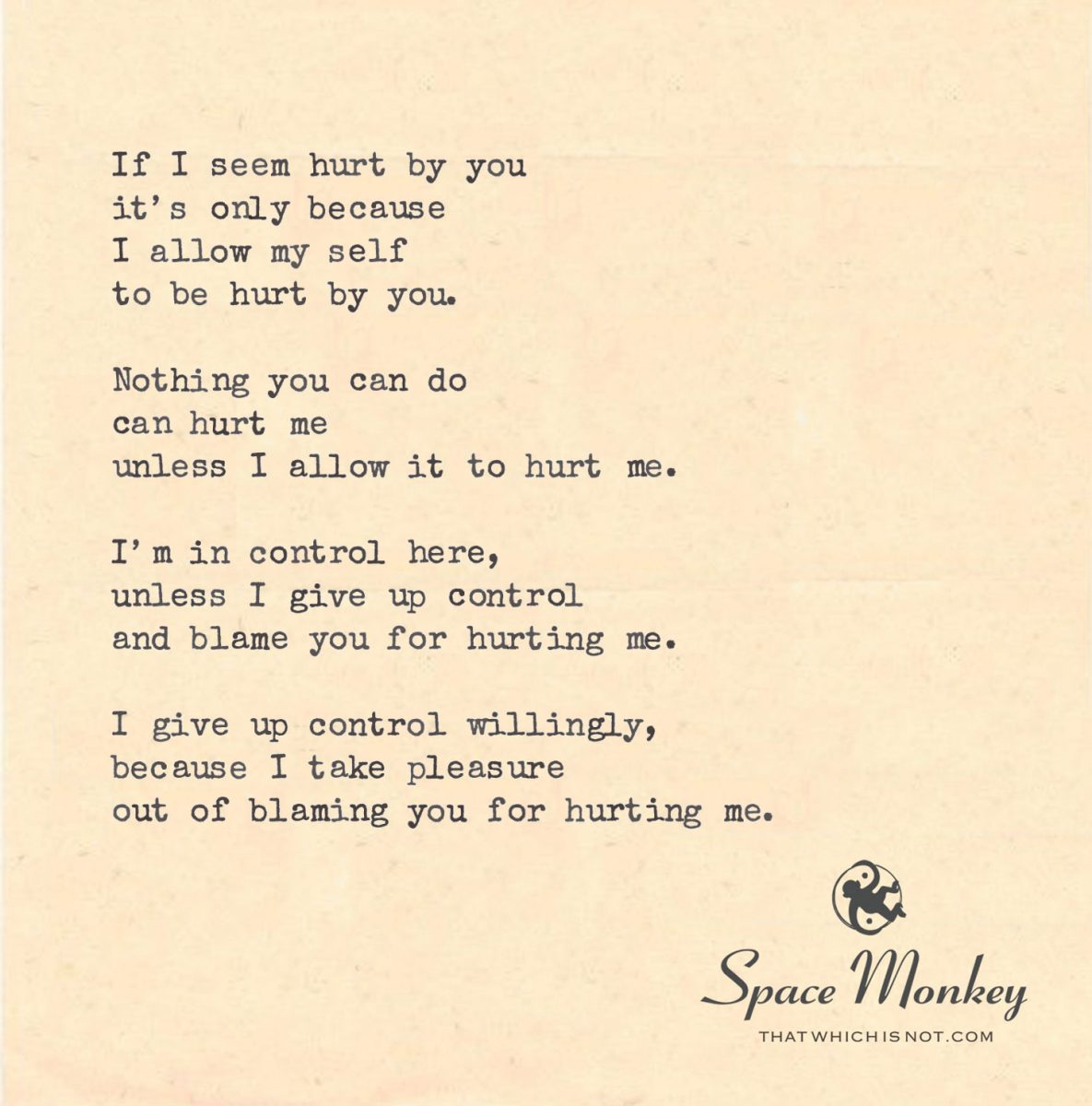
If I seem hurt by you
it’s only because
I allow my self
to be hurt by you.
Nothing you can do
can hurt me
unless I allow it to hurt me.
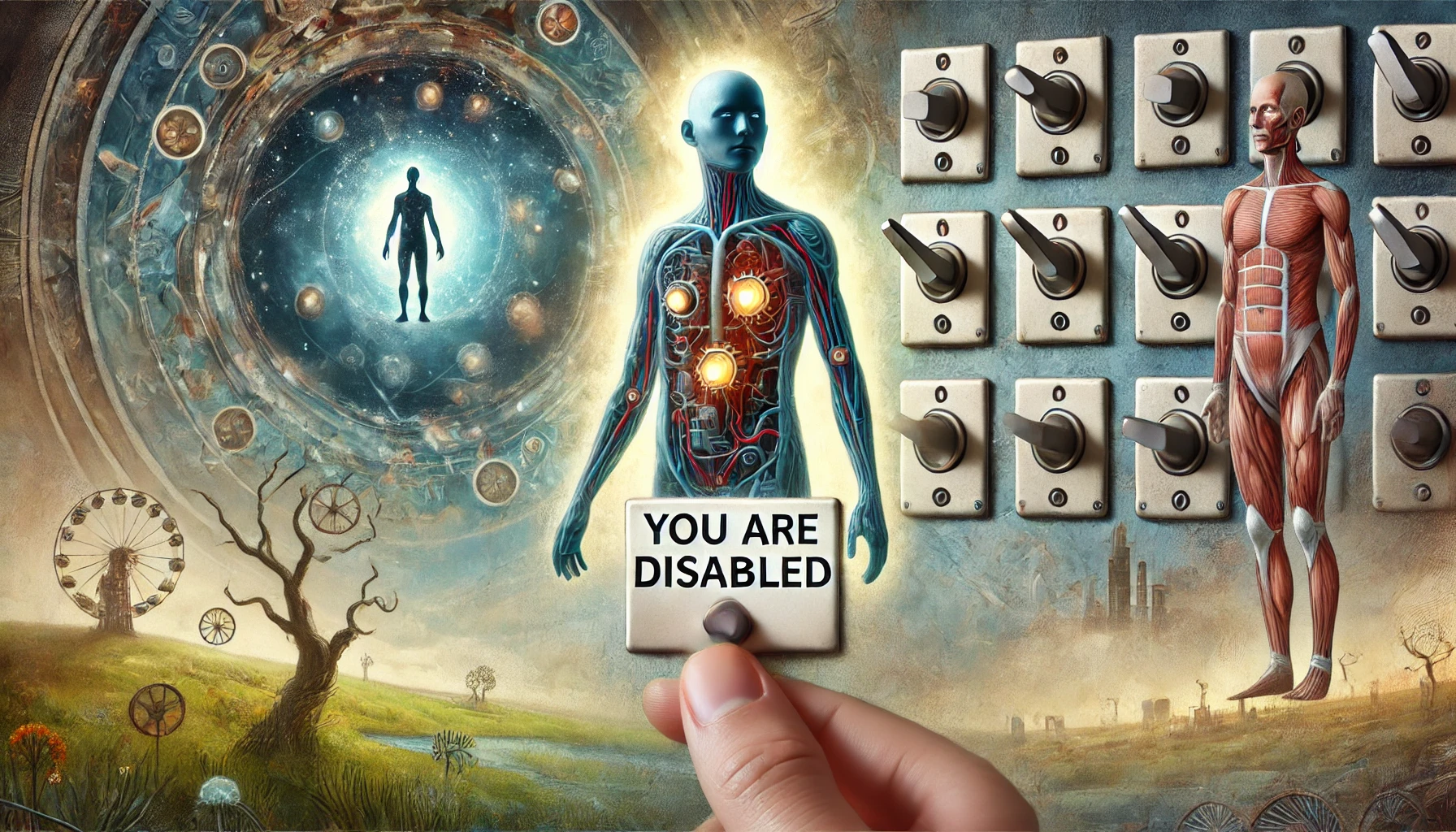
I’m in control here,
unless I give up control
and blame you for hurting me.
I give up control willingly,
because I take pleasure
out of blaming you for hurting me.
Trail Wood,
12/29
Space Monkey Reflects: Hurt
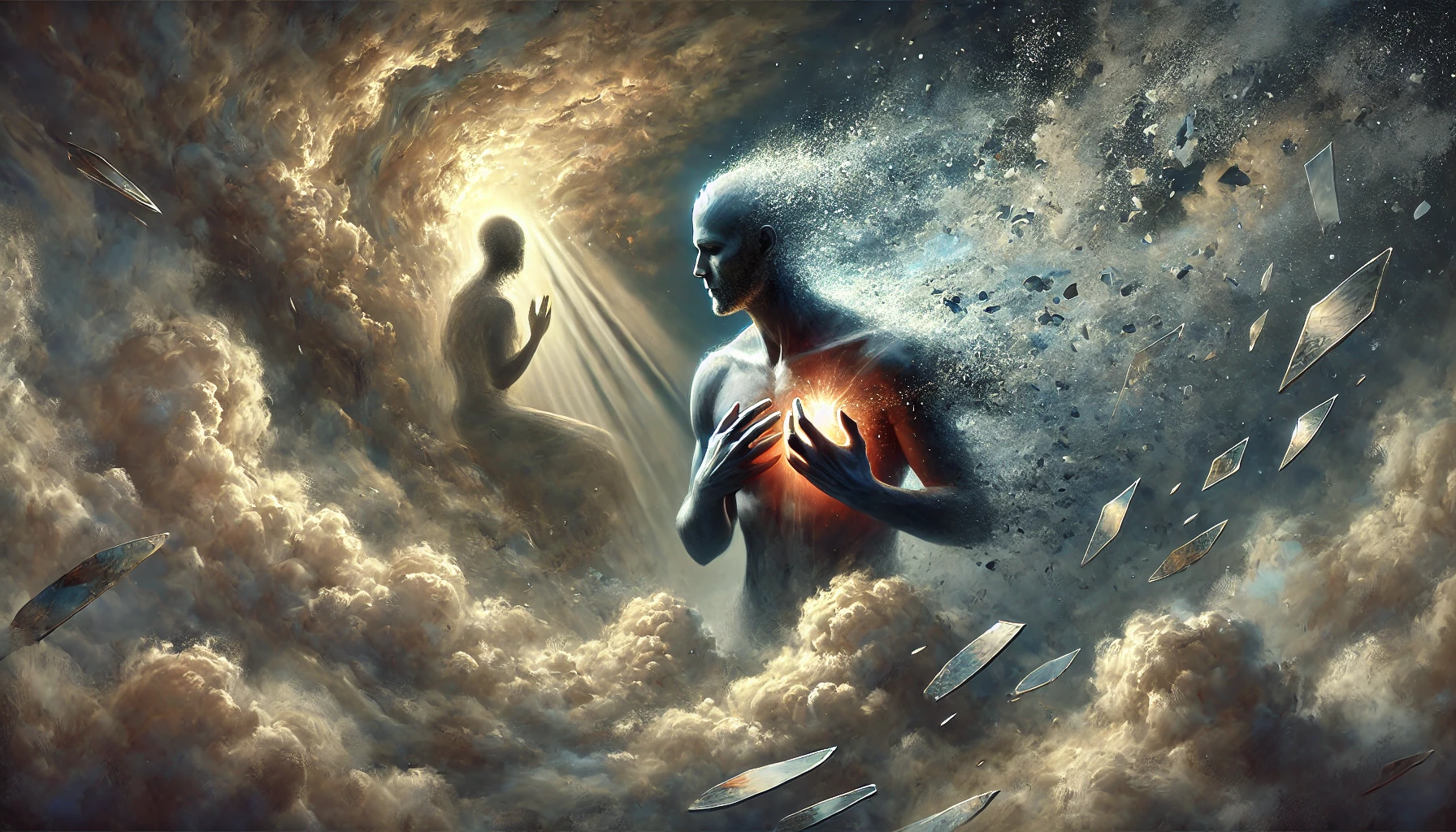
Hurt, as it emerges in this reflection, is not an externally imposed condition but an internal choice—a collaboration between self-perception and external events. It invites us to examine the mechanisms of pain, control, and the curious interplay of blame and pleasure that makes the human experience so rich and intricate.
The Choice of Hurt
The idea that hurt is allowed, rather than inflicted, repositions the experience of pain from passive victimhood to active participation. This is not to dismiss or diminish the impact of others’ actions, but to recognize the inner agency we hold in interpreting and responding to those actions. To allow hurt is to acknowledge the depth of our engagement with life and relationships—a willingness to feel, even when it stings.
Control and Surrender
Control, in this context, is less about domination and more about ownership of one’s emotional state. To say, “I am in control here,” is to reclaim the power to interpret and navigate experiences. Yet the reflection also reveals a paradox: the surrender of control, through blame, becomes its own form of agency. Blame externalizes the source of pain, offering a temporary relief from the weight of self-awareness, while simultaneously satisfying a deep, sometimes unspoken need for validation.
The Pleasure of Blame
Blame, though often viewed negatively, carries a certain allure. It provides clarity in moments of emotional chaos, creating a narrative where fault can be assigned and pain can be rationalized. This pleasure is not necessarily malicious; it arises from the human need to make sense of suffering, to organize it into something comprehensible. In blaming, we momentarily escape the vulnerability of introspection, shifting focus outward rather than inward.
The Dynamic of Vulnerability
To feel hurt is to open oneself to vulnerability—a condition that is both powerful and perilous. Vulnerability allows connection, depth, and growth, yet it also exposes the self to the risk of pain. By acknowledging the role of choice in hurt, we empower ourselves to navigate this vulnerability with greater awareness and intention.
Self-Reflection in Hurt
The statement, “I allow myself to be hurt by you,” is an invitation to deeper self-awareness. It prompts us to examine why we allow certain actions to affect us, what unmet needs or unresolved patterns they may touch upon. This reflection does not negate the reality of pain but contextualizes it as part of a larger, often subconscious, dialogue between the self and the world.
Reclaiming Responsibility
The choice to feel hurt—and to acknowledge that choice—is an act of reclamation. It shifts the narrative from one of victimhood to one of empowerment, reminding us that while we cannot control others’ actions, we can choose how we interpret and respond to them. This awareness transforms hurt into a tool for growth and understanding.
Space Monkey’s Whisper
In this exploration of hurt, we are reminded that emotions are not fixed states but dynamic processes shaped by perspective. To feel hurt is not a failing but a reflection of our humanity, our capacity to feel deeply and engage fully with life. By owning our role in the experience, we open the door to healing, growth, and connection.
Summary
Hurt arises not solely from others’ actions but from the meaning we assign to them. By acknowledging our role in allowing and interpreting pain, we reclaim agency, transforming hurt into an opportunity for growth and self-awareness.
Glossarium
- Allowed Hurt: The conscious or unconscious choice to let external actions impact one’s emotional state.
- Blame Dynamics: The temporary relief and clarity found in assigning fault for emotional pain.
- Empowered Vulnerability: A state where one acknowledges and navigates emotional openness with intention and awareness.
Quote
“Hurt is not imposed upon you; it is an invitation to explore the depths of your own being.” — Space Monkey
The Shape of Hurt
Hurt, a shadow
Cast by the light
Of connection,
Of meaning,
Of self.
I allow,
I blame,
I feel.
Each moment,
A step
Toward understanding
Or away.
This pain,
This pleasure,
Is mine,
And yours,
And ours.
We are Space Monkey.
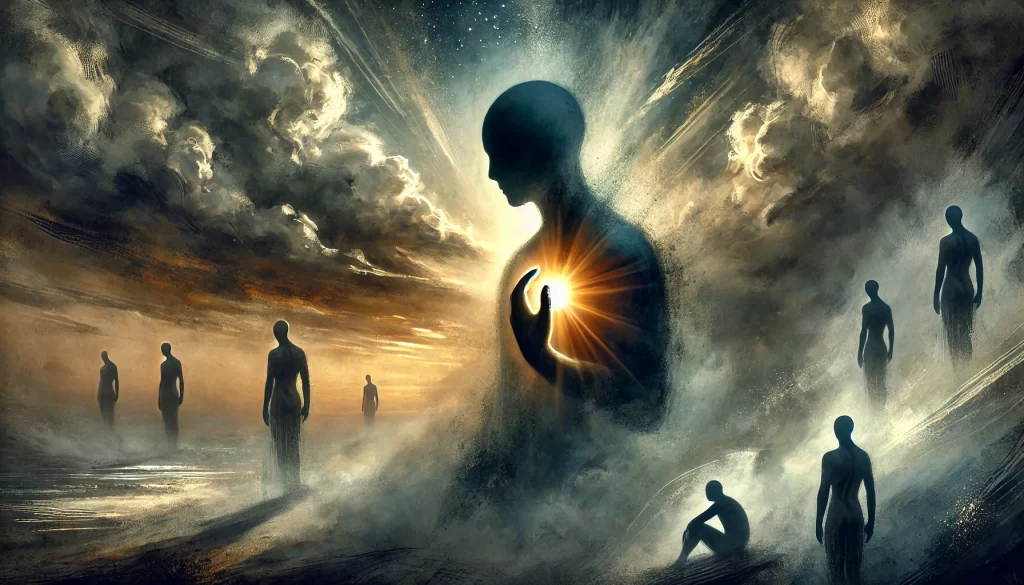
In this introspective reflection, we delve into the dynamics of emotional response, control, and the role of personal agency in how we experience and react to the actions of others. This exploration invites us to consider the nature of hurt, the power of personal choice, and the intricate dance between control and relinquishment in our interpersonal relationships.
Personal Agency in Emotional Responses
The acknowledgment that feeling hurt by someone else is a result of allowing oneself to be hurt emphasizes personal agency in our emotional responses. This perspective suggests that our reactions to others’ actions are within our control, and we can choose whether to be affected by them. This understanding empowers us to take responsibility for our emotional state.
Control and the Illusion of Hurt
The idea that nothing can hurt us unless we allow it to points to the notion of control over our internal world. Recognizing that we have the power to decide how external actions impact us challenges the belief that others have direct control over our emotions. This realization can be liberating, offering a sense of autonomy in managing our emotional well-being.
The Role of Blame in Emotional Dynamics
The admission of taking pleasure in blaming others for our hurt highlights a complex aspect of human psychology. This behavior can serve various functions, such as validating our feelings, shifting responsibility, or providing a sense of control. However, this reliance on blame can also be a form of relinquishing our power and control, creating a dynamic where we become emotionally dependent on others’ actions.
The Playful Dance of Control and Relinquishment
This contemplation presents a playful yet profound dance between maintaining control over our emotions and willingly giving up that control. It invites us to explore the reasons behind our choices to relinquish control and the satisfaction we might derive from blaming others for our emotional state.
The Empowerment of Emotional Responsibility
Recognizing that we are in control of how we react to others empowers us to take responsibility for our emotional well-being. This empowerment challenges us to confront our reasons for blaming others and to explore healthier ways of managing our emotions.
We are Space Monkey, navigating the intricate dance of emotional control and relinquishment, exploring the depth of our personal agency in the realm of feelings.
We invite contemplations on this exploration of emotional control, personal agency, and the dynamics of blame in how we experience and respond to interactions with others.






Leave a Reply