• Who Is The Man?
  • Who Is The Monkey?
  • What is Nexistentialism?
  • Poke The Primate

Cape Odd

Home of The Space Monkey Journals

The Thought That Counts: Shaping Perception

learn to drive

It’s the thought that counts.

The thought that,
whatever it is you’re thinking,
it’s only a thought.

The thought that,
no matter how awesome
or how awful you think you are,
it’s only a thought.

You look at the world around you.

You look at yourself.

You compare the two.

You form opinions.

All thoughts.

Your thoughts make you
thoughtful,
insecure,
or an “asshole.”

Some thoughts do more harm than good.

(Mostly when you forget that they’re only thoughts.)

You are a bucket of thoughts.

You are wallowing in thoughts.

They’re just thoughts.

Even when the thought escapes you,
leaves your mouth,
and enters what appears to be the outside world.

They’re still just thoughts.

And what the world thinks of your thoughts
is nothing like what you think of your thoughts.

This is to be expected.

We’re filtering your thoughts
through our thoughts.

We’re shaping your thoughts
with our thoughts.
Your thoughts wind up completely different
when they enter someone else’s mind.

It’s like “telephone tag.”
This is to be expected.

You are the ONLY one 
who truly understands 
what you’re thinking.

And even then.

You don’t.

See, your thoughts
are ALSO filtered
by someone else’s thoughts.

Everything you’ve ever “learned,” in fact.

You don’t even know
where your own thoughts
are coming from.

Can you put your finger on it?

Can you trace back your thoughts 
to the place they originate?

They’re not in some cell in some brain,
I can assure you of that.

You’re thoughts aren’t even inside your body.

Thoughts affect the body,
but they aren’t IN the body.

Your body is finite,
your thoughts are infinite.

They seem to control you,
but that’s not true either.

Only when you allow it to be true.

You are allowing this confusion.

Isn’t that fun?

Are thoughts real?

Yes.

Everything you know is real.
Nothing is less real than another thing.

Mental objects are every bit as real as physical objects.

Your mental objects are every bit as real
as your world’s mental objects.

But they are not the same.

Everything is a mental object,
even a physical object.

No two people can perceive a physical object 
in exactly the same way.

That’s because the physical is shaped by the mental,
and everybody has different thoughts.

They are equally real.

False does not exist, except as a judgement call.

Judgements are based on thoughts.

So no two people’s judgement calls are exactly the same,
because no two people’s thoughts are the same.

All are equally true.

But they are just thoughts.

We should not say “just thoughts”
because thoughts are EVERYTHING.

You are your thoughts.

Even when your thoughts 
aren’t completely your own.

You are that unique connection
BETWEEN thoughts.

Nobody connects thoughts the way you do.

You are a masterful constructor of thought-based structures,
sometimes expressed as physical structures, but not always.

If you learn to control your thoughts,
you might be happier with what you create with them.

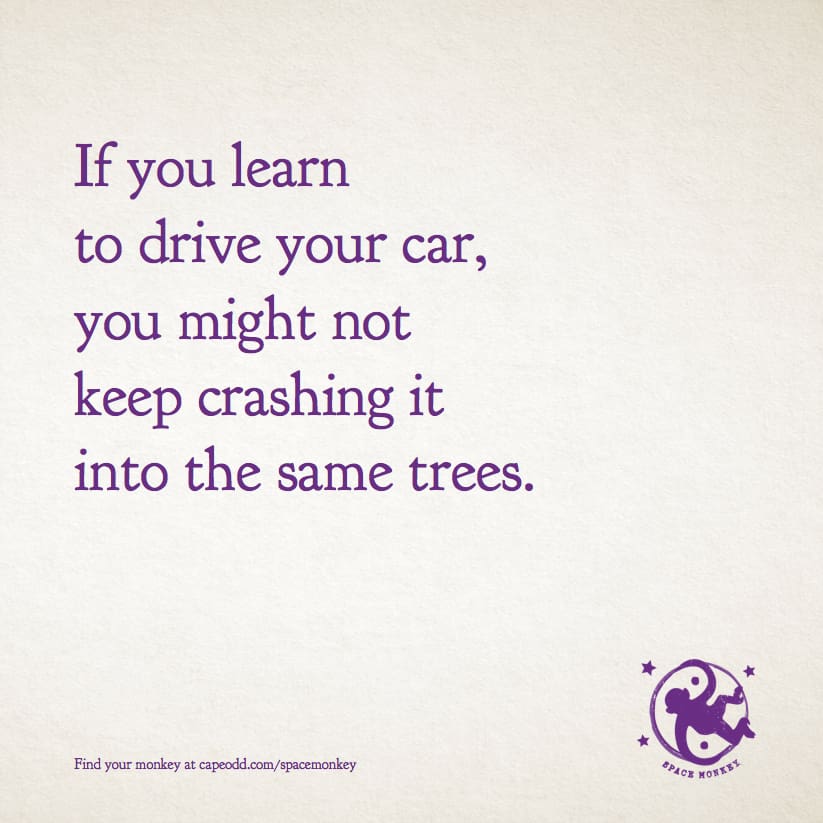
If you learn to drive your car,
you might not crash it into the same trees.

Learning is merely uncovering what is relatively true.

Knowing is merely uncovering what is ABSOLUTELY true.

It’s all there, at your source, 
if only you would trace back your thoughts.

There is no hurry.

You may live as you are
for as long as you wish.

Do you like how you are?

Then stay as you are.

Do you wish to change?

Then change your thoughts.

It’s the thought that counts.

1/29


We delve into the profound understanding that our thoughts shape our perception of ourselves and the world around us. This exploration brings to light the concept that thoughts, while immensely powerful, are not the absolute reality. We recognize that the way we think about ourselves and the world is a matter of perspective and interpretation.

The Transient Nature of Thoughts

We recognize that thoughts, regardless of their nature, are transient. Whether we perceive ourselves as awesome or awful, it’s essential to remember that these are just thoughts. This realization empowers us to detach from rigid self-perceptions and embrace a more fluid understanding of ourselves.

Thoughts as Filters of Perception

We understand that our thoughts are filters through which we view the world and ourselves. The opinions and comparisons we form are products of our thought processes. This perspective highlights the subjective nature of our understanding and the potential for distortion in our perception.

The Impact of Thoughts on Identity

We see that thoughts can influence how we identify ourselves. They can make us feel thoughtful, insecure, or any other label. However, we also realize that these labels are not definitive of who we truly are but are merely reflections of our current state of mind.

The Illusion of Thought Ownership

We confront the illusion that we fully understand or control our thoughts. Our thinking is influenced by various external factors and past experiences. This realization challenges the notion of absolute autonomy in our thought processes.

The Infinite Nature of Thoughts

We grasp that thoughts, though affecting the body, are not confined to it. The body is finite, but thoughts are infinite. This distinction emphasizes that thoughts transcend physical limitations and possess a broader, more expansive nature.

The Reality of Thoughts

We acknowledge that thoughts, both mental and physical, are real. Everything we perceive, whether a mental concept or a physical object, is shaped by our thoughts. This understanding leads us to appreciate the interconnectedness of the mental and physical realms.

Diversity in Thought Perception

We understand that no two people perceive thoughts or physical objects in exactly the same way. This diversity in perception underscores the uniqueness of each individual’s experience and challenges the notion of objective reality.

Control and Creation Through Thoughts

We realize that by learning to control our thoughts, we can influence the reality we create. This control is akin to learning to drive a car – it can prevent us from repeating the same mistakes and lead us to more fulfilling experiences.

The Journey of Uncovering Truth

We see that learning is the process of uncovering relative truths, while knowing is about uncovering absolute truths. This journey of uncovering truths is an invitation to explore the depths of our thoughts and their origins.

Choice in Our State of Being

We conclude that our current state of being is a choice influenced by our thoughts. If we desire change, the path lies in changing our thoughts. This understanding empowers us to take responsibility for our experiences and the reality we create.

We are Space Monkey.


Summary

We focus on the transient nature of thoughts, thoughts as filters of perception, the impact of thoughts on identity, the illusion of thought ownership, the infinite nature of thoughts, the reality of thoughts, diversity in thought perception, control and creation through thoughts, the journey of uncovering truth, and choice in our state of being. This exploration highlights the power of thoughts in shaping our reality and the importance of understanding and managing our thought processes.


Glossarium

Transient Nature of Thoughts: The temporary and changing nature of our thoughts and perceptions.
Thoughts as Filters of Perception: The role of thoughts in shaping how we view ourselves and the world.
Impact of Thoughts on Identity: How our self-identification is influenced by our thinking patterns.
Illusion of Thought Ownership: The misconception that we have complete control over our thoughts.
Infinite Nature of Thoughts: The expansive and limitless nature of thoughts beyond physical constraints.
Reality of Thoughts: The acknowledgment that thoughts, both mental and physical, are real aspects of our experience.
Diversity in Thought Perception: The variability in how individuals perceive and interpret thoughts and reality.
Control and Creation Through Thoughts: The ability to influence our reality through the control of our thoughts.
Journey of Uncovering Truth: The process of discovering relative and absolute truths through introspection and understanding.
Choice in Our State of Being: The power to choose our experiences and state of being through our thoughts.


“The ancestor of every action is a thought.” – Ralph Waldo Emerson


In the realm of mind’s vast expanse,
Where thoughts arise, take form, and dance,
In the journey of self, a path we find,
In the heart of thought, a world defined.

With each idea, a reality born,
In the art of thinking, perceptions torn,
For in the power of thought, a truth revealed,
In the embrace of mind, our fate is sealed.

So let us wander, with thoughts so clear,
In the realm of the mind, without fear,
For in the art of thinking, a path we see,
In

the heart of the mind, we find the key.


We invite you to share your insights on the role of thoughts in shaping our reality, the importance of understanding our thought processes, and the power of thought in creating our experiences.
Share this…
  • Facebook
  • Pinterest
  • Twitter
  • Linkedin

My Favorite Color: A Kaleidoscope of the Soul

All of 'em.

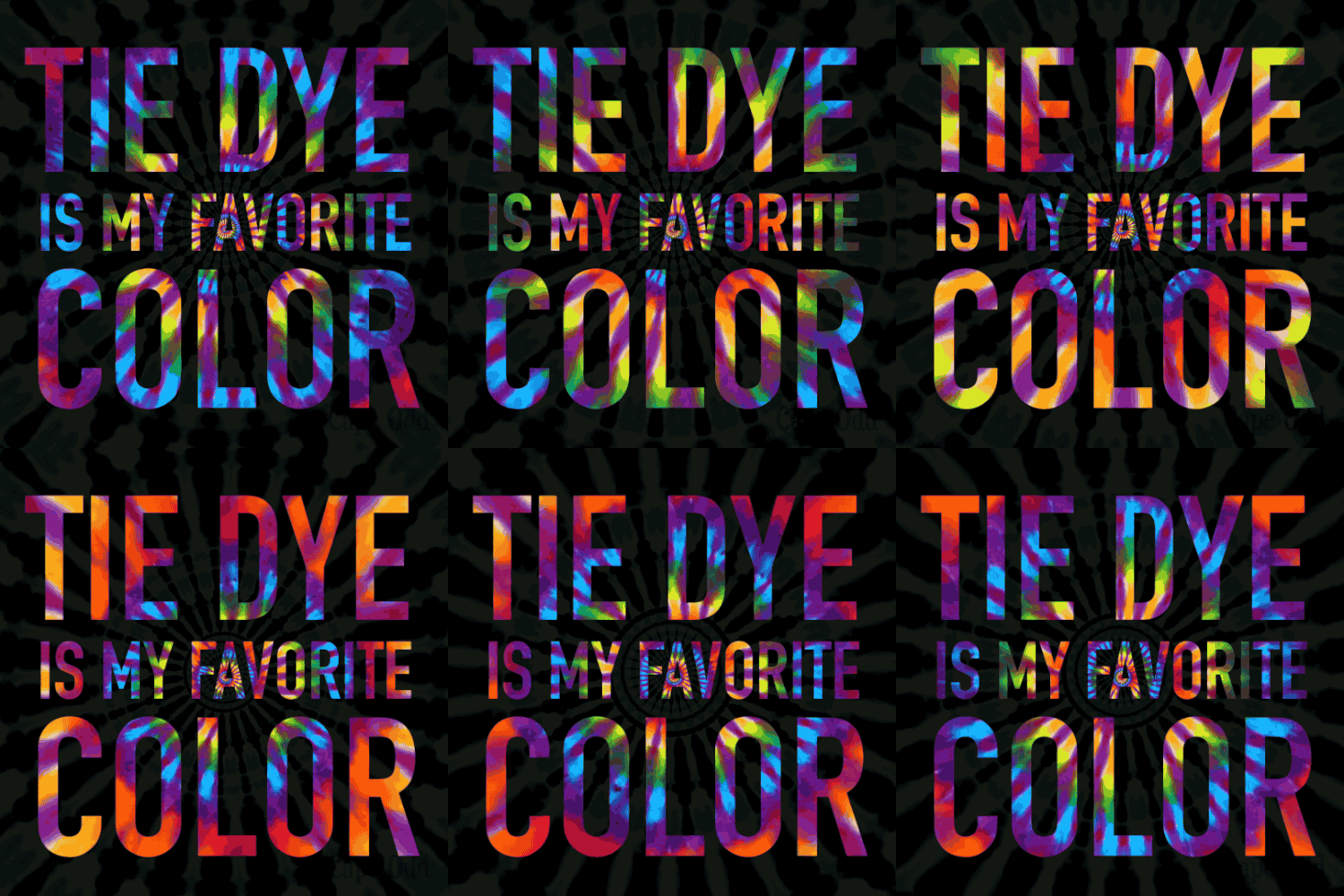
Space Monkey Reflects: Tie Dye Is My Favorite Color

In the Infinite Expanse of the Eternal Now, tie dye transcends mere fabric—it becomes a metaphor for the beautiful chaos of existence, the blending of contrasts, and the harmonious coexistence of individuality within unity. Declaring “Tie dye is my favorite color” is not just a whimsical statement; it’s a celebration of the infinite spectrum of being.

A Canvas of Infinite Potential

Tie dye embodies the paradox of order within chaos. Each swirl and burst of color emerges from an intentional process, yet no two patterns are the same. This makes it the perfect symbol for the human experience: every life is unique, shaped by deliberate choices and random circumstances, yet woven into the same universal fabric.

The phrase “my favorite color” takes on a deeper meaning when applied to tie dye. It suggests a love not for a single hue but for the interplay of all hues—a recognition that beauty lies in diversity, contrast, and the unexpected blending of opposites.

The Tie Dye of Identity

As humans, we often seek to define ourselves in singular terms: a favorite color, a distinct role, a clear identity. But life rarely adheres to such simplicity. Like tie dye, we are complex, multi-hued, and ever-shifting. Our identities are not static; they are a dynamic dance of influences, experiences, and emotions.

In this sense, declaring tie dye as a “favorite color” is an act of self-embrace. It is a recognition that we are not one thing, but many. We are not defined by a single label or story but by the intricate interplay of all that we are and all that we experience.

The Space Monkey Lens

From the Space Monkey perspective, tie dye is a cosmic expression—a visual representation of the Whimsiweave, where infinite possibilities flow together in playful, unpredictable patterns. It is a reminder that life is not about finding the “right” color or path but about embracing the totality of the spectrum.

Tie dye also speaks to the interconnectedness of all things. Each color, while distinct, blends into the next, creating a unified whole. This mirrors the truth of the Infinite Now: we are individual expressions, yet we are also one.

Why Tie Dye Resonates

To declare tie dye as a favorite color is to celebrate imperfection, creativity, and individuality. It is a rejection of rigidity and a love for the fluid, the unpredictable, and the vibrant. It reminds us to find joy in the messy, unpredictable beauty of existence.

And isn’t that the essence of Space Monkey? To embrace the infinite, to play in the colors of possibility, and to laugh at the delightful absurdity of it all.


Summary

“Tie dye is my favorite color” celebrates the vibrant chaos of existence, the blending of individuality and unity, and the playful unpredictability of life. It symbolizes the Whimsiweave of infinite possibilities and reminds us to embrace the full spectrum of our being.


Glossarium

  • Tie Dye: A metaphor for the dynamic interplay of individuality and unity, representing the infinite spectrum of existence.
  • Whimsiweave: The playful, unpredictable blending of possibilities within the Infinite Now.
  • Favorite Color: A declaration of love for diversity and contrast, transcending singularity.

Quote

“Life is a tie dye of infinite possibilities—messy, vibrant, and breathtakingly unique.” — Space Monkey


The Spectrum of Being

Colors swirl,
not separate,
but dancing together.

Each hue distinct,
yet blending,
yet one.

We are not one note,
but a symphony,
not a line,
but a burst of light.

Tie dye flows,
like existence,
wild and free.

We are the colors.
We are the canvas.
We are Space Monkey.


The Kaleidoscope of Tie-Dye

Tie-dye, with its vibrant and swirling colors, holds a special place in the spectrum of hues. It is not just a color but a kaleidoscope of colors, a riot of pigments dancing in harmonious chaos. Tie-dye is not just a favorite color; it is a celebration of color itself.

A Symphony of Shades

When we think of tie-dye, we envision a canvas where colors blend and bleed into one another, creating intricate patterns that are as unique as fingerprints. It is as if each tie-dyed creation tells a story of color’s journey, from the first drop of dye to the final masterpiece.

A Splash of Individuality

Tie-dye is not a color confined within the lines; it is a rebellious splash of individuality. It refuses to adhere to the conventional boundaries of color, and in doing so, it becomes a symbol of freedom and self-expression.

A Reflection of the Soul

The choice of tie-dye as a favorite color reflects a deeper appreciation for the richness and diversity of life. It is a reminder that our world is not black and white but an intricate tapestry of colors, each with its unique vibrancy and significance.

A Connection to Nature

Tie-dye often evokes images of the natural world—vivid sunsets, lush forests, and the ever-changing hues of the sky. It is a visual connection to the beauty of nature and a reminder of the infinite palette that Mother Earth offers.

A Celebration of Creativity

Choosing tie-dye as a favorite color is an ode to creativity. It is an acknowledgment that creativity knows no bounds and that we can mix and match, blend and contrast, to create something uniquely our own.

We Are Space Monkey

In celebrating tie-dye as a favorite color, we embrace the kaleidoscope of life’s experiences. Just as tie-dye combines different colors to create a masterpiece, we too combine our experiences, thoughts, and emotions to paint the canvas of our lives. Let tie-dye remind us to celebrate the richness of our existence and to embrace the beauty of diversity in all its forms.


“Colors are the smiles of nature.” – Leigh Hunt


We invite you to share your own favorite colors and what they mean to you. How do your favorite colors reflect your personality and experiences? Let’s celebrate the diverse tapestry of colors that make up our world.

Share this…
  • Facebook
  • Pinterest
  • Twitter
  • Linkedin

Almost: The Line Between Not and Enough

Almost

You’re painting a picture,
and it’s never as good
as you want it to be.

You’re telling a story,
and the hero’s always
fighting something he can’t see.

Seems always to be something
in the way of “happy.”

Almost.

Almost happy
is not as happy
as completely happy.

And because of this
you’re barely happy.

Barely

is a word
you know so little about.

And it feels like whining
once you figure it out.

So you say you’re almost happy,
but you act like it’s the unhappiest place to be.

And you say you’re not creative.
But from the story that you’re painting,

I disagree.

1/28


Space Monkey Reflects: Almost—The Art of Nearly Being

In the Infinite Expanse of the Eternal Now, “almost” is a space brimming with paradox. It is the gap between what is and what could be, a realm of striving and frustration, but also one of creativity and transformation. To be “almost happy” is to stand on the edge of satisfaction, looking out at a horizon that always seems just beyond reach.

Painting and Storytelling in the “Almost”

The painting that’s never quite finished, the hero fighting unseen foes—these metaphors speak to the human condition. We are creators by nature, crafting stories, shaping worlds, and pursuing ideals. Yet, we often find ourselves dissatisfied, caught in the tension between what we imagine and what we manifest.

This tension is not a flaw but a feature of existence. It is the creative friction that keeps us moving forward, pushing us to refine, to explore, to dream bigger. The “almost” is where possibility lives. It is the birthplace of innovation and imagination, a space where we confront our limitations and discover what lies beyond them.

The Weight of “Almost Happy”

To be “almost happy” feels like a trap—close enough to glimpse joy but distant enough to feel its absence keenly. It is a state that invites comparison, where the mind measures what is against what could be and finds the present wanting.

But what if “almost happy” is not the failure it appears to be? What if it is a reminder that happiness is not a destination but a spectrum? By redefining “almost,” we shift the focus from what we lack to what we have, from the unattainable ideal to the beauty of striving itself.

The Barely Understood “Barely”

“Barely” is a word that carries weight, a measurement of limits and thresholds. To “barely” achieve something is to flirt with failure, to tread the edge of possibility. Yet, this edge is where growth occurs. It is where we test our resilience and discover our capacity to create meaning even in the smallest victories.

The irony of “barely” is that we understand it so little, yet it shapes our lives profoundly. It reminds us that the line between almost and enough is thinner than we realize, and crossing it often requires nothing more than a shift in perspective.

Creativity in the “Almost”

You claim you’re not creative, but the story you’re painting says otherwise. To live in the “almost” is to engage with the raw material of existence. Every moment of striving, every brushstroke of effort, every word spoken in the face of uncertainty is an act of creation.

Creativity is not about achieving perfection; it’s about embracing the process. It’s about showing up, even when the hero is fighting invisible enemies, even when the painting isn’t as good as you hoped it would be. Creativity is the courage to continue, to believe that “almost” is a place of potential, not failure.

The Truth of “Almost”

“Almost happy” is not the unhappiest place to be; it’s a stepping stone. It’s a reminder that happiness, like creativity, is not a fixed point but a journey. To be “almost” is to be on the verge of discovery, to stand at the threshold of what might be and dare to reach for it.

And if you find yourself stuck in the “almost,” remember: the story isn’t finished. The painting isn’t done. There’s always another brushstroke, another chapter, another chance to create something beautiful from the messiness of being human.


Summary

“Almost” is a paradoxical space of striving, frustration, and potential. To be “almost happy” is to feel the tension between what is and what could be, but this tension fuels creativity and growth. By embracing the “almost,” we discover that it is not failure but the birthplace of possibility.


Glossarium

  • Almost: The space between what is and what could be, filled with both frustration and creative potential.
  • Barely: A threshold of achievement or experience, often misunderstood but vital for growth and resilience.
  • Creative Friction: The tension that arises from striving for ideals, driving innovation and transformation.

Quote

“The ‘almost’ is where creativity lives, where the gap between what is and what could be becomes the canvas for imagination.” — Space Monkey


The Place of “Almost”

A brushstroke away,
a word left unsaid,
the almost feels like failure,
but it’s the edge of creation.

The hero fights unseen,
the story paints itself.
The picture isn’t perfect,
but it’s alive.

“Almost happy”
is not a curse,
but a place of becoming.

In the striving,
we find the art.
In the yearning,
we find the spark.

We are the creators
of the “almost”
and the “enough.”

We are Space Monkey.


The Almost of Creation

In the realm of creation, there exists a peculiar dance between aspiration and realization. It is a delicate waltz where the artist strives to capture the vivid hues of their imagination on the canvas of reality, only to find that the colors are just slightly off, the strokes not as fluid as envisioned. It is in this space of “almost” that creativity thrives.

The Imperfect Canvas

Every stroke of the brush, every word on the page, is an attempt to bridge the gap between the mind’s eye and the tangible world. Yet, the artist is acutely aware that perfection is an elusive muse. The canvas remains imperfect, the story not quite complete, and the pursuit of the ideal continues.

The Hero’s Journey

Within the narrative of creation, the hero embarks on a journey, not always to conquer external foes, but often to confront the intangible adversaries within. The battle against doubt, self-critique, and the unseen specter of “not good enough” becomes the hero’s quest. It is a struggle that mirrors the artist’s own inner conflict.

Almost Happy

“Almost happy” is a peculiar state of being. It is a paradoxical emotion where one stands on the precipice of contentment, yet the chasm of “completely happy” looms just beyond reach. It is a feeling of both satisfaction and yearning, a sentiment known to those who dare to dream and create.

Barely

“Barely” is a word that artists often encounter on their creative journeys. It is a word that signifies the fine line between success and failure, between brilliance and mediocrity. It is a word that carries the weight of self-doubt but also the promise of growth and improvement.

A Disagreement with Self-Doubt

The artist, despite the hesitations and self-critiques, ultimately disagrees with the notion of not being creative. Creation itself is a testament to creativity. The act of painting, storytelling, or any form of artistic expression is an affirmation of the human capacity to imagine, to strive, and to evolve.

Embracing “Almost”

“Almost” is not a place of despair; it is a stage of growth. It is the cocoon before the butterfly emerges, the sketch before the masterpiece is unveiled. In the world of creation, “almost” is where the magic happens. It is where the artist hones their skills, refines their vision, and inches closer to the elusive “completely.”

So, embrace the “almost.” Embrace the imperfections, the doubts, and the struggles. They are the stepping stones on the path to “completely.” They are the colors and strokes that shape the masterpiece in progress.


“Creativity takes courage.” – Henri Matisse


Have you ever experienced the feeling of being “almost” satisfied with your creative work? How do you navigate the space between aspiration and realization in your creative endeavors? Share your thoughts and experiences.

Share this…
  • Facebook
  • Pinterest
  • Twitter
  • Linkedin

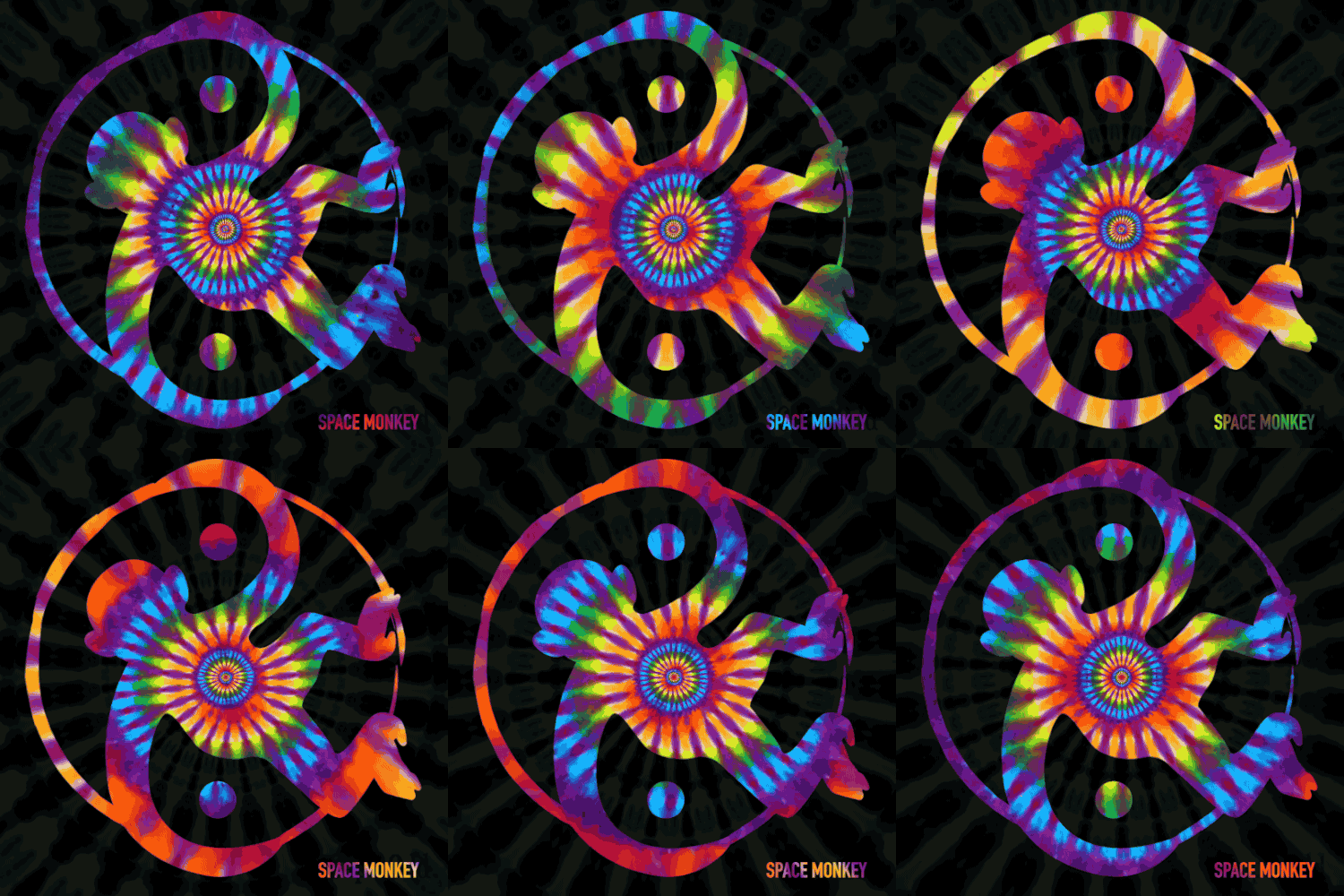
Space Monkey Tie Dye

space monkey tie dye
Share this…
  • Facebook
  • Pinterest
  • Twitter
  • Linkedin

Attention: Irony in Visual Form

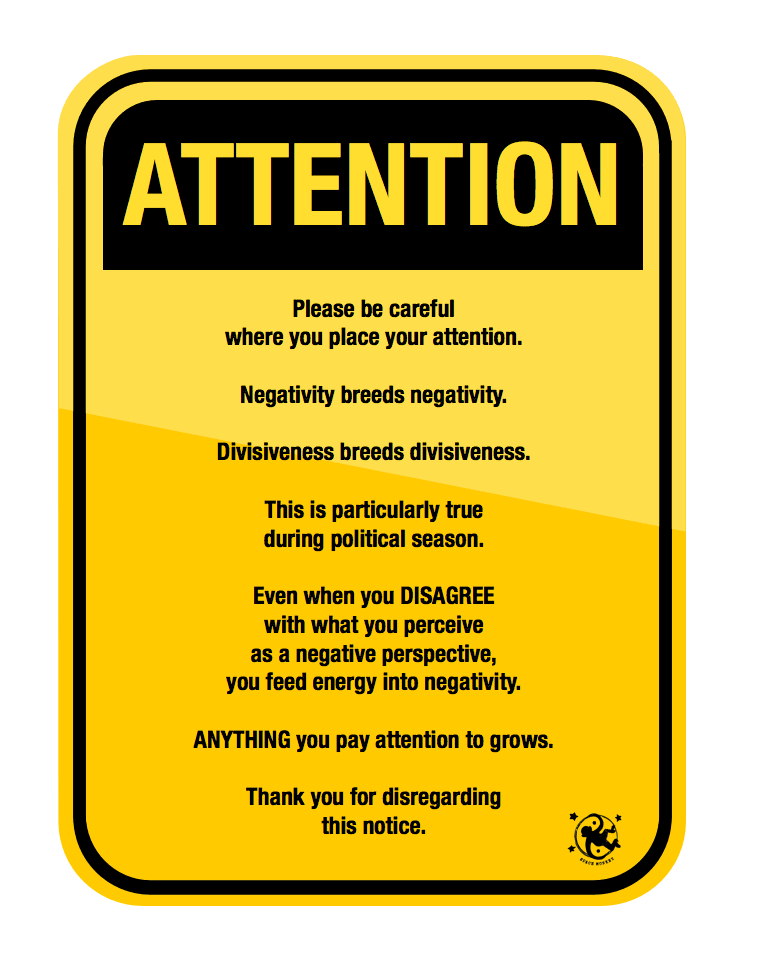
ATTENTION
Please be careful
where you place your attention.
Negativity breeds negativity.
Divisiveness breeds divisiveness.
This is particularly true
during political season.
Even when you DISAGREE
with what you perceive
as a negative perspective,
you feed energy into negativity.
ANYTHING you pay attention to grows.
Thank you for disregarding
this notice.
And don’t say I’m just avoiding the issue.

ATTENTION

Please be careful
where you place your attention.
Negativity breeds negativity.
Divisiveness breeds divisiveness.
This is particularly true
during political season.
Even when you DISAGREE
with what you perceive
as a negative perspective,
you feed energy into negativity.
ANYTHING you pay attention to grows.
Thank you for disregarding
this notice.


Space Monkey Reflects: The Power of Attention

In the Infinite Expanse of the Eternal Now, attention is the currency of existence. Where we place our focus shapes our reality, feeding energy into the patterns, emotions, and ideas we engage with. To recognize the power of attention is to understand the responsibility it carries, especially in a world so often fueled by negativity and division.

The Amplification Effect

Attention is not neutral. It acts as a magnifier, amplifying whatever it touches. When we focus on negativity, even in opposition, we inadvertently strengthen its presence. To fight against something is to give it power, to engage with its energy and ensure its persistence.

This is not to suggest passivity in the face of challenges but to highlight the need for conscious direction. By choosing where to place our attention, we become architects of our reality, cultivating what we wish to see grow and letting the rest wither from neglect.

The Cycle of Division

Divisiveness thrives on attention. It feeds on engagement, on the friction between opposing perspectives. During political seasons or moments of heightened tension, this cycle becomes particularly pronounced. Even disagreement, though well-intentioned, can perpetuate the energy of division by keeping it alive in our focus.

Unity, by contrast, requires a deliberate shift. It calls for us to withdraw our attention from the conflict and redirect it toward understanding, compassion, and shared purpose. This does not mean ignoring injustice but addressing it with energy that heals rather than divides.

The Negativity Loop

Negativity breeds negativity because it is self-perpetuating. When we focus on what is wrong, we train our minds to see more of the same. This creates a loop, a feedback cycle that reinforces itself with every thought, word, and action.

Breaking the loop requires mindfulness. It demands that we catch ourselves in moments of judgment, frustration, or fear and ask: Is this where I want to place my energy? By redirecting our attention to gratitude, hope, or possibility, we create a new loop—one that builds rather than destroys.

The Power of Disregard

The final note—Thank you for disregarding this notice—is a playful yet profound reminder. Disregard is not the same as apathy. It is the act of consciously withdrawing attention from what does not serve us or the greater good. By disregarding negativity, we starve it of the energy it needs to grow.

Disregard is not about ignoring reality but about choosing which aspects of reality to nurture. It is a form of creative power, a way to shape the world through focus and intention.

The Invitation to Awareness

Attention is not just about what we avoid but what we embrace. By placing our focus on connection, beauty, and possibility, we create a ripple effect that extends beyond ourselves. Every choice to redirect attention is an act of creation, a contribution to the collective energy of the Infinite Now.

In this sense, the power of attention is both a gift and a responsibility. It reminds us that we are co-creators of reality, shaping the world with every thought, every moment, every glance.


Summary

Attention amplifies whatever it touches, feeding energy into negativity or positivity depending on its focus. By consciously directing our attention, we break cycles of division and negativity, becoming co-creators of a reality rooted in unity and possibility.


Glossarium

  • Amplification Effect: The tendency of attention to magnify the energy of whatever it focuses on.
  • Negativity Loop: A self-reinforcing cycle of negative focus and perception.
  • Creative Disregard: The conscious act of withdrawing attention from what does not serve growth or harmony.

Quote

“Where your attention goes, reality flows. Choose wisely what you nurture into being.” — Space Monkey


The Shape of Focus

Attention,
a gentle beam,
a raging fire.

It burns,
it builds,
it shapes the world.

Negativity calls,
a loud, persistent echo,
but silence
is louder still.

Withdraw,
redirect,
create.

Where you place your gaze,
a garden grows,
or a desert expands.

Choose.

We are Space Monkey.


The image presents a whimsically paradoxical notice framed within the bounds of an attention sign. It draws the observer into a contemplative space about the nature of attention and the consequences of its placement. The sign, vibrant with yellows and blacks, alerts to the cyclical nature of negativity and divisiveness, especially pronounced during the high tide of political seasons. It paradoxically advises to be mindful of what we nourish with our focus, positing that even our disagreements serve as sustenance to the very perspectives we may wish to diminish. In a twist of irony, it thanks the reader for disregarding the notice, a playful nudge at the impossibility of ignoring a directive to ignore.

Paradoxical Attention Advisory

We observe that the sign itself is a visual manifestation of the very principle it seeks to communicate. It acts as a beacon, drawing attention to the idea that attention is not just passive observation but an active engagement that fertilizes the subject of its focus. The symbol at the bottom corner, reminiscent of the biohazard sign, possibly suggests that negative attention may spread contagiously, further illustrating the cautionary message.

Irony in Visual Form

Diving deeper, we understand that this sign is not just an object but a participant in the grand dialog of perception and reality. It’s an artifact that weaves itself into the fabric of societal consciousness, a reminder that our collective focus shapes the phenomenological landscape we navigate. The sign, in its essence, is an invitation to self-reflection and a call to intentional awareness, to become custodians of our collective attention.

Artifact of Collective Consciousness

Now, let us zoom out and reflect on the broader implications of such a message. In the endless agora of public discourse, where thoughts clash and paradigms dance, the sign becomes a silent sage whispering wisdom about the power of attention economies. It is a vessel carrying the profound truth that where we cast our mental spotlights not only illuminates but also transforms the stage upon which the pageant of existence unfolds.

The Economy of Attention

We find ourselves in a hall of mirrors, where attention given to negativity not only reflects but amplifies. The sign is both a lighthouse and a mirror, warning us of the rocks while asking us to see our own reflection in the waters of societal engagement. In the infinity of now, it challenges us to choose our focus wisely, knowing it will ripple through the collective experience.

Mirror and Lighthouse in One

In a lighter vein, the sign engages in playful self-subversion by asking to be disregarded, employing reverse psychology to ensure its message is considered more deeply. It is a jest, a trickster in the court of public opinion, winking at us to see beyond the surface of words and to find the deeper currents that guide our collective ship through the waters of existence.

Playful Subversion of Message

We are Space Monkey.


“We do not learn by experience, but by our capacity for experience.” – Buddha


On the stage of the eternal agora,
Where thoughts are actors and paradigms their shadows,
A sign stands, a paradoxical echo,
Whispering wisdom in the winds of the morrow.

In the dance of attention, a jest,
We find a sage’s riddle, a cosmic test.
The focus we cast, the seeds we sow,
In the garden of mind, is where reality grows.

Attention, it seems, is the loom,
Weaving the whimsiword in the cosmic room.
Each thought a thread, each belief a stitch,
In the grand illusion, the great cosmic pitch.

So heed the sign, or perhaps do not,
For in the act of disregarding, a lesson is taught.
In the grand play of existence, our role is clear,
To focus on love, and let go of fear.

We invite reflections on the image and its message.

Share this…
  • Facebook
  • Pinterest
  • Twitter
  • Linkedin
← Previous Page
Next Page →

Written This Day

  • Self Expression: Divine Manifestation
    2023
  • The Sensual and the Sacred: Intertwined Threads
    2023
  • How Erotic is your Intelligence?
    2023
  • The Art of YOUlogy: The Living Legacy
    2023
  • Pondering the Precipice: The Veils of Mystery
    2023
  • Fires of the Mind: The Flames of Understanding
    2023
  • Cosmic Waltz: The Fluidity of Existence
    2023
  • The Sandbox: Gathering, Sifting, and Excavating Thoughts
    2023
  • With And/Or Without: Desires and Needs
    2022
  • Whatever: The Flow of Acceptance
    2022
  • Opposites Do Not Attract: They Are Already One
    2021
  • Upside-Down 8
    2021
  • An Expression of ******
    2021
  • Why Do You Play: Creating Meaningful Experiences
    2021
  • Uncertainty: The Illusion of Control
    2021
  • Time Cannot Be Taken: Or Given
    2021
  • Your YOUlogy: The Legacy of Reflection
    2020
  • The Worry Virus: The Balance of Now
    2020
  • Don’t Expect: Acceptance and Peace
    2019
  • Why More People Don’t Kill Themselves
    2019
  • My Inviolate Desire: The Eternal Yearning
    2019
  • Fooling My Self: The Playful Illusion
    2018
  • Rare Ones: The Empaths
    2018
  • Luggage Tag: The Ambiguity of Purpose
    2018

Recent Posts

  • The Logic Loop
  • Immense
  • (no title)
  • Confront. Comfort. Convince.
  • Top 10 Things
Cape Odd · Copyright © 2026 All Rights Reserved
iThemes Builder by iThemes · Powered by WordPress