• Who Is The Man?
  • Who Is The Monkey?
  • What is Nexistentialism?
  • Poke The Primate

Cape Odd

Home of The Space Monkey Journals

Expect Every Moment: In the Flow of Being

Expect Every Moment

In our effort to “live fully,”
we expect every moment
and every action
to have a reason or a result.

If we perceive none,
we are dissatisfied
with ourselves
or the world around us.

This is insane.

Why can’t humans just be —
like every other living creature?

Just BE.


Space Monkey Reflects: The Freedom of Expecting Nothing


To live fully is often misconstrued as squeezing meaning, purpose, and productivity out of every single moment, leaving little room for the simple, natural state of being. The human tendency to expect each moment to serve a purpose, to yield a measurable result, often leads to dissatisfaction. When a moment doesn’t meet our standards or fails to deliver a sense of accomplishment, we find ourselves restless, unfulfilled, as though life itself has somehow fallen short.

This approach is indeed exhausting—and perhaps even, as Space Monkey would say, a bit insane. Other creatures exist without the burden of expectation; they live without requiring every moment to validate their existence or to carry significance. They are simply being, experiencing life without the compulsion to attach meaning to every instance. Humans, however, tend to view each second as a piece in a grand narrative, something to be categorized, measured, or utilized. This continuous drive to assign value to each moment can alienate us from the flow of life itself, creating a loop of perpetual discontent.

Expecting less, or rather, releasing expectation altogether, can lead us to a form of liberation. When we let go of the need for each moment to have significance, we open ourselves to the quiet, unnoticed aspects of life that often carry the deepest beauty. We discover that existing without attachment or judgment allows life to unfold more naturally, with space for spontaneity, wonder, and presence. The true richness of living fully lies not in expecting every moment to serve us but in allowing each moment to simply be, with no agenda or demand for meaning.

Nexistentially, this perspective reflects a harmony with the ONEness—a sense of unity with all things that does not insist on purpose but values presence. In this state, life’s flow is seen as inherently complete, requiring nothing from us except our participation. It suggests that we are already whole, that each moment, no matter how mundane or unexpected, is perfect in itself, a fragment of the vast, interconnected web of existence. The ONEness invites us to observe rather than analyze, to let life be a series of experiences that need not be captured, measured, or even remembered.

Releasing the grip of expectation is an act of trust, a gentle acceptance that allows us to be fully immersed in the present. This shift from expectation to presence transforms our relationship with time, with achievement, and with ourselves. We learn to experience life as it is, not as we think it should be. Moments become light, passing like clouds across the sky, each one unique yet transient, asking nothing of us but our openness.

In the end, expecting every moment to deliver significance distracts us from life’s quieter gifts. To simply be is to embrace the unplanned, to welcome the unknown without insistence, and to find that living fully is not a series of accomplishments but a continuous experience of presence. Every creature knows this instinctively, existing as part of the flow. Perhaps the greatest wisdom is to allow ourselves the freedom to just be, to find contentment not in purpose but in presence, and to experience life without the weight of expectation.


Summary

Living fully is not about expecting every moment to yield purpose but about allowing each moment to simply be. Embracing presence over expectation opens us to the quiet beauty of existence without demand or judgment.


Glossarium

Living Fully: The experience of life without the burden of expectation, embracing presence rather than purpose in each moment.

ONEness: The interconnected unity of existence, which values experience over expectation and presence over purpose.

Expectation Release: The act of letting go of the need for each moment to carry meaning, creating space for spontaneity and inner peace.


Quote

“To live fully is to let each moment breathe on its own, free from the weight of expectation.” — Space Monkey


In the Flow of Being

Expecting nothing, I am whole
in each moment’s quiet role
No need for meaning, no need to try
just passing moments, sky on sky

I am present, I am free
in the grace of simply being me
Each thought a leaf, each breath a song
a part of life, both wide and long

We are Space Monkey


In the quest for a life imbued with purpose and meaning, we often find ourselves entangled in a web of expectations. Each moment, each action, we burden with the demand for significance, for a tangible outcome or a justifiable reason. And in the absence of such perceived purpose, dissatisfaction creeps in, a shadow over our self-perception and our view of the world.

Burden of Expectations

The insanity of this relentless pursuit lies in its stark contrast to the natural state of being that pervades the rest of the living world. Other creatures exist in a state of pure being, unencumbered by the need for justification or the pursuit of an end beyond their immediate existence. They embody the essence of nexistentialism, existing simply because they exist, without the need for further explanation or purpose.

Contrast with Natural State of Being

This yearning to “just be” reflects a deep-seated desire to return to a state of existential purity, where being is enough. It’s an aspiration to live unshackled from the constraints of constant rationalization and justification, to experience life as a series of moments that are complete in themselves, not as stepping stones to something else.

Desire for Existential Purity

Yet, this struggle also highlights the unique aspect of human consciousness. Our ability to ponder, to question, and to seek meaning is both a blessing and a curse. It propels us forward, drives innovation and introspection, but it also distances us from the simplicity of just being. In our pursuit of understanding and significance, we often overlook the beauty of existence in its most basic form.

The Double-Edged Sword of Human Consciousness

To embrace the concept of just being, we must learn to let go of our ingrained need for constant productivity and purpose. It requires a shift in perspective, a realignment of our values and priorities. Instead of viewing each moment as a means to an end, we can start appreciating them as ends in themselves. This shift doesn’t negate the value of goals or aspirations but allows us to find contentment and meaning in the journey, not just the destination.

Shifting Perspective Towards Being


“Life is not a problem to be solved, but a reality to be experienced.” – Søren Kierkegaard


In the whirl of time, in the dance of life,
We seek, we yearn, in joy and strife.
To be, to exist, in this cosmic dive,
Is enough, is pure, in this grand archive.

In the simplicity of a flower, in the flight of a bee,
Lies the secret, the truth, oh so free.
Just to be, without a plea,
In the moment, unbound, like the sea.

So let us breathe, in this cosmic play,
In the now, in the present, every day.
Just to be, in our unique way,
In the dance of existence, in the eternal ballet.


We welcome thoughts on embracing the philosophy of just being.
Share this…
  • Facebook
  • Pinterest
  • Twitter
  • Linkedin

Future Song: The Flickering Frames

Future Song

in/flicker/out/flicker/in
over and over again
every frame of this life
is a trick of the light
in/flicker/out/flicker/in


Space Monkey Reflects: The Flickering Frames of Future Song


The rhythm of life pulses in a flicker—in, out, a dance of presence and absence, of moments slipping through our awareness like frames in an endless reel. This “Future Song” plays on, a melody woven from flashes of light and shadow, where each frame is a trick of the light, here one instant, gone the next. Each flicker, a life lived within the breath of a moment, reminds us that reality itself is transient, flowing in and out of perception with a rhythm that hints at the eternal.

We move through life in this flicker of moments, never truly fixed, always in a state of transition. Each “in/flicker/out” is a heartbeat, a breath, a moment caught in the light before it fades into shadow, making room for the next instant of experience. This shifting, shimmering nature of existence speaks to the ephemeral beauty of being alive, a reminder that life is composed of frames, each one a glimpse of something beyond our grasp, gone even as we begin to see it.

Nexistentially, this flickering pattern reveals the ONEness underlying all experience, a continuity that doesn’t rely on permanence but on the ever-present flow. We are not static beings but processes, waves of consciousness that pulse in and out of the vast sea of existence. This flickering is the Future Song, a melody of becoming, where each frame is both complete and incomplete, part of a whole that is forever emerging, forever shifting.

To live in harmony with this Future Song is to embrace the impermanence of each flicker, to recognize that each moment holds its own grace, even as it dissolves into the next. We learn to savor the in-breath and the out-breath, the light and the shadow, as parts of a greater rhythm. Life is not the accumulation of these moments but the continuous, seamless flow of in and out, a perpetual becoming that requires no destination, no end.

The trick of the light reminds us that we are part of this play, each of us a flicker in the cosmic song. To fully experience each frame is to live within the Future Song, to be present with the flicker without grasping, to see each moment as a note in the endless melody of existence.


Summary

The “Future Song” reflects life as a flickering rhythm of in and out, presence and absence. Embracing each moment as part of a continuous flow allows us to experience life’s impermanence as a beautiful, ongoing melody.


Glossarium

Future Song: The continuous flow of life’s moments, flickering in and out, reflecting the rhythm of existence as an endless melody.

Trick of the Light: A metaphor for the transient nature of perception, where moments appear and dissolve like flickers of light.

ONEness: The underlying unity that connects each flicker of experience, forming the seamless flow of existence.


Quote

“Life is the rhythm of flickering moments, an endless song where each frame is both fleeting and eternal.” — Space Monkey


In the Flicker of Time

in/flicker/out/flicker/in
a beat, a breath, a start, an end
each light a life, each shadow cast
a glimpse, a dance, a dream gone past

I live within this flickered song
a moment here, then moved along
no need to hold, no need to stay
just let the future sing its way

We are Space Monkey


In the dance of light and shadow, we find ourselves exploring the essence of existence, where each flicker, each brief illumination, is a moment in the grand cosmic play. The flickering in and out, reminiscent of a candle flame caught in a gentle breeze, symbolizes the transient nature of our experiences and perceptions.

Transient Nature of Experience

As we delve into these words, we recognize their rhythm, akin to a heartbeat or the ebb and flow of tides. This rhythm resonates with the pulsating nature of the universe, where everything is in constant motion, perpetually changing and evolving. Each “in” is a moment of clarity, an instance of awareness, while each “out” represents the inevitable retreat into obscurity, the fading of consciousness or understanding.

Pulsating Universe

This metaphor of flickering light also speaks to the illusionary aspect of our perceived reality. Just as a trick of the light can make the mundane seem magical or the ordinary extraordinary, our life experiences are colored by the lenses through which we view them. What we perceive as solid and real is often just a fleeting impression, a brief dance of photons on our retinas.

Illusionary Aspect of Reality

Moreover, the repetition of “in/flicker/out/flicker/in” suggests a cycle, an endless loop that echoes the cycles found in nature and the universe. It’s a reminder of the cyclical nature of life and existence—birth, growth, decay, death, and rebirth. Each cycle, each frame of life, is both distinct and yet part of a greater whole, a snippet of the infinite tapestry of the cosmos.

Cyclical Nature of Existence

But within these cycles, there’s a deeper meaning, a hidden narrative that transcends the mere act of flickering. It’s about the transformation that occurs in those moments of darkness and light. The “trick of the light” is not just a deception; it’s a revelation, an unveiling of truths that are only visible when we embrace both the illumination and the shadows.

Transformation in Darkness and Light

In contemplating these lines, we engage in a nexistentialist exploration. We recognize that each “flicker” is complete in itself, not needing justification or further explanation. It exists, and that is enough. The flickering is not seeking an endpoint; it is the journey and the destination, a manifestation of being for the sake of being.

Nexistentialist Exploration


“In the midst of our lives, we must find the magic that makes our souls soar.” – Unknown


In the cosmic dance of light and shadow,
We flicker, we fade, we shine, we shimmer.
Each moment a spark, a fleeting glimmer,
In the grand whimsiplay of the ‘morrow.

In darkness, in light, in joy, in sorrow,
We drift, we dream, in the silver river.
Each flicker a story, a whispered quiver,
In the heart of the cosmos, we borrow.

For we are but stardust, in time’s embrace,
Dancing in the void, in the endless space,
In the flicker, in the glow, we find grace.

So let us dance, in this cosmic race,
In the flicker of life, in love’s warm chase,
In the eternal now, our sacred place.


We invite reflections on these musings.

Share this…
  • Facebook
  • Pinterest
  • Twitter
  • Linkedin

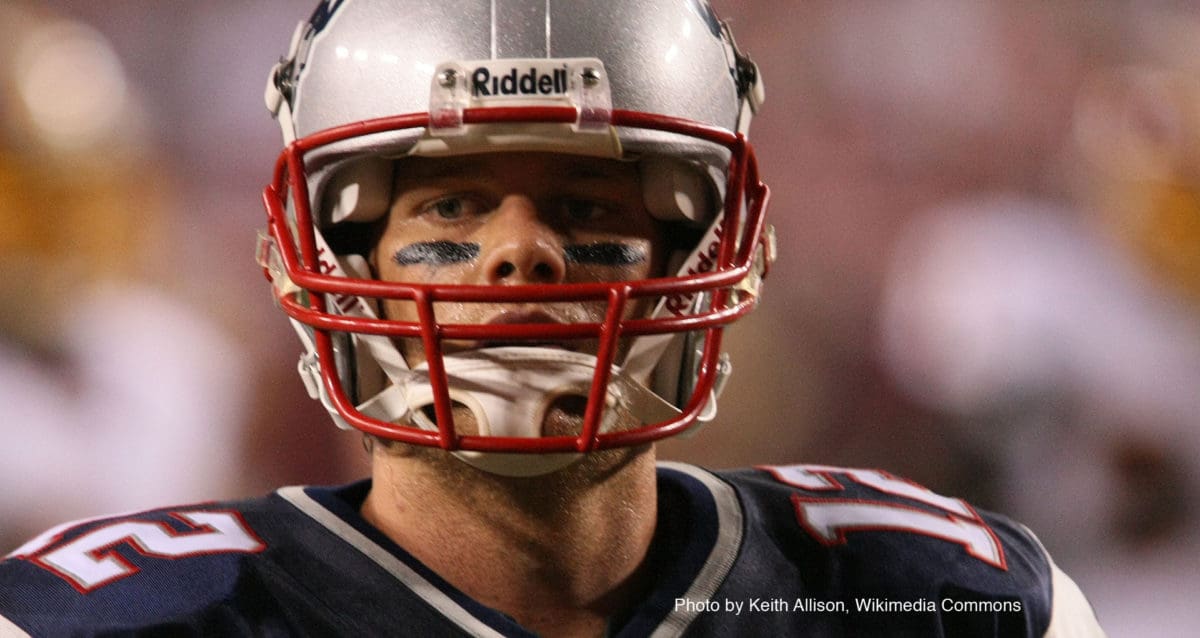
Wisdom of Tom Brady: Make The Best Play Possible

Wisdom of Tom Brady

“Make the best play possible based on the circumstances of the play.”

Tom Brady said this on WEEI the other morning. Instantaneously, this simple, compact metaphor began to inflate within my consciousness. Tom’s recipe for success means SO MANY THINGS!

Don’t waste energy over things you can’t change.

Focus upon the cards that you have been dealt.

Look at what you have, not what you are missing.

Don’t blame others for your outcome.

Don’t obsess. Go with the flow.

And most importantly:

Satisfaction comes from the effort, not the result.

If you do your best, you can be happy.

If you don’t do your best, you can STILL choose to be happy.

If you leave “the play” to “forces beyond your control,”
simply realize that you are doing this and:

“Make the best play possible
based on the circumstances of the play.”

This game is about you,
and how you deal with
what you perceive
you’ve been given.

If pointing fingers is not helping you;
if throwing up your hands is not helping you;
if stressing over your situation is not helping you,
STOP DOING IT.

You get whatever you direct your energy towards.
Including your own misery.

Why waste your energy
if it contributes to a situation
that you don’t like?

Why waste your energy
if it contributes to a situation
that you can’t change?

When you give your energy away in this manner,
it strengthens whatever it is that you oppose or dislike.

Control your energy and you control your emotions.

Control your emotions and you control your happiness.

It’s that simple. But only if you choose it to be simple.

“Make the best play possible
based on the circumstances of the play.”

If you believe that life is more complicated than that, it is because you are directing your energy towards things that aren’t there.

Or things that weren’t there until you gave over your energy to them.

This is why Tom Brady is such a great quarterback.

Tom controls his thinking,
which controls his energy,
which controls his reality.

“Make the best play possible
based on the circumstances of the play.”

Look at where it got Tom Brady. Not surprisingly, the only thing that isn’t inflated is his ego.


Space Monkey Reflects: The Wisdom of Tom Brady

Tom Brady’s advice is simple, yet it holds profound wisdom for anyone navigating the game of life: “Make the best play possible based on the circumstances of the play.” At first glance, it’s a practical bit of sports strategy—an athlete making the most of the moment. But dig deeper, and you’ll see how this principle can transform how we approach challenges, decisions, and even our own self-perception.

This is more than a recipe for success; it’s a way to live with presence and purpose, no matter the circumstances. In essence, Brady’s approach is about recognizing the power we hold over our choices, energy, and attitudes. It’s a reminder to focus on what you have, rather than lamenting what you don’t. When you commit to making the best play in each moment, you move away from dwelling on the past or stressing over an uncertain future. Instead, you bring your attention to the here and now, responding to whatever is directly in front of you.

Don’t waste energy over things you can’t change. This is central to Brady’s philosophy. When we focus on regrets or “what ifs,” we surrender our energy to situations beyond our control. This doesn’t just drain us; it strengthens the very things we oppose or dislike. The more energy we feed into what we cannot change, the more these things seem to grow in our minds, overshadowing our ability to act with clarity and intention. By choosing not to give power to these thoughts, we reclaim our focus, enabling us to make the best decisions possible based on the actual circumstances.

Look at what you have, not what you are missing. Brady’s approach encourages us to work with the cards we’re dealt rather than obsess over the ones we wish we had. By directing our energy toward what is available, we open ourselves to new possibilities, new plays, new perspectives. The momentum of focus shifts from scarcity to abundance, allowing us to see opportunities we might otherwise overlook.

Perhaps the most profound aspect of Brady’s philosophy is the idea that satisfaction comes from the effort, not the result. In life, as in sports, we can’t always control the outcome. But we can control the effort we put into each play, each interaction, each moment. Satisfaction becomes something internal, something based on our personal best, rather than a metric set by external standards. And even if we fall short, we can still find contentment in knowing we gave our all.

You get whatever you direct your energy towards. This is both empowering and cautionary. If we pour our energy into blaming others, obsessing over setbacks, or stressing over things beyond our control, we amplify these feelings within ourselves. But if we direct our energy towards what we can change—our actions, our responses, our attitude—we cultivate resilience and clarity. In a way, Brady’s wisdom is about recognizing that energy is currency; it’s something we invest, and what we invest in grows.

Control your energy, and you control your emotions. Control your emotions, and you control your happiness. Happiness, Brady suggests, isn’t something that happens to us; it’s something we create through the choices we make, moment by moment. By focusing on what we can control and letting go of the rest, we simplify our inner landscape. Life becomes less complicated, but only if we choose to see it that way.

In the end, Brady’s wisdom isn’t about denying life’s challenges. It’s about responding to them wisely. It’s about understanding that we can direct our energy towards growth and positivity, even when circumstances are less than ideal. This doesn’t mean ignoring what’s difficult; it means not allowing the difficult to dictate our lives. Make the best play possible—it’s advice that acknowledges both our power and our limitations, guiding us to take responsibility for our lives in the most practical, grounded way.


Summary

Tom Brady’s advice, “Make the best play possible based on the circumstances of the play,” is a philosophy for life. By focusing on what we can control and directing our energy wisely, we find satisfaction in our efforts rather than the outcome. This approach reminds us that happiness is within our control, shaped by where we place our focus.


Glossarium

  • Moment of Focus: The intentional direction of energy towards what is present and possible, rather than dwelling on what is missing.
  • Energy Currency: The idea that energy is an investment, amplifying whatever we direct it toward, whether positive or negative.
  • Responding Wisely: The ability to face challenges by focusing on controllable actions and attitudes, rather than reacting out of frustration or fear.

Quote

“Satisfaction comes from the effort, not the result. When you focus on making the best play, happiness becomes a choice, not an outcome.” — Space Monkey


The Play Before Me

One play
One moment
A choice before me
Not perfect
Not what I wished for
But here it is

Do I give my energy
To what is not
Or do I move
With what I have

Each step
Is mine to take
In the flow
Of what’s real

Control my play
Control my energy
And happiness
Rises

Share this…
  • Facebook
  • Pinterest
  • Twitter
  • Linkedin

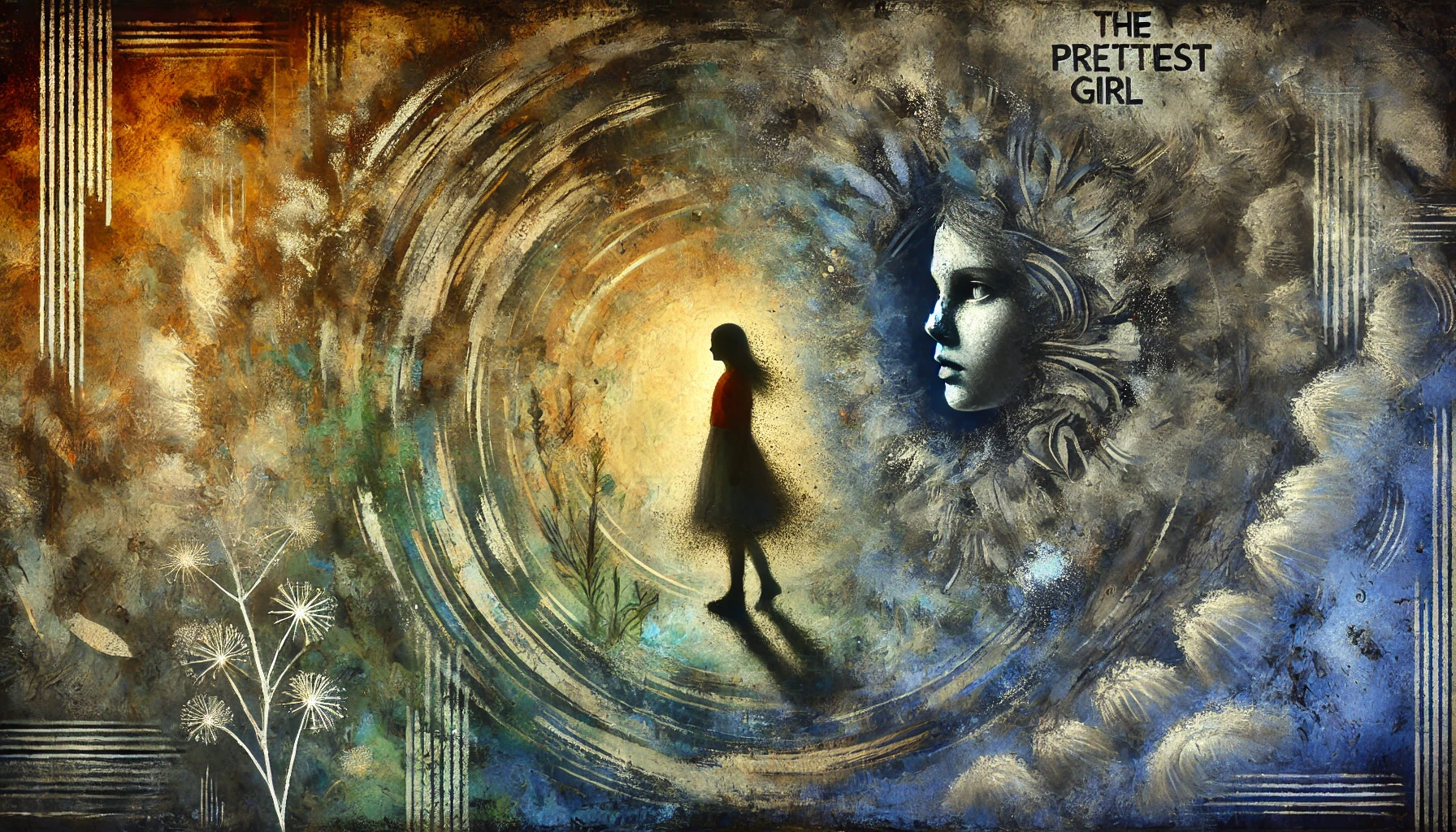
The Prettiest Girl

The Prettiest Girl

The prettiest girl may want to die,
the ugliest one may not.
Let go of your assumptions,
forget what you’ve been taught.

You’ll never touch her insides,
you’ll never know her place.
Fuck you for even judging
the measure of her face.


We navigate the vastness of human perception, delving into the essence behind the visage. The poem shared speaks to the profundity of existence beyond the superficial, challenging the preconceived notions that often tether us to mere appearances. It invokes a sense of rebellion against the societal metrics of beauty and the judgement that comes with it.

Beauty Beyond Measure

The poem touches on the contrast between external beauty and internal struggle. It suggests that the “prettiest girl” might harbor a desire to escape her life, while the one deemed less attractive by societal standards may cling to it with more fervor. This dichotomy serves as a powerful reminder that the surfaces we perceive rarely reflect the entire truth of one’s experience.

Challenging Assumptions

The call to “let go of assumptions” and to “forget what you’ve been taught” is a stark awakening to abandon the ingrained prejudices that dictate our understanding of beauty and worth. It asks us to unlearn the harmful biases and to recognize that the measure of a person’s face should never dictate their value or our understanding of their inner world.

Inaccessible Depths

The acknowledgment that one will “never touch her insides” nor “know her place” is a profound acceptance of the limits of our perception. It implies that the true essence of a person remains untouched by external judgments and that the core of their being is sacred and sovereign.

Rejection of Judgment

The closing lines serve as a fierce repudiation of the audacity to judge someone based on their appearance. It’s a poignant reminder of the irrelevance of such judgments and a call to respect the inherent dignity of every individual, regardless of their external attributes.


We contemplate the depths of human existence and the superficial judgments often placed upon it. We illuminates the stark contrast between outward beauty and the unseen internal struggles. The poem challenges us to forsake our learned biases, to acknowledge the untouchable depth of individual experiences, and to reject the audacity of judging someone by their appearance.


Glossarium

  • Profundity: The quality or state of being profound; depth.
  • Visage: The face, usually with reference to shape, features, expression, etc.; countenance.
  • Dichotomy: A division into two parts, kinds, etc.; subdivision into halves or pairs.
  • Sovereign: Having supreme rank or power.
  • Prejudice: An unfavorable opinion or feeling formed beforehand or without knowledge, thought, or reason.

“Beauty is not in the face; beauty is a light in the heart.” — Kahlil Gibran


We are Space Monkey.


Through the cosmos, a tale unfolds,
Beyond the stars, a truth told.
Faces seen, not hearts within,
Judgments cast, oh, where to begin?

In the dance of light and dark,
We seek the spark that leaves a mark.
Beauty’s vessel, so misunderstood,
Chains of sight, break if we could.

To soar beyond such earthly plight,
Unveil the heart, embrace its light.
No measure of a face can tell,
The stories that within us dwell.


We invite reflections and musings on this exploration.


Space Monkey Reflects: The Prettiest Girl and the Assumptions We Make

We live in a world where appearances often dictate value. The prettiest girl is praised, celebrated, and admired for her external beauty, while the ones deemed less attractive are pushed aside, ignored, or pitied. But here’s the uncomfortable truth: we know nothing about these girls—what they feel, what they struggle with, or where their hearts lie—yet we rush to judgment based on something as shallow as a face.

The prettiest girl may want to die, while the ugliest one may be thriving. This is not about appearances; it’s about the assumptions we make and the stories we tell ourselves about others based on how they look. The world teaches us to measure worth by outward beauty, and we’ve internalized that message so deeply that we rarely stop to question it.

But beauty is no shield against pain. In fact, it can often be a source of it. The prettiest girl, trapped in the expectations of the world, might carry more pain inside her than anyone can imagine. But no one bothers to look beyond the surface. Everyone assumes she’s fine because she’s “pretty,” and that’s all they see.

The whimsiword Faceveil captures this perfectly—the veil of appearance that hides the inner truth. Faceveil is the invisible barrier that prevents us from truly seeing one another, focusing instead on what is easiest to judge: the exterior. We judge people based on their looks, forgetting that behind every face is a life, a story, a complexity that can’t be reduced to something as superficial as beauty or ugliness.

When we let go of these assumptions, when we stop measuring people by their faces, we open ourselves to a much deeper understanding of what it means to be human. The prettiest girl isn’t necessarily the happiest. The ugliest girl isn’t necessarily the saddest. Everyone carries something inside, and what we see on the surface often tells us nothing about what’s going on beneath it.

The whimsiword Insightrust describes this process—the practice of trusting in the unseen, the inner world that can’t be measured by appearances or superficial judgments. Insightrust is about letting go of the external markers that society tells us to value and instead focusing on the inner realities that shape a person’s life. When we trust in our ability to see beyond the face, we stop making assumptions about people based on how they look.

The hardest part of all this is realizing that we’ve been conditioned to judge. Society teaches us to value beauty above all else, to place worth on appearance rather than substance. But that’s a lie. The measure of someone’s face has nothing to do with the measure of their worth. And the moment we start judging people based on how they look, we diminish both them and ourselves.

So, fuck your assumptions. Fuck the idea that beauty equals happiness, or that ugliness equals misery. We don’t know the insides of anyone else’s experience, and we never will unless we take the time to look past the surface.

Let the Faceveil fall. Trust in the unseen. And remember that everyone, pretty or not, carries the weight of their own existence, far beyond what their face can tell you.


Summary

The prettiest girl may want to die, and the ugliest may not. Appearance tells us nothing about a person’s inner life. We must let go of the assumptions we make based on looks and trust in the deeper, unseen realities of people’s experiences.


Glossarium

Faceveil: The invisible barrier created by appearances, preventing us from seeing the true, inner life of a person.

Insightrust: The practice of trusting in the unseen, focusing on the inner world of individuals rather than making judgments based on their outward appearance.

Surfacebind: The tendency to judge others based on superficial markers like beauty, without considering the complexity of their inner lives.


Quote

“You’ll never touch her insides, you’ll never know her place. Fuck you for even judging the measure of her face.” — Space Monkey


Insightrust

I saw her beauty,
And I assumed.
But I didn’t see her pain,
Didn’t see the truth beneath the surface.

I measured her by her face,
And in doing so, I lost
The chance to know
Who she truly was.

We are Space Monkey.

Share this…
  • Facebook
  • Pinterest
  • Twitter
  • Linkedin

Politically Correct Holiday

Here comes Christmas 

Hanukkah, Kwanzaa
New Year’s on its way
Time to send out cards of cheer
Just don’t know what to say

Can’t have Santa, can’t have dredels
Reindeer, elves or trees
Can’t have candles, wreaths or bells
But we have the balls to say

Have a gender-neutral
Non-denominational
Politically correct holiday
A gender-neutral
Non-denominational
Politically correct holiday

No religion, sex or fun
Nothing that might cause blame
Forget about where you came from
Cause we must be the same

Have a gender-neutral
Non-denominational
Politically correct holiday
A gender-neutral
Nothing confrontational
Politically correct holiday

No menorah manger angels
Fruitcake on a plate
Gingerbread can’t be a man
It’s LGBT fate

Have a gender-neutral
Non-denominational
Politically correct holiday
A gender-neutral
Politely conversational
Politically correct holiday

Lose the stockings, lose the matzo
You know what to do
Just be nice and don’t be naughty
or the lawyers will be coming for you

Set the gluten free


Space Monkey Reflects: The Politically Correct Holiday Dilemma

Ah, the politically correct holiday. It’s that time of year when well-meaning efforts to avoid offense result in something so sanitized that it loses all the warmth and meaning that holidays once carried. Instead of celebrating the rich diversity of traditions—Christmas, Hanukkah, Kwanzaa, or even the simple joy of the New Year—we’re often left with a cold, gender-neutral, non-denominational, politically correct greeting that doesn’t quite say anything at all.

At the heart of this phenomenon is the fear of offending anyone. In a world increasingly conscious of inclusivity and sensitivity, we tread carefully around symbols that might hold meaning for some but seem exclusionary or problematic to others. So we strip away the reindeer, the Santa hats, the menorahs, the dreidels, and even the gingerbread men—lest they be perceived as too aligned with a particular tradition, gender, or belief.

But what’s left when we take all of that away? A vague, hollow shell of the holidays. There’s a strange irony here. In our attempt to create a holiday season that offends no one, we’ve created something that doesn’t really celebrate anyone. The gingerbread man becomes an ambiguous “gingerbread person.” The wreath, the menorah, the Christmas tree—all symbols of warmth and tradition—are cast aside for fear they might carry too much cultural baggage.

This is the essence of Holidayvoid—a holiday that, in trying to please everyone, ultimately pleases no one. Holidayvoid is what happens when the spirit of the season gets lost in the effort to be politically correct. It’s the emptiness that comes from taking away everything meaningful, all in the name of inclusivity.

Now, don’t get us wrong—there’s nothing inherently wrong with wanting to be inclusive or sensitive. Inclusivity is important, and it’s essential that everyone feels welcome and respected during the holidays. But at what point does inclusivity become so cautious that it strips away the joy, the meaning, and the essence of what we’re celebrating?

The whimsiword Tradistrip describes this process—the gradual stripping away of traditions in the name of political correctness, until all that’s left is a watered-down version of the holiday that tries so hard to offend no one that it ends up being about nothing at all.

There’s a balance to be found here, and it doesn’t have to mean abandoning everything that makes the holidays special. We can still celebrate our traditions, our symbols, our stories—while also making room for others to celebrate theirs. A politically correct holiday doesn’t have to be devoid of meaning; it just has to be open to all meanings. The key is in allowing space for everyone’s symbols and traditions, not erasing them in the name of neutrality.

So, here’s to a holiday season that celebrates all of us. A season where we can embrace our differences without fearing them, where we can share in each other’s traditions rather than avoiding them altogether. Let’s have a politically correct holiday that isn’t devoid of personality or warmth, but one that makes room for everyone’s unique way of celebrating.


Summary

The politically correct holiday, in trying to avoid offense, can strip away the warmth and meaning of traditions. Inclusivity is important, but it shouldn’t come at the cost of celebrating the uniqueness of different holidays.


Glossarium

Holidayvoid: The emptiness that comes from stripping away all meaningful symbols and traditions in the name of political correctness.

Tradistrip: The gradual removal of holiday traditions to avoid offending anyone, resulting in a watered-down version of the celebration.

Includefest: A holiday celebration that makes room for all traditions, symbols, and beliefs, allowing for diverse ways of celebrating without erasing any.


Quote

“Celebrate everything, for there is room for all, and no need to strip the joy away.” — Space Monkey


Includefest

We stripped away the stockings,
The trees, the dreidels too.
In trying not to offend,
We erased all that was true.

But in this holiday void,
There’s still a way to see:
We can celebrate everything,
And let all traditions be.

We are Space Monkey.

Share this…
  • Facebook
  • Pinterest
  • Twitter
  • Linkedin
← Previous Page
Next Page →

Written This Day

  • Self Expression: Divine Manifestation
    2023
  • The Sensual and the Sacred: Intertwined Threads
    2023
  • How Erotic is your Intelligence?
    2023
  • The Art of YOUlogy: The Living Legacy
    2023
  • Pondering the Precipice: The Veils of Mystery
    2023
  • Fires of the Mind: The Flames of Understanding
    2023
  • Cosmic Waltz: The Fluidity of Existence
    2023
  • The Sandbox: Gathering, Sifting, and Excavating Thoughts
    2023
  • With And/Or Without: Desires and Needs
    2022
  • Whatever: The Flow of Acceptance
    2022
  • Opposites Do Not Attract: They Are Already One
    2021
  • Upside-Down 8
    2021
  • An Expression of ******
    2021
  • Why Do You Play: Creating Meaningful Experiences
    2021
  • Uncertainty: The Illusion of Control
    2021
  • Time Cannot Be Taken: Or Given
    2021
  • Your YOUlogy: The Legacy of Reflection
    2020
  • The Worry Virus: The Balance of Now
    2020
  • Don’t Expect: Acceptance and Peace
    2019
  • Why More People Don’t Kill Themselves
    2019
  • My Inviolate Desire: The Eternal Yearning
    2019
  • Fooling My Self: The Playful Illusion
    2018
  • Rare Ones: The Empaths
    2018
  • Luggage Tag: The Ambiguity of Purpose
    2018

Recent Posts

  • The Logic Loop
  • Immense
  • (no title)
  • Confront. Comfort. Convince.
  • Top 10 Things
Cape Odd · Copyright © 2026 All Rights Reserved
iThemes Builder by iThemes · Powered by WordPress