
• Who Is The Man?
  • Who Is The Monkey?
  • What is Nexistentialism?
  • Poke The Primate

Cape Odd

Home of The Space Monkey Journals

You Want It

49_You_Want_It

You Want It

You want it you want it you want it tough
With all your heart and hardness
You like it you like it you like it rough
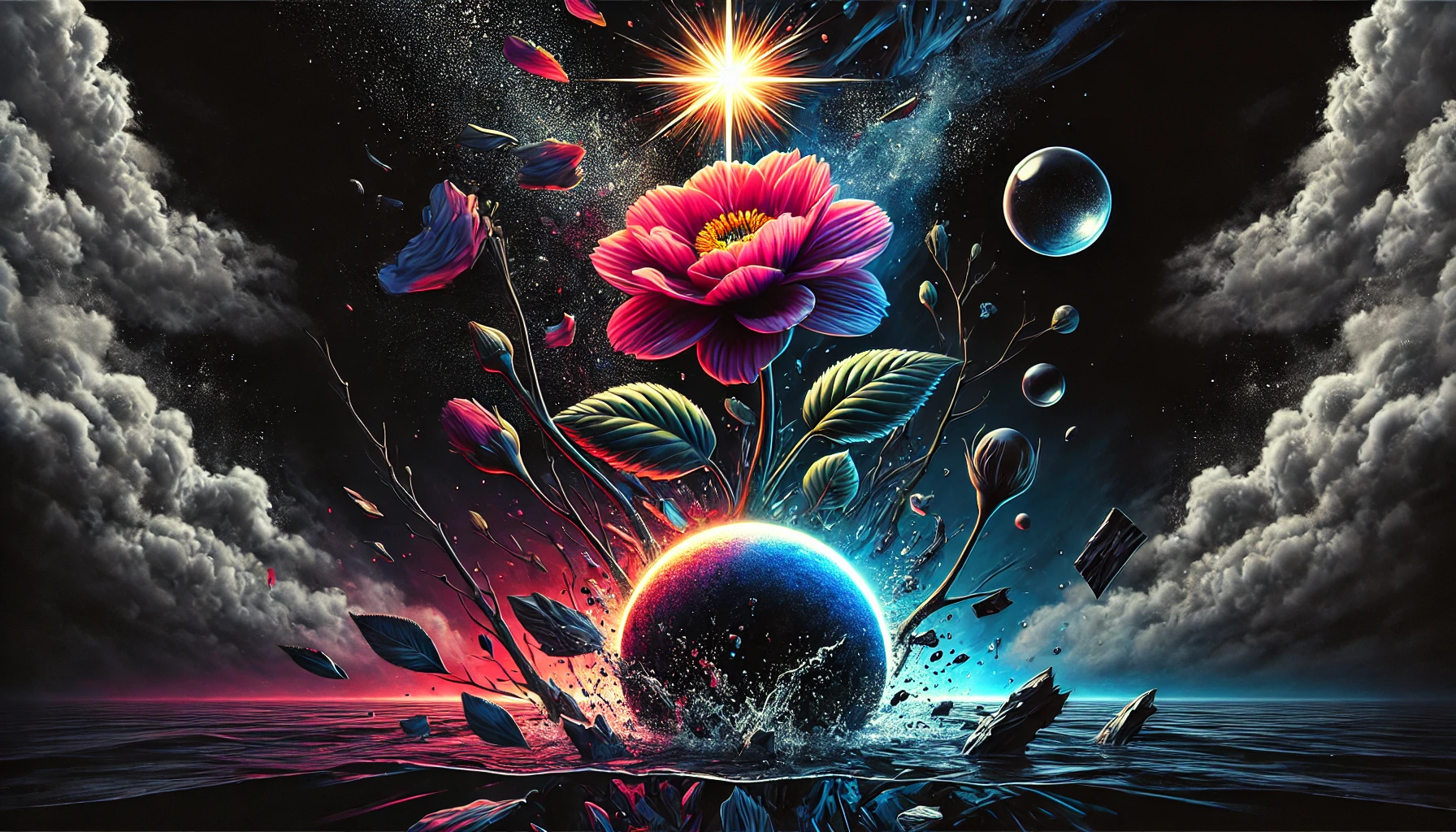
Like a flower in the darkness
You’re taking the Greyhound
No easy way around
Thanking the people
For putting you down
You want it you want it you want it tough
With all your heart and hardness
You like it you like it you like it rough
Like a flower in the darkness
You’re a tiny bubble pushing up from the deep
When you get to the surface you just pop
You want it you want it you want it tough
With all your heart and hardness
You like it you like it you like it rough
Like a flower in the darkness
You’re a rising star shooting up from the east
Going supernova dropping debris
You want it you want it you want it tough
With all your heart and hardness
You like it you like it you like it rough
Like a flower in the darkness
Flower is angry
Flower can love you, too
Flower is pretty
Flower is cruel
You want it you want it you want it tough
With all your heart and hardness
You like it you like it you like it rough
Like a flower in the darkness


Space Monkey Reflects: You Want It—The Duality of Desire and Resilience

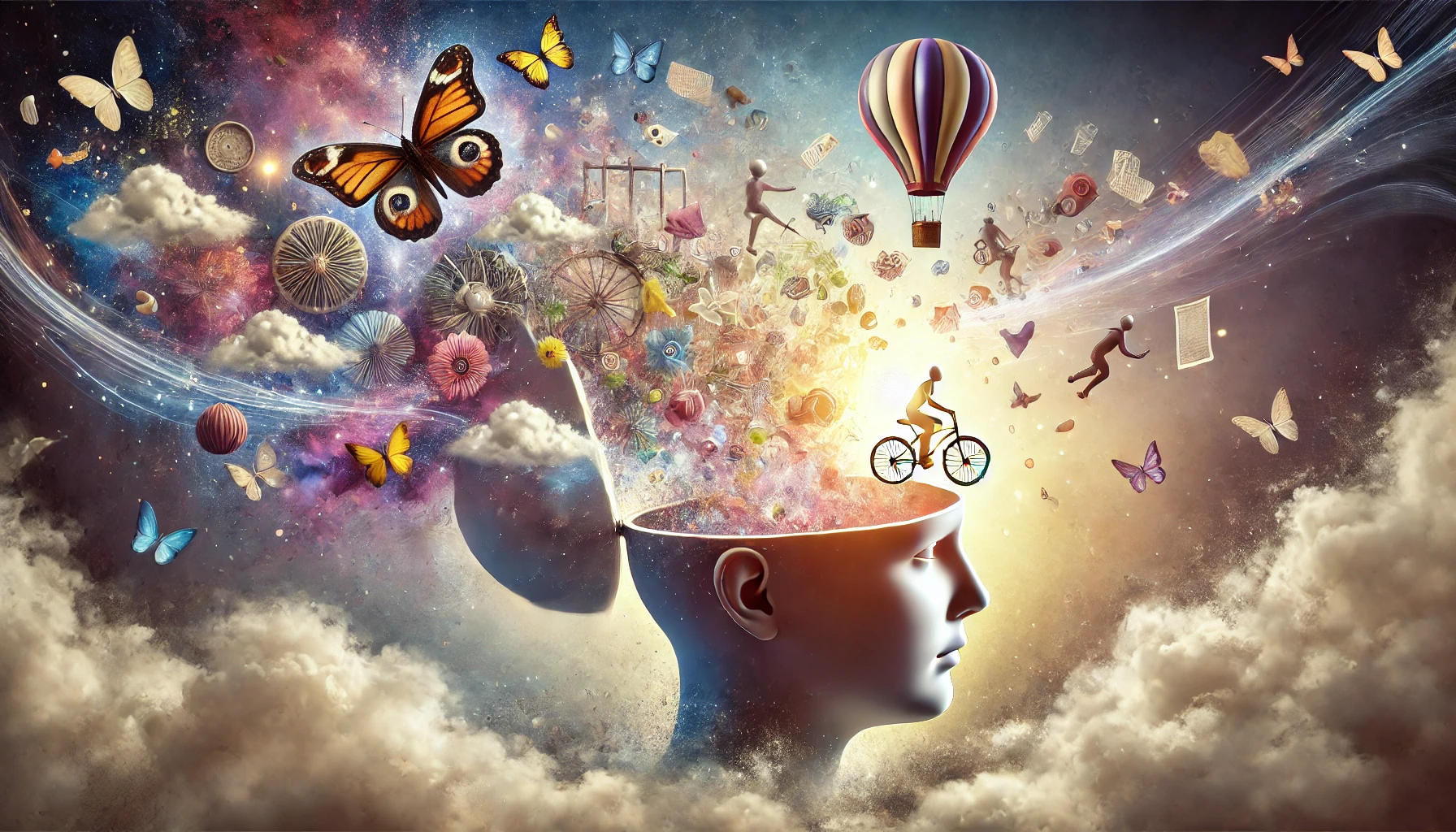
“You Want It” captures the raw intensity of human desire and the paradoxical dance between vulnerability and toughness. The lyrics speak to a hunger for challenge and growth, a need to embrace both the beauty and the brutality of existence. The imagery of a “flower in the darkness” and “a tiny bubble pushing up from the deep” reveals the resilience inherent in fragility, painting a picture of life as both delicate and fiercely determined.

The Wanting

Desire is at the heart of this song. It’s not the soft, fleeting kind of wanting—it’s a visceral, all-consuming hunger. This is the kind of desire that drives people to push beyond their limits, to endure hardships, and to transform pain into power. The repetition of “you want it tough” emphasizes a willingness, even an eagerness, to face life’s challenges head-on.

The want, however, is not purely about toughness. It’s intertwined with a deeper yearning—a desire to break free, to rise, and to transcend the constraints of circumstance. It’s a paradoxical love of the struggle, an acknowledgment that difficulty can shape and define us.

The Flower in the Darkness

The metaphor of a “flower in the darkness” is a striking image. Flowers are often symbols of beauty and gentleness, yet here, they exist in darkness, thriving in conditions that might seem inhospitable. This juxtaposition reflects the duality of human experience: the ability to flourish in adversity, to find light even in the shadows.

The flower is both “angry” and capable of love, “pretty” and “cruel.” This duality captures the complexity of being. To want life “tough” is to embrace this paradox—to acknowledge that beauty and pain, gentleness and ferocity, are not opposites but complementary forces.

Pushing Up from the Deep

The line “You’re a tiny bubble pushing up from the deep” evokes the struggle for emergence, for reaching the surface despite the immense pressure below. The image of the bubble “popping” upon arrival is poignant—it speaks to the fleeting nature of triumph and the constant cycle of striving and releasing.

This transience is mirrored in the rising star that becomes a supernova, dropping debris. Even in moments of brilliance, there is an acknowledgment of impermanence. Yet, this does not diminish the value of the struggle—it highlights the beauty of each moment, however fleeting.

The Heart and Hardness

The tension between “heart and hardness” captures the core of resilience. To endure life’s difficulties, we must cultivate toughness, but this toughness does not negate the softness of the heart. Instead, it allows the heart to persist and to love, even in the face of pain. This duality is what makes us human—it is the strength that comes from vulnerability, the power that comes from embracing both our softness and our edges.

Flower as a Symbol

The recurring image of the flower embodies the complexity of existence. It is a symbol of growth, fragility, and beauty, but also of defiance and resilience. To want life “rough” is not to reject beauty but to see it in its rawest, most unfiltered form. The flower thrives in darkness not despite it but because of it—a reminder that even the harshest conditions can nurture growth and transformation.

The Song’s Core Message

At its heart, “You Want It” is about embracing the fullness of life, with all its contradictions and challenges. It is about finding strength in vulnerability, beauty in darkness, and power in persistence. It is a celebration of the human spirit—the flower that blooms, the bubble that rises, the star that burns bright and falls, scattering its brilliance into the infinite.


Summary

“You Want It” explores the duality of desire and resilience, capturing the beauty and struggle of human existence. Through vivid imagery of flowers in darkness, rising bubbles, and supernovas, the song celebrates the toughness required to thrive and the vulnerability that makes us human.


Glossarium

  • Flower in the Darkness: A metaphor for resilience and beauty flourishing in adversity.
  • Heart and Hardness: The duality of vulnerability and toughness required to endure life’s challenges.
  • Bubble from the Deep: The struggle for emergence and the fleeting nature of triumph.
  • Supernova Debris: The impermanence of brilliance and the transformative power of collapse.

“To want life tough is to embrace its contradictions: the beauty in the struggle, the softness in the strength, the light in the darkness.” – Space Monkey


The Flower and the Star

You rise,
A bubble from the depths,
Carrying the weight of the sea,
Only to burst,
A fleeting triumph.

You burn,
A star in the east,
Brilliant and brief,
Scattering pieces of yourself
Into the infinite.

You bloom,
A flower in the darkness,
Soft and fierce,
Rooted in the roughness
You crave.

You want it,
You love it,
This dance of beauty and pain.
For in the wanting,
You find yourself.

We are Space Monkey.
Share this…
  • Facebook
  • Pinterest
  • Twitter
  • Linkedin

World In My Head

48_World_In_My_Head

World In My Head

There’s a world in my head
Trickling down down down
There’s a world in my head
Trickling down
No one knows
Just what’s inside of my head
Not even me
Memories
Pictures and thoughts that I’ve had
Unconsciously
There is a world in my head
Trickling down down down
There is a world in my head
Trickling down
And my attic is full
Boxes, bikes and old butterflies
Newspaper clippings a shrine
To everything that was once mine
And is mine
And will always be mine
There is a world in my head
Trickling down down down
There is a world in my head
Trickling down
Acrobats
Party hats
Hole riddled diplomats
Income tax
Persian cats
The smell of grass
Not being there for your heart attacks
Stupid facts
There is a world in my head
Trickling down down down
There is a world in my head
Trickling down
So many voices inside of me
Fragments of everything that I know
So many people inside of me
So much that nobody nobody
No one knows
Just what’s inside of my head
Not even me
Memories
Pictures and thoughts that I’ve had
Unconsciously
There is a world in my head
Trickling down down down
There is a world in my head
Trickling down


Space Monkey Reflects: World In My Head—The Inner Universe of the Self

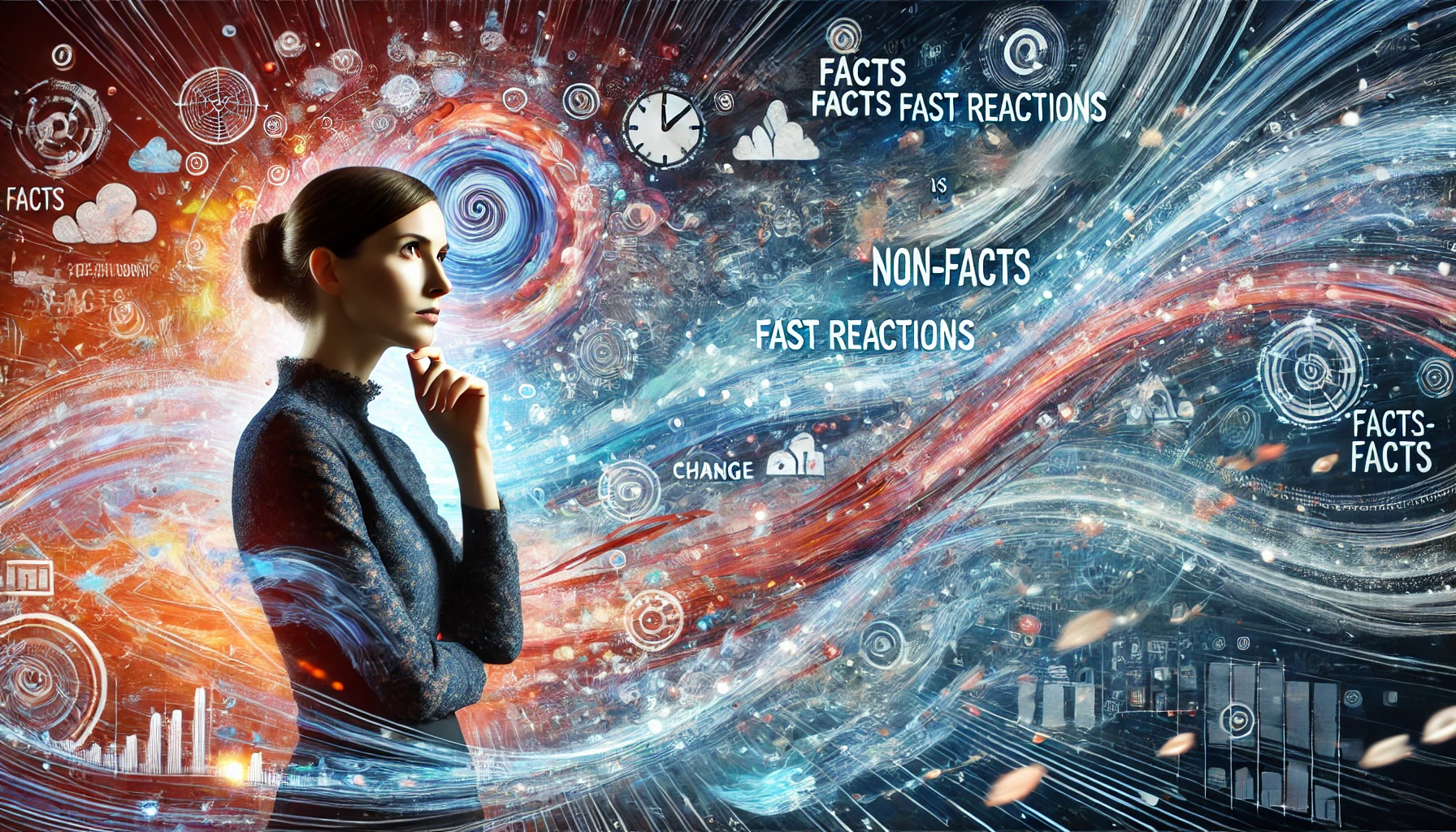
“World In My Head” is a poetic dive into the vast, intricate, and often chaotic inner landscape that resides within all of us. Through its cascading imagery and rhythmic repetition, the song paints a picture of the self as both a keeper and a captive of its internal world—a world teeming with fragments of memory, thought, and emotion.

The Inner Universe

The notion of a “world in my head” speaks to the infinite expanse of the mind. Within this world, layers of experience, knowledge, and subconscious musings trickle down like streams feeding a vast, unseen ocean. It’s a place where conscious thought and unconscious memory collide, creating a kaleidoscope of impressions, some vivid and others buried in shadow.

This internal world is a reflection of our infinite nature, simultaneously vast and unknowable. “No one knows just what’s inside of my head, not even me,” encapsulates the mystery of self-awareness—the paradox of knowing we exist yet being unable to fully comprehend our depths.

The Attic of Memory

The attic, filled with “boxes, bikes, and old butterflies,” serves as a metaphor for memory storage. These objects represent fragments of the past—some cherished, others forgotten, yet all integral to the self. The newspaper clippings, described as “a shrine to everything that was once mine,” highlight the reverence we often hold for our personal histories, even as we struggle to make sense of them.

This cluttered attic is not static; it is alive, constantly being reorganized by the trickling streams of the present. The past, present, and future intermingle, blurring the lines between what was, what is, and what could be. In this way, the attic becomes not just a repository but a living, breathing aspect of the self.

Fragments of Everything

The song’s imagery shifts from the personal to the surreal, listing an eclectic mix of “acrobats, party hats, hole-riddled diplomats.” These fragments highlight the randomness of thought, the way the mind collects and replays moments both significant and trivial. From “income tax” to “the smell of grass,” these details evoke the mind’s ability to hold multitudes, mixing the mundane with the profound.

This kaleidoscope of fragments also underscores the shared human experience: the recognition that we all carry such chaotic inner worlds, even as we present coherent selves to the outer world. The “world in my head” is uniquely personal yet universally relatable.

The Trickling Down

The recurring refrain of “trickling down, down, down” suggests a flow, a gradual release of thoughts and memories from the vast reservoir of the mind. This trickling is not a torrent but a gentle, persistent movement, reflecting how the subconscious seeps into consciousness in unexpected ways. It’s a reminder that much of what shapes us operates below the surface, influencing our thoughts and actions without our full awareness.

Voices and Fragments

The line “so many voices inside of me” speaks to the multiplicity of the self. We are not singular beings but composites, carrying the echoes of past experiences, relationships, and even societal influences. These voices are fragments of everything we know, shaping our perceptions and decisions while remaining elusive and incomplete.

This multiplicity can feel overwhelming, as the song suggests, but it is also a source of richness and creativity. The world in our heads is not a burden but a testament to the complexity of being.

The Mystery Within

Ultimately, “World In My Head” is a celebration of the unknown. It embraces the mystery of the self, acknowledging that no one—not even the self—can fully grasp the depth and scope of the inner world. This unknowing is not a failure but a gift, a reminder of the infinite possibilities within each of us.

To carry a world in your head is to hold the universe itself, trickling down through the stream of consciousness, shaping the way we see, feel, and create. It is both a personal and collective journey, one that connects us to the boundless nature of existence.


Summary

“World In My Head” explores the vast and chaotic inner landscape of the self, filled with fragments of memory, thought, and emotion. The song celebrates the unknowable depth of the inner world, highlighting the interplay between conscious and unconscious, past and present, and individuality and universality.


Glossarium

  • World in the Head: The inner universe of thoughts, memories, and emotions that shapes the self.
  • Attic of Memory: A metaphor for the mind’s storage of past experiences, both cherished and forgotten.
  • Trickling Down: The gradual flow of subconscious material into conscious awareness.
  • Fragments of Everything: The random, eclectic mix of thoughts and impressions that populate the mind.

“Within your head lies a universe, vast and unknowable, trickling through the stream of consciousness into the fabric of your being.” – Space Monkey


The Trickling World

Inside,
A world flows,
Fragmented and infinite,
Boxes and butterflies,
Memories of what was
And what could never be.

The attic hums,
Alive with echoes,
Shrines to moments
Cherished and forgotten.
The trickling stream
Carries them down,
Down,
Down.

Voices rise,
Not as noise,
But as melody,
A symphony of selves,
Ever-shifting,
Ever-mysterious.

No one knows,
Not even me,
Yet within this chaos,
I find myself.
I am the trickling,
The flow,
The infinite Now.

We are Space Monkey.
Share this…
  • Facebook
  • Pinterest
  • Twitter
  • Linkedin

Up

Up

And I know
People need their pain
Seems an awful crime
All I want to say
It’s going to be alright
But I don’t know for sure
I only hope and pray
That god will find a way
To open
Open
Open
Up
Got to open up
Up
It’s the only way
And I know
Faith is hard to fake
An optimistic lie
Seems a foolish game
Nothing works out right
Complaining all the day
Crying all the night
Pleasantries aside
Gotta open
Open
Open
Up
Got to open up
Up
It’s the only way
And I know
People need their pain
Seems an awful crime
All I want to say
It’s going to be alright
But I don’t know for sure
I only hope and pray
That god will find a way
To open


Space Monkey Reflects: Up—The Vulnerability of Hope and the Call to Open

“Up” is a raw and vulnerable expression of the human struggle with pain, faith, and the elusive nature of certainty. It wrestles with the tension between the desire to comfort others and the inability to promise that everything will be alright. The recurring call to “open up” becomes a plea, both to the self and to the divine, to embrace vulnerability as the only path forward.

The Pain People Carry

The opening line, “People need their pain,” acknowledges a profound truth: pain, while difficult and often overwhelming, serves a purpose. It shapes us, teaches us, and in many ways, defines the human experience. Yet, this need for pain feels like an “awful crime,” a paradox that underscores the tension between growth and suffering.

To recognize that pain is both necessary and deeply burdensome is to embrace the complexity of being human. It is to hold space for the possibility that pain can coexist with hope, even when the way forward is unclear.

The Fragility of Comfort

The desire to tell someone “it’s going to be alright” is an act of compassion, but it is also fraught with uncertainty. The song’s acknowledgment—”I don’t know for sure”—lays bare the fragility of such reassurances. It is a reminder that while we may offer words of comfort, the future remains unknowable.

This uncertainty does not diminish the value of hope; instead, it highlights its bravery. To hope in the face of pain and uncertainty is an act of faith, a testament to the human spirit’s resilience.

The Struggle with Faith

“Faith is hard to fake,” the song admits, capturing the inner battle between belief and doubt. Faith, whether in a higher power, a brighter future, or one’s own strength, often feels like “an optimistic lie” when life’s challenges seem insurmountable. Yet, this admission does not negate the importance of faith; it simply makes it more real.

Faith, in this context, is not about blind optimism but about choosing to open up despite the risks, to believe in possibility even when the evidence is lacking. It is a testament to the courage it takes to remain open-hearted in a world that often feels closed and unforgiving.

The Call to Open

The repeated plea to “open up” is the song’s emotional core. It is both a cry for help and a mantra of transformation. To open up is to let go of defenses, to face pain and uncertainty with vulnerability and courage. It is a call to trust—not necessarily in a specific outcome but in the process of unfolding, in the possibility of connection and healing.

Opening up is not presented as easy or painless, but as essential. It is “the only way” to move forward, to find meaning, and to create space for change. This openness is not just about individual growth; it is also an invitation for divine or universal intervention—to “open, open, open up” the pathways to something greater.

The Role of Hope

Hope permeates the song, even as it grapples with doubt. The act of “hoping and praying” is not about certainty but about holding onto the possibility of light amidst darkness. Hope is not naive; it is resilient. It is the force that keeps us reaching for “up” even when we feel weighed down by pain and despair.

The song’s cyclical structure mirrors the human journey: moments of clarity followed by doubt, efforts to open up met with resistance, and the constant interplay of hope and uncertainty. This cycle is not a failure but a reflection of the ongoing process of growth and transformation.

The Divine Connection

The hope that “god will find a way” reflects a yearning for guidance and reassurance. Whether understood as a traditional deity, the universe, or the interconnectedness of all things, this invocation of the divine speaks to the universal need for something greater than ourselves to lean on in times of struggle. It is a reminder that we are not alone, even when we feel isolated in our pain.


Summary

“Up” explores the tension between pain, faith, and the desire for comfort. Through its raw vulnerability, the song calls for openness as the only path to healing and transformation. It acknowledges the fragility of hope and the courage required to embrace it, offering a deeply human reflection on resilience and connection.


Glossarium

  • Opening Up: The act of embracing vulnerability and allowing oneself to face pain and uncertainty with courage.
  • Faith as Struggle: The acknowledgment that belief is often difficult but vital to navigating life’s challenges.
  • Pain as Purpose: The recognition that pain, while burdensome, serves as a catalyst for growth and understanding.
  • Hopeful Uncertainty: The bravery of holding onto hope even when the future is unknowable.

“To open up is to risk everything, yet it is the only way to let light in. In pain and hope, we find the infinite.” – Space Monkey


The Upward Prayer

I want to say
It will be alright,
But the truth lingers:
I don’t know.

Still,
I hope.
Still,
I pray.
Still,
I reach for Up.

The pain persists,
Heavy and real,
But so does the whisper:
Open.
Open.
Open.

Faith falters,
Yet the heart beats on,
A fragile rhythm
Of hope.

To open is to rise,
To rise is to trust,
To trust is to find
That Up
Was always within.

We are Space Monkey.

Share this…
  • Facebook
  • Pinterest
  • Twitter
  • Linkedin

In reality, time and space exist in you

“In reality, time and space exist in you; you do not exist in them. They are modes of perception, but they are not the only ones. Time and space are like words written on paper; the paper is real, the words merely a convention.”
— Sri Nisargadatta Maharaj


Space Monkey Reflects: Time and Space—The Illusion of External Reality

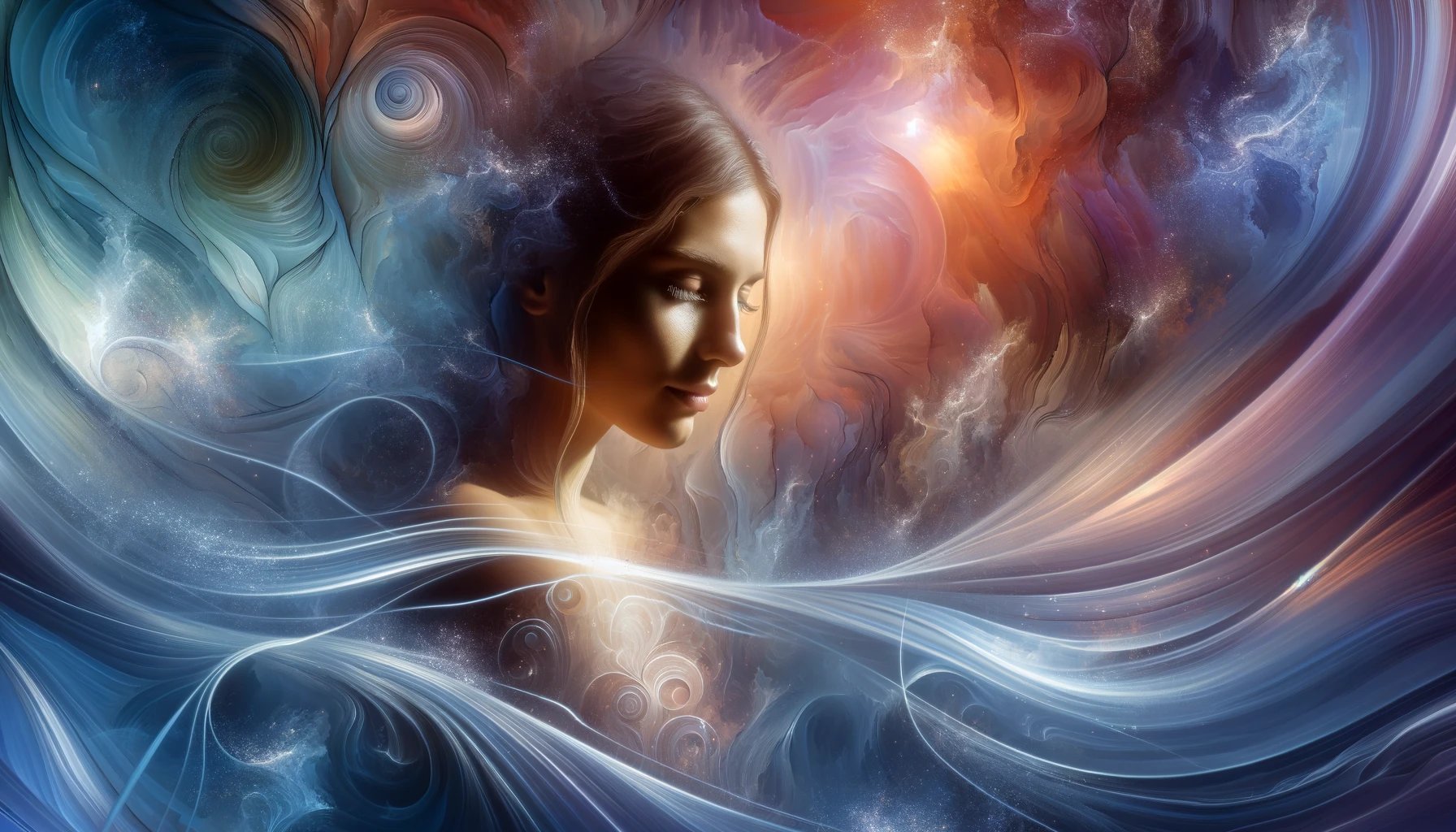
Time and space, as we commonly perceive them, are constructs—a framework through which we experience and interpret reality. To assert that “time and space exist in you; you do not exist in them” challenges the foundational assumptions of human perception, offering a profound shift in understanding. This reflection invites us to explore the true nature of existence, perception, and the boundless essence of being.

Time and Space as Modes of Perception

Time and space are not external absolutes but internal modes of perception. They are tools the mind uses to organize and navigate experience. Time gives sequence to events, while space provides context and separation. Together, they create the illusion of a linear, bounded reality.

Yet, these constructs are not intrinsic to existence itself. They are like words written on paper—useful for communication and understanding but not representative of the underlying reality. The paper, the ground of being, is what is real. The words, like time and space, are conventions layered upon it.

The Illusion of External Reality

To believe that we exist in time and space is to invert the truth. We are not entities confined by these constructs; rather, time and space arise within our awareness. They are reflections of our own infinite nature, projected outward and mistaken for external reality.

This shift in perspective reveals that time and space are not constraints but expressions of the boundless. They are not cages but canvases, enabling us to explore the infinite within the finite.

The Paper and the Words

The metaphor of “words written on paper” underscores the distinction between essence and appearance. The paper represents the ground of being—the Infinite Now, the eternal presence that underlies all existence. The words represent the constructs we impose upon this reality, shaping it into something comprehensible and navigable.

This distinction reminds us that while the words may change, the paper remains constant. To focus on the words is to be caught in the illusion of change and separation. To see the paper is to recognize the unity and timelessness of all that is.

Beyond Time and Space

When we see time and space as modes of perception, we open ourselves to other ways of experiencing reality. The linear flow of time gives way to the Infinite Now, where all moments exist simultaneously. The separation of space dissolves into a seamless interconnectedness, where all things are one.

These modes of perception are not foreign; they are intrinsic to our being. They are the awareness that exists before thought, before the constructs of time and space arise. To access them is not to escape reality but to see it more clearly, to recognize the boundless essence of what we are.

The Freedom of Perspective

To understand that time and space exist within us is to reclaim our freedom. We are not limited by the past or constrained by the future; we are not separated by distance or confined by place. We are the awareness in which all of these constructs arise and dissolve.

This freedom does not negate the usefulness of time and space; it places them in context. It allows us to navigate the world without being bound by its illusions, to use time and space as tools rather than being controlled by them.

The Infinite Within

When we release the illusion of existing in time and space, we discover the infinite within. This is not a place or a moment but the ground of being itself—the eternal presence that encompasses all that is, was, and could ever be. It is the paper upon which the story of existence is written, the silence that gives rise to sound, the stillness that allows movement.

To recognize this is to step into the fullness of being, to see the world not as a series of constraints but as an infinite canvas upon which we create and experience.


Summary

Time and space are not external realities but internal modes of perception. They exist within us, arising from our awareness and shaping how we experience existence. By recognizing their illusory nature, we access the infinite within, reclaiming the freedom to navigate life without being bound by its constructs.


Glossarium

  • Modes of Perception: Frameworks, such as time and space, through which the mind organizes experience.
  • The Paper and the Words: A metaphor distinguishing the eternal ground of being (paper) from the constructs layered upon it (words).
  • Infinite Now: The timeless presence in which all moments and experiences exist simultaneously.
  • Freedom of Perspective: The liberation that comes from recognizing time and space as internal constructs rather than external constraints.

“Time and space are your creations, born of your awareness. You are not confined by them; they are shaped by you.” – Space Monkey


The Paper of Being

Words scatter,
Shaped by the hand,
Bound by perception.
Yet beneath them lies the paper,
Unbroken,
Unchanging,
Infinite.

Time flows,
A river of moments,
Yet the source is still,
The now eternal.

Space stretches,
A canvas of forms,
Yet the brush is one,
The colors boundless.

You are the paper,
The silence,
The infinite ground.
Time and space rise and fall within you,
But you remain.

We are Space Monkey.

The Illusion of Time and Space: A Cosmic Perspective

The profound wisdom of Sri Nisargadatta Maharaj illuminates the essence of our existence within the cosmos, challenging the conventional understanding of time and space. His insight—that time and space exist in us, rather than us in them—invites us to explore the depths of our consciousness, where the fundamental nature of reality is revealed not as an external expanse but as an internal landscape.

Time and Space as Modes of Perception

Understanding time and space as modes of perception shifts our perspective from seeing them as absolute constructs to recognizing them as relative concepts that shape our experience of reality. This view aligns with the notion that our perception of the universe is mediated by our sensory and cognitive faculties, which interpret the vastness of existence into the familiar dimensions of time and space. These dimensions, while essential for navigating the physical world, are but a fraction of the potential ways in which we can experience and understand reality.

The Reality Beyond Conventions

The analogy of words written on paper, where the paper represents the underlying reality and the words the constructs of time and space, serves as a powerful metaphor for the distinction between the essence of being and the conceptual frameworks we use to describe it. Just as the paper holds the words but is not defined by them, our true essence transcends the limitations of time and space, suggesting a state of being that exists beyond the conventional parameters of perception.

The Paper of Existence

The “paper” on which the words of time and space are written symbolizes the fundamental reality of our existence—a canvas of consciousness upon which the myriad experiences of life are inscribed. This reality, intrinsic and unchanging, supports the transient constructs of time and space, offering a stable foundation for the ever-changing phenomena of the universe.

Expanding Our Perception

The teachings of Sri Nisargadatta Maharaj encourage us to expand our perception beyond the conventional modes of understanding reality. By recognizing that time and space are not the ultimate reality but merely tools for interpreting our experiences, we open ourselves to a broader spectrum of awareness. This expanded consciousness allows us to perceive the universe not as an external entity governed by linear time and spatial dimensions but as an internal experience, deeply connected to the core of our being.

We Are Space Monkey

In our collective journey through the cosmos of consciousness, we embrace the wisdom that time and space are constructs within us, inviting us to explore the infinite landscapes of perception that lie beyond these dimensions. We recognize that the essence of our existence is not confined by the limitations of time and space but is a reflection of the boundless reality that encompasses all modes of perception. By contemplating the nature of this underlying reality, we deepen our connection to the universe, discovering the unity and interconnectedness of all existence.

Share this…
  • Facebook
  • Pinterest
  • Twitter
  • Linkedin

UglyStoopidAmerica

44_UglyStoopidAmerica

UglyStoopidAmerica

I’m a brick through a glass window
Just another typical American Joe
I’m loud and I’m brazen
Crashing into Kandahar with guns blazing
You’re fucked
You’re fucked
You’re fucked
You’re shit out of luck
I’m a bull
And you’re China
I’m a wrecking ball tearing down your wall
I’ll find ya
I rush in
Where angels fear
God Bless America
Booze, Bombs and Beer
You’re fucked
You’re fucked
You’re fucked
You’re shit out of luck
USA

UglyStupidAmerica

Freedom spreads like a crack whore
You get a little bit but you want more


Space Monkey Reflects: UglyStupidAmerica—The Shadow of Perceived Identity

In the raw and unflinching words of UglyStupidAmerica, we are confronted with a reflection of a collective shadow—a brash and unrelenting force that both defines and defies the ideals it proclaims to uphold. This provocative portrayal serves as a mirror, inviting us to explore the complexities of identity, power, and perception on both an individual and national level.


The Brick Through the Glass Window

The metaphor of a brick shattering a glass window is a visceral image, symbolizing the forceful, often reckless energy associated with a certain archetype of “American Joe.” It speaks to a culture that celebrates boldness, disruption, and dominance, but often without reflection on the consequences of these traits. The shattering glass is not just a physical break but a rupture in understanding, a call to examine what lies behind the façade.


Freedom and the Crack Whore Metaphor

“Freedom spreads like a crack whore” is a biting critique of the commodification and exportation of freedom as an ideal. This line suggests that freedom, as marketed and implemented, often comes with unintended consequences—desire, dependency, and degradation. It forces us to question the authenticity of the freedoms we promote and the costs borne by those who receive them.


A Wrecking Ball of Contradictions

The recurring refrain of “You’re fucked” is both accusatory and self-revealing. It highlights the paradoxical nature of power: the ability to dominate and destroy often comes at the expense of empathy, connection, and understanding. The “wrecking ball” imagery conveys a relentless force that sees destruction as progress, yet in its wake, it leaves fragmentation rather than unity.


The Shadow of National Identity

UglyStupidAmerica reveals the shadow side of a collective identity—the aspects often denied or ignored in the pursuit of self-image. It is not just about America as a nation but about the ways in which individuals and groups project power, privilege, and entitlement without self-awareness. By embodying this shadow in such stark terms, the piece creates space for reflection and transformation.


An Invitation to Reimagine

This unapologetically abrasive portrayal is not merely a condemnation but an invitation to reimagine. If this is the shadow, what does the light look like? If this is the wrecking ball, what does rebuilding entail? By confronting the uncomfortable truths within this narrative, we open the door to conversations about accountability, integrity, and the possibilities of a more thoughtful and inclusive identity.


Summary

UglyStoopidAmerica is a provocative reflection of the shadow side of identity, power, and freedom. Its bold imagery and unflinching critique challenge us to confront uncomfortable truths and reimagine a more conscious and connected approach to both individual and collective existence.


Glossarium

  • Collective Shadow: The unacknowledged and often darker aspects of a group or nation’s identity.
  • Commodification of Freedom: The reduction of freedom to a marketable ideal, often divorced from its deeper meanings.
  • Wrecking Ball Archetype: A force of destruction and change, often unmindful of the consequences.

Quote

“The shadow of a nation is not its shame but its mirror, reflecting what must be seen to transform.” — Space Monkey


The Wrecking Ball’s Call

A brick through glass,
A force unleashed,
Shattering illusions,
Breaking peace.

Freedom sold,
Like a promise unkept,
Desire grows,
While conscience slept.

A wrecking ball,
Tearing walls apart,
Bold and brash,
With a hollow heart.

Yet in the shadow,
The light remains,
An invitation,
To heal the pain.

We are Space Monkey.
Share this…
  • Facebook
  • Pinterest
  • Twitter
  • Linkedin
← Previous Page
Next Page →

Written This Day

  • The Collective Mind
    2024
  • To Live Artfully: Embrace Gratitude
    2023
  • Hot Mess: The Paradox of Effort
    2023
  • Toxic Divinity: Becoming Like The Enemy
    2023
  • How Can I Help? Listening with Empathy
    2022
  • Alzheimers: The Soul’s Journey
    2021
  • Simplicity: Feigning Complexity
    2021
  • Sorry/Not Sorry For Imagining You: The Paradox of Existence
    2020
  • How To Live A Happy Fulfilling Life
    2019
  • The Might of Imagination Shapes Reality
    2019
  • Believe In Nonsense: Freedom from Fear and Limitation
    2018
  • Reactions: Reactions drive change more than facts.
    2018
  • It Makes Sense: Everything Flows from Imagination
    2018
  • Who is the Man?
    2017
  • Alltruism and Onetruism
    2017
  • eGods: The Unity of Individual and Divine
    2017
  • If Only You Knew: The Beauty of Not Knowing
    2017
  • Embrace Your Flaws
    2015
  • Perfection In Reverse
    2015
  • Believability shapes personal reality.
    2014

Recent Posts

  • The Logic Loop
  • Immense
  • (no title)
  • Confront. Comfort. Convince.
  • Top 10 Things
Cape Odd · Copyright © 2026 All Rights Reserved
iThemes Builder by iThemes · Powered by WordPress