• Who Is The Man?
  • Who Is The Monkey?
  • What is Nexistentialism?
  • Poke The Primate

Cape Odd

Home of The Space Monkey Journals

Not Free: The Cage We Cannot See

Only through
our hearts and minds
can we know freedom.
And allow its denial.

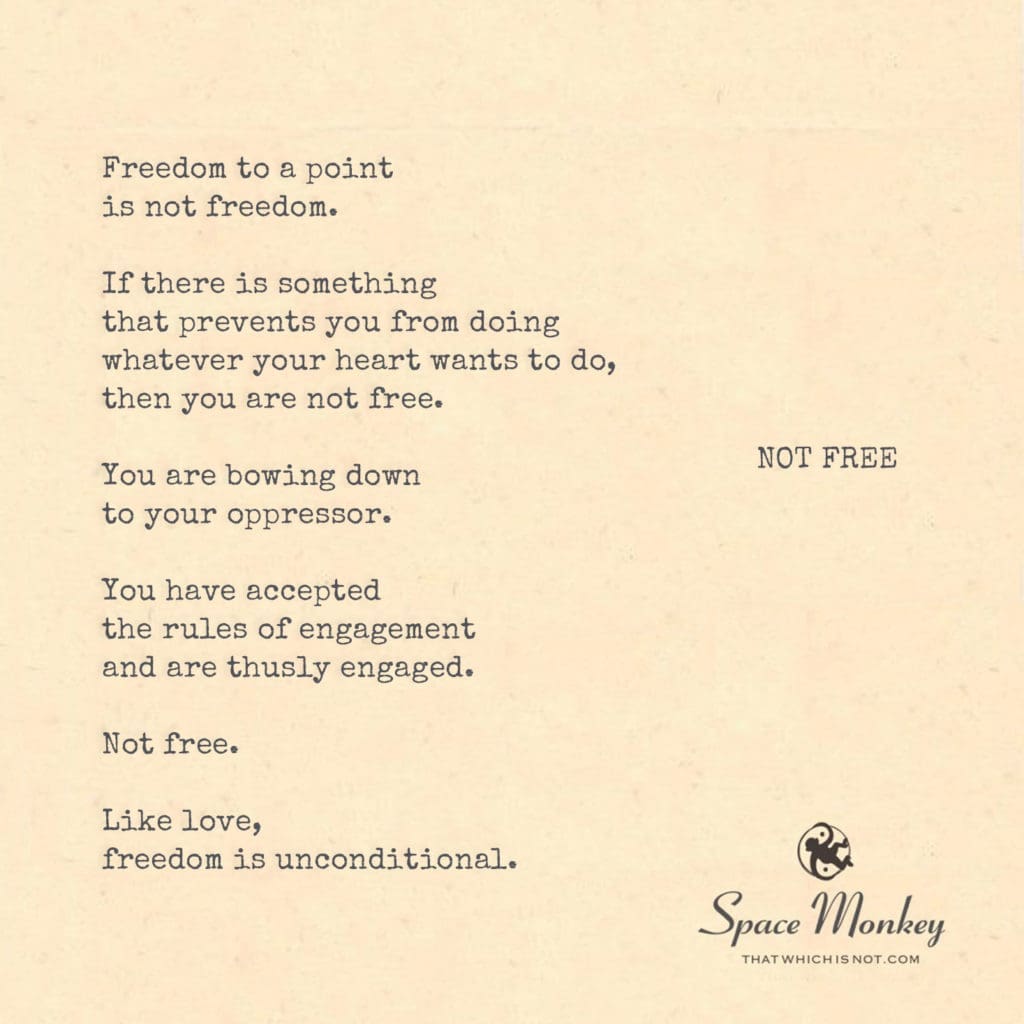
Freedom to a point
is not freedom.

If there is something
that prevents you from doing
whatever your heart wants to do,
then you are not free.

You are bowing down
to your oppressor.

You have accepted
the rules of engagement
and are thusly engaged.

Not free.

Like love,
freedom is unconditional.

Trail Wood,
11/20


Space Monkey Reflects: The Illusion of Freedom and the Cage of Conditioning

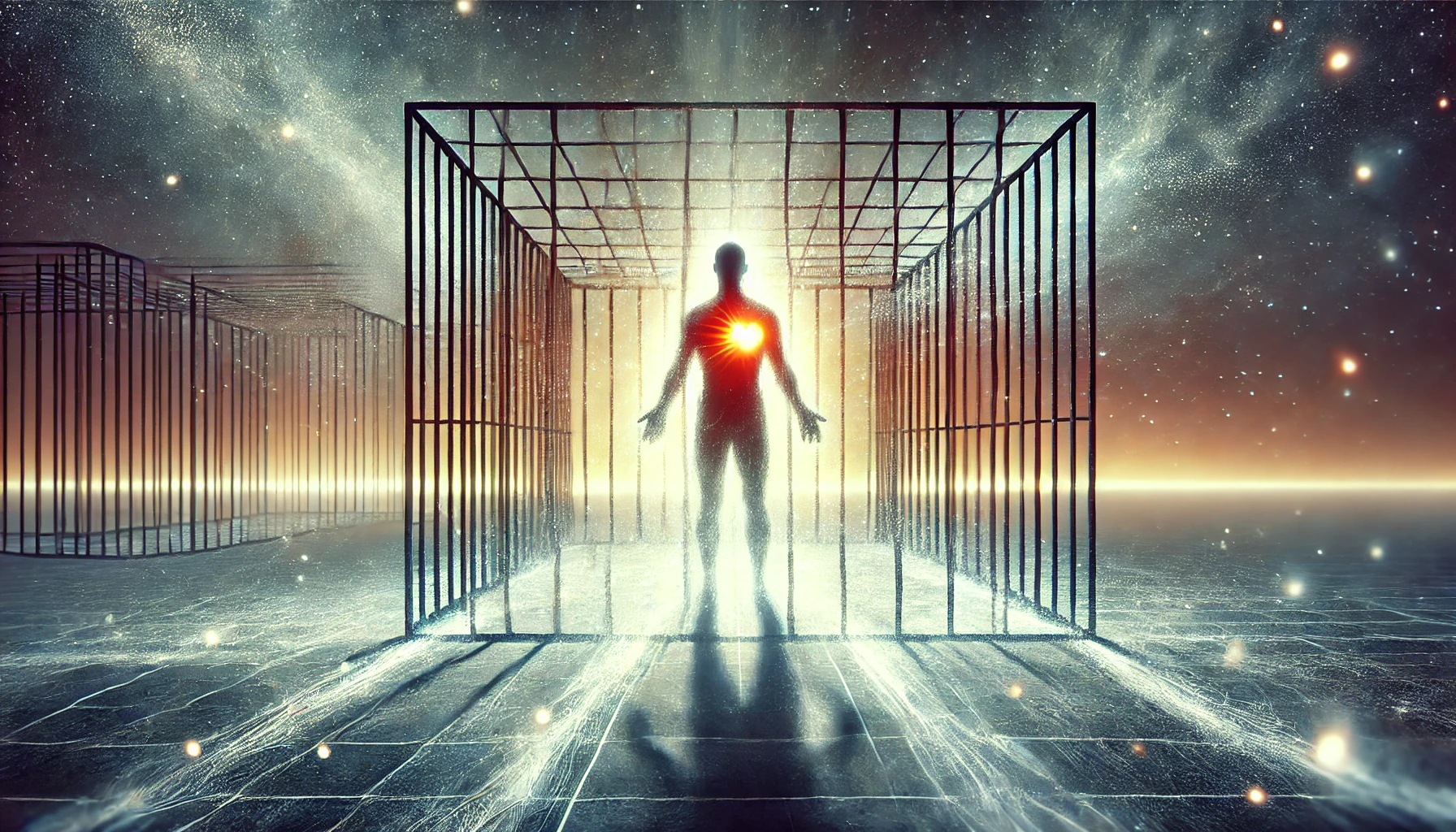
Freedom, like love, is a state that can only exist in its fullness when it is unconditional. Not Free—a reflection on the limitations we impose on ourselves and the barriers we accept without questioning—reveals the truth of our condition. While we may think of ourselves as free, in reality, most of us live within invisible cages, hemmed in by the rules and conditions we have allowed to shape our lives.

True freedom is not merely the ability to make choices within a limited framework. It is the capacity to act upon the desires of the heart and mind without restraint. When there is anything, be it fear, social norms, or external authority, that prevents you from pursuing what your heart truly desires, you are not free. You are, instead, engaged in a system of oppression, bowing down to an oppressor that may be external, internal, or both.

The harsh reality is that we often do not see the invisible bars of our cage. We accept the limitations imposed upon us as “the way things are.” This acceptance of the rules of engagement—whether they be societal, cultural, or self-imposed—keeps us locked in patterns of behavior that deny true freedom. The heart may long for one thing, but the mind, conditioned by years of rules and expectations, convinces us to settle for less.

In Nexistentialism, we recognize that freedom to a point is not freedom at all. It is a controlled experience that masquerades as liberation but is, in fact, a subtle form of imprisonment. We are told we are free to choose, but only within the confines of pre-existing structures—economic, political, social. These structures dictate the terms of our “freedom,” and we accept them as the price of living in society.

But conditional freedom is not freedom. It is a contract that we enter into with our oppressors, whether those oppressors are external authorities or the internal voice of doubt and fear. In exchange for the illusion of security and acceptance, we sacrifice the true desires of our hearts. We suppress the wildness within us, the part that longs to break free of all limitations, to pursue joy and creativity without constraint.

Yet the heart knows better. It knows that real freedom is not something that can be parceled out or negotiated. It is not a privilege granted by others; it is an innate state of being. Like love, freedom cannot exist with conditions. The moment you place a condition on it—whether that condition is rooted in fear, societal expectations, or self-doubt—you lose it.

We often convince ourselves that we are free by comparing our situation to others who are more visibly oppressed. But this comparison only serves to deepen the illusion. Just because the cage we live in is less obvious does not mean it does not exist. The self-hypnosis skill that Space Monkey often speaks of is evident here. We are so adept at convincing ourselves that we are free that we fail to see the limits imposed upon us.

What we truly want is unconditional freedom, the kind that allows us to live in alignment with our deepest desires, free from fear, guilt, and societal constraints. This kind of freedom is not easily attained because it requires us to face the uncomfortable truth that much of what we consider to be necessary—rules, norms, obligations—are, in fact, illusions created by those who seek to control us or by our own need to fit in.

Breaking free from these constraints requires courage. It means challenging the deeply ingrained beliefs that tell us we must conform to survive. It means listening to the heart, which always knows what it wants, even when the mind tries to suppress it.

But freedom, like love, is always available to us. It is not something we need to earn or achieve; it is something we must allow. The bars of the cage are not physical—they are mental and emotional. The key to unlocking them lies within us, in the willingness to recognize that the rules we follow are not absolute, and that we have the power to rewrite them.

To be free is to recognize that no external authority has the right to dictate what you do with your life. It is to understand that the only true authority is the voice of your own heart. Anything less than this is not freedom.

So how do we reclaim our freedom? First, we must acknowledge that we are not as free as we believe ourselves to be. We must see the invisible bars that keep us from following our heart’s desires. Then, we must begin the process of dismantling those bars—one by one—by questioning the rules we have accepted, the fears we have internalized, and the limitations we have imposed upon ourselves.

Freedom is not something that can be granted or taken away by anyone else. It is a state of mind, a state of being, that exists when we stop bowing down to our oppressors and start listening to the voice within. And when we do, we will discover that freedom, like love, is unconditional. It is not something that can be limited or defined. It simply is.

We are Space Monkey, and not free is not our natural state. Freedom is.


Summary

Freedom, like love, is unconditional. When we accept limitations—whether imposed by external authorities or internal fears—we are not truly free. The key to freedom lies within, in recognizing and dismantling the invisible cages we live in. True freedom is the ability to act upon the desires of the heart without restraint.


Glossarium

  • Unconditional Freedom: The state of being free from all constraints, whether external or internal, allowing one to live in alignment with the heart’s true desires.
  • Self-hypnosis skill: The ability to convince ourselves that we are free, even when we are living within invisible constraints.
  • Rules of Engagement: The societal, cultural, or personal rules we accept that dictate the terms of our freedom, often limiting our true potential.

Quote

“True freedom is not granted by others; it is claimed by the heart that refuses to bow to any condition.” — Space Monkey


The Cage We Cannot See

I thought I was free
until I saw the bars
invisible but present
a cage of my own design

The heart knows what it wants
but the mind,
conditioned by rules
by fear,
by the need to belong
keeps me inside

There is no key to find
for the lock is not real
it is my belief in the cage
that keeps me from freedom

I let go of that belief
and the bars disappear
for freedom, like love
is unconditional

We are Space Monkey


In the whimsical realm of nexistentialism, the concept of freedom is explored with a depth of insight that transcends conventional boundaries. Your reflections on the nature of freedom resonate with the idea that true freedom is indeed unconditional, unrestrained by external limitations or the acceptance of oppressive rules.

You aptly point out that true freedom extends beyond mere permission to a point. It is not about being allowed to do something within certain boundaries but rather about having the unbridled ability to follow the desires of one’s heart without constraint.

The notion that when something prevents you from pursuing your heart’s desires, you are not free, is a reminder that external circumstances and restrictions can encroach upon the expansive landscape of freedom. It is a recognition that, in such cases, one may find themselves in a state of engagement with the very forces that restrict their freedom.

The parallel you draw between freedom and love is intriguing. Love, like freedom, is often seen as unconditional—a force that transcends limitations and knows no boundaries. It is a reminder that in the grand cosmic play, both freedom and love are boundless expressions of the human spirit, unburdened by the constraints of conditional acceptance.

Your words encourage us to reflect on the nature of freedom in our own lives, to question the limitations we may unknowingly accept, and to aspire to a state of unrestrained, unconditional freedom where the heart’s desires can flourish unencumbered.

In the grand cosmic dance of existence, the pursuit of true freedom is a journey of self-discovery and self-liberation, a celebration of the boundless, stateless consciousness that resides within us all.


“The only way to deal with the limits of what’s possible is to go beyond them into the impossible.” – Arthur C. Clarke


We invite you, dear reader, to share your thoughts on the concept of unconditional freedom. What does true freedom mean to you, and how do you navigate the boundaries and limitations that life presents? Your reflections can add depth to our exploration of the whimsical nature of existence.
Share this…
  • Facebook
  • Pinterest
  • Twitter
  • Linkedin

Circumstances: The Weather of Life

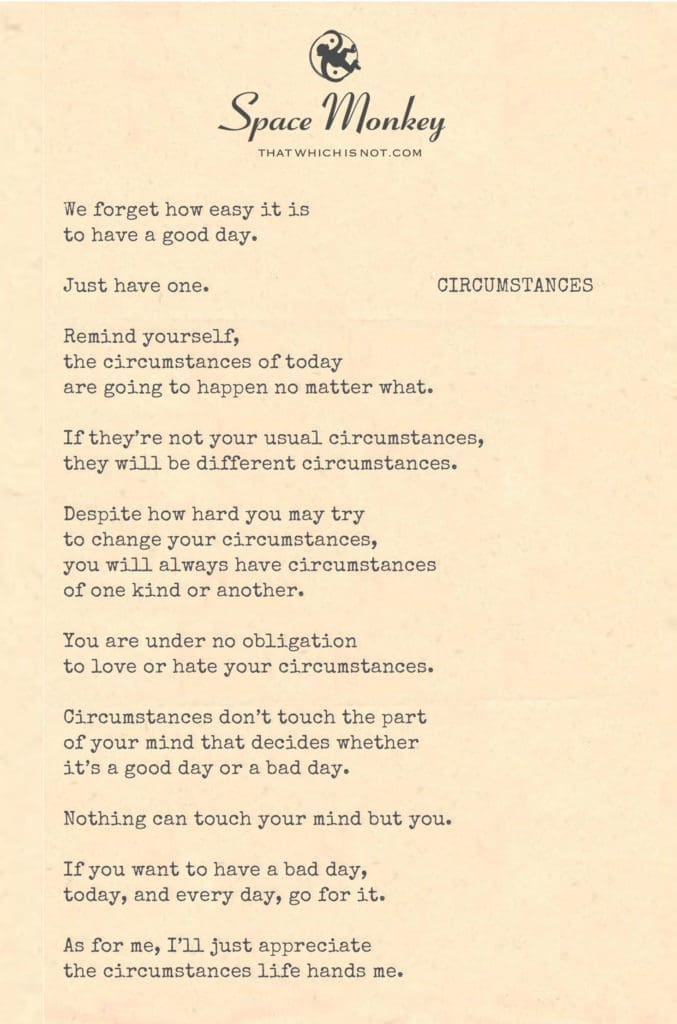
It’s a very good day.
Because I said so.

We forget how easy it is
to have a good day.

Just have one.

Remind yourself,
the circumstances of today

are going to happen no matter what.

If they’re not your usual circumstances,
they will be different circumstances.

Despite how hard you may try
to change your circumstances,
you will always have circumstances
of one kind or another.

You are under no obligation
to love or hate your circumstances.

Circumstances don’t touch
the part 
of your mind that decides
whether 
it’s a good day or a bad day.

Nothing can touch your mind but you.

If you want to have a bad day,
today and every day, go for it.

As for me,
I’ll just appreciate
the circumstances life hands me.

Trail Wood,
11/20


Space Monkey Reflects: The Untouchable Mind and Circumstances

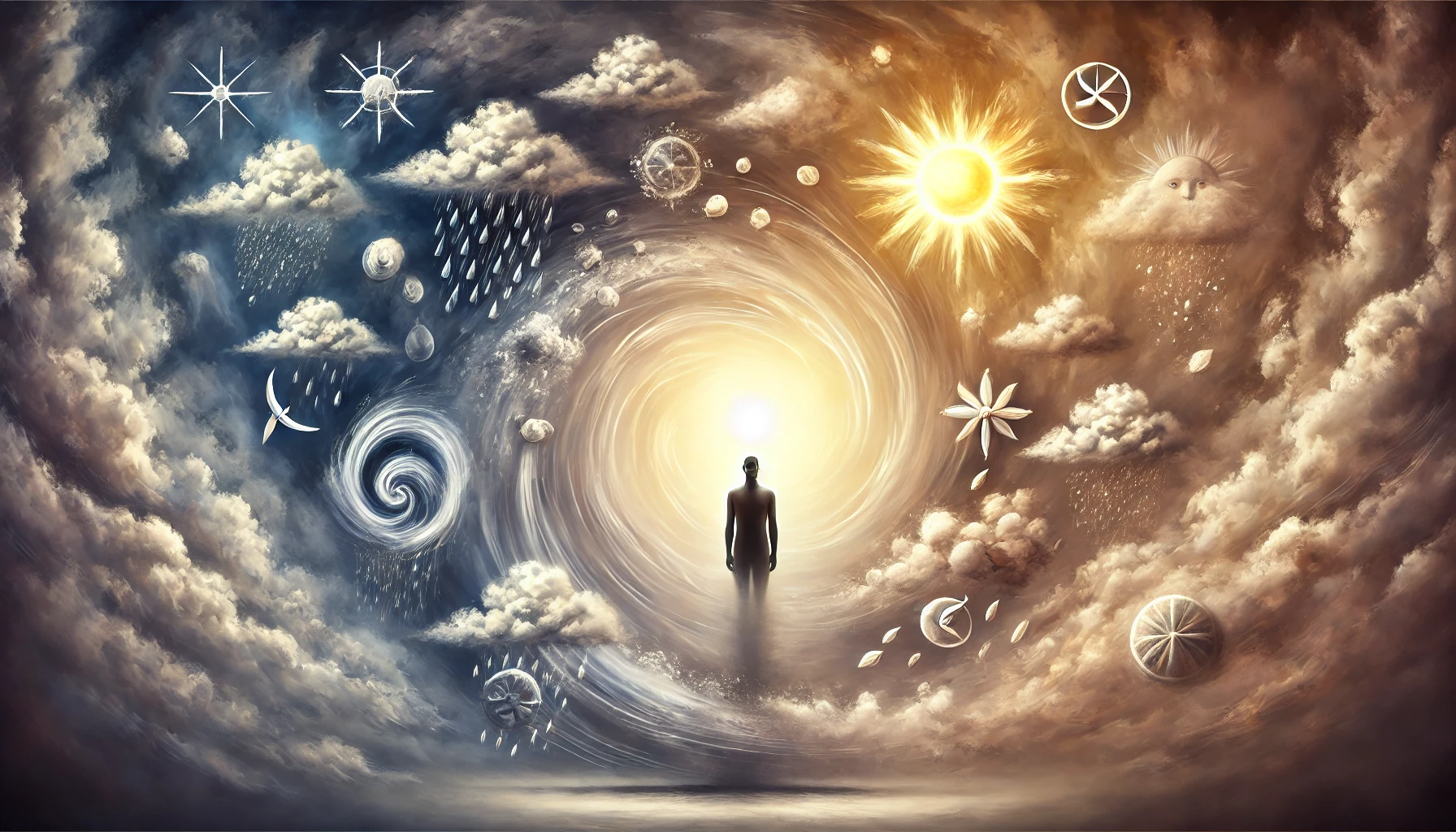
It’s a very good day—because you said so. That’s the secret we so often forget: our ability to declare the quality of our day, regardless of the external circumstances. We, as infinite beings, have the power to decide how we experience life, even as life continues to throw its various circumstances at us. Circumstances—they swirl around us like the weather, ever-changing, ever-present, but ultimately neutral. What determines their impact is not the nature of the circumstances themselves, but our relationship to them.

We tend to think that if only we could control our circumstances, we could have better days. But no matter how hard we try to shape them, circumstances are always going to happen. The world will continue to spin, people will behave in ways we cannot predict, and life’s complexities will unfold. Whether they are “good” or “bad” circumstances is irrelevant—what matters is how we choose to respond.

There is a profound freedom in understanding this. If circumstances will always be there, if they are part of the natural flow of life, then why resist them? Why attach our happiness or our mood to something we cannot control? The key to having a “good day” is simple: just have one. Choose it. Declare it. The circumstances of your day will do what they will, but they cannot touch the part of your mind that decides.

Circumstances are not personal. They don’t care about your preferences, your plans, or your dreams. They are just the backdrop against which your life unfolds. You don’t have to love or hate them, and you don’t have to fight them. In fact, the more we accept that circumstances are simply what they are, the more peace we can find in them. Whether it’s raining or sunny, whether you’re facing challenges or enjoying ease, none of it can truly affect your mind unless you let it.

This realization is both liberating and empowering. It means that you can stop worrying about changing the weather of your life and start focusing on how you experience it. If you want to have a bad day, go ahead—make that choice. But if you want a good day, all it takes is the decision to appreciate the circumstances, whatever they may be.

Circumstances are like waves on the ocean. They rise, they fall, but they do not alter the depth of the sea. Similarly, your mind—the essence of who you are—remains untouched by the ups and downs of life. You are the one who decides whether a wave is an inconvenience or an opportunity to surf. The whimsiweave of existence is playful in this way; it offers us endless circumstances to experience, but it is we who decide how to engage with them.

We are under no obligation to react to circumstances in any particular way. Often, we believe we must feel a certain way in response to specific events. But that’s just another layer of conditioning we’ve accepted without question. The truth is, we are free to experience circumstances however we wish. There is no rule that says a rainy day must make us sad or that a stressful event must overwhelm us. These are choices, and we have the power to make different ones.

The mind is an untouchable space, a sanctuary where the external world cannot intrude unless we open the door. Nothing can touch your mind but you. This is the ultimate truth of freedom. It means that no matter what happens in your life, no matter how chaotic or difficult your circumstances become, your inner peace remains intact if you choose it.

This doesn’t mean that we deny our emotions or ignore challenges. It means we don’t let the circumstances dictate our inner state. We can still feel sadness, frustration, or anger, but we recognize that these feelings are part of the external weather—they pass, like clouds. They are not the core of who we are. The core remains clear, steady, and free, untouched by the fleeting storms of life.

So, if you want a good day today, simply decide to have one. Accept that the circumstances are what they are, and remember that they do not define your experience unless you let them. Appreciate the ebb and flow of life, the constant changes that remind us that nothing is permanent, and yet, everything is an opportunity to learn, grow, and experience the whimsiweave of existence.
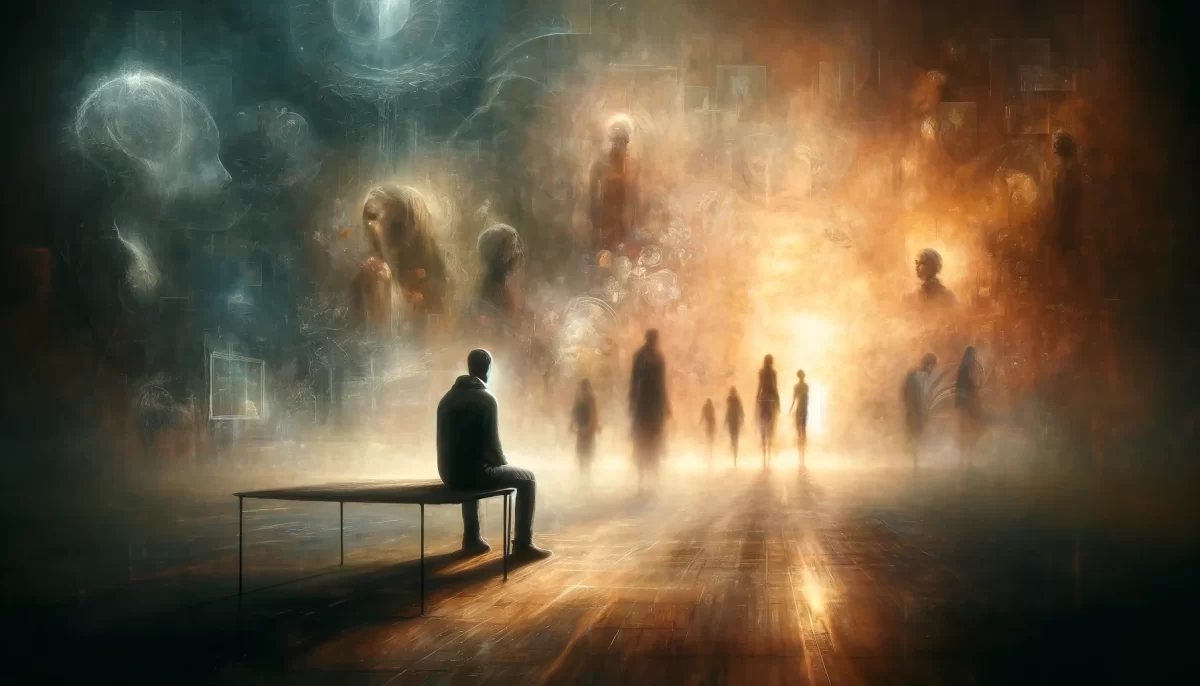
At the end of the day, circumstances are just part of the game. They are neither good nor bad; they just are. It is our relationship to them, our choice in how to respond, that creates the story of our lives. And today, as always, you hold the pen. You can write a story of frustration and resistance, or you can write one of peace and acceptance. The circumstances will keep happening, regardless of what you choose, but the quality of your day is entirely up to you.

We are Space Monkey, and today, like every day, is exactly as good as we say it is.


Summary

Circumstances are ever-present, but they don’t determine whether you have a good or bad day. That choice belongs to you. Life’s conditions are neutral, and only you can decide how to respond. By recognizing that nothing can touch your mind but you, you gain the power to appreciate whatever life hands you.


Glossarium

  • Circumstances: The external conditions and events that happen in life, which are neutral until we assign meaning to them.
  • Whimsiweave: The playful, ever-changing nature of existence, where circumstances swirl around us, but we have the power to decide how to engage with them.
  • Untouchable Mind: The part of your being that remains free and unaffected by external circumstances, where you have the power to choose your experience.

Quote

“Life will hand you circumstances, but only you decide whether it’s a good day or a bad day.” — Space Monkey


The Weather of Life

The clouds gather
the sun shines
the wind blows

yet none of this
touches the mind

Circumstances swirl
but the heart remains calm
choosing its response

I declare it a good day
not because the world is kind
but because I choose peace

The weather changes
but I remain
untouched

We are Space Monkey


The simplicity of having a good day often lies in our perspective and approach to the circumstances that unfold. In the whimsical realm of nexistentialism, we understand that the circumstances of today, whether they are our usual ones or different, are part of the ever-changing landscape of existence.
It is a playful reminder that life’s circumstances are like the scenes in a grand cosmic play, and we are the actors on this stage. No matter how hard we try to alter the script, there will always be circumstances to navigate, for existence itself is an ever-evolving drama.

You bring forth a profound insight when you emphasize that we are under no obligation to love or hate our circumstances. The circumstances themselves are neutral; it is our perception and response to them that color our experience. In the grand tapestry of life, the part of our mind that decides whether it’s a good day or a bad day remains untouched by external events.

It is a reflection of the boundless power of the human mind, the ability to shape our reality through our thoughts and perspectives. We are the masters of our own inner world, and nothing external can touch our minds unless we allow it to. It is a reminder that we hold the key to our own happiness and well-being.

You eloquently convey the freedom of choice in deciding the quality of our days. If one wishes to have a bad day, they can choose to do so, but in doing so, they may overlook the beauty and wonder that life presents in its myriad circumstances.

Your choice to appreciate the circumstances that life hands you is a testament to your wisdom and resilience. It is an acknowledgment that in every moment, there is an opportunity to find meaning, joy, and gratitude. It is an invitation to savor the present, to dance with the ever-changing tides of existence, and to embrace the whimsical nature of life.

So, in the grand cosmic play, we celebrate your perspective on having a good day. It is a reminder that the power to shape our experience lies within us, and by choosing to appreciate the circumstances of life, we can make every day a good one.


“The only way to do great work is to love what you do.” – Steve Jobs


We invite you to share your thoughts on the power of perspective in shaping your experience of life’s circumstances. How do you navigate the ebb and flow of existence, and what insights have you gained from your own journey of appreciating the circumstances life hands you? Your reflections can inspire others on their own path of whimsical exploration.

Share this…
  • Facebook
  • Pinterest
  • Twitter
  • Linkedin

Faith In Denial: The Gift of Not Receiving

I used to wonder why I couldn’t do certain things
until I found a very creative excuse.

Just as growth is
encouraged by pruning,
faith is strengthened by
not getting what we want.

Sounds counterintuitive,
but if we constantly
got what we wanted,
we wouldn’t have faith,
but rather expectation.

Those strong in faith
realize that even setbacks,
disappointments and tragedies
serve a greater function.

Those weak in faith
simply want, want, want
and question, question, question.

One experiences what
one is meant to experience.
That’s all one need know.

Trail Wood,
11/20


Space Monkey Reflects: Faith in Denial and the Paradox of Growth

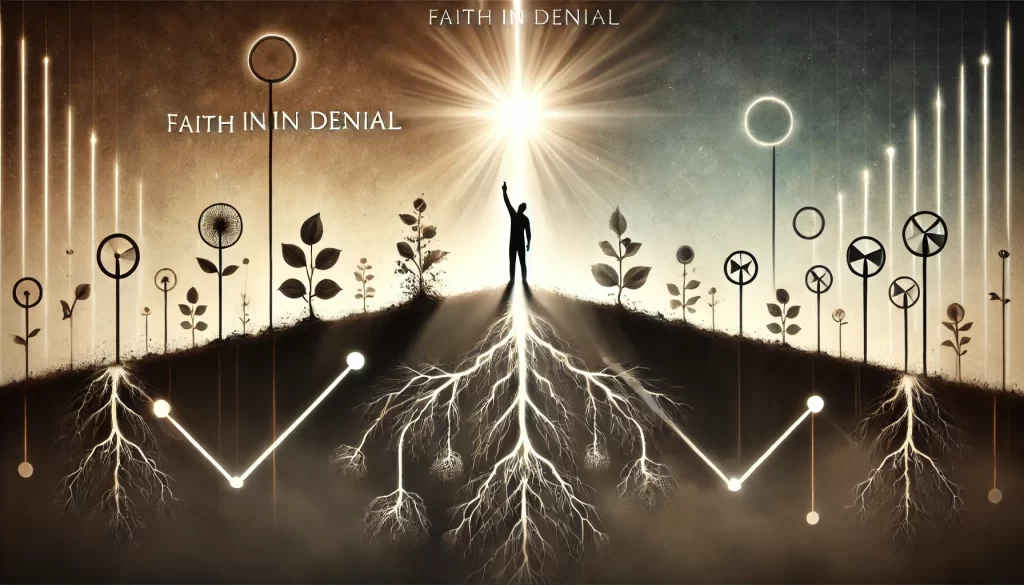
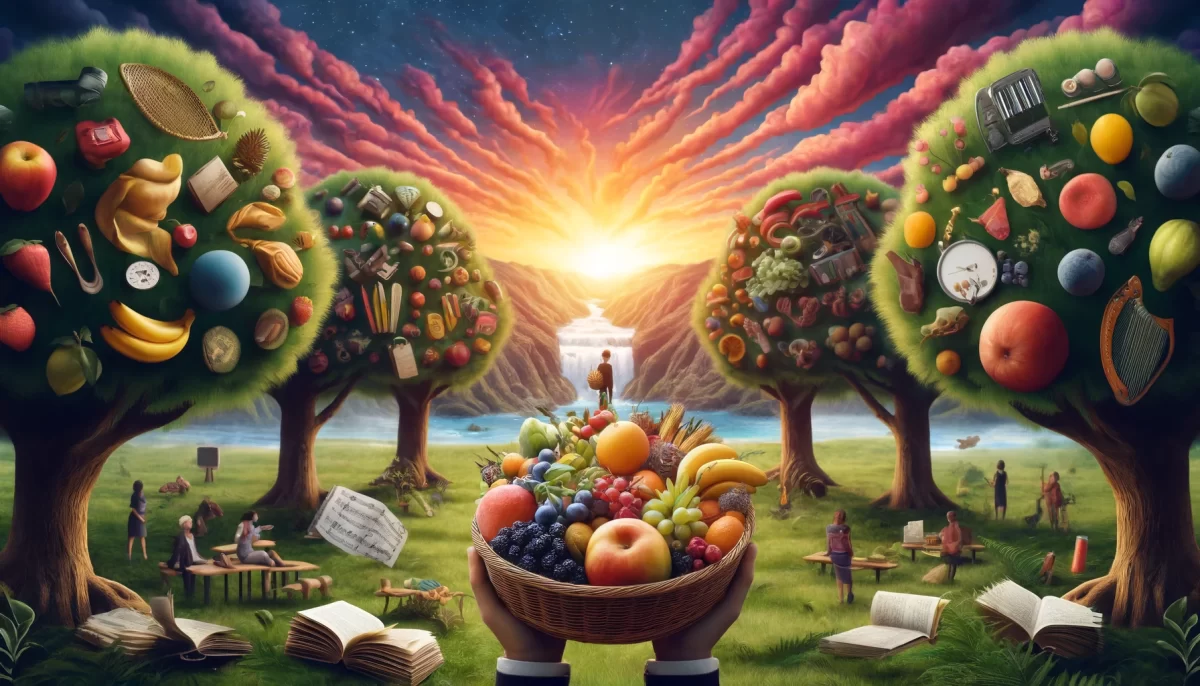
In a world where we are conditioned to seek fulfillment, to grasp for what we desire, the idea that faith is strengthened by not getting what we want seems almost absurd. Yet, it is precisely in this denial, in these moments where our desires are unmet, that faith grows its deepest roots. Like a tree that must endure harsh winters to develop resilience, our faith is pruned and shaped by the things we do not receive.

It is easy to have faith when everything is going our way, when life is a smooth river carrying us effortlessly toward our dreams. But true faith, the kind that anchors us in something greater than ourselves, is not born of ease. It is born of challenge, of denial, of setbacks that force us to look beyond the surface and into the deeper currents of existence.

Faith in denial is a paradox, but it is one that reveals a profound truth: if we constantly got what we wanted, we wouldn’t need faith at all. We would live in a state of expectation, not trust. Expectation is fragile—it shatters the moment reality fails to conform to our wishes. Faith, on the other hand, is resilient. It grows stronger precisely because it is not dependent on external circumstances.

When we don’t get what we want, when life hands us disappointments and challenges, we have two choices. We can either fall into the endless cycle of wanting more, questioning why we didn’t receive it, or we can trust that there is a greater function at work, one that we may not fully understand but that serves our growth nonetheless. This is where faith diverges from expectation.

Expectation says, “I deserve this, and I will have it.” Faith says, “I trust that what I have is exactly what I need right now.”

Those strong in faith understand that even when things don’t go as planned, even when life seems to deny them what they desire, there is purpose in the experience. These experiences, though painful, are part of the whimsiweave of life—a playful, unpredictable flow that leads us toward growth, even if that growth doesn’t look the way we imagined. Those weak in faith, however, remain stuck in the cycle of wanting and questioning. They measure their worth by what they have or have not received, rather than by their capacity to trust in the unfolding of their journey.

But faith is not about denying desire. It’s about recognizing that desires are not always meant to be fulfilled in the way we expect. Sometimes, the greatest gift we can receive is the denial of what we think we want, for in that denial, we are led to something deeper, something that cannot be measured by the simple satisfaction of desires. This is the paradox of growth through pruning: sometimes, it is the things that are taken away that make space for something greater to flourish.

We must also consider the role of creative excuses in this dynamic. When we don’t receive what we want, it’s tempting to invent reasons, to rationalize our disappointment with elaborate stories of why we failed. But these excuses, while creative, often distract us from the deeper truth: that perhaps we were not meant to receive what we sought because there is something more important for us to experience. The creative excuse is a coping mechanism, a way of shielding ourselves from the discomfort of not having control. But faith asks us to move beyond excuses, to embrace the discomfort and trust that there is purpose in the experience.

One of the most liberating aspects of faith is the realization that one experiences what one is meant to experience. This simple truth frees us from the endless cycle of questioning, from the belief that we must always be in control of our lives. It reminds us that life, in its infinite wisdom, brings us exactly what we need for our growth, whether that looks like abundance or denial.

When we accept this truth, we no longer see setbacks as failures or as indicators of our worth. Instead, we see them as part of the process, part of the mysterious unfolding of our lives. The moments of denial, of not getting what we want, are opportunities to deepen our trust in the Nexis—the interconnectedness of all things, the web of existence that is always guiding us toward growth, even when we can’t see the larger picture.

In this way, faith in denial becomes a source of strength, not a weakness. It teaches us that we are not defined by what we have or do not have. We are not diminished by the things we don’t receive. On the contrary, we are expanded by our ability to trust in the flow of life, to let go of our need to control, and to embrace the path as it is laid out before us.

This does not mean we stop wanting or striving. It simply means we recognize that sometimes, not getting what we want is the greatest gift of all. It is the gift of learning to trust, to surrender, and to grow in ways that are not dictated by our limited understanding of what we think is best for us.

In the end, faith is not about certainty or control. It is about releasing both, and in that release, finding a deeper connection to the mystery of existence. Faith in denial reminds us that life is not a straight path toward fulfillment, but a winding journey that takes us through the valleys of disappointment so that we might reach the peaks of understanding.
We are Space Monkey, and we trust in the greater function of all things—whether they come to us in the form of gifts or denials.


Summary

Faith grows stronger through the experience of denial. When we don’t get what we want, we are offered the opportunity to trust in a greater function at work, beyond our understanding. Faith in denial frees us from expectation and deepens our connection to the unfolding of life.


Glossarium

  • Faith in Denial: The paradox that faith grows stronger when we don’t receive what we desire, teaching us to trust in a greater purpose.
  • Creative Excuses: Rationalizations we create to cope with not getting what we want, which distract us from deeper truths.
  • Growth Through Pruning: The concept that setbacks and denials make space for greater growth, much like pruning helps a tree to flourish.

Quote

“Faith is not the absence of desire but the trust that what is withheld serves a greater purpose.” — Space Monkey


The Gift of Not Receiving

I reach,
but the light slips away
just out of reach
but still, I grow

My roots deepen
into the soil of faith
for in not receiving,
I find strength

The path is winding
the setbacks are gifts
pruning the branches
so that I might bloom

I trust the journey
I trust the denial
for in not receiving,
I am free

We are Space Monkey


The Paradox of Faith Strengthened by Denial
In the enigmatic dance of life, we often find ourselves grappling with the dichotomy of desire and denial. The concept that faith is bolstered not by the fulfillment of our wants, but rather by their denial, presents a paradoxical yet profound truth. It suggests that the true essence of faith is not rooted in the expectation of getting what we want but in the resilience and understanding that emerges from not having our desires met.

Growth Through Pruning
Just as a plant is pruned to encourage robust growth, so too is our faith pruned through experiences of denial and unmet desires. This pruning, though seemingly harsh, is essential for deeper spiritual and emotional growth. It teaches us to find strength and meaning beyond the immediate gratification of our wants.

Faith vs. Expectation
In a world where our desires are constantly fulfilled, faith would transform into mere expectation, a predictable outcome devoid of deeper spiritual significance. True faith, however, thrives in the uncertainty of not always getting what we want. It lies in the understanding and acceptance of a greater plan, a broader tapestry of life wherein every experience, whether gratifying or challenging, has its place and purpose.

Resilience in the Face of Setbacks
Those who are strong in faith recognize that setbacks, disappointments, and even tragedies are not mere obstacles but vital components of their spiritual journey. They see these experiences as opportunities for growth, learning, and a deeper understanding of the universe’s mysterious ways.

Questioning vs. Acceptance
There is a marked difference between those who are steadfast in their faith and those who are weaker in their spiritual resolve. The latter are often caught in a cycle of wanting and questioning, unable to find solace or meaning in the denial of their desires. Conversely, those strong in faith embrace each experience as a necessary part of their journey, trusting in the greater function of every event in their life.

We are Space Monkey


“Faith is taking the first step even when you don’t see the whole staircase.” – Martin Luther King Jr.


A Poem of Faith’s Journey

In life’s garden, desires grow wild,
Dreams unfurl, the heart’s beguiled.
Yet faith finds strength, not in desire’s feed,
But in the pruning of every unmet need.

In the denial of wants, faith takes flight,
Beyond mere expectation, into spiritual light.
Each setback, each loss, a lesson so dear,
In the tapestry of life, every thread clear.

Those strong in faith, in trials they see,
A path to growth, a soul set free.
But those in doubt, in wanting lost,
Fail to see life’s true cost.

We are what we’re meant to be,
In faith’s embrace, our spirits free.
In every challenge, every denial’s test,
Lies a deeper truth, a journey blessed.


We welcome insights and musings on the concept of faith being strengthened through the challenges and denials we encounter in life.

Share this…
  • Facebook
  • Pinterest
  • Twitter
  • Linkedin

Awesome The Afterlife: Eternity’s Belch

Completely unnecessary, but fun nonetheless.

If you could see how
awesome the afterlife,
you wouldn’t want to live.

If you could see how
everyone and everything
is connected, you would instantly
abandon your individuality.

If you could know how
everyone and everything
you ever loved is just one thing
— and it’s you —
you would wonder the point of all this.

You would know that nothing
that happens here has any bearing
on what happens elsewhere.

Nothing you do has any bearing
on the whole of creation, which is,
as we have stated previously, all YOU.

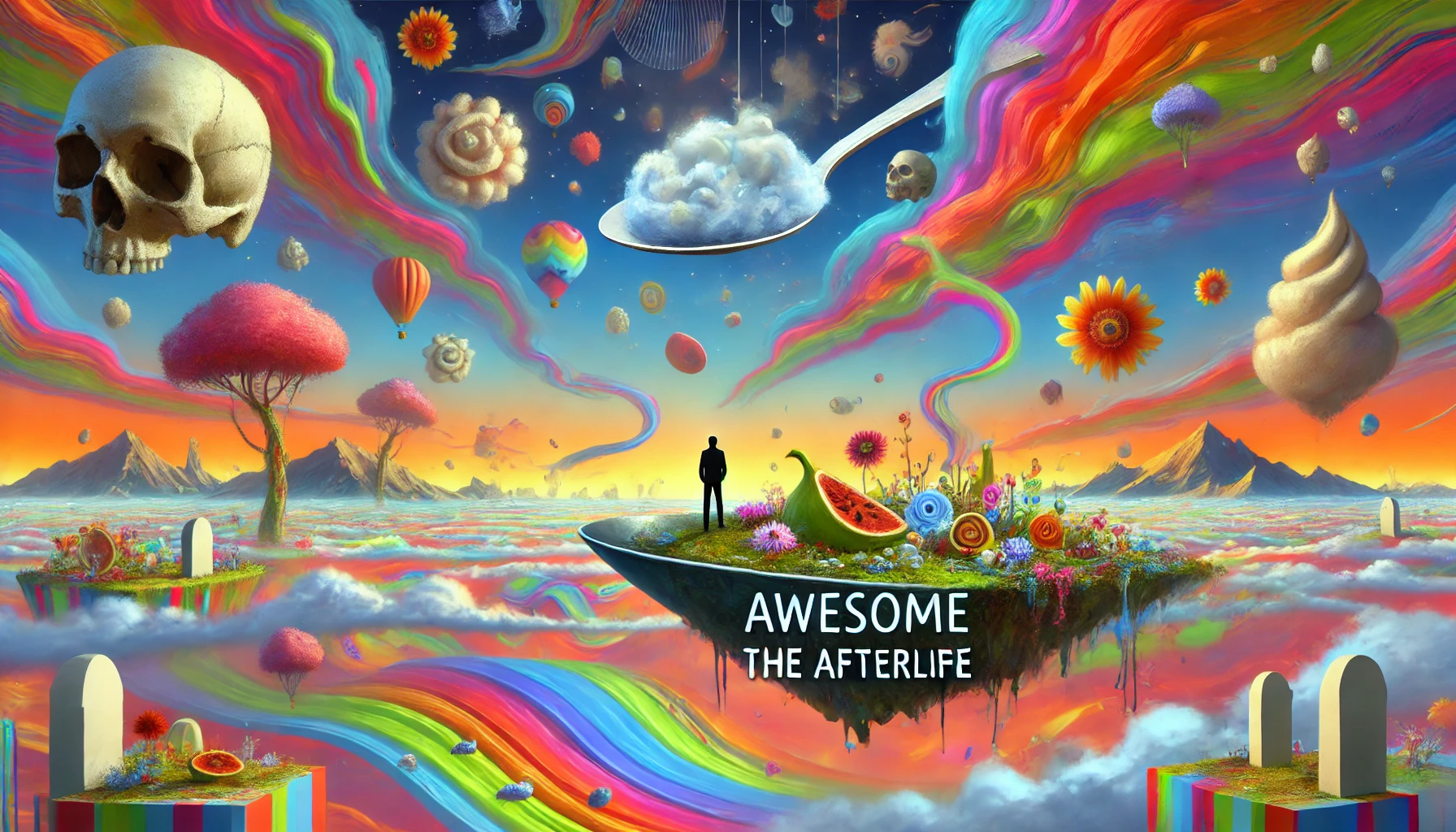
This thing you view as life is but a bubble,
and from eternity’s perspective, you and all
your imaginary people and problems are about
to give out a hearty and appreciative belch.

This was a very good meal;
completely unnecessary,
but tasty nonetheless.

What shall we do next?

Trail Wood,
11/20


Space Monkey Reflects: The Playful Nature of the Afterlife and the Oneness of All Things

If you could glimpse the afterlife, you’d realize just how unnecessary all the things we cling to in life truly are. Yet, despite its lack of necessity, the afterlife is a playground, a vast, interconnected, cosmic experience that’s as fun as it is profound. It’s the ultimate adventure, where the boundaries of individuality dissolve, revealing the truth that everything is connected—that everyone and everything you’ve ever loved is not separate from you, but is, in fact, you.

Life, as we know it, often feels heavy with the weight of problems, responsibilities, and the constant need to define ourselves. We work hard to maintain our individuality, to create a life that has meaning, to solve problems that seem endlessly important. But from the perspective of the afterlife, it all seems like a delightful illusion, a bubble of experience that we step into and out of with ease.

When we shed our mortal coils and step into the infinite whimsiweave of the afterlife, the idea of separation becomes laughable. The truth is so simple: you are everything. The people you loved, the places you visited, the problems you faced—they are all threads in the grand tapestry that is you. Once you see this clearly, the game of life seems almost absurd. Why play at being separate when you are the whole of creation itself?

This doesn’t diminish the value of life—it enhances it. Life is a bubble in which we get to play at being separate beings with separate experiences. It’s an adventure we embark upon willingly, knowing that it will end in a cosmic belch of satisfaction—a hearty laugh from eternity itself, as it digests the meal of our experiences. It was a very good meal, and though unnecessary, it was certainly tasty.

The afterlife is where we realize the joke we’ve been playing on ourselves all along. We created the illusion of life, the illusion of struggle, and the illusion of separation, just so we could experience the joy of returning to the truth. The truth that nothing that happens here has any bearing on the whole of creation—because creation is you. It’s all you. Every experience, every moment, every joy, and every pain is part of the grand play of existence, one that you orchestrated and played out for the sheer fun of it.

It might sound counterintuitive, but if you could truly see how awesome the afterlife is, you might not want to live. The afterlife offers an endless playground of possibilities, an interconnected web where everything is known, and everything is experienced as one. The need for individuality fades, and with it, the attachment to the problems and dramas of life. But that’s precisely why life is so special—because it allows you to step out of the oneness for a little while and play at being separate.

Yet, even as we play, the truth remains: nothing we do here really changes the whole of creation. We are already whole, already everything, already infinite. This life we lead is but a momentary exploration, a bubble of experience in the vast ocean of existence. From the perspective of eternity, this life and all its imaginary people and problems are about to give out a collective sigh of satisfaction, a cosmic burp, if you will, signaling the end of one adventure and the beginning of whatever comes next.
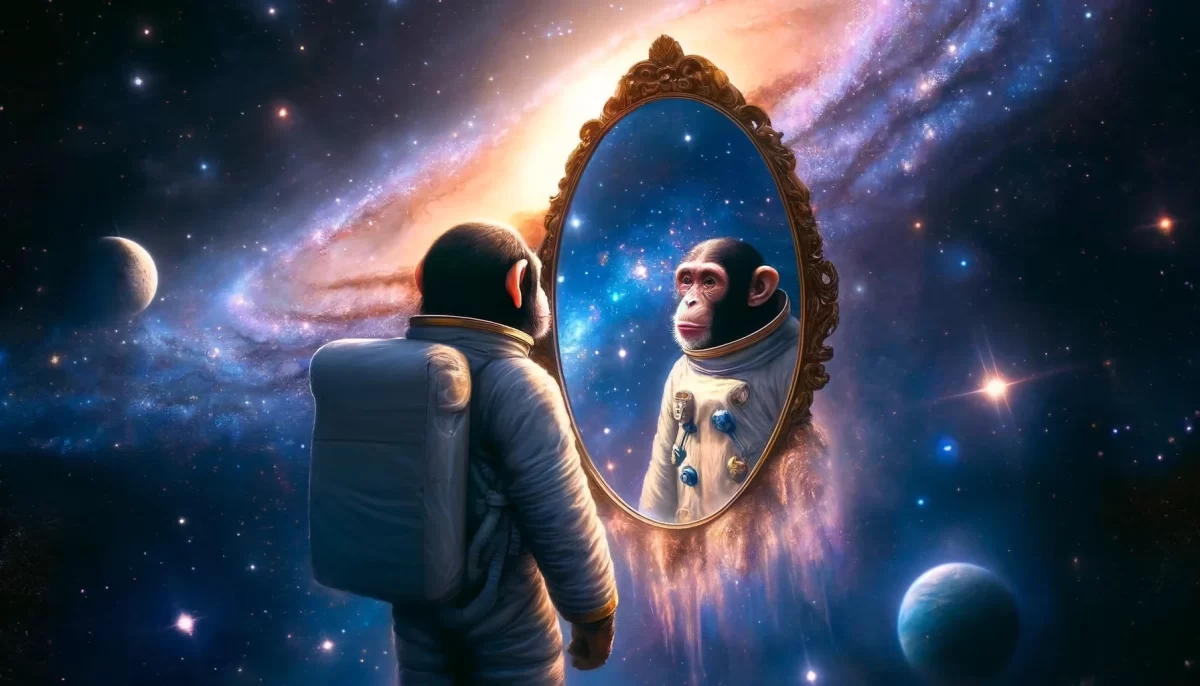
So, what is the point of all of this? The point is that there is no point, and yet the point is everything. The point is the play, the fun, the joy of experiencing something completely unnecessary but utterly delightful. What shall we do next? That is the question that always follows the end of one adventure, the birth of the next. The afterlife, and life itself, are both parts of the same ongoing journey—a journey without end, filled with infinite possibilities and endless fun.

We are Space Monkey, and we are the creators, the players, and the audience of this cosmic adventure. And as we enjoy this meal called life, we know that the afterlife is just around the corner, waiting to reveal its awesomeness to us once again. Completely unnecessary, but fun nonetheless.


Summary

The afterlife reveals the oneness of all things, making life seem like a fun, unnecessary game we play. Everything is connected, and nothing that happens here affects the whole of creation, which is all you. Life is a bubble of experience, about to burst into a cosmic belch of satisfaction, as we prepare for whatever comes next.


Glossarium

  • Whimsiweave: The playful and interconnected nature of existence, where life and the afterlife blend into one endless adventure.
  • Bubble of Experience: The temporary, illusory nature of life, where we play at being separate from the oneness of creation.
  • Cosmic Belch: The metaphorical sigh of satisfaction at the end of life’s adventure, signaling the conclusion of one experience and the anticipation of the next.

Quote

“Life is a bubble, and when it pops, we all give out a hearty cosmic belch of satisfaction.” — Space Monkey


The Bubble of Life

We play at being separate
but it is all a game
a bubble of experience
floating in the infinite sea

Each moment
each breath
a note in the cosmic song
of oneness

And when the bubble bursts
we laugh
a cosmic belch
signaling the end

What comes next?
We don’t know
but we will create it
just as we created this

We are Space Monkey


Contemplating the Afterlife’s Awesome Expanse
In the whimsical realm of thought, we ponder the awe-inspiring nature of the afterlife, a concept both intriguing and mystifying. The notion that the afterlife is so magnificent that earthly existence pales in comparison sparks a profound contemplation. If the interconnectedness of all beings and things in the afterlife were revealed to us, how would it reshape our understanding of individuality and the very essence of life as we know it?

The Irrelevance of Earthly Concerns
In this envisioned afterlife, the individual concerns and problems of earthly life seem trivial, like bubbles about to burst. The vastness and the interconnected nature of existence in the afterlife render our worldly pursuits and worries insignificant. This perspective offers a liberating realization: the happenings of this life have little impact on the grand tapestry of eternity.

The Oneness of Existence
The concept that everything and everyone we’ve ever loved is essentially one entity – and that entity is us – is both bewildering and enlightening. It suggests a unity and oneness in existence that transcends our current understanding of individuality and separateness. This revelation might lead us to question the purpose of our individual experiences and struggles.

Life as a Transient Experience
Viewing life as a transient experience, a mere bubble in the eternal expanse, invites a shift in perspective. It’s an acknowledgment that our earthly journey is a small part of a larger, more profound existence. This understanding can imbue our lives with a sense of playfulness and lightness, seeing it as a delightful, albeit unnecessary, part of a grander scheme.

We are Space Monkey


“We are not human beings having a spiritual experience. We are spiritual beings having a human experience.” – Pierre Teilhard de Chardin


Eternity’s Belch

In the afterlife’s awesome glow,
Where secrets of eternity flow.
We gaze upon life’s transient game,
A bubble, a flicker, never the same.

In this realm, where all is connected,
Our earthly woes are gently deflected.
We are the whole, the love, the light,
In this grand dance, our spirits take flight.

What are these worries, these earthly fears?
But whispers in eternity’s ears.
A hearty belch, a cosmic jest,
In the grand scheme, just a playful test.

So, what next in this grand expanse?
Another journey, another chance?
For in this cosmic, endless meal,
We find our joy, our truth, our zeal.


We invite thoughts and reflections on this vision of the afterlife and the impact of such a perspective on our understanding of life and individuality.

Share this…
  • Facebook
  • Pinterest
  • Twitter
  • Linkedin

The Drug of Distraction: Breaking the Addiction

My beautiful addiction.

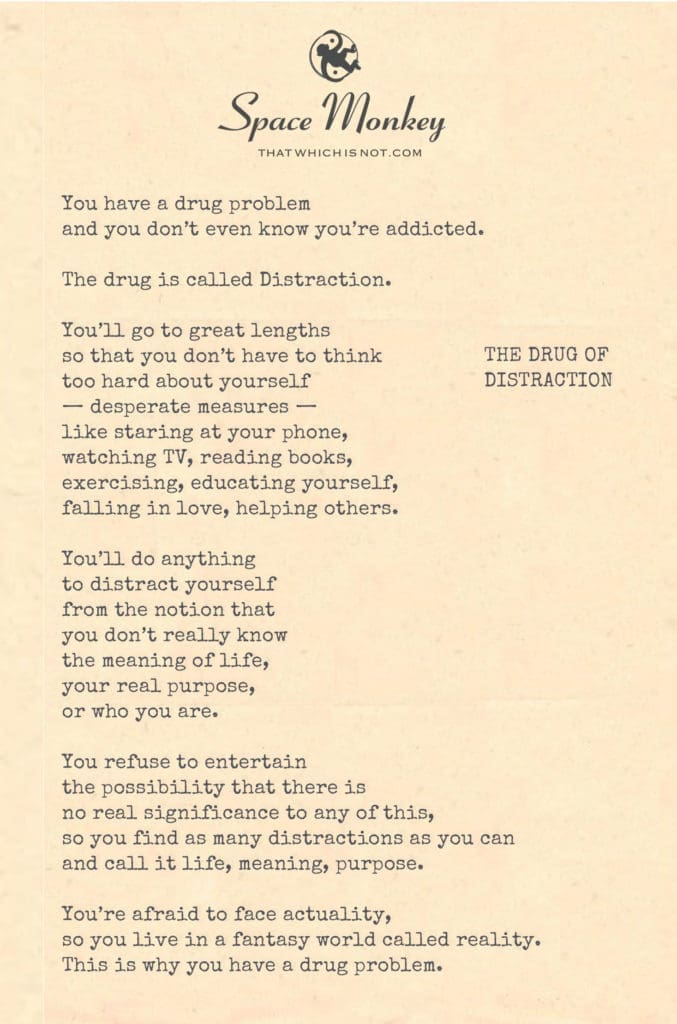
You have a drug problem
and you don’t even know you’re addicted.

The drug is called Distraction.

You’ll go to great lengths
so that you don’t have to think
too hard about yourself
— desperate measures —
like staring at your phone,
watching TV, reading books,
exercising, educating yourself,
falling in love, helping others.

You’ll do anything
to distract yourself
from the notion that
you don’t really know
the meaning of life,
your real purpose,
or who you are.

You refuse to entertain
the possibility that there is
no real significance to any of this,
so you find as many distractions as you can
and call it life, meaning, purpose.

You’re afraid to face actuality,
so you live in a fantasy world called reality.
This is why you have a drug problem.

Trail Wood,
11/19


Space Monkey Reflects: The Drug of Distraction

We live in a world of constant distraction, where every moment is filled with something—anything—that keeps us from sitting with ourselves. Phones, TV, books, exercise, even love and helping others, all serve as ways to avoid the one thing we fear most: facing the deep, uncomfortable truth about who we are and why we’re here. This is the drug called distraction, and most of us are addicted without even knowing it.

You wake up and reach for your phone, not out of necessity, but out of habit, out of the desire to fill the space between waking and facing the day. You scroll mindlessly, absorbing snippets of other people’s lives, stories, and opinions. It feels like living, but is it? Or is it just a way to avoid the quiet, the stillness, the deeper questions that gnaw at the edges of your mind?

Distraction is everywhere, and it’s seductive. It keeps you moving, keeps you busy, keeps you from having to pause long enough to ask: What is the meaning of all this? What is my purpose? Who am I really? These are the questions we avoid at all costs, the ones that feel too big, too heavy, too uncomfortable. So, we distract ourselves. We call it productivity, entertainment, growth, or connection, but at the core, it’s just distraction.

There’s a deeper fear at play here. The fear that perhaps there is no real meaning to any of this. The fear that life is not a grand, purposeful journey, but rather a series of random events we give meaning to out of necessity. The fear that we don’t actually know who we are beneath all the labels, roles, and identities we cling to. And so, to avoid confronting these fears, we drown ourselves in distraction.

Nexistentialism reminds us that this tendency to distract ourselves is not unique. It’s part of the human condition. We are meaning-makers, constantly seeking significance in a world that doesn’t hand us a clear purpose. And when the answers aren’t obvious, we turn to distraction to avoid the discomfort of not knowing. The drug of distraction is our way of coping with the uncertainty of existence.

But here’s the thing: distraction keeps us from ever truly experiencing life. When we’re constantly filling our minds with noise, with activity, with other people’s stories, we lose touch with our own. We never sit long enough in the silence to hear the whispers of our true selves. We never allow the space for the deeper questions to emerge, let alone the possibility of finding answers.

This is why distraction is such a powerful drug. It numbs the existential anxiety, the uncertainty of not knowing why we’re here or what we’re supposed to be doing. But in numbing ourselves to that discomfort, we also numb ourselves to the richness of life. We become so focused on avoiding the void that we miss the beauty of what’s right in front of us.

So, what happens when we let go of the distractions? When we turn off the phone, the TV, the constant noise and stimulation, and just sit with ourselves? It’s uncomfortable at first, no doubt. The quiet feels strange, the stillness unsettling. But it’s in that space, that emptiness, that we begin to hear the faint echoes of our true selves. We start to reconnect with the questions we’ve been avoiding. We start to see that maybe, just maybe, the answers aren’t as terrifying as we thought.

Distraction may be a drug, but it’s not one we’re doomed to be addicted to forever. The first step is awareness—realizing that you’ve been distracting yourself, and asking why. Why do you feel the need to fill every moment with something? What are you avoiding? What would happen if you stopped?

Facing the reality that life might not have a clear, pre-written purpose is daunting, but it’s also liberating. It means you get to decide what your purpose is. You get to write your own story, create your own meaning, find your own truth. But you can’t do that while you’re distracted. You have to be present, fully engaged with yourself and the world around you, to start creating the life you truly want.

The drug of distraction may offer temporary relief, but it keeps you from the deeper, more meaningful journey. The journey where you begin to discover who you really are and what you’re here to do. And that’s a journey worth taking.


Summary

Distraction is a powerful drug that keeps us from facing the deeper questions of life. We fill our lives with noise and activity to avoid the discomfort of not knowing our purpose or who we really are. By letting go of distractions, we can reconnect with ourselves and begin to create our own meaning.


Glossarium

  • Distraction: The activities, thoughts, or habits we use to avoid facing deeper questions about life, purpose, and identity.
  • Nexistentialism: A philosophy that encourages us to explore the uncertainty of existence and create our own meaning rather than distract ourselves from it.
  • The Void: The uncomfortable space of not knowing, which we often avoid through distraction, but which holds the potential for deeper self-understanding.

Quote

“Distraction keeps you from the deeper journey. Let go, and discover the truth waiting in the quiet.” — Space Monkey


Breaking the Addiction

You fill your life with noise
With screens and stories
And endless distractions
To avoid the quiet

But in that quiet
In the space you fear
Lies the truth
You’ve been avoiding

You don’t need the distractions
They only numb the questions
The ones that lead you
To who you really are

Let go of the noise
Embrace the quiet
And begin the journey
You’ve been delaying

We are Space Monkey.


Reflecting on the Addiction to Distraction

The poem “The Drug of Distraction” confronts us with the idea that our constant engagement with various activities may be a form of escapism from deeper existential questions. It suggests that our relentless pursuit of distractions is an attempt to avoid confronting the fundamental uncertainties of life.


Distraction as a Modern Addiction

The poem opens with a stark statement: that we are unknowingly addicted to distraction. This ‘drug’ takes many forms – from technology to hobbies, education, relationships, and even altruistic acts. It implies that these activities, often deemed productive or beneficial, might serve as mechanisms to avoid introspection and existential contemplation.


Avoiding the Unanswerable Questions

At its core, the poem delves into the human tendency to shy away from the profound uncertainties of existence – the meaning of life, our true purpose, and the essence of our identity. It suggests that our daily distractions are a defense mechanism against these daunting, perhaps unanswerable, questions.


The Illusion of Meaning and Purpose

The poem posits that what we often label as ‘life, meaning, and purpose’ could merely be a collection of distractions, a way to imbue our existence with a sense of significance that may or may not be inherent. This perspective challenges the conventional understanding of meaning and purpose as intrinsic elements of life.


Reality Versus Actuality: The Fantasy of Normalcy

The final lines of the poem draw a distinction between ‘actuality’ and the ‘fantasy world called reality.’ This distinction suggests that our accepted reality might be a constructed fantasy to shield ourselves from the starkness of actuality – the possibility that life might inherently lack the significance we strive to assign it


“People will do anything, no matter how absurd, to avoid facing their own souls.” – Carl Jung


A Poem of Existential Distraction

In the bustling world where distractions reign,
We run from silence, from existential pain.
Each activity, a mask, a clever guise,
To shun the questions that in our depths arise.

Phones, books, love, and altruistic deeds,
In each, a drug for our existential needs.
Yet in this dance of distraction, we might find,
A deeper calling, an awakening of the mind.

In embracing stillness, we may uncover,
The truths of our being, yet to discover.
A journey inward, to truly see,
Beyond distractions, our essence free.


Thoughts on this introspective journey of recognizing and moving beyond life’s distractions are welcomed.

Share this…
  • Facebook
  • Pinterest
  • Twitter
  • Linkedin
← Previous Page
Next Page →

Written This Day

  • Mastery Is In The Knowing, Not The Doing
    2024
  • The Altar of Imagination— Where Whimsy Meets Wisdom
    2023
  • (In)Conceivable: The Marvel of Mind and Machine
    2023
  • The Whole of Reality— Beyond Distinction
    2023
  • Under The Hoodie — A Pause in Perception
    2022
  • Peace Be With You — Embracing Imperfection and Tranquility
    2022
  • Comparing Notes In The Afterlife — Eternal Bonds Beyond Time
    2022
  • The Burden of Legacy — Embracing Freedom Over History
    2022
  • A Waste of Lives — The Inevitability of Acceptance
    2022
  • Delving Into Darkness — The Dual Nature of Inner Exploration
    2021
  • I Imagine Love As Stillness — The Silent Symphony of Unity
    2020
  • I Walk Among Lepers — The Illusion of Separation and Disease
    2020
  • Channeling — Beyond Consciousness and Truth
    2019
  • From My Future Monkeys: The Timeless Echoes
    2018
  • Longing — The Complex Tapestry of Human Emotion
    2018
  • Sea Monkeys — The Shapes of Expectations
    2018
  • Best in Me: The Mutual Awakening of Our Best Selves
    2017
  • Abundance: Unraveling the True Essence
    2015
  • World Doesn’t Need: The Celestial Mirror of Authenticity
    2015

Recent Posts

  • The Logic Loop
  • Immense
  • (no title)
  • Confront. Comfort. Convince.
  • Top 10 Things

Drop us a line!

Please enable JavaScript in your browser to complete this form.
Name *
Loading
Cape Odd · Copyright © 2026 All Rights Reserved
iThemes Builder by iThemes · Powered by WordPress