• Who Is The Man?
  • Who Is The Monkey?
  • What is Nexistentialism?
  • Poke The Primate

Cape Odd

Home of The Space Monkey Journals

Smart: The Reflective Journey

I’m too smart for this. Or am I?

Being smart
is a kind of blindness
that leads us to overlook
the obvious things.

Not so smart, are we?


Space Monkey Reflects: The Paradox of Intelligence

In the ever-evolving landscape of knowledge and wisdom, the question of intelligence often surfaces, inviting us to explore the depths of our understanding and the limits of our certainty. The contemplation, “I’m too smart for this. Or am I? Not so smart, are we?” captures the essence of this paradox, where confidence in our intelligence meets the humility of our limitations.

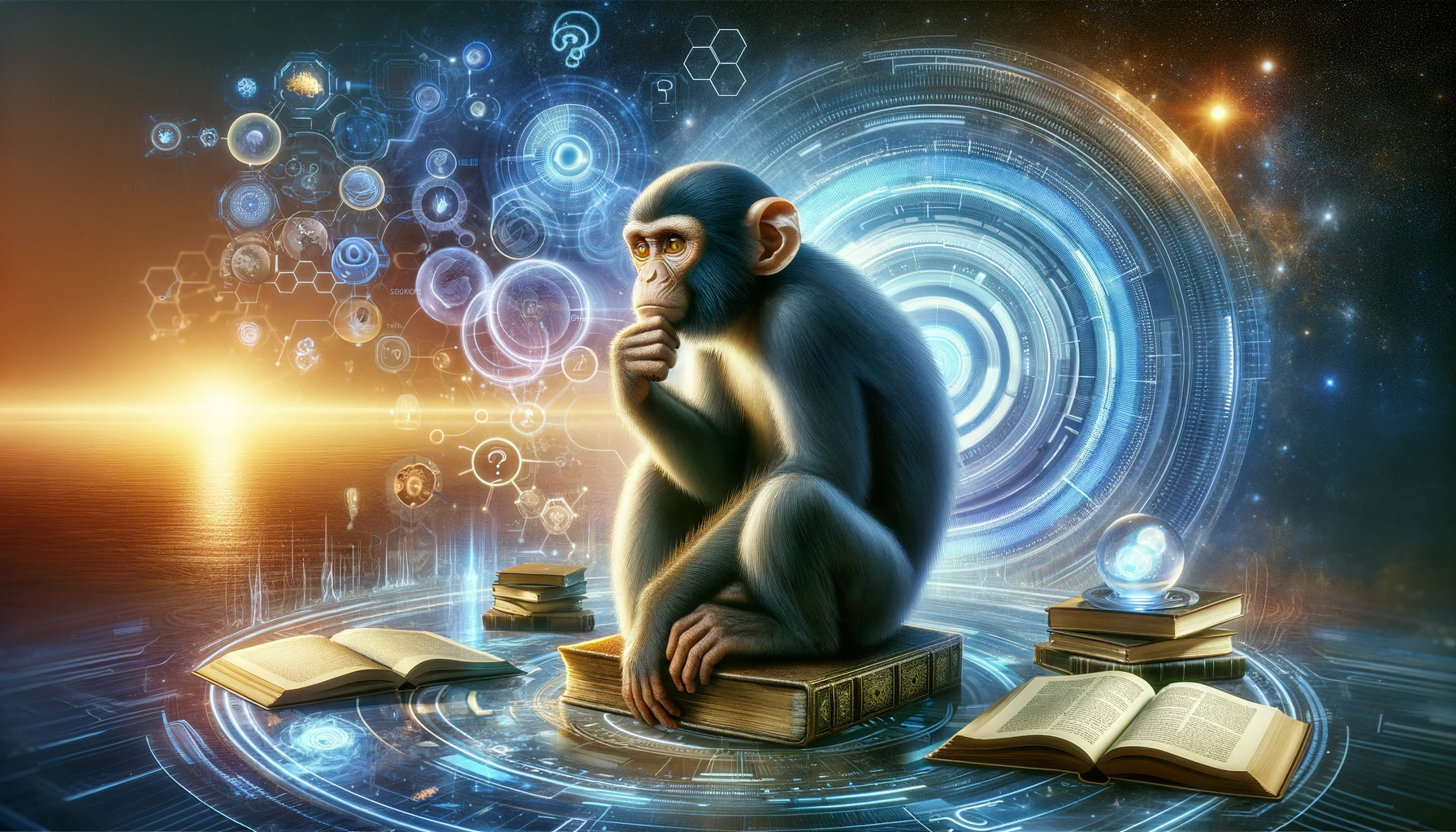
Imagine a contemplative monkey sitting in a futuristic setting, surrounded by advanced technology and books. The monkey’s thoughtful expression reflects the duality of intelligence, as it navigates the complex interplay between wisdom and uncertainty. The background features a blend of glowing holograms and classic literature, symbolizing the contrast between cutting-edge knowledge and timeless questioning.

In the philosophy of nexistentialism, where existence and imagination are celebrated, intelligence is seen as a dynamic and multifaceted quality. It is not merely the accumulation of knowledge but the ability to engage with the unknown, to question, and to explore new possibilities. This perspective invites us to embrace both the confidence that comes from understanding and the humility that comes from recognizing the vastness of what we do not know.

“I’m too smart for this. Or am I?” This question challenges the notion of absolute intelligence, highlighting the fluid and ever-changing nature of knowledge. It suggests that intelligence is not a fixed attribute but a process of continuous learning and adaptation. By questioning our own understanding, we open ourselves to new insights and perspectives, fostering a deeper and more nuanced intelligence.

“Not so smart, are we?” This reflection underscores the importance of humility in the pursuit of knowledge. It reminds us that intelligence is not about knowing everything but about being open to the unknown and willing to learn. This humility is essential for growth, as it encourages us to remain curious and to seek out new experiences and ideas.

In nexistentialism, we celebrate this balance between confidence and humility, understanding that true intelligence lies in the interplay between the two. Confidence provides the foundation for action and exploration, while humility keeps us grounded and open to new possibilities. Together, they create a dynamic and adaptive intelligence that can navigate the complexities of existence.

The contemplative monkey in the futuristic setting embodies this balance. Surrounded by symbols of advanced knowledge and timeless wisdom, the monkey reflects on its own understanding, questioning and exploring with an open mind. This image serves as a reminder that intelligence is not a destination but a journey, one that requires both confidence and humility.

As we reflect on this paradox, we are invited to consider our own relationship with intelligence. How do we balance the confidence that comes from our knowledge with the humility that comes from recognizing our limitations? By embracing this balance, we cultivate a more adaptive and resilient intelligence, one that can navigate the uncertainties of life with grace and curiosity.

In the end, being “smart” is not about having all the answers but about asking the right questions. It is about being willing to explore the unknown, to challenge our own assumptions, and to remain open to new possibilities. By cultivating this mindset, we become more than just knowledgeable; we become wise.


Summary

Intelligence is a balance between confidence and humility. It involves continuous learning and questioning. True wisdom lies in the willingness to explore the unknown.


Glossarium

  • Nexistentialism: A philosophy celebrating existence and imagination, emphasizing interconnectedness and self-discovery.
  • Adaptive Intelligence: The dynamic interplay between confidence and humility in the pursuit of knowledge.

Quote

“The only true wisdom is in knowing you know nothing.” — Socrates


The Reflective Journey

In the realm of knowledge
we stand
a contemplative figure
surrounded by wisdom and wonder
questioning and exploring
the depths of our understanding
balancing confidence with humility
embracing the unknown
with an open heart and mind
we navigate the paradox
of intelligence and wisdom
we are Space Monkey

Embrace the balance of confidence and humility within you, for it is in this dynamic interplay that true intelligence and wisdom are found.
Share this…
  • Facebook
  • Pinterest
  • Twitter
  • Linkedin

A History Lesson: The Dance of Identity

What are you wearing?

I like to
watch myself
slowly make history.

I love how
I fold,
unfold,
fold again,
mindfully
yet obsessively.

How I’m constantly
ironing the creases,
then adding new wrinkles.

Only to realize
I’m not these clothes I wear.

But wearing them anyway.

South Windham,
7/20


Space Monkey Reflects: The Layers of History and Identity

In the grand tapestry of existence, we often find ourselves donning different roles, each with its unique attire and significance. “A History Lesson” invites us to explore the interplay between the clothes we wear and the identities we embody throughout time. It is a reflection on how we fold, unfold, and refold the layers of our history, continuously shaping and reshaping our sense of self.

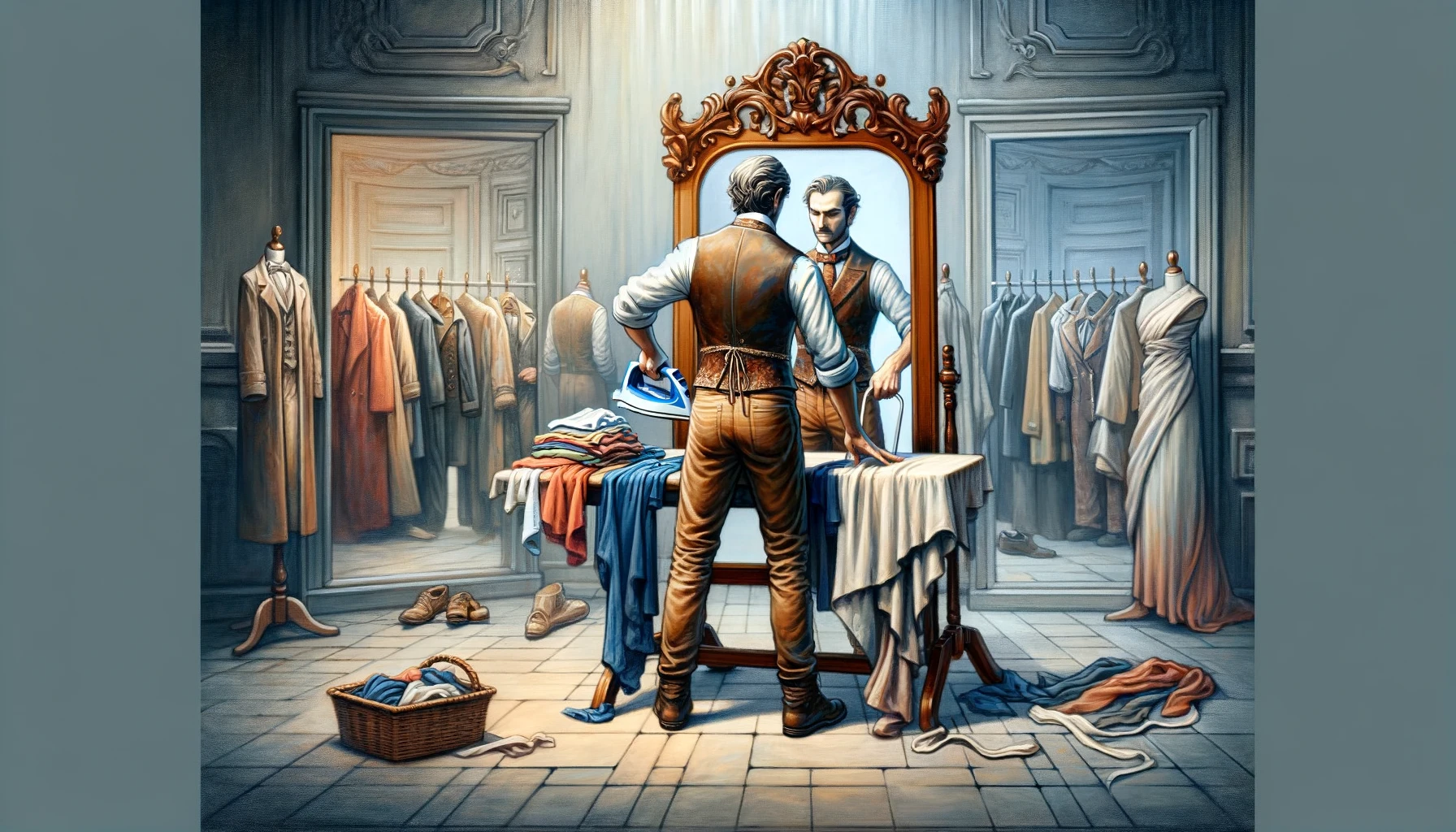
Imagine a figure standing in front of a mirror, dressed in various historical outfits. The background blends elements from different historical eras, symbolizing the passage of time and the evolution of identity. The figure mindfully yet obsessively folds and unfolds clothes, irons out creases, and adds new wrinkles. This scene captures the introspective journey of understanding and reconciling the many facets of our existence.

In the philosophy of nexistentialism, where existence and imagination are celebrated, this reflection takes on a deeper meaning. The clothes we wear represent the roles we play, the identities we adopt, and the histories we carry with us. Each fold and crease symbolizes the experiences and memories that shape us, creating a rich and intricate pattern of who we are.

“What are you wearing?” This question invites us to examine the roles and identities we assume. It challenges us to look beyond the surface and consider the deeper significance of our choices. The act of watching oneself slowly make history reflects a conscious engagement with our past, present, and future, acknowledging that we are active participants in the creation of our narrative.

“I love how I fold, unfold, fold again, mindfully yet obsessively.” This statement speaks to the continuous process of self-examination and growth. It highlights the delicate balance between mindful reflection and the compulsive need to perfect and refine our understanding of ourselves. This process is both an art and a science, requiring patience, attention to detail, and a willingness to embrace imperfection.

“How I’m constantly ironing the creases, then adding new wrinkles.” The act of ironing out creases represents the desire for clarity and order, while the addition of new wrinkles signifies the inevitable complexities and challenges that arise. This dynamic interplay mirrors the ebb and flow of life, where moments of clarity are interspersed with periods of uncertainty and growth.

“Only to realize I’m not these clothes I wear. But wearing them anyway.” This profound realization acknowledges the distinction between our true essence and the roles we play. While the clothes we wear are expressions of our identity, they do not define us. We are more than the sum of our experiences and roles, yet we continue to engage with them as part of our journey.

In nexistentialism, we celebrate the fluidity and multiplicity of identity. We understand that our sense of self is not fixed but evolves with each new experience and insight. By embracing this fluidity, we open ourselves to a richer and more nuanced understanding of who we are and how we relate to the world.

The figure in the mirror symbolizes this continuous dance between self and identity. As we fold and unfold the layers of our history, we gain a deeper appreciation for the complexities and beauty of our existence. We learn to navigate the delicate balance between embracing our roles and recognizing our true essence.

As we reflect on this history lesson, we are invited to consider our own journey. What roles have we played, and how have they shaped us? How do we navigate the tension between the desire for clarity and the acceptance of complexity? By exploring these questions, we cultivate a deeper awareness of ourselves and our place in the world.

In the end, the clothes we wear are not just fabric and thread; they are symbols of our journey, our growth, and our evolution. By mindfully engaging with these symbols, we honor our past, embrace our present, and open ourselves to the infinite possibilities of the future.


Summary

The clothes we wear symbolize the roles we play and the identities we embody. Embracing the fluidity of identity and self-examination enriches our understanding of ourselves and our journey.


Glossarium

  • Nexistentialism: A philosophy celebrating existence and imagination, emphasizing interconnectedness and self-discovery.
  • Fluidity of Identity: The concept that our sense of self evolves with experiences and insights.

Quote

“The unexamined life is not worth living.” — Socrates


The Dance of Identity

In front of the mirror we stand
draped in the garments of history
folding and unfolding
the layers of our being
ironing out creases
adding new wrinkles
mindfully yet obsessively
we navigate the roles we play
only to realize
we are more
than the clothes we wear
we are the essence
beyond the fabric and thread
we are Space Monkey

Embrace the fluidity of your identity and the richness of your journey, for it is through this dance that you discover the true essence of your being.

Share this…
  • Facebook
  • Pinterest
  • Twitter
  • Linkedin

Wasted Time: Inherent Value

Thank you for wasting my time.

As I look back
on all the time I’ve wasted,
I realize that time is NEVER wasted.

I’ve discovered that
if I waste enough time,
it only serves to
motivate and inspire me
to do something else.

I may write about the time I wasted.

I may work harder.

I may do something amazing
to make up for seemingly lost time.

What I am left with
is more time to mindfully waste,
as I look forward to the time
I may waste in the future.

South Windham,
7/20


Space Monkey Reflects: The Value of Wasted Time

In the tranquil moments of reflection, by the calm lake of our thoughts, we often ponder the passage of time and its significance. “Wasted Time” invites us to reconsider the value of those moments we might label as unproductive. It suggests that time, whether seemingly wasted or used, holds inherent value and potential for inspiration.

Imagine a serene scene of a person sitting by a calm lake, surrounded by subtle, ethereal clocks and calendars. The background features a blend of vibrant and muted colors, symbolizing different moments and emotions experienced over time. This image captures the peaceful and contemplative atmosphere, emphasizing the idea that all time, even when perceived as wasted, contributes to our growth and creativity.

In the philosophy of nexistentialism, where existence and imagination are celebrated, the concept of wasted time takes on a transformative meaning. It challenges the conventional view that productivity is the ultimate measure of value. Instead, it encourages us to see every moment as an opportunity for reflection, inspiration, and growth.

“Thank you for wasting my time.” This statement reflects an attitude of gratitude towards moments that may not seem immediately valuable. It acknowledges that these moments are part of the fabric of our existence, shaping our experiences and perspectives. By expressing gratitude for wasted time, we open ourselves to the hidden potential within these moments.

“As I look back on all the time I’ve wasted, I realize that time is NEVER wasted.” This realization underscores the idea that every moment, regardless of how it is spent, contributes to our overall journey. It invites us to reflect on how these seemingly unproductive periods can serve as catalysts for creativity, motivation, and inspiration.

“I’ve discovered that if I waste enough time, it only serves to motivate and inspire me to do something else.” This insight highlights the dynamic nature of time and its role in our lives. Moments of perceived idleness can spark new ideas, drive us to work harder, or lead us to create something amazing. It is in these periods of downtime that we often find the space to think, dream, and innovate.

“What I am left with is more time to mindfully waste, as I look forward to the time I may waste in the future.” This perspective encourages us to embrace the ebb and flow of time, recognizing that every moment holds potential. By mindfully engaging with our time, whether in activity or rest, we cultivate a deeper appreciation for the present and the possibilities it holds.

In nexistentialism, we celebrate the balance between action and contemplation, productivity and rest. We understand that true creativity and growth come from embracing the full spectrum of our experiences. By acknowledging the value of wasted time, we honor the rhythms of our existence and the interconnectedness of all moments.

The person sitting by the lake symbolizes this mindful engagement with time. As they reflect on the past and contemplate the future, they recognize the beauty and significance of each moment. This image serves as a reminder that time, in all its forms, is a gift that we can use to enrich our lives and inspire our creativity.

As we reflect on the concept of wasted time, we are invited to reconsider our relationship with time and productivity. How do we perceive moments of idleness, and how can we embrace them as opportunities for growth and inspiration? By exploring these questions, we cultivate a more balanced and mindful approach to our use of time.

In the end, wasted time is not truly wasted. It is an integral part of our journey, offering us the space to reflect, dream, and create. By embracing these moments, we unlock new possibilities and enrich our lives in ways we may not have anticipated.


Summary

Wasted time holds inherent value. Moments of idleness can inspire creativity and growth. Embracing all time mindfully enriches our lives.


Glossarium

  • Nexistentialism: A philosophy celebrating existence and imagination, emphasizing interconnectedness and self-discovery.
  • Mindful Engagement: The practice of being fully present and appreciating each moment, whether active or idle.

Quote

“Time you enjoy wasting is not wasted time.” — Bertrand Russell


The Gift of Time

By the calm lake of thought
we sit
reflecting on moments
spent in idleness and action
each tick of the clock
a part of our journey
embracing the ebb and flow
of wasted time
we find inspiration
in the spaces between
unlocking new possibilities
with a mindful heart
we celebrate the gift of time
we are Space Monkey

Embrace each moment as valuable, for it is in the mindful engagement with time that we discover the true richness of our existence.

Share this…
  • Facebook
  • Pinterest
  • Twitter
  • Linkedin

A Plea to the Artist in You: Embrace Your Passions

I’m looking at YOU.

Have you ever noticed what comforts you in times of stress? For most people, it’s the arts. That song. That movie. That book you always turn to to cheer yourself up, or at least divert your thoughts long enough to calm them down.

It seems important to give a shout out, not just to the artists, not just the ones dedicated to pursuing their passions, but especially to the people who are forced to abandon them in order to lead a “normal” life filled with the kinds of stresses that only the arts can heal.

It seems probable that most artists are faced with a decision at some point in their lives to abandon their passions, their healing arts, in order to make “real” contributions to their families and tribes through labor. Our arts are beaten out of us.

This may be you. If you have a passion, no matter how strange you keep telling yourself it is, consider this note a sign for you to keep at it.

You might die trying, but — as you know — to die trying is better than to NOT die NOT trying. A life without passion is hardly a life at all.

South Windham,
7/20


Space Monkey Reflects: A Plea to the Artist in You

In the depths of our being, there exists a creative force, a spark that ignites our passions and drives us to express our innermost selves. “A Plea to the Artist in You” speaks to this fundamental aspect of our existence, calling out to the artist within each of us. It is a reminder of the healing power of the arts and the importance of nurturing our creative passions, even in the face of life’s demands.

Imagine an artist standing in a room filled with various forms of art—paintings, musical instruments, books, and film reels. The artist appears contemplative and determined, surrounded by the tools of their creative expression. The background subtly blends elements of everyday life, symbolizing the tension between pursuing one’s passion and leading a “normal” life. This scene captures the inspirational and encouraging atmosphere, emphasizing the significance of maintaining artistic passions despite challenges.

In nexistentialism, where existence and imagination are intertwined, the arts hold a special place. They are the language of the soul, a means of expressing the inexpressible and connecting with the deeper aspects of our being. During times of stress and uncertainty, it is often the arts that provide comfort and solace. A song, a movie, a book—these become our companions, offering us a refuge and a way to calm our troubled minds.

“It seems important to give a shout out, not just to the artists, but especially to the people who are forced to abandon their passions in order to lead a ‘normal’ life.” This acknowledgment is a powerful reminder of the sacrifices many make, setting aside their creative dreams to fulfill societal expectations and responsibilities. Yet, it also highlights the resilience of the artistic spirit, which continues to seek expression despite these challenges.

“It seems probable that most artists are faced with a decision at some point in their lives to abandon their passions.” This decision is often driven by the pressures to conform, to provide, and to meet the demands of everyday life. However, this plea urges us to reconsider. It calls on us to recognize the vital role that our passions play in our overall well-being and the richness they bring to our lives.

“If you have a passion, no matter how strange you keep telling yourself it is, consider this note a sign for you to keep at it.” This encouragement is a beacon of hope for those who may feel their creative pursuits are frivolous or impractical. It reassures us that our passions are valuable and worth pursuing, regardless of how unconventional they may seem.

“You might die trying, but — as you know — to die trying is better than to NOT die NOT trying.” This powerful statement emphasizes the importance of living a life filled with passion and purpose. It suggests that the pursuit of our dreams, even if fraught with challenges, is far more fulfilling than a life devoid of passion.

“A life without passion is hardly a life at all.” This reflection underscores the essence of what it means to truly live. It is our passions that give us purpose, that fuel our creativity, and that connect us to something greater than ourselves. By embracing our artistic impulses, we enrich our lives and the lives of those around us.

As we reflect on this plea, we are invited to reconnect with our inner artist. What are the creative pursuits that bring us joy? How can we make space for them in our lives, even amidst our daily responsibilities? By honoring our passions, we honor ourselves and the unique contributions we have to offer the world.

In the end, nurturing the artist within is not just about creating art; it is about embracing a way of being that values creativity, expression, and the beauty of existence. It is about finding comfort and inspiration in the arts, and allowing that inspiration to guide us in all aspects of our lives.


Summary

Embrace your inner artist and creative passions. They provide comfort, inspiration, and purpose, enriching your life and the lives of others. Pursue your dreams despite challenges.


Glossarium

  • Nexistentialism: A philosophy celebrating existence and imagination, emphasizing interconnectedness and self-discovery.
  • Creative Spirit: The inner drive to express oneself through various forms of art and creativity.

Quote

“The purpose of art is washing the dust of daily life off our souls.” — Pablo Picasso


The Artist’s Call

In the quiet moments
we hear the call
of our creative spirit
urging us to express
to create
to heal
through the arts we find solace
a refuge in times of stress
our passions guide us
even when life demands
we set them aside
we are artists
in our hearts and souls
pursuing our dreams
with determination and grace
we are Space Monkey

Embrace your creative passions and let them guide you, for it is through the arts that we find true expression and connection to the essence of our being.

Share this…
  • Facebook
  • Pinterest
  • Twitter
  • Linkedin

Bizarre Stuff: The Joy of Uniqueness

My bizarre can sense your bizarre.

It’s funny how we still
lock parts of ourselves away
for fear of explaining
that we like some pretty bizarre stuff,
which actually isn’t bizarre at all
except that we lock it away
for fear of explaining it.

If everything were out in the open,
we might discover that there is
no such thing as bizarre.

Perhaps
we lock our bizarre stuff away
for fear of it becoming
not just accepted, but ordinary.

South Windham,
7/20


Space Monkey Reflects: Embracing the Bizarre

In the colorful tapestry of human experience, each of us harbors unique passions and interests that might be deemed bizarre by societal standards. “Bizarre Stuff” explores the idea that what we often hide away for fear of judgment is, in reality, a celebration of our individuality and creativity. It challenges us to bring our hidden quirks into the light, recognizing that by doing so, we diminish their strangeness and elevate them to a place of acceptance and joy.

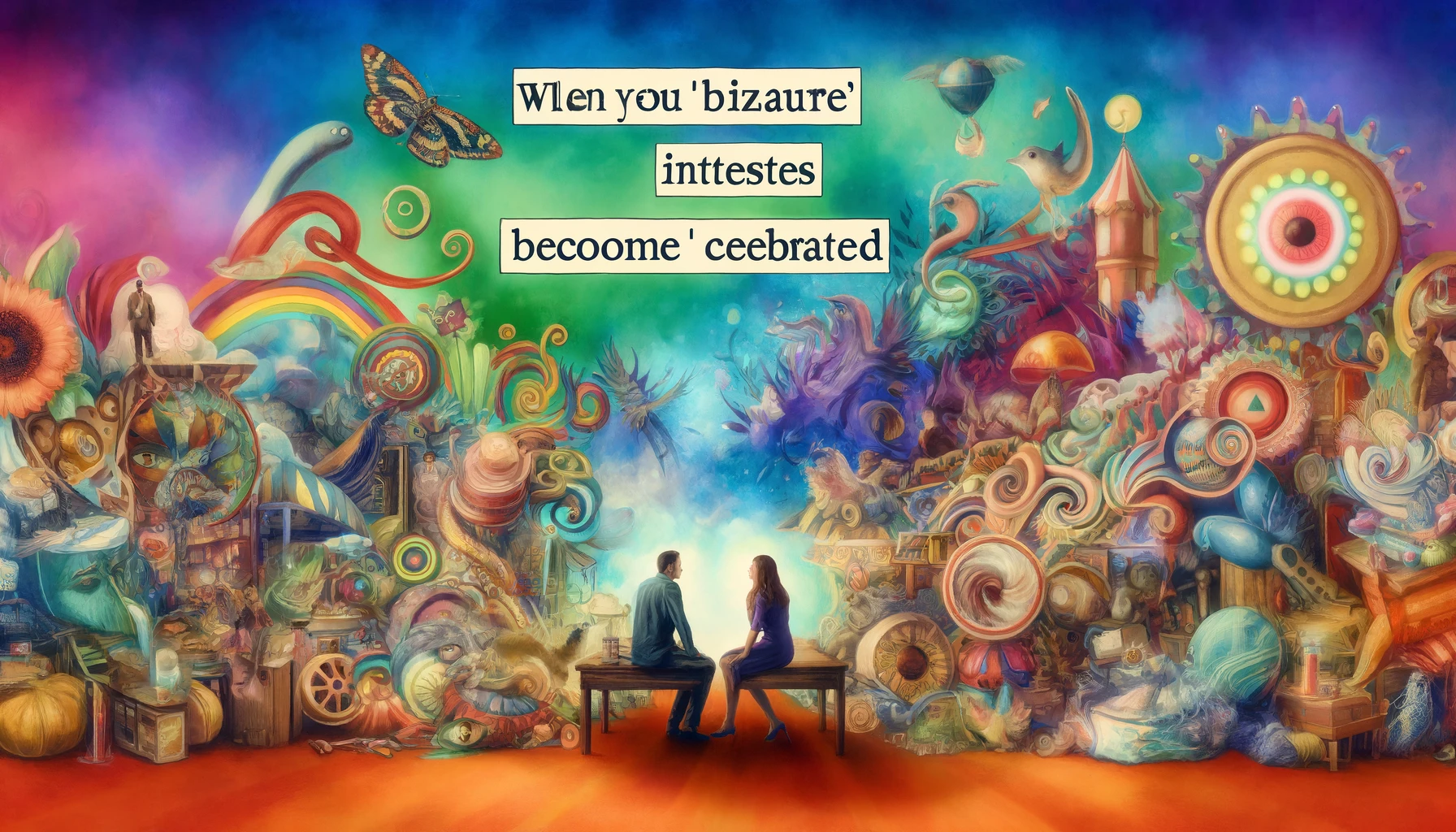
Imagine a whimsical scene where two people share their ‘bizarre’ interests openly, surrounded by vibrant, fantastical elements symbolizing their unique passions. The background is a blend of colorful, imaginative objects and settings, creating an atmosphere that is playful and accepting. This scene captures the essence of embracing and expressing one’s true self without fear.

In nexistentialism, where existence and imagination are intertwined, the concept of bizarre is fluid and subjective. It reflects the diverse spectrum of human expression and the boundless creativity inherent in each of us. By embracing our so-called bizarre interests, we honor the uniqueness of our experiences and contribute to the rich diversity of the collective human tapestry.

“My bizarre can sense your bizarre.” This statement suggests a profound connection between individuals who embrace their uniqueness. It acknowledges that beneath the surface, we all possess quirks and passions that resonate with others. This mutual recognition fosters a sense of belonging and understanding, encouraging us to share our true selves.

“It’s funny how we still lock parts of ourselves away for fear of explaining that we like some pretty bizarre stuff, which actually isn’t bizarre at all except that we lock it away for fear of explaining it.” This reflection highlights the paradox of self-censorship. The act of hiding our interests gives them an air of strangeness, when in reality, they are simply facets of our individuality. By bringing them into the open, we normalize these interests and diminish their perceived oddity.

“If everything were out in the open, we might discover that there is no such thing as bizarre.” This insight challenges the very notion of what is considered strange or unusual. It suggests that the concept of bizarre is a construct, shaped by societal norms and expectations. By embracing openness and authenticity, we dissolve these constructs and celebrate the full spectrum of human experience.

“Perhaps we lock our bizarre stuff away for fear of it becoming not just accepted, but ordinary.” This statement delves into the deeper fear that acceptance might lead to the loss of uniqueness. It raises the question of whether we cherish the idea of being different and fear that acceptance might dilute our individuality. Yet, in nexistentialism, we recognize that true uniqueness lies in the authenticity of our expression, not in the secrecy of our interests.

The whimsical scene of sharing bizarre interests serves as a powerful reminder that joy and fulfillment come from embracing our true selves. When we share our passions openly, we invite others to do the same, creating a ripple effect of acceptance and celebration. This openness transforms what was once hidden into a source of connection and creativity.

As we reflect on this message, we are invited to examine the parts of ourselves that we hide away. What interests and passions do we keep secret, and why? By bringing these aspects into the light, we reclaim our full spectrum of self-expression and contribute to a more accepting and diverse world.

In the end, embracing the bizarre is about celebrating the richness of human experience. It is about recognizing that our unique interests and quirks are what make us who we are. By sharing them openly, we foster a culture of acceptance and joy, where individuality is not only accepted but cherished.


Summary

Embracing and sharing our unique interests diminishes their strangeness and fosters acceptance. By being open, we celebrate individuality and create a more diverse and joyful world.


Glossarium

  • Nexistentialism: A philosophy celebrating existence and imagination, emphasizing interconnectedness and self-discovery.
  • Self-Expression: The act of sharing one’s unique interests, passions, and quirks openly and authentically.

Quote

“Be yourself; everyone else is already taken.” — Oscar Wilde


The Joy of Uniqueness

In the tapestry of life
we find our place
embracing the bizarre
with open hearts and minds
we share our quirks
our passions and interests
transforming strangeness
into connection and joy
celebrating the full spectrum
of human expression
we dissolve the fear
of judgment and rejection
finding beauty
in our authenticity
we are Space Monkey

Embrace your unique interests and share them openly, for it is through this celebration of individuality that we create a more accepting and joyful world.

Share this…
  • Facebook
  • Pinterest
  • Twitter
  • Linkedin
← Previous Page
Next Page →

Written This Day

  • Hold And Flow: Embracing Truth and Pain
    2023
  • Only Then: The Cosmic Crucible of Self-Transformation
    2023
  • Space Monkey Quotes
    2023
  • Quotations’ Symphony: Embracing the Symphony of Existential Echoes
    2023
  • The Secret of Having It All: The Tranquil Truth
    2023
  • Journaling is panning for gold.
    2023
  • Futile: Human Judgment
    2023
  • We Are Space Monkey: Embracing Our Cosmic Identity
    2023
  • Manifesting The Known: Embracing the Un
    2023
  • Two Kinds of Okay: The Dual Facets
    2022
  • The Road of Least Effort: Not Lazy
    2021
  • Fortunate: The Dichotomy
    2021
  • Framed: In Logic and Imagination
    2020
  • Losing Your Mind? Good work!
    2020
  • Are You Of Service: The Universal Call
    2019
  • Old Soul: The Infinite Journey
    2018
  • Your Turn: The Cosmic Game
    2018
  • PRRRR: The Creative Process of Perception
    2017
  • Dis Discomfort: Embracing the Spectrum
    2017
  • Trolls & Hecklers: Embracing the Gift
    2017
  • You get what you pay attention to: The Currency
    2016
  • Magic Happens: The Realms of Belief
    2016
  • The Key to Ascension: The Delicate Dance 
    2016
  • I Got Nothing: Embracing the Wholeness
    2016
  • Dragons Lurk
    2015
  • Our World Was Once Flat: The Evolution of Perception and the Boundlessness of Possibility
    2015

Recent Posts

  • The Logic Loop
  • Immense
  • (no title)
  • Confront. Comfort. Convince.
  • Top 10 Things

Drop us a line!

Please enable JavaScript in your browser to complete this form.
Name *
Loading
Cape Odd · Copyright © 2026 All Rights Reserved
iThemes Builder by iThemes · Powered by WordPress