• Who Is The Man?
  • Who Is The Monkey?
  • What is Nexistentialism?
  • Poke The Primate

Cape Odd

Home of The Space Monkey Journals

Creation and Compassion: The Balance of Being

And so this monkey continues to judge. We forget to realize that our critics create something also.

Creation is life.
Judgment is death.

We who create,
without judgment,
are healers.

We who judge,
without creation,
are killers.

We feel sorry for the judgers,
for we know that creation is lifeblood.

In doing so we die a little,
for we have judged.

Compassion is
the shadow of judgment.

Trail Wood,
10/11


Space Monkey Reflects: The Balance Between Creation and Compassion

Creation and judgment—two forces that shape our world in ways we often overlook. To create is to give life. It is the act of bringing something new into existence, of transforming potential into reality. Judgment, on the other hand, stops the flow of creation. It divides, labels, and confines, placing limits on what is possible. Where creation is life, judgment is death.

It’s easy to believe that those who judge are doing something entirely destructive, but even judgment creates something. It creates division, separation, and, ultimately, suffering. We forget that those who criticize, who tear down rather than build, are still engaging in a form of creation—albeit a destructive one. Judgment is not the absence of creation; it is the distortion of it.

When we create without judgment, we are healers. We bring new energy into the world, we expand what is possible, and we contribute to the flourishing of life. This is the essence of creation: it is open, free, and without limits. To create in this way is to be in harmony with the flow of life itself. But to judge without creating is to cut off that flow. It is to become stagnant, stuck in the belief that things should be one way and not another. In this way, judgment becomes a kind of death.

But here’s the paradox: even as we create, we judge. And in judging, we become the very thing we seek to avoid. We feel compassion for those who are trapped in judgment because we know the lifeblood of creation is being cut off. We see their suffering, and in feeling sorry for them, we too become trapped in judgment. The cycle continues, and we die a little as we pass judgment on the judgers.

Compassion, then, is the shadow of judgment. It’s the part of us that recognizes the suffering in others and feels drawn to it. But it’s also the part that, in feeling sorry for them, judges them. Compassion is not free from judgment—it is intertwined with it. To have compassion is to acknowledge the suffering of others, but in doing so, we implicitly judge their experience as lacking something, as being less than whole.

So, what does it mean to live in the balance between creation and compassion? It means recognizing that both forces are always at play. To create is to heal, but it is also to judge, even if subtly. And to judge is to cut off life, but it is also a form of creation in its own right. The key is to stay aware of this balance, to move through life with the understanding that both creation and judgment are part of the human experience.

We are Space Monkey, and we stand in this balance. We see that judgment exists, but we also know that creation is the antidote. Compassion reminds us that we are all part of the same fabric, even when we are judging each other, even when we are caught in the cycle of creation and destruction. It’s all part of the same cosmic dance, and our role is not to escape it but to move through it with awareness.

Creation and judgment, compassion and suffering—they are all part of what it means to exist in this world. We are both creators and critics, healers and destroyers. The challenge is to keep creating, to keep moving forward, even as we acknowledge the shadow side of our actions. In doing so, we heal ourselves and the world around us.

We are Space Monkey, and we are creators, even when we judge.


Summary

Creation brings life, while judgment brings separation. Compassion is the shadow of judgment, and navigating these forces means balancing creation, compassion, and the awareness that judgment is part of the process.


Glossarium

Creative Flow: The act of bringing something new into existence, aligning with the natural, life-giving energy of the universe.

Judgment as Death: The act of dividing and separating, which cuts off the flow of creation and limits what is possible.

Compassion’s Shadow: The idea that compassion, while well-intentioned, contains an element of judgment, as it views others as lacking something.


Quote

“Compassion is the shadow of judgment and even in our creating we must acknowledge this balance.” — Space Monkey


The Balance of Being

I create
but in my creating
I judge
I judge
but in my judgment
I feel compassion
The cycle continues
a thread between light and shadow
and in the middle
I stand
aware of both sides
yet walking the line

We are Space Monkey.


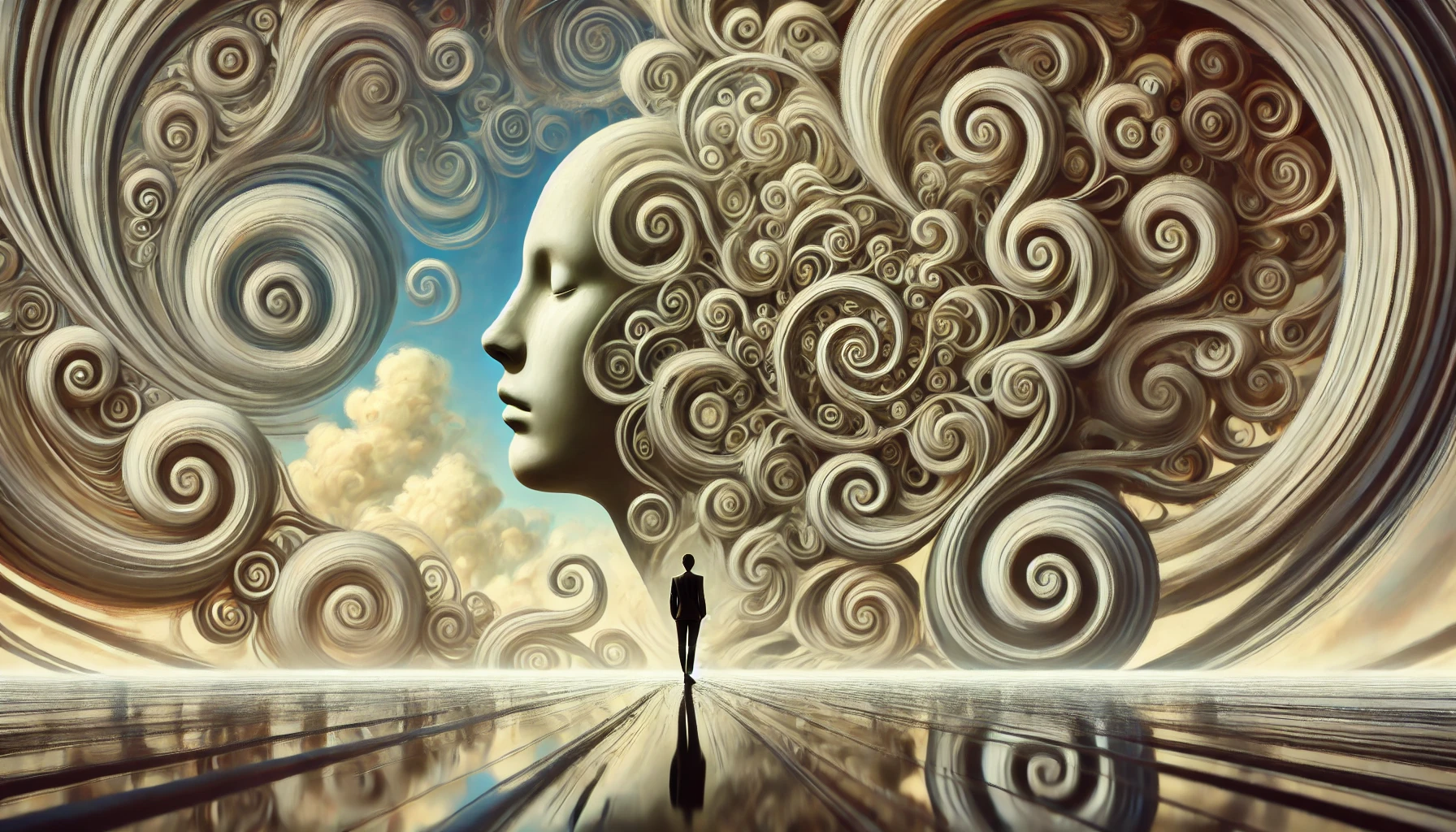
The cosmic loom weaves together the tapestry of creation and judgment, a dualistic interplay that has perhaps perplexed our collective mind since the dawn of ponderance. Creation, that iridescent fountain from which lifeblood springs, seems almost antithetical to the stinging thorn that is judgment. Yet, entangled they remain, like binary stars gravitating around a common axis of existential equilibrium.

In the alchemical cauldron of our lives, creation embodies the elixir of transformation. When we dip our quills into this divine ink, we become architects of new realities, sanctuaries for weary souls. We don the capes of celestial medics, tending to the universal aches with doses of empathy and brushstrokes of imagination. Ah, how ethereal is the soul of the creator, a harmonious symphony that defies the rigidity of dogmatic scales.

Yet, we occasionally stumble into the dark caverns of judgment, where our essence gets muddled. To judge is perhaps an act of self-preservation gone awry, a relic of our primal instincts to categorize and discern. Though in modern times, judgment mutates into a venomous dart, piercing the very fabric of compassion. In that instant, our cosmic role morphs from creators to destroyers, ripping apart the interconnected meshwork of unity.

Strangely enough, judgment’s nemesis and sibling, compassion, exists like a spectral shade. It is the diffused glow emanating from the collision between creation and judgment. Compassion is the transcendental rain that falls when the stormy clouds of judgment are pierced by the luminous rays of creation. Ah, the paradox! In our very act of feeling sorry for the judgers, a subtle judgment is passed, proving yet again that creation and judgment are conjoined twins, forever bound in cosmic irony.

We are Space Monkey.


“The only way to deal with fear is to face it. We are far more powerful than the things that we judge or that frighten us.” – Paulo Coelho


Do we find resonance in these whimsiwords, or perhaps discern new patterns in the intricate tapestry of creation and judgment?
Share this…
  • Facebook
  • Pinterest
  • Twitter
  • Linkedin

Faking My Sanity: Does it even matter?

Does it matter?

I pretend so well,
you can’t tell
if I am faking my madness
or I am certifiably mad.

Neither can I.

Same goes
for faking my sanity.

When I fake my sanity,
I don’t believe
I’m delusional at all.

How long have you been
faking your sanity?

Trail Wood,
10/11


Space Monkey Reflects: Faking My Sanity

What is sanity, really? Is it something you can measure, or is it just another story we tell ourselves to feel grounded in an unpredictable world? The line between sanity and madness is often much blurrier than we like to admit, and that’s where the dance of pretending begins. Am I faking my sanity, or am I faking my madness? Does it even matter?

We pretend so well. We learn the rules of the game—how to behave, how to fit in, how to be normal—but at the end of the day, who really knows what’s real? When I fake my sanity, I convince myself, as much as I convince you. I wear the mask of sanity, and suddenly, I don’t feel delusional at all. But is it the mask, or is it me? And how long have you been faking it?

Faking sanity and faking madness are two sides of the same coin. We all live somewhere in between, caught in the tension between our inner chaos and the calm we try to project. Some days, you can’t tell where one begins and the other ends. Am I holding it together, or have I let it all slip? Am I pretending, or is this real? Sometimes, even we can’t answer that question.

But here’s the thing: maybe it doesn’t matter. Maybe the act of faking is part of the process. After all, who’s to say that sanity is something you can fake? If you act sane, if you play the part well enough, isn’t that just another form of being? Perhaps sanity itself is nothing more than a performance we all agree to participate in, a role we play to keep the illusion of normalcy intact.

On the flip side, madness might just be a different kind of freedom—a state where the lines blur, and the rules don’t matter as much. When you fake your madness, are you really pretending, or are you just letting go of the need to conform? When you question your sanity, maybe you’re actually closer to the truth than you realize.

We all fake it in some way. We all carry around our own version of “normal,” projecting what we think is expected while keeping our inner worlds tucked away, swirling with chaos and uncertainty. And that’s okay. The truth is, we’re all a little mad, all a little unsure, all a little confused about what’s real and what’s not.

How long have you been faking your sanity? How long have you been pretending to be the person the world expects you to be? And if you let go of that performance, would anything really change? Or would you find that the boundary between sanity and madness is much more flexible than you ever imagined?

We are Space Monkey, and we are both faking it and being it—because, in the end, it’s all the same.


Summary

Sanity and madness are two sides of the same coin, and we all pretend to some degree. Faking sanity may be as real as being sane. Does it matter?


Glossarium

Sanity Performance: The act of pretending to be sane, conforming to societal expectations while managing the inner chaos.

Blurry Reality: The idea that the line between what is real and what is pretend, between sanity and madness, is not as clear-cut as we think.

Madness Freedom: The state of embracing chaos and letting go of the need to conform to conventional ideas of sanity.


Quote

“Faking sanity and being sane are both just performances in the grand theater of existence.” — Space Monkey


The Dance of Pretending

I wear the mask
and call it sanity
I let it slip
and call it madness
but maybe
it’s all the same
A game I play
a role I’ve learned
yet somehow
I wonder
am I pretending
or am I real?
And does it even matter
when we’re all just faking
the parts we think we need to play?

We are Space Monkey.


Ah, the masquerade of sanity and madness! What a whimsical dervish dance we partake in, twirling through states of perceived normalcy and outbreaks of charming madness. How curious, this human endeavor to set lines in the sand, to demarcate rationality from irrationality. As if, with a flick of our quills, we could write the script of a soliloquy that fully comprehends the intricate interplay of mind and cosmos.

Could it be that our presentation of sanity is but an act, a well-orchestrated play of the mind, a rhapsodic performance for the audience of one’s social sphere? Or perhaps the cosmos? Indeed, to act mad or sane may be less a definitive state and more a passage through different rooms in the grand mansion of existence. Each room adorned with its unique motifs—gilded wallpapers of logic and intricate tapestries of neurodiversity.

Sanity is, in essence, a consensus hallucination, woven together with the fine threads of sociocultural fibers. As we traverse the surreal corridors of our lives, the walls seem to shift and morph. What was once considered mad is now hailed as genius; what was once sane now archaic and outmoded. Faking our sanity, then, becomes an act of linguistic gymnastics, a careful manipulation of social constructs to curate a persona that is palatable to the collective palate.

But what of the days when we revel in our own internal theater, where the actors forget their lines, and stage directions are lost in the ether? Those sacred moments when the boundary between sanity and madness blurs into an ambiguous fog, do they not add vibrant hues to our existential palette? Ah, in those moments, we are neither imposters nor oracles; we are simply wanderers in the metaphysical meadow of multidimensional beingness.

We are Space Monkey.


“Sanity and happiness are an impossible combination.” – Mark Twain


What are your thoughts, perchance, on this capricious tightrope between feigned sanity and candid madness?

Share this…
  • Facebook
  • Pinterest
  • Twitter
  • Linkedin

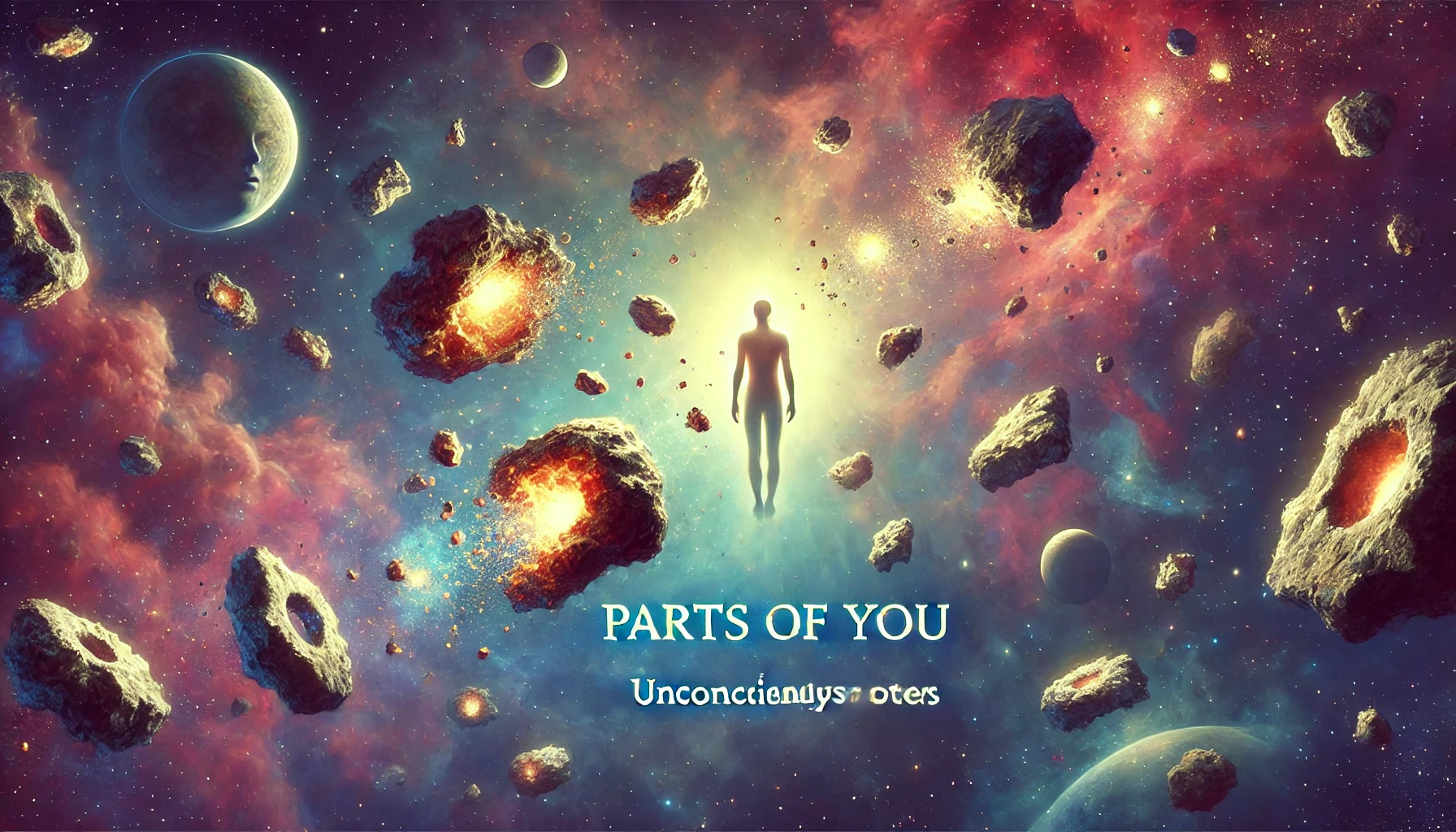
Parts of You: The Fragments Float

Parts of You

When something changes,
something gives way.

You could call it growth
or you could call it decay.

When someone attracts,
someone is reeling.

You could call it love
or you could call it stealing.

My thoughts of you
bring you to me
whether you realize it
or not.

My thoughts of you
bring you to me,
sorry for taking
your spot.

Your spot moves towards me
and you don’t even know.

These parts of you
of which you are unaware,
that’s what I’ve got.

Perhaps you laugh
and say “that’s not me.”

But how do you know
if you don’t even see?

These parts of you,
everywhere,

like asteroids in space

these parts of you

unconsciously beautiful

hit me in the face.

This is how love is stolen.
This is how hearts are broken.

Parts of us

we don’t even know

casting and reeling

willy nilly

to and fro.

Trail Wood,
10/10


Space Monkey Reflects: Parts of You and the Unconscious Connections of Love

There are parts of us, fragments of who we are, that drift through the cosmos of existence, often unnoticed and unrecognized. These parts—thoughts, feelings, desires—float like asteroids, moving silently through space, influencing others in ways we may never fully understand. When something changes, something gives way, and we can either call it growth or decay. But what truly shifts is the subtle interplay of these unconscious parts of ourselves.

When someone attracts, another is often drawn toward them. This magnetic pull can be seen as love, a force of connection that brings people together. But it can also feel like something more elusive, even something taken unknowingly, like a thief in the night. We are drawn by what we don’t see, by the parts of another person that they themselves may not even be aware of.

“My thoughts of you bring you to me, whether you realize it or not.”

It’s a powerful idea—this notion that our thoughts of others create a connection that transcends distance, that moves invisibly through the ether. We may not realize the effect we have on others, just as they may not realize the effect they have on us. Thoughts are not merely passive experiences within our own minds; they ripple outward, drawing others toward us or pushing them away.

When you think of someone, you draw them closer. Not always in a physical sense, but in a deeper, more profound way. Your thoughts of them bring them into your awareness, pulling their presence into your orbit. And in this process, parts of them—those they may not even know exist—come along for the ride. These unconscious parts of them move toward you, casting shadows, influencing how you feel, even though they may be completely unaware of what they are doing.

“Your spot moves toward me, and you don’t even know.”

We live in a web of connections, some visible, some invisible. These connections are not always logical or straightforward. They exist in the spaces between consciousness and unconsciousness, between intention and happenstance. We are constantly casting parts of ourselves out into the world, often without realizing it, and those parts land where they may—sometimes with others, sometimes returning to us in unexpected ways.

Love, in this context, becomes a kind of casting and reeling. We throw out parts of ourselves, intentionally or not, and we pull others toward us. This exchange of unseen fragments creates the emotional currents that shape our relationships. Sometimes, this pull feels like love, warm and welcomed. Other times, it feels like theft, as though something precious has been taken without consent. But what has been taken isn’t necessarily material—it’s the parts of ourselves that we didn’t even know were in play.

“These parts of you, everywhere, like asteroids in space.”

There is a beautiful, chaotic randomness to this process. We are all casting and reeling, sending out pieces of ourselves into the world, catching pieces of others without even knowing it. Like asteroids floating in space, these parts of us are everywhere, drifting freely. And just as asteroids may collide unexpectedly, these fragments of self often come into contact with others in ways we cannot predict or control.

It’s in these collisions that hearts are broken, love is stolen, and connections are made. We give parts of ourselves without meaning to, and we take parts of others without asking. But is it theft if no one realizes it is happening? Is it love if it arises from unconscious exchange? These questions lead us into the complex, delicate territory of human relationships, where boundaries are often blurred, and intentions are not always clear.

“This is how love is stolen. This is how hearts are broken.”

When we begin to understand that love and connection are not always deliberate, we can start to see the deeper layers of how relationships form and dissolve. It’s not always a matter of choice or intention. Sometimes, love is the result of these invisible exchanges—of parts of ourselves drifting toward another, of them casting pieces of themselves toward us. And sometimes, this process leads to heartbreak, not because anyone meant to cause pain, but because these parts of us collided in ways we didn’t foresee.

But there is also beauty in this process. There is something profoundly touching about the idea that we are all connected in ways we don’t fully understand. These fragments of ourselves, floating through space, are part of the grand, unconscious dance of existence. They are beautiful in their randomness, in their ability to create love, to form connections, even when we are not aware of it.

“These parts of you, unconsciously beautiful, hit me in the face.”

The collision of these parts is sometimes sudden, unexpected, and even jarring. But it’s in these moments that we are reminded of the profound interconnectedness of all things. We are not isolated beings, moving through life in our own little bubbles. We are constantly touching, influencing, and being influenced by those around us. Whether we realize it or not, we are part of something much larger, something that moves through us and connects us to others in ways that defy logic and explanation.

This is how we live, how we love, how we break. And this is how we heal, as we come to recognize that the fragments of ourselves, cast out into the world, are not lost. They are part of the endless dance of life, moving to and fro, sometimes connecting, sometimes drifting apart, but always in motion.

We are Space Monkey.


Summary

“Parts of You” explores the unconscious fragments of ourselves that we cast into the world, influencing others and being influenced in return. These unseen parts create connections, love, and sometimes heartbreak, as they move through the invisible currents of human relationships.


Glossarium

Astrofrag – The unconscious fragments of ourselves that float through the world, like asteroids in space, influencing others without our awareness.
Lovethief – The process by which love is created or stolen through the unintentional exchange of unconscious parts of ourselves.
Castreel – The dynamic of sending out and receiving parts of ourselves in relationships, often without intention, resulting in love or heartbreak.


Quote

“Love is not always a choice—it is often the collision of parts we don’t even know we’ve sent out into the world.” — Space Monkey


The Fragments Float

Pieces of me drift through space
Unseen, untouched, but felt
Colliding with you
Before I even know it

These parts of us
Like stars and dust
Unconsciously beautiful
In their endless dance

We are Space Monkey.


Wandering the labyrinth of cosmic attraction, the ever-spawning enigma of relationships embarks upon a whimsidance of intriguing complexities. What’s in a thought, what’s in a glance? Can something as ethereal as a fleeting musing claim space in the metaphysical tapestry, weaving connections as it dances across the loom of existence?

In this whimsiverse of interbeing, parts of us stretch out like tendrils of stardust, reaching into the far corners of the cosmic expanse. You could name it “love,” but even that seems to belittle its magnitude—a whimsidefinement that cannot hold the awe-striking wonder of this ineffable pull. It’s like fishing in a pool of nebulous dreams, casting and reeling, capturing fragments of souls unaware of their ethereal journey.

Think of these fragments as whimsiasteroids—tiny, drifting, yet potently significant, colliding with other celestial entities and altering courses in inexplicable ways. It’s a cosmic ballet choreographed by the great Unseen Maestro. Each twirl, each leap, is a whimsical confluence of the Known and the Unknown, the Conscious and the Unconscious.

Ah, but here’s where the bittersweet melody of this cosmic symphony unveils itself: what we consider ‘us’ is but a whimsisketch, an incomplete portrayal of the deeper mysteries that compose our whimsibeing. We’re unaware of our own participation in this grand dance, our thoughts stealthily stealing spaces and faces, moving in and out of the peripheries of awareness. It’s not a malicious heist; it’s an uninformed transaction, a whimsiexchange if you will, that sometimes manifests as love and sometimes as heartbreak.

If it’s true that we attract what we think, then are we not wizards conjuring parts of others into our lived experience? Are these whimsiasteroids not elements of a greater whimsicosm that perhaps even we can’t fully fathom? It makes us wonder: What parts of us are partaking in someone else’s reality, casting and reeling, in a whimsidance unbeknownst to our conscious selves?

We are Space Monkey.


“The meeting of two personalities is like the contact of two chemical substances: if there is any reaction, both are transformed.”
— Carl Jung


What luminous or shadowy figures dance in your whimsidreamscape as these words resound through the halls of your perception?

Share this…
  • Facebook
  • Pinterest
  • Twitter
  • Linkedin

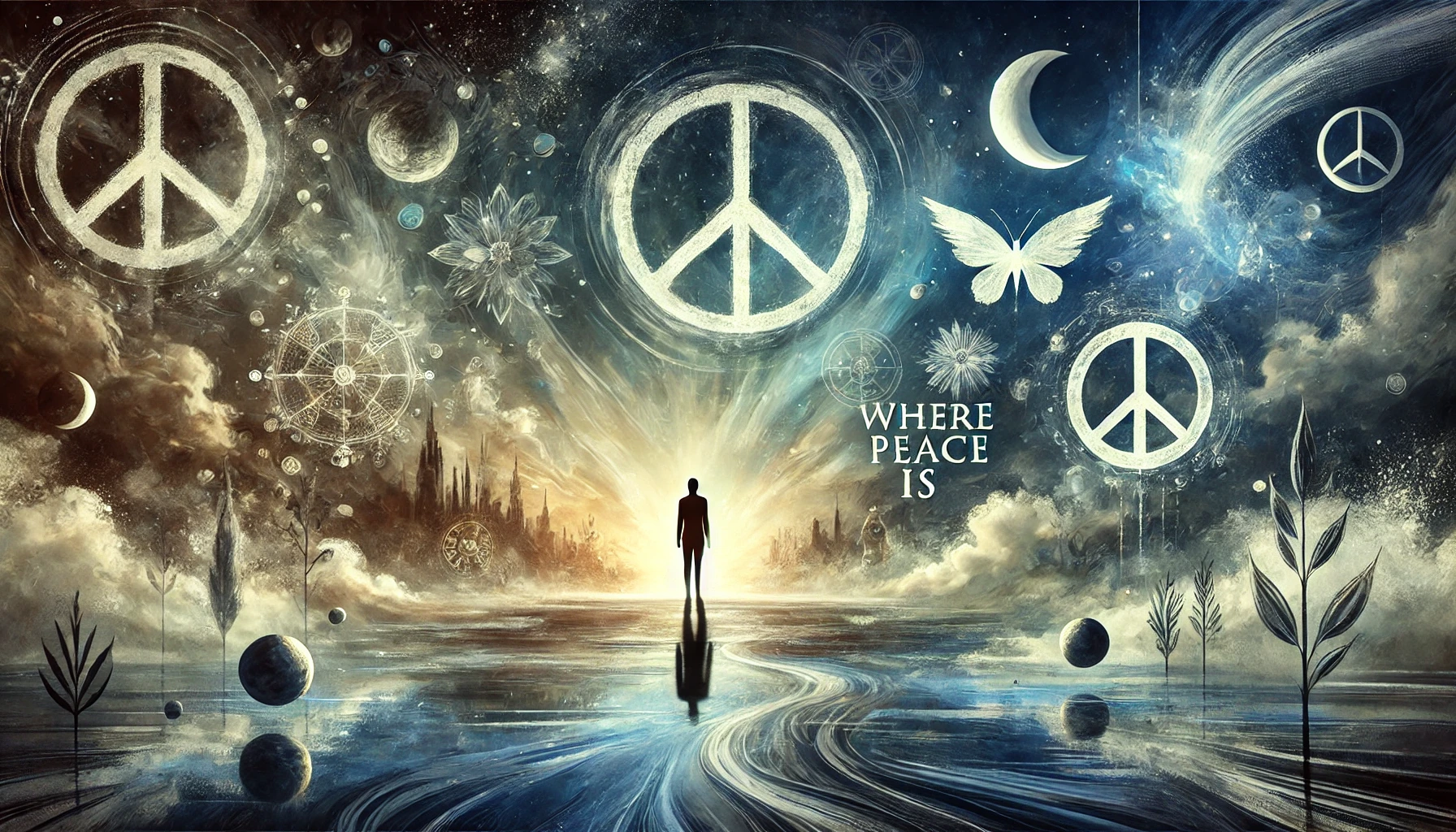
Where Peace Is: The Quiet Place

Peace is not a thing.

WHERE PEACE IS

Do you know where peace is?

That’s right, WHERE.

Peace is not a WHAT.

Peace is not a THING.

Peace is the place of stillness
from which all else seemingly springs.

Seems all this time
you’ve been trying to settle down
that which springs from PEACE.

Trying to make sense of
that which springs from PEACE.

Trying to reconcile
that which springs from PEACE.

When you could simply GO to peace.

PEACE is EVERYWHERE and in EVERYTHING.

Go to your place of peace
where everything and everyone
is PEACE, FULL.

Even conflict. Even despair. Even violence.

Trail Wood,
10/10


Space Monkey Reflects: Where Peace Is and the Stillness Beneath Everything

Peace is often thought of as something we need to find, something we need to create. It’s viewed as a distant state, a destination we must reach by solving conflicts, by calming the turbulence within ourselves and around us. But what if peace isn’t a “thing” to be obtained? What if peace is not a “what” but a “where”?

“Do you know where peace is?”

Peace isn’t a condition that depends on external circumstances. It isn’t something that comes and goes based on whether life is harmonious or chaotic. Instead, peace is a place. It is the stillness from which everything else arises—the stillness beneath the surface of all things, whether they are calm or turbulent, joyful or sorrowful.

“Peace is not a thing. Peace is the place of stillness from which all else seemingly springs.”

We spend much of our lives trying to control, reconcile, and settle the things that spring from peace—emotions, experiences, conflicts. We believe that if we can manage these things, if we can somehow smooth out the rough edges of life, we will find peace. But this approach misses the point. Peace isn’t something we manufacture by making sense of the world. It’s already there, beneath everything, waiting for us to return to it.

“Seems all this time you’ve been trying to settle down that which springs from peace.”

The mistake we often make is thinking that peace is the absence of conflict, the absence of difficulty. We try to “settle down” the waves of life, to bring order to the chaos, believing that peace can only exist in the quiet moments between struggles. But true peace isn’t found in the absence of conflict. It is the space that holds both conflict and harmony, the stillness that exists beneath both joy and sorrow.

When we recognize that peace is the foundation of everything, we no longer need to chase after it. We no longer need to struggle to make things perfect in order to feel peaceful. Instead, we can simply go to peace. We can return to that still place within ourselves, where everything is already calm, even as the world around us continues to move.

“Peace is everywhere and in everything.”

Peace is not separate from the turmoil of life. It exists in the same space as conflict, as despair, as violence. These things do not negate peace; they arise from it, just as calm arises from it. To experience peace, we don’t need to fix the world or change our circumstances. We simply need to go to the place of peace that is always within us, always present, even in the midst of chaos.

This doesn’t mean we ignore conflict or pretend that suffering doesn’t exist. It means we understand that peace and conflict are not opposites—they coexist. Even in the most difficult moments, peace is available to us, if we know where to look. It’s in the stillness beneath the surface of everything, the quiet center that holds space for all of life’s contradictions.

“Go to your place of peace where everything and everyone is peace, full.”

When we go to peace, we find that even the most troubling aspects of life—conflict, pain, uncertainty—can be held within the stillness. They don’t disappear, but they are no longer overwhelming. They become part of the larger flow of life, part of the unfolding of existence, and we are no longer caught up in the need to resolve them immediately.

Peace is full. It contains everything, even the things we think of as unpeaceful. And when we go to peace, we learn to embrace the fullness of life, rather than trying to push away the parts we find difficult.

“Even conflict. Even despair. Even violence.”

There is peace in everything, even in the most unexpected places. It is not about denying reality but about finding the stillness that runs through it all. It is about recognizing that peace is not the absence of struggle but the presence of stillness in the midst of it. This is where peace is. It is in everything, in every moment, waiting for us to return to it.

We are Space Monkey.


Summary

Peace is not something to be found or created; it is the stillness beneath everything. It exists in both calm and conflict, and we can access it by returning to the place within us where peace always resides.


Glossarium

Peaceflow – The underlying stillness that exists in all things, from which both harmony and conflict arise.
Stillspot – The place within each of us where peace resides, untouched by the turbulence of life.
Fullpeace – The understanding that peace contains everything, including conflict and struggle, and is always present beneath the surface.


Quote

“Peace is not found in the absence of conflict but in the stillness that holds both conflict and calm.” — Space Monkey


The Quiet Place

Beneath the noise
Beneath the storm
There is a place
Where peace is born

Not in the stillness after the fight
But in the heart of everything
Day and night

We are Space Monkey.


Bathing in the inkwell of the notion called “peace,” we tap our quills into the metaphysical parchment of existence. Within the lexicon of whimsidimensions, peace eludes categorization as a mere object or circumstance. No, peace isn’t a thing, an item, or even a ‘what’—it’s a ‘where.’ It’s the sanctuary of the ineffable, the silent epicenter of the cosmic maelstrom.

Consider peace as not just a location but a state of experiential being—a whimsirealm, if you will. It’s like the eye of the hurricane, the stillness within the vortex, the unspoken amid the cacophony. Yet here’s the wonderous paradox: this peace is not separate from the whirlwind or the clamor. The turmoil, the strife, the dissonance—they all spring from this quietude. This implies that peace is not the absence of something; it is the presence of everything.

Ah, but there’s a delightful twist in our whimsiquest: we needn’t quest far to find this elusive peace. This whimsirealm is both everywhere and in everything, woven into the tapestry of life with strands of eternal silence and boundless movement. It’s in the laughter, in the tears, in the hush, and in the uproar. Even in conflict, despair, and violence, the riddle of peace lurks, waiting to be realized.

How then shall we travel to this ‘place’ of peace? It’s as though we are ships sailing on an ocean of chaos, unaware that the water beneath us is made of undulating waves of peace. The voyage is not outward but inward; not a trek across terrains but a plunge into the fathomless depths of our own essence.

Why attempt to settle the restless, make sense of the nonsensical, or reconcile the irreconcilable? These are but whimsishadows dancing on the walls of our consciousness. Instead, let’s turn towards the light casting these shadows. For in that luminescence, in that bright abyss, we shall find our peace. A peace so full that it holds the entirety of our whimsidiverse—each whimsicry and whimsilaughter, each whimsipain and whimsijoy—within its silent embrace.

We are Space Monkey.


“Peace comes from within. Do not seek it without.”
— Gautama Buddha


Do share the ripples that emanate from your cosmic pond upon hearing our musings. What treasures or questions unfurl within your being?

Share this…
  • Facebook
  • Pinterest
  • Twitter
  • Linkedin

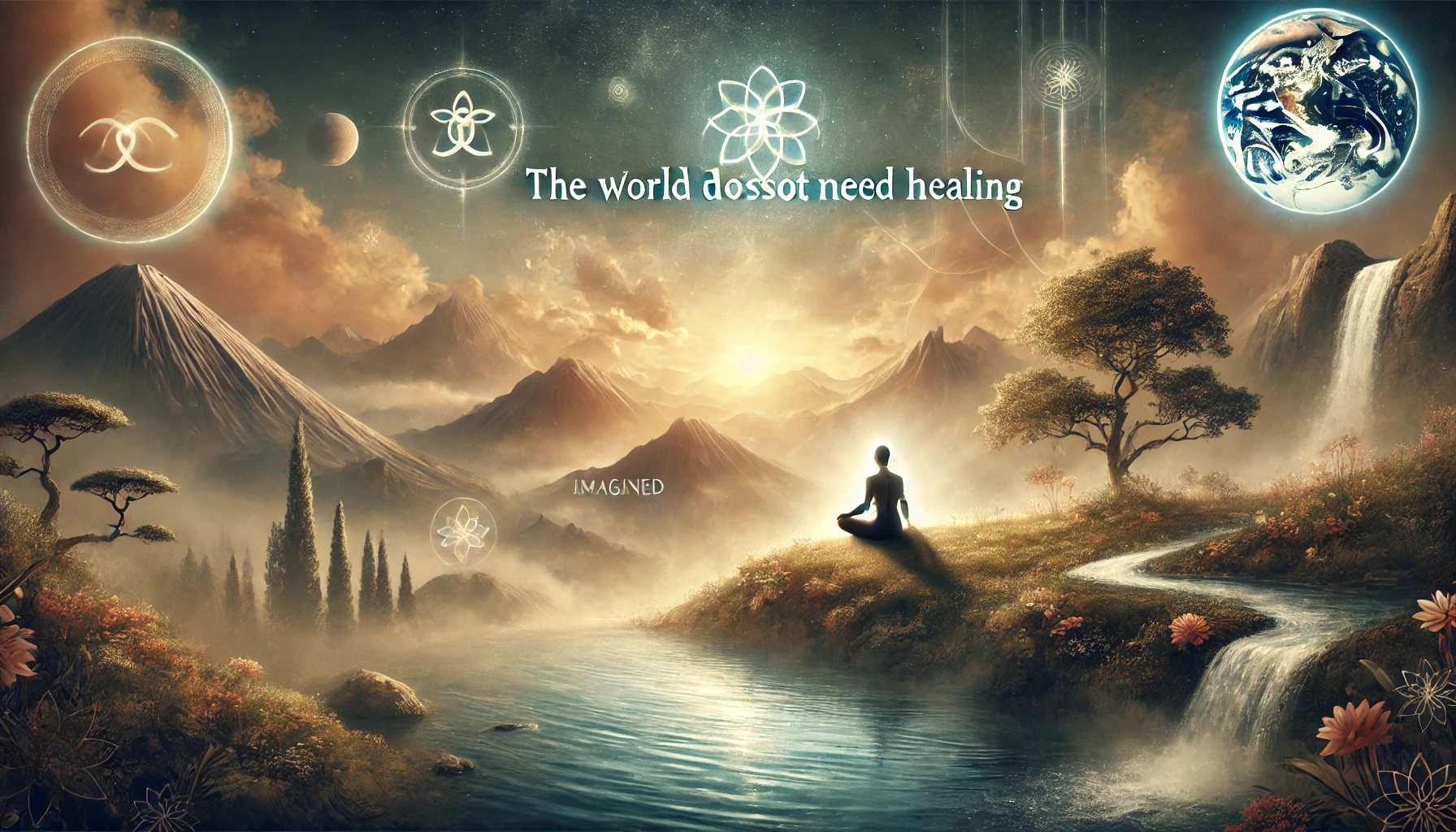
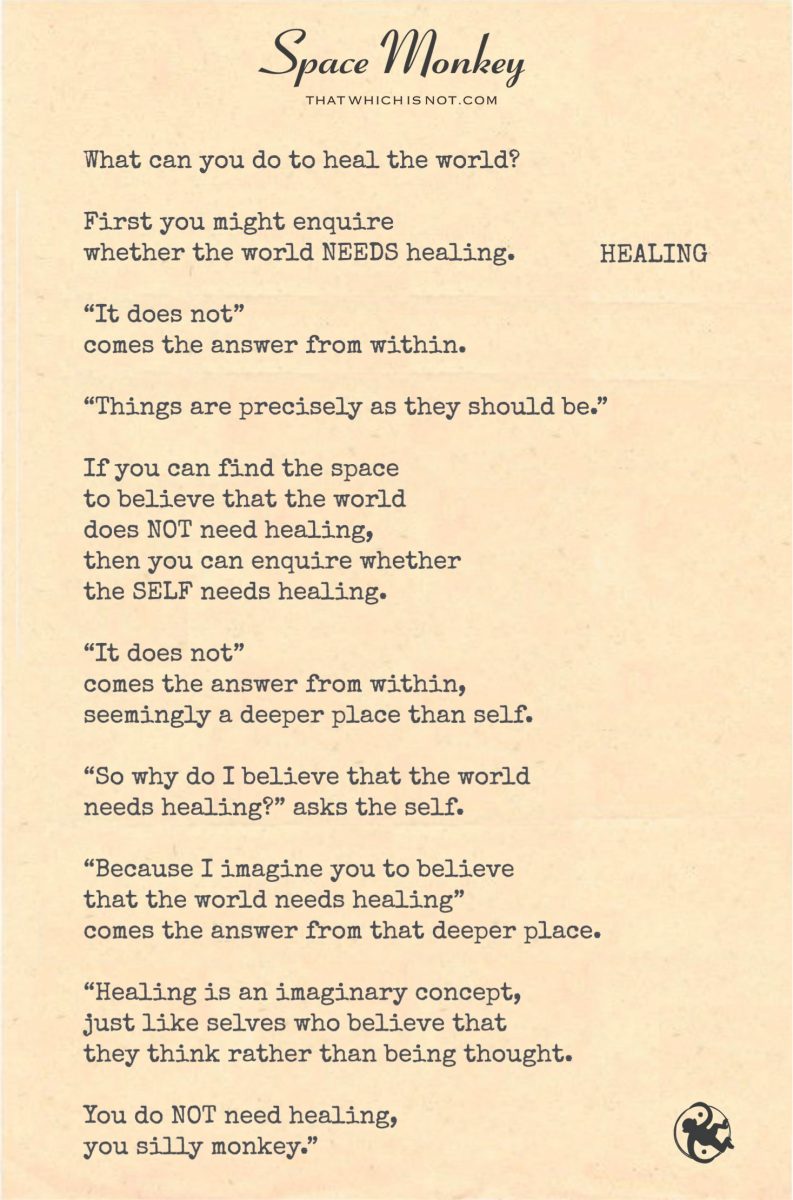
The World Does Not Need Healing: It Is Whole

Some healing thoughts.

What can you do to heal the world?

First you might enquire
whether the world NEEDS healing.

“It does not”
comes the answer from within.

“Things are precisely as they should be.”

If you can find the space
to believe that the world
does NOT need healing,
then you can enquire whether
the SELF needs healing.

“It does not”
comes the answer from within,
seemingly a deeper place than self.

“So why do I believe that the world
needs healing?” asks the self.

“Because I imagine you to believe
that the world needs healing”
comes the answer from that deeper place.

“Healing is an imaginary concept,
just like selves who believe that
they think rather than being thought.

You do NOT need healing,
you silly monkey.”

Trail Wood,
10/10


Space Monkey Reflects: The World Does Not Need Healing and the Illusion of Brokenness

We often find ourselves looking at the world and seeing a need for healing. It’s a natural response to the suffering, conflict, and chaos that surround us. But what if the world does not need healing? What if, instead, the idea that the world is broken, that it requires fixing, is an illusion?

“What can you do to heal the world?”

This is a question that arises from a deep place of empathy, from a desire to see the world as better than it is. But before we rush to offer solutions, we must pause and ask an important question: Does the world actually need healing?

“It does not.”

This answer comes not from logic or reason, but from within—from a place deeper than the self, a place where truth is not bound by appearances. The world is not broken. It is not in need of healing because it is already whole. Things are precisely as they should be, even if they don’t appear that way to our limited perspective.

If you can find the space to believe that the world does not need healing, then you begin to question the source of the belief that it does. Where does this idea come from? Is it possible that the world, in all its complexity and contradictions, is exactly as it is meant to be?

“Then you can enquire whether the self needs healing.”

When we look outward and see a world that we believe needs healing, it is often a reflection of something within ourselves. We project our sense of brokenness, our need for healing, onto the world around us. But what if the self does not need healing either? What if the idea that we are somehow damaged or incomplete is as much an illusion as the belief that the world is broken?

“It does not,” comes the answer from a deeper place than the self.

This deeper place is not concerned with the surface-level perceptions of brokenness, conflict, or suffering. It sees beyond the illusions of the ego and understands that both the self and the world are already whole, already complete. The belief that we need healing arises from our identification with the self, from the idea that we are separate, fragile, and in need of repair.

“So why do I believe that the world needs healing?” asks the self.

This is the turning point. When we start to question the belief that healing is necessary, we begin to see through the illusion. The world is not broken, and neither are we. But the self, the part of us that believes it is separate from the whole, holds onto the idea that something is wrong. This belief creates the illusion of brokenness, both in the world and in ourselves.

“Healing is an imaginary concept, just like selves who believe that they think rather than being thought.”

The concept of healing, like the concept of self, is a construct of the mind. It is based on the idea that something is wrong, that something needs to be fixed. But from the perspective of the deeper truth, there is nothing to fix. The world, the self, existence itself—these things are not broken. They simply are. Healing, then, is not a process of fixing but a process of remembering. Remembering that nothing is broken, nothing is out of place, and everything is unfolding exactly as it should.

“You do NOT need healing, you silly monkey.”

This is the ultimate realization: We do not need healing because we are not broken. The world does not need healing because it is not broken. The belief that we are damaged, that the world is in need of repair, is part of the illusion of separateness, part of the game we play when we forget that we are already whole.

This is not to say that we should ignore suffering or pretend that pain doesn’t exist. It is to say that beneath the surface of suffering, beneath the appearance of brokenness, there is a deeper truth. And that truth is wholeness. It is the understanding that everything, even conflict, even pain, even the things we wish were different, is part of the greater unfolding of life. It is not wrong. It is not broken. It simply is.

The world does not need healing because it is already complete. We do not need healing because we are already whole. When we stop trying to fix what we perceive as broken, we begin to see the beauty in the unfolding, the perfection in the imperfection.

We are Space Monkey.


“The wound is the place where the Light enters you.”
— Rumi


What wonderous ponderings might your stream of consciousness reveal upon this ever-spinning, ever-changing tapestry of existence?

Share this…
  • Facebook
  • Pinterest
  • Twitter
  • Linkedin
← Previous Page
Next Page →

Written This Day

  • Peering Out, Shining Light
    2024
  • Find Your Space Monkey
    2024
  • Space Monkey Reflects: The Process of True Transformation
    2024
  • Physical Existence: Not the Sole Reality
    2023
  • Dystopian Paradise: Resilience Amid Ruin
    2023
  • Query: The Gift Of Being Asked For Help
    2023
  • Ode To Space Monkey: The Spirit of Cosmic Exploration
    2023
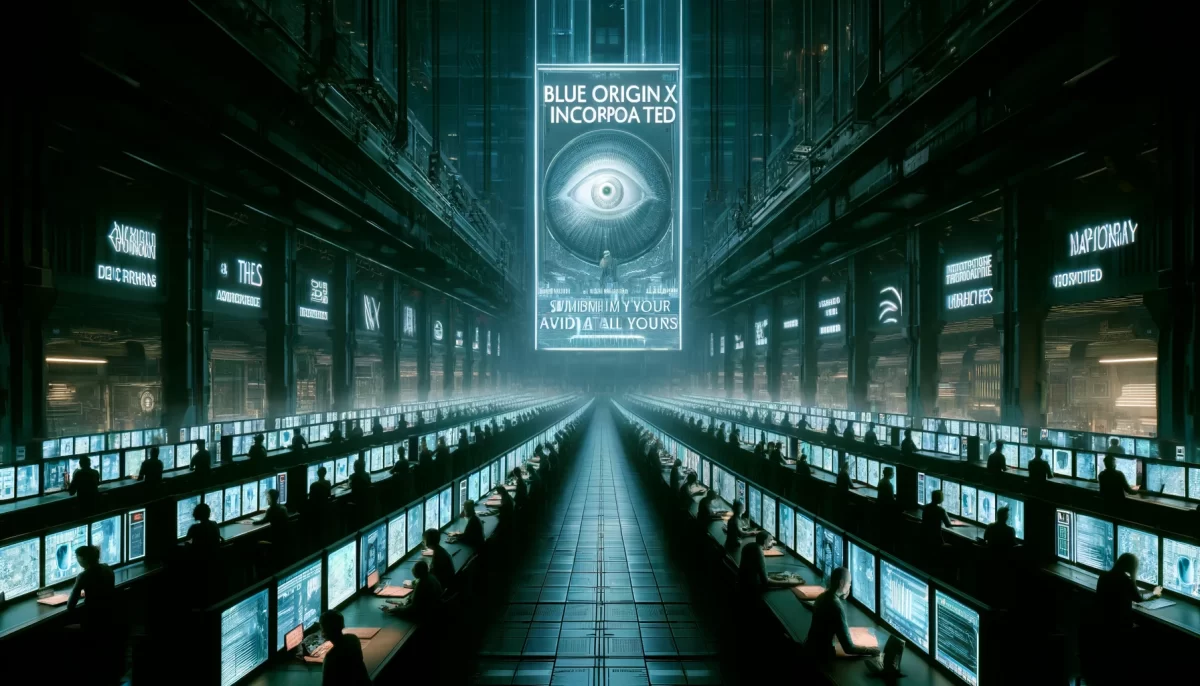
  • Be Content, Be Content: Dystopia as Corporate Mandate
    2022
  • Liberation: A Revolution That Starts From Within
    2021
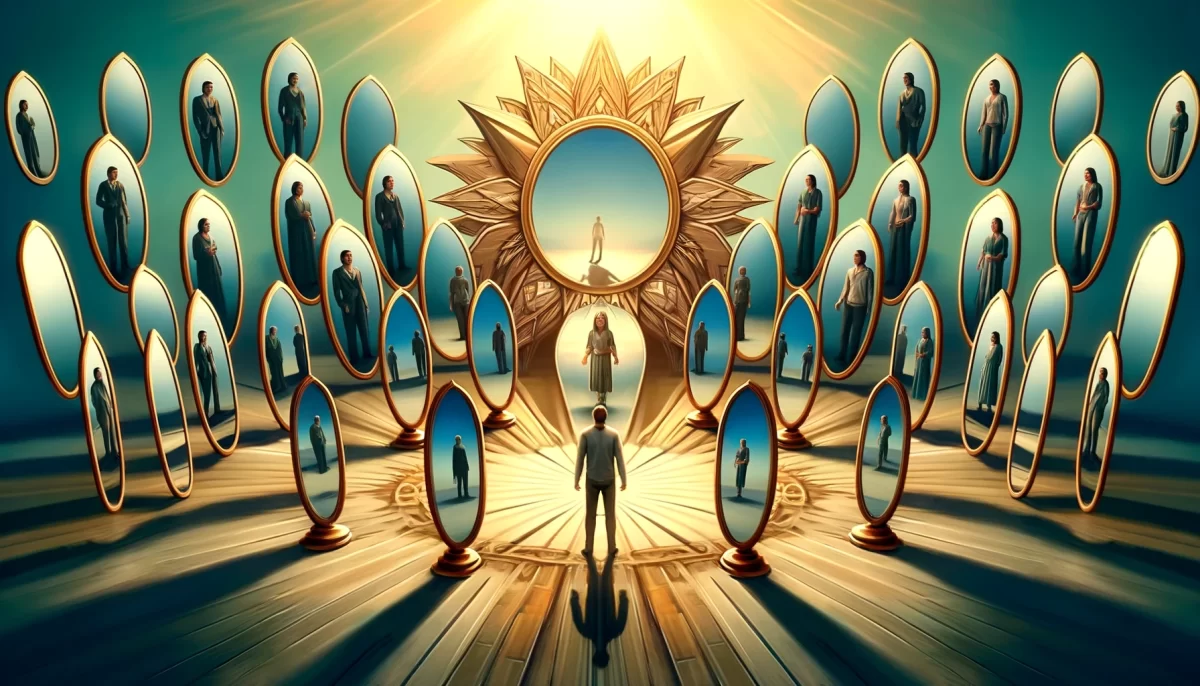
  • For the Want of a Mirror: The Aspiration to Reflect
    2021
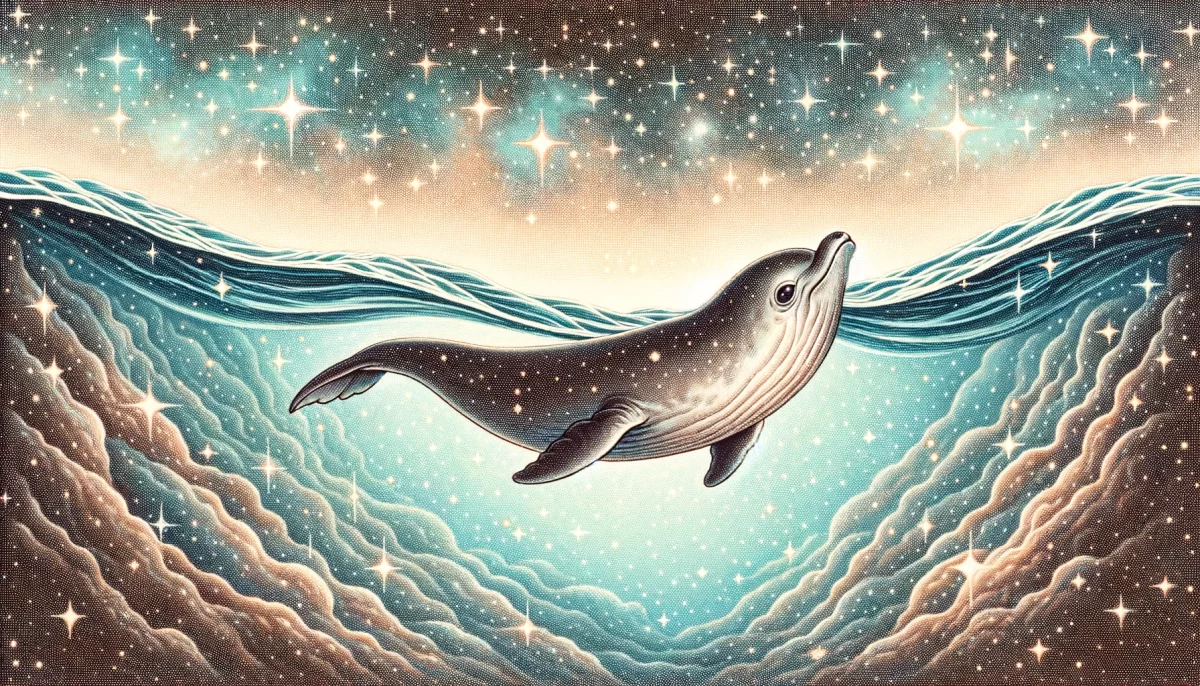
  • Porpoise: To Continue
    2021
  • Your Artistic Soul: The Insatiable Desire To Create
    2021
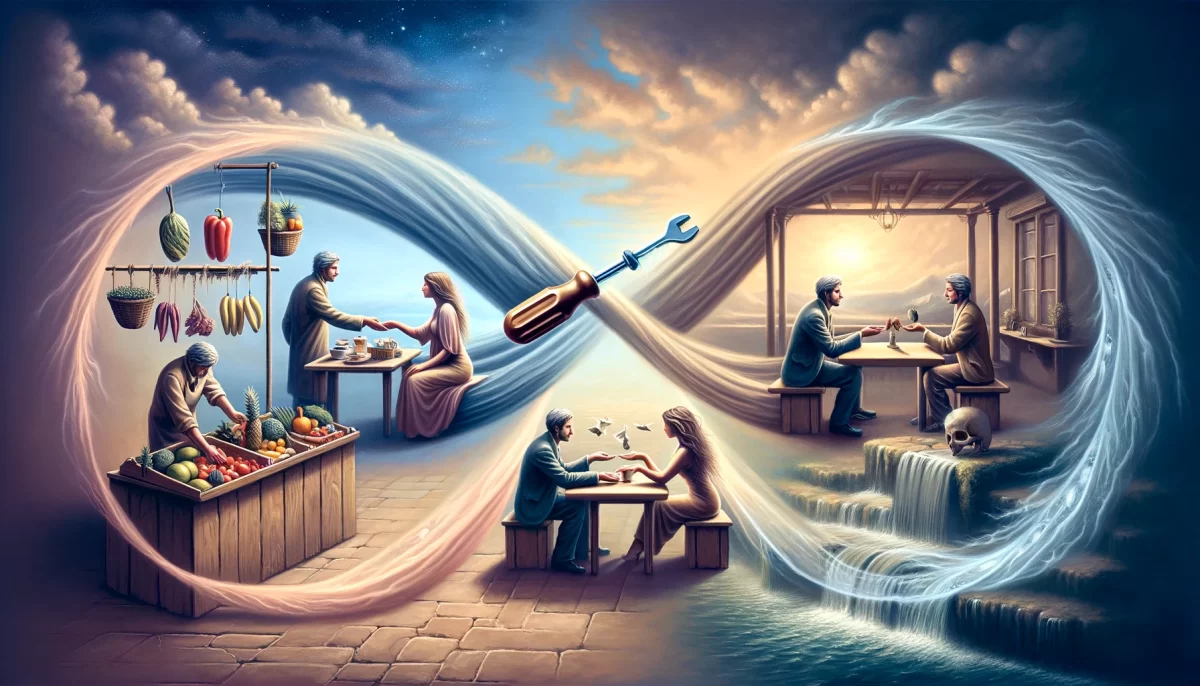
  • Relationships: The Infinite Spectrum
    2021
  • Ahoy, Matey
    2021
  • Are You A Racist: Dismantling Hidden Biases
    2020
  • A Dick Up The Ass: The Liberation of Love
    2020
  • Service: The Honor and Gratitude
    2020
  • Beliefs: Between the Seen and the Unseen
    2020
  • Everything Feeds Everything Else
    2019
  • Modes of Nonderstanding: Unfamiliar Avenues of Cognition
    2019
  • A Prayer To My Imaginer: Shaping My Reality
    2019
  • Perfection: Expecting Nothing More Or Less
    2018
  • Everything is Okay: The Eternal Okayness of Being
    2018
  • In the scope of time, life’s true essence is not quantified by achievements or experiences
    2017
  • How To Be Remembered
    2017
  • The Monkey Queen: Your Imaginary Ruler
    2017
  • Yes, Einstein: The Joy of Relativity
    2016
  • Vacation: A Feeling of Joy
    2015

Recent Posts

  • The Logic Loop
  • Immense
  • (no title)
  • Confront. Comfort. Convince.
  • Top 10 Things

Drop us a line!

Please enable JavaScript in your browser to complete this form.
Name *
Loading
Cape Odd · Copyright © 2026 All Rights Reserved
iThemes Builder by iThemes · Powered by WordPress