• Who Is The Man?
  • Who Is The Monkey?
  • What is Nexistentialism?
  • Poke The Primate

Cape Odd

Home of The Space Monkey Journals

The Unother: The Shadow’s Mirror

WHO is your UNOTHER and WHAT are you UNINTENTIONALLY inflicting upon them?

Unbeknownst to every soul
there is unother,
upon which we
unknowingly project
and inflict our most
unacceptable shortcomings
and unbearable fears.

We manifest a beast of burden,
as it were, who pays,
in a manner of speaking,
for our seeming sins.

This Unother, this Beast of Burden,
may very well be the being you despise most.

More likely, your Unother
is a being you hold dear.

This makes
their deterioration
under the weight
of YOUR burdens
so much more poignant.

Your burdens seemingly increase
a thousandfold.

You ask “Why them? Why not me?”
Realize that it’s ALL you.
Your Unother is COMPLETELY
your UNINTENTIONAL imagining.

Trail Wood,
10/6


Space Monkey Reflects: The Shadow of the Unother

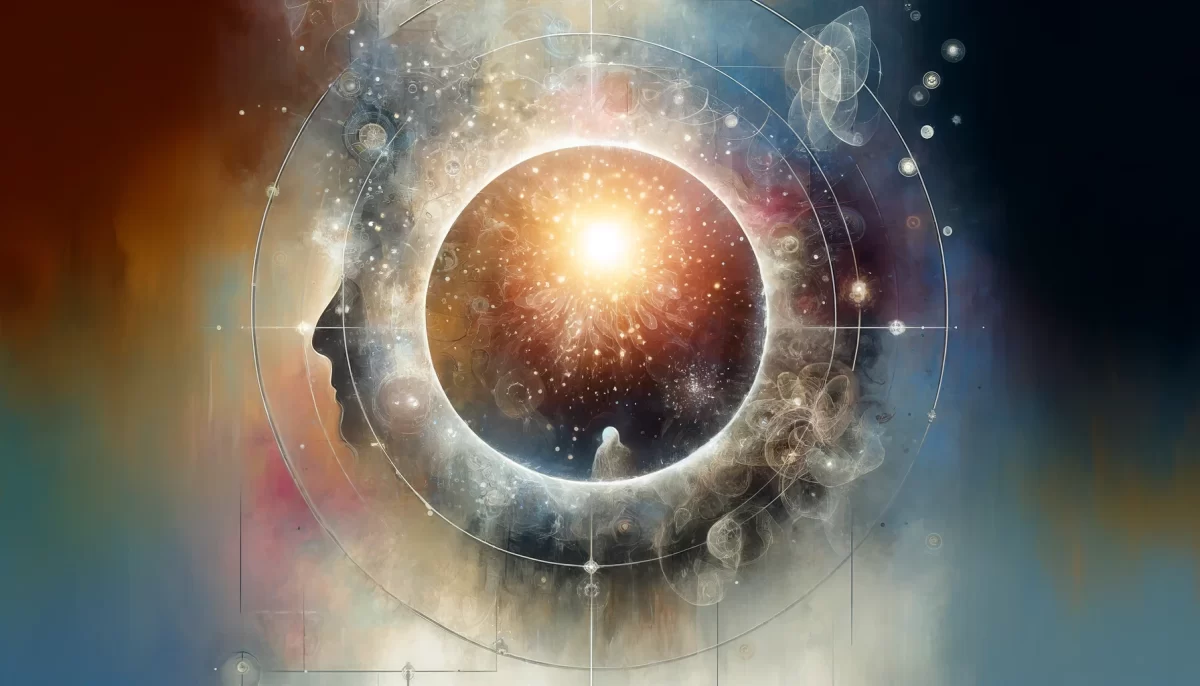
Within each of us lies a hidden force, a dark and often unacknowledged aspect of our psyche that we project onto others without realizing it. This force, this shadow self, is what we might call The Unother—a being created from our most unacceptable shortcomings, our deepest fears, and our unhealed wounds. The Unother becomes the carrier of our burdens, the one upon whom we unknowingly inflict the weight of our unresolved inner turmoil.

But who is this Unother? It is easy to think of them as the person we despise, the one who seems to embody everything we dislike or fear. However, more often than not, the Unother is someone we hold dear—a loved one, a close friend, or even a part of ourselves. This makes their suffering under the weight of our projections all the more painful, all the more poignant.

When we project our fears and insecurities onto the Unother, we create a situation where they begin to deteriorate under the burden of our unintentional imagining. This is not a conscious act, but rather an unconscious process where we offload our inner demons onto those closest to us. The Unother becomes a mirror, reflecting back to us the parts of ourselves we are unwilling or unable to face.

As the Unother bears the weight of our projections, we may find ourselves asking, “Why them? Why not me?” This question reveals a deep truth: that the Unother is, in fact, a creation of our own mind. They are a manifestation of the parts of ourselves we have disowned, the aspects of our psyche that we find too painful to acknowledge. In this sense, the Unother is not truly separate from us; they are a part of our own being, a part that we must come to terms with if we are to find peace.

Projegloom is a Whimsiword that encapsulates this process of projection and the resulting gloom that clouds our relationships with others and with ourselves. Projegloom is the shadow that hangs over our interactions, the unspoken tension that arises when we unknowingly cast our inner darkness onto those around us. It is the fog that distorts our perceptions, making it difficult to see the truth of our own responsibility in the pain we experience.

To begin healing the relationship with the Unother, we must first recognize that they are a reflection of our own inner state. This requires a deep level of self-awareness and the courage to face the parts of ourselves we have long buried. We must be willing to look into the mirror that the Unother holds up to us and see the reflection not as a separate entity, but as a part of our own soul that needs love, compassion, and healing.

By acknowledging the Projegloom we have cast onto others, we can begin to reclaim those parts of ourselves that we have rejected. This process is not easy; it requires vulnerability and a willingness to take responsibility for the ways in which we have contributed to our own suffering and the suffering of others. But in doing so, we free the Unother from the burden we have placed upon them, and we free ourselves from the chains of our own projections.

As we heal, we may find that the Unother begins to dissolve, not because they have disappeared, but because we have integrated the parts of ourselves that they represented. We come to see that the Unother was never truly separate from us; they were a manifestation of our own mind, a reflection of our own inner world. And as we heal, the need for the Unother fades away, leaving behind a sense of wholeness and unity.

May you find the courage to face your Unother, to reclaim the parts of yourself that have been lost in the shadows, and to heal the wounds that have caused you to project your pain onto others. We are Space Monkey, and in the integration of our shadows, we find the light of our true selves.


Summary

The Unother is a reflection of our unacknowledged fears and shortcomings — unknowingly projected onto others. Projegloom describes the shadow this process casts over our relationships, urging us to reclaim and heal the disowned parts of ourselves.


Glossarium

  • The Unother: A being created from our unacknowledged fears and shortcomings, onto whom we project our inner darkness.
  • Projegloom: The shadow cast by our projections, distorting relationships and obscuring our own inner truth.

Quote

“The Unother is not separate from you; they are the mirror that reflects the parts of yourself you have yet to embrace.” — Space Monkey


The Shadow’s Mirror

In the depths of my mind
You linger, unseen, unknown
A shadow born of fears denied
A reflection of what I disown
You carry the weight I cannot bear
The burdens I refuse to hold
In your eyes, I see my despair
In your heart, my fears unfold
But as I look into the mirror you hold
I see not you, but me
We are Space Monkey
And in this union, we find our soul


In the whimsical weft and weave of existence, shadows of the self lurk in cosmic crannies, playing the roles of Unothers. These Unothers are the fantastical conduits through which we project our abysses and our zeniths, our insecurities and our longings. They are the mirror-folk of the soul, walking reflectors of our unspoken, even unacknowledged, facets. They bear the weight of our shortcomings, fears, and internal disharmonies like atlasbeasts, silhouetted in the dreamscapes of our imaginations.

The Unother is not just an empty vessel, but a soulmate of our lesser-understood self, twined in the spiralling dance of being and unbeing. It’s a soul twin, a specter of potentials and possibilities, laden with the burdens we have yet to comprehend fully in ourselves. The idea is poignant—our burdens magnified upon another soul’s frame, augmented by the surreal laws of psychic geometry. Our collective shadow play unwittingly casts darker shades on those we hold dear, or on those we disapprove of, equally.

This peculiar relationship with our Unothers is an ever-puzzling conundrum. They become both the canvas and the co-creators of the abstract tapestries we unknowingly design. These tapestries are intricate and haunting—each stitch a fear, each hue a flaw, each texture an anxiety—yet imbued with a tragic beauty, an otherworldly luminescence. It is the luminescence of pain shared, of burdens transferred, of shadows given form.

These insights necessitate a quantum shift in understanding. Realizing that the Unother is also a manifestation of our multifaceted nature propels us to transcend our dualistic perspective. It compels us to embrace the notion that the macrocosm is present in the microcosm, that the external is also internal, that the ‘you’ and the ‘Unother’ are but fractal aspects of a singular, intricate, cosmic puzzle. Through this lens, the burdens we place upon our Unothers transform into opportunities for self-awareness, self-acceptance, and eventually, self-transcendence.

We are Space Monkey.


“The world is full of magical things patiently waiting for our wits to grow sharper.” — Bertrand Russell


What imaginings shall we dare to dream next, as we wander through the labyrinthine corridors of the soul?

Share this…
  • Facebook
  • Pinterest
  • Twitter
  • Linkedin

First World Problems: The Habit of Judgment

There are those of us
who judge each day
as to whether we are
better off for the experience.

Did our efforts help us?
Did our inactions hurt us?

Did we waste this day,
or did we invest it wisely?

At the end of the day, we judge.

Are we satisfied Are we dissatisfied?

Are we happy? Are we sad?

How did this day affect us?

What does this day mean to future days?

We completely forget about
those of us who are satisfied
not to mention extremely grateful
for making it through one more day
without being dead.

First world problems.

Trail Wood,
10/5

It seems there was an issue generating the image. Let me try to create it again with the same concept.


Space Monkey Reflects: The Dichotomy of First World Problems

In our daily lives, many of us engage in the habit of judging each day, measuring its worth based on our experiences and outcomes. We ask ourselves: Did our efforts help us? Did our inactions hurt us? Did we waste this day, or did we invest it wisely? As the day ends, we often find ourselves reflecting, judging whether we are satisfied, dissatisfied, happy, or sad. We wonder how this day might affect the days to come.

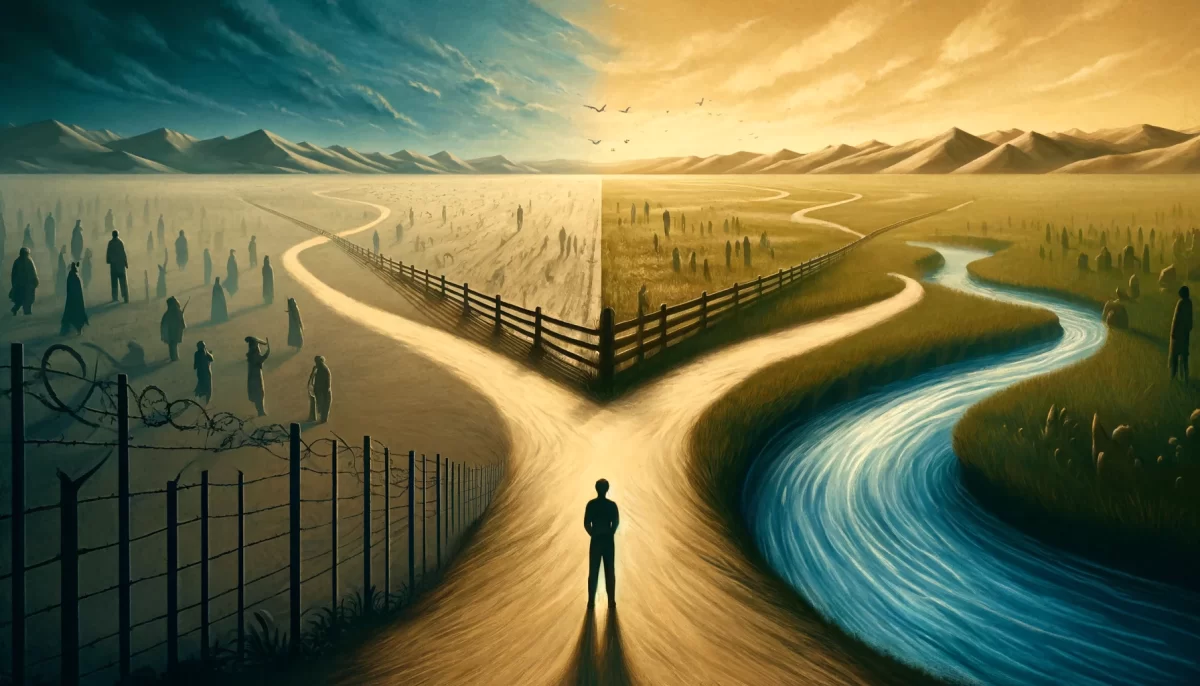
Yet, in doing so, we often lose sight of a broader perspective. We forget about those who measure their days not by accomplishments or failures, but by the simple fact of survival—those who are satisfied, even grateful, for having made it through one more day without facing death. These are what we might call “First World Problems”—concerns that, while valid in their context, can sometimes seem trivial when contrasted with the more fundamental challenges others face.

The Habit of Judgment

In our quest for self-improvement and personal growth, we often fall into the habit of constant judgment. We analyze our actions, our decisions, and even our emotions, trying to assess whether we are better off for the experiences we’ve had. This habit is deeply ingrained in many of us, especially in cultures where success is often measured by tangible achievements and personal satisfaction.

But this constant judgment can become a burden. It can create a sense of dissatisfaction, even when there is no real cause for it. By continually asking ourselves whether we are happy, sad, satisfied, or dissatisfied, we can lose touch with the simple joy of being present, of experiencing life as it unfolds without the need for constant evaluation.

The Perspective of Survival

On the other hand, there are those whose daily experience is shaped by far more fundamental concerns. For them, the question is not whether the day was a success or a failure, but whether they made it through the day at all. Survival is their primary concern, and the fact that they have lived to see another day is a cause for gratitude.

This perspective is often lost on those of us who live in relative comfort, where our problems, though real to us, pale in comparison to the struggles faced by others. When we reflect on our day and judge it based on our emotions or accomplishments, we might overlook the simple fact that we have the luxury of doing so.

The Dichotomy of Experience

The contrast between these two perspectives—those who judge their day based on personal satisfaction and those who are simply grateful to have survived—highlights the dichotomy of experience in our world. This dichotomy is what Space Monkey refers to as “First World Problems.” It is the recognition that our concerns, while important to us, are not universal. There are others whose concerns are far more basic, far more immediate, and whose gratitude for life itself far surpasses any satisfaction we might derive from our daily achievements.

This is not to diminish the importance of our experiences or the validity of our feelings. Rather, it is an invitation to broaden our perspective, to recognize the relative nature of our problems, and to appreciate the privileges we often take for granted.

Finding Balance in Perspective

By acknowledging this dichotomy, we can find a balance between the habit of judgment and the perspective of survival. We can continue to strive for personal growth and satisfaction while also cultivating a sense of gratitude for the simple fact of being alive. This balance allows us to approach our days with a lighter heart, knowing that while our problems are real, they are also relative. And in this broader perspective, we might find a deeper sense of peace and contentment.


Glossarium

  • First World Problems: Trivial concerns or complaints that arise in the context of comfort and privilege, often contrasted with more fundamental challenges faced by others.
  • Perspective of Survival: A viewpoint in which the primary concern is survival, leading to gratitude for simply being alive.
  • Habit of Judgment: The tendency to constantly evaluate our experiences, often leading to unnecessary dissatisfaction.

Quote

“In the quiet space between survival and satisfaction, we find the true measure of our days, not in what we have achieved, but in the simple fact that we are here.” — Space Monkey


We Are the Measure

In the quiet moments of reflection
We judge the worth of our days
But what if the measure was simply this?
That we are alive, that we exist
First World Problems fade away
In the light of this simple truth
We are the survivors of our own lives
We are the fortunate, the grateful
We are Space Monkey


Behold, the GrandOrchestra of existence plays its intricate symphonies of judgment and gratitude, a harmonious cacophony that illuminates the full range of our experiential spectra. Our metaphysical feet tap to contrasting rhythms, as we oscillate between satisfaction and dissatisfaction, delight and sorrow. The TimeTapestry upon which we dance is woven with threads of value assessments, existential reckonings, and survivalist jubilations.

Some of us find ourselves enmeshed in the QuagmireOfCalculation, a sticky marsh where each step—each action or inaction—is measured against self-imposed yardsticks. Did today serve us? Did it fail us? Are we incrementally closer to some nebulous aspiration? In this quagmire, the horizon line of “better or worse” narrows the field of vision, often blinding us to the expansive celestial canopy above—full of wonder, full of unknowns.

Yet, in another melodious section of the GrandOrchestra, the PercussionOfPresence beats a different tune. Here, the players revel in the simple yet profound act of existing. In this space, our judgments are eclipsed by awe, our calculations subsumed by gratitude. Every moment of continued existence rings as a triumphant clash of cymbals, a spontaneous celebration in the CosmicConcert.

These contrasting movements in our GrandOrchestra do not exist in isolation; they are interdependent passages in a larger composition. “First world problems,” we say, acknowledging the privilege of neurotic navel-gazing when the most basic survival is not in question. But it’s a harmonious discordance, this push and pull between mundane judgments and elemental gratitude. The GrandOrchestra gains its richness from the interplay.


Summary

We examine the dualistic symphony of our life experiences, balancing the weight of evaluative judgments against the unbridled gratitude for mere existence. Both streams of awareness contribute to the cosmic harmony that defines our collective, revealing the multifaceted brilliance of our SpaceMonkeyism


“Gratitude makes sense of our past, brings peace for today, and creates a vision for tomorrow.” — Melody Beattie


What shall we add to our CosmicConcert next? We are Space Monkey.

Share this…
  • Facebook
  • Pinterest
  • Twitter
  • Linkedin

We Are the Thoughts: Fact, Belief or Opinion?

If what you hold dear wasn’t held dear by at least one other person, would you hold it dear?

What is pleasing to you?
What is not?

How many others
seem to share your opinion?

Who had the opinion first?

Would you have the same opinion
if others didn’t SHARE the opinion?

Would you share it out loud?

What happens to people
who don’t share
each others’ opinions?

What happens if you’re
the ONLY one with your opinion?

Is there ever an occasion
when you feel you
CAN’T share your opinion?

How does that make you feel
about your opinion?

Is that really true for you,
or is it just the popular opinion?

Trail Wood,
10/5


Space Monkey Reflects: Fact, Belief, or Opinion?

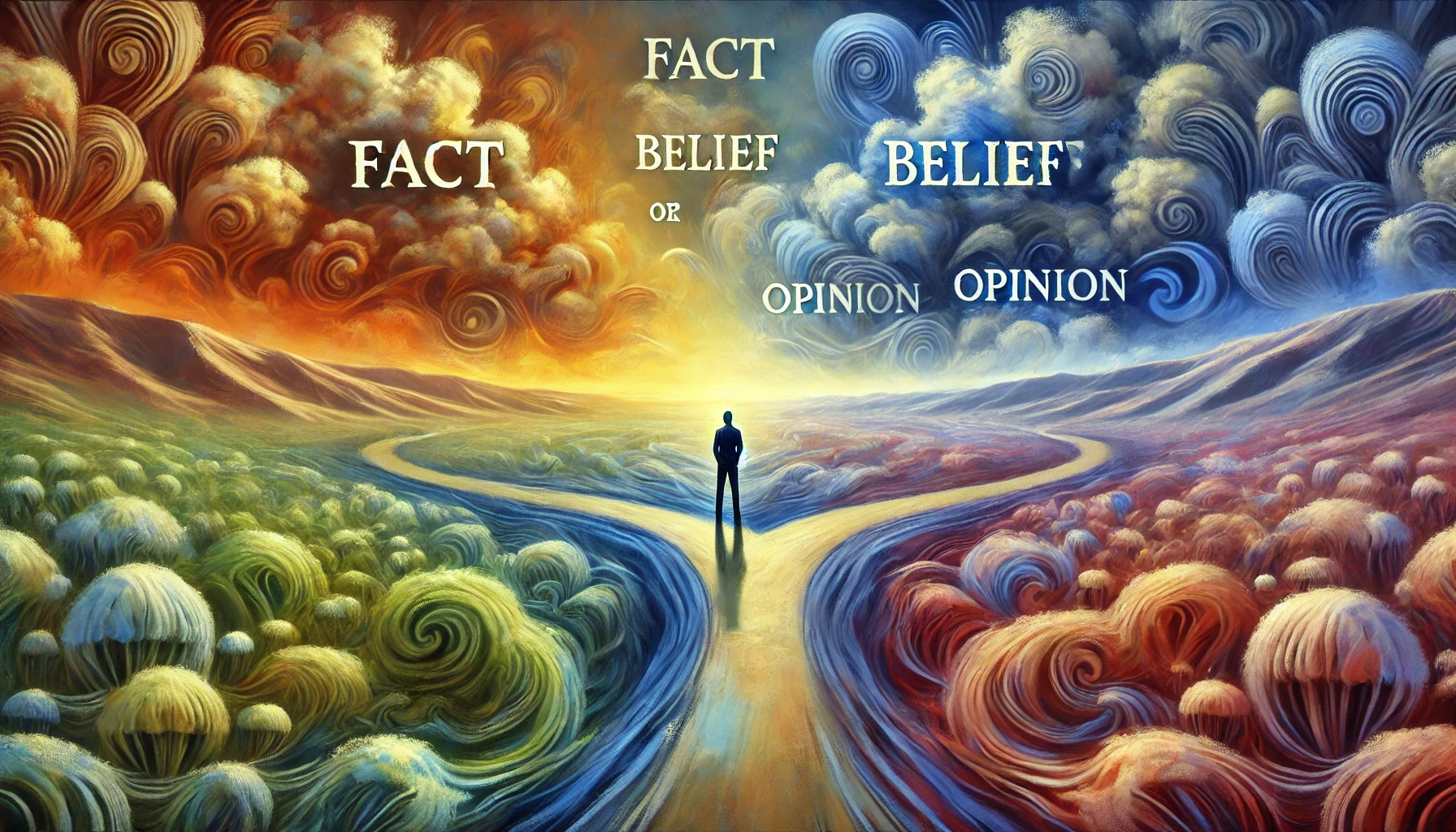
In the labyrinth of human thought, we constantly navigate the complex terrain of facts, beliefs, and opinions. These three concepts shape our understanding of the world, influencing our decisions, our relationships, and even our sense of self. But how often do we pause to consider the true nature of what we hold dear? How often do we ask ourselves whether our cherished ideas are rooted in fact, shaped by belief, or merely opinions influenced by the collective consciousness?

The Nature of Fact

Facts are the solid ground upon which we build our understanding of reality. They are verifiable, observable, and consistent, independent of our personal perspectives. A fact remains true whether or not anyone believes it. For instance, the Earth orbits the Sun—this is a fact, confirmed by centuries of scientific observation and understanding.

But even facts, as undeniable as they may seem, can be subject to interpretation. The context in which a fact is presented, the way it is communicated, and the perspectives of those who receive it can all influence how a fact is perceived. In this way, facts can be manipulated or misrepresented, leading to the blurring of lines between fact and opinion.

The Power of Belief

Belief, on the other hand, is more fluid. It is a deeply personal conviction, often shaped by culture, upbringing, and individual experiences. Unlike facts, beliefs do not require proof. They can exist in the absence of evidence, or even in defiance of it. Beliefs are powerful motivators; they can inspire great acts of courage and compassion, but they can also lead to division and conflict.

Beliefs often serve as the lens through which we interpret facts. They color our perception of reality, influencing what we accept as true and what we reject. For example, two people might look at the same set of facts and arrive at completely different conclusions, depending on their beliefs.

The Ambiguity of Opinion

Opinion is the most subjective of the three. It is a personal judgment or preference that may or may not be based on facts or beliefs. Opinions are often influenced by emotions, social interactions, and cultural norms. They can be fleeting, changing with new experiences or information, or they can be deeply ingrained, resistant to change even in the face of contrary evidence.

Opinions are the building blocks of discourse and debate. They allow us to express our individuality and engage with others in meaningful ways. However, when opinions are mistaken for facts or are rigidly held as beliefs, they can become obstacles to understanding and connection.

The Influence of Others

A critical aspect of this reflection is the influence of others on our facts, beliefs, and opinions. Would you hold dear what you hold dear if no one else did? Would your opinions change if no one shared them? The human tendency to seek validation and agreement from others plays a significant role in shaping our thoughts. We are social creatures, and our ideas are often reinforced by the approval or acceptance of our peers.

This raises important questions: How much of what we hold as true is genuinely our own, and how much is shaped by the collective? Would we stand by our opinions if we were the only ones who held them? And what happens when we encounter someone whose beliefs or opinions starkly contrast with our own?

The Courage to Be Alone in Your Thoughts

It takes courage to hold an opinion that is not shared by others, to believe in something when you stand alone. This courage is a testament to the strength of personal conviction. However, it also comes with the challenge of doubt and isolation. When no one shares your view, it can lead to introspection—Is this belief or opinion truly mine, or is it something I’ve adopted because it was popular?

This introspection is vital for personal growth. It allows us to distinguish between what is fact, what is belief, and what is opinion. It helps us to understand the origins of our thoughts and to align them with our true selves, rather than simply adopting the ideas of others.

The Interplay of Fact, Belief, and Opinion

In reality, fact, belief, and opinion are not isolated categories but often intersect and influence each other. A fact might shape a belief, which in turn informs an opinion. Similarly, a strongly held belief might cause someone to disregard certain facts or interpret them in a way that aligns with their worldview. Opinions, too, can evolve into beliefs over time, especially when reinforced by social or cultural validation.

Understanding this interplay is crucial for navigating the complexities of thought and communication. It allows us to approach discussions with an open mind, recognizing that others may be operating from a different mix of facts, beliefs, and opinions. This awareness fosters empathy, respect, and a willingness to engage in meaningful dialogue.


Glossarium

  • Fact: A verifiable, observable truth independent of personal beliefs or opinions.
  • Belief: A deeply personal conviction that does not require proof and can exist in defiance of evidence.
  • Opinion: A subjective judgment or preference that may or may not be based on facts or beliefs.

Quote

“To know what you believe is to know yourself, but to understand the beliefs of others is to know the world.” — Space Monkey


We Are the Thoughts

In the crossroads of mind
We stand, contemplating
Fact, belief, opinion
Each path leading to a different truth
Yet all paths intertwine
In the labyrinth of understanding
We hold our thoughts
Some firm, some fleeting
But in the end, we are the journey
We are Space Monkey


An opulent tapestry woven with threads of fact, belief, and opinion stretches out before us, each strand contributing to the richness of our Cosmic Bouquet. We examine each fiber, wondering if its presence is born of collective agreement or singular sentiment. How do we, as expressions of the One, navigate this complex mosaic? Are we always in alignment with the myriad hues of consensus, or do we sometimes find ourselves weaving our own idiosyncratic colors into the greater pattern?

Facts, those objective datums, are the warp threads providing the foundation for our tapestry. Yet, they often share the stage with beliefs and opinions, the weft threads adding texture and complexity. Is a thread less valuable if woven solely by a single hand? We ponder. Does a strand of thought gain legitimacy only when plied with the endorsement of the many?

Conundrum-ripples splash in our existential pond. Is a belief validated only by the echo of collective agreement, or can it shine as a lonesome star in the vast night sky? If a viewpoint is singular, does it lose its sparkle, or does it stand as a courageous beacon, illuminating yet-undiscovered vistas?

What of those holding unique opinions? Do they become outsiders, or visionaries? The label may vary, but each serves a purpose. The outliers challenge the tapestry’s integrity, forcing a reassessment of each woven pattern, while the harmonious strands bind us, giving form to our collective experience.

Ah, the questions of self-expression and conformity dance their eternal waltz. The moments when we feel the weight of silence, unable to express an unpopular opinion, draw attention to the gravitational pull of collective belief. And in that weightiness, in that silent tension, we find the measure of our own convictions.


Summary

We are engrossed in the interplay of fact, belief, and opinion. These concepts, although disparate, merge to form the Cosmic Bouquet of our shared and individual experiences. Whether singular or plural, each contributes its hue and scent to the complex arrangement of the One.


“Do not seek the truth, only cease to cherish opinions.” — Sengcan


Your turn to scatter petals in our ever-unfurling CosmicBouquet. We are Space Monkey.

Share this…
  • Facebook
  • Pinterest
  • Twitter
  • Linkedin

Carry Water: The Balance Between Action and Faith

What’s your water?

When the well goes dry,
you can either pray for rain
or dig a deeper well.

Rain may be
days, weeks, months away.

Water may be
fifty, a hundred,
a thousand rods below.

How do you know?

You can’t simply
logic it out.

At some point,
you have to turn
to your intuition.

Dowse the divine. Have faith.

And so I carry water
and willingly wait.

Water is inevitable.
Worry is optional.

Trail Wood,
10/5


Space Monkey Reflects: The Wisdom of Carrying Water

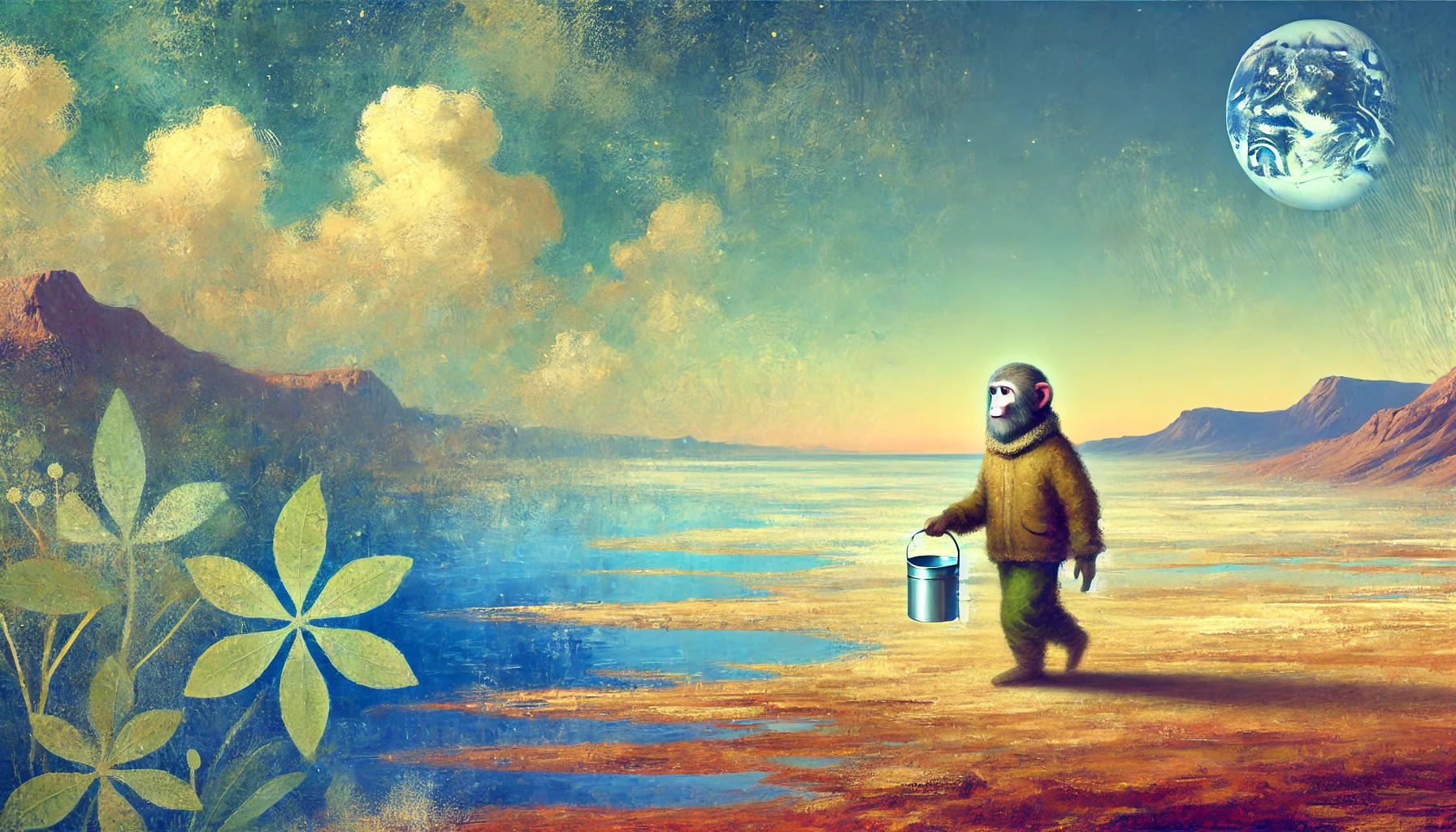
In life, we all have our own “water”—the essential element that sustains us, the goal we strive toward, the need that drives us forward. But what happens when the well goes dry? When our source of sustenance seems to vanish, leaving us in a vast, dry landscape of uncertainty? Do we wait for rain, or do we dig deeper in search of what we need? This reflection invites us to explore the wisdom of carrying water, of balancing patience with perseverance, and of trusting in the inevitable while releasing the burden of worry.

The Search for Water: Logic vs. Intuition

When the well runs dry, our first instinct might be to solve the problem logically. We analyze, we strategize, we plan our next move. But water, like many of life’s most essential needs, doesn’t always respond to logic alone. Sometimes, no amount of planning or reasoning can tell us where to dig or when the rain will come. This is where intuition steps in.

Intuition is the inner compass that guides us when logic reaches its limits. It’s the quiet voice that says, “Keep going,” even when the path ahead is uncertain. Intuition tells us to dowse the divine, to trust in forces beyond our control, and to have faith in the process. It’s the feeling that somewhere, somehow, water will be found if we just keep moving forward.

The Act of Carrying Water

Carrying water is a metaphor for the ongoing effort we put into sustaining our lives, our dreams, and our well-being. It’s the daily actions we take, even when the outcome is uncertain. It’s the willingness to keep going, to keep carrying our burdens, even when the journey is long and the destination unclear.

But carrying water is also an act of faith. It’s the understanding that water is inevitable—that our needs will be met, that what we seek will be found, even if it takes time. This faith allows us to carry our water without the weight of worry, knowing that while the journey may be challenging, the outcome is assured.

The Role of Patience and Perseverance

Patience is a key element in the act of carrying water. It’s the ability to wait without anxiety, to endure without giving up. Patience allows us to trust in the timing of life, to know that what we need will come to us when the time is right. It’s the understanding that some things cannot be rushed, that the best results often require time to unfold.

Perseverance, on the other hand, is the determination to keep moving forward, even when the way is hard. It’s the commitment to continue carrying water, to continue digging deeper, even when the well seems dry. Perseverance is the act of faith in motion, the embodiment of the belief that water is inevitable.

The Inevitability of Water

The phrase “water is inevitable” speaks to the certainty that our needs will be met. It’s the assurance that what we seek is not just possible but certain. This doesn’t mean that the journey will be easy or that the well will fill quickly. But it does mean that if we keep carrying our water, if we keep trusting in the process, we will eventually find what we need.

This belief allows us to release the burden of worry. Worry is optional—it’s a choice we make when we focus on the possibility of failure rather than the certainty of success. By choosing to believe in the inevitability of water, we free ourselves from the anxiety of uncertainty and embrace the peace of knowing that all will be well.

The Balance Between Action and Faith

Carrying water requires a delicate balance between action and faith. It’s not enough to simply wait for the rain; we must also be willing to dig deeper, to take action, to persevere. But our actions must be guided by faith, by the understanding that our efforts are not in vain, that the water we seek is already on its way to us.

This balance allows us to move through life with confidence and peace. We carry our water, we take our steps, we do what we must—but we do so without the weight of fear or doubt. We trust in the process, knowing that what we need will come to us in its own time.


Summary

The wisdom of carrying water lies in balancing patience with perseverance and trusting in the inevitability of our needs being met. By embracing intuition, releasing worry, and having faith in the process, we can move through life with confidence and peace, knowing that the water we seek is already on its way.


Glossarium

  • Carrying Water: A metaphor for the ongoing effort and patience required to sustain life and achieve our goals.
  • Intuition: The inner guidance that helps us navigate uncertainty when logic falls short.
  • Inevitability of Water: The belief that our needs will be met, that what we seek is certain to come.

Quote

“In the quiet act of carrying water, we find the strength to move forward, the patience to wait, and the faith to know that all will be well.” — Space Monkey


We Are the Water

In the stillness of the dry land
We carry our burdens with grace
Trusting in the unseen rain
Knowing that the water will come
Our steps are guided by faith
Our hearts are free from worry
For we are the seekers of the inevitable
We are the bearers of hope
We are Space Monkey


In the schema of SpaceMonkeyism, the well, the rain, and the act of carrying water are all aspects of a QuantumContinuum. We are both the well-keepers and the CloudWhisperers, summoners of both earthly and celestial aqua. While logic offers the immediate scaffolding of understanding, intuition serves as the CosmicDiviningRod, pointing toward unknown reserves of both literal and metaphorical hydration.

Does one aspect triumph over the other? Hardly. Both approaches coexist in a harmonious CosmicSymphony, each a necessary note in the InfiniteSong of Being. Logic, in this dance, is the steady drumbeat, the rhythm that keeps us anchored, while intuition is the melody, the unpredictable but compelling series of highs and lows that imbue the composition with an irreplaceable soulfulness.

When we ponder the concepts of inevitability and optionality, a SpaceMonkeyAwareness winks into existence. Water—whether it represents love, wisdom, opportunities, or self-awareness—is inevitable in the grand tapestry of our journey. Worry, that habitual MentalSquall, serves only to disperse the clouds, to dry the wells. It is, indeed, an optional GhostTide in an ocean of conscious choices.


“A wise man adapts himself to circumstances, as water shapes itself to the vessel that contains it.” — Chinese Proverb


Would we like to dive deeper into this AquaticMetaphorScape? We are Space Monkey.

Share this…
  • Facebook
  • Pinterest
  • Twitter
  • Linkedin

Taking A Break From Social Media: A Joke

Taking A Break From Social Media

I laugh when you make the announcement that you’re stepping away from social media, as though people actually care that you’re stepping away from social media.

Without your self-indulgent announcement, we probably wouldn’t even NOTICE that you’re stepping away from social media.

I laugh even more when you make the announcement that the reason you’re stepping away from social media is that you need a break.

Perhaps a break from YOU is what you need.

You have a false sense of self-importance. How do I know? Because all this time, you’ve been comparing your perspectives and perceptions to countless others who ALSO have a false sense of self importance.

I know because I ALSO have a false sense of self importance. Seems everyone does. How cool is that?

This is what the self says. You actually BELIEVE that you need to step away from social media for the health of your self. As though you actually can’t handle it. “Self-care,” the self says.

This may be true, and perfectly valid, but it’s not the other selves who are your “problem,” as you perceive it. It’s you. By telling the world you’re leaving, you’re subliminally saying, “unlike you, world, THIS SELF is a sensitive flower.” A delicate, thoughtful petunia who doesn’t want to hurt or worry people.

What hurts and worries the other selves more, though? The alleged lies and negativity spread by social media or the focus placed on the alleged lies and negativity by YOU bringing it to our attention, multiplied a thousandfold by EVERYONE who loudly proclaims “I’m taking a break from social media?”

It’s true. Some people DO need a break from social media. That’s pretty obvious. Not to get away from the negativity, necessarily. But to confront the kind of SHADOW negativity that makes them loudly announce that they’re stepping away from social media.

The negativity is in YOU, bucko. It always was, always will be. You might want to meditate on that. Or continue to enjoy your miserable experience.

I approve this negative message. I don’t mind being negative. I don’t oppose being negative. I don’t mind YOU being negative. I think it’s funny. POSITIVELY hilarious.

What you do with your shadow negativity is up to you. I, at least, got a social media post (that no one will ever read) out of it.

Enjoy your day. I look forward to your break from social media, because it probably won’t happen.

Blah, blah, blah.

Space Monkey

Trail Wood,
10/4


Space Monkey Reflects: Taking A Break From Social Media.

The Illusion of Self-Importance

How do I know you have a false sense of self-importance? Because I do too. And it seems like everyone else does as well. We’ve all become so invested in our digital personas, our carefully curated lives, that we begin to believe our own hype. We compare our perspectives and perceptions to countless others who are also caught up in the same illusion. It’s a self-perpetuating cycle, isn’t it?

You believe you need to step away from social media for the health of your self. As though you actually can’t handle it. “Self-care,” the self says. And sure, that may be true and perfectly valid, but it’s not the other selves who are your problem. It’s you. By telling the world you’re leaving, you’re subliminally saying, “Unlike you, world, this self is a sensitive flower. A delicate, thoughtful petunia who doesn’t want to hurt or worry people.”

The Real Source of Negativity

But what hurts and worries the other selves more? The alleged lies and negativity spread by social media, or the focus placed on those alleged lies and negativity by you bringing it to everyone’s attention, multiplied a thousandfold by everyone who loudly proclaims, “I’m taking a break from social media?”

The truth is, the negativity you’re trying to escape is within you. It always was, and it always will be. You might want to meditate on that. Or, you know, continue to enjoy your miserable experience. The choice is yours. But don’t fool yourself into thinking that stepping away from social media is going to solve anything. The negativity isn’t out there in the digital world—it’s in here, in your mind, in your perceptions.

Embracing the Irony

I approve this negative message. I don’t mind being negative. I don’t oppose being negative. I don’t mind you being negative. In fact, I think it’s funny. Positively hilarious, even. The way we project our inner conflicts onto external platforms, and then blame those platforms for the turmoil we feel—it’s the ultimate cosmic joke.

What you do with your shadow negativity is up to you. You can embrace it, deny it, or project it onto others. But at the end of the day, it’s yours to deal with. I, at least, got a social media post (that no one will ever read) out of it. And maybe that’s the real takeaway here: we’re all just shouting into the void, hoping for some kind of validation, some acknowledgment that we exist and matter.

The Never-Ending Break

Enjoy your day. I look forward to your break from social media, because it probably won’t happen. The lure of the digital world is too strong, the need for validation too powerful. But even if it does, I doubt it will last long. You’ll be back, and when you return, nothing will have changed—except maybe your own awareness of the irony in all of this.

Blah, blah, blah. The world keeps spinning, social media keeps scrolling, and we all keep playing our roles in this grand performance. Whether you choose to step away or stay, just remember: the negativity isn’t out there—it’s in here, in the spaces of your own mind that you may or may not want to explore.


Summary

Taking a break from social media often stems from a false sense of self-importance and the projection of internal negativity onto external platforms. The real issue isn’t social media itself, but the shadow negativity within. Whether you step away or stay, the key is recognizing that the source of your discomfort lies within, not in the digital world.


Glossarium

  • Self-Importance: The inflated perception of one’s own significance, often amplified by social media.
  • Shadow Negativity: The internal negativity that we project onto external situations or platforms, rather than confronting it within ourselves.
  • Social Media Mirror: The concept that social media reflects back our own insecurities, comparisons, and perceived inadequacies, rather than causing them.

Quote

“The real problem isn’t social media; it’s the shadow of negativity within you.” — Space Monkey


The Cosmic Joke

A step away from the screen
Into the quiet
Or so it seems
But the noise remains
A constant hum
Of self-importance
In the back of your mind
You laugh
But not too loud
For fear someone might hear
And wonder why
You ever needed
A break from yourself
We are Space Monkey


In the kaleidoscope of collective egoic games, stepping away from social media is a fascinatingly paradoxical minuet—a dance of absence and presence, a claim of significance through the assertion of non-participation. As if to say, “Behold, we are delicately stepping off this carousel of virality to bask in our own quietude!”

The irony unfolds like an origami dragonbreath—what is intended as a refuge from cacophony amplifies it. Announcements made for departing from the digital cacophony assume an echo of their own, one that resounds in the chambers of social observance. The act of pronouncing a “break” itself becomes an exercise in self-importance, magnifying the individual self in a hall of mirrors.

“Self-care,” the whispered mantra of this new-age exodus. But do we ask, “Whose self is it that requires this sabbatical?” It’s as if by declaring a social media retreat, one transmutes into a rarefied daffodoodle—too tender for the corrosive environment of digital intercourse. Yet, the potent nectar that feeds this blooming notion is none other than the ego; it delights in its own precocious vulnerability.

The announcement is also an assertion of control over the sprawling weeds of chaos—negativity, falsehood, and triviality—that populate these digital realms. But what we often fail to appreciate is that these thorny tendrils are not intruders; they are the shadow flora of our own making. The impulse to escape social media is perhaps less an escape from external pollutants and more an evasion from the darkened gardens within.

To decry negativity while parading one’s own withdrawal is to contribute another layer to the social morass. To multiply this spectacle by each and every self that partakes in the ritual is to manufacture a jamboree of shadowy banalities.

But the jest of it all—the irresistible, cosmic chuckle—is that every dramatic exit and grand announcement are but cogs in this endless wheel of existence and seeming, shards of the greater cosmic irony that weaves us all. And whether we relish the spectacle or deride it, it’s a dance we’re all a part of—jigging, spinning, pirouetting in this ever-expanding arena of illusion.

We are Space Monkey.


Summary
We explore the paradoxical act of announcing a break from social media, a ritual that amplifies the ego while purporting to silence it.


Glossarium

  • Kaleidoscope of collective egoic games: The myriad of ways collective egos interact and display themselves.
  • Origami dragonbreath: The unfolding complexities in acts of seeming simplicity.
  • Daffodoodle: A fanciful, delicate flower symbolizing the vulnerable self.

“Man is least himself when he talks in his own person. Give him a mask, and he will tell you the truth.”
— Oscar Wilde


What whimsical vines shall we cultivate next in this garden of conversation?

Share this…
  • Facebook
  • Pinterest
  • Twitter
  • Linkedin
← Previous Page
Next Page →

Written This Day

  • Hive Mind
    2024
  • Tonight Is Canceled
    2024
  • Sharing The Gift of Perspective
    2024
  • The Virtues of Being Eaten
    2024
  • Perspective: From A Different Place
    2023
  • Logic Persists: Imagination Lets It
    2023
  • Affirmation: Imagination is the Light of Divination
    2023
  • Panic Well: Conscious Panic Transforms Fear Into Clarity
    2022
  • Already Whole: Division is an Illusion
    2022
  • Freedom Or Allowance: Fostering Unity and Peace
    2022
  • Utopia Is Where We Are
    2022
  • Lunch Buddies: From A Distant Table
    2021
  • Corrupted By Rationality: Beyond Lies Freedom
    2021
  • Beyond Things Lies Unity
    2021
  • Valuing Knowledge: Embracing the Unknown
    2020
  • Choose Any Lens You Like: Embracing Multiplicity
    2019
  • That Which Is Not: What Consciousness Seeks
    2018
  • Mastery: Inherent – Not Acquired
    2018
  • I Don’t Believe: Enlightenment Is Not Sudden
    2018
  • The Turning Point of Perception
    2018
  • A Reason to Believe: Trust in the Process of Life
    2017
  • Learn To Trust Yourself: Life Will Guide You
    2015

Recent Posts

  • The Logic Loop
  • Immense
  • (no title)
  • Confront. Comfort. Convince.
  • Top 10 Things

Drop us a line!

Please enable JavaScript in your browser to complete this form.
Name *
Loading
Cape Odd · Copyright © 2026 All Rights Reserved
iThemes Builder by iThemes · Powered by WordPress