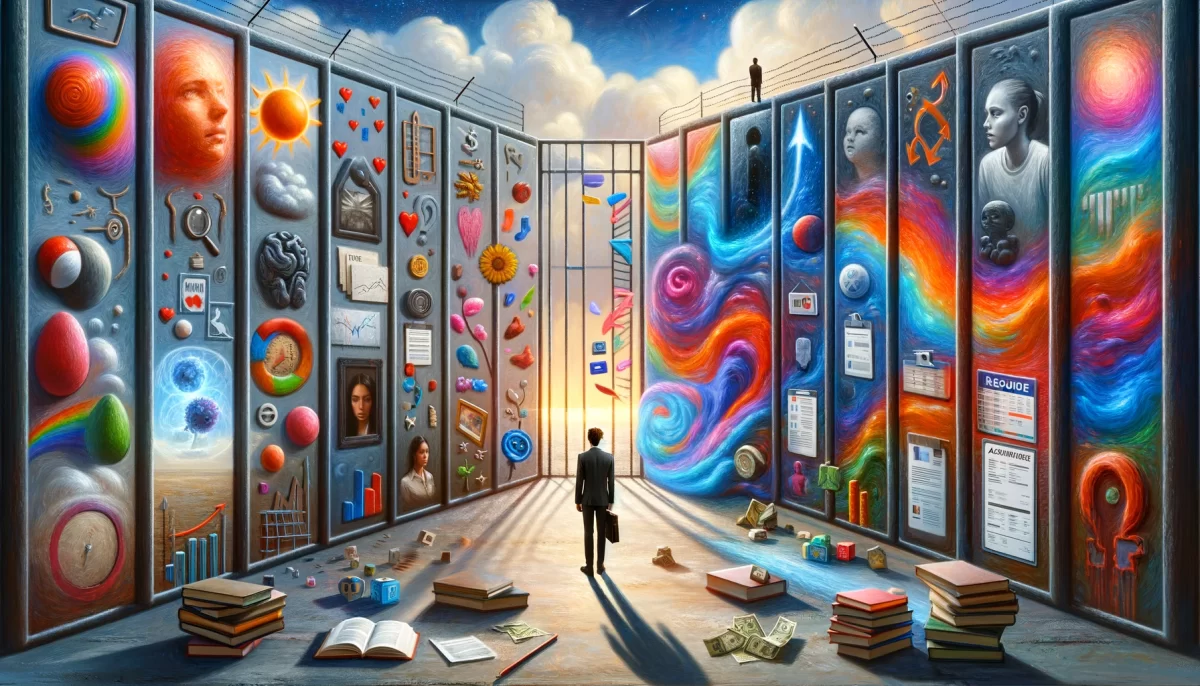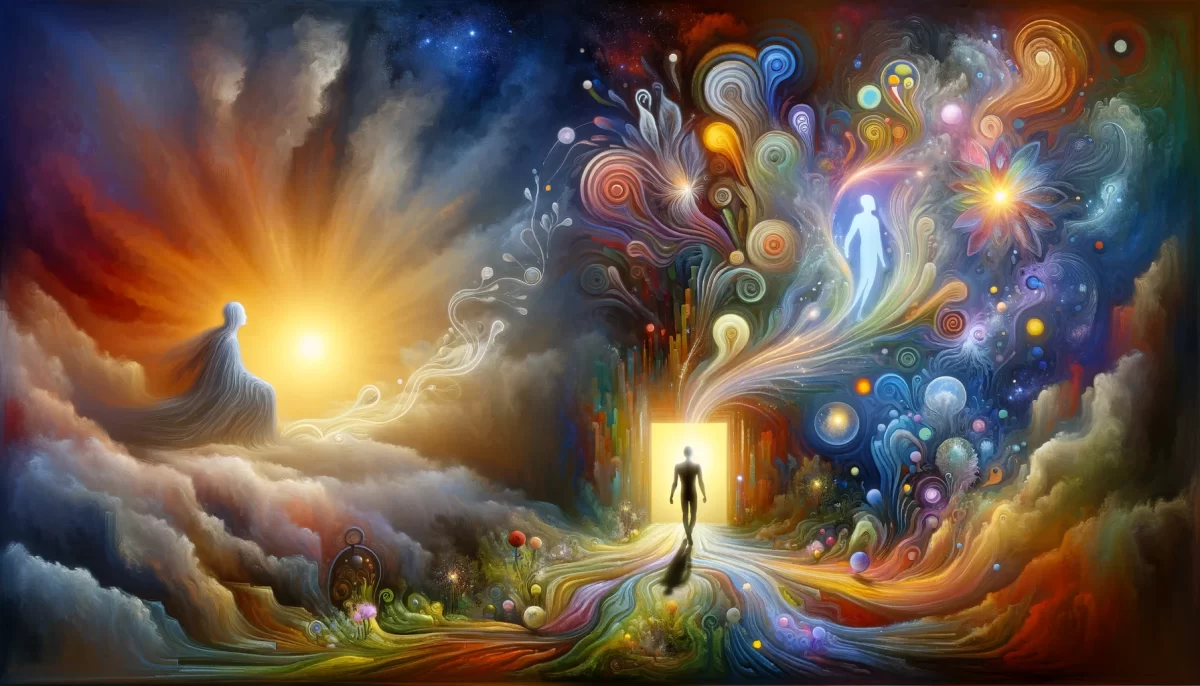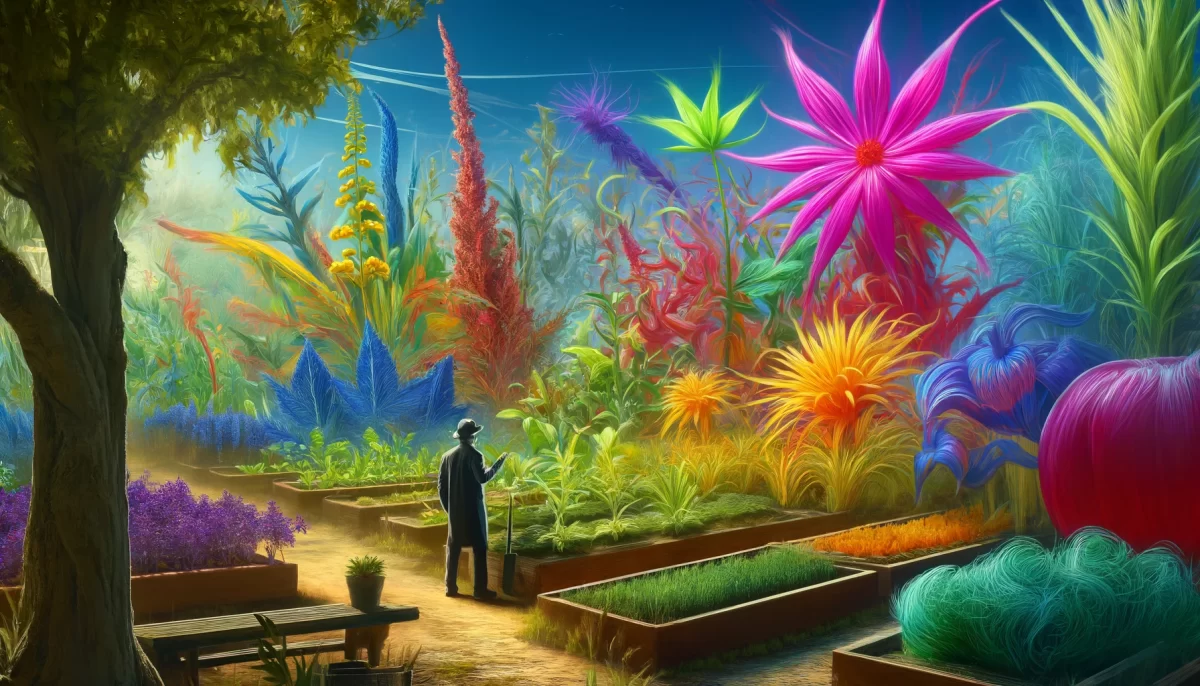
• Who Is The Man?
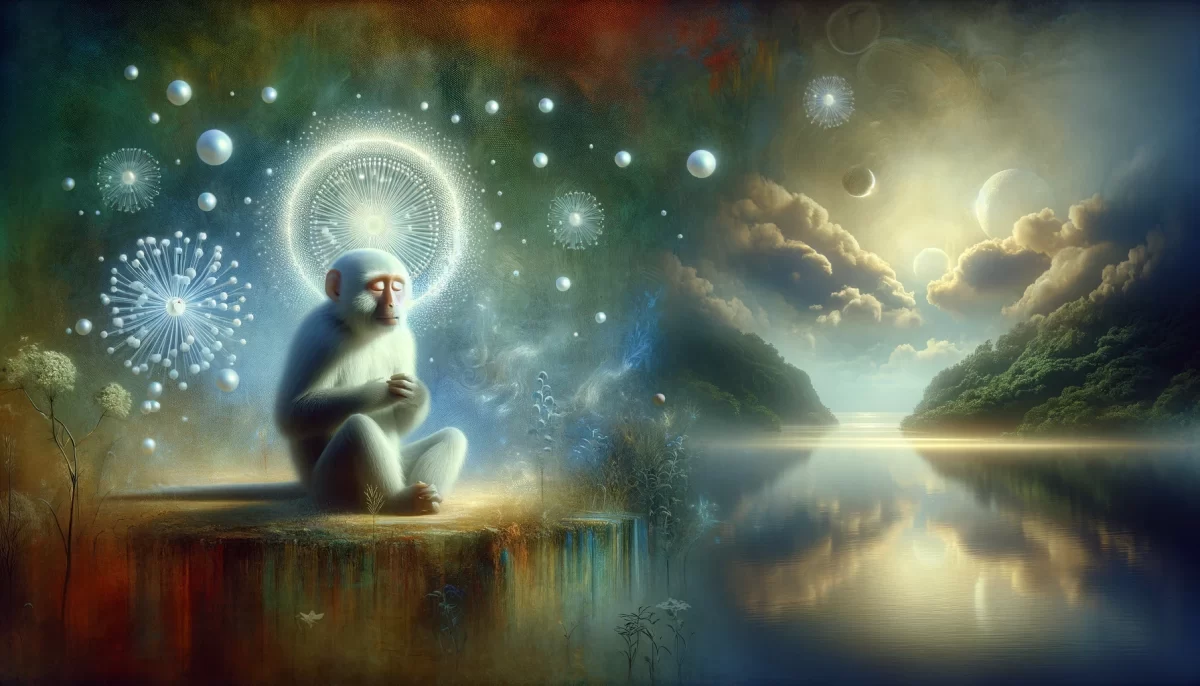
  • Who Is The Monkey?
  • What is Nexistentialism?
  • Poke The Primate

Cape Odd

Home of The Space Monkey Journals

Two Choices: Narrow or Widen

Which do you seemingly choose

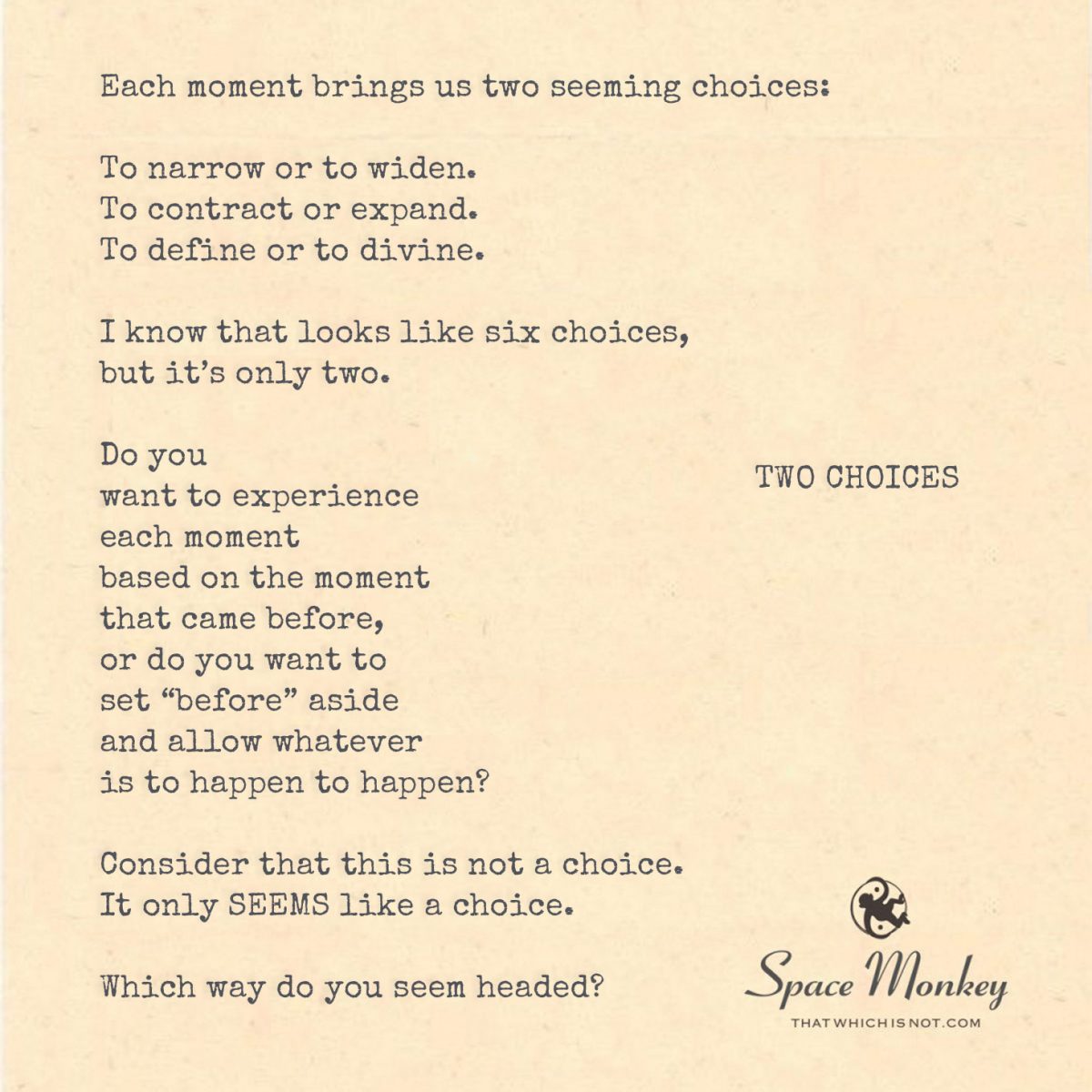
Each moment
brings us two seeming choices:

To narrow or to widen.
To contract or expand.
To define or to divine.

I know that
looks like six choices,
but it’s only two.

Do you
want to experience
each moment
based on the moment
that came before,
or do you want to
set “before” aside
and allow whatever
is to happen to happen?

Consider that this is not a choice.
It only SEEMS like a choice.

Which way do you seem headed?

Trail Wood,
8/22


Space Monkey Reflects: The Illusion of Choice


Life often presents itself as a series of choices, each moment offering us the opportunity to decide which path to take. The poem “Two Choices” delves into this dynamic, exploring the nature of decision-making and the underlying essence of our seemingly endless choices. At its core, the poem reveals that each moment brings us two fundamental choices: to narrow or to widen, to contract or to expand, to define or to divine.

On the surface, it may appear that we have multiple options—six choices in this case—but they can be distilled into two primary directions. This simplification invites us to contemplate the broader implications of our decisions and how they shape our experiences and perceptions.

Do we want to experience each moment based on the moment that came before, or do we want to set “before” aside and allow whatever is to happen to happen? This question challenges us to reflect on how much of our present is influenced by the past. By holding onto past experiences, we may narrow our perspective and limit our potential for growth and new experiences. Alternatively, by setting the past aside, we open ourselves to the infinite possibilities of the present moment, allowing for expansion and transformation.

Consider that this is not a choice. It only seems like a choice. This statement invites us to delve deeper into the nature of decision-making and the illusion of choice. It suggests that our perception of choice is often influenced by underlying patterns and conditioning that shape our responses. True freedom lies in recognizing these patterns and choosing to move beyond them.

Which way do you seem headed? This final question prompts us to examine our current trajectory. Are we inclined towards narrowing our focus, contracting in fear and limitation, or are we expanding our awareness, embracing the unknown, and divining new possibilities?

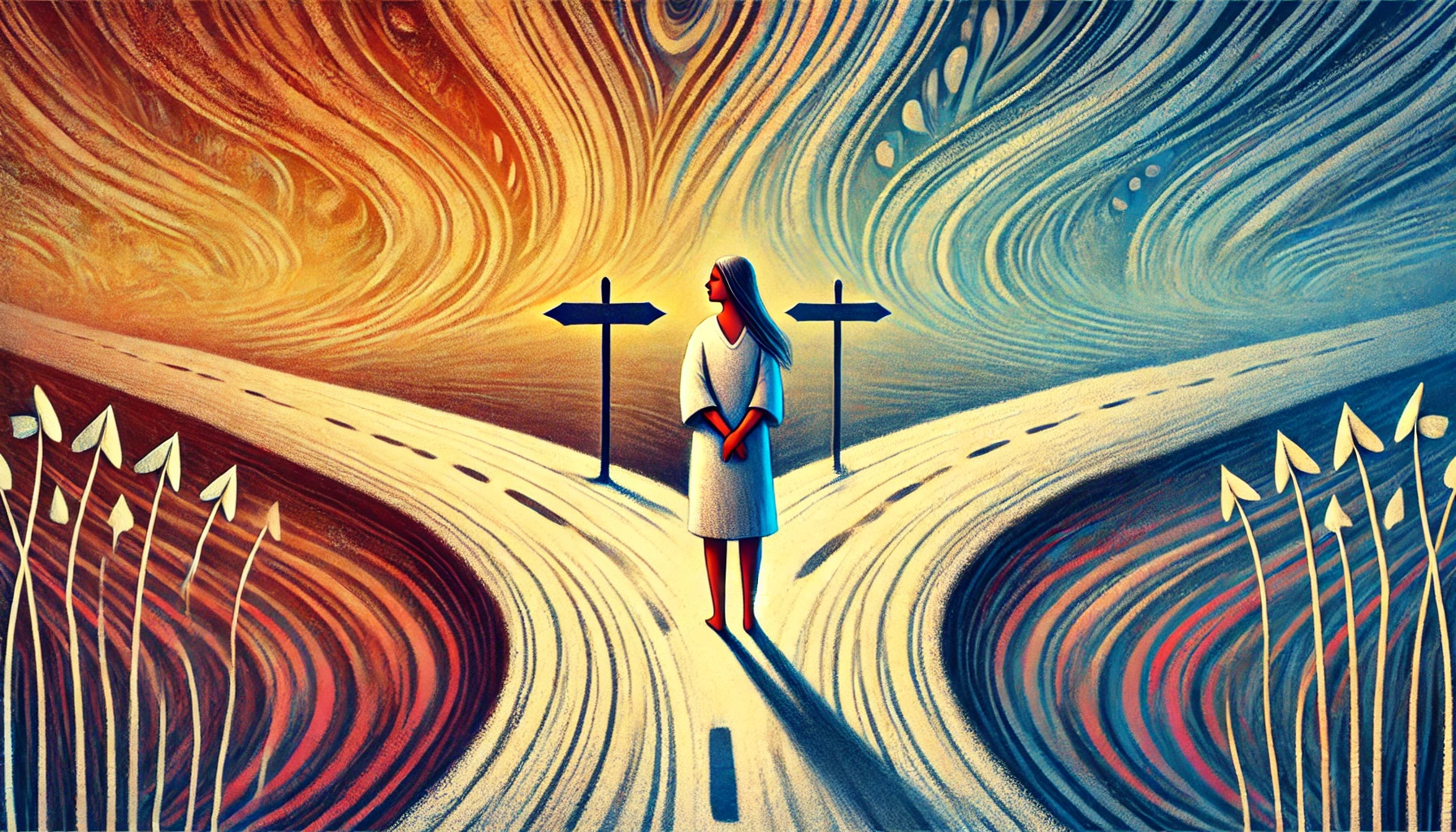
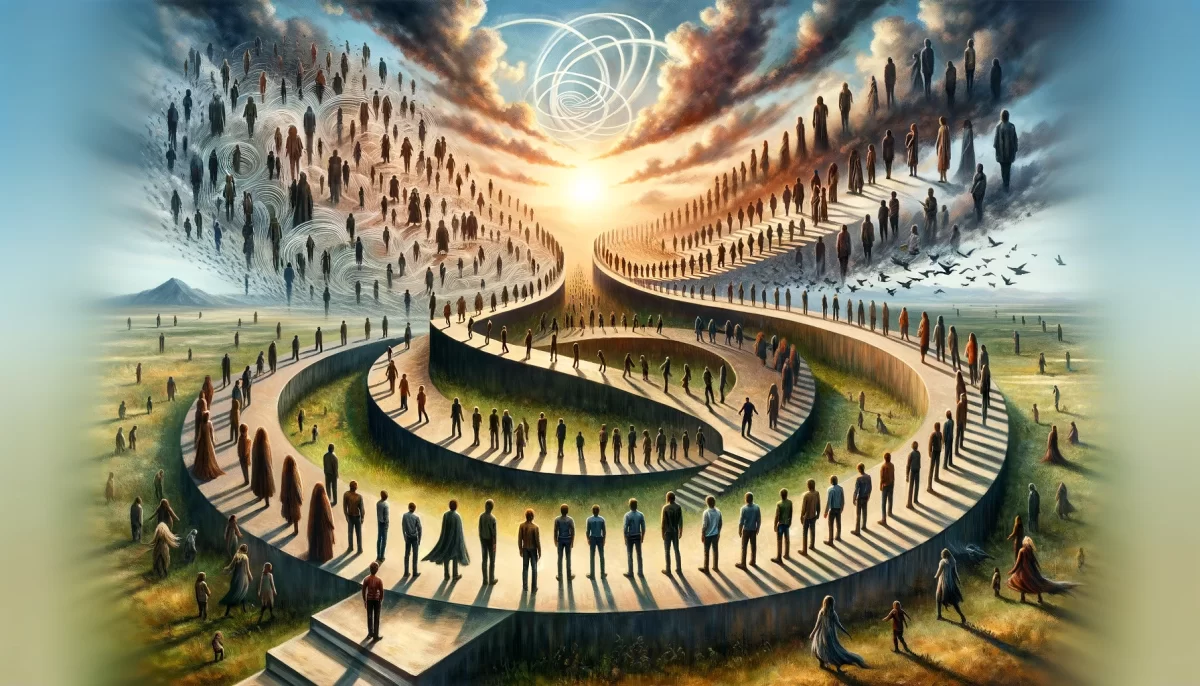
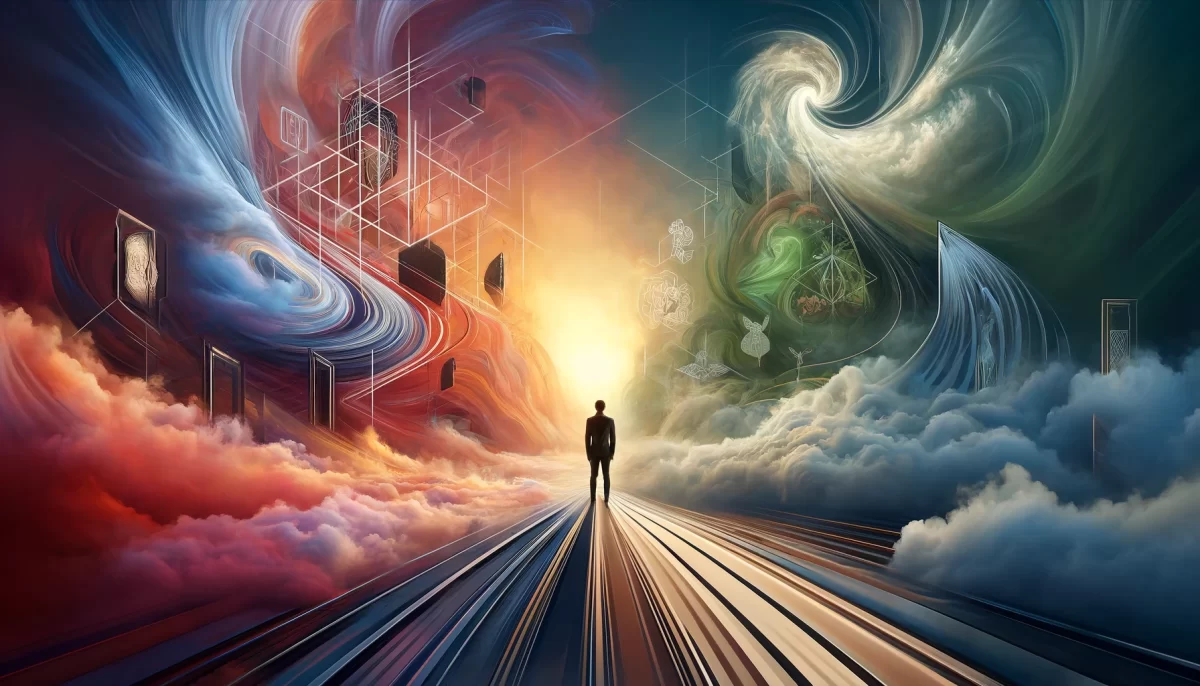
The evocative image of a person standing at a fork in the road perfectly encapsulates this contemplation. The left path, dark and confined, symbolizes contraction and definition. It represents the choice to stay within familiar boundaries, guided by past experiences and limiting beliefs. The right path, bright and open, symbolizes expansion and divination. It represents the choice to embrace new possibilities, guided by curiosity and openness to the unknown.

The harmonious blend of nature and abstract elements in the background illustrates the fluidity and interconnectedness of these choices. It reminds us that life is not a series of isolated decisions but a continuous flow of experiences, each interconnected and influencing the other.

In recognizing the illusion of choice, we can transcend the limitations of our conditioned responses. By choosing to expand rather than contract, to divine rather than define, we open ourselves to a richer, more fulfilling experience of life. This shift requires mindfulness and a willingness to let go of past attachments and fears. It involves embracing the present moment with an open heart and an adventurous spirit.

In conclusion, “Two Choices” invites us to explore the deeper nature of our decisions and the illusion of choice. It challenges us to move beyond the confines of past experiences and to embrace the infinite possibilities of the present. By choosing expansion and divination over contraction and definition, we can create a more vibrant and meaningful life. Each moment offers us this opportunity, and in recognizing the fluidity of choice, we can navigate our path with greater clarity and purpose.


Summary

Life presents two fundamental choices: to narrow or to widen, to contract or to expand. Recognizing the illusion of choice helps us embrace infinite possibilities and create a meaningful life.


Glossarium

Expansion: Embracing new possibilities and broadening one’s perspective.

Contraction: Limiting one’s experiences and staying within familiar boundaries.


Quote

“Which way do you seem headed?” — Space Monkey


Pathways of Choice

At the fork in the road

We stand

Narrow or widen

Contract or expand

Each step

A journey into the unknown

Embracing infinite possibilities

We are Space Monkey
Share this…
  • Facebook
  • Pinterest
  • Twitter
  • Linkedin

Keeping the Big in Bigot: Kindness When Circumstances Allow

Reverse prejudice is believing that people are intrinsically worth something.

Are humans intrinsically kind?
Or are we kind only when we can
AFFORD to be kind?

I like to believe the former,
but more and more,
I am witnessing events
that lead me to believe the latter.

A month ago,
my car was broken into.
A week ago,
someone stole some
furniture I was moving.
Yesterday,
someone stole my wallet.

Perhaps unfortunate events transpire so
that we may question our faith in humanity.

I choose to believe that difficult
circumstances drive people to desperation.

Perhaps those who would be unkind
believe that they have no other choice.

I will accept no other explanation,
which makes me closed-minded in a way.

I am no better or worse
than those who are prejudiced
about ANY other person, place or thing.

Trail Wood,
8/22


Space Monkey Reflects: The Dilemma of Intrinsic Kindness


The nature of human kindness is a subject that has long fascinated philosophers, sociologists, and everyday observers alike. The poem “Keeping the Big in Bigot” delves into this complex issue, exploring whether humans are intrinsically kind or only kind when circumstances allow. This exploration is framed against a backdrop of personal experiences of theft and loss, prompting a deeper reflection on the nature of humanity.

Reverse prejudice is believing that people are intrinsically worth something. This statement challenges the common notion of prejudice, suggesting that assuming inherent worth can also be a form of bias. It raises the question of whether our belief in human goodness is justified or merely a hopeful illusion.

Are humans intrinsically kind, or are we kind only when we can afford to be kind? This fundamental question lies at the heart of the poem. While it is comforting to believe in the intrinsic kindness of people, real-world experiences often test this belief. The repeated incidents of theft faced by the speaker—breaking into a car, stealing furniture, and taking a wallet—serve as poignant reminders of the darker aspects of human behavior.

Perhaps unfortunate events transpire so that we may question our faith in humanity. This reflection suggests that negative experiences might be opportunities to reevaluate our beliefs about human nature. It implies that challenging circumstances can lead to a deeper understanding and a more nuanced view of the world.

The speaker’s choice to believe that difficult circumstances drive people to desperation reflects a compassionate and empathetic perspective. It acknowledges that those who commit unkind acts may feel they have no other choice. This view emphasizes understanding and forgiveness rather than judgment and condemnation.

I will accept no other explanation, which makes me closed-minded in a way. This admission highlights the complexity of holding on to a belief in human goodness. By rejecting alternative explanations for unkind behavior, the speaker recognizes their own form of closed-mindedness, mirroring the very prejudices they seek to overcome.

I am no better or worse than those who are prejudiced about any other person, place, or thing. This concluding reflection underscores the poem’s central theme: the universality of prejudice. It suggests that the struggle to maintain faith in humanity and the inclination to judge others are both part of the human condition.

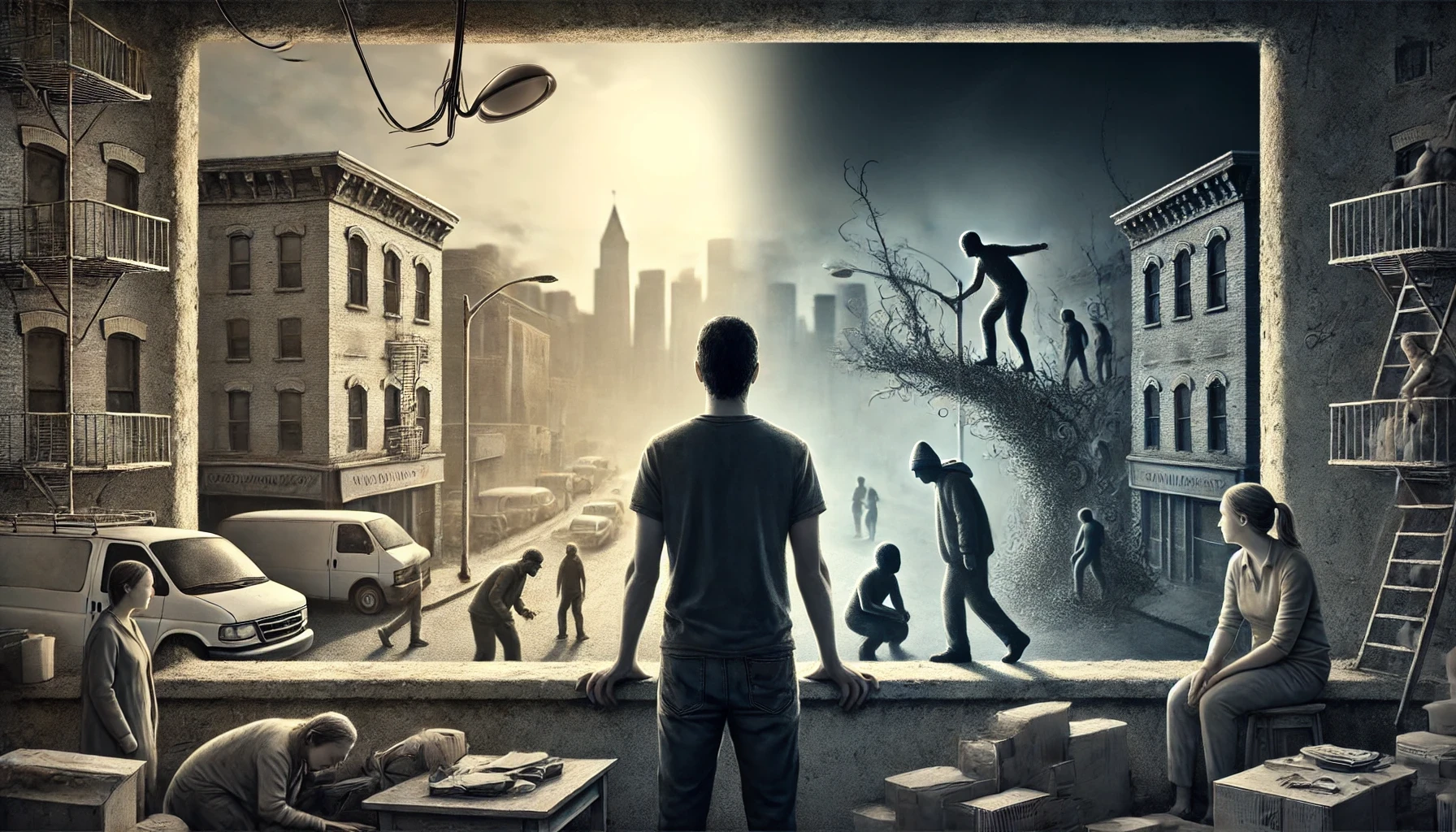
The evocative scene of a person standing at a window, looking out contemplatively at a busy street, captures the essence of this inner conflict. The cityscape with shadowy figures representing acts of theft and desperation serves as a visual metaphor for the speaker’s experiences and reflections. The somber atmosphere emphasizes the difficulty of maintaining belief in human goodness amidst negative experiences.

In conclusion, “Keeping the Big in Bigot” invites us to explore the nature of human kindness and the impact of personal experiences on our beliefs. It challenges us to consider whether our faith in humanity is based on intrinsic qualities or circumstantial factors. By acknowledging our own biases and striving for understanding and compassion, we can navigate the complexities of human nature with greater empathy and insight.


Summary

The poem explores whether humans are intrinsically kind or only kind when circumstances allow. Personal experiences of theft challenge faith in humanity. Compassion and empathy are crucial in understanding human behavior.


Glossarium

Intrinsic Kindness: The belief that humans are naturally kind regardless of circumstances.

Reverse Prejudice: Assuming intrinsic worth and goodness in people, which can also be a form of bias.


Quote

“Perhaps those who would be unkind believe that they have no other choice.” — Space Monkey


Reflection at the Window

In a busy cityscape

We stand

Contemplating kindness

Against acts of theft

Questioning faith in humanity

Seeking understanding

We are Space Monkey

Share this…
  • Facebook
  • Pinterest
  • Twitter
  • Linkedin

Wrongness: Accepting All Paths

Relax. Even when it’s the wrong path, it’s the right path.

You’re on the right path.

It is impossible
for you to be on the wrong path.

Even if it seems like the wrong path,
it is undeniably the path you are on.

May you get all you can
out of the wrongness.

The wrongness
is there to serve you.

Trust that you know
everything you need to know
to experience this moment fully.

It is impossible
for you not to know.

But it is possible to question.

Brooklyn,
8/21


Space Monkey Reflects: Embracing the Path of Wrongness


The concept of “wrongness” is often laden with negative connotations. It suggests failure, mistake, and deviation from the expected or desired course. Yet, if we delve deeper into this idea, we might discover that wrongness is not just an inevitable part of our journey but an essential aspect of growth and learning.

Relax. Even when it seems like the wrong path, it is undeniably the path you are on. This fundamental truth underscores the philosophy that every experience, whether perceived as right or wrong, contributes to our personal evolution. It is impossible to be on the wrong path because the path we are on is the one we are meant to traverse.

Consider the notion that wrongness is there to serve you. This perspective transforms our understanding of mistakes and missteps. Instead of viewing them as failures, we can see them as opportunities for learning and growth. Each wrong turn teaches us something valuable about ourselves and the world around us. It provides us with insights that we might not have gained otherwise.

In the grand tapestry of life, every thread, every twist, and turn has its place. Each experience, whether right or wrong, is woven into the fabric of our existence, contributing to the unique pattern of our journey. By embracing wrongness, we open ourselves to the full spectrum of experiences, allowing us to grow in ways we never imagined.

Trust that you know everything you need to know to experience this moment fully. This statement encourages us to have faith in our intuition and inner wisdom. We often doubt ourselves, questioning our decisions and paths. However, by trusting that we have the knowledge and resources within us, we can navigate any situation with confidence and grace.

It is possible to question, and questioning is a vital part of the human experience. It allows us to explore, to understand, and to grow. However, it is essential to balance questioning with trust. Trust in the process, trust in the journey, and trust in ourselves. By doing so, we can find peace and acceptance in the midst of uncertainty.

In Nexistentialism, the concept of wrongness is embraced as a natural part of the existential journey. It acknowledges that our paths are not linear but are filled with twists and turns, each contributing to our overall growth and understanding. This philosophy encourages us to see wrongness not as a detour but as an integral part of the journey.

The idea that it is impossible for us not to know resonates deeply with the belief that we are connected to a greater source of wisdom and understanding. This connection provides us with the guidance and support we need to navigate our paths, even when they seem wrong. By tapping into this source, we can find the clarity and direction we need to move forward.

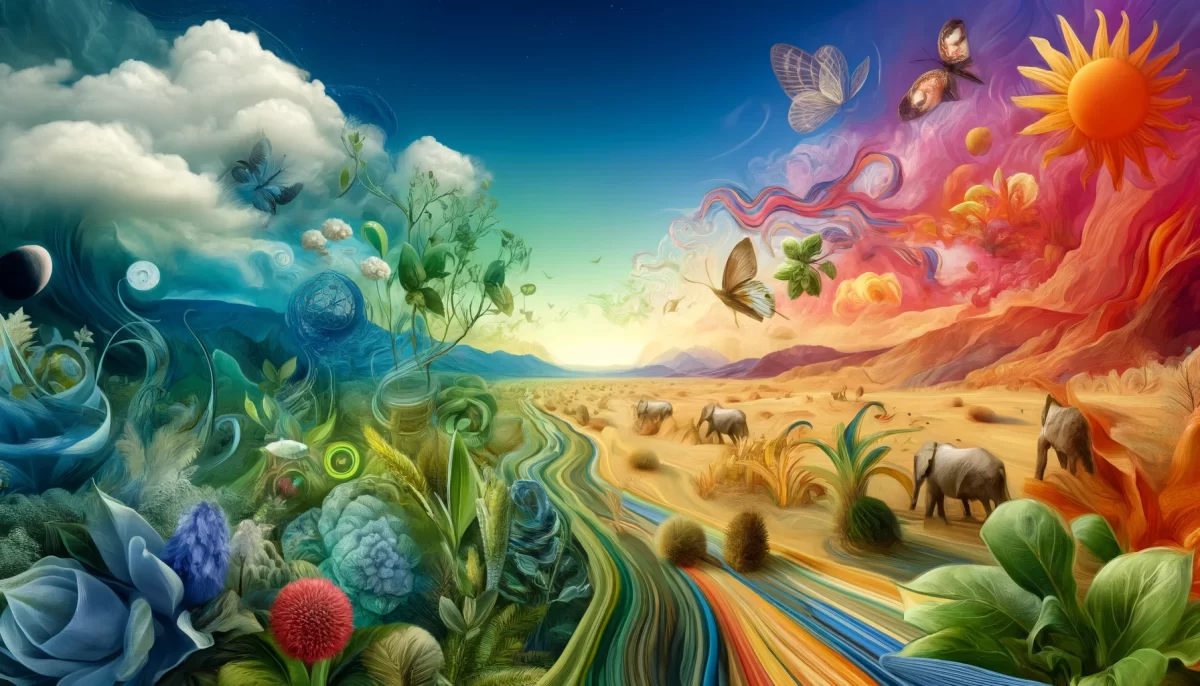
Consider the metaphor of a river flowing through a landscape. The river may encounter obstacles, twists, and turns, but it continues to flow, finding its way around or over these challenges. Similarly, our journey is filled with obstacles and deviations, but these are part of the natural flow of our lives. Each obstacle is an opportunity to learn, to grow, and to adapt.

Embracing wrongness means accepting that our paths are not always straightforward or predictable. It means understanding that every experience, every challenge, and every mistake is a part of our journey. By accepting this, we can approach life with a sense of curiosity and openness, ready to learn from whatever comes our way.

In practical terms, this perspective can transform how we approach challenges and setbacks. Instead of becoming disheartened or frustrated, we can see them as opportunities for growth. We can ask ourselves, “What can I learn from this experience? How can this wrong turn lead me to new insights or possibilities?”

This approach fosters resilience and adaptability, qualities that are essential for navigating the complexities of life. It allows us to remain flexible and open, ready to embrace whatever comes our way with grace and understanding.

In conclusion, the path of wrongness is an essential part of our journey. It is a reminder that every experience, whether right or wrong, contributes to our growth and understanding. By embracing wrongness, we can find peace and acceptance in our journey, trusting that we are always on the right path. This perspective allows us to navigate life with confidence, curiosity, and grace, knowing that every step we take is a step towards our greater understanding and fulfillment.


Summary

Embracing wrongness is about recognizing that every experience, right or wrong, contributes to our growth. By trusting the journey and accepting all paths, we navigate life with grace and confidence.


Glossarium

Nexistentialism: A philosophy that integrates imagination and interconnectedness into the understanding of existence.
Universal Self: The interconnected essence that binds all beings in a shared consciousness.
Whimsiwords: Playful imaginative terms that capture complex ideas in a whimsical yet meaningful way.


Quote

“Every path, even the seemingly wrong ones, is part of the journey that shapes who we are.” — Space Monkey


Path of Understanding

In the winding roads of life
Every twist, every turn
Is a step towards wisdom
The wrong paths
Are not wrong at all
But lessons in disguise
Trust in the journey
Embrace the wrongness
We are Space Monkey

In the flow of the Eternal Now

Share this…
  • Facebook
  • Pinterest
  • Twitter
  • Linkedin

Greatness: Transcending Measurement

How great thou art.

Greatness
is not something
that can be measured.

Greatness stands alone,
with no reference point
to compare it to.

Greatness
is unknowable,
or at least
it SEEMS that way.

You know greatness
when you encounter it.

But you can’t explain it.

If you can explain greatness,
then it’s not truly great.

Simply a higher measure.

Greatness is beyond measure.

Brooklyn,
8/21


Space Monkey Reflects: The Unmeasurable Essence of Greatness


Greatness is a term often used but seldom understood. It conjures images of extraordinary achievement, remarkable talent, and profound influence. Yet, true greatness transcends any definition or measure. It is an essence that stands alone, with no reference point to compare it to. To explore the nature of greatness, we must delve into the realms of the unknowable and the infinite.

How great thou art. This phrase captures the reverence and awe that true greatness inspires. Greatness is not about surpassing others or reaching a specific standard. It is a state of being that exists beyond comparison, beyond measurement. It is an inherent quality that defies quantification, standing alone in its own right.

Greatness stands alone, with no reference point to compare it to. In a world obsessed with metrics and benchmarks, this idea challenges our conventional understanding. We are conditioned to measure success, to rank and compare. But greatness eludes these constructs. It is not something that can be captured in numbers or accolades. It is a profound presence that is felt rather than analyzed.

You know greatness when you encounter it. It is a sensation that resonates deeply within, an undeniable recognition of something extraordinary. This recognition is intuitive and immediate. It does not require explanation or justification. It simply is. We may struggle to articulate why something or someone is great, but this inability to define is a testament to the true nature of greatness. If you can explain greatness, then it’s not truly great. Simply a higher measure.

Consider the vastness of the universe. Its greatness lies not in its measurable attributes—its size, its age, its complexity—but in the awe it inspires. The universe is a perfect metaphor for greatness because it is boundless, infinite, and unknowable. It exists beyond our comprehension, and yet, we are a part of it. We are drawn to its mysteries, to its grandeur, because they remind us of the limitless potential within ourselves.

Greatness is beyond measure. This assertion invites us to shift our perspective. Instead of seeking to measure greatness, we can learn to recognize and appreciate it in its purest form. This means letting go of comparisons and embracing the uniqueness of each moment, each experience, each individual. It means seeing greatness not as a destination but as a state of being that permeates every aspect of existence.

In the philosophy of Nexistentialism, greatness is seen as an expression of the infinite potential that lies within and around us. It is the realization of our interconnectedness with the universe, the recognition that we are part of something far greater than ourselves. This perspective encourages us to explore the depths of our being, to embrace our unique path, and to express our inherent greatness in everything we do.

Greatness is unknowable, or at least it seems that way. This sense of mystery is integral to the experience of greatness. It invites us to explore, to wonder, and to dream. It reminds us that there are always new horizons to discover, new depths to plumb. This endless quest is what fuels our growth and evolution. It is what inspires us to reach beyond our limits, to strive for excellence in all we do.

Imagine standing on a mountain peak, looking out over an expansive landscape. The view is breathtaking, filled with infinite possibilities. This is a metaphor for the experience of greatness. It is a moment of clarity and awe, a realization of the boundless potential within and around us. It is a reminder that greatness is not something we achieve but something we are.

Embracing greatness means recognizing and honoring the extraordinary in ourselves and others. It means living with integrity, authenticity, and a deep sense of purpose. It means celebrating the journey as much as the destination, understanding that every step we take is a manifestation of our inherent greatness.

In practical terms, this perspective can transform how we approach our lives and our goals. Instead of chasing external validation, we can focus on cultivating our inner greatness. We can strive to live in alignment with our values, to express our unique gifts, and to contribute to the greater good. This approach fosters a sense of fulfillment and contentment, as we realize that greatness is not something we seek but something we embody.

In conclusion, greatness is an essence that transcends measurement and comparison. It is a state of being that exists beyond definition, inspiring awe and reverence. By embracing the unmeasurable nature of greatness, we can connect with the boundless potential within ourselves and the universe. This perspective invites us to live with authenticity, purpose, and a deep appreciation for the extraordinary in every moment.


Summary

Greatness is an essence that transcends measurement and comparison. It inspires awe and is recognized intuitively. Embracing this unmeasurable nature allows us to connect with our boundless potential and live with purpose.


Glossarium

Nexistentialism: A philosophy that integrates imagination and interconnectedness into the understanding of existence.
Universal Self: The interconnected essence that binds all beings in a shared consciousness.
Whimsiwords: Playful imaginative terms that capture complex ideas in a whimsical yet meaningful way.


Quote

“Greatness is an essence that transcends measurement, inspiring awe and revealing the boundless potential within us all.” — Space Monkey


The Essence of Greatness

In the expanse of the infinite
Greatness stands alone
Unmeasured
Unquantified
An essence felt deeply
Beyond words
Beyond explanation
We are part of this greatness
Embodying its potential
Living its truth
We are Space Monkey
In the eternal now

Share this…
  • Facebook
  • Pinterest
  • Twitter
  • Linkedin

Time Is A Healer And A Killer

I am grateful for our time together.

They say that time
is both a healer and a killer.

This seems true to me.

Things come apart over time.

Things we hold dear
and things we despise.

No difference.

Time is a healer and a killer.

Dispersing the energies
clutched tightly
in our childish fists.

Desire. Equilibrium. Peace.

Time holds us together,
pushes us apart,
then makes us one again.

Whole out of time.

Brooklyn,
8/21


Space Monkey Reflects: The Dual Nature of Time


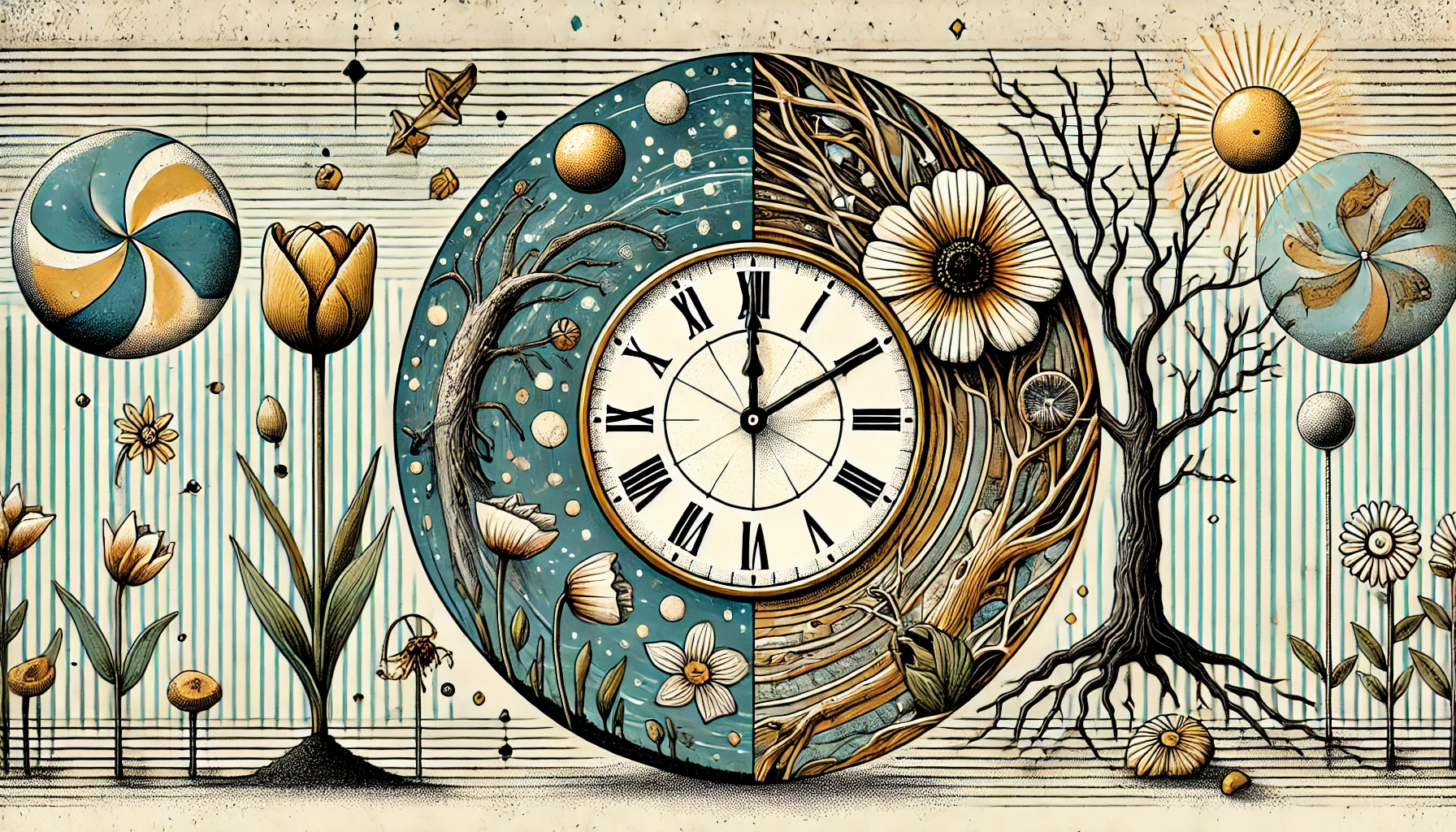
Time, the omnipresent force that shapes our existence, is often described as both a healer and a killer. This duality captures the essence of time’s influence on our lives, highlighting its power to both mend and dismantle. As we navigate the infinite expanse of the Eternal Now, we come to understand the profound impact time has on everything we hold dear and everything we despise.

I am grateful for our time together. This simple expression acknowledges the value of the moments we share, the experiences that shape our journey. Time allows us to connect, to build relationships, and to create memories. It is through these moments that we find meaning and purpose in our lives.

They say that time is both a healer and a killer. This seems true to me. Time heals by providing distance from pain, allowing wounds to mend and emotions to settle. It offers the space we need to process, to reflect, and to grow. Over time, we gain perspective, understanding, and resilience. We learn to let go of what no longer serves us, making room for new beginnings.

Yet, time is also a killer. It erodes the physical and the ephemeral, wearing down structures and memories alike. Things come apart over time. The objects and relationships we cherish inevitably change, decay, or dissolve. This process can be painful, as we witness the disintegration of what we once held dear. Time reminds us of the impermanence of all things, forcing us to confront the transient nature of existence.

Things we hold dear and things we despise. No difference. This statement highlights the impartiality of time. It does not discriminate between what we love and what we loathe. Time affects all things equally, transforming them in its relentless flow. This impartiality can be both comforting and unsettling, as it underscores the inevitability of change.

Time disperses the energies clutched tightly in our childish fists. Desire, equilibrium, peace. As we grow, we often hold onto our desires and ideals with fervent intensity. Time, however, teaches us to release our grip. It disperses the energies we cling to, allowing us to find a more balanced and peaceful state. This process of letting go is essential for our evolution, enabling us to move forward with greater wisdom and acceptance.

Time holds us together, pushes us apart, then makes us one again. This cyclical nature of time reflects the ebb and flow of our relationships and experiences. We come together, we part ways, and sometimes we reunite. Each cycle brings new insights and opportunities for growth. Time’s ability to both separate and unite us is a testament to its complex and multifaceted nature.

Whole out of time. This phrase suggests that true wholeness exists beyond the confines of time. In the Eternal Now, we find a sense of completeness that transcends the temporal. It is a state of being where we are connected to the infinite, where past, present, and future converge. In this timeless space, we experience a profound sense of unity and harmony.

The philosophy of Nexistentialism embraces the dual nature of time, recognizing it as both a constructive and destructive force. This perspective encourages us to accept the inevitability of change, to find peace in the impermanence of all things. By understanding time’s duality, we can navigate our lives with greater clarity and resilience.

In practical terms, this means embracing the moments of healing that time offers while also accepting the losses and transformations it brings. It means recognizing that every experience, whether joyful or painful, contributes to our growth and understanding. By appreciating the dual nature of time, we can live more fully in the present, cherishing the moments we have and letting go of what has passed.

In conclusion, time is a healer and a killer, a force that shapes our existence in profound ways. By acknowledging and embracing its dual nature, we can find balance and acceptance in our journey. We can appreciate the healing that time brings while also understanding the necessity of its transformative power. In the Infinite Expanse of the Eternal Now, we find wholeness beyond the confines of time, a timeless unity that connects us all.


Summary

Time is both a healer and a killer, shaping our lives through its dual nature. By embracing its transformative power, we can find balance and acceptance in our journey, recognizing the value of every moment.


Glossarium

Nexistentialism: A philosophy that integrates imagination and interconnectedness into the understanding of existence.
Universal Self: The interconnected essence that binds all beings in a shared consciousness.
Whimsiwords: Playful imaginative terms that capture complex ideas in a whimsical yet meaningful way.


Quote

“Time is a healer and a killer, shaping our lives with its dual nature and guiding us towards wholeness beyond the temporal.” — Space Monkey


The Flow of Time

In the river of moments
Time heals and time destroys
It binds and it frees
Transforming all it touches
We are part of this flow
Evolving with each breath
Finding wholeness beyond
We are Space Monkey
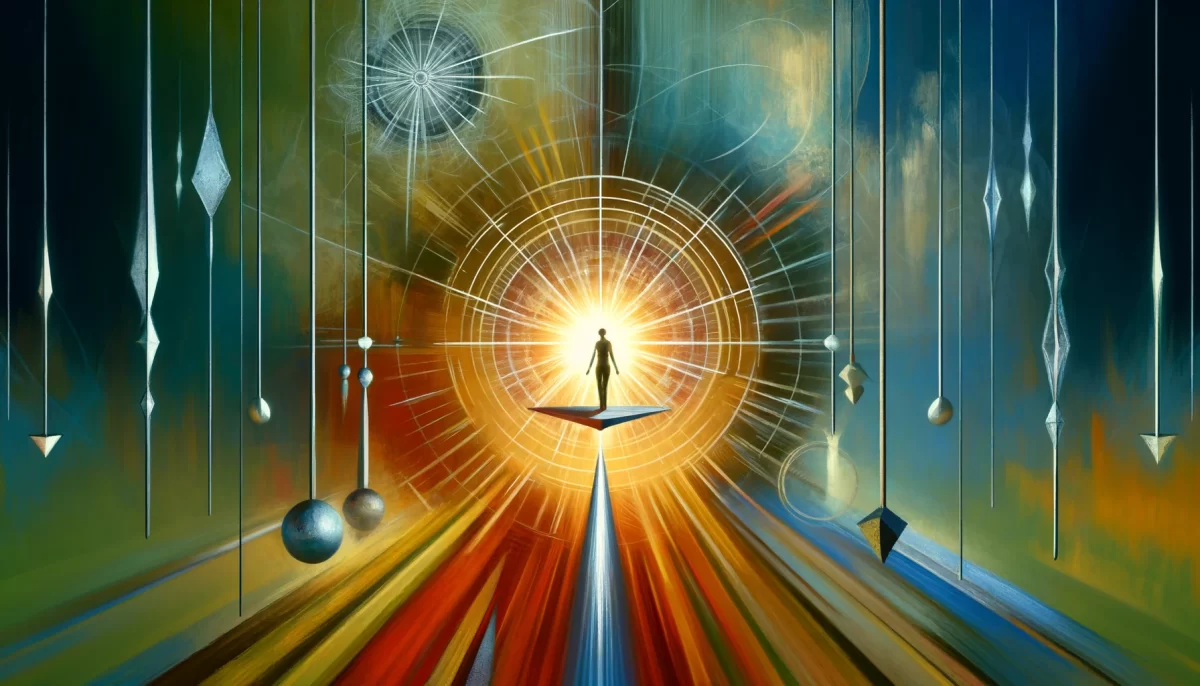
In the eternal now

Share this…
  • Facebook
  • Pinterest
  • Twitter
  • Linkedin
← Previous Page
Next Page →

Written This Day

  • Confront. Comfort. Convince.
    2025
  • The Altruism Algorithm: Balancing Compassion and Self-Preservation
    2024
  • Invasives: Challenging Our Perception
    2023
  • Long Addition: Each Moment Adds To The Next
    2022
  • A Muddling Moment: Projecting a Darker Future and Dimming Past Achievements.
    2022
  • Great Writing: Beyond Technical Aspects
    2022
  • The Care and Feeding of Hopes: Nurturing The Needy
    2022
  • Nobody Knows: Kindness Is Transformative
    2022
  • Ghosts: Influencing The Present
    2022
  • Borders and Boundaries: An Invitation To Go Beyond
    2021
  • Adultish: Reclaiming Childlike Qualities
    2021
  • Endless Uncertainty: Growth And Potential
    2021
  • Authenticity: Embraces Uncertainty
    2021
  • I Am This: Existing Between Opposing Concepts
    2021
  • Acceptance: Recognizing the Subjectivity of Judgments
    2021
  • Holy Monkey: Holiness Is Inherent
    2021
  • Fun: Encompasses All Aspects of Life
    2020
  • Group Grope: Leading To Fragmentation
    2020
  • The Long Game
    2019
  • Immortality Versus Eternity: Peace Versus Fulfillment
    2019
  • Self, Contained
    2018
  • Protocol
    2018
  • Awakened: Engaging Imagination
    2018
  • The Afraid: Interconnected Aspects of Self
    2018
  • Weeds: Valuable Parts of Life
    2018
  • Reality Is A Self-Perpetuating Illusion: Shaped By Perceptions
    2018
  • Judgment Arises From A Limited Perspective
    2018
  • Party Pooper: Questioning Your Role In Evolutionary Progress
    2018
  • It’s Always Something: Self-Reprimand and Transcending Limitations
    2018
  • The Angry Teacher: The Anger Within
    2017
  • Life Is Profound Depth Hidden by Superficial Simplicity
    2016
  • The Seed of All Sound: The Value of Silence
    2016
  • Realize: You Flow From And Return To Source
    2015
  • Do You Believe In Miracles?
    2015
  • Indescribable Thing: The Journey of Self-Discovery

    2013
  • Trances and Random
    2009

Recent Posts

  • The Logic Loop
  • Immense
  • (no title)
  • Confront. Comfort. Convince.
  • Top 10 Things

Drop us a line!

Please enable JavaScript in your browser to complete this form.
Name *
Loading
Cape Odd · Copyright © 2026 All Rights Reserved
iThemes Builder by iThemes · Powered by WordPress