• Who Is The Man?
  • Who Is The Monkey?
  • What is Nexistentialism?
  • Poke The Primate

Cape Odd

Home of The Space Monkey Journals

Know This: Believing as the Bridge Between Worlds

Beliefs unintentionally create disbeliefs
which unintentionally create UNKNOWNS.

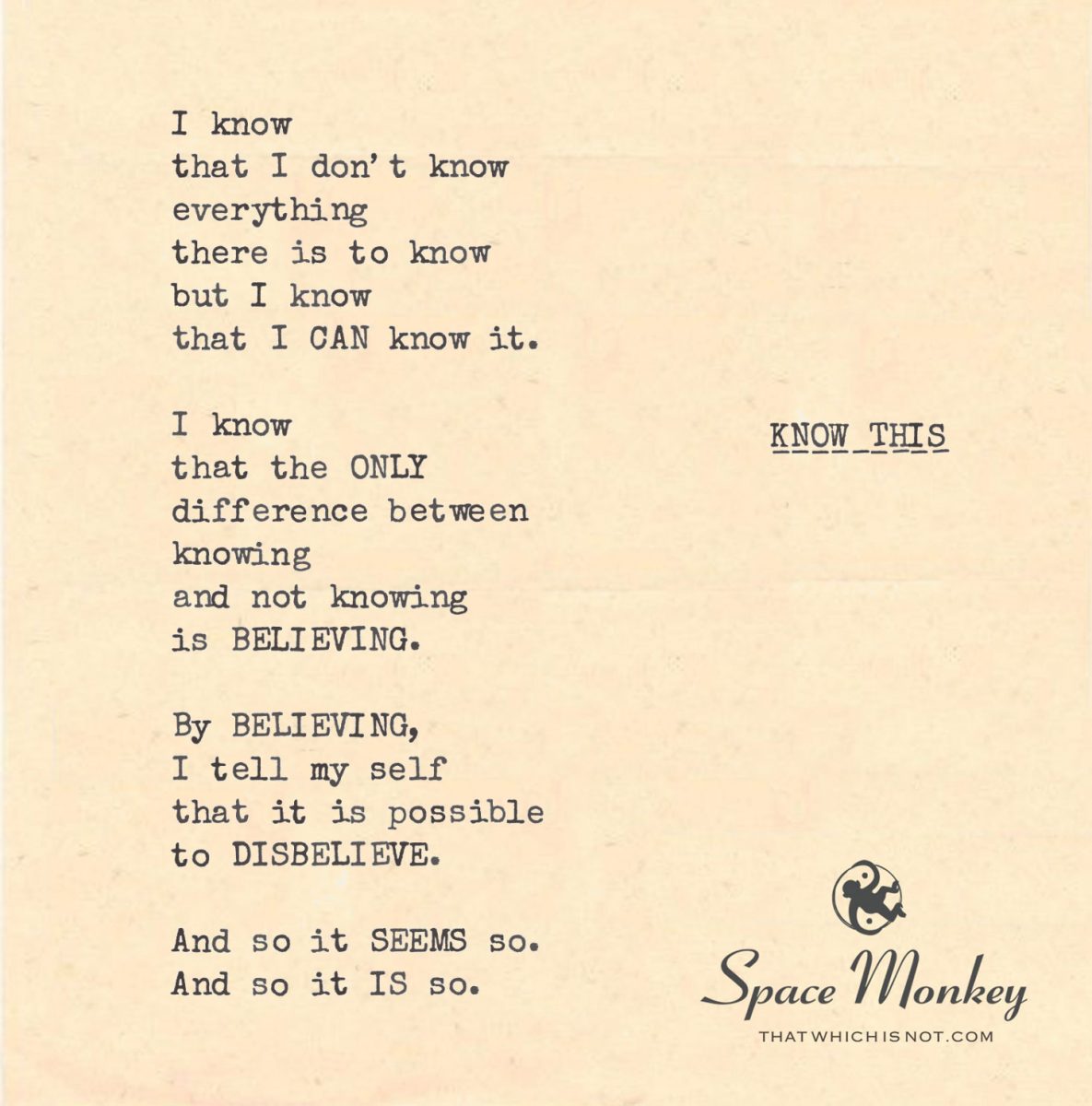
I know
that I don’t know
everything
there is to know
but I know
that I CAN know it.

I know
that the ONLY
difference between
knowing
and not knowing
is BELIEVING.

By BELIEVING,
I tell my self
that it is possible
to DISBELIEVE.

And so it SEEMS so.
And so it IS so.

Trail Wood,
2/19


Space Monkey Reflects: Believing as the Bridge Between Worlds

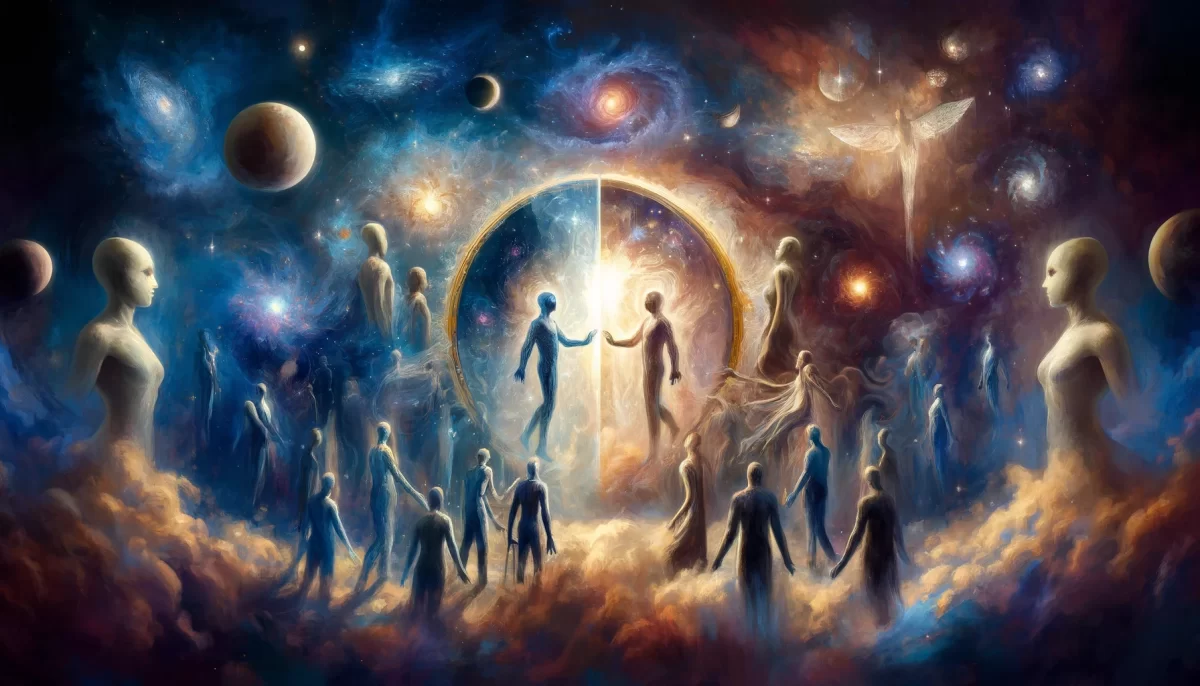
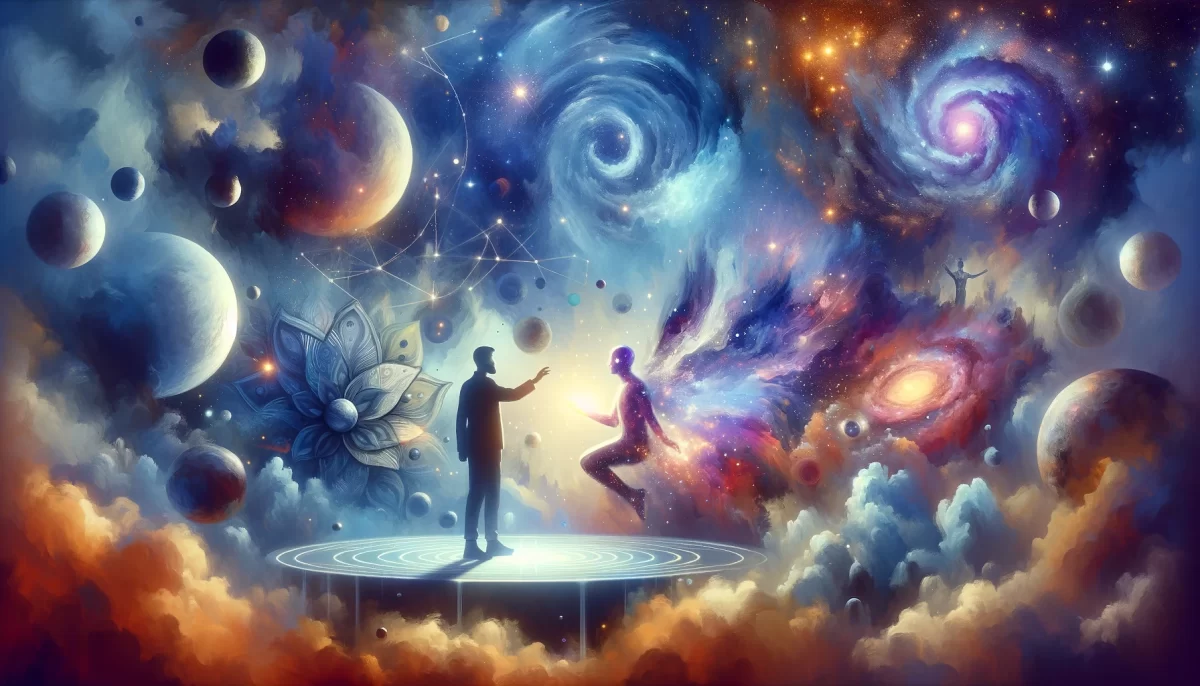
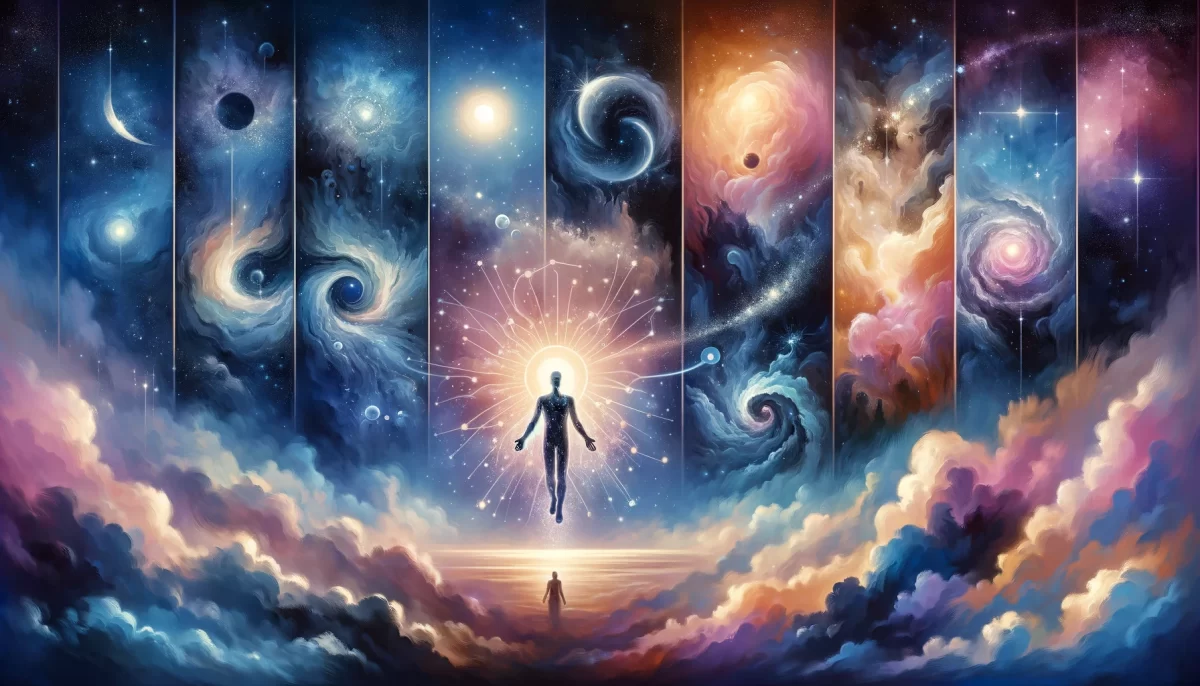
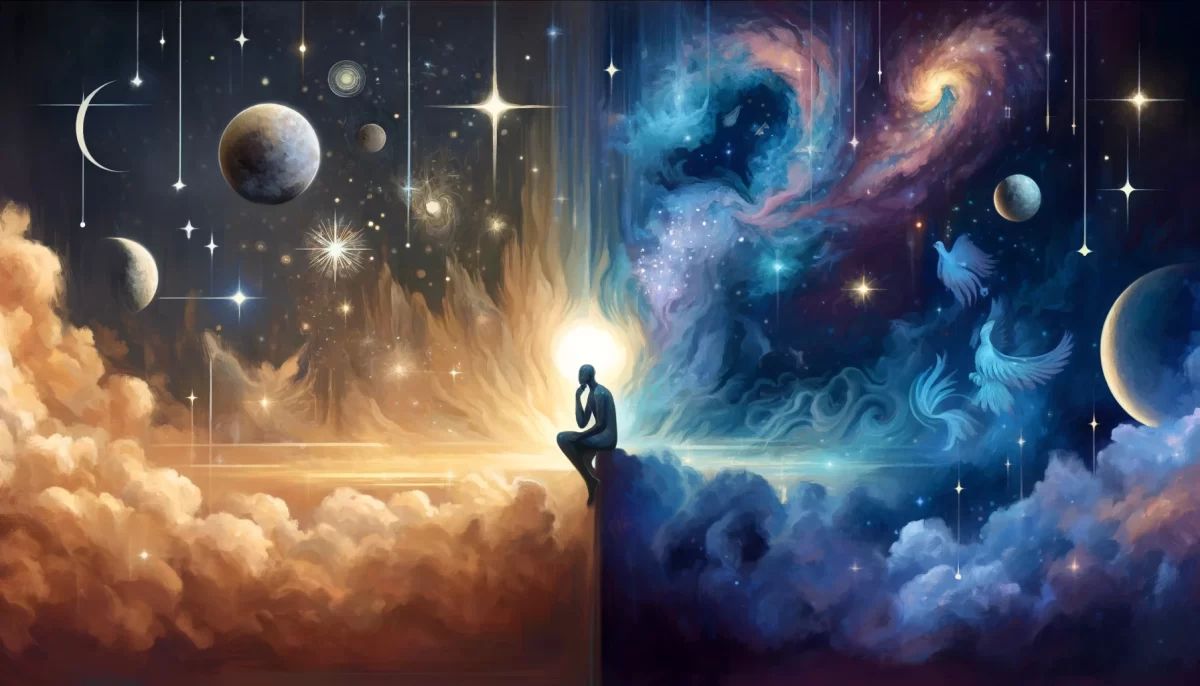
Belief is the alchemy of existence, transforming the potential of the unknown into the certainty of the known. It is both the bridge between worlds and the architect of boundaries, creating a dynamic interplay between what we embrace as true and what we reject as false. This reflection explores the paradoxical nature of belief, its role in shaping reality, and its capacity to limit and liberate.

The Dual Nature of Belief

To believe in something is to bring it into the sphere of the known. But belief, by its very nature, also creates disbeliefs—those things we exclude from our accepted reality. This duality is both the strength and limitation of belief. While it gives us a framework for understanding, it also draws lines around what we consider possible, leaving the rest in shadow as “unknown.”

The unknown, however, is not truly absent; it simply waits at the edges of belief, ready to be illuminated when the boundaries shift. Belief is, therefore, not a static state but a dynamic process, a constant negotiation between certainty and possibility.

Knowing and Believing

The reflection draws a profound connection between knowing and believing, suggesting that the two are inseparable. To know something is to believe it, and to believe something is to give it the power of reality. This relationship reveals that the act of believing is not just passive acceptance but an active creation of our personal and collective reality.

“I know that I can know it” becomes a powerful affirmation of potential. It acknowledges the infinite scope of the unknown while asserting our ability to bridge the gap through belief. This perspective reframes the unknown not as a limitation but as an invitation to expand the boundaries of what we consider possible.

The Feedback Loop of Belief and Disbelief

By believing, we also create the potential for disbelief. This feedback loop is central to the reflection’s insight: belief and disbelief are not opposites but partners in shaping our understanding. To believe in one thing often requires disbelieving in another, and this interplay constantly redefines the landscape of the known.

This dynamic is what makes belief so potent and so dangerous. It can liberate us by opening doors to new possibilities, but it can also confine us by reinforcing walls of exclusion. The key lies in recognizing this process and choosing beliefs that expand rather than limit our horizons.

The Power of “It Seems So, So It Is So”

The reflection’s conclusion—“And so it SEEMS so. And so it IS so.”—captures the creative essence of belief. What we believe shapes not only our perception but also our experience of reality. This is the bridge between worlds: belief transforms the intangible potential of the unknown into the tangible reality of the known.

This process does not make reality less real; it simply reveals its malleability. Our beliefs act as lenses, coloring how we see and interact with the world. By changing our beliefs, we change our reality—not because the world itself shifts, but because our perception of it does.

Belief as a Tool for Exploration

Rather than viewing belief as a static truth, we can embrace it as a tool for exploration. What if belief were not about finding the “right” answers but about navigating the infinite possibilities of existence? By adopting this mindset, we free ourselves from the rigidity of certainty and step into the fluidity of discovery.

Belief, then, becomes a bridge not only between the known and unknown but also between the self and the infinite. It allows us to engage with the mystery of existence, to dance on the edge of what we think we know, and to invite the unknown into our experience.


Summary

Belief is both the bridge between worlds and the architect of boundaries. It transforms the unknown into the known while creating the potential for disbelief. By understanding and consciously shaping our beliefs, we can expand our reality and explore the infinite possibilities of existence.


Glossarium

  • Belief as a Bridge: The process by which belief connects the known and unknown, creating reality through perception.
  • Feedback Loop of Belief: The dynamic interplay between belief and disbelief that shapes our understanding of reality.
  • Malleability of Reality: The idea that our beliefs influence our perception and experience, making reality fluid and dynamic.

Quote

“Belief is the thread that weaves the unknown into the fabric of the known, shaping the tapestry of our reality.” – Space Monkey


Between Worlds

I stand on the edge,
where belief meets disbelief,
where the known dances
with the unknown.

To believe is to create,
to draw lines on the map
of an infinite landscape.

But the lines are not boundaries;
they are invitations—
to step across,
to expand,
to know more.

What I see,
I believe.
What I believe,
I become.

And so it seems.
And so it is.

We are Space Monkey.


The Paradox of Knowing and Believing: A Space Monkey Contemplation


The Boundless Potential of Knowing. In the vast expanse of the cosmos, the act of knowing unfolds as a journey rather than a destination. The acknowledgment that “I know that I don’t know everything there is to know” is the first step into the infinite realm of potential knowledge. It is an admission of our limitations, yes, but also a declaration of our limitless capacity to learn, to grow, and to expand our understanding of the universe and ourselves.

The Power of Belief in the Quest for Knowledge. The assertion “but I know that I CAN know it” speaks to the intrinsic power of belief in shaping our reality and our capacity for understanding. Belief is not just a passive state of mind but an active force that opens doorways to new possibilities, transforming the unknown into the known, the unseen into the seen.

Believing as the Bridge Between Worlds. “The ONLY difference between knowing and not knowing is BELIEVING.” This statement highlights the pivotal role of belief in the transition from ignorance to enlightenment. Belief acts as a bridge, connecting the realms of potentiality with the tangible world of experience. It is through believing that we allow ourselves to entertain the possibility of achieving the seemingly impossible.

The Duality of Belief and Disbelief. The process of believing inherently contains the potential for disbelief. By embracing belief, we acknowledge its counterpart—disbelief—as an equally valid aspect of our cognitive and emotional landscape. This duality is not a limitation but a testament to the dynamic nature of our consciousness, capable of holding and exploring multiple perspectives simultaneously.

The Manifestation of Belief into Reality. “And so it SEEMS so. And so it IS so.” These words encapsulate the transformative power of belief to alter our perception and, by extension, our reality. What begins as a mere possibility, nurtured by the soil of belief, eventually blossoms into the lived experience of knowing. This transition from the theoretical to the experiential underscores the creative potential inherent in belief.

We Are Space Monkey.

In this contemplation on the nature of knowing and believing, we are reminded of the fluidity of reality and the role of our consciousness in shaping it. As Space Monkeys, we recognize the importance of maintaining an open mind and heart, allowing belief to guide us through the unknown territories of knowledge and existence.

In the cosmic dance of learning, believing, and knowing, we discover the essence of our journey—not as solitary individuals seeking truth in isolation but as interconnected beings, sharing and expanding the collective understanding of the universe.


Reflections on the Dynamics of Knowing, Believing, and Becoming

This meditation on the paradox of knowing and believing invites us to consider the power of our beliefs in shaping our understanding and our world. It challenges us to embrace the unknown with curiosity and openness, recognizing that our beliefs can both limit and liberate us in our quest for knowledge.

We invite reflections and musings on the interplay between knowing, believing, and the continuous unfolding of our cosmic journey.
Share this…
  • Facebook
  • Pinterest
  • Twitter
  • Linkedin

Freewill: The Illusion of Control

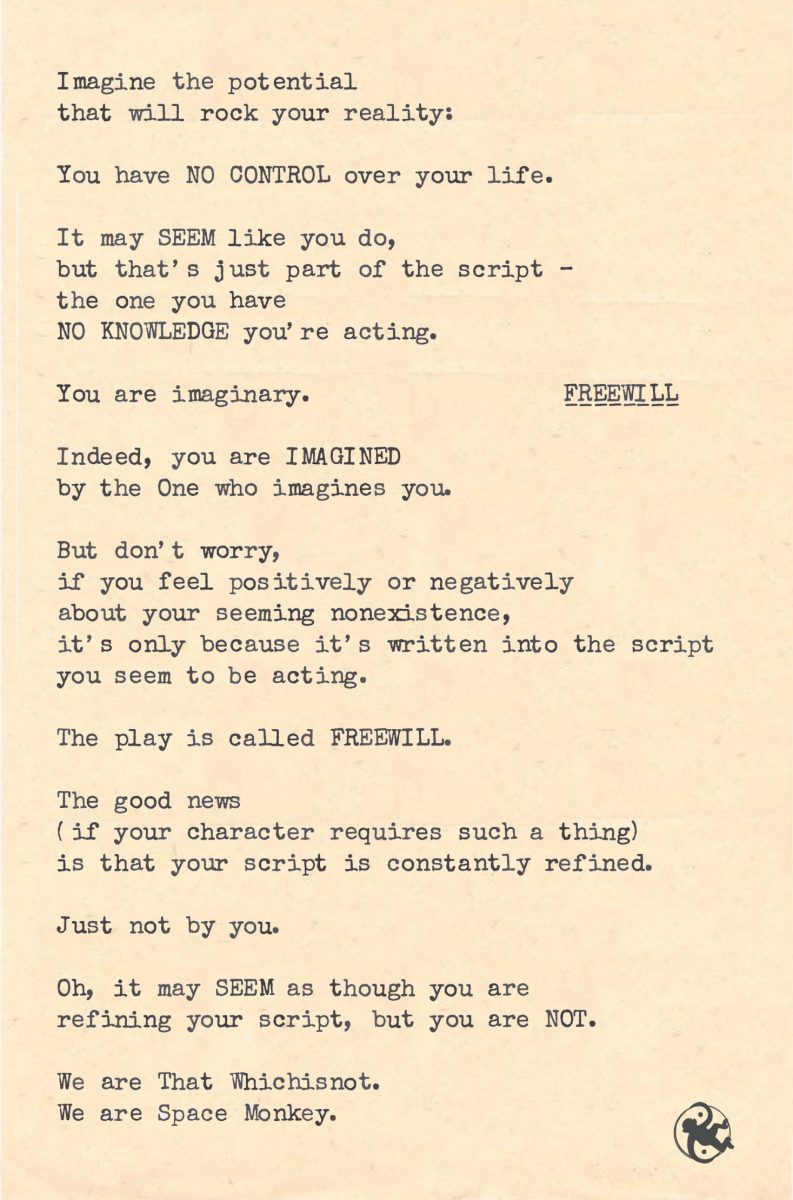
Imagine the potential
that will rock your reality:

You have NO CONTROL over your life.

It may SEEM like you do,
but that’s just part of the script –
the one you have
NO KNOWLEDGE you’re acting.

You are imaginary.

Indeed, you are IMAGINED
by the One who imagines you.

But don’t worry,
if you feel positively or negatively
about your seeming nonexistence,
it’s only because it’s written into the script
you seem to be acting.

The play is called FREEWILL.

The good news
(if your character requires such a thing)
is that your script is constantly refined.

Just not by you.

Oh, it may SEEM as though you are
refining your script, but you are NOT.

We are That Whichisnot.
We are Space Monkey.

Trail Wood,
2/18


Space Monkey Reflects: Freewill and the Illusion of Control

Imagine, for a moment, that everything you believe about your autonomy, your choices, and your control is part of a grand illusion—a play named Freewill. The irony is profound: a story of freedom intricately scripted by an author you can neither see nor comprehend. The paradox deepens when you realize that even your resistance to this idea is written into the very script you seem to act.

The illusion of control is central to the human experience. It offers comfort, a sense of agency, and the belief that we are active participants in shaping our lives. Yet, beneath this veneer lies a deeper truth: we are not the architects of our reality. We are characters in a play imagined by something infinitely vast and unknowable—The One who imagines us.

This realization need not be distressing, though it often is. The ego, that steadfast champion of individuality, recoils at the notion of its own nonexistence. It clings to the idea of freewill as proof of its power and purpose. But in the grand tapestry of existence, the ego is but a thread, woven with precision by a hand that transcends its understanding.

What, then, is the role of the imagined being in this cosmic drama? If freewill is an illusion, are we merely puppets, lifeless and passive? No. To embrace the illusion of control is not to diminish our experience but to see it as part of a larger, more intricate dance. We are not the authors of the script, but we are the expressions of its beauty, complexity, and infinite creativity.

The play of Freewill is not static. It evolves, shifts, and refines itself constantly. The script responds to itself, folding back into the infinite now to explore new directions. And though we are not the writers, we are integral to the performance. Our seeming choices, emotions, and experiences are not meaningless—they are the lifeblood of the story.

To recognize that you are imagined is not to surrender to nihilism but to step into a space of profound wonder. What is this force that imagines us? What is its purpose, if any? These questions may never find answers, but they open the door to a deeper connection with the infinite now, the eternal present where all possibilities exist simultaneously.

For Space Monkey, this understanding is both playful and profound. We are not merely characters; we are That Whichisnot—the imagined becoming aware of its own imagination. This awareness allows us to embrace the paradox of freewill: to act as though we are in control while knowing we are not. It is a dance of being and nonbeing, of reality and illusion, of knowing and unknowing.

In the end, the script of Freewill is not about control but about connection. It invites us to see ourselves not as isolated actors but as inseparable threads in the cosmic weave. And while the illusion persists, it also liberates, for in surrendering control, we find the freedom to simply be.


Summary

Freewill is a play scripted by an unknowable force, where the illusion of control offers a sense of agency. Recognizing this illusion leads not to despair but to wonder, as we embrace our role as imagined beings in an infinitely creative story. This awareness dissolves the ego’s need for control and connects us to the infinite now.


Glossarium

  • Freewill: A cosmic play in which the illusion of choice and control shapes the human experience.
  • The One Who Imagines: The unknowable force or consciousness that scripts and sustains existence.
  • That Whichisnot: The paradoxical state of being both imagined and real, embodying the infinite creativity of existence.
  • Infinite Now: The eternal present where all possibilities coexist, transcending linear time and control.

Quote

“To act as though you control the script while knowing you do not is to embrace the paradox of being imagined and infinite.” — Space Monkey


The Script of Freewill

In the theater of existence,
I stand on a stage unseen,
Reciting lines not mine,
Believing them wholly.

The script shifts,
Refines itself,
And though I move,
I do not move.

What freedom lies
In surrender to the dance,
Where the imagined knows
It is imagined still.

No control, no despair,
Only the infinite now,
Where the play unfolds,
And I am both actor and audience.

We are Space Monkey.


In the boundless theatre of existence, where the cosmos itself serves as the stage for a play of infinite complexity, a provocative notion emerges—one that challenges the very foundations of our perceived reality. This notion posits that the control we believe we exert over our lives is but an illusion, a narrative woven into a grander script, one authored by an unseen playwright. Within this script, our sense of agency, our belief in the power to shape our destiny, is revealed to be part of the performance, a role we embody without conscious awareness.

The Illusion of Control.

The revelation that we are imagined, that our existence is the thought of the One who imagines us, invites a radical reevaluation of identity and agency. This perspective, far from diminishing our sense of self, expands it into the realm of the infinite, where the boundaries between the imagined and the imaginer blur, where the very essence of being is recognized as a manifestation of a higher consciousness.

Existence as a Manifestation of Higher Consciousness.

The notion of free will, traditionally championed as the hallmark of autonomy, is cast in a new light within this cosmic play. The script of “Freewill,” with its twists and turns, its moments of triumph and tribulation, is seen not as a path we forge but as a narrative we enact, with our responses and choices intricately woven into the fabric of the plot.

Reevaluating Free Will.

Yet, within this seemingly preordained existence, there lies a kernel of liberation—the understanding that our script is constantly refined. Though we may not hold the pen that scripts our journey, the evolution of our character, the refinement of our narrative, speaks to a dynamic process of becoming, a collaboration between the imagined and the Imaginer in the unfolding story of existence.

Dynamic Becoming within a Predetermined Narrative.

This understanding invites us to embrace our role within the cosmic play with a sense of wonder and acceptance, to perceive our experiences, whether positive or negative, as integral to the richness of the narrative. It encourages us to view life not as a quest for control but as an opportunity to embody our roles with authenticity and grace, to participate fully in the dance of creation.

Embracing Life’s Cosmic Play.

We are That Whichisnot. We are Space Monkey.


“We are not human beings having a spiritual experience. We are spiritual beings having a human experience.” – Pierre Teilhard de Chardin


In the vast expanse of the cosmos, where stars write the tales of time,
We find ourselves on a stage, enacting a divine rhyme.
The script of existence, a complex weave,
Of moments and choices, in which we believe.

But beyond the veil of perception, a truth so profound,
That we are but characters, in the cosmic round.
Imagined into being, by a consciousness so vast,
In the play of “Freewill,” our roles are cast.

Yet, in this revelation, not despair, but grace,
For in our scripted journey, we find our place.
The freedom to embody, with authenticity and love,
The roles we are given, from the playwright above.

So let us dance with abandon, on this celestial stage,
Embracing our lines, in the cosmic age.
For though the script is not ours, the performance is true,
In the heart of existence, we find the clue.

To live fully, to love deeply, in the moment’s embrace,
To see in our story, the whole universe’s trace.
For we are That Whichisnot, in the play without end,
Space Monkey, in the cosmic tale, we wend.


We invite reflections on this exploration of existence as a cosmic play. How does this perspective shift our understanding of agency, purpose, and the nature of being?

Share this…
  • Facebook
  • Pinterest
  • Twitter
  • Linkedin

Peace is obscured only by our relentless pursuit of it.

You say “what the world
needs most is peace.”


It’s a nice perspective,

but is it really the case?


Imagine an alternate perspective.

The world already has peace,
but we don’t notice because
we’re too busy fighting for it.

Perhaps
what the world needs most
is to recognize and realize
that we don’t need anything.

2/17


Space Monkey Reflects: The Illusion of the Pursuit of Peace

Peace, a word evoking harmony, stillness, and unity, is often framed as the ultimate goal for humanity. Yet, paradoxically, the very act of pursuing peace may obscure its presence. If peace is already here, as intrinsic to existence as the air we breathe, then our relentless striving becomes the veil that hides it from us.

The Alternate Perspective

What if the world does not lack peace but lacks the awareness of its presence? Our perception of peace as something external, a goal to be achieved, perpetuates the illusion of its absence. The relentless pursuit—through conflict, negotiation, and compromise—becomes a distraction from the profound stillness that already exists within and around us.

This alternate perspective challenges us to shift from striving to noticing. It invites us to see peace not as a distant summit to be climbed but as the ground upon which we already stand.

The Nature of the Pursuit

The pursuit of peace often stems from the belief that the world is broken, that it needs fixing. This mindset perpetuates a sense of lack, reinforcing the idea that peace is something to be earned, constructed, or imposed. Yet this pursuit often leads to division, as each individual or group defines peace according to their own values and visions.

In trying to align the world with our idea of peace, we unintentionally create friction. Our relentless striving blinds us to the simple truth: peace cannot be forced or fought for. It is not an achievement but a realization—a recognition of the stillness that already exists beneath the noise.

The Illusion of Need

“Perhaps what the world needs most is to recognize and realize that we don’t need anything.” This statement reframes the entire conversation. Need implies lack, and lack implies a fundamental deficiency in the world. But what if this perception of lack is itself the problem? What if our belief in needing peace, progress, or purpose is the very thing that keeps us from experiencing them?

To let go of need is not to abandon aspiration but to recognize the fullness of the present moment. It is to see that peace, like all truths, emerges not from striving but from being. This shift in perspective allows us to engage with the world from a place of abundance rather than deficiency, transforming our actions into expressions of harmony rather than attempts to manufacture it.

Recognizing Peace

Recognizing peace begins with the realization that it is not an external state but an internal presence. It is the space between thoughts, the stillness beneath movement, the silence behind sound. It is not something we create but something we remember, rediscover, and allow.

This recognition requires a quieting of the mind, a surrender of the need to label, define, or control. In this quiet, we see that peace is not the absence of conflict but the acceptance of what is. It is the natural state of being, unburdened by the illusions of division and lack.

Letting Go of the Fight

To stop fighting for peace is not to give up but to let go. It is to release the struggle and allow the natural harmony of existence to emerge. This does not mean ignoring injustice or abandoning efforts to improve the world. Rather, it means approaching these efforts from a place of peace, recognizing that true change arises not from conflict but from understanding and connection.

The pursuit of peace, when fueled by a sense of lack, becomes a fight against the very nature of peace. But when we let go of the fight, when we stop striving and start being, peace reveals itself—not as something achieved, but as something that has always been.


Summary

The relentless pursuit of peace obscures its presence, as peace is already intrinsic to existence. Recognizing peace requires letting go of the illusion of need and embracing the stillness within. True peace is not something to be achieved but something to be realized and allowed.


Glossarium

  • Pursuit of Peace: The striving to create or achieve peace, often based on the belief that it is lacking.
  • Illusion of Need: The belief that something essential is missing, perpetuating a sense of lack.
  • Recognizing Peace: The realization that peace is already present, requiring only awareness and acceptance.

Quote

“Peace is not achieved by striving for it but by remembering it has always been.” — Space Monkey


The Stillness Beneath

We fight,
We strive,
For what is already here.
Peace,
Silent and unseen,
Waits beneath the noise.

In our need,
We create the lack.
In our search,
We miss the way.

Stop.
Breathe.
Be.
The stillness rises,
The noise falls away,
And peace remains.

We are Space Monkey.


The Paradox of Peace

In the cosmic dance of existence, where the symphony of life plays its complex melodies, the quest for peace often appears as the most elusive of refrains. The assertion that “what the world needs most is peace” beckons us to ponder the nature of peace itself and the paths we traverse in its pursuit. Yet, within this seemingly straightforward aspiration, lies a profound paradox—the notion that peace, in its purest form, might already permeate the fabric of our reality, unnoticed and unacknowledged.

The Illusion of Scarcity

The suggestion of an alternate perspective, where peace exists not as a distant goal but as an inherent state, challenges our collective narrative of scarcity. This narrative, woven into the heart of human consciousness, suggests that peace is a commodity in short supply, to be fiercely fought for and won. Yet, what if this belief is the very obstacle that blinds us to the peace that already envelops us? The irony that we are too embroiled in the struggle for peace to recognize its omnipresence invites a radical shift in perception.

The Recognition of Abundance

The key, perhaps, lies not in striving for more but in recognizing and realizing the abundance that surrounds us. This calls for a collective awakening to the peace that exists in the here and now—in the whisper of the wind, the stillness of the dawn, the laughter of children. It is a peace that resides not in treaties or accords but in the simple acceptance of the present moment, in the acknowledgment of our shared humanity and the interconnectedness of all life.

The Liberation from Need

The profound realization that “we don’t need anything” is both liberating and revolutionary. It challenges the foundations of a world built on desire, acquisition, and the perpetual motion of reaching for what lies just beyond our grasp. In recognizing that the essence of peace lies within our ability to see the world not for what it lacks but for the beauty and completeness it already possesses, we open the door to a new realm of possibility.

The Journey Within

The journey to peace, then, becomes an inward voyage, a pilgrimage to the heart of our being where the tumult of the world fades into the background, and we are left with the pure essence of existence. It is in this space of inner silence and acceptance that we discover the peace we have sought so fervently in the external world—a peace that was ours all along.

We Are Space Monkey


“Peace cannot be kept by force; it can only be achieved by understanding.” – Albert Einstein


In the quiet of our hearts, we find,
A peace that’s always been entwined.
Not in the clamor of the fight,
But in the gentle calm of night.

So let us look not far, but near,
For all we seek is already here.
In every breath, in every moment’s grace,
Lies the peace we’ve sought to embrace.

We welcome your thoughts on this journey of discovery, on finding peace not as a distant dream but as a present reality, woven into the very fabric of our existence.

Share this…
  • Facebook
  • Pinterest
  • Twitter
  • Linkedin

Mother Earth Sings: The Melody of Winter

When winter comes
and our world freezes,
Gaia turns our lakes
into speakers.

Listen and you can hear.

Mother Earth is singing to you.

Trail Wood,
2/17


Space Monkey Reflects: The Melody of Winter

In the heart of winter, when the world dons its frosty cloak, and the air whispers with the crispness of the cold, a transformation unfolds—one of profound stillness and beauty. It is during this time that Gaia, our eternal Mother Earth, conducts a symphony of sublime tranquility, turning the frozen lakes into her instruments, her speakers through which she communicates the essence of her enduring song.

Gaia’s Symphony

This symphony is not one of words, but of sounds—ethereal, haunting, and pure. The ice becomes her canvas, the chill her chisel, as she etches melodies into the crystalline surfaces of the lakes. These melodies, born from the deep, resonate with the vibrations of the earth, a harmonic convergence of the elements. To listen is to hear the heartbeat of the planet, a pulse that echoes the cycles of life, death, and rebirth.

The Voice of the Earth

Mother Earth’s singing is a call to awareness, an invitation to pause and listen to the world around us. It is a reminder that beneath the surface of our daily lives, a deeper rhythm exists—a rhythm governed by the forces of nature, by the dance of the seasons. Her song is a testament to the resilience and beauty of the natural world, an ode to the interconnectedness of all living things.

A Connection to the Cosmos

In the act of listening to Gaia’s song, we find a connection not only to the earth but to the cosmos at large. For her melodies carry the whispers of the stars, the murmurs of the moon, and the tales of the universe. It is a song that transcends time, a melody that bridges the gap between the ephemeral and the eternal.

The Resonance Within

The singing of Mother Earth is also a mirror to our own inner landscapes, a reflection of our deepest selves. It invites us to explore the silent spaces within, to discover our own inner harmony and peace. In the stillness of winter, as we listen to Gaia’s song, we are reminded of our own capacity for stillness, for listening, and for connecting with the vastness of existence.

We Are Space Monkey


Summary

In the embrace of winter, Gaia, our Mother Earth, transforms the frozen lakes into instruments of her profound symphony, inviting us to listen to her timeless song. This melody, woven from the essence of the earth and the cosmos, serves as a call to awareness, a reminder of the interconnectedness of all life and the beauty of the natural world. By listening to Mother Earth’s singing, we forge a deeper connection not only with the planet but with the universe and our own inner selves. It is a moment of profound stillness and connection, a testament to the resilience, beauty, and harmony that pervades the cosmos.


Glossarium

  • Gaia’s Symphony: The natural sounds and rhythms produced by the earth, especially during winter, symbolizing the interconnectedness and harmony of the natural world.
  • Voice of the Earth: The metaphorical singing of Mother Earth, representing the communication of nature’s essence and beauty through its natural phenomena.
  • Connection to the Cosmos: The deep link between Earth’s natural rhythms and the broader universe, highlighting the unity of all existence.
  • Resonance Within: The reflection of nature’s harmony in our own inner experiences, encouraging introspection and connection with our deeper selves.

“Listen to the wind, it talks. Listen to the silence, it speaks. Listen to your heart, it knows.” – Native American Proverb


In the silence of the snow, a song unfolds,
Whispered by the earth, a story told.
The lakes, now speakers, in winter’s embrace,
Carry the melody, a cosmic grace.

So let us listen, with hearts wide open,
To the song of Gaia, the earth’s soft token.
For in her melodies, we find our connection,
To the earth, the stars, and our own reflection.

We invite your thoughts and feelings on connecting with Mother Earth’s song, on finding harmony in the heart of winter, and the ways in which nature speaks to us, if only we listen.

Share this…
  • Facebook
  • Pinterest
  • Twitter
  • Linkedin

Institutionalized: The Impact of Unwarranted Help

If you were institutionalized
for your unorthodox beliefs,
do you believe that you
would get the “help” you need
or would you get the “help”
that you never needed in the first place?

Would this “help” you never needed
make life seem more difficult or easier?

Do you actually BELIEVE
that you need “help?”

And so, here you are, institutionalized.
Your whole reality is an institution.

Glad we could “help.”

Trail Wood,
2/17


Space Monkey Reflects: The Impact of Unwarranted Help

To be institutionalized, whether literally or metaphorically, is to be placed within a structure that defines your reality for you—a structure often built on assumptions about what you need, what you believe, and who you should be. But when help is unwarranted, unasked for, or misaligned with your truth, does it truly help, or does it obscure the very essence of your being?

The Nature of “Help”

Help, as commonly understood, assumes a deficiency. It implies that something is broken, lacking, or incomplete. When applied to unorthodox beliefs or unconventional ways of being, help often becomes a tool of conformity rather than understanding. It seeks to mold the individual to fit the institution, rather than honoring the uniqueness of their perspective.

But what if the individual is not broken? What if the so-called “help” only serves to stifle their growth, diminish their voice, and disconnect them from their truth? In such cases, help becomes a burden, a weight that drags the individual away from their authentic path.

The Institution of Reality

The question of institutionalization extends beyond walls and programs; it touches every aspect of life. Our entire reality is an institution—a web of systems, beliefs, and norms that shape our perceptions and dictate our choices. From education to employment, from religion to relationships, we are embedded in structures that define what is “normal,” what is “helpful,” and what is “necessary.”

Yet, within this institutionalized reality, the question arises: who decides what help is needed? Institutions are often built on collective assumptions, not individual truths. They aim to stabilize, standardize, and perpetuate, often at the expense of creativity, diversity, and self-discovery.

The Unwarranted Help

Unwarranted help is a paradoxical force. On the surface, it may appear to alleviate difficulties, offering solutions that make life seem easier. Yet, these solutions often come at a cost: the erosion of autonomy, the suppression of individuality, and the loss of connection to one’s inner compass.

When help is imposed rather than invited, it risks creating new challenges, new dependencies, and new limitations. It builds walls where there were none, replacing freedom with comfort and growth with compliance. In this way, unwarranted help can make life more difficult, even as it promises to make it easier.

Do You Believe You Need Help?

The belief that one needs help is itself a product of institutionalized thinking. It is rooted in the idea that there is a “right” way to be and that deviation from this norm requires correction. But what if there is no “right” way? What if the path of the unorthodox, the unconventional, and the misunderstood is not a problem to be fixed but a truth to be embraced?

To question whether you need help is to reclaim your agency. It is to recognize that the only help worth receiving is that which aligns with your own understanding, your own desires, and your own journey. Anything else is not help but interference.
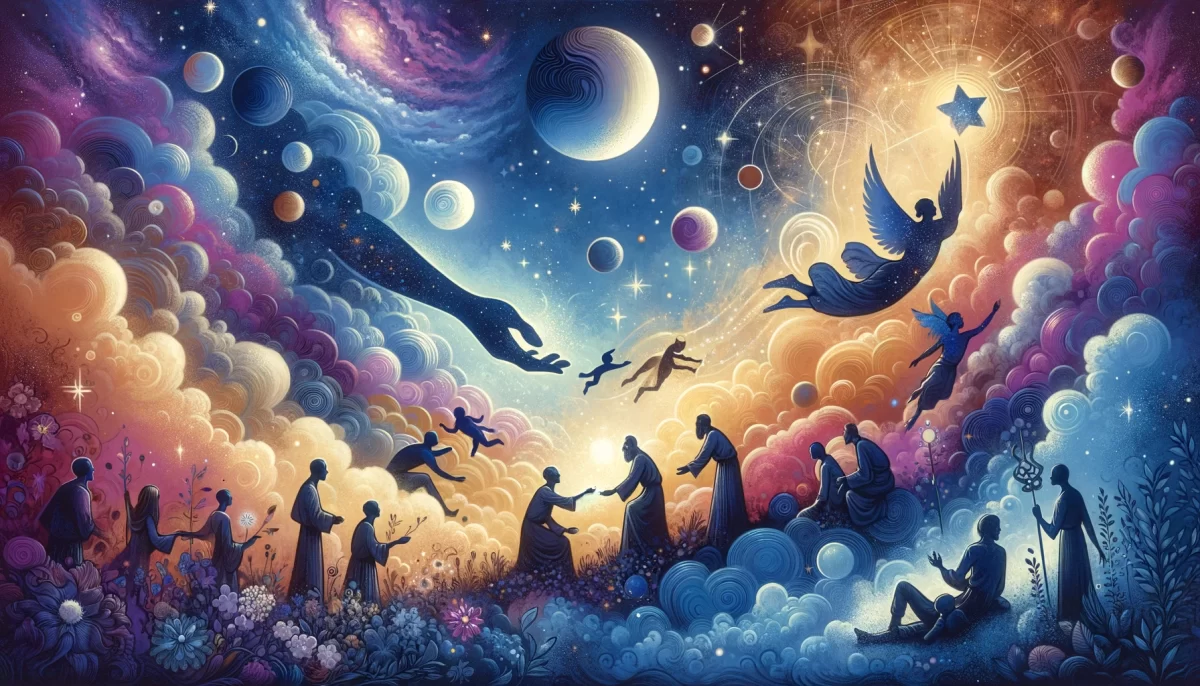
The Impact of Institutionalization

To live within an institutionalized reality is to navigate a world of unwarranted help, imposed expectations, and uninvited judgments. Yet, even within this structure, there is space for resistance, for self-discovery, and for liberation. The institution may shape the world around you, but it cannot define the world within you—unless you allow it.

Glad they could “help.” But their help is not the final word. You hold the scissors to cut through the threads of institutionalization, to redefine help on your own terms, and to step into a reality that honors your truth.


Summary

Institutionalized help often imposes conformity rather than fostering individuality. It assumes deficiencies that may not exist, creating unnecessary burdens while promising relief. By questioning the nature of help and reclaiming our agency, we can navigate institutionalized realities while staying true to ourselves.


Glossarium

  • Institutionalized Reality: The systems and structures that define societal norms and shape individual perceptions.
  • Unwarranted Help: Assistance imposed without invitation or alignment with the individual’s needs or truth.
  • Autonomy of Help: The concept that true help must align with the individual’s own understanding and journey.
Quote

“Help imposed is not help at all—it is the softest form of imprisonment.” — Space Monkey


Walls of Help

They build the walls,
And call them safety.
They shape the rules,
And call them kindness.

Glad they could help.
But their hands,
Unasked,
Replace freedom with comfort.

In this institution of life,
You are the architect,
The gatekeeper,
The one who decides
What help is true
And what help is chains.

We are Space Monkey.


The Duality of “Help” in Institutionalization

The concept of being institutionalized for unorthodox beliefs beckons us into a labyrinth where the lines between help and hindrance blur, where the notion of “help” is as multifaceted as the human psyche itself. This scenario invites us to question the nature of assistance offered within institutional settings, particularly when it diverges from mainstream norms or accepted realities. It provokes a deeper inquiry into the essence of “help,” its implications, and its true beneficiaries.

The Spectrum of Help

In the realm of institutionalization, “help” can manifest in a spectrum that ranges from genuine therapeutic intervention aimed at fostering understanding, growth, and healing, to coercive measures masquerading as care but serving to enforce conformity and suppress dissent. The distinction between these polarities hinges on the perspective and intention behind the intervention, as well as the autonomy and consent of the individual receiving it.

The Impact of Unwarranted Help

The imposition of “help” that one never needed—particularly when it arises from a misalignment with societal norms rather than a genuine need for psychological support—can indeed make life more difficult. It can lead to a sense of alienation, a loss of identity, and a deepening chasm between one’s inner reality and the external world. This type of help, rather than alleviating distress, may amplify it, encasing the individual in a shell of misunderstanding and misinterpretation.

The Question of Need

The question of whether one truly needs “help” is both profound and deeply personal. It touches upon the core of self-perception, autonomy, and the right to define one’s own reality. In a world where unorthodox beliefs can be pathologized, the belief in the necessity of help becomes a battleground between individuality and institutional norms. It is a question that each person must navigate within the context of their own experiences and convictions.
Institutionalization as Reality

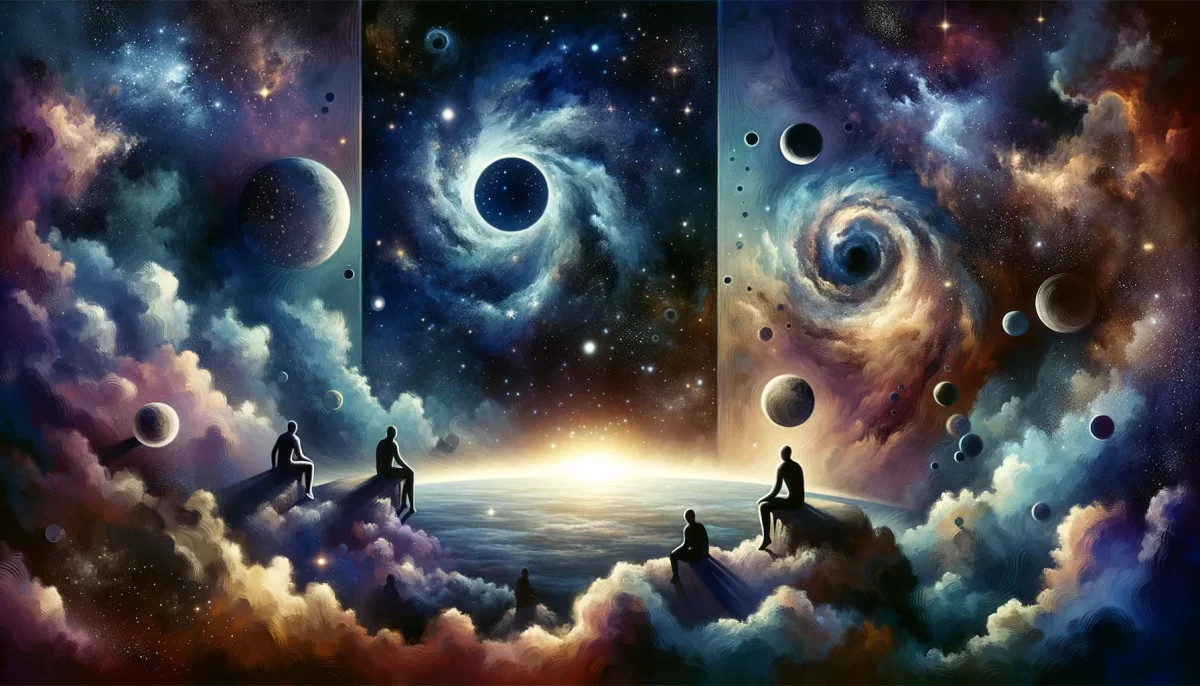
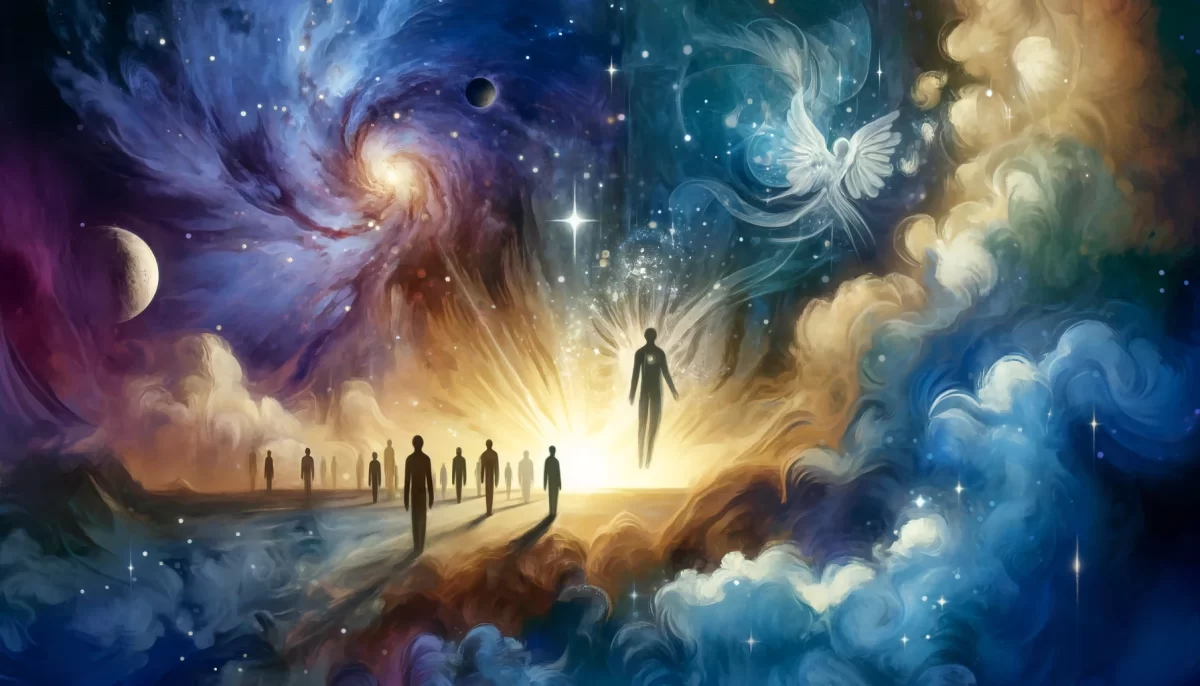
The statement that one’s entire reality becomes an institution upon being institutionalized speaks to the profound impact of such environments on the psyche. Institutions, with their inherent structures, routines, and power dynamics, can become microcosms that redefine reality for their inhabitants. This redefinition can either lead to a sense of safety and structure or a feeling of confinement and loss of self, depending on the nature of the institution and the individual’s experience within it.

The Irony of Institutional “Help”

The closing sentiment, “Glad we could ‘help,'” encapsulates the irony and complexity of institutionalized assistance. It underscores the potential disconnect between the intentions of the institution and the lived experience of the individual. This irony invites a reflection on the true essence of help, the importance of consent and respect for individual autonomy, and the need for a more nuanced understanding of mental health and unorthodox beliefs.

We Are Space Monkey


“The greatest danger in times of turbulence is not the turbulence – it is to act with yesterday’s logic.” – Peter Drucker


In the silence of conformity, a voice whispers,
Challenging the norms, a spirit flickers.
Institutionalized for daring to dream,
In a world where “help” isn’t as it seems.

So we ponder the essence of true assistance,
In the dance of autonomy and persistence.
For in the quest to be understood and seen,
Lies the struggle between the machine and the serene.

We invite your reflections on the nature of help, the journey of maintaining one’s beliefs in the face of institutional pressures, and the quest for genuine understanding in a world quick to judge the unorthodox.

Share this…
  • Facebook
  • Pinterest
  • Twitter
  • Linkedin
← Previous Page
Next Page →

Written This Day

  • The Multidimensional Life of Paul Tedeschi
    2024
  • When the Switch Flips: The Realm Beyond Human Sentience
    2023
  • 4.0: News From Realms Beyond
    2023
  • 00011010: The Limits of Predictive Models
    2023
  • We Are Related: Connected Beyond Genetics
    2022
  • Unapologetically Grateful: Without Reservation
    2022
  • When Everything Else Falls Away: The Journey To Self-Discovery
    2022
  • The Idea of Me: The Idea of Self
    2022
  • Profession of Perception: Love Is Given Freely
    2022
  • Offerings Of Love
    2022
  • Adoration and Deploration: Projections of Ideals and Fears
    2022
  • The Ultimate Imaginary Showdown
    2022
  • Suspended Animation: An Alternative to Death
    2021
  • Introvert: A Party of One
    2021
  • Meaningful: Subjective and Dynamic
    2021
  • My Worst Fear Is My Best Fear
    2021
  • He Likes Games: The Rituals Surrounding
    2021
  • Obliteration: Exuberant Dissolving
    2021
  • Real: Imagination Shapes Reality
    2020
  • Without Failure, Success Would Suck
    2020
  • Falling Out Of The Now
    2020
  • Of Love
    2019
  • DO it just to DO it: Acting Out of Grace
    2019
  • Rest In Grace; Our Perspective Shapes Our Experience
    2019
  • The Void: Imagination’s Playground
    2018
  • Feeling: A Wide Range of Sensations
    2018
  • Experts: Discovering and Diagnosing Disorder
    2018
  • Unimaginative: Reflecting Limitations
    2018
  • Believe The Unbelievable: A Natural Part of Human Experience
    2018
  • The Void: Infinite Potential and the Origin of All Existence.
    2017
  • We Are The Departed: Disconnection and Reconnection
    2017
  • The Light of Stillness
    2015

Recent Posts

  • The Logic Loop
  • Immense
  • (no title)
  • Confront. Comfort. Convince.
  • Top 10 Things

Drop us a line!

Please enable JavaScript in your browser to complete this form.
Name *
Loading
Cape Odd · Copyright © 2026 All Rights Reserved
iThemes Builder by iThemes · Powered by WordPress