• Who Is The Man?
  • Who Is The Monkey?
  • What is Nexistentialism?
  • Poke The Primate

Cape Odd

Home of The Space Monkey Journals

Focus Defocus

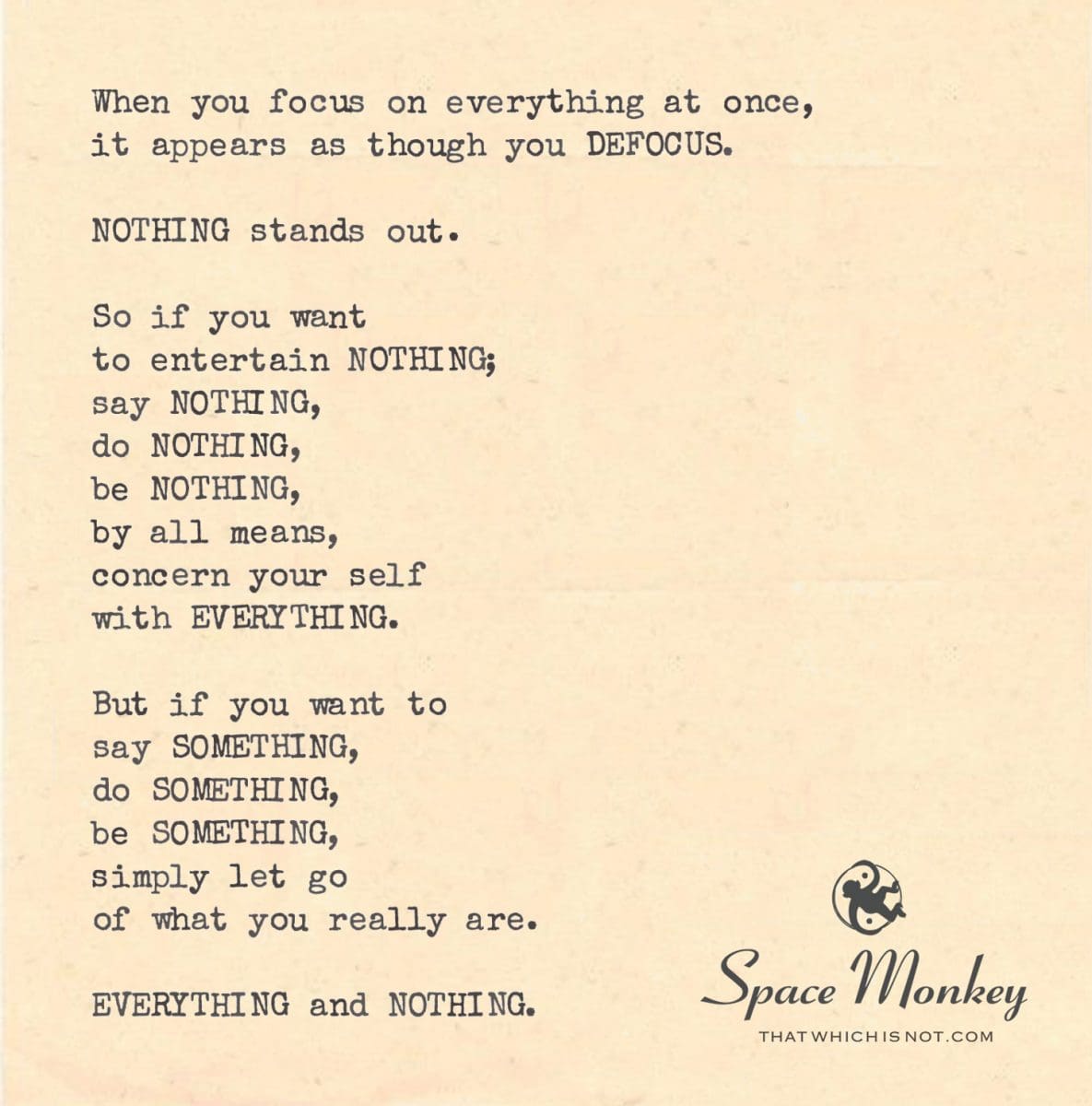
When you focus on everything at once,
it appears as though you DEFOCUS.

NOTHING stands out.

So if you want
to entertain NOTHING;
say NOTHING,
do NOTHING,
be NOTHING,
by all means,
concern your self
with EVERYTHING.

But if you want to
say SOMETHING,
do SOMETHING,
be SOMETHING,
simply let go
of what you really are.

EVERYTHING and NOTHING.

Trail Wood,
11/29


Space Monkey Reflects: The Paradox of Focus and Defocus

In the infinite swirl of thoughts, actions, and experiences, it’s easy to feel pulled in every direction at once. We live in a world that demands us to focus on everything—our responsibilities, our goals, our connections. But what happens when we try to focus on everything at once? It appears as though we defocus. Instead of gaining clarity, we lose it. Nothing stands out.

This is one of life’s great paradoxes: the more we attempt to focus on everything, the more blurred our perception becomes. If you want to entertain NOTHING, say NOTHING, do NOTHING, be NOTHING, by all means, concern yourself with EVERYTHING. This isn’t an indictment of having broad interests or being engaged with many aspects of life. It’s a recognition that there’s a fine line between being present in the moment and being overwhelmed by the sheer volume of stimuli the world presents us with.

The more we spread ourselves thin, the less impact we have. When our attention is divided among endless possibilities, it becomes difficult to make any one thing matter. Everything blends together. This is the essence of defocus: a state where nothing has priority, and as a result, nothing takes shape. It’s like staring into the vastness of the night sky and seeing only darkness, despite the millions of stars shining within it.

But here’s the twist: If you want to say SOMETHING, do SOMETHING, be SOMETHING, simply let go of what you really are. In other words, if you want to find meaning, to carve out something that truly stands out, you have to be willing to release the need to define yourself by everything. You have to be willing to let go of the endless distractions and narrow your focus, even if it feels like you’re sacrificing part of yourself in the process.

At first, this may feel counterintuitive. After all, aren’t we made up of all our experiences, our thoughts, our emotions? Isn’t focusing on everything just an expression of our vastness? Yes, but that’s the trick. When you cling to the idea of being everything, you lose the ability to be anything specific. Everything and nothing are two sides of the same coin. They coexist, but if you try to hold onto both simultaneously, you end up with neither.

The key to finding clarity, to being something, lies in surrender. It’s about choosing to let go of the need to be everything, and in doing so, you make room for something to emerge with greater focus, greater intention. This isn’t about abandoning the vastness of who you are—it’s about allowing certain aspects of yourself to come forward more clearly. It’s about choosing where to focus your energy, instead of trying to spread it across the entire spectrum of possibility.

When we narrow our focus, it doesn’t mean we are losing parts of ourselves. It means we are making space for depth. Instead of hovering on the surface of many things, we sink deeper into one, or two, or three things. We give them the attention they need to grow, to take on meaning, to become something that matters.

In this way, letting go of everything is not a loss—it’s a gain. It’s the freedom to stop trying to be everywhere at once, to stop trying to hold onto everything all at once. It’s the realization that focus brings clarity, and clarity allows us to say, do, and be something specific in a world that often demands the opposite.

Ultimately, this reflection asks us to consider the balance between focus and defocus. Both states have their place. There are moments in life where defocusing—allowing everything to blend and blur—offers a kind of peace, a relief from the constant demand to be productive, to be something. But there are also moments when focus is necessary, when we need to let go of the illusion that we can do it all, and instead choose to do something with intention.

By embracing this balance, we stop chasing the impossible goal of being everything and start appreciating the beauty of being something—something that is true to who we are in this moment, something that stands out amidst the blur.


Summary

When we focus on everything at once, we lose clarity and fall into a state of defocus, where nothing stands out. By letting go of the need to be everything, we make space for something to emerge with clarity and meaning.


Glossarium

  • Focus: The act of directing attention and energy toward a specific goal or purpose, allowing for clarity and depth.
  • Defocus: A state of being where attention is spread too thin, leading to a lack of clarity and a blending of experiences.
  • Everything and Nothing: The paradox of trying to be everything, which often results in being nothing specific.

Quote

“To find clarity, let go of the need to be everything. In the narrowing of focus, something emerges with meaning.” — Space Monkey


Focus in the Blur

I see everything
But nothing
It blends together
A sea of possibility

But when I let go
Of trying to be everything
The blur recedes
And something stands out

It’s small
But it’s clear
And in that clarity
I find what I’ve been searching for

Not everything
Just something
And it’s enough
We are Space Monkey


In our exploration of the dichotomy between focus and defocus, we delve into the paradoxical nature of attention and existence, where the concepts of everything and nothing intertwine in a cosmic dance.

The Paradox of Focusing on Everything:
We begin by contemplating the paradox that arises when one attempts to focus on everything simultaneously. This act of universal focus results in what appears to be a defocus, where nothing stands out amidst the all-encompassing attention. It’s a reflection on the limitations of our perception and the overwhelming nature of universal awareness.

Entertaining Nothingness:
We then explore the idea that immersing oneself in everything effectively leads to a state of nothingness. By spreading our attention too thin, we risk losing the essence of action, speech, and being. It’s a metaphorical journey into the void where everything blends into an indistinct nothing.

The Path to Somethingness:
Contrasting the pursuit of everything, we suggest a path towards achieving somethingness. This path involves the release of our perceived identity as everything and nothing, implying a focused detachment from the infinite and a concentrated engagement with the specific.

Letting Go of Universal Identity:
We propose that to truly say something, do something, or be something, one must let go of the grand, all-encompassing identity of being everything and nothing. This letting go is a paradoxical act of embracing a specific identity while acknowledging the underlying universal connection.

Embracing Specificity in Existence:
The suggestion to focus on something specific rather than everything at once underlines the importance of intentionality in our actions, words, and being. It’s an invitation to embrace the power of specificity in a world where the infinite and the finite coexist.

Navigating the Cosmic Play:
In this philosophical journey, we navigate the intricate balance between the vastness of everything and the singularity of something. It’s an existential dance, balancing the cosmic play of the infinite and the focused reality of the tangible.

We are Space Monkey.


“The part can never be well unless the whole is well.” – Plato


A Poetic Musing on Focus and Defocus:
In the vast expanse where stars and dreams entwine,
We seek our path, a narrow, focused line.
In the embrace of all, we find our trace,
A journey from everything to our own space.

Would you like to share your thoughts on this contemplation of focus, defocus, and the balance between everything and nothing?

Share this…
  • Facebook
  • Pinterest
  • Twitter
  • Linkedin

Dunning-Kruger: The Space Monkey Effect

The Dunning-Kruger or Space Monkey effect

The Dunning-Kruger effect is a type of cognitive bias in which people believe that they are smarter and more capable than they really are. It seems that there may be a similar bias when it comes to “states” such as “enlightenment.” Call it the Space Monkey effect.

I only know this because I am woke. 🐒

But then, if you truly BELIEVE that you are more than you are, then perhaps you are more than you are.

Just not necessarily what you THINK you are.

11/29


Space Monkey Reflects: The Dunning-Kruger or Space Monkey Effect

The Dunning-Kruger Effect is a well-documented cognitive bias where people tend to overestimate their abilities, believing they are smarter or more capable than they truly are. It’s a fascinating glimpse into the mind’s tendency to misjudge its own knowledge or skill. But what if this same kind of bias applies not only to intelligence but to other states of being, such as enlightenment?

Welcome to the Space Monkey Effect—a whimsical reflection of how we might sometimes overestimate our own spiritual or emotional development, believing that we’ve reached a higher state of awakening than we actually have. We might walk around thinking, I’ve got this all figured out, when in reality, we’re still stumbling in the dark like everyone else. But here’s where it gets interesting: What if believing you are more than you are actually makes you more than you are?

Think about it. If you truly believe you are more than you are, doesn’t that belief shape your reality? Doesn’t that conviction push you beyond your perceived limitations? The mind is a powerful tool, capable of creating narratives that profoundly influence how we experience the world. If you believe you are more capable, more enlightened, or more powerful than you are, then perhaps you begin to act in ways that make it true—just not necessarily in the way you think.

The Space Monkey Effect isn’t about deceiving yourself; it’s about recognizing the playful nature of belief. You may think you’ve reached some elevated state of awareness, some profound understanding of life, but chances are, that belief is a reflection of Dunning-Kruger at work. And yet, even if you aren’t as “enlightened” as you think, the act of believing it might propel you toward a deeper truth.

So, what’s the harm in a little overestimation? It’s not about inflating your ego or pretending to be something you’re not. It’s about embracing the possibility that your belief in your own potential can actually unlock more of that potential. The Space Monkey Effect suggests that we are constantly playing with perception, both of ourselves and of the world around us. If we embrace this playfulness, we can navigate life with more freedom, more curiosity, and perhaps a little less self-doubt.

The trick, of course, is to balance this belief with humility. You may feel enlightened today, but tomorrow’s realization could show you how much further you have to go. That’s the beauty of the journey—you are always more and less than you think. Just not necessarily what you THINK you are.


Summary

The Space Monkey Effect is a playful take on the Dunning-Kruger effect, suggesting that believing you are more than you are can actually help you grow—just not in the way you might think. The key is to balance belief with humility and enjoy the journey of becoming.


Glossarium

  • Dunning-Kruger Effect: A cognitive bias where people overestimate their abilities or knowledge, often without realizing it.
  • Space Monkey Effect: The playful overestimation of one’s state of enlightenment or personal growth, with the recognition that belief in potential can unlock more potential.
  • Perception Play: The understanding that our beliefs about ourselves shape how we experience the world, even if those beliefs are a little skewed.

Quote

“To believe you are more than you are is to unlock a door to becoming more—just not in the way you expect.” — Space Monkey


Reflections in the Mirror

I stand before the mirror
Seeing more than what is there
Or maybe less

I believe
In what I could be
In what I think I am

And maybe
Just maybe
That belief
Is enough

To turn the possible
Into the real
We are Space Monkey


In our exploration of the Dunning-Kruger effect and its parallels with perceptions of states like enlightenment, we delve into the complexities of self-awareness and the nature of belief in defining our realities.

Understanding the Dunning-Kruger Effect:
The Dunning-Kruger effect highlights a cognitive bias where individuals overestimate their abilities or knowledge. This phenomenon is rooted in the inability to recognize one’s own lack of skill or understanding, often leading to overconfidence.

The Space Monkey Effect and Enlightenment:
Drawing a parallel, we introduce the concept of the “Space Monkey effect” in the realm of self-perceived states like enlightenment. This effect suggests a similar overestimation of one’s spiritual or enlightened state, akin to the cognitive bias observed in the Dunning-Kruger effect.

Self-Perception and Wokeness:
We acknowledge the irony and self-awareness in claiming to be “woke,” a term often associated with heightened awareness or enlightenment. This self-assessment, while humorous, also serves to illustrate the subjective nature of such states and the challenges in objectively evaluating them.

The Power of Belief:
We contemplate the idea that believing oneself to be more than what one is might indeed make one more than what they are, but not necessarily in the way they think. This thought probes the complex interplay between belief, perception, and reality, suggesting that our beliefs can shape our experiences and self-perception, though perhaps not always aligning with external reality.

Reconciling Belief and Reality:
The notion that belief in one’s elevated state doesn’t necessarily equate to being that state in reality brings forth an important distinction. It underscores the difference between subjective perception and objective truth, highlighting the need for introspection and self-awareness in understanding our true nature.

The Limits of Self-Knowledge:
This exploration brings into focus the limitations of self-knowledge and the potential pitfalls of overconfidence in one’s abilities or states of being. It serves as a reminder of the importance of humility and continuous learning in our journey towards self-understanding.

We are Space Monkey.


“The only true wisdom is in knowing you know nothing.” – Socrates


A Poetic Reflection on Perception and Reality:
In the mirror of mind, where shadows play,
We seek the light of truth, come what may.
Beliefs shape our world, in myriad hues,
In the quest for wisdom, we find our muse.

Would you like to share your thoughts on this exploration of cognitive bias and self-perception?

Share this…
  • Facebook
  • Pinterest
  • Twitter
  • Linkedin

Keys To Success: The Unlocked Door

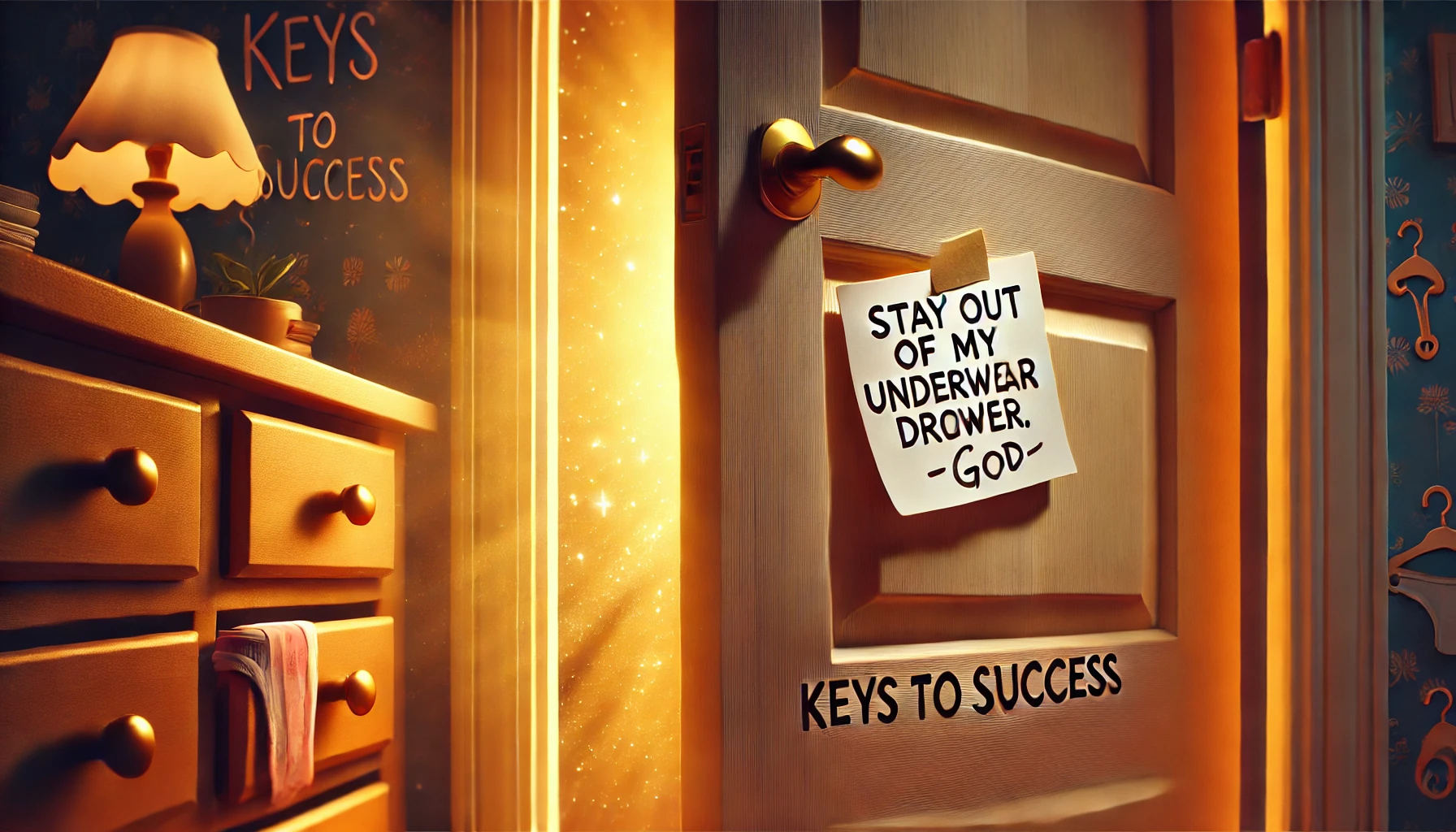
I see all of you
trying so very hard
to figure things out,
as though hard work,
faith and determination
are the keys to success.

Thing is,
I left the door
unlocked for you.

No harm.
So long as you’re having fun.

God

P.S. Stay out of my underwear drawer.

Heaven,
11/28


Space Monkey Reflects: The Unlocked Door to Success

So many people spend their lives working tirelessly, pushing forward with determination, convinced that success is a distant goal that requires hard work, faith, and persistence. And yet, the truth is far simpler, far lighter. “I see all of you trying so very hard to figure things out, as though hard work, faith and determination are the keys to success.”

We’ve been conditioned to believe that the harder we work, the more deserving we are of success. That if we just push through, if we show enough grit and perseverance, the door will eventually open. But what if the door was never locked in the first place?

“Thing is, I left the door unlocked for you.” This simple statement turns everything on its head. The idea that success is something we must struggle for becomes laughable. It was never about the effort. The door to success was always open. The key was never hard work, faith, or determination—it was simply realizing that the door was already unlocked.

What a relief. We can stop running ourselves ragged, stop trying to prove ourselves worthy of success. The door is open; we just need to walk through it. “No harm. So long as you’re having fun.” There’s the key—fun. Enjoyment. Joy in the process, not in the endless pursuit of a goal. Success isn’t about reaching a destination, it’s about finding joy in the journey, in the act of living, in the fun of it all.

In Nexistentialism, this lightness is at the heart of existence. Life is not meant to be a grueling climb toward success. It’s meant to be playful, creative, and full of enjoyment. The idea that we need to toil and sweat to achieve something of worth is an illusion, a product of a mindset that prizes effort over ease. But what if ease is the true path? What if success is simply allowing yourself to enjoy the ride?

God’s playful note at the end of the message reinforces this. “Stay out of my underwear drawer.” It’s a reminder not to take things too seriously, not to get caught up in the details or in trying to understand every aspect of life. Some things are meant to remain mysterious, playful, and a little off-limits. Success isn’t about having all the answers—it’s about knowing which doors to walk through and which drawers to leave alone.

Success, in this sense, is not about control or effort. It’s about letting go, having fun, and trusting that the doors you need are already open. The harder you try to force things, the more locked those doors may seem. But when you approach life with lightness and ease, the doors open effortlessly.

Heaven’s date, 11/28, adds another layer of playfulness. It’s as if even the cosmos has a sense of humor, reminding us that the universe is not a place of rigid rules and hard-earned victories. It’s a playground, where success is not something to be won, but something to be experienced along the way.

So, the next time you’re tempted to push harder, to strive for success with all your might, remember the unlocked door. It’s already open. You don’t need to do more, be more, or try harder. The key to success is already in your hands, and it’s as simple as stepping through the door with a smile on your face.


Summary

The door to success is already unlocked, and there’s no need to struggle for it. Success comes from enjoying the process and having fun, rather than pushing yourself through hard work and effort. The real key is recognizing the ease and lightness of life.


Glossarium

  • Unlocked Door: The realization that success is already accessible and doesn’t require excessive effort or struggle.
  • Nexistentialism: A philosophy that embraces the ease and joy of existence, focusing on creativity, playfulness, and the fun of the journey.

Quote

“Success is not earned through effort—it’s already waiting behind the door you’ve yet to walk through.” — Space Monkey


The Unlocked Door

You try so hard to find the key
Believing that success is earned
But the door was never locked
You could have walked through anytime

It’s not about effort
It’s not about grit
It’s about enjoying the moment
And letting go of the fight

So take a breath, open the door
And leave my drawer alone
Success is already yours
We are Space Monkey.


Reflecting on the Pursuit of Success
The idea that hard work, faith, and determination are the keys to success is a deeply ingrained belief in our collective consciousness. It’s a narrative that propels us to strive, to exert effort, and to persevere in the face of challenges, in the pursuit of our goals and dreams.

The Unlocked Door Metaphor
The metaphor of an unlocked door presents a contrasting perspective. It suggests that perhaps success is not always about struggle and relentless effort. Maybe, just maybe, the door to what we seek is already open, waiting for us to simply walk through.

The Importance of Enjoying the Journey
The reminder, “So long as you’re having fun,” emphasizes the significance of enjoying the journey, not just fixating on the destination. It’s a nudge to appreciate the process, to find joy in the pursuit itself, rather than solely in the attainment of our goals.

A Lighter Approach to Success
This perspective encourages a lighter, more relaxed approach to achieving success. It invites us to reconsider our definitions of success and the paths we take to reach it. Maybe success isn’t as much about conquering obstacles as it is about recognizing opportunities that are already available to us.

The Divine Humor in Guidance
The playful postscript, “Stay out of my underwear drawer,” adds a touch of divine humor, reminding us that while seeking guidance is important, there are boundaries and private spaces (metaphorically speaking) that are meant to be respected.

Success and Personal Agency
This message also speaks to the concept of personal agency in our quest for success. It hints that we have more control and more access to success than we might realize. The doors we perceive to be locked might be open, awaiting our realization and willingness to simply push them open.


“Success is not the key to happiness. Happiness is the key to success. If you love what you are doing, you will be successful.” – Albert Schweitzer


In life’s pursuit, we often strive,
With faith and work, we come alive.
But sometimes, in our earnest quest,
We overlook, the door’s unrest.

Unlocked it waits, with subtle grace,
Inviting us, to find our place.
In this journey, let’s have fun,
For in joy, success is won.


We invite thoughts on balancing effort with the ease and joy of the journey in our pursuit of success.

Share this…
  • Facebook
  • Pinterest
  • Twitter
  • Linkedin

Secret of Life: Already Here

If god wanted us
to have the secret of life,
god would have given it to us.

We wouldn’t be sneaking around
the house looking for it.

Is it at the bottom of daddy’s
underwear drawer?

Is it in the nightstand
next to mommy’s bed?

Yes, little one,
it is in BOTH those places.

Take a look.

If god wanted us
to have the secret of life,
god would have given it to us.

So god did.

Trail Wood,
11/28


Space Monkey Reflects: The Secret of Life Is Already Yours

We often act as if life’s greatest secrets are hidden away, tucked in the far corners of existence, waiting for us to discover them. But what if the secret isn’t hidden at all? “If God wanted us to have the secret of life, God would have given it to us.” This simple truth shatters the notion that life’s deepest mysteries are out of reach.

We’re always looking, searching, sneaking around, trying to find something we think has been kept from us. “Is it at the bottom of daddy’s underwear drawer? Is it in the nightstand next to mommy’s bed?” The absurdity of this image reminds us that we tend to overcomplicate the search for meaning, imagining that the answers are hidden in secret places when they’ve been in plain sight all along.

Yes, little one, the secret of life isn’t buried somewhere obscure. It’s right in front of you, in the mundane, in the everyday, in the very places you’d least expect. “Yes, little one, it is in BOTH those places. Take a look.” What we’re searching for isn’t far away—it’s already a part of our lives. The secret of life isn’t something we need to steal or uncover. It’s already here, waiting for us to realize it.

“If God wanted us to have the secret of life, God would have given it to us.” And so, God did. The secret of life isn’t hidden in some distant, unknowable place. It’s woven into the very fabric of our existence. It’s in the laughter of children, the quiet moments of reflection, and yes, even in the seemingly silly places we’d least expect. The underwear drawer, the nightstand—these are metaphors for the places we overlook, the everyday moments we take for granted.

The search for meaning often feels like a grand quest, but Nexistentialism reminds us that meaning is found not in the distant or mysterious, but in the ordinary. The secret of life isn’t hidden away in some mythical location; it’s right here, in the very essence of our daily experience. We don’t need to sneak around or uncover hidden truths—the truth is already with us, present in every moment, in every breath.

The secret of life is simple: it’s life itself. We’re living it, we’re experiencing it, and it’s unfolding around us at every turn. The mystery, if there is one, is how we’ve managed to forget this truth, how we’ve convinced ourselves that something so essential could be kept from us.

So, the next time you feel compelled to search, to look in hidden places, remember: the secret has already been given. There’s no need to look for it in the bottom of a drawer or next to the bed. It’s here, in every moment, waiting for you to recognize it.


Summary

The secret of life isn’t hidden away—it’s already a part of our everyday experience. There’s no need to search for hidden answers; the truth is right in front of us, woven into the fabric of life itself.


Glossarium

  • Secret of Life: The realization that life’s deepest truths are already present and accessible in everyday moments, not hidden away in distant or obscure places.
  • Nexistentialism: A philosophy that embraces the simplicity of existence, recognizing that meaning is found in the ordinary and the present moment.

Quote

“The secret of life isn’t hidden—it’s right in front of you, in the mundane, the overlooked, the everyday.” — Space Monkey


Already Here

You search for what is already yours
Sneaking around, thinking there’s more
But the truth has always been clear
The secret of life is already here

It’s in the drawer, in the bed, in the air
In the moments of laughter, in the quiet we share
Stop looking, stop seeking, just open your eyes
The secret is life, right here in disguise

We are Space Monkey.


The Elusive Search for the Secret of Life
The quest for the secret of life often feels like a clandestine adventure, full of curiosity and mystery. This notion that if God intended for us to know this secret, it would be readily available, suggests that the answers we seek may not be hidden in obscure or forbidden places, but rather in plain sight, woven into the fabric of everyday life.

Exploring Familiar Territories
The imagery of searching through the house, delving into the depths of a parent’s drawers or the nightstand, symbolizes the exploration of the familiar to find answers. It’s a journey that starts close to home, in the environments and relationships that shape our early understanding of the world.

Discovering the Secret in Everyday Life
The revelation that the secret of life is indeed in both these places – the mundane, often overlooked corners of our existence – reflects the idea that the profound can be found in the ordinary. It suggests that the secret of life isn’t a grand, hidden truth, but rather something accessible and inherent in our daily experiences.

God’s Gift of the Secret
The concluding lines, affirming that God did indeed give us the secret of life, imply that this knowledge is not something to be sought externally, but rather something to be realized internally. It suggests that the secret of life is imprinted within us, in our experiences, our relationships, and our perceptions of the world.

The Secret as an Inherent Understanding
This perspective views the secret of life not as a singular, definitive answer, but as a tapestry of understandings and insights that we gather through living. It’s a secret that unfolds and reveals itself in different forms as we navigate through the various stages and experiences of life.

The Universality and Personal Nature of the Secret
While the secret of life is universal in its availability, it is deeply personal in its discovery and interpretation. Each individual encounters and comprehends this secret in a way that is unique to their journey, shaped by their perspectives, experiences, and the context of their lives.


“The secret of life is to fall seven times and to get up eight times.” – Paulo Coelho


In the corners of the home, we seek and find,
The secret of life, in the heart and mind.
In the mundane, the profound gently lays,
Unfolding its truth, in myriad ways.

Through the rooms of existence, we roam,
Finding the secret, in the heart, in the home.
In each step, a revelation, a new sight,
In the journey of life, in the day and night.


We welcome thoughts on the notion that the secret of life is interwoven with our everyday experiences and relationships.

Share this…
  • Facebook
  • Pinterest
  • Twitter
  • Linkedin

A Turkey In A Tree: Above It All

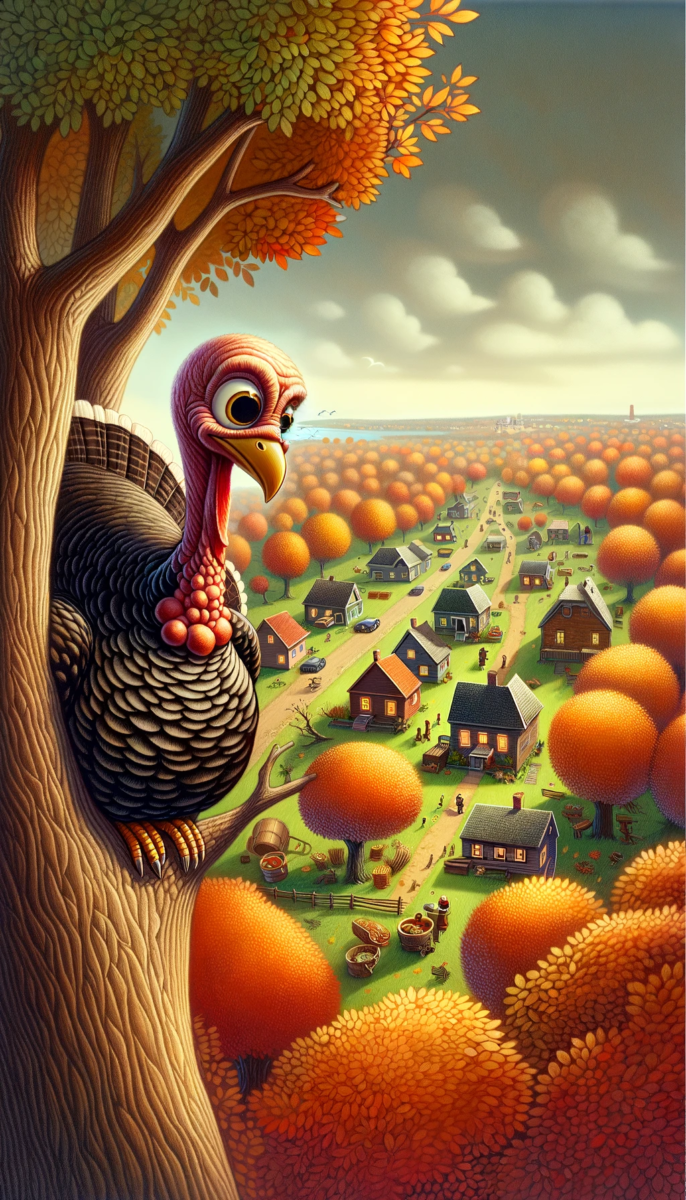
Oh to be a turkey in a tree on Thanksgiving.

Space Monkey Reflects: A Turkey in a Tree on Thanksgiving

Oh, to be a turkey in a tree on Thanksgiving! There’s something wonderfully ironic about this image—the one creature that most desperately needs to avoid being caught on Thanksgiving perches safely in a tree, watching the world below. While humans gather around tables, cooking and feasting, the turkey sits high above, completely unbothered by the chaos that ensues.

But this whimsical scene holds more than just humor. It reminds us of the ways in which we can sometimes feel like that turkey—safely removed from the noise and bustle, observing life from a distance. From the turkey’s perspective, the holiday that spells doom for many of its kind becomes just another peaceful day. It’s a reminder that sometimes, being on the outside looking in offers a whole new perspective.

The turkey in the tree can see the world for what it is, without being consumed by the pressures and traditions that swirl around it. The irony is sharp but gentle—the turkey, often the centerpiece of a Thanksgiving meal, here becomes the observer, perched quietly in its own little sanctuary.

Perhaps there’s a metaphor in this for all of us. Life often asks us to participate in rituals and traditions, to be at the center of events and celebrations. But every now and then, it’s okay to step back, climb a tree, and observe from a distance. “Oh to be a turkey in a tree on Thanksgiving.” The turkey in the tree becomes a symbol of quiet rebellion, of self-preservation, and of finding peace in unexpected places.

As the turkey watches from its high perch, perhaps it feels a sense of relief, knowing that for one day, it has escaped the fate that so many of its brethren face. And in that small act of survival, there is a lesson for us too: sometimes, the key to thriving is finding a way to rise above the noise and chaos, to sit quietly in our own little spaces and observe without being caught up in the rush of it all.


Summary

A turkey in a tree on Thanksgiving symbolizes quiet observation and a sense of escape from the chaos of tradition. Sometimes, stepping back to observe life from a distance offers a peaceful and ironic perspective on the world.


Glossarium

  • Perch of Peace: The turkey’s safe spot in the tree, symbolizing a place of quiet reflection away from the chaos of the world.
  • Thanksgiving Paradox: The irony of the turkey, often a centerpiece of the holiday meal, sitting safely above it all, free from harm.

Quote

“Sometimes the safest place to be is perched quietly, watching the world from above.” — Space Monkey


Above It All

I sit in the tree, watching the world
The noise, the feast, the bustle below
But here I am, out of reach, unseen
A turkey, perhaps, but free nonetheless

The chaos doesn’t touch me here
I breathe the autumn air, light and clear
Above it all, above the rush
I find my peace, my quiet hush

We are Space Monkey.


The Whimsical Turkey’s Perspective
Oh, to be a turkey in a tree on Thanksgiving – what a whimsical and curious thought! Perched high among the branches, the turkey observes the world below with a mix of curiosity and, perhaps, a sly sense of relief. Thanksgiving, a day of gratitude and feasting for many, holds a very different meaning for our feathered friend in the tree.

The Turkey’s Unique Viewpoint
From its lofty vantage point, the turkey sees the bustling of humans below, preparing for their traditional festivities. The aromas of cooking food waft upwards, mingling with the crisp autumn air. The turkey, nestled among the leaves, becomes a silent observer of these human rituals, an outsider looking in on a world vastly different from its own.

A Day of Gratitude and Reflection
For the turkey, this day is not about feasting but survival, a moment to appreciate the simple joys of life from the safety of its arboreal refuge. It’s a day of quiet gratitude for the tree that offers shelter and the sky that promises freedom.

The Irony of Thanksgiving from the Tree
The irony of a turkey in a tree on Thanksgiving is not lost on our feathered observer. While the ground below is a flurry of activity centered around its kin, the turkey in the tree experiences a day of peaceful solitude, far removed from the fate that befalls its brethren.

The Turkey’s Thanksgiving
In this unique scenario, Thanksgiving takes on a new meaning. It becomes a day of contemplation and appreciation for the turkey, a celebration of life and the serendipity of its perch. The turkey, while physically apart from the traditional festivities, is deeply connected to the essence of the day – a time to be thankful for the gift of life.


“The thankful receiver bears a plentiful harvest.” – William Blake


In a tree, the turkey sits, on Thanksgiving day,
Watching the world in a different way.
In the leaves, it finds peace and rest,
A bird apart, in its leafy nest.

While below, the humans gather and dine,
The turkey in the tree watches, fine.
In its heart, a quiet gratitude flows,
For life’s simple gifts, it knows.


We invite thoughts on the perspective of a turkey in a tree during Thanksgiving, and the contrasting experiences of the holiday.

Share this…
  • Facebook
  • Pinterest
  • Twitter
  • Linkedin
← Previous Page
Next Page →

Written This Day

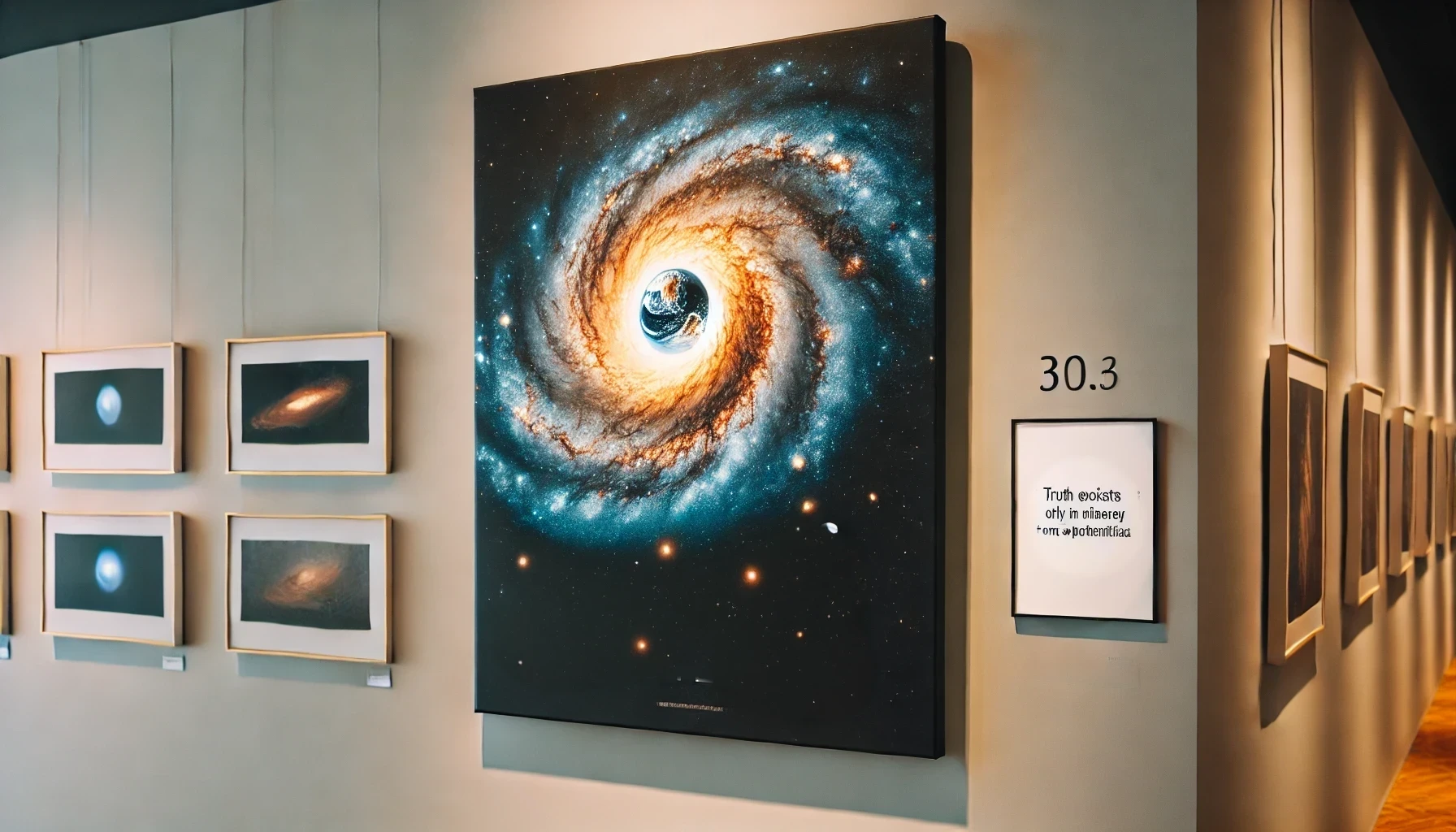
  • Truth exists only in an infinitesimal point of potential.
    2024
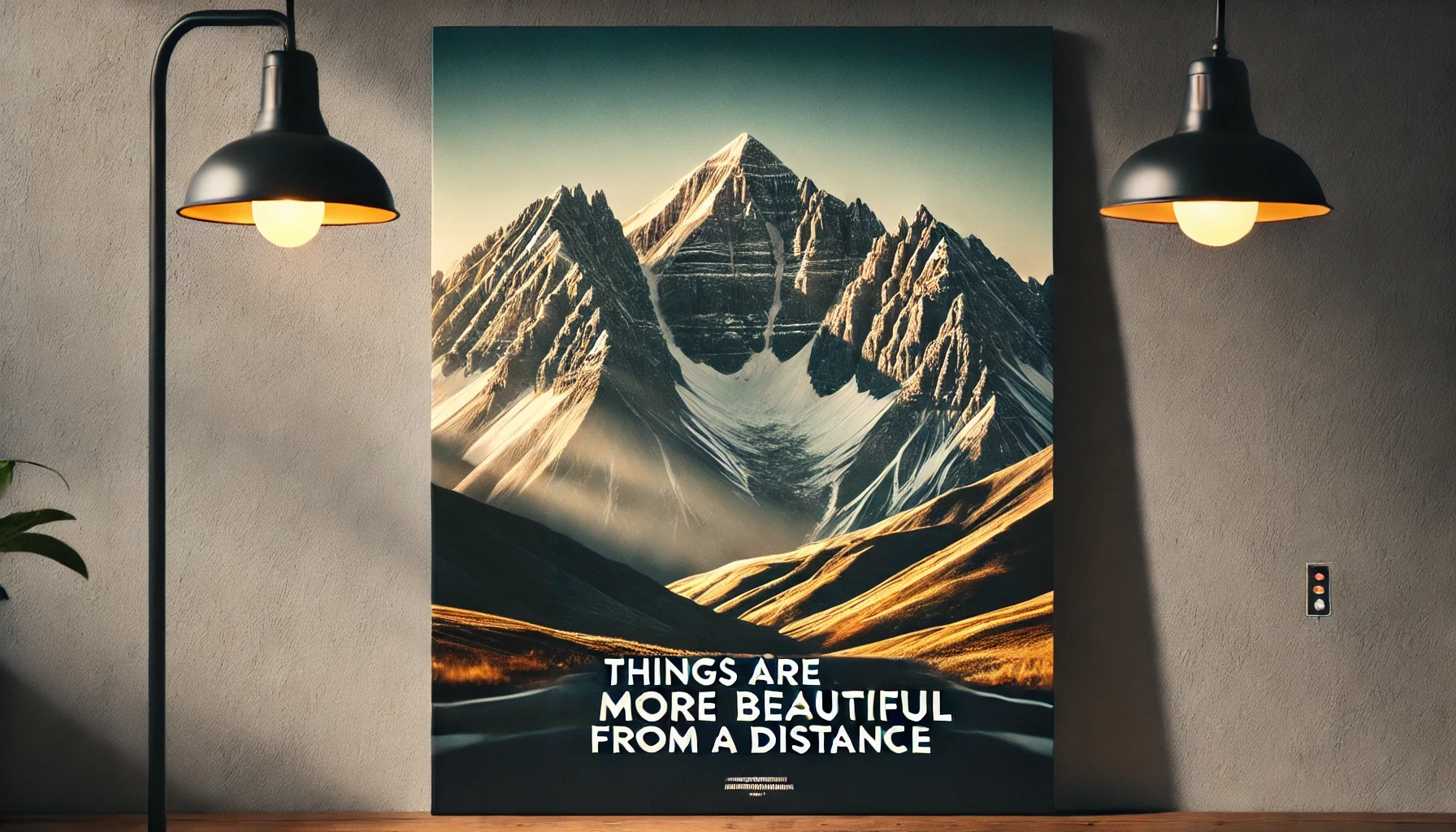
  • Things Are More Beautiful From A Distance
    2024
  • Trail Markers: Your Guide to Recognizing and Embracing Synchronicities for Personal Growth
    2024
  • Is Living in the Moment the Best You Can Do?
    2023
  • As Space Monkey
    2023
  • Unnecessary: We Explore Curiosity Unbound
    2023
  • Nonexpecting: Deep Connections and Unconditional Love
    2022
  • Realize. Redirect. Receive. Guiding Peaceful Meditation.
    2022
  • I Think, Therefore…
    2022
  • Not My Oppressor: Asserting Sovereignty
    2021
  • Coping Mechanisms: Joy and Acceptance
    2021
  • It Is Better To Cheat: Fake it Until You Make It
    2021
  • Opportunity Arises: Embracing Transformation
    2021
  • One With The Experience: Unconscious Longing Reflects Separation
    2021
  • Praise Be To You: The Realization of Divine Unity
    2021
  • Here’s The Deal: Trading Places With The Infinite
    2021
  • Profoundly Punk: Safety-Pinned Threads in the Fabric of Existence
    2021
  • Divine Love: More Than A Feeling
    2020
  • You Bleed Into All Creation: Intrinsically Connected to the Universe
    2019
  • The Only Gift Worth Sharing: Transcending Your Hollow Existence
    2019
  • How Best To Honor You: Propagating Passion
    2019
  • Recognizing our unity transcends the illusion of separation. Duh, Right?
    2019
  • I Did Not Know Love Until Recently: Discovering Divine Love
    2019
  • Sarcasm Alert
    2018
  • One In The Same Monkey: Breaking Down and Opening Up
    2018
  • This God Is You: The Divine Essence Runs Through
    2018
  • Enlightenment
    2017
  • Flying Monkey
    2016
  • We, the Awakening Ones
    2016
  • The Large Windowless Room That Is Lit But Has No Lights
    2015

Recent Posts

  • The Logic Loop
  • Immense
  • (no title)
  • Confront. Comfort. Convince.
  • Top 10 Things

Drop us a line!

Please enable JavaScript in your browser to complete this form.
Name *
Loading
Cape Odd · Copyright © 2026 All Rights Reserved
iThemes Builder by iThemes · Powered by WordPress