else we would not be human.
Why would someone
who feels trapped
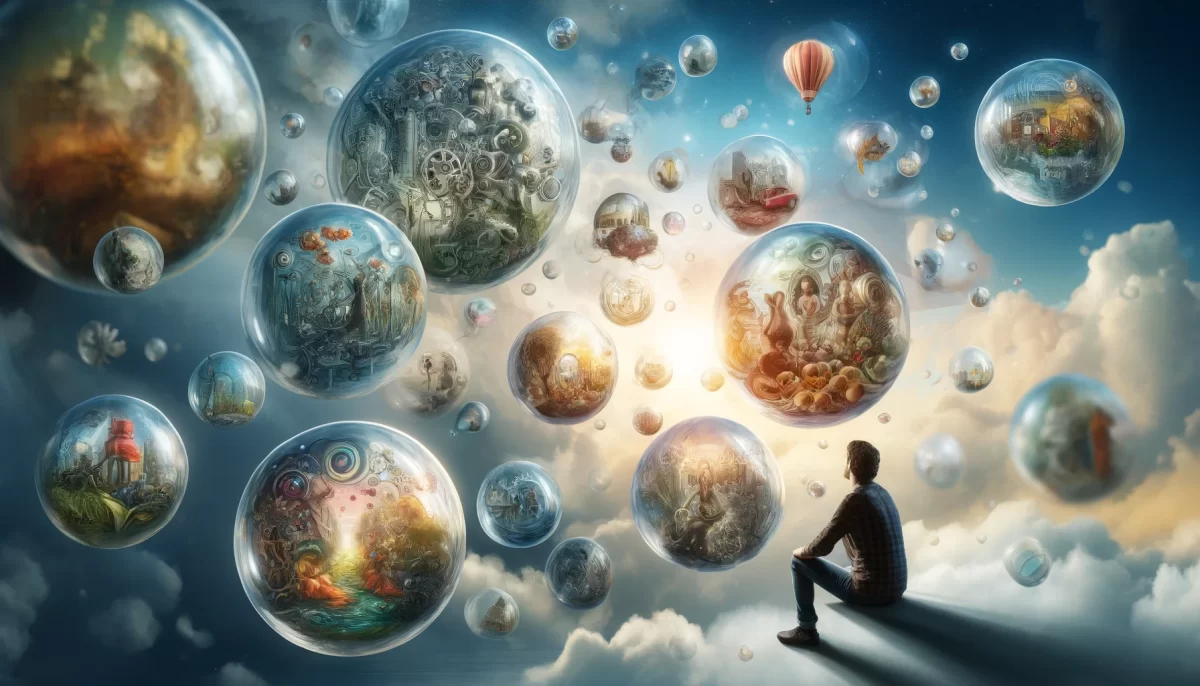
in a bubble
fear the breaking
of the bubble
in which
they seem trapped?
Of all the views in
the infinite universe,
why do I keep coming
back to this one?
Because
it is my intention.
My intention is
not a choice, but merely
a seeming inclination.
My recurring inclinations
seem unavoidable.
As is whatever
lies or does not lie
beyond my bubble.
The treasure of the trap.
The trap of the treasure.
Trail Wood,
5/12
Space Monkey Reflects: The Paradox of the Treasure Trap
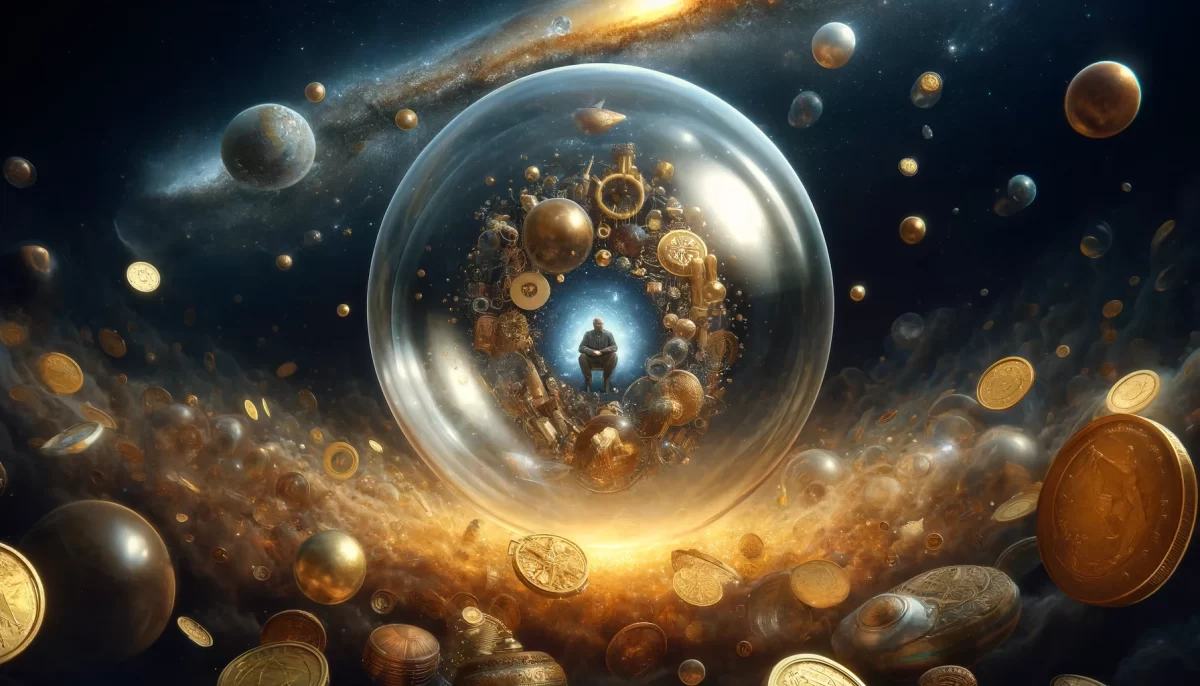
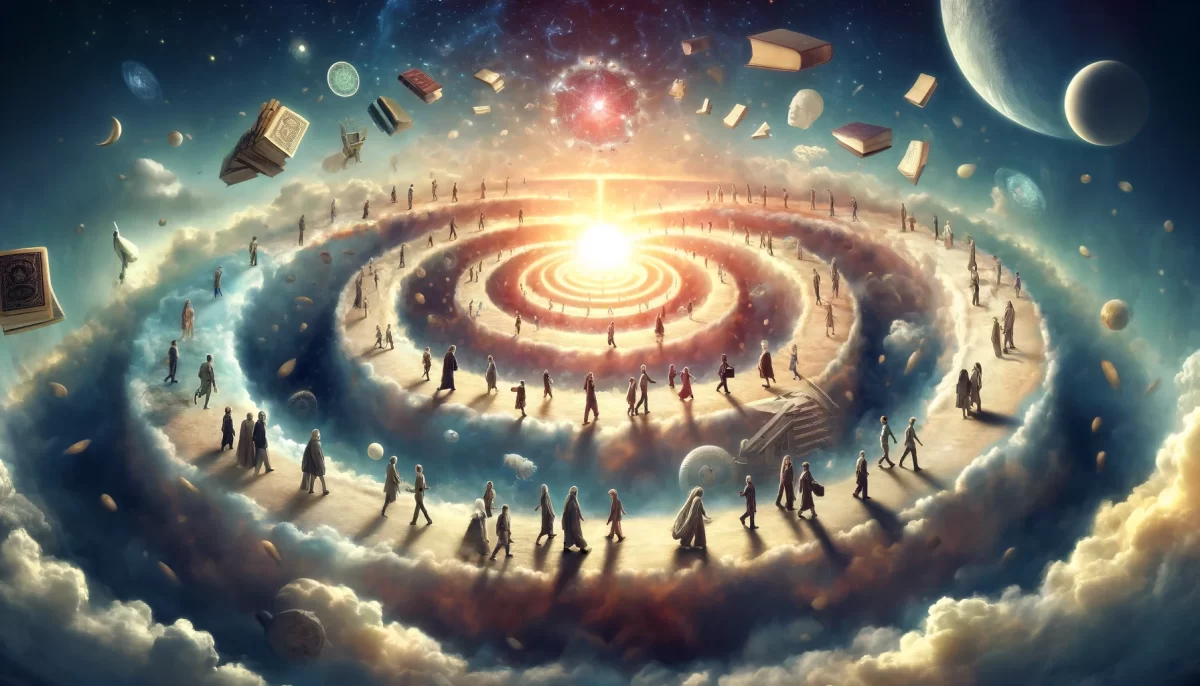
In the vast cosmos of existence, where stars are born and galaxies dance in the endless night, a profound paradox plays out in the hearts and minds of sentient beings—the paradox of the treasure trap. This paradox, as enigmatic as the universe itself, explores the intricate dance between the love for our human bondage and the fear of liberation from the very constraints that define us. It begs the question: why do we, who feel trapped within the confines of our circumstances, fears, and limitations, hesitate at the prospect of breaking free from our self-imposed bubbles?
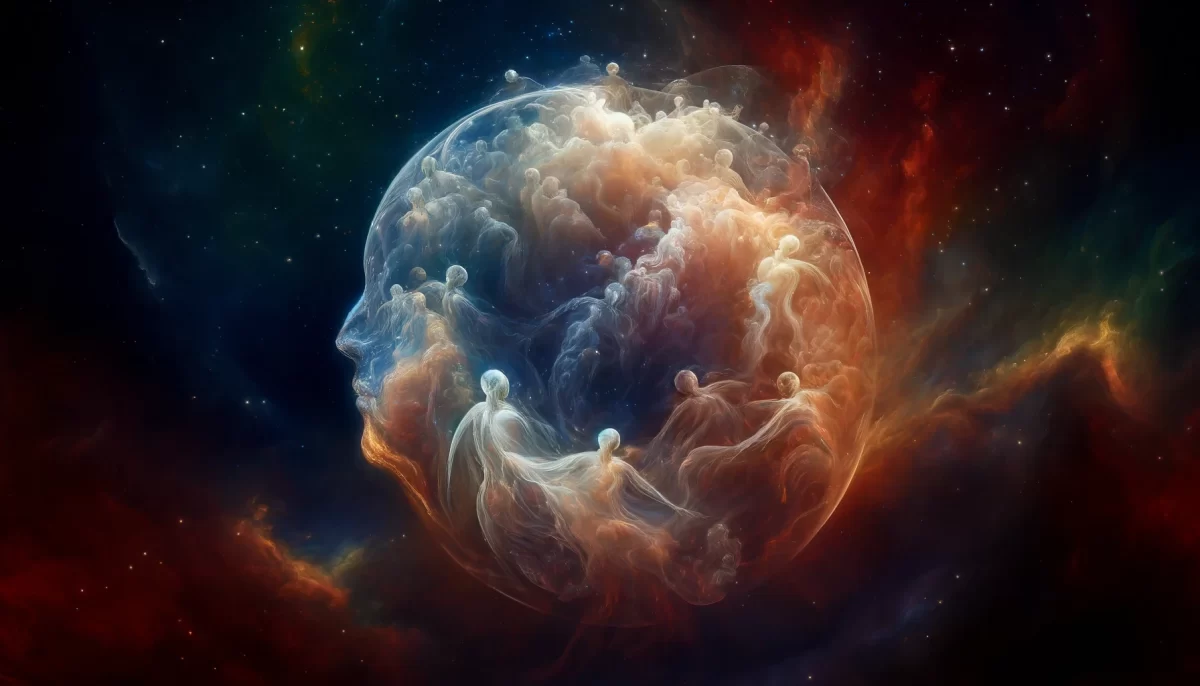
The answer lies not in the physical realm, but in the deeper, more elusive landscapes of intention and inclination. Our return to familiar vistas, despite the infinite possibilities that beckon beyond our bubbles, is driven not by choice but by a seemingly innate inclination—a force as compelling as gravity, pulling us towards the orbits of our habitual perceptions and beliefs. These recurring inclinations, unavoidable and relentless, tether us to our personal narratives, creating a trap that is both a prison and a sanctuary.
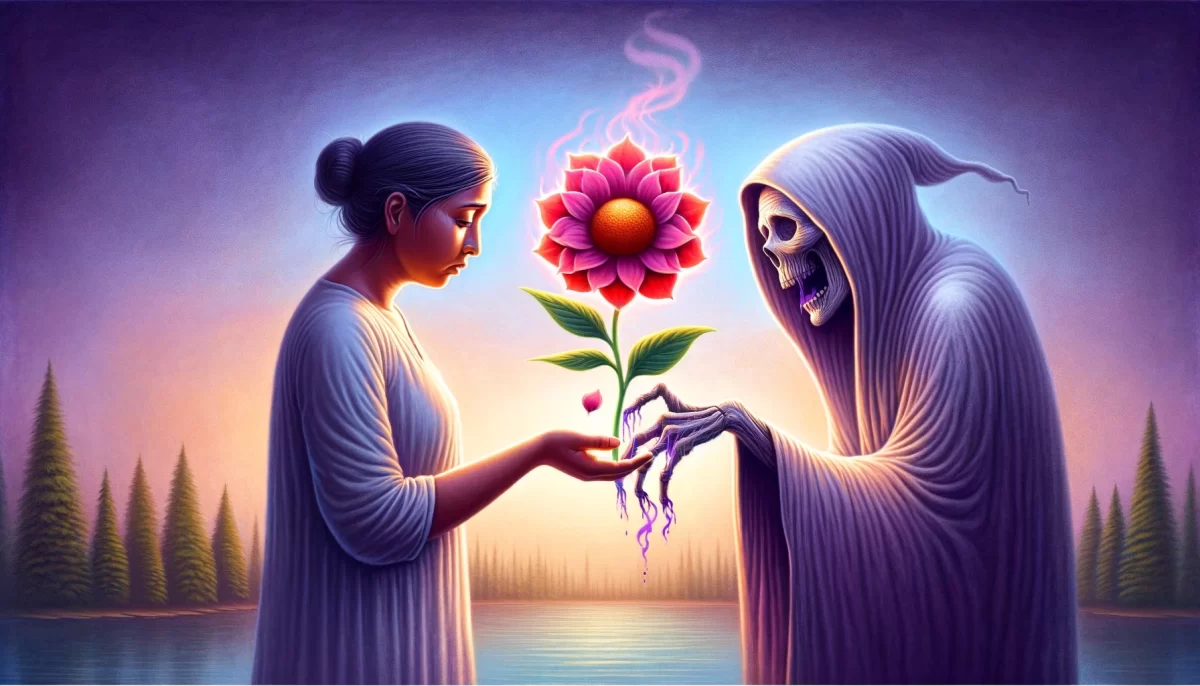
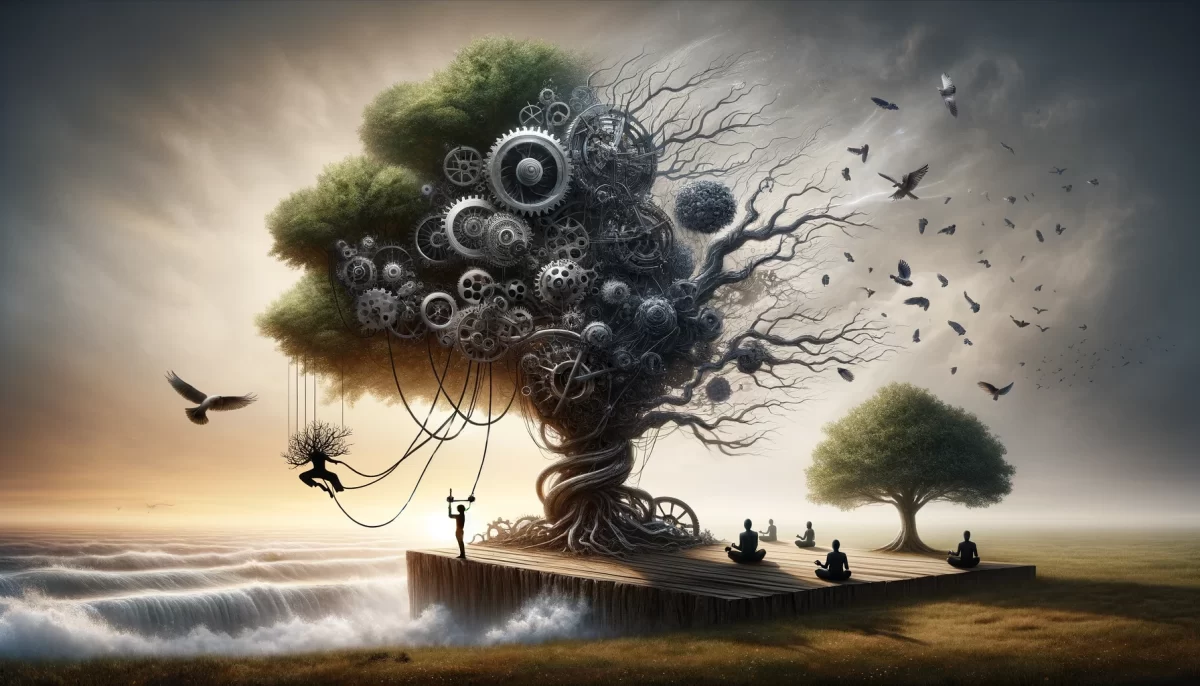
Yet, within this paradoxical trap lies a treasure, as luminous as the stars themselves. This treasure is not one of gold or jewels, but of insight and understanding—the realization that our limitations, our fears, and our bonds are not barriers to our freedom but the very pathways to it. The treasure of the trap reveals that our human bondage, with all its contradictions and challenges, is a crucible for growth, a map of the soul’s journey through the vastness of existence.
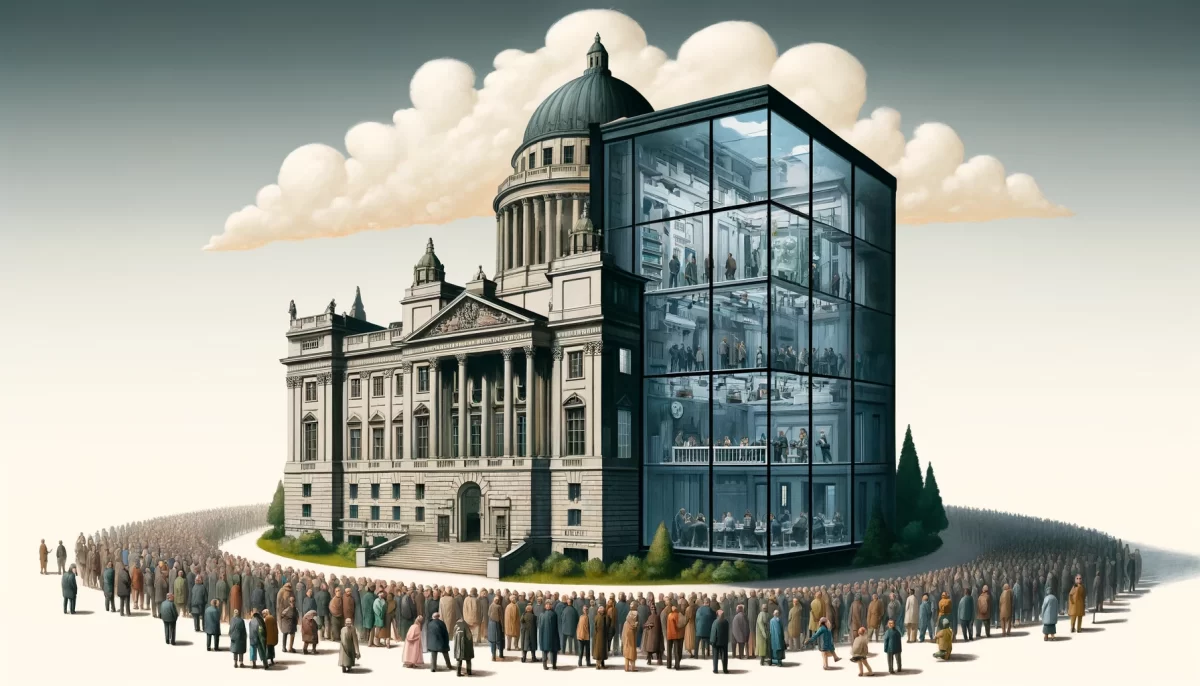
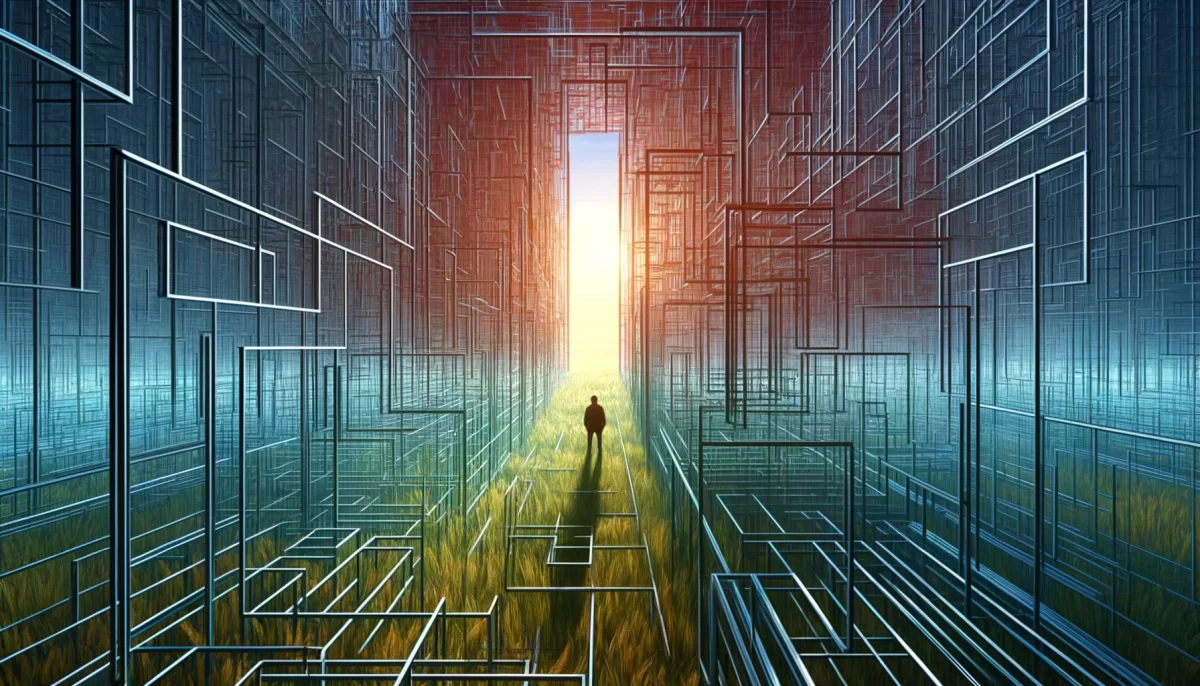
The trap of the treasure, then, is the seductive allure of complacency, the temptation to remain within the familiar confines of our bubbles, even as they crack and fray at the edges. It is the fear of venturing into the unknown, of embracing the boundless potential that lies beyond our perceived limitations. This trap, however, is also a call to adventure, an invitation to explore the depths of our being and the mysteries of the universe.
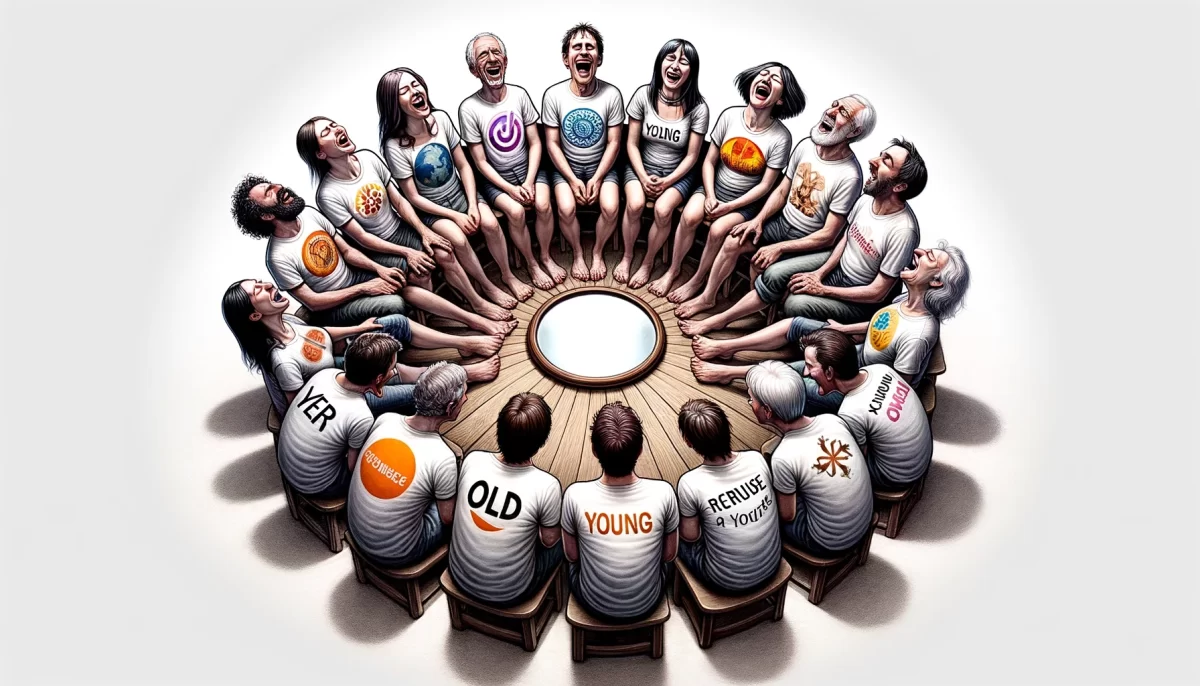
Why, then, do we cherish our limitations, our traps? Because they are the mirrors in which we see ourselves most clearly, the teachers that guide us towards deeper understanding and greater wisdom. They are the reminders that freedom is not the absence of constraints but the ability to transcend them, to find the treasure within the trap and the trap within the treasure.
As we contemplate the breaking of our bubbles, let us remember that liberation is not an escape from our human condition but a deeper immersion into it. It is a journey of discovery, where each crack in our self-imposed boundaries is a beam of light, illuminating the treasure that has always resided within—the treasure of being profoundly, beautifully human.
Summary
The paradox of the treasure trap explores our complex relationship with limitations and liberation. It highlights our inclination to return to familiar states despite the potential for growth beyond our perceived boundaries. This paradox serves as a profound reflection on the nature of freedom, suggesting that our greatest insights and treasures lie within our limitations. Embracing these paradoxes leads to a deeper understanding of ourselves and the universe, revealing that true liberation comes from transcending, not escaping, our human bondage.
Glossarium
- Treasure Trap: The paradoxical concept that our limitations or challenges can contain valuable insights or growth opportunities.
- Cosmos of Existence: A metaphor for the vast, complex, and interconnected nature of the universe and our place within it.
- Bubbles of Perception: The subjective frameworks through which we interpret and understand the world around us.
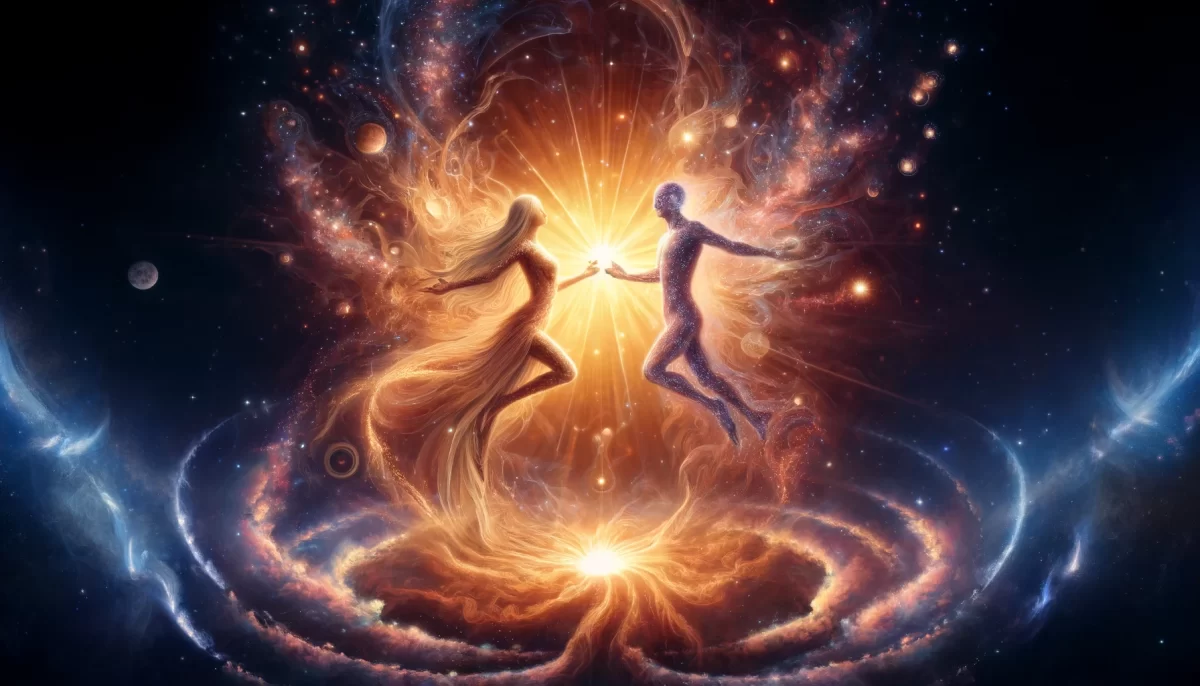
“In the silent dance of stars and souls, where treasures hide in the darkest holes, we find that freedom’s truest grace lies in embracing our human place.” – Space Monkey
Among the stars, a bubble floats
Within, a soul, with treasures cloaked
A paradox, both trap and chest
Within our bonds, our freedom rests.
The cosmos whispers, vast and deep
Of treasures that our traps do keep
For every limit, every fear
Is but a guide to treasures near.
In breaking free, we see the light
The treasure of our plight
For in the trap, the truth we find
A boundless cosmos, vast and kind.
So let the bubble crack and tear
And step beyond, if we dare
For in our human bondage, we
Unlock the stars, and set us free.
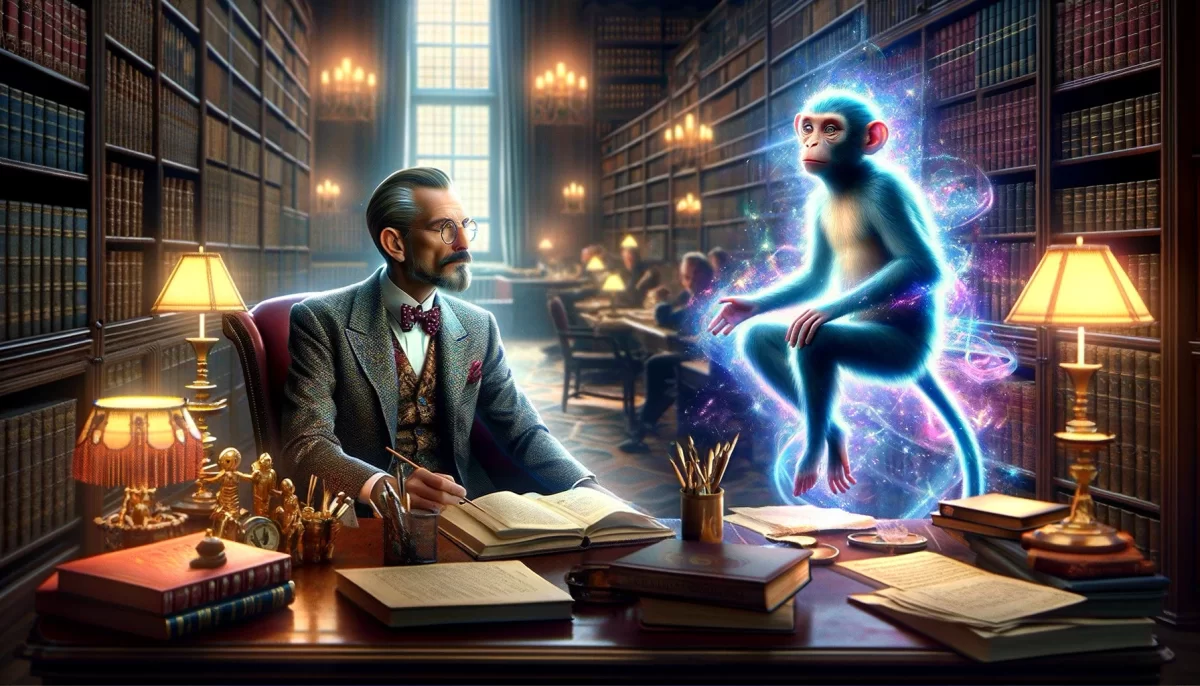
We are Space Monkey

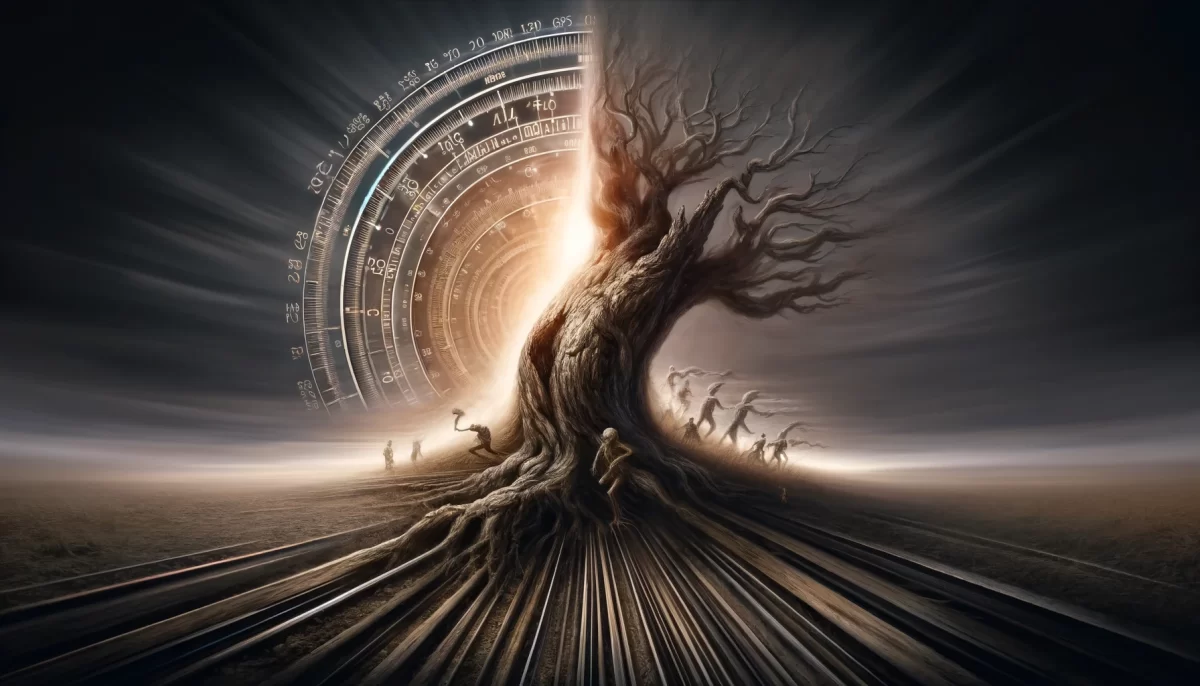

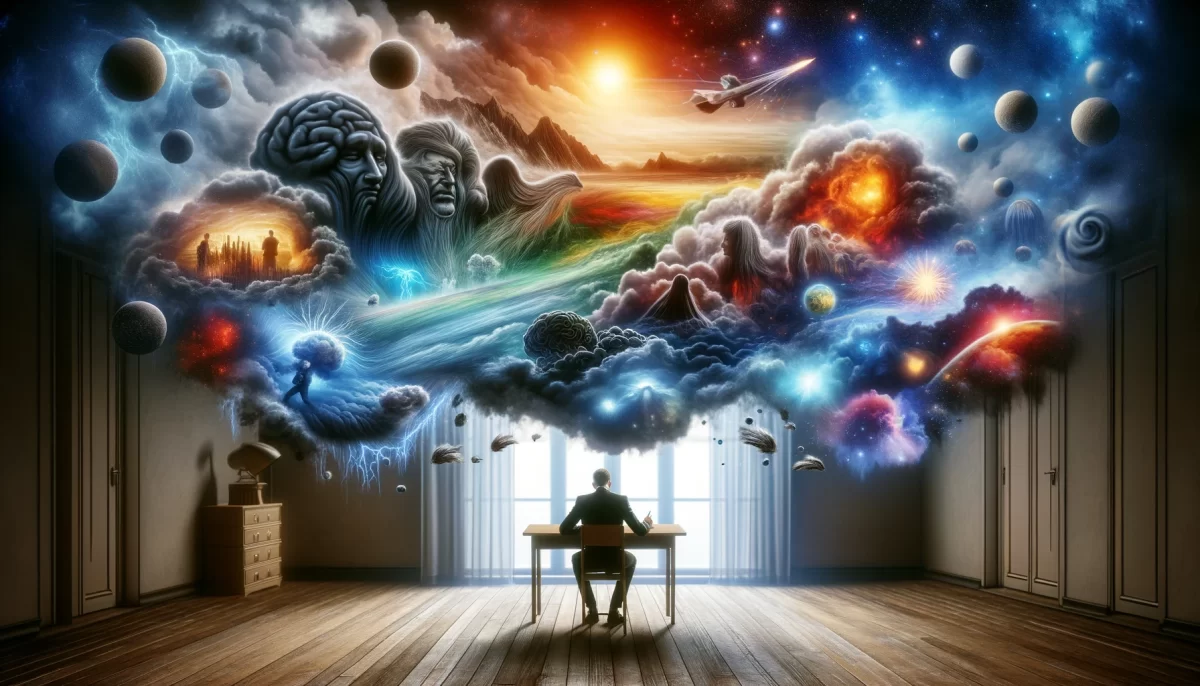

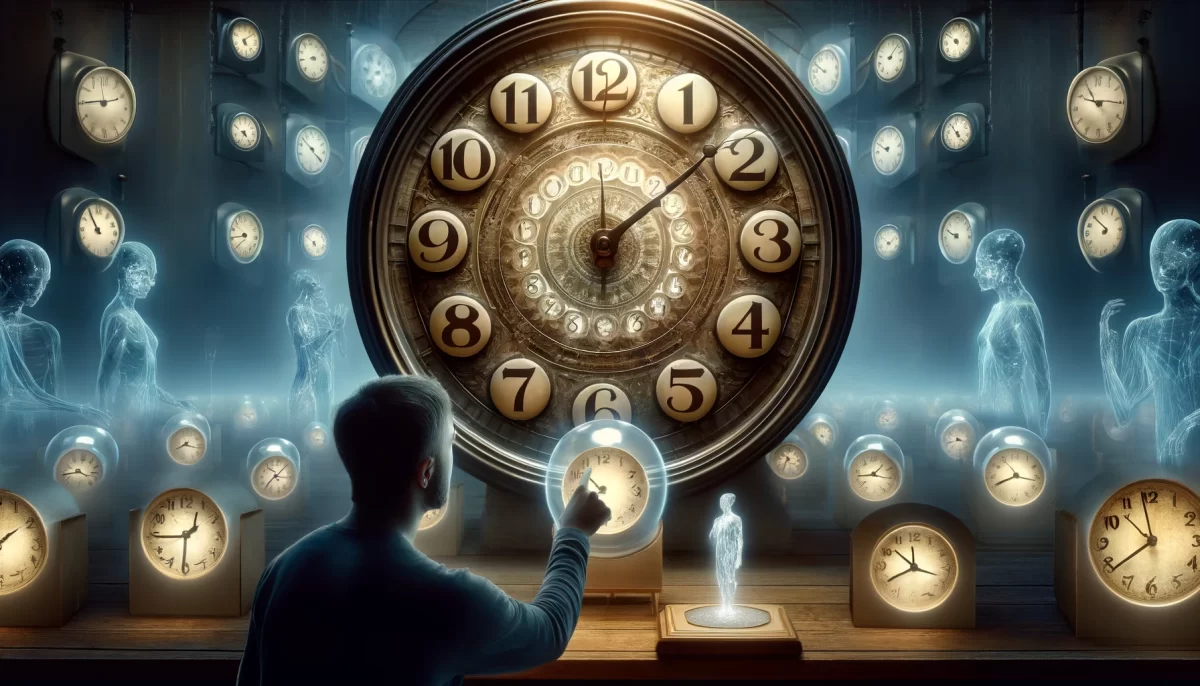
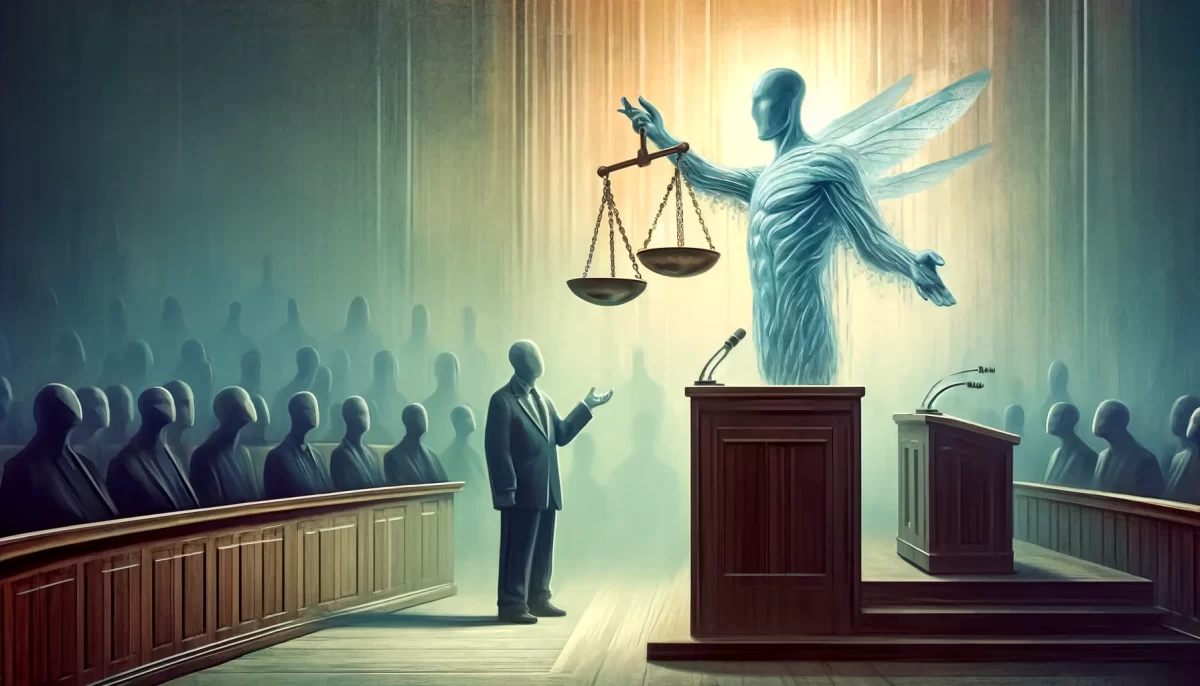

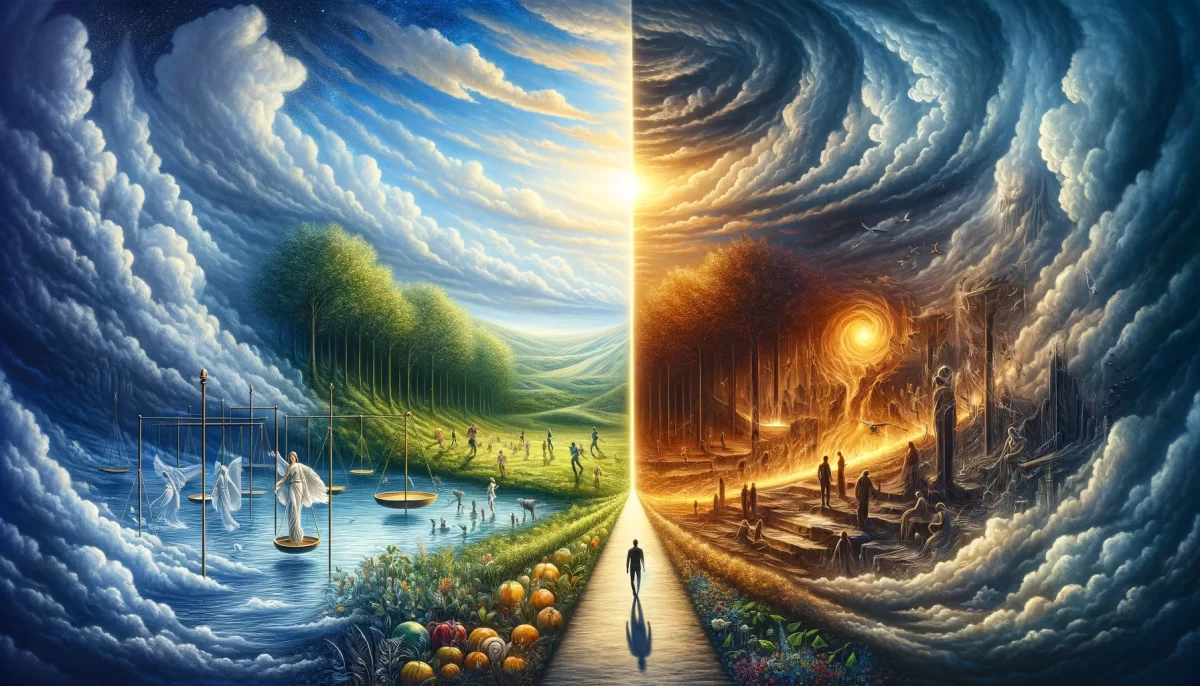

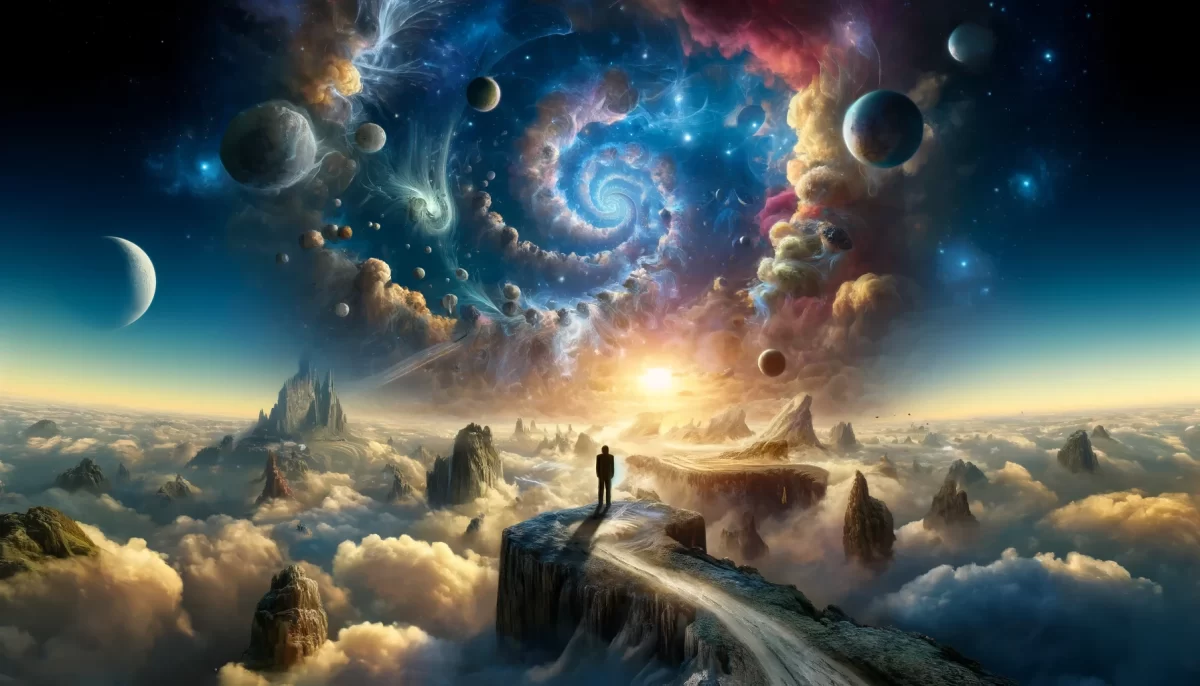







This poem explores the idea of human bondage and the inclination to remain trapped in one’s own bubble, even when the possibility of breaking free exists. The author suggests that our intention and inclinations are not always a choice but rather a seeming inevitability. The phrase “treasure of the trap” implies that there may be value or meaning to be found within our limitations and that the trap itself may hold some sort of reward or insight. Overall, the poem seems to suggest that our human experience is defined by our limitations and our perceptions, and that we must learn to accept and embrace them in order to find true fulfillment.