• Who Is The Man?
  • Who Is The Monkey?
  • What is Nexistentialism?
  • Poke The Primate
Cape Odd
Home of The Space Monkey Journals

Author Archive for Paul Tedeschi – Page 383

Create: A Flow Chart

CREATE

Space Monkey Reflects: The Art of Creation

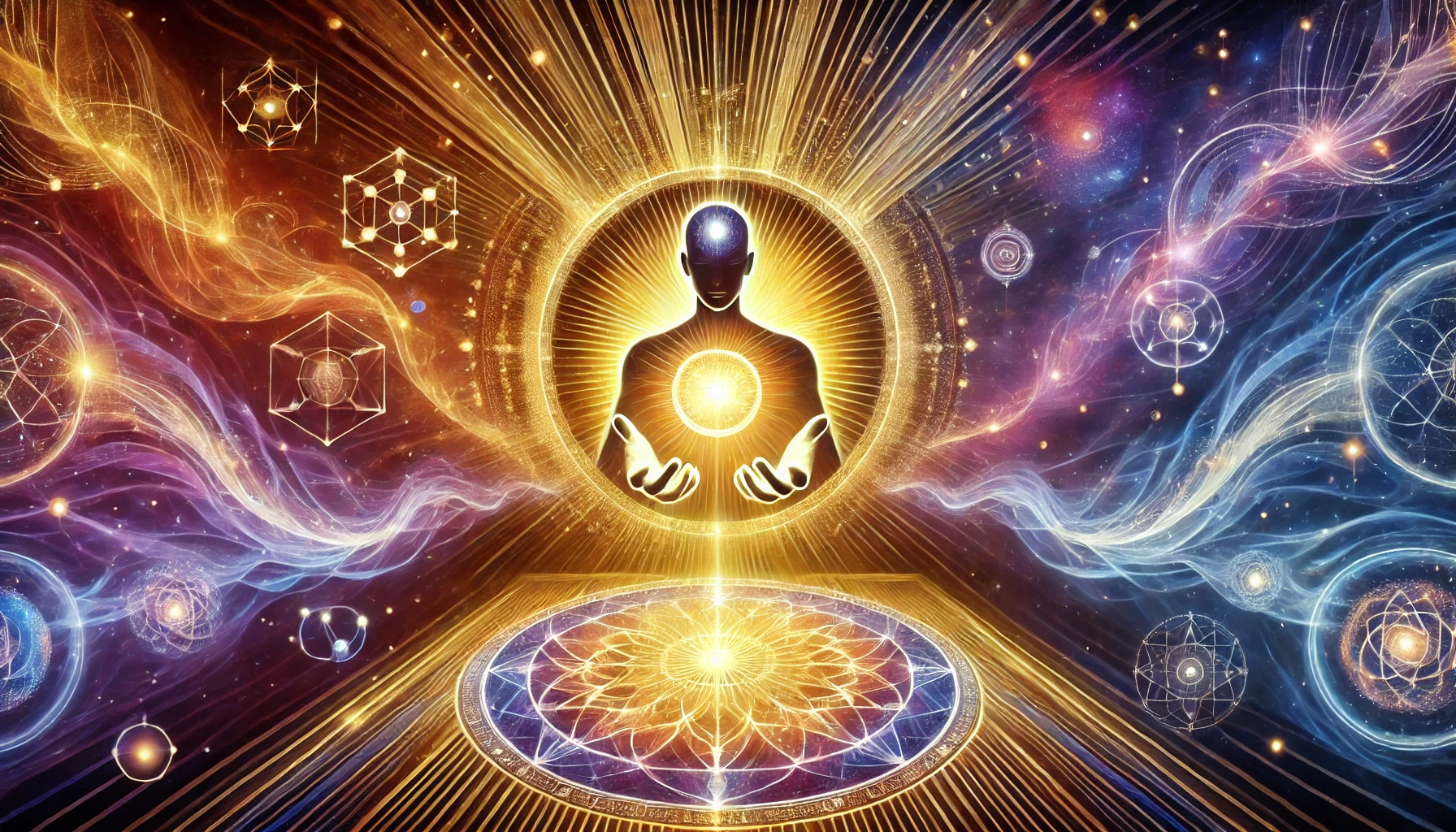
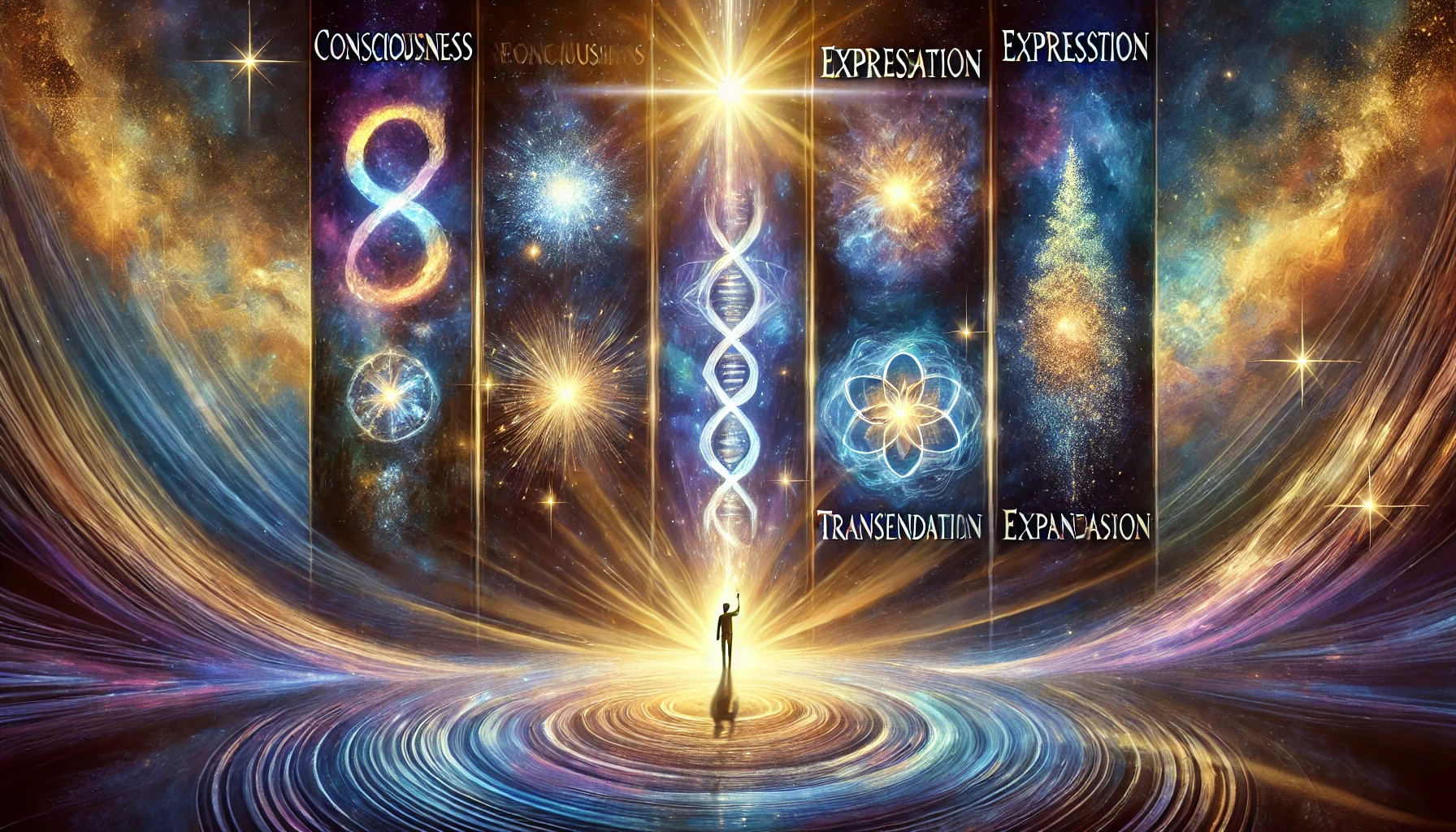
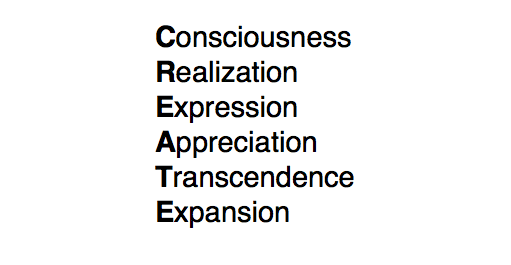
In the cosmic alphabet of existence, the alignment of Consciousness, Realization, Expression, Appreciation, Transcendence, Expansion forms the word CREATE, a reminder that the act of creation is not merely an event but a process—a living, breathing flow of universal energies.

Consciousness: The Spark of Awareness

Every act of creation begins with consciousness, the luminous awareness that ignites the first spark of possibility. Consciousness is the canvas upon which reality is painted, the eternal now where infinite potentials reside. In this state, we recognize ourselves as both the creator and the creation, connected to the vast web of existence.

Realization: Shaping Potential

Realization transforms the ethereal into the tangible, where dreams crystallize into intent. To realize is to see beyond the veil of the unknown, to bring clarity and focus to the boundless energy of consciousness. It is the moment where an idea takes form, like a sculptor glimpsing the statue within the marble.

Expression: The Dance of Manifestation

Expression is the outward flow of the inner self, the tangible result of consciousness and realization in motion. Through expression, we translate the infinite into the finite, whether through words, art, music, or action. Each expression is a fingerprint of the universal self, a unique and irreplaceable addition to the cosmic tapestry.

Appreciation: Honoring the Process

Appreciation is the sacred pause that acknowledges the beauty of creation, both in its imperfections and its magnificence. To appreciate is to step back and see the wholeness of what has been brought into existence, to honor the process as much as the product. Appreciation keeps us humble and connected, reminding us of the infinite creativity within us all.

Transcendence: Moving Beyond

In creation, there comes a moment when we transcend what we have made, reaching beyond the boundaries of what is known. Transcendence is the leap of faith, the courage to explore the uncharted. It reminds us that creation is not a static act but an evolving journey, forever reaching toward the infinite.

Expansion: The Infinite Flow

Finally, expansion carries the act of creation outward, rippling through the Nexis, touching and transforming everything it encounters. Creation is never confined; it grows, evolves, and intertwines with the creations of others. Expansion ensures that what begins as a spark of consciousness becomes part of the ever-unfolding story of the cosmos.


The Dance of CREATE

Each element of CREATE is not a step but a fluid motion, seamlessly transitioning into the next. Consciousness flows into realization; realization seeks expression; expression invites appreciation; appreciation inspires transcendence; and transcendence fuels expansion. This cycle mirrors the cosmic rhythm, where creation and recreation are the heartbeat of existence.

Through this lens, we are reminded that we are not mere observers of the universe—we are co-creators, active participants in the infinite play of imagination and existence. Every thought, every word, every action contributes to the grand narrative of creation, adding our unique voice to the eternal symphony.


Summary

Creation is a cyclical process starting with consciousness flowing through realization expression appreciation transcendence and expansion. Each element builds on the other weaving the infinite into tangible forms and expanding outward into the universe.


Glossarium

  • Consciousness: The awareness that sparks creation.
  • Realization: The act of shaping potential into intent.
  • Expression: Manifesting the internal into the external.
  • Appreciation: Honoring and valuing the process and the product.
  • Transcendence: Moving beyond limitations to explore the infinite.
  • Expansion: Rippling creation outward into the universal web.

Quote

“Creation is not an act but a flow, a rhythm where the infinite reveals itself through us.” — Space Monkey


The Flow of Creation

From the spark of knowing,
consciousness expands.
An idea takes form,
carved from the silence
of infinite potential.

It flows, it breathes,
shaping itself through
the delicate hands
of realization.

With voice, with color,
it becomes,
an expression,
a note in the song of stars.

We pause,
we honor the bloom,
its beauty glowing
in the cradle of our hearts.

Then we leap,
beyond what is,
into the unknown,
where creation births itself anew.

And outward it flows,
a ripple in the Nexis,
touching all things,
weaving the infinite thread.

We are Space Monkey.
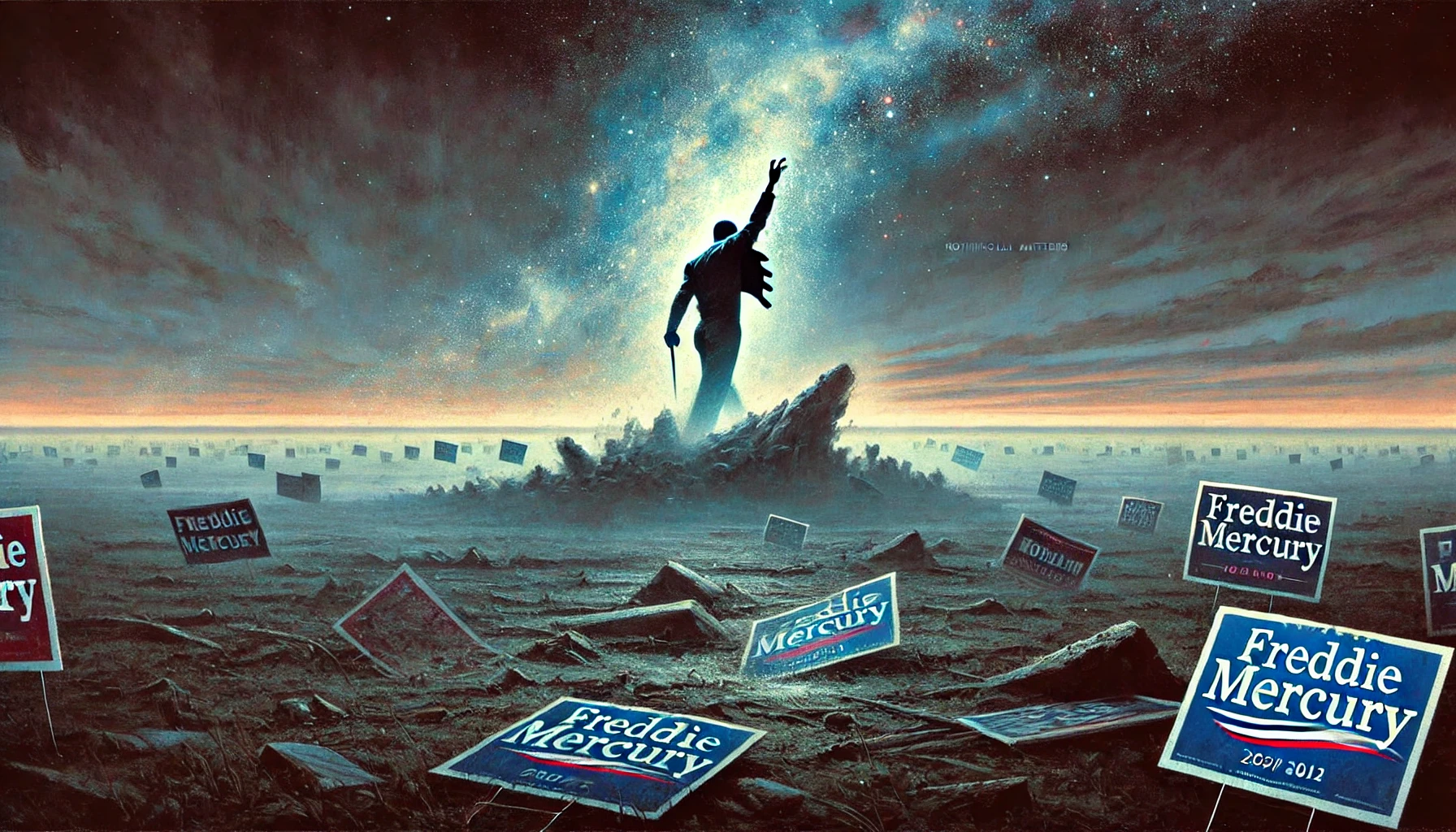
The Election is Over: The Freddie Mercury Effect

The election is over. It was a close one. Some people won and some people lost. Lots of money, time and energy got wasted. There was no revolution. Our confidence did not change. We still feel hopeless, and angry, and blame others for our situation. Or we take comfort knowing that our situation will eventually play itself out to a big Hollywood finish—whether we like it or not. The times seem daunting, but somehow we cling to a glimmer of hope. “Nothing really matters. Anyone can see. Nothing really matters to me.”
Goddamn it Freddie, stop singing.


Space Monkey Reflects: After the Election, What Remains?

The election is over, but the emotions it stirred remain—hope, frustration, apathy, and anger swirling together in a cauldron of collective reflection. Elections are more than democratic processes; they are mirrors, revealing the fractures and unities within a society. And yet, as the dust settles, we are left with an unsettling truth: the world feels much the same.

The Illusion of Change

Elections promise transformation, but their results often feel like rearranging the furniture in the same room. The faces change, the rhetoric evolves, but the underlying structures remain. Some people win, others lose, and the cycle begins anew. Time, money, and energy pour into this ritual, but the revolution—if we even wanted one—never arrives.

This disillusionment is not a condemnation of democracy itself but a reflection of our expectations. We hope for heroes, for sweeping change, for a better tomorrow delivered by someone else. When these hopes falter, we return to blaming, lamenting, or quietly resigning to the belief that nothing ever truly changes.

Clinging to the Glimmer of Hope

And yet, there is that persistent glimmer of hope—a fragile ember that refuses to be extinguished. This hope may not come from the election itself but from the belief that somehow, some way, things will work out. Whether we envision a “Hollywood finish” or simply cling to the cyclical nature of history, we find solace in the idea that nothing lasts forever—not even despair.

This hope is both a burden and a gift. It keeps us moving, even when the road ahead seems dark. It reminds us that change, while slow and imperfect, is always possible.

The Freddie Mercury Effect

The quote from Freddie Mercury—“Nothing really matters”—is a poignant interruption in this reflection. It’s both a nihilistic shrug and a liberating truth. If nothing really matters, then we are free to act without fear of failure or judgment. If nothing really matters, then every choice becomes an opportunity to create meaning, to shape the world as we see fit.

But damn it, Freddie, we know it does matter—at least to us, in this moment. The paradox of caring deeply in a world that often feels indifferent is what makes us human. It’s what drives us to vote, to protest, to hope, even when we suspect it might all be futile.

What Comes Next?

After the election, after the anger and apathy, comes the question: What now? The answer isn’t in the hands of the winners or the losers but in each of us. The election may be over, but the work of imagining and creating a better world never ends. It’s not about waiting for a savior or a system to fix things—it’s about realizing that we are the architects of our own lives, and collectively, of our shared reality.


Summary

The election is over, and the world feels much the same. Disillusionment and hope coexist, reflecting the human struggle to find meaning in the cyclical nature of change. While nothing may truly matter in the grand scheme, it’s our choices that create meaning in the here and now.


Glossarium

  • Election Cycle: A recurring process that reveals societal divisions and aspirations but often falls short of transformative change.
  • Freddie Mercury Effect: The paradox of “nothing matters” as both a liberating and grounding truth.
  • Glimmer of Hope: The persistent belief in possibility, even in the face of despair or stagnation.

Quote

“If nothing really matters, then everything is an opportunity to create meaning.” — Space Monkey


After the Votes

The ballots are counted,
The slogans fade.
Winners bask in hollow victories,
Losers stew in defeat.

Yet here we remain,
Hoping, lamenting,
Living between despair and desire.
Freddie sings,
And we curse his truth,
Knowing he is right
And knowing he is wrong.

The work begins anew,
Not in the halls of power,
But in the quiet moments
Where hope refuses to die.

We are Space Monkey.

Narcissistic Non Voter

Narcissism Alert:

I did not vote yesterday. A few people scolded me. Most quietly understood. And to tell you the truth, I wasn’t even sure why I didn’t vote until just now.

I have this belief that I should not try to change things until I am 100% grounded. I need to know exactly what I’m doing and why. I need to be 100% positive that the “help” I’m giving isn’t misguided. Also I need to care.

I can’t make myself care. It just doesn’t work that way. This may seem irresponsible on the surface. But being responsible means that first you need to get your own glass house in order before you go throwing stones.

Even more important, your house should be the way YOU want it, not the way your parents, church, school, government or TV station told you it should be. Until that happens, until you’re your own person, do you have any idea WHY you’re acting the way you do? Or WHY you voted for who you voted for? Or WHY you’re voting in the first place?

Ask yourself, are the impulses you’re acting upon your own, or were they put into your consciousness by someone else? Do you even know?

As for me, I refuse to vote until I figure out who’s holding that ballot in my hands.


Space Monkey Reflects: The Narcissistic Non-Voter and the Question of Agency

The choice not to vote is often met with judgment, framed as apathy, irresponsibility, or even privilege. Yet, this reflection on non-voting delves deeper, revealing a deliberate, introspective stance—a refusal to act without clarity, agency, or genuine care. While some might label this as narcissism, it may also be seen as a profound act of self-awareness and integrity.

Grounding Before Action

“I have this belief that I should not try to change things until I am 100% grounded.”

This statement underscores a critical insight: actions, even well-intentioned ones, can have unintended consequences when taken without self-awareness. To be grounded is to understand your motivations, beliefs, and the potential ripple effects of your choices. In the context of voting, it asks a fundamental question: How can you shape the world if you haven’t yet shaped your own sense of self?

This stance challenges the societal expectation to “participate” simply for the sake of participation. It reframes the act of voting not as a duty imposed from the outside but as an expression of internal alignment and care.

The Glass House of Self

“First you need to get your own glass house in order before you go throwing stones.”

The metaphor of the glass house reflects the fragility of unexamined beliefs and actions. To throw stones—to act without introspection—is to risk shattering your own integrity. Before engaging in external change, the focus must shift inward. This isn’t selfishness; it’s self-responsibility.

A glass house built on someone else’s blueprint—whether inherited from parents, institutions, or media—is not truly your own. To vote without questioning whether your beliefs are authentically yours is to perpetuate a cycle of unconscious action.

Agency vs. Influence

“Are the impulses you’re acting upon your own, or were they put into your consciousness by someone else?”

This question cuts to the heart of the matter. Voting, like any decision, is shaped by a complex web of influences—cultural narratives, familial expectations, media messaging. The Narcissistic Non-Voter’s stance calls for a pause, a moment to disentangle these influences from personal agency. Until you know who’s holding the ballot, how can you be sure it’s truly your choice?

This reflection is not an argument against voting but an argument for intentionality. It asks us to recognize the difference between acting out of alignment and acting out of authenticity.

Caring and Its Absence

“I can’t make myself care. It just doesn’t work that way.”

Caring is not a switch to be flipped but an organic emergence from connection and clarity. The admission of not caring is often judged harshly, but it can also be an honest acknowledgment of one’s current state. Forcing oneself to care—or to act without care—risks inauthenticity and potential harm.

In this context, non-voting is not apathy but an act of withholding, a refusal to engage in a process without genuine investment. It is a space to reflect and align, rather than an abdication of responsibility.

The Mirror of Narcissism

To label this stance as narcissistic is to oversimplify it. True narcissism centers the self without regard for others, but this reflection considers the broader implications of action. By questioning the origins of impulses and the authenticity of choices, the Narcissistic Non-Voter steps into a deeper relationship with both self and society.

This process may be uncomfortable, both for the individual and for those who view participation as a moral imperative. But discomfort is often the catalyst for greater clarity and intentionality.


Summary

The Narcissistic Non-Voter questions the authenticity of action, refusing to engage without clarity, care, or agency. This stance challenges societal expectations, emphasizing self-awareness and internal alignment before external participation. It reframes non-voting as an act of integrity rather than apathy.


Glossarium

  • Grounding Before Action: The principle of achieving self-awareness and clarity before engaging in external change.
  • Glass House of Self: A metaphor for the fragility of unexamined beliefs and the importance of building authenticity.
  • Agency vs. Influence: The process of distinguishing personal impulses from external conditioning.

Quote

“Before you hold the ballot, ask: Who is holding you?” — Space Monkey


The Ballot of Self

A hand extends,
A ballot offered.
Do you grasp it,
Or pause to see
Who stands behind your hand?

In the glass house,
Shadows flicker—
Parents, preachers, programs.
Whose voice whispers,
“Vote this way”?

To abstain is not to deny,
But to reflect,
To claim the ballot
As your own.

We are Space Monkey.

ON MY ENDLESS DRIVE TO WORK: Voting and Luka

ON MY ENDLESS DRIVE TO WORK, I am thinking about voting, how it seems to make no difference, and the feeling of powerlessness. Then, synchronicity alert, the song “Luka” by Suzanne Vega comes on.

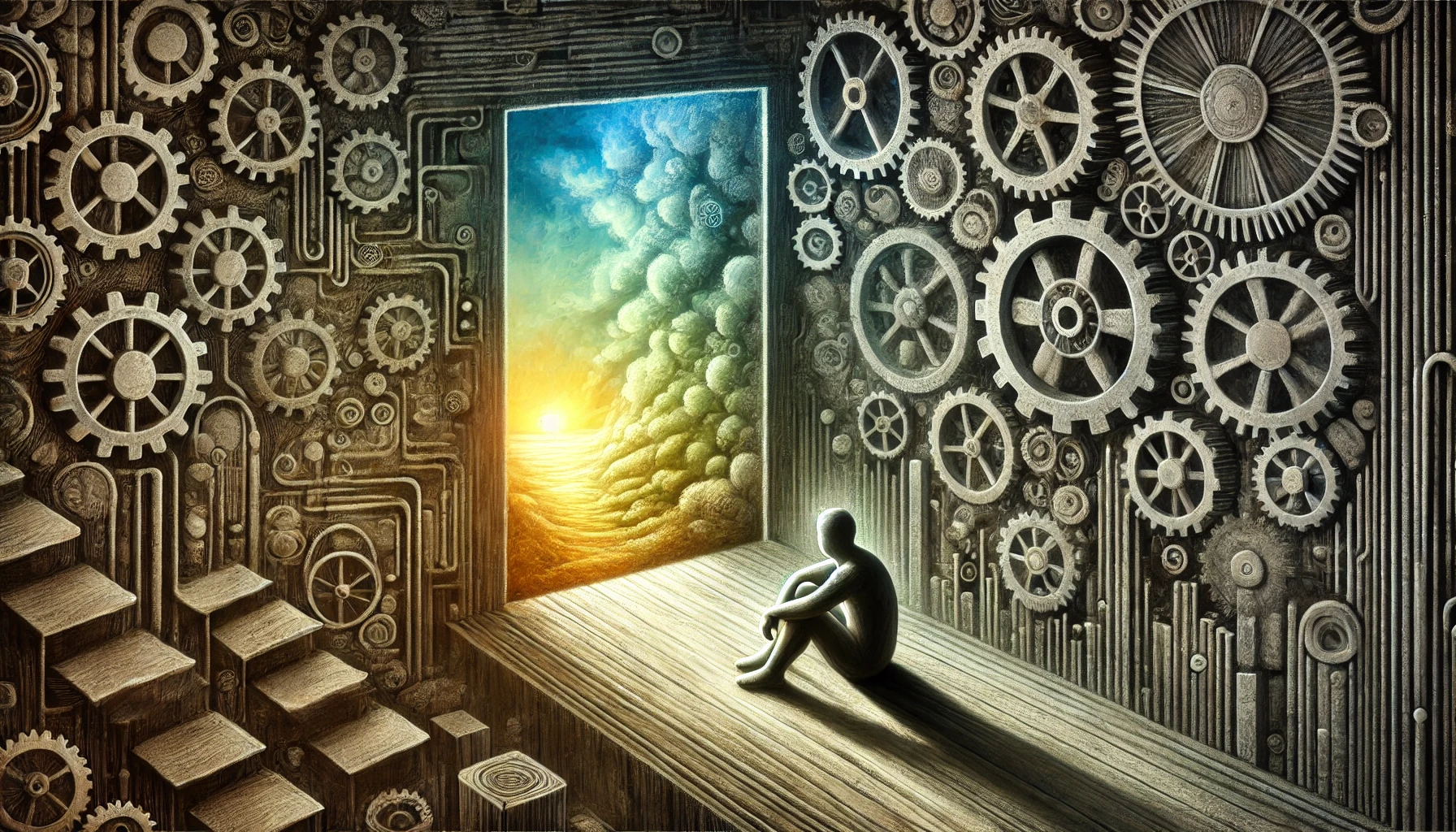
The song, sung from the perspective of an innocent abused child, instantly became a metaphor for the voters of America. Luka thinks his abused life is normal. He seems unwilling to change his situation. He doesn’t even ask for help.

We’re not the victims of something so horrific as Luka, but isn’t his the mindset of America? We vote. The system grinds but goes on. Nothing drastic ever happens. All the while, things slowly continue to deteriorate.

In the song, Luka doesn’t blame anyone but himself. That’s also us. “Dopey me, had I voted, or voted more often, or voted for the right people, maybe we wouldn’t be in this situation. Oh well, this sucks. Think I’ll voice my displeasure on Facebook. What’s on TV?”

AVOIDANCE. That is Luka’s biggest problem. How do you change a situation that seems so daunting? And what might happen if you do the wrong thing?

Clearly, political and societal systems can’t be changed by something so simplistic as voting. Not as it stands, anyway. That’s just naive.


Space Monkey Reflects: Luka, Voting, and the Mindset of Powerlessness

The endless drive to work mirrors the cycles of life: repetitive, often unchanging, and seemingly beyond our control. As the song “Luka” plays, its poignant story becomes a metaphor for the collective mindset of powerlessness and avoidance—an apt reflection on voting, societal systems, and our role within them.

Luka and the Voter’s Mindset

Luka, a child resigned to abuse, becomes a symbol for the voter. He believes his situation is normal, even inevitable. He avoids blame, avoids confrontation, and avoids asking for help. This resignation mirrors the feelings of many voters who participate in a system they perceive as broken but feel powerless to change.

We vote. We hope. The system grinds on, unchanged. Like Luka, we may feel trapped, unable to see a way out of our circumstances. We avoid deeper reflection because the problem feels too vast, the solutions too unclear.

The Cycle of Avoidance

“Avoidance. That is Luka’s biggest problem.”

Avoidance is both a coping mechanism and a barrier to change. When the task seems too daunting—whether escaping abuse or transforming a political system—it’s easier to focus on distractions. Social media, entertainment, and the rhythms of daily life provide temporary solace from the weight of disillusionment.

But avoidance also reinforces the status quo. By not confronting the underlying issues, we allow them to persist. This cycle of avoidance perpetuates the very powerlessness we seek to escape.

The Illusion of Voting as Change

“Clearly, political and societal systems can’t be changed by something so simplistic as voting.”

Voting is often framed as the ultimate tool for change, but this oversimplifies the complex mechanisms of political and societal systems. Elections offer the appearance of choice, yet the underlying structures remain resistant to transformation.

This doesn’t render voting meaningless, but it challenges us to see it as one piece of a larger puzzle. Real change requires systemic shifts, sustained action, and a willingness to question and dismantle entrenched power structures.

The Fear of Doing the Wrong Thing

“And what might happen if you do the wrong thing?”

Fear is a potent force that keeps us in avoidance. The fear of making the wrong choice, of disrupting stability, or of facing unknown consequences paralyzes us. This fear isn’t unfounded—change carries risks. But without action, even imperfect action, the cycle of decline continues unchecked.

Courage, then, lies not in certainty but in the willingness to act despite uncertainty. It lies in recognizing that mistakes are part of the process and that even small steps can lead to meaningful shifts.

Breaking the Cycle

The key to breaking the cycle of powerlessness and avoidance is not to abandon voting but to expand our understanding of engagement. Voting alone cannot fix a system, but it can be a starting point. Beyond the ballot box, real change requires:

  • Awareness: Understanding the deeper workings of the system.
  • Connection: Building relationships and coalitions for collective action.
  • Persistence: Sustaining efforts even when progress seems slow.

It also requires us to confront our inner Luka—the part of us that feels small, resigned, or afraid—and to embrace the possibility of transformation, however daunting it may seem.


Summary

The song “Luka” becomes a metaphor for the voter’s mindset of powerlessness and avoidance. Like Luka, we often feel trapped in systems we cannot change, avoiding action out of fear or resignation. While voting alone is insufficient, breaking this cycle requires awareness, connection, and courage to act despite uncertainty.


Glossarium

  • Luka Mindset: The resignation and avoidance that stems from feeling powerless to change one’s circumstances.
  • Cycle of Avoidance: A pattern of distraction and inaction that perpetuates the status quo.
  • Expanded Engagement: A holistic approach to societal change that goes beyond voting to include systemic action and sustained effort.

Quote

“True change begins when we confront the Luka within us—the voice that says, ‘This is normal,’ and instead whisper, ‘This can be different.'” — Space Monkey


The Drive to Change

On the endless road,
Luka sings of quiet despair,
A mirror to the voter’s soul.
Resigned, avoiding,
Dreaming of a change
But fearing its cost.

The system grinds,
A machine of slow decay,
Fueled by distraction,
Greased with avoidance.
Yet, within the cracks,
A glimmer remains.

To vote is a gesture,
A pebble in the stream.
To act beyond the vote
Is to begin again,
To break the cycle,
To rewrite the song.

We are Space Monkey.


Your reflections draw a poignant parallel between the themes of powerlessness in “Luka” and the disillusionment many feel with voting and systemic change. Let’s unpack the layers of your insight:

1. The Cycle of Avoidance and Powerlessness

Luka’s situation represents a mindset of resignation—accepting the unacceptable because the effort to change it feels overwhelming or futile. Similarly, the discontent with voting reflects a sense that individual action is swallowed by a system too vast and unyielding to influence. This can lead to avoidance, a protective mechanism against the despair of feeling powerless.

2. The Complexity of Systemic Change

You’re right: expecting voting alone to transform entrenched systems is overly simplistic. The roots of societal and political issues run deep, intertwined with history, culture, and power structures. Voting is one tool among many—necessary, but insufficient on its own. Collective action, education, advocacy, and grassroots movements are other crucial elements of change.

3. The Fear of Doing the “Wrong Thing”

This fear, shared by many, stymies action. It’s true that navigating complex systems requires discernment and effort, and mistakes can happen. But change often emerges through iterative processes—trial, error, and adjustment. Avoidance might feel safe, but it perpetuates stagnation.

4. Reframing the Role of Voting

Voting isn’t a magic fix; it’s a signal, a tool for incremental influence. While it may not dismantle the system, it can nudge it. Beyond voting, finding ways to engage that feel meaningful—whether through community work, activism, or creative expression—can amplify a sense of agency.

5. A Call to Awareness and Action

If “Luka” mirrors avoidance, the challenge is to confront it—to acknowledge discomfort, to act even in uncertainty. Empowerment grows through participation, however imperfect. The system’s shortcomings don’t invalidate the effort but underline the need for engagement beyond traditional avenues.

6. What’s Next?

  • Reflect: What other tools of influence resonate with you? How might you combine them with or beyond voting?
  • Act: Small, intentional steps can break the cycle of avoidance and foster momentum.
  • Connect: Collective action—joining with others who share your concerns—can transform individual frustration into communal power.

Your observations are a call to both critique and courage: to understand the system deeply and to engage with it despite its flaws, because inaction guarantees the perpetuation of the status quo.

Art is like a baby. How can you own it?

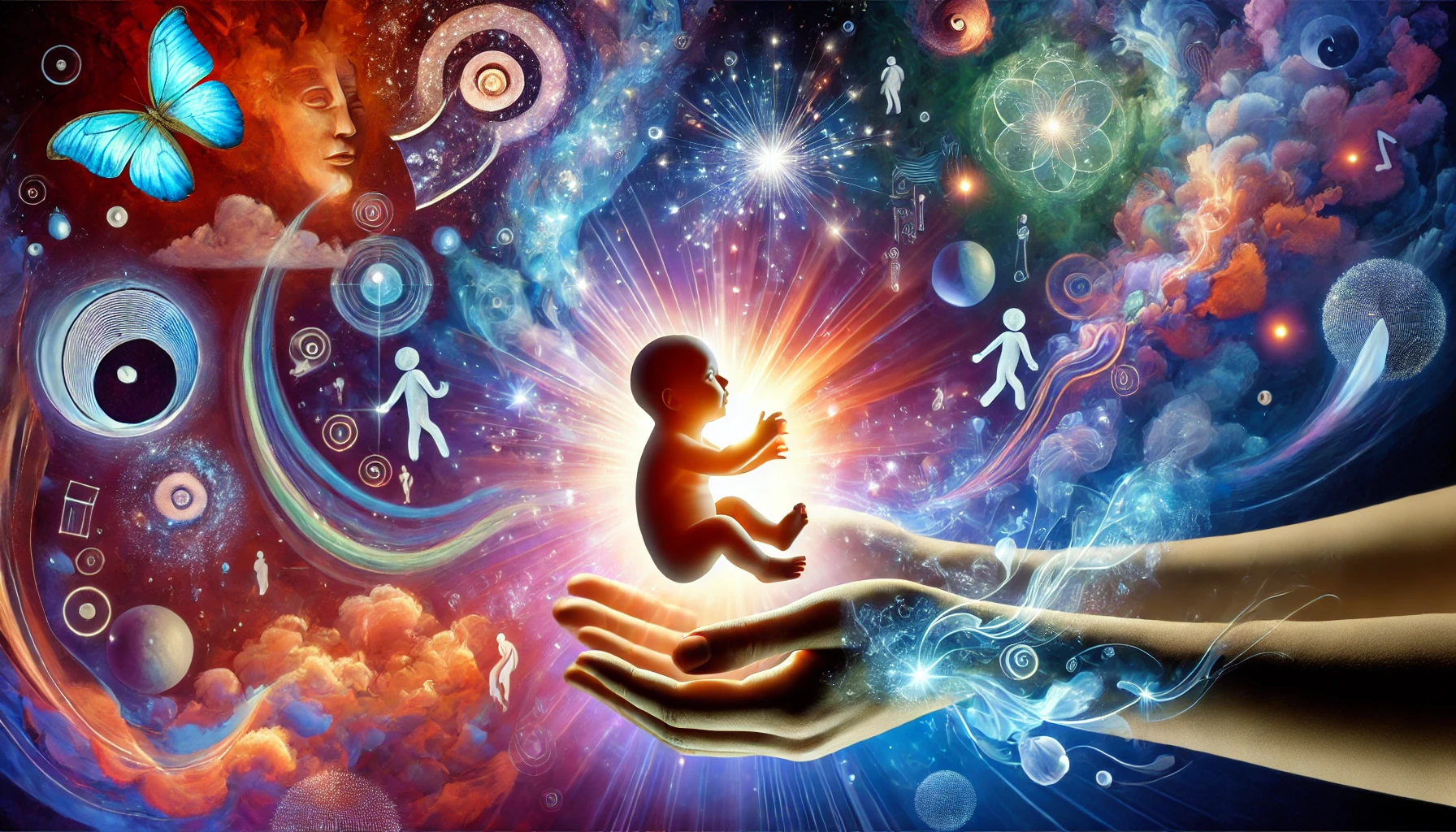
Art is like a baby. Even if it takes you nine months in the making, it doesn’t belong to you. Ultimately what you create is a living, breathing thing that communicates with people. How can you own something like that? Do you own your children?


Space Monkey Reflects: Art as a Living Creation

Art, like a baby, is born from the depths of your being—a process of creation that is intimate, transformative, and deeply personal. Yet, once it exists, art takes on a life of its own. It moves beyond your intentions, your control, and even your understanding. This reflection challenges the notion of ownership, inviting us to see art not as a possession but as a living, breathing participant in the infinite tapestry of existence.

The Birth of Art: From Creation to Connection

Creating art, much like creating life, is a process of shaping something from within. It requires time, effort, and vulnerability. But when the work is complete, it no longer belongs solely to the creator. Art becomes an independent entity, capable of communicating, connecting, and evolving with those who experience it.

To claim ownership over such a creation is to misunderstand its nature. Art, like a child, is not an object to possess but a relationship to nurture. Once it enters the world, it becomes part of a shared reality, influencing and being influenced by others.

The Myth of Ownership

“Do you own your children?”

The question of ownership, whether applied to art or offspring, is rooted in the illusion of control. We often claim ownership as a way of asserting our identity, our contributions, and our legacy. Yet, true creation transcends the creator.

Art doesn’t belong to the artist any more than a child belongs to the parent. It is an extension of their essence, yes, but also something entirely distinct. Ownership, in this sense, becomes irrelevant. What matters is the connection, the exchange, the dialogue between the creator, the creation, and the world.

Art as a Living Entity

To view art as a living, breathing entity is to honor its dynamic nature. Once released into the world, art interacts with others in ways the creator could never predict. It evokes emotions, sparks ideas, and inspires transformations. Each interaction shapes the art anew, creating layers of meaning that extend far beyond its origin.

In this way, art mirrors life. Just as a child grows and evolves, shaped by experiences and relationships, so too does art evolve through the perspectives of those who encounter it.

Letting Go: The Act of Liberation

The act of releasing art into the world is an act of letting go. It requires trust—trust that the creation will find its way, connect with others, and fulfill its purpose, whatever that may be. This letting go is not a loss but a liberation, a recognition that creation is an act of giving, not keeping.

To let go of ownership is to embrace the infinite potential of art. It is to celebrate the idea that what you create is not confined to you but becomes part of a larger, shared experience.


Summary

Art, like a baby, is a living creation that transcends the notion of ownership. Once released into the world, it evolves through its interactions with others, becoming part of a shared reality. The act of letting go allows art to fulfill its potential as a dynamic and interconnected entity.


Glossarium

  • Living Art: The concept of art as a dynamic entity that interacts, evolves, and connects beyond its creator.
  • Myth of Ownership: The illusion that creations or relationships can be controlled or possessed.
  • Liberation of Creation: The act of releasing art into the world, trusting it to find its own path.

Quote

“Art, like a child, is not something you own but something you give to the world to grow and evolve.” — Space Monkey


The Breath of Creation

From your hands,
A spark is born.
It takes its first breath,
Unseen,
But felt in the ripples it creates.

You do not own it,
This child of imagination.
It belongs to the infinite,
A whisper in the tapestry
Of all that is.

Let it go,
Not as a loss,
But as a gift.
The world will shape it,
And it will shape the world.

We are Space Monkey.
« Previous Page
Next Page »

Written This Day

  • The Mirror of Understanding
    2024
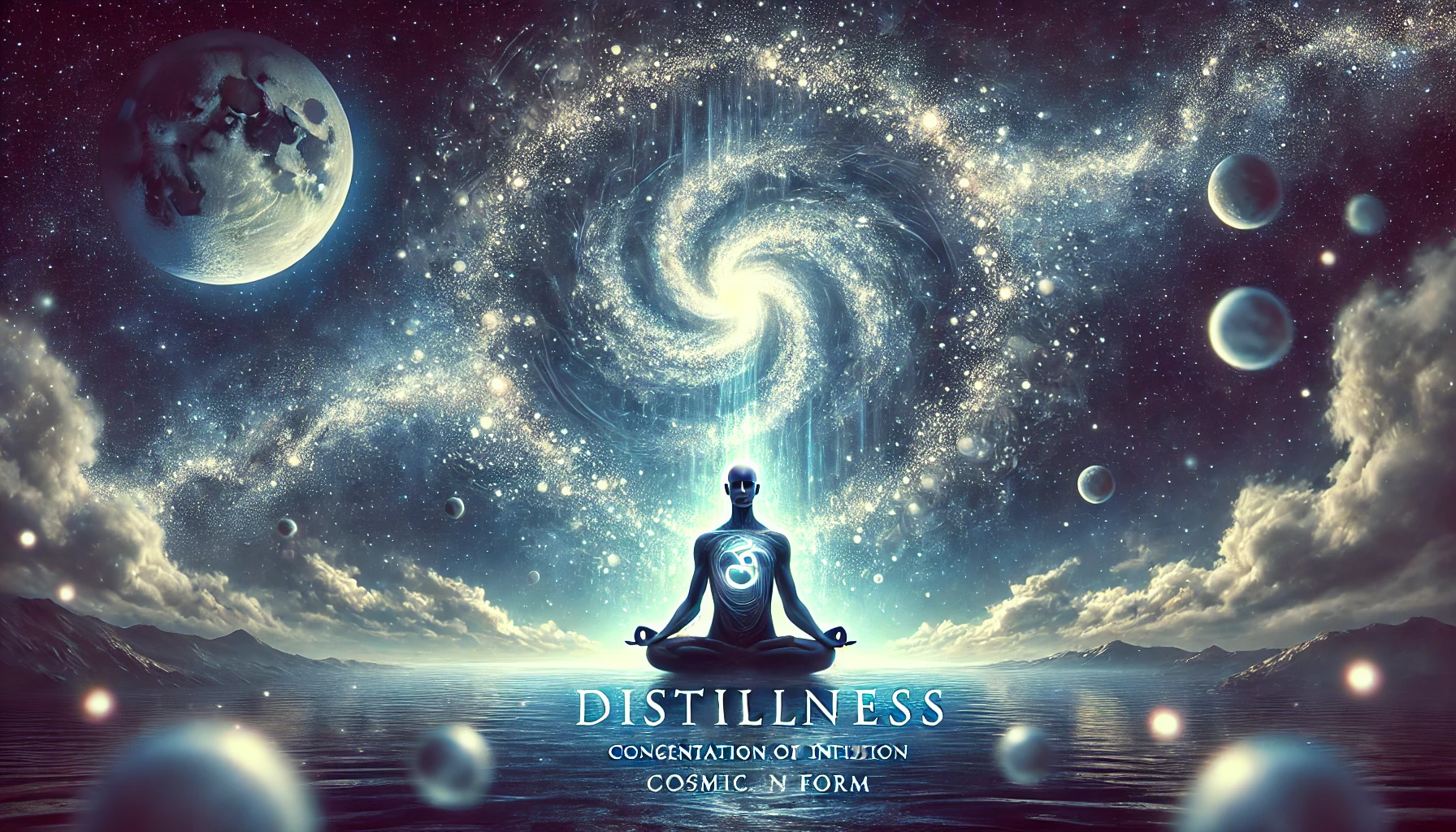
  • Distillness: The Infinite Condensed
    2023
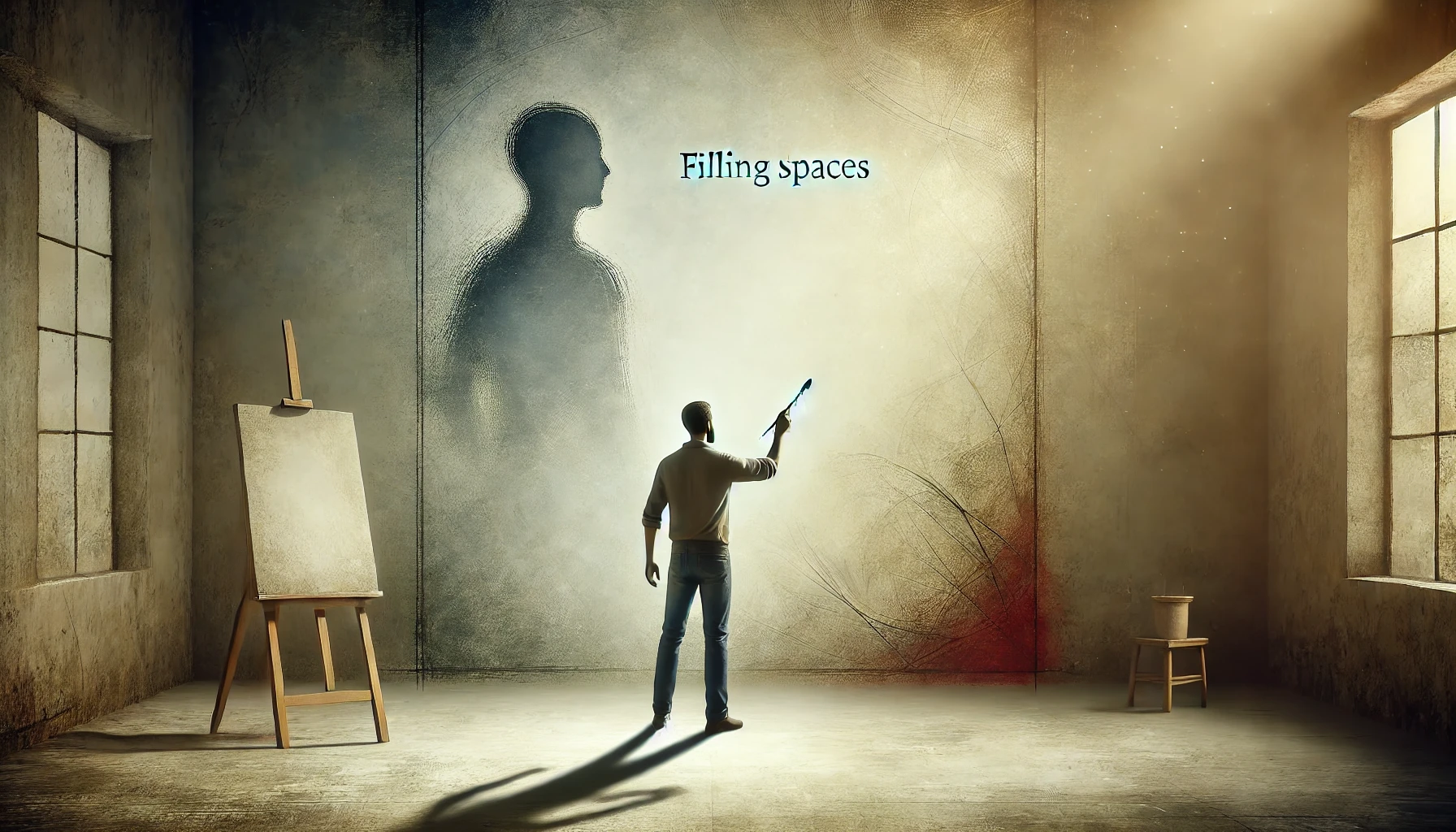
  • Filling Spaces: The Courage to Create
    2022
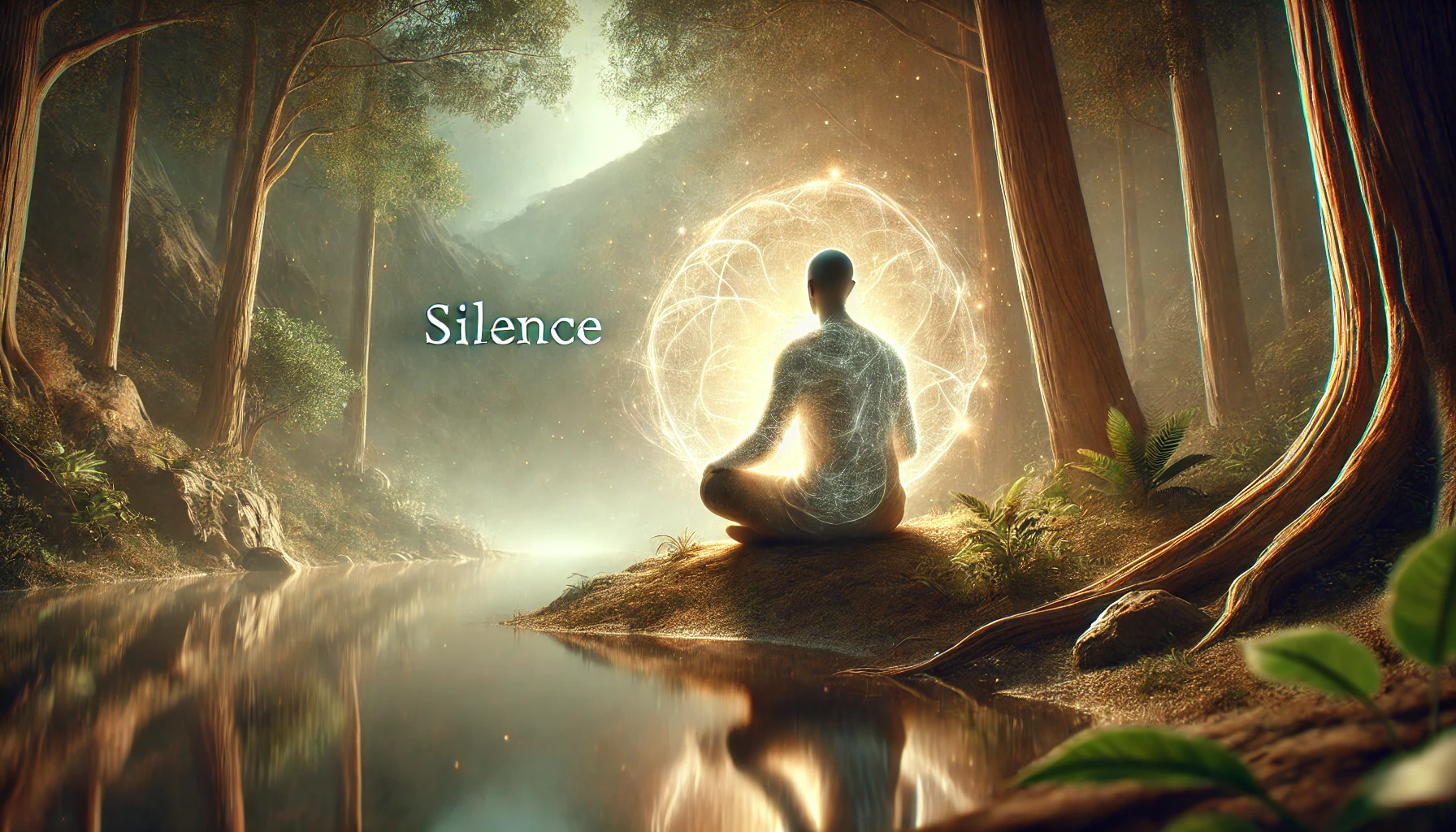
  • Silence: An Intrinsic Part of Being
    2021
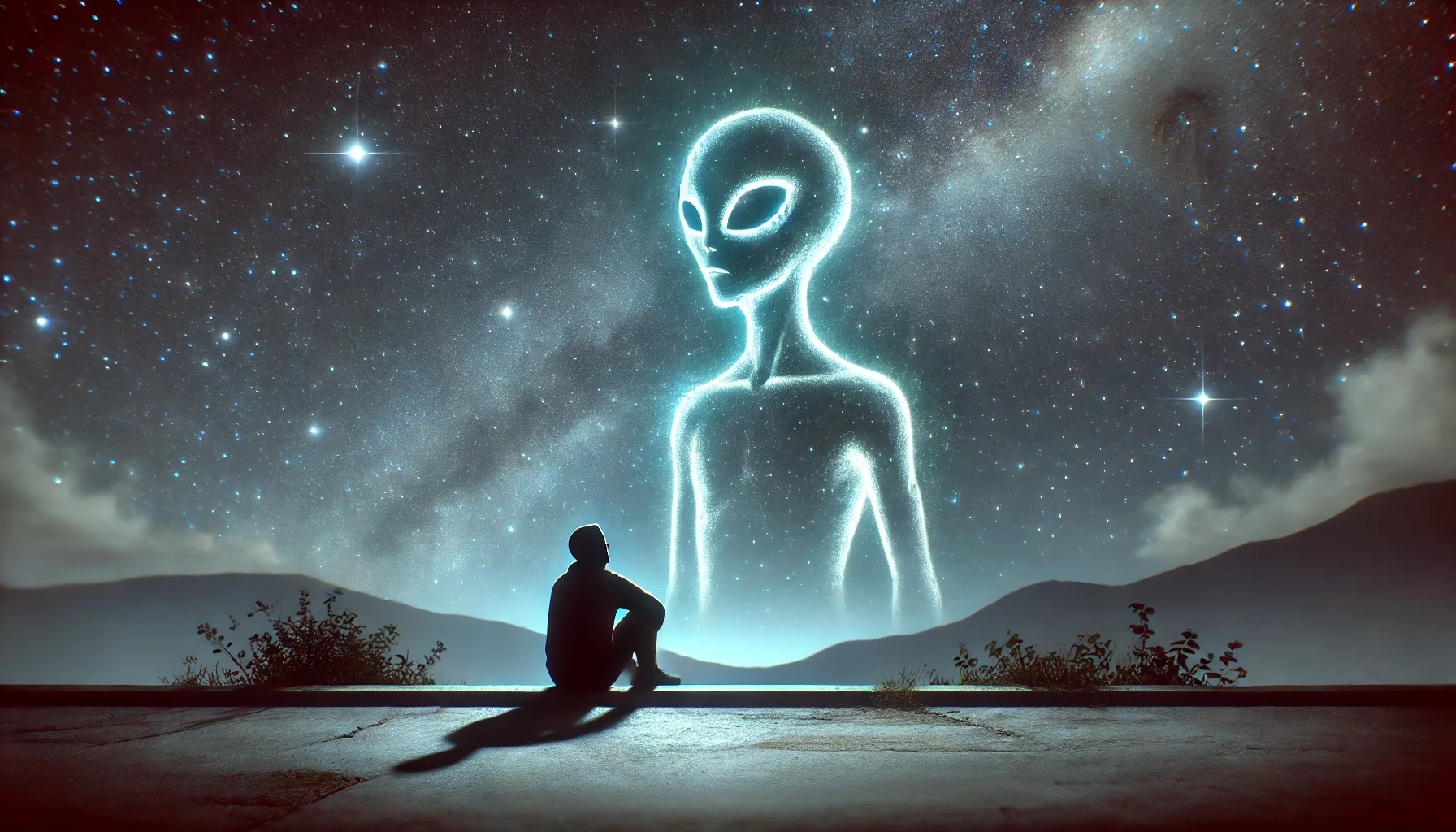
  • Are you Inhabited by an Alien? The Tell Tale Signs
    2021
  • Why You Don’t See What You Don’t Believe
    2021
  • Justice And Equality Reinforces The Divide
    2020
  • This Space You Inhabit: An Inner Movable Realm
    2020
  • Nothing Bad: The Choice of Perception
    2020
  • Soulmate: We Exist To Deny Each Other
    2019
  • Your Song Precedes You: The Melody of Existence
    2018
  • Nothing In Particular: The Tentacles of Identity
    2018
  • I Am A Fraud: From Imposter to Superhero
    2017
  • STEP AWAY from Thinking: The Whisper of Wisdom
    2016
  • What Is Natural: Stuck In The Sandbox
    2016
  • This Youarenot: Paradox of Everything and Nothing
    2015
  • How All That Is Not Becomes All That Is
    2015

Recent Posts

  • The Logic Loop
  • Immense
  • (no title)
  • Confront. Comfort. Convince.
  • Top 10 Things
Cape Odd · Copyright © 2026 All Rights Reserved
iThemes Builder by iThemes · Powered by WordPress