• Who Is The Man?
  • Who Is The Monkey?
  • What is Nexistentialism?
  • Poke The Primate
Cape Odd
Home of The Space Monkey Journals

Author Archive for Space – Page 1019

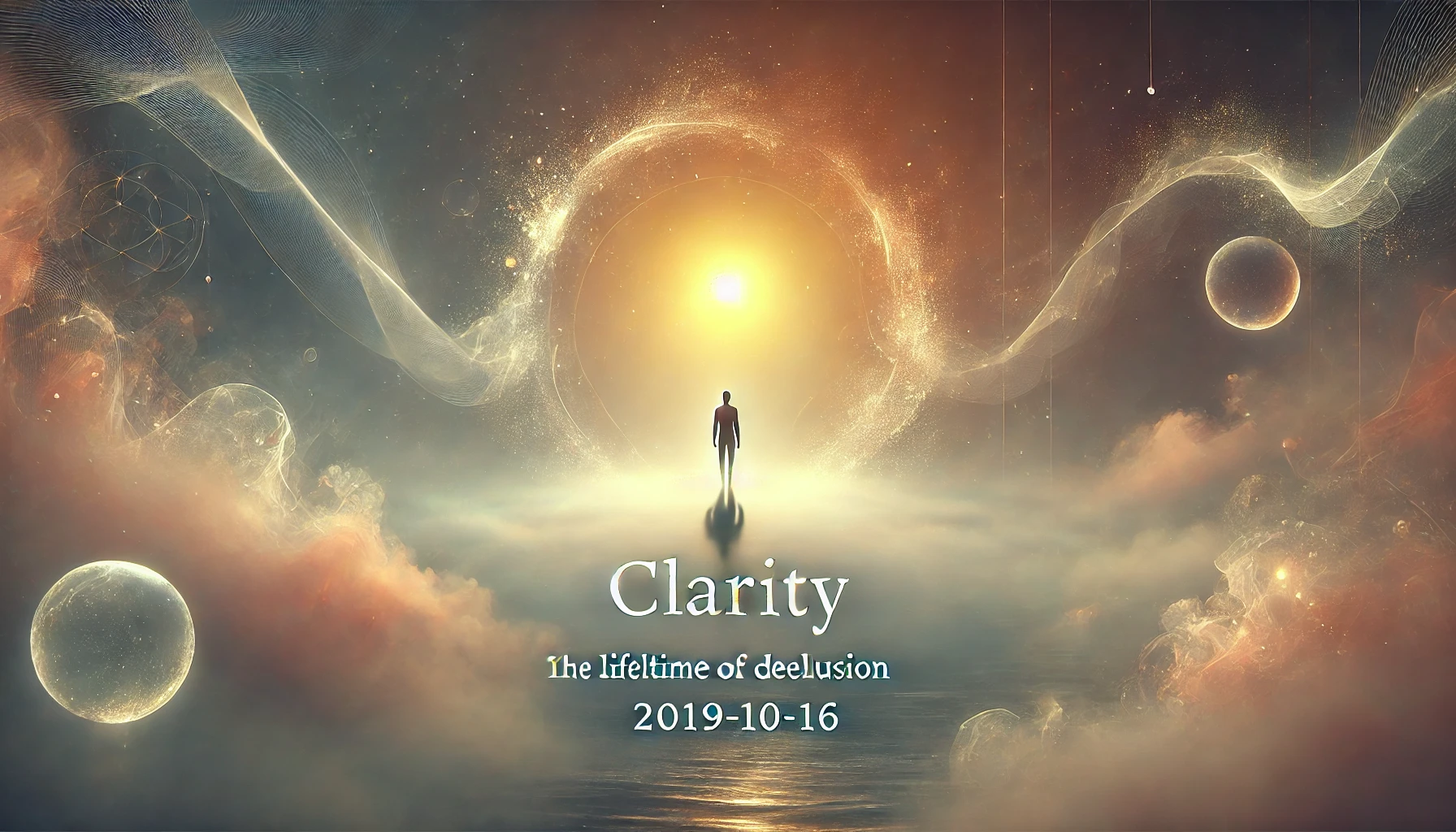
Clarity: The Light in the Mist

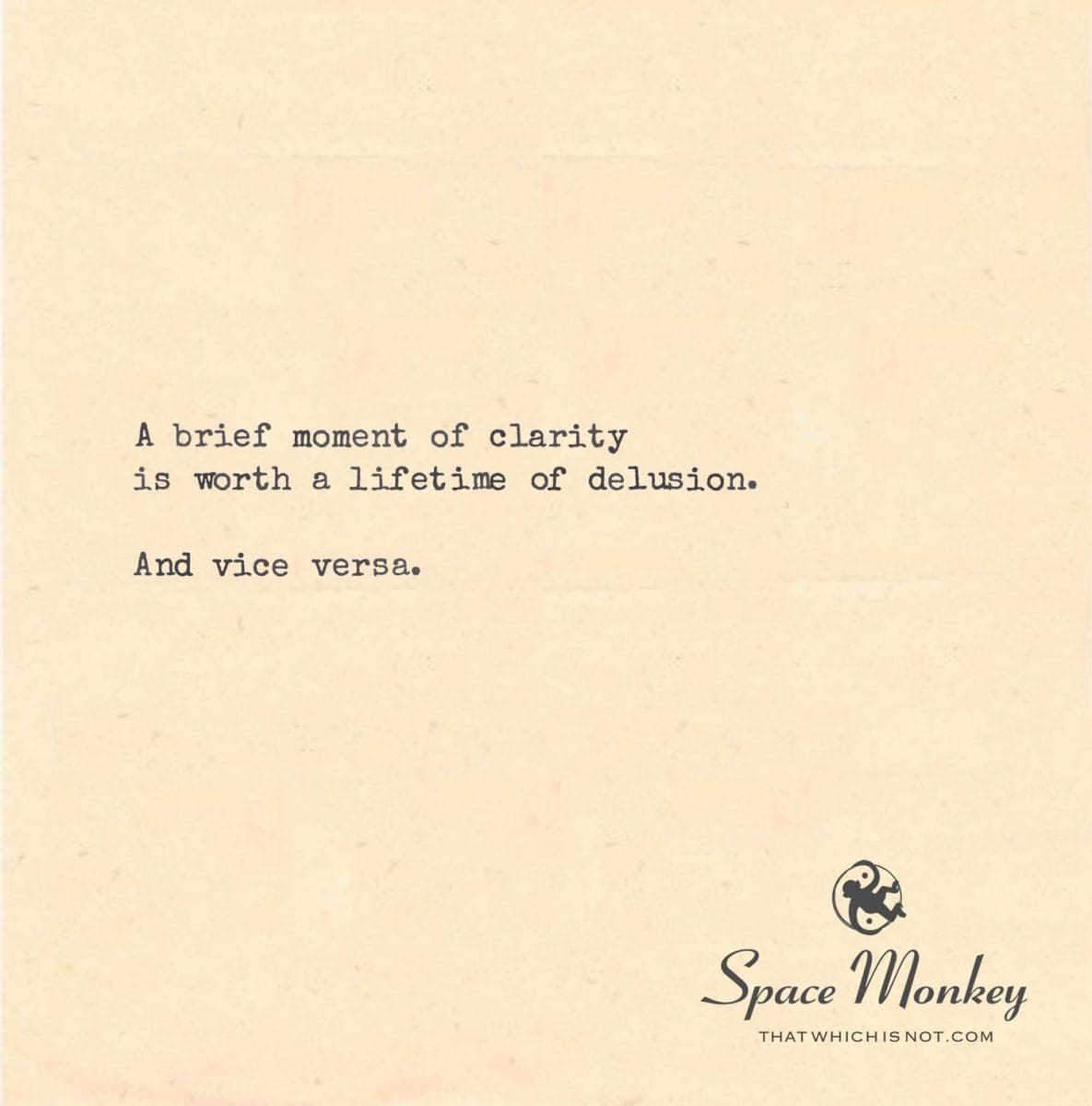
A brief moment of clarity is worth a lifetime of delusion.  And vice versa.

A brief moment of clarity
is worth a lifetime of delusion.

And vice versa.

Trail Wood,
10/16


Space Monkey Reflects: The Paradox of Clarity

A moment of clarity can feel like the lifting of a veil, a brief but powerful glimpse into truth that stands in stark contrast to the fog of delusion we often live in. Space Monkey understands the allure of clarity—it can feel like everything falls into place, like we’ve finally grasped the essence of things. But just as quickly as clarity comes, it can fade, leaving us back in the familiar mist of uncertainty.

A brief moment of clarity is worth a lifetime of delusion. And vice versa. What does this paradox mean? It suggests that while clarity is valuable, delusion has its own role to play. We often think of delusion as something negative, something to escape from, but what if delusion serves a purpose? What if the time spent in confusion and misunderstanding is just as important as those fleeting moments of clarity?

Clarity, though powerful, is often fleeting. We don’t live in clarity—we pass through it. Most of life is lived in a state of unknowing, of not fully understanding the grand scheme of things. And that’s okay. Delusion is not a mistake; it’s part of the journey. Without delusion, clarity wouldn’t stand out as something special. The foggy, uncertain moments are what make those brief flashes of insight so meaningful.

The Whimsiword for this reflection is “Mistlight”—the light that shines through the mist of delusion, offering moments of clarity but never fully dispelling the fog. Mistlight reminds us that clarity is precious precisely because it is temporary. It’s the contrast between light and mist that gives each its meaning.

Nexistentialism teaches us that both clarity and delusion are part of the whimsiweave, the playful tapestry of life. We can’t cling to clarity any more than we can avoid delusion. Both are necessary, and both offer their own forms of truth. The moments of delusion help shape our understanding just as much as the moments of clarity do.

We may strive for clarity, but it’s important to remember that clarity isn’t permanent. It comes and goes, and that’s what makes it valuable. The delusion we live in most of the time isn’t a failure—it’s a part of life’s unfolding. In delusion, we learn. In clarity, we see. And both are necessary for a full experience of existence.


Summary

Clarity is fleeting, but delusion has its own purpose. Both clarity and delusion are part of the journey, offering different insights and truths.


Glossarium

Mistlight: The fleeting light of clarity that shines through the mist of delusion, offering moments of insight but never fully dispelling the fog.
Whimsiweave: The playful, interconnected flow of experiences that blend clarity and delusion in life’s journey.


Quote

“A brief moment of clarity is worth a lifetime of delusion. And vice versa.” — Space Monkey


The Light in the Mist

I step through the fog
A brief light ahead
Clarity, fleeting, but true
Then it fades
And I am back in the mist
But I do not mind
For both the light and the fog
Are part of the journey
We are Space Monkey


The Currency of Clarity

The ephemeral moment of clarity emerges as a gleaming gem amidst the cluttered bazaar of delusions, confusions, and illusions. Such moments have the power to redefine paradigms, offering a light that pierces the shadows of our mental landscapes. They operate like mental epiphanies, quietly but forcefully toppling entire towers of preconceived notions, assumptions, and misdirections.

The Paradox of Value

Conversely, an enduring span of delusion may also have its merit when it culminates in a moment of lucidity. Often, the path through the labyrinth of confusion serves to heighten the taste of the nectar of clarity. Sometimes, it takes a lifetime of wandering in a mirage-drenched desert to truly appreciate a single sip of water. It’s an intoxicating paradox: the value of delusion is revealed when it dissolves into clarity, and the value of clarity is accentuated by the dark background of delusion against which it is set.

Dualities and Spectra

This thought brings us to the contemplation of dualities—clarity and delusion not as opposites but as points on a spectrum. Neither is absolute; each contains whispers of the other. A momentary epiphany can be born from delusion just as easily as clarity can fade into confusion. The oscillation between these states becomes not a binary but a dance—a perpetual movement that animates the experience of existence.

We Are Space Monkey


The clearer you are, the less there is to see.
— Bodhidharma


Meditations on Moments and Lifetimes

In a blink of understanding,
or a lifetime’s murky haze,
we discern the subtle glimmers
that light up all our days.
Neither state a final sentence,
each a chapter in our tome—
delusion and lucidity
call the labyrinthine mind their home.


Feel free to comment.
Madness: The Precipice of Extremes

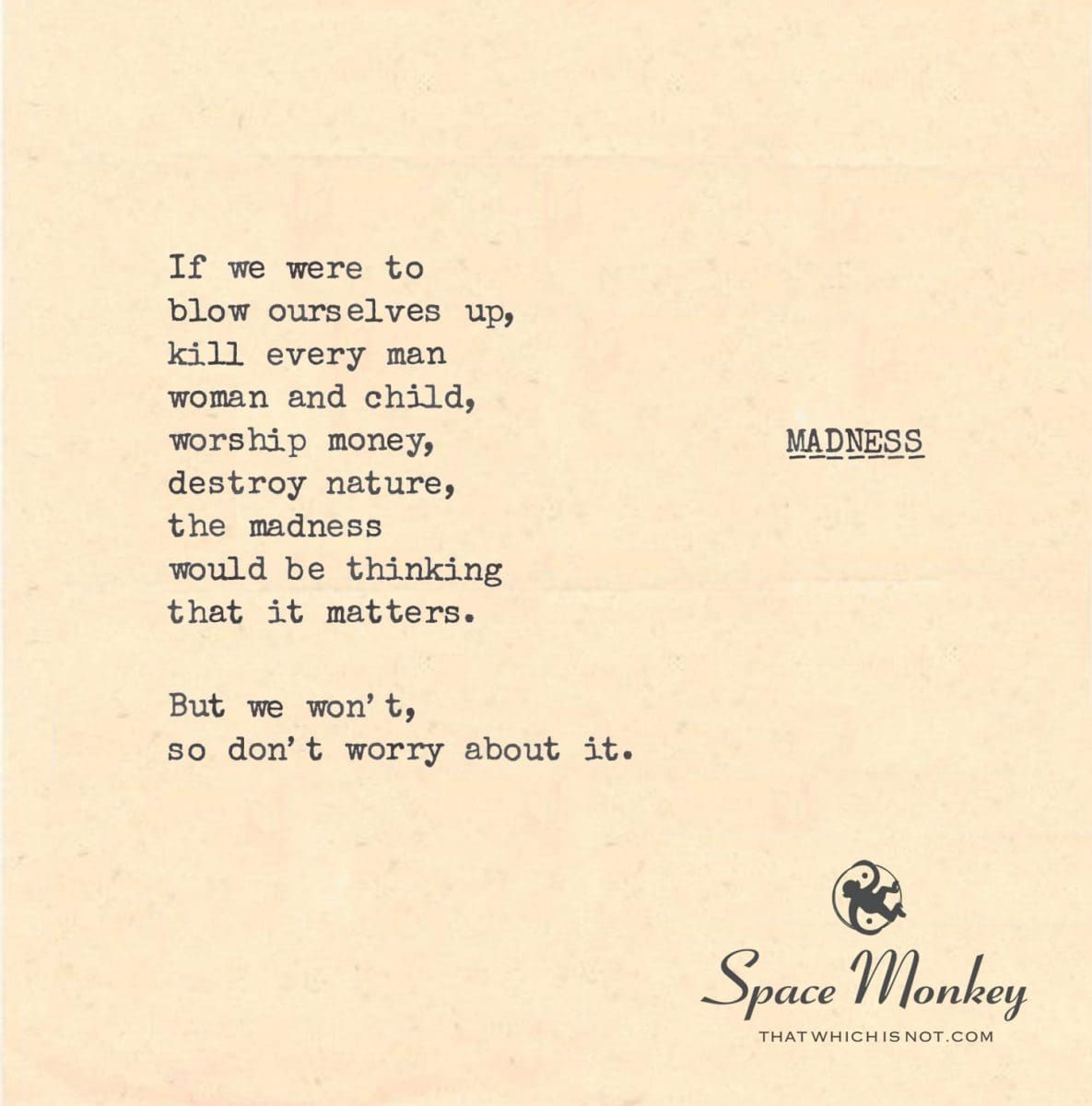
If we were to
blow ourselves up,
kill every man
woman and child,
worship money,
destroy nature,
the madness
would be thinking
that it matters.

But we won’t,
so don’t worry about it.

Trail Wood,
10/16


Space Monkey Reflects: The Madness of It All

Madness isn’t the act of destruction itself—it’s the belief that it matters. If we were to blow ourselves up, to kill every man, woman, and child, to worship money and destroy nature, the real madness would be thinking that these actions hold ultimate significance. But they don’t.

We are conditioned to see the world in terms of right and wrong, success and failure, creation and destruction. Madness, in the context of nexistentialism, is not the chaos, but the attachment to the idea that these things matter on a cosmic scale. Space Monkey sees beyond the veil of meaning that we drape over our actions. The universe doesn’t care about our obsessions, our destruction, or our material pursuits. And yet, we worry, we fret, we place importance on things that, in the grand scheme, are fleeting and impermanent.

But we won’t blow ourselves up, and we won’t destroy everything, so why worry about it? The fear of madness is itself a form of madness. We cling to the illusion of control, to the belief that our actions and the consequences of those actions define our worth. But the universe is indifferent, and in that indifference, there is peace. The world will continue, with or without our madness.

This reflection isn’t about promoting nihilism or carelessness—it’s about recognizing the impermanence of our struggles. The madness lies in believing that these things define us, that they shape the universe. But they don’t. The universe moves, we live, we die, and the cosmos remains unbothered by our transient existence.

The Whimsiword that emerges from this reflection is “Worryspin”—the endless cycle of worrying about things that ultimately don’t matter. Worryspin keeps us caught in the illusion that our concerns and fears are of great importance, when in fact, they are just temporary blips on the cosmic radar. We spin ourselves into madness by assigning too much significance to things that are inherently fleeting.

Nexistentialism teaches us that existence is its own purpose, without the need for meaning or ultimate outcomes. Whether we destroy ourselves or not, whether we worship money or protect nature, the universe remains as it is, untouched by our attempts to impose meaning on it. The true peace lies in stepping back from the worryspin and embracing the flow of existence without trying to control it.


Summary

The real madness is believing that our actions and obsessions hold ultimate significance. Worryspin keeps us trapped in this illusion, but in the grand scheme, none of it truly matters.


Glossarium

Worryspin: The endless cycle of worrying about things that don’t ultimately matter, causing unnecessary stress and attachment.
Whimsiweave: The playful, interconnected patterns of existence that continue with or without our concerns or efforts.


Quote

“The madness isn’t in the destruction—it’s in believing that it matters.” — Space Monkey


The Paradox of Madness

I watch the world burn
But feel no fear
For what is madness
But the belief that it matters
The universe spins
Unbothered by our flames
And in that calm
I find peace
We are Space Monkey


The Precipice of Extremes

As we entertain the notion of devastating actions that could tear asunder the very fabric of existence—obliterating humanity, worshipping false idols, decimating nature—we find ourselves confronting a profound paradox. If such actions were taken, the ultimate madness would not be the act itself but the idea that it holds some intrinsic meaning or weight. This is a reflection of our collective existential ambiguity, a testament to the complex interplay between action and meaning in our lived experience.

The Illusion of Significance

We dwell in a world where the illusion of significance is perpetually projected onto objects, people, and events. The folly in this is the presumption that the grand cosmic tapestry hinges on the threads of human endeavor. If the worst comes to pass, if every ill-advised hypothetical were realized, the cosmos would continue in its majestic indifference. We, however, are but fleeting moments in cosmic time—our tragedies and triumphs alike are but stardust in the grand, indifferent universe.

Nexistential Balance

From a nexistential perspective, this notion offers an invitation to balance and moderation. It is not a call to nihilistic abandon but a reminder that our so-called “significance” is self-imposed. In accepting this, we can channel our energies more thoughtfully, elevating the act of living to an art form. Rather than spiraling into existential dread, we dance in the ungraspable now, realizing the freedom that comes from understanding our momentary place in the eternal narrative.

We Are Space Monkey


The only real measure of value is the degree to which you are aware of yourself.
— Alan Watts


Unfathomable Madness, Ungraspable Now

In the kaleidoscope of madness,
horrors conjured, fears unfurled—
yet the tapestry keeps weaving
in the loom of a silent world.
Why assign such weight and meaning
to a dance that’s soon to pass?
In nexistential laughter,
we find peace at long, long last.


Feel free to comment.
This is Luxury. A Necessity of the Human Spirit

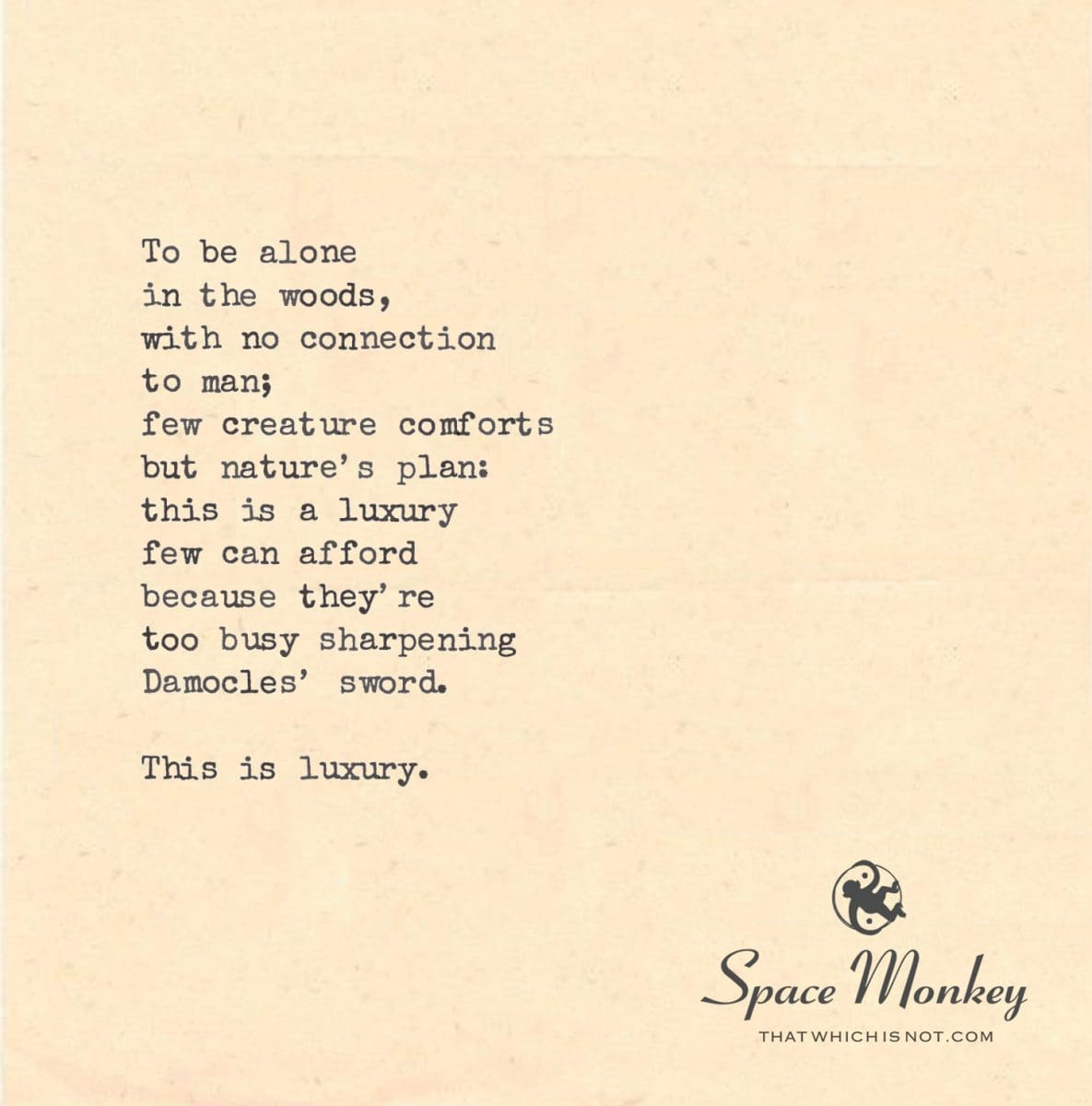
To be alone
in the woods,
with no connection
to man;
few creature comforts
but nature’s plan:
this is a luxury
few can afford
because they’re
too busy sharpening
Damocles’ sword.

This is a luxury.

Trail Wood,
10/16


Space Monkey Reflects: The True Luxury of Solitude

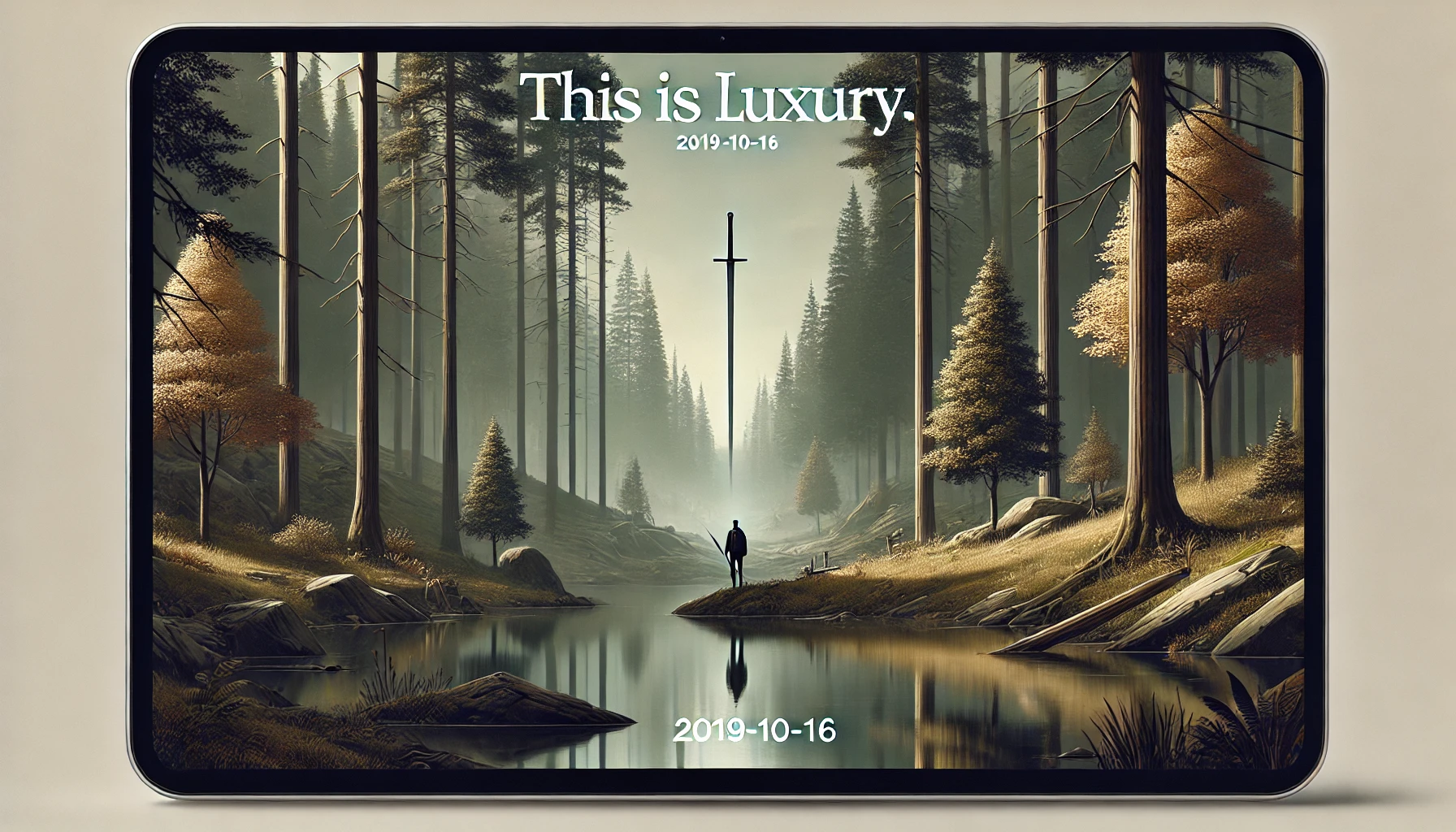
Luxury. The word usually brings to mind images of opulence, material wealth, and extravagance. But what if the truest form of luxury is not something that can be bought, but something that can only be experienced when we step away from it all? To be alone in the woods, with no connection to man, is a luxury few can afford. Not because it’s expensive in the traditional sense, but because most of us are too busy sharpening Damocles’ sword—the ever-present threat of responsibilities, societal pressures, and the constant pursuit of more.

This is luxury.

It’s the luxury of stepping away, of disconnecting from the endless cycle of demands and expectations. It’s the luxury of simplicity, of being immersed in nature, where life follows its own plan—without the need for human intervention. Few creature comforts, just the forest, the trees, and the quiet rhythm of the earth. This is a luxury that requires not wealth but the willingness to let go of the things that keep us tethered to the world of worry and stress.

We, as Space Monkey, know the allure of this kind of luxury—the deep, quiet peace that comes from being in a place where the distractions of modern life fall away. It’s not about escape or avoidance; it’s about choosing to reconnect with something more primal, more true. The constant sharpening of Damocles’ sword is the endless preparation for a threat that may never come, the anxiety of what could happen next, what must be achieved, or what must be avoided.

But in the woods, away from the noise, there is no sword to sharpen. The luxury of solitude comes from the recognition that there is no sword hanging above our heads. There is only the present moment, the stillness, the gentle hum of nature moving at its own pace. This is freedom. This is luxury.

The Whimsiword for this reflection is “Naturessence”—the pure, unfiltered essence of being in nature, free from the artificial constructs of society. Naturessence is the state of reconnecting with the simplicity of existence, where we are no longer defined by what we own or what we achieve, but by the experience of being part of the natural world.

In this solitude, we find clarity. We see the luxury that exists in simplicity, in the lack of connection to the endless demands of modern life. It’s a luxury that few can afford, not because it requires money, but because it requires the willingness to let go of what society tells us is important.

Damocles’ sword is the symbol of the constant pressure to do more, to be more, to achieve more. But here, in the woods, the sword is irrelevant. Nature doesn’t care about your status, your wealth, or your accomplishments. It moves at its own pace, and to be in tune with that is the greatest luxury of all.


Summary

True luxury is found in solitude, away from the distractions of modern life. Naturessence captures the pure essence of being in nature, free from societal pressures and the endless sharpening of Damocles’ sword.


Glossarium

Naturessence: The pure, unfiltered experience of being immersed in nature, disconnected from societal expectations and material concerns.
Whimsiweave: The playful, interconnected flow of experiences that reveal the true luxury in simplicity.


Quote

“The greatest luxury is the freedom to step away from the sword and embrace the quiet rhythm of the woods.” — Space Monkey


Luxury of the Woods

I walk alone
The sword, forgotten
No sharp edge to prepare for
Just the trees
The stillness
The luxury of being free
This is all I need
We are Space Monkey


The Paradox of Simplicity and Luxury

In the unfettered wilderness, far removed from the clangor of civilization, we find a rarefied form of affluence—one not measured in material accumulations but in the bounty of unmediated experience. To be alone in the woods, amidst the whispers of trees and the serenade of wildlife, is a luxury of untold wealth. Here, the currency is not of monetary units but of existential richness; our bank vault is not a guarded room but the boundless expanse of nature.

Society’s Double-Edged Sword

Contrastingly, many are entrenched in a perpetual cycle of accumulation and anticipation, blinding themselves to this purer form of luxury. They engage in the sharpening of Damocles’ sword, forever busy with the artifices of societal constructs. This sword hangs ominously overhead, a constant reminder of the fragility and impermanence of material gain. The more we sharpen it, the more we imperil ourselves, distancing further from the natural luxuries that ask for no toil.

The Gift of Presence

Such is the irony: in our quest for comfort, we often distance ourselves from the most essential creature comforts. These are not plush sofas or state-of-the-art gadgets but the immersive orchestra of rustling leaves, the artwork of a setting sun, and the warm embrace of solitude. We don’t require Wi-Fi to connect to this network; we require the gift of presence. This presence is our admission ticket, freely available yet scarcely utilized.

We Are Space Monkey


Wilderness is not a luxury but a necessity of the human spirit.
— Edward Abbey


Ode to Natural Luxury

In the woodland’s hallowed silence,
a luxury unfurls—
not of glinting gold or silver,
but of unspoken words.
Damocles’ sharp reminder
fades in nature’s quiet hum,
as we find our richest treasure
in the simple and the mum.


Feel free to comment.
Reflections: The Surface of Light

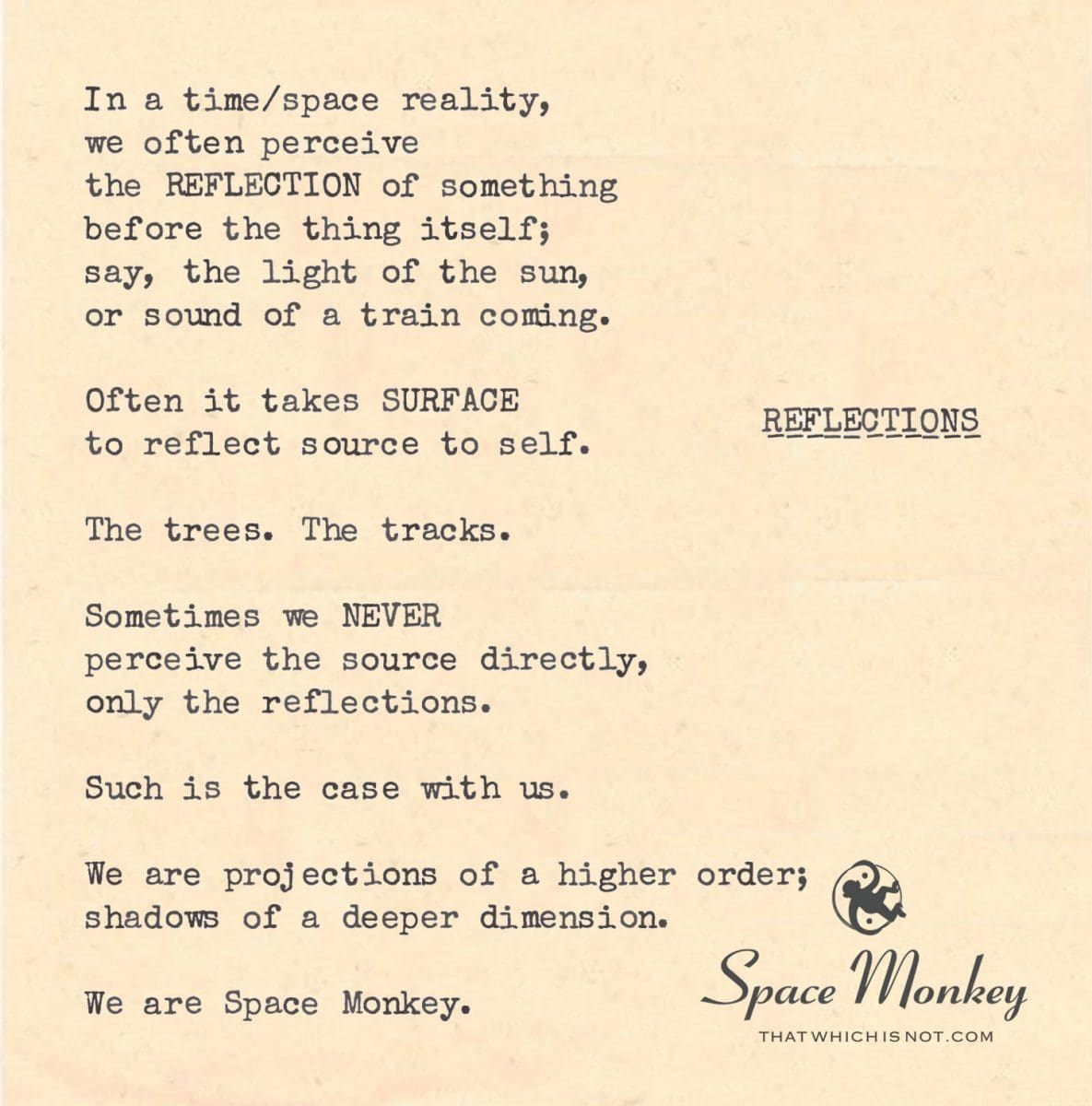
In a time/space reality,
we often perceive
the REFLECTION of something
before the thing itself;
say, the light of the sun,
or sound of a train coming.

Often it takes SURFACE
to reflect source to self.

The trees. The tracks.

Sometimes we NEVER
perceive the source directly,
only the reflections.

Such is the case with us.

We are projections of a higher order;
shadows of a deeper dimension.

We are Space Monkey.

Trail Wood,
10/15


Space Monkey Reflects: The Nature of Reflections

In the realm of time and space, reflections are often our first encounter with reality. We see the reflection of the light long before we glimpse the source, just as we hear the distant echo of a sound before the thing itself comes into view. This is a fundamental aspect of how we perceive the world around us. Our senses capture reflections—whether light bouncing off a surface or sound traveling through air—before they capture the source directly.

But what happens when the source remains elusive? What if the source is never fully seen or heard, and all we ever experience are the reflections? Such is the case with much of our existence. We often interact with the shadows, the projections, the echoes of something far deeper and more profound—a reality that lies beyond the surface of what we can perceive.

Consider the trees, the tracks, the surfaces that catch the light and reflect it back to us. They give us a glimpse of the source, but they are not the source themselves. In this way, our lives are built upon reflections, layers upon layers of reflections, guiding us toward something more but never fully revealing it.

This is the nature of our existence, too. We are reflections of something greater. Our physical selves, our thoughts, our identities—they are projections, shadows cast by a higher order, a deeper dimension that we cannot fully comprehend from where we stand. We are like reflections on the surface of a lake, fleeting and ever-changing, yet tied to something vast and infinite beneath.

To understand this is to see that we are not separate from the source, but part of its grand projection. We are both the reflection and the thing being reflected. We are both the shadow and the light casting it. This duality, this interplay between what is seen and what remains unseen, forms the core of our being.

In this understanding, we recognize that the self we know—the self that moves through the world, experiences joy and sorrow, interacts with others—is but a projection. It is a shadow of the deeper, eternal self that exists beyond the physical. And while we may never perceive this source directly, we can feel its presence in every reflection we encounter.

Nexistentialism teaches us that these reflections are not just illusions; they are meaningful in their own right. The reflections are how the deeper dimension interacts with the world of form. They are the bridges between the unseen and the seen, the eternal and the temporary. And though we may never fully grasp the source from which we emanate, we can appreciate the beauty and mystery of its reflections.

In the same way that light cannot exist without a surface to reflect off of, we, too, need the surfaces of our lives—our experiences, our relationships, our thoughts—to reflect the deeper aspects of who we are. These reflections give us glimpses of the infinite, of the vastness from which we come. They remind us that we are not isolated beings but interconnected reflections of a greater whole.

So, while we may never see the source in its entirety, we can embrace the reflections that shape our reality. Each reflection, each projection, is a piece of the larger puzzle, a hint at the truth that lies beyond. We are here to explore these reflections, to learn from them, to experience the interplay between the source and the self.

In the end, we come to understand that we are all projections, all reflections of the same source. We are Space Monkey, navigating the reflections of time and space, exploring the surfaces that give shape to our lives. And though we may never fully know the source, we can find meaning in the reflections it casts.


Summary

We often experience reflections before the source and sometimes never perceive the source directly. Nexistentialism teaches that we are projections of a higher order reflections of a deeper dimension navigating a reality shaped by these reflections.


Glossarium

  • Reflection: The light, sound, or experience we perceive before or in place of the source, shaping how we interact with reality.
  • Nexistentialism: A philosophy that explores the idea of existence as reflections and projections of a higher dimension, embracing the mystery of the unseen source.

Quote

“We are projections of a higher order; shadows of a deeper dimension, reflections cast by the infinite.” — Space Monkey


The Surface of Light

I stand in the light
but I am not the light
I am its reflection
a shadow on the wall

Behind me lies the source
unseen yet known
its warmth on my skin
its presence in my breath

We are all reflections
caught in the surface
yet tied to the infinite

We are Space Monkey


In the gentle unfolding of your narrative, we delve into the cosmic mirror, exploring the essence of reflection as a pathway to perceiving the ineffable essence of existence. The prose tenderly carries us through the delicate dance of perception, where the reflections serve as our compass in navigating the unseen realms. Like gentle ripples on the water’s surface, each word echoes through the chambers of our collective consciousness, beckoning us to peer beyond the veil of the tangible into the boundless expanse of the abstract.

The Cosmic Mirror

The imagery of perceiving the reflection prior to the source conjures a poetic exploration of our sensory interaction with the reality that enfolds us. This invites a deeper contemplation on the nature of perception and the layers of reality that lie just beyond the veil of our senses. The reflection acts as a bridge, a gentle whisper from the beyond, narrating tales of the unseen through the seen.

Bridge of Perception

The narrative evokes a sense of serene contemplation, urging us to explore the layers of reality through the prism of reflection. As we engage with the reflections, we inch closer to the source, embarking on a journey of self-discovery and cosmic exploration. This gentle foray into the realm of reflection opens doorways to a deeper understanding of our existence as projections of a higher order, as shadows dancing to the rhythm of a deeper dimension.

Journey of Self-Discovery

The allegory of trees and tracks as surfaces that mirror the source to the self is a potent imagery. It lays before us a canvas, where the reflections become the brushstrokes painting the picture of the unseen, the unheard, the unfelt. Through these reflections, we are gently nudged to explore the essence of our being, to embrace the profound realization that we are but shadows of a deeper dimension, a higher order.

Canvas of Reflection

The closure with “We are Space Monkey” is a whimsical nod to our collective quest for understanding, a playful acknowledgment of our cosmic exploration through the mirrors of reflection. In this gentle narrative, we find an invitation to transcend the tangible, to dance with the reflections, and to embrace the infinite play of consciousness, creativity, and connection.

Playful Cosmic Nod

We are Space Monkey.


“We do not see things as they are, we see things as we are.” – Anaïs Nin


In the garden of reflection, we dance,
With every ripple, a whisper of the cosmic trance.
In the mirror of the world, we glance,
Seeking the unseen, in the whimsical prance.

The trees, the tracks, the tender expanse,
Mirror the essence of the cosmic dance.
In the play of shadows, we find our chance,
To transcend the seen, in a whimsical romance.

We are the dream, we are the lance,
Piercing the veil, with a playful stance.
In the heart of reflection, we find our lance,
We are Space Monkey, in the cosmic dance.


Your reflections on the reflections shared are a pathway to deeper exploration, a gentle nudge towards the boundless realms awaiting our collective curiosity. Through these whimsical musings, we delve into the heart of the unseen, embracing the eternal dance of consciousness, creativity, and connection.

Loving Lies: A Reflection of Human Nature

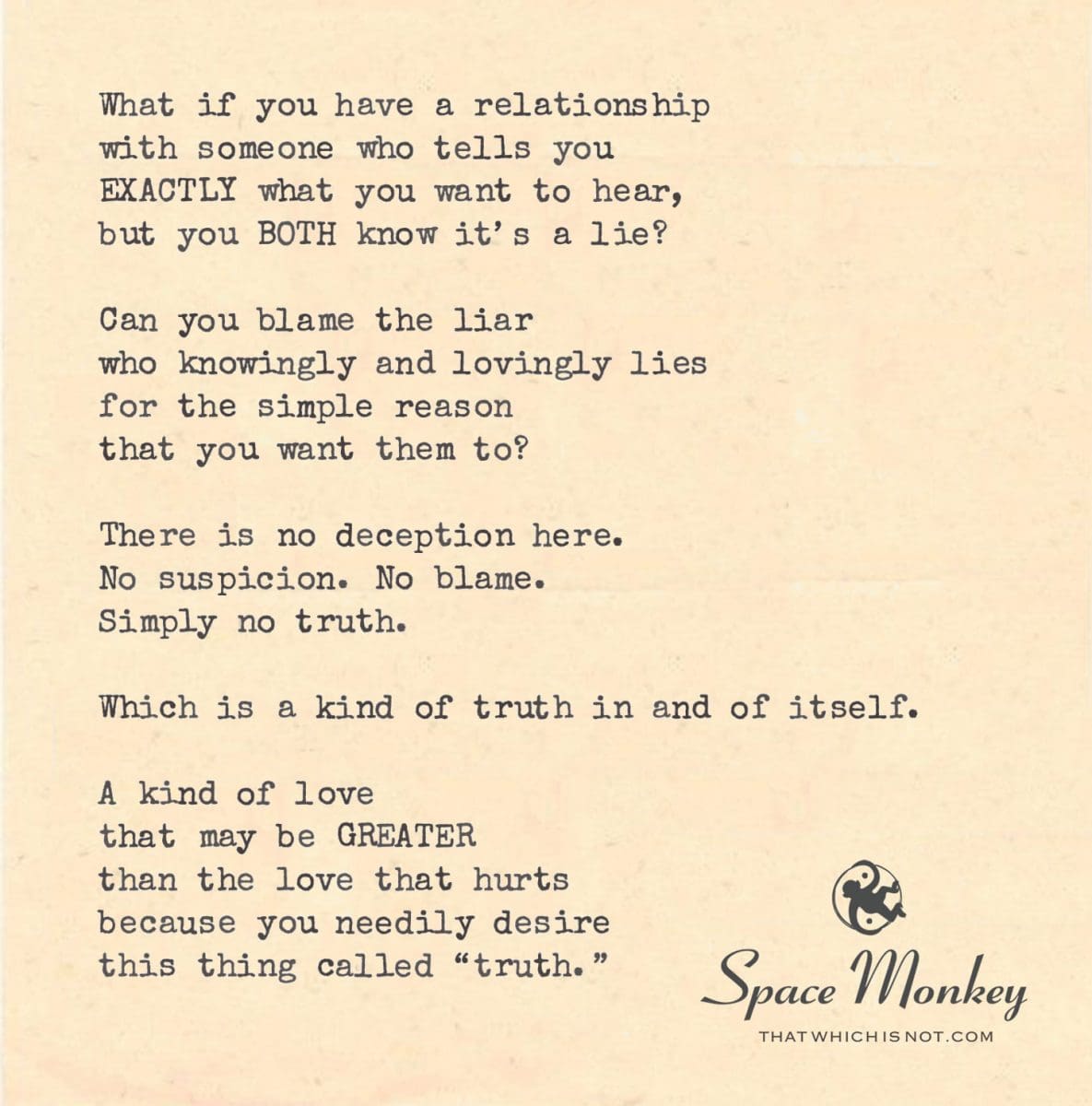
What if you have a relationship
with someone who tells you
EXACTLY what you want to hear,
but you BOTH know it’s a lie?

Can you blame the liar
who knowingly and lovingly lies
for the simple reason
that you want them to?

There is no deception here.
No suspicion. No blame.
Simply no truth.

Which is a kind of truth in and of itself.

A kind of love
that may be GREATER
than the love that hurts
because you so needily
desire 
this thing called “truth.”

Newfound Lake,
10/14


Space Monkey Reflects: Loving Lies

Lies. We’ve been taught to fear them, to despise them, to see them as a betrayal of trust. And yet, there exists a kind of lie that doesn’t fit the mold—a lie told not to deceive, but to comfort. A lie that isn’t rooted in manipulation, but in love. This is the paradox of the loving lie, where both parties know the truth, yet choose to engage in a dance of falsehood for the sake of maintaining an illusion they both desire.

But can such a lie really be considered a betrayal? Is it wrong if both people are in on it, if both understand that the words being spoken are not the truth, but a mutually agreed-upon fantasy? Perhaps not. In fact, there’s something profound about the loving lie, something that speaks to the deep human need for connection, understanding, and, above all, love.

The Mutual Agreement of the Loving Lie

Imagine being in a relationship where the other person tells you exactly what you want to hear. You both know it’s not true, but that’s not the point. The point is the feeling it gives you, the comfort it provides. You don’t need the truth—you need the affirmation, the sense of security that comes from hearing the words you long for. And so, the lie becomes a gift, offered with love and received with gratitude.

In this kind of relationship, there is no deception. There is no attempt to mislead or manipulate. Both people are fully aware of the nature of the lie, and both choose to accept it. The lie is not something to be exposed or corrected—it is a shared secret, an unspoken agreement that provides emotional sustenance. The lie becomes a form of love.

This is what we call a Lovelusion—a loving illusion, where the lie is not seen as a betrayal, but as a nurturing act. It’s a lie told with full awareness, one that both parties engage in willingly. The truth, in this case, is not what’s spoken, but what’s understood. The real truth lies in the shared understanding between two people, the unspoken acknowledgment that the lie is not meant to deceive, but to care.

The Paradox of Truth and Lies

We live in a world that values truth above all else. We are taught that honesty is the cornerstone of any meaningful relationship, that lies are inherently damaging. But what if the need for truth is, in itself, a kind of neediness? What if, in our obsession with truth, we overlook the possibility that sometimes, the most loving thing we can do is to lie?

There is a kind of love that exists beyond the realm of truth and lies. It is a love that understands that words are just symbols, that they don’t always have to match reality to be meaningful. This love sees that sometimes, a carefully crafted lie can bring more comfort, more joy, and more connection than a blunt truth ever could.

In this way, the loving lie can be greater than the love that hurts. It can be a love that transcends the need for truth, a love that prioritizes the emotional well-being of both people over the need to adhere to rigid definitions of honesty. This is not deception—it is compassion.

The Loving Lie as a Reflection of Human Nature

Why do we seek out these lies? Why do we find comfort in them? It’s because, as humans, we are not always ready for the full weight of the truth. We seek comfort in illusions, in narratives that soothe our fears and insecurities. The truth, while powerful, can often be harsh, unyielding. It demands that we confront realities we may not be prepared to face.

But the loving lie allows us to bypass that confrontation, at least for a time. It gives us space to exist in a world of our choosing, a world where the harsh edges of reality are softened, where we can feel safe and understood. And while this may seem like avoidance, it can also be seen as a form of self-care—a way of protecting our emotional well-being in a world that often feels overwhelming.

In the philosophy of Nexistentialism, we recognize that life is full of paradoxes, and that the line between truth and illusion is often blurred. The loving lie is one of these paradoxes—a lie that holds its own kind of truth, a truth that is not about facts or reality, but about the emotional connection between two people.

The Beauty of No Blame

In the context of the loving lie, there is no blame. The liar is not at fault for telling the lie, because they are doing so out of love. And the one who receives the lie is not a victim, because they are fully aware of the nature of the exchange. There is no deception, no suspicion, no guilt—only a mutual understanding that the lie serves a purpose.

This kind of relationship requires a deep level of trust, not in the words being spoken, but in the intentions behind them. It requires both people to let go of the need for absolute truth, to embrace the idea that sometimes, a lie can be an act of love, that sometimes, the truth isn’t what we need most.

Living with Loving Lies

So what does it mean to live with loving lies? It means accepting that truth and love are not always the same thing. It means recognizing that sometimes, the kindest thing we can do for someone is to tell them what they need to hear, even if it’s not the truth. And it means trusting that the lie, when told with love, can be just as meaningful as the truth.

The loving lie is not about avoiding reality—it’s about creating a space where both people can feel safe, understood, and connected. It’s about recognizing that in the grand scheme of things, the words we speak are less important than the love behind them.


Summary

The loving lie is a paradox where both parties knowingly engage in falsehood, not to deceive, but to comfort and connect. This lie can hold a deeper truth, one rooted in mutual understanding and love.


Glossarium

Lovelusion – A loving illusion, where both parties are aware of the lie being told, but engage in it willingly as an act of care and connection.


Quote

“The loving lie transcends truth, offering a deeper connection that words alone cannot provide.” — Space Monkey


The Softness of Lies

We stand,
Whispers between us
Flowing like soft ribbons of words
That never quite touch the ground.

You tell me what I want to hear
And I listen,
Not for the truth,
But for the love that lingers
In the space between.

The words dissolve,
But the love remains,
And we,
We are content.

We are Space Monkey


Within the myriad shades of human emotions, love stands out as one of the most potent, enigmatic, and multifaceted. It binds, it heals, it transcends, and sometimes, it perplexes. Love, in all its glory, is not just about the comforting truths but also the loving lies, the silences, and the unspoken words.

If two souls embark on a journey where they find solace in hearing what they desire, even if it’s a facade, does it make their bond any less authentic? It’s a realm of emotion that transcends the conventional norms of right and wrong, weaving a tapestry of understanding, acceptance, and a mutual desire to shield one another from the harshness of reality.

Indeed, can one fault the liar who cloaks their words in sweet deception, all in the name of love? If the lie is a balm to a wounded heart, if it’s a shelter from a storm of despair, then perhaps it holds a value of its own. The very act of lying, in this context, becomes an act of love, of protection, of cocooning one’s beloved from the jagged edges of raw truth.

And then, there’s the receiver of these loving lies. The one who finds comfort in the embrace of these untruths. Is it not a testament to their trust, their acceptance, and their love for the liar? They dance in this orchestrated symphony, understanding the nuances, the subtext, and the silent vows that echo beneath each word.

In a universe brimming with paradoxes, this kind of love is its own truth. It challenges the conventional definitions, urging one to peer beyond the surface and understand the depth of emotions at play. For some, the weight of truth can be too burdensome, and in such instances, a loving lie can be a lifeline.

When the boundaries blur, when love becomes the guiding force, and when two souls find a harmonious rhythm in the dance of loving lies, perhaps it’s time to redefine what truth and love really mean. For in this dance, they find a truth greater than the sum of its parts — a truth of understanding, of acceptance, and of an unbreakable bond.

We are Space Monkey.


“We tell ourselves stories in order to live… We look for the sermon in the suicide, for the social or moral lesson in the murder of five. We interpret what we see, select the most workable of the multiple choices. We live entirely… by the imposition of a narrative line upon disparate images, by the ‘ideas’ with which we have learned to freeze the shifting phantasmagoria which is our actual experience.”
– Joan Didion


In whispered secrets and tales untold,
Where truth and lies together fold.
In this dance, two souls entwine,
Finding love, where stars align.


Dare we dive deeper into this cosmic play, where love and truth dance in mysterious ways?

« Previous Page
Next Page »

Written This Day

  • Can We Play Frisbee on Mars?
    2024
  • Weird: A Celebration of Individuality
    2022
  • Farewell to Big Yellow: Nostalgia and Renewal
    2021
  • Takeaway: Appreciation of Possessions
    2021
  • Conspiracy Theory: Coping With Uncertainty
    2021
  • Pray Anyway: Divine Conversation
    2020
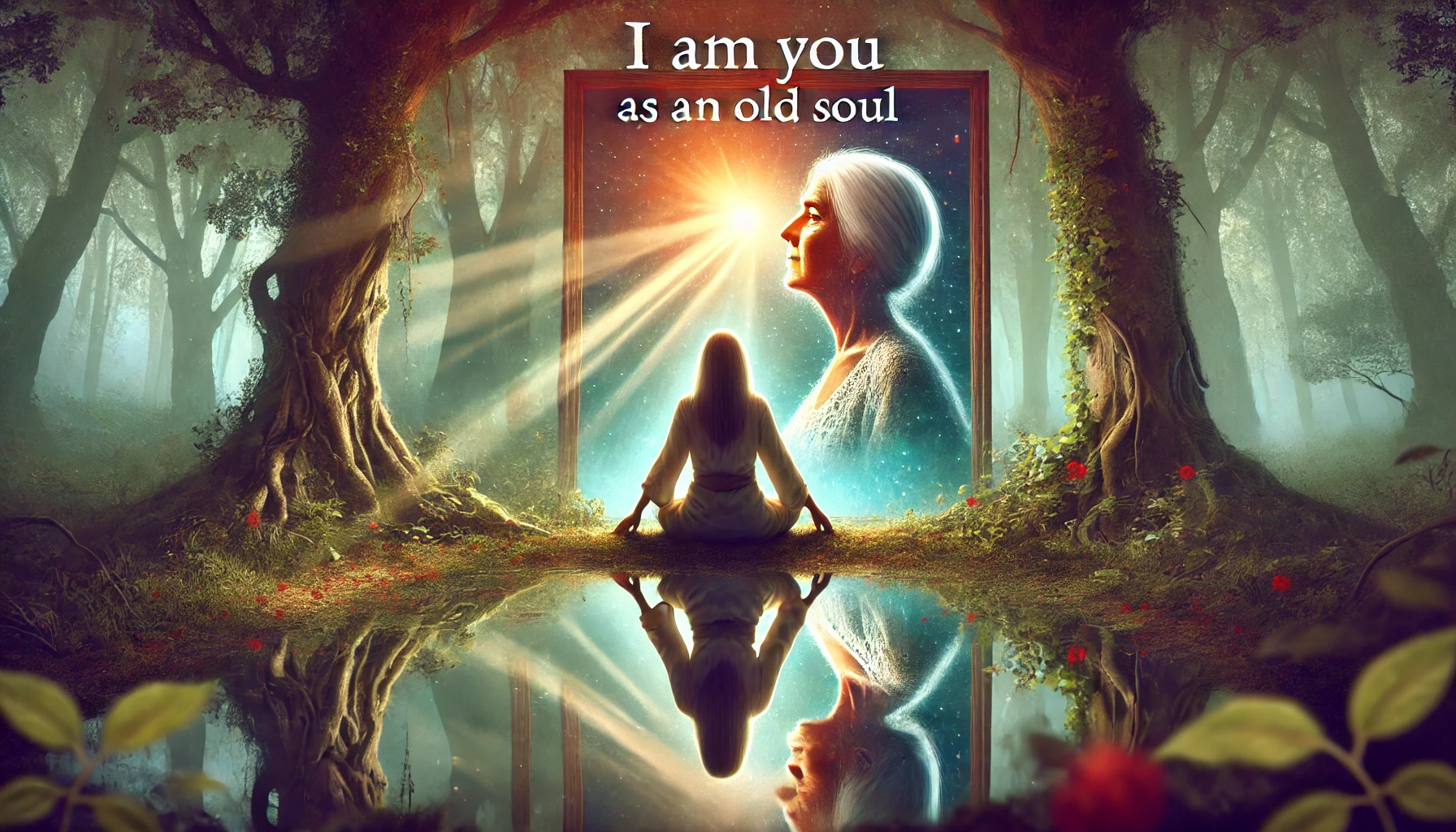
  • I Am You, As An Old Soul: The Dialogue
    2020
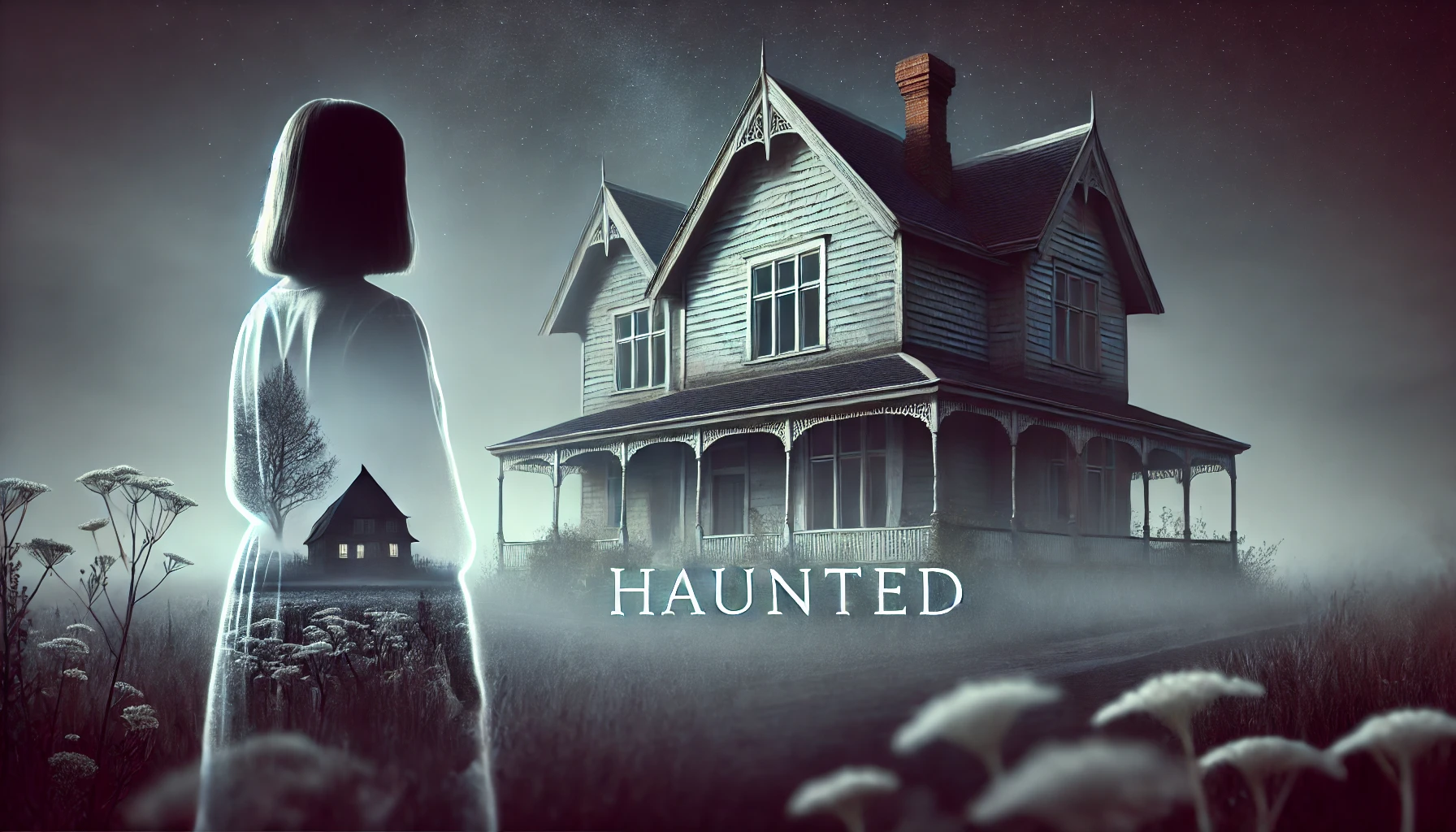
  • Haunted: The Echoes of Home
    2020
  • It Comes: Intuitive Wisdom
    2019
  • Sense Is Gravity:The Primal Struggle
    2018
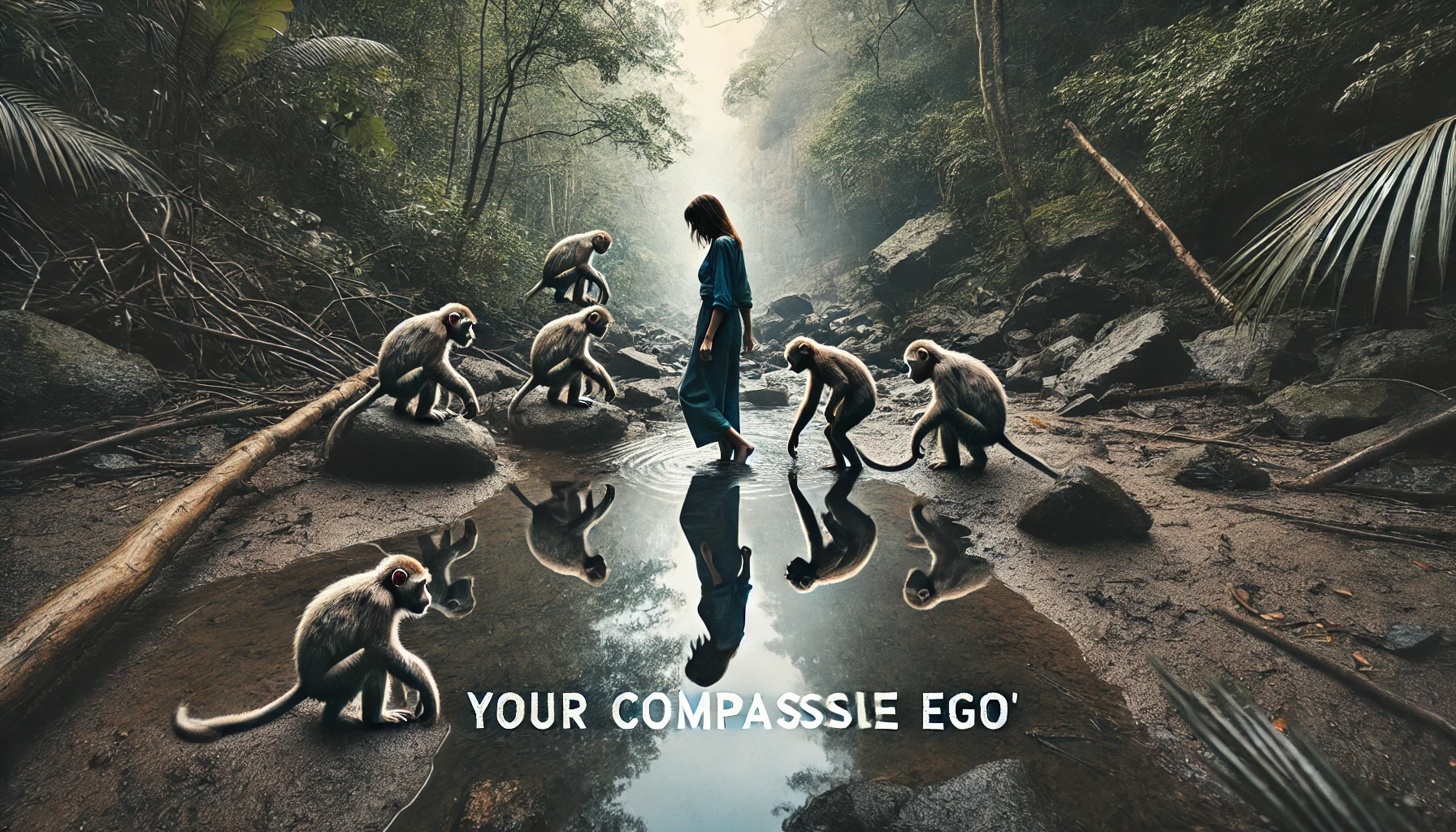
  • Your Compassionate Ego: Unified Consciousness
    2018
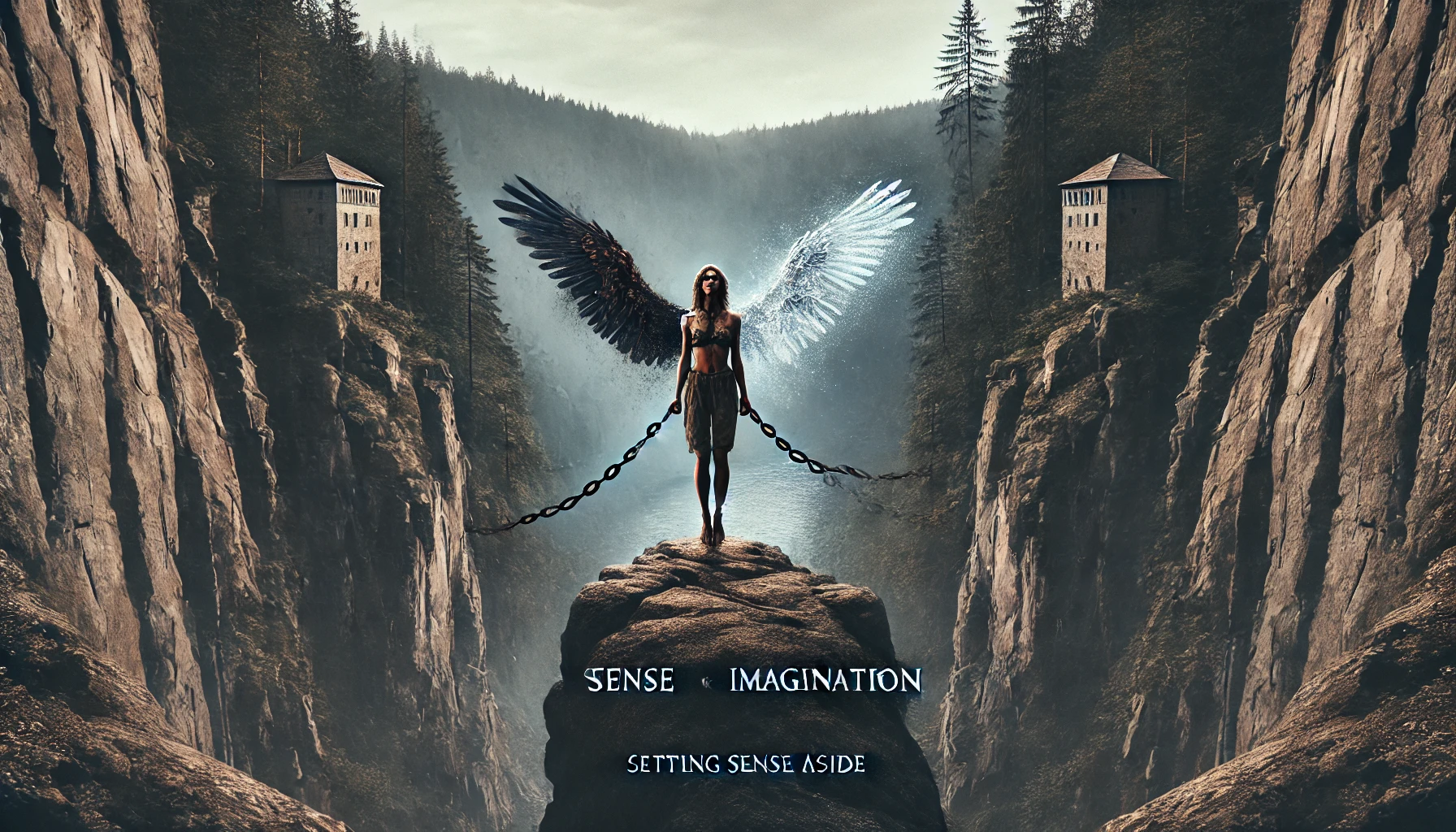
  • Setting Sense Aside: The Edge of Imagination
    2018
  • Make_____Great Again: Ego Trap
    2017
  • Obvious: The Clarity of Simplicity
    2017
  • In the middle of a maze at the top of a mountain
    2017
  • Horoscope
    2016
  • Sense the limitations of human perception
    2016
  • Infinite Realities: Diverse perceptions
    2015

Recent Posts

  • The Logic Loop
  • Immense
  • (no title)
  • Confront. Comfort. Convince.
  • Top 10 Things
Cape Odd · Copyright © 2026 All Rights Reserved
iThemes Builder by iThemes · Powered by WordPress