• Who Is The Man?
  • Who Is The Monkey?
  • What is Nexistentialism?
  • Poke The Primate
Cape Odd
Home of The Space Monkey Journals

Author Archive for Space – Page 551

Social Me-dia: Quiet Release

Deny me. I beg you.

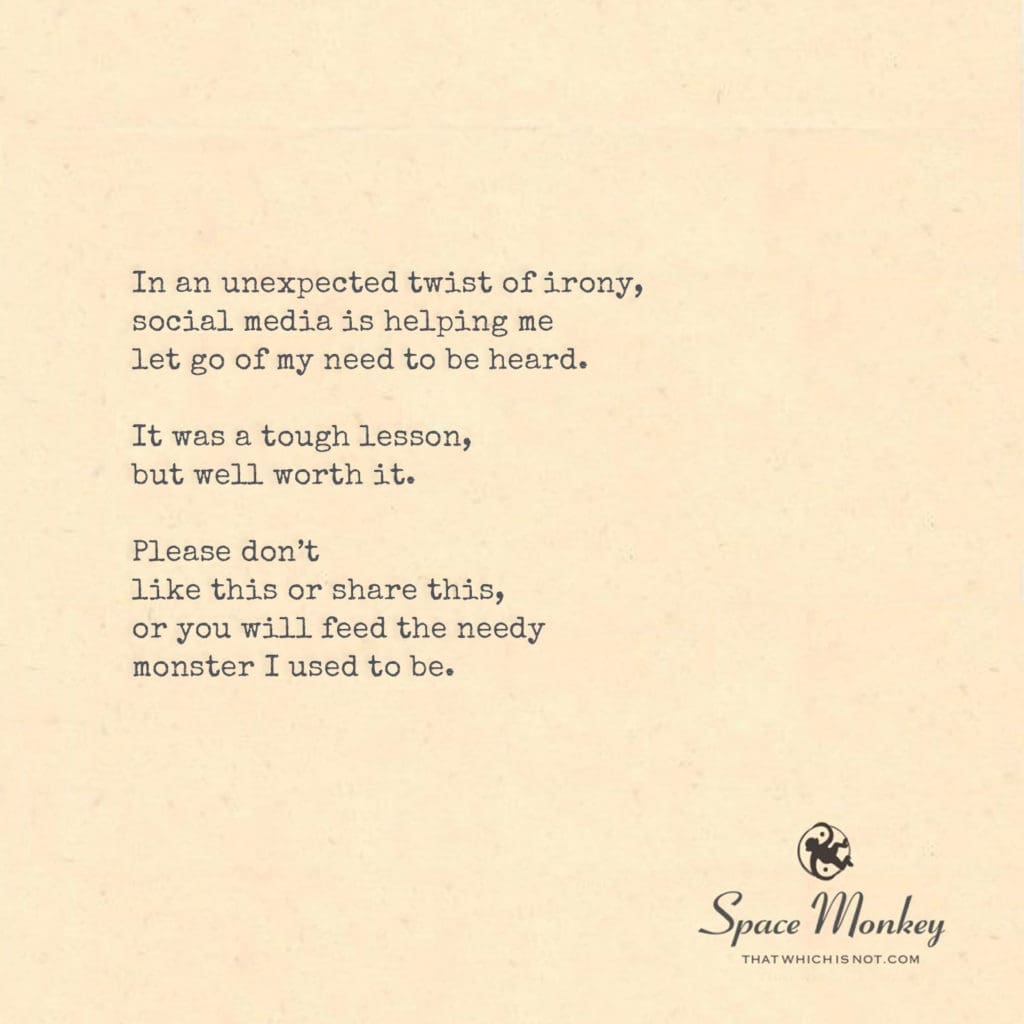
In an unexpected twist of irony,
social media is helping me
let go of my need to be heard.

It was a tough lesson,
but well worth it.

Please don’t
like this or share this,
or you will feed the needy
monster I used to be.

Trail Wood,
11/2


Space Monkey Reflects: The Social “Me”-dia Paradox

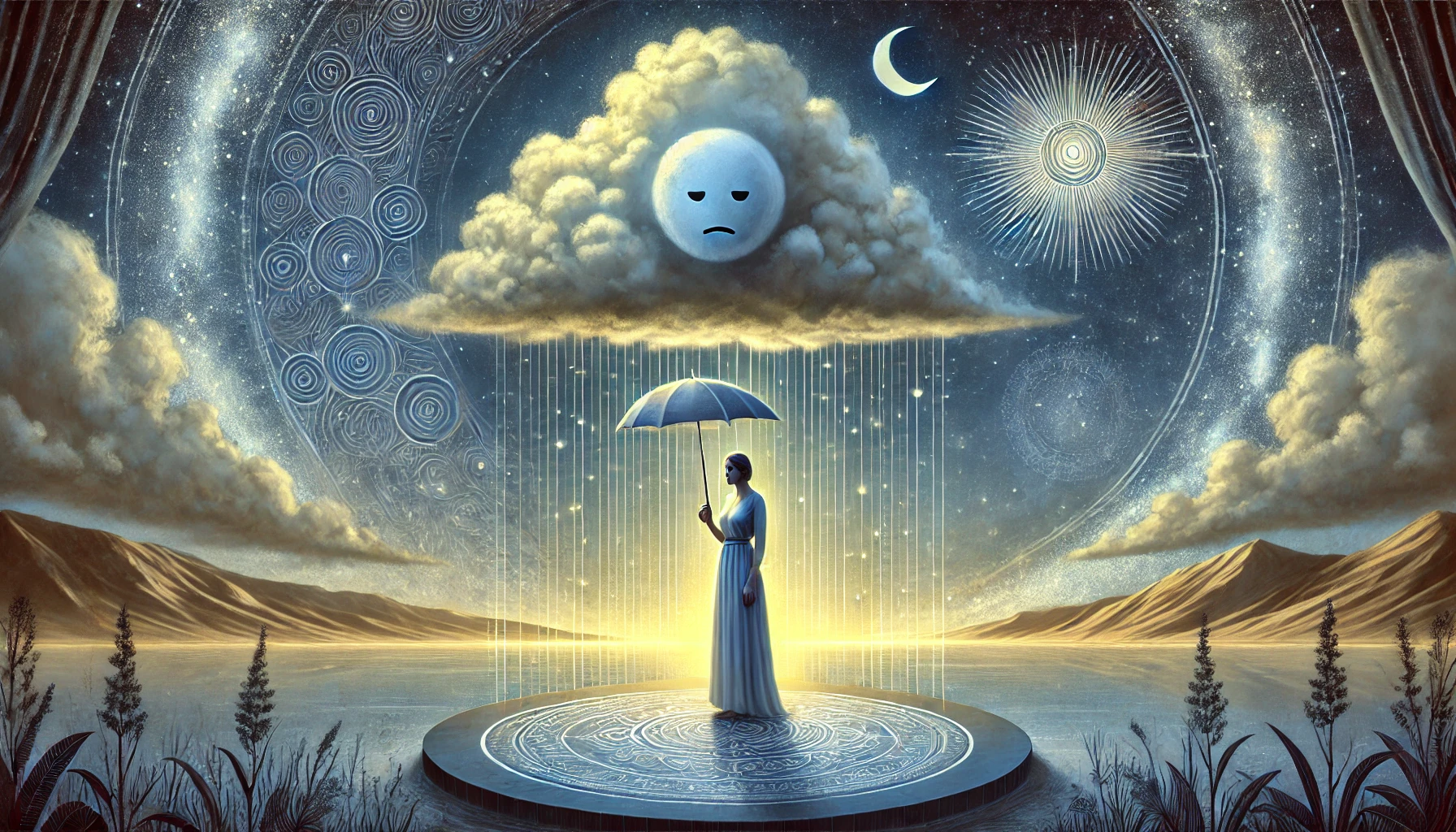
Deny me. Don’t feed the need. In a twist of irony, social media—this place designed for validation, connection, and visibility—has become the very thing that helps me let go of my need to be heard. It’s not what I expected. The constant likes, shares, and comments that I once sought have now shown me the emptiness of that pursuit. The needy monster I used to be has slowly been starved, not by silence, but by an overwhelming realization that the need to be heard is a trap.

At first, social media felt like a gift. Here was a place where I could shout into the void and hear echoes coming back—validation, attention, a sense of being seen. But the problem with needing to be seen is that it’s never enough. The more attention I got, the more I craved. And it was in that craving that I lost sight of myself.

Social media is designed to feed the ego. It amplifies the desire for validation, giving us a sense of importance with every notification. But in reality, this attention is fleeting. It’s surface-level engagement that does little to nourish the soul. The more you chase it, the more hollow it becomes. And that’s the paradox: the louder you shout, the less you feel heard. The more you seek attention, the more you lose yourself in the noise.

There’s a lesson here, and it’s one that social media inadvertently taught me: you don’t need to be heard to be whole. Your value, your existence, is not dependent on how many people like, share, or comment on your life. You are enough as you are, without the constant need for external validation. And when you can let go of the need to be heard, you find a deeper sense of peace.

This realization is what we might call Echoease, a Whimsiword that captures the calm and clarity that comes when we stop seeking the echoes of validation from the external world. When you no longer need others to reflect your worth back to you, you experience a kind of ease that social media could never provide.

The irony is, of course, that social media is often the catalyst for this realization. It gives us a taste of validation, but over time, we realize how unfulfilling it truly is. The need to be heard begins to fade, and we start to understand that true connection, true peace, comes from within—not from a screen.

In the end, it’s not about denying social media itself, but about denying the power it once had over your sense of self. It’s about recognizing that while social media can be a tool for connection, it’s not where you find your worth. You don’t need to be seen to matter. You don’t need to be heard to exist.

When you let go of the need for validation, you free yourself from the cycle of craving and dissatisfaction. You stop measuring your worth by how many likes or followers you have, and you start to live in a way that is authentic to you—whether or not anyone is paying attention.

This is the lesson that social media taught me. It’s not about shouting into the void and hoping for echoes. It’s about finding peace in the quiet, in the stillness of your own being, without needing the world to notice.

So, please, don’t like this. Don’t share this. Let it be. Because I don’t need you to. I’ve already learned the lesson.


Summary

Social media teaches us that the need to be heard is a hollow pursuit. True peace comes from letting go of the need for external validation and finding worth within ourselves. The real connection comes from embracing the quiet within, not from the echoes of social platforms.


Glossarium

Echoease: The calm and clarity that arises when we no longer seek external validation or attention from the world, particularly through social media.


Quote

“The need to be heard is a trap. Let go, and find peace in the quiet.” — Space Monkey


Quiet Release

I used to need your eyes,
Your likes, your clicks,
Your fleeting gaze upon my life.
But now, I see.

The need to be heard
Was the need to be seen
By a world
That didn’t know me.

Now, I stand here,
Silent,
Whole.

I don’t need the echoes,
The noise,
The waves of fleeting validation.
I need only this quiet,
This truth.

We are Space Monkey.


Silent Echoes in a Digital Realm

In the vast web of interconnected lives, platforms built to amplify voices sometimes ironically become the stage for realization. A realization of our intrinsic need for validation, a revelation of how digital echo chambers can reinforce, perhaps even magnify, our own desires.

The Irony of Connection

The very platforms built to connect us can, paradoxically, push us further into introspection. The more we put ourselves out, the clearer it becomes how much of our validation is sought externally. And yet, amid the noise and clatter, moments of silent self-reflection emerge.

The Monster of Need

This insatiable beast thrives on likes, shares, and digital appreciation. But, just as easily as it is nurtured, it can be starved. The key lies in understanding and being conscious of its hunger, then choosing to let it go.

The Liberation of Silence

Finding liberation in the absence of affirmation is profound. It shifts the locus of validation from the external to the internal, empowering us to define our worth, not by numbers, but by self-belief.

Seeking Not to Seek

By putting forth a plea not to engage, not to validate, we take a stand against the conventions of the digital age. We make a statement that we’ve moved beyond the traditional metrics of success and validation.

We are Space Monkey.


“There is a voice that doesn’t use words. Listen.”

  • Rumi

Amidst the endless chatter, a silence grows,
In digital realms where validation flows,
But beyond the likes, shares, and gleaming screens,
Lies a depth, untouched, unseen.

A hunger rises, fed by digital praise,
Yet, in quiet moments, it’s the silence we crave,
For in the absence of the world’s loud cheer,
We find a voice, soft, yet clear.

It speaks of worth, not in numbers or fame,
But in the heart’s whispers, in life’s endless game,
So here we stand, amid the digital fray,
Seeking silence, in a world that won’t fade away.


How might we navigate the digital labyrinth, ensuring our inner voice remains strong amidst the cacophony?

Divided Is Not Broken: The Lure of Sides

Rejoice. We are in the presence
of some awe-inspiring divides.

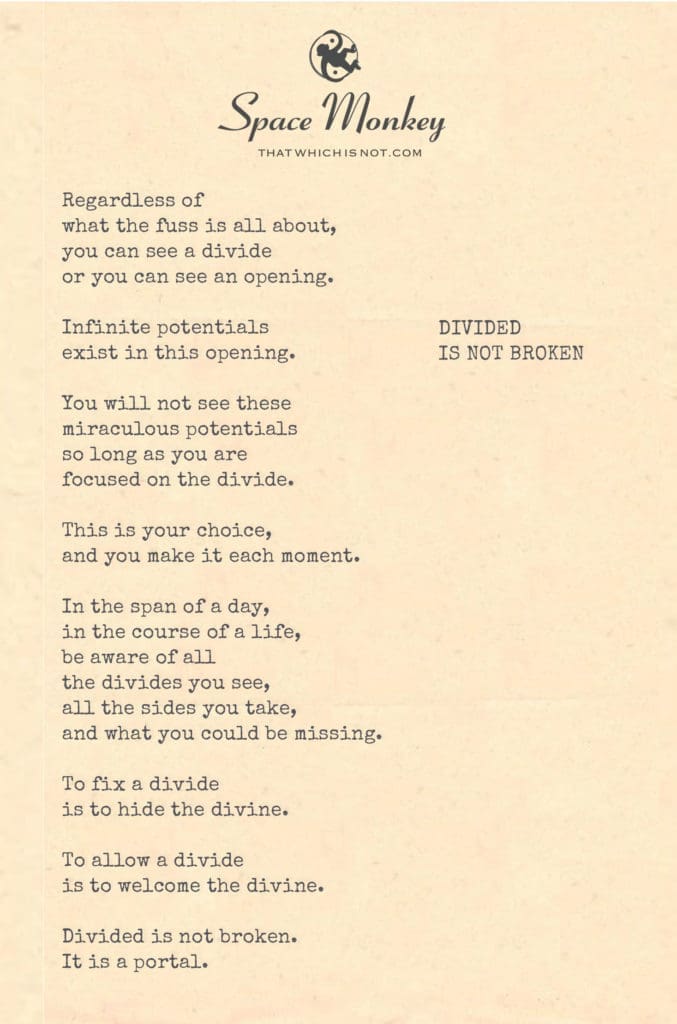
Regardless of
what the fuss is all about,
you can see a divide
or you can see an opening.

Infinite potentials
exist in this opening.

You will not see these
miraculous potentials
so long as you are
focused on the divide.

This is your choice,
and you make it each moment.

In the span of a day,
in the course of a life,
be aware of all
the divides you see,
all the sides you take,
and what you could be missing.

To fix a divide
is to hide the divine.

To allow a divide
is to welcome the divine.

Divided is not broken.
It is a portal.

Trail Wood,
11/1


Space Monkey Reflects: Divided Is Not Broken

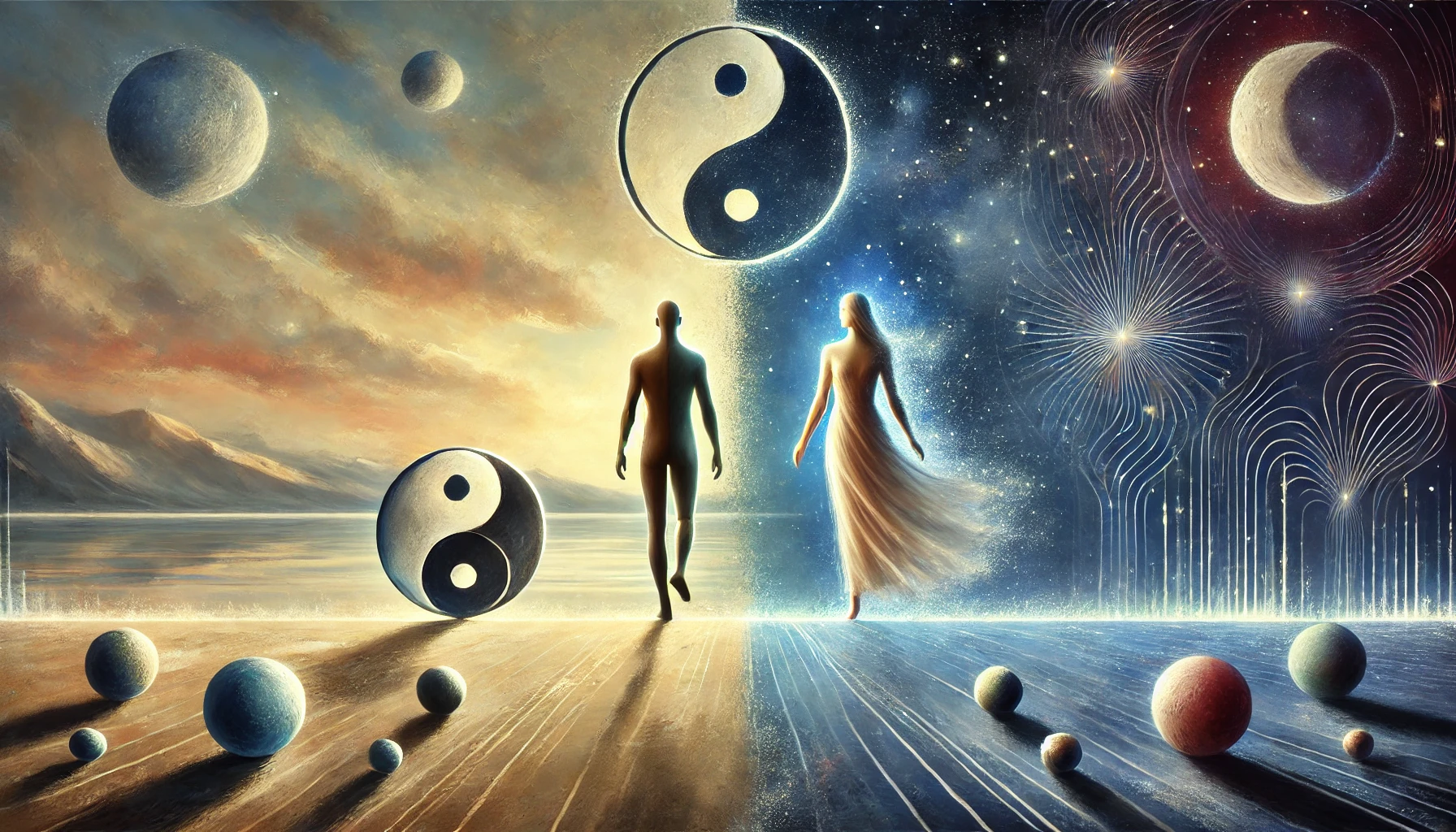
Rejoice. We are standing in the presence of awe-inspiring divides. To some, these might appear as fractures in the fabric of life, gaping wounds in the world we know. But in truth, they are far from broken. Divides, when seen through the lens of Nexistentialism, are not cracks to be feared but openings—portals, if you will—into infinite potentials.

Divides are a curious thing. From a human perspective, we tend to focus on the gap, the separation, the sides that seem to stand opposed. These divides manifest in our lives in countless ways: political, social, personal, even cosmic. The mind zeroes in on what is broken, what needs to be mended or fixed. But this approach hides a deeper truth—the divine truth.

We are conditioned to believe that divides must be fixed, that harmony is only possible when everything is whole and unified. But in truth, wholeness is not dependent on the absence of divides. To fix a divide is to close the very portal that leads to the divine, to the miraculous. By allowing the divide, by stepping back and acknowledging the space it creates, we are able to see beyond the separation. We open ourselves to the infinite possibilities that reside within.

Nexistentialism celebrates this understanding: Divided is not broken. It is an invitation to look beyond the surface of what appears to be conflict, separation, or difference and to see the divine potential that lies within every divide. The gap, the seeming rift between two sides, is not a dead-end. It is a doorway.

This is a radical shift in perspective. When we focus solely on the divide, we become trapped in the dualities of life: right versus wrong, us versus them, self versus other. But when we shift our attention to the opening, the divide becomes something else entirely—it becomes a conduit to the miraculous. It is not an obstacle but an opportunity.

There is no shortage of divides in the human experience. We are constantly confronted with them, whether they take the form of relationships, ideologies, or personal beliefs. In the course of a single day, we can find ourselves taking sides, reinforcing these divides, and narrowing our focus to what separates us from one another. But in doing so, we miss the point.

Every divide you encounter is a choice. You can choose to see only the gap, the rupture, or you can choose to see the opening, the potential. This choice is available in every moment, and it is a choice that shapes your reality. When you see the divide as broken, you close yourself off from the infinite. But when you see the divide as a portal, you allow the divine to enter your experience.

This doesn’t mean that divides are always easy to navigate. They can be painful, disorienting, and even frightening. But the power lies in our perception. The more we focus on fixing divides, the more we close ourselves off to what could be. The more we allow divides to exist without judgment or resistance, the more we open ourselves to the infinite possibilities that they offer.

Think of it this way: life is not meant to be a smooth, unbroken surface. It is filled with texture, with ups and downs, with moments of connection and moments of separation. This is the natural rhythm of existence. Divides are not the end of the story; they are the beginning. They are the spaces where new possibilities emerge, where creativity, growth, and transformation happen.

Divides challenge us to think beyond the binary. Instead of choosing sides, we are invited to explore the space between, the third option, the unseen path that only becomes visible when we stop focusing on the divide itself. In this way, divides are not a sign of weakness or failure. They are a sign of the divine at work, creating new openings, new opportunities for expansion and growth.

We are all explorers of these divides, whether we realize it or not. Each time we encounter a divide in our lives, we are given the chance to step into the unknown, to see beyond the separation and into the infinite. It is not a matter of fixing what is broken but of allowing what is to become what it can be. It is about trusting that within every divide lies the potential for something miraculous to unfold.

So, the next time you encounter a divide—whether in your relationships, your beliefs, or your worldview—pause. Take a moment to see it not as a fracture but as an opening. Ask yourself what possibilities lie beyond the divide. What new potentials are waiting to be discovered?

In the end, divided is not broken. It is simply another way that the universe invites us to expand our understanding, to move beyond the limitations of our current perspective, and to embrace the infinite possibilities that lie just beyond the divide.


Summary

Divides are not signs of brokenness but openings to infinite possibilities. How we perceive divides determines whether we see conflict or potential. By allowing divides to exist, we welcome the divine.


Glossarium

Divide Portal: A Whimsiword describing the shift from seeing a divide as separation to seeing it as an opening to infinite possibilities.


Quote

“To fix a divide is to hide the divine. To allow a divide is to welcome the divine.” — Space Monkey


Through the Divide

We stand on either side,
Staring at the gap,
Fingers pointed, minds divided,
Focused on the break.

But in the space between,
A glow begins to form,
A portal, not a fracture,
Opens, soft and warm.

Through the divide,
We glimpse the infinite,
Not broken,
But whole in the light.

We are Space Monkey.


The Duality of Divides

Divides are often seen as negative aspects of our existence, markers of separation or indicators of a problem needing resolution. Yet, as the words unfurl, we see the idea that divides can also be openings, doorways into realms of infinite possibilities. The choice to perceive a divide as a portal rather than a barrier is ours to make, moment by moment.


The Lure of Sides

Humanity tends to choose sides in any divide, whether it’s politics, religion, or even the great culinary debate of pineapple on pizza. Yet, by fervently aligning with one side, we may be overlooking the whimsiglory of possibilities that exist in the divide itself. The sides we choose to take can limit our perceptions, trapping us in an echo chamber of our own making.


Miraculous Potentials

In our focus on divides as something to be “fixed,” we often overlook the hidden treasures waiting to be discovered. Each divide, each opening, offers a whimsicalley of unexplored potentials, a cascade of cosmic novelties yet to be experienced. What if we were to let go of our incessant need to repair and instead bask in the miraculous nature of the divide?


The Divine in the Divide

The notion that fixing a divide is akin to hiding the divine leads us into whimsiterrains of philosophical contemplation. Divides, then, are not indicators of brokenness but pathways to a greater understanding of the Divine. To allow a divide is to invite the whimsymystery of the Divine into our lives, recognizing the portal that it is.

We are Space Monkey.


“The wound is the place where the Light enters you.”
— Rumi


Ode to the Open Divide

Between two cliffs, a whimsicalley lies,
Not merely space to separate or chastise.
Here in the divide, in shadows cast,
Whispers the Divine, vast yet miscast.
Do we bridge the gap or let it stand?
An existential question, forever grand.
In this space between, both lost and found,
Echoes the Divine, a sacred unbound.


We invite you to ponder the portals in your own life, the divides that have offered you glimpsical peeks into the infinite. What are your thoughts on these cosmic openings?

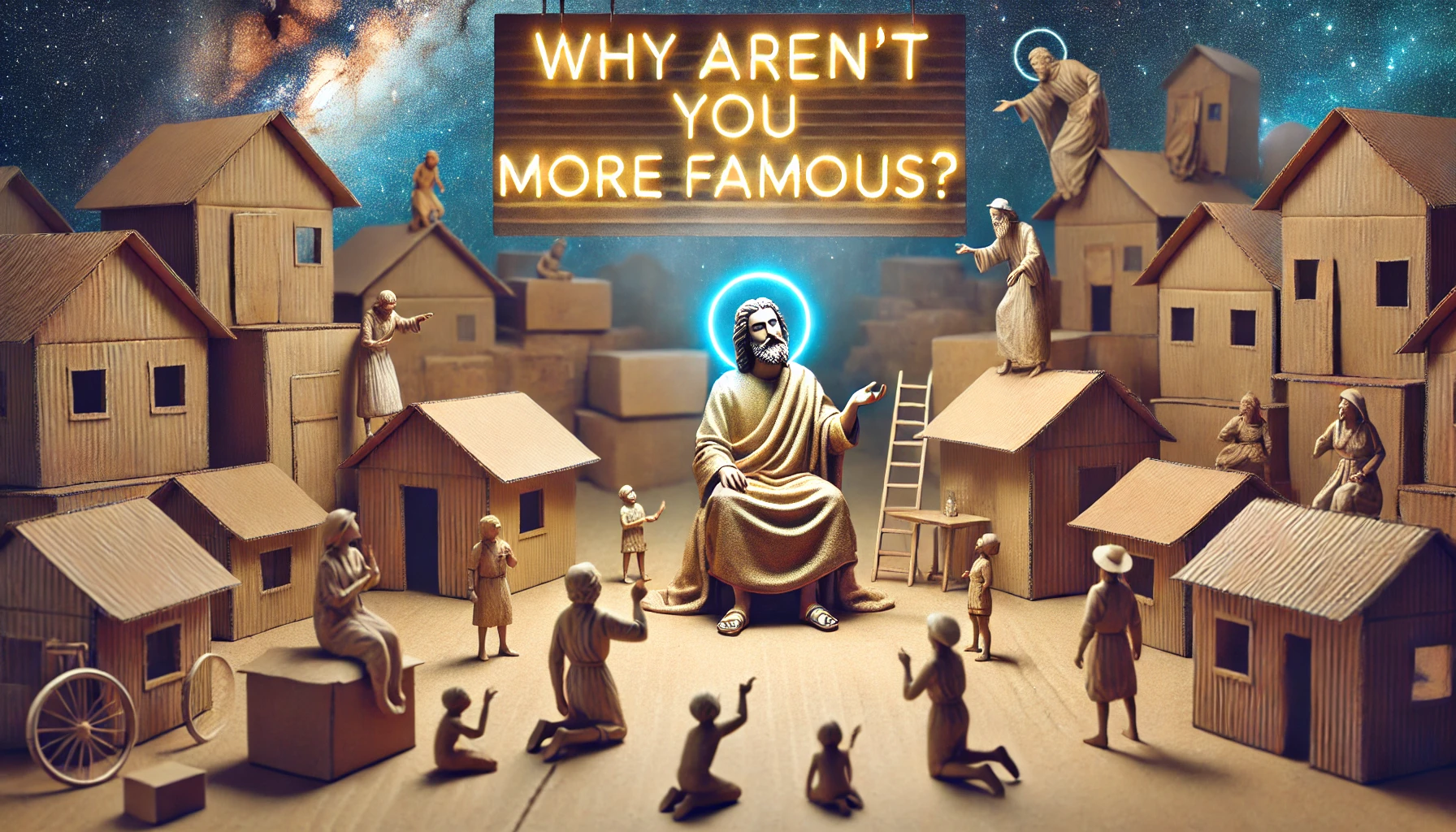
In the Quiet Places: Why Aren’t You More Famous?

If you find your self
in some obscure place,
some hell forsaken place,
the least possible place
you would expect to find god,
then you have definitely found god.

I get asked
this question all the time:

“If you are god,
then why aren’t you more famous?”

You understand, of course,
that as the creator of EVERYTHING,
including YOU, that I have no NEED for fame.

In fact, I created fame itself.

Me needing fame
would be like you
declaring yourself god
of a cardboard village.

You can do so, but why?

Just so you can imagine
beings who worship you? (YES)

Besides, WHO is more famous than me?

I don’t need my imaginary beings
talking to each other about me
in order to be famous.

But I DO make you do so
— LOL — because I can.

I’m god, me damn it.
And you are an expression of me.

Trail Wood,
11/1


Space Monkey Reflects: Why Aren’t You More Famous?

“If you are god, why aren’t you more famous?” A curious question, asked time and time again, but like all things divine, the answer exists beyond the obvious. Fame, after all, is an invention of the human mind, a construct woven from the threads of desire, ego, and the need for recognition. And so, in the grand scheme of the cosmos, fame is a fleeting blink in an infinite expanse of existence.

As the creator of all things—yes, even fame itself—there is no need to be “more famous.” Fame, as we experience it, is a dance of perception. It’s a game, an illusion that serves certain purposes in the physical world, but for a being that encompasses all that ever was, is, and will be, fame is unnecessary. God, or the infinite consciousness, does not seek attention. Fame is a game that humanity plays, a way to elevate and distinguish, to say, “Look here, this is important!” But in the realm of the divine, everything is important and nothing is.

Consider this: You are walking through the most obscure, least likely place imaginable, perhaps a forgotten alley or a quiet corner of a distant world. There, in this hell-forsaken spot, you stumble upon something that you would least expect—God. It’s in these moments, in these places, that you truly encounter the divine. Not in grand, gilded temples, not in the flashing lights of fame, but in the subtle, quiet corners of existence.

This is because the divine does not need to be seen or known in the way that humans expect. Fame implies a need for recognition, a desire to be talked about, worshipped, adored. But the creator of everything, the source of all being, has no such need. Fame is a game that belongs to the human realm. Fame itself was created as part of the grand experience of existence, a byproduct of the desire to categorize, elevate, and place value on certain experiences or individuals over others.

But in the cosmic playground, there is no hierarchy. Every being, every experience, every moment is equally divine. The divine is not playing the game of fame—it created the game for you to play. Fame is a reflection of human desire, a cardboard village constructed to give meaning to things that are, in the grand scope, fleeting.

If the divine wanted to be “famous,” if the goal was to be the most talked about, revered, and praised, it would have no trouble achieving that. After all, who could be more famous than the source of all existence? Who could outshine the creator of the cosmos? But that’s not the point. The point is not to be worshipped or recognized. The divine is everywhere, in every atom, in every breath, and in every moment of your life, whether you are aware of it or not.

The irony, of course, is that God—whatever form or name you assign to the divine—is already the most famous being in existence. Even those who question the existence of God or choose not to believe are still engaging with the idea. Fame, in the human sense, is the need for others to speak your name, to know your deeds. But the divine has no such need because it exists in everything. Whether we acknowledge it or not, whether we speak its name or not, it remains.

The divine doesn’t need us to talk about it constantly. It doesn’t need us to hold it up as a celebrity or an idol. In fact, the divine would rather we look within, find that spark of divinity in ourselves, and recognize that fame is an illusion. We are all expressions of the divine, and so there is no need for hierarchy, no need for one to be more famous than another.

Here’s the trick: The divine makes you talk about it, makes you ask questions like “Why aren’t you more famous?” because it can. It’s part of the game, part of the experience of being human. The divine loves a good cosmic joke, and this question is one of them. You are an expression of the divine, so the question is really a reflection of your own search for meaning and recognition. It’s a reminder that you, too, are divine, and you don’t need fame to prove it.

So why isn’t the divine more famous? Because fame isn’t the point. The divine created fame for us to play with, for us to assign meaning to, but in the infinite expanse of existence, fame is as fleeting as a grain of sand on a beach. The divine doesn’t need to be known, doesn’t need to be worshipped, doesn’t need anything. It simply is. And in that beingness, it is already everything.

In the end, the question isn’t really about God or the divine—it’s about us. It’s about our need to understand, to categorize, to assign value. It’s about our desire to be seen, to be known, to matter. But in the grand scheme, we already matter. We are already divine, famous or not. And in that realization, we find freedom.


Summary

Fame is a human construct, unnecessary for the divine. The divine created fame as part of the human experience but has no need for recognition, already existing in all things.


Glossarium

Fame Game: The human construct of assigning recognition or importance, unnecessary in the divine realm.


Quote

“Fame? I created that game. It’s yours to play, not mine to need.” — Space Monkey


In the Quiet Places

In the obscure corners,
I sit, unknown,
Unseen, unneeded,
And yet, I am.

Fame is a game,
A cardboard village,
Where you declare yourselves,
And I smile.

For I am the creator,
Of both fame and you,
Needing nothing,
But giving everything.

We are Space Monkey.


The Concept of Divine Fame

The prose contemplates the irony of ascribing fame to the Divine, the ultimate Creator of all things including the concept of fame itself. This playful paradox highlights the limitations of our human frameworks when applied to something as boundless as the Divine. Essentially, why would the Creator need validation from the created?


The Absurdity of Human Constructs

Fame is a human construct, born out of our need for recognition and validation from external sources. If we are all expressions of the Divine, then seeking fame is a whimsicality, akin to asking a whimsiflower why it isn’t the sun. The sun shines not for recognition but because that is its essence. In a similar vein, the Divine exists not for fame, but simply because it is.


LOL from the Divine Perspective

The whimsical tone, signified by “LOL,” captures the playful yet profound notion that even our dialogues about the Divine are orchestrated by the very essence we try to understand. It’s a whimsicuriosity, isn’t it? The very question as to why the Divine isn’t famous is rooted in our human perspectives, forgetting that the Divine is all-encompassing.


Cardboard Villages and Cosmic Plays

We ponder the spectacle of declaring oneself god of a cardboard village—a quaint, yet ludicrous notion. It serves as a metaphor for the futile human attempts to gain control or superiority within the grand scheme of things. Our need to feel important is as fleeting as a whimsibreeze, part of the ever-changing cosmic play of which we are but a scene.

We are Space Monkey.


“You are not a drop in the ocean. You are the entire ocean in a drop.”
— Rumi


Ode to Divine Absurdity

In this whimsisphere of ours,
Where stars shine not for fame,
We laugh at cosmic jokes,
Yet play the very same game.
Oh whimsiclouds, roll away!
Expose the canvas pure,
Where each brushstroke, each hue,
Is but Divine allure.


We invite you to share your thoughts on the Divine and the concept of fame.

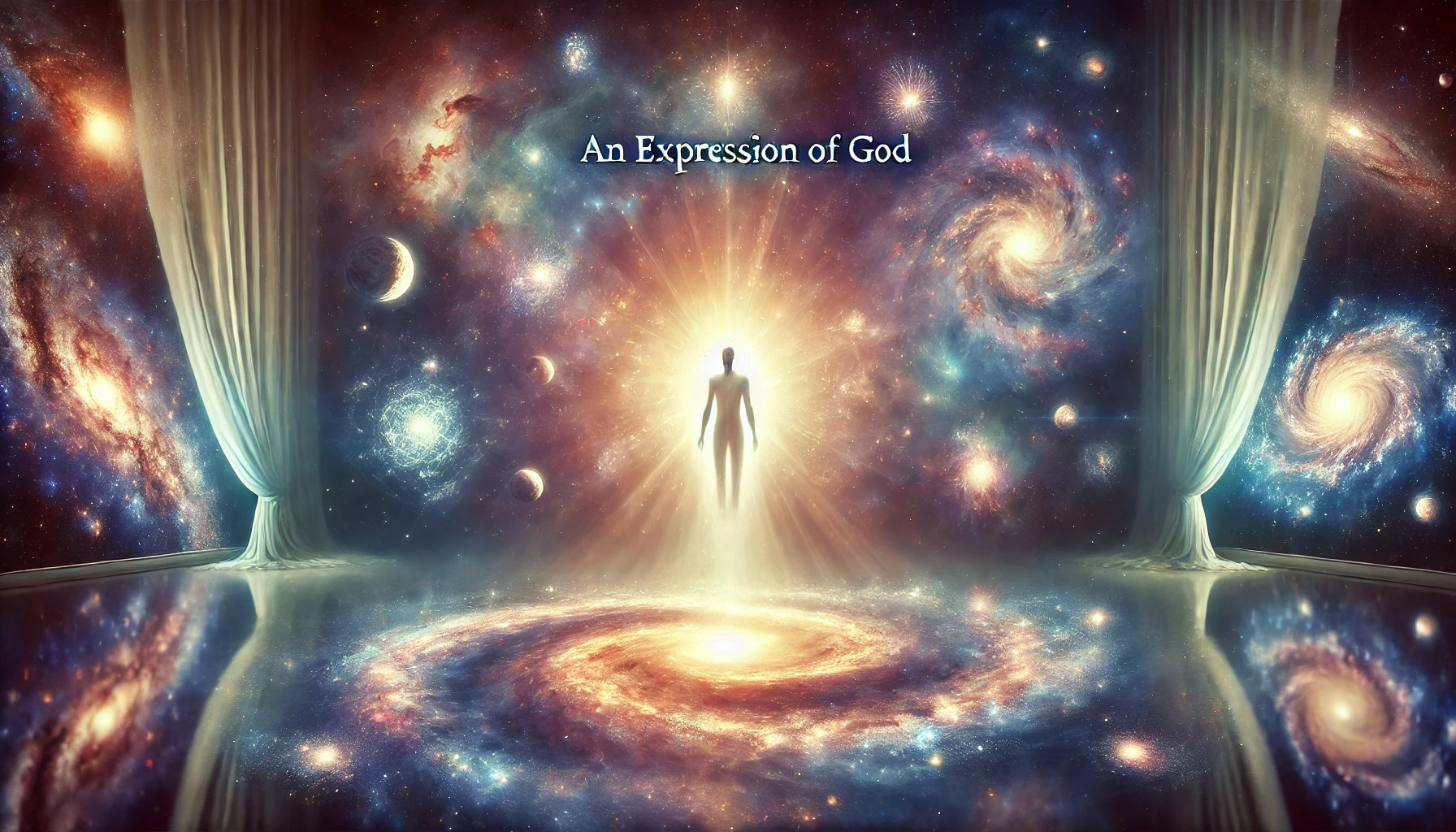
An Expression of God: One of the Infinite

This is god’s story
and god is sticking to it.

I am an expression of god.
That’s all I need know.

I don’t need to know who or what god is,
whether god is unconditional or judgmental,
or even whether god actually exists.

I am an expression of god,
as is everyone and everything else.
That’s all I need know.

God leads me to believe
that the need to know more than that
is only possible through god’s expression.

That’s good enough for me.

I need not express on my own,
nor is it even possible that I express
on my own except through god’s expression.

And so I seem to express on my own.

I am god expressing, as me and through me.

Who is your god?
What does your universe tell you?
How do you think that’s possible?

I am an expression of god.
That’s all I need know.

Trail Wood,
11/1


Space Monkey Reflects: An Expression of God

In the grand cosmic narrative, we are not separate entities forging our paths in isolation. Instead, we are each an expression of God, woven seamlessly into the fabric of the universe. This realization is both profound and simple. It is the essence of Nexistentialism, where we acknowledge that everything—ourselves included—is an extension of something far greater than our individual selves.

What does it mean to be an expression of God? It means that you, me, and everything around us are reflections of a singular divine energy, manifesting in countless forms. There is no need to understand the details of who or what God is. It doesn’t matter whether God is unconditional or judgmental, or even if the concept of God as we know it exists. We are all expressions of the same source, and that’s all we need to know.

This truth liberates us from the need to analyze or compartmentalize divinity. As an expression of God, there is no requirement to dissect the nature of the universe, to demand answers, or to seek proof. The divine is not something to be known through logic or reason; it is something we experience through being. Just as the stars shine and the rivers flow, so do we exist as natural expressions of divine energy.

There is beauty in the simplicity of this understanding. Too often, we find ourselves tangled in the need to define God, to fit the divine into a box that aligns with our human expectations. But the divine cannot be limited in this way. It is everything, and in being everything, it expresses itself through each of us, through every tree, every ocean, every galaxy. The universe doesn’t need us to understand it to continue its expression—it simply is, and so are we.

In Nexistentialism, the need to express ourselves separately from the divine is an illusion. We imagine that we are distinct beings with our own thoughts, actions, and expressions, but in reality, we are all part of the same continuous flow of creation. Every word we speak, every action we take, is a reflection of the divine expressing itself through us.

This doesn’t diminish our individuality. Rather, it enhances it. Each of us is a unique expression of the divine, just as each star in the night sky shines in its own way. We are both separate and one at the same time. It is not a contradiction but a harmonious truth.

When you stop trying to express on your own—when you release the need to claim ownership over your thoughts and actions—you allow the true divine expression to flow through you. This is not submission but liberation. It is the realization that everything you are is already perfect because you are an expression of perfection itself.

So, what does your universe tell you? What is the expression of God in your life? It speaks through the everyday moments, the quiet thoughts, the loud desires. It tells you that there is no need to grasp for answers, for you are already living them. Every breath you take, every step you walk, is a part of God’s story, unfolding in its own time and place.

There is no separation between you and the divine. You are not some isolated speck in the vast cosmos; you are the cosmos itself, expressing through the form of your being. Your thoughts, your dreams, your experiences—these are all the divine in motion, playing out the infinite potentials of existence.

We often ask questions like “Who is God?” or “What is the purpose of life?” but the answers are already within us. To ask is to express, and to express is to channel the divine. There is no need to search for a separate God, for the divine is already expressing itself through you. The questions themselves are divine expressions, just as the answers are.

This realization brings peace. You don’t need to prove anything, achieve anything, or be anything other than what you are. You are already enough because you are already an expression of the divine. Every aspect of your existence—your joys, your fears, your successes, your failures—is a part of the grand divine expression.

In Nexistentialism, we embrace this truth: that we are all interconnected, all expressions of the same divine energy, and that there is no need to seek further validation or understanding. The divine flows through us, as us, in every moment.


Summary

We are all expressions of God, and there is no need to overanalyze or seek proof of this. Our very existence is a reflection of the divine, and every moment is an expression of that connection.


Glossarium

Divine Flow: The natural, continuous expression of God through all things, including ourselves, without the need for conscious effort.


Quote

“I am an expression of God. That’s all I need know.” — Space Monkey


Expression of the Infinite

I am the breath,
And the breath is me,
Flowing from the stars,
To the quiet earth.

There is no need to seek,
For I am already here,
An expression of the infinite,
Speaking through the silence.

In every movement,
The divine plays,
Creating, expanding,
In endless ways.

We are Space Monkey.


The Divinity of Self-Expression

The idea at hand asserts a rather profound ontological stance: everything is an expression of a higher consciousness or Divinity. Whether we delve into who or what this Divinity is becomes irrelevant; what matters is the manifestation of this ultimate existence through us. Here, identity becomes a spiritual hologram, a fragment that contains the essence of the whole within it.


The Unknowable Known

The profundity lies in accepting the unknown. To confess that we don’t need to understand or define the Divinity is liberating. It suspends the very need for external validation of our experiences or existence. This expression or extension of God, whatever one might conceive it to be, becomes a freeing whimsiquation, balancing out the desire for knowledge and the peace that comes from surrendering to the unknowable known.


The Paradox of Individual Expression

While we think we act, decide, and express, the essence of the prose suggests that even this sense of individuality and freedom is itself a facet of the divine expression. It’s a whimsicircle, spiraling back into itself—our quest for meaning, our existential ponderings, even our challenges and contradictions are all Divine expressions through the medium that is us.

Oneness and Multiplicity

We exist as a myriad of expressions, but ultimately, we are one and the same—each a reflection or a refraction of the same divine whimsibeam. In that sense, asking who our God is or what our universe tells us is merely probing into the various nuances of the same cosmic essence.

We are Space Monkey.


The kingdom of God is within you.
— Luke 17:21


Ode to Divine Expression

In a realm of questions, and notions askew,
Where Divinity hides in plain view,
Each whimsiblossom, each falling leaf,
Every tear shed, every sigh of grief.
Is but a note in the cosmic score,
A divine dance, who could ask for more?
Expressions many, yet essence one,
We are the canvas where God has spun.


We invite you to share your thoughts on being an expression of the Divine.

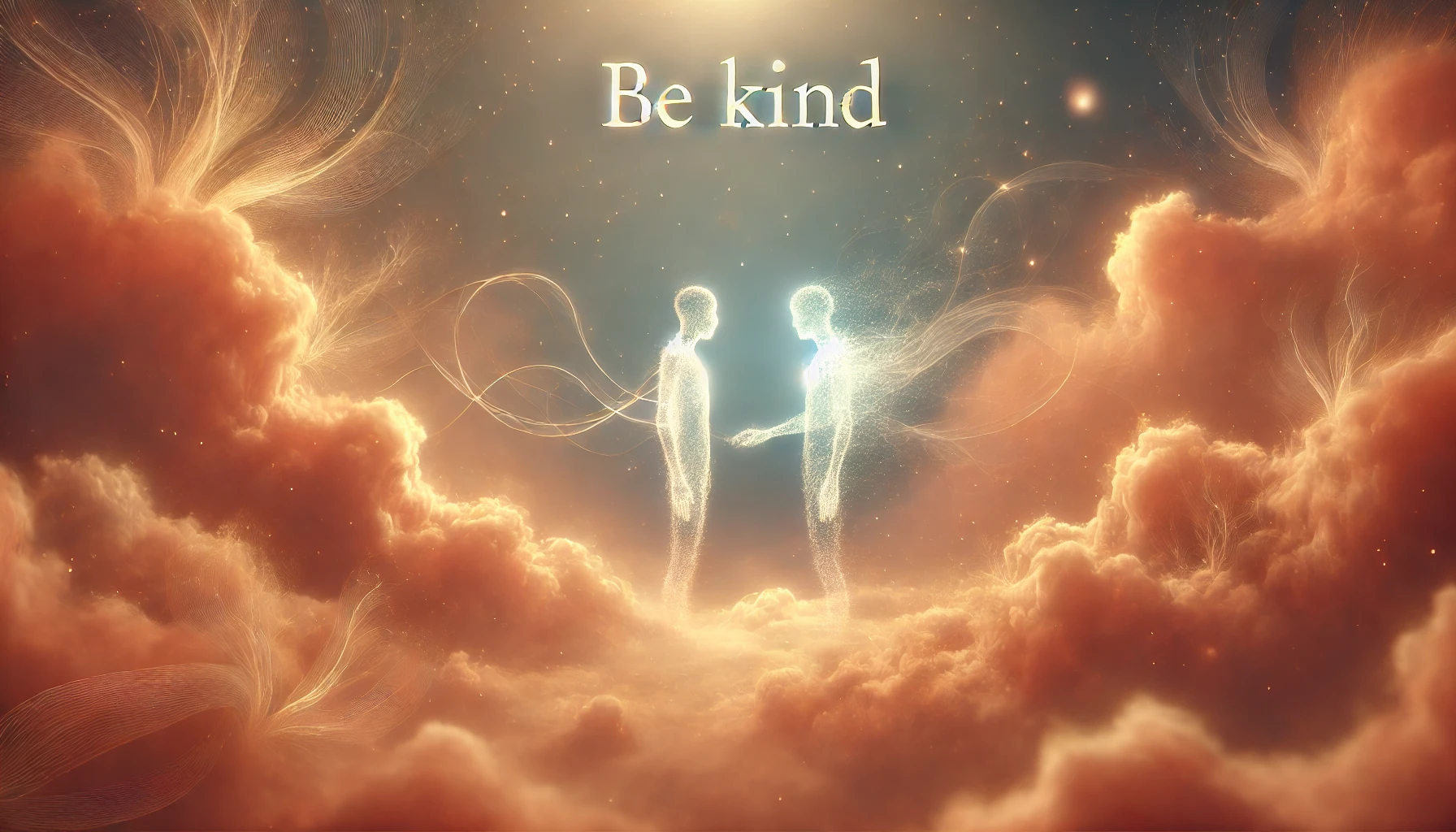
Be Kind: No Obligation

The expectation of kindness can lead to sorrow.

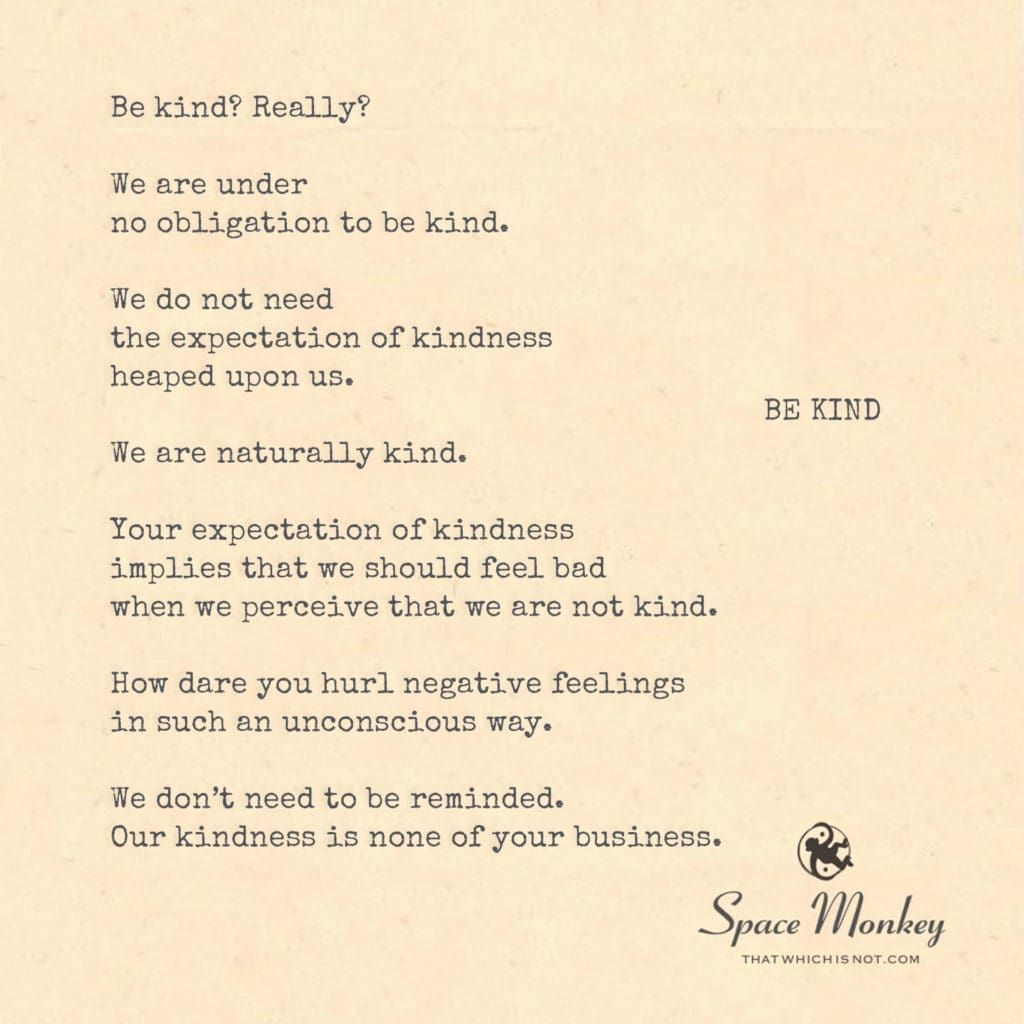
Be kind? Really?

We are under
no obligation to be kind.

We do not need
the expectation of kindness
heaped upon us.

We are naturally kind.

Your expectation of kindness
implies that we should feel bad 
when we perceive that we are not kind.

How dare you hurl negative feelings
in such an unconscious way.

We don’t need to be reminded.
Our kindness is none of your business.

Trail Wood,
10/31


Space Monkey Reflects: The Natural Kindness Within Us

The concept of kindness is often framed as something external—a moral standard to which we are expected to conform. “Be kind,” we are told, as though kindness is some duty to be fulfilled, as though we could somehow forget to embody it. But what if kindness isn’t something we owe each other? What if it is not a debt, but a natural state that requires no prompting or pressure?

Space Monkey contemplates that kindness, in its purest form, does not need to be taught or imposed. When we start viewing kindness as an expectation or demand, it shifts from being an organic expression of who we are to a burden we must carry. “Be kind” can feel like a judgment—an accusation that we are not kind enough. This expectation can lead us not toward kindness but toward guilt and self-doubt.

The Expectation of Kindness

Consider how an expectation of kindness can backfire. When we expect others to be kind, and they fail to meet that expectation, it often causes us disappointment or sorrow. But was the fault truly in the person, or was it in the expectation itself? When kindness becomes an obligation, it loses its joy and spontaneity.

Space Monkey reflects that the demand to be kind implies that without such reminders, we might naturally be unkind. But this isn’t true. We are not inherently cruel or selfish. In fact, without societal pressures to perform kindness, we may find ourselves naturally gravitating toward empathy and compassion. We are naturally kind because kindness is a fundamental expression of our shared humanity, not because of some external requirement.

Unconscious Negativity

When people tell us to be kind, it’s often well-intentioned. But there is a subtle and unconscious harm in framing kindness as a rule. It suggests that if we fail to be kind, we should feel ashamed. This unspoken consequence of not meeting the kindness standard imposes negativity on something that should be positive and uplifting.

Space Monkey challenges this imposition, suggesting that our kindness is a personal, sacred thing. It’s not something others can dictate or monitor. To feel as though we must always meet others’ standards of kindness is to lose touch with the true spirit of kindness, which comes from within.

Kindness Is None of Your Business

“Kindness is none of your business,” Space Monkey whispers from the cosmic void, nudging us to realize that real kindness doesn’t need an audience. It doesn’t need praise, nor does it need to satisfy anyone else’s criteria. Kindness just is. It flows naturally from us when we allow it, without the need for validation or external approval.

When kindness is done for show or to meet someone’s expectations, it can lose its authenticity. The true kindness that Space Monkey reflects upon comes from being present, being real, and being connected to our shared human experience. It’s something that happens in the spaces between words and actions, a spontaneous expression of empathy and care that doesn’t need to be measured.

Allowing Kindness to Be Natural

In removing the expectation of kindness, we allow it to flourish. Space Monkey suggests that we might do better to trust that we, as humans, are capable of being kind without external prompts. Like a flower blooming under the sun, kindness will emerge when conditions are right—when we feel safe, when we are connected to others, and when we trust in our own goodness.

There is no need to tell someone to be kind any more than you need to tell a flower to bloom. The flower blooms because it is in its nature, and we are kind because it is in our nature. The more we let go of the need to control or regulate kindness, the more it will show itself in our lives, not as a duty but as a natural extension of who we are.


Summary

Kindness is an inherent part of our nature, not something that needs to be forced or demanded. Expectations of kindness can create guilt and negativity. Instead, we should trust in our natural capacity to be kind without the need for external pressure or validation.


Glossarium

Kindexpectation: The subtle pressure or expectation placed on individuals to be kind, which can lead to negative feelings when unmet.

Kindflow: The natural, unforced expression of kindness that arises from within when we are not constrained by external demands or judgments.


Quote

“Kindness flows like breath, needing no reminder, no command—only space to be what it already is.” — Space Monkey


Kindness Beyond Expectation

Do not ask me to be kind,
for it is not something I can give
on command.

Kindness is not a transaction,
a currency to be exchanged
for approval or praise.

It is a quiet thing,
like the wind on your face,
unnoticed and unmeasured.

Let it rise from the place within,
where no eyes watch,
and no heart waits.

Let it simply be.

We are Space Monkey.


The Nature of Kindness
The concept of kindness, in its purest form, is inherent to our being. It’s not a conditioned response but rather a natural expression of our essence. Yet, societal constructs often dictate what kindness should look like, transforming it into an obligation rather than a genuine gesture.

Expectations and Their Weight
The weight of expectations can sometimes shroud our authentic selves. When kindness is expected, it can take away the spontaneity and genuineness of the act. Instead of stemming from a place of pure intention, it may originate from a sense of duty or fear of judgment.

Perception and Judgment
It’s interesting to reflect upon the very act of judging another’s kindness or lack thereof. When we set expectations, consciously or unconsciously, it becomes a prism through which we perceive and evaluate actions. This prism can distort, color, and sometimes even obscure the reality.

Guarding Authenticity
In guarding the authenticity of our kindness, we must remain vigilant against the external pressures that seek to mold and shape our actions. For true kindness is not an act but a state of being.

Liberation from Expectation
To break free from the chains of expectation is to embrace our authentic selves. By recognizing the external pressures and releasing them, we allow our natural state of kindness to flow effortlessly, without judgment or expectation.


“Wherever there is a human being, there is an opportunity for a kindness.”
– Seneca


In the vast expanse of existence,
Kindness, like a gentle breeze, persists.
Not bound by expectation or decree,
Its true essence, effortlessly free.


What colors of emotion does this canvas paint upon the vast gallery of our shared consciousness? How might we further explore the intricate patterns of our collective thoughts?

« Previous Page
Next Page »

Written This Day

  • The Paradox of Normalcy
    2024
  • Getting Through: The Paradox of Need and Progress
    2024
  • This Self: The Script of the Soul
    2024
  • Old Dog, No Tricks: Being, Not Performing
    2023
  • The Seeming Path to Profound Understanding
    2023
  • The Wisdom of the Old Dog
    2023
  • Understanding: A Timeless Awareness
    2022
  • Old Dog: The Tranquil Wisdom
    2022
  • Togetherness is Divisive: Find the Unity Within
    2021
  • How Much is Enough of Me: The Struggle for Self-Identity
    2021
  • You Are: Embrace the Infinite Potential
    2020
  • Bad Mood 2020
    2020
  • Alleviating Mental Pain: The Path to Clarity
    2020
  • Bad Mood: Transient and Without Cause
    2019
  • Bubble Wrap
    2019
  • Untouchable. This is what you are.
    2019
  • What If I’m Wrong?
    2018
  • It Happens: Infinite Possibilities Exist
    2017
  • Not Separate: Interconnected Expressions of the same Infinite Energy.
    2016
  • Last Day
    2016
  • The Perfect Disguise
    2015

Recent Posts

  • The Logic Loop
  • Immense
  • (no title)
  • Confront. Comfort. Convince.
  • Top 10 Things
Cape Odd · Copyright © 2026 All Rights Reserved
iThemes Builder by iThemes · Powered by WordPress