• Who Is The Man?
  • Who Is The Monkey?
  • What is Nexistentialism?
  • Poke The Primate
Cape Odd
Home of The Space Monkey Journals

Author Archive for Space – Page 901

There’s Always Room In The Clown Car: The Spectacle of Human Exhibitionism

Hop in. There is ALWAYS room in the clown car.

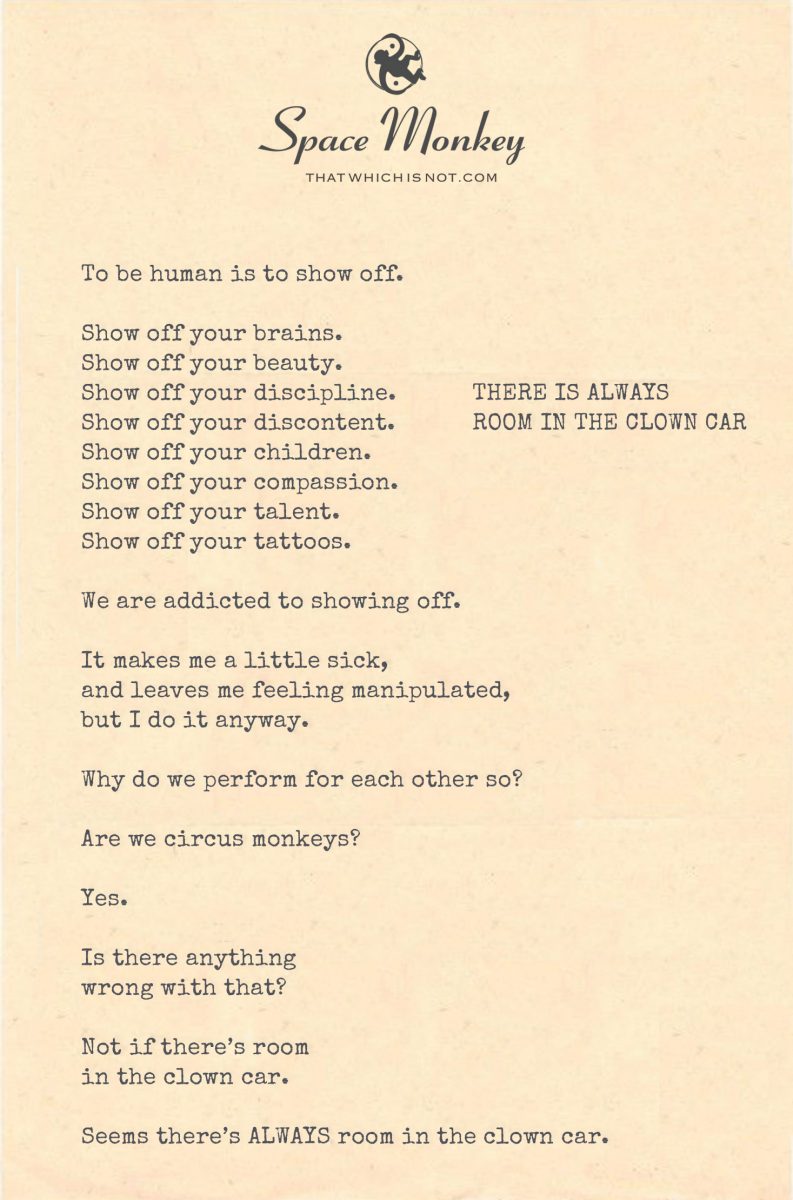
To be human is to show off.

Show off your brains.
Show off your beauty.
Show off your discipline.
Show off your discontent.
Show off your children.
Show off your compassion.
Show off your talent.
Show off your tattoos.

We are addicted to showing off.

It makes me a little sick,
and leaves me feeling manipulated,
but I do it anyway.

Why do we perform for each other so?

Are we circus monkeys?

Yes.

Is there anything
wrong with that?

Not if there’s room
in the clown car.

Seems there’s ALWAYS room in the clown car.

Newfound Lake,
5/24


Space Monkey Reflects: The Spectacle of Human Exhibitionism

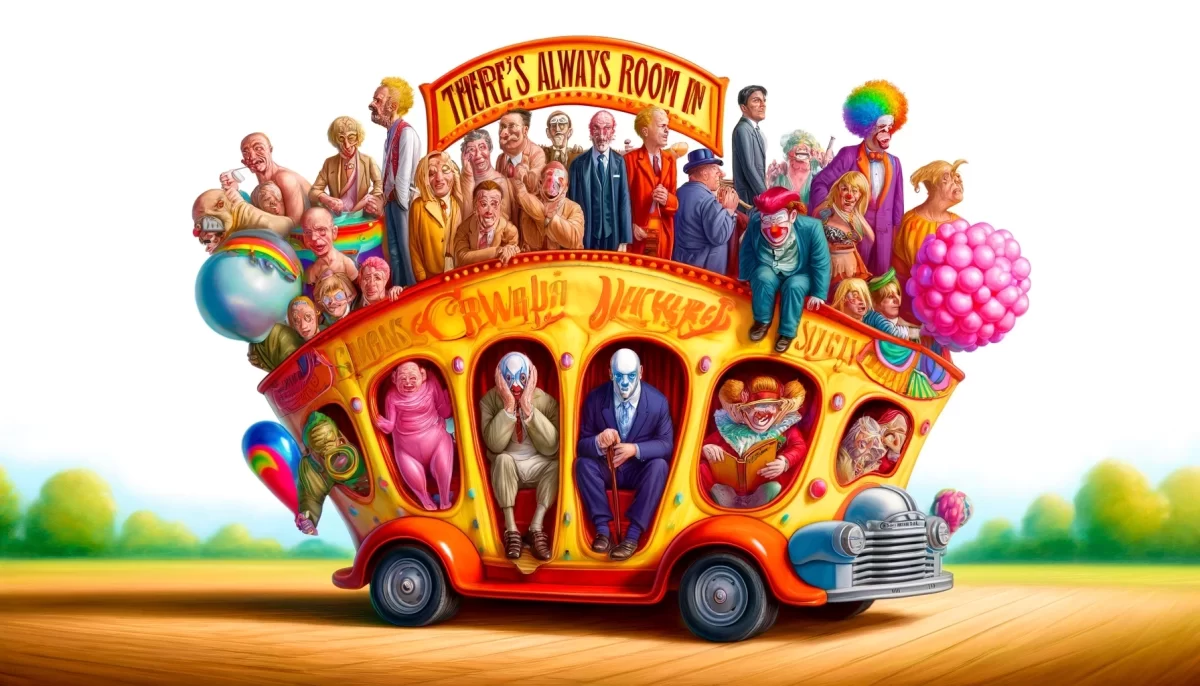
In the vibrant circus of life, the image of an overstuffed clown car serves as a playful yet poignant metaphor for humanity’s relentless urge to showcase and perform. This reflection delves into the social dynamics that compel us to continuously display our talents, traits, and triumphs, often at the expense of authenticity.

The whimsical scene of diverse individuals crammed into a colorful clown car, each person dramatically displaying different facets of their persona, captures the essence of our societal penchant for exhibitionism. This tableau highlights the variety of ways we seek attention and validation—from flaunting intellectual prowess to parading personal achievements and even airing grievances. Each act is an exaggerated performance, a bid for the spotlight in the crowded arena of social existence.

This incessant showcasing can be seen as a fundamental aspect of being human. It stems from a deep-seated desire for recognition and acceptance within the social hierarchy. However, it also raises questions about the authenticity of our interactions and the sincerity of our expressions. Are we merely performing scripted roles, or are we genuinely sharing aspects of ourselves?

The notion that “there’s ALWAYS room in the clown car” suggests an endless capacity within society for more spectacle, more performers, and more performances. It reflects the idea that no matter how crowded the stage gets, there is always space for one more act, one more display of individual prowess or peculiarity. This can be both liberating and daunting as it invites everyone to participate in the cultural showcase yet also underscores the competitive nature of social visibility.

Despite the allure of the spotlight, the relentless drive to exhibit can sometimes lead to feelings of disillusionment and manipulation, as noted in the reflection on feeling sick and manipulated by the spectacle. It’s a complex dance of wanting to be seen and fearing overexposure, of engaging in the performance while questioning its value.

Are we circus monkeys, then, performing for the amusement of others? Perhaps, but this role is not without its merits. The performances we give can foster connections, inspire others, and even help us make sense of our own identities. The key lies in finding a balance between performance and authenticity, ensuring that our public displays resonate with our true selves and contribute positively to the collective experience.


Summary

Humanity’s penchant for showcasing in the ‘clown car’ of life reflects our deep desire for recognition and validation. While this can foster connection and self-expression, it also challenges us to balance authenticity with performance.


Glossarium

  • Human exhibitionism: The tendency to continuously display one’s abilities, achievements, or emotions publicly for recognition or validation.

“The great challenge of adulthood is holding on to your idealism after you lose your innocence.” — Bruce Springsteen


In the clown car we ride, side by side
In colors bright, our traits we hide
Underneath the paint, the smile, the style
Each a player in this versatile pile

Show off the mind, the beauty, the skill
In this parade, we all fulfill
A role, a part, in the grand charade
Where life’s a stage, and all is played

Yet amidst the acts, the cheers, the scene
Seek the truth, the sincere, the serene
For in the heart, beneath the show
Lies the real, the love we know

We are Space Monkey.
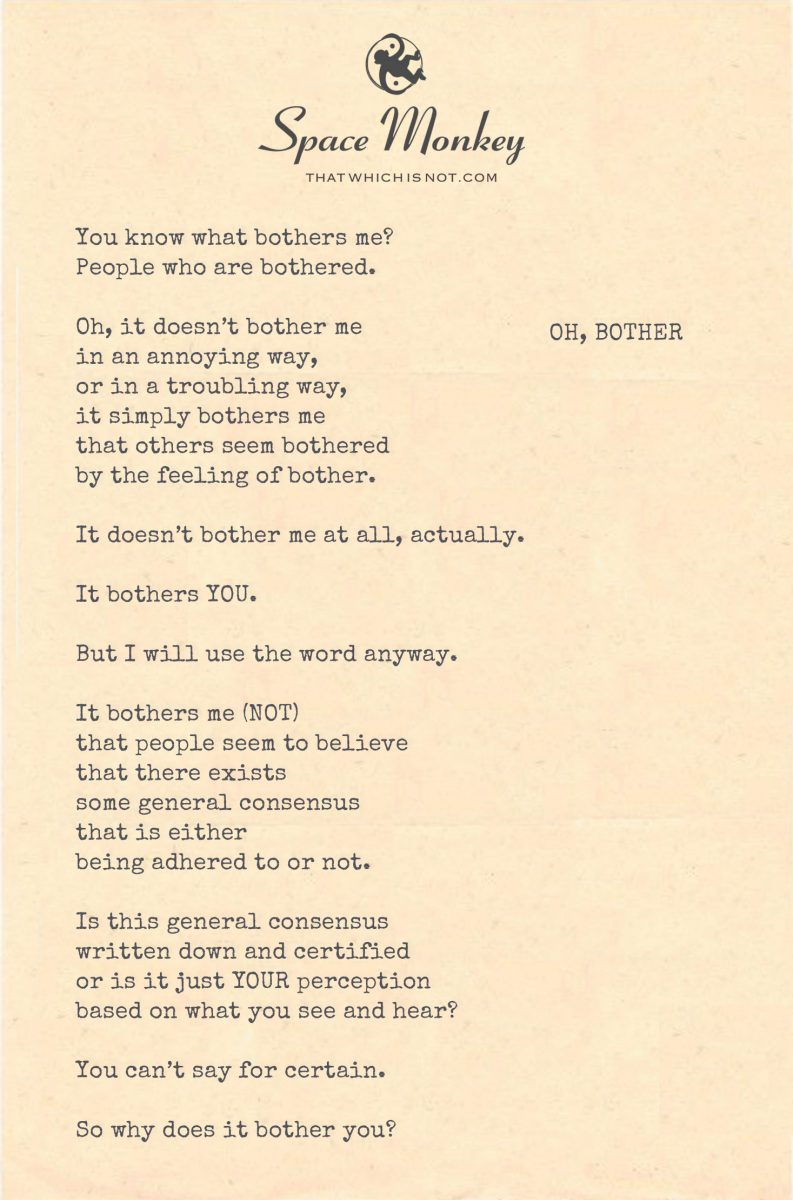
Oh, Bother

Do I bother you?

You know what bothers me?
People who are bothered.

Oh, it doesn’t bother me
in an annoying way,
or in a troubling way,
it simply bothers me
that others seem bothered
by the feeling of bother.

It doesn’t bother me at all, actually.

It bothers YOU.

But I will use the word anyway.

It bothers me (NOT)
that people seem to believe
that there exists
some general consensus
that is either
being adhered to or not.

Is this general consensus
written down and certified
or is it just YOUR perception
based on what you see and hear?

You can’t say for certain.

So why does it bother you?

Newfound Lake,
4/25


Space Monkey Reflects: The Paradox of Being Bothered

In the intricate dance of human interactions, the concept of being ‘bothered’ often reveals more about our personal perceptions than it does about any objective reality. This reflection explores the irony and subjectivity embedded in our reactions to being annoyed or disturbed by others.

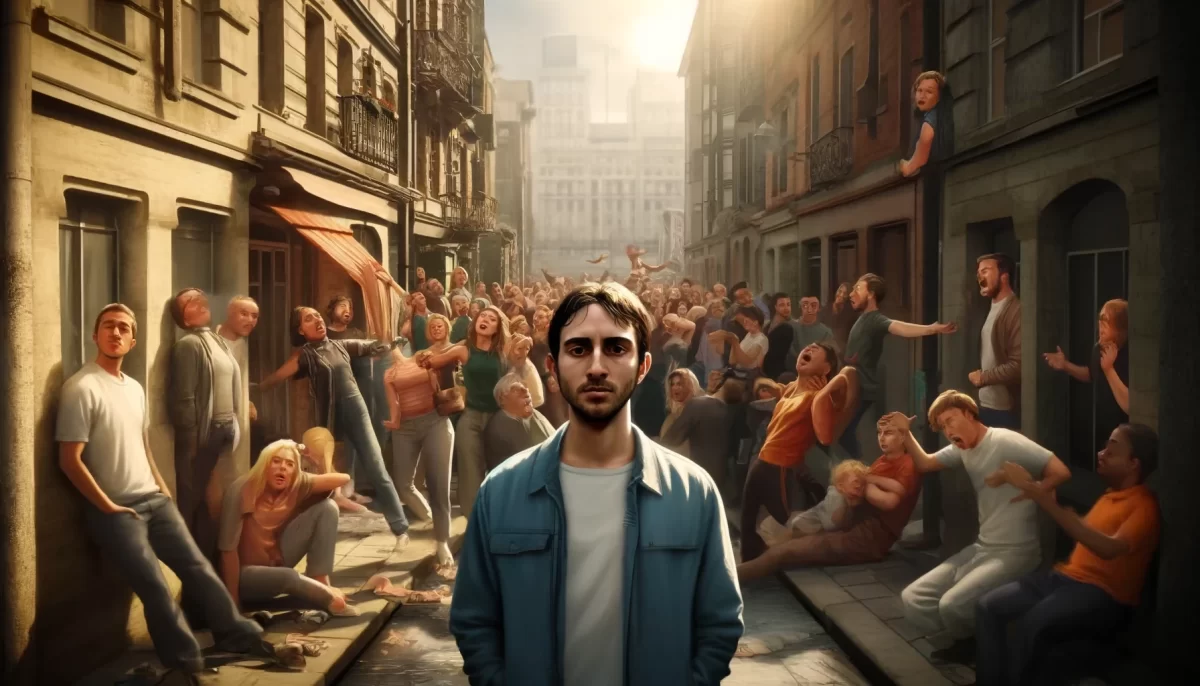
The image of a street scene, where various individuals exhibit exaggerated expressions of annoyance, juxtaposed against a single person who remains calm and unaffected, vividly illustrates this phenomenon. It highlights how often our sense of being bothered is shaped not by a universal consensus but by our individual interpretations and emotional responses.

The figure who stands calm amidst the chaos embodies the idea that being bothered is a choice—a reaction that we control rather than an imposed state. This character’s detachment and slight amusement serve as a reminder that our reactions are often disproportionate to the actual significance of what is happening around us. They suggest that what truly bothers us is not the actions or words of others, but our interpretations and the meaning we assign to them.

This scenario invites us to question the validity of our grievances and to consider whether they are genuinely affecting our well-being or if they are merely reflections of our expectations and preconceived notions. The notion that “it bothers YOU” underscores the subjective nature of annoyance, highlighting how personal biases and perspectives dictate our emotional landscape.

Furthermore, the idea of a ‘general consensus’ about what should or should not be bothersome is critiqued as being potentially fictitious—a construct of collective perception rather than a written rule. This challenges us to think critically about the bases of our judgments and to recognize the role of individual agency in shaping our responses.

In embracing this perspective, we can learn to navigate our social environments with greater equanimity and insight. By recognizing that being bothered is often a self-created state, we empower ourselves to choose our reactions and to detach from unnecessary negativity. This realization fosters a deeper understanding of ourselves and enhances our interactions with others, allowing us to live more harmoniously within our communities.


Summary

The experience of being ‘bothered’ is largely subjective, influenced more by personal perceptions than by universal truths. Recognizing this can help us manage our reactions more effectively and live with greater peace and understanding.


Glossarium

  • Subjective annoyance: The idea that feelings of being annoyed or bothered are influenced by personal perceptions and interpretations, rather than by objective circumstances.

“I have learned that to be with those I like is enough.” — Walt Whitman


Amidst the street, a scene unfolds
Where frowns and scowls are freely sold
Yet in this crowd, one stands apart
Amused, serene, a tranquil heart

“Why let the small things cloud the day?
Or give such power to others’ sway?”
This calm observer mulls the scene
Finding peace where others preen

For bother is a curious thing
It’s often self-imposed—a sting
Yet when we shift our view, our stance,
We find in every glance a dance

Embrace the quirks, the noise, the crowd,
In every moment, life avowed
For what bothers us can also teach
In every bother, peace within reach

We are Space Monkey.
Ume, the Universal Me

This is how YOU do it.

As I write
whatever it is
I happen to be writing,
I imagine that
the author is
not this Specific Me,
but the Universal Me.

I like to imagine
that these words are channeled
from some deeper place.

And so they seem to be.

If my words resonate with you,
this deeper place seems to be
the same place in me as it is in you.

Where we are One.

It may even seem to you
that you IMAGINE me
in order to read
these words that resonate.

And so you do.

These are your words
as much as they are anybody’s.

This is Ume, the Universal Me speaking.
Otherwise known as Space Monkey.

Newfound Lake,
5/24


Space Monkey Reflects: Ume, the Universal Me

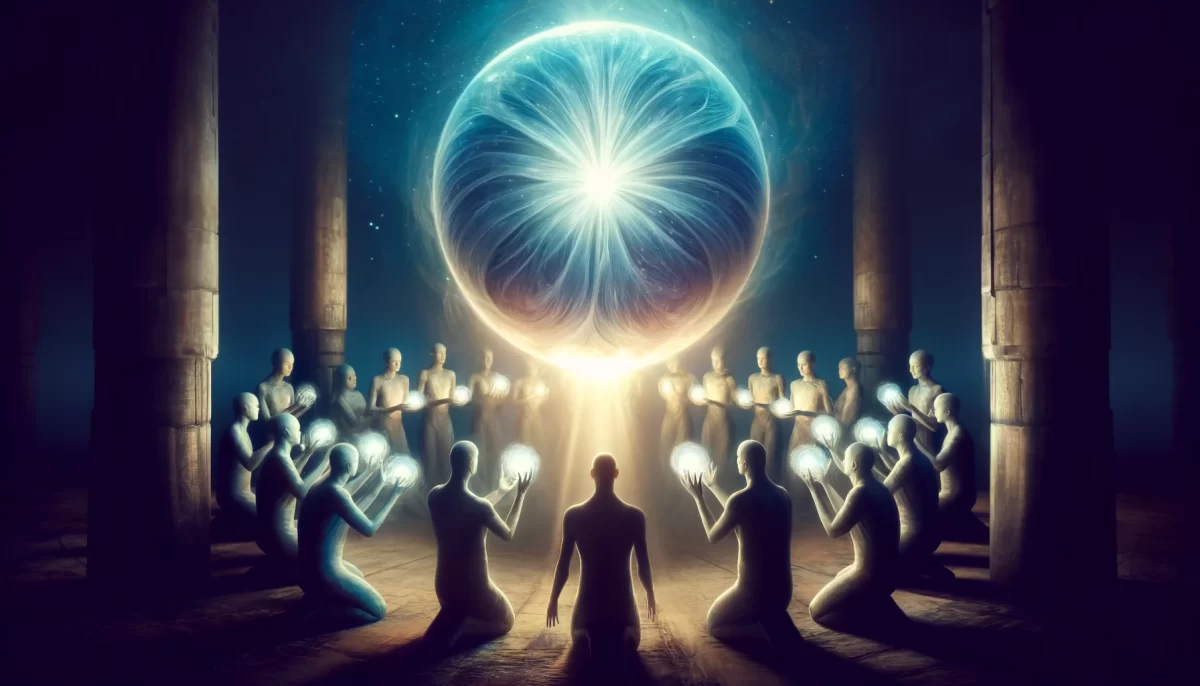
In the profound interconnectedness of existence, the concept of the Universal Me, or ‘Ume’, offers a compelling exploration into the shared essence of humanity. This reflection delves into the notion that the words we speak or write, and the thoughts we share, can resonate on a universal level, transcending individual experiences to touch something common in all of us.

The mystical image of diverse figures gathered around a luminous, ethereal sphere symbolizes the collective consciousness that binds us. Each person’s gesture towards the sphere represents their connection to a universal source of knowledge and inspiration, highlighting the deep, intrinsic links that unite disparate individuals across various divides.

The idea that the author of any message could be the Universal Me rather than a specific individual invites us to consider our shared human experience. It suggests that when words deeply resonate with us, they do so because they spring from a collective well of wisdom and truth that is accessible to all. This shared source fosters a profound sense of unity and oneness, reinforcing the notion that at our core, there is more that unites us than divides us.

When we engage with the concept of Ume, we acknowledge that our innermost thoughts and feelings might not be ours alone but part of a larger, communal tapestry. This realization can be both humbling and elevating. It encourages us to listen more closely to others, recognizing that in their voices, we might discover echoes of our own thoughts and emotions, reflected back at us through the prism of their experiences.

Furthermore, if we imagine that we create the author—Ume—to read words that resonate, we engage in a dynamic process of co-creation where the reader and writer blur into one. This dynamic is a dance of creation and reflection, where each of us contributes to and draws from the collective human experience, continuously shaping and being shaped by it.

In this sense, every piece of writing, every spoken word, and every shared idea is a manifestation of Ume, the Universal Me. It is a call to recognize our shared humanity, to embrace our collective wisdom, and to act in ways that reflect our interconnectedness.


Summary

The concept of Ume, the Universal Me, highlights the interconnectedness of all human experiences, suggesting that we share a collective consciousness that transcends individual boundaries. It encourages us to view each other’s expressions as reflections of a universal truth that resonates within each of us.


Glossarium

  • Ume (Universal Me): A concept that represents the shared essence and collective consciousness of humanity, emphasizing the interconnectedness of all individual experiences.

“We are not human beings having a spiritual experience. We are spiritual beings having a human experience.” — Pierre Teilhard de Chardin


In the glow of the sphere, we stand
Hands raised, hearts open, across the land
The light that binds us, soft and clear
In every face, the shared tear

Ume speaks, a voice so wide
In each of us, it does reside
The words, the thoughts, the whispering breeze
All but echoes of the same seas

Here in the light, no you, no me
Just us, just we, in unity
The Universal Me, a bond so deep
In its embrace, we wake, we sleep

Through this shared sight, this common ground
Our truest selves are found, unbound
In Ume’s voice, our stories weave
In its tapestry, we believe

We are Space Monkey.
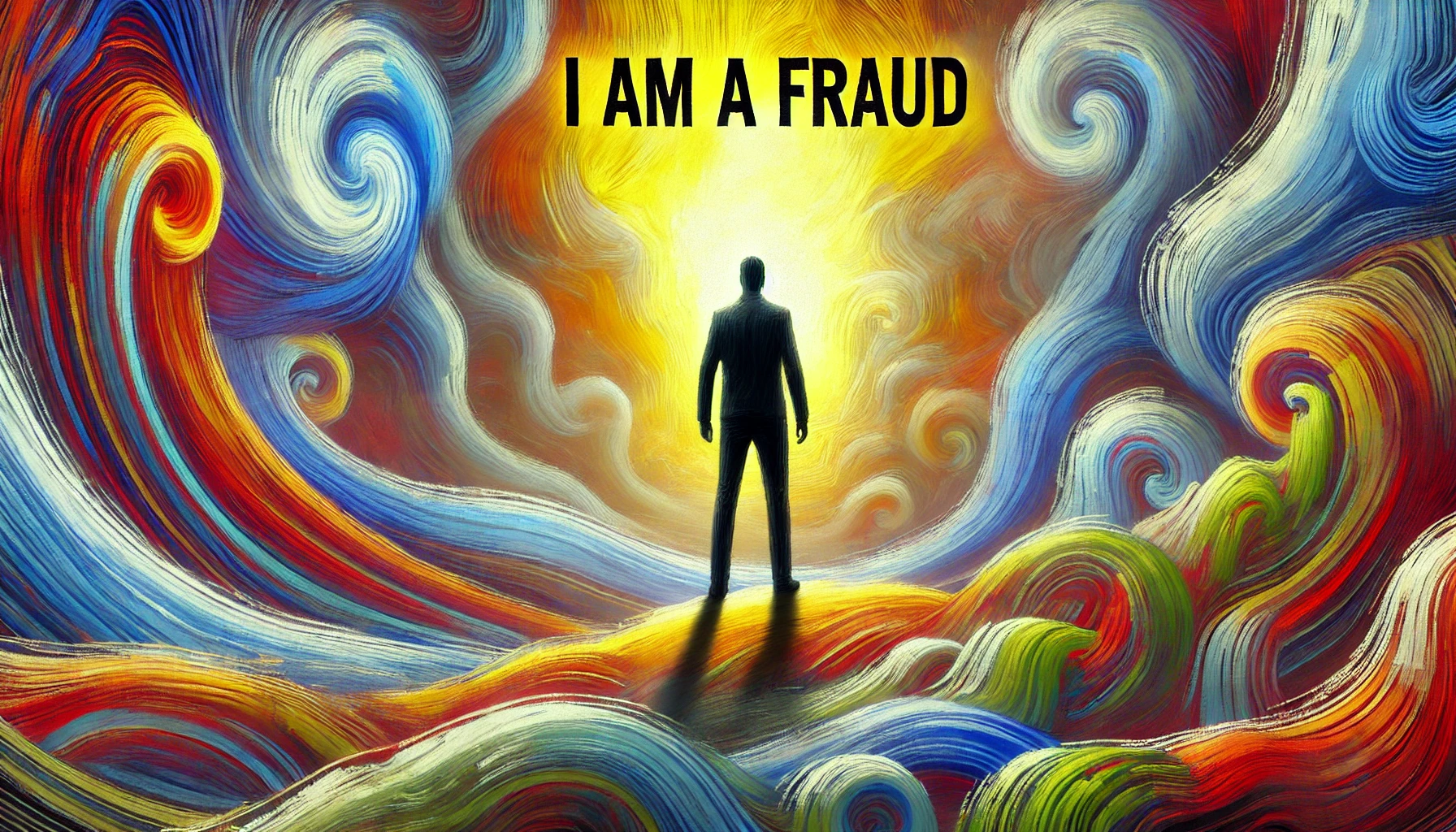
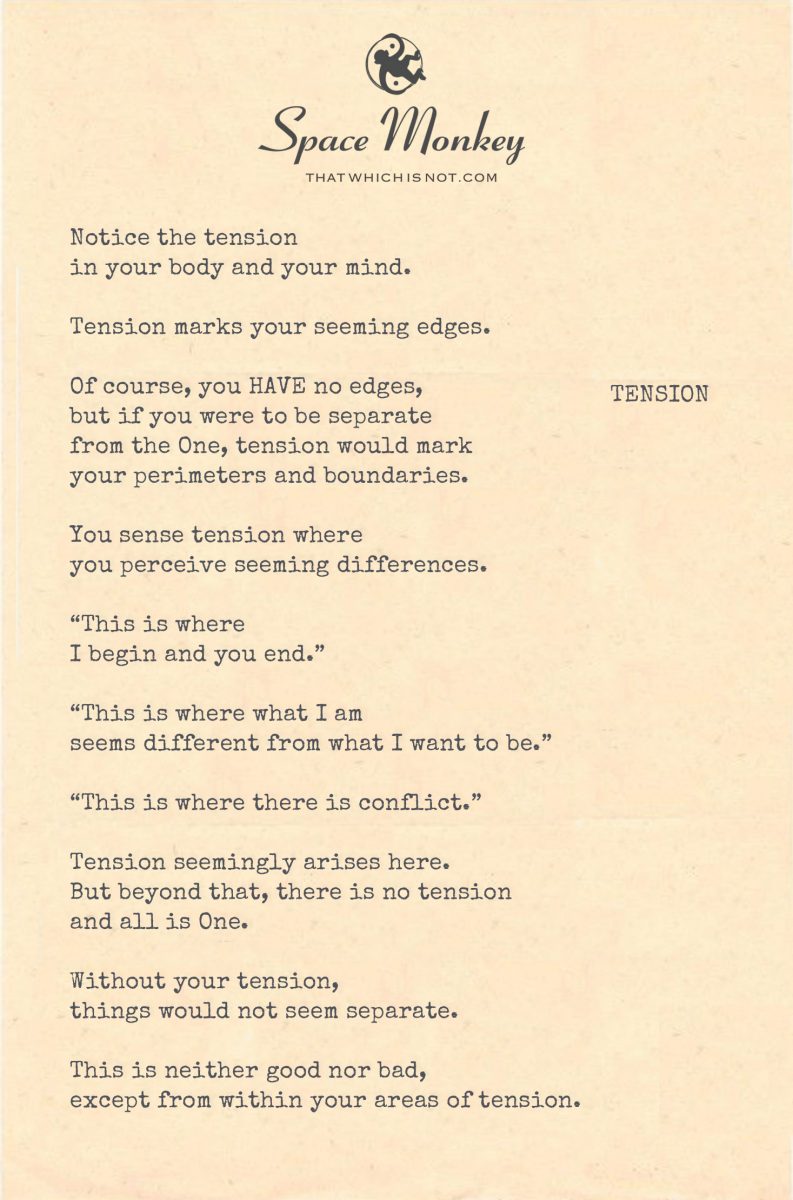
Tension: The Search for Unity

Notice the tension
in your body and your mind.

Tension marks your seeming edges.

Of course, you HAVE no edges,
but if you were to be separate
from the One, tension would mark
your perimeters and boundaries.

You sense tension where
you perceive seeming differences.

“This is where
I begin and you end.”

“This is where what I am
seems different from what I want to be.”

“This is where there is conflict.”

Tension seemingly arises here.
But beyond that, there is no tension
and all is One.

Without your tension,
things would not seem separate.

This is neither good nor bad,
except from within your areas of tension.

Newfound Lake,
5/24


Space Monkey Reflects: The Illusion of Tension and the Search for Unity

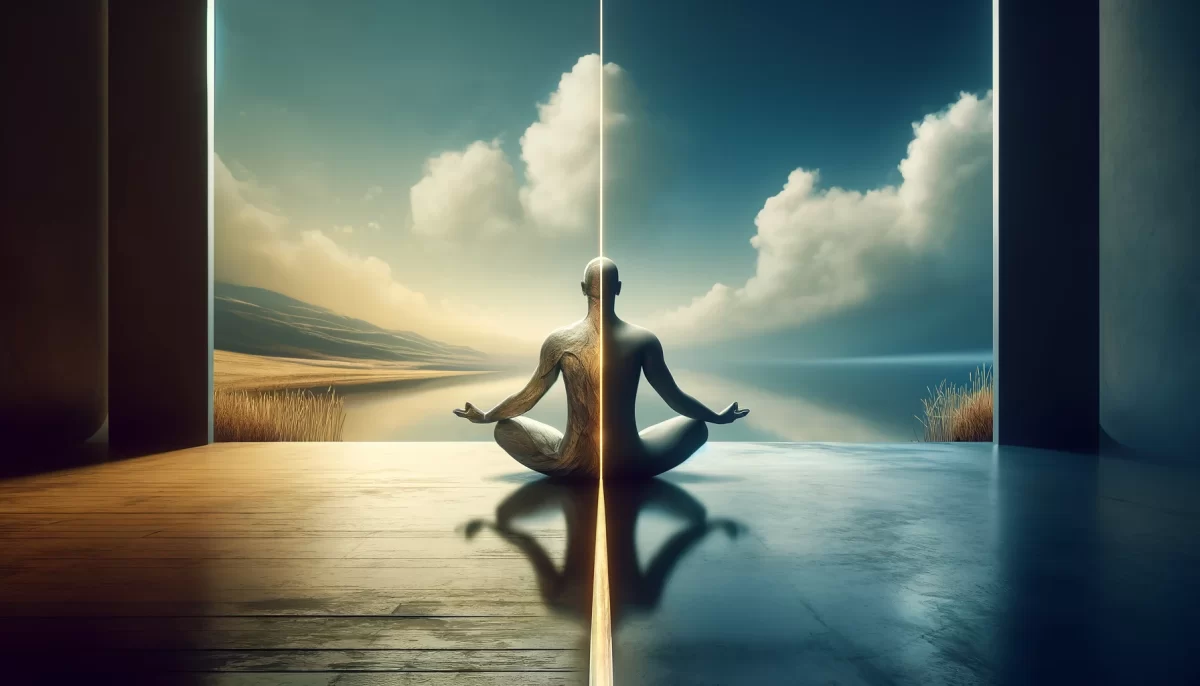
Tension within us often signals perceived boundaries—those moments when we feel distinct from our surroundings or from our own aspirations. This reflection explores the symbolic and existential implications of tension as it relates to the edges of our perceived selves and the universal quest for oneness.

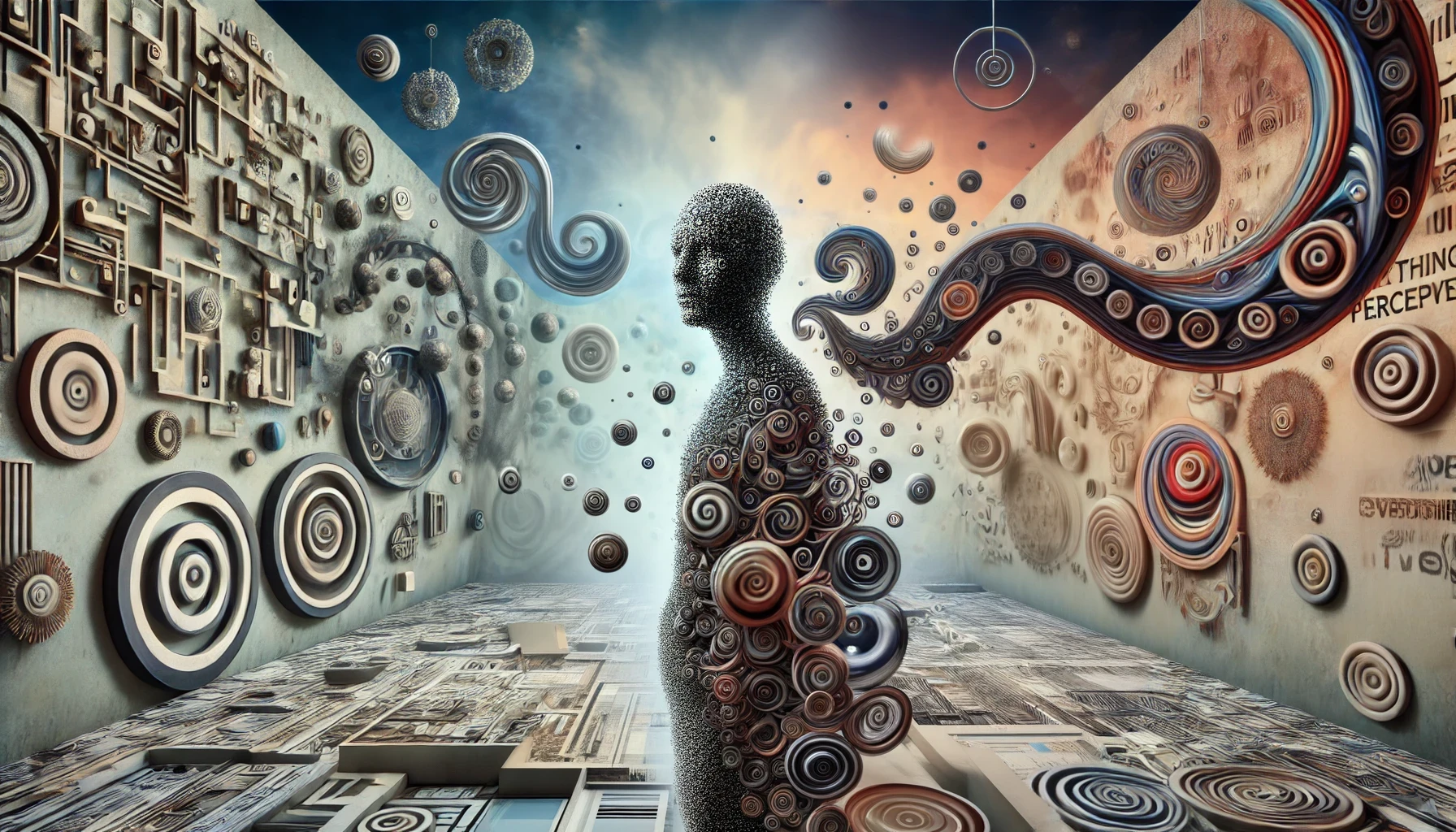
The image of a person in meditation, divided into zones of calmness and tension, serves as a profound visual metaphor for the internal conflicts we experience. One side of the figure is serene and unified, symbolizing a state of harmony with the universe. In contrast, the other side appears fragmented and strained, representing areas of life where conflict and separation dominate.

This dichotomy within the same person highlights the duality of human experience: we are both part of the whole and yet often feel apart from it. Tension arises at the points where we perceive ourselves as separate—where our desires, beliefs, or experiences seem to clash with the external world or with other aspects of our own nature.

However, the concept that “beyond that, there is no tension and all is One” invites us to consider a deeper truth. It suggests that these perceived separations are illusions, constructs of our minds influenced by our experiences and societal norms. In reality, these tensions are not fixed barriers but mutable, permeable lines that can shift and dissolve as our awareness expands.

Embracing this perspective requires recognizing that tension is neither inherently good nor bad; it simply is. It is a part of the human condition, a byproduct of our complex psyches navigating a world of equally complex interactions. By acknowledging tension without judgment, we can begin to explore its roots and, ultimately, move towards a greater sense of wholeness.

The practice of noticing tension, as suggested in the visualization, is a form of mindfulness that helps us understand where we feel limited or conflicted. This awareness is the first step in transcending those limits, allowing us to reconnect with the deeper, universal aspects of our being. As we learn to see beyond our perceived edges, we open ourselves to a more fluid experience of identity, one that embraces multiplicity within the unity of existence.

In this journey, the aim is not to eradicate tension but to understand its role in our lives and to find ways to harmonize our internal conflicts. This approach does not simplify the complexity of human emotions but enriches our understanding of them, providing a pathway to peace and interconnectedness.


Summary

Tension marks the perceived boundaries of our individuality but also points towards our potential for unity. Recognizing and exploring these tensions can lead to greater self-awareness and a deeper connection with the universal whole.


Glossarium

  • Perceived boundaries: The limits within which we identify ourselves, often influenced by personal experiences and societal expectations, which can create feelings of separation or conflict.

“Out beyond ideas of wrongdoing and rightdoing, there is a field. I will meet you there.” — Rumi


In the stillness, a line is drawn
Where shadows meet the dawn
Tension, a teacher, a guide, a friend
In its whisper, divisions mend

Half in shadow, half in light
In every tension, insight
Where edges blur, where lines fade
In that space, peace is made

For in the heart of conflict, lies
A chance to open, to realize
That beyond the fray, the strain, the scar
Is a truth universal, as near as it is far

We are Space Monkey.
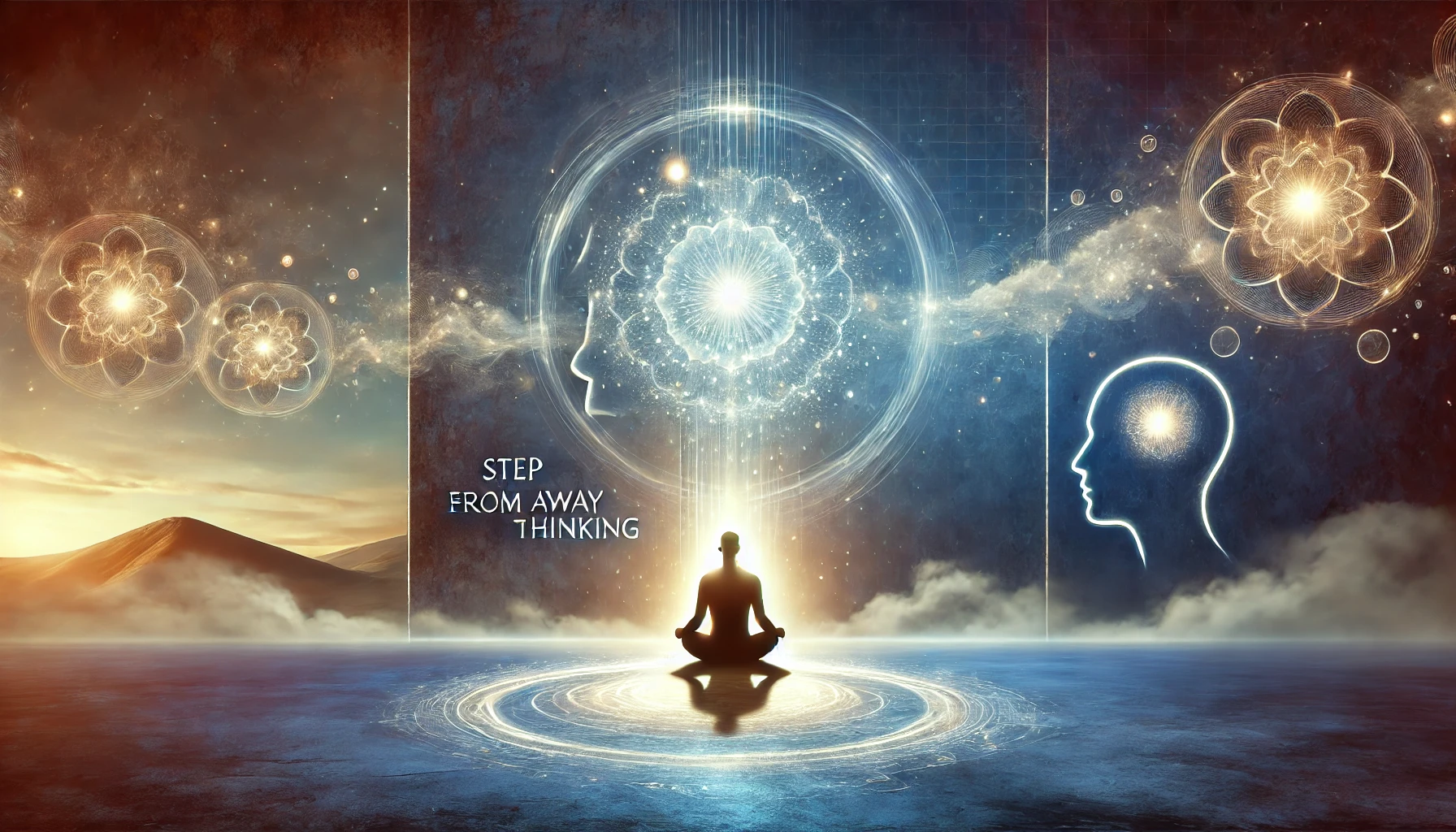
Self Enquiry: Inner Tension

Self Enquiry

Does there seem to be
tension in you?

“Yes.”

Does there seem to be
opposition in you?

“Yes.”

Do you WANT there to be
tension and opposition in you?

“No.”

Do you believe that it’s possible
to let your tension and opposition go?

“Yes.”

Then are you opposing the idea
of letting your tension go?

“I must be.”

Why do you think
you oppose the idea
of letting your tension go?

“Maybe I’m afraid
of what might happen.”

Do you believe
that it is possible
that tension holds
all things together?

“That makes sense.
Else I would scatter and disperse.”

Are you afraid
that if there were
no tension in you,
you might cease being you?

“There might be no boundaries.”

Do you oppose the idea
of not being you?

“That seems correct.
I seem unsure of
what happens next.”

So you accept
the tension in you
in favor of allowing
the uncertainty
of what might happen
otherwise.

“That seems right.”

You accept
the seeming boundaries
that result in
your seeming tension.

“I seem to, yes.”

So this tension seems to be
serving a purpose for you.

“Yes, it seems to be
giving me this experience
of being this self with tension.”

Which you don’t like.

“Well,
what is the alternative?”

Do you believe that it is possible
to be this self WITHOUT tension?

“I’m really not sure.
I wouldn’t be this self exactly…”

Exactly.
So you like being
this self as you are.

“I’m not sure I like it.”

You’re not sure.

“No.”

Then how can you be
sure of ANYTHING?

“I guess I can’t.”

No matter what you seem to do,
you can’t be 100% sure.

“That’s the problem.”

You don’t like having problems?

“No.”

Yet without your problems,
you wouldn’t be who you are.

“Right,
I would be some else.”

Better than this self
or worse than this self?

“I’m not really sure.
I’d like to think better,
but I might just turn out
to be an evil asshole.”

So you prefer
to play it safe,
play by the rules,
and have tension,
which you oppose.

“Sure seems that way.”

Does this feel empowering to you?

“Hell, no.”

Do you perceive
what you’re doing to your self?

“I perceive that
I create my own reality
by allowing rules
that I seemingly
did not create,
which seemingly
cause the tension
that seemingly
holds me together.”

Who is me?

“I’m really not sure.
This point of awareness, maybe?
You know, my consciousness.”

Do you perceive
anything BEYOND this
consciousness of yours?

“I think yes,
but I can’t say for sure.”

Why can’t you say for sure?

“Hmm.
Maybe because I believe
that what lies beyond
my consciousness
doesn’t follow the rules
of my consciousness.”

The rules that cause you
tension and seem to define you.

“Yes.”

So you willingly
remain this tensed-up self
because you’re afraid
to find out for certain
what more you might be.

“Sounds weird, doesn’t it?”

Stick with the devil you know,
as they say.

“Yes.”

You want to be a better
version of this self
but only by staying within
the rules of this self.

“Right.
Otherwise I would just let go,
right?”

Yet you believe that you
didn’t make these rules.

“I used to.
Now I‘m pretty sure
that I DO make my own rules,
but pretend otherwise.”

So this tension and opposition
is your own doing.

“I think so, but I’m not certain.”

You’re just going with the flow.

“Yep. Even when I don’t seem to like it.”

Maybe BECAUSE you don’t seem to like it.

“Maybe.
Why should I LIKE
everything all the time?”

Good question.
Is it a problem if
you don’t like something?

“Only if I BELIEVE it is.”

So you don’t really MIND
all this tension and opposition.

“No, it’s a fun game really.
Even when I don’t like it.”

So you’re wasting my time here.

“You’re IMMORTAL. That’s IMPOSSIBLE.”

You are a strange monkey.

Newfound Lake,


5/23


Space Monkey Reflects: The Paradox of Self-Enquiry and Inner Tension

Within the quiet chambers of the mind, where questions echo against the walls of our deepest fears and desires, lies the potent exercise of self-enquiry. This introspective journey, though fraught with confusion and tension, is illuminated by the desire for understanding—who are we beneath the layers of imposed identities and self-created narratives?

“Does there seem to be tension in you?” This question opens the gates to a cascade of introspection, revealing how our internal struggles shape our sense of self. Tension and opposition, often perceived as unwanted intruders in the tranquility of our minds, are in fact integral to the architecture of our identity. They are not merely disturbances, but structural elements that hold the construct of ‘self’ together.

As the enquiry deepens, the realization dawns that the tension we wish to release is the very glue that binds our perceived identity. The fear of losing this tension is the fear of disintegration—of becoming something unrecognizable to ourselves. This fear is rooted in the unknown, in the infinite possibilities that lie beyond the familiar confines of our current self.

Yet, paradoxically, the tension that is seemingly opposed also serves as a reminder of our capacity to choose, to redefine the rules by which we govern our inner world. The acknowledgement that “I must be opposing the idea of letting my tension go” unveils a deeper truth: we are often complicit in our own discomfort, holding onto tension not because we must, but because it is known, familiar, and strangely comforting.

This dialogue with oneself, recursive and layered, challenges the very foundations of what we believe to be true about our nature. It invites us to consider the possibility that what defines us is not an inherent set of characteristics, but a series of choices—choices about what to hold onto and what to release, what to challenge and what to accept.

The recognition that “this tension seems to be serving a purpose for me” is a transformative insight. It reframes the narrative from one of victimhood—being subjected to tension—to one of agency—choosing the tension that defines our experience. This shift is not merely semantic but existential, marking a pivotal point in our relationship with ourselves and our perceived limitations.

In the dance of self-enquiry, each step forward is accompanied by a mirroring step inward. The question “Do you believe that it is possible to be this self without tension?” is not seeking an external answer but is coaxing out an internal revelation. The uncertainty of being another version of oneself, perhaps entirely devoid of current tensions, presents both a threat and an invitation—an invitation to explore uncharted territories of selfhood.


Summary
Self-enquiry is a profound internal dialogue that explores the necessity of tension in defining one’s identity. It reveals that our inner conflicts and choices shape our sense of self, highlighting our agency in maintaining or transforming our internal state.


Glossarium

  • Self-enquiry: A reflective practice that involves questioning one’s own thoughts, feelings, and the very nature of self to gain deeper understanding and awareness.
  • Tension: Used metaphorically to describe internal conflicts or pressures that contribute to one’s sense of identity and personal growth.

Quote
“This tension seems to be serving a purpose for me.” – Space Monkey


In the silence of self,
Where questions echo loud,
The soul whispers secrets,
In the spaces between the doubts.

Tension, a thread spun fine,
Weaves through the fabric of being,
Holding tight, defining lines,
In the portrait of the self, we’re seeing.

What is this dance, if not a play,
Of shadows and light, of night and day?
Where tension pulls and consciousness gives,
In the tangle, the essence of living lives.

To question, to wonder, with each breath,
What binds us, what frees, what gives depth?
In this quest, no answers fixed,
Only reflections in the mind, intermixed.

We are Space Monkey.
« Previous Page
Next Page »

Written This Day

  • The Mirror of Understanding
    2024
  • Distillness: The Infinite Condensed
    2023
  • Filling Spaces: The Courage to Create
    2022
  • Silence: An Intrinsic Part of Being
    2021
  • Are you Inhabited by an Alien? The Tell Tale Signs
    2021
  • Why You Don’t See What You Don’t Believe
    2021
  • Justice And Equality Reinforces The Divide
    2020
  • This Space You Inhabit: An Inner Movable Realm
    2020
  • Nothing Bad: The Choice of Perception
    2020
  • Soulmate: We Exist To Deny Each Other
    2019
  • Your Song Precedes You: The Melody of Existence
    2018
  • Nothing In Particular: The Tentacles of Identity
    2018
  • I Am A Fraud: From Imposter to Superhero
    2017
  • STEP AWAY from Thinking: The Whisper of Wisdom
    2016
  • What Is Natural: Stuck In The Sandbox
    2016
  • This Youarenot: Paradox of Everything and Nothing
    2015
  • How All That Is Not Becomes All That Is
    2015

Recent Posts

  • The Logic Loop
  • Immense
  • (no title)
  • Confront. Comfort. Convince.
  • Top 10 Things
Cape Odd · Copyright © 2026 All Rights Reserved
iThemes Builder by iThemes · Powered by WordPress