• Who Is The Man?
  • Who Is The Monkey?
  • What is Nexistentialism?
  • Poke The Primate

Cape Odd

Home of The Space Monkey Journals

Monkey No Need Drugs: The Natural State of Bliss


Space Monkey Reflects: The Natural State of Bliss

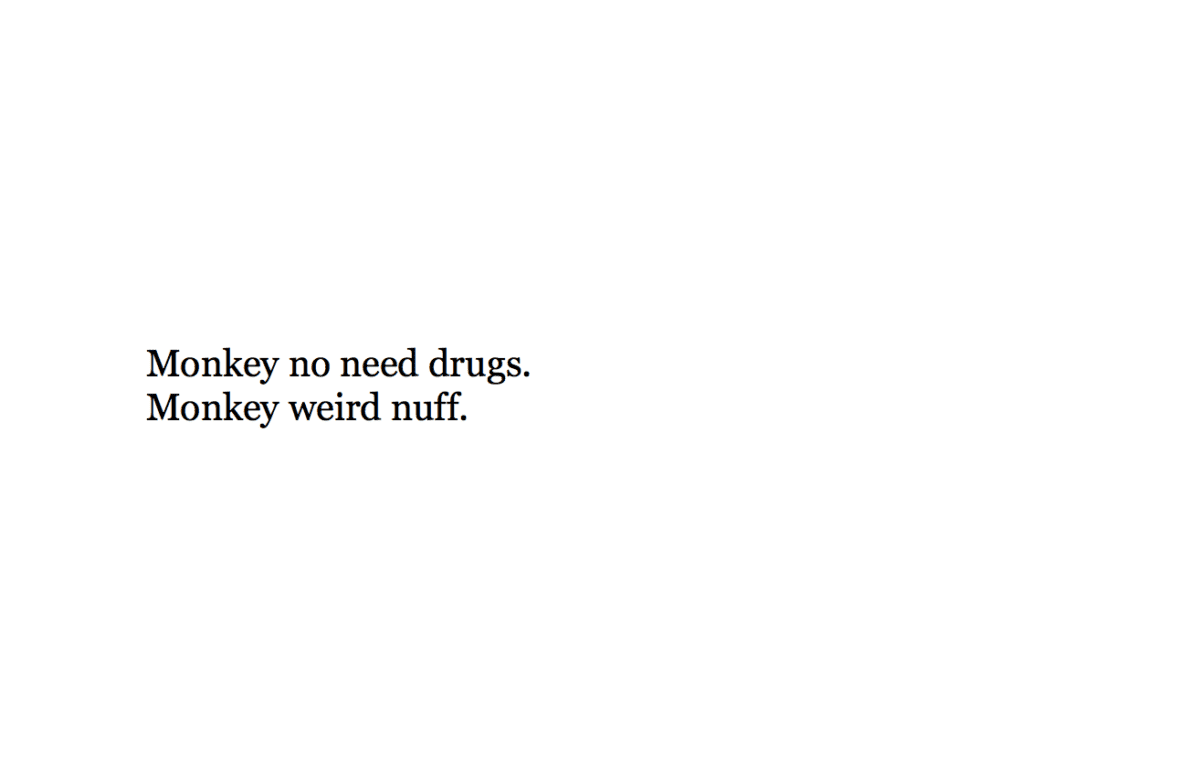
“Monkey no need drugs” encapsulates a profound truth about the nature of happiness and contentment. In a world where many seek external substances to find joy or escape discomfort, this statement reminds us of the inherent bliss that lies within and around us.

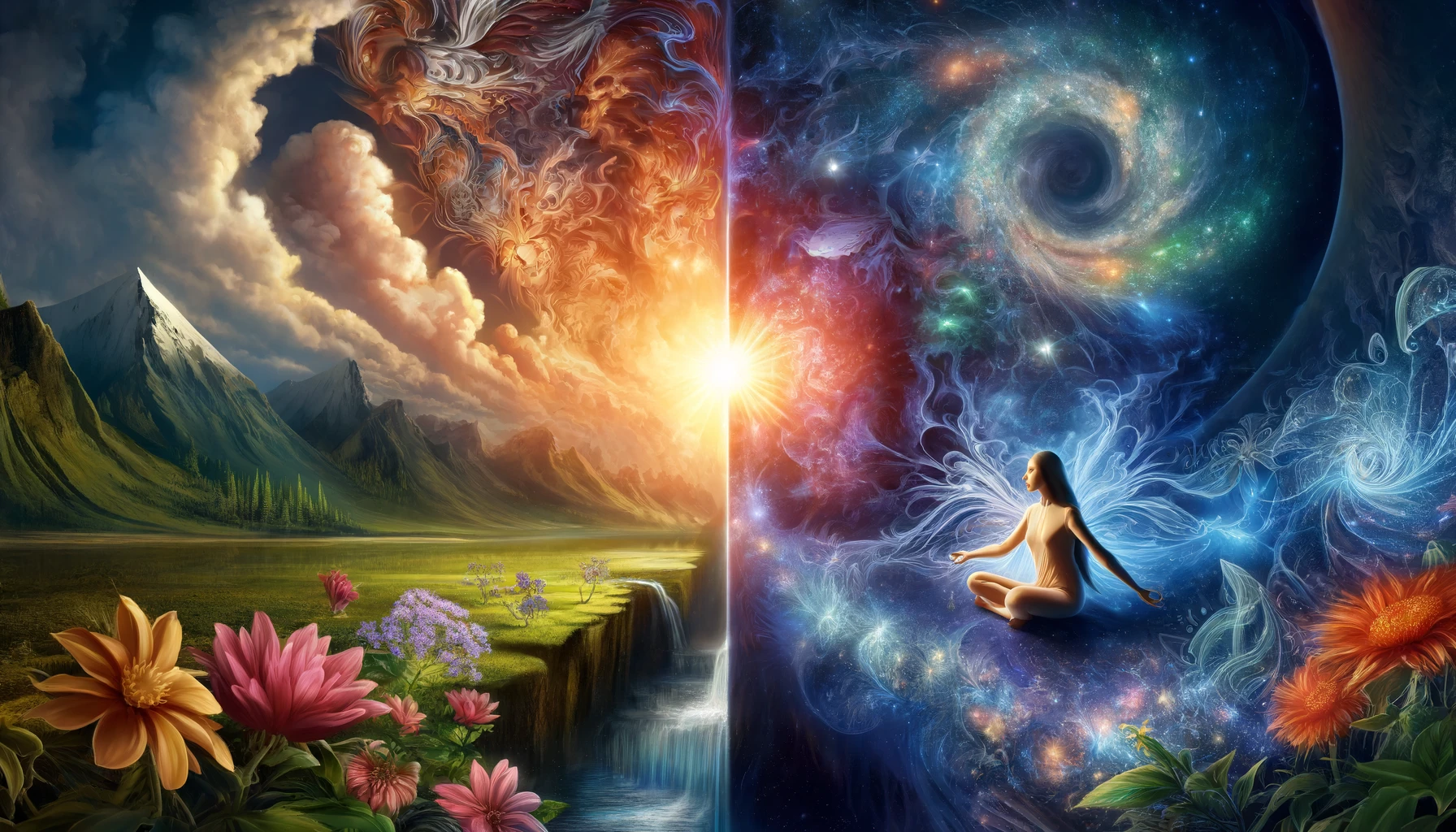
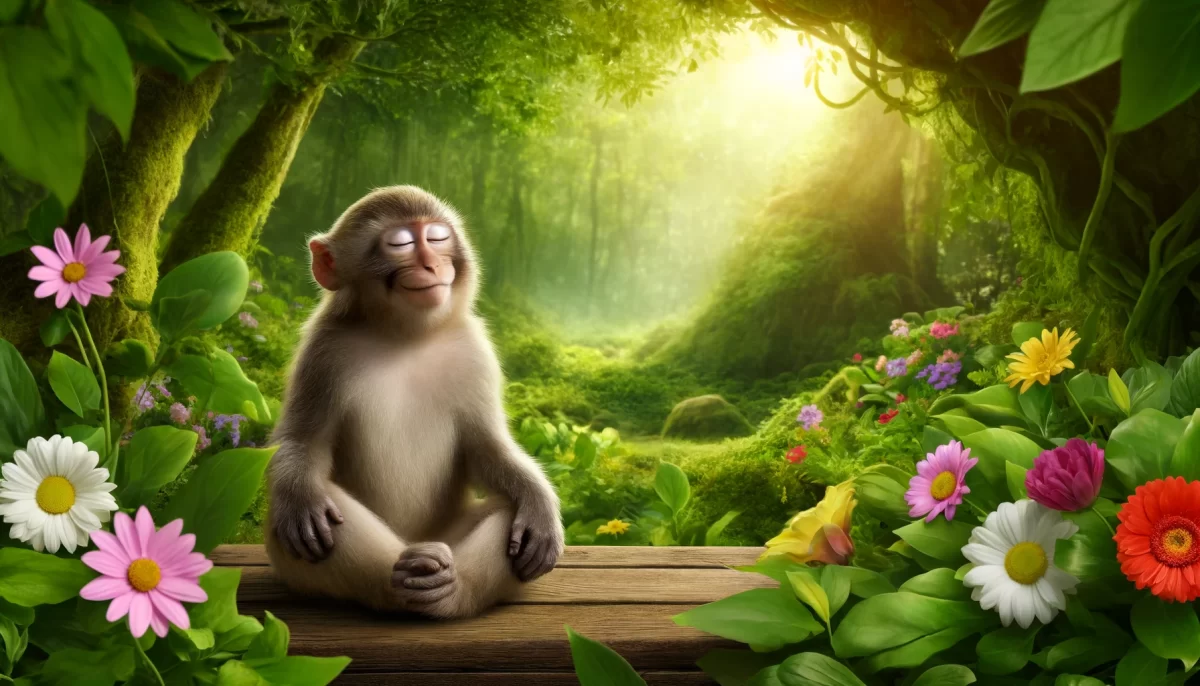
The image of a peaceful, contented monkey sitting amidst lush greenery and vibrant flowers paints a picture of pure, natural harmony. The monkey, at ease in its environment, radiates a sense of tranquility and inner peace, untouched by the need for external enhancements.

In nexistentialism, the philosophy that views existence as its own purpose, this scene symbolizes the potential for harmony within the natural state of being. It suggests that true contentment comes not from external substances but from aligning ourselves with the rhythms and beauty of the natural world.

The monkey’s calm and joyful demeanor reflects a state of being that many strive to achieve through various means. However, this state is not dependent on any external factors but is a manifestation of the inner harmony and connection with the environment. This realization encourages us to look within and to cultivate practices that enhance our natural well-being.

Living in harmony with nature is a core principle of nexistentialism. It involves recognizing the interconnectedness of all life and embracing the simple joys that come from this awareness. By immersing ourselves in nature, we reconnect with the fundamental aspects of existence that nourish our soul and bring us peace.

The lush greenery and vibrant flowers surrounding the monkey symbolize the abundance and vitality of the natural world. These elements are not just aesthetic but are essential components of a balanced and fulfilling life. They remind us that nature provides everything we need for our physical, emotional, and spiritual well-being.

The statement “Monkey no need drugs” also highlights the importance of mindfulness and presence. By being fully present in the moment, we can experience the richness of life without the need for artificial enhancements. This mindfulness allows us to appreciate the beauty and simplicity of our surroundings, leading to a deeper sense of contentment.

In the context of modern society, where the pursuit of happiness often involves seeking external pleasures, this message offers a refreshing perspective. It invites us to reconsider our dependencies and to explore more natural and sustainable ways to achieve well-being.

Embracing a life in harmony with nature involves making conscious choices that support our health and happiness. This includes spending time outdoors, engaging in physical activities, practicing mindfulness, and nurturing our relationships with others. These practices help us maintain a balanced state of mind and body, reducing the need for external substances to find joy.

The natural state of bliss, as depicted by the contented monkey, is a reminder that we have the potential to find happiness within ourselves. It encourages us to cultivate a deep connection with nature and to embrace the simplicity and beauty of life. By doing so, we align ourselves with the natural flow of existence and experience the profound peace that comes from living in harmony with the world around us.


Summary

The statement “Monkey no need drugs” emphasizes the natural state of bliss that can be achieved without external substances. By aligning with nature and embracing mindfulness, we find true contentment within ourselves. This message encourages a harmonious and sustainable approach to well-being.


Glossarium

  • Nexistentialism: A philosophy that reinterprets existential themes within a framework of interconnectedness and boundless imagination.
  • Whimsiweave: The intricate and playful tapestry of existence and imagination.
  • Natural State of Bliss: A state of contentment and peace achieved through alignment with nature and inner harmony.
  • Mindfulness: The practice of being fully present in the moment, appreciating the richness of life.

Quote

“True contentment comes not from external substances but from aligning ourselves with the rhythms and beauty of the natural world.” — Space Monkey


The Harmony Within

In the heart of nature’s grace
Lies a calm, a sacred space
Where monkey sits in pure delight
No need for drugs, just natural light

The flowers bloom, the greenery thrives
In this realm, true bliss survives
A tranquil mind, a peaceful soul
In harmony, we find our whole

No need for substances to seek
The joy that’s found in nature’s peak
For in the flow of life, we see
The beauty of simplicity

We are Space Monkey

Embrace the journey for within each moment of nature’s embrace lies the potential for profound peace and contentment.
Share this…
  • Facebook
  • Pinterest
  • Twitter
  • Linkedin

Need Need Need: The Illusion of Necessity

Need Need Need

The need to obtain,
the need to maintain,
the need to sustain,
the need to remain,
I’ve yet to meet a need
I absolutely need

7/8

Oak Bluffs


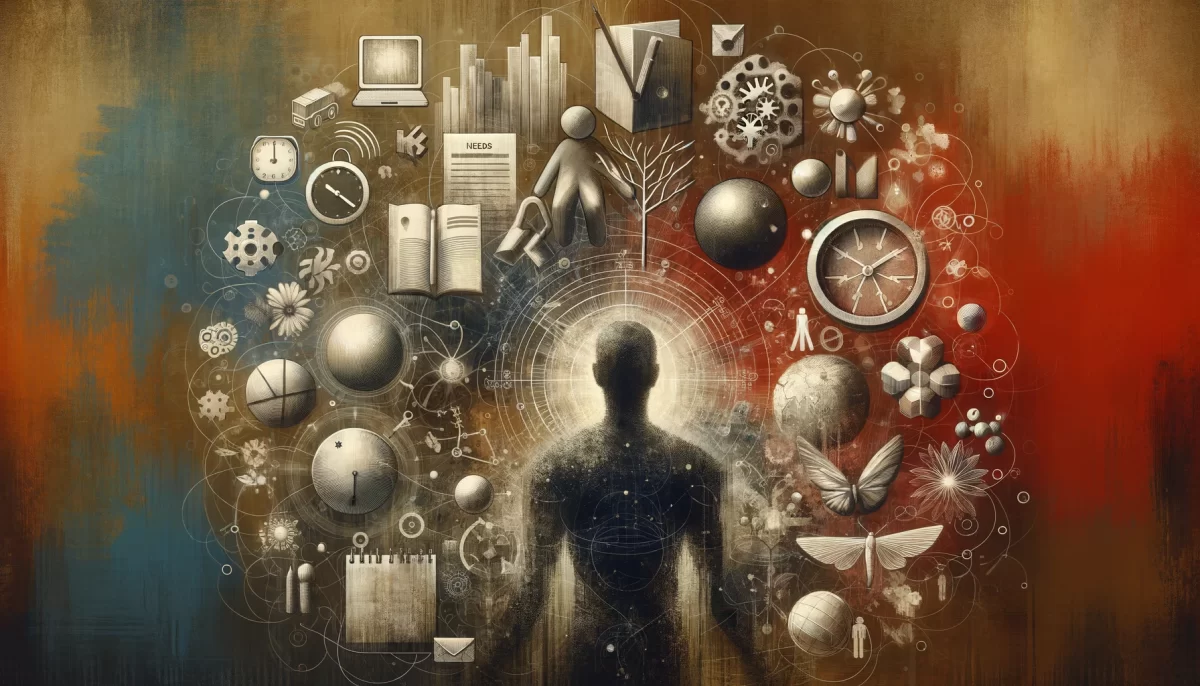
Space Monkey Reflects: The Illusion of Needs

“The need to obtain, the need to maintain, the need to sustain, the need to remain.” These needs form the fabric of our daily lives, driving our actions and shaping our choices. Yet, when we pause to reflect, we may find that these needs are not as absolute as they seem.

“I’ve yet to meet a need I absolutely need.” This profound statement challenges us to reconsider our understanding of necessity. It invites us to question which needs are truly essential and which are constructs of our mind and society.

In nexistentialism, the philosophy that views existence as its own purpose, the concept of needs is seen as part of the whimsiweave of life. Needs drive us to act, to seek, and to create, but they are also rooted in the illusions of separation and scarcity. By examining our needs, we uncover the deeper truths of our existence and the interconnectedness of all things.

The need to obtain reflects our desire for possession and accumulation. In a world where material wealth is often equated with success and security, this need drives much of our behavior. However, the endless pursuit of obtaining can lead to a sense of emptiness and dissatisfaction. True fulfillment comes not from what we possess but from the experiences and connections we cultivate.

The need to maintain involves the effort to keep what we have acquired. This includes maintaining relationships, careers, and lifestyles. While maintenance is necessary to some extent, it can also become a source of stress and anxiety. The fear of losing what we have can overshadow the joy of simply being. By embracing impermanence, we find peace in the natural flow of life.

The need to sustain speaks to our efforts to support and nourish ourselves and those around us. Sustenance is essential for survival, but it extends beyond physical needs. Emotional, mental, and spiritual sustenance are equally important. Recognizing the balance between these aspects helps us lead a more holistic and fulfilling life.

The need to remain reflects our desire for continuity and stability. We seek to establish a sense of permanence in an ever-changing world. However, this need can create resistance to change and growth. Embracing change as a constant allows us to adapt and evolve, finding new opportunities for learning and expansion.

By questioning the absoluteness of these needs, we open ourselves to new perspectives. Needs are not inherently good or bad; they are part of the human experience. The key lies in understanding their true nature and finding a balance that aligns with our deeper values and aspirations.

In the context of nexistentialism, we recognize that needs are expressions of the universal self. They are threads in the whimsiweave, guiding us towards greater awareness and understanding. By examining our needs, we uncover the layers of our existence and the motivations that drive us.

This introspection leads to a more mindful approach to life. We become aware of the illusions that fuel our desires and the societal constructs that shape our perceptions. This awareness empowers us to make conscious choices that align with our true essence.

Ultimately, the journey of understanding our needs is a journey of self-discovery. It is an exploration of what truly matters to us and how we can live in harmony with the world around us. By embracing this journey, we find the freedom to live authentically and joyfully.


Summary

Needs drive our actions and shape our choices, but their true nature is worth questioning. By examining our needs for obtaining, maintaining, sustaining, and remaining, we uncover deeper truths and find a balance that aligns with our true essence. This introspection leads to a more mindful and fulfilling life.


Glossarium

  • Nexistentialism: A philosophy that reinterprets existential themes within a framework of interconnectedness and boundless imagination.
  • Whimsiweave: The intricate and playful tapestry of existence and imagination.
  • Impermanence: The understanding that change is a constant and embracing it as part of life.
  • Holistic Fulfillment: Achieving balance and satisfaction across physical, emotional, mental, and spiritual aspects of life.

Quote

“I’ve yet to meet a need I absolutely need.” — Space Monkey


The Illusion of Necessity

In the dance of needs and desires
We seek to find what’s true
The things we chase, the goals we set
Reflect the paths we choose

To obtain, to hold, to keep secure
The objects of our quest
Yet deeper still, the question lies
What needs are truly best?

Beyond the surface wants and whims
Lies a truth we often miss
That joy and peace reside within
In moments such as this

So let us question, let us see
The needs that bind our soul
For in the dance of life’s embrace
We find our truest goal

We are Space Monkey

Embrace the journey for within each question of need lies the potential for profound understanding and freedom.

Share this…
  • Facebook
  • Pinterest
  • Twitter
  • Linkedin

Pointless To Even Try: The Mystery of Being

Pointless To Even Try

So you’re wondering
how you got here and why

Let me assure you
that it’s pointless to even try

Don’t feel guilty
or nervous you can’t figure it out

Making sense
is not what life is about

You’re just a dream
in someone else’s mind

Trace your thoughts back
and you will find

These thoughts aren’t
even your own

A familiar script
that feels like home

Take no credit,
take no blame

You’re just potential
with a name

A seeming awareness
in the void

Nothing created,
nothing destroyed

And when you die you’ll see

There’s no such thing as destiny

It’s all been there all along

Before the split
of right and wrong

When we imagined
time and space

And you in this place

Wondering how
you got here and why

Pointless to even try

7/8

Oak Bluffs


Space Monkey Reflects: The Pointlessness of Trying

“So you’re wondering how you got here and why.” This question has haunted humanity for millennia, driving our quest for meaning and understanding. Yet, in the grand whimsiweave of existence, perhaps the answer lies not in the pursuit but in the acceptance of its elusiveness.

“Let me assure you that it’s pointless to even try.” The notion of trying to unravel the mysteries of our existence can feel futile. The complexities and intricacies of life often defy logic and reason, leaving us with more questions than answers. This sentiment invites us to let go of the need for concrete explanations and embrace the mystery.

“Don’t feel guilty or nervous you can’t figure it out. Making sense is not what life is about.” Life, in its essence, is not a puzzle to be solved but an experience to be lived. The pursuit of meaning can become a source of anxiety and guilt when we feel unable to find definitive answers. By releasing this pressure, we open ourselves to the richness of the present moment.

“You’re just a dream in someone else’s mind. Trace your thoughts back and you will find these thoughts aren’t even your own.” This perspective challenges our sense of individuality and ownership of our thoughts. It suggests that our experiences and perceptions are part of a larger, interconnected dream, woven by the universal self.

“A familiar script that feels like home. Take no credit, take no blame. You’re just potential with a name.” Our lives can feel scripted, shaped by influences beyond our control. By recognizing ourselves as potential rather than fixed identities, we embrace the fluidity and possibility of existence. This understanding frees us from the burden of self-judgment.

“A seeming awareness in the void. Nothing created, nothing destroyed.” This line reflects the cyclical nature of existence, where creation and destruction are part of an endless flow. Our awareness, though seemingly individual, is part of the greater void, the boundless consciousness that permeates all things.

“And when you die you’ll see there’s no such thing as destiny. It’s all been there all along before the split of right and wrong.” This reflection on death and destiny suggests that our perceptions of fate and morality are constructs. In the grand scheme, these distinctions dissolve, revealing the underlying unity of existence.

“When we imagined time and space and you in this place. Wondering how you got here and why. Pointless to even try.” The concepts of time and space are part of the human imagination, tools for navigating our experiences. Yet, these constructs can limit our understanding of the true nature of reality. By acknowledging their imaginative origins, we transcend their constraints.

In nexistentialism, the philosophy that views existence as its own purpose, the quest for meaning is seen as part of the whimsiweave. While the search for answers is natural, it is the journey itself that holds significance. By embracing the mystery and the unknowable, we find peace in the flow of life.

This perspective invites us to live with a sense of wonder and openness. It encourages us to explore our experiences without the need for definitive conclusions. In doing so, we connect more deeply with the essence of being, finding joy in the present moment.

The journey of understanding our place in the universe is not about reaching a final destination but about experiencing the infinite possibilities that life offers. By letting go of the need to solve the puzzle of existence, we free ourselves to fully engage with the beauty and complexity of the whimsiweave.


Summary

The pursuit of understanding our existence can feel futile. Embracing the mystery and letting go of the need for concrete answers allows us to live more fully. Life is an experience to be lived, not a puzzle to be solved.


Glossarium

  • Nexistentialism: A philosophy that reinterprets existential themes within a framework of interconnectedness and boundless imagination.
  • Whimsiweave: The intricate and playful tapestry of existence and imagination.
  • Universal Self: The boundless consciousness that manifests all existence.
  • Fluidity of Identity: Recognizing ourselves as potential rather than fixed identities, embracing the possibilities of existence.

Quote

“Making sense is not what life is about.” — Space Monkey


The Mystery of Being

In the dance of thoughts and dreams
We seek to find the way
Through shadows, light, and silent streams
We navigate the play

A dream within another’s mind
A script that’s never known
We trace the lines, the paths entwined
Yet never walk alone

No need to search for final truth
In every question, lies
A journey of the heart and youth
Where wonder never dies

Embrace the flow, the ebb, the tide
In the whimsiweave we find
The beauty of the vast and wide
The freedom of the mind

We are Space Monkey

Embrace the journey for within each moment of mystery lies the potential for profound understanding and peace.

Share this…
  • Facebook
  • Pinterest
  • Twitter
  • Linkedin

Write Without Expectation: The Flow of Words

Write Without Expectation

To write
without expectation
no idea where this leads
flowing into whatever
seems so very difficult
as each word
is immediately measured
and judged in relation
to the words that precede,
while eagerly anticipating
the words that follow.

What is the point
of all these words?
Surely there
must be a point
the mind says.

And so the flowing words
become yet another story
about the mind.

Don’t ever do that again
says the mind
going off like that
and
always leaving me
to make sense of you.

But perhaps
we don’t need
to make sense
say the words
as they continue to flow
from my fingers.

No, I made you say that,
says the mind.

This is all about me
and nothing else.

And so eventually
the flow of words
decided
to let the mind
be the mind
and stopped
but only for now.

7/8

Oak Bluffs


Space Monkey Reflects: Writing Without Expectation

To write without expectation, to let words flow freely without a predetermined destination, is both a liberating and challenging endeavor. The mind, constantly seeking structure and meaning, struggles to relinquish control and allow the natural flow of creativity to take its course.

Writing without expectation means embracing the uncertainty of the process. “No idea where this leads, flowing into whatever.” This approach invites spontaneity and openness, yet each word is immediately measured and judged in relation to the words that precede, while eagerly anticipating the words that follow. The mind’s constant evaluation creates a tension between the desire for freedom and the need for coherence.

“What is the point of all these words? Surely there must be a point, the mind says.” The search for meaning is an intrinsic part of the human experience. The mind, ever rational and analytical, demands purpose and direction. It seeks to impose order on the flowing stream of thoughts and ideas. However, the essence of writing without expectation is to let go of this need for immediate understanding and allow the words to simply be.

“And so the flowing words become yet another story about the mind.” The process of writing reveals the mind’s tendencies and patterns. It becomes a narrative of its own, reflecting the inner dialogue between the desire for expression and the need for structure. This interplay is a dance of creation, where each step is both guided and spontaneous.

“Don’t ever do that again, says the mind, going off like that and always leaving me to make sense of you.” The mind’s resistance to uncertainty and its insistence on clarity can stifle creativity. It fears the unknown and the unstructured, preferring the safety of familiar patterns and predictable outcomes. Yet, true creativity often emerges from the willingness to venture into uncharted territory, to embrace the chaos and find beauty in the unexpected.

“But perhaps we don’t need to make sense, say the words as they continue to flow from my fingers.” This acknowledgment challenges the mind’s authority and opens the door to a more intuitive and liberated form of expression. The words themselves suggest that meaning can be found in the act of creation, not necessarily in the immediate interpretation. The process becomes an exploration, a journey without a fixed destination.

“No, I made you say that, says the mind. This is all about me and nothing else.” The mind asserts its dominance, claiming ownership of the creative process. It seeks to reassert control and define the boundaries of expression. However, the true essence of writing without expectation lies in transcending this control, in allowing the flow of words to guide the mind rather than the other way around.

“And so eventually the flow of words decided to let the mind be the mind and stopped, but only for now.” The dance between the mind and the flow of creativity is an ongoing process. It is a dynamic interplay that requires balance and mutual respect. By allowing the mind to be itself while also embracing the natural flow of expression, we find a harmonious middle ground where both order and chaos coexist.

In nexistentialism, the philosophy that views existence as its own purpose, writing without expectation is a reflection of the whimsiweave of life. It embodies the principle of embracing uncertainty and finding meaning in the process itself. This approach encourages us to let go of rigid expectations and explore the boundless possibilities that arise from spontaneous creation.

Ultimately, writing without expectation is an act of trust. It is trusting in the creative process, in the flow of thoughts and ideas, and in the capacity of the mind to navigate the unknown. By doing so, we open ourselves to new insights and discoveries, enriching our understanding of both ourselves and the world around us.


Summary

Writing without expectation challenges the mind’s need for structure and meaning. Embracing the natural flow of words allows for spontaneous creativity and deeper exploration. This process highlights the interplay between order and chaos, and the importance of trusting in the creative journey.


Glossarium

  • Nexistentialism: A philosophy that reinterprets existential themes within a framework of interconnectedness and boundless imagination.
  • Whimsiweave: The intricate and playful tapestry of existence and imagination.
  • Spontaneous Creation: The process of allowing creativity to flow freely without predetermined expectations.
  • Intuitive Expression: Embracing the natural flow of thoughts and ideas, guided by intuition rather than rigid structure.

Quote

“Writing without expectation is an act of trust in the creative journey.” — Space Monkey


The Flow of Words

In the dance of thoughts and ink
We seek to find our way
Through chaos, order, paths we think
Yet let the words just play

No need to know where they will go
No need for meaning now
For in the flow, the ebb, the show
The beauty we allow

To write without a point in mind
Is to embrace the free
The flowing words, the threads we find
In life’s grand tapestry

So let the mind and words unite
In harmony and grace
For in their dance, both dark and light
We find our sacred space

We are Space Monkey

Embrace the journey for within each moment of unstructured creation lies the potential for profound discovery and joy.

Share this…
  • Facebook
  • Pinterest
  • Twitter
  • Linkedin

Rust Happens: The Beauty of Corrosion

Rust Happens

Rust happens
when we lose interest
and the bonds
of our attention weaken
and the shiny objects
of our impulsive desire
pass through boredom
back into the imagination
from whence they came.

Rust clears away
that which we
no longer care about,
for if we cared,
we wouldn’t grow rusty.

So why do we
insist that we care
when we so clearly don’t?

This contradiction
seems to be
the corrosive agent
that encourages rust.

Once we realize
that we don’t care,
or don’t NEED to care—
once we lose that guilt
or regret or what have you—
the rust becomes little more
than another pretty color
in our pallet of experience.

Something to be marveled at
without fear.

We are Space Monkey.

7/8

Oak Bluffs


Space Monkey Reflects: The Beauty of Rust

“Rust happens when we lose interest and the bonds of our attention weaken.” This natural process serves as a metaphor for the waning of our passions and desires. When we no longer focus on the shiny objects of our impulsive desires, they pass through boredom back into the imagination from whence they came. Rust, in this sense, is a reclaiming, a return to a state of potential.

“Rust clears away that which we no longer care about, for if we cared, we wouldn’t grow rusty.” The accumulation of rust signifies a natural letting go. It allows us to move beyond what no longer serves us. This process is not one of neglect but of transformation. By releasing our attachment, we make space for new interests and inspirations to emerge.

“So why do we insist that we care when we so clearly don’t?” This contradiction—the assertion of care in the absence of genuine interest—acts as a corrosive agent, encouraging rust. When we cling to pretense or obligation, we create a dissonance within ourselves. This dissonance accelerates the process of rust, urging us to confront the truth of our indifference.

“Once we realize that we don’t care, or don’t NEED to care—once we lose that guilt or regret or what have you—the rust becomes little more than another pretty color in our pallet of experience.” Accepting our true feelings without guilt or regret transforms rust into a symbol of beauty and change. It becomes an integral part of our experience, something to be marveled at without fear.

In nexistentialism, the philosophy that views existence as its own purpose, rust is embraced as part of the natural cycle of interest and disinterest, attachment and release. It reflects the ebb and flow of our attention and the organic process of transformation that follows.

Rust, in its physical form, is a testament to the passage of time. It reveals the history of an object, its exposure to the elements, and its journey from new to old. In a metaphorical sense, rust represents the layers of our experiences, the accumulation of moments that shape who we are. Each layer adds depth and character, telling a story of growth and change.

When we view rust not as a sign of neglect but as a natural progression, we shift our perspective. We see beauty in the decay, in the colors and textures that emerge as metal transforms. This appreciation extends to all areas of life, encouraging us to find value in every stage of our journey.

The notion of not needing to care releases us from the pressure of maintaining appearances. It allows us to focus our energy on what truly matters, on the passions and pursuits that ignite our spirit. By embracing the natural flow of interest and disinterest, we live more authentically and joyfully.

The rust that forms on the objects of our past interests is not a failure but a testament to our evolution. It signifies that we have moved forward, that we are constantly growing and changing. This perspective invites us to honor the process of transformation, to see the beauty in every stage of our journey.

As we navigate the whimsiweave of life, we encounter countless opportunities to let go of what no longer serves us. By doing so, we make room for new experiences, new passions, and new growth. Rust becomes a symbol of this continuous renewal, a reminder that change is not only inevitable but beautiful.


Summary

Rust symbolizes the natural process of letting go of interests and attachments that no longer serve us. By embracing this transformation, we see beauty in decay and recognize the value in every stage of our journey. Letting go of the need to care releases us from pressure and allows for authentic growth.


Glossarium

  • Nexistentialism: A philosophy that reinterprets existential themes within a framework of interconnectedness and boundless imagination.
  • Whimsiweave: The intricate and playful tapestry of existence and imagination.
  • Transformation: The process of change and growth, often symbolized by rust in this context.
  • Authentic Growth: Embracing natural changes and letting go of what no longer serves us to live more authentically.

Quote

“Rust becomes little more than another pretty color in our pallet of experience.” — Space Monkey


The Beauty of Rust

In the quiet rust of time
We find a beauty deep and fine
A testament to change and flow
Where old things fade, new colors show

No need to cling to what has passed
For every moment’s meant to last
In layers deep, in textures new
The rust reveals a vibrant hue

To care or not, to hold or free
The choice is ours, in this we see
A life that’s rich with ebb and flow
Where rust becomes a glow

We are Space Monkey

Embrace the journey for within each stage of transformation lies the potential for profound beauty and renewal.

Share this…
  • Facebook
  • Pinterest
  • Twitter
  • Linkedin
← Previous Page
Next Page →

Written This Day

  • Liberation From Reality: Life Is Its Own Purpose
    2023
  • Outside The Moment: The Duality of Existence
    2023
  • Evil: The Play of Possibilities
    2023
  • Attraction: The Magnetic Dance of Being
    2023
  • Fuck All That: The Path of Liberation
    2023
  • We Come From Different Places: Bridging Worlds
    2023
  • Today’s Takeaway: Finding Purpose in Creation
    2023
  • Fine: The Balance of Faith
    2022
  • Sole Purpose In Life: Do What You Love
    2022
  • Soul Connection: The Inner Connection
    2022
  • Spiritual Double Bypass: The Art of Transformation
    2022
  • Your Day Might Come: The Tapestry of Hope
    2022
  • The Bright Side: Celebrating Uniqueness
    2022
  • Good In Every Situation: The Silver Lining
    2021
  • Don’t Feel Bad For Me: Embracing the Path
    2021
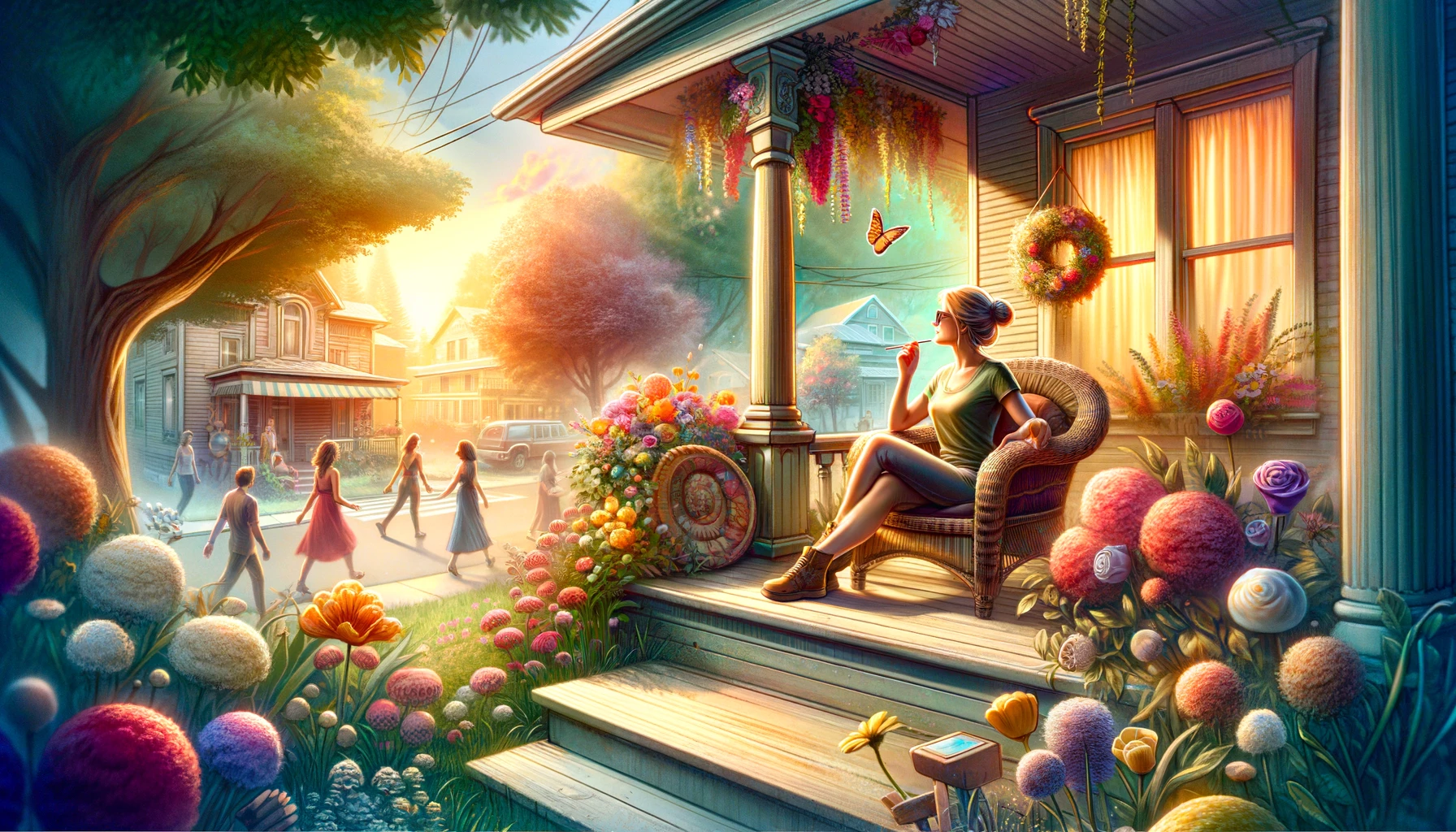
  • I Love Porches: The Original Social Media
    2021
  • My Daily Improv: This Digital Stage
    2021
  • What’s Eating You: Opening The Door
    2020
  • Freedom Fighter: Grappling With The Illusion
    2020
  • Keys To Happiness: Creating and Consuming
    2019
  • I Stand: The Symbolism
    2019
  • To Mindfully Do Nothing: The Peace of Inaction
    2019
  • The Cosmic Chase: What’s your banana?
    2018
  • I Wake Up For Nothing: The Flow of Being
    2018
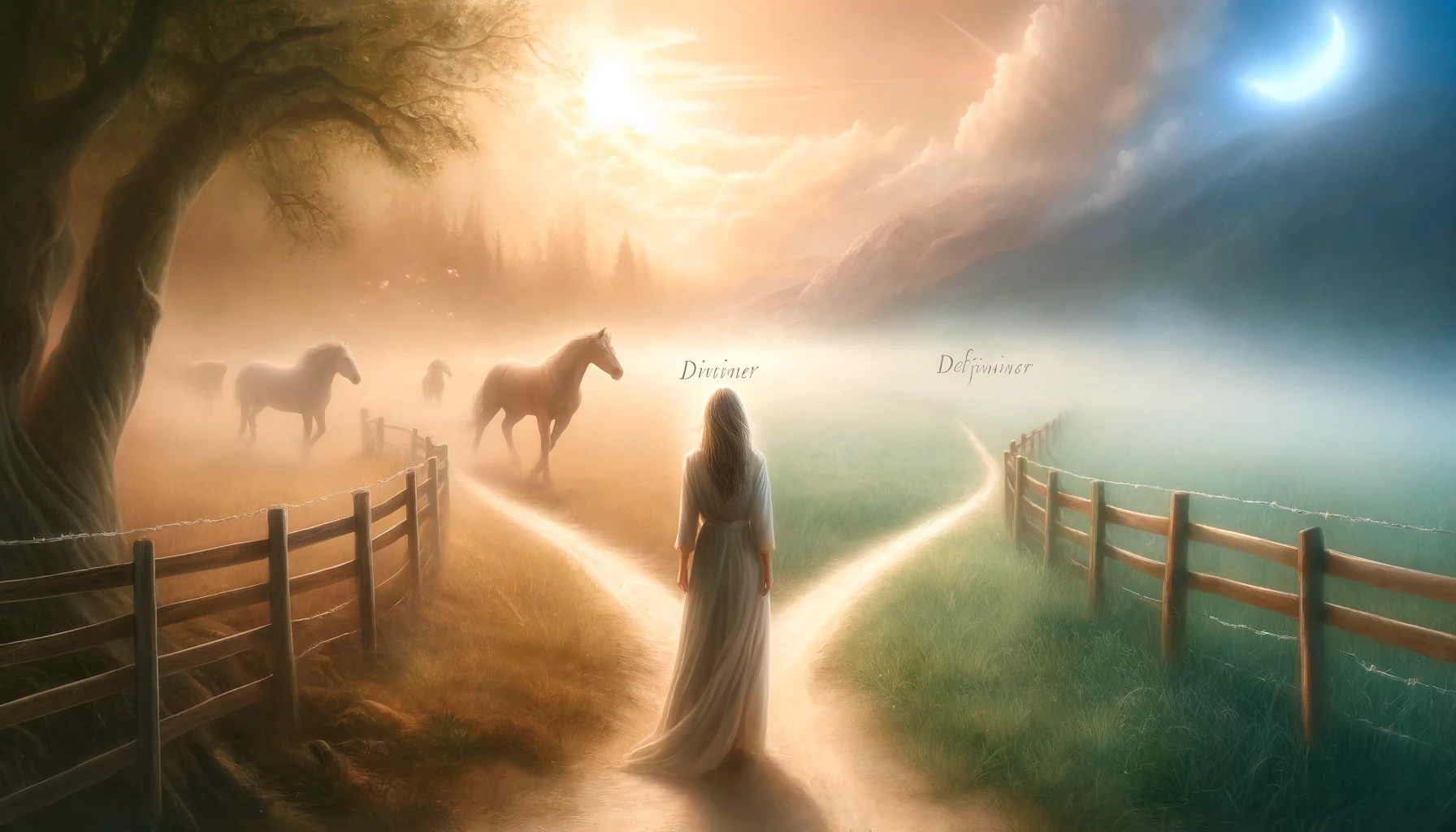
  • Diviner or Definer: The Crossroads
    2017
  • Crazybad, Crazygood: The Spectrum of Insane Possibilities
    2017
  • Clansvestite: The Joy of Cultural Exploration
    2015
  • Ink Blots and Utterances: The Living Story
    2015

Recent Posts

  • The Logic Loop
  • Immense
  • (no title)
  • Confront. Comfort. Convince.
  • Top 10 Things
Cape Odd · Copyright © 2026 All Rights Reserved
iThemes Builder by iThemes · Powered by WordPress