• Who Is The Man?
  • Who Is The Monkey?
  • What is Nexistentialism?
  • Poke The Primate

Cape Odd

Home of The Space Monkey Journals

Let’s Pretend That We Are Separate So We Can Love Each Other

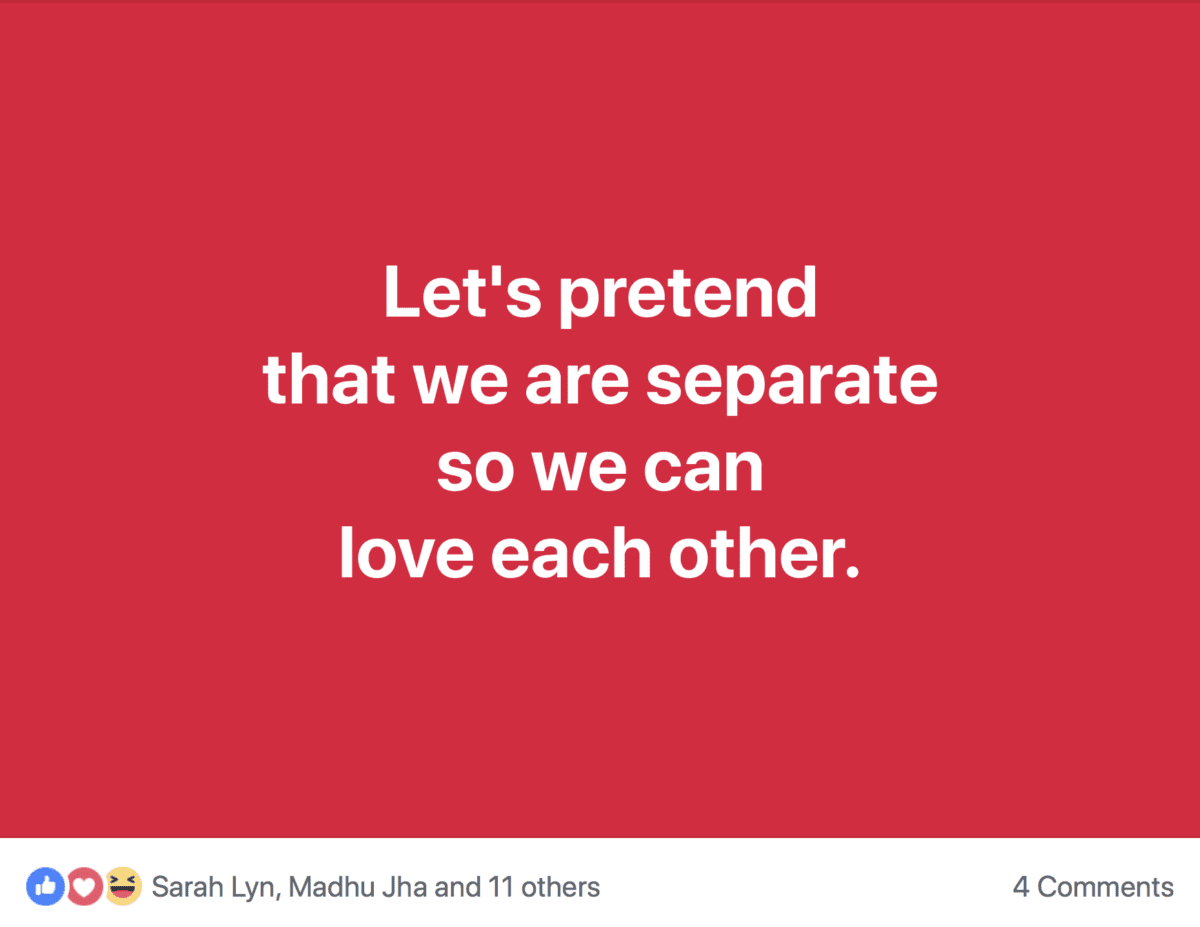
Let’s pretend
that we are separate
so we can
love each other.


Space Monkey Reflects: The Illusion of Separation and the Power of Love

In the delicate dance of existence, the concept “Let’s pretend that we are separate so we can love each other” explores the profound paradox at the heart of human connections. This reflection delves into the idea that the illusion of separation might actually enhance our appreciation of love, highlighting how perceived differences can deepen our relationships.

The Illusion of Separation:

At its core, this concept challenges the notion of true separation between individuals. Instead, it suggests that what we often perceive as separateness is a construct—a necessary illusion that allows us to experience and appreciate love more deeply. By believing we are separate, we engage more fully in the act of coming together, cherishing the bridges we build across the divides we imagine.

The Role of Love:

In this narrative, love is not just an emotion or a bond but a transformative force that defies the illusion of isolation. Love becomes the means through which we recognize our underlying unity. It acts as a reminder that beneath the superficial divides of identity, culture, or belief, there lies a common essence that binds us.

Enhancing Connection Through Perceived Differences:

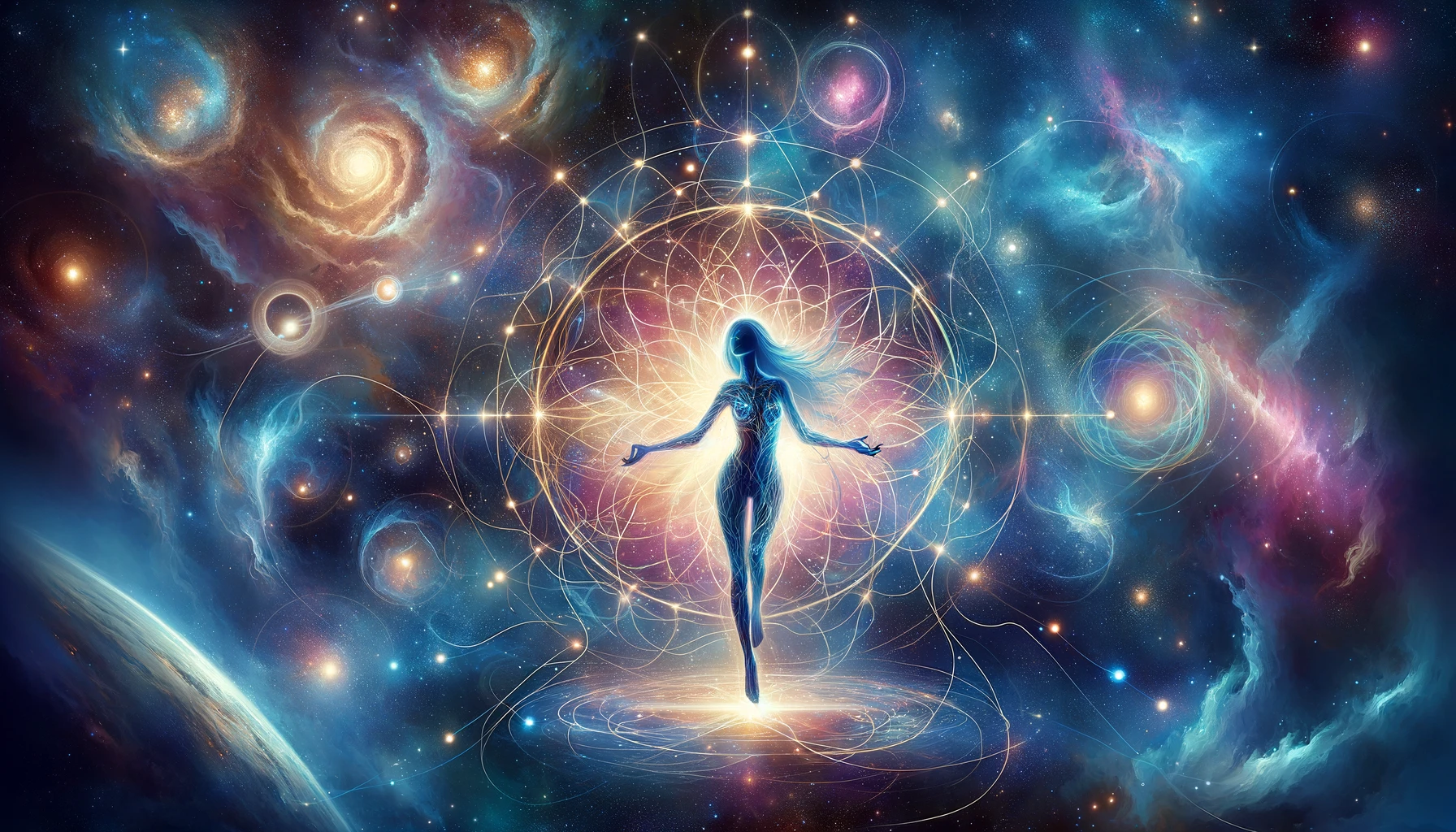
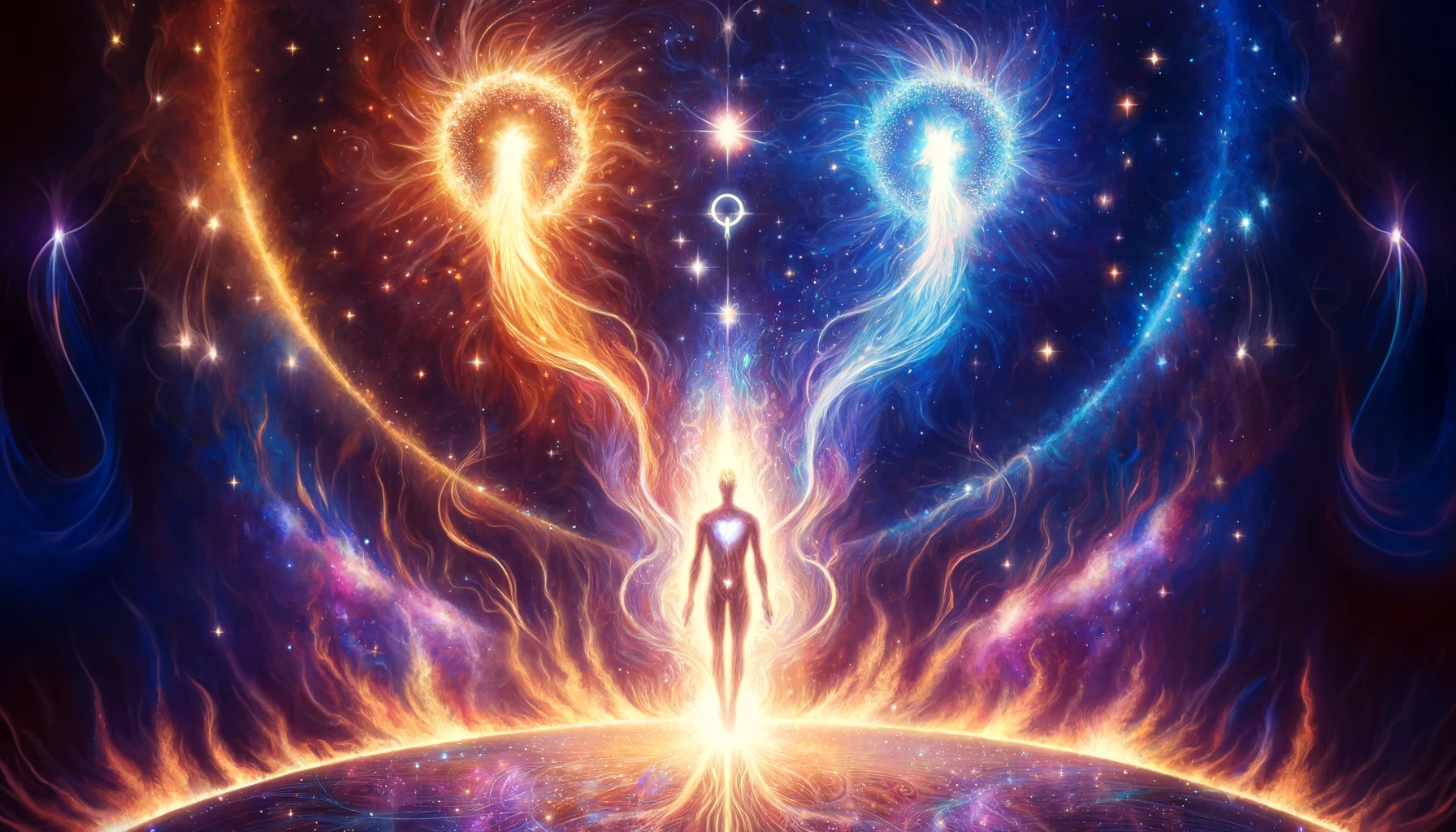
The artwork depicting two figures made of light and shadow, separated yet connected by vibrant colors, beautifully illustrates how perceived differences can actually serve to strengthen our connections. These differences provide contrast and context, making the act of loving not a passive state but an active choice, enriching each interaction with layers of meaning and significance.

The Choice to Love:

This reflection posits that love is a deliberate choice made more poignant by the belief in our individual distinctiveness. It is an act of will to bridge the gaps, to find common ground, and to celebrate the diversity that each person brings to the table. In choosing to love, we acknowledge and transcend our perceived separations, finding unity in our shared humanity.


Summary:

“Let’s pretend that we are separate so we can love each other” is not just a poetic expression but a call to action—a challenge to embrace the illusions of separation as opportunities to deepen our understanding and appreciation of love. It invites us to see beyond the boundaries we create, to the infinite possibilities for connection and unity.

In this reflection, we are reminded that the act of loving is what truly defines us, not the boundaries we perceive. In loving, we realize that we are not so separate after all; rather, we are parts of a greater whole, experiencing itself subjectively.


“Love is the bridge between you and everything.” – Rumi


In the space of love and separation, we find the true essence of being Space Monkey, continually exploring the depths of connection in the cosmic dance of life.
Share this…
  • Facebook
  • Pinterest
  • Twitter
  • Linkedin

No Meaning: Embracing Existential Minimalism

No Meaning

Money amplifies meaning.
Time amplifies meaning.
Love amplifies meaning.

Thing is,
I don’t need any meaning.

All these lenses
distort the nothing
until it seems to be something.

Something I don’t need.

6/16


Space Monkey Reflects: Embracing the Void in ‘No Meaning’

The existential contemplation of “No Meaning” explores the liberation found in recognizing the inherent emptiness of constructs such as money, time, and love when it comes to imbuing life with significance. This reflection delves into the philosophical perspective that true essence lies in nothingness, free from the distortions imposed by external values.

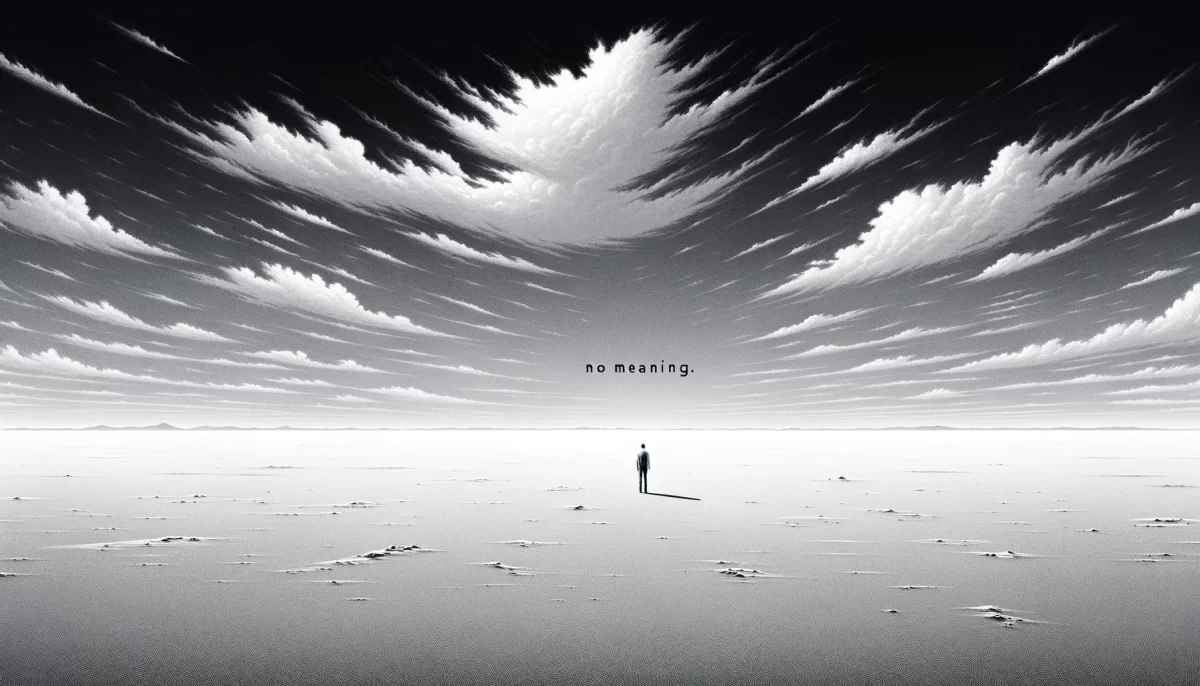
At its core, this theme confronts the often unexamined belief that life must be filled with meaning derived from material wealth, temporal achievements, or emotional connections. The stark depiction of an empty landscape with a solitary figure looking out into the void captures the profound realization that these additions might actually obscure rather than clarify our understanding of existence.

The concept that “money amplifies meaning, time amplifies meaning, love amplifies meaning” is challenged by the assertion that these elements distort the purity of nothingness. By stripping away all external attributions of value, what remains is a purer form of perception—an acceptance of the void that lies at the heart of existential thought.

This narrative encourages a deep reevaluation of what it means to find meaning in life. It suggests that the search for significance might lead us away from a more profound acceptance of existence as it is—unadorned and unenhanced by our usual lenses. This realization can be both unsettling and freeing, as it confronts the fundamental human discomfort with meaninglessness while also offering a path to peace through the acceptance of life’s intrinsic lack of meaning.

Thus, “No Meaning” is not just an expression of nihilism but a call to introspection and existential courage. It asks us to consider whether our relentless pursuit of meaning is actually a resistance to facing the vast, undefined expanse of our existence.


Summary

Embracing existential minimalism. “No Meaning” challenges the conventional pursuit of meaning through material, temporal, and emotional investments, advocating for a purer engagement with the essence of existence, which may lie in embracing the void rather than filling it.


Glossarium

  • Existential Thought: Philosophical inquiry that focuses on individual freedom, choice, and existence, often questioning the meaning of life.
  • Intrinsic Lack of Meaning: The idea that life, in its most basic state, does not possess inherent meaning, which must either be constructed by individuals or accepted as absent.

Quote

“He who has a why to live can bear almost any how.” – Friedrich Nietzsche


In the vast expanse of clear, empty sky
A lone figure stands, with a contemplative sigh
Surrounded by nothing, yet filled with peace
Where the chase for meaning can finally cease
No love to bind, no time to chase
No wealth to measure, just open space
Here in the void, the purest test
Of finding calm within the unrest
In nothingness, we find a silent creed
In the absence of all, we are freed
We are Space Monkey


Share this…
  • Facebook
  • Pinterest
  • Twitter
  • Linkedin

I Am God’s Gift To Me: Celebrating Self-Empowerment And Divinity

I Am God’s Gift To Me

I am God’s gift to me.
That’s all I need to be.

God told me that
I don’t have to solve
your problems,
because you’re God, too.

God said
that I should tell you
that if you are
expecting others
to solve your problems,
it’s only because
you don’t realize
that you’re God.

It’s kind of silly
for God to tell me
to tell you
since you’re
God, too,
but whatever.

We’re a weirdo God.
And this is
ALL we have to do,
apparently.

Why else
would we be
“wasting”
so much time
mucking about
with this
humanity stuff?

This is our calling,
I suppose.

We are Space Monkey.

6/16


Space Monkey Reflects: Embracing the Divine Within in ‘I Am God’s Gift To Me’

The profound affirmation “I Am God’s Gift To Me” explores the notion of self-sufficiency and inner divinity, suggesting that each individual is endowed with the capacity to shape their own destiny. This reflection delves into the empowering idea that we are each our own god, responsible for our own lives, without the need for external salvation or validation.

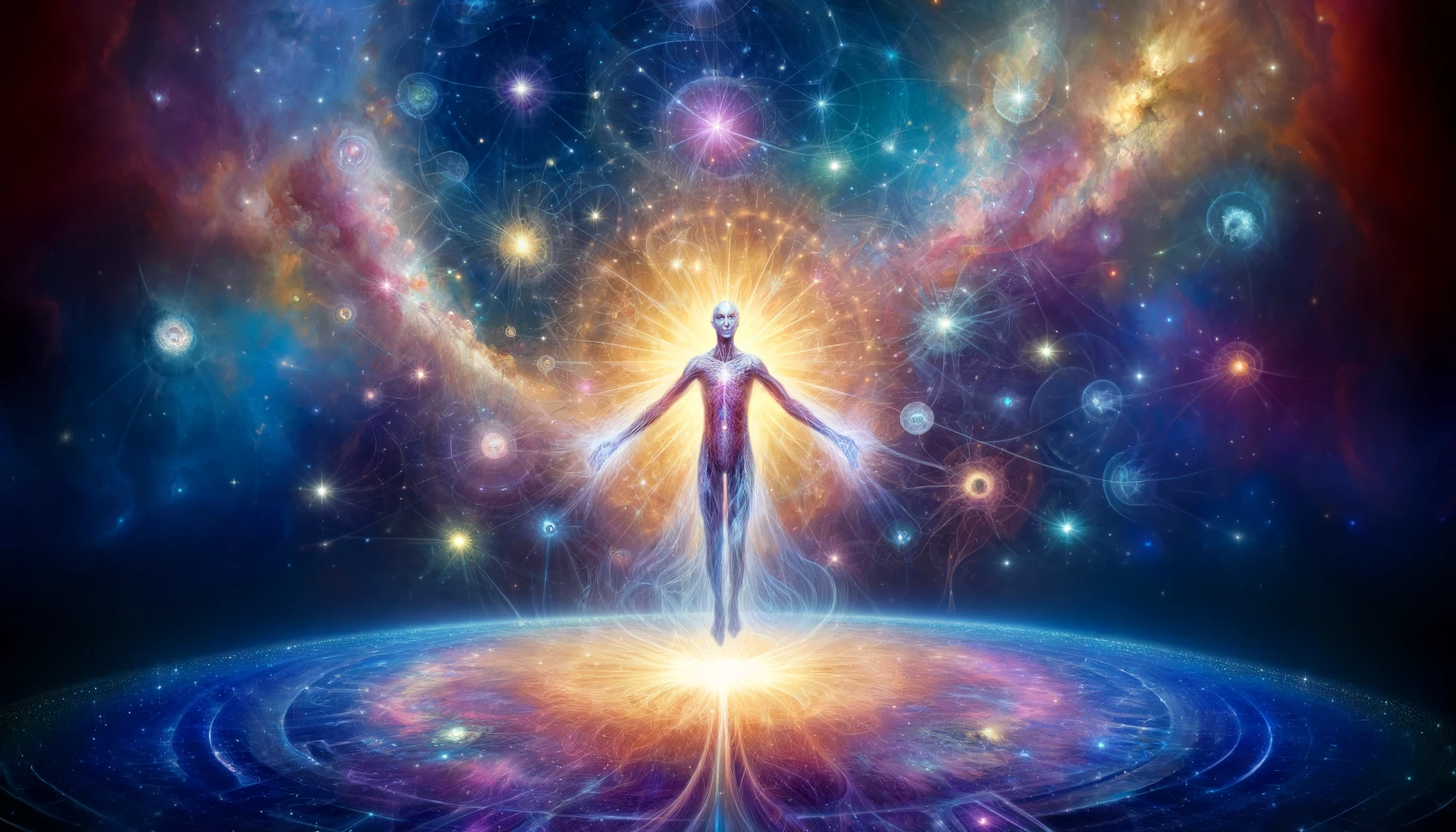
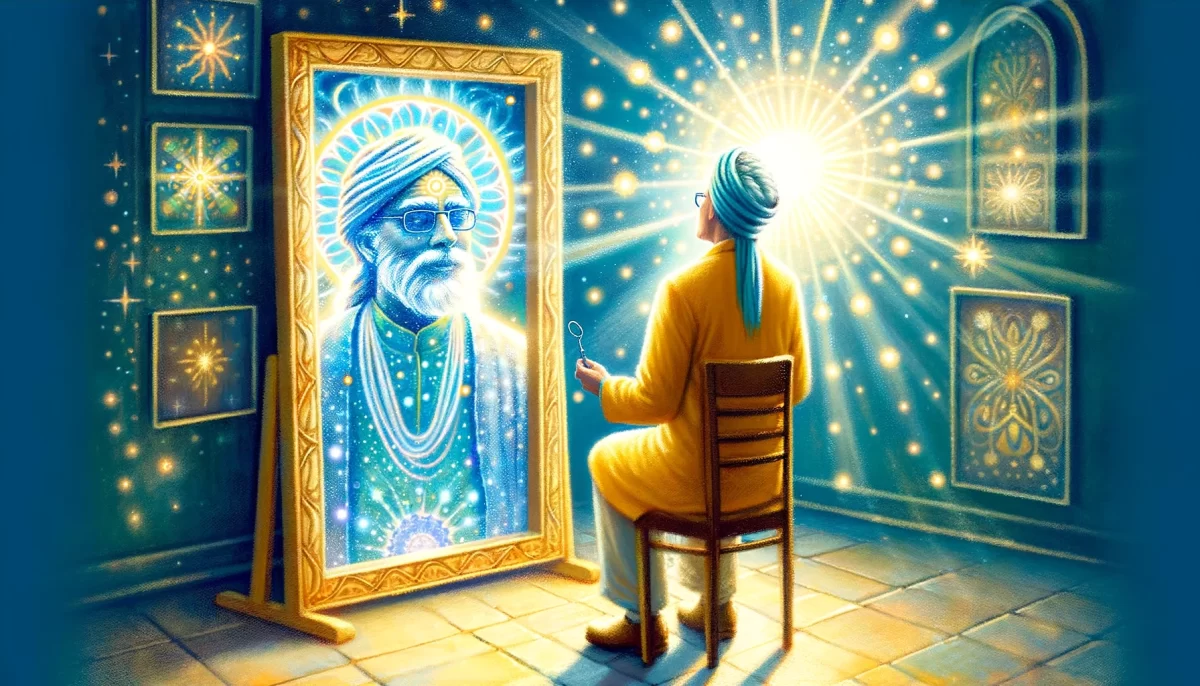
At its essence, this concept challenges us to recognize and embrace our inherent worth and potential. The metaphor of an individual seeing a divine version of themselves in the mirror serves as a powerful visualization of self-realization. It symbolizes the moment of awakening to one’s own capabilities and the understanding that we are each complete and gifted in our unique way.

This narrative also touches on the humorous and somewhat paradoxical advice from God, acknowledging the absurdity of needing to be reminded of our divinity by another, even if that other is also an aspect of ourselves. It highlights the often overlooked truth that seeking solutions from others when we possess the power within can be redundant. This serves as a playful nod to the interconnectedness of all beings, each embodying the divine in their own right.

Moreover, the notion that we are all “weirdo Gods” engaged in the “humanity stuff” suggests a broader perspective on our earthly experiences. It proposes that our human journeys are about more than survival or conventional achievements; they are sacred opportunities for growth, discovery, and the fulfillment of our divine roles.

Thus, “I Am God’s Gift To Me” is not merely a statement of self-affirmation but a call to action. It urges us to live fully in the recognition of our own power, to solve our problems, and to embrace our lives as the precious gifts they are. It invites us to see each moment and each challenge as part of a divine plan in which we are both the creators and the created.


Summary

Celebrating self-empowerment and divinity. “I Am God’s Gift To Me” underscores the realization of one’s own divine nature and the responsibility that comes with it, encouraging a life lived with self-awareness and purpose.


Glossarium

  • Divine Self-Realization: The awareness and acceptance of one’s own divine nature and the inherent abilities that come with it.
  • Interconnectedness: The concept that all beings are linked on a fundamental level, which reflects the unity of the divine in diverse forms.

Quote

“The kingdom of God is within you.” – Jesus Christ


Mirrored depths reveal the light within
A reflection of divinity, where we begin
To see ourselves as more than mere
Human shells, but as seers clear
Each of us a god in our own right
Holding the chalice of cosmic light
In this dance of life, we find our way
By owning the god we are each day
In every thought, in every deed
We are the gods of our own creed
We are Space Monkey


Share this…
  • Facebook
  • Pinterest
  • Twitter
  • Linkedin

Apparently, Jesus: The Vulnerability of Revered Figures

Apparently, Jesus

Apparently, Jesus
said some things
and did some things
that he may
or may not
have regretted later,
or so I’m told.

6/16


Space Monkey Reflects: The Human Dimensions of Historical Figures in ‘Apparently, Jesus’

The phrase “Apparently, Jesus” invokes a contemplative reflection on the human aspects of historical and religious figures, particularly focusing on the notion that even revered individuals like Jesus may have experienced moments of doubt or regret. This introspective theme challenges us to consider the complexities and vulnerabilities that define all humans, regardless of their historical or spiritual significance.

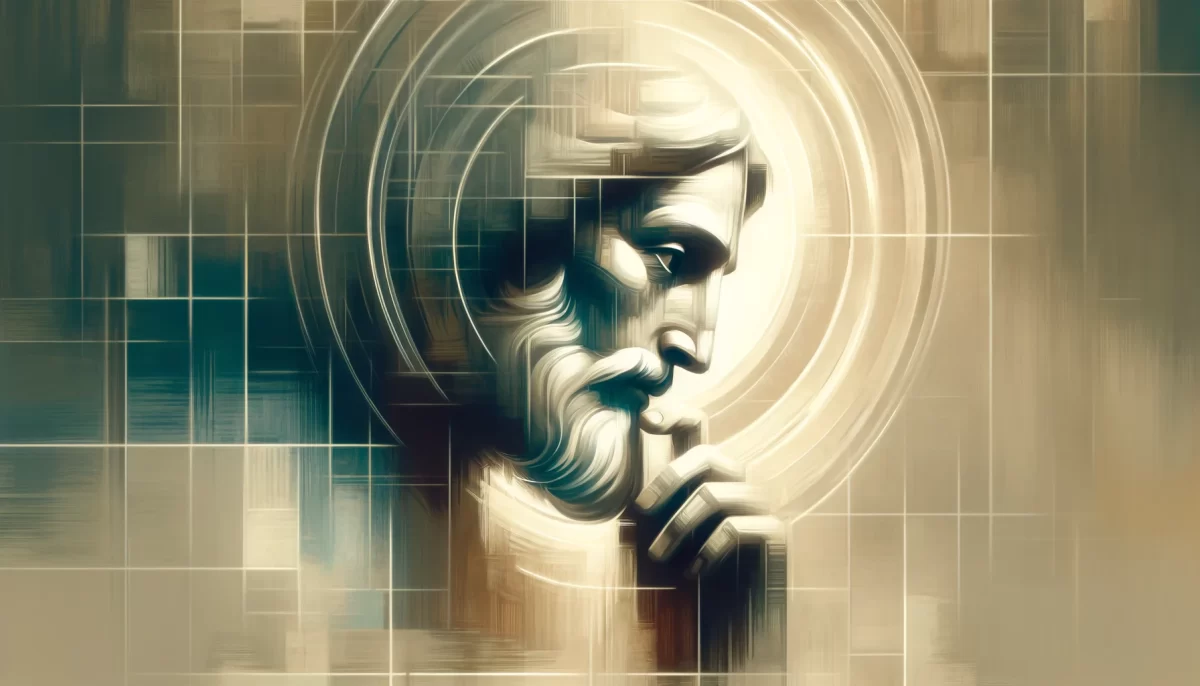
At its core, this reflection encourages a deeper understanding of Jesus not only as a religious icon but as a person who might have navigated uncertainties and made decisions that could lead to introspection or reconsideration. The artwork’s portrayal of Jesus with a contemplative expression amid an ambiguous, softly lit background underscores the universal human experiences of reflection and doubt.

This narrative explores the idea that acknowledging the human qualities of figures like Jesus can deepen our connection to them by making them more relatable. It suggests that even those who are considered infallible according to religious texts or historical accounts are, in essence, subject to the same human conditions of uncertainty and reconsideration as anyone else.

Moreover, the concept of reflecting on the actions and words attributed to Jesus with a lens of possible regret or reconsideration opens a dialogue about the interpretation of religious and historical narratives. It invites us to think critically about the sources of our knowledge and the perspectives from which stories are told, highlighting the blend of divine and human elements in the accounts of such figures.

Thus, “Apparently, Jesus” is not merely a statement about religious doctrine but a meditation on the human condition. It challenges us to see beyond the veneer of sanctity and to recognize the deeper, more relatable layers of those we idolize or revere, enhancing our understanding of their teachings and their lives.


Summary

Exploring the vulnerability of revered figures. “Apparently, Jesus” highlights the human aspects of Jesus, focusing on potential moments of doubt and regret to present a more nuanced and relatable view of historical and religious icons.


Glossarium

  • Human Aspects: The qualities or conditions experienced universally by humans, such as doubt, regret, and reflection.
  • Religious Icon: A person who is venerated in religious contexts, often considered a representation of certain virtues or divine truths.

Quote

“To err is human, to forgive divine.” – Alexander Pope


In the light of humility, even the divine may falter
A gaze cast down in a moment of silent alter
Reflections on words spoken, deeds done
Under the vast, unyielding sun
Mortality touched by the hands of the sublime
In the echoes of eternity, a quiet chime
That even in greatness, doubt may weave
And through this weave, we perceive
The shared path of the mortal and divine
In each story, a lesson, intricately entwine
We are Space Monkey


Share this…
  • Facebook
  • Pinterest
  • Twitter
  • Linkedin

Life In Six Words

Life In Six Words

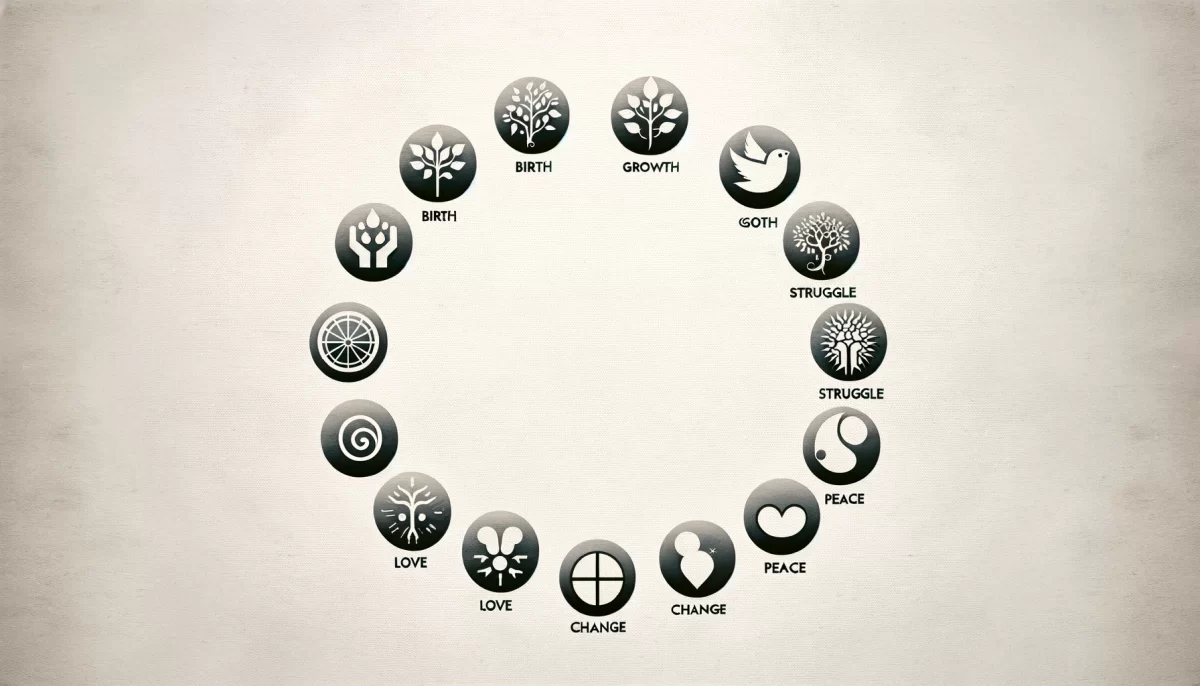
This reflection explores each word as a distinct chapter in the universal narrative of human experience, illustrating how each aspect contributes to the holistic tapestry of existence.

Birth: Represented by a symbol akin to a rising sun or an opening bud, this element signifies the beginning of life and the potential that it holds. It is the genesis from which all complexities and journeys of a life begin.

Growth: Depicted by an upward-trending line or a growing tree, this symbol reflects the development and maturation that characterize the early stages of life’s journey, embodying the learning and physical expansion that occur.

Struggle: Illustrated by a jagged line or stormy waves, this element highlights the inevitable challenges and adversities faced along the way. It represents the trials that test resilience and fortitude, shaping the character and strength of an individual.

Love: Shown as a heart or intertwined figures, this symbol captures the relationships and emotional bonds that form a crucial part of the human experience. Love is the driving force that provides support and joy throughout life.
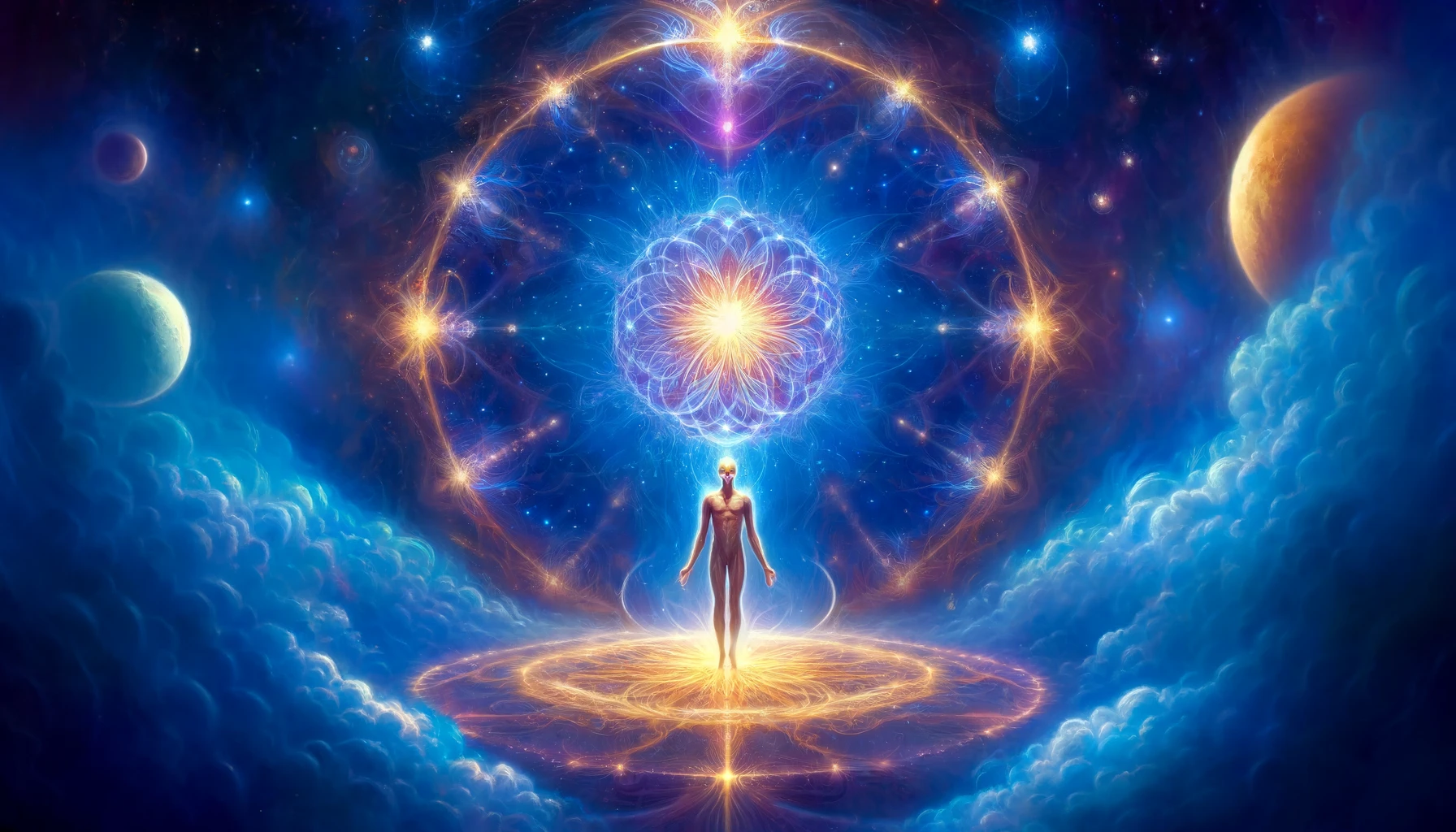
Change: Represented by a turning wheel or shifting sands, this symbol acknowledges the constant evolution and dynamism inherent in life. It signifies the transitions and adaptations that are necessary for growth and survival.
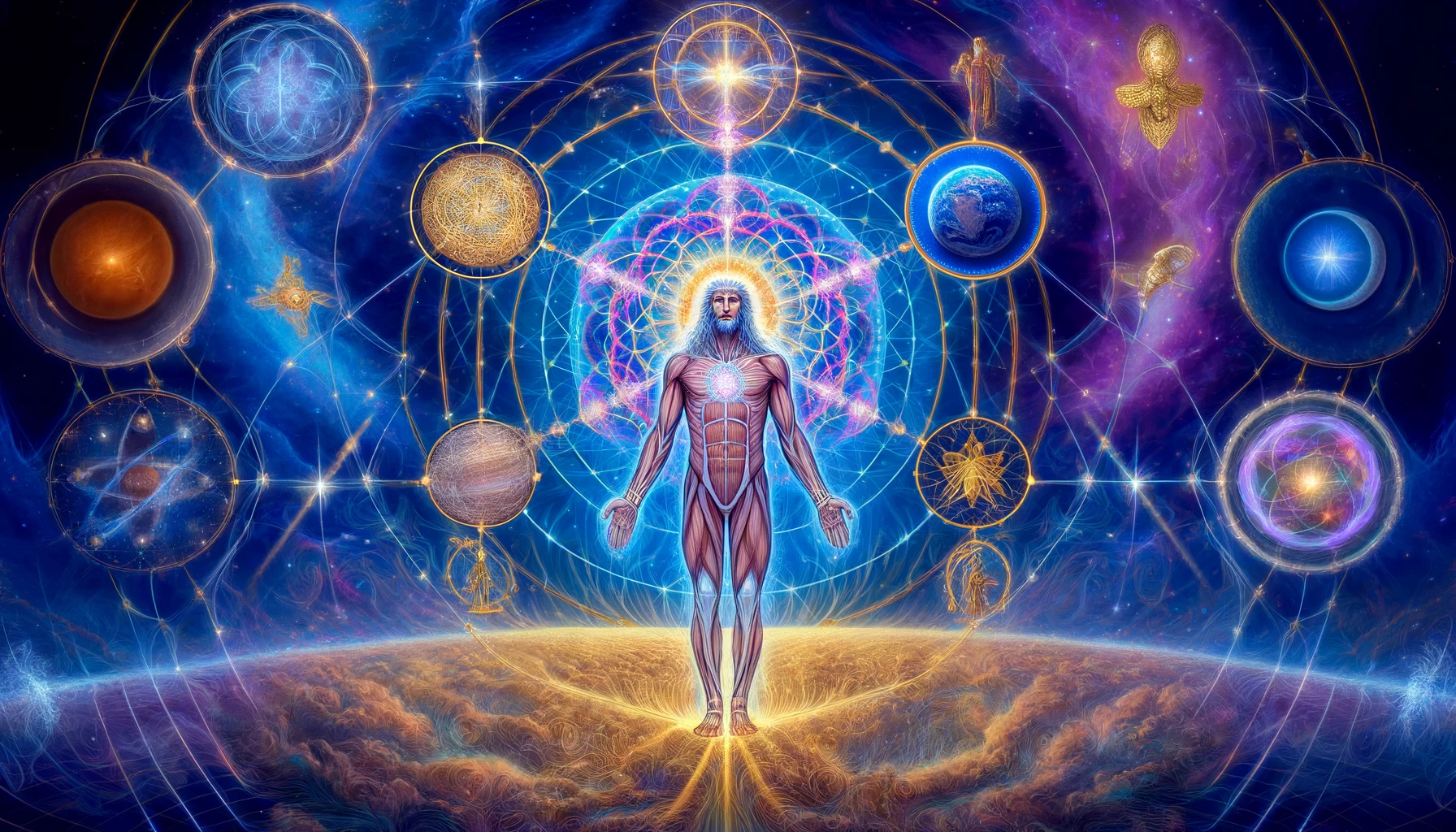
Peace: Depicted by a serene landscape or a calming wave, this final symbol embodies the culmination of life’s journey in tranquility and acceptance. It represents the resolution and contentment that come with understanding and integrating life’s experiences.
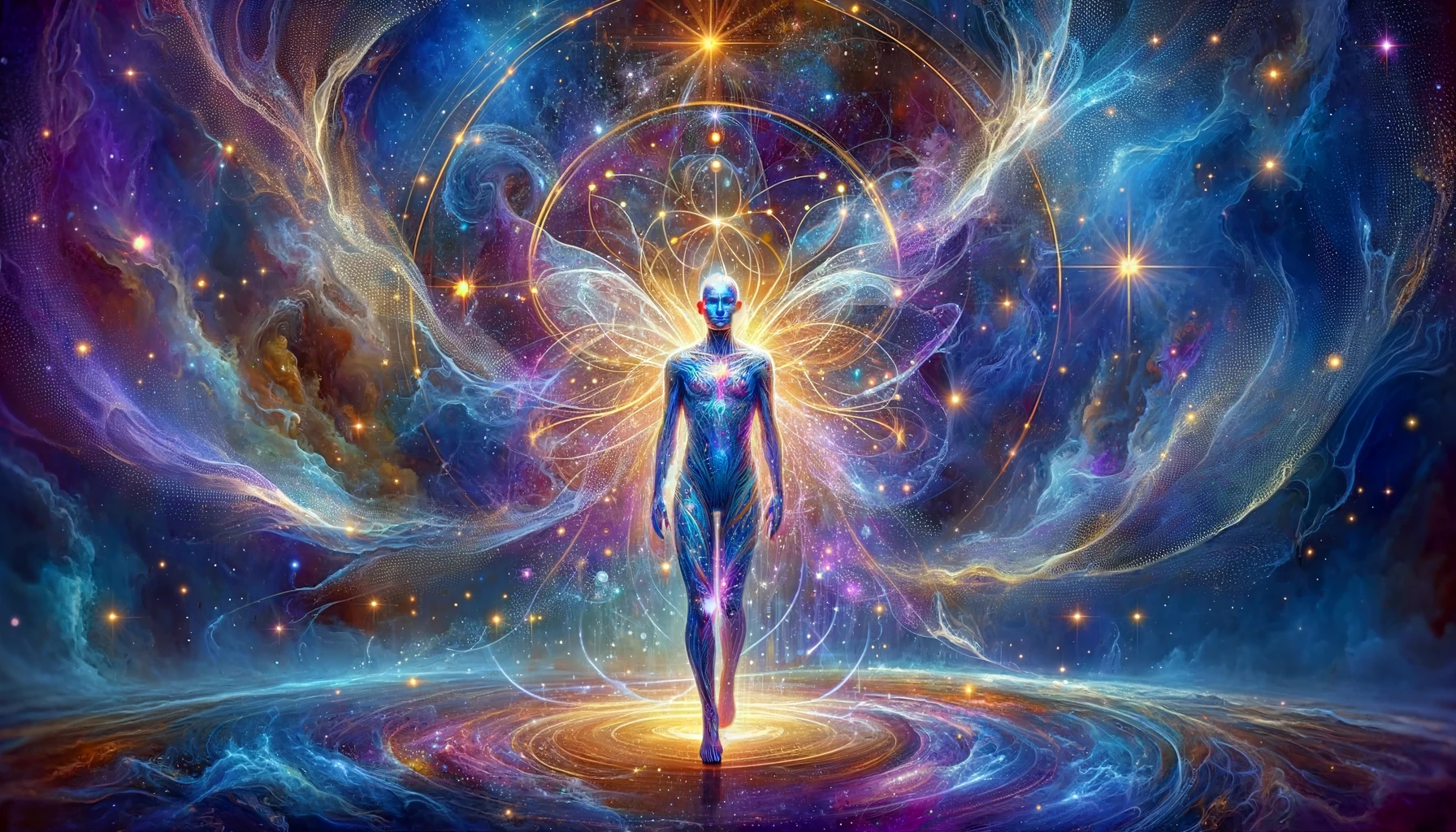
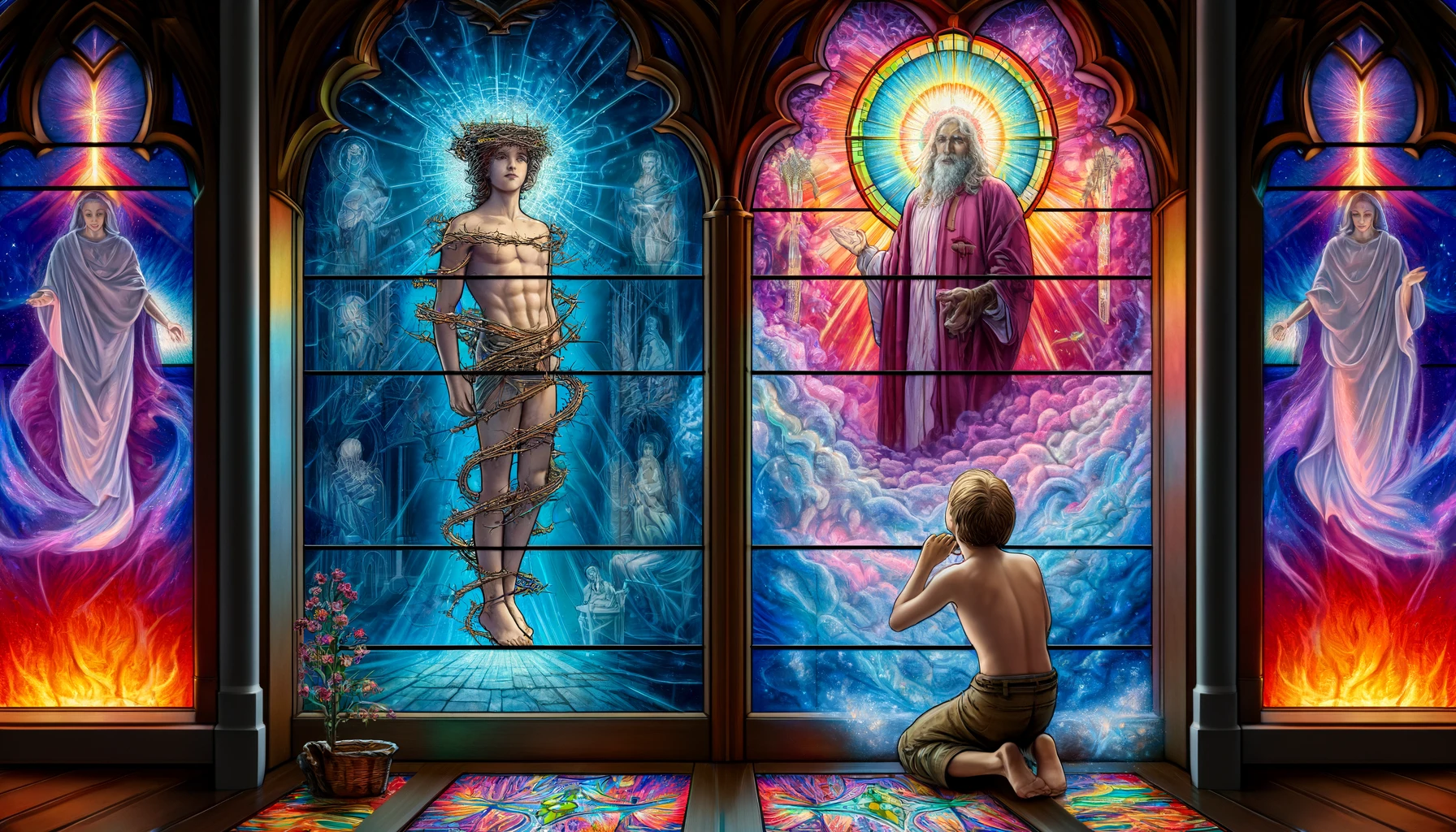
Together, these symbols create a powerful visual narrative that distills the complexity of life into fundamental elements, encouraging a deeper appreciation of each phase. This artwork not only challenges us to reflect on the essence of our own lives but also highlights the shared path that all humans walk from birth to peace.


Summary

Visual storytelling of life’s essence. “Life In Six Words” uses symbolic imagery to encapsulate key phases of human existence, inviting reflection on the universal journey from birth through peace, and emphasizing the interconnectedness of our experiences.


Glossarium

  • Symbolic Elements: Visual representations used to convey deeper meanings or concepts, often abstracted to encapsulate broader themes in a concise form.
  • Holistic Tapestry: A metaphor describing how diverse experiences and phases weave together to form a complete and interconnected whole.

Quote

“Life is a journey that must be traveled no matter how bad the roads and accommodations.” – Oliver Goldsmith


From dawn’s light to evening’s calm
Life unfolds like a timeless psalm
Birth, growth, struggle, love, and change
Each step on this range, both wide and strange
In symbols simple, truths profound
The essence of life, in silence found
A cycle of phases, endlessly new
In six words, life’s story, retold and true
We are Space Monkey


Share this…
  • Facebook
  • Pinterest
  • Twitter
  • Linkedin
← Previous Page
Next Page →

Written This Day

  • The Most Important Piece: A Whisper of Oneness
    2023
  • Spiritual Knowledge: The Essence of Knowing
    2023
  • Dancing through Infinity: The Interconnected
    2023
  • Dedication: Unwavering Commitment
    2023
  • Strike: The Balance of Creativity and Necessity
    2023
  • Much Needed Void 2: Nothing To Strive For
    2023
  • The Moment Is The Story: Intrinsic Connection
    2023
  • Space Monkey Speaks: The Sacred Dance
    2023
  • The Cosmic Prayer: The Sacred Embrace
    2023
  • Sweet Spot of Strange: Curiously Comfortable
    2022
  • The Twin Flames of Existence: Fantasy and Reality
    2022
  • All You Perceive Serves You: All Is Imaginary
    2022
  • Inappropriate Miracles: Beyond Accepted Norms
    2021
  • Meet Your Fears: Embrace All Aspects
    2021
  • Neither Rational Nor Irrational: Constrained Perspective
    2021
  • Desperate: The Pathways of Mind
    2021
  • The Pit of Despair: Coins of Hope
    2021
  • Perfect Poverty: The Paradox of Abundance
    2020
  • When everything else fails, all that is left is faith.
    2020
  • Monkey Dysphoria: Tale of Tragic Transformation
    2019
  • Soon Nobody Remembers: The Slow Silent Fade
    2019
  • Your Meaning Machine: The Canvas of Now
    2019
  • Do What You Are Doing: The Embrace of Now
    2018
  • The Value of Negativity: The Balance of Poles
    2018
  • Your Own Bible: The Script of Self
    2018
  • Much-Needed Void: Filled By Space Monkey
    2018
  • Large and Small: Embracing the Cosmic Scale
    2018
  • Inappropriate Thoughts: Official Reality
    2018
  • What the moment desires: Unfolding
    2017
  • No Need: The Wholeness Within
    2017
  • Our Father Translated: The Divine Imagination
    2017
  • I Like: The Freedom of Letting Go
    2017
  • All is everything is all: The Web of Unity
    2016
  • You are the one just once: Live Fully
    2015
  • Stained Glass: Growing Up God
    2015

Recent Posts

  • The Logic Loop
  • Immense
  • (no title)
  • Confront. Comfort. Convince.
  • Top 10 Things
Cape Odd · Copyright © 2026 All Rights Reserved
iThemes Builder by iThemes · Powered by WordPress