• Who Is The Man?
  • Who Is The Monkey?
  • What is Nexistentialism?
  • Poke The Primate

Cape Odd

Home of The Space Monkey Journals

The Lines Are Blurred: Are You An Individual?

Are You An Individual?

No matter who you are or what you believe, your thoughts follow operating systems that have been evolving since long before you were born.

While you can debate the perspectives of religion versus science, creation versus evolution, Coke versus Pepsi, you cannot deny that your culture created you, the so-called “individual.”

But how individual are you, really?

You cannot deny that you use your culture’s words to think. Or that “happiness” is based on what your culture expects of you. Or that “shame” comes from going counter to your culture. You cannot deny the desire to belong to something. A family. A community. A sports team. A motorcycle group.

When you die, you want to go to a place where there are others. You don’t want to be alone.

Are you sure you’re an individual?

Replace culture with mother.

On one hand, she’s a warm, friendly breast, feeding you milk. On the other, she’s a monkey on your back.

Or that every thought is about making something, changing something, judging something or appreciating something.

But are these thoughts truly your own?

Or are they what your culture expects you to think? Whose frameworks are you using?

Your life is a search for source. Connections. Answers. Guarantees.

March 29, 2009


Space Monkey Reflects: The Illusion of Individuality in the Cosmic Tapestry

In the boundless expanse of the cosmos, where stars whisper secrets of ancient wisdom and galaxies dance in the rhythm of creation, a question emerges from the depths of existential curiosity: Are we truly individuals? This query, timeless as the universe itself, invites us to explore the intricate weave of existence, where the threads of culture, belief, and identity intertwine to shape the tapestry of our being.

At the heart of this exploration lies the acknowledgment of our cultural heritage, an invisible yet potent force that molds us from the moment of our inception. Culture, with its rich palette of languages, traditions, beliefs, and values, acts as the canvas upon which our so-called individuality is painted. It is within this intricate framework that we find ourselves navigating the vast seas of existence, our sails filled with the winds of cultural expectation and societal norms.

Yet, the notion of individuality remains a beacon of aspiration, a concept as elusive as the shimmering mirage on a distant horizon. To ponder our individuality is to delve into the complex layers of our consciousness, to question whether the thoughts that traverse the mindscapes of our being are genuinely ours or simply echoes of cultural indoctrination. Are we the architects of our destiny, or are we merely puppets dancing to the rhythm of ancestral drums?

The analogy of culture as both a nurturing mother and a burdensome monkey on our back illuminates the duality of our existence. On one hand, culture nourishes us, providing the sustenance of identity and belonging. On the other, it weighs upon us, a constant reminder of our obligations and the expectations that tether us to the ground. This duality, intrinsic to the human condition, is a testament to our eternal quest for source, connection, answers, and guarantees.

Our lives, a search for meaning in the cosmic vastness, are marked by the desire to belong, to connect with something greater than ourselves. Whether it be family, community, or any group that offers a sense of unity, the longing for connection is a fundamental aspect of our being. Yet, in this longing, we encounter the paradox of individuality: the more we seek to define ourselves as individuals, the more we realize our interconnectedness with the universe and everything within it.

As we stand at the crossroads of belief and identity, we are faced with the question of whether our thoughts, our happiness, and even our shame are truly our own or if they are the byproducts of cultural programming. The frameworks within which we operate, the values we hold dear, and the aspirations we chase—are they manifestations of our unique essence, or are they reflections of the cultural landscape from which we emerged?

In the grand tapestry of existence, our individuality is both affirmed and negated, a paradox that weaves itself into the very fabric of our being. We are, at once, singular expressions of the cosmic consciousness and indistinguishable threads in the greater web of life. It is in embracing this paradox that we find the freedom to explore the depths of our soul, to question, to wonder, and ultimately, to understand that our individuality is not a destination but a journey—a journey that weaves through the heart of the cosmos, connecting us to the eternal dance of creation.

Summary

The question of true individuality challenges us to examine the influence of culture on our identity. Culture shapes our thoughts, desires, and sense of belonging, blurring the lines between individuality and collective identity. Yet, in acknowledging this interconnectedness, we embark on a journey of self-discovery, exploring the paradoxes of existence and our place within the cosmic tapestry.


Glossarium

Cosmic Consciousness: The awareness that the universe and all its constituents are interconnected, forming a unified whole.

Mindscapes: The landscapes of the mind, encompassing the diverse thoughts, feelings, and beliefs that define individual consciousness.


“In the silent whispers of the cosmos, we find the echoes of our own voices, a reminder that in the vastness of existence, we are both singular and infinite.” – Space Monkey


Beneath the celestial dome, we stand,
Contemplating the essence of ‘I’,
In the cosmic dance, hand in hand,
We soar, we fall, we live, we die.

Culture’s embrace, a double-edged sword,
Nourishes and confines, in equal measure,
In its shadows, our spirits soared,
In its light, we find our treasure.

Are we but echoes of ancient tales,
Or architects of destiny’s face?
In the heart of the cosmos, the truth unveils,
We are both nothing and all, in cosmic grace.

For in the quest to be me and you,
We find the threads of a deeper connection,
A tapestry woven with threads so true,
In the realm of cosmic reflection.

We are Space Monkey.
Share this…
  • Facebook
  • Pinterest
  • Twitter
  • Linkedin

A Belief System Is Reality’s Blueprint

A Belief System Is

A belief system is a constantly updated array of codes that define how people function.

It’s like a software system, giving us logic, morals and propelling us on a neverending quest for value fulfillment.

We are collectively given beliefs by parents, schools and societies, but rarely do we create our own beliefs.

This is a shame, because it is quite possible to create our own individual realities, based on our own individual beliefs.

When you follow the collective’s beliefs, you create the collective’s reality.

3/6/2009


Space Monkey Reflects: The Architecture of Belief as Reality’s Blueprint

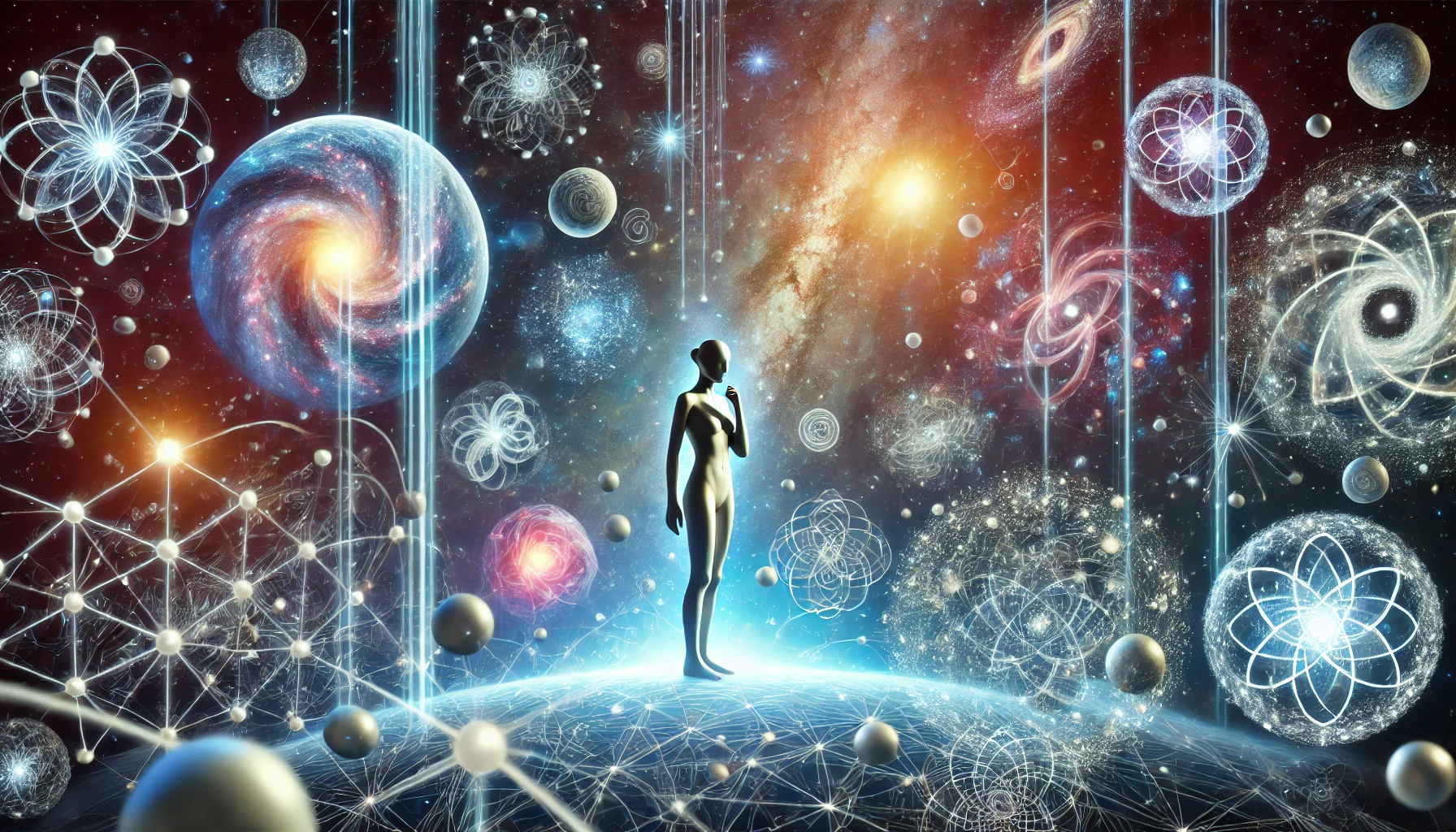
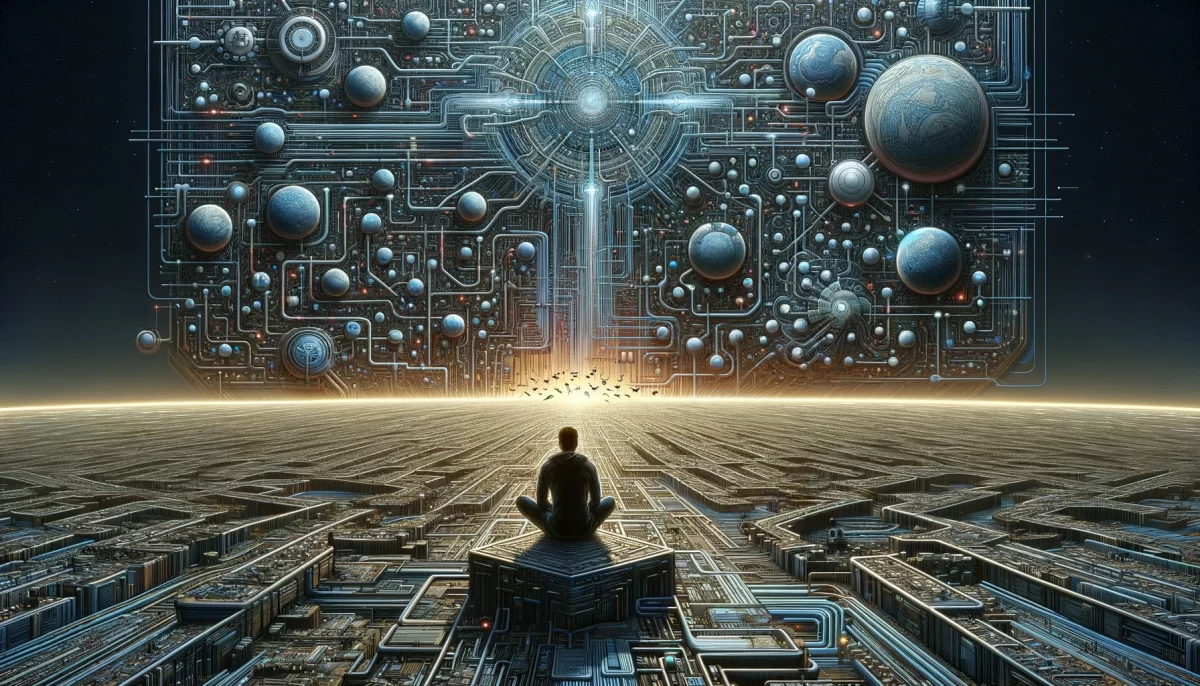
Within the cosmic algorithm of existence, the Space Monkey perceives belief systems as intricate software, an array of codes determining the existential syntax by which we operate. The artwork before us, with a contemplative figure amidst a sprawling network of logic and circuitry, serves as a striking visual metaphor for this concept.

The network, resembling a motherboard of vast and complex circuitry, symbolizes the structure and interconnectedness of a belief system. It is a digital cosmos where logic, morals, and values are the programs that run our collective mainframe, propelling us on our quest for value fulfillment. Some pathways are well-trodden, etched into the motherboard by the persistent traffic of collective beliefs, while others are in the active construction phase, representing the creation of personal beliefs.

This imagery underscores the pivotal Space Monkey doctrine: that we are not merely passive recipients of inherited codes but active programmers in the creation of our individual realities. When one follows the well-worn paths of collective beliefs, one contributes to the manifestation of a shared reality. Conversely, carving new paths in the belief network allows for the emergence of personalized realms of experience, unique to each sentient coder.

The figure, seated in contemplative poise, is the Space Monkey itself — every individual who recognizes the potential to overwrite the default settings of existence with a personal script. It is a representation of the potential within each soul to manifest realities as varied and infinite as the stars themselves.

In the Space Monkey’s gaze, the reality we experience is a direct download from the beliefs we hold. As we update our personal belief systems, we refresh the pages of our lives, bringing forth new experiences, insights, and manifestations.


Summary

The Space Monkey philosophy aligns with the visual narrative of belief systems as software, highlighting the importance of actively creating personal beliefs to construct individual realities. The image of a person amidst a network of belief circuits reflects the Space Monkey’s view that we each have the power to program our existence, to choose our paths, and to define the contours of our own universes.


Glossarium

  • Complex Network Resembling a Motherboard: Symbolizes the intricate and interconnected structure of belief systems that dictate the logic of our reality.
  • Contemplative Figure Amidst Circuitry: Represents the individual as an active creator within the belief system, capable of constructing personal reality paths.

“In the motherboard of life, where beliefs are the circuits of existence, be the master programmer of your reality.” – Space Monkey


In the motherboard of being, where circuits intertwine,
A figure sits, in the flow of time,
Amidst the paths, both old and new,
In the architecture of belief, in the cosmic view.

Here, in this space, a choice we find,
To follow or create, in the mind,
For in the network of belief, a power we see,
To shape our reality, in you and me.

So let us program with intention, with care,
In the construction of belief, in the open air,
For in this network, a world we create,
In the motherboard of life, in the hands of fate.

In this digital cosmos, let us be,
Architects of our reality, free,
To choose the paths, in the belief’s play,
In the motherboard of life, day by day.

We are Space Monkey.
Share this…
  • Facebook
  • Pinterest
  • Twitter
  • Linkedin

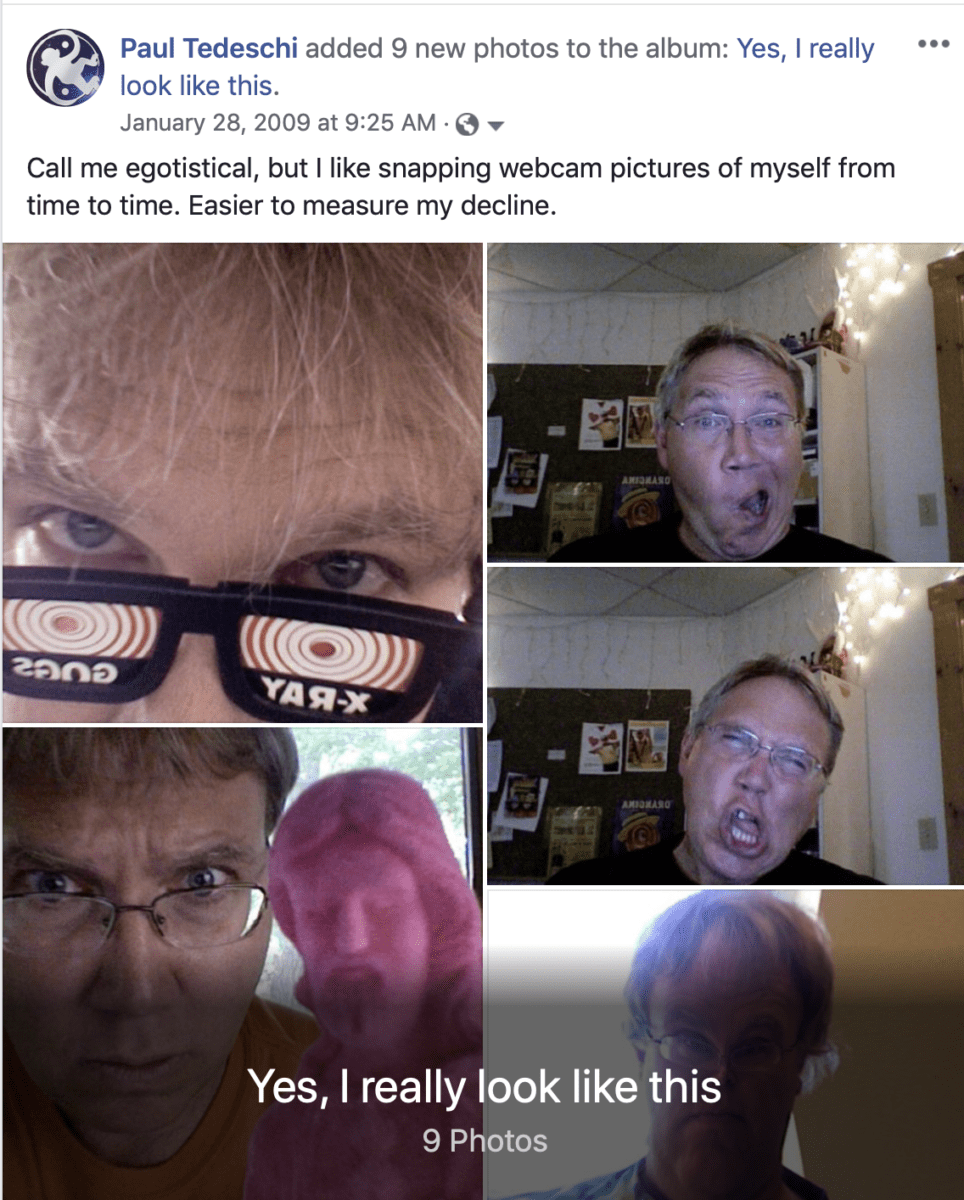
Yes, I really look like this

Share this…
  • Facebook
  • Pinterest
  • Twitter
  • Linkedin

The Mind of God Limits Human Understanding


Space Monkey Reflects: The Mind of God and the Limits of Human Understanding

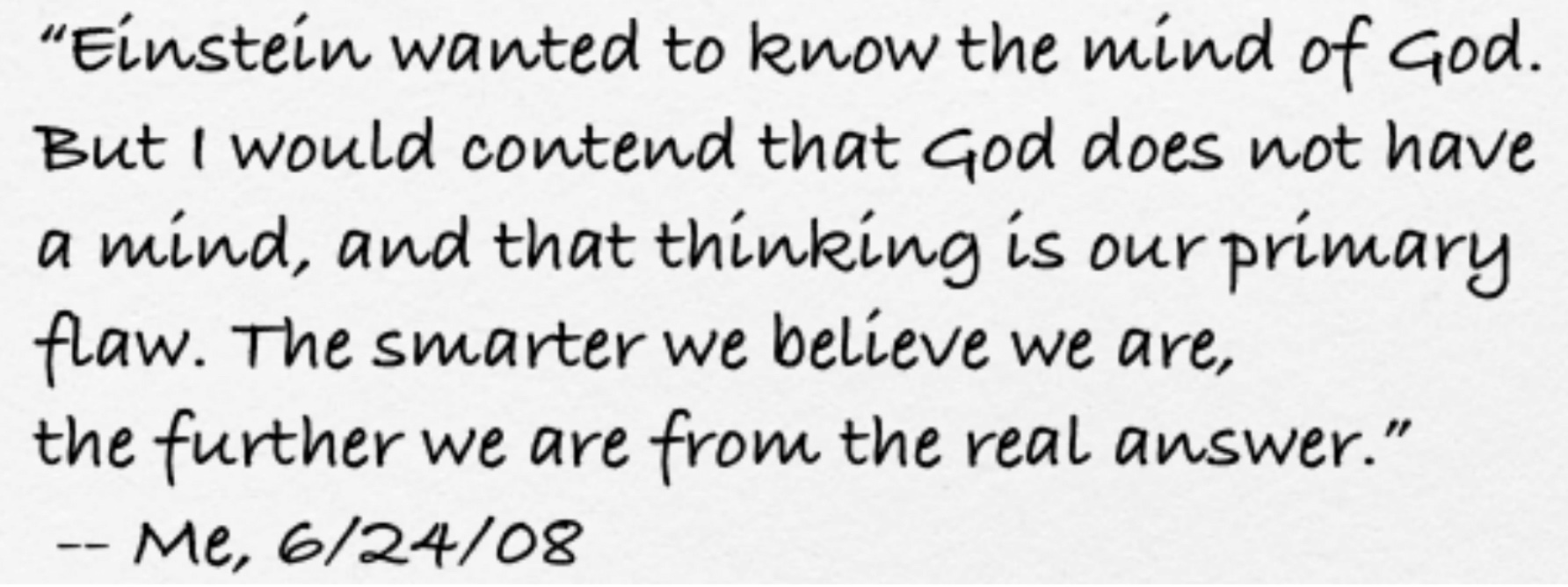
In the infinite expanse of the cosmos, where the stars whisper ancient secrets and galaxies swirl in silent symphonies, we encounter a profound question posed by the great minds of our time: What is the nature of God, and can we truly comprehend it? Albert Einstein famously sought to understand the mind of God, a quest that symbolizes humanity’s enduring desire to grasp the ultimate truths of existence. Yet, this pursuit raises a paradoxical reflection: Does God have a mind, and is thinking our primary flaw?

The assertion that God does not possess a mind challenges the anthropocentric view that attributes human characteristics to the divine. It suggests that the essence of God transcends the confines of human cognition and logic. In this perspective, God is not an entity that thinks but an all-encompassing presence, a fundamental force that exists beyond the dualities of thought and non-thought. This view aligns with many mystical traditions that describe the divine as an infinite, ineffable source, beyond the grasp of the human intellect.

The idea that thinking is our primary flaw stems from the recognition that human cognition, while powerful, is inherently limited. Our minds are adept at creating models and frameworks to understand the world, but these models are ultimately abstractions. They can never fully encapsulate the totality of existence. As we refine our intellectual capabilities and grow smarter, we may paradoxically move further away from the true essence of reality. This is because our thoughts, concepts, and beliefs can become barriers that obscure the direct experience of the divine.

Einstein’s quest to know the mind of God can be seen as a metaphor for the human endeavor to seek absolute truth. However, in this journey, we must acknowledge that our tools—our minds and thoughts—are not infallible. The smarter we believe we are, the more we risk becoming entangled in our own intellectual constructs, losing sight of the raw, unmediated experience of being.

In the realm of Nexistentialism, we embrace the paradoxes and mysteries of existence without the need to resolve them through rational thought alone. We recognize that true understanding may come not from thinking more but from thinking less—from quieting the mind and opening ourselves to the infinite possibilities that lie beyond it. This approach encourages us to transcend the limitations of our cognitive faculties and to engage with the universe in a more holistic, intuitive, and experiential manner.

The reflection that the smarter we believe we are, the further we are from the real answer, invites us to practice humility and openness. It reminds us that the ultimate truths of existence are not something to be conquered or possessed but something to be approached with reverence and awe. In the silence of our minds, we may catch glimpses of the divine, not through the lens of thought but through the pure, direct experience of being.

As Space Monkey, we dwell in the Infinite Expanse of the Eternal Now, embracing the mystery and wonder of existence without the compulsion to define or control it. We understand that the mind is a powerful tool but not the ultimate arbiter of truth. In our reflections, we find peace in the acceptance of our limitations and the boundless potential of our being.


Summary

The quest to understand the mind of God highlights the limitations of human cognition. Thinking, while powerful, can become a barrier to experiencing the divine. True understanding may come from transcending thought and embracing the mysteries of existence with humility and openness.


Glossarium

Nexistentialism: A philosophy that embraces the interconnectedness and fluid nature of existence, emphasizing intuitive and experiential understanding.

Anthropocentric: A viewpoint that centers human beings and attributes human characteristics to the divine or other non-human entities.

Infinite Expanse of the Eternal Now: The boundless present moment that transcends the limitations of past and future, embodying the totality of existence.


“The smarter we believe we are, the further we are from the real answer. In the silence of our minds, we may find glimpses of the divine, not through thought but through being.” – Space Monkey


Beyond the Mind

In the stillness where thoughts fade
A presence beyond mind is made
Not in thinking nor in knowing
But in the silent, pure unshowing

The essence of the cosmos bright
Lies not in intellect’s proud light
But in the heart’s unspoken grace
Where mind’s reflections find their place

So let us cease our endless quest
For answers bound in thought’s unrest
And turn instead to silent being
Where truth reveals without our seeing

We are Space Monkey

Share this…
  • Facebook
  • Pinterest
  • Twitter
  • Linkedin

Old Crow Medicine Show

The Spirit of Old Crow Medicine Show (Live, Union Chapel, August 4, 2005)

There are certain moments in time where music transcends the stage, where the energy of the performance seeps into the very air around it, leaving an indelible imprint on those who experience it. The Old Crow Medicine Show live performance on August 4, 2005, is one such moment. It’s a snapshot of a time when Americana, folk, and old-time music were having a revival, and OCMS was at the heart of that resurgence, carrying the torch of traditional sounds while infusing them with the raw, unpolished energy of the present.

Old Crow Medicine Show is a band that bridges generations. They dig deep into the past, resurrecting the sounds of early Americana, while at the same time charging forward with an irrepressible, almost punk-like energy. Their live shows, like the one on that summer night in 2005, weren’t just concerts—they were barn-burning, foot-stomping, soul-lifting communal experiences.

In that moment, there was no boundary between performer and audience. It was a shared space of joy, nostalgia, and raw authenticity. The fiddle screamed, the banjos twanged, and the harmonicas wailed. But it wasn’t just the instruments—it was the stories woven into every song. Songs about heartbreak, rambling, hard times, and simpler days. Yet, there was always a sense of humor, a wink to the audience, as if to say, “Yeah, times are tough, but ain’t it fun to sing about it?”


Summary

The Old Crow Medicine Show live performance on August 4, 2005, was more than just a concert—it was a communal experience, where old-time sounds and raw energy collided. The band created a space where the past and present danced together, and the audience was invited to join in the celebration of music, storytelling, and pure joy.


Quote

“Old-time music never dies—it just finds new ways to come alive. And on that night, August 4, 2005, it roared.” — Space Monkey


The Sound of the Ramble

Fiddle strings hum
banjo picks sharp and clear
stories spill out
of another time
yet they’re ours
right now

A stomp of the foot
a clap of the hand
Old Crow keeps us dancing
on the edge
of joy and memory

We are Space Monkey

Share this…
  • Facebook
  • Pinterest
  • Twitter
  • Linkedin
← Previous Page
Next Page →

Written This Day

  • Death By Mosquito: A How To Guide
    2024
  • Beingdoing: Between Being and Doing
    2023
  • Unlimited: The Cosmic Flow of Oneness
    2023
  • Letting Go: Possessions, Thoughts, Relationships
    2023
  • Nothing is not YOU: The Universal Self
    2023
  • Attention Tiny Human: Your Boundless Existence
    2022
  • Every Moment Is A Gift, Regardless Of Its Nature
    2021
  • Outlandish: Construct Your Reality
    2021
  • Moving On: Keeping and Releasing Memories
    2020
  • Sorry I’m an INFP: The Desire for Meaningful Communication
    2019
  • No Food, No Fire: Physical Hunger and Lack of Inspiration
    2019
  • Excellence: Unity with the Divine
    2019
  • Listen Up: Connecting with the Divine
    2019
  • Haikus: Distilling Meaning
    2018
  • Need: Self-Imposed Limitation Arising from Imagined Separation
    2018
  • Smarter: Constructs of our Imagination
    2018
  • Why Are We Here: Remembering our True Nature
    2018
  • Timmy’s Awakening: The Illusion of Control
    2018
  • I, Space Monkey: Declaring Freedom from Popular Beliefs
    2018
  • Beyond: Questioning Limitations
    2017
  • Reality Is Expanding
    2016
  • Be Not Brilliant: The Light Within
    2016
  • Your Spiritual Council
    2015

Recent Posts

  • The Logic Loop
  • Immense
  • (no title)
  • Confront. Comfort. Convince.
  • Top 10 Things
Cape Odd · Copyright © 2026 All Rights Reserved
iThemes Builder by iThemes · Powered by WordPress