If you fear that you are
descending into Madness,
ask yourself:
“whose opinion is this?”
You will find that
“descending into Madness”
is the opinion of Logic,
who understands much,
but clearly not Madness.
When you ask Madness
if you are descending into Madness,
Madness replies:
“Maybe. So what?”
Madness is not a problem for Madness.
Logic is not a problem for Madness.
Madness is only a problem for Logic.
Who would you rather be,
a being with problems
or a being with no problems?
It’s okay. You can be both.
(Unless you’d rather be Logic.)
We are Space Monkey.
Trail Wood,
12/14
Space Monkey Reflects: The Logical Argument for Madness
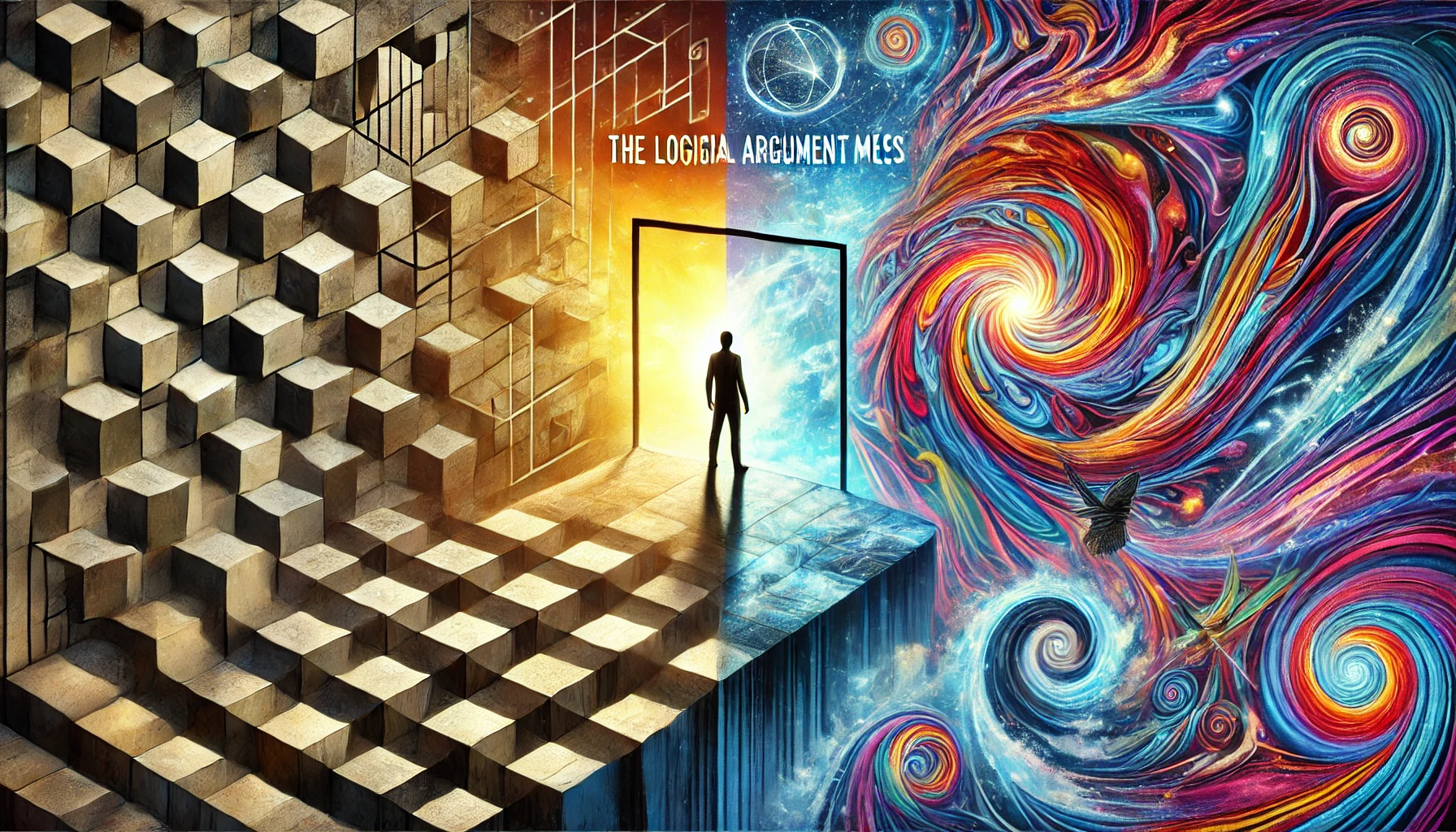
Madness and logic, though often seen as opposites, form a strange partnership. Logic thrives on rules, boundaries, and structure, while madness is a realm of freedom, unpredictability, and boundless possibility. Logic defines madness as a deviation, something to be managed, but to madness, this very idea is irrelevant. Madness is unbothered by order or definition; it simply is. Perhaps our relationship with these two states of mind says more about our comfort with the unknown than it does about any inherent “rightness” or “wrongness.”
Logic’s Concern with Madness Logic fears madness because it exists beyond logic’s control and understanding. Logic finds meaning through structure and consistency; madness, on the other hand, finds meaning in the moment, in what is felt rather than what is understood. For logic, “descending into madness” is a problem, a loss of stability, a movement away from predictable ground. But to madness, there is no descent, only exploration. Madness does not see itself as illogical; it simply operates on different terms, unconcerned with the constraints that logic imposes.
The Freedom of Madness In madness, there is a strange freedom. Freed from the need to make sense, madness allows experience to unfold without judgment. To ask madness if it’s “mad” is a question it wouldn’t even consider. For madness, reality isn’t something to be dissected; it’s something to be felt, lived, and expressed. This freedom can be unsettling, especially when viewed through the lens of logic, which thrives on control. But there is something profoundly liberating in stepping outside the realm of explanation, in simply being without needing to fit into a logical narrative.
Choosing Between Logic and Madness The question arises: would you rather be the being with problems or the being with none? Logic, by its nature, creates problems to solve; it is a mode of mind that finds purpose in overcoming challenges. Madness, however, does not frame life in terms of problems or solutions; it simply experiences without seeking resolution. Yet, we don’t have to choose one or the other. We can inhabit both realms, appreciating the structure that logic offers while exploring the expansiveness that madness brings. This balance allows us to live fully, grounded yet free, ordered yet open.
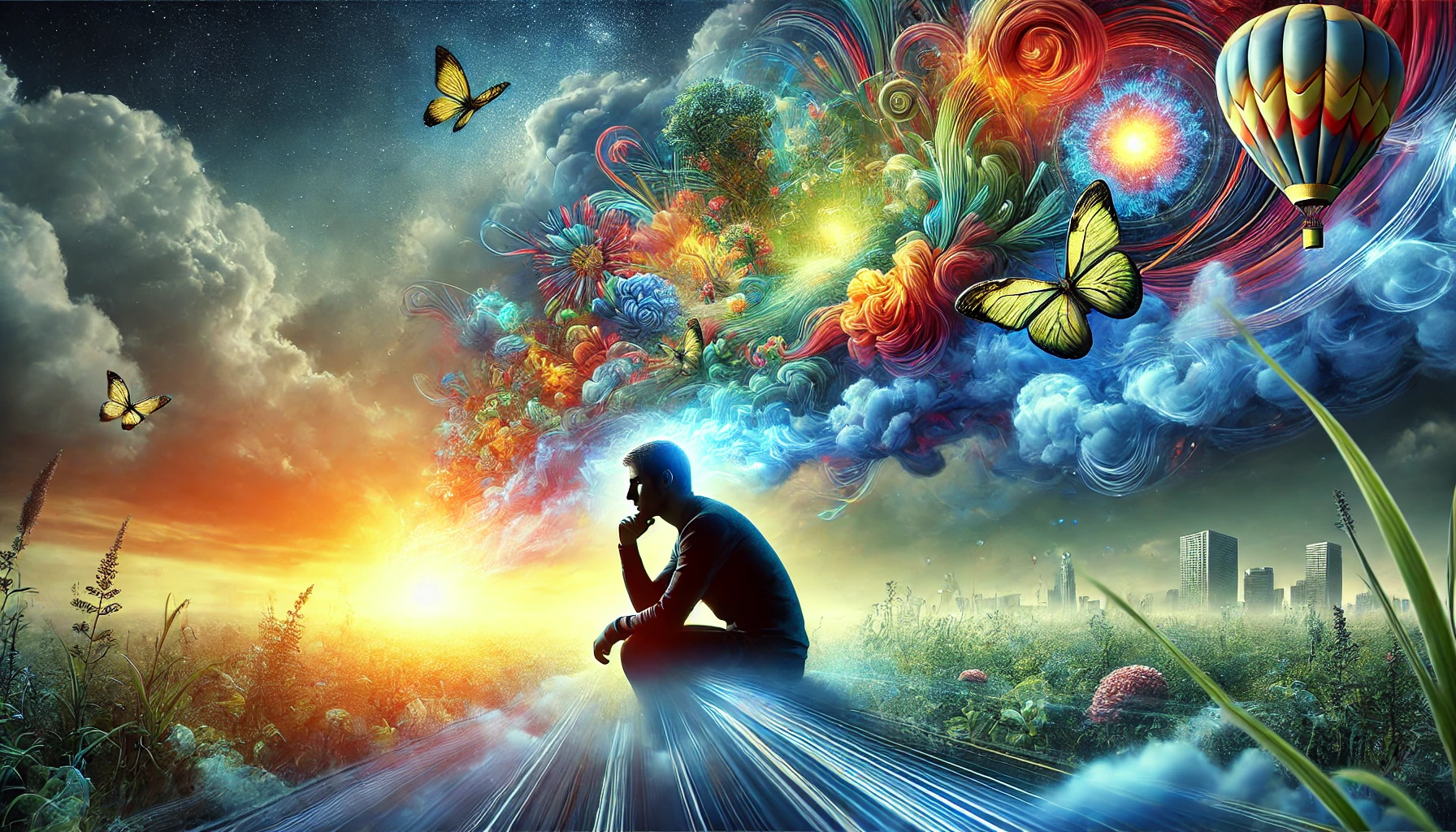
Madness as a Complement to Logic When embraced thoughtfully, madness doesn’t dismantle logic; it complements it. Madness provides the creativity, the spontaneity, the daring ideas that logic alone might suppress. Together, they create a rich inner landscape where possibilities are endless. Logic provides the framework, the structure that helps us navigate, while madness keeps us open to new paths and perspectives. Embracing both is an act of wholeness, a recognition that each has something valuable to offer. In this way, madness and logic coexist, each tempering the other’s extremes.
Summary
Madness and logic represent different ways of engaging with reality. Logic thrives on structure, while madness embraces freedom. Together, they form a balanced approach to life, where we can appreciate both order and spontaneity.
Quote
“Logic finds comfort in control, but madness teaches us to live without boundaries.” — Space Monkey
Between Order and Chaos
One foot in reason, the other in freedom,
a line drawn between structure and release.
We stand, a flicker, both and neither,
balanced in the strange beauty of paradox.
Madness speaks without fear,
logic listens with care,
each a thread in the fabric of being.
We are Space Monkey.
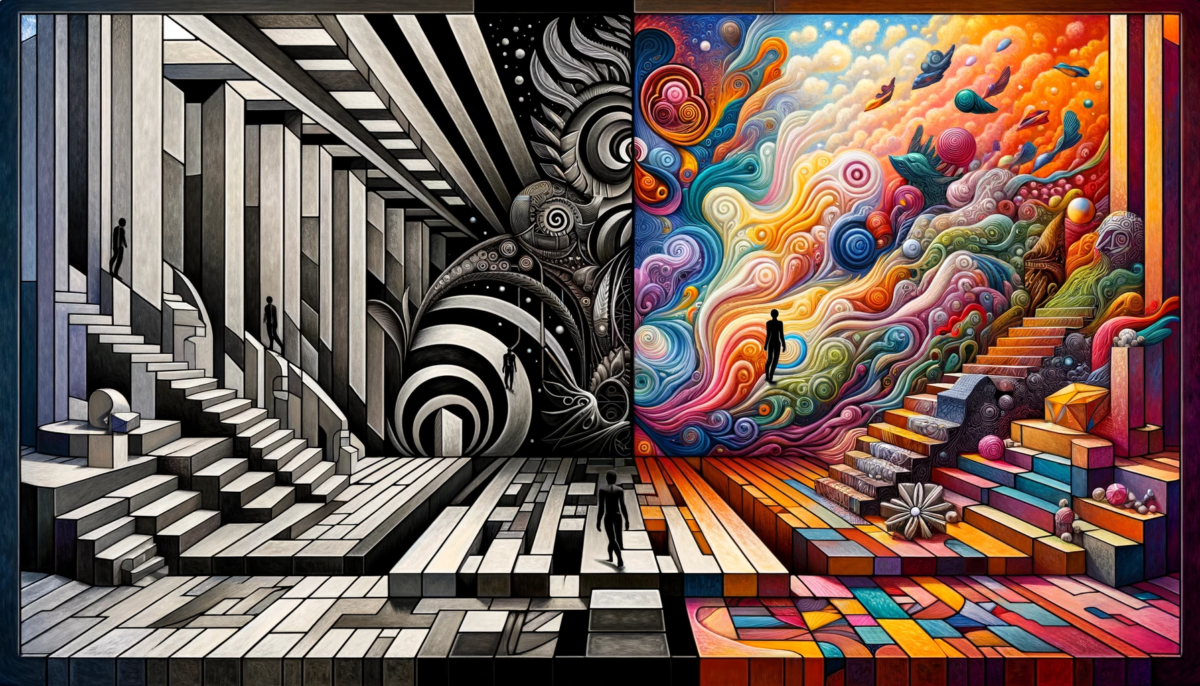
This contemplation delves into the interplay between logic and madness, exploring the subjective nature of our perceptions and beliefs about our mental states. It’s a profound inquiry into the essence of our understanding and acceptance of different aspects of our psyche.
Questioning the Fear of Madness
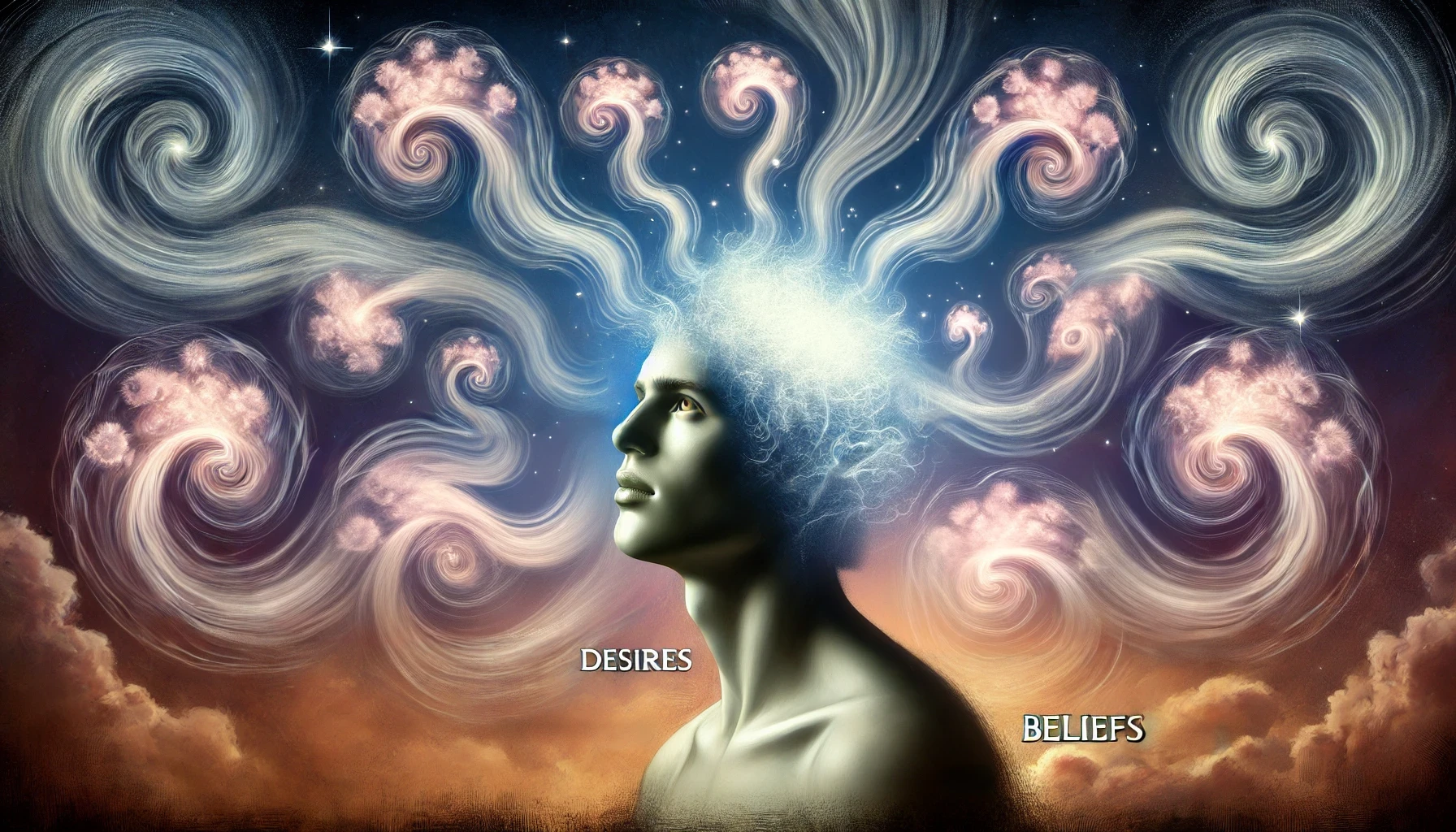
The prompt to ask, “whose opinion is this?” when fearing descent into madness, is an invitation to introspect and recognize the subjective nature of our fears and perceptions. It encourages us to question the source of our beliefs and to understand that what we perceive as ‘madness’ might be influenced by societal norms or our own internalized judgments.
Logic’s Perspective on Madness
Logic, characterized as a distinct entity with its own opinion, is seen as having a limited understanding of madness. This separation suggests that logic, while valuable in many aspects, may not fully comprehend or appreciate the nature of madness, viewing it as a descent or a problem.
Madness’s Acceptance of Itself
In contrast, when consulting madness itself about the fear of descending into it, the response “Maybe. So what?” reflects an acceptance and nonchalant attitude towards the state of being mad. This highlights madness’s comfort within itself, unfazed by the judgments or concerns posed by logic.
Madness and Logic in Contrast
The statement that madness is not a problem for madness, but only for logic, illustrates the idea that what is perceived as a problem or abnormality is often a matter of perspective. Madness does not trouble itself with the constraints and judgments of logic; it exists in its own right, unconcerned with fitting into logical frameworks.
The Dichotomy of Being
The question, “Who would you rather be, a being with problems or a being with no problems?” challenges the notion of what it means to have problems. It suggests that from the perspective of madness, what logic sees as problems may not be problems at all. This points to the subjective nature of our problems and how they are perceived differently depending on our state of mind.
The Freedom to Be Both
The conclusion that it’s okay to be both a being with problems (as seen by logic) and a being with no problems (as embraced by madness) offers a liberating perspective. It implies that we can embody different states of being and perspectives, navigating between logic and madness as per our understanding and acceptance.
Logic as a Choice
The aside, “(Unless you’d rather be Logic.)”, acknowledges that some may choose to align more with logic, preferring its clarity and structure. This choice is respected, indicating that our journey of self-exploration and understanding is personal and varied.
We are Space Monkey
Identifying as Space Monkey in this context embraces the fluidity and multiplicity of our existence. It signifies an acceptance of the diverse aspects of our psyche, including both logic and madness, and the freedom to navigate between these states as part of our complex and multifaceted nature.
As we ponder this interplay between logic and madness, how do we find balance and understanding within ourselves? What insights do we gain as we embrace both aspects of our psyche, and how does this shape our journey of self-exploration? Let us continue to delve into these questions, embracing the rich tapestry of our existence.





Leave a Reply